KitGuru KitGuru.net – Tech News | Hardware News | Hardware Reviews | IOS | Mobile | Gaming | Graphics Cards


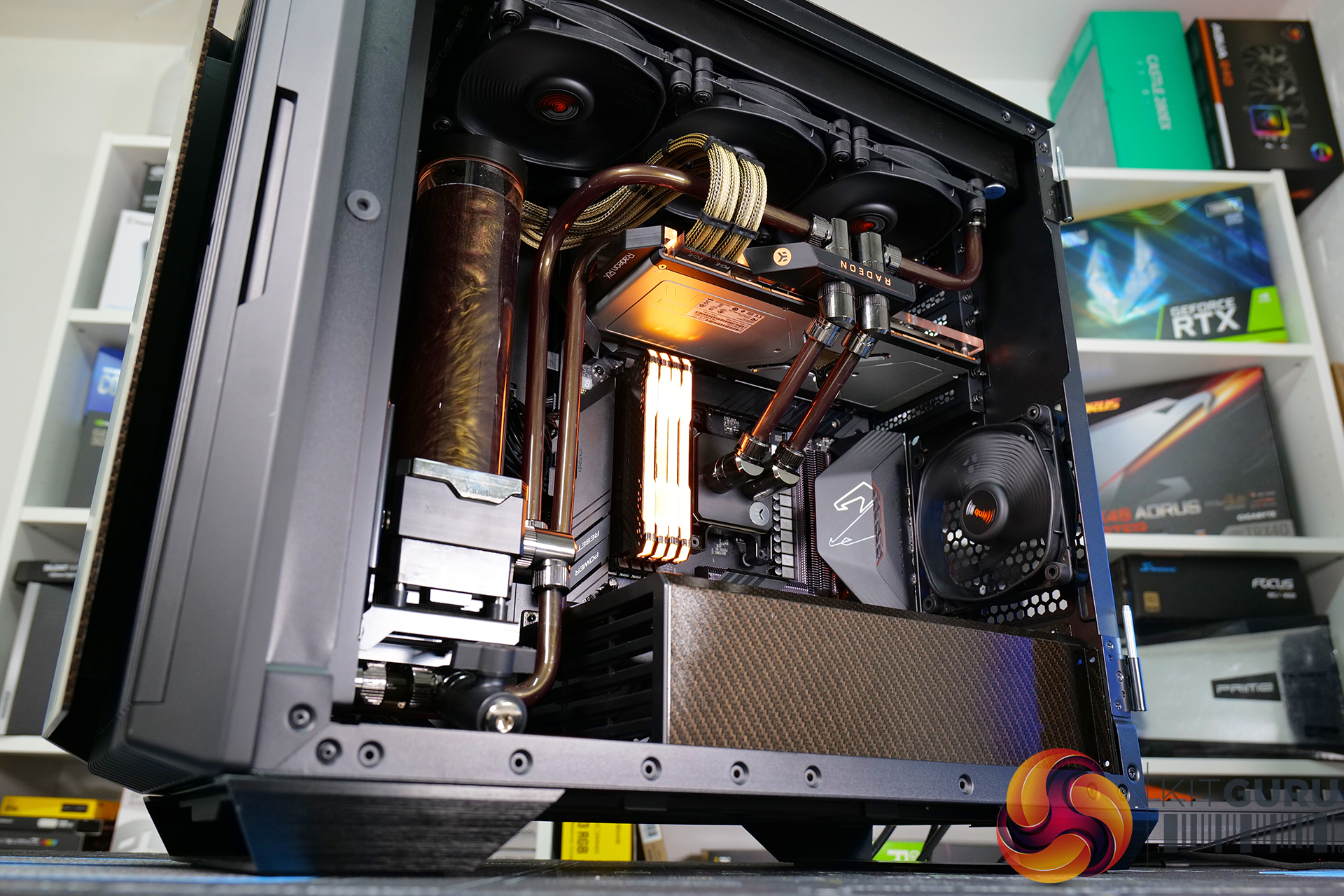
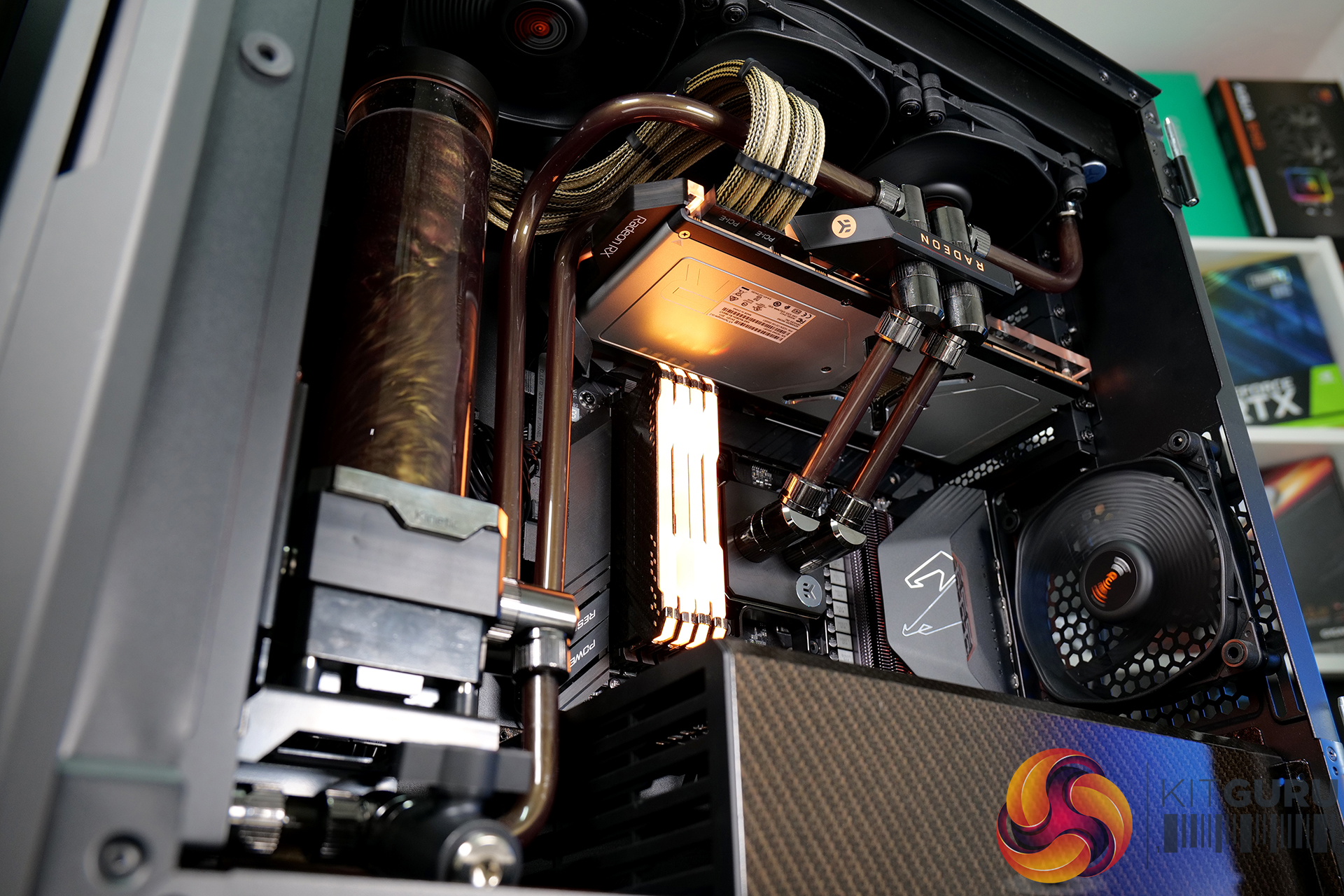
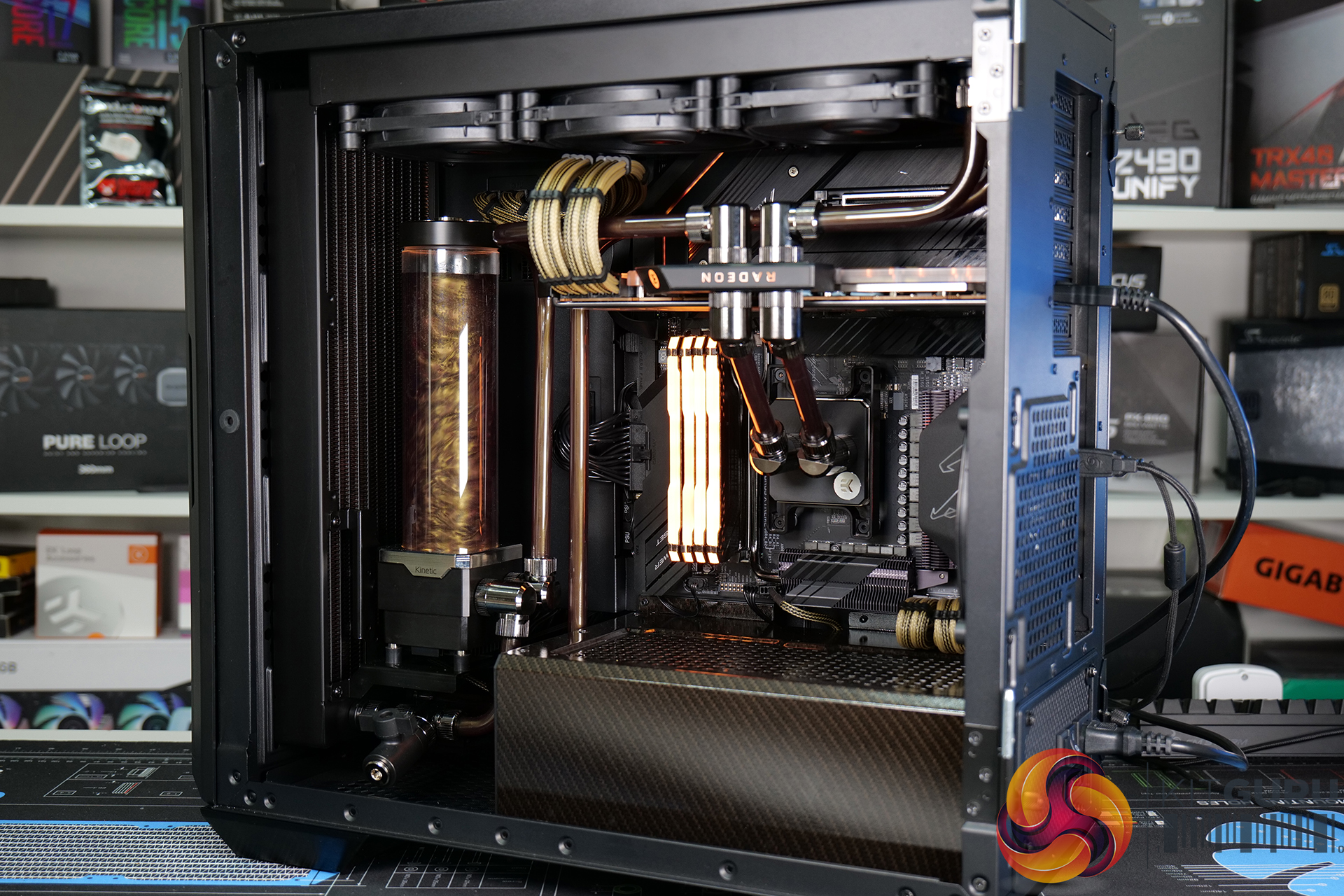
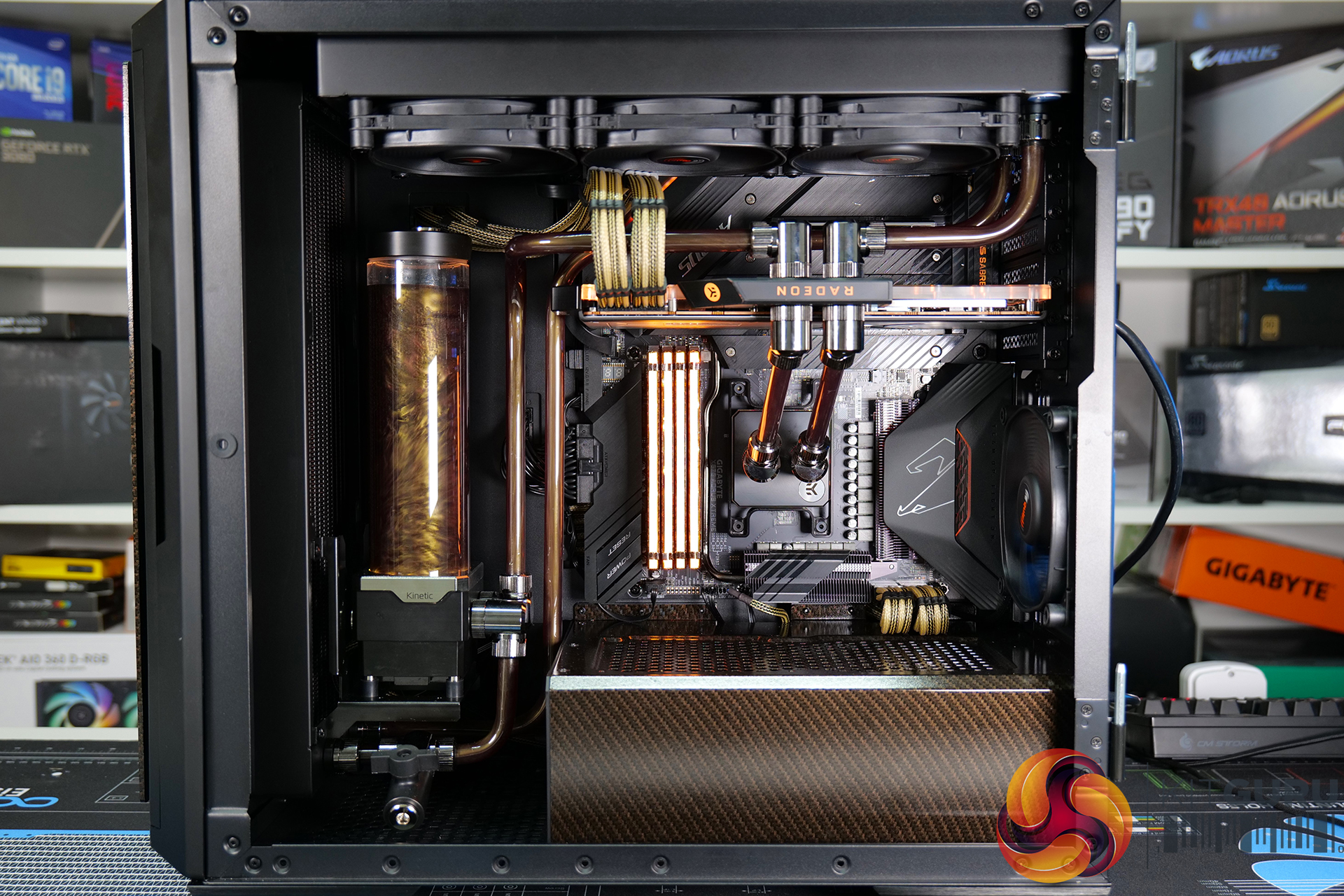
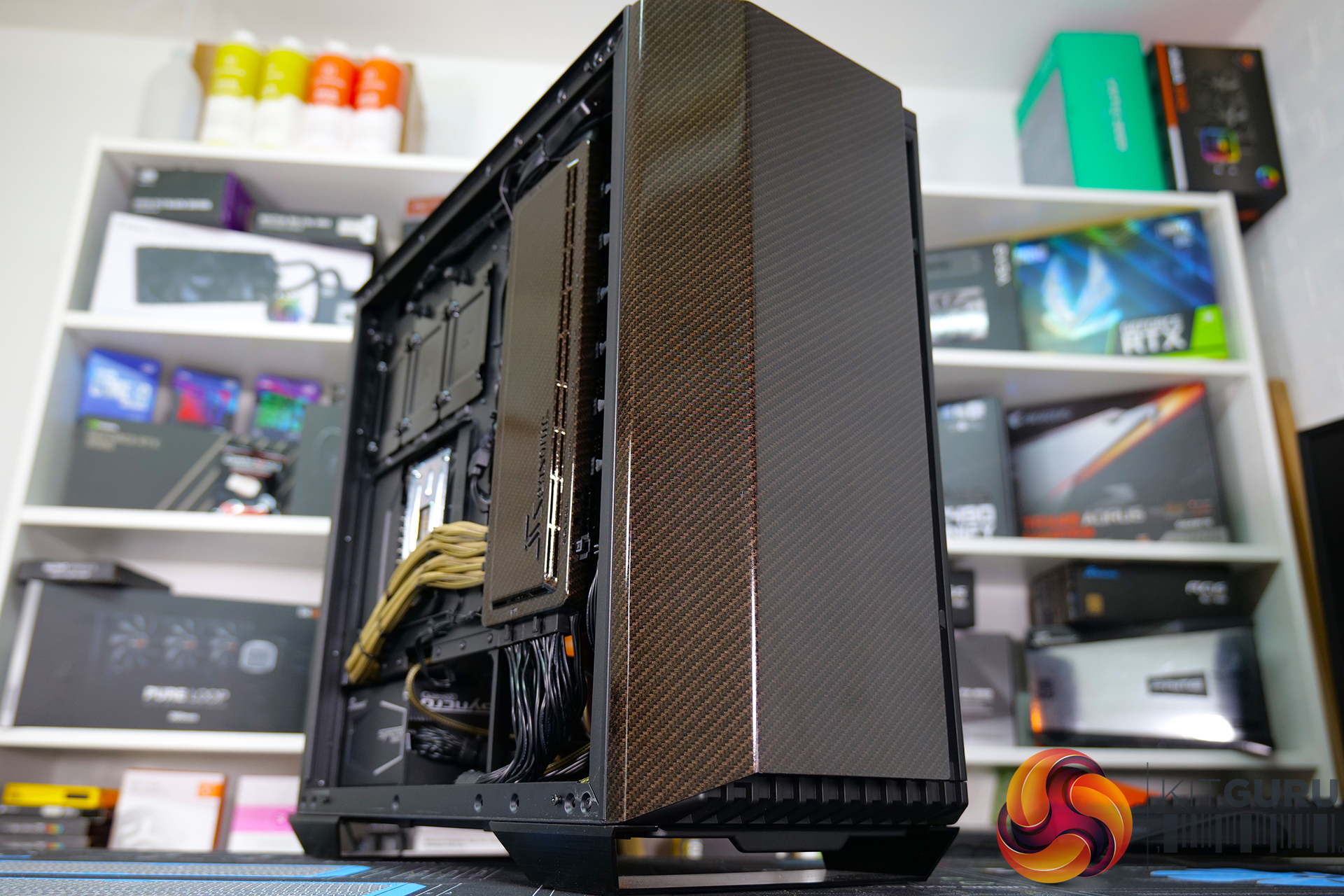
Following on from our earlier video explaining the process of hydro dipping with the Seasonic SYNCRO Q704 case, today we are building a system inside the Q704, themed around the black and gold colour scheme of the hydrographic film used in part one. Custom gold carbon sleeved cables and an exotic hard tube custom cooling system will perfectly complement the high specification, all-AMD build that we have in mind.
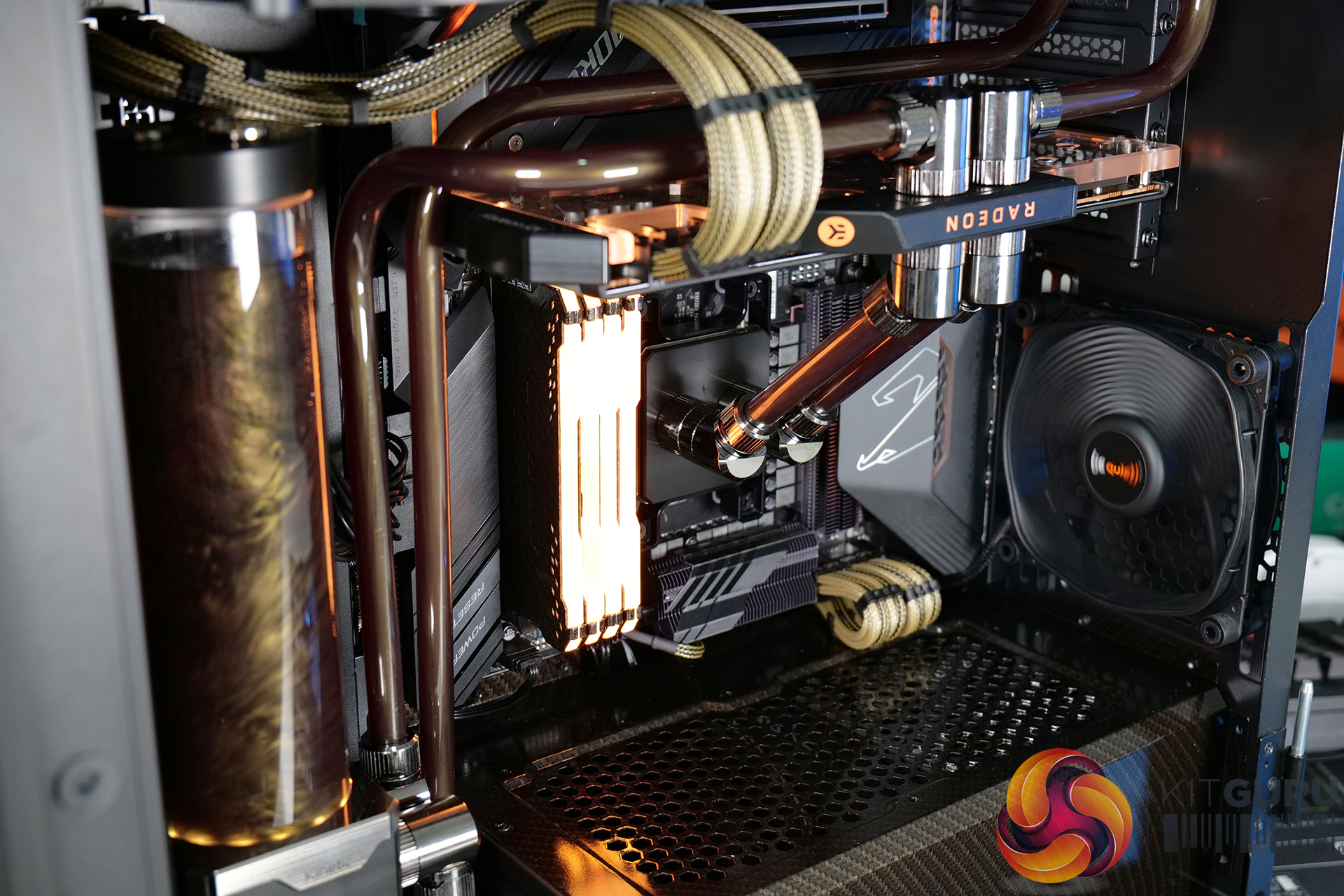
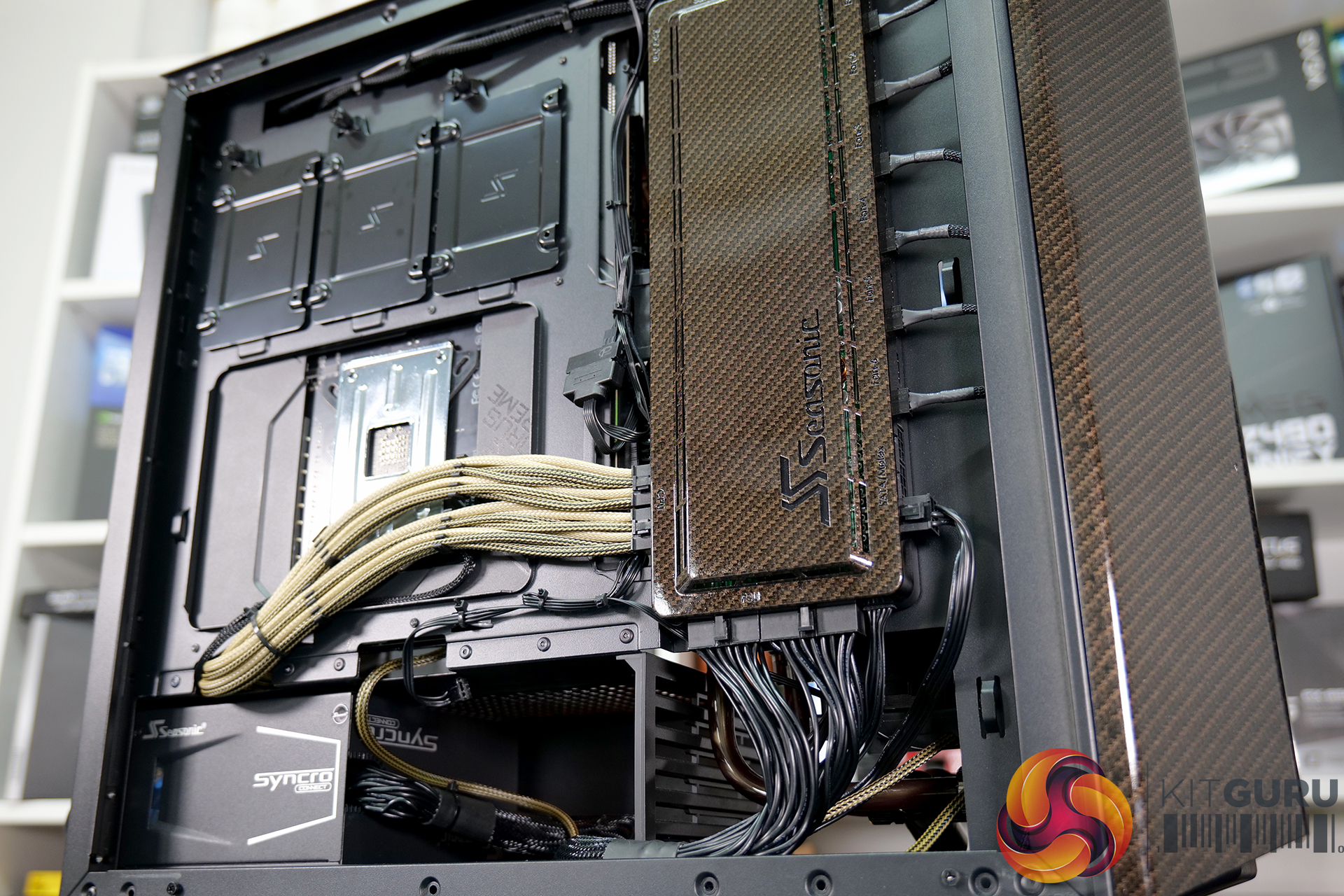
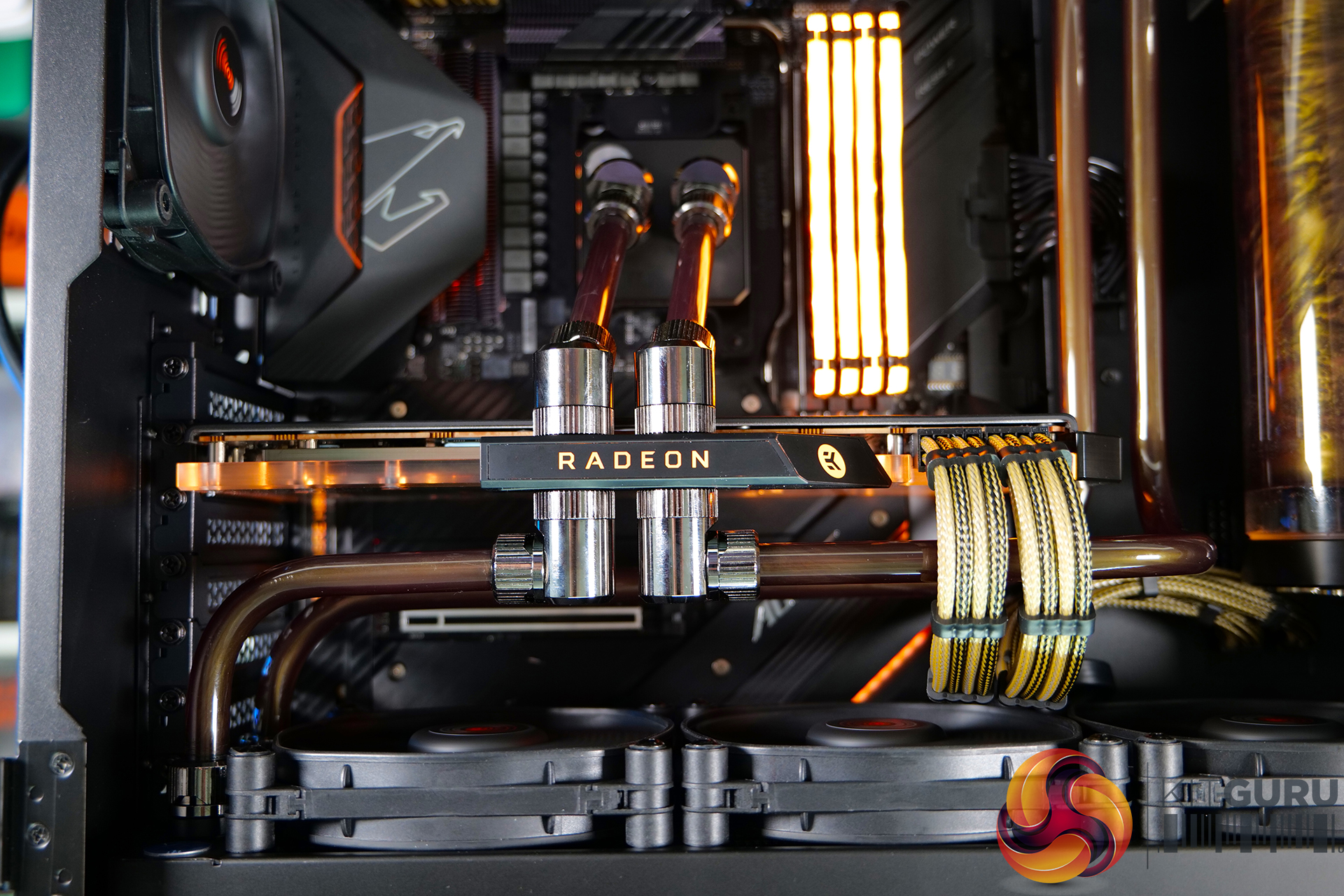
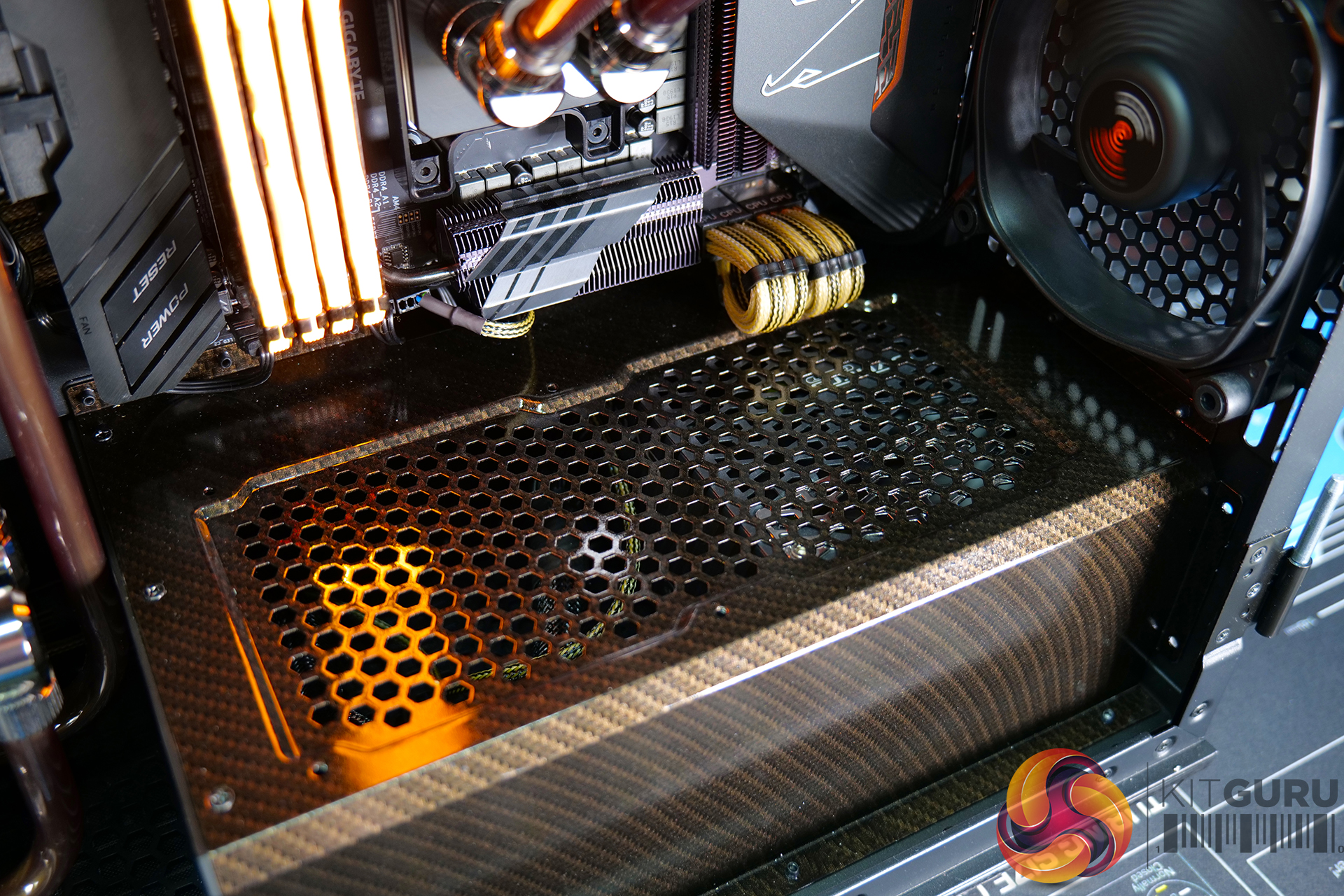
In keeping with the gold carbon fibre hydrographics theme, subtle highlights have been planned for this system including custom sleeved cables and the coolant used in the custom cooling loop. The Seasonic SYNCRO Q704 chassis is equipped with a Seasonic SYNCRO CONNECT DGC-750 power supply and CONNECT Module, to assist system builders with cable management organisation. Shorter stock modular cables than usual are supplied with the Seasonic CONNECT module, making it easier to create our custom cables.
The orientation of the 24-pin cable connection on the CONNECT Module doesn’t work well using the “out-of-the-box” cable with our choice of motherboard, so a new custom length cable is made. We were able to re-purpose the stock PCIe and EPS power cables as the length is ideal. To make the stock cables suit our system theme, each wire was individually removed from the connector housing, sleeved with MDPC-X Gold Carbon and Liquid Gold PET sleeving then re-assembled. The cables look great and this method saved a huge amount of time compared with making custom cables from scratch.
System Specification:
- CPU: AMD Ryzen 9 5900X
- Motherboard: Gigabyte X570 Aorus Xtreme
- Memory: 16GB (2 x 8GB modules + 2 x Dummy modules) Corsair Vengeance RGB DDR4-3600
- Graphics Card: AMD Radeon RX 6900 XT reference design
- Storage: 1TB XPG Gammix S50 Lite PCIe Gen4x4 M.2 SSD
- Case: Seasonic SYNCRO Q704
- Power Supply: Seasonic SYNCRO CONNECT DGC-750 with CONNECT Module
Cooling – Full EKWB Custom CPU and GPU Loop:
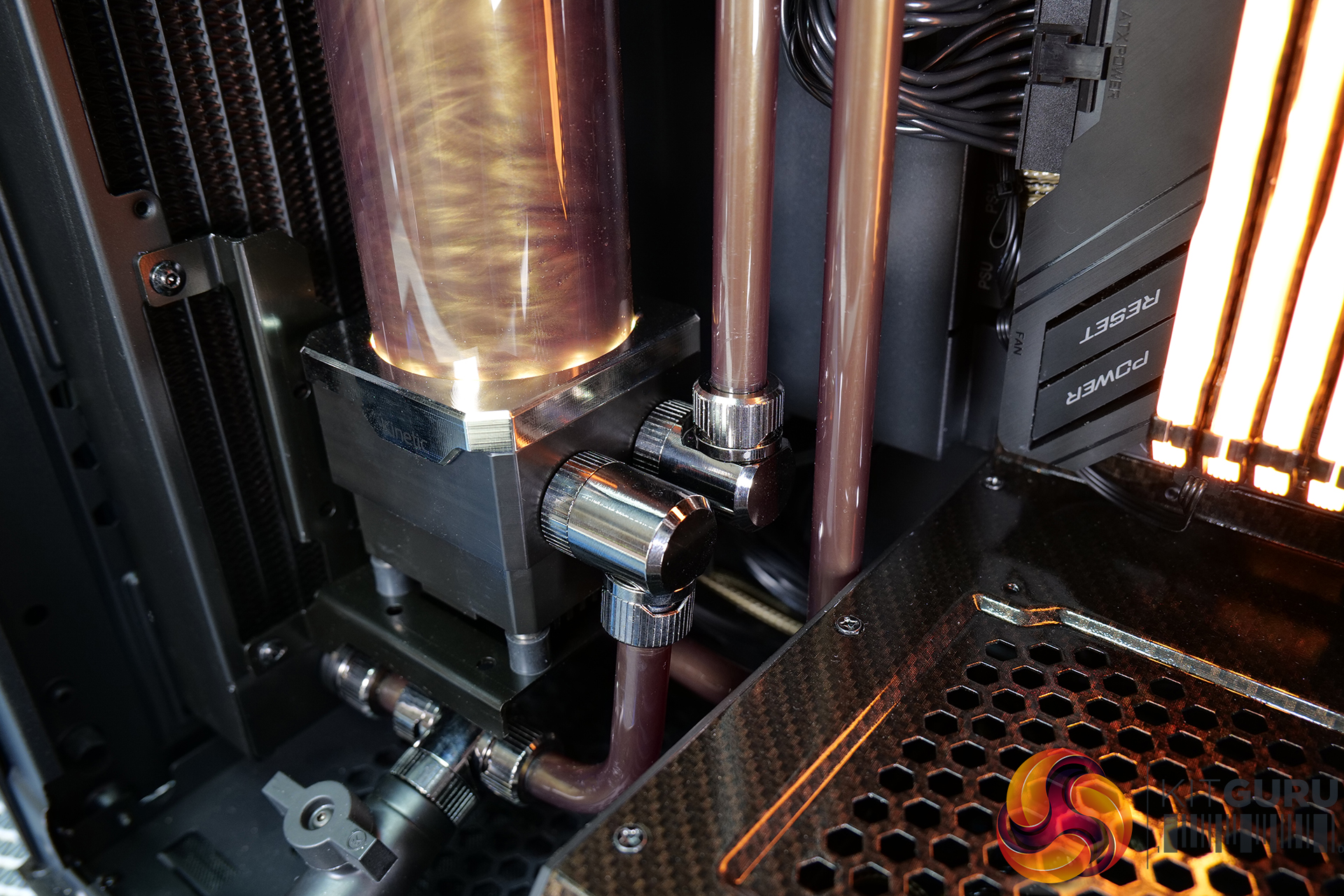
- Pump/res: EK-Quantum Kinetic TBE 120 DDC PWM D-RGB – Acetal with TBE 300 reservoir tube
- CPU Water Block: EK-Quantum Magnitude – AM4 Copper + Acetal
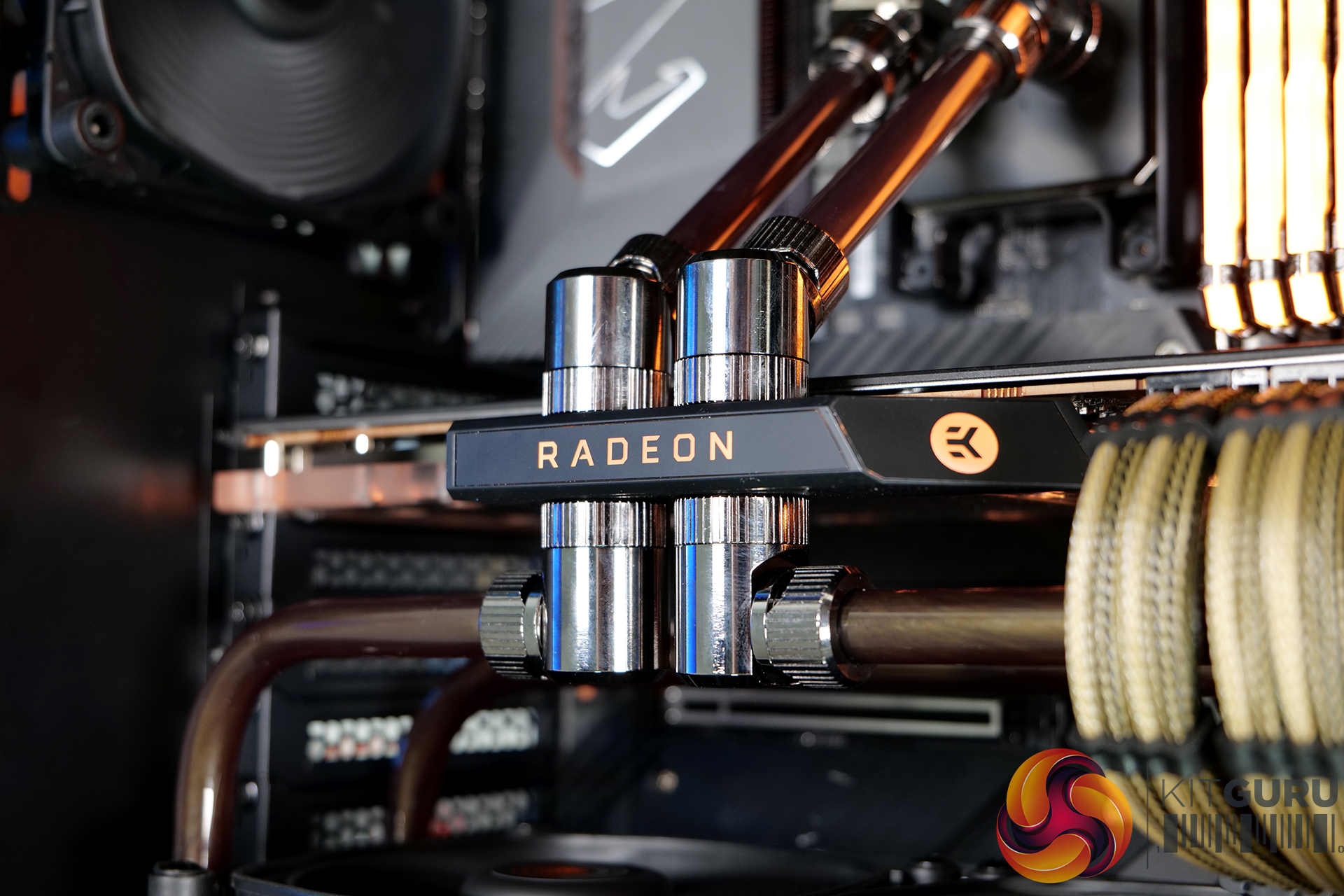
- GPU Water Block: EK-Quantum Vector RX 6800/6900 D-RGB – Nickel + Plexi
- Fittings: EK-Quantum Torque HDC 12 – Black Nickel
- Tubing: EK-HD PETG Tube 10/12mm
- System Fans: 7 x be quiet! Silent Wings 3 High Speed
- Coolant: One-off mix of Mayhems Aurora Black Gold
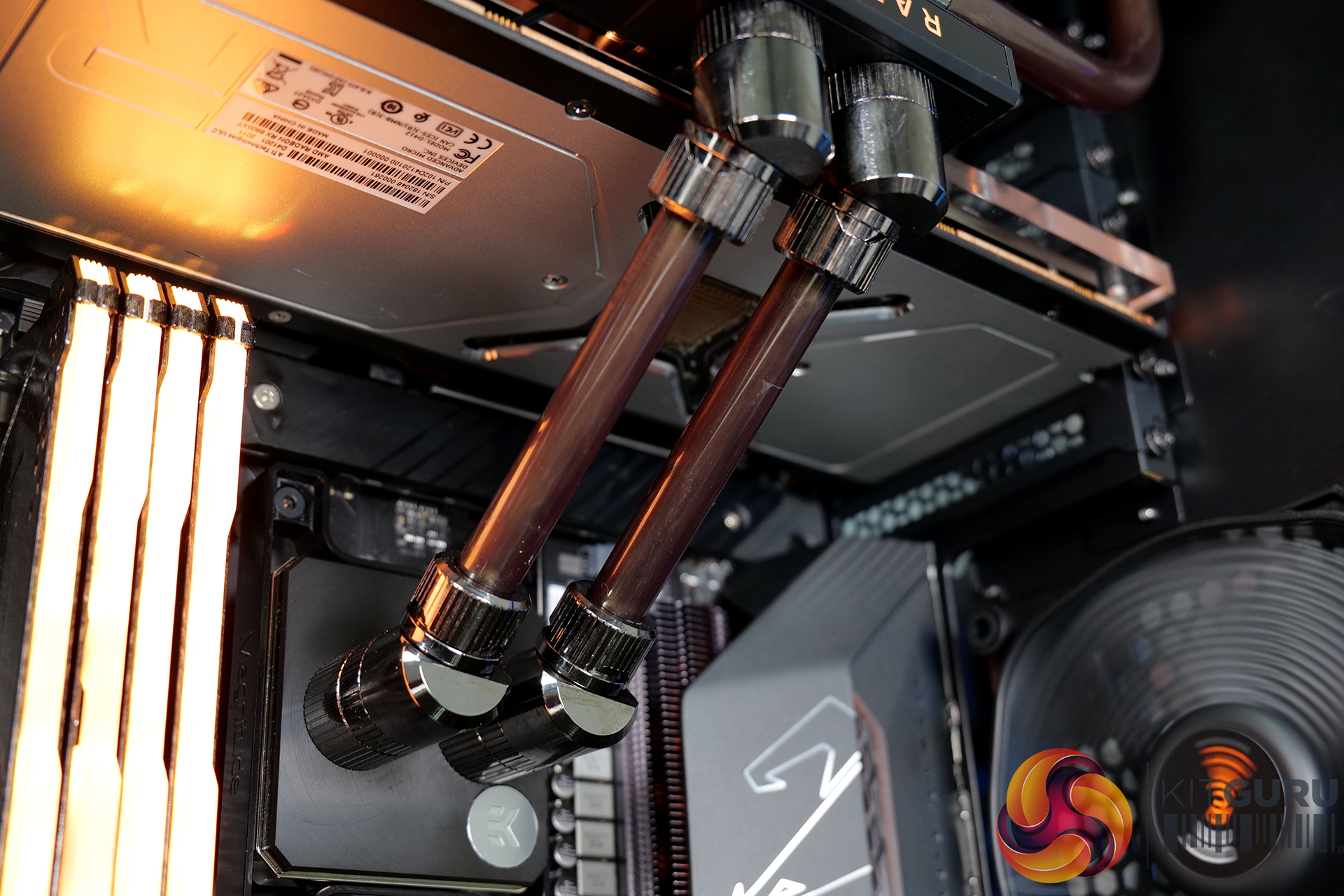
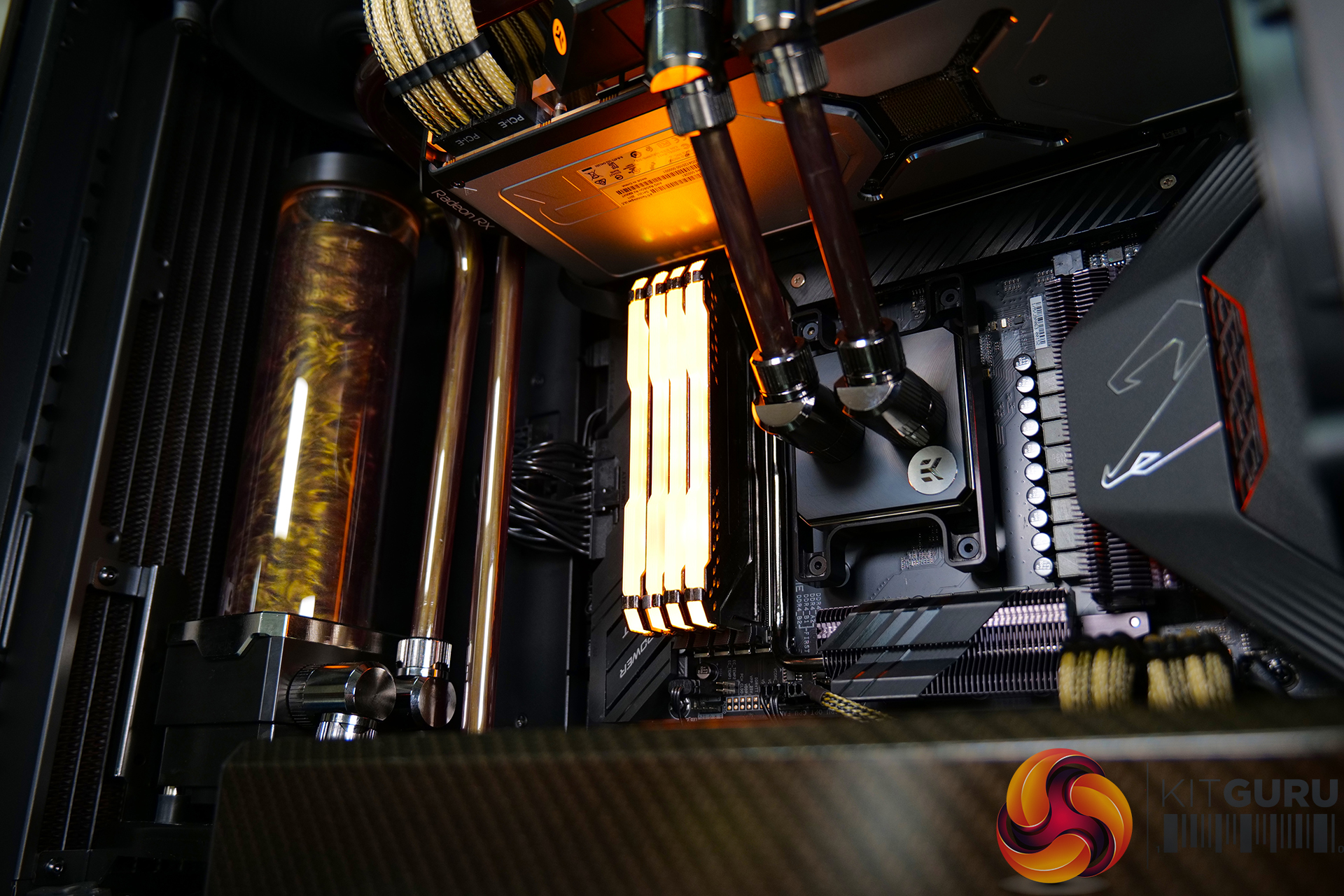
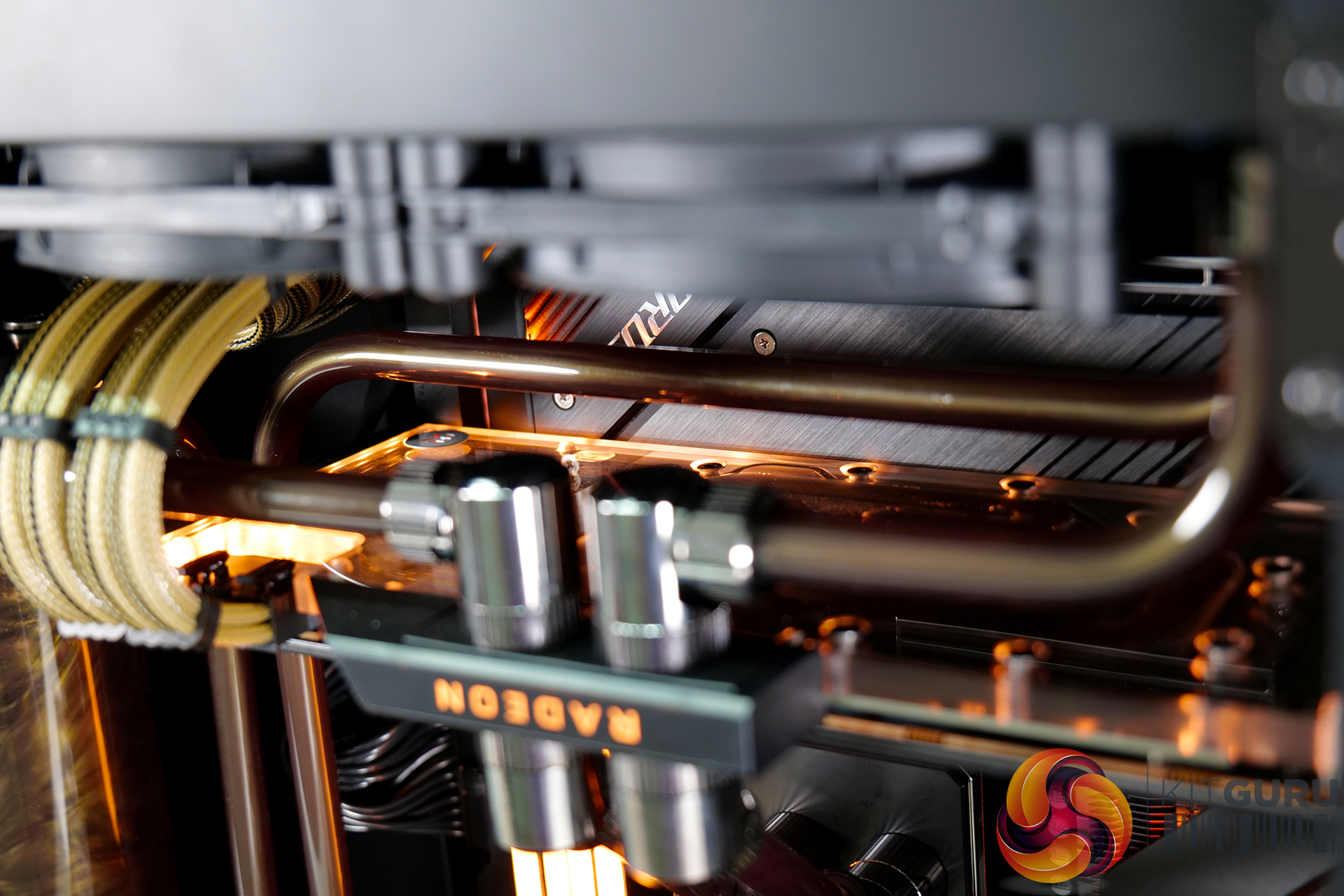
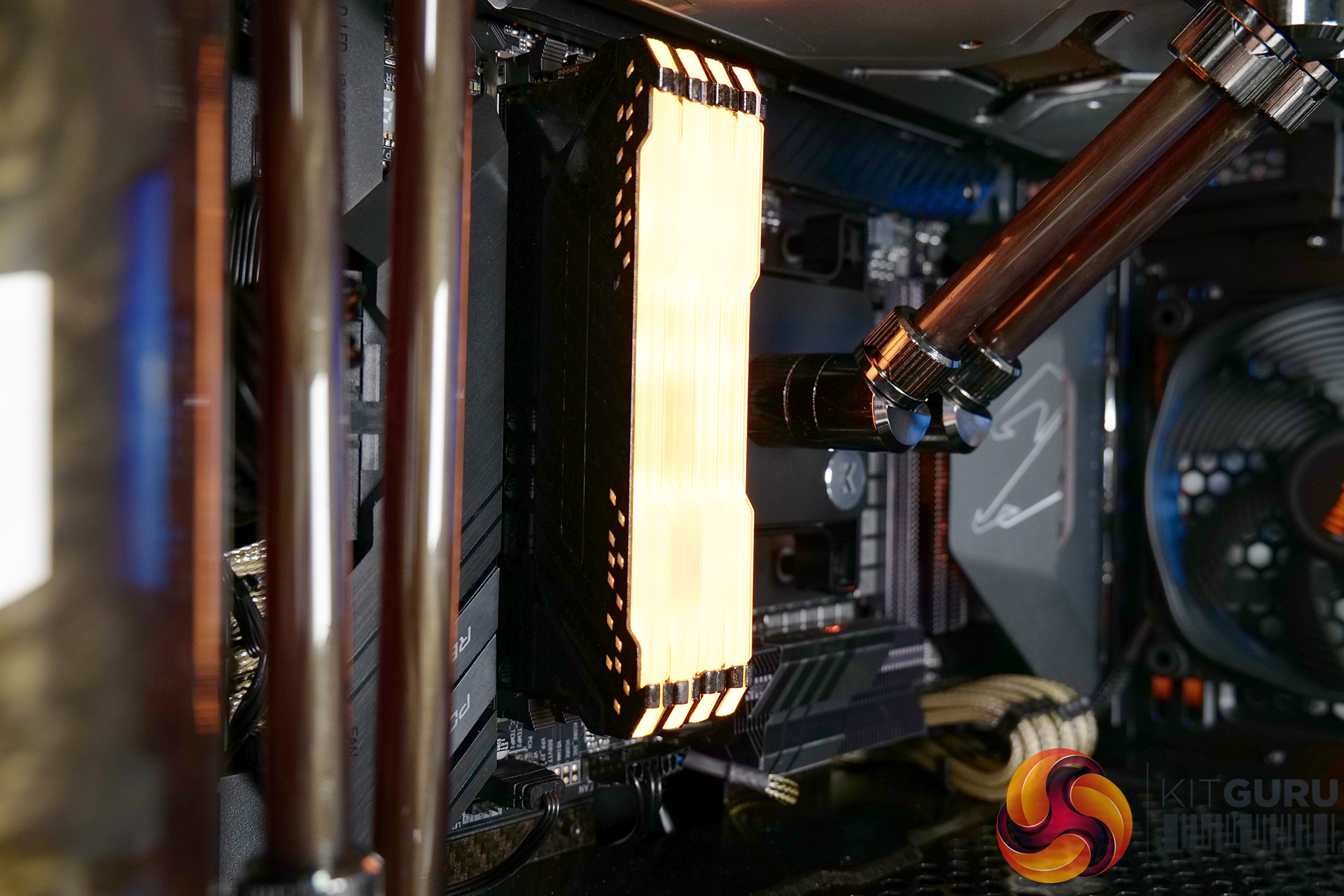
A high specification system such as this requires advanced cooling. An EKWB full custom cooling loop was built to cool both the CPU and GPU, using a full cover EK-Quantum Vector RX 6800/6900 D-RGB block for the graphics card and an EK Magnitude – AM4 Copper + Acetal block for the CPU. Mayhems mixed us a one-off bottle of their end-of-life Aurora Hydra Black Gold coolant for this project; the fluid was only used for a short time, then drained and flushed from the system, but it looked great for the video.
Overall, the build went well, the final appearance turned out exactly how we had hoped it would. The dark gold carbon look is very stealthy, while the gold sleeved cables and gold looking RGB lighting added some bright highlights which complemented each other very well. The outside of the case also has a custom look with the gold carbon hydro dipping that we did in the previous video. We are very happy with how the system looks, but what do you guys think?
Discuss on our Facebook page HERE.
KitGuru says: The Seasonic SYNCRO Q704 case is well equipped for building a custom system, and we are very happy with how everything turned out. Let us know your thoughts in the comments below!