KitGuru KitGuru.net – Tech News | Hardware News | Hardware Reviews | IOS | Mobile | Gaming | Graphics Cards


Earlier this week, sources claimed that the cancelled RTX 4080 12GB SKU would return as the RTX 4070 Ti in early 2023. Now, an updated report gives us a date. Apparently, we can expect the new graphics card to launch at CES 2023, with availability also planned for January.
According to Wccftech, the new card will be announced in January, more specifically on the 3rd. That suggests Nvidia will probably talk about the upcoming GPU during its CES 2023 keynote. However, since the company hasn't officially confirmed its presentation, there's still a chance that the announcement day will be moved. According to the report, the RTX 4070 Ti will become available just a couple of days after its announcement.
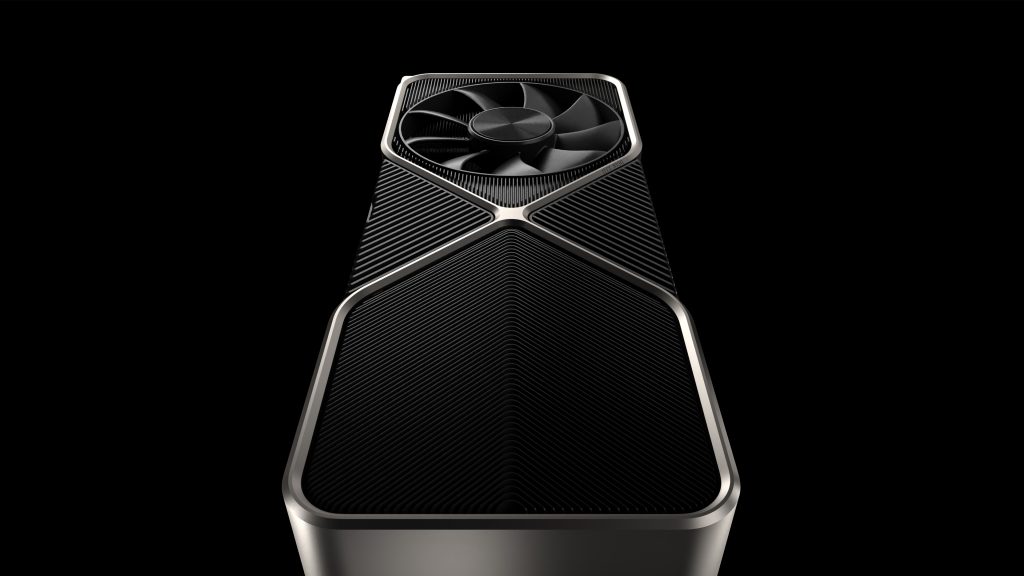
Assuming the RTX 4070 Ti will come with the same specs as the RTX 4080 12GB, it will feature the full AD104 GPU with 7680 CUDA cores that can boost up to 2.6GHz. The memory subsystem will consist of 12GB of GDDR6X memory clocked at 21Gbps across a 192-bit memory bus for a total bandwidth of 504GB/s. The TDP would be set at 285W.
The pricing of the 12GB RTX 4080 was supposed to be set at $899, but we do not currently know if Nvidia plans to keep that price tag for the RTX 4070 Ti.
KitGuru says: By the time the RTX 4070 Ti rolls around, the Radeon RX 7900 series graphics cards will have been available for a while. AMD is really gunning for the sub-£1000 price bracket with its new GPUs, so it will be interesting to see if that has an effect on pricing when the RTX 4070 Ti gets announced.