KitGuru KitGuru.net – Tech News | Hardware News | Hardware Reviews | IOS | Mobile | Gaming | Graphics Cards


AMD’s Ryzen 5000 series of processors took the market by storm when they launched in late 2020. But a lot changes in almost one-and-a-half years, and in that time, Intel has regained the gaming performance crown with its highly-competitive 12th Gen Alder Lake chips. Adamant not to be outdone, AMD is striking back to prove that it too has a market-leading gaming option for users. Introducing the Ryzen 7 5800X3D.
Timestamps
00:00 Start
01:08 Introduction – what is the 5800X3D?
03:26 So who’s it for?
05:12 Test setup and comparisons
06:49 Clock speed analysis
07:47 Productivity benchmarks
08:55 Gaming benchmarks – 1080p
10:46 Gaming benchmarks – 1440p
12:27 Power and thermals
14:03 Closing thoughts – what does Luke reckon?
‘What’s new with the Ryzen 7 5800X3D?’, you ask. Well, the innovation comes in the deployment of AMD’s new 3D V-Cache technology. Effectively, AMD trebles the L3 cache of a Ryzen 7 5800X processor and calls it a Ryzen 7 5800X3D.
Eight high-performance cores and a copious 96 Megabytes of L3 cache. Has AMD worked its way back to the top of the gaming performance charts with this $449 USD or £410 chip? Let’s take a closer look.
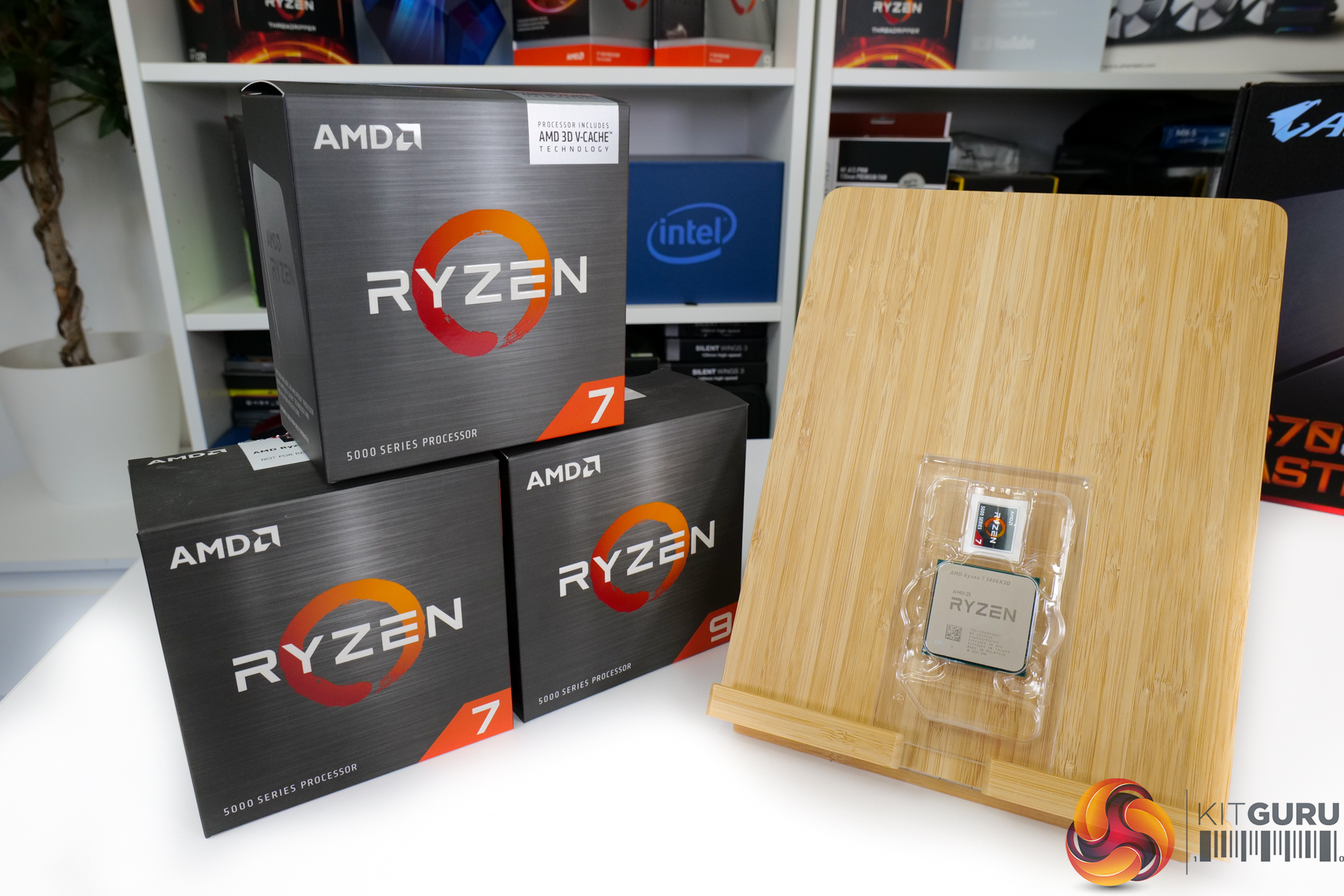
Let’s start out by making it perfectly clear that this chip is basically the Ryzen 7 5800X with a slab of 3D Vertical Cache added on.
It’s the same 8 cores and 16 threads of Zen 3. The same 81mm2 chiplet built on the 7nm TSMC manufacturing node. The same AM4 platform with DDR4 memory and 24 PCIe Gen 4 lanes. The same 4MB of L2 and 32MB of L3 cache built into the CCD.
The difference is – crucially – that 64MB slab of stacked AMD 3D V-Cache.
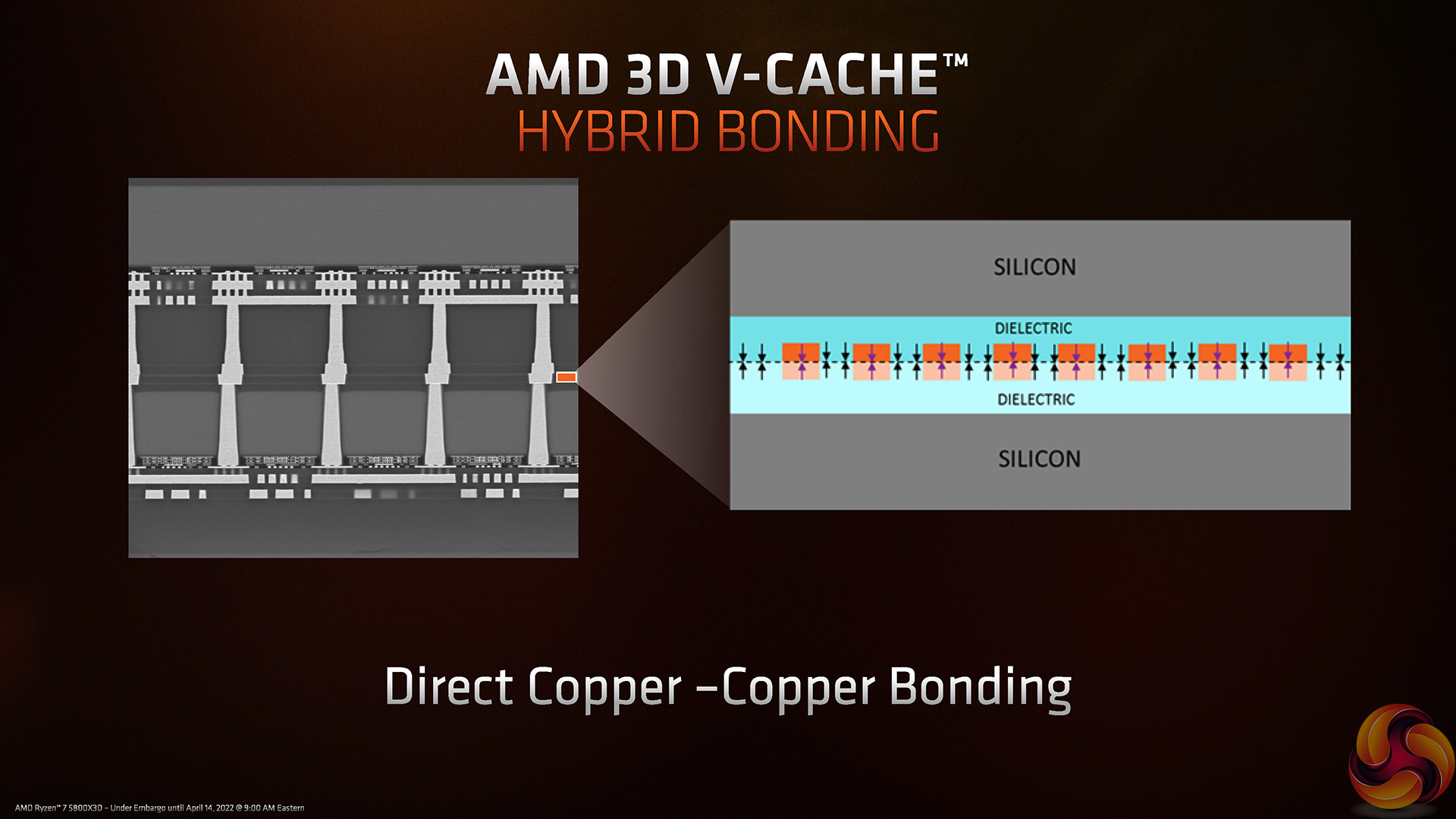
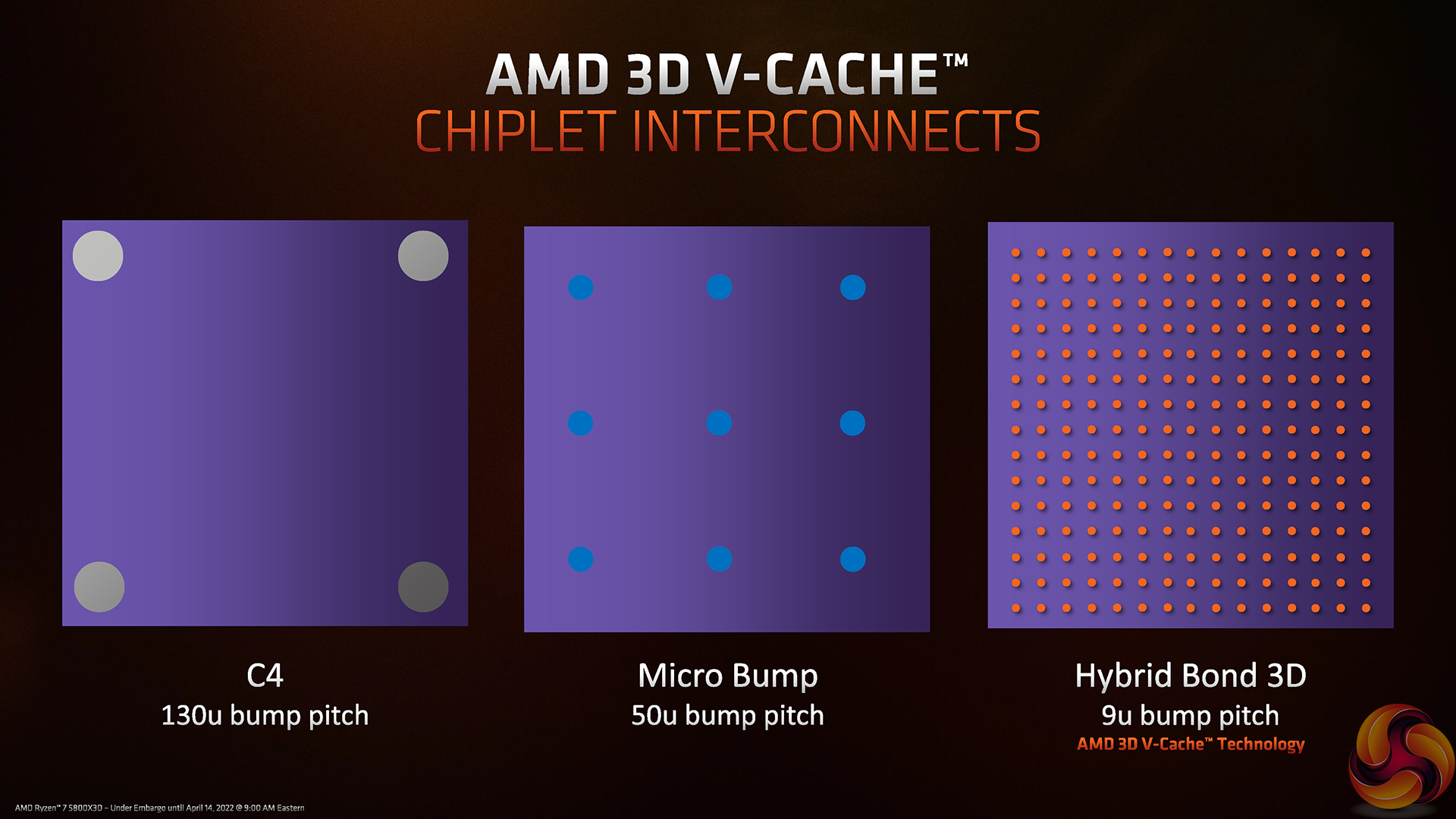
So, what is AMD 3D V-Cache?
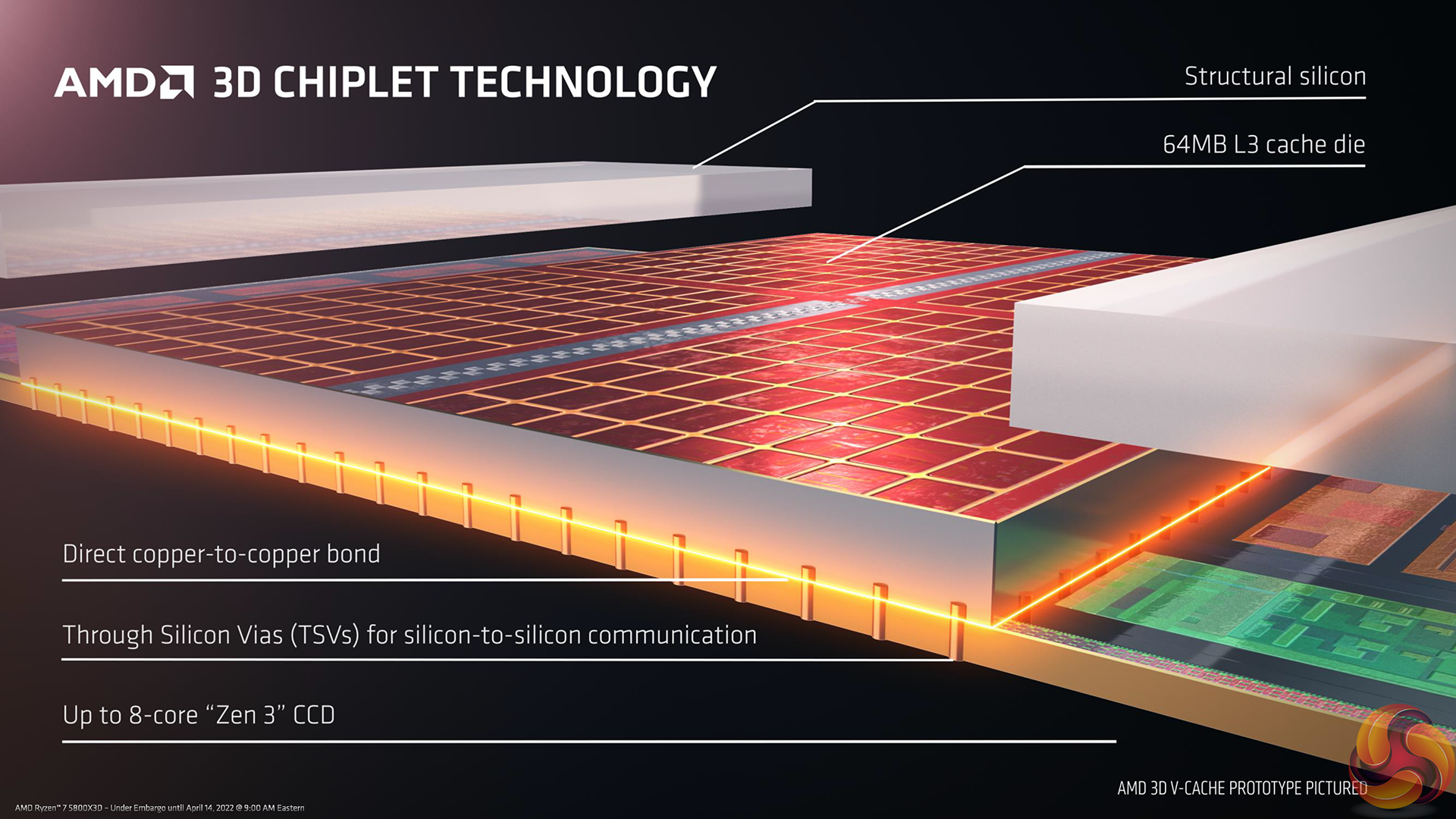
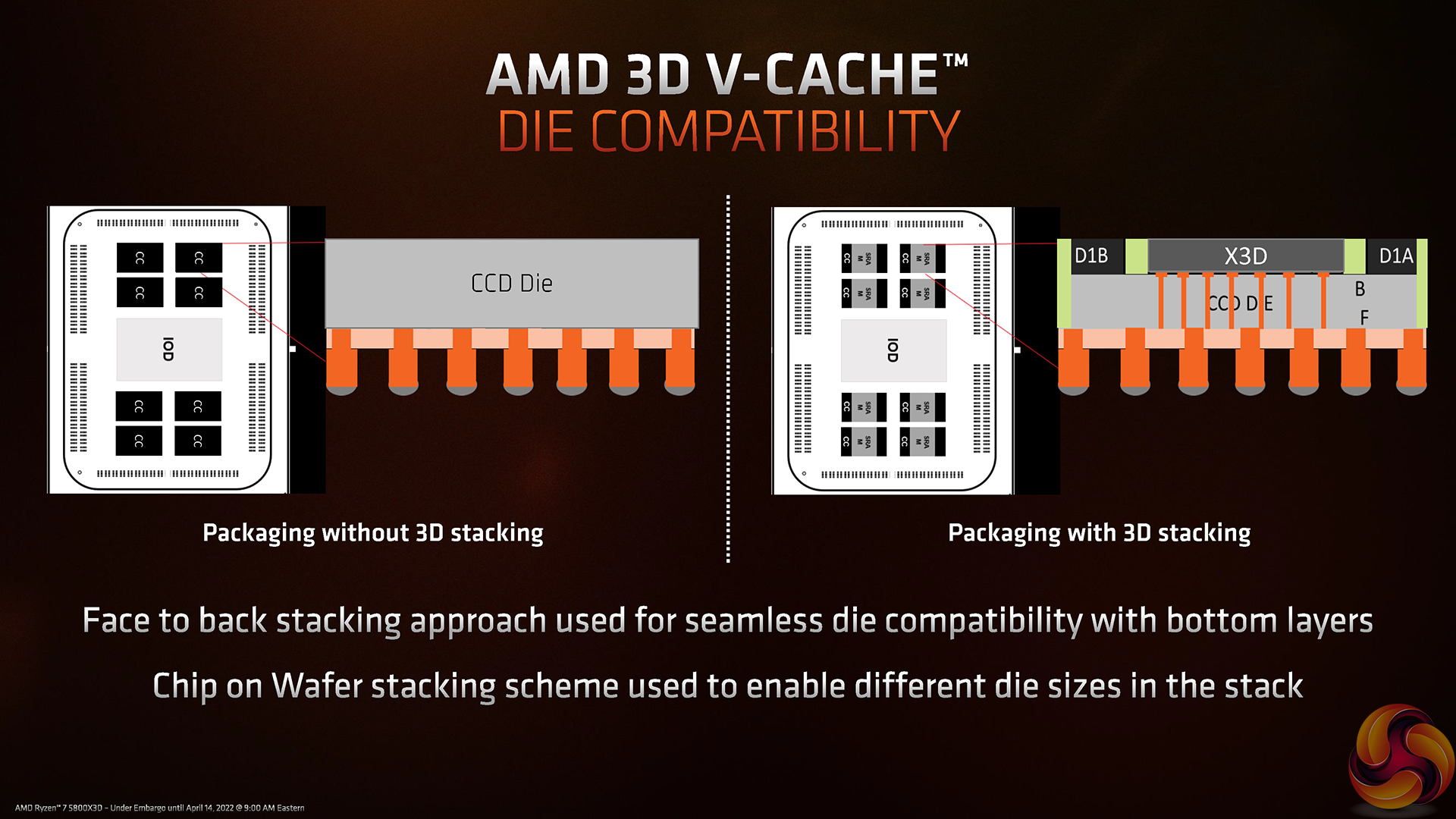
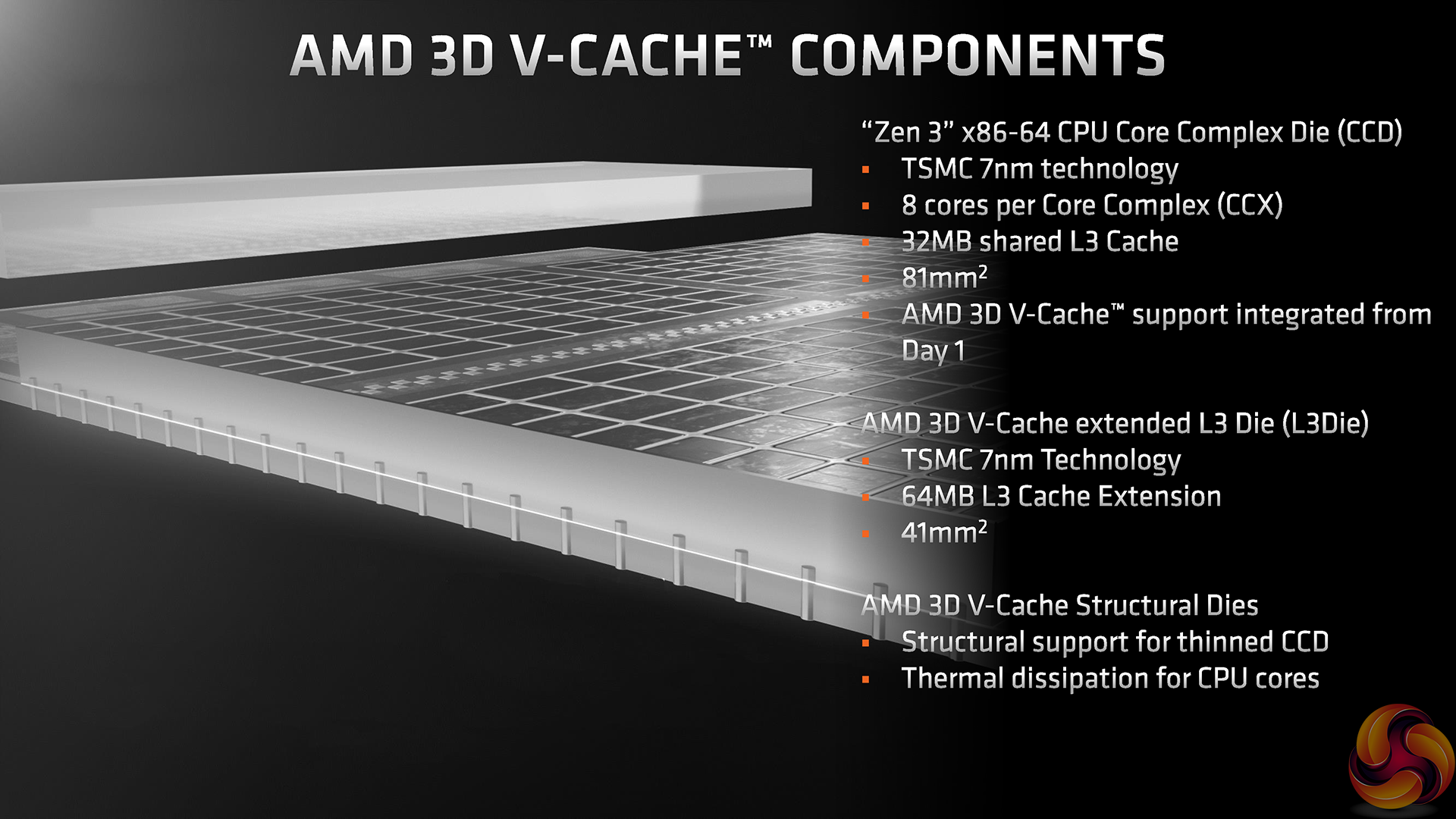
Well, instead of redesigning the underlying Zen 3 chiplets to feature a higher capacity of cache, AMD decided to deploy a 64MB slice of L3 on its own 41mm2 TSMC 7nm-manufactured die and stack it above the CPU chiplet.
The L3 cache die uses direct copper-to-copper bonding and high-density Through Silicon Vias (TSVs) for connection.
This means that the added 64MB can combine with the already-present 32MB of L3 cache on an 8-core Zen 3 CCD to appear as 96MB seamlessly to the OS. The 64MB stacked L3 die’s cache also runs at the same clock speed as the CCD-based sibling, so significant performance drop-offs are not anticipated, other than a slight pinch of added latency.
Oh, and let’s not forget about the structural silicon that is added atop the CCD for mechanical integrity of the actual chip package, as well as cooling proficiencies.
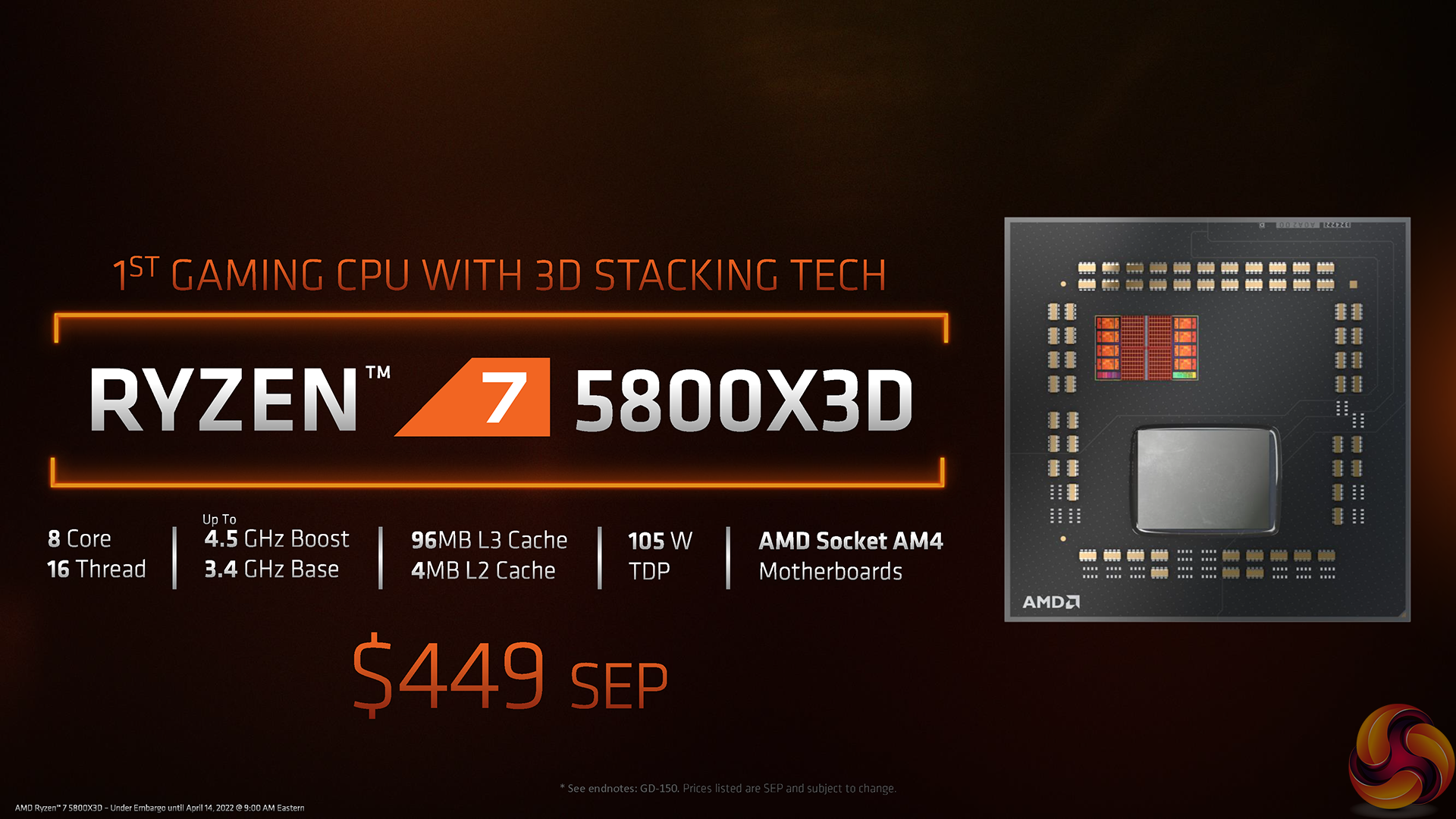
The new chip does, however, come with slightly lesser clock speeds as there are some voltage operating limitations induced by the 3D V-Cache.
Now, AMD quotes 3.4GHz base and 4.5GHz boost for the 5800X3D versus 3.8GHz and 4.7GHz for the 5800X.
Critically, there’s also no overclocking support. That’ll be an irritation to tinkerers who love messing with the BIOS. Though the 105W TDP for an eight-core chip should give ample out-of-the-box power headroom for Precision Boost 2 to work its clock speed magic.
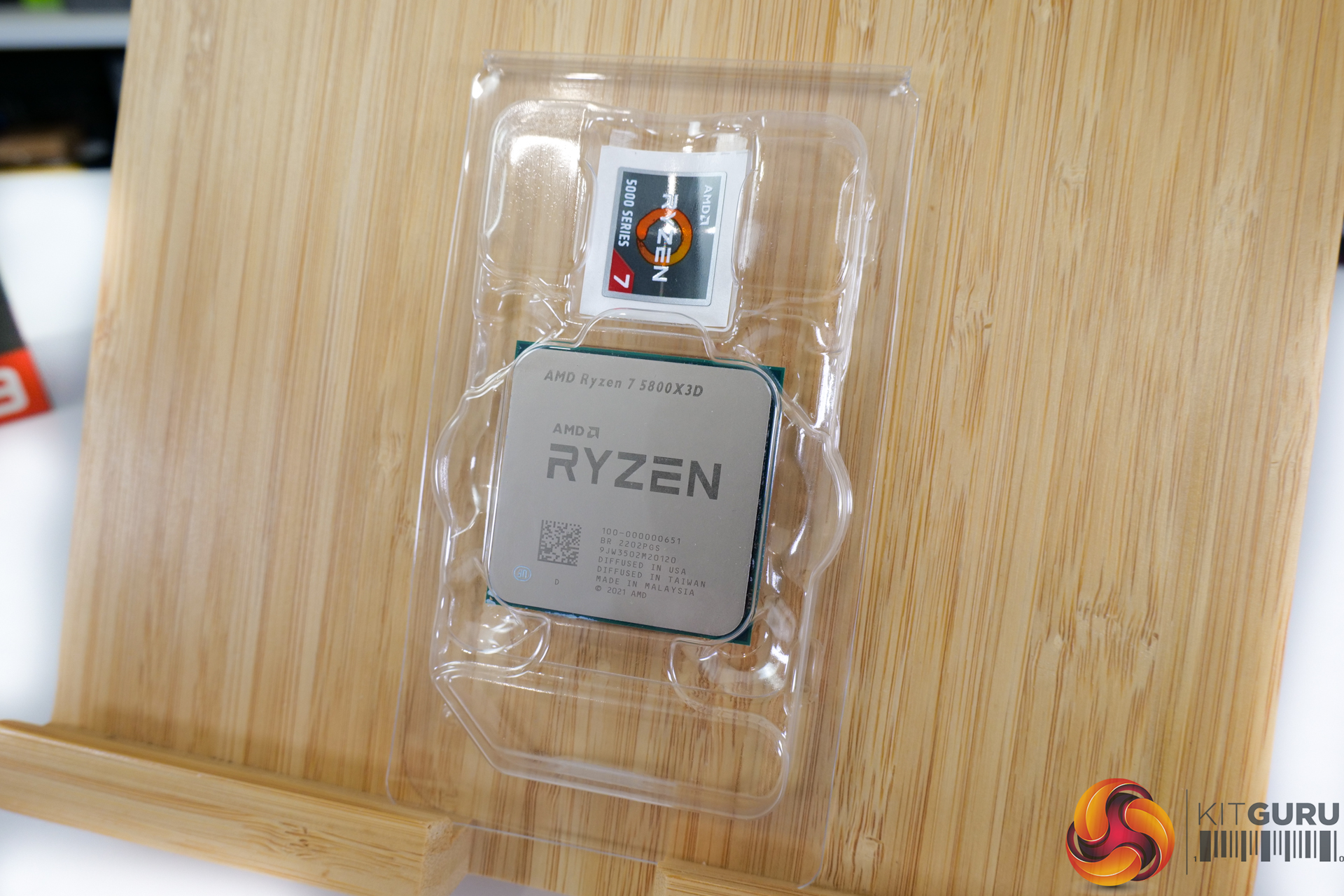
Who exactly is this $449 8-core processor with copious amounts of L3 cache intended for? Well, there are a couple of notable use cases, particularly where shifting data towards the memory is common.
There’s an argument that software engineering or code compile applications may benefit from the added L3 cache. That’s particularly true for workflows using software that doesn’t scale well (or cheaply in terms of license fees!) past sixteen threads.
Realistically, though, AMD is pushing the Ryzen 7 5800X3D as a gaming processor.
We have seen the benefit to gaming performance brought about by the cache improvements AMD made with Zen 2 and Zen 3. So, in essence, AMD is gunning for more of the same.
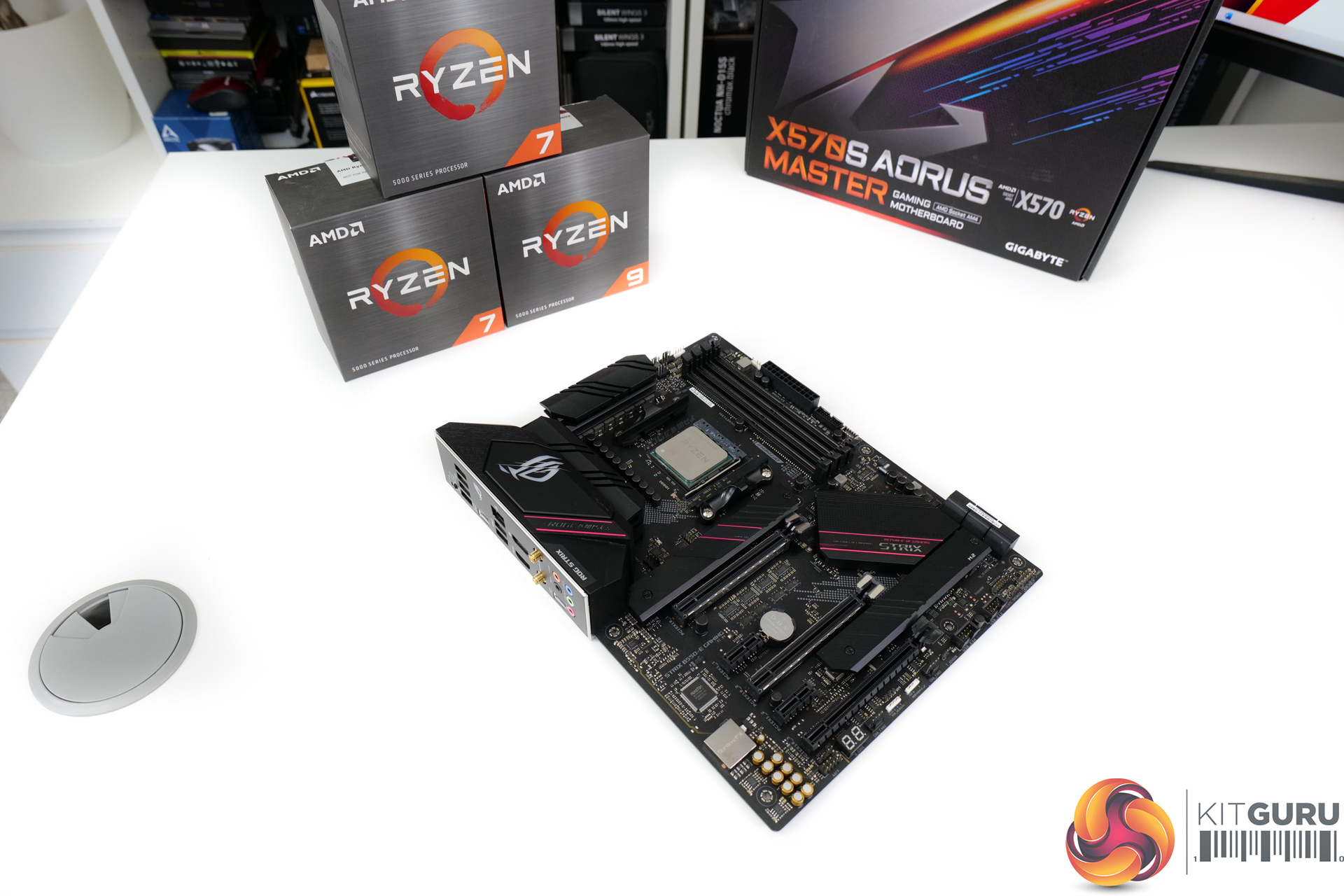
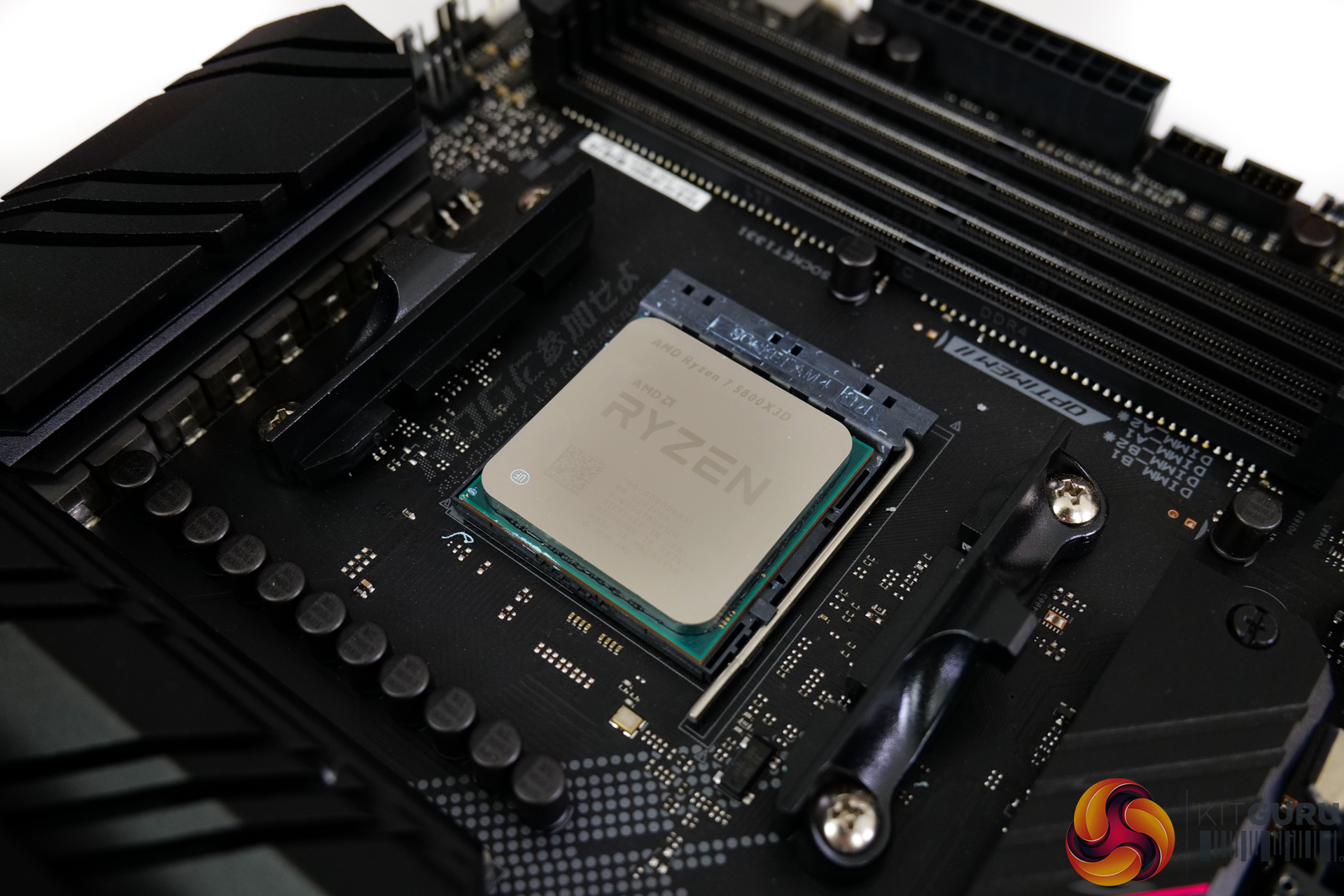
As always, though, AMD does have a slight trump card versus Intel in terms value, and that is the AM4 platform.
Yes, LGA 1700 and Z690 are far more feature-rich for 2022. But Z690 is also more expensive.
The Ryzen 7 5800X3D could potentially shine to current AM4 users who want a drop-in upgrade, particularly as this straightforward approach continues to diverge from Intel’s offering.
Oh AM4, if this processor is to be your last major outing, how we have loved your venerable longevity as a superb platform.
Retailing for $449 USD – which will be £410 in the UK, AMD is certainly charging a pretty penny for the Ryzen 7 5800X3D.
8-core Ryzen 7 5800X is £310-320, 12-core Ryzen 9 5900X is £365-375, and 16-core Ryzen 9 5950X is £505. Worth noting is that the 12- and 16-core parts both have 64MB of L3 cache by virtue of their dual-CCD designs.
So, AMD’s new eight-core with 96MB of L3 cache could be priced just as close to the sixteen-core flagship as the original Ryzen 7 that it enhances.
Versus Intel, the £385 Core i7-12700K and £560 Core i9-12900K are the contenders. Of course, we’re ignoring the £750 Core i9-12900KS as it is a stupidly-priced part that shouldn’t be bought.
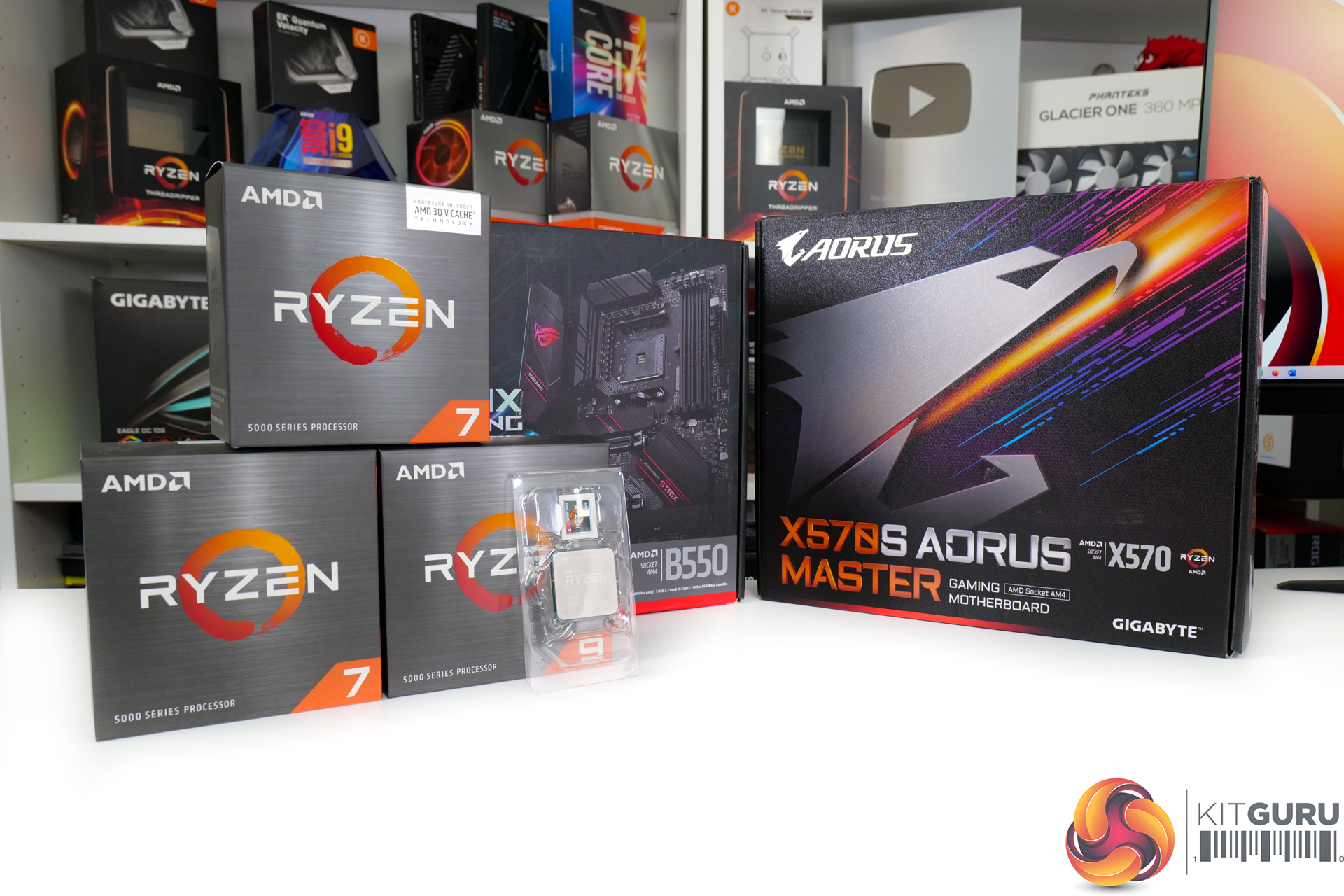
Today's comparison processors come in the form of:
- Alder Lake Core i9-12900K (8P+8E24T) and Core i7-12700K (8P+4E20T).
- Vermeer ‘Zen 3' Ryzen 9 5900X (12C24T) and Ryzen 7 5800X (8C16T).
Each processor is tested at its default out-of-the-box settings. For the Intel CPUs, unlimited turbo duration as set by the motherboard with XMP enabled is the operating mode. All-core load frequencies for the tested chips are as follows:
- Core i9-12900K = 4.9GHz on the P-cores.
- Core i7-12700K = 4.7GHz on the P-cores.
- Ryzen 7 5800X = around 4.56GHz.
- Ryzen 9 5900X = around 4.25GHz.
- Ryzen 7 5800X3D = around 4.4GHz.
CPU Test System Components:
- Graphics Card: Gigabyte RTX 3080 Eagle OC.
- Memory: 32GB (2x16GB dual-rank) Corsair Vengeance LPX 3600MHz 16-18-18-36 DDR4 @ 1.35V.
- CPU Cooler: Sapphire Nitro+ S360-A 360mm Asetek AIO
- OS SSD: Corsair MP600 1TB NVMe SSD.
- Power Supply: Seasonic Prime TX-1000.
- Chassis: Lian Li T60 Open Air Test Bench.
- Operating System: Windows 11 Pro 64-bit.
- AM4 Motherboard: Gigabyte X570S Aorus Master (AGESA 1.2.0.6b) + AMD chipset software as of 7th April 2022 (3D V-Cache support highlighted).
- Z690 Motherboard: ASUS ROG STRIX Z690-F Gaming WiFi.
- Z690 DDR5 Memory: 32GB (2x16GB single-rank) Corsair Dominator Platinum RGB 5200MHz 36-38-38-74.
Tests:
Productivity-related and Synthetic:
- Cinebench R23 – All-core & single-core CPU benchmark (CPU)
- Blender 3.1.2 – All-core rendering of the Classroom benchmark (CPU)
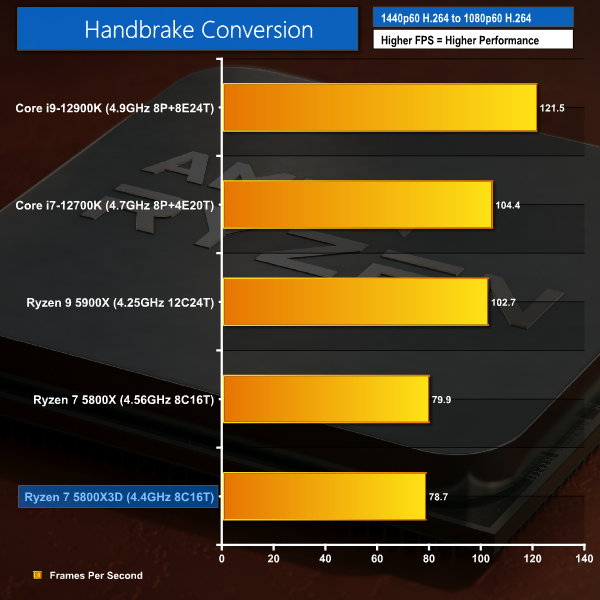
- HandBrake 1.5.1 H264 – Convert 1440p60 H264 video to 1080p60 H264 using the YouTube HQ 1080p60 preset (CPU)
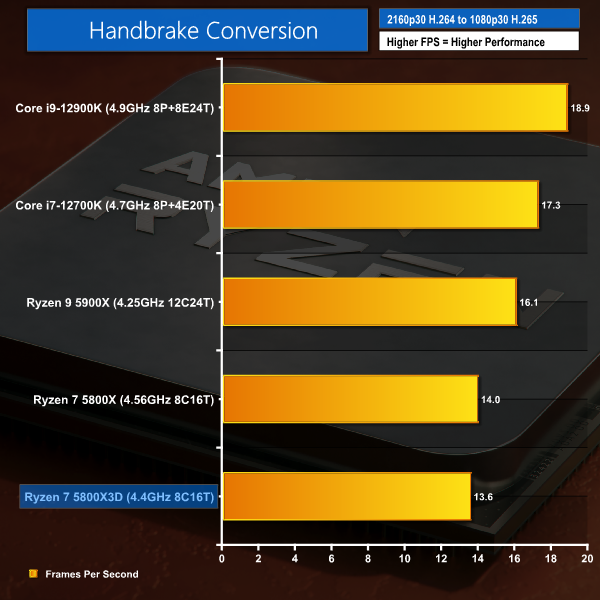
- HandBrake 1.5.1 H265 – Convert 4K30 100Mbps H264 video to 1080p30 40Mbps H265 using the H.265 MKV 1080p30 preset (CPU & Memory)
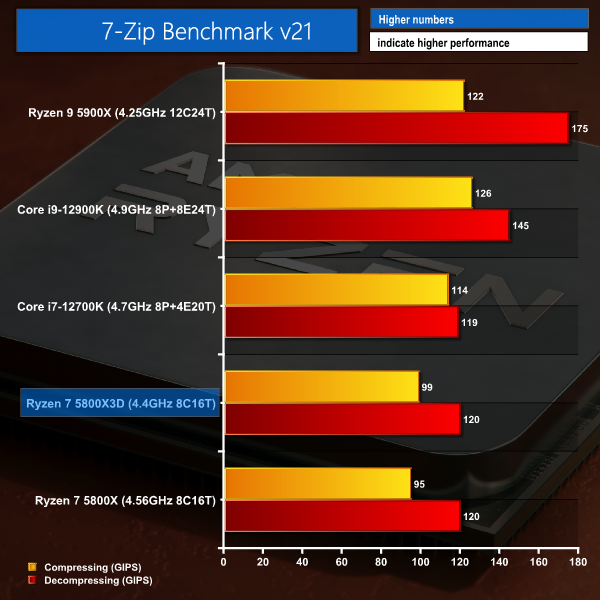
- 7-Zip v21 – Built-in 7-Zip benchmark test (CPU & Memory)
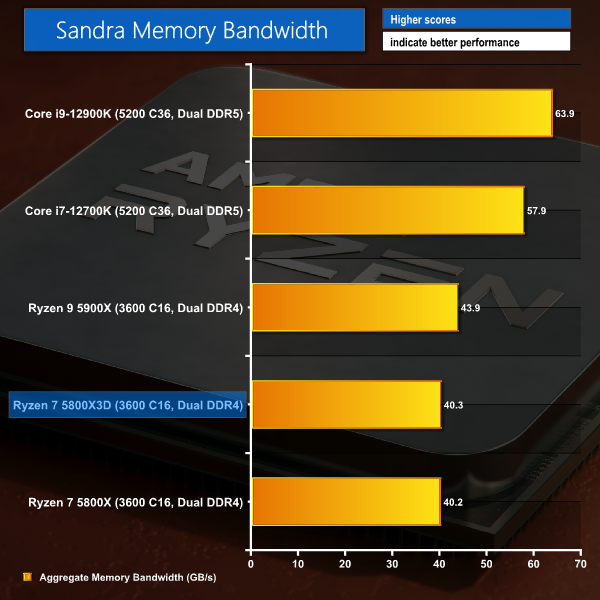
- SiSoft Sandra – Memory bandwidth Test (Memory)
- AIDA64 – Memory bandwidth & memory latency (Memory)
- 3DMark – Time Spy and CPU Profile Benchmarks (Synthetic Gaming)
Gaming-related:
- Assassin's Creed Valhalla – 1920 x 1080 & 2560 x 1440, Ultra High quality preset, DX12
- Borderlands 3 – 1920 x 1080 & 2560 x 1440, Badass quality preset, DX11
- F1 2020 – 1920 x 1080 & 2560 x 1440, Ultra High quality preset with TAA and 16x AF, DX12
- Far Cry 6 – 1920 x 1080, Ultra quality preset, HD textures OFF, DX12
- Shadow of the Tomb Raider – 1920 x 1080 & 2560 x 1440, Highest quality preset, no AA, DX12
- Watch Dogs Legion – 1920 x 1080, Ultra quality preset, DX12 version
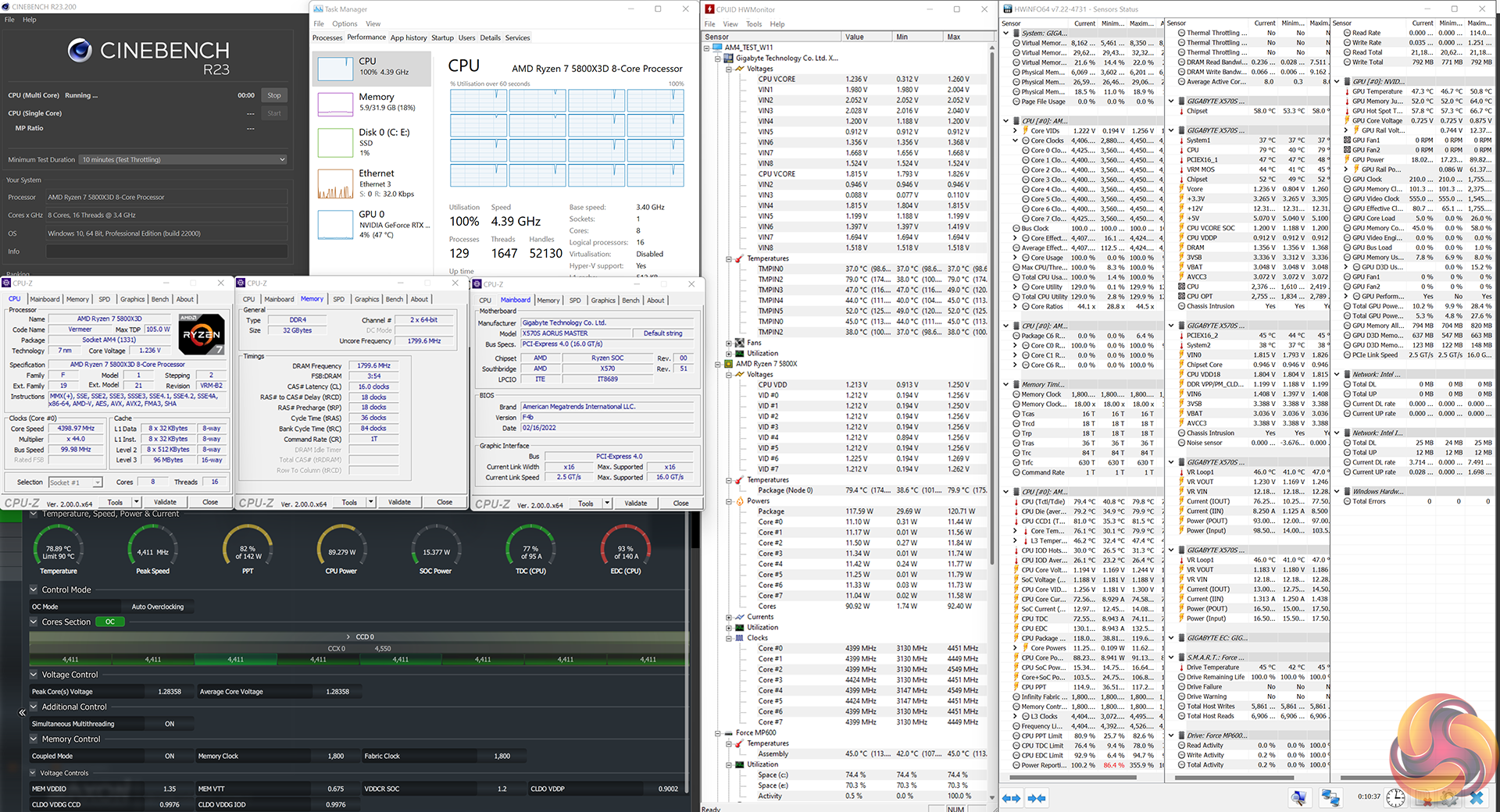
Looking at clock speeds for the Ryzen 7 5800X3D, we noted a 4.4GHz typical all-core speed after a 10-minute looped run of Cinebench R23. The boost clock that we observed peaked at 4550MHz but was more often 4450MHz.
These speeds are around 150MHz below the Ryzen 7 5800X for all-core loading, and around 200-300MHz less for maximum boost frequency. But the new 3D V-Cache equipped chip was running at significantly lower power levels as our later chart will show.
The reduced operating frequency is likely to translate into a performance deficit for the Ryzen 7 5800X3D versus the 5800X in workloads that do not leverage the added L3 cache highly.
Blender Classroom

Cinebench R23 nT
Cinebench R23 1T
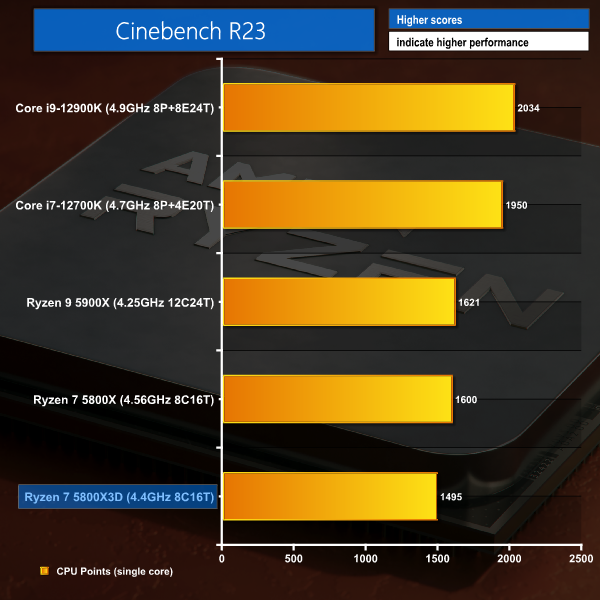
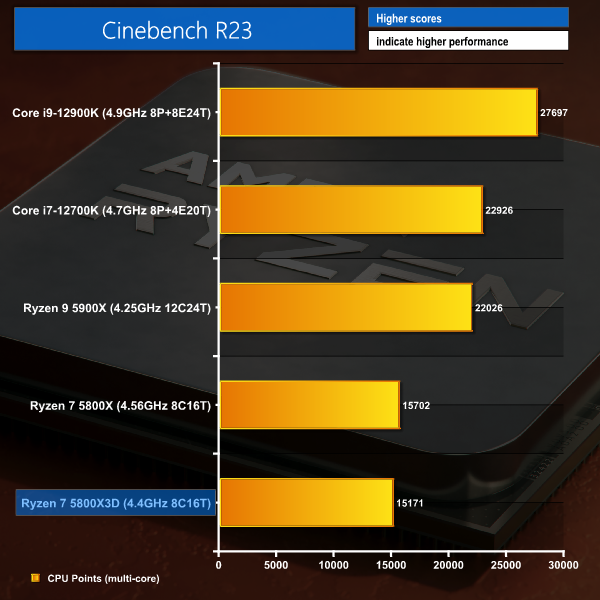
Starting out with rendering workloads, we see the Ryzen 7 5800X3D sitting below the 5800X by virtue of its lower clock speeds. Clearly, neither Blender nor Cinebench gain from the added L3 cache capacity. And the lower top-end boost clock results in lesser 1T performance, too.
Handbrake H264
Handbrake H265
7-Zip Compression and Decompression
It’s more of the same with H264 and H265 media workloads using Handbrake. The signs thus far are that the Ryzen 7 5800X3D is not a processor for video or rendering workloads.
7-Zip does, however, give us a glimpse of the performance uplift that is available to applications that do leverage the CPU’s memory subsystem.
Sandra Memory Bandwidth
AIDA64 Memory Performance
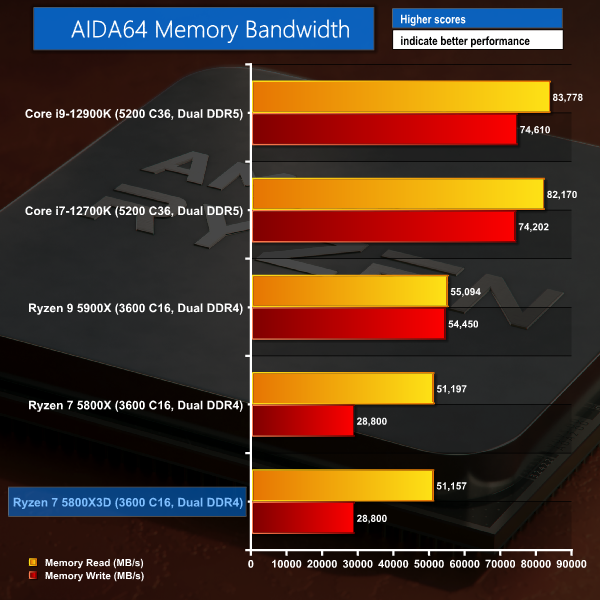
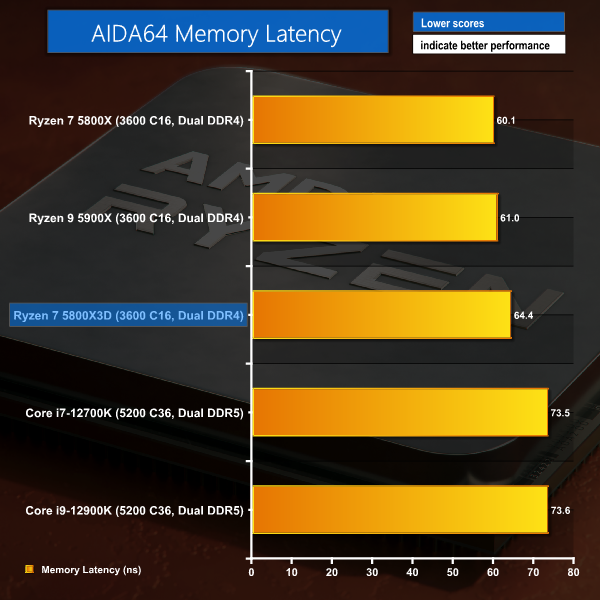
Speaking of memory, we don’t see any real change to DDR4 bandwidth numbers for AMD’s newest processor. Though there was a consistent and repeatable increase in the recorded memory latency for the 5800X3D versus our 5800X and 5900X competitors.
3DMark Time Spy
3DMark CPU Profile
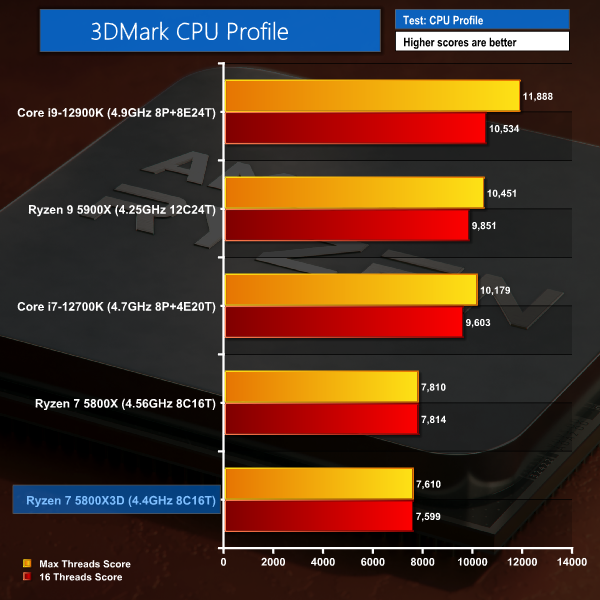
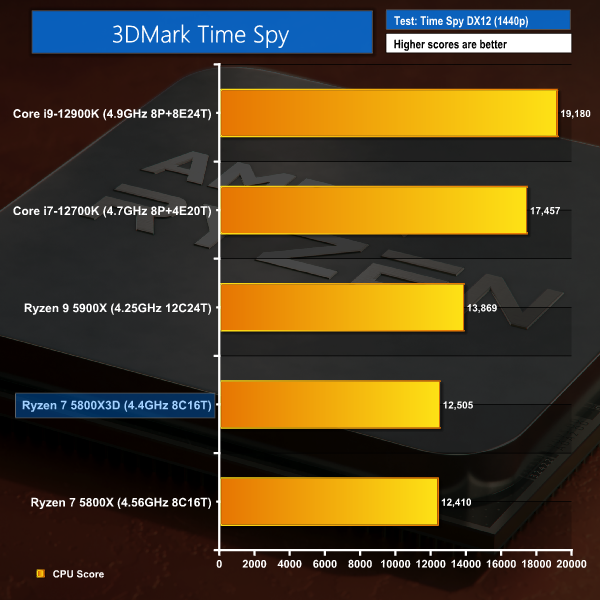
3DMark’s Time Spy test clearly does not value the added L3 cache for its CPU scoring result. And the same can be said for the CPU Profile test which actually sees the Ryzen 7 5800X3D demoted to bottom place by virtue of its reduced clock speeds versus the Ryzen 7 5800X.
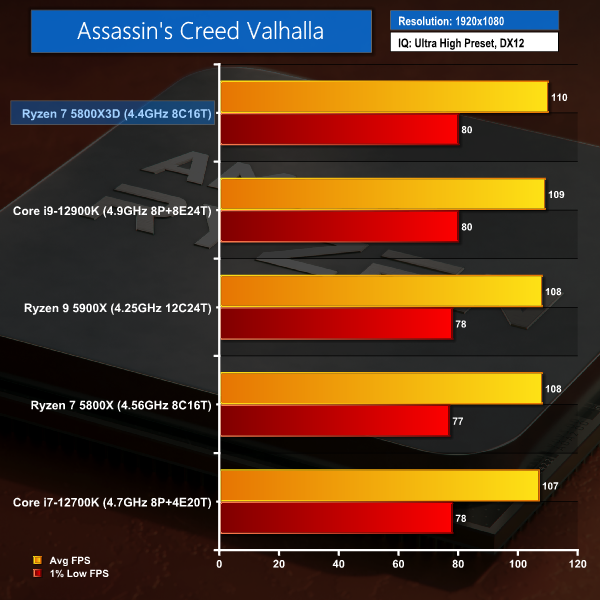
Assassin’s Creed Valhalla puts the Ryzen 7 5800X3D to the top of our performance chart, albeit by a practically-equal frame rate to the Core i9-12900K. This one is realistically a tie.
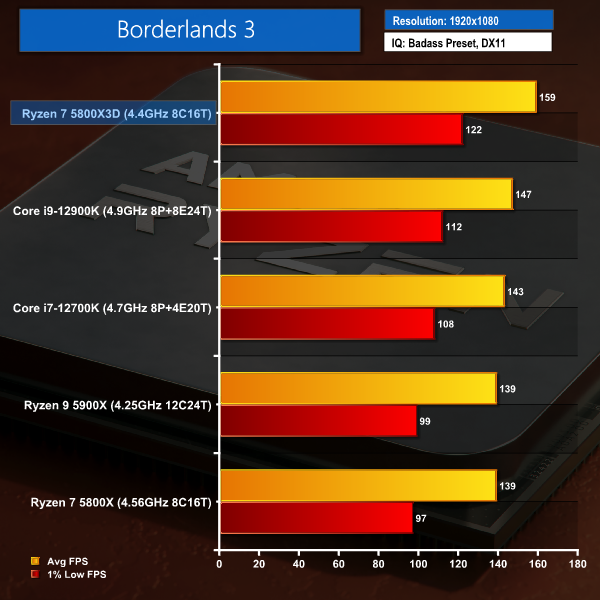
Borderlands 3 is a clear victory for the Ryzen 7 5800X3D. This time, the eight-core chip and its 96MB of L3 cache put in a convincing performance increase versus the next best chip in our chart – the Core i9-12900K.
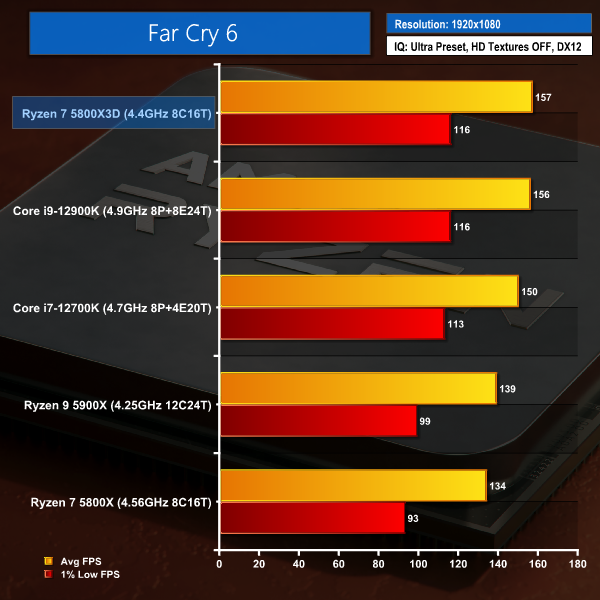
And we get another 3D V-Cache victory in Far Cry 6, albeit by a practically equivalent score to the Core i9-12900K. AMD’s newfound performance improvement versus the standard Zen 3 chips is significant in this game.
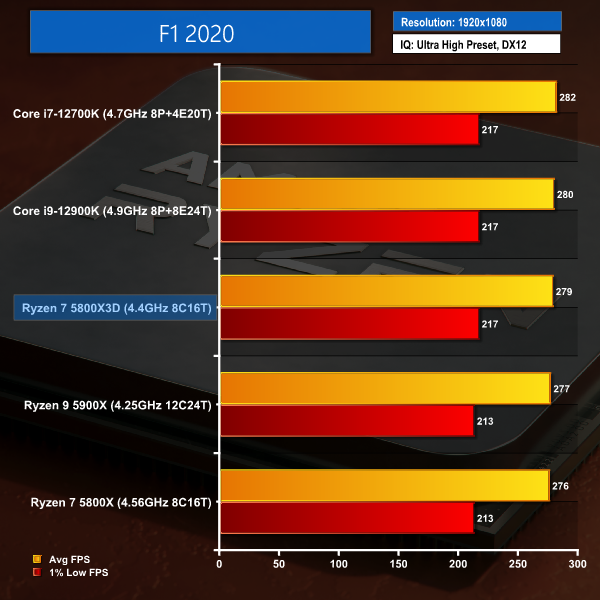
F1 2020 sees some huge average frame rates put up. And this benchmark shows preference for Intel’s highly-clocked Alder Lake chips, albeit by slim margins.
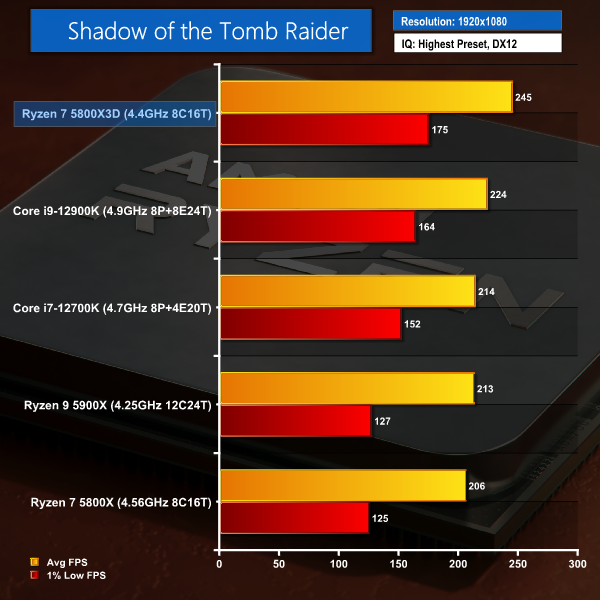
Shadow of the Tomb Raider clearly likes AMD’s added L3 cache as the processor takes a commanding lead in this title. The performance increase versus Intel’s Core i9-12900K is sizable, but the 15%+ uptick in performance from Zen 3 with 2D cache is even more impressive.
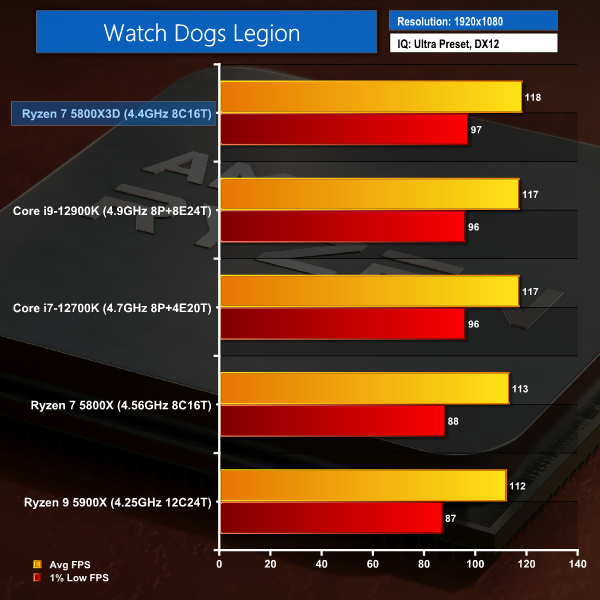
There really isn’t much in it when running Watch Dogs Legion, so it’s fairer to call this one close to a tie even though AMD’s new chip does technically pip the Core i9-12900K to top spot in our chart.
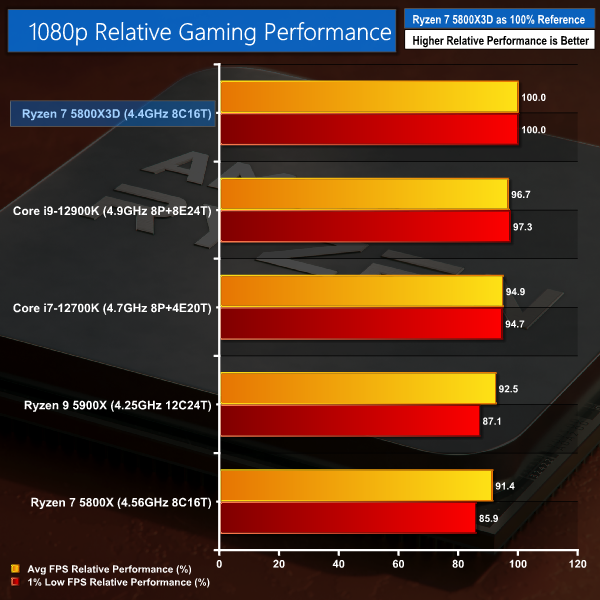
To summarise our 1080p gaming results, the Ryzen 7 5800X3D tends to be the fastest processor in our charts.
Yes, some of the top-placed results are simply by virtue of error margin type differences. But a couple of games – Borderlands 3 and Shadow of the Tomb Raider – show sizable performance victories for AMD’s new 3V-Cache-equipped processor. And none of our six games saw the new Ryzen 7 handed a blowout loss.
I’d say that this is a pretty impressive set of gaming results if you’re a high-refresh rate gamer who attaches value to the added performance.
Now focussing on 1440p results – a more appropriate resolution for high-end gaming hardware. Here, we expect to see the performance margins squeezed as the effect of GPU performance saturation holds a greater influence.
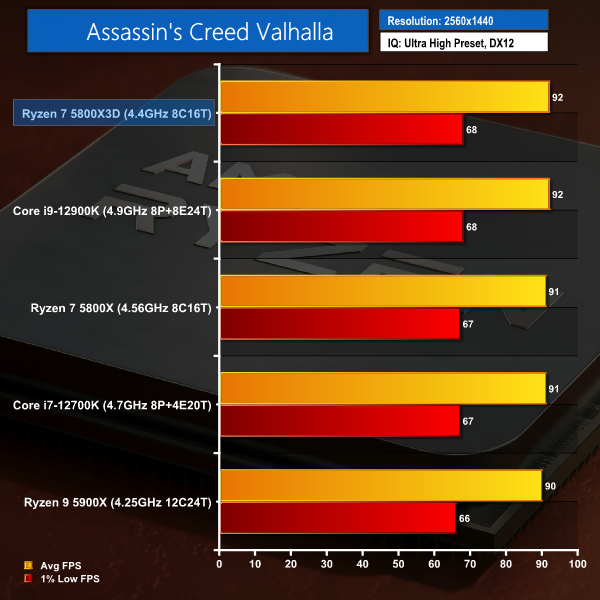
There’s little difference to note between any of the CPUs in Assassin’s Creed Valhalla at 1440p.
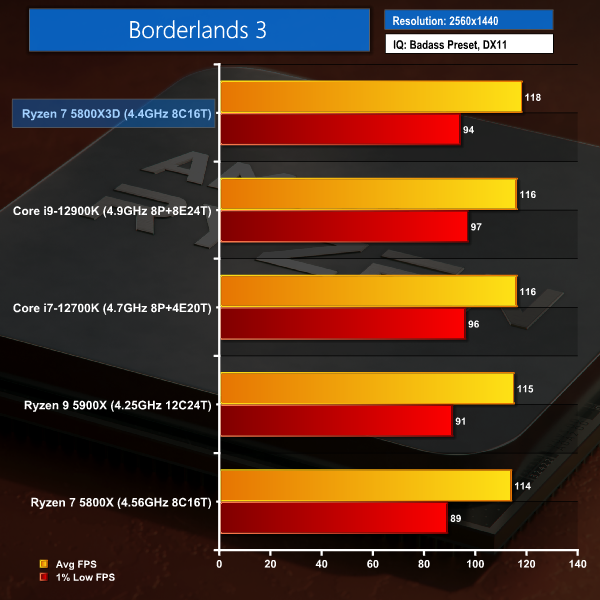
The same can be said for Borderlands 3, though the new Ryzen 7 5800X3D does take a small, technical victory for average FPS coupled with a minor loss for 1% low numbers.
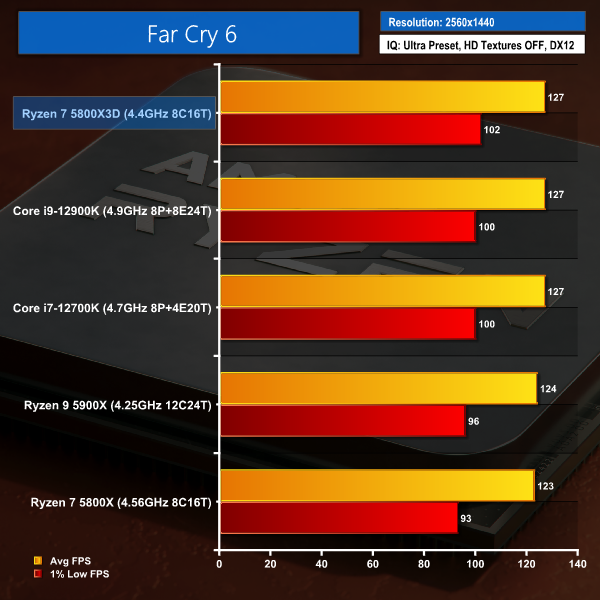
Far Cry 6 is practically a tie between Alder Lake and the new Ryzen processor. AMD clearly deserves credit though for its performance improvements brought about with the new cache setup, as highlighted by the jump in 1% low FPS data.
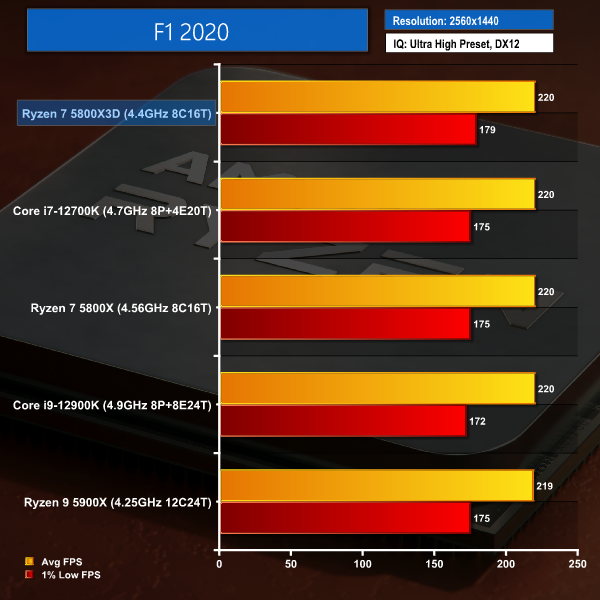
F1 2020 shows very little difference between all of the CPU setups, though the 5800X3D did deliver consistently higher 1% low FPS values.
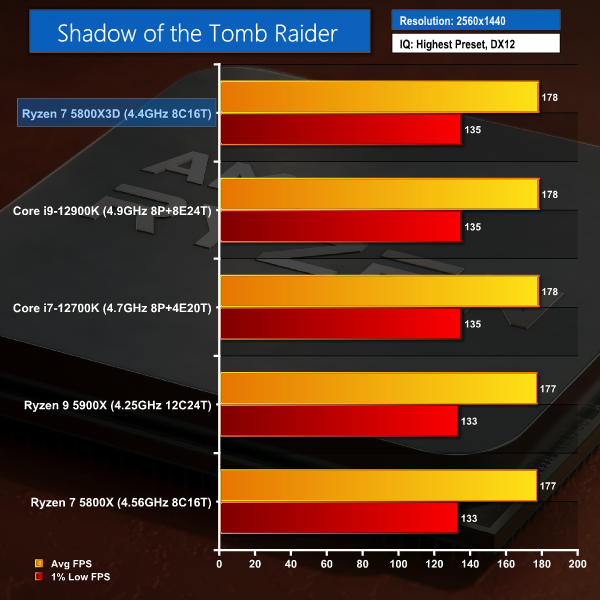
There’s practically no difference between any of these processors in Shadow of the Tomb Raider at 1440p, as is the level of load placed on the GPU.
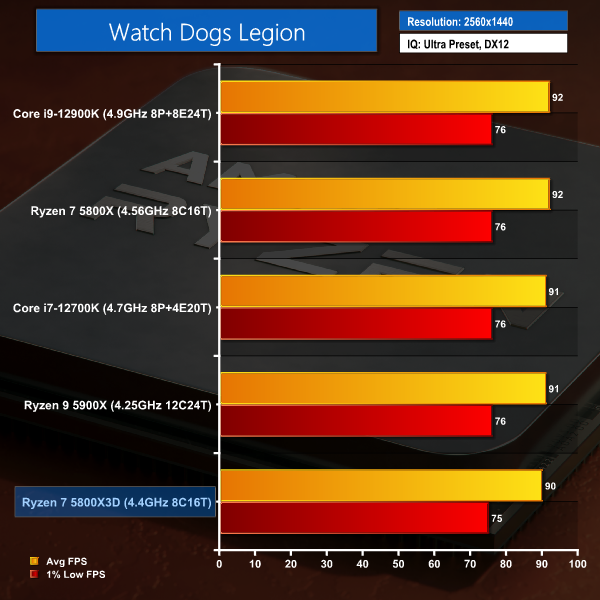
Watch Dogs Legion at 1440p clearly had an axe to grind with the Ryzen 7 5800X3D, thus resulting in AMD’s latest offering sitting at the chart bottom (which is only two FPS from the chart top).
As expected, the performance differences between CPUs in 1440p gaming are minor. Significantly higher GPU horsepower will be required to highlight the similar performance changes that we see at 1080p. What this highlights, though, is that the Ryzen 7 5800X3D is able to maintain its highly competitive position versus Intel’s Alder Lake competitors even when the gaming resolution is cranked up.
For CPU load results, we read the power draw after running 10 minutes of the Cinebench R23 nT all-core rendering test. The same test parameters are used for temperature readings.
The power consumption of our entire test system (at the wall) is shown in the chart. We also include the reported CPU Package Power.
Power Consumption
Power draw readings are accurate to around +/-2-4W under heavy load due to instantaneous fluctuations in the value. We use a Titanium-rated Seasonic 1000W Prime PSU.
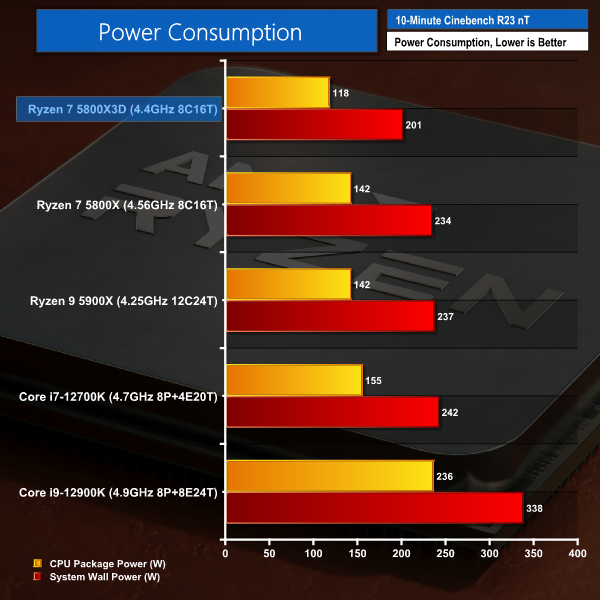
Modest power consumption is what we have come to expect from AMD’s Zen 3 architecture, and the Ryzen 7 5800X3D delivers just that.
Running at lower voltage than the Ryzen 7 5800X, the 5800X3D at least somewhat makes up for its clock speed and performance deficit by drawing less energy. This, in turn, reduces the cooling requirements for the chip, so that’s at least some positive outcome from the reduction in productivity performance.
Compared to the Intel chips, AMD’s power usage advantage with the TSMC 7nm process node is clear to see, even with a 64MB L3 Cache die added into the equation. The Ryzen 7 5800X3D sample in our test setup has a reported package power exactly half that of the Core i9-12900K. Needless to say, the Intel 12th Gen part did not deliver double the performance in productivity tasks and was even marginally slower in our gaming tests.
AMD’s power efficiency remains strong.
Temperatures
Temperature recordings were taken using 360mm Asetek AIO CPU cooler. Ambient temperatures were around 22°C.
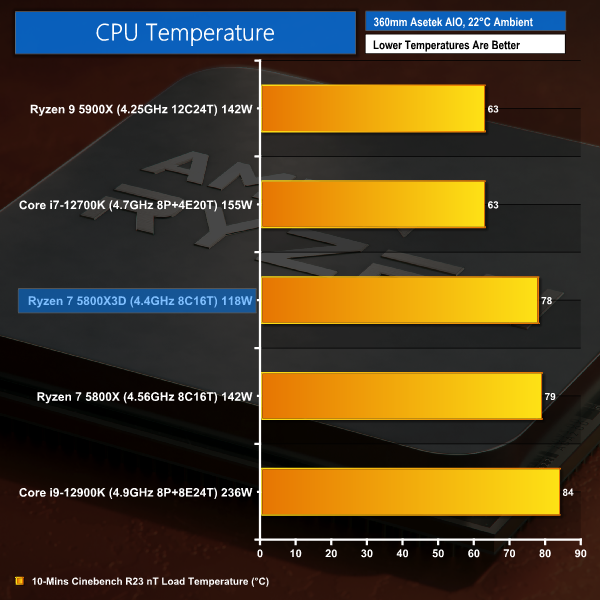
Despite its modest power usage, the eight-core Zen 3 chip continues to be a hot runner. Even with a 360mm AIO liquid cooler, we saw temperature readings close to the 80C mark under an extended rendering workload.
In essence, the 118W of power usage makes the Ryzen 7 5800X3D relatively easy for a CPU cooler to handle. But the high chiplet thermal density and hot operating nature of AMD’s processor means that you should not expect to see low running temperatures.
What is positive to see is that the added cache die and structural silicon do not look to have introduced any major cooling challenges when the 5800X3D is put under a CPU cooler commensurate of the processor’s market positioning.AMD’s new Ryzen 7 5800X3D is an interesting processor to analyse as it feels as much of a real-world product as it does a technology demonstrator for AMD’s future plans.
Looking at real-world performance, this processor is not the chip you should be considering purchasing if you have productivity workloads. When it comes to gaming, though, that’s where the Ryzen 7 5800X3D does extremely well.
We saw results that make the new AMD processor with its 96MB of L3 cache as fast as Intel’s Core i9-12900K, and sometimes notably quicker. You have to credit AMD for delivering sizable gaming performance increases without deploying a complete overhaul of the underlying Zen 3 architecture.
So, productivity performance is well below par and there’s no overclocking. But power efficiency is strong and gaming performance is excellent. Plus, you have the benefit of the Ryzen 7 5800X3D being a straightforward, drop-in AM4 upgrade.
Perhaps this is exactly what us gamers have been wanting all along; a no-nonsense processor that crunches through AAA titles without even sparing a thought for 3D animation or video editing workloads.
The AMD Ryzen 7 5800X3D is honestly one of the more intriguing processors I have analysed in recent times.
From a productivity workload perspective, it’s almost certainly a complete no-go. From a mixed usage perspective, there are clearly better options. But from a purely gaming perspective, it does look to be a very compelling solution, particularly if you’re already on AM4 or if you’ve already decided to spend Core i7 or Core i9 money on your gaming chip.
I think that AMD’s roughly £35 price increase for the Ryzen 7 5800X3D versus the Core i7-12700K is very tolerable to gamers. With the new 3D V-Cache-equipped Ryzen, you’re getting higher gaming performance albeit at a higher cost versus the Core i7-12700K. But you get the benefit of the AMD chip being on the considerably lower cost AM4 platform.
I think that last point in particular will be a deal-sealer for a lot of enthusiast gamers.
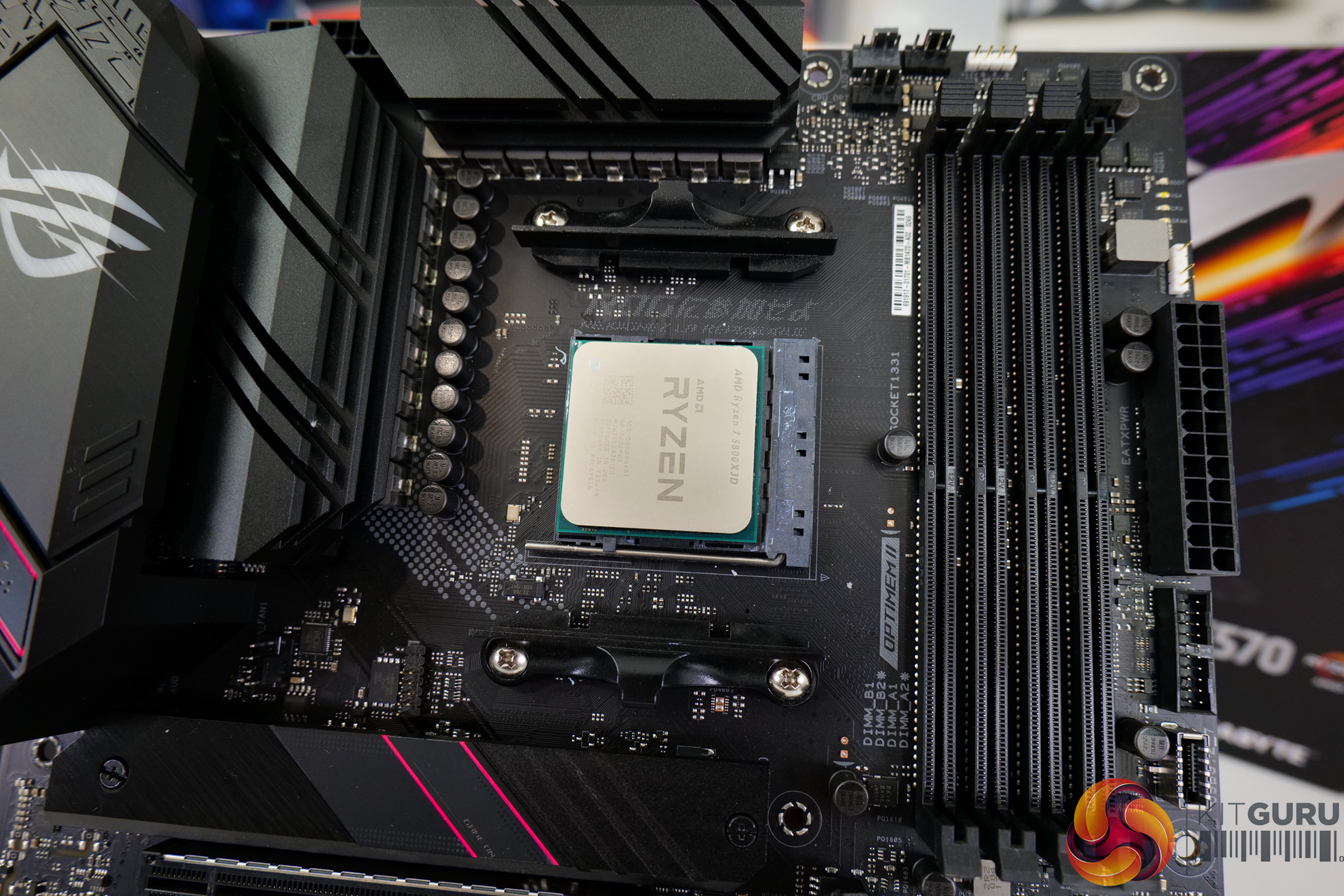
To finish up this one, I want to focus on the innovation side of things here as I really do feel that AMD deserves credit for bringing a whole new technology to market. Perhaps the way in which I should view the Ryzen 7 5800X3D is as an interesting display of AMD’s engineering prowess in recent times.
Intel went for an innovative new hybrid approach in Alder Lake and then reverted to the far-from-innovative brute force approach with the Core i9-12900KS.
Not to be outdone by Intel’s new mainstream flagship, AMD has hit back with its own innovative approach that is far more pioneering than simply adding more cores or ramping up clock speed. And that deserves some serious credit, particularly when such impressive performance in the domain of gaming is delivered alongside.
Realistically, I think this Ryzen 7 5800X3D is AMD testing the water for its new 3D V-Cache technology before we see a bigger deployment perhaps as one of the fundamental features for future Zen processors. And if that is indeed the case, this first look at AMD’s 3D V-Cache on the consumer platform has indeed got me very excited for what is to come.
The Ryzen 7 5800X3D US MSRP is $449 USD and £410 in the UK.
Discuss on our Facebook page HERE.
Pros:
- Outstanding gaming performance – as good as the best gaming chips.
- Modest power usage.
- Drop-in upgrade for AM4 platform users.
- Huge amounts of L3 cache may benefit some niche workloads.
Cons:
- Significant price increase versus non-3D V-Cache Ryzen chips.
- No overclocking will disappoint some users.
- Weak productivity performance for the price.
KitGuru says: AMD's new Ryzen 7 5800X3D is undoubtedly innovative with its 3D V-Cache technology deployment. Balanced performance is certainly not the 5800X3D's strength, but if you're interested solely in gaming, this new AM4 CPU with its 96MB of L3 cache delivers excellent performance.