KitGuru KitGuru.net – Tech News | Hardware News | Hardware Reviews | IOS | Mobile | Gaming | Graphics Cards


We are a few days away from the launch of the Nvidia GeForce RTX 3070 Ti, but the first benchmarks have already started to surface. The first benchmarks results are from Geekbench 5 and Ashes of the Singularity, which should give us a good idea of what to expect from this upcoming graphics card.
The RTX 3070 Ti was tested on Ashes of the Singularity (via @leakbench) using the High preset on 1080p, 1440p and 4K and the DirectX12 API. Besides the GPU, the system was equipped with an AMD Ryzen 9 3900X and 32GB of memory. Comparing the RTX 3070 Ti results with a similar, RTX 3070-powered system, reveals that the RTX 3070 Ti offers about 10% more performance than its non-Ti counterpart.
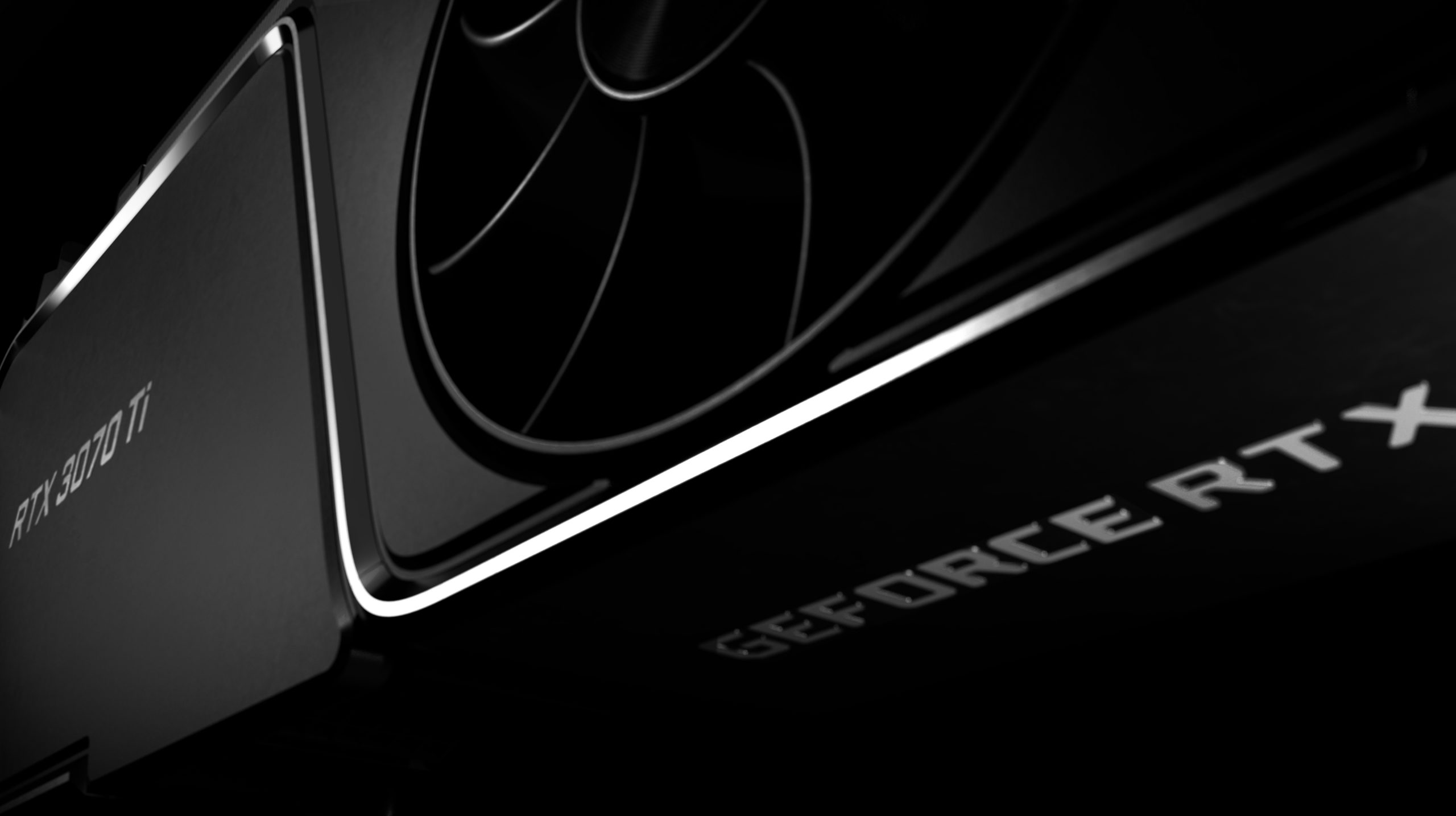
Geekbench 5 scores of a system equipped with an RTX 3070 Ti were also spotted. This system packed a Core i9-9900K clocked at 5.0GHz and 16GB of DDR4-3000 memory.
The RTX 3070 Ti scored 158616 on the Geekebench 5 CUDA benchmark and 155763 on the OpenCL benchmark. These scores put the RTX 3070 Ti ahead of the RTX 3070 by an average of 10% and just below the Radeon RX 6800 XT on the OpenCL benchmark.
The RTX 3070 Ti will be available on June 10th, so expect to see official reviews and more benchmarks next week.
KitGuru says: The RTX 3080 Ti also offered a similar 10 percent average performance gain over the RTX 3080, so it isn't too surprising to see the RTX 3070 Ti hitting a similar number. What do you make of these early results for the RTX 3070 Ti?