KitGuru KitGuru.net – Tech News | Hardware News | Hardware Reviews | IOS | Mobile | Gaming | Graphics Cards


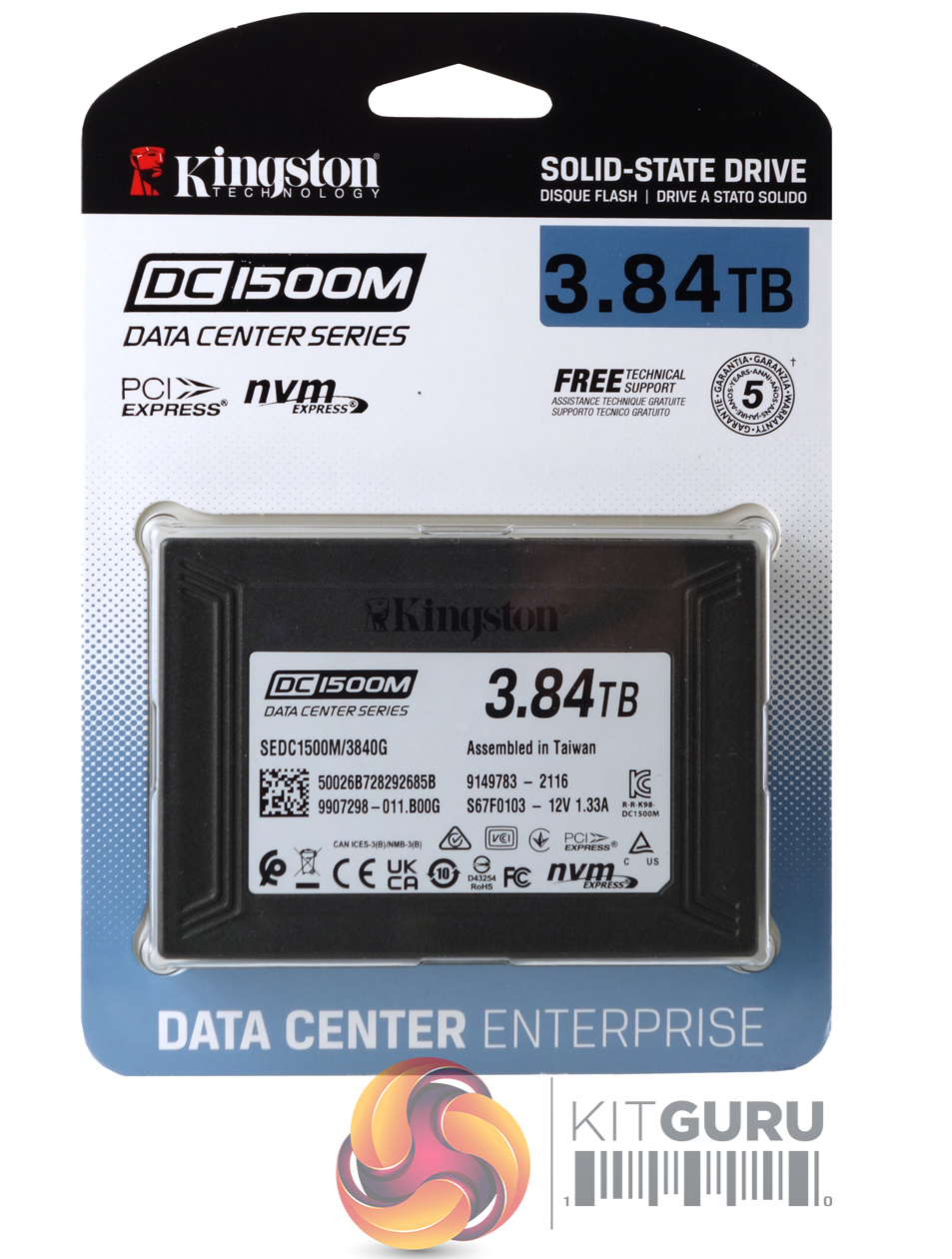
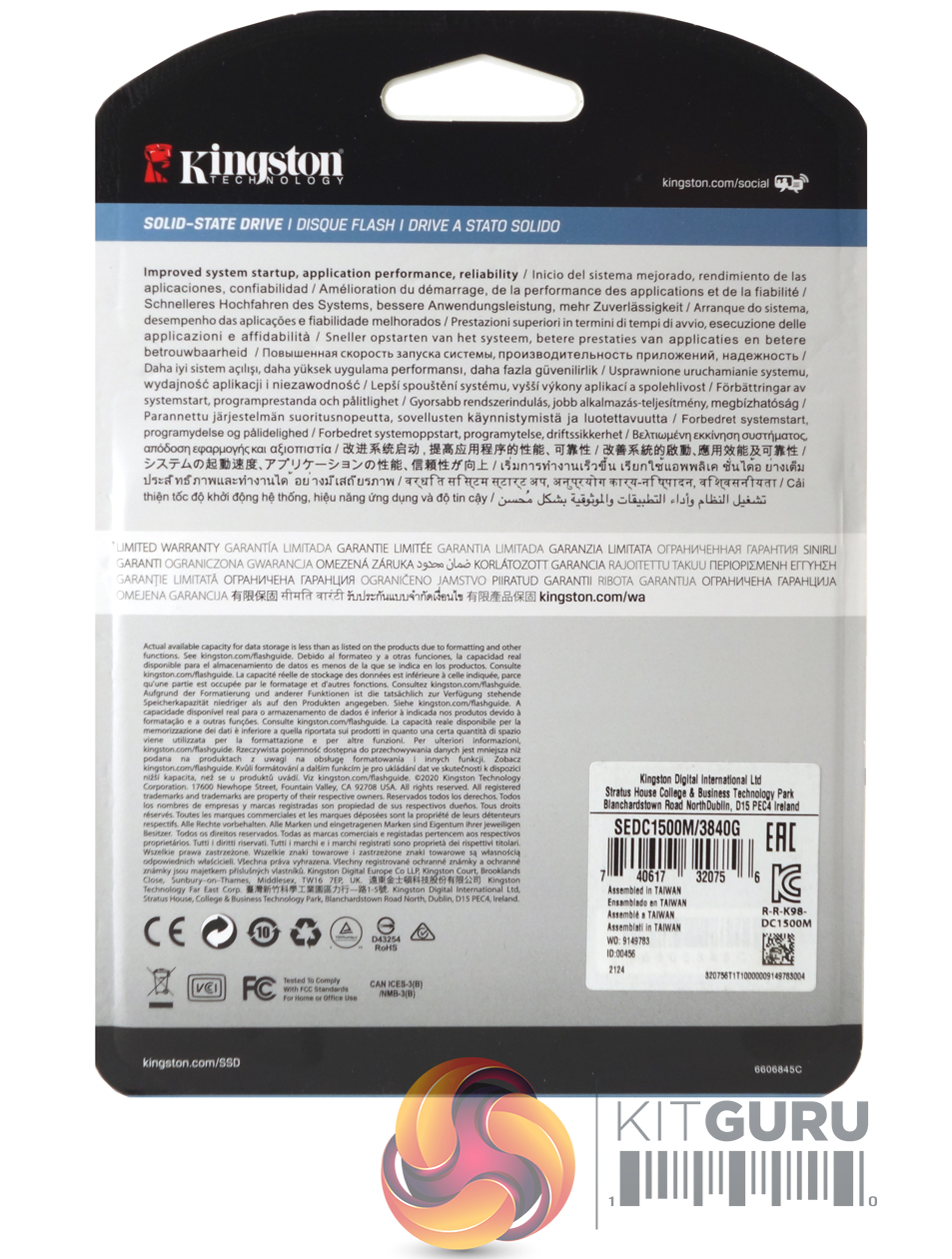
Many companies deliver their data centre/enterprise drives in plain vanilla boxes, not so Kingston, they ship theirs in blister packs just like their retail consumer drives.
The DC1500M’s blister pack has the drive’s capacity clearly labelled on the front along with which market segment (s) the drive is aimed at and a logo that displays the 5-year warranty that Kingston backs the drive with. The rear of the packaging has multilingual marketing and warranty notes on it.
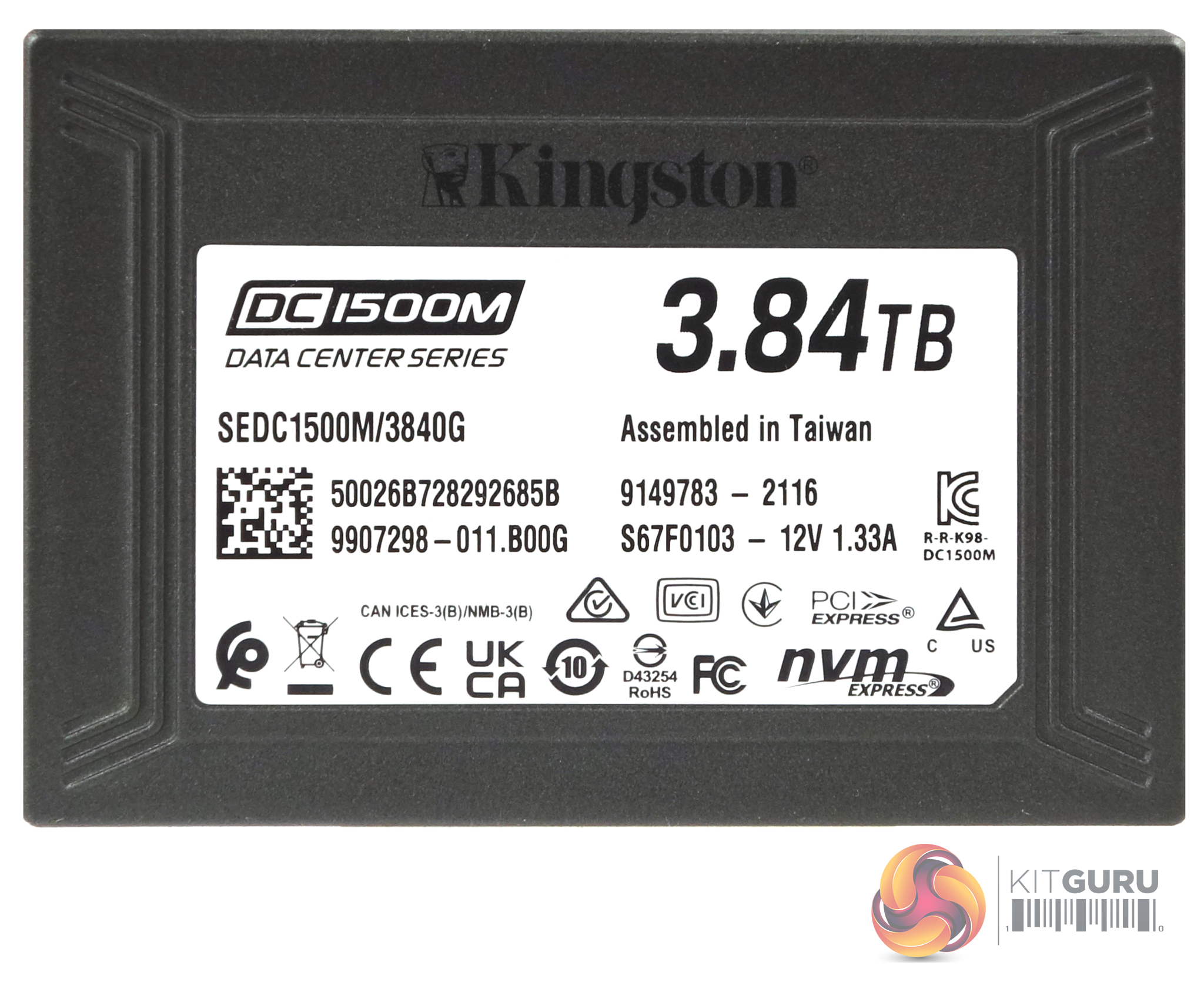
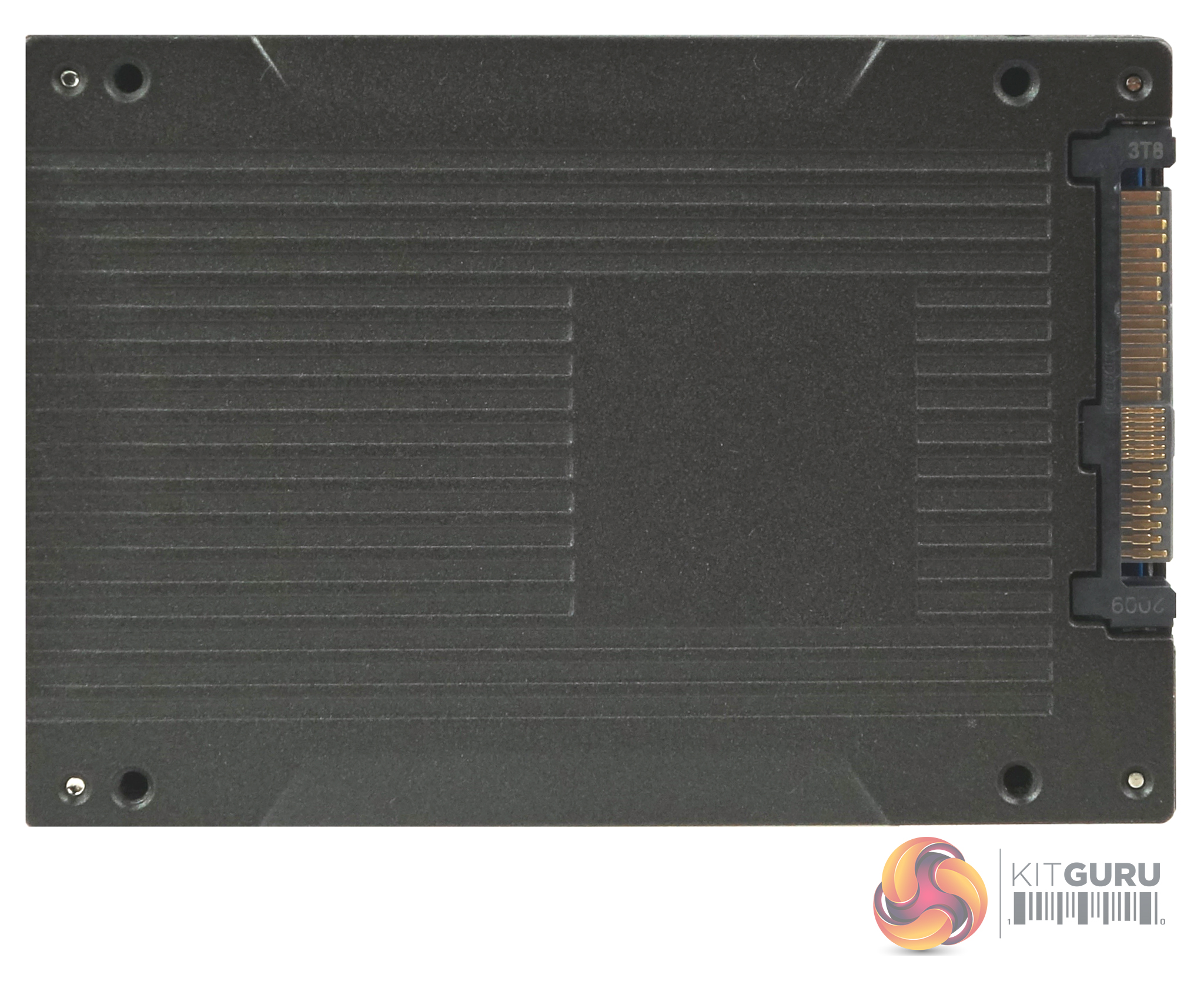
The drive is built on a 2.5in 15mm format and comes with a metal enclosure which also serves as a pretty good heatsink. At the heart of the DC1500M lies a Silicon Motion SM2270 16-channel controller which is combined with Kioxia BiCS4 96-layer 3D TLC NAND. The Silicon Motion SM2270 is a high-performance PCIe NVMe controller designed for data centre drives.
The 16 channel controller features triple ARM Cortex R5 Dual-core CPUs and has a PCIe Gen3 x8 host interface and dual 32 bit DRAM data bus. The controller's firmware has been updated to now support up to 64 namespaces.
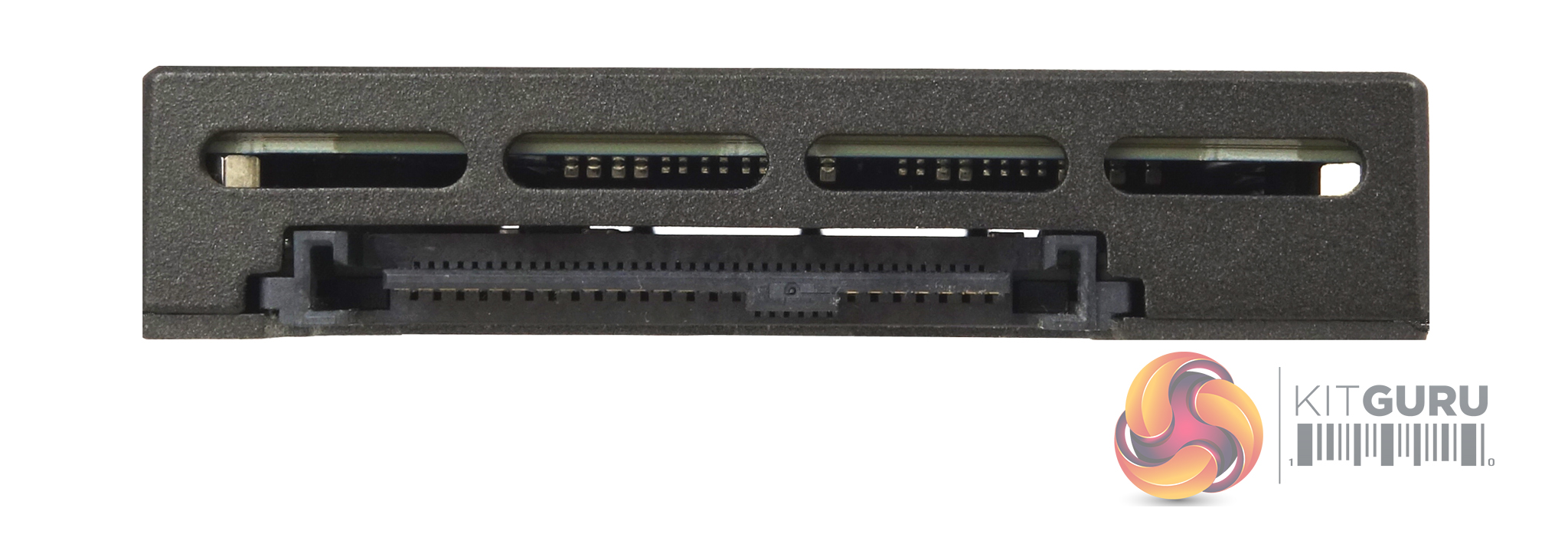

The drive uses a U.2 (PCIe NVMe Gen3 x4 ) interface which is hot-pluggable and compatible with U.2 server and data storage backplanes.
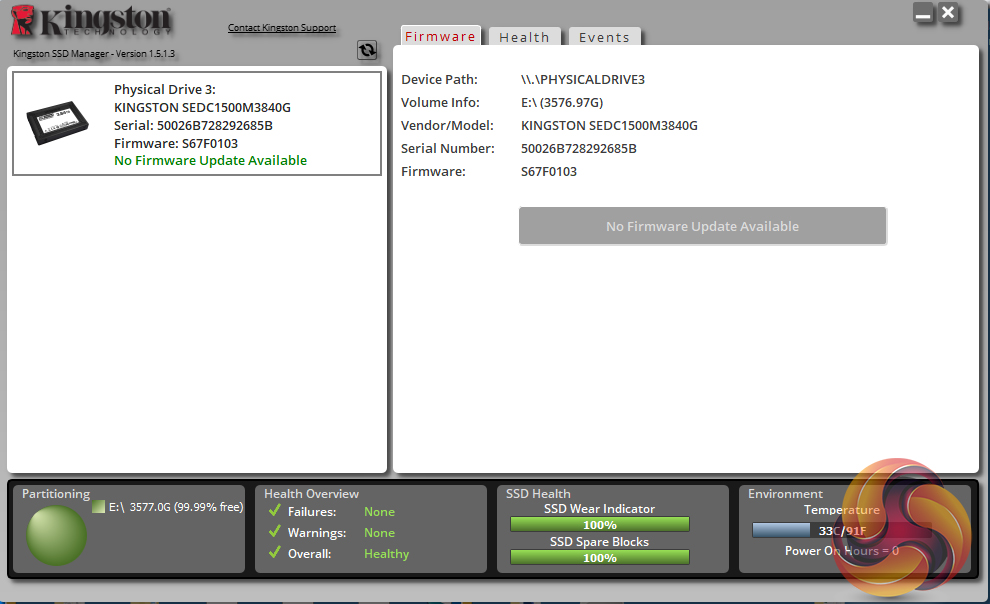
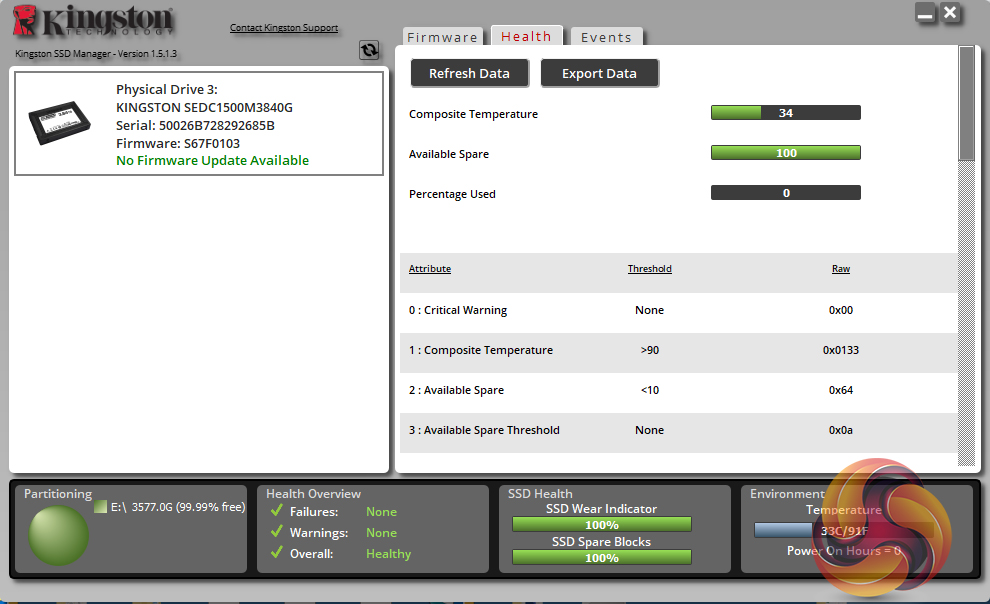
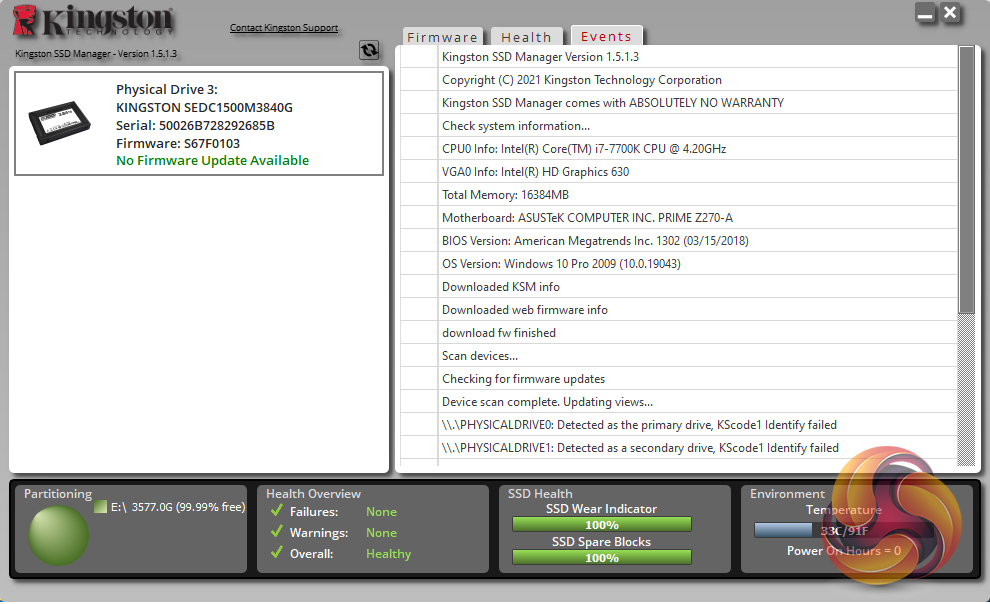
Kingston’s SSD management software utility is simply called SSD Manager. With it, you can monitor the health of the drive and how it’s being used, check the drive’s SMART data (including reliability tracking, usage statistics, life remaining, wear levelling and temperature) and update the firmware.