KitGuru KitGuru.net – Tech News | Hardware News | Hardware Reviews | IOS | Mobile | Gaming | Graphics Cards


With the new Intel 9th Generation laptops currently up for pre-order – or in some cases, already available – it may not seem like a good decision to buy something with the older 8th Gen CPUs. However, we've seen the Aorus 15-X9 on sale at around £1800 which does seem like a decent deal for so much performance in a small chassis.
It's not the thinnest gaming laptop around, but it is small enough to be portable and the impressive build quality means that the sturdy chassis could easily survive regular trips out and about.
The main pro of this laptop is the excellent 1080p display. Small bezels create a more immersive experience and with it being an LG IPS panel it ticks plenty of boxes. With the 144Hz refresh-rate, it is also perfect for smooth gameplay. The laptop is also pleasant to use in other areas such as the keyboard and touch ad. However, improvements could definitely be made to the webcam and speakers.
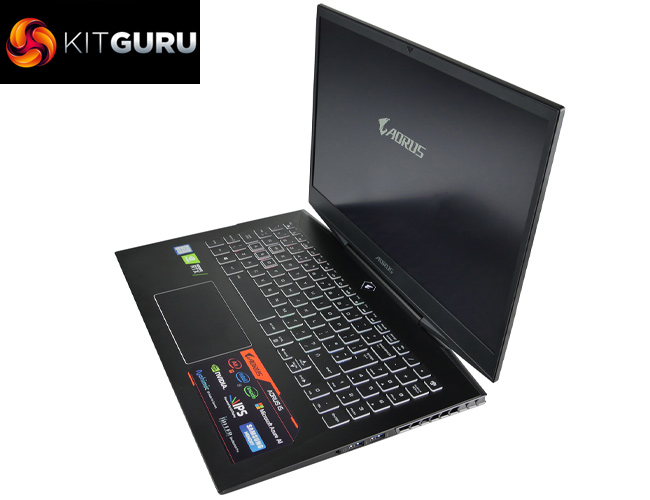
When it comes to performance, there's no denying the i7-8750H and RTX 2070 make for a pretty powerful combination. The gaming performance is great and we saw an average frame rate of over 60fps in all our test games – meaning that the Aorus 15 takes advantage of the high refresh rate display.
Thanks to the great cooling solution, it won't heat up either ensuring good component longevity. It's far from being a quiet laptop, however, and one of our main criticisms is the fan noise – however the nifty AI software ensures the laptop finds a good balance between noise, temperatures and performance.
The 15-X9's main downfall, however, is the poor battery life but if you're looking at a gaming laptop that will be plugged into the mains most the time it might be something you’re willing to overlook.
At the time of writing, the Aorus 15-X9 was available on sale at £1800. As we go to press, it is now slightly more expensive at £2000, though this is still a sale price, and if you can't get this machine on sale it will set you back £2200. This does complicate things as there are now laptops with 9th Gen CPUs available for pre-order – including Aorus' own 15-XA which is currently £2100.
So the bottom line is – if you can find the Aorus 15-X9 on sale, ideally around the £1800 mark which we have seen recently, then it is well worth buying. If pricing stays as high as it is currently, however, then buying one of the new 9th Gen models does seem to make more sense.

If you did want to buy the Aorus 15-X9, it is currently £2000 from Overclockers UK HERE.
Pros:
- Excellent display with high refresh rate.
- Good temperatures.
- Powerful performance.
- Relatively thin & portable chassis.
- Fast SSD with HDD for mass storage.
- Good sized and responsive touchpad and keyboard.
- Sleek gamer aesthetic.
- Decent software and new AI program.
Cons:
- 9th Gen models are available – in some cases, for even less money than this laptop.
- No per key RGB lighting.
- Loud fan noise.
- Battery life could be better.
- Poor webcam.
- Poor speakers.
KitGuru says: The Aorus 15-X9 from Gigabyte can get a little noisy but is overall a well-rounded laptop. With newer models available, this could be one to look out for if it goes on sale again.