 KitGuru KitGuru.net – Tech News | Hardware News | Hardware Reviews | IOS | Mobile | Gaming | Graphics Cards


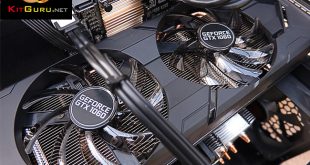
The exponential evolution of gaming graphics shows no signs of abating. We have already seen a plethora of NVIDIA GeForce GTX 1080 cards (most recently from MSI), our second taste of the more modestly specified GTX 1060 comes installed in a complete system from Overclockers UK, the Titan Neutron Micro-ATX Gaming PC.
As the name implies, this is a Micro-ATX system rather than a full tower, which aims to pack as much gaming power into a relatively small space as possible, without breaking the bank. To this end, a Skylake-generation Intel Core i5 processor has been combined with 8GB of memory.
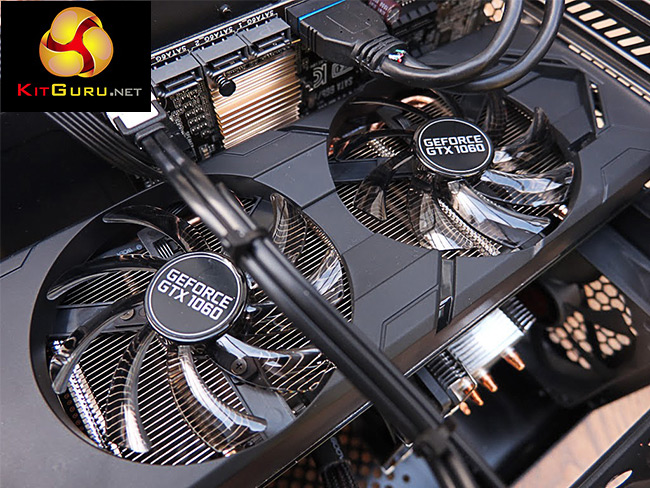
But the star of the show is clearly the NVIDIA graphics, which come in the shape of Gainward's GeForce GTX 1060 Dual. All of this comes in at well under a grand inc VAT, so let's find out whether the new 1060 can be the hub of a kick ass mini gaming rig on a budget.
System Configuration:
- Raijintek Styx Classic – Black Micro ATX Case.
- 2.7GHz Intel Core i5-6400 Processor.
- Asus H110M-K Intel H110 Motherboard.
- Alpenföhn Sella CPU Cooler.
- 6GB Gainward GeForce GTX 1060 Dual Graphics Card.
- 8GB 2400MHz Team Group Elite DDR4 Memory.
- 1TB Seagate 7,200rpm Desktop SSHD.
- SuperFlower Golden Green 450W “80 Plus Gold” Power Supply.
- Windows 10 64 bit.
- 3 Years Warranty – 1st and 2nd Year Collect and Return, 3rd Year Labour only.
Price for this system (at the time of writing): £880 (inc. VAT)
The OCUK Titan Neutron comes in a sturdy double-layer cardboard box, with plenty of padding (and sweets) included.


Haribo, Haribo! My kids loved these.
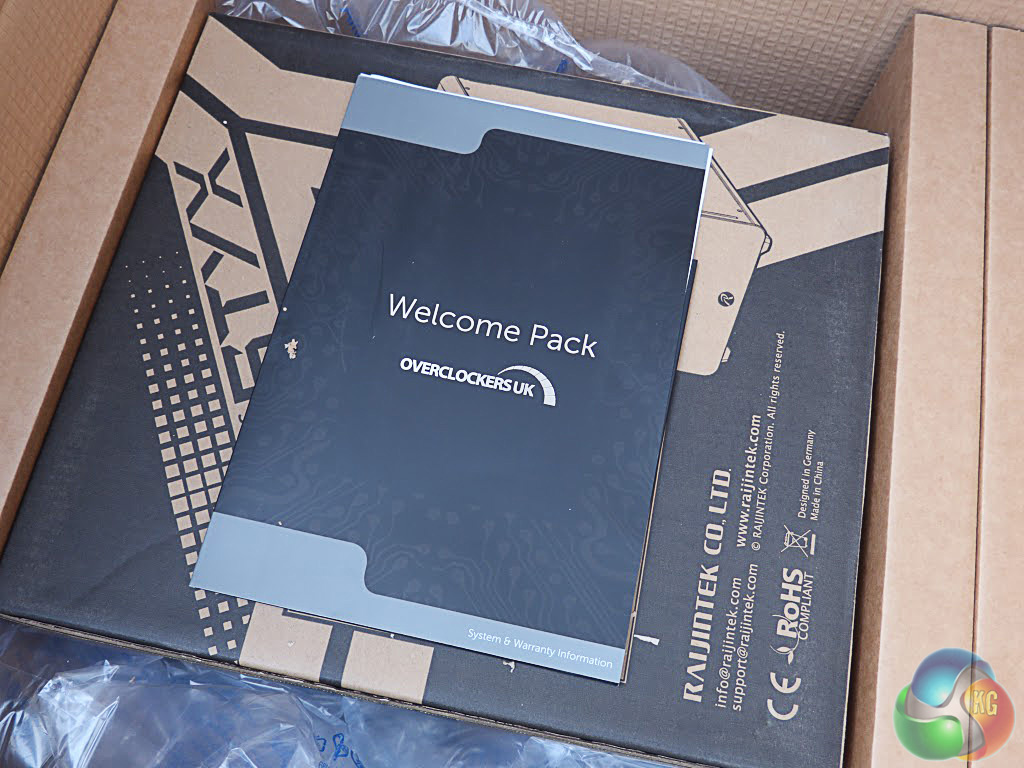
Apart from the Welcome Pack including some very limited documentation, there's nothing extra alongside the chassis.
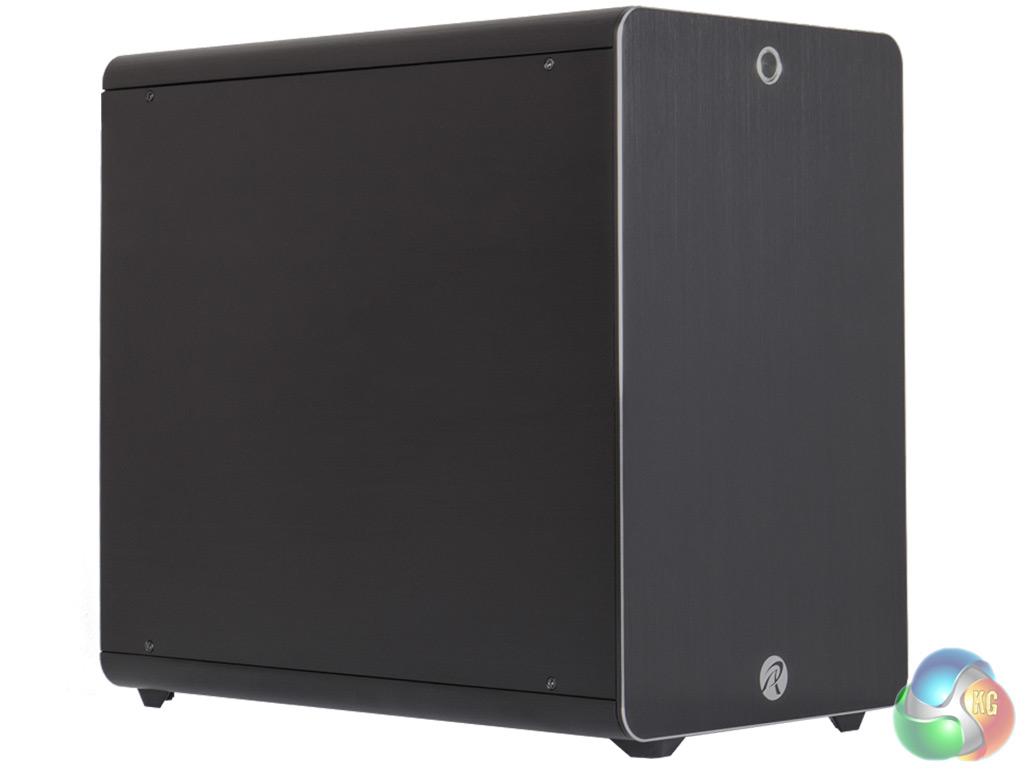
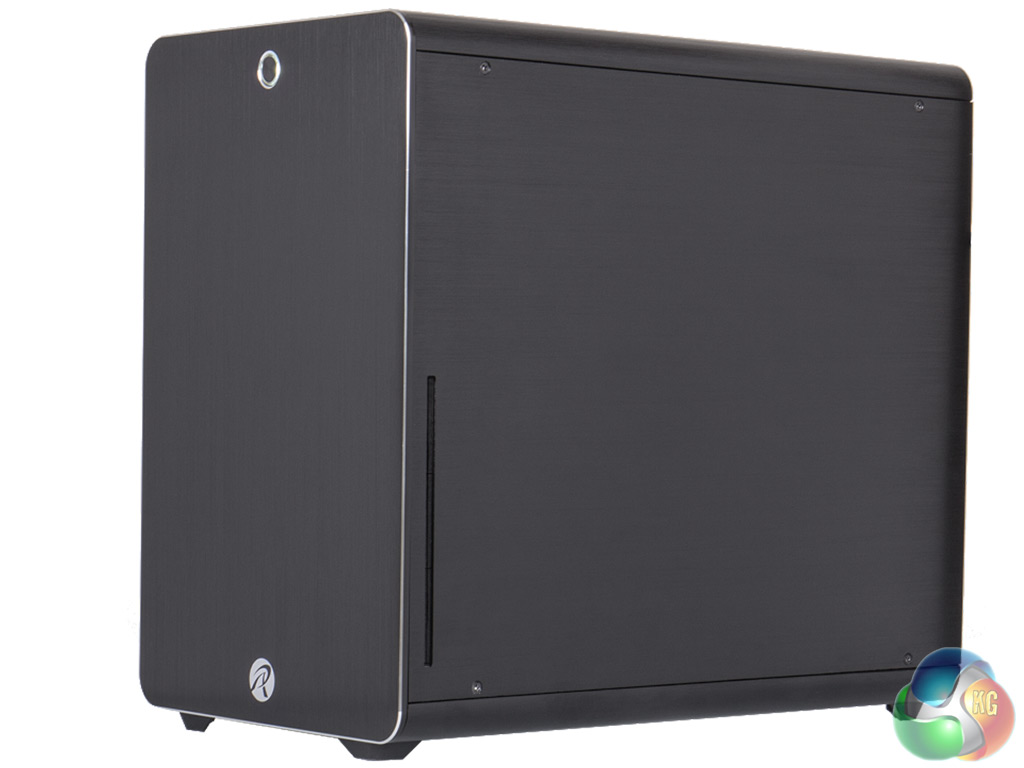
The Titan Neutron is built into a Raijintek Styx Classic chassis. This is a classy-looking case with an unfussy appearance. There are no external bays at the front, with the solid metal fascia broken only by the power switch at the top and logo at the bottom. A pair of USB 3 ports and audio minijacks sit on the top front edge, with a ventilation grille taking up the majority of the top.
There's a mysterious slit on the right-hand edge, which is in fact an orifice for a slot-loading notebook optical drive. However, this was not included in our sample, and we're pretty sure you won't miss it very often, if at all, now that virtually all PC games are downloads.
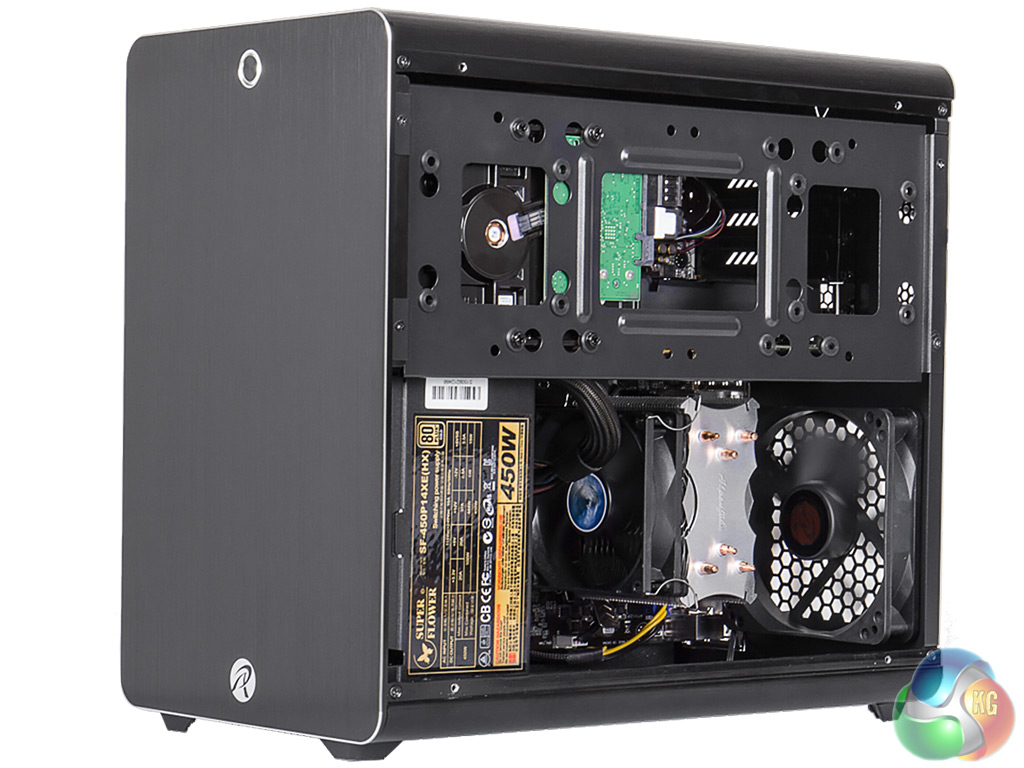
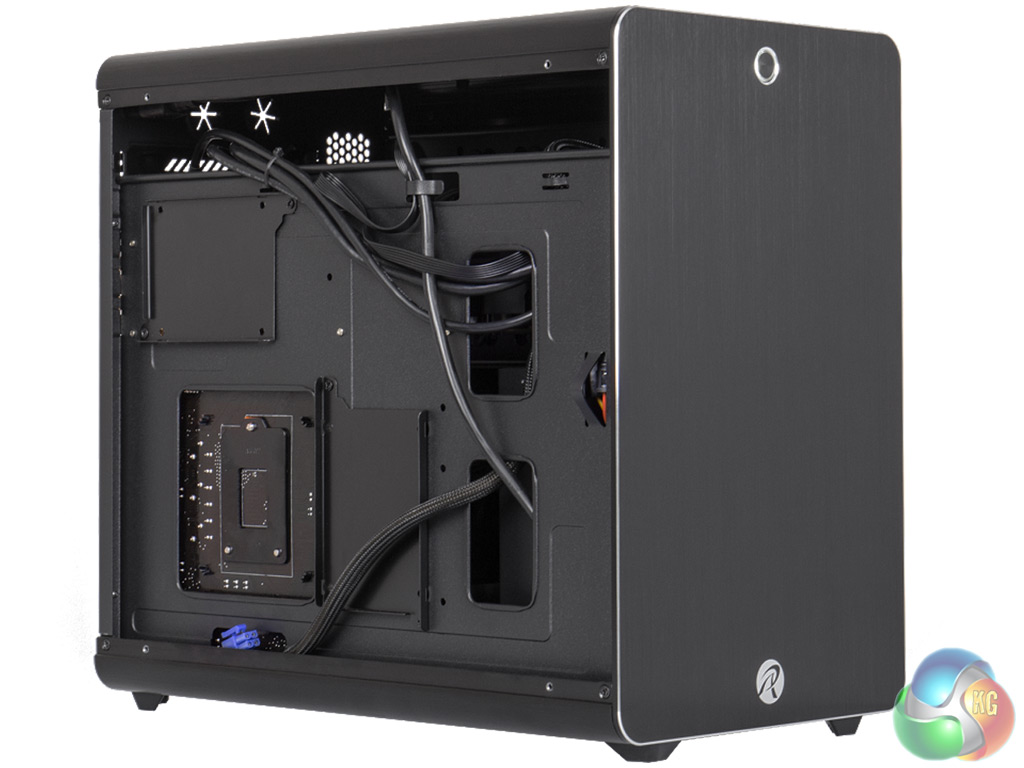
This isn't really a chassis designed for frequent upgrade, either. There is no thumbscrew-based or tool-free access to the interior. Instead, it will be necessary to remove four screws on each panel to lift it out, and then six to take off the top lid for better access to the graphics card.
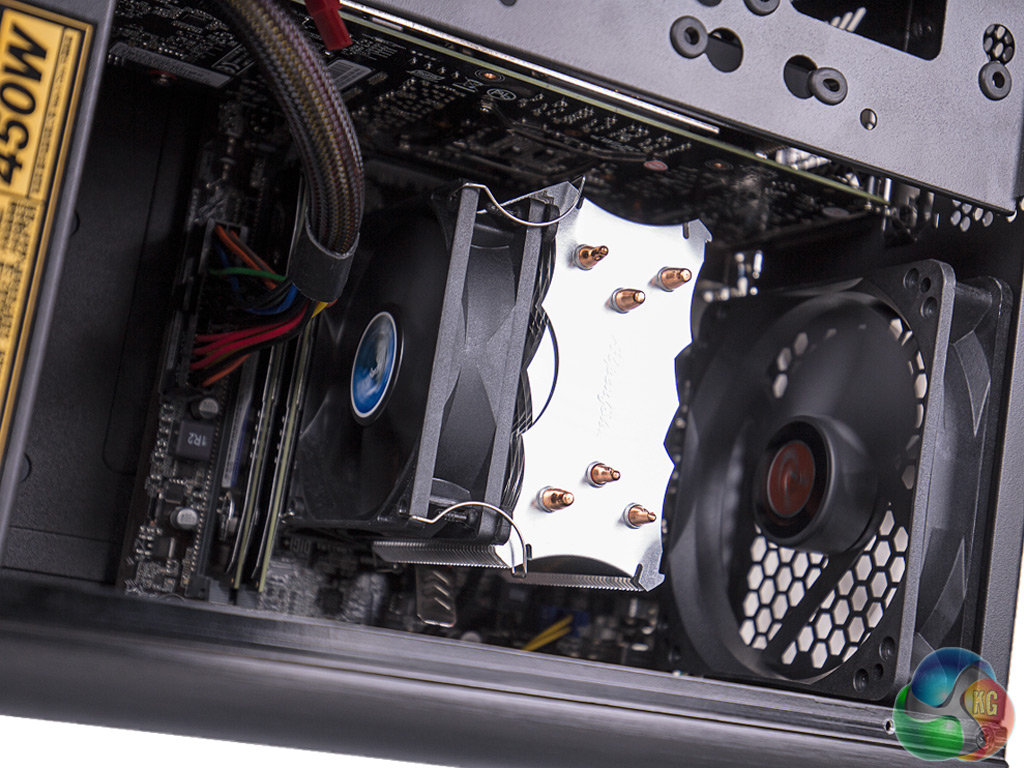
The interior is neat enough, but getting your fingers past the large air cooler to the RAM will require some dexterity.
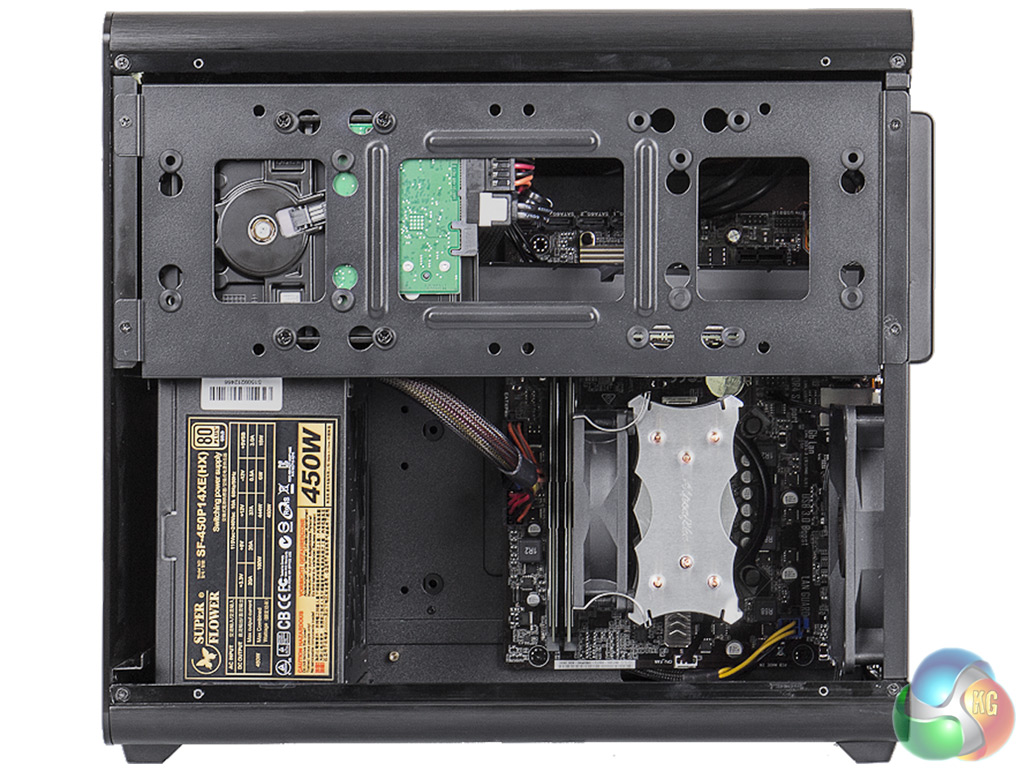
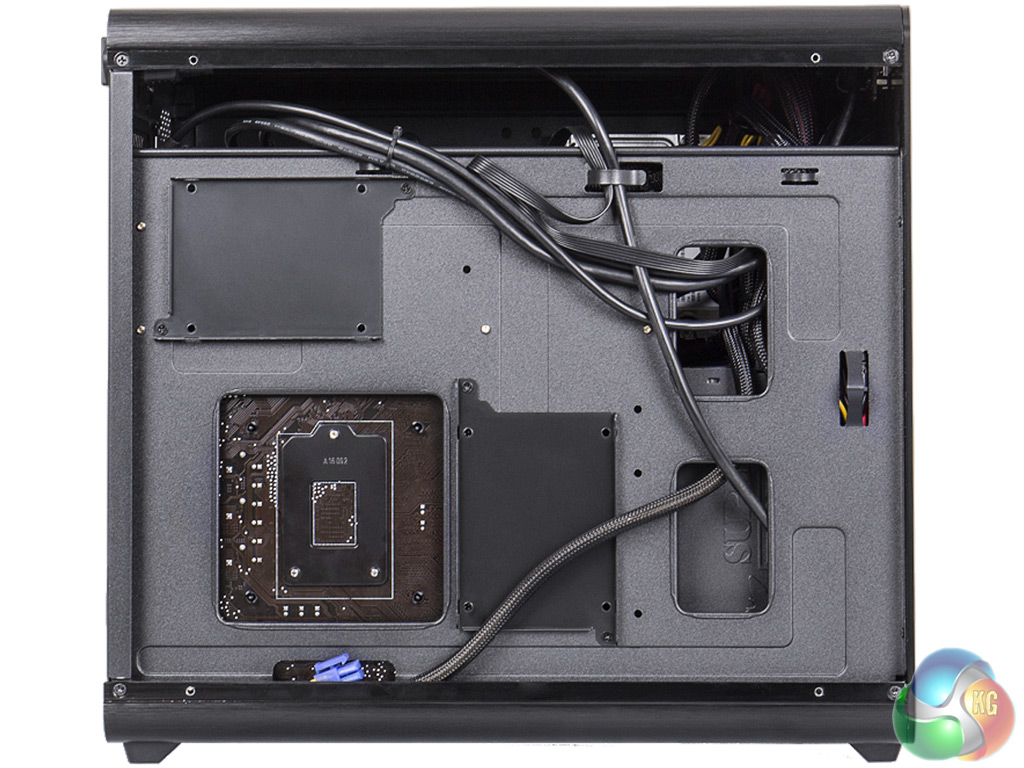
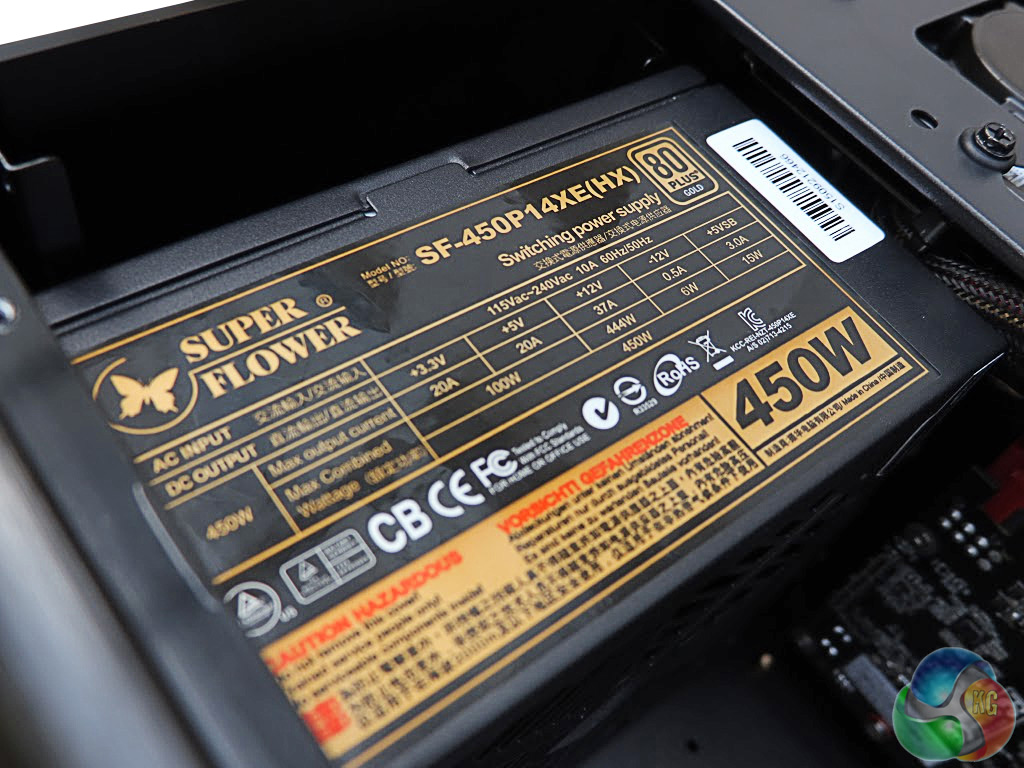
The chassis takes the now fairly common strategy of positioning the motherboard “upside down”, so the ports are at the bottom, with expansion cards above, although the power supply remains at the top. The PSU is a relatively modest 450W unit from Super Flower, which will be perfectly adequate for the components included, and considering that there isn't much option for major upgrade either.
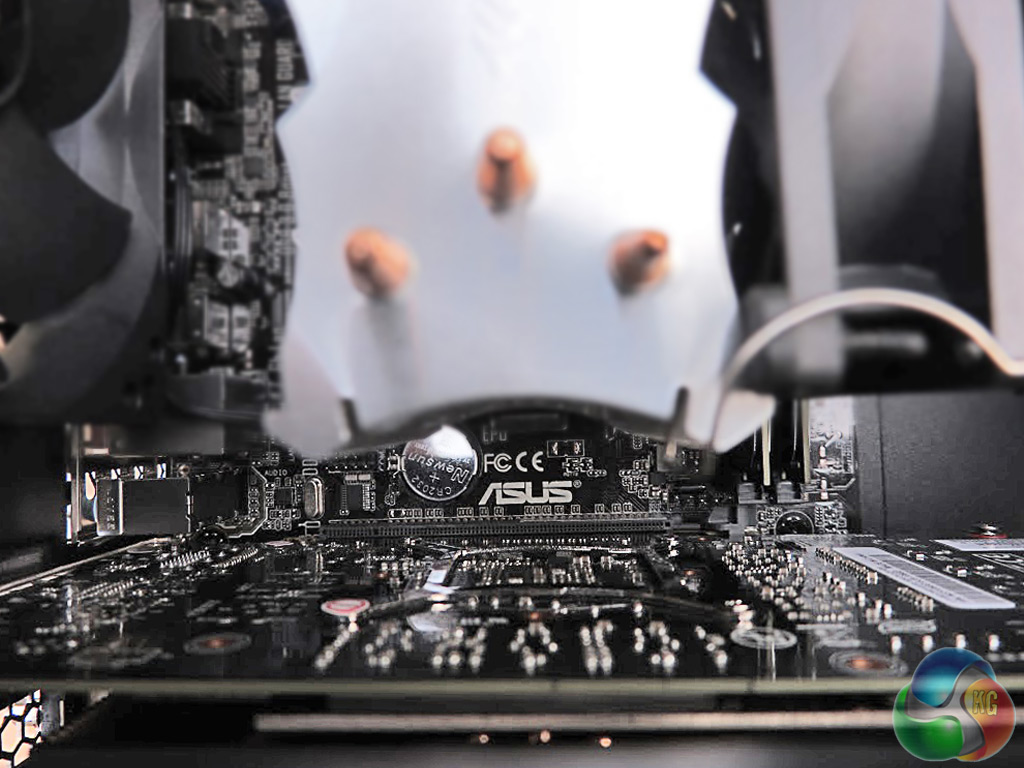
The motherboard in question is an Asus H110M-K, which is based around Intel's H110 chipset (the clue is in the name). This provides support for the latest sixth-generation Intel processors, but is otherwise “lite” on features.
In particular, there are just two DIMM slots, and a single x16 PCI Express 3.0 slot, with the remaining two PCI Express slots only supporting 1x and PCI Express 2.0.
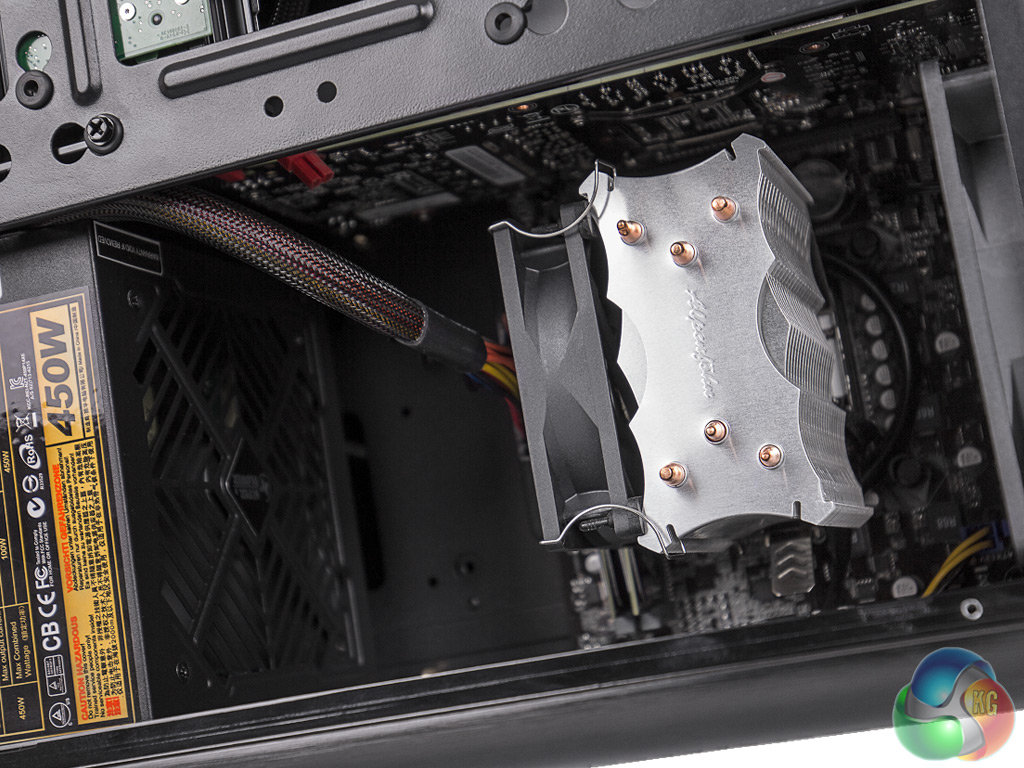
Overclockers UK hasn't completely pushed the boat out with the CPU. The Intel 6400 sits at the bottom of the Skylake 6th-generation Core i5 processor range. It's quad-core and runs at a nominal 2.7GHz, with one or two cores able to hit 3.3GHz, or all four 3.1GHz, but there's no Hyper-Threading (being an i5 instead of i7), so quad-core means four physical cores only, not eight virtual ones.
This should still be a decent basis for a gaming rig. The CPU is kept in check by a large Alpenföhn Sella heatpipe-based CPU cooler, which is pleasantly silent in operation.
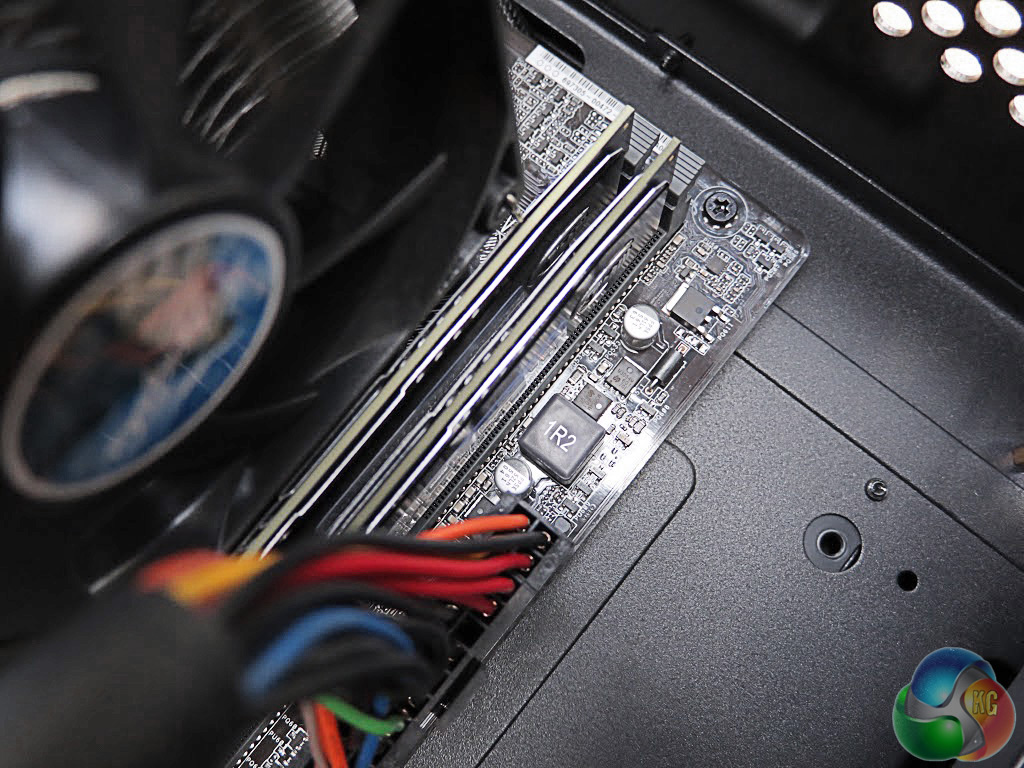
The memory allocation is relatively frugal, too. It may be 2,400MHz DDR4, but only 8GB is supplied, which is adequate, but 16GB would have been more future proofed.
With just two DIMM slots, all the memory will need to be replaced if you do wish to upgrade. The motherboard's maximum is 32GB.
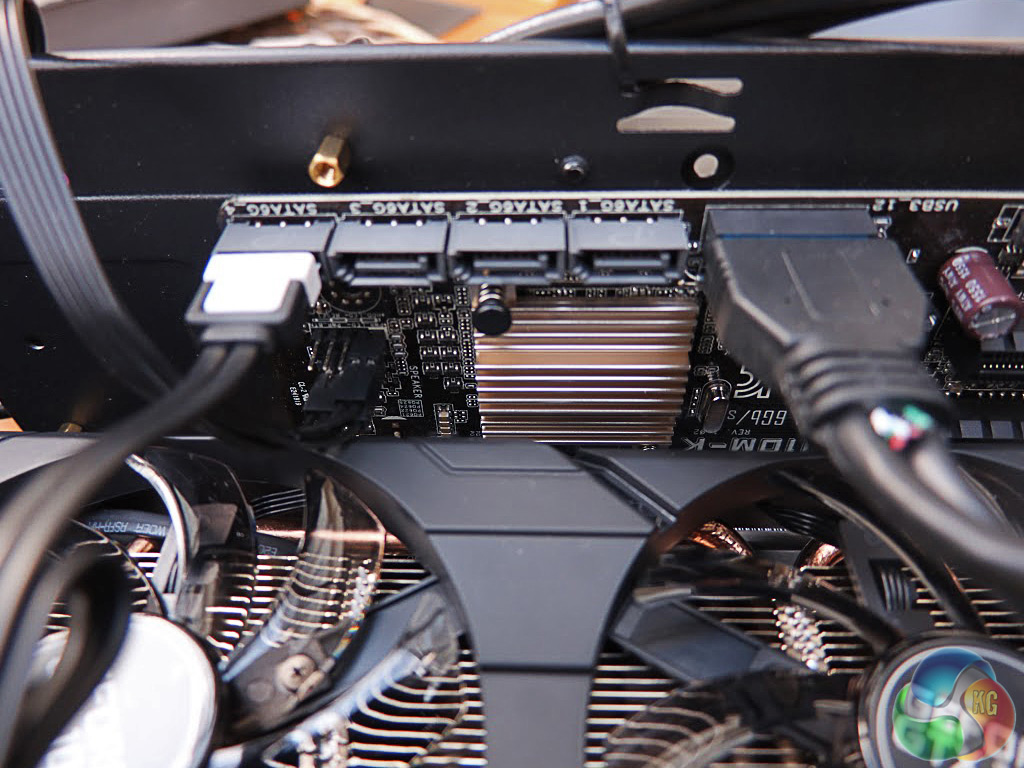
Overclockers UK has opted for capacity over speed with the storage. A 1TB Seagate Desktop SSHD is the only inclusion. This is actually a hybrid 7,200rpm hard disk with 8GB of MLC NAND Flash on board as a permanent cache.
In theory, this means frequently-used software is loaded as rapidly as if it were a SSD, but without the expense of having a large-capacity Flash-based storage device. It's a sensible choice for a budget gaming rig, where the massive size of contemporary titles can soon fill up a 500GB drive.
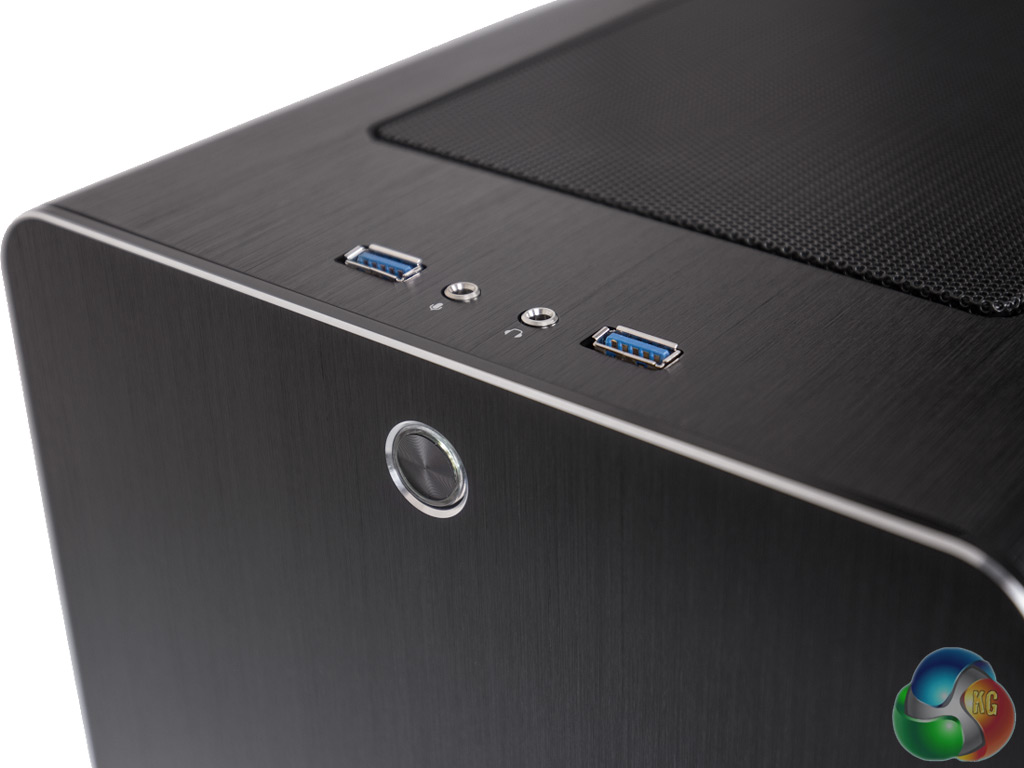
The Titan Neutron relies on the Asus motherboard's audio. This is a Realtek ALC887 eight-channel chipset, although with only three minijacks on the rear the ports on the front top edge of the chassis will need to be retasked to drive the full 7.1-channel surround capability.
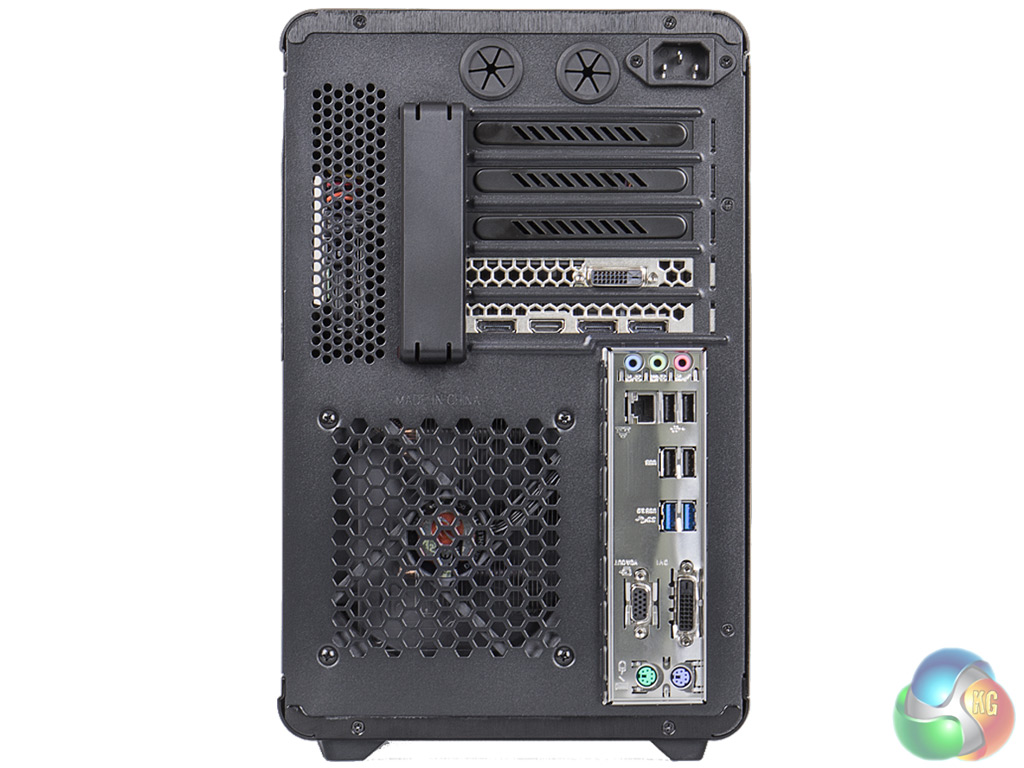
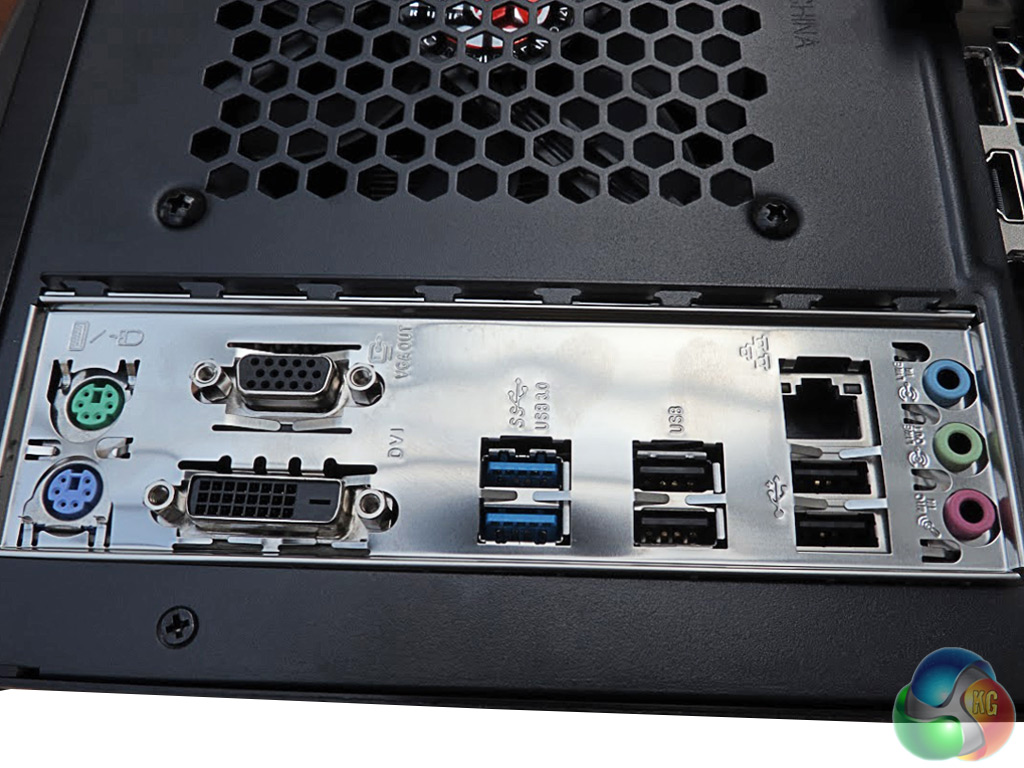
Aside from these audio ports, the back panel sports four USB 2.0 ports and two USB 3.0, and a single Gigabit LAN. There's DVI and VGA for the processor's on-board graphics (not in use for this system), plus PS/2 mouse and keyboard.
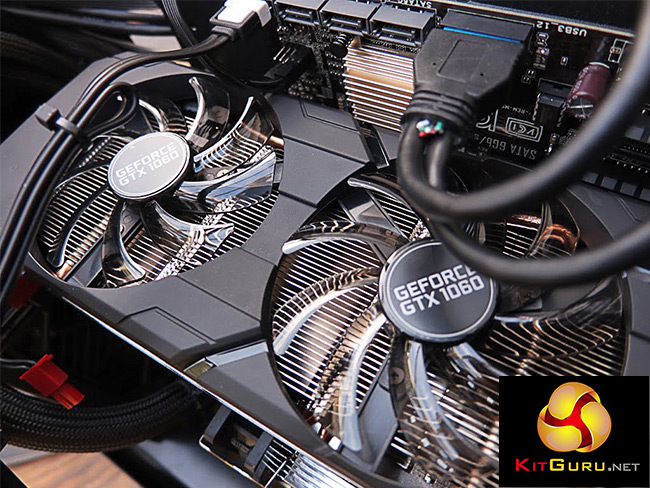
This brings us to the celebrity guest at the party – the Gainward GeForce GTX 1060 Dual. This is a two-slot variant of the NVIDIA GeForce GTX 1060, with two large fans on hand to keep the graphics card cool. You can read our full review of the Nvidia GTX 1060 Founders Edition card over HERE.
It's a sensible choice, as the big news with the GTX 1060 compared to previous mid-range options like the GTX 960 is that it has a whopping 6GB of GDDR5 memory, so shouldn't have trouble running the textures required for 4K, although the GPU itself might not be quite up to scratch for intensive games.
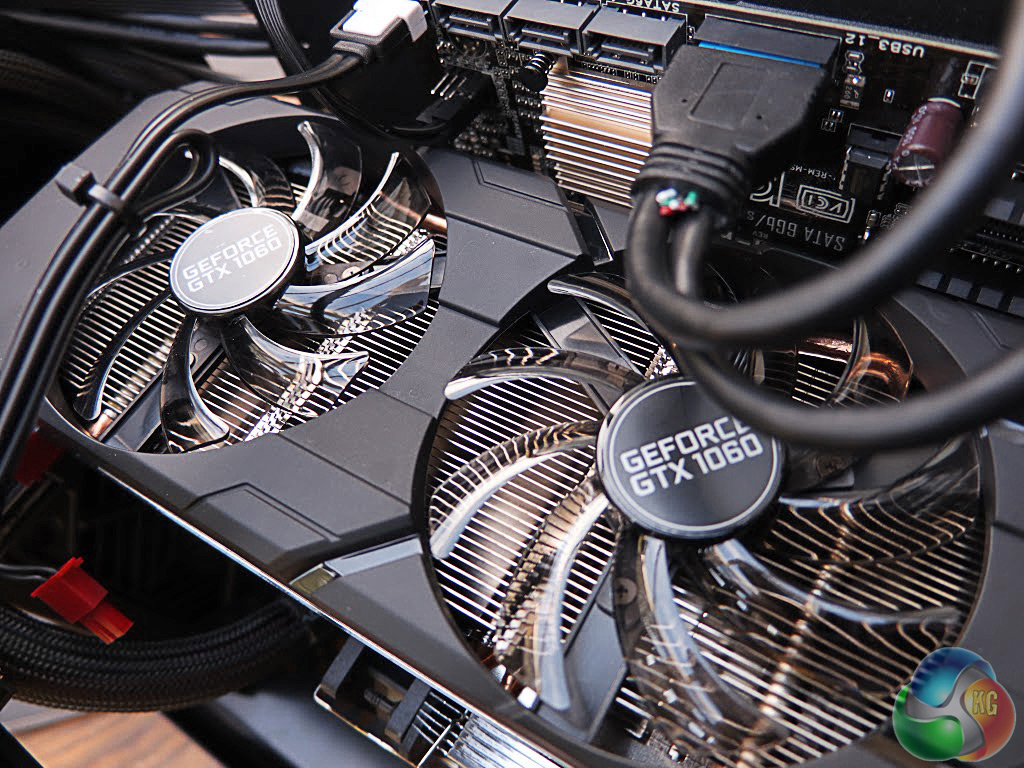
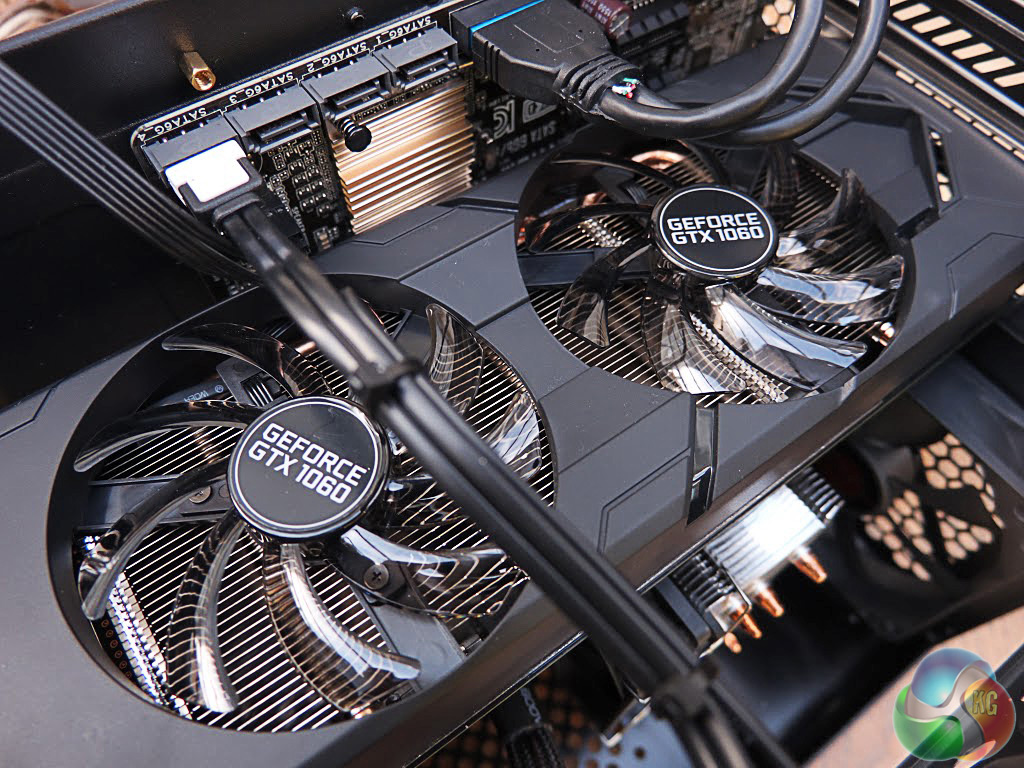
The 1060 uses NVIDIA's Pascal generation, like the 1080 and 1070, and sports 1,280 CUDA cores, which makes it broadly equivalent to some GTX 960 models, but below the GTX 970. However, the core clock is significantly higher than either, with a 1,506MHz core clock and 1,709MHz Boost Clock, which is close to 50 per cent faster.
Memory runs at 2,002MHz, but is quad pumped for 8,008MHz effective bandwidth, making it faster than the 970's 7GHz, although it uses the same 192-bit memory path as the 960.
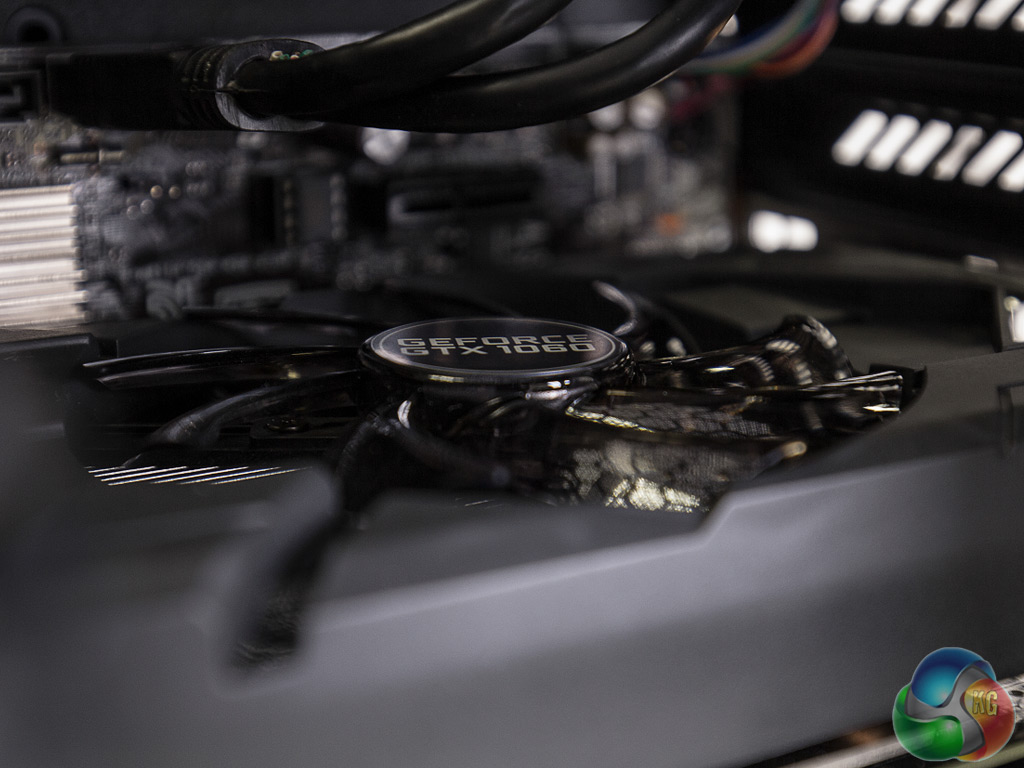
The card has plenty of potential to provide GTX 970-like performance for less outlay, and our first standalone review of the new GPU has already shown its potential well beyond 1,920 x 1,080. It supports DirectX 12.0, OpenGL 4.5, OpenCL 1.2, CUDA 6.1 and Shader Model 5.
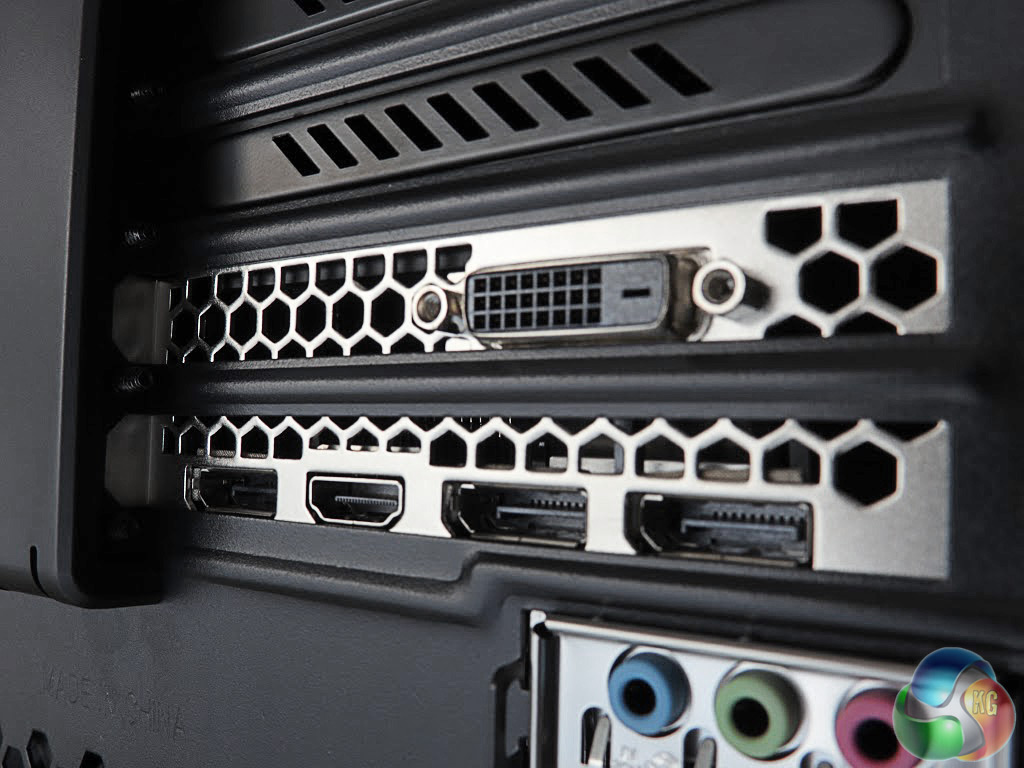
The dual-slot back plate sports a wide variety of options for multi-screen setups, with three DisplayPort connections, HDMI, and even legacy DVI, although the latter is DVI-D rather than DVI-I so analog VGA has been banished once and for all. At 120W TDP, this is a frugal card, but note that SLI is not supported with the 1060, although there's no second slot for this in the Titan Neutron anyway.
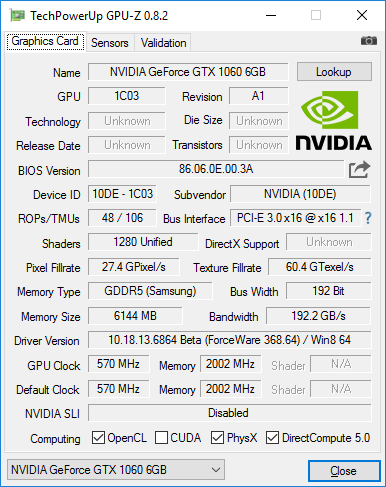
The Overclockers UK system was running Windows 10. Here are the CPU-Z and GPU-Z readings showing the hardware configuration.
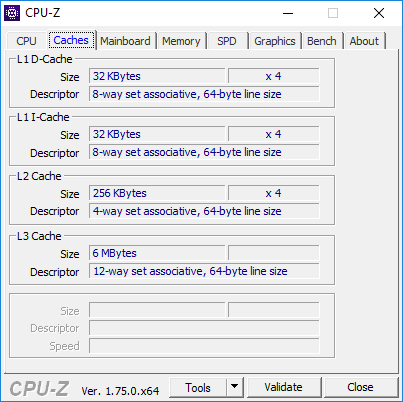
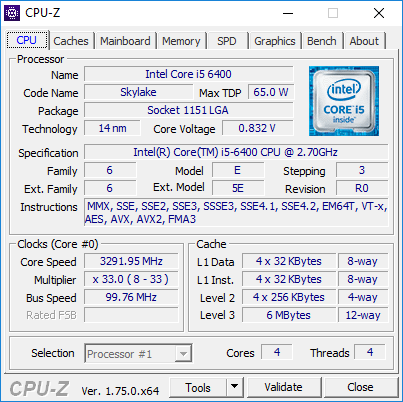
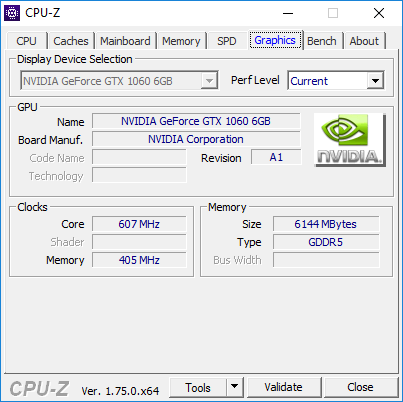
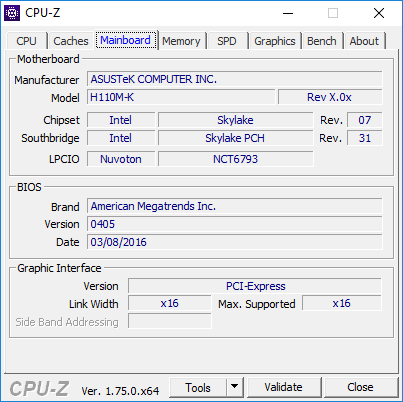
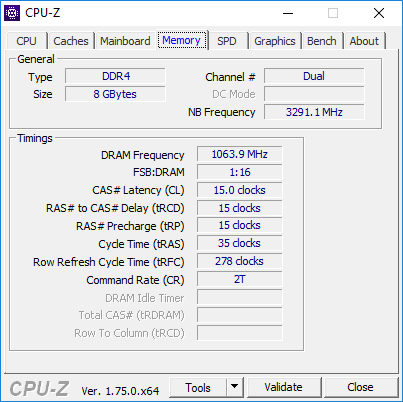
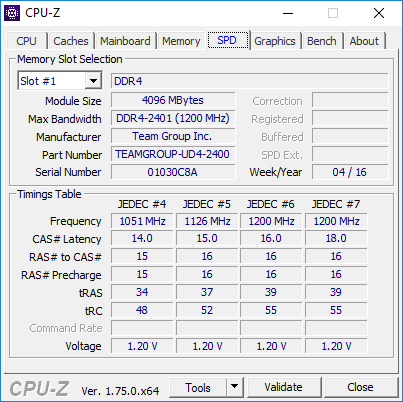
We will be running our tests against the Mesh Elite Game Changer 980, which sports a GeForce GTX 980 so should outgun the Titan Neutron, but will show how close you can get to a premium gaming system for less than £900.
Mesh Elite Game Changer 980
Processor: Intel Core i7 4790K.
Motherboard: MSI Z97A GAMING 6.
Memory: 16GB 2,133MHz DDR3.
Graphics Card: MSI NVIDIA GTX 980 4GB.
System Drive: 240GB OCZ DRIVE ARC SSD.
CPU Cooler: Coolermaster Nepton 120 XL.
Case: NZXT H440.
Power Supply: Super Flower Leadex GOLD 750W.
Operating System: Windows 8.1 64-bit.
Tests:
3DMark 2.1.2852 – Fire Strike 1.1, Time Spy 1.0
SiSoft Sandra 2016 SP1 – Processor arithmetic, memory bandwidth
Cinebench R15 – All-core CPU and OpenGL graphics benchmark
Crystal DiskMark 5.0.2 – SATA 6Gbps transfer rates
Tomb Raider – 1920 x 1080, ultimate quality
GTA V – 1920 x 1200, very high quality
3DMark
We used 3DMark's ‘Fire Strike' DirectX 11 and new ‘Time Spy' DirectX 12 benchmarks, which are designed to be used on gaming PCs. We opted for the Normal setting for Fire Strike, NOT the Extreme or Ultra modes.
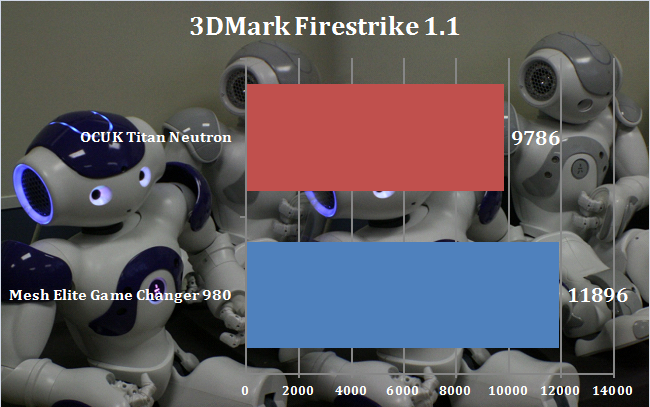
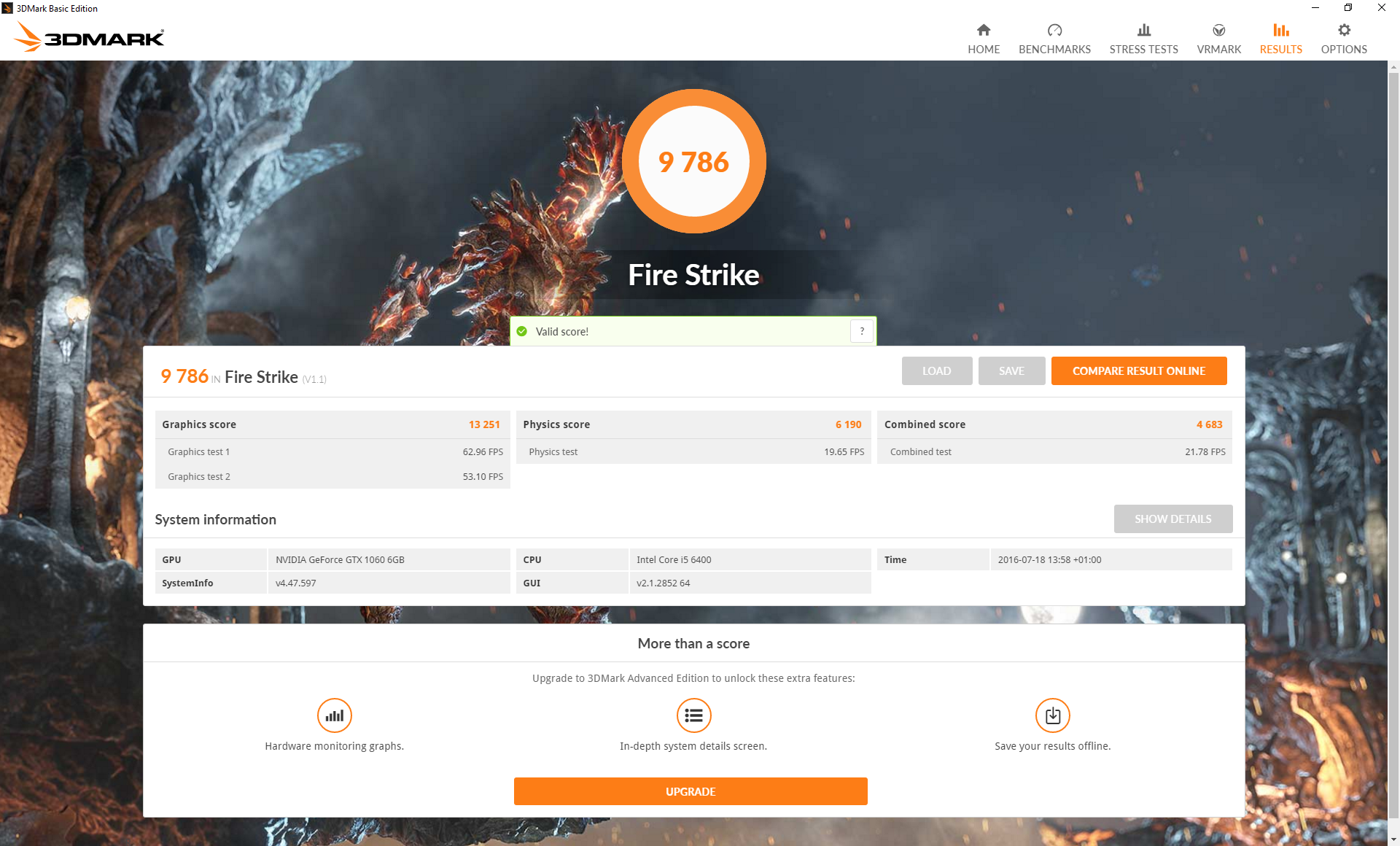
The 3DMark tests include CPU workloads, so here the Titan Neutron falls behind our reference system, with its 4GHz Intel Core i7 processor. But this is still a good result, considering this system costs half the price, and our standalone review of the 1060 in a faster test bed illustrates the potential of this GPU.
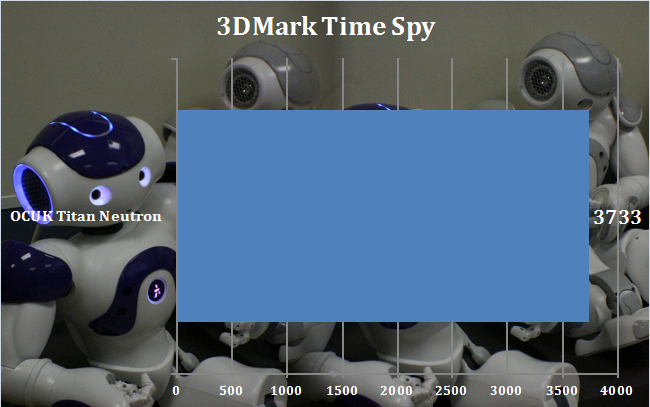
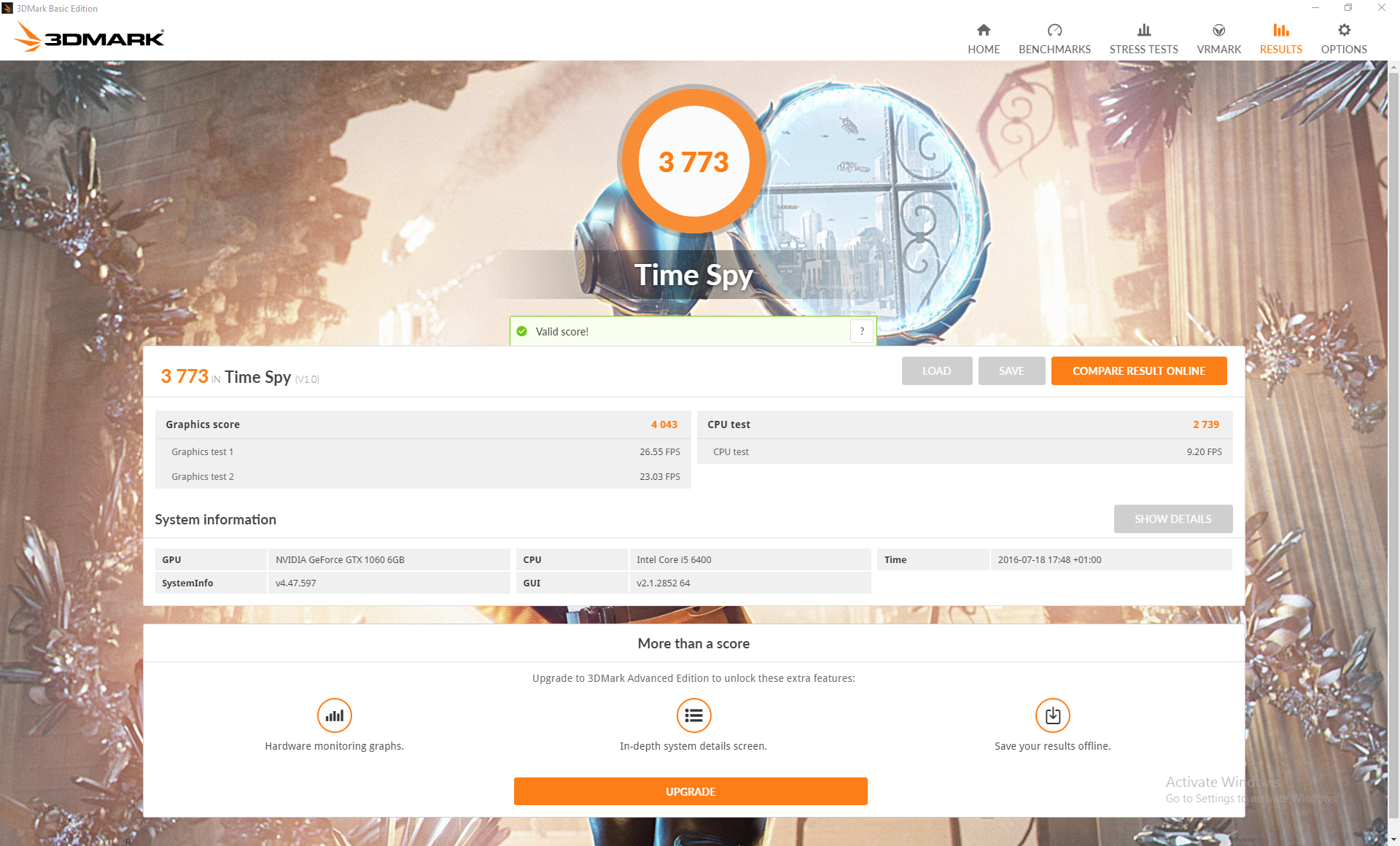
We don't have much to compare this to, as Time Spy was only released on July 14th, but benchmarks published elsewhere show that this is a decent result, particularly for a sub-£900 system.
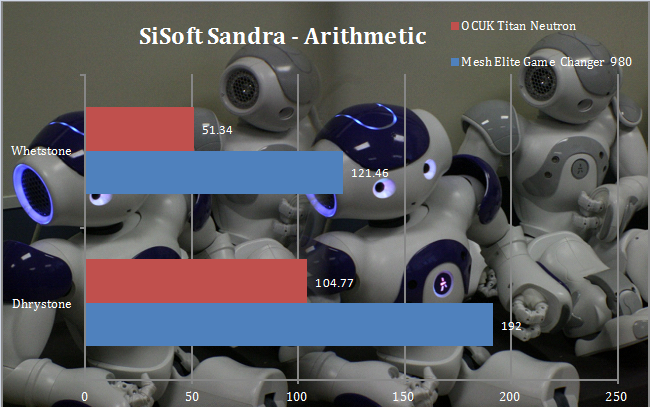
Sandra Processor Arithmetic
Sandra Memory Bandwidth
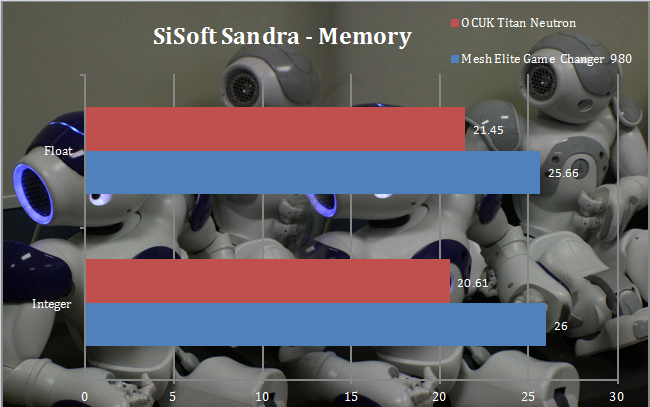
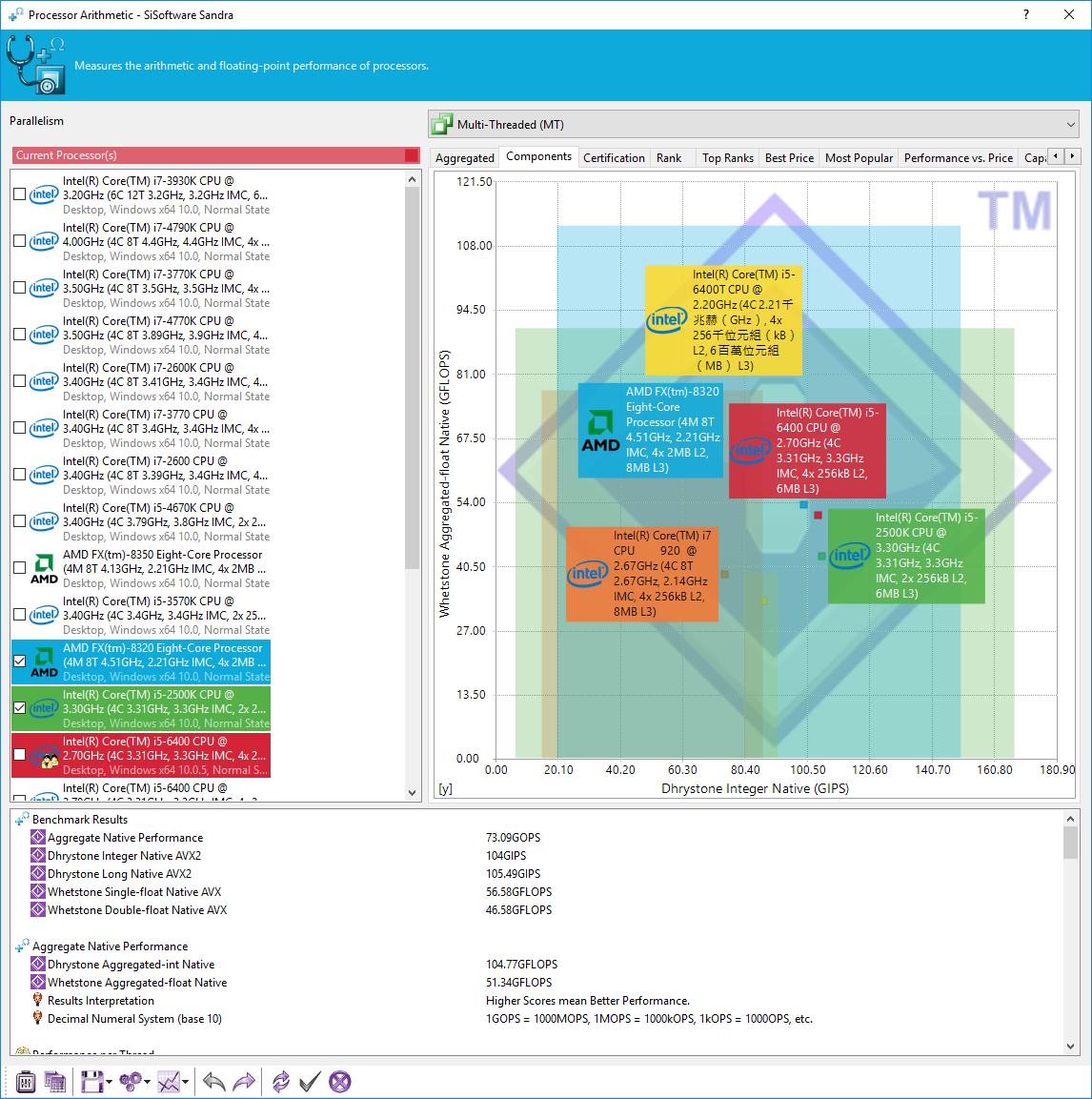
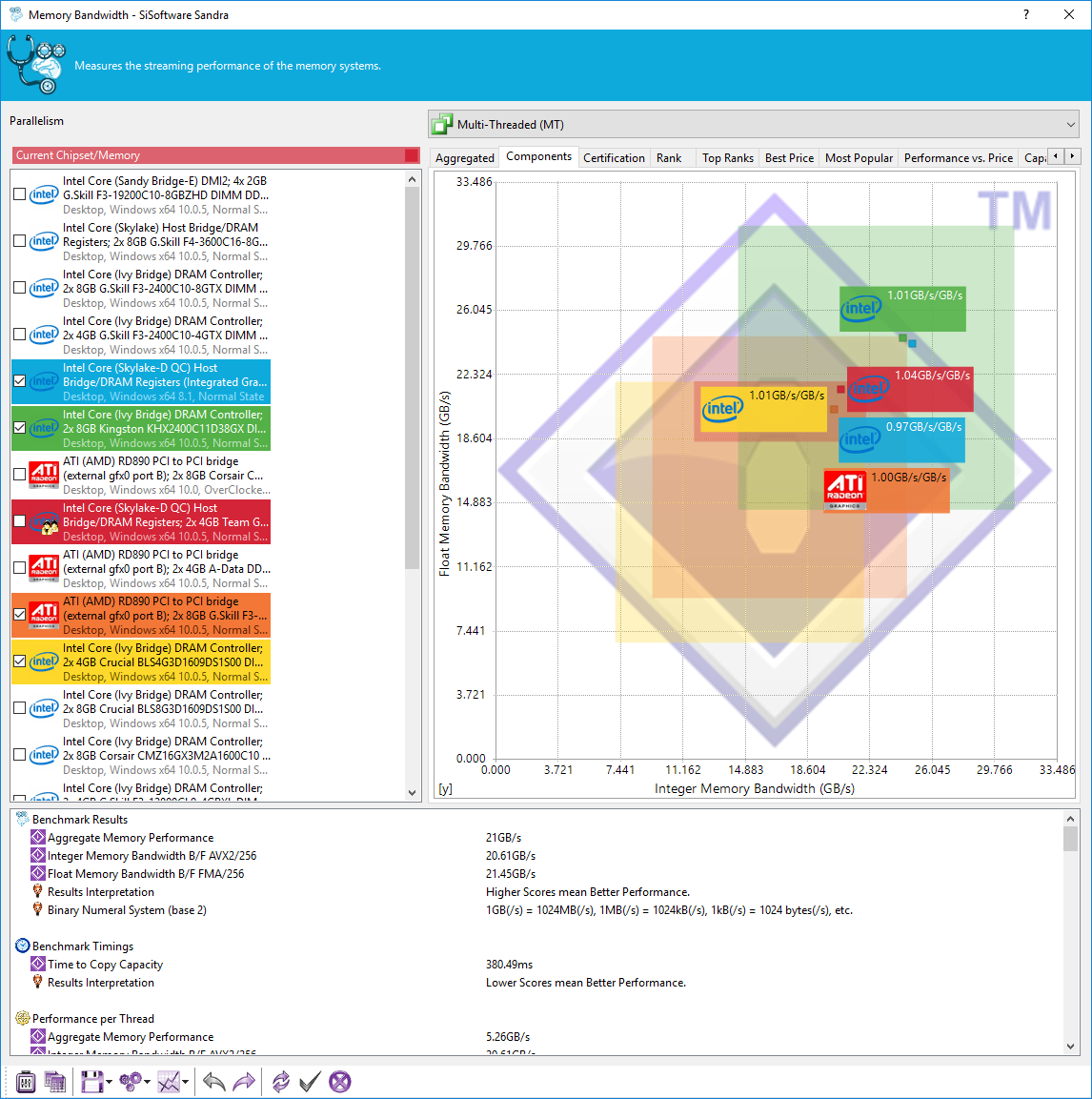
Sandra illustrates the mid-range status of the Titan Neutron's processor.
Maxon Cinebench R15 CPU
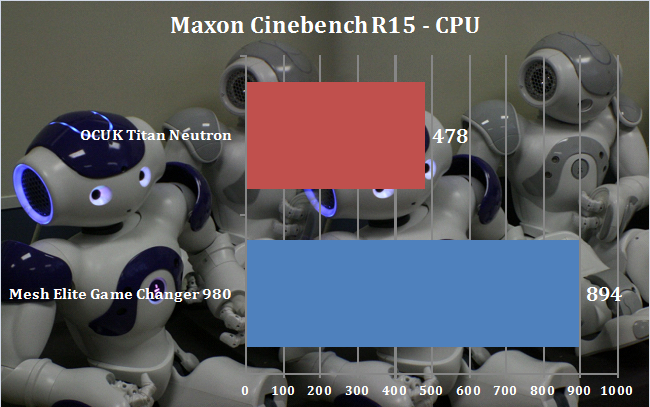
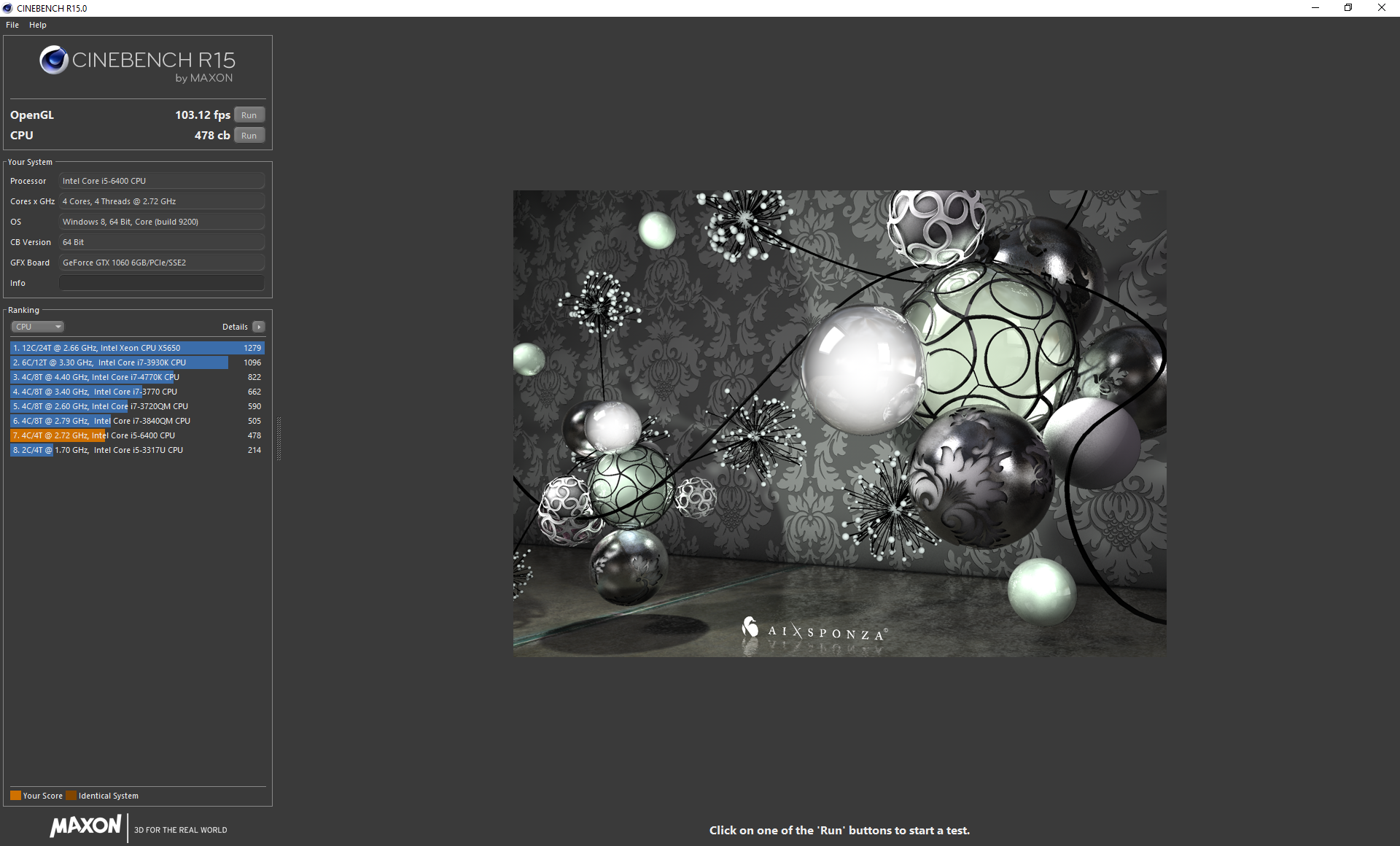
The lack of grunt, with a lower clock speed and no Hyper-Threading, is here illustrated in a more practical CPU test than Sandra. It's nothing to be concerned about, given the reasonable price of the system, but shows that graphics and gaming are the main focus.
Tomb Raider
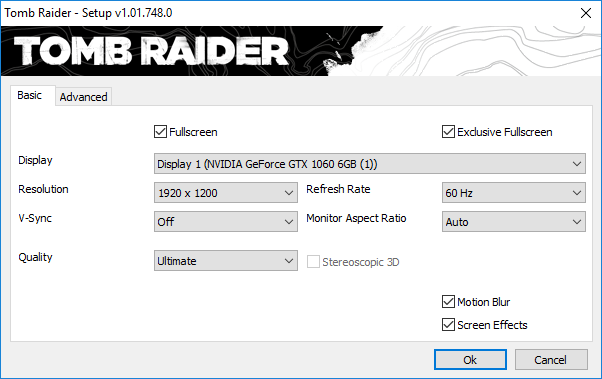
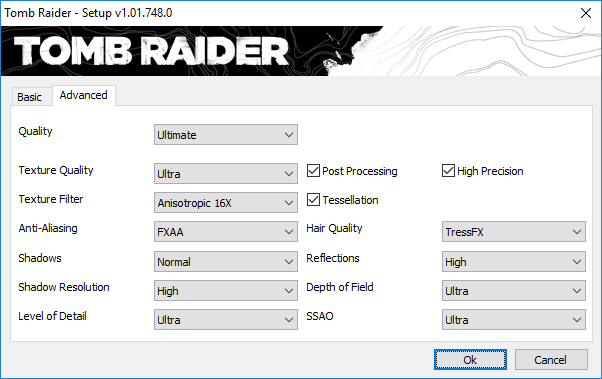
We used a 1,920 x 1,200 resolution and the Tomb Raider built-in benchmark set to ‘Ultimate' quality.
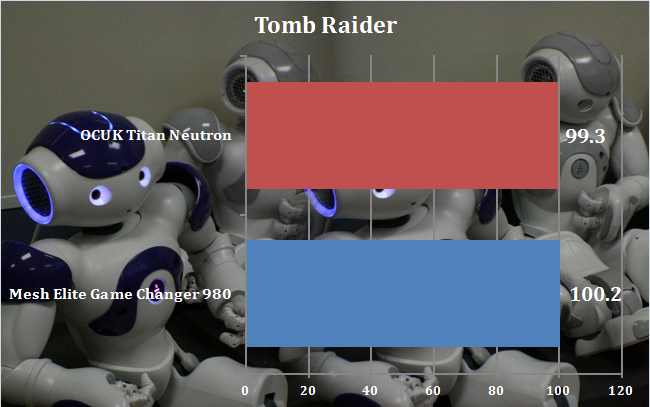
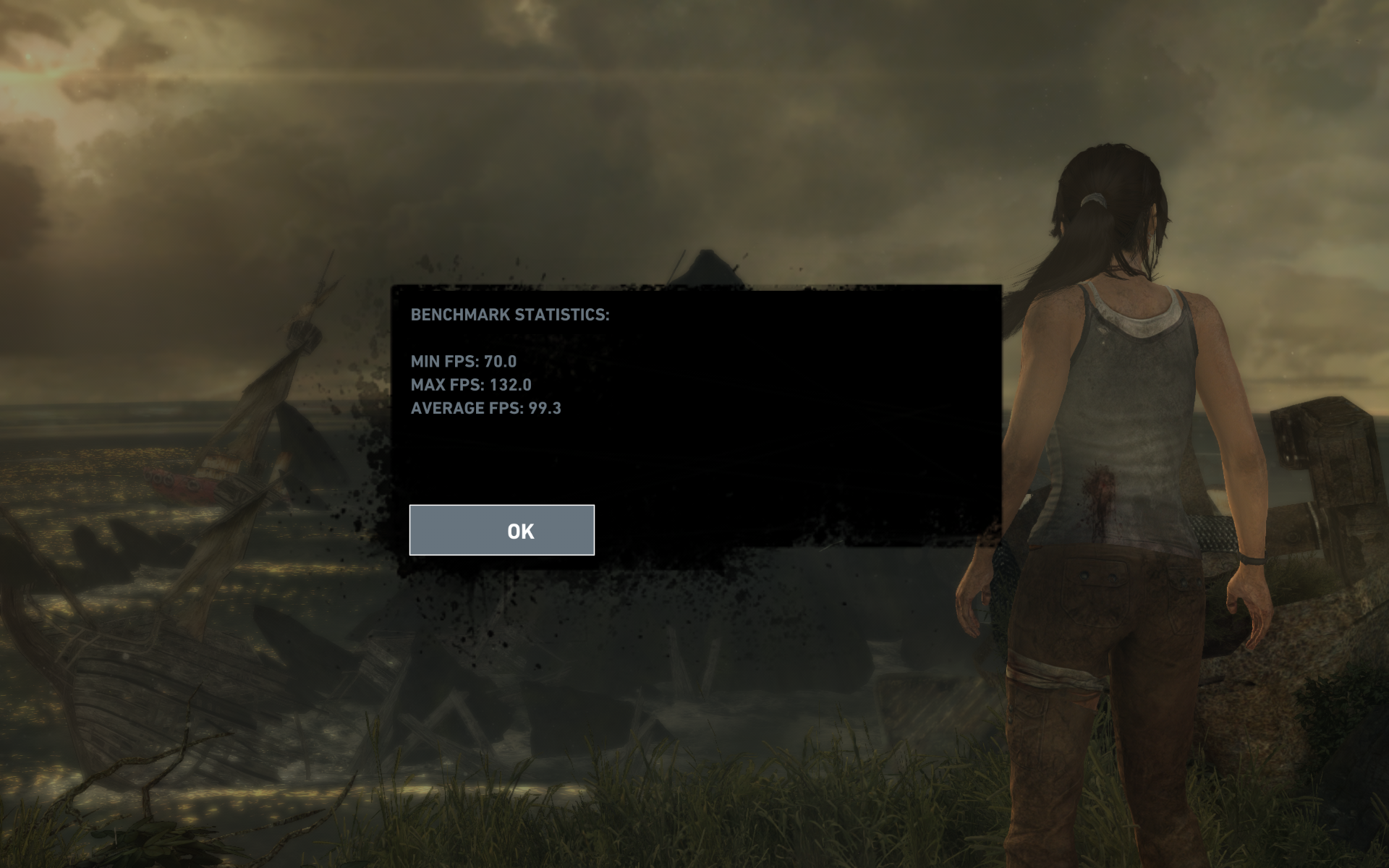
The Titan Neutron runs the Mesh reference system very closely here. That's a pretty stunning result considering that the Mesh PC is only a year old and cost almost twice as much when it was released. You really are getting a lot of gaming potential for your money here.
Grand Theft Auto V
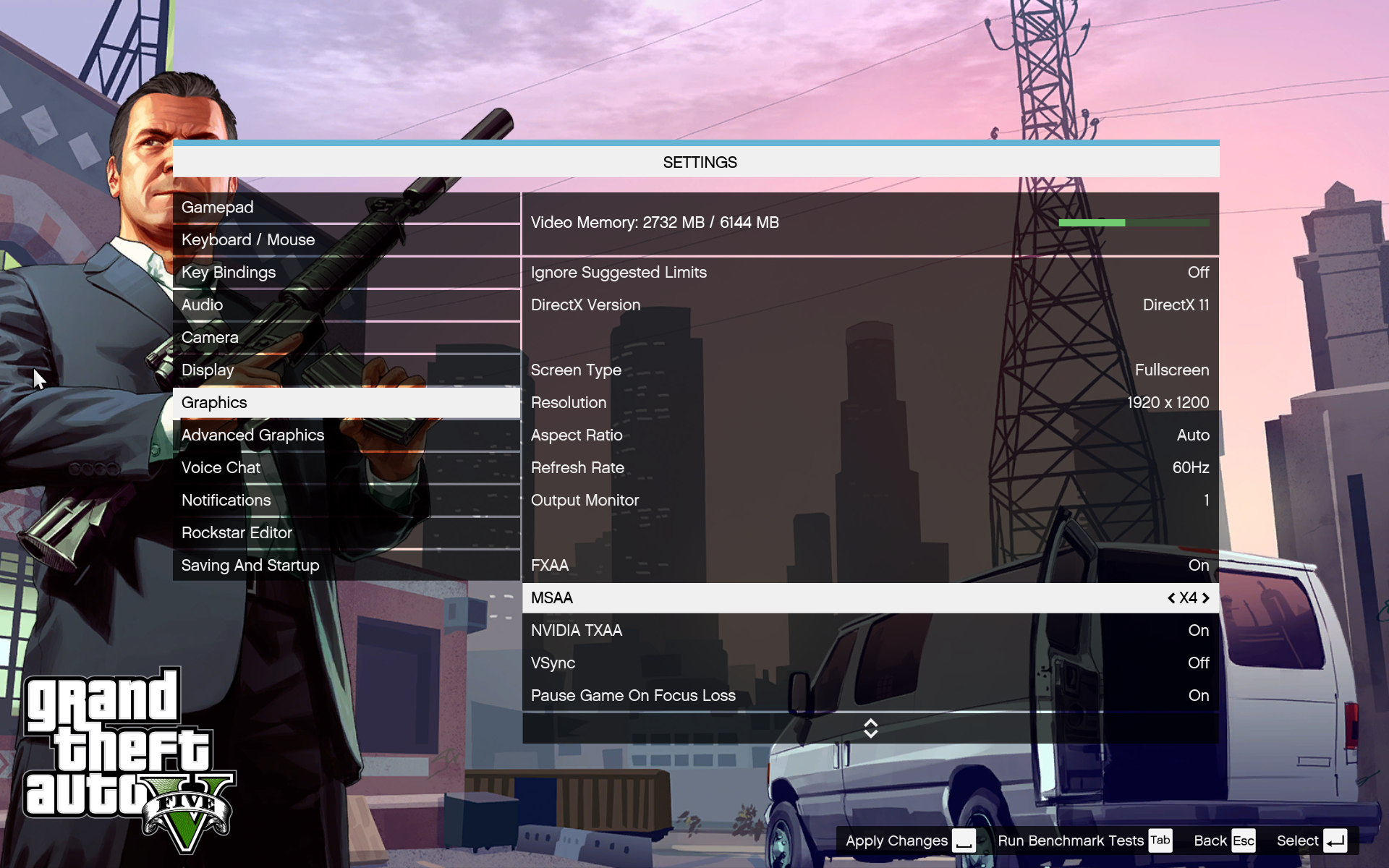
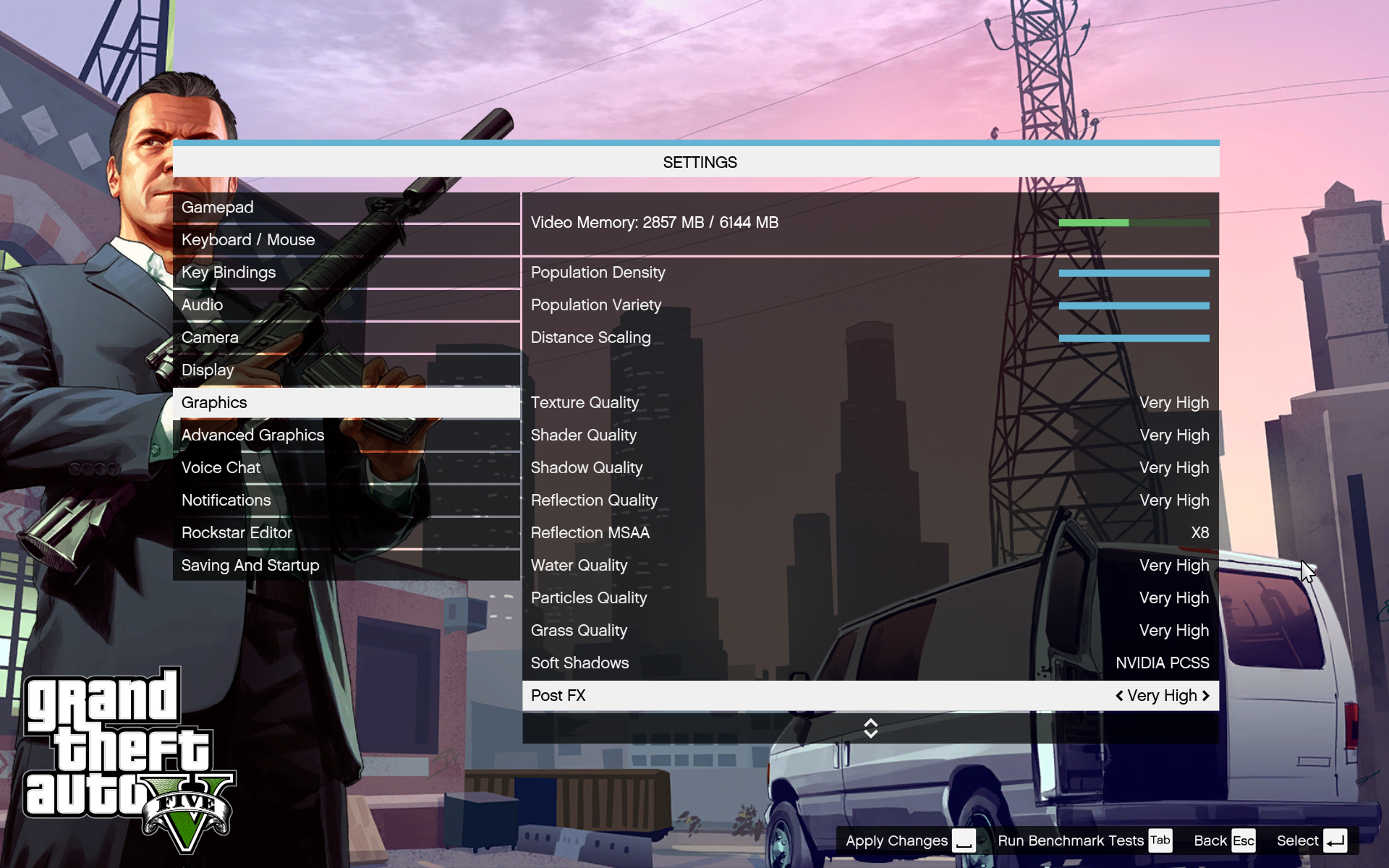
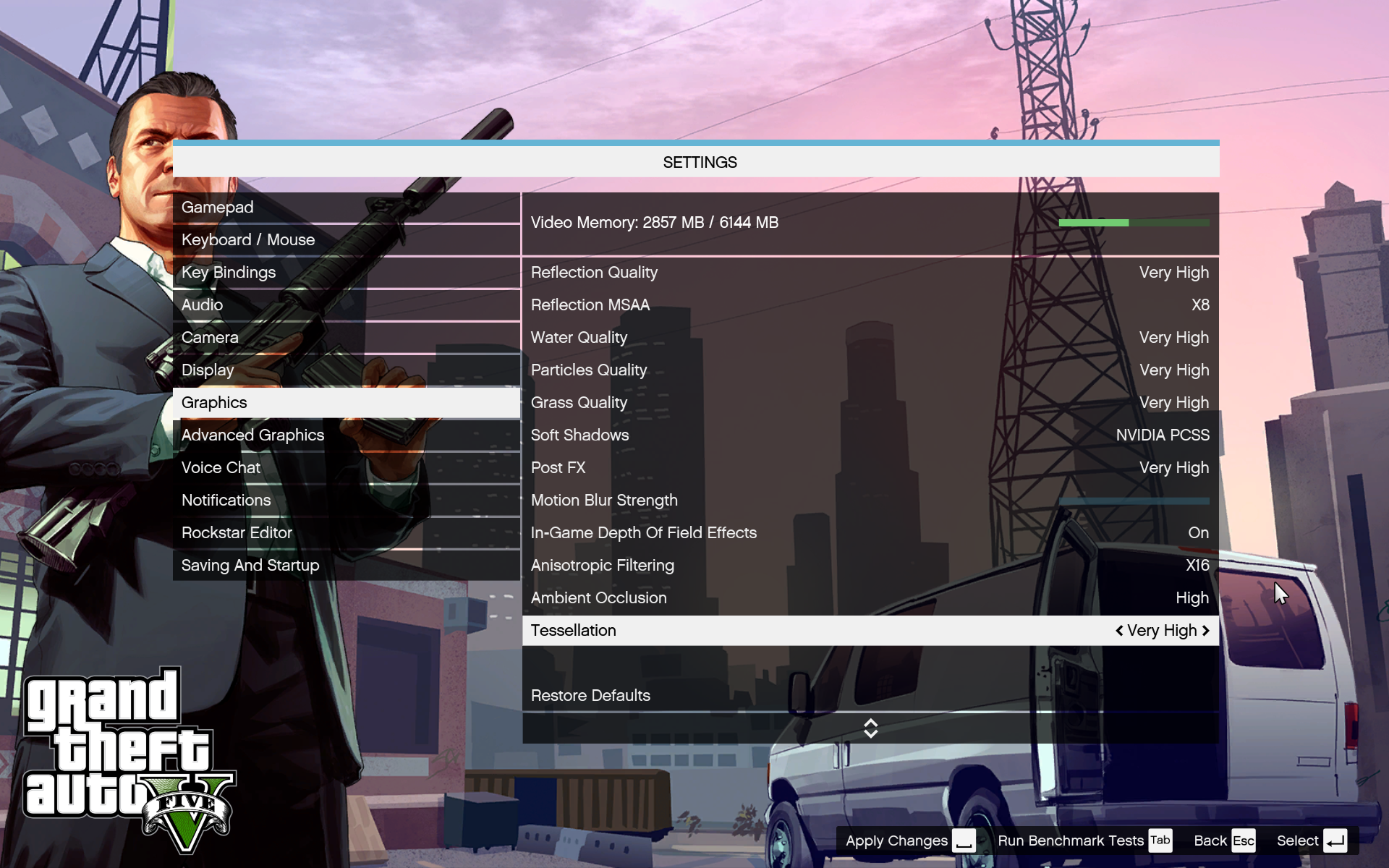
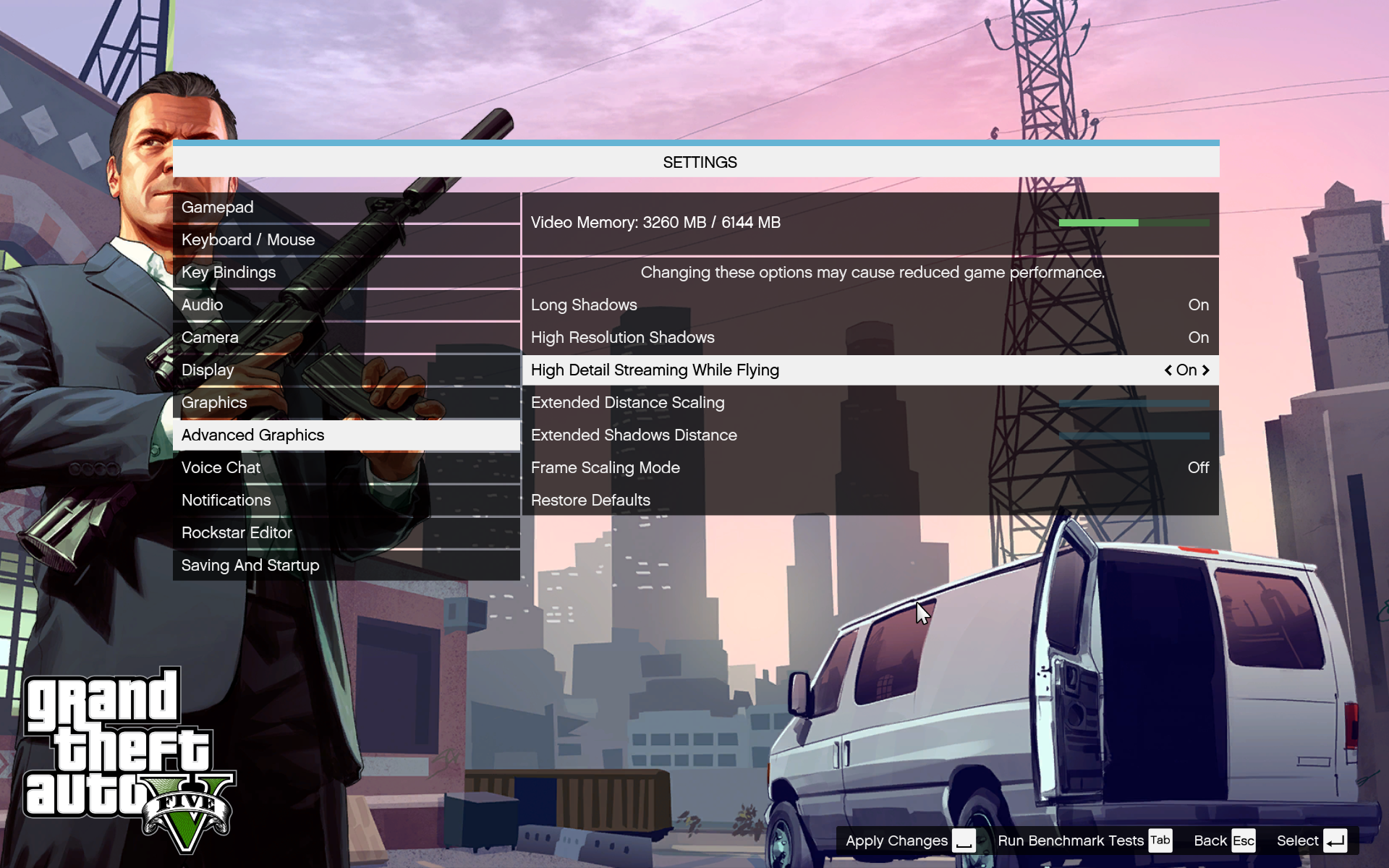
We used a 1,920 x 1,200 resolution and the GTA V built-in benchmark set to maximum quality settings to offer an intense challenge for the gaming hardware while also making playable frame rates a possibility.
We used FRAPS to record the frame rates of the last portion of the benchmark, where a jet flies across the city followed by a truck ploughing into a petrol tanker.
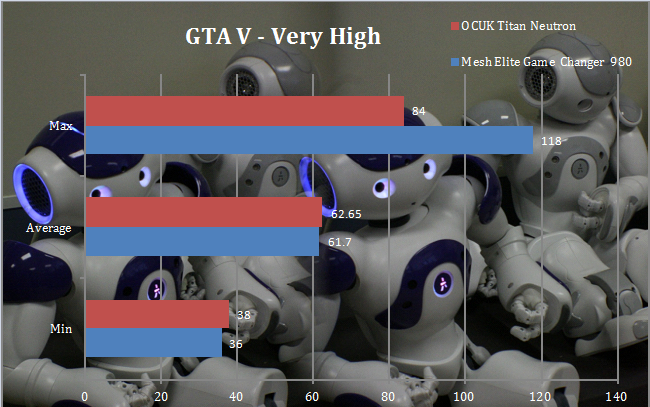
The Titan Neutron actually slightly beat the Mesh in GTA, which is another phenomenal result given the price. But given the 6GB of memory we decided to push every setting we could to the maximum, which required a little over 4GB of frame buffer.
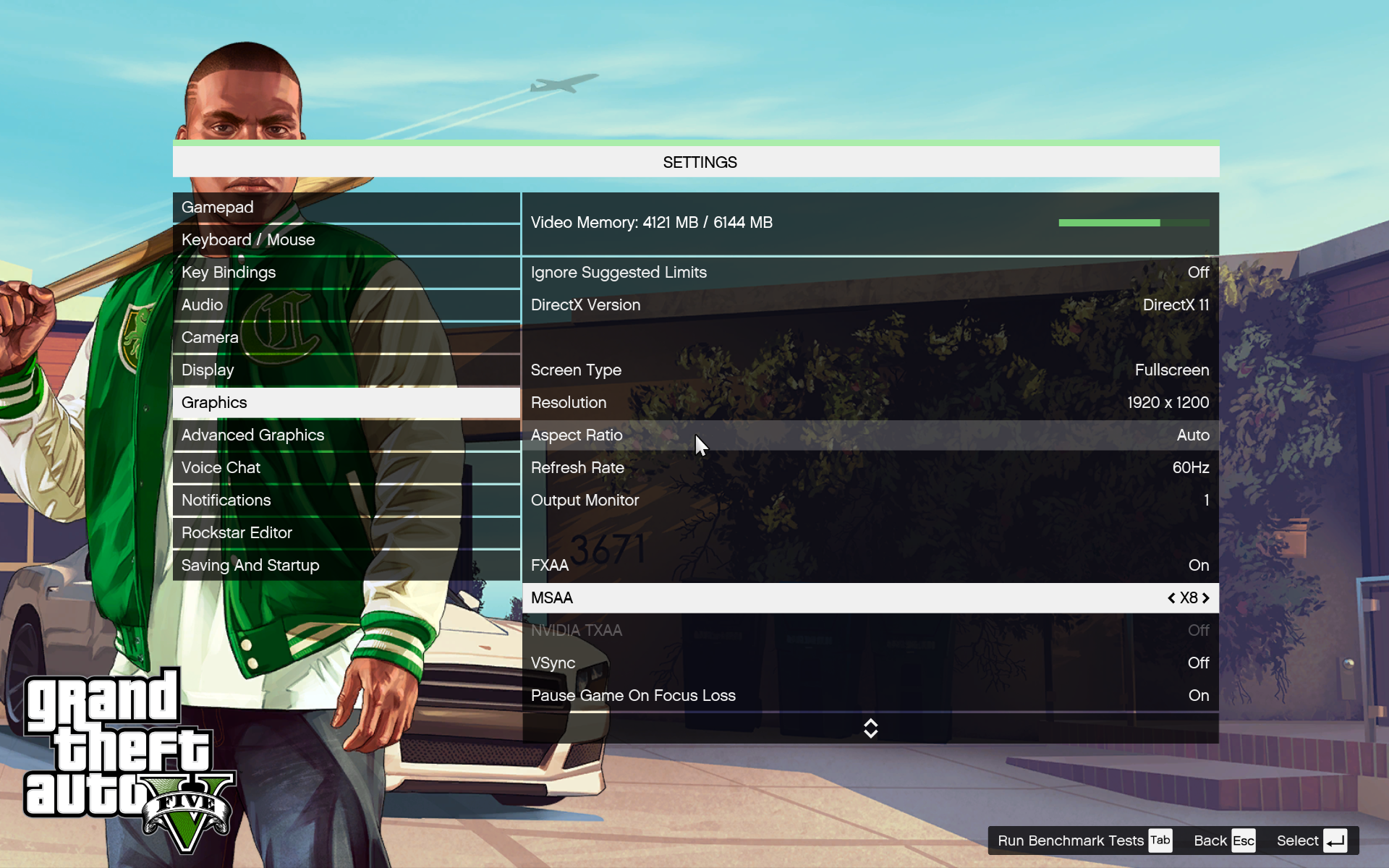
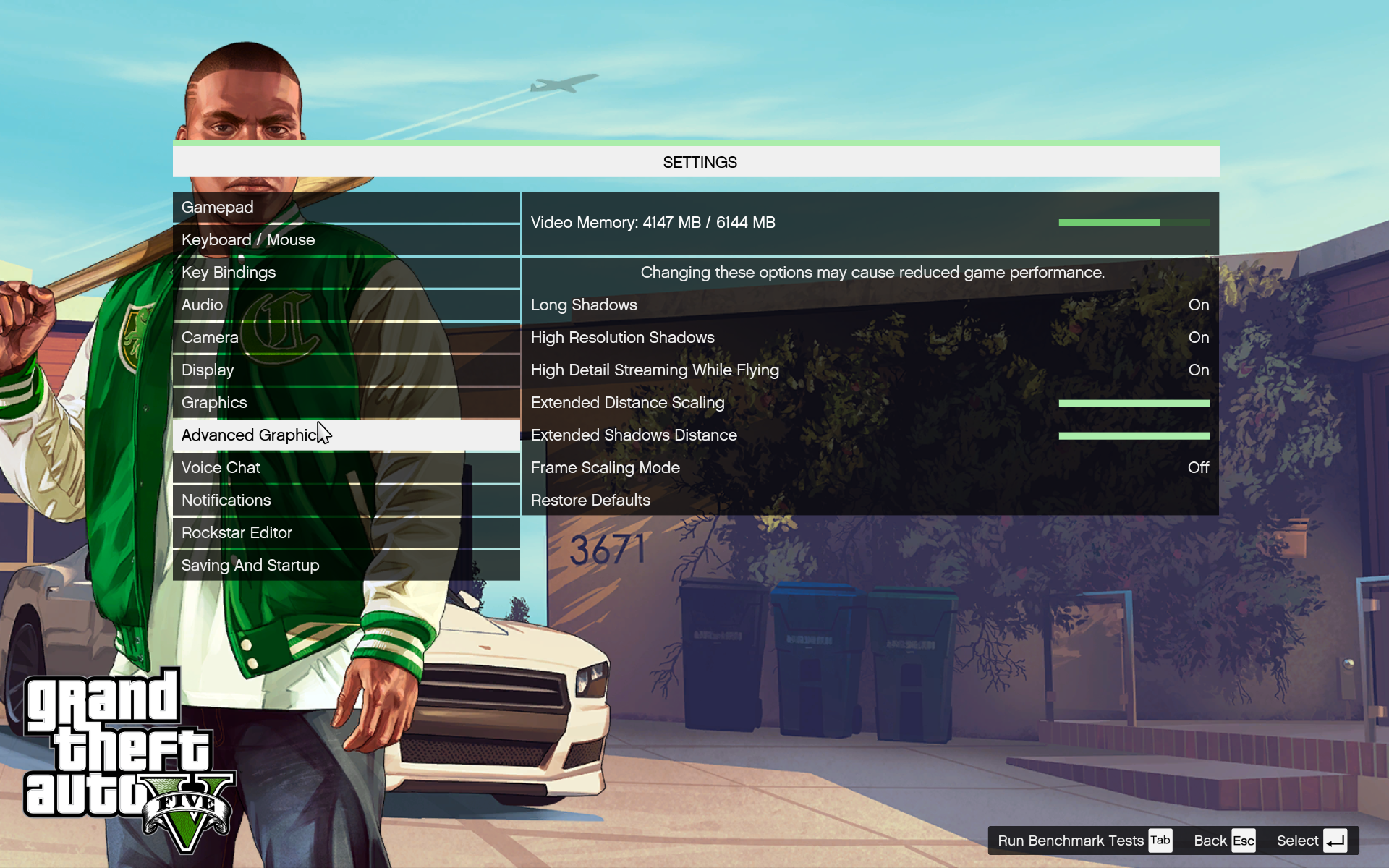
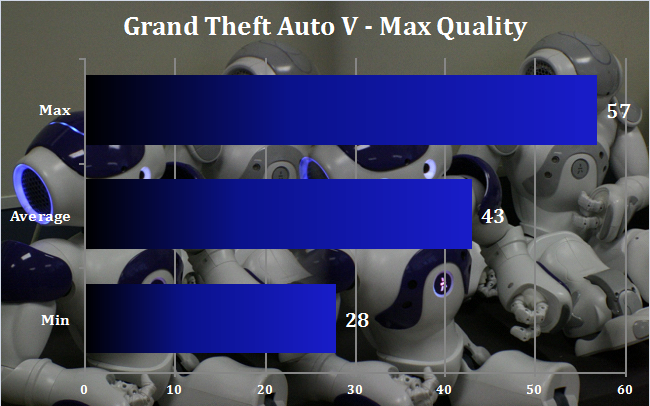
The frame rate has dropped noticeably, by about a quarter, but this is still eminently playable. This system will be able to handle GTA V at 1,920 x 1,080 with quality on maximum possible.
SSHD Performance
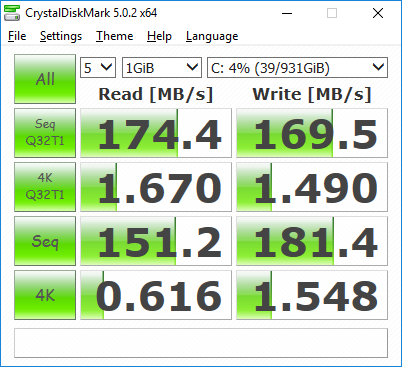
The SSHD is never going to get close to a true SSD for throughput. But these are respectable results for a hard disk, and having 1TB available is pretty much a bare minimum for today's gamer.
Idle temperature and acoustic recordings are taken while the system sits at the desktop under minimum load. Then we run 3DMark's FireStrike 1.1 and take the measurements again once the temperature or sound has settled to its maximum.
All fans were left to the Mesh-supplied defaults. We recorded audio from a 1m distance from the base unit at approximately the same level.
Thermal Performance
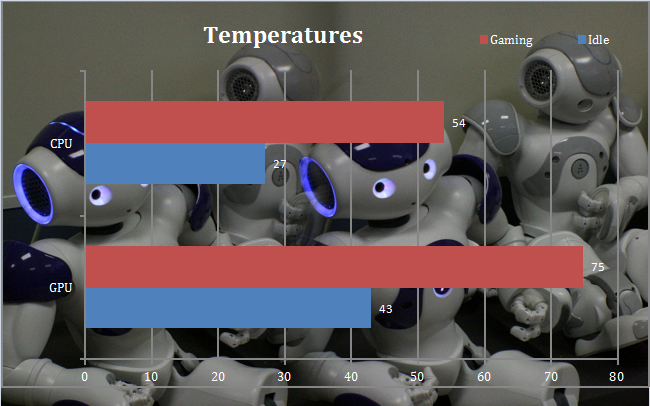
It was a very warm summer's day during testing, but even idle temperatures were still very reasonable. These did ramp up a lot under load, particularly the graphics, but GPUs can handle peaks of this level, so nothing to worry about here.
Acoustic Performance
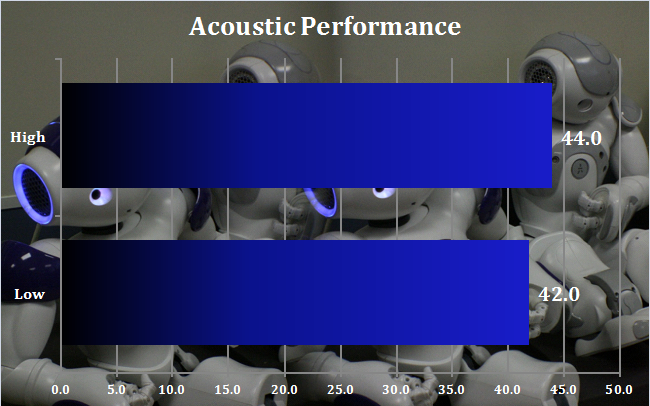
The great revelation is how quiet this system is. With just a 2dB increase under load, the large fans on the CPU cooler and Gainward graphics card are doing their jobs admirably without having to spin frantically.
You have to listen quite hard to hear the slight increase in rotation under load. This is an impressively silent PC.
The Overclockers UK Titan Neutron Micro-ATX Gaming PC really shows how far graphics have come in just a year. Although this isn't an all-round power house, it can provide a similar gaming experience to a PC that cost around £1,500 this time last year, for under £900.
It's not a rig for a full-on gamer, as the upgrade potential isn't significant, and the chassis is a little hard to get into. We would also have preferred 16GB of RAM from the outset, so just an upgrade to new graphics in a couple of years' time would mean this system will last you a good few years.
But the choice of a 1TB hybrid hard disk over a pricier, less capacious SSD is a sensible budget choice, so you won't need to clean out your less favoured games to make room for new ones too frequently.
Overall, if you're after a really capable gaming PC without busting your budget, the Overclockers UK Titan Neutron is a tasty proposition.

Buy from Overclockers UK for £870.86 inc vat over HERE.
Discuss on our Facebook page, over HERE.
Pros:
- The GeForce GTX 1060 provides excellent gaming.
- 6GB graphics allow maximum quality settings and resolutions above HD.
- Very quiet, even under heavy load.
- Understated black brushed metal chassis.
- Great price.
Cons:
- Not an easy chassis to get into.
- Only 8GB of RAM.
- No SSD.
KitGuru says: A very capable gaming rig for a budget saving sub-£900 price.


Not a PC gamer, googled it this popped up.
I’m really considering getting a gaming PC but I haven’t had a PC for nearly 15 years and feel very out of touch.
I know very little about processor info or things like that but I do know that PC gaming works out a hell of a lot cheaper.
If I just wanted my games on PC just to look better than console what kind of set up will I need and how much is that gonna set me back?
Balls out.
Well the most important factor for price is whether you want to build your own PC or whether you want to buy one.
Ok, I’d probably prefer to buy one, how much would that set me back for a gaming PC on level with or better graphics / frame rate than a ps4? But if I made one myself how much cheaper/expensive will that be?
To buy a pre built system thats significantly more powerful than a ps4 you would probably be looking at around $1000. Now i havent spent hours researching, but just based on knowledge of my market thats my guess. To build a pc thats better than a playstaion, you could build one for $500 that would beat it easily.
Ok so building one would make more sense, how would I get started?
Well first of all you’d want to watch a video on how to build a computer to make sure you feel comfortable with the steps involved. I’ll tell you right now its not that hard I did it when i was 12. Here’s a link to a good one: https://youtu.be/k1Q8ksRI1Eo
That’s awesome, best part about making my own would be even if it was over 500 to make I wouldn’t be spending it all at once itd be like little investments. That’s my new hobby thanks man.
Np. Just look up a build guide or something to find a list ot parts thats good for the price range your looking at, and your golden.
Guys, can you do a seperate review of the Gainward card ?
It seems like a nice budget option.