KitGuru KitGuru.net – Tech News | Hardware News | Hardware Reviews | IOS | Mobile | Gaming | Graphics Cards


CINEBENCH R15 is a cross-platform testing suite that measures hardware performance and is the de facto standard benchmarking tool for leading companies and trade journals for conducting real-world hardware performance tests. With the new Release 15, systems with up to 256 threads can be tested.
CINEBENCH is available for both Windows and OS X and is used by almost all hardware manufacturers and trade journals for comparing CPUs and graphics cards.
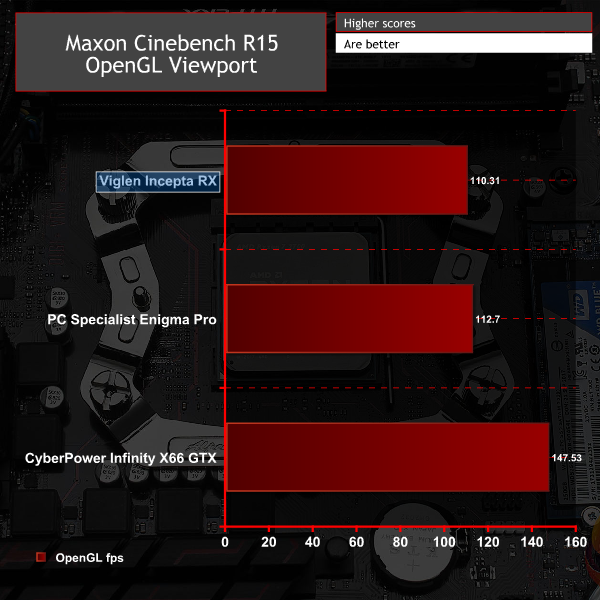
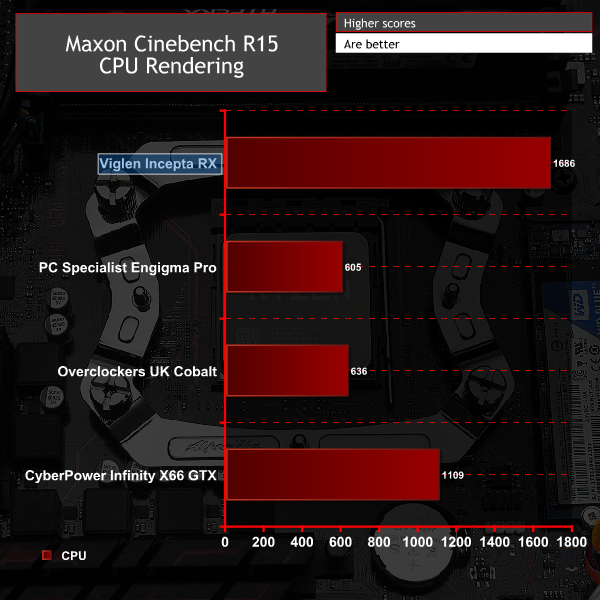
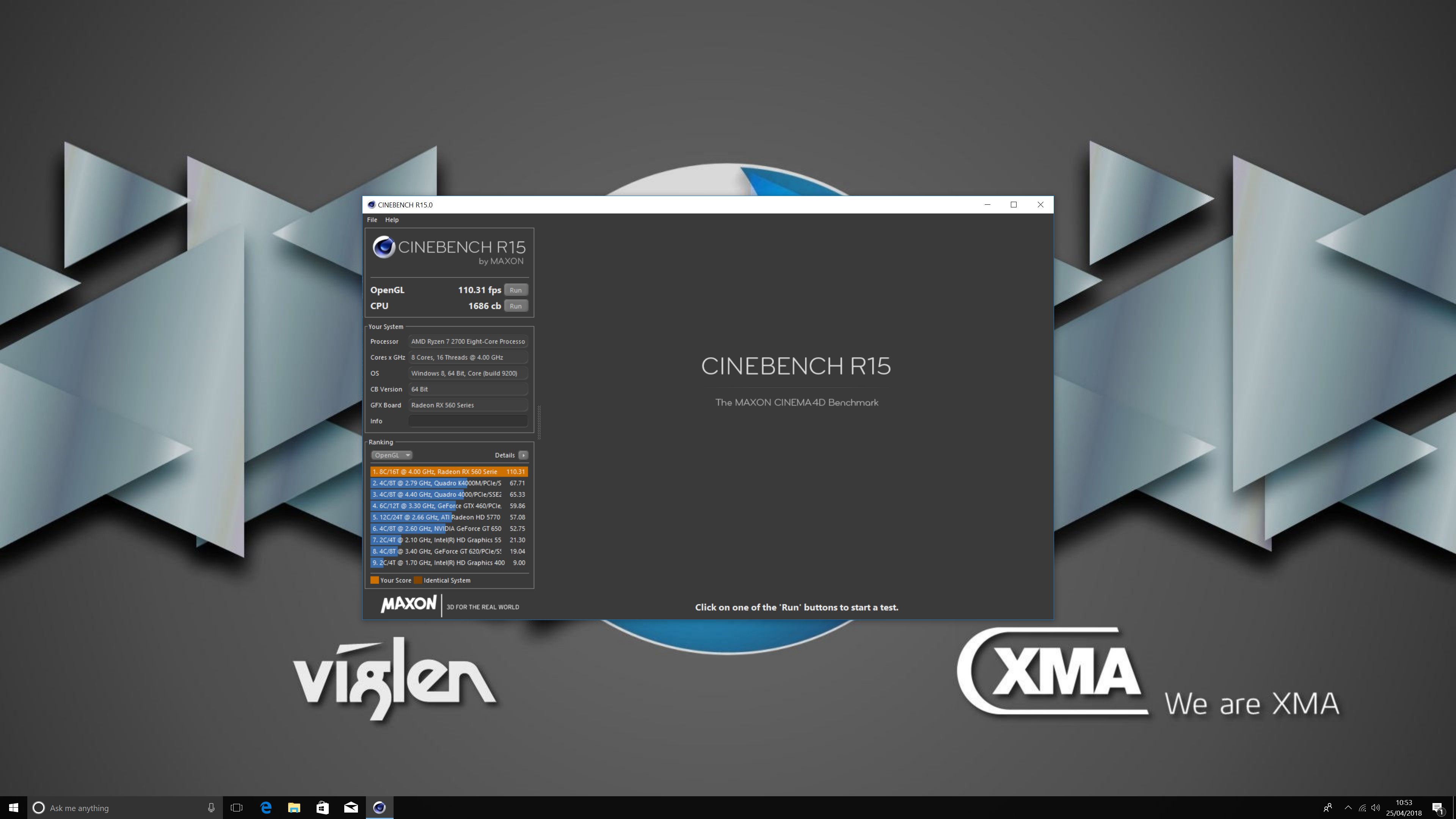
The second-generation Ryzen CPU in the Viglen may only have a small overclock, but its updated architecture and extra cores saw the Viglen streak ahead of the competition in the Cinebench test.
Its multi-core score of 1,686cb is more than 500 points ahead of the nearest challenger – the CyberPower machine with the overclocked Core i5 processor. The Core i3 chips in the other two rival rigs could only score around 600 points – a full 1,000cb behind the Viglen.
That’s an excellent score, and it bodes well for work. The eight multi-threaded cores have enough power to handle the vast majority of office tasks, from photo and video editing to large databases and design tools.

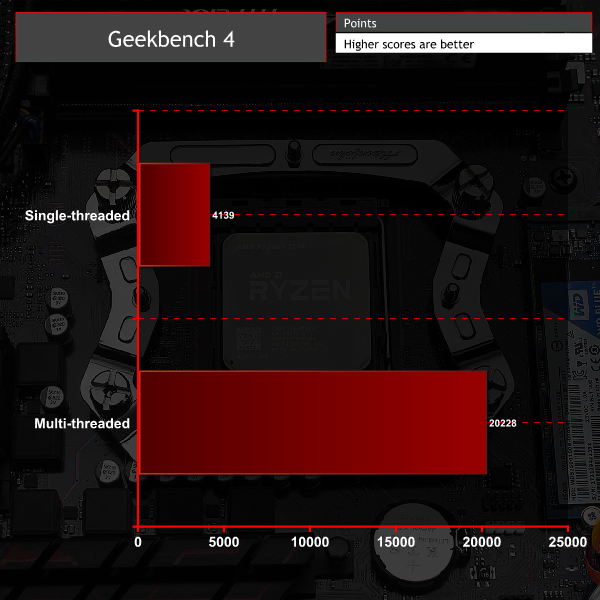
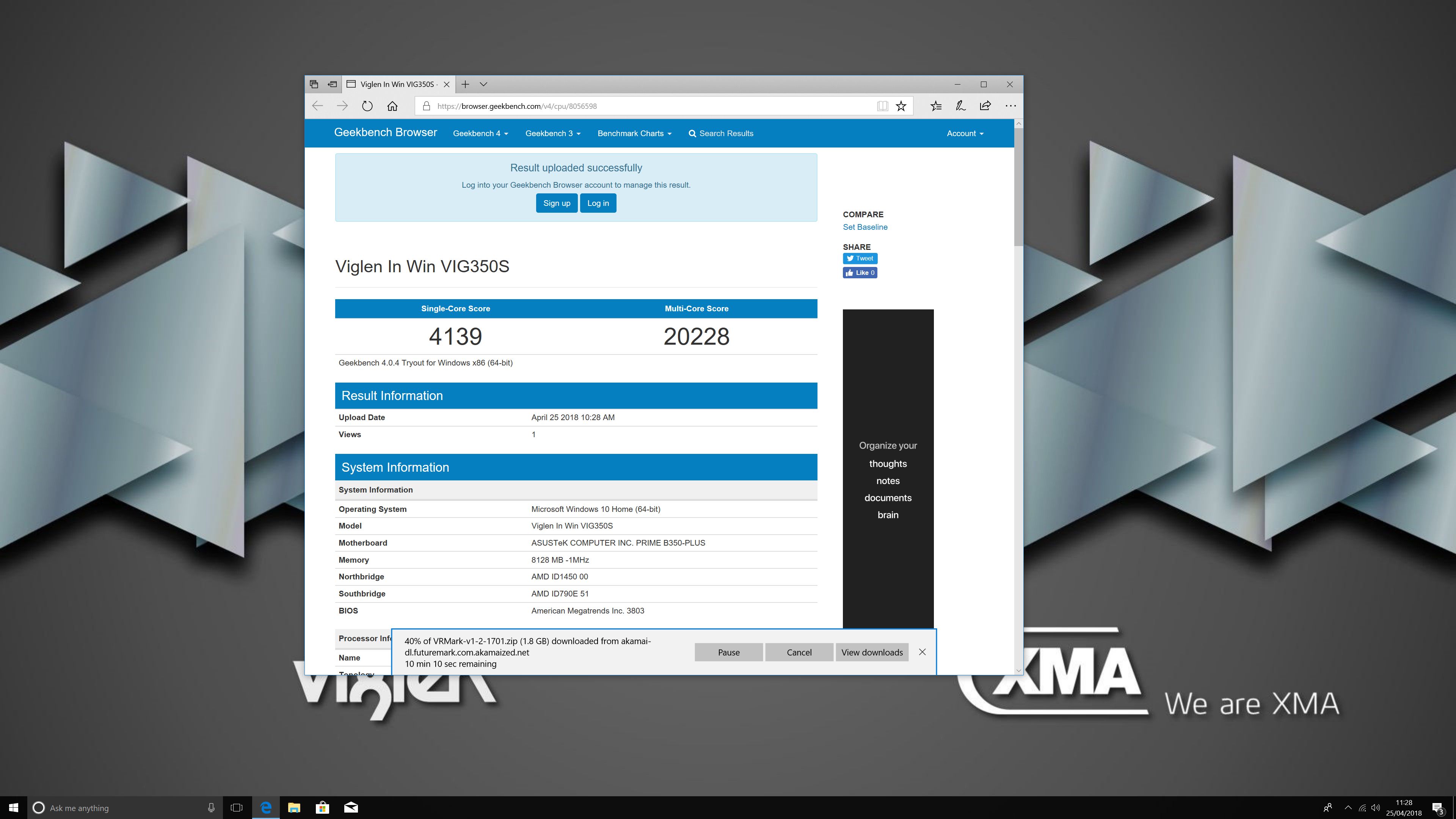
The Viglen’s Geekbench single-core result of 4,139 is fine – a solid result that’s only beaten by the most powerful and overclocked Intel processors. The real star here is the Geekbench multi-tasking result of 20,228. That’s stunning for a £999 system, and not far off the pace we’d expect from overclocked machines that cost twice as much.
It’s just a shame that Viglen has relied on single-channel memory. The single-threaded bandwidth measurement of 18.57GB/s is good, but it hardly improved in the multi-threaded test. A second stick of memory would have delivered another boost to application performance.