KitGuru KitGuru.net – Tech News | Hardware News | Hardware Reviews | IOS | Mobile | Gaming | Graphics Cards


The Viglen Incepta Professional RX comes with one AMD Radeon RX 560 graphics chip. For our tests today, we have ran several high-end games, starting at 1080p and working our way up to 4K to see how much this machine can cope with.
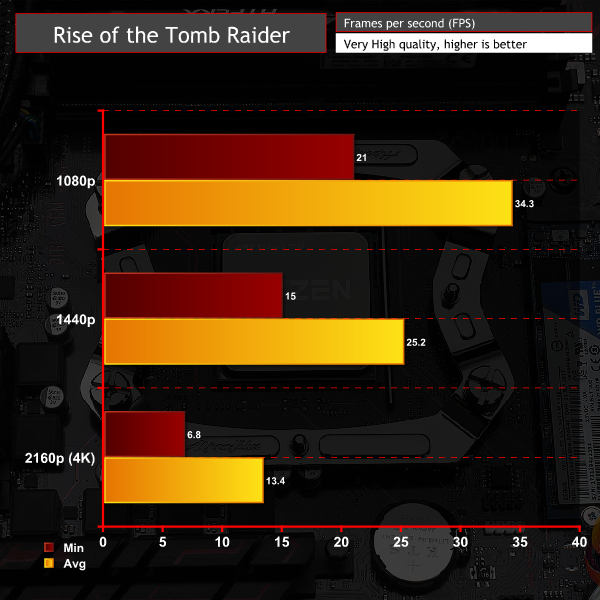
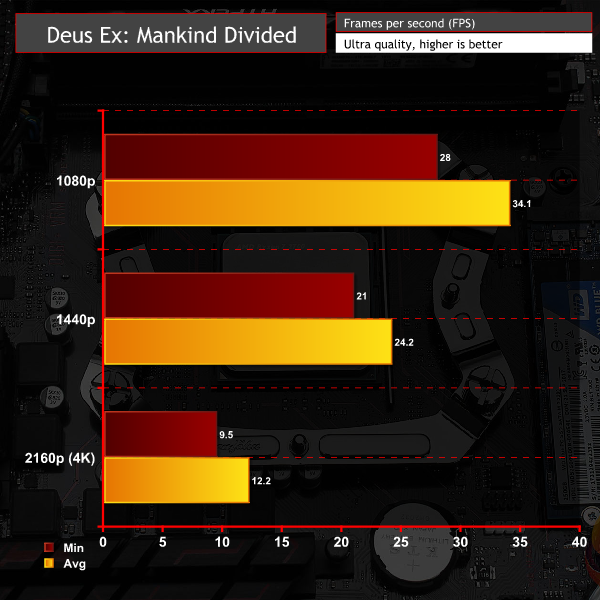
The Radeon RX 560 is a relatively modest GPU, so it’s no surprise that it only handled 1080p gaming tests – and nothing else.
Its 1080p average of 34fps in Deus Ex is fine, for instance – a playable result – but its minimum of 28fps is a little less convincing. That sort of figure means that you’ll likely experience juddering in intense scenes. Thankfully, it’s nothing that a few graphical tweaks won’t fix.
Tomb Raider returned similar results. At 1080p and with Very High settings chosen the Viglen averaged 34fps, but its minimum dipped to 21fps. Dropping down to less demanding graphics settings will solve that problem.
Suffice to say that you can’t go beyond 1080p with this machine – and that its rivals are far quicker. The CyberPower hit 54fps in Deus Ex, with the Overclockers UK machine averaging 62fps with the game’s High settings selected. The PC Specialist, with its GTX 1070 card, played Deus Ex at 57fps with Ultra settings selected.
Clearly this isn't the PC to buy if you want to get the most fps possible, but it’s capable when it comes to 1080p gaming.