KitGuru KitGuru.net – Tech News | Hardware News | Hardware Reviews | IOS | Mobile | Gaming | Graphics Cards


Hot on the heels of the successful launch of Portal RTX, Nvidia announced plans for an RTX reimagining of Half-Life 2. The mod, known as Half-Life 2 RTX, has been in development for years but we'll finally have the opportunity to play it for ourselves later this month.
On the 18th of March, the Half-Life 2 RTX demo will be made freely available on Steam. The demo includes the first two levels of the game, complete with reworked textures and materials to fully take advantage of ray-traced lighting effects. Like Quake RTX and Portal RTX, Half-Life 2 RTX will give players access to a full suite of Path Tracing tools, so you can adjust away to really see what is possible with RT once pushed to the limits.
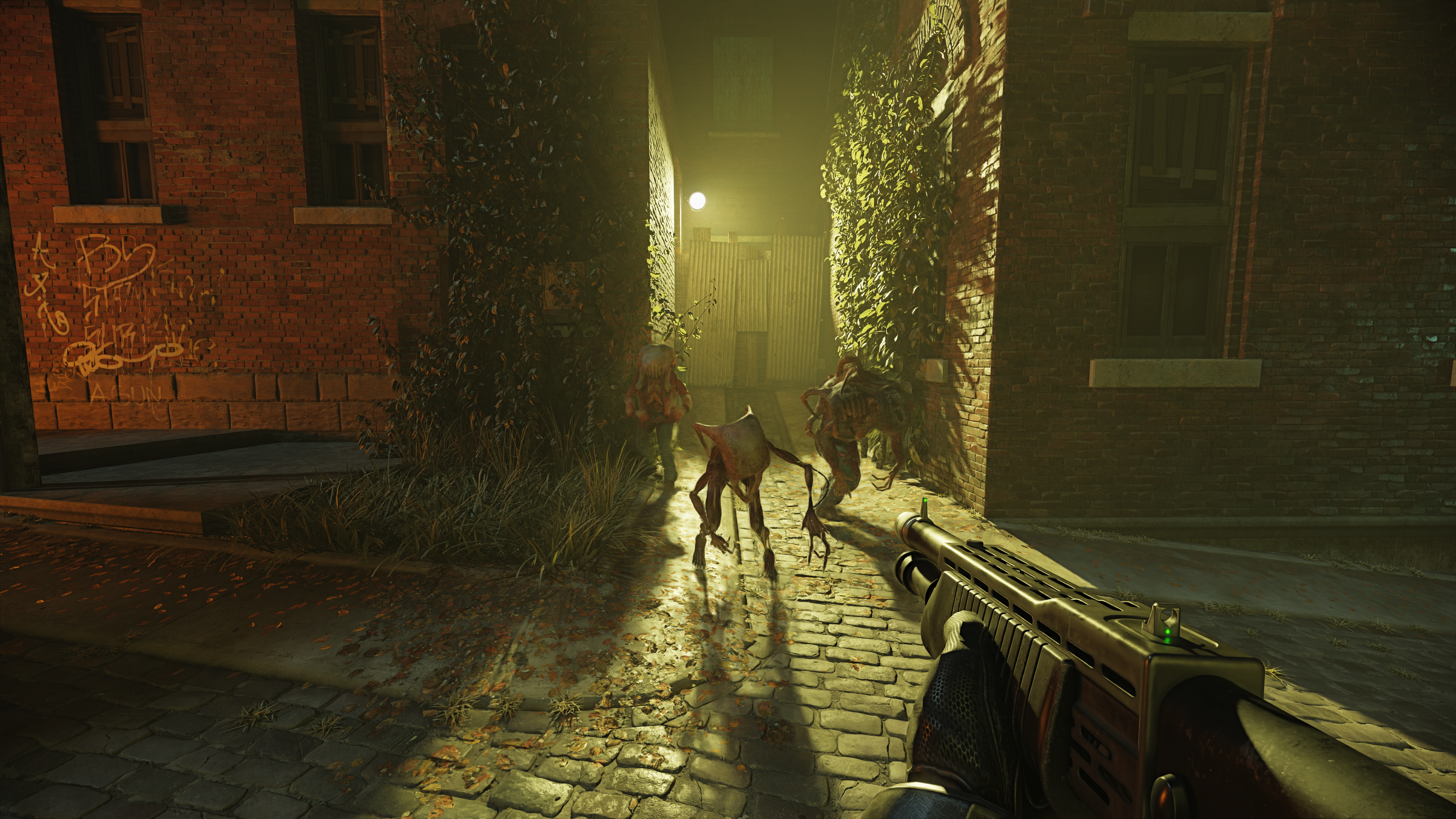
The demo will be available starting on the 18th of March and the full final game will be made available for free to all Half-Life 2 owners. Unfortunately, we don't have a final date for the full game, but it is also worth having patience, as the game is essentially being developed as a volunteer project by the folks at Orbifold Studios, exclusively using the RTX Remix tool set.
Alongside the release of the HL2 RTX demo, Nvidia is also releasing RTX Remix in full this month. The latest version of the software includes support for RTX Neural Rendering and DLSS 4, so we expect to see many more classic games ‘remade' with RTX Remix in the years ahead.
Discuss on our Facebook page, HERE.
KitGuru Says: Will you be downloading the Half-Life 2 RTX demo when it drops next week?