KitGuru KitGuru.net – Tech News | Hardware News | Hardware Reviews | IOS | Mobile | Gaming | Graphics Cards


While those interested in technology may well know of Xiaomi, they are not a household name in the western world. Today we managed to get hold of a Xiaomi Redmi 2, one of the latest handsets from the Chinese manufacturer. While Xiaomi are yet to retail outside of Asia, an import can be picked up for as little as £95. We put the Redmi through its paces to see if it's worth the cash.
Despite only operating in Asia, Xiaomi are now the world's third largest manufacturer of smartphones. The Redmi 2 is one of their budget handsets, priced at 699 Chinese Yuan – which is roughly £75. That said, if you are looking to get one you will pay a bit more as the devices can only be bought from a third-party retailer.
Features
- 4.7-inch HD display
- Quad-core Snapdragon 410 processor 1.2GHz
- 8GB internal memory with microSD cards supported up to 32GB
- 1GB RAM
- Android KitKat 4.4.4
- 8MP rear camera with a 2MP front camera
- 2200 mAh battery
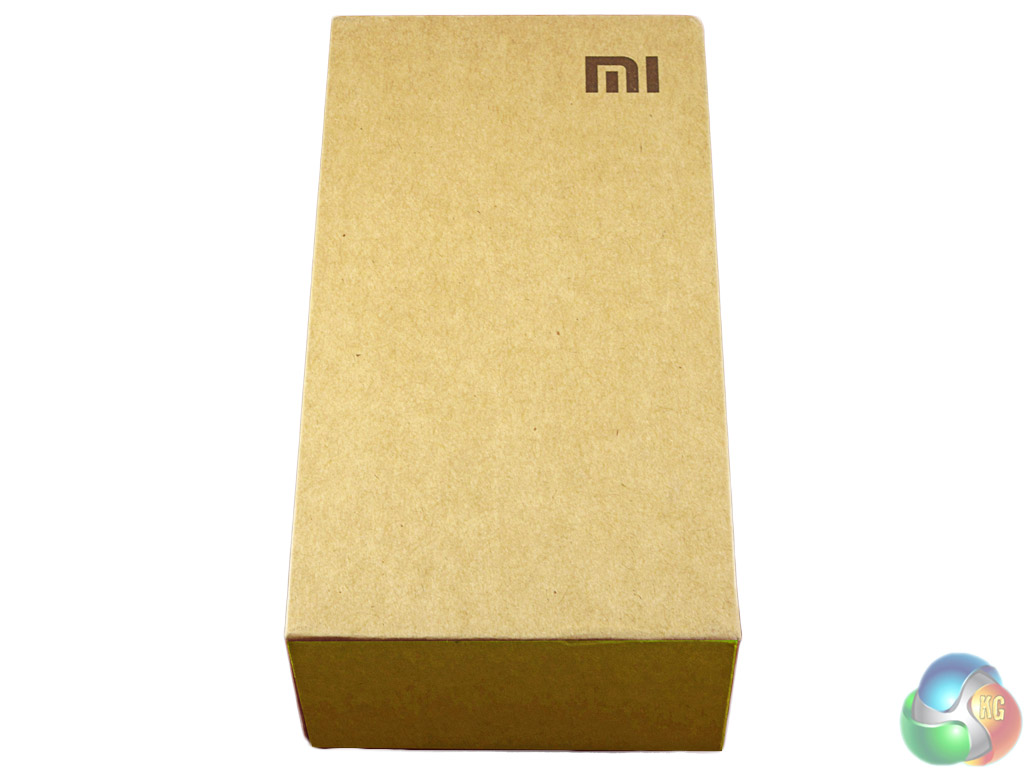
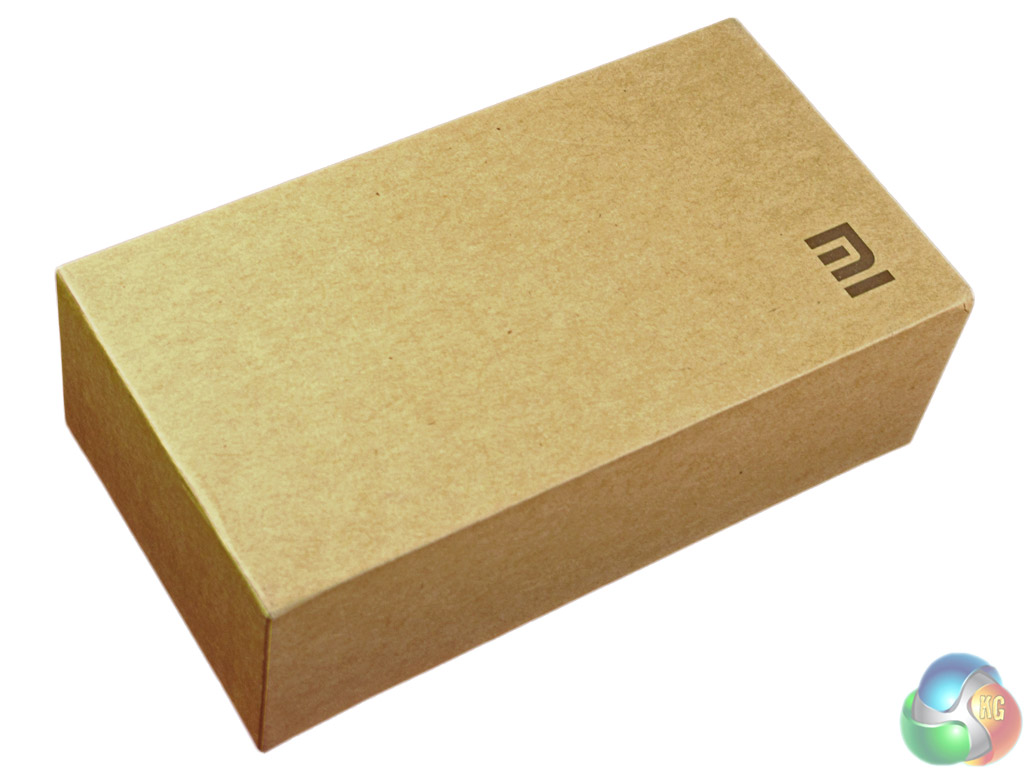
The Redmi 2 comes in an unusual light brown, textured box. It is devoid of any design or picture except a small Xiaomi logo in the upper-right corner.
The top of the box lifts off in a fashion similar to the iPhone, while inside there is the usual documentation (but in Chinese), microUSB cable and power adapter.
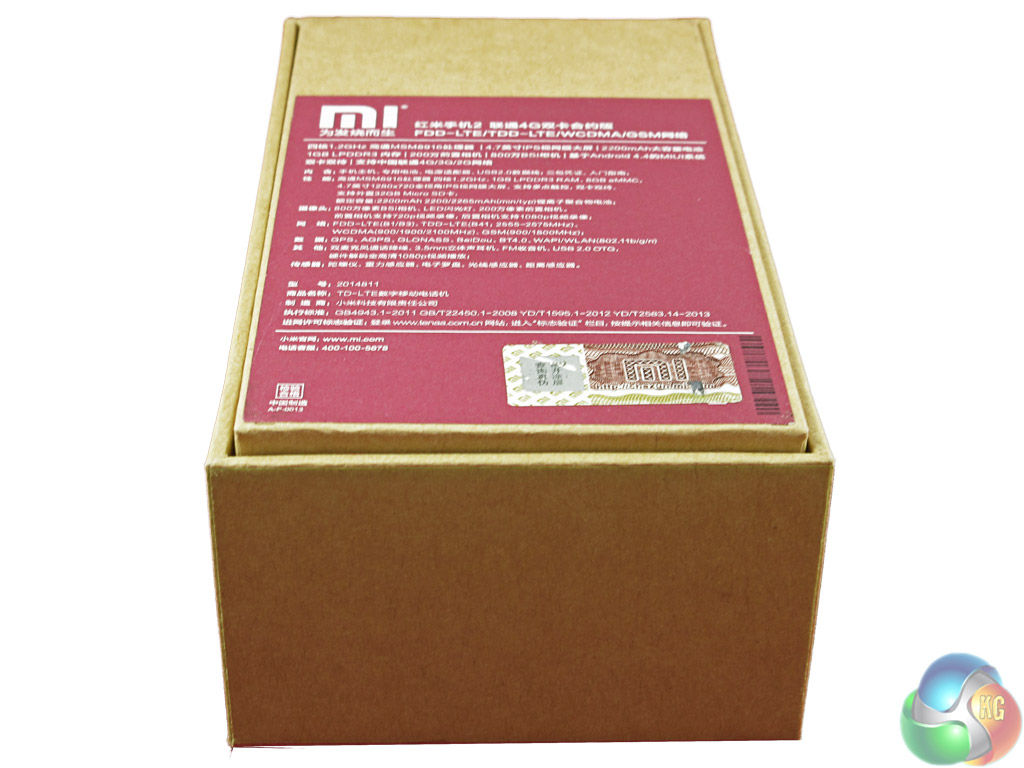
You'll need to purchase a UK adapter for this though, as it ships with the standard Chinese unit.
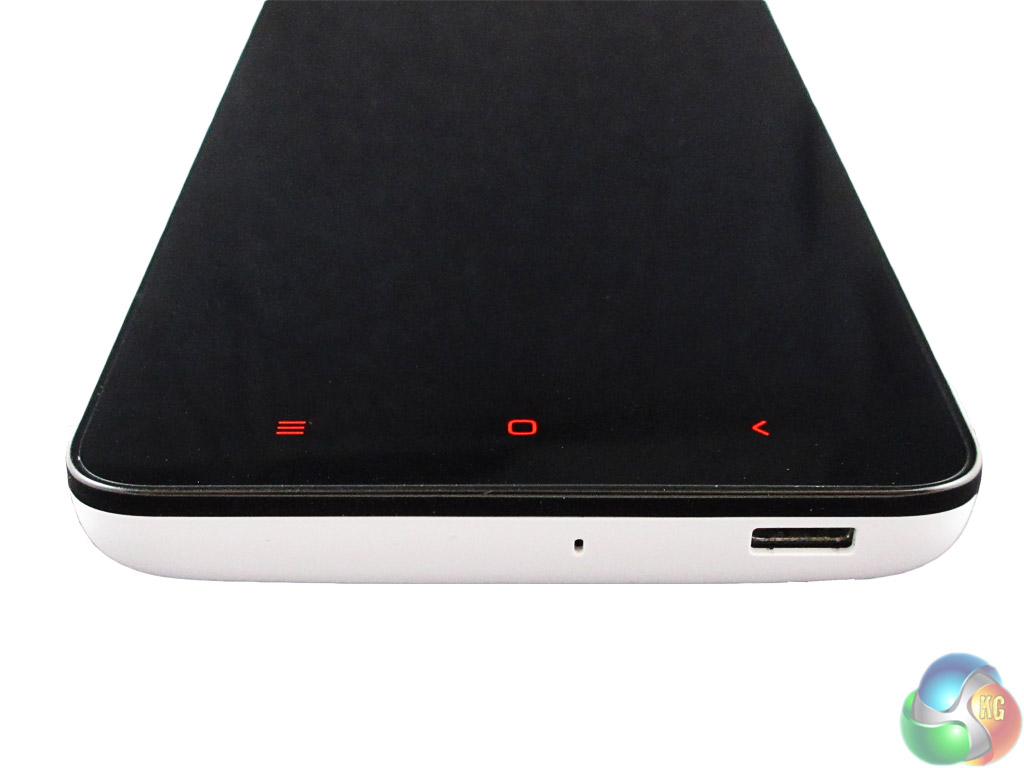
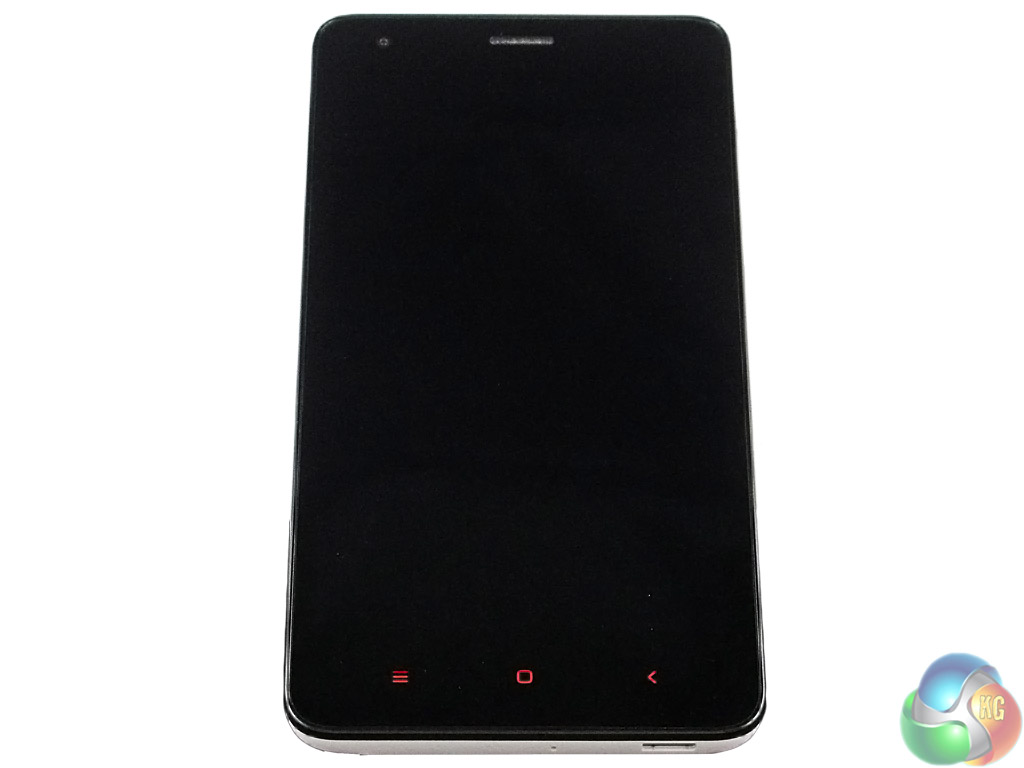
While there are no stand-out features in the design of the phone, it is a sleek and well built phone.
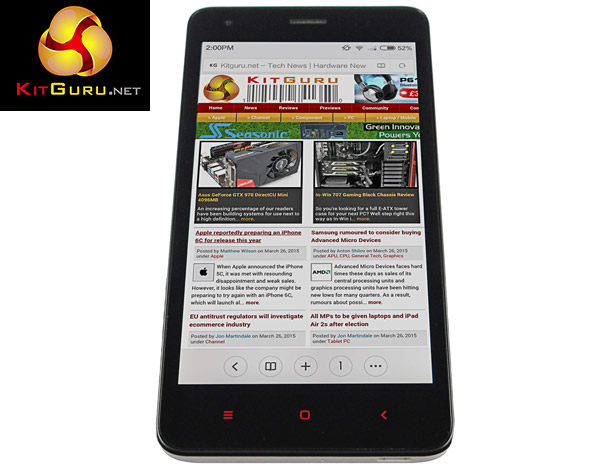
Xiaomi included a 4.7-inch display for the Redmi 2, which we feel is still the best smartphone size. It is big enough for easy viewing and typing but small enough to be pocket-friendly. As it is, the Redmi has a screen-to-body ratio of 67.6%, and measures just 134mm long. It is both portable and functional.
It also features attractive, red touch-sensitive home buttons on the handset body – rather than the display – so the full 4.7-inch screen is usable.
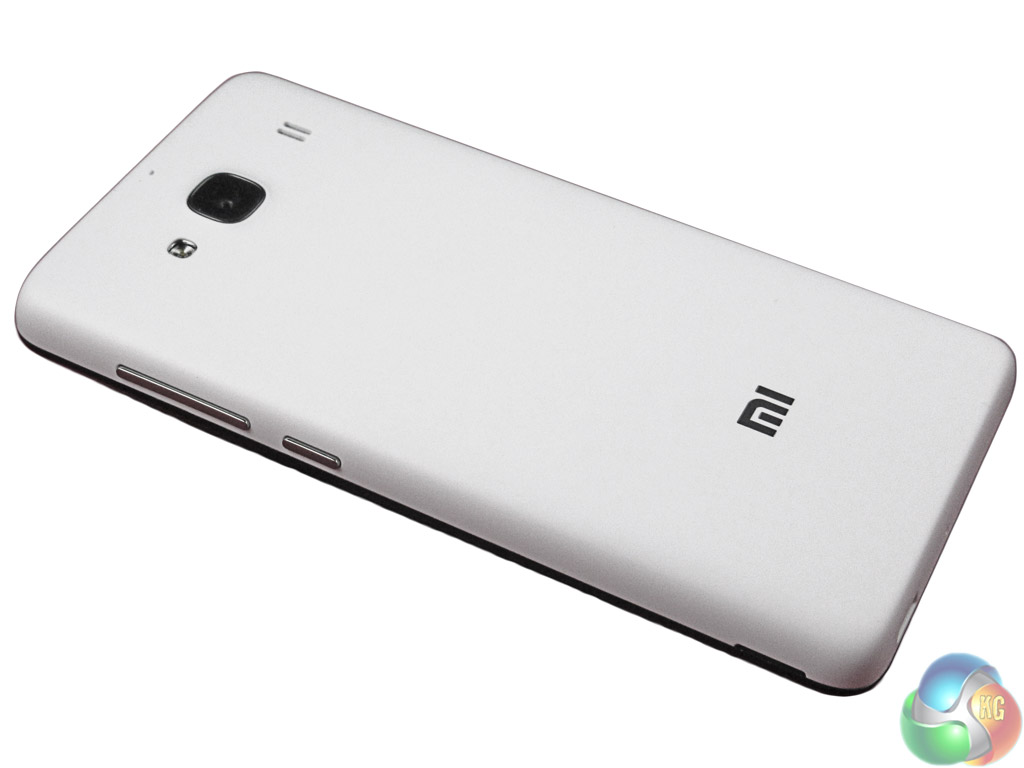
The phone itself is made from textured plastic, meaning it's not the premium feel of the iPhone. However, this textured plastic does mean the phone is easy to grip, so it won't slip from your grasp.
A volume rocker and on/off button fit on the right edge of the phone, with the power button below the rocker. This makes locking and unlocking the phone feel natural and comfortable, as the button is well within the reach of your thumb.
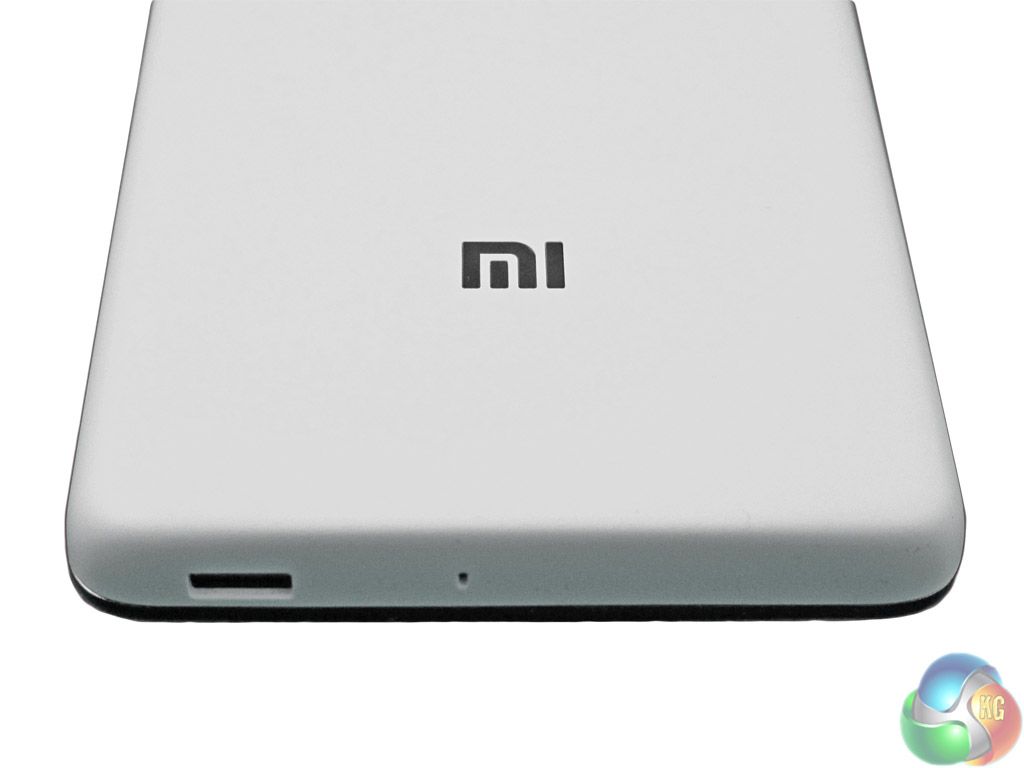
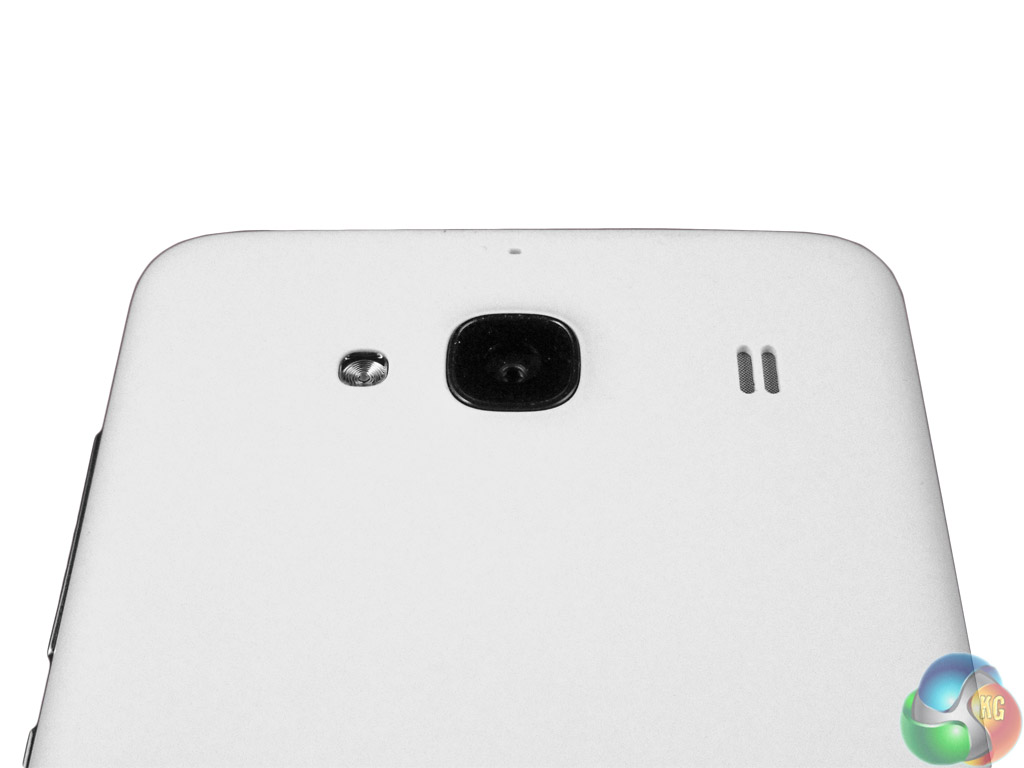
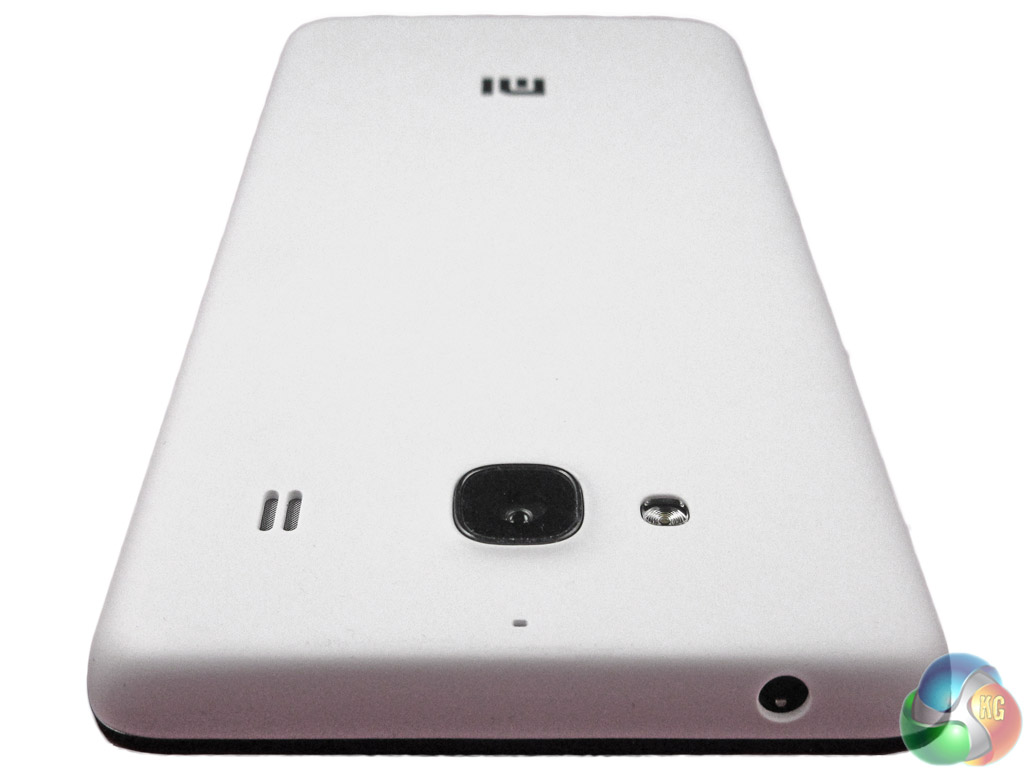
A headphone jack can be found at the top-right corner of the phone, and the microUSB port is positioned bottom-right.
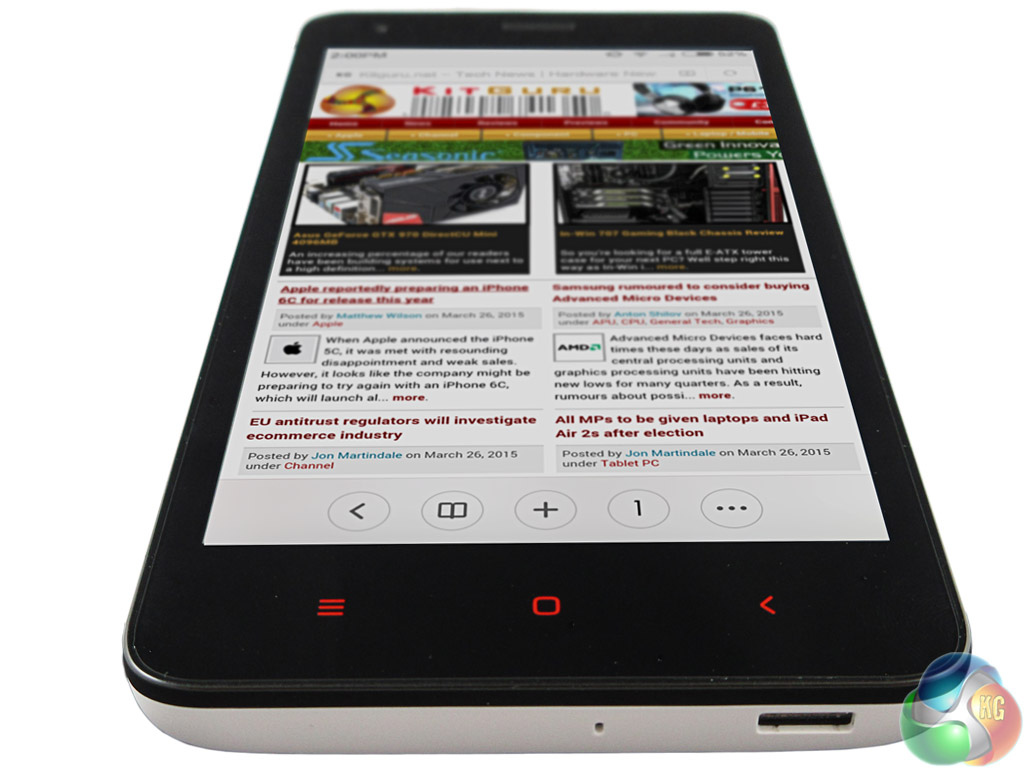
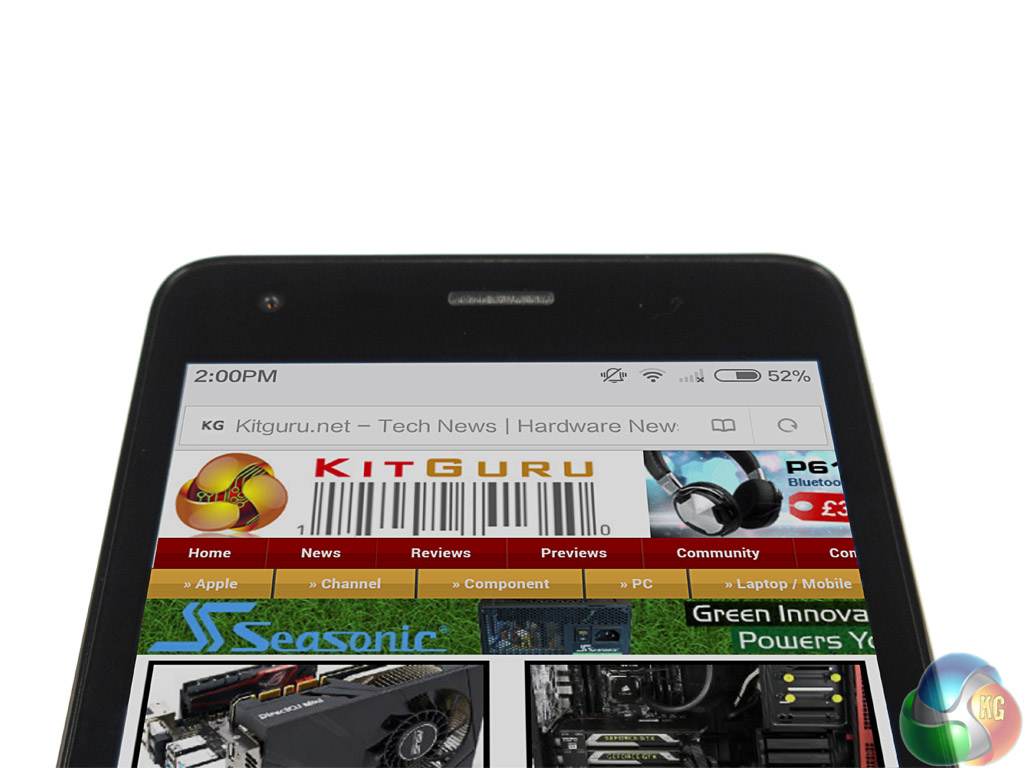
An HD, 4.7-inch screen is fitted on the Redmi 2. This gives a PPI density of 312, meaning the display is very crisp and vivid. Text is therefore easy to read, and playback of HD video is fully supported. For the price, it would be unreasonable to expect a Full HD panel.
In terms of colour reproduction, the display isn't quite ideal, but it is far from bad. The colours feel a little too warm, particularly white backgrounds – which are quite common. It is subtle, but becomes quite obvious when placed next to another device. The settings menu allows you to make colours ‘cooler' – which we would recommend.
Viewing angles, too have limitations. Some rain-bowing occurs when the screen is tilted, and the screen seems too dark to make out what is being displayed.
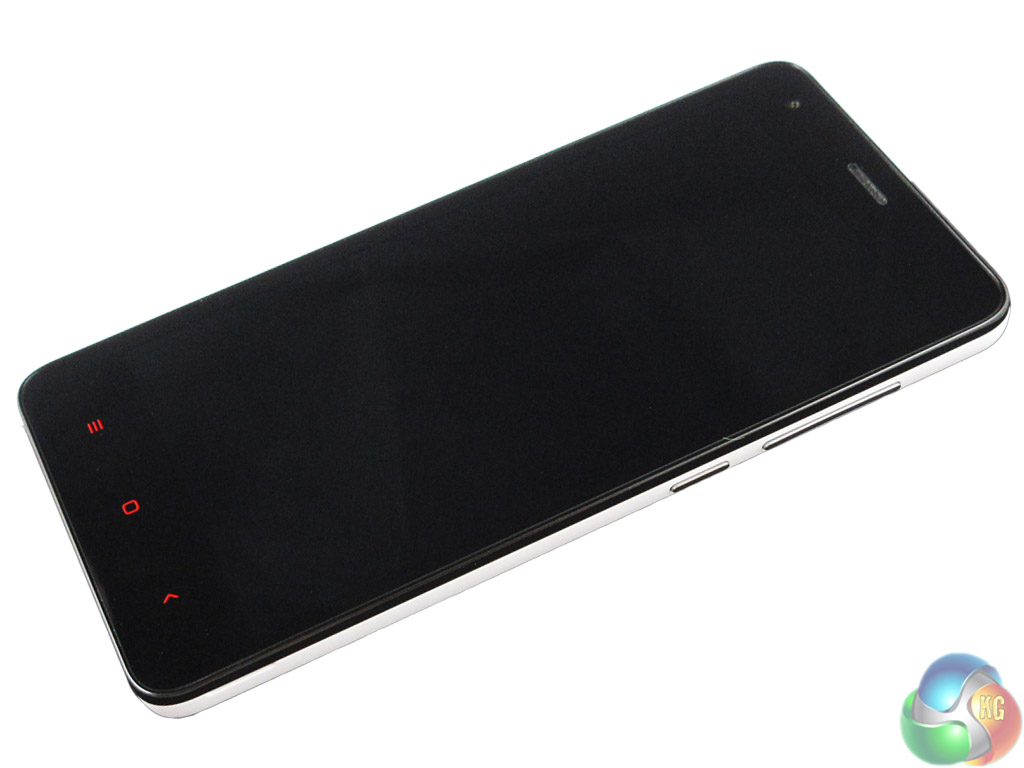
It's not a bad display, but it does have a few, small problems. For the money, though, they can be easily overlooked.
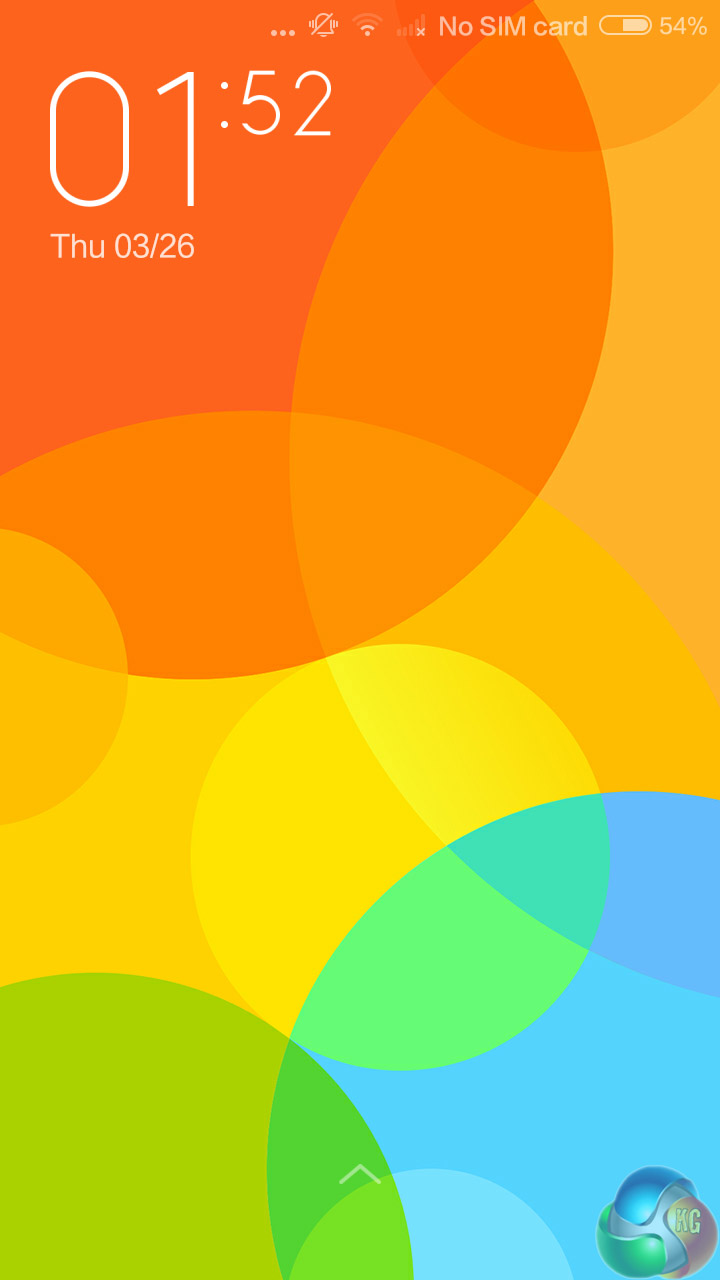
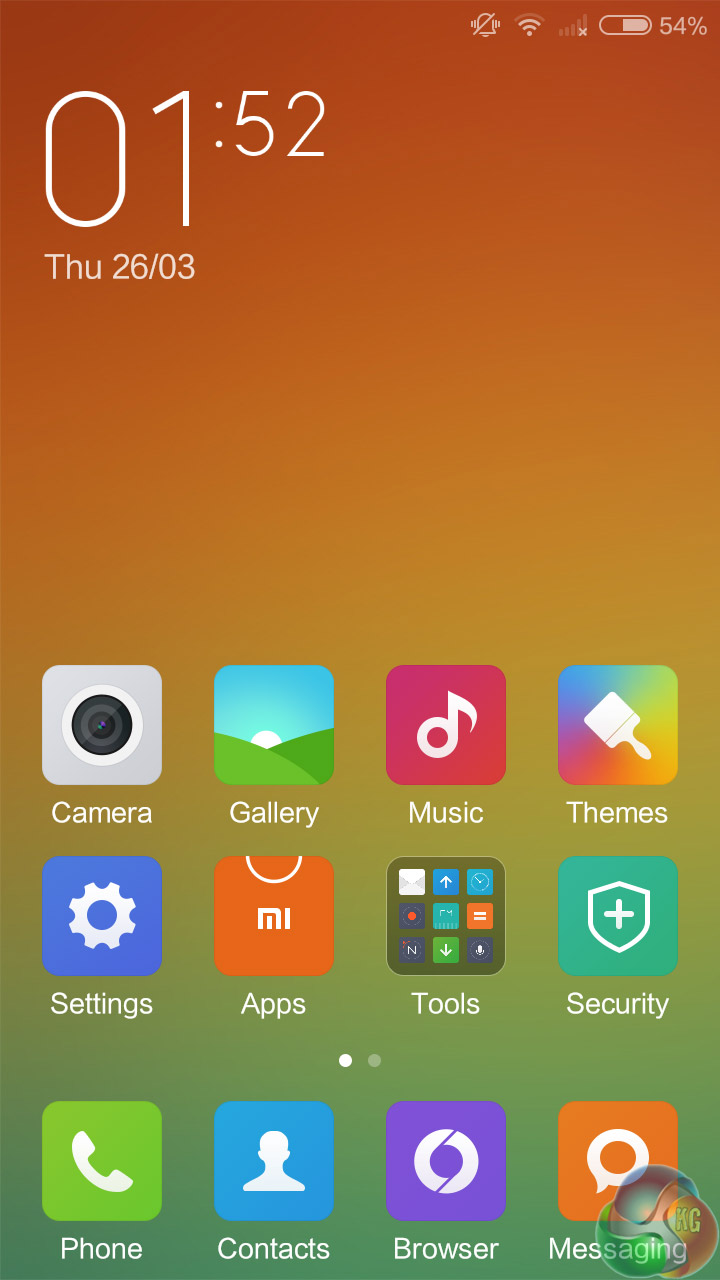
As with most manufacturers, the included OS is a version of Android – 4.4.4 – customised by the handset's maker, Xiaomi in this case. Xiaomi's included Android skin is known as MIUI, and the Redmi 2 comes with MIUI 6 – the latest version.
To make it clear from the beginning, MIUI looks very similar to iOS, but that's no bad thing. The comparisons begin with the modern, flat icons that Xiaomi have included, and the lack of an app drawer – which is rare for Android – continue this theme.
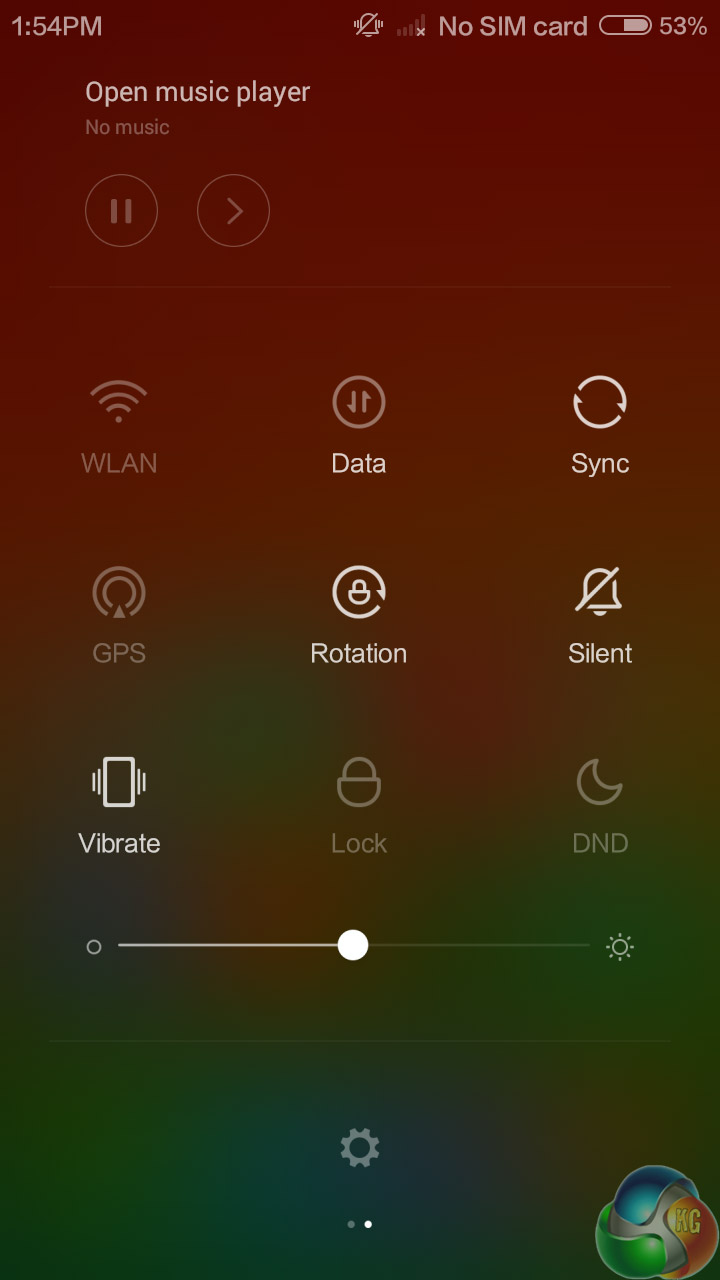
That said, MIUI is still Android, and this is evident when you swipe down and the familiar quick settings appear. Here, they are a clean white against a semi-transparent background.
Indeed, if MIUI is not to your liking, you can change it for another launcher, something you can't do within iOS.
It is worth mentioning, though, that by default the Redmi 2 doesn't include the Google Play Store. Rather, Xiaomi have their own app store included with the device.
As it is still an Android OS, you can install the Play Store anyway to access the usual collect of apps, but this has to be done using a computer. It's not a problem for most, it just means you'll find it hard to use the Redmi 2 out of the box.
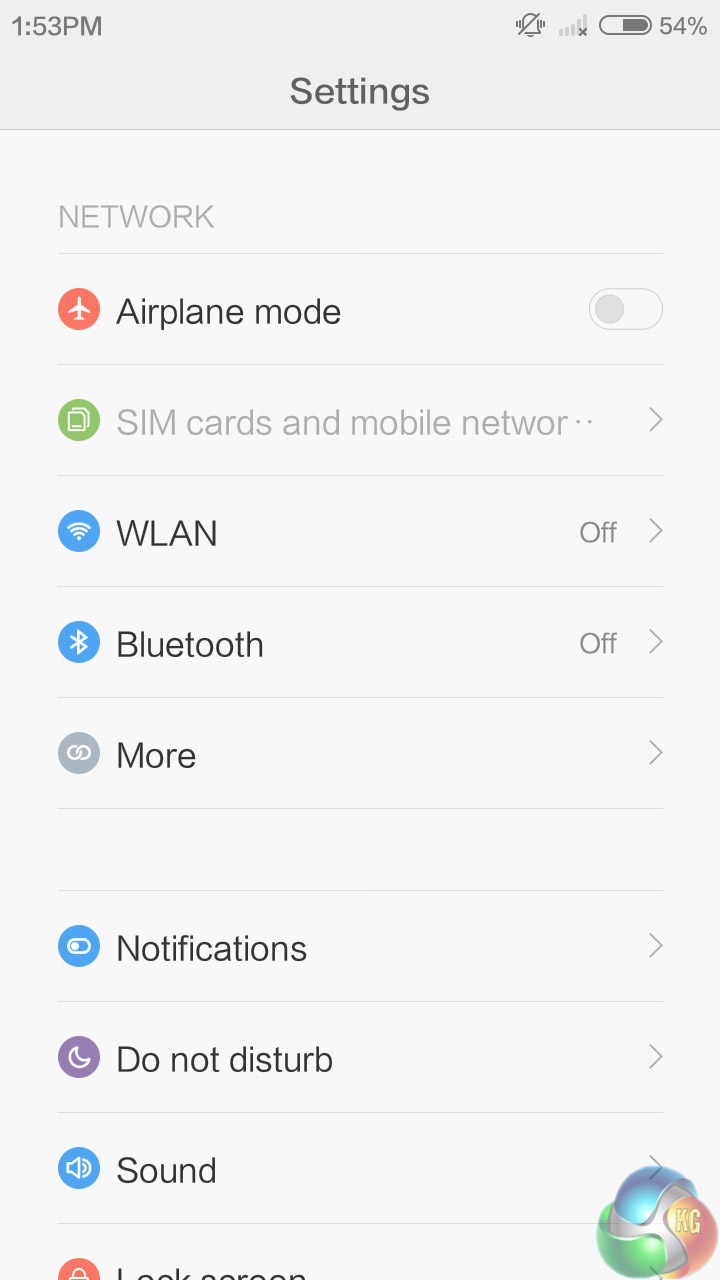
On the whole, the OS looks like iOS but retains the Android customisability levels. It's beautiful and clean, and can be completely done away with it you don't like it.
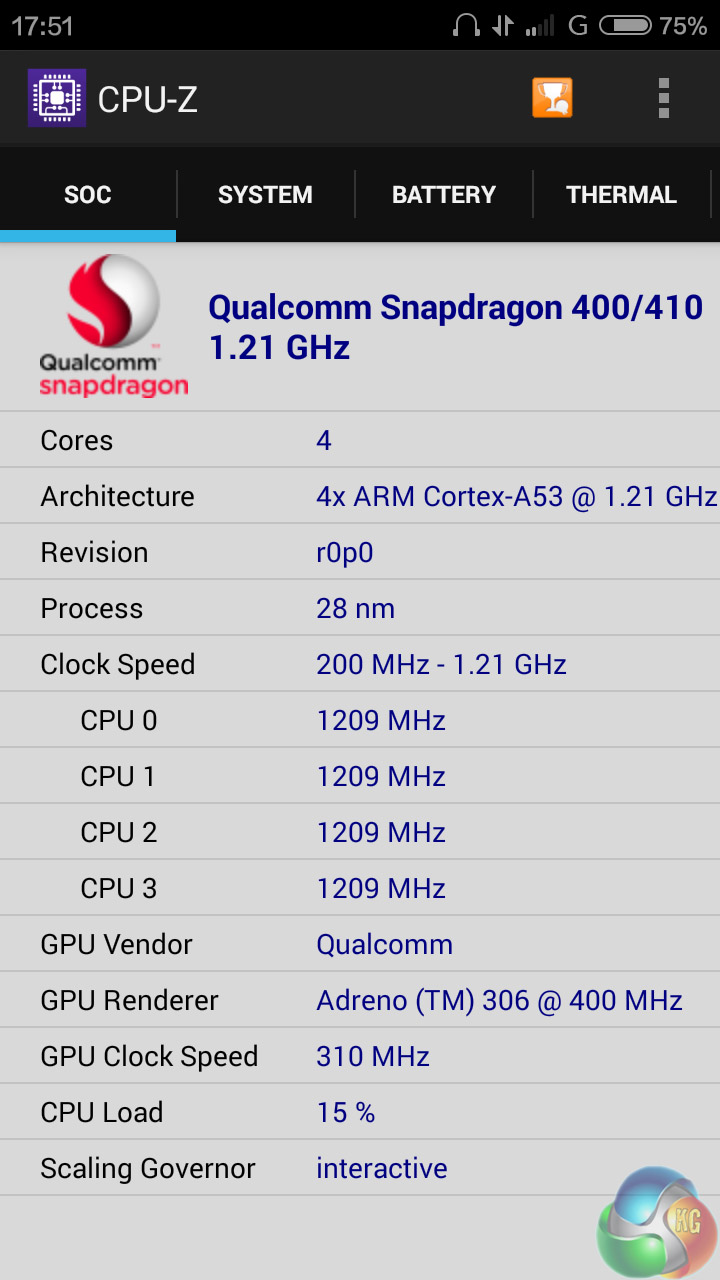
Taking care of things under the hood is a quad-core Snapdragon 410 processor at 1.2GHz, coupled with 1GB of RAM. For a budget phone, the Redmi 2 performs admirably.
It's real-world performance is great, but has a few slight issues which just remind you that you don't get the same performance with a budget phone as you would with a flagship.
For one, the phone can occasionally take a few seconds too long to power the display after it has been locked, leaving you staring at the black screen longer than you'd want. The keyboard, too, is often slow to appear when you need to send a message.
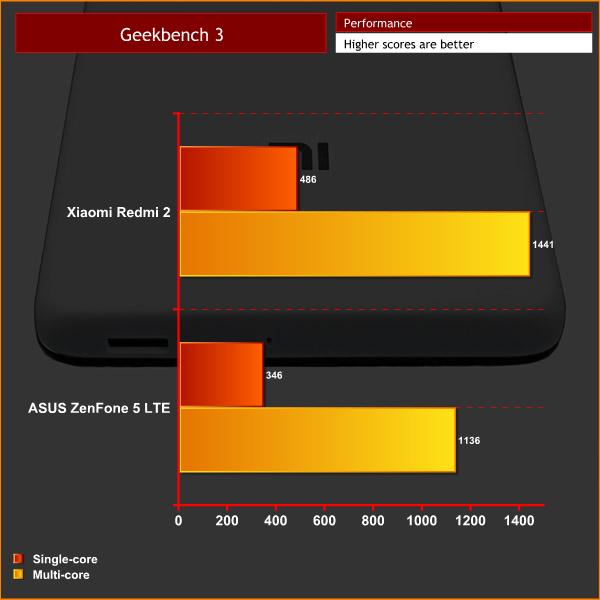
Benchmarks, however, are quite impressive for a handset this cheap. In Geekbench 3, the Redmi 2 posted 486 for single-core performance, and 1441 for the multi-core performance. This tops the more expensive ZenFone 5 LTE – which scored 346 and 1136 respectively.
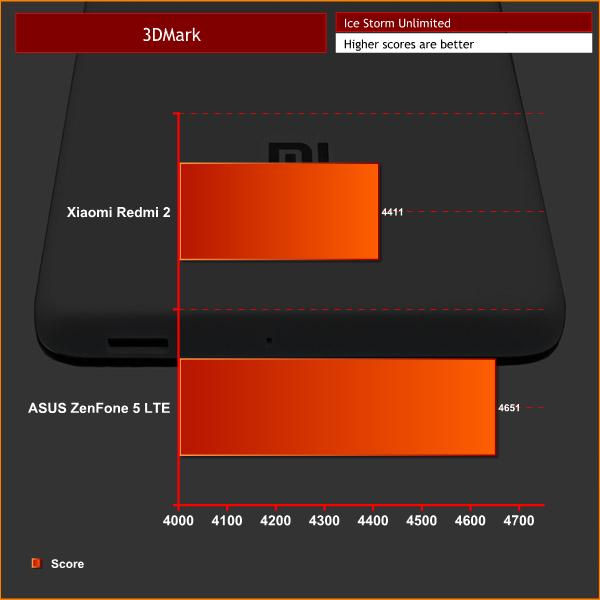
3DMark's Ice Storm Unlimited was slightly less impressive, with the Redmi 2 scoring 4411 to the ZenFone's 4651.

The photography is handled by an 8MP primary camera, with a 2MP front camera. The rear camera shoots native images at a resolution of 3200*2400.
Xiaomi included their own camera app with the Redmi 2, and it does the job well. One interesting feature that can be found when using the ‘selfie' camera is an age detector. When held still it is even quite accurate.


But for the actual photos, the camera does quite well. Images are sharp enough thanks to the megapixel count, even capturing a fair amount of detail with long-distance shots. The sensor, too, allows for (mostly) well balanced lighting, though photos are quite warm.
Certainly, with HDR mode enabled the lighting is good, but on a sunny day using the ‘auto' mode, pictures are over saturated and colours lose their clarity.
It's not great, but for the cost we can't expect exceptional quality. Using HDR mode is a small price to pay for cleaner images, too.


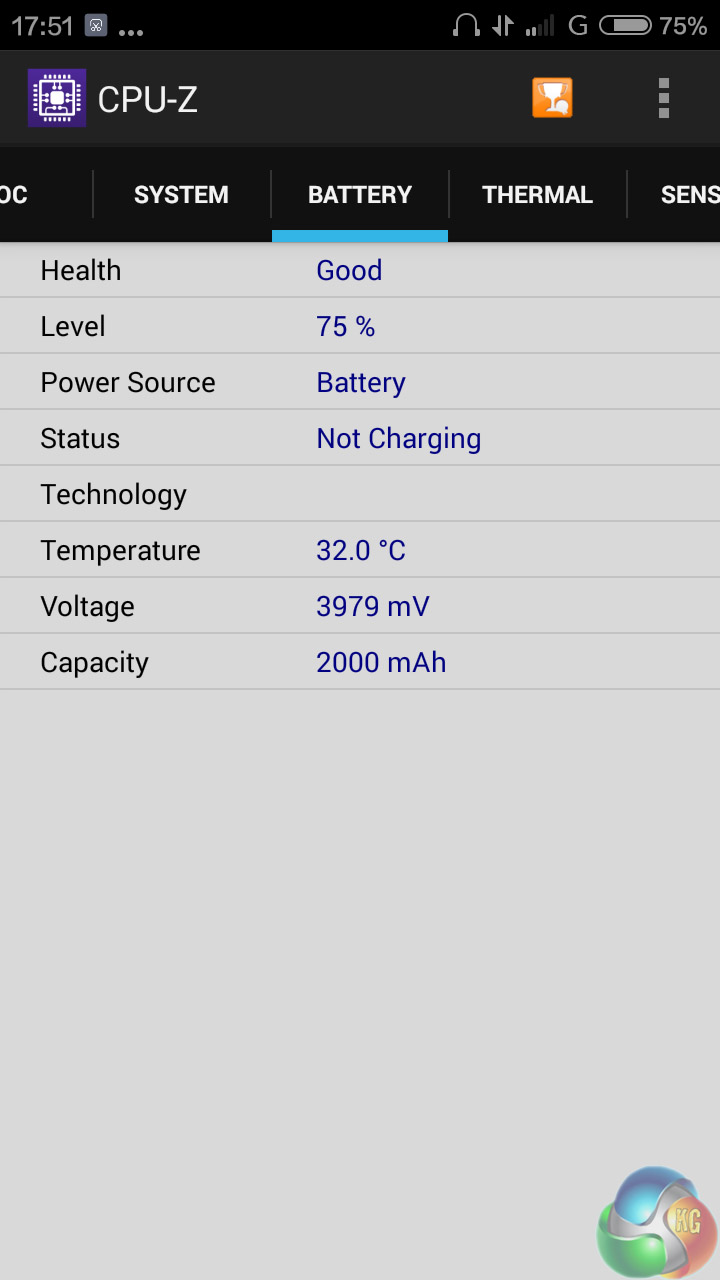
Powering the device is a 2200 mAh capacity battery. Slightly bigger than the battery in the ZenFone 5 LTE, it wasn't quite as impressive.
We found the battery could last a day, but only just. With sync and WiFi/mobile data constantly enabled, the battery life was pushed to its limits. By the time we plugged it in in the evening, it was just about to fail.
It's fine for regular users, but heavy users might find the battery failing them earlier than they'd like.
As it is, the battery should get most people through a day, but not quite as impressively as the ZenFone 5 LTE.
The Xiaomi Redmi 2 is certainly a good phone, and you'll be part of a very exclusive club if you do opt to buy one. With a decent sized screen and sharp resolution, the Redmi does well where many budget phones fall down.
MIUI is another strong point, combining iOS looks with the Android OS functionality. A fairly decent camera and good performance reinforce the stronger aspects of the phone.
Having to install Google Play Store manually could cause a challenge for some, however, and it is very unlikely Xiaomi would provide support to a device shipped outside of Asia.
The Redmi 2 is certainly a good handset, it just feels it may be easier all-round to stick with devices actually available in the UK market. The Play Store will be supported out of the box, and if you run into any problems the retailer is reachable for support.
Discuss on our Facebook page, over HERE.
Pros:
- Big enough to be useful, small enough to fit in a pocket.
- Sharp HD screen.
- Cheap, even with added import costs.
Cons:
- No Google Play Store out of the box.
- Lack of customer support abroad.
- Performance can be slow.
KitGuru says: If you're willing to take a risk, the Xiaomi Redmi 2 could be a good option. However, the new 2nd generation Moto E is a similar price point and is actually available in Western markets, so it seems a safer bet.