KitGuru KitGuru.net – Tech News | Hardware News | Hardware Reviews | IOS | Mobile | Gaming | Graphics Cards


The Philips Evnia 27M2C5500W is the latest member to join the Evnia family. The 27-inch QHD gaming monitor combines a lightning-fast 240 Hz refresh rate with a compact, ergonomic design and a wide variety of high-performance features, designed to offer a high-quality gaming experience.
The Evnia 27M2C5500W packs a 27-inch curved VA panel with 25% SAG coating, QHD resolution, 240Hz refresh rate (via DisplayPort) and a 1ms G2G response time (1ms MPRT). Like most VA panels, it offers a 3000:1 contrast ratio, which can be further enhanced using Mega Infinity DCR. Brightness peaks at 400nits, and the colour spectrum coverage is 98.5% for NTSC and 119% for sRGB. It's also VESA Display HDR400 certified.
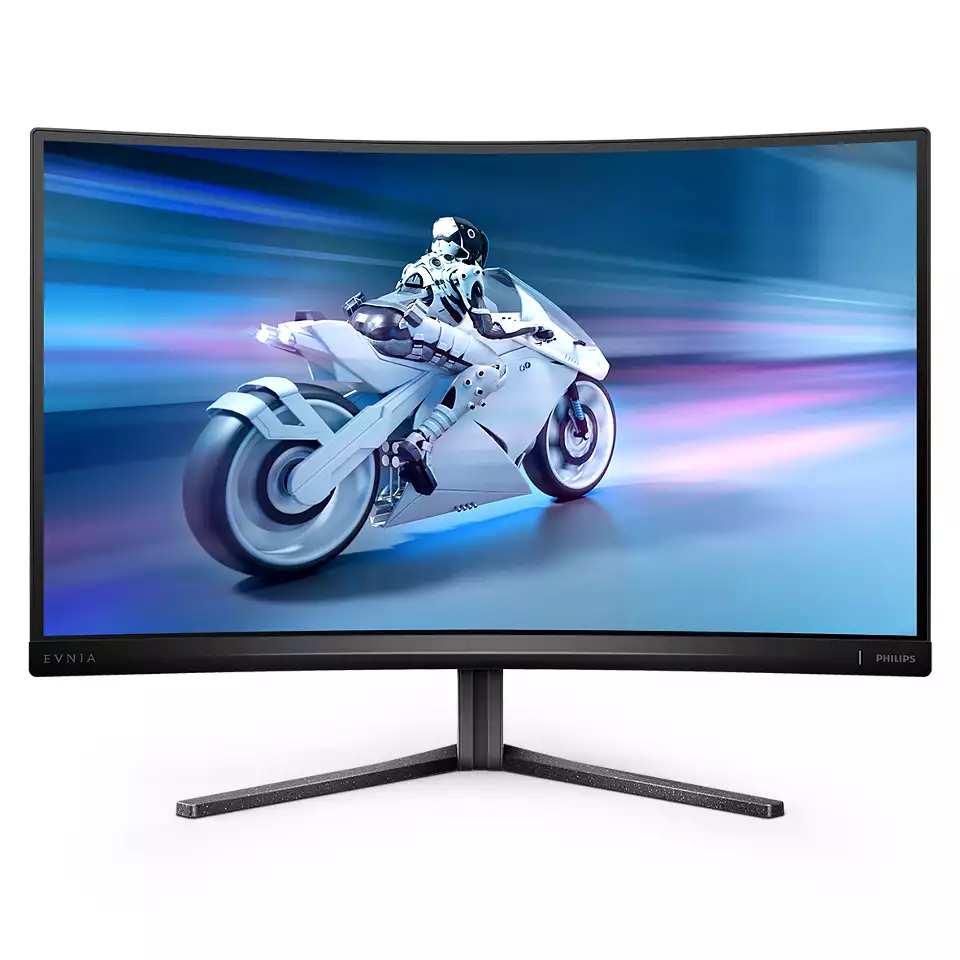
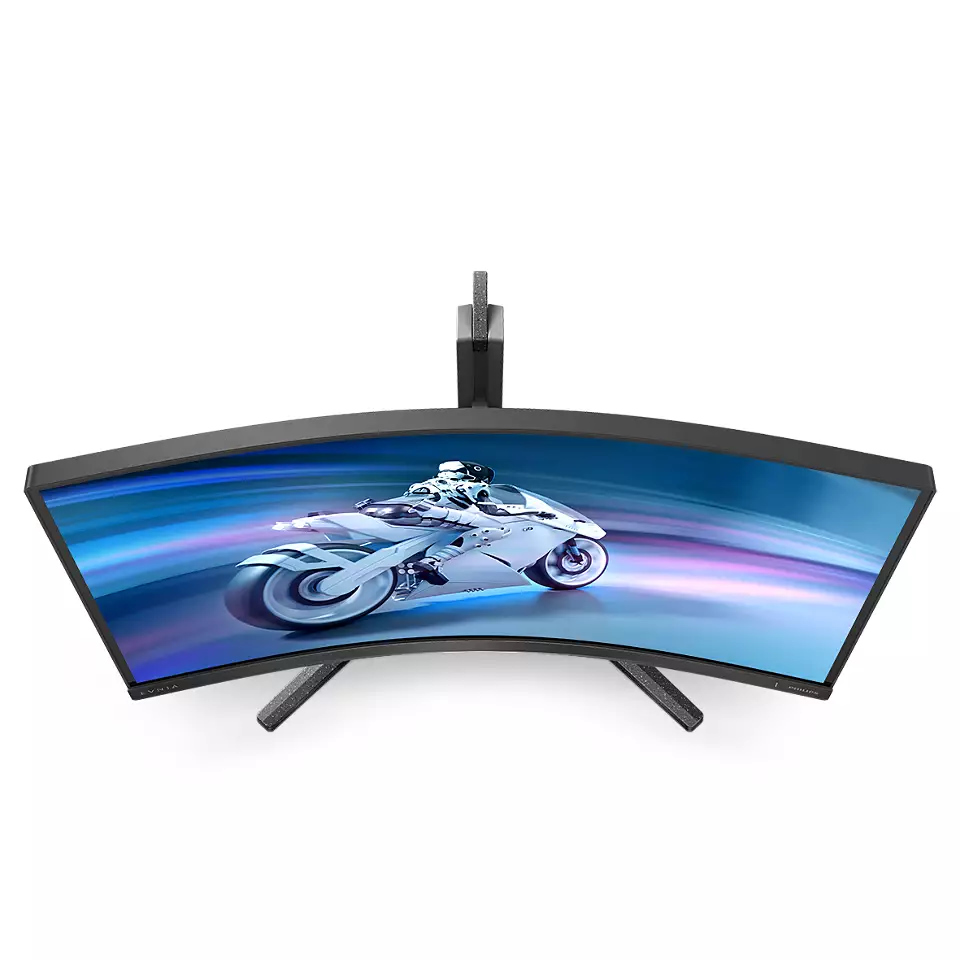
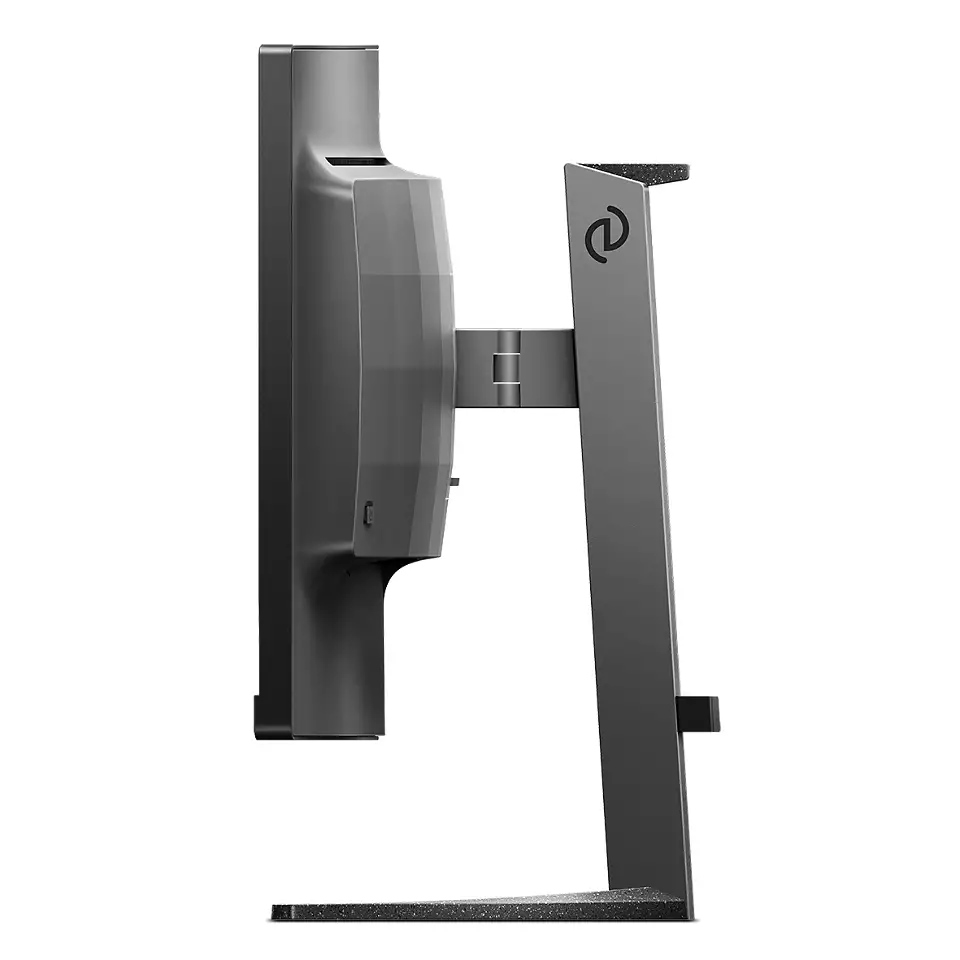
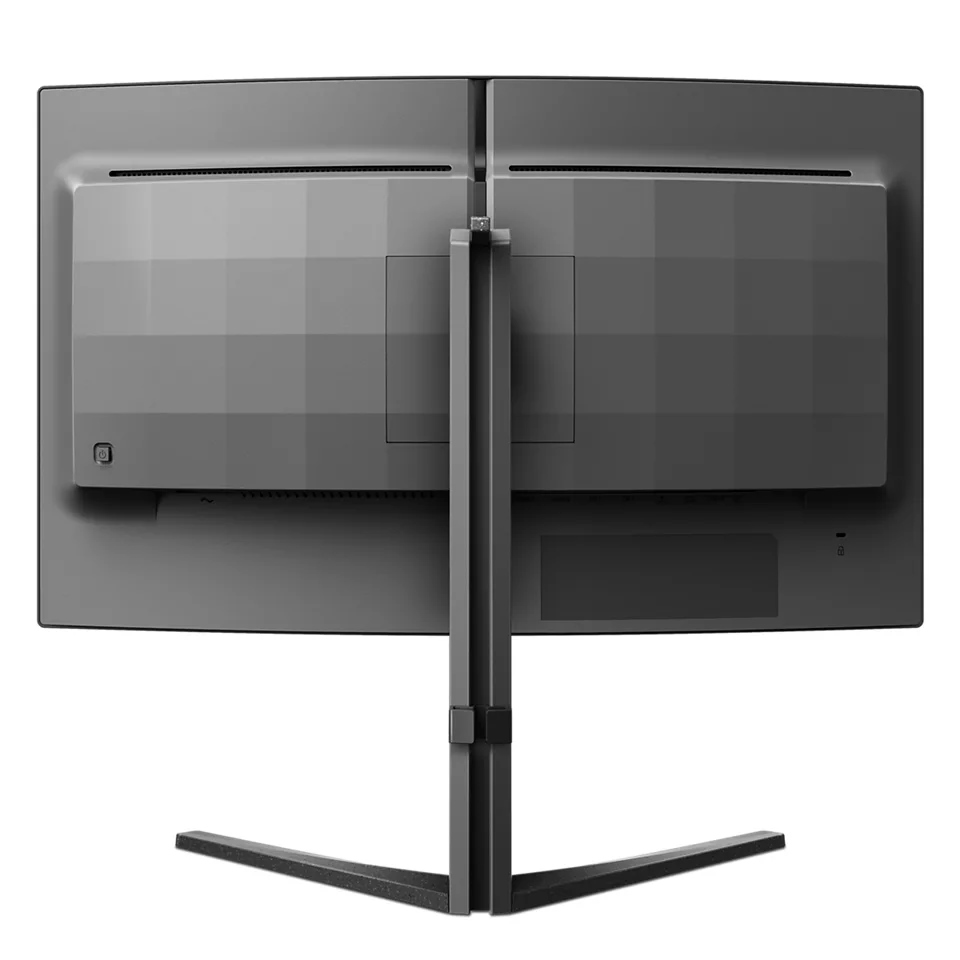
As you would expect from a gaming monitor, it supports AMD Freesync Premium in its Pro version, meaning low framerate compensation (LFC) works in both SDR and HDR modes. In addition, it features multiple HDR modes that you can choose depending on the content being displayed on the screen, as well as MultiView to view two sources simultaneously for improved multitasking.
Connectivity-wise, there are two HDMI 2.0 ports, two DisplayPort 1.4, and USB hub with four type A ports, of which two support fast charge. The included stand has decent ergonomic capacities, allowing you to swivel, tilt, and adjust the height. The Philips Evnia 27M2C5500W will be available for £429.99 starting at the end of January.
Discuss on our Facebook page HERE.
KitGuru says: Philip's push into the gaming display market has been quite interesting. Spec-wise, their monitors are on par with most competitors, but the understated aesthetics are quite appealing.