KitGuru KitGuru.net – Tech News | Hardware News | Hardware Reviews | IOS | Mobile | Gaming | Graphics Cards


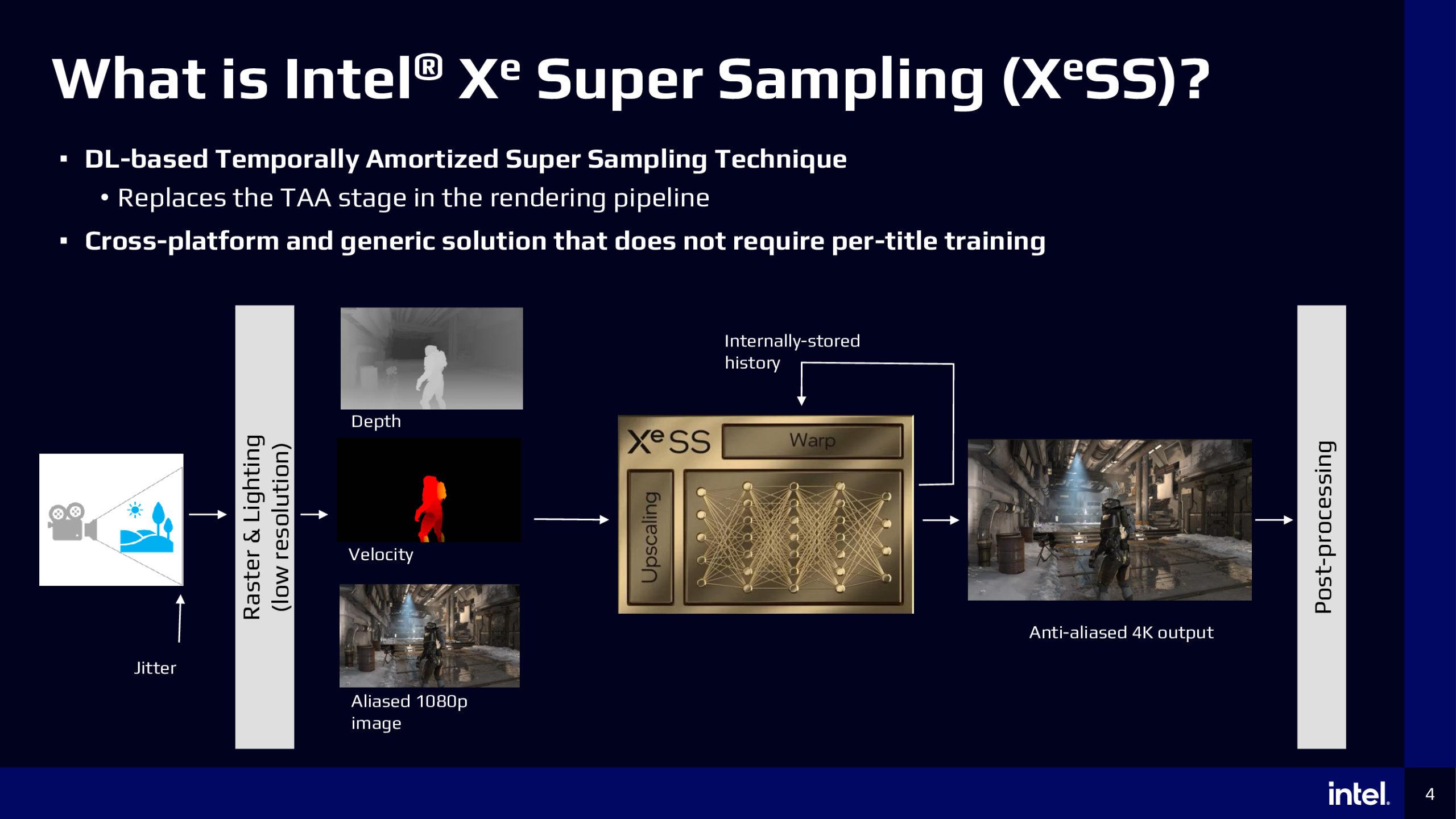
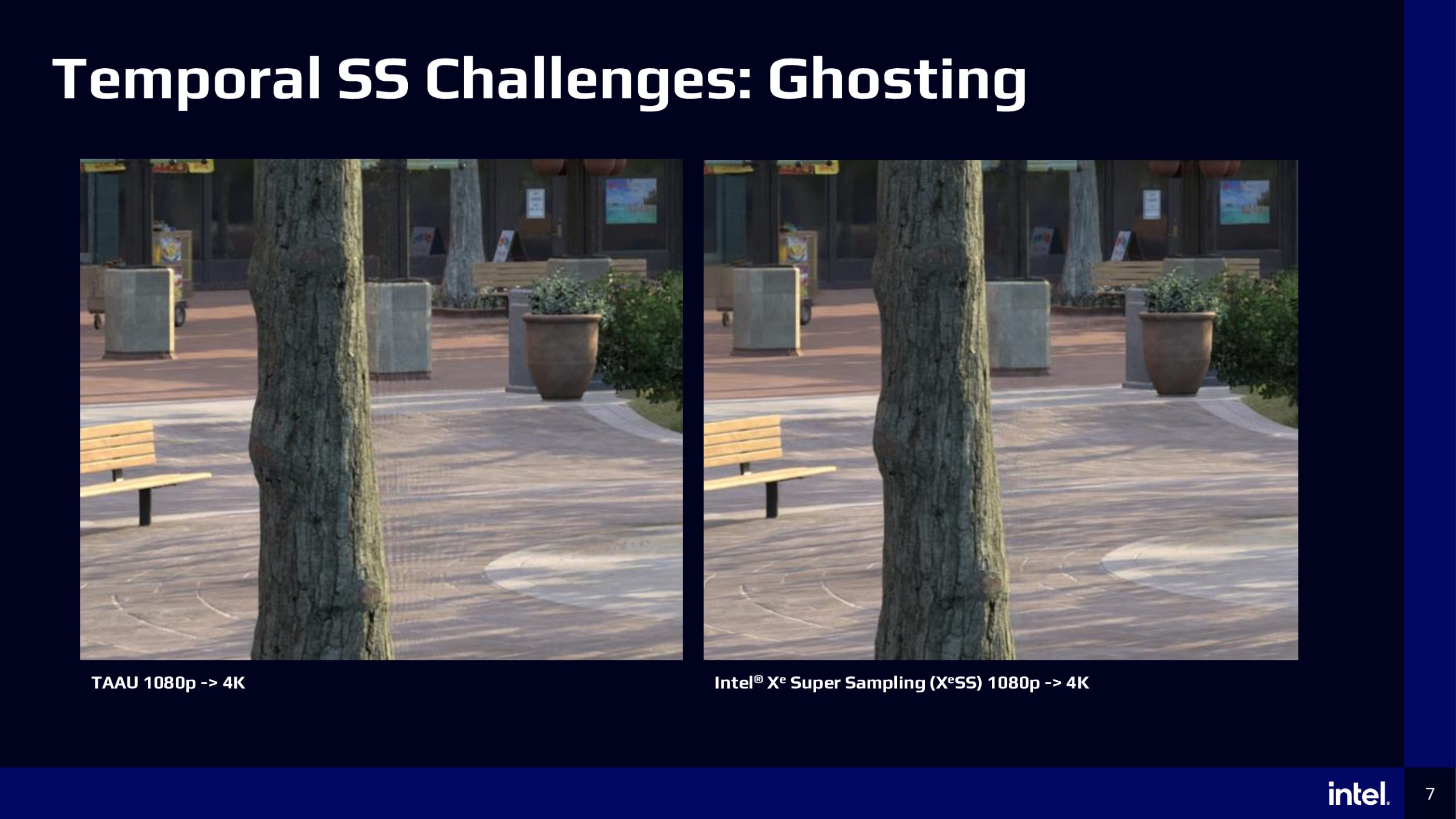
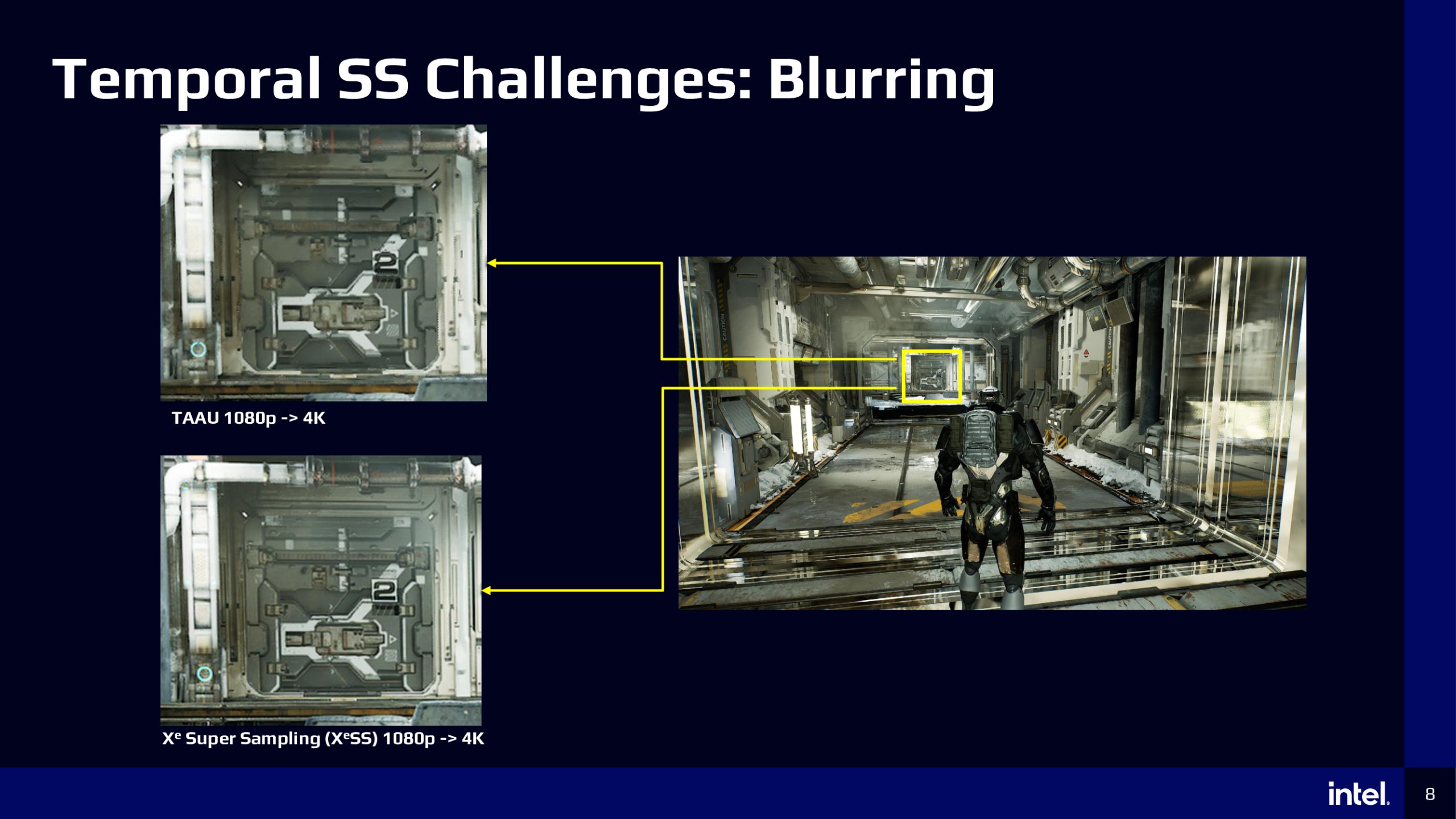
Like AMD FSR 2.0, Intel XeSS upscaling tech was also showcased during GDC 2022. During the sessions, Intel talked about the temporal supersampling challenges it has faced during development. In addition, it explained how XeSS will work and how to implement it, stating it will feature five quality modes.
During GDC 2022 sessions, Intel's software engineers gave a general overview of XeSS upscaling, the issues encountered along the way and how the team was able to overcome them.
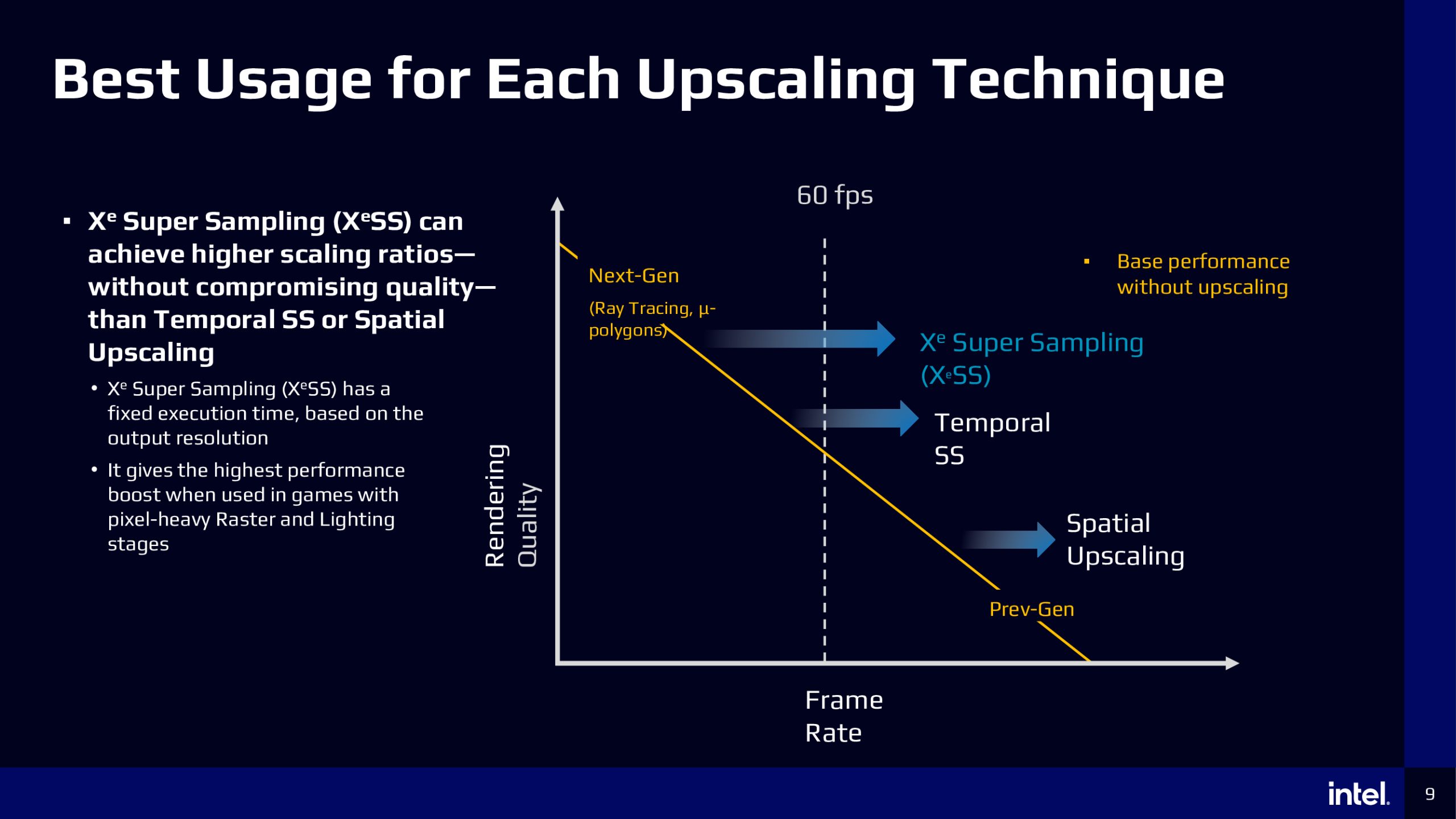
Still, even if XeSS is considered overall better, there are cases where using older techniques may generate better results. It all depends on which game you're applying the method to. While recent games using ray tracing will be better served with XeSS, older games may benefit from using spatial upscalers.
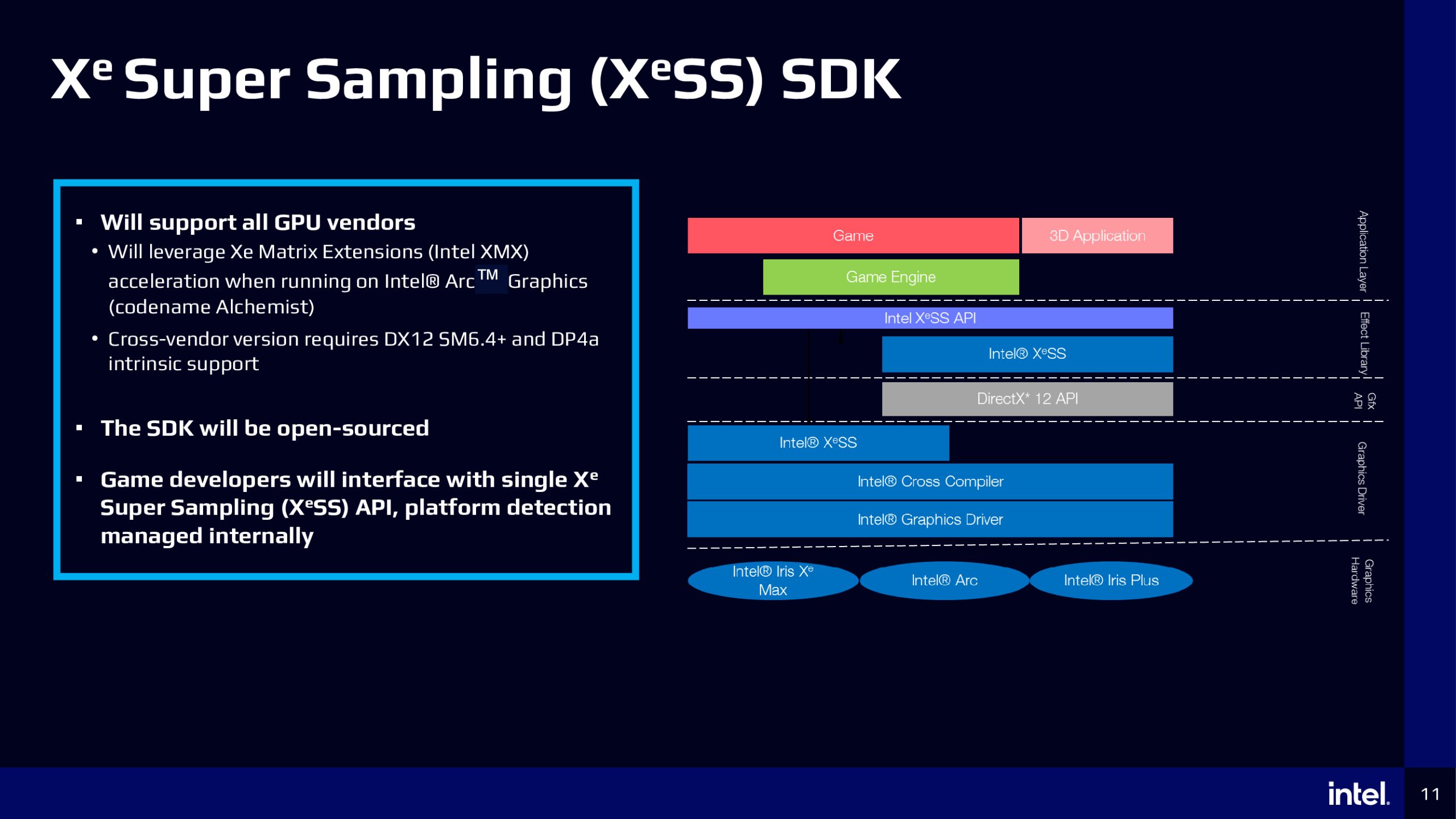
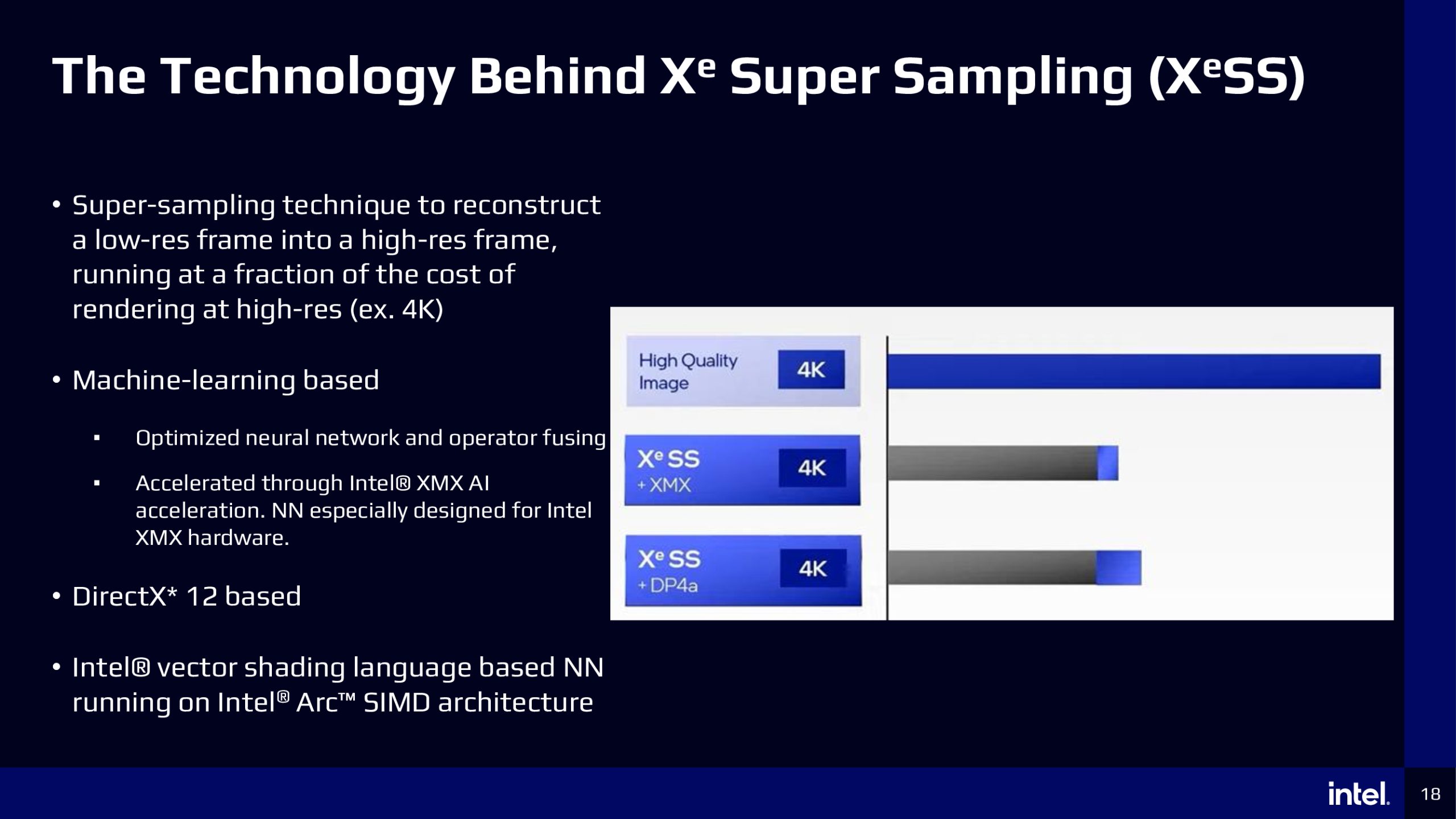
As Intel had suggested previously, XeSS will be supported by all GPU vendors, as long as their products support Shader Model 6.4+ and DP4a instructions. However, you should expect better performance when using XeSS on Arc GPUs thanks to Intel Matrix Extensions (XMX) acceleration.
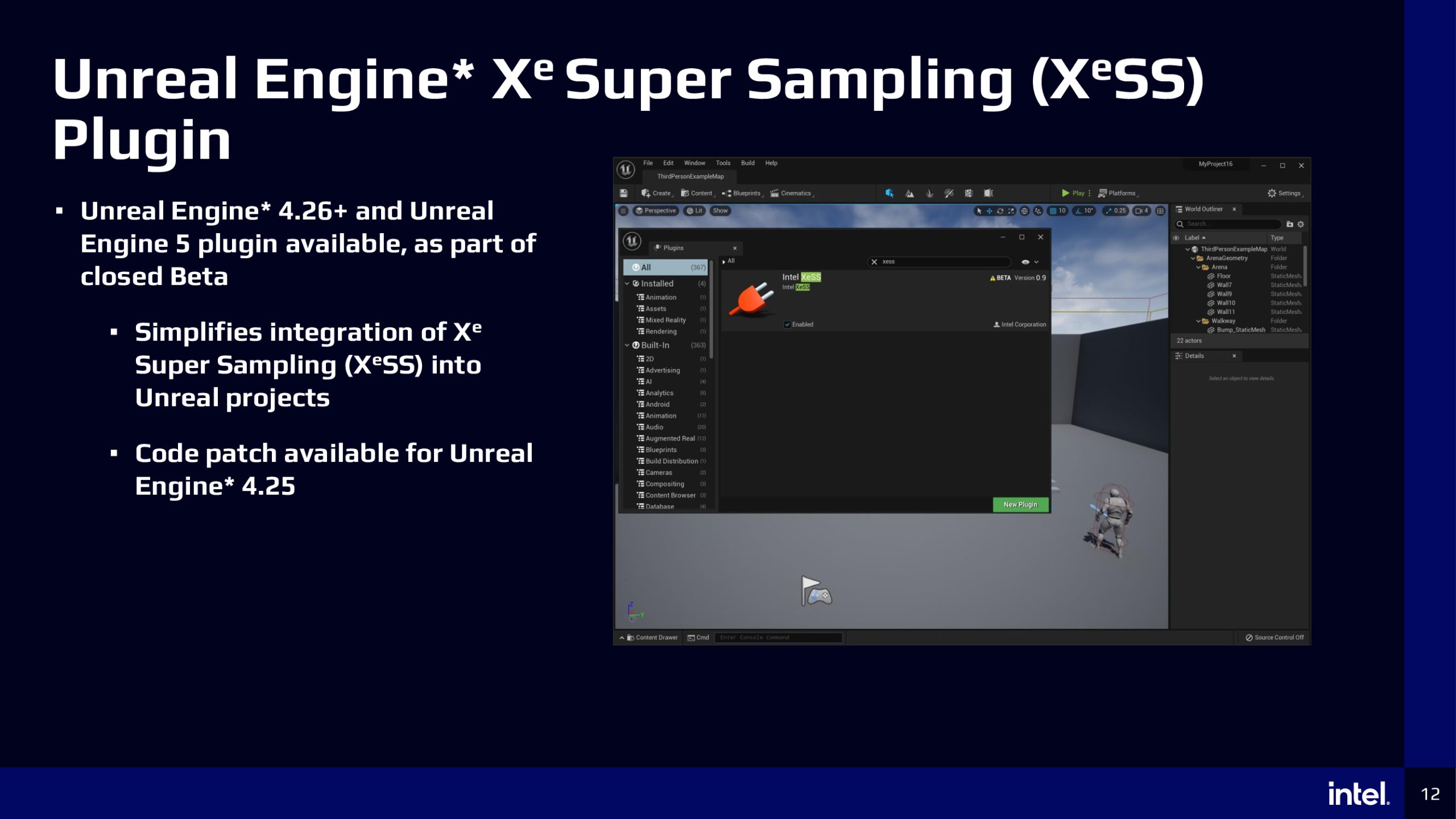
Similar to FSR 2.0, Intel will be releasing a XeSS plugin for Unreal Engine 4 (4.26 or above) and 5, initially as a closed beta. By doing so, developers working with UE 4/5 will have an easier time implementing the technology into their games.
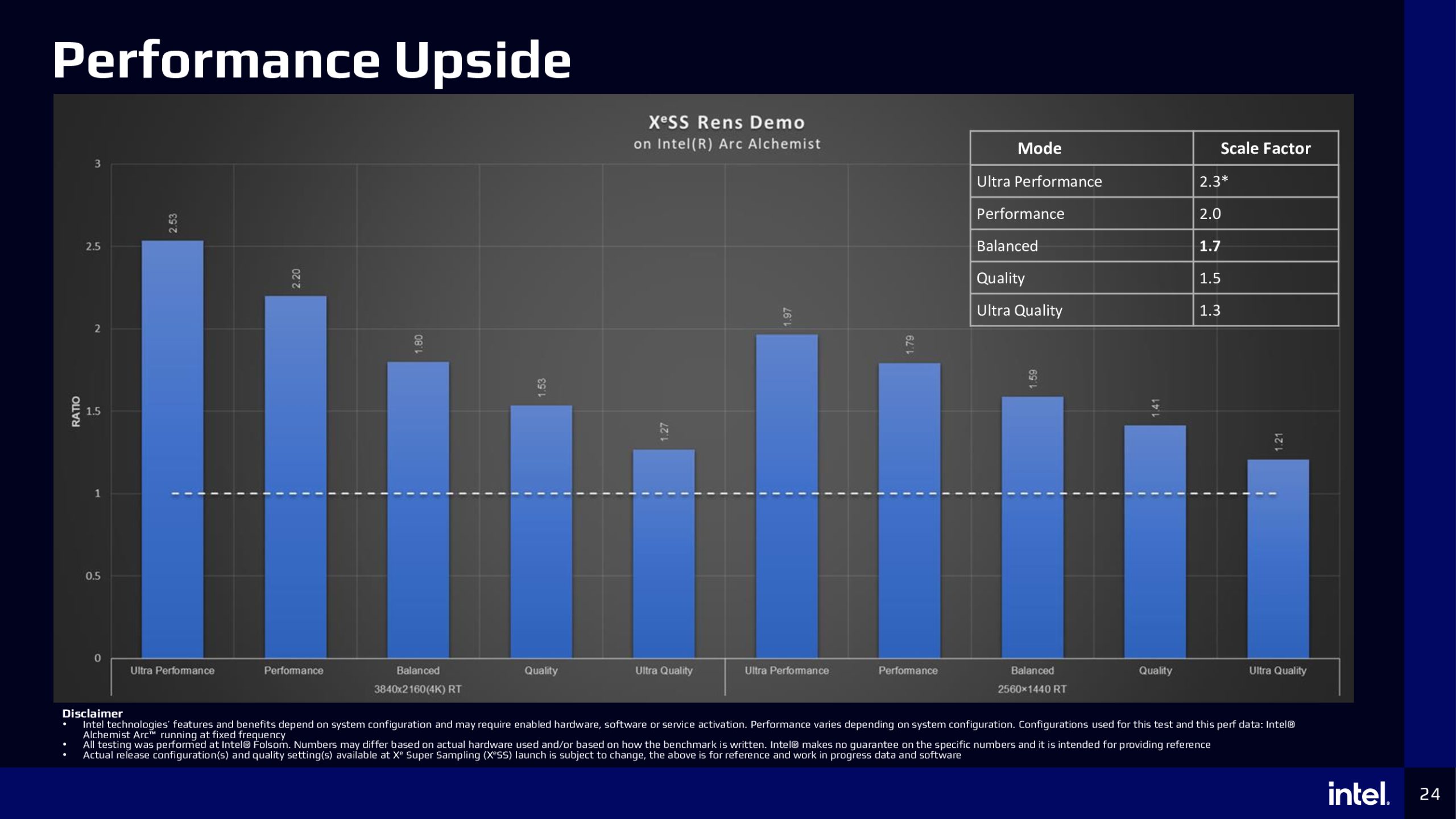
Contrary to FSR 2.0 and DLSS 2.0, Intel's upscaling tech will have five quality modes: Ultra Performance (2.3x scale factor), Performance (2.0x scale factor), Balanced (1.7x scale factor), Quality (1.5x scale factor) and Ultra Quality (1.3x scale factor).
According to Intel measurements using the Rens Demo, XeSS can vastly improve performance when targeting a 1440p resolution, with ray tracing turned on. In this case, enabling XeSS can improve performance between 21% (Ultra Quality) and 97% (Ultra Performance). However, the performance bump is even more noticeable at 4K resolution (RT on), increasing between 27% and 153%.
Intel hasn't yet unveiled when XeSS will become available, but we assume it will come out later this year, likely after the Arc Alchemist GPU series launch.
Discuss on our Facebook page, HERE.
KitGuru says: The battle for the best upscaling technology is becoming fierce. On one side, there's DLSS 2.0, then, we have the newly announced FSR 2.0 from AMD, and soon, Intel will be throwing its hat into the ring with XeSS. Will they all coexist, or will one reign supreme over the others?