KitGuru KitGuru.net – Tech News | Hardware News | Hardware Reviews | IOS | Mobile | Gaming | Graphics Cards


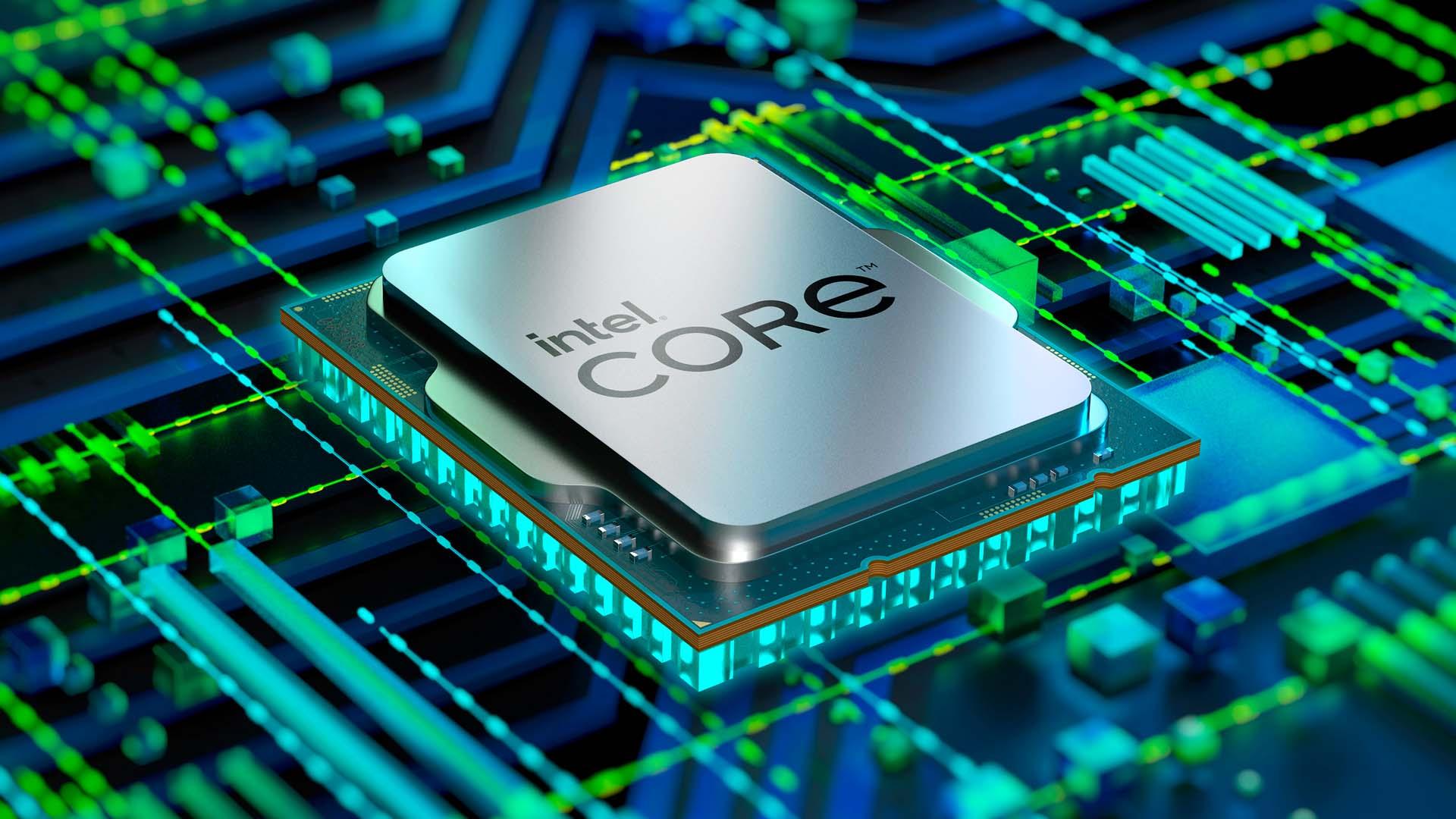
After announcing a range of multiplier-locked (non-K) CPU SKUs at CES 2022, it didn't take long for these processors to hit the market. With German overclocker Der8auer already experimenting with base-clock (BCLK) overclocking methods for the likes of the i5-12400, Intel has now issued a statement regarding overclocking these non-K processors.
To get right to it, here is Intel's full statement, copied verbatim:
‘Intel’s 12th Gen non-K processors were not designed for overclocking. Intel does not warranty the operation of processors beyond their specifications. Altering clock frequency or voltage may damage or reduce the useful life of the processor and other system components, and may reduce system stability and performance.'
The immediate good news is, nothing from that statement implies that Intel is planning to try and shut down such overclocking methods. This happened in the past with the original Skylake CPUs, where BCLK overclocking brought tangible performance increases to the likes of the i5-6600, before Intel issued a microcode update to stop this at source. Hopefully for the 12th Gen parts, enthusiasts will be able to continue overclocking these non-K CPUs without hindrance.
Of course, that does come with a risk as BCLK overclocking does indeed cause the ‘operation of processors beyond their specifications', so you won't be covered by warranty if something goes wrong.
However, and you will have to forgive us for asking such a philosophical question on a Friday lunchtime, but Intel's statement does raise the point – what actually is overclocking? Intel refers to taking parts ‘beyond their specifications', but what about XMP – something which pretty much any enthusiasts will do without thinking.
On a support page titled ‘Warranty Guide for Intel Processors', the company lumps both overclocking and XMP together, saying that ‘altering clock frequency or voltage may void any product warranties and reduce stability, security, performance, and life of the processor and other components.'
We also have to take it that even Intel's K-SKUs are therefore not warrantied if an issue where to arise due to overclocking, particularly as the Performance Tuning Protection Plan scheme is now defunct. However, Intel does specify that one particular product – the Xeon W-3175X – is ‘automatically covered for overclocking', so there's some hope K-SKUs are covered by warranty too.
In any case, we have asked Intel for further clarification and hope to hear back soon. We will update this article if and when we get a response.
Discuss on our Facebook page HERE.
KitGuru says: Hopefully non-K overclocking is here to stay!