KitGuru KitGuru.net – Tech News | Hardware News | Hardware Reviews | IOS | Mobile | Gaming | Graphics Cards


Yesterday, Nvidia began rolling out a fairly major GeForce driver update, bringing a bunch of new gaming-oriented features and optimisations. One new feature wasn't mentioned though – this driver also adds beta support for GPU passthrough on GeForce GPUs. With this, users can utilise a physical GPU to run games on Windows virtual machines hosted on a Linux system.
There are multiple ways to enable GPU passthrough on Nvidia Geforce GPUs, but until now, none of them were officially supported. From now on, any system featuring a modern GeForce/Titan graphics card can use GPU passthrough on a Linux system running a Windows Virtual Machine, as long as it has the Nvidia Geforce driver 465.89 (or newer) installed. Desktop GPUs have to be Kepler-based or newer, while laptop GPUs must be Maxwell or newer.
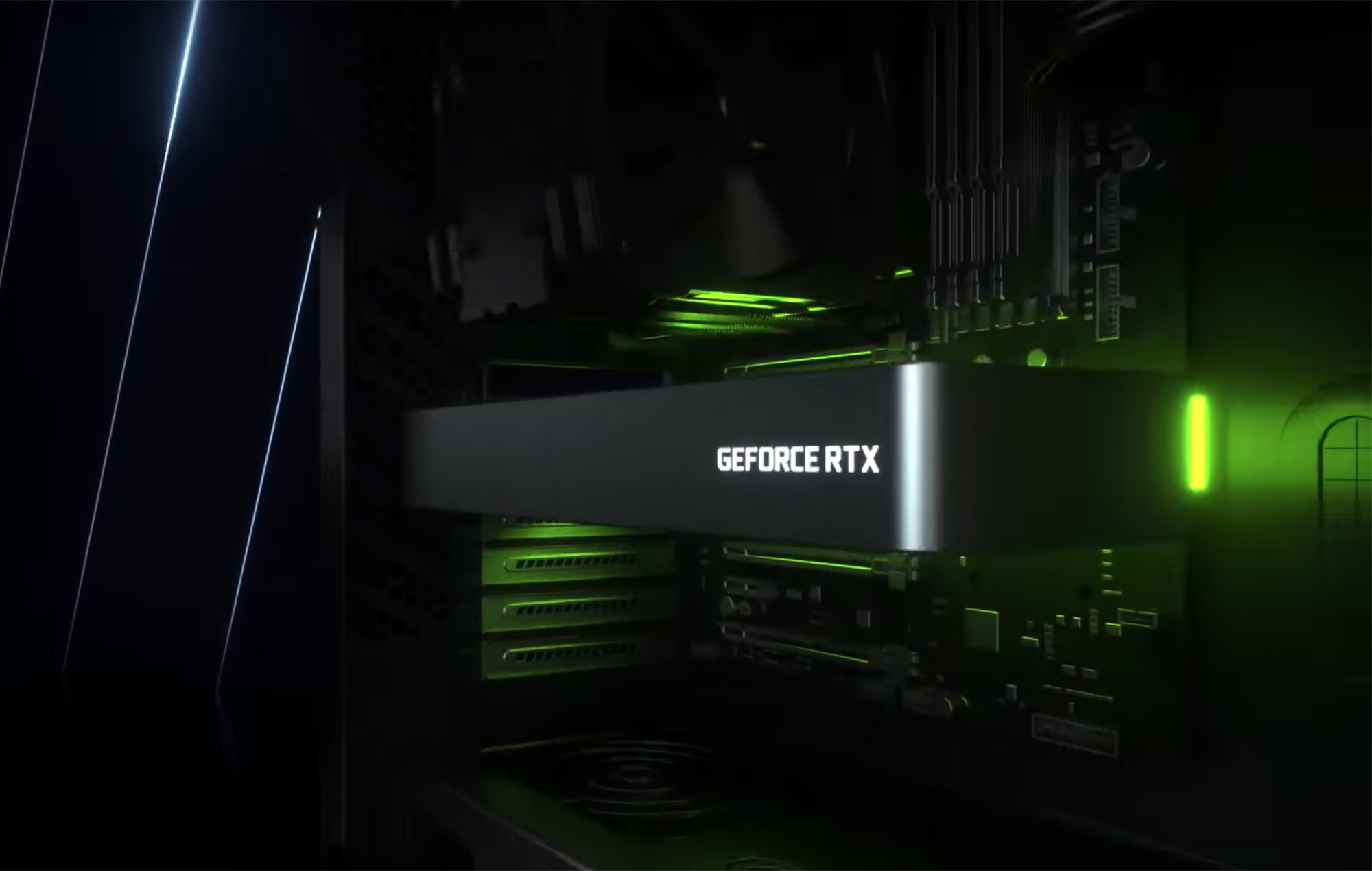
A GeForce GPU using GPU passthrough can only be used by a single VM. If users need to assign a single GPU to multiple VMs, then you will need an Nvidia Tesla, Quadro or RTX enterprise GPU to do it.
GPU passthrough can be useful for someone running a Linux system and wanting to play a game that is only supported on Windows. In this case, the user just has to create a Windows VM, enable GPU Passthrough, install the game, and run it. Another use case is if a game developer wants to test code on a Linux and Windows system. With GPU Passthrough, the game developer would just need to use a single machine, instead of going through the hassle of moving the game data between two PCs.
KitGuru says: Not everyone will find a use for GPU Passthrough, but those that have been using it up to now will be glad to see Nvidia officially supporting it. Have you used GPU passthrough in the past? What did you use it for?