KitGuru KitGuru.net – Tech News | Hardware News | Hardware Reviews | IOS | Mobile | Gaming | Graphics Cards


Philips has launched the new E2 series of IPS monitors for home and office use. Featuring a 3-side or 4-side frameless design, these monitors are “especially suited for graphic design and professional applications” because of their colour accuracy and image detail.
Ranging from Full HD to 4K resolutions, the E2 series of monitors use Ultra Wide-Color Technology to offer “excellent picture quality”. Other features that further enhance the viewing experience when watching content in the E2 monitors include wide viewing angles, SmartContrast (automatically adjusts the brightness and colours), and SmartImage (automatically regulates the contrast, saturation, and sharpness).
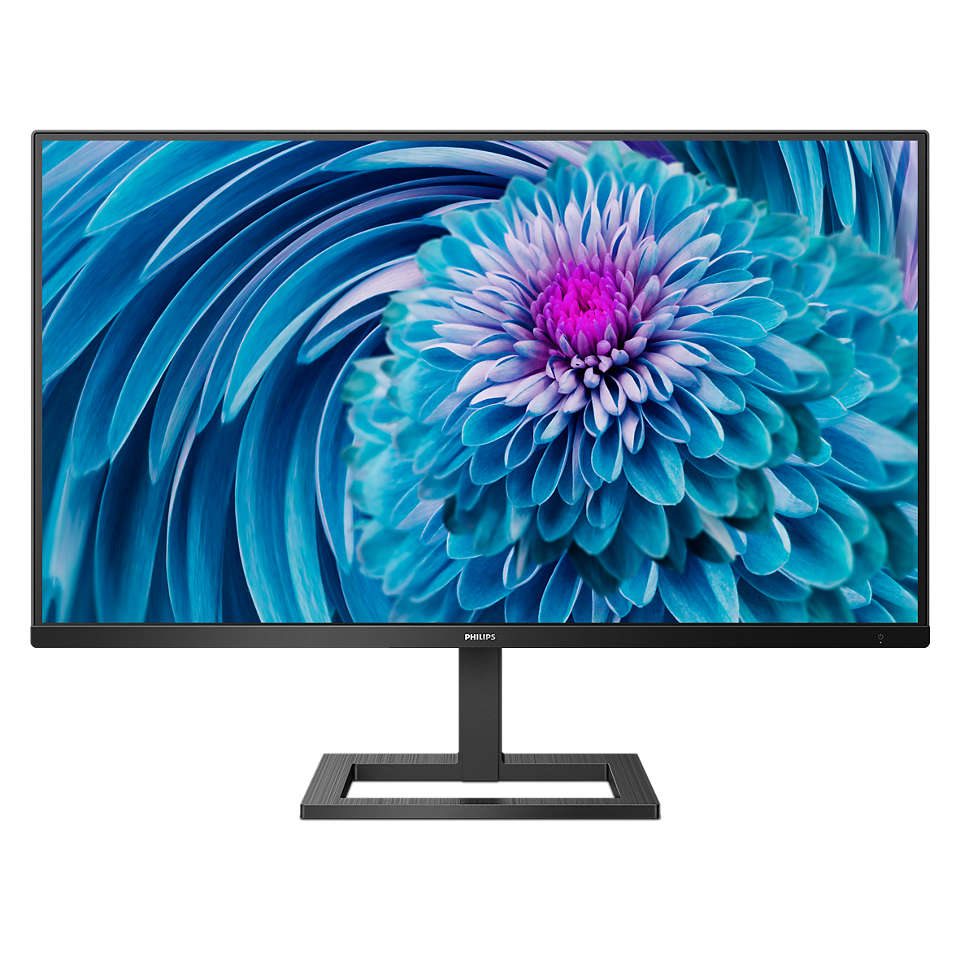
The Philips 242E2FA uses a 23.8-inch IPS panel with FullHD resolution, a 75Hz refresh rate, and a 4ms G2G response time. Contrast ratio sits at 1000:1, while brightness reaches up to 300nits, resulting in a coverage of 97.4% of the NTSC colour gamut and 113.8% of the sRGB colour gamut from this 8-bit panel.
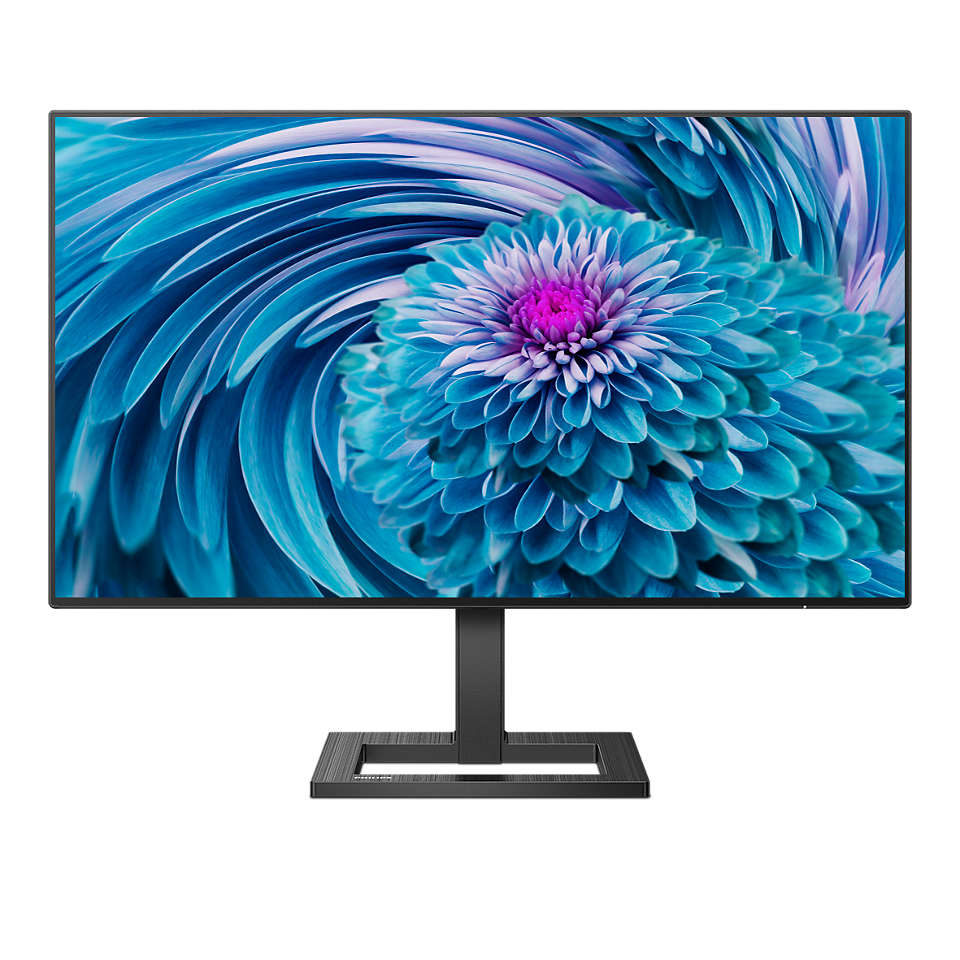
The Philips 272E2FA is very similar to the 242E2FA, offering an IPS panel with the same resolution, refresh rate and response time, but sized at 27-inch. Colour gamut coverage is also very similar, but this monitor has a higher peak brightness of 350nits. Contrast ratio and colour depth are also the same between both monitors. Additionally, this monitor features Adaptive sync for a smoother viewing experience.
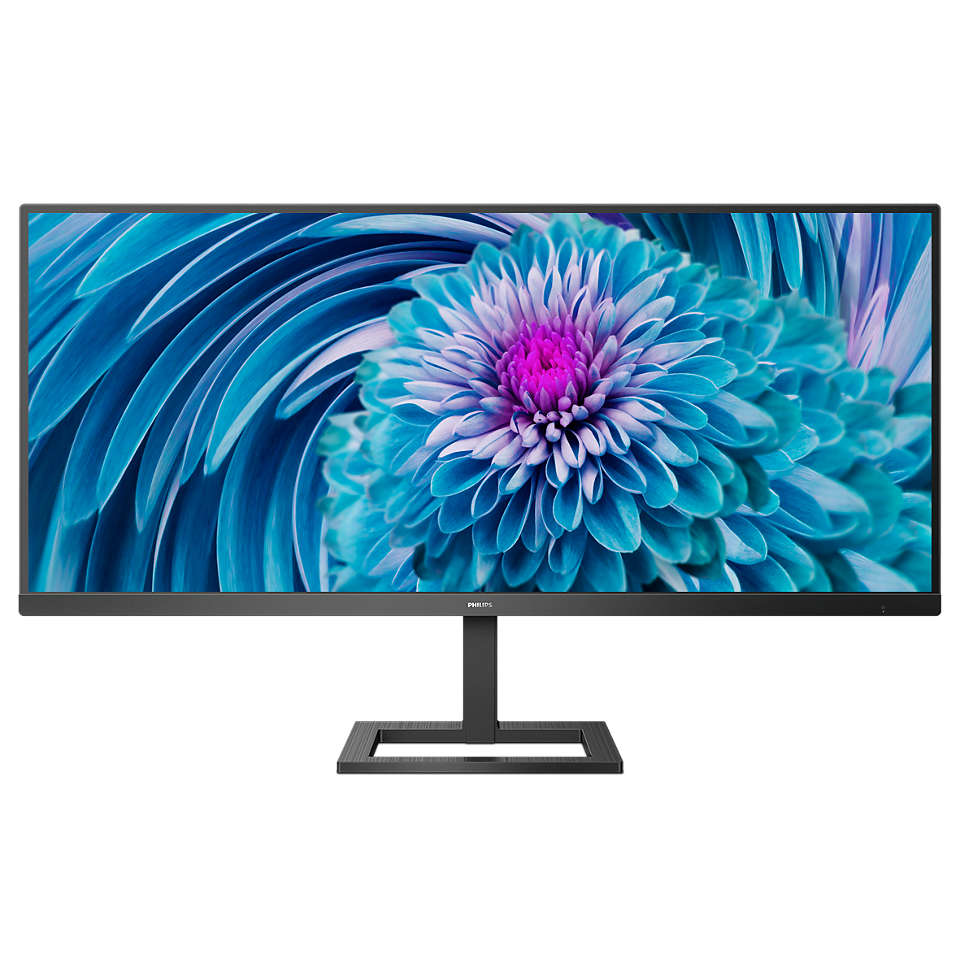
The 345E2AE is the only ultrawide monitor of the bunch, with a 34-inch panel featuring a 3440x1440p resolution, a 75Hz refresh rate, and 4ms of G2G response time. The 1000:1 contrast ratio and the 300nits of brightness allow this 8-bit panel to cover 106.8% of the NTSC colour gamut and 120.3% of the sRGB colour gamut.
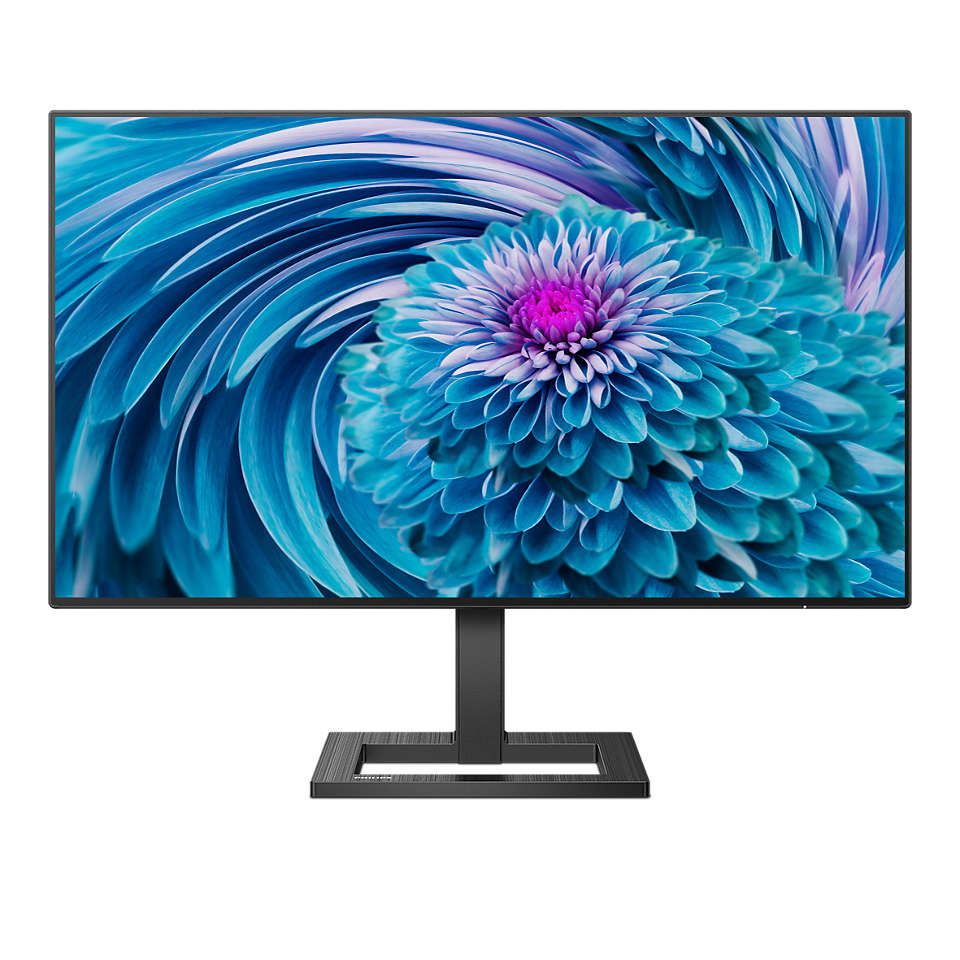
The 28-inch sized 288E2A features a 4K resolution, 4ms of G2G response time and a 60Hz refresh rate. This is the only monitor using a 10-bit panel, which comes factory-calibrated with a Delta E < 2 (sRGB). With 300 nits of brightness and a 1000:1 contrast ratio, it covers 106.9% of the NTSC colour gamut and 119.7% of the sRGB colour gamut. This monitor is also the only E2 series display featuring SmartUniformity, which calibrates the monitor to ensure an average brightness uniformity ranging from 93% to 105%.
All of these monitors feature 2x 3W speakers and tilting functionality (-5º to 20º). Users can also adjust the height of the 345E2AE by 100mm. The Philips 242E2FA and the 272E2FA come with a VGA port, an HDMI port, a DisplayPort, an audio-out jack, and an audio-in jack. The 288E2A and 345E2AE have 2x HDMI ports, a DisplayPort, an audio-out jack, and an audio-in jack.
These monitors also feature basic gaming features such as colour presets for multiple genres of video games, 1ms response time MPRT on the Philips 242E2FA and the 272E2FA monitors, and FreeSync support on both Philips 288E2A and 345E2AE monitors. Flicker-free Technology and LowBlue Mode were also added to ensure the safety of the users' eyes. Additionally, there's the EasyRead mode for a “paper-like reading experience”.
The Philips 288E2A is available now for £259.99. The Philips 242E2FA, 272E2FA, and 345E2AE are expected in mid-September, priced at £124.99, £154.99, and £304.99, respectively. You can learn more about the 242E2FA HERE, the 272E2FA HERE, the 288E2A HERE, and the 345E2AE HERE.
KitGuru says: Out of these display solutions, which one would you prefer to use for work? Do you think ultrawide monitors are good to work on?