KitGuru KitGuru.net – Tech News | Hardware News | Hardware Reviews | IOS | Mobile | Gaming | Graphics Cards


Alongside the launch of its Arc Battlemage graphics cards, Intel introduced its own Frame Generation and Low Latency modes for XeSS. Today, with the release of XeSS 2.1 (and the respective SDK), Intel is making those features available to everyone, including gamers with AMD Radeon and Nvidia GeForce graphics cards.
Previously, XeSS Frame Generation was exclusive to Intel's own Arc GPUs. Now, once developers integrate the new libraries into their games, players with compatible hardware from any brand will be able to enable both XeSS upscaling and XeSS Frame Generation.
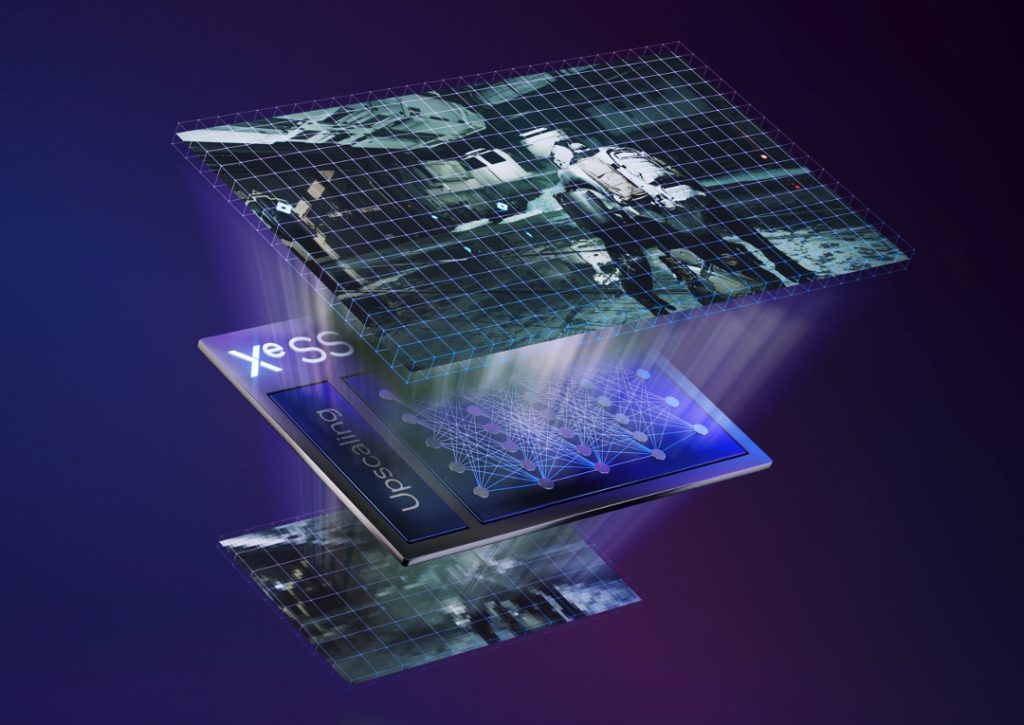
The key requirement for this cross-vendor support is a GPU that supports Shader Model 6.4. For Team Green, this means any card from the GeForce GTX 10-series onwards is compatible. For Team Red, you'll need a Radeon RX 5000-series card or newer to enable XeSS. Moreover, Intel did note that for non-Intel GPUs, the XeSS Low Latency (XeLL) feature is dependent on Frame Generation, meaning you can't enable it on its own.
With both AMD's FSR and now Intel's XeSS offering a full suite of upscaling and frame generation tools that work on a wide range of hardware, Nvidia's DLSS suite is still locked to its cards, and it won't likely change in the future. XeSS 2 being vendor-agnostic is undoubtedly a win for gamers, who will now have more choice than ever when it comes to performance-boosting technologies.
Discuss on our Facebook page, HERE.
KitGuru says: As games are updated to support the new XeSS 2 libraries, we should start to see a whole new range of titles offering frame generation to a much wider audience of PC gamers.