KitGuru KitGuru.net – Tech News | Hardware News | Hardware Reviews | IOS | Mobile | Gaming | Graphics Cards


Live Streamer Mic 133
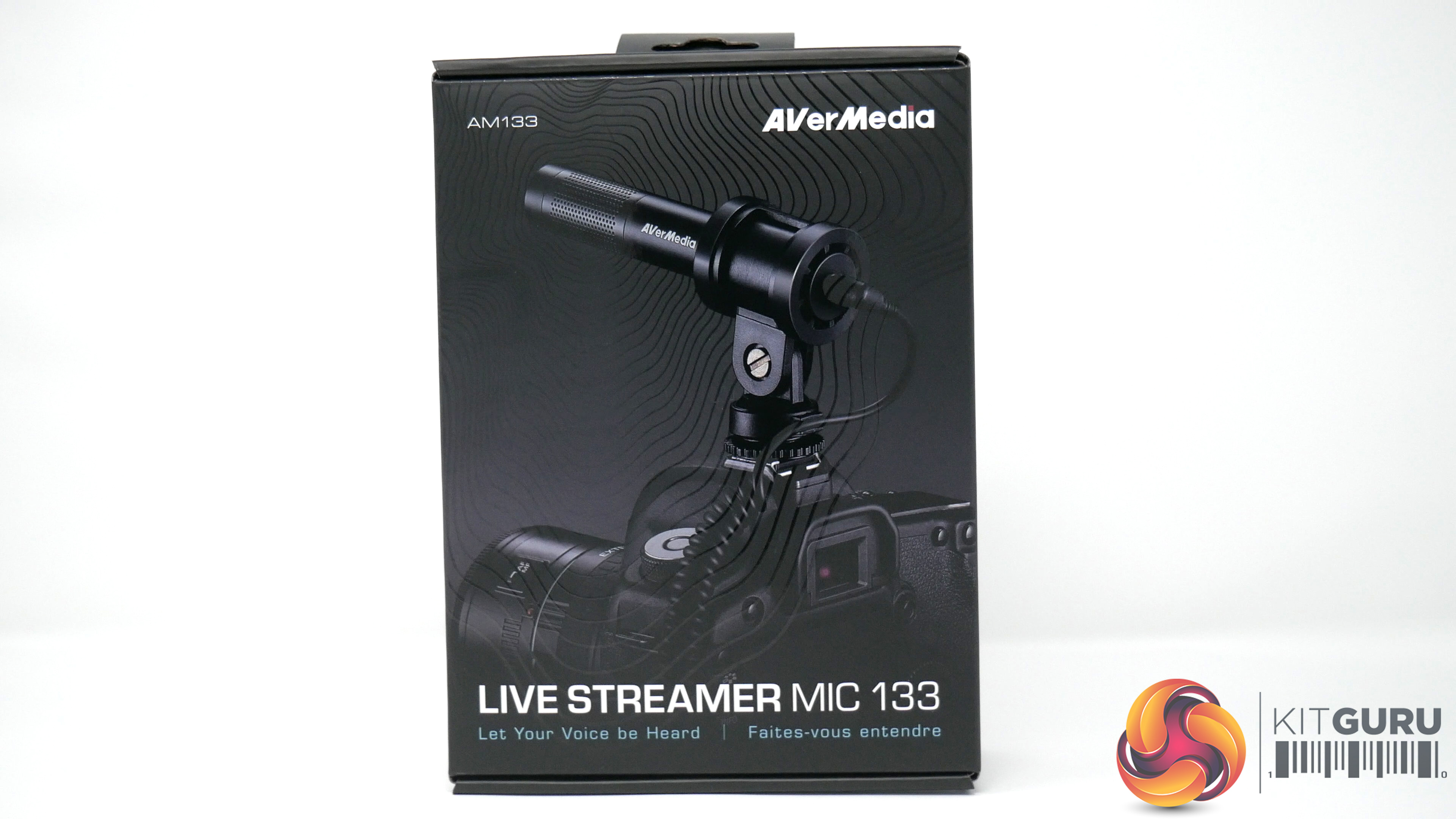
Specifications:
- Type: Uni-directional condenser microphone
- Polar Pattern: Cardioid
- Output: 3.5mm Imput
- Sensitivity: -37 dB ±3 dB at 1 kHz, (0 dB = 1 V/Pa)
- Frequency response: 20Hz ~ 16kHz
- Maximum SPL: 110 dB
- Dimensions: 70 x 83.3 x 132.25 mm (2.75 x 3.28 x 5.2 in) (with stand)
- Weight: 80 g (with stand)
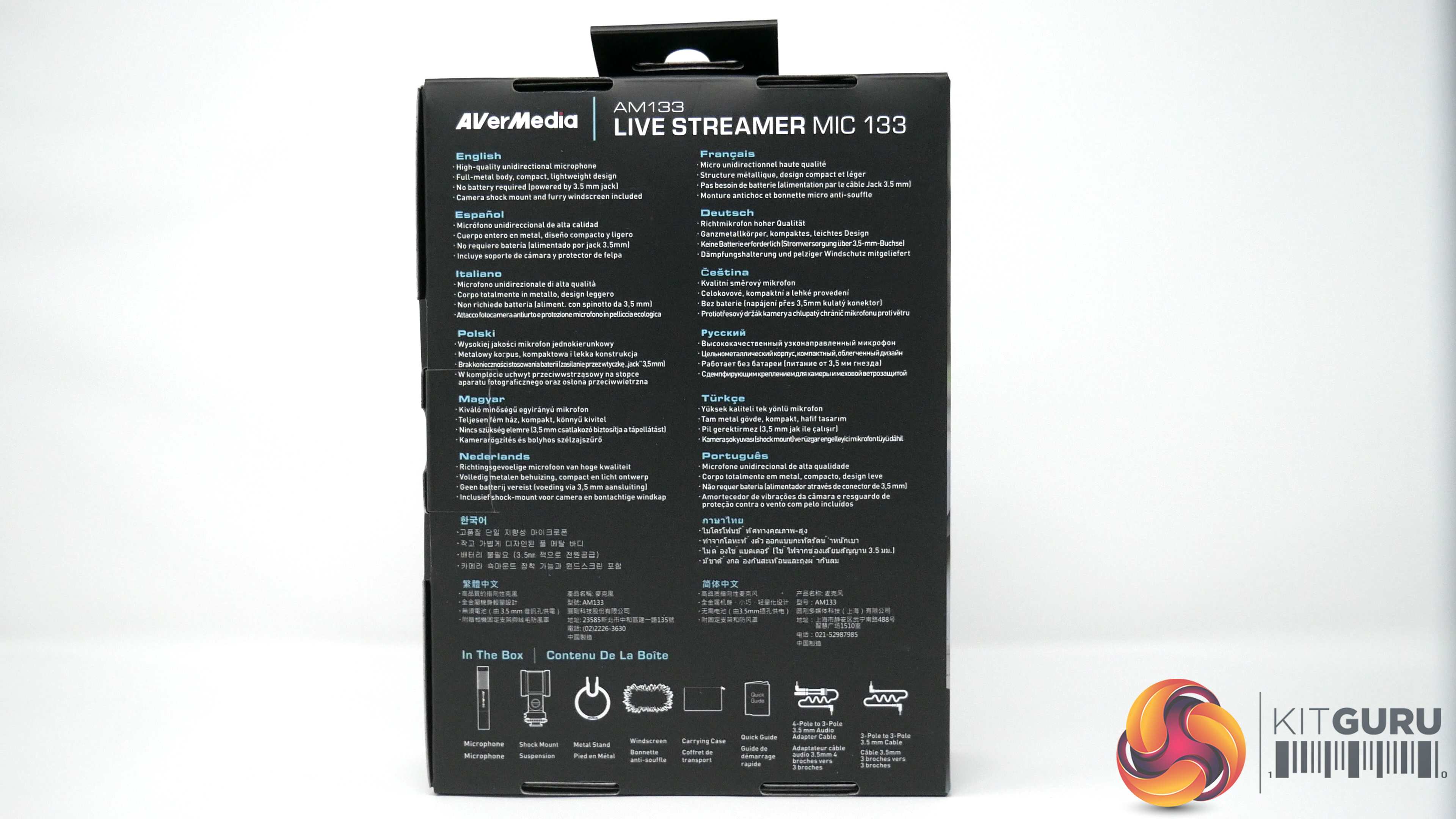
Box Contents:
- Uni-directional condenser microphone (AM133)
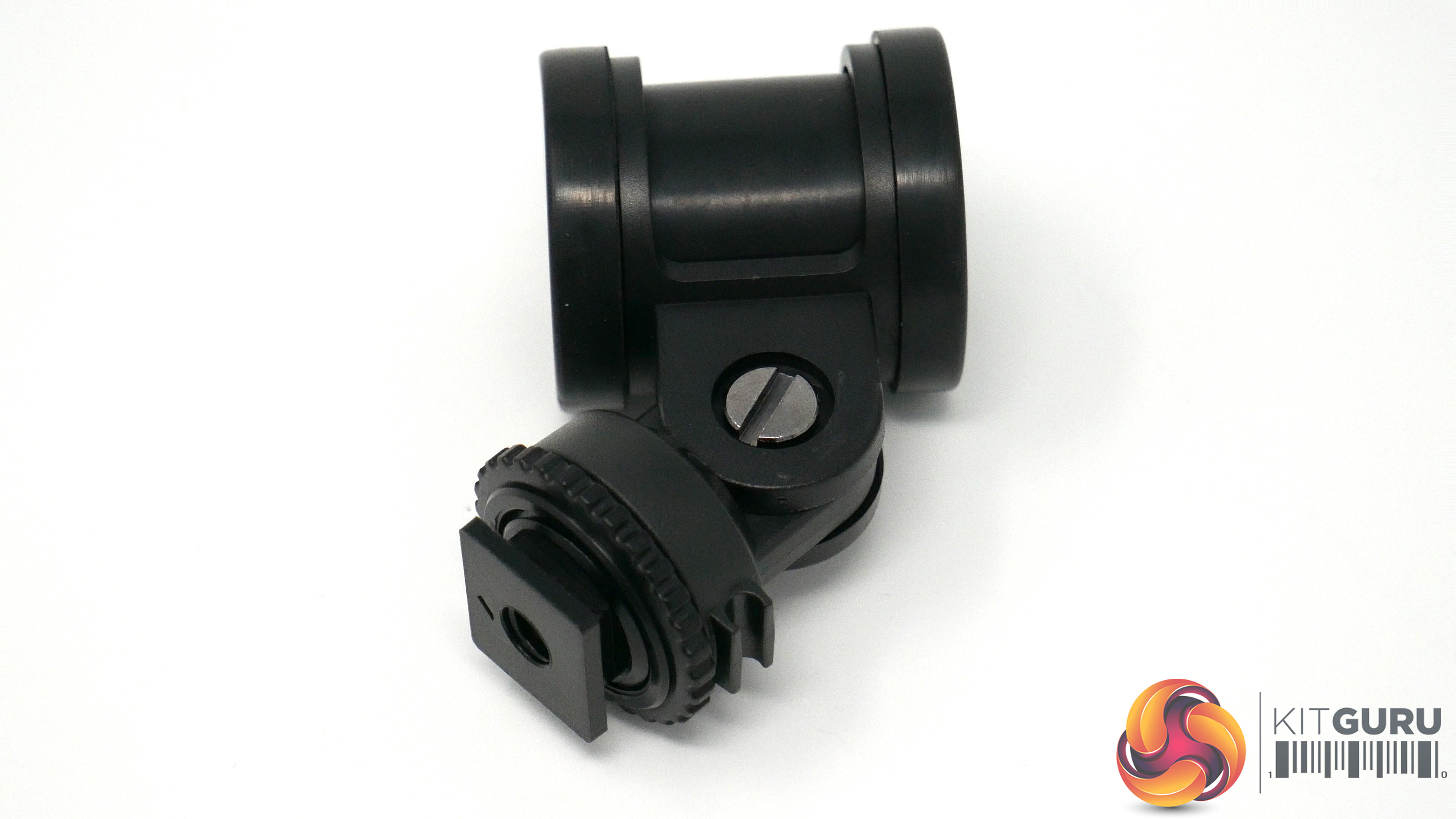
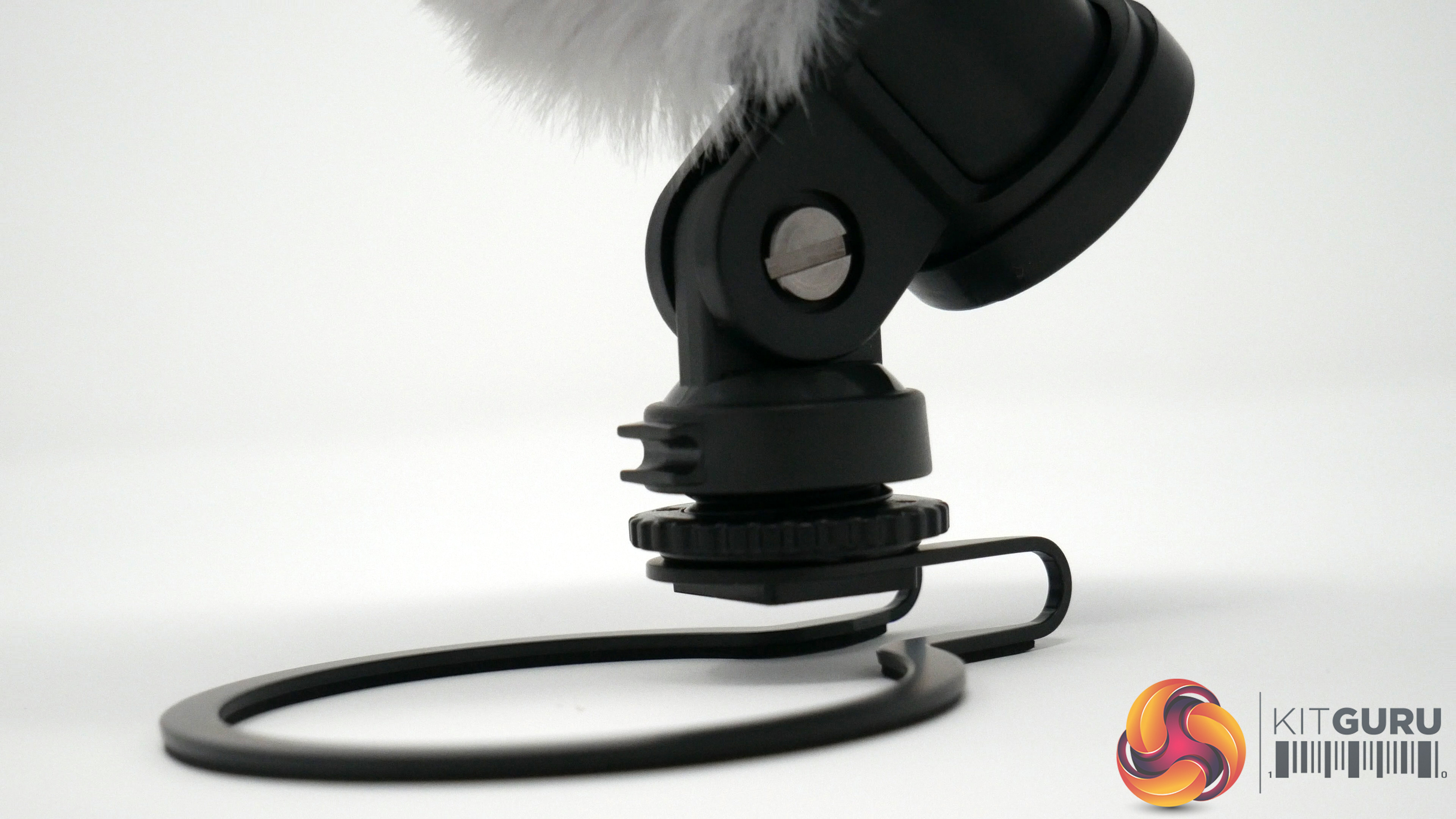
- Shock mount
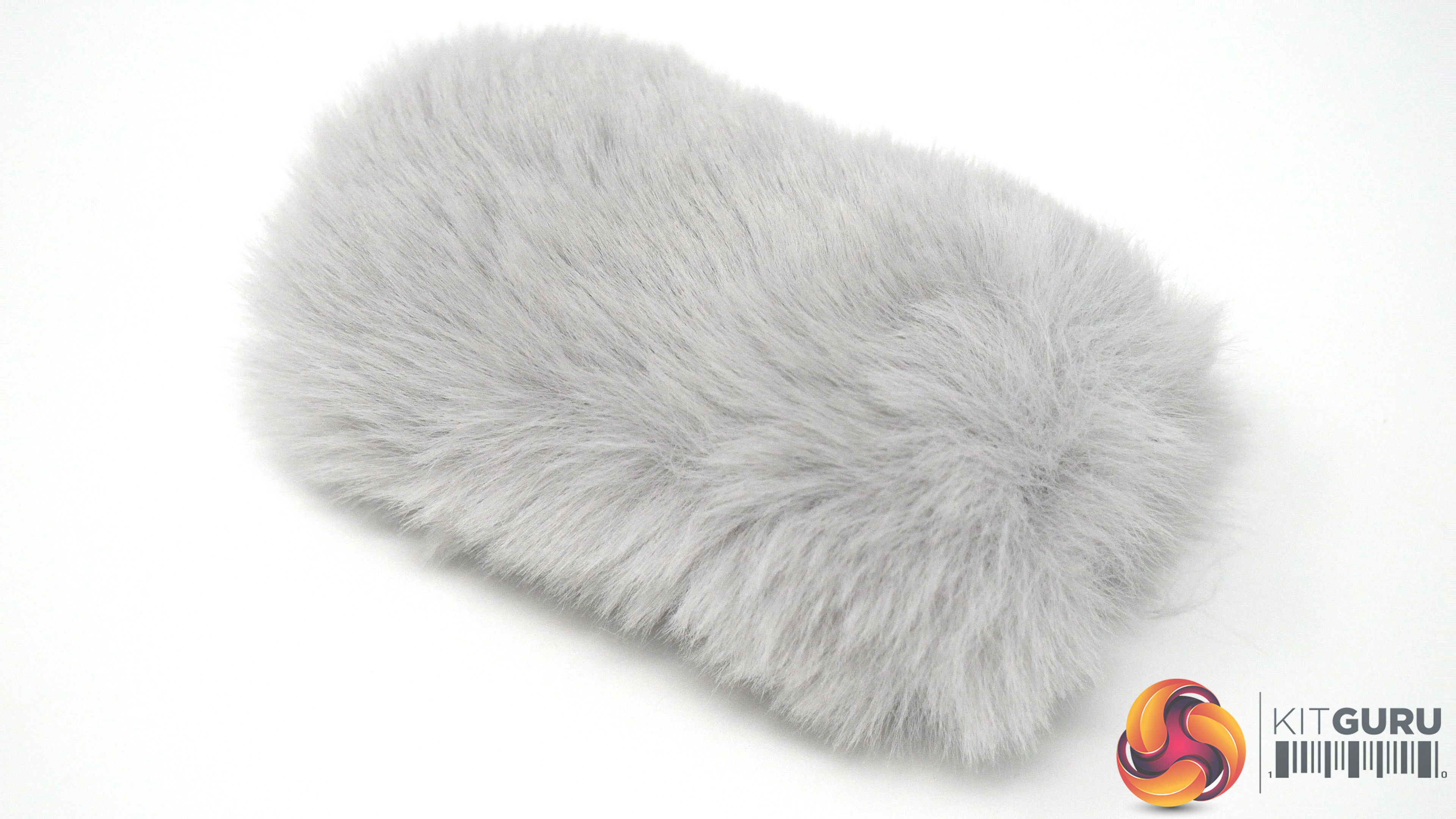
- Windscreen protector
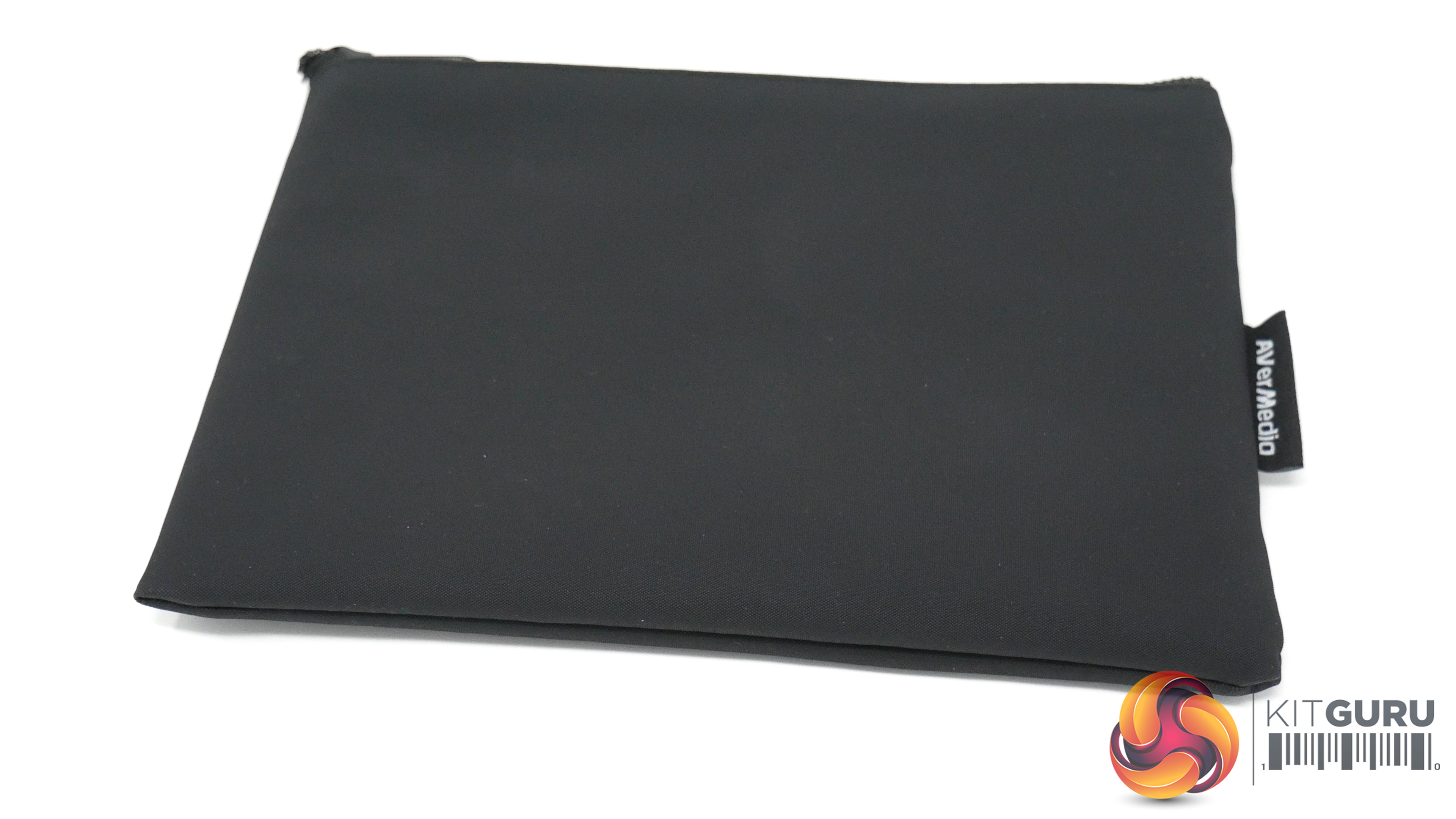
- Compact carry-case
- Metal stand
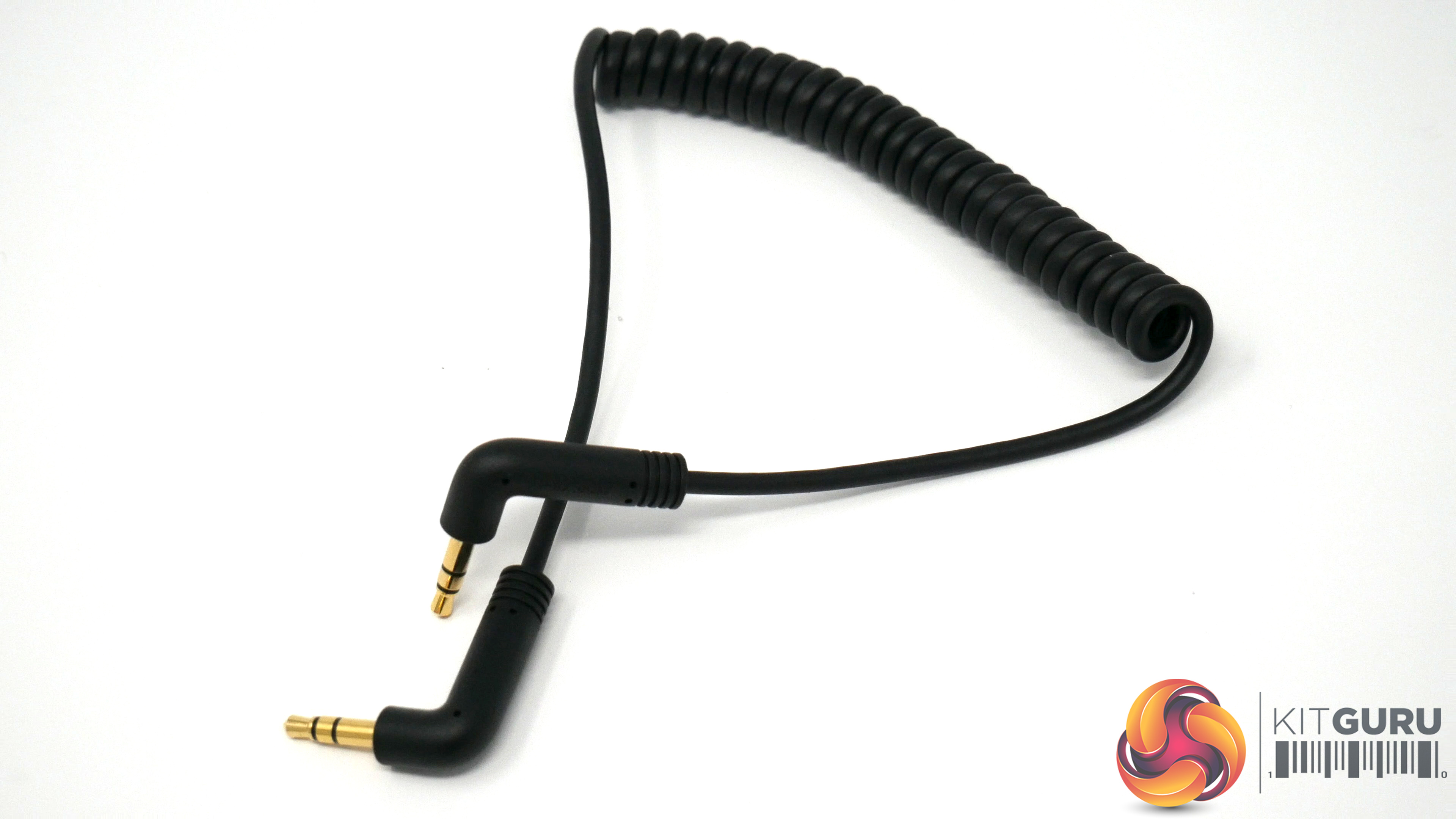
- 3 Pole – 3 Pole 3.5mm cable
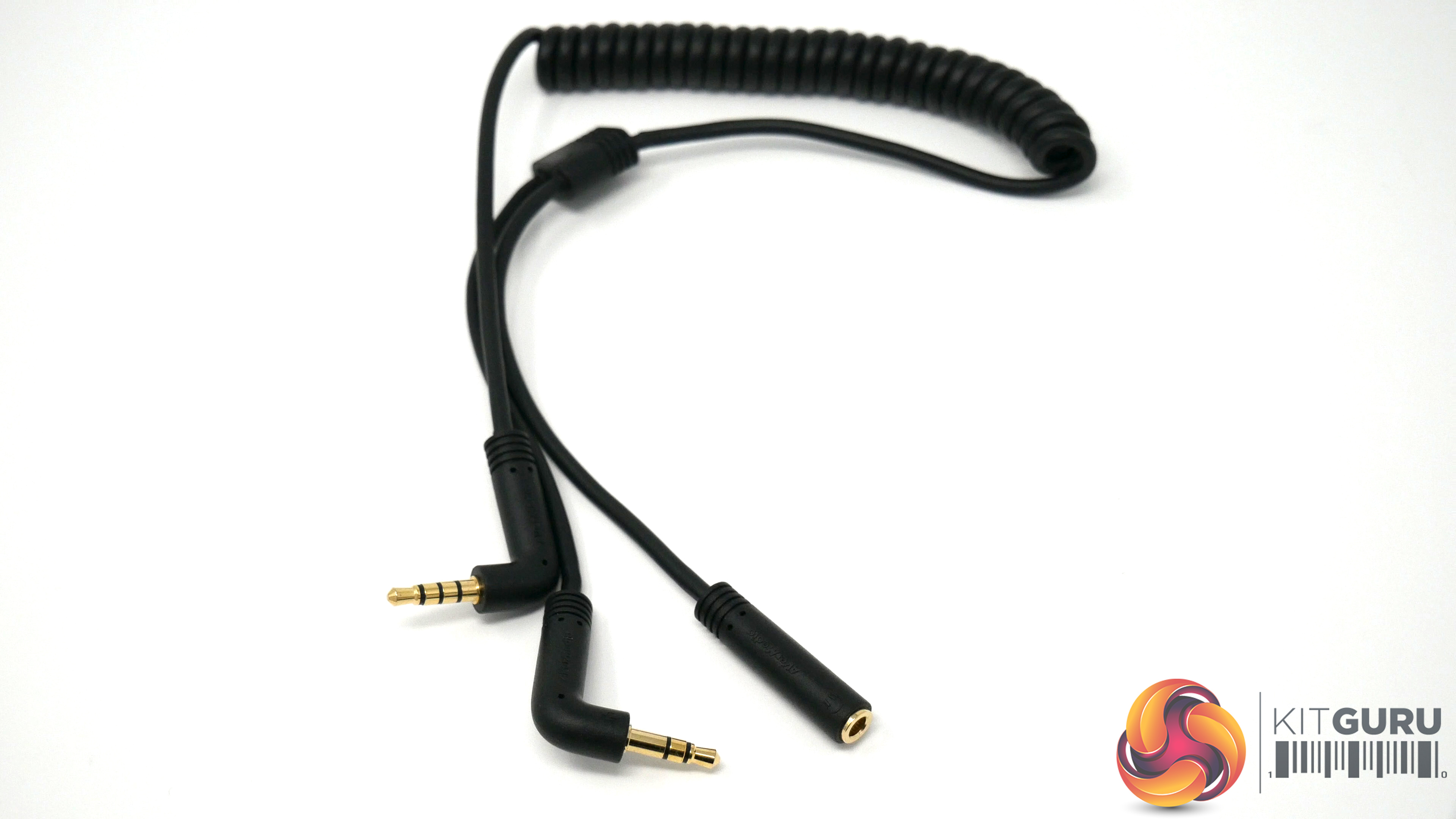
- 4 pole – 3 pole 3.5m audio adapter cable
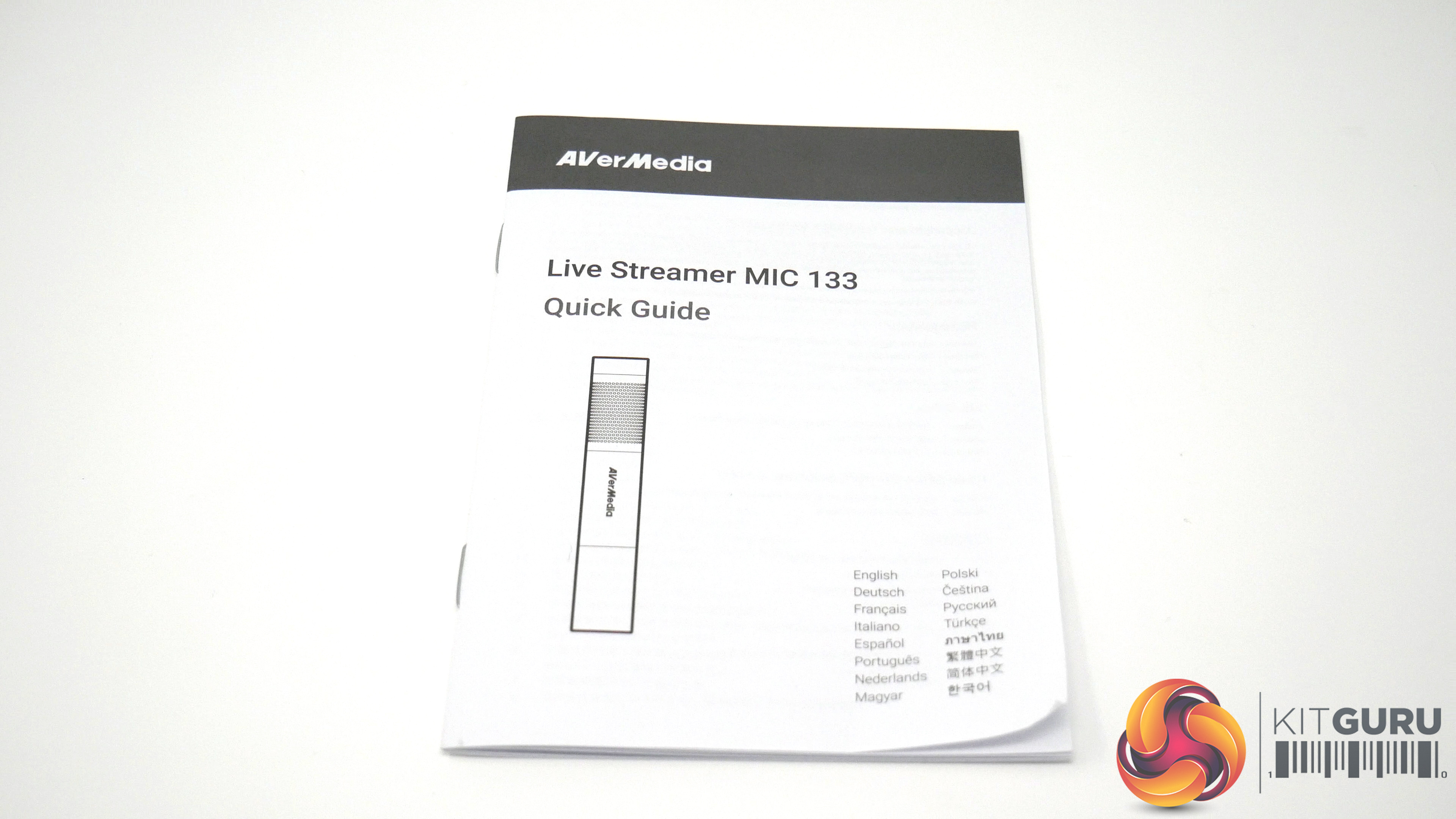
- Quickstart guide
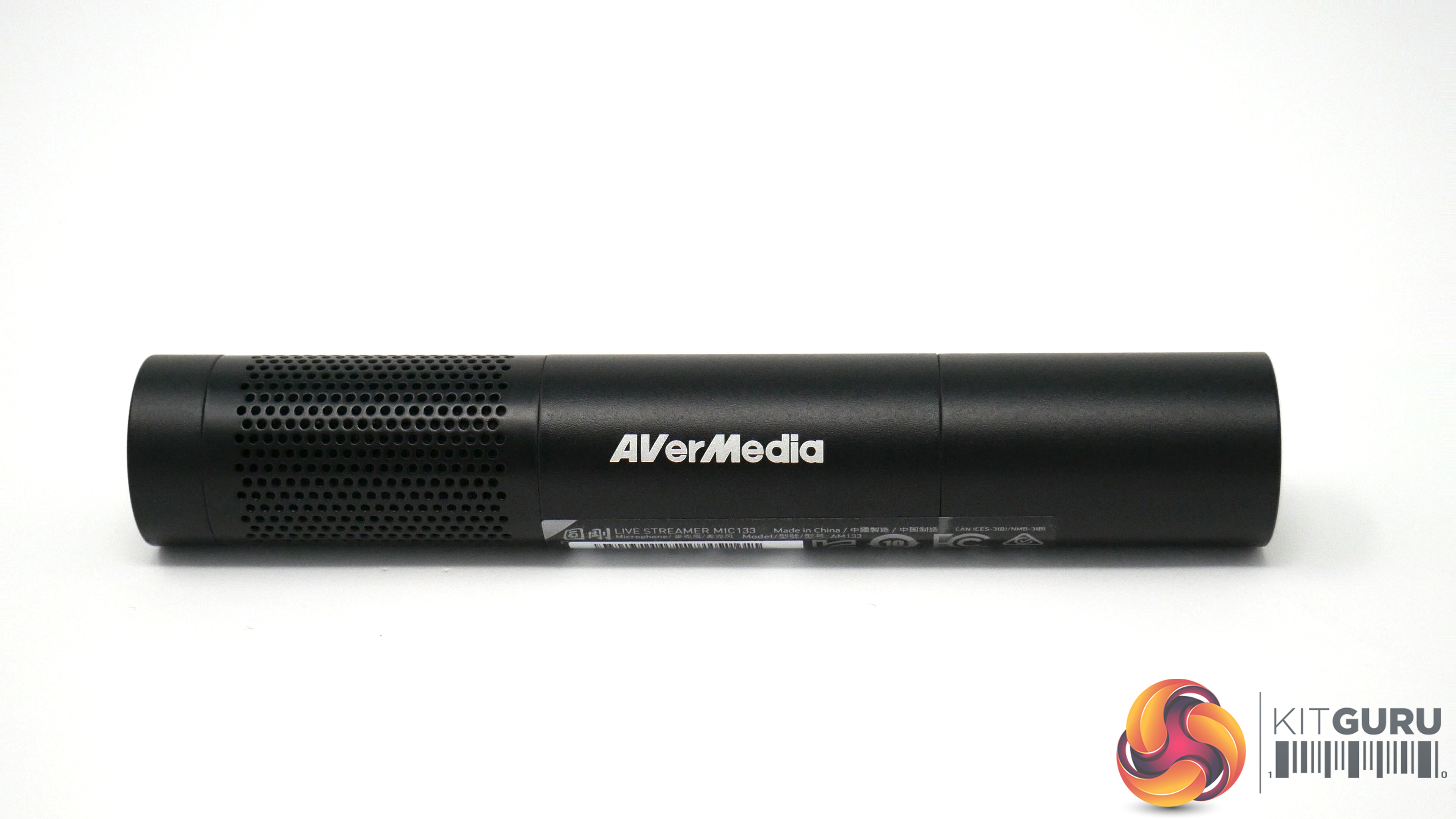
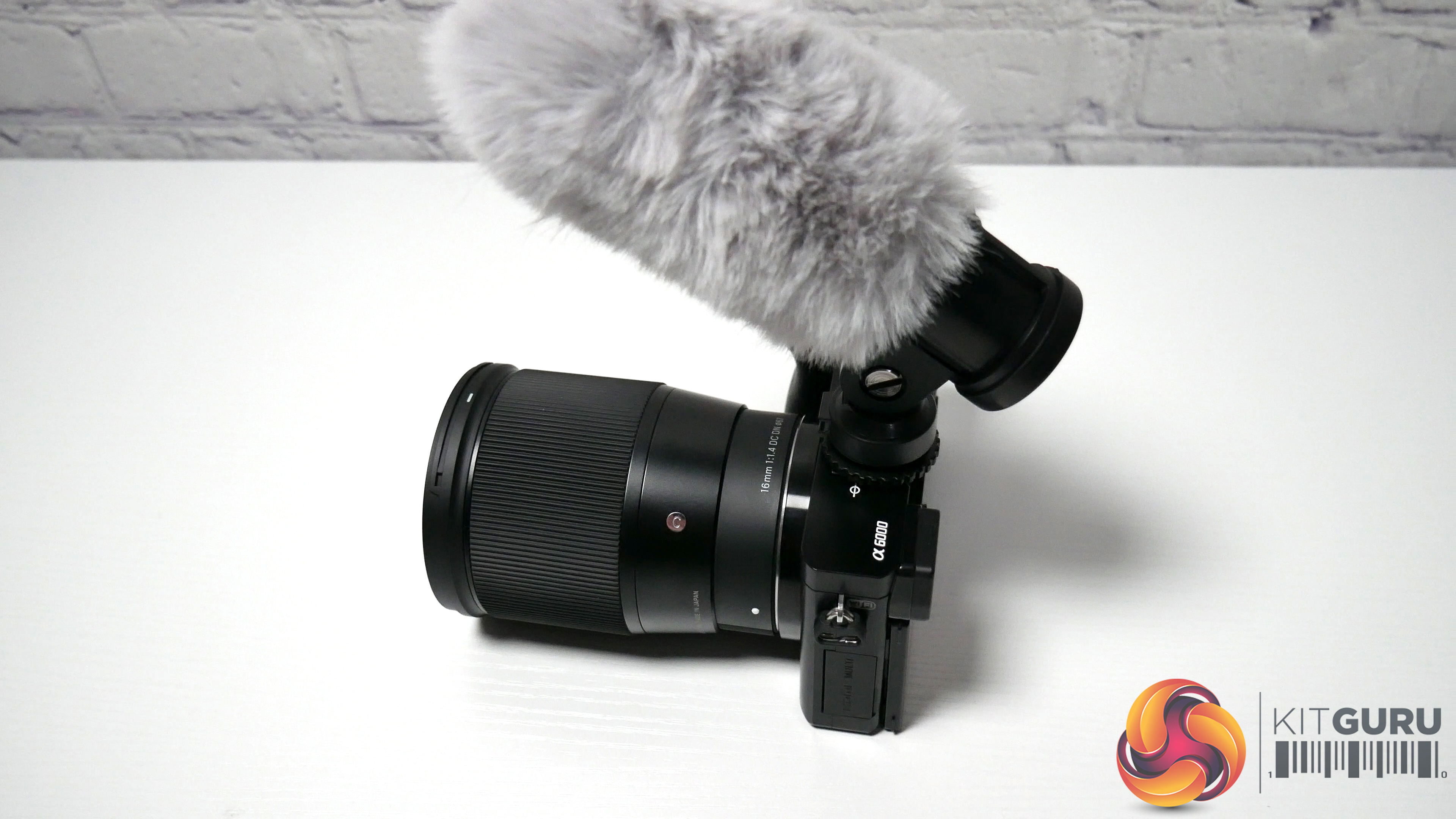
The microphone's design is really quite sleek. It is lovely and lightweight, while it is also compact enough to be packed away in the provided carry case. This just makes it easier to travel with it, if you were to use the microphone at an event, or if you wanted vlog your day to day business.
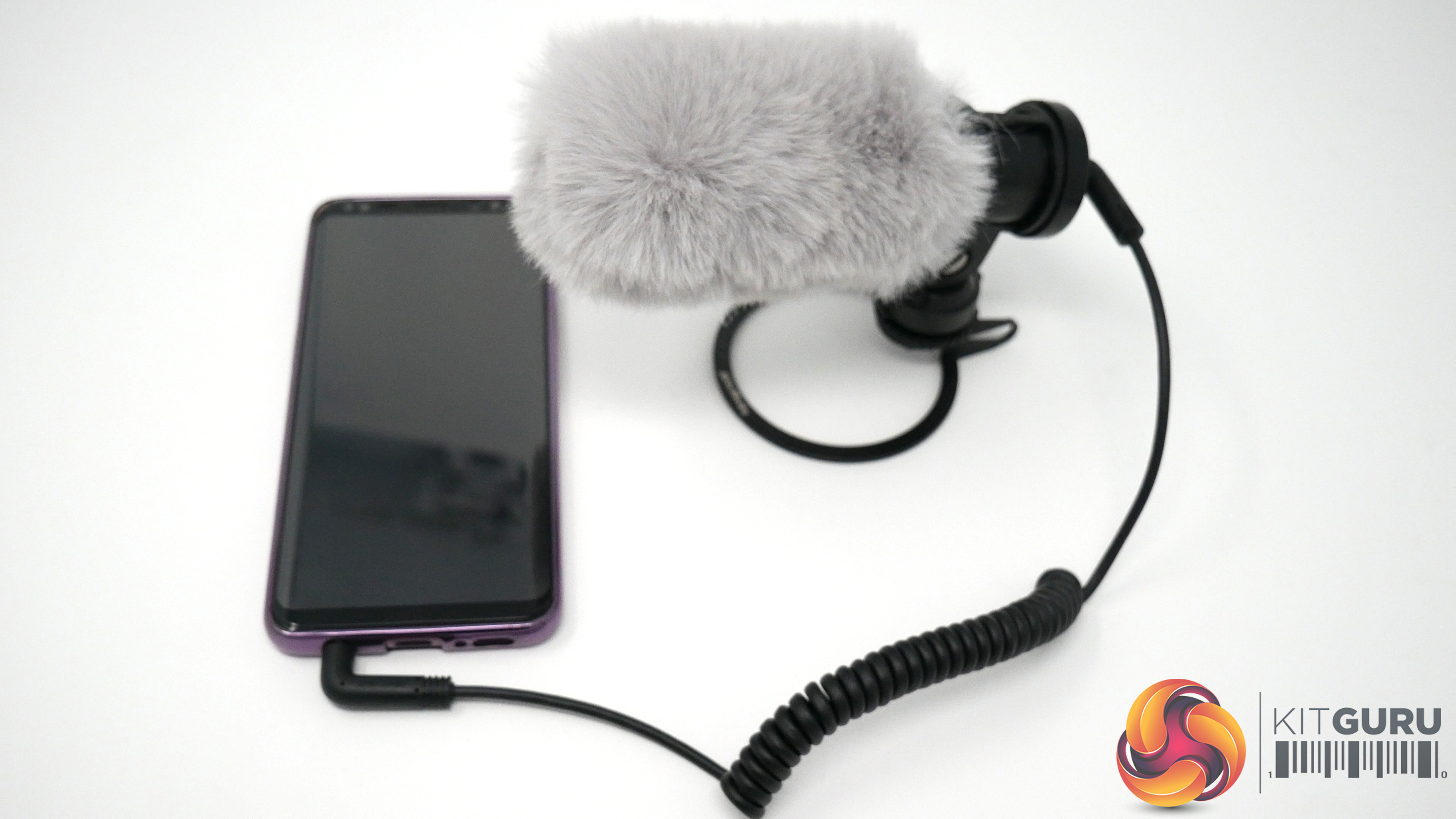
It was all very simple to setup, whether it was to use on my DSLR camera, smartphone or PC and I think the sound that it provides is good quality – although it does depend on the distance that you have between yourself and the microphone.
I do feel that it's a bit of a shame that the provided cables are on the short side, meaning that it would prove near impossible to use it on a dedicated desktop PC with the mic input on the back. However, use on a laptop would completely be find as the microphone input is a lot closer to you, allowing for the cable to reach.

You can buy the AVerMedia Live Streamer Mic 133 from Overclockers UK for £69.95 HERE
Pros:
- Lightweight & compact.
- Easy to set up.
- No batteries/power cable.
- Sounds good.
Cons:
- Short cables are problematic.
KitGuru says: The Live Streamer Mic 133 would be a good addition for any content creator, with a fair price point you definitely get a better experience than a generic microphone on the market today.