KitGuru KitGuru.net – Tech News | Hardware News | Hardware Reviews | IOS | Mobile | Gaming | Graphics Cards


Following on from the Nintendo Switch's launch in 2017, a company called ‘Gamevice', known for the Wikipad, sued Nintendo claiming that the detachable Joy-Cons infringed on patents. Now almost three years later, the lawsuit appears to be over.
Gamevice has been making smartphone gaming controllers and its own ‘Wikipad' tablet for several years now. When the Nintendo Switch launched with detachable controllers connected to a tablet, the company took issue with this and took its complaints to court in the form of a patent infringement lawsuit, and even the US Trade Commission.
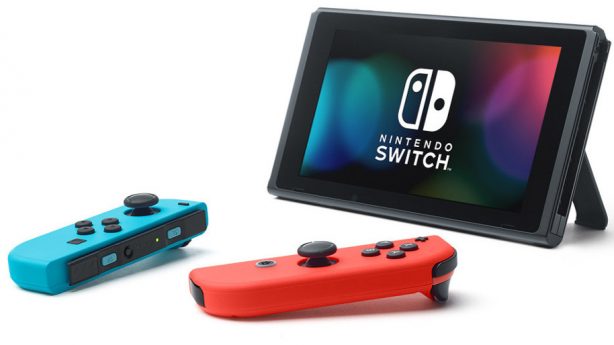
At the time, Gamevice was seeking a cut of revenue from Switch sales and a ban on sales of the console. Neither of these claims went in Gamevice's direction, with the US Patent and Trademark Office saying that Nintendo showed convincing evidence that Gamevice's patents were invalid.
The US International Trade Commission also ruled back in October that the Nintendo Joy-Cons did not infringe on Gamevice's patents.
Discuss on our Facebook page, HERE.
KitGuru Says: The idea of controllers that attach to mobile devices has been around for a while, although the Nintendo Switch has arguably done the best job of it. For now, it looks like Nintendo is safe from infringement claims regarding the Joy-Cons.