 KitGuru KitGuru.net – Tech News | Hardware News | Hardware Reviews | IOS | Mobile | Gaming | Graphics Cards


At the Computex Taipei 2015 trade-show Asustek Computer has introduced its first high-performance all-in-one personal computers. The new Zen AIO systems can deliver performance of high-end desktops thanks to usage of powerful processors, graphics adapters and solid-state drives.
Asustek’s new Zen AIO personal computers look very stylish and resemble the latest-generation Apple iMac all-in-one PCs. Initially Asus will offer two models: Z2401c with 24” display and Z2201c with 22” screen. The systems feature Intel RealSense 3D camera, powerful 16W speakers and USB 3.1 type-C receptacles.
“We have a team of extremely talented designers, working hard to bring our customers the best experience possible,” said Jonney Shih, the chairman of Asustek Computer.
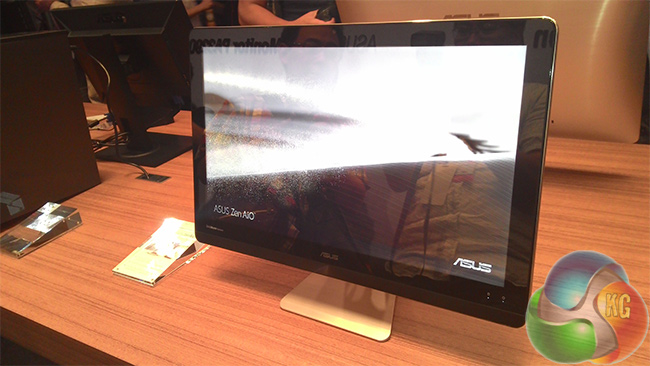
Asus Zen all-in-one personal computers are based on the latest Intel Core i7 microprocessors and are equipped with Nvidia GeForce GTX 960M graphics cards, up to 32GB of random access memory and up to 512GB solid-state drives with PCI Express 3.0 x4 interface with maximum bandwidth of around 4GB/s.
Asus plans to ship its AIO PCs with Windows 10 operating system, so expect them to hit the market sometimes in late summer or early fall.
Pricing of Asustek’s Zen AIOs is unknown, but the systems will clearly not be affordable simply because of high-end specifications and impressive design.
Discuss on our Facebook page, HERE.
KitGuru Says: Asustek manufactures laptops and displays. It was completely logical for the company to start offering all-in-one desktops as well.

☚☚☚☚☚☚———-.✌✌✌✌✌☚ you best kitguru Find More _____________