KitGuru KitGuru.net – Tech News | Hardware News | Hardware Reviews | IOS | Mobile | Gaming | Graphics Cards


A few months after the announcement of JEDEC's LPDDR5X standard in June, Samsung introduced the first LPDDR5X modules to the industry. Samsung will have some competition in this market now, as Micron has also unveiled its LPDDR5X memory chips.
Micron's new LPDDR5X memory was announced during the MediaTek Executive Summit this week, MediaTek has already validated Micron's LPDDR5X memory to be used alongside its new chip – the Dimensity 9000 5G, which should begin popping up in smartphones soon. The MediaTek Dimensity 9000 is the first to support LPDDR5X memory, offering a peak bandwidth of 60Gbps when combined.
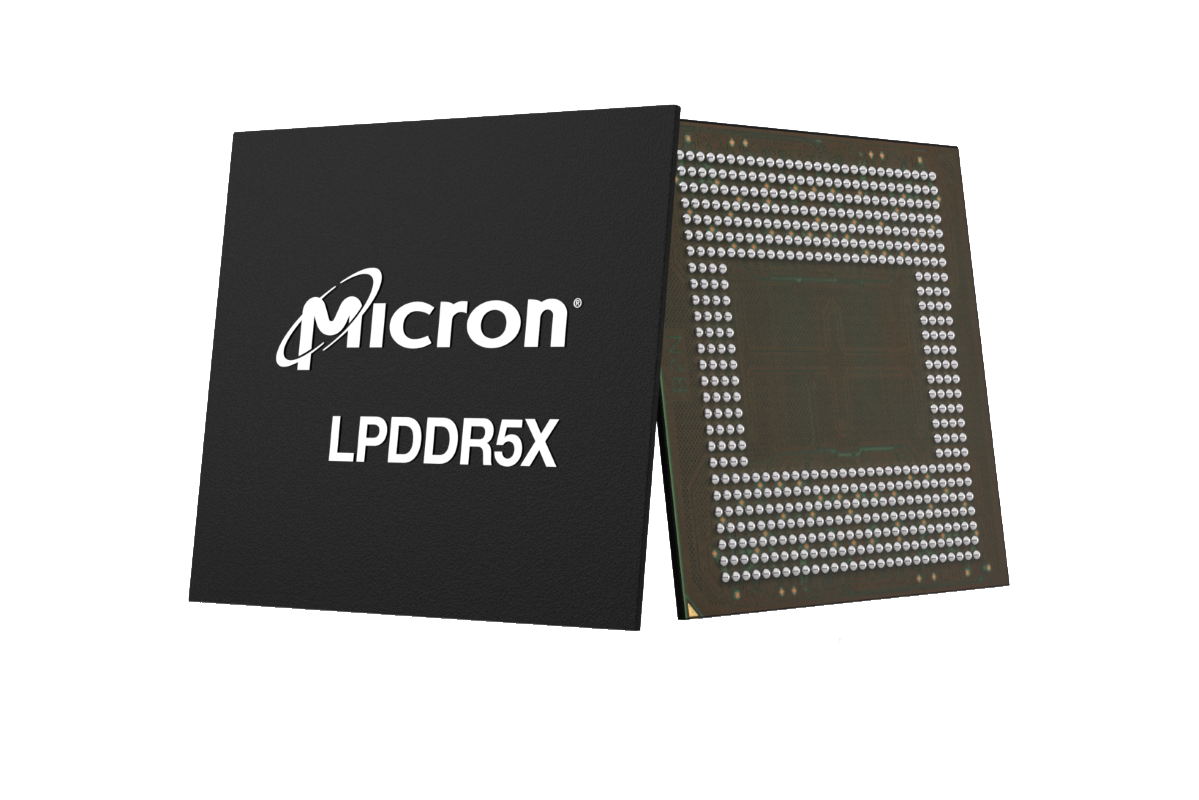
Aimed at 5G applications and high-end smartphones, Micron's LPDDR5X memory is based on Micron's 1α DRAM technology, which allows it to support data rates up to 7.5Gbps, with samples going up to 8.533Gbps (JEDEC LPDDR5X standard) launching soon after. At 8.533Gbps, LPDDR5X memory is 33% faster than standard LPDDR5 memory.
Besides MediaTek, Micron is also working with other chipset vendors and smartphone manufacturers to optimise their products to its LPDDR5X memory.
KitGuru news: As the need for higher bandwidth in mobile devices increases, LPDDR5X will slowly become the standard. At the moment, it's completely new, and no devices feature such memory. However, it will eventually be as common as LPDDR5, and soon, you'll probably find it inside almost every smartphone, even your own.