KitGuru KitGuru.net – Tech News | Hardware News | Hardware Reviews | IOS | Mobile | Gaming | Graphics Cards


Following the conclusion of CES 2026 without a single discrete GPU announcement, industry sources have confirmed that Nvidia has indefinitely postponed, and potentially cancelled, the GeForce RTX 50 Super series. Originally intended to bridge the VRAM gaps in the Blackwell lineup, the refresh has been sidelined by AI dominance, a global memory crisis, and AMD's lack of competitive pressure.
According to the Board Channels forum (via VideoCardz), this delay in the RTX 50 Super series can be attributed to three key reasons. The first is that the surge in demand for compute GPUs has forced Nvidia to “cut corners” on consumer allocation. As production lines shift to the Vera Rubin NVL72 and H200 systems, the silicon intended for mid-cycle gaming refreshes is being diverted to more lucrative markets.
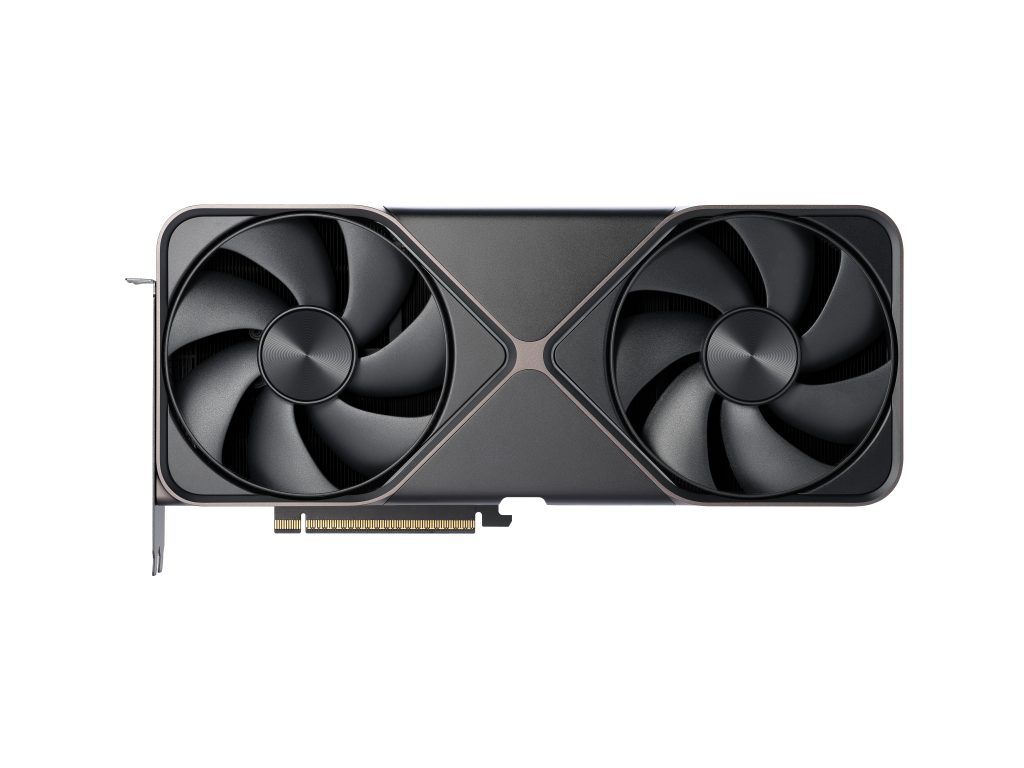
Moreover, there's also the ongoing GDDR7 shortage, as a severe DRAM supply crunch currently affects the industry. Costs for GDDR7 have skyrocketed, and the 3 GB modules required for the rumoured 24 GB and 32 GB 50 Series Super variants are in critically short supply. As such, releasing these cards now would force an MSRP so high that they would be DOA for most gamers.
Perhaps the most pragmatic reason is that AMD has also pushed its next-generation RDNA 5 architecture to 2027. With the Radeon RX 9070 XT unable to challenge the RTX 5080 or 5090, Nvidia sees no strategic necessity to refresh its stack. Even Intel's rumoured B770 was a no-show at CES, leaving the current RTX 50 series to almost dominate by default.
Discuss on our Facebook page HERE.
KitGuru says: With the Super cards on ice and memory prices still climbing, the RTX 50 series you see on shelves today might be the only high-end options we get for the next 18 months.