KitGuru KitGuru.net – Tech News | Hardware News | Hardware Reviews | IOS | Mobile | Gaming | Graphics Cards


It would be hard to argue that NVIDIA’s DLSS technologies haven’t been a net positive to the PC space, with the machine-learning based upscaler successfully translating lower resolution inputs into a final image which is perceivably sharper while hogging fewer resources. Though somewhat more contentious, the next evolution of DLSS came in the form of Frame Generation, using ML in order to generate additional frames for high-refresh rate gaming. Both techniques can have their issues, but generally speaking they’ve allowed for more people to experience higher-end titles at increased frame rates. DLSS 5, however, takes a sharp pivot, with a very different end goal in mind than the performance-boosting versions that came before.
Described as “the company’s most significant breakthrough in computer graphics since the debut of real-time ray tracing in 2018,” this lighting-focused technique is attempting to go beyond a game’s peak, “bridging the divide between rendering and reality”. The thing is, unlike all other forms of DLSS, this 5th iteration seems to be missing the point of why we appreciate this ever-evolving technology – trying to give us what it thinks we want instead of what is actually desired.
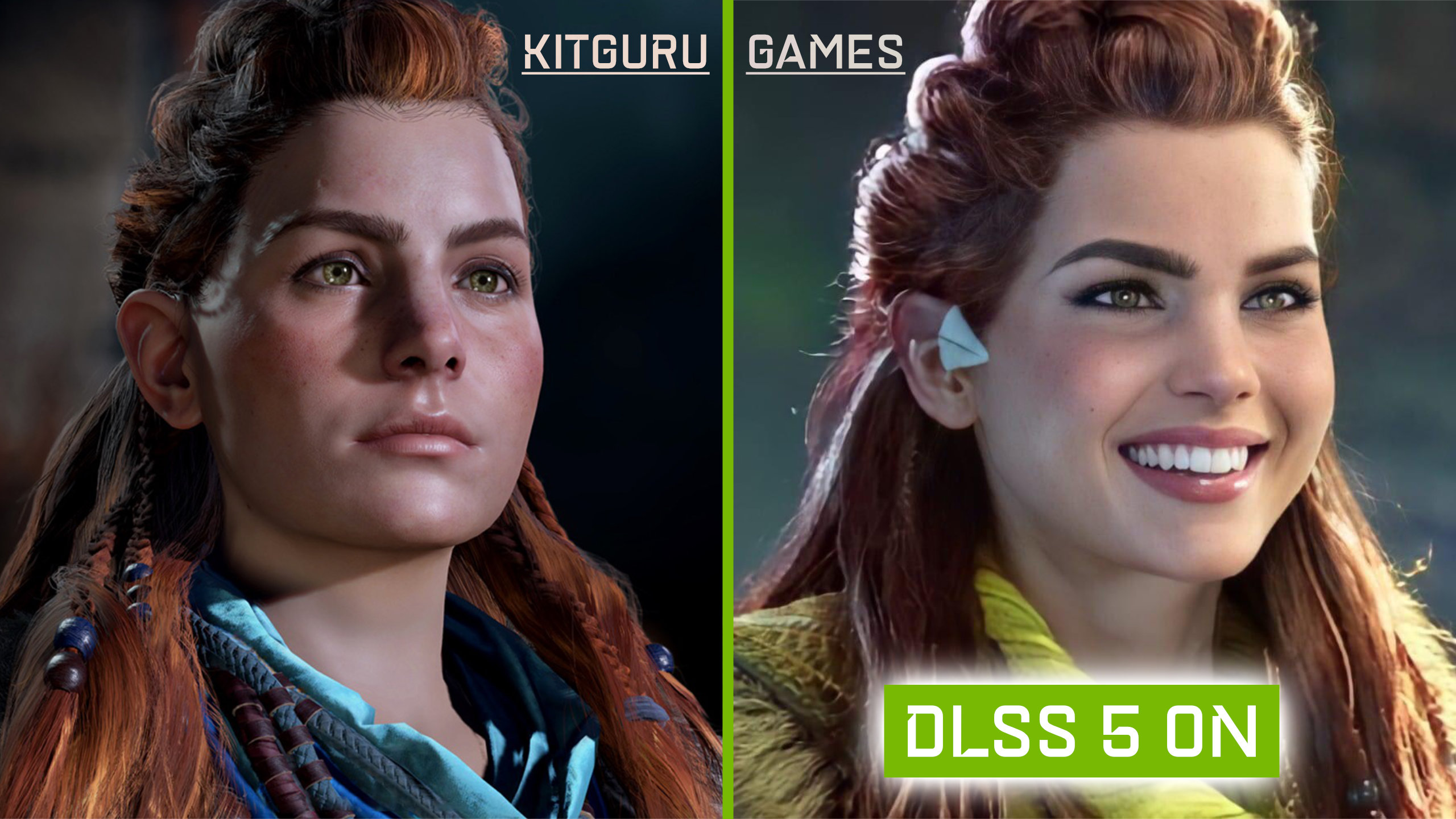
First and foremost I wish to acknowledge a couple things. As per NVIDIA themselves, this technology is still in a pre-release state and so the final product could wind up being different. Secondly, lighting can have a huge impact, especially on faces. One needs to go no further back than with the announcement of Marvel’s Spider-Man 2 in which fans protested against MJ’s new face model – only for the devs to claim that her design had not changed but an alteration to the lighting is what led to the disparity.
All this is to say that I am not an expert on lighting, nor have I studied the structure of the human face and how it reacts to different lighting scenarios. Even so, my initial reaction to NVIDIA's latest DLSS 5 was immediate and visceral.

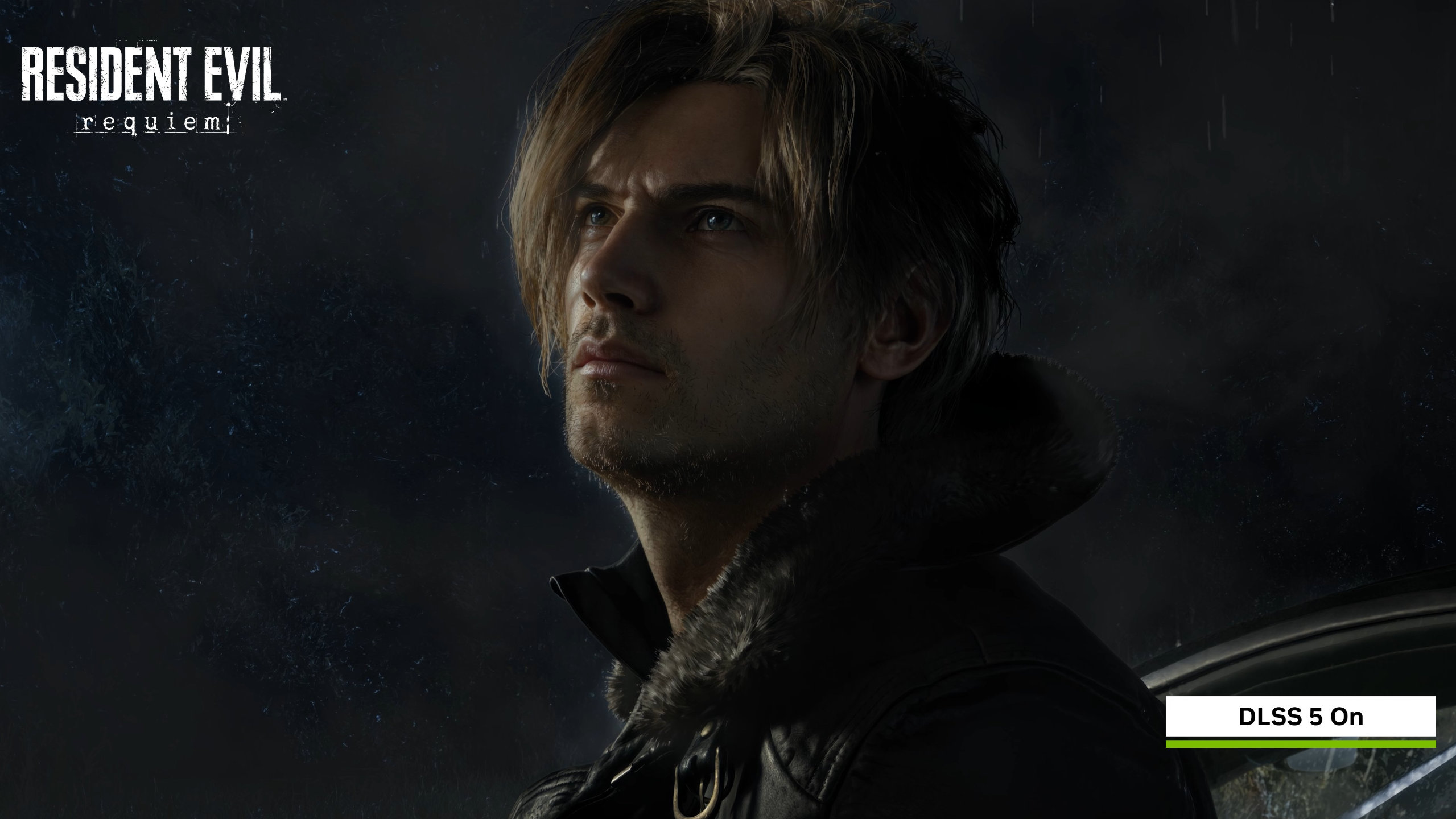
Unlike all other forms of DLSS, it was clear that this new technique was operating with a different goal to the rest. In trying to “deliver a new level of photoreal computer graphics previously only achieved in Hollywood visual effects” DLSS 5 does give each shot a certain level of added perceived depth and realism – but it does so (in my opinion) in a way which can take away from the game’s intended art design and aesthetics.
While an oversimplification, this new “AI-Powered Breakthrough“ is trying to do something which none of the other forms of DLSS have. With DLSS Super Resolution, machine learning was used in order to take a lower-res frame and make it appear higher resolution. Luckily, NVIDIA already knows what a higher-res version of the frame would look like, because resolution is scalable and so the model can be trained on the exact game running at 4K or greater.
The same applies to DLSS Frame Generation. Outside of the odd outlier, we already know what a game running at 120fps and beyond should look like, so the inserted frames don't look out of place.
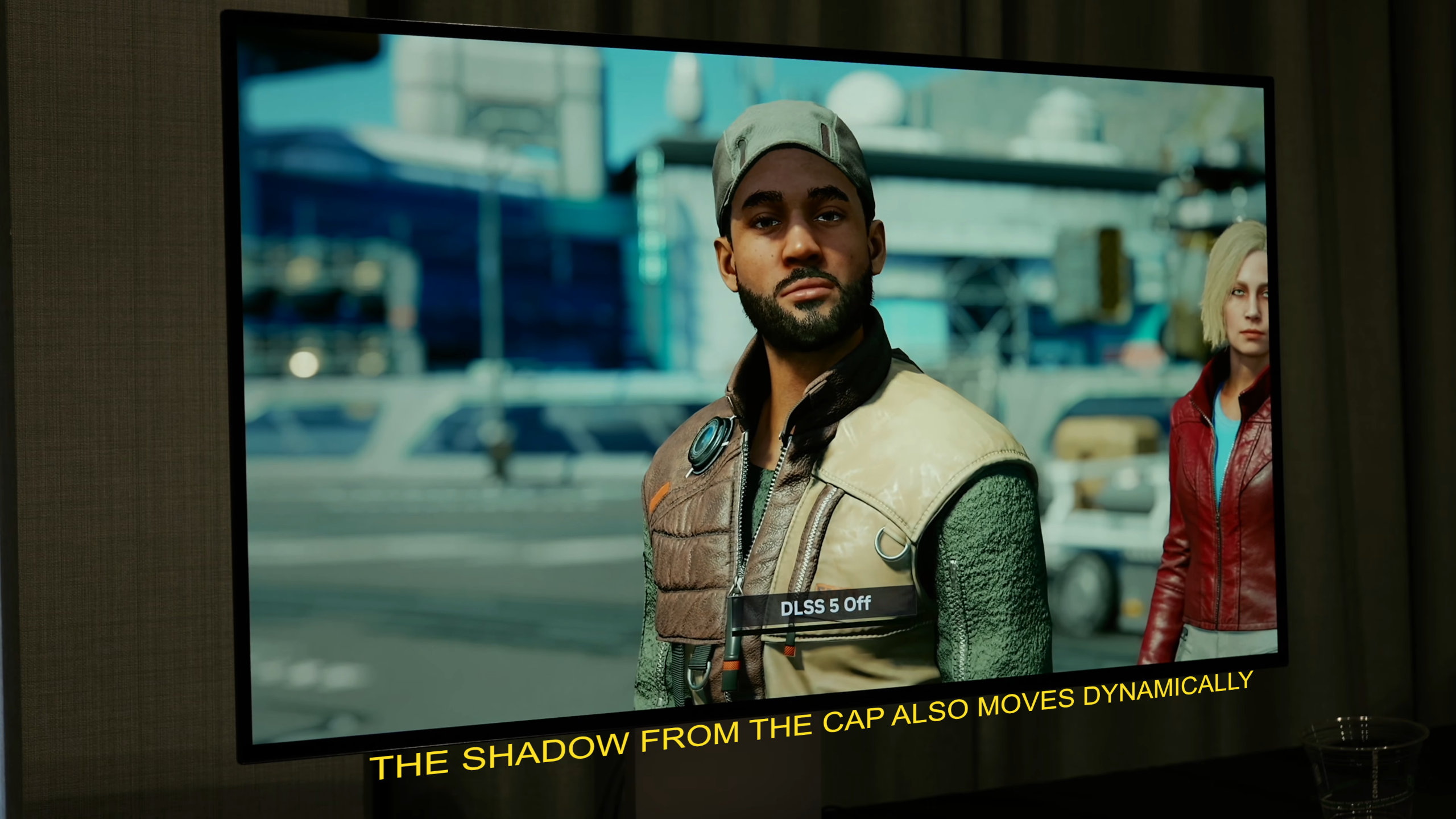
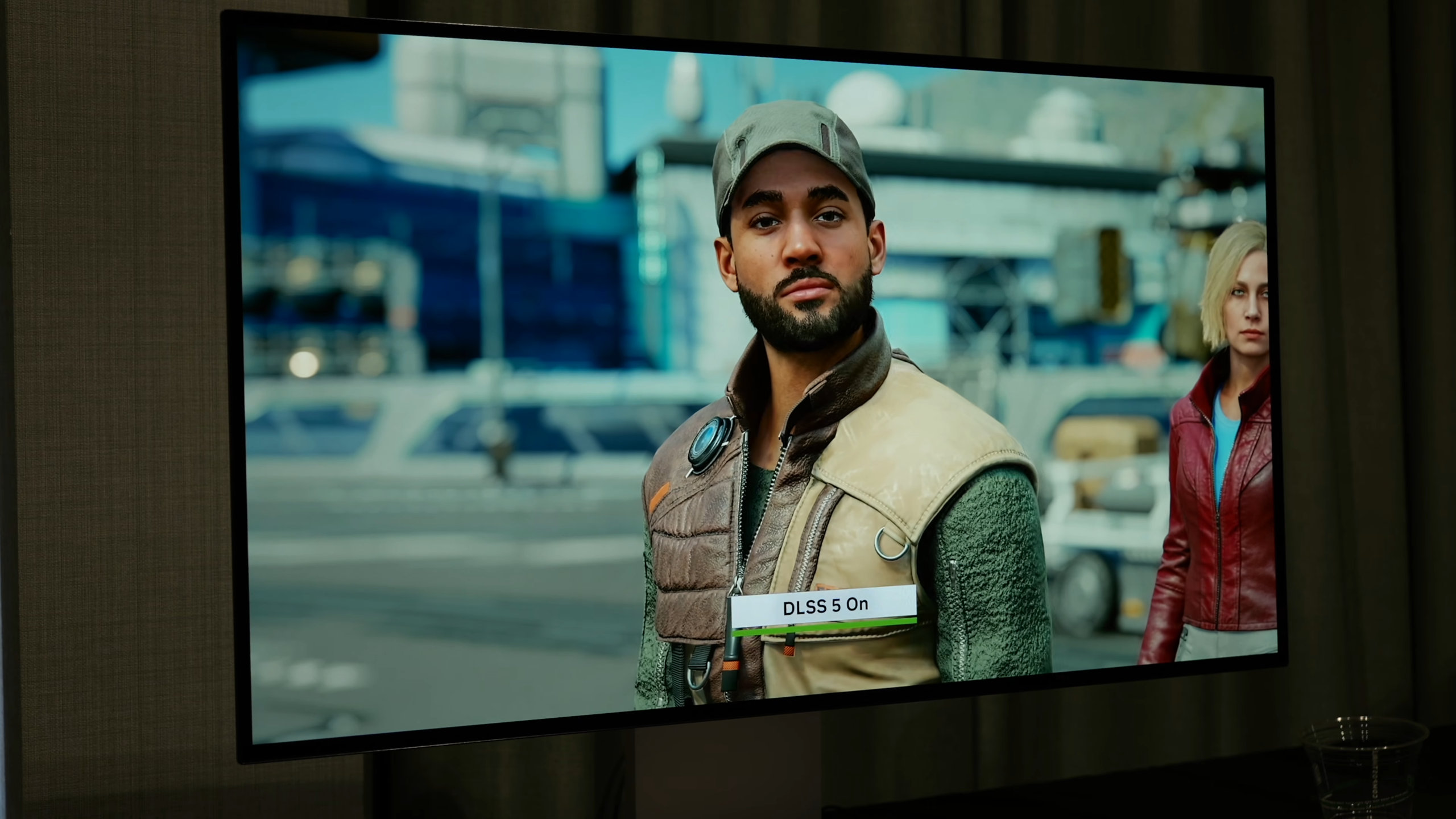
DLSS 5 on the other hand reaches outside of the confines of the game, and uses an external model in order to approximate what a game with more evolved lighting could look like. This desire to go beyond can be seen throughout NVIDIA’s press release, claiming that the technology “infuses pixels with photoreal lighting and materials. Bridging the divide between rendering and reality.”
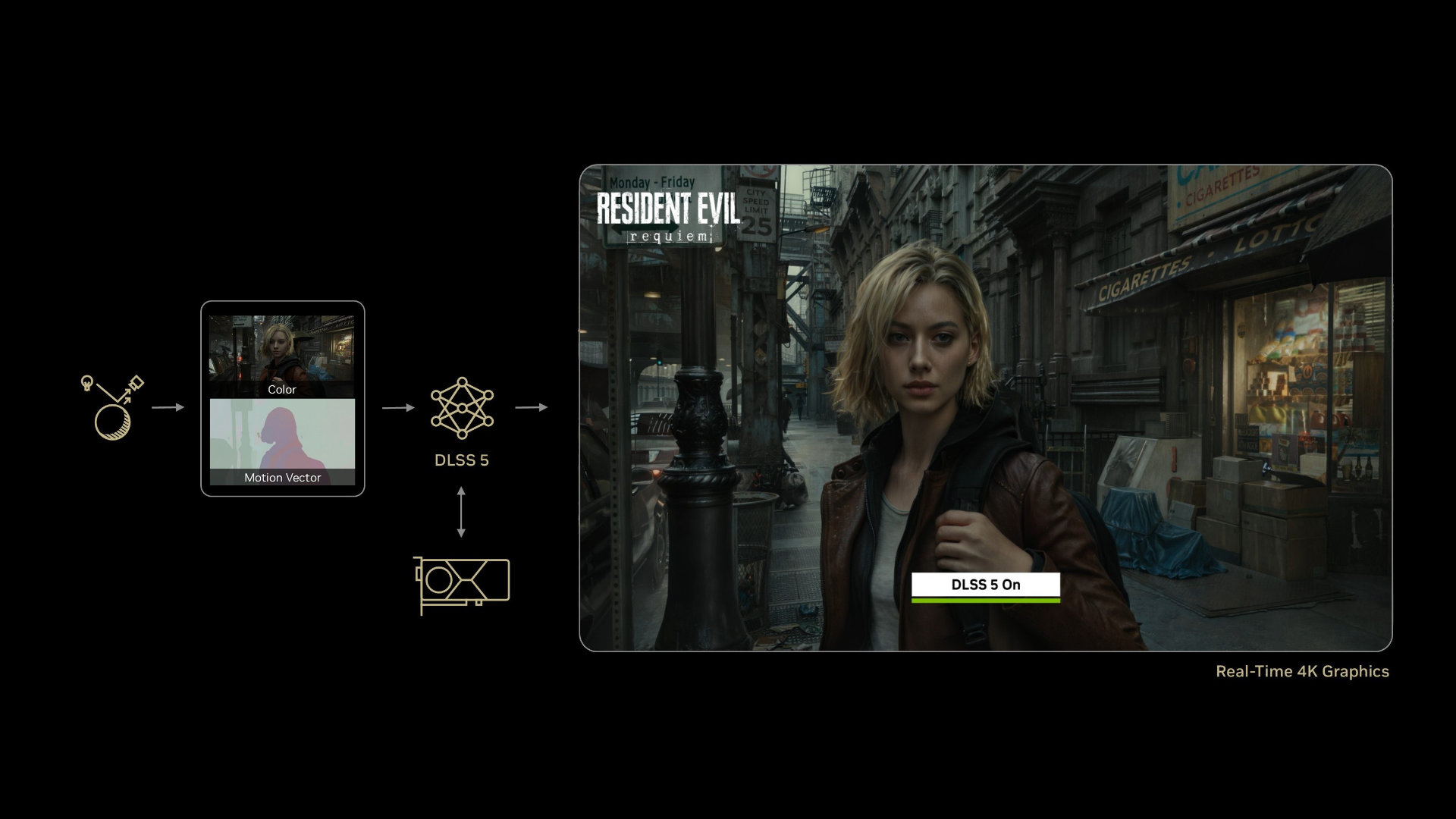
The company states that the tools are able to be tweaked by developers in order to create a final result which aligns with their own vision, utilising “a game’s color and motion vectors for each frame as input, and uses an AI model to infuse the scene with photoreal lighting and materials that are anchored to source 3D content and consistent from frame to frame”. Assuming this to be the case, and that developers do go in and personalise the variables, DLSS 5 is still attempting to operate in an entirely different ballpark than prior DLSS features.
A game’s internal lighting model could have its own issues with fidelity and consistency, but at the very least it is weaved into the game itself and as such has an understanding of its role within the engine pipeline. In the examples shown so far, DLSS 5's guesswork approach here seems to deliver an uncanny end result and to me, it does look jarring.
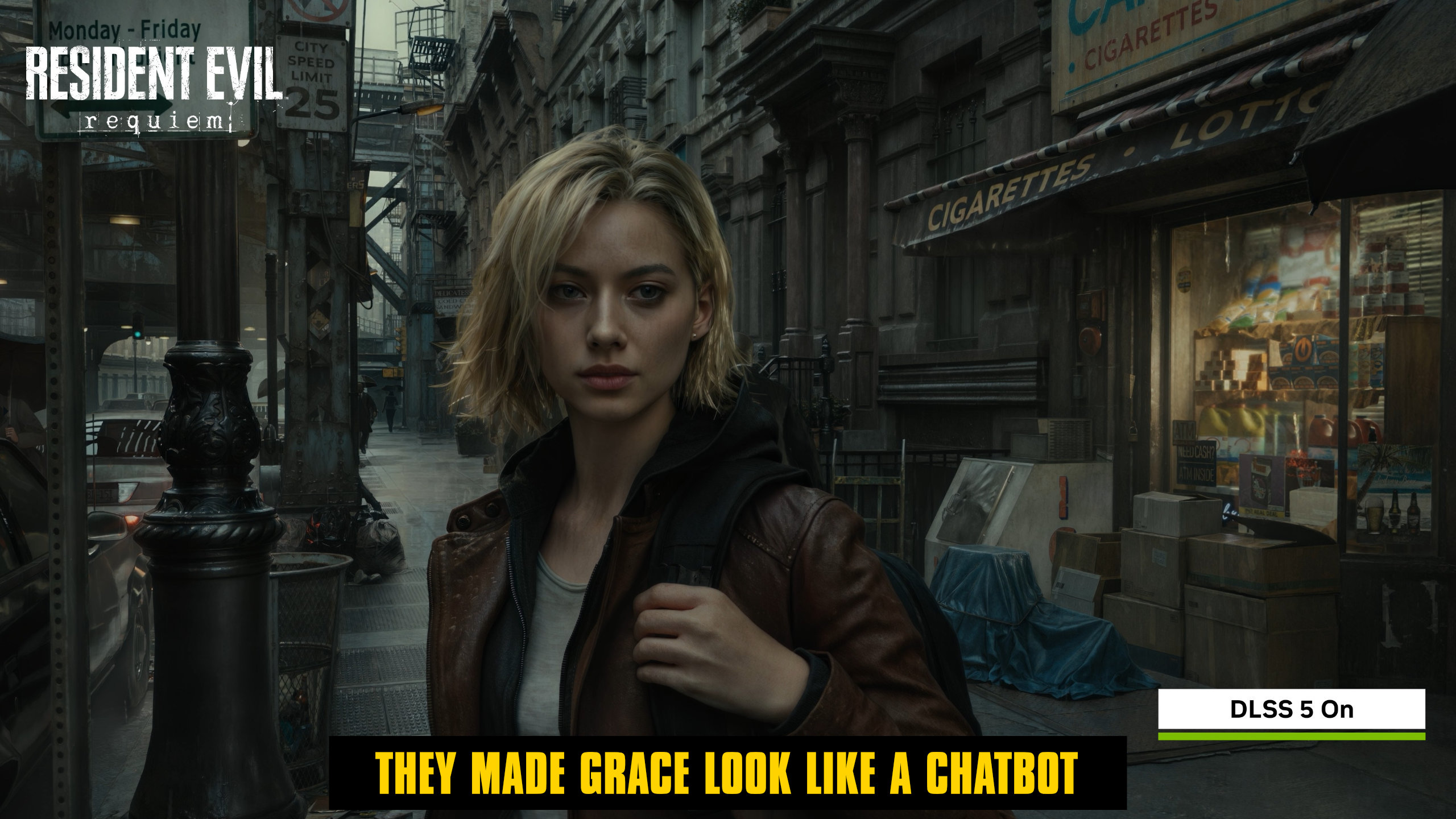
A majority of the shots shared so far focus on close-ups of faces and slowly panning camera sweeps; two relatively static experiences and yet even at its best the end result feels somewhat uninviting. All this is without going into the whole yass-ification of each character, looking to me like they’ve just come fresh out of a beauty salon.
As mentioned, this is all relatively early technology and so I can’t judge too much but, as a layman, the opening quote from NVIDIA CEO Jensen Huang told me pretty much all I needed to know: “DLSS 5 is the GPT moment for graphics”. Whether I agree or not with its intentions, DLSS 5 is going in a different direction to the rest of NVIDIA’s efforts.
If nothing else, perhaps a move away from the ‘DLSS’ framework of branding could make for greater clarity in what this new technology is and how it differs on a fundamental level. We will have to wait and see as and when NVIDIA’s DLSS 5 DLSL (Deep Learning Super Lighting) gets closer to a public release.
KitGuru says: What was your initial reaction to DLSS 5? Do you see any benefits to the technology?