KitGuru KitGuru.net – Tech News | Hardware News | Hardware Reviews | IOS | Mobile | Gaming | Graphics Cards


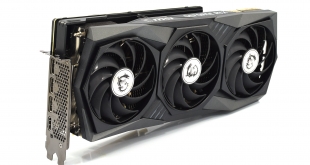
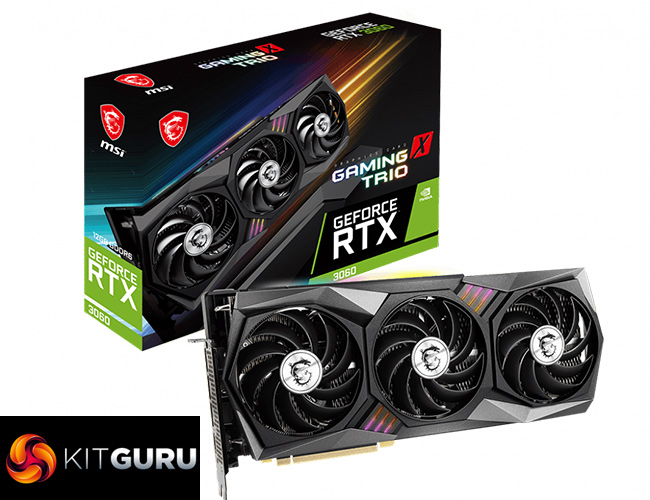
Today we follow up on our launch day review of Nvidia's RTX 3060 with a look at MSI's RTX 3060 Gaming X Trio. This is a physically massive graphics card that uses the same cooler from MSI's RTX 3070 Gaming X Trio and it's even the same size as the RTX 3090 model. What happens when you take a cooler this big and stick it on a 170W GPU? That is exactly what we'll find out today.
We've reviewed a variety of MSI's Gaming X Trio cards this generation, including the top-tier RTX 3080 and RTX 3090 models. I had thought MSI might be scaling down the design a little for this RTX 3060 Gaming X Trio, but that is not the case – the dimensions of this card are identical to that of the RTX 3090 model.
The cooler isn't quite identical though as there's one less heatpipe found with the RTX 3060, but even so, this is a gigantic RTX 3060 graphics card. With a factory overclocked core, dual 8-pin power connectors and plenty of RGB lighting, we put this card to the test and see whether or not it is worth buying.
| GPU | RTX 3090 | RTX 3080 | RTX 3070 | RTX 3060 Ti | RTX 3060 |
| SMs | 82 | 68 | 46 | 38 | 28 |
| CUDA Cores | 10496 | 8704 | 5888 | 4864 | 3584 |
| Tensor Cores | 328 | 272 | 184 | 152 | 112 |
| RT Cores | 82 | 68 | 46 | 38 | 28 |
| Texture Units | 328 | 272 | 184 | 152 | 112 |
| ROPs | 112 | 96 | 96 | 80 | 48 |
| GPU Boost Clock | 1695 MHz | 1710 MHz | 1725 MHz | 1665 MHz | 1777 MHz |
| Memory Data Rate | 19.5 Gbps | 19 Gbps | 14 Gbps | 14 Gbps | 15 Gbps |
| Total Video Memory | 24GB GDDR6X | 10GB GDDR6X | 8GB GDDR6 | 8GB GDDR6 | 12GB GDDR6 |
| Memory Interface | 384-bit | 320-bit | 256-bit | 256-bit | 192-bit |
| Memory Bandwidth | 936 GB/Sec | 760 GB/Sec | 448 GB/Sec | 448 GB/Sec | 360 GB/sec |
| TGP | 350W | 320W | 220W | 200W | 170W |
Despite utilising new GA106 silicon, RTX 3060 isn't actually a full implementation of the GPU, as it has 28 streaming multiprocessors (SMs) instead of 30. Currently only RTX 3060 for laptops uses the full GPU. For the desktop chip, 28 SMs means a total of 3584 CUDA Cores, as thanks to Ampere’s new SM structure with its two FP32 datapaths, each SM houses 128 CUDA cores.
Ampere also places one RT core, and four Tensor cores, in each SM, giving a total of 28 RT cores and 112 Tensor cores. This is accompanied by 112 texture units, and 48 ROPs which are now housed directly within each graphics processing cluster (GPC), with 16 ROPs per GPC, and 3 GPCs in total for RTX 3060.
Interestingly, rated clock speed is the highest it has been for an Ampere GPU, coming in at 1777MHz for the reference spec. This MSI Gaming X Trio model however, has increased this to 1852MHz, and we test real-world clock speed behaviour later in this review.
There's been a lot of talk about Nvidia's decision to use 12GB GDDR6 memory for the RTX 3060. This is more than the RTX 3060 Ti, RTX 3070 and even RTX 3080, but crucially the memory interface is much narrower at 192-bit. With memory clocked at 15Gbps, total memory bandwidth comes in at 360GB/s, about 20% lower than the RTX 3060 Ti.
Lastly, for total graphics power, Nvidia rates the RTX 3060 for 170W, which is 30W less than the RTX 3060 Ti. Despite being factory overclocked, the Gaming X Trio also shares this TGP rating.
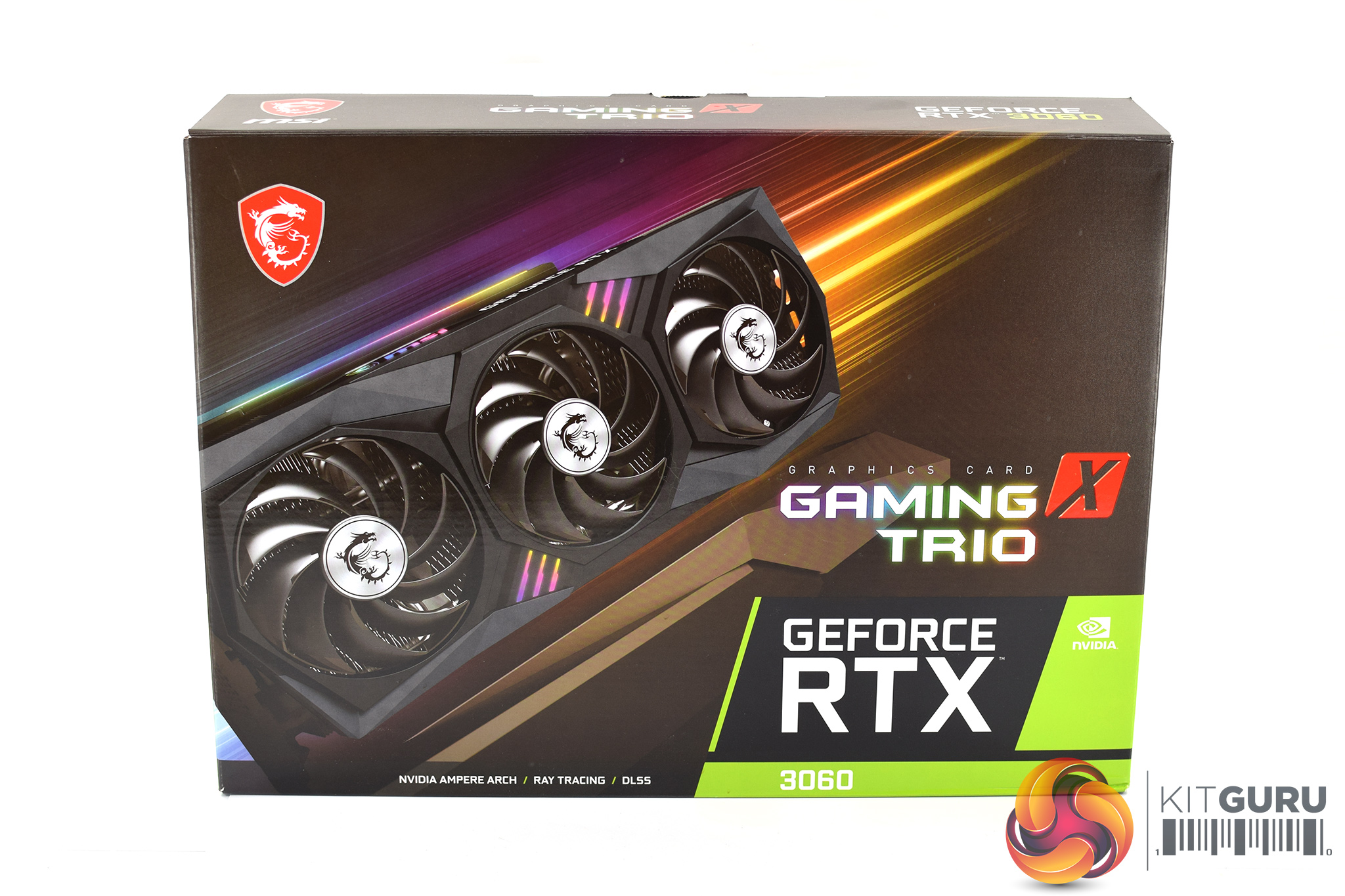
MSI’s RTX 3060 Gaming X Trio ships in a large box, with an image of the graphics card visible on the front.
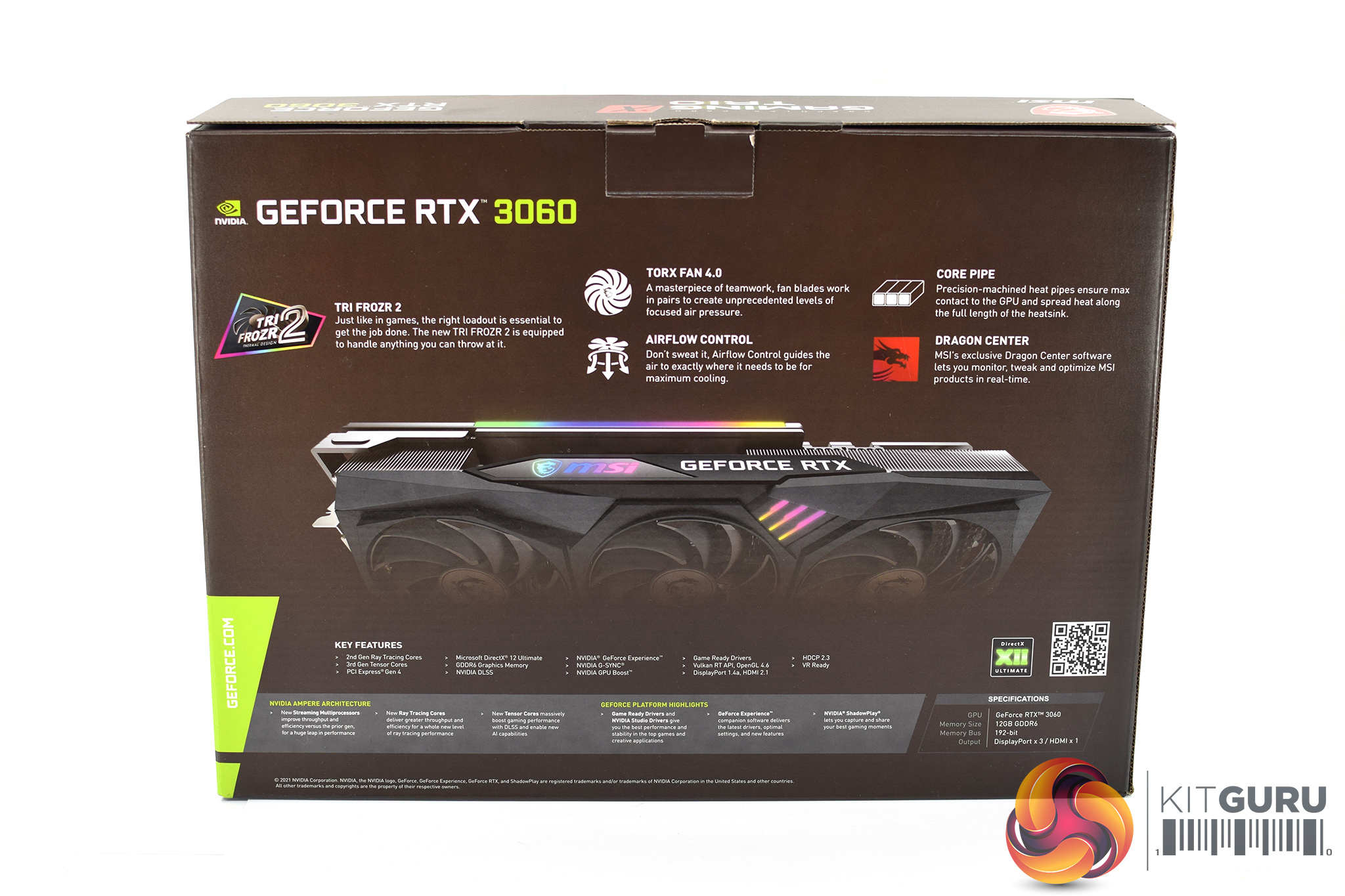
On the back, MSI highlights some key features, including the Tri Frozr 2 cooler, Torx 4.0 fans and Dragon Center software.
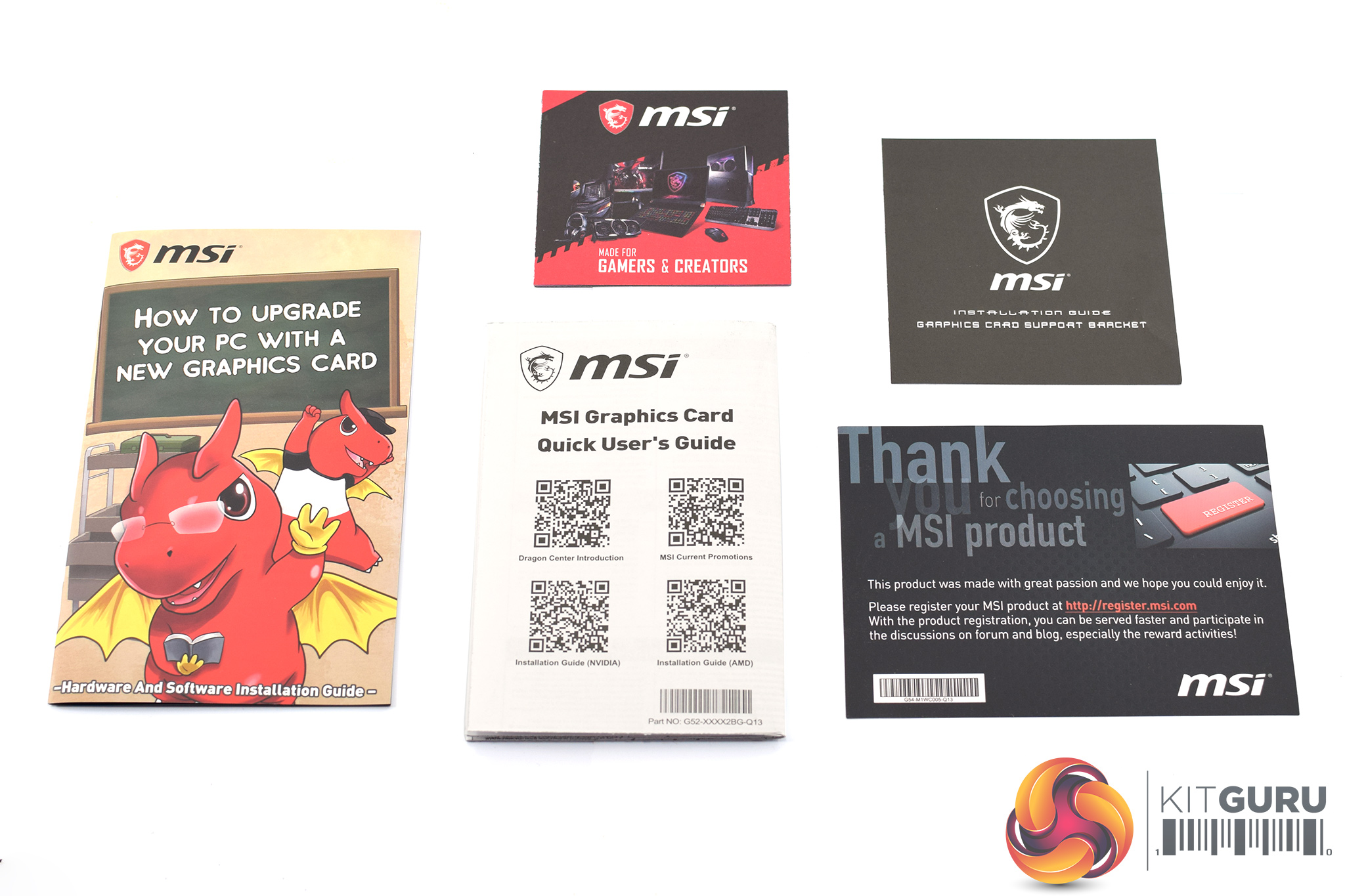
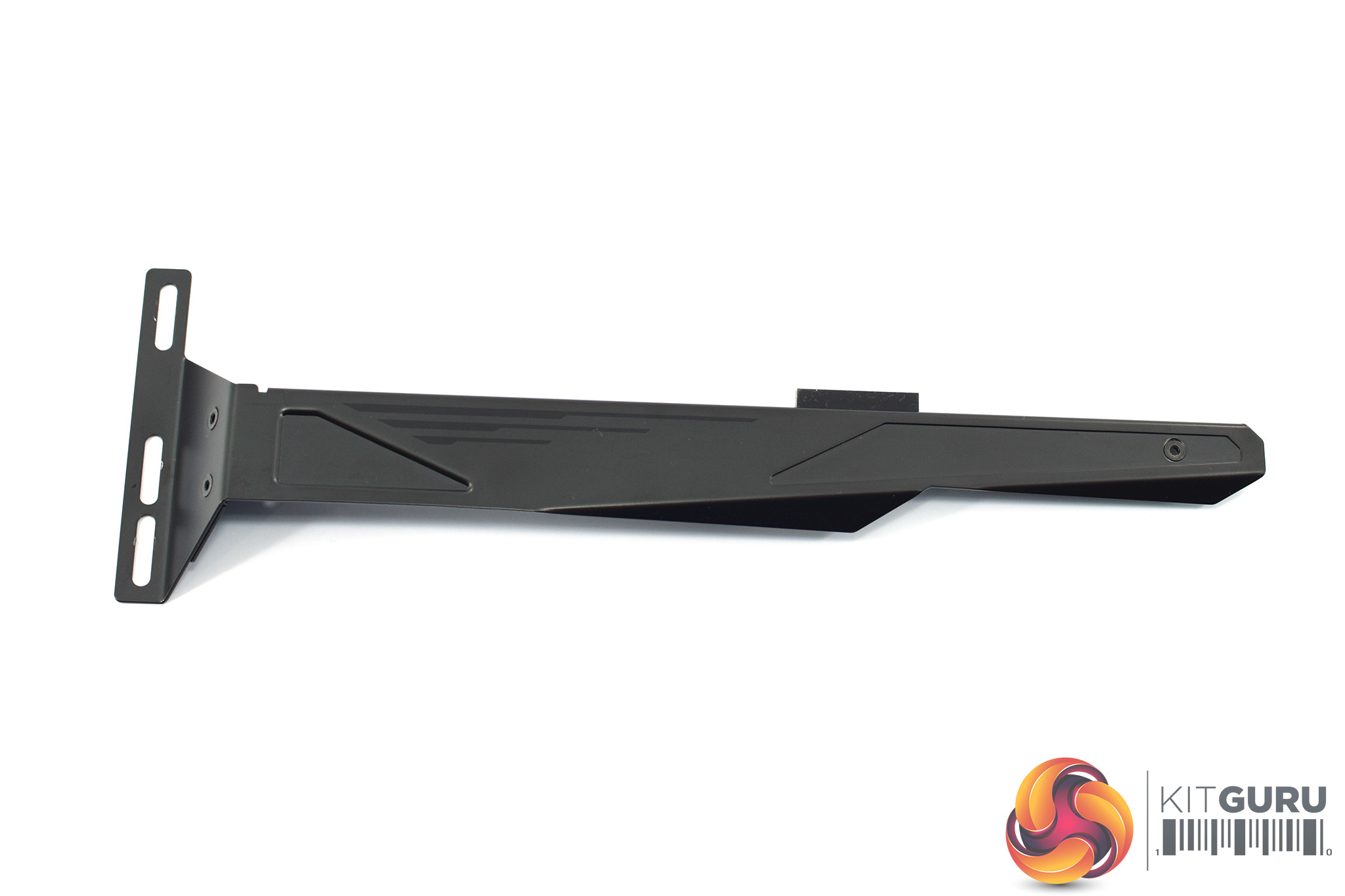
Inside, the usual range of booklets and guides are included, while we also find a GPU support bracket that will help eliminate GPU sag once the card is installed in your chassis.
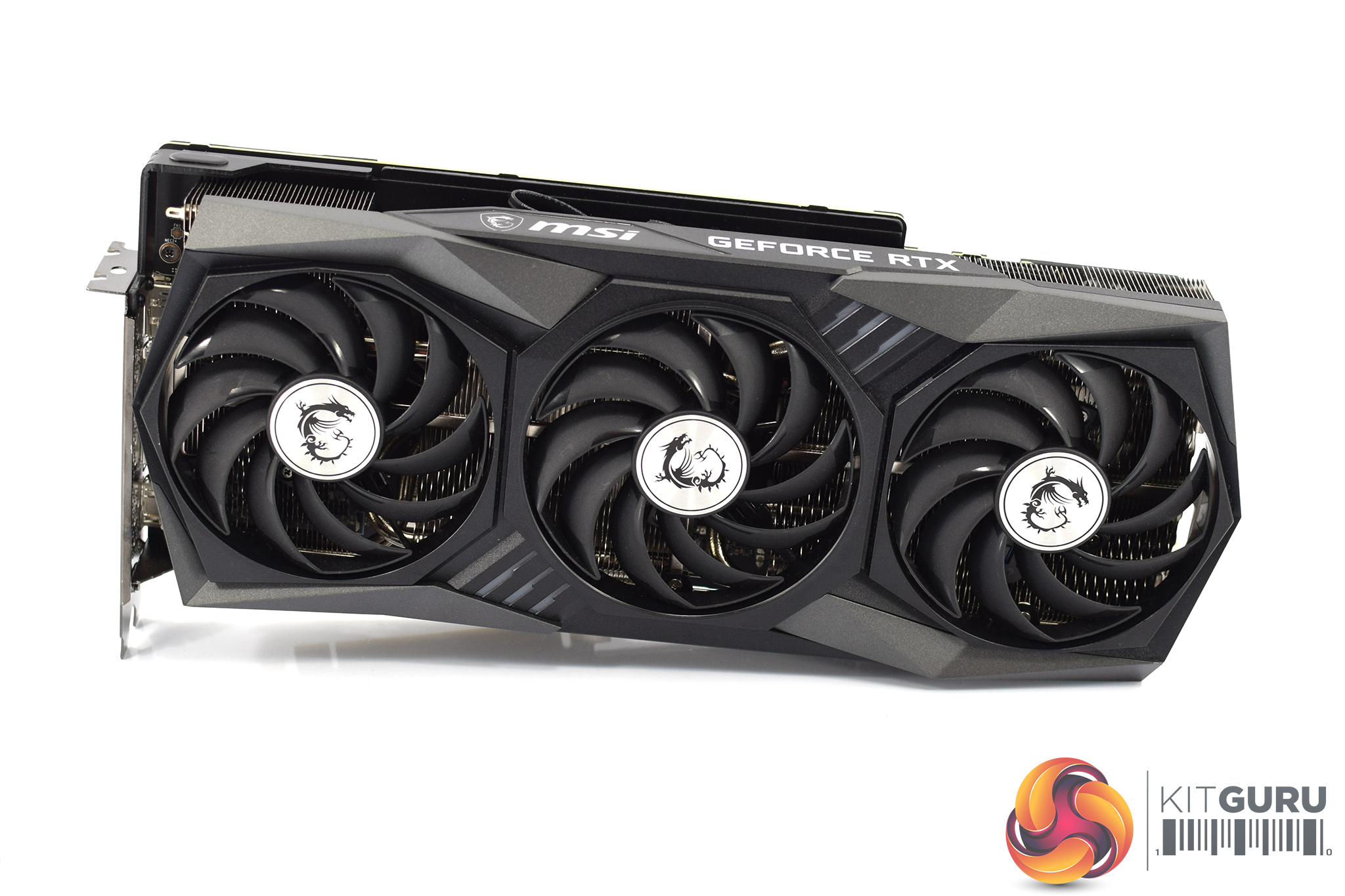
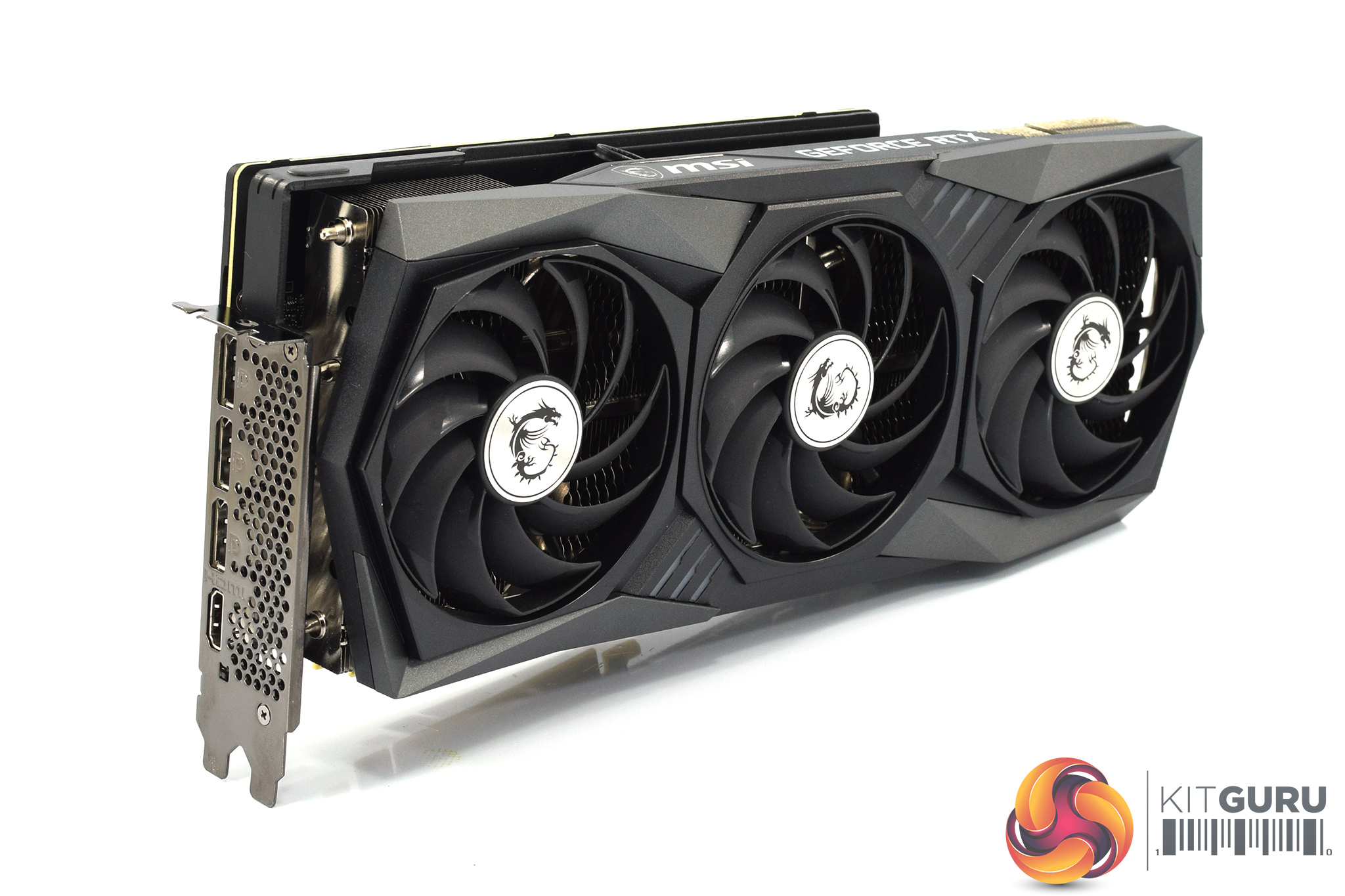
We've already noted how this card uses the same shroud as MSI's other RTX 30-series cards. That means we have a black and grey plastic shroud, with a pretty edgy and aggressive ‘gamer-y’ appearance. Personally I quite like it, but that is of course going to be subjective. At the very least, it is completely colour neutral so you won’t have any issues installing this in a colour coordinated system.
The three fans also use MSI’s new Torx 4.0 design. Each measures approximately 92mm across, and the fan blades now come in pairs, with an outer section that directly attaches the two blades together. MSI says this ‘focuses airflow into the updated TRI FROZR 2 cooling system’, delivering 20% increased pressure compared to Torx 3.0.
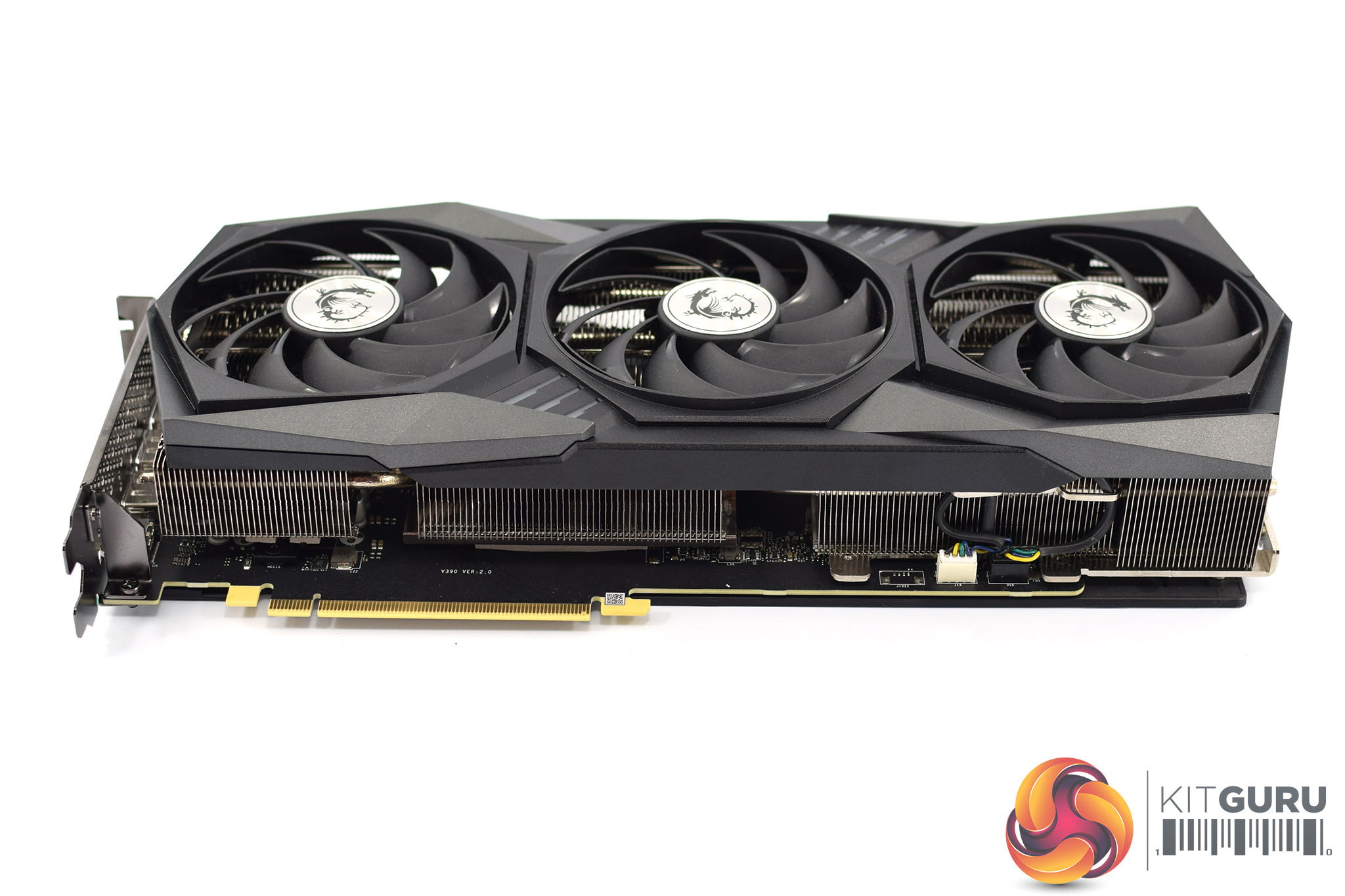
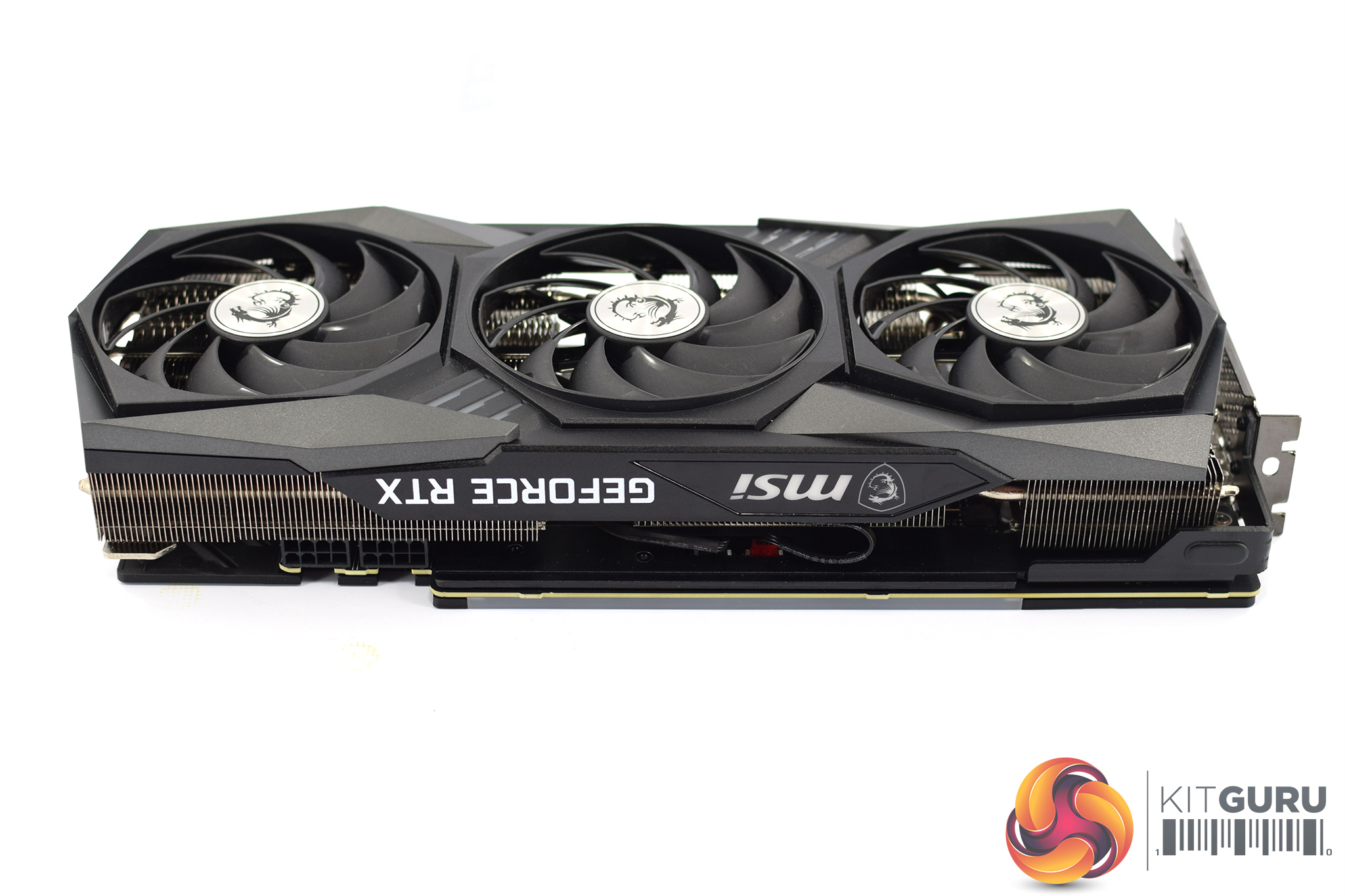
Re-using the same shroud as MSI's RTX 3090 means this card is absolutely huge for a RTX 3060 – it measures 323 x 140 x 56mm.
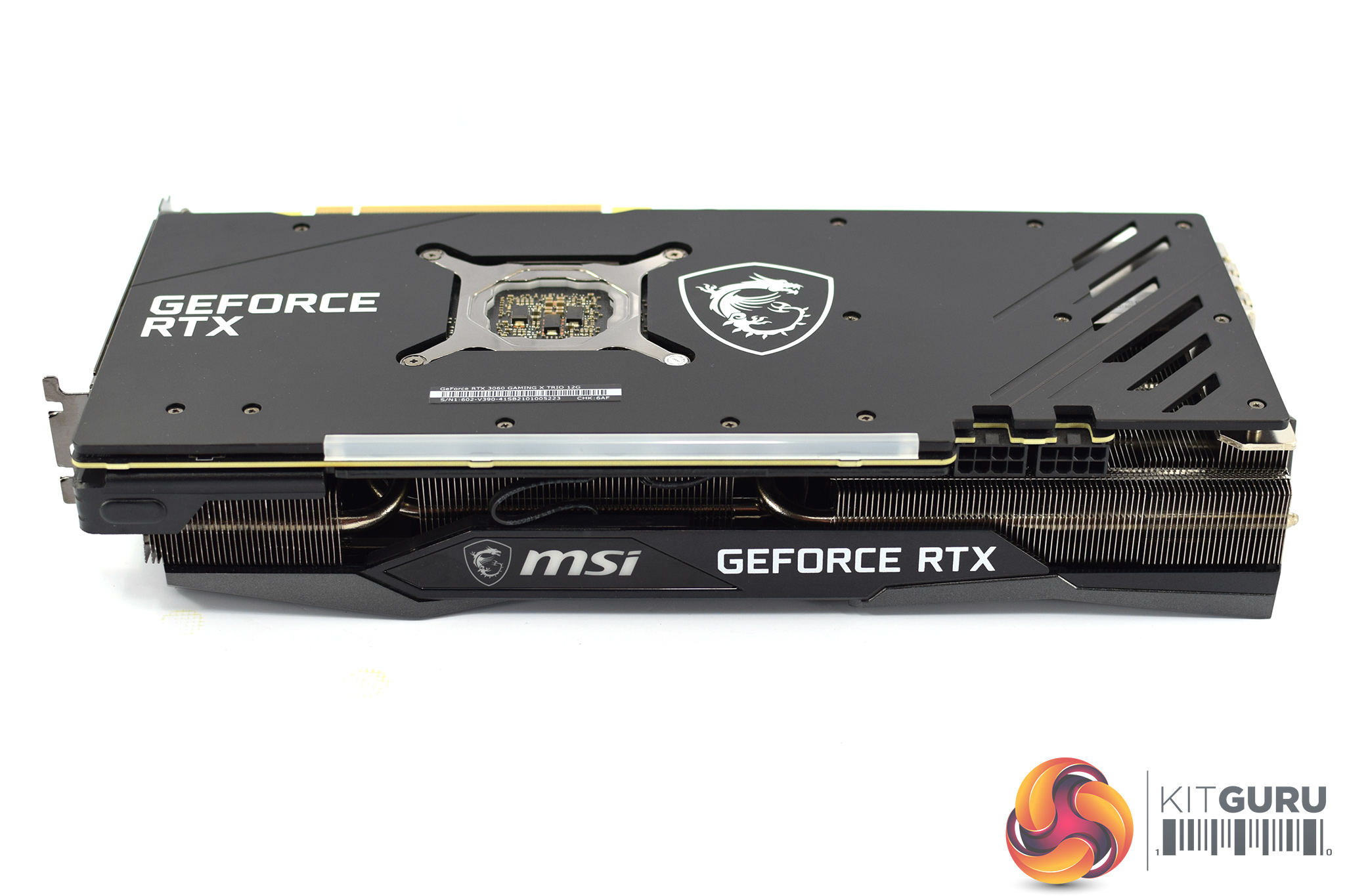
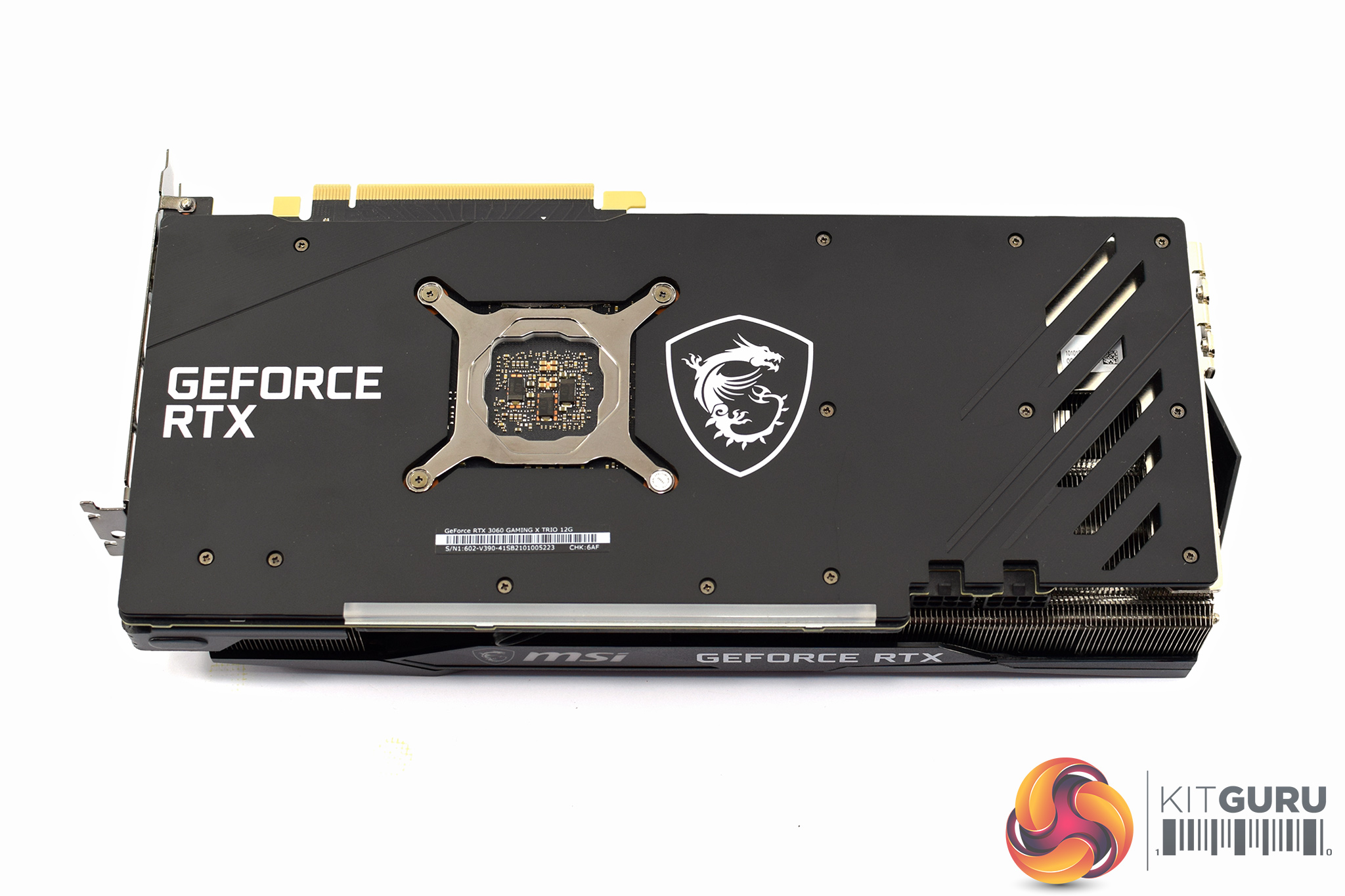
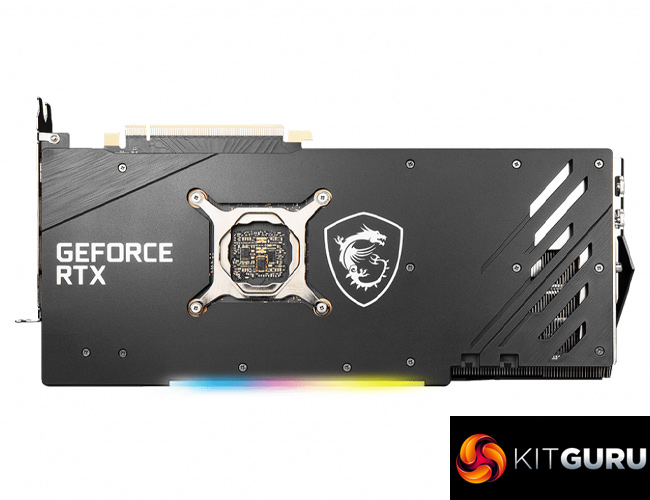
MSI is also using a black plastic backplate on this card. It's a full-length design, with a cut-out behind the GPU core. We can also note a few more cut-outs toward the end of the card.

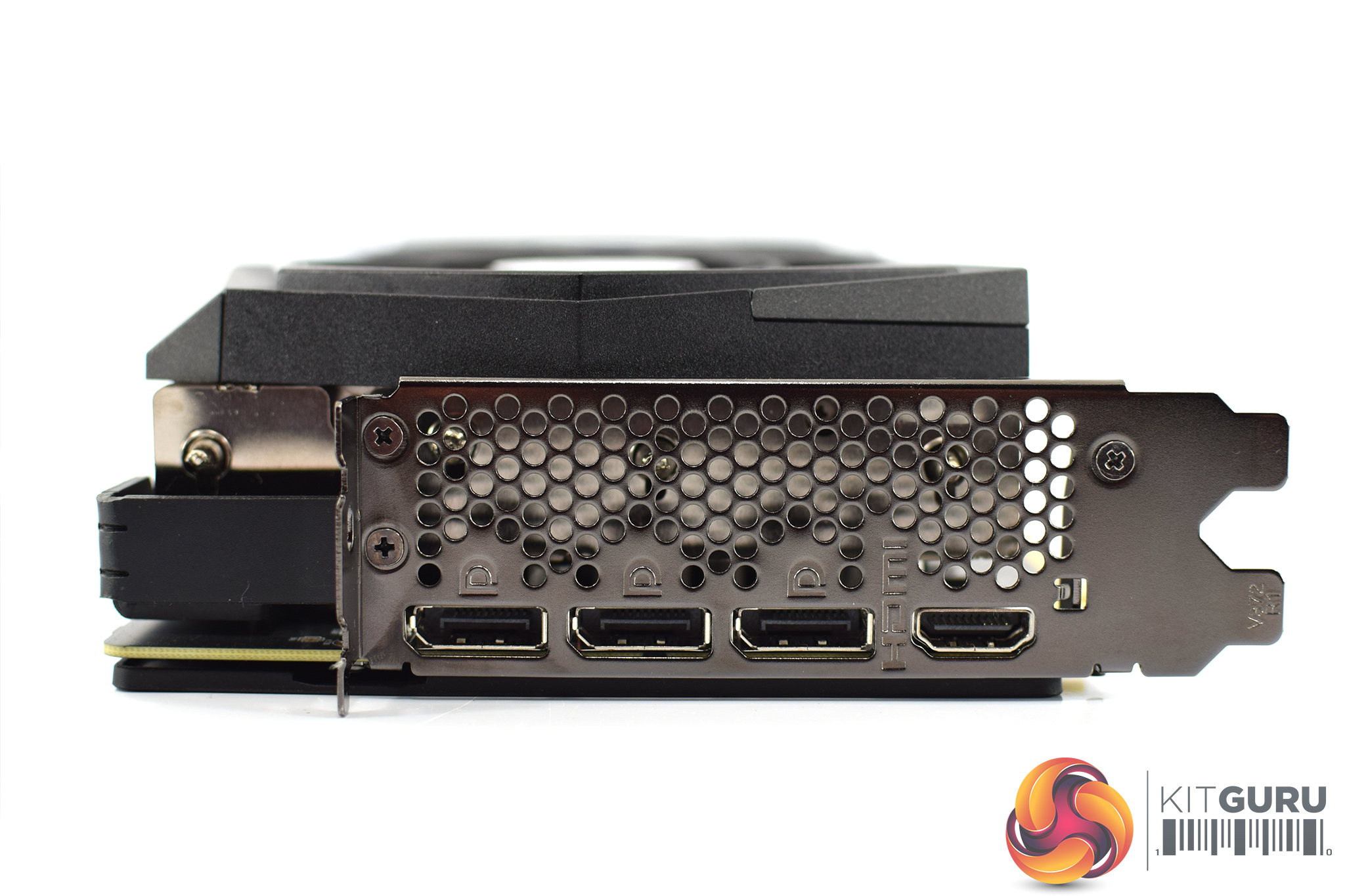
In terms of power connectors, the Gaming X Trio needs 2x 8-pin PCIe inputs. This is quite unnecessary for a 170W GPU, as a single 8-pin will deliver 150W while 75W is delivered through the PCIe x16 slot. The only reason I can see as to why the card has two power connectors is that MSI is re-using the same PCB as its RTX 3070 model.
For display outputs, we have the usual allocation of 3x DisplayPort 1.4 and 1x HDMI 2.1.
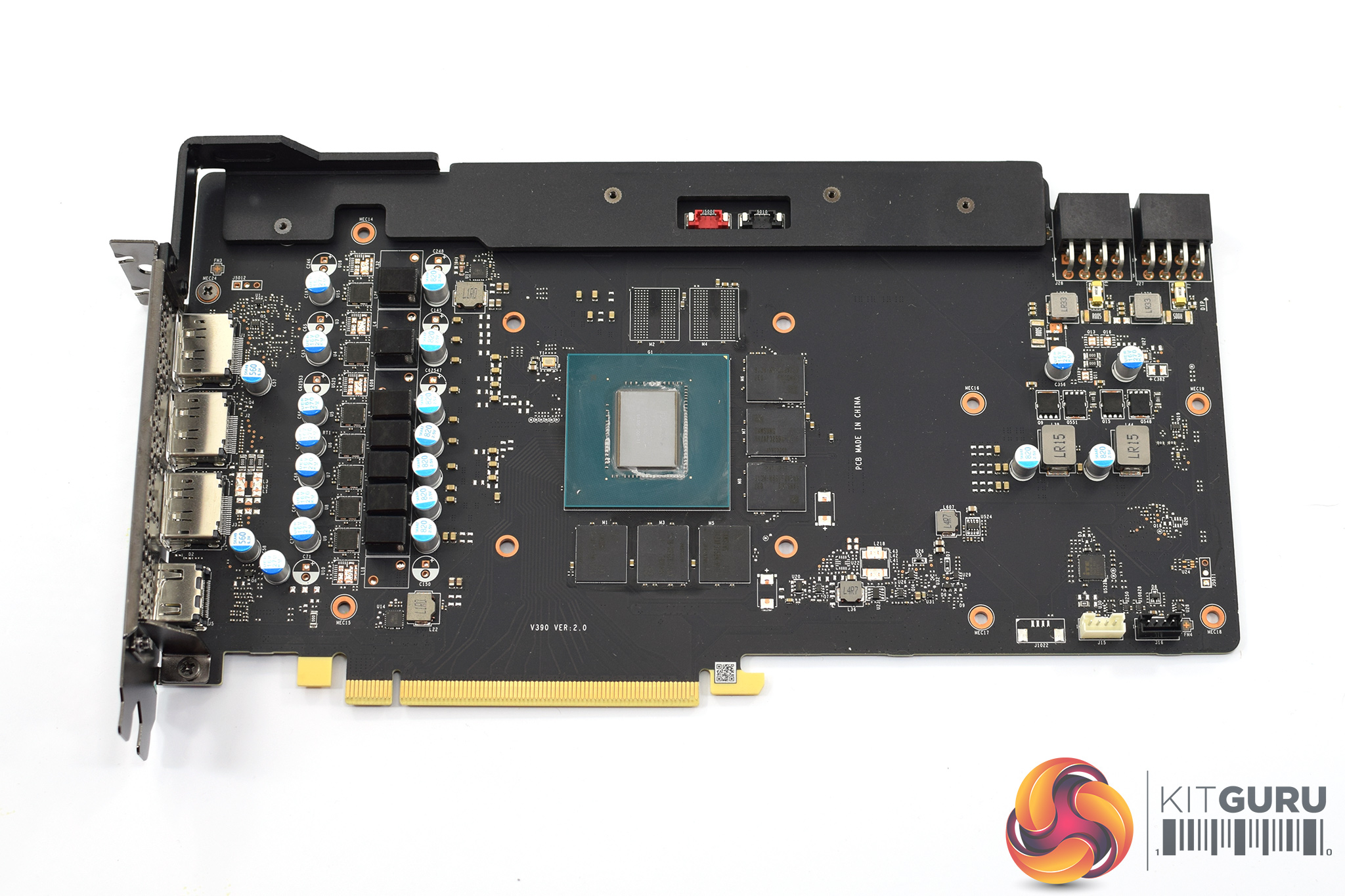
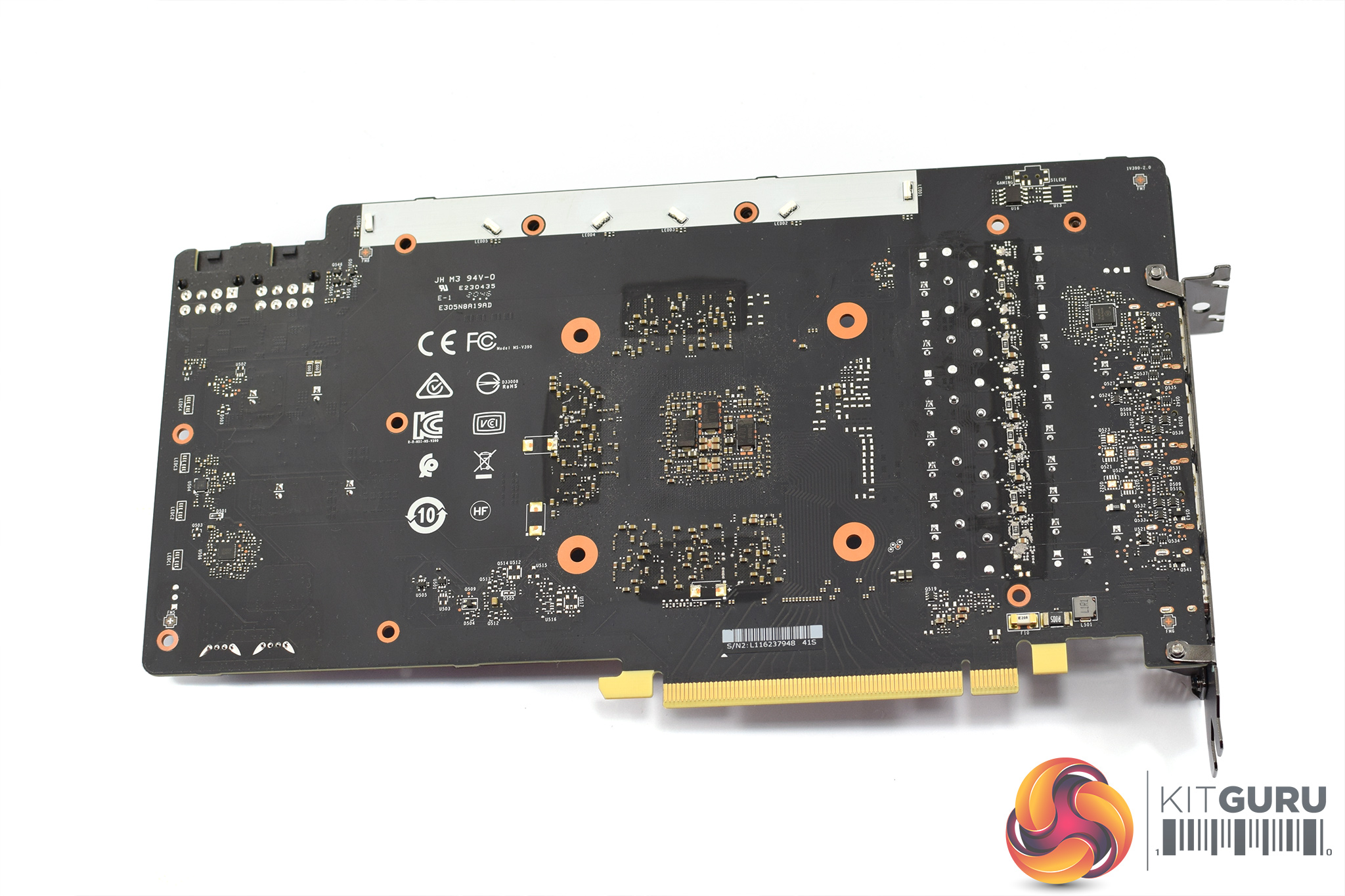
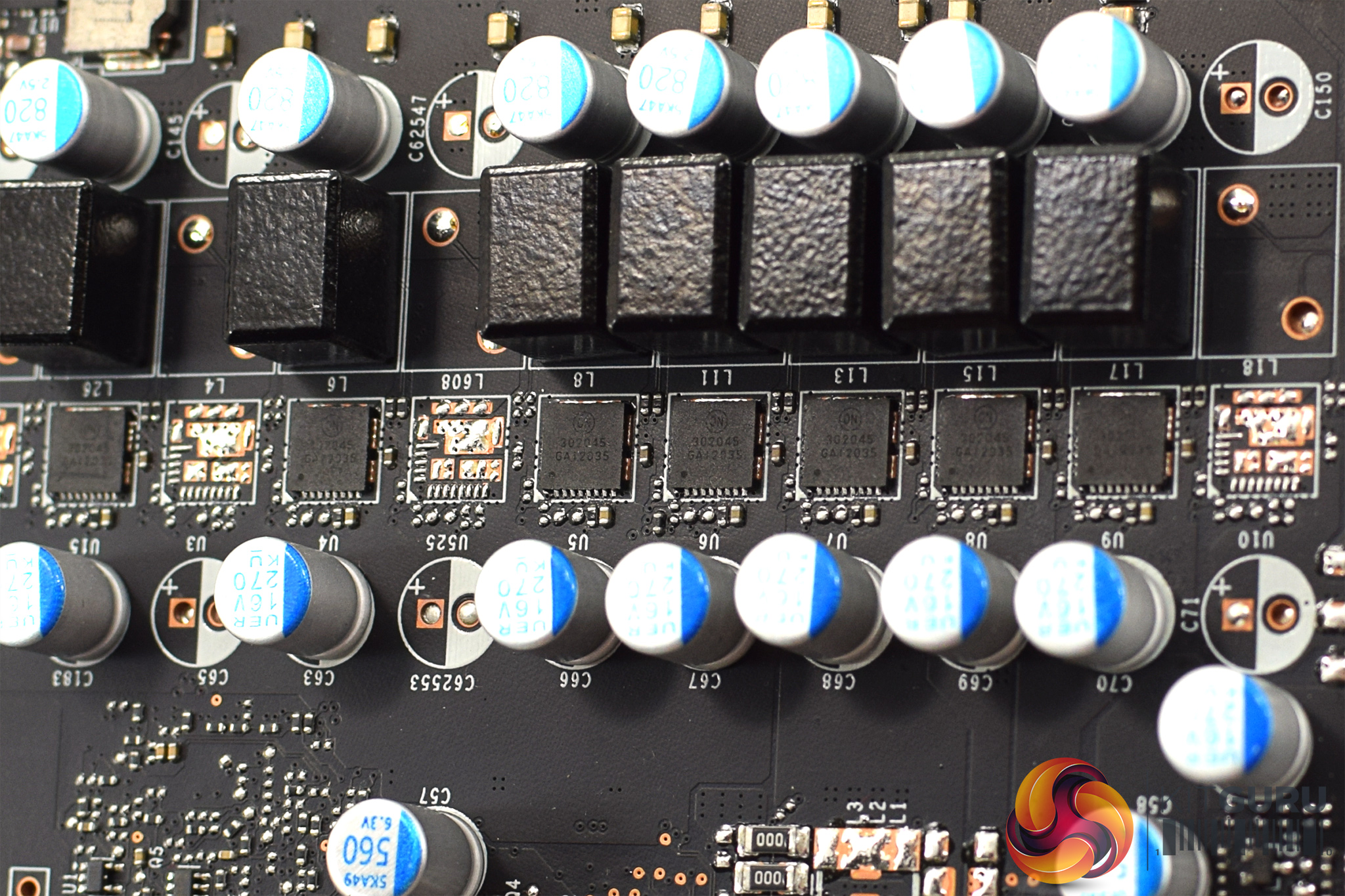
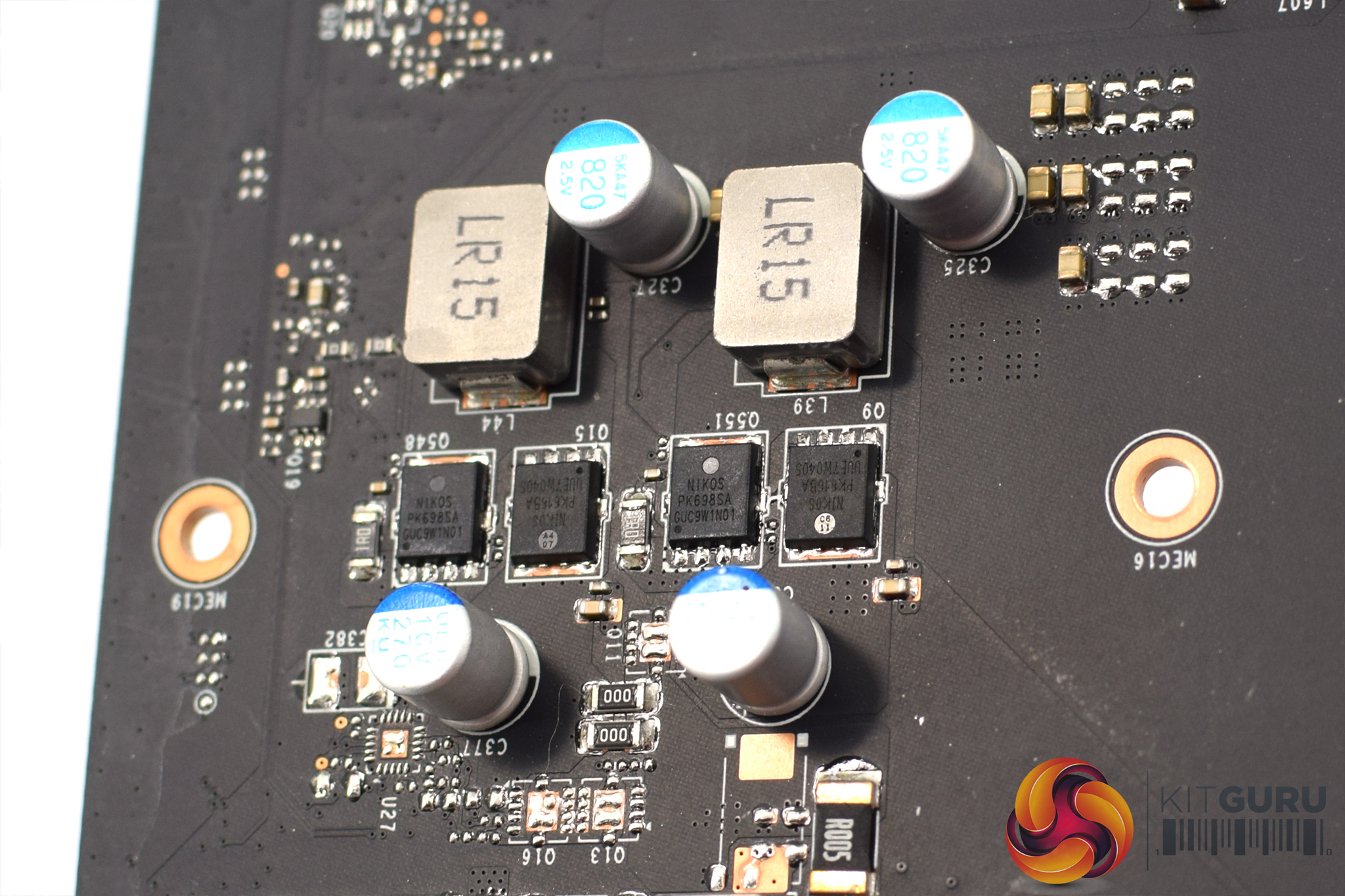

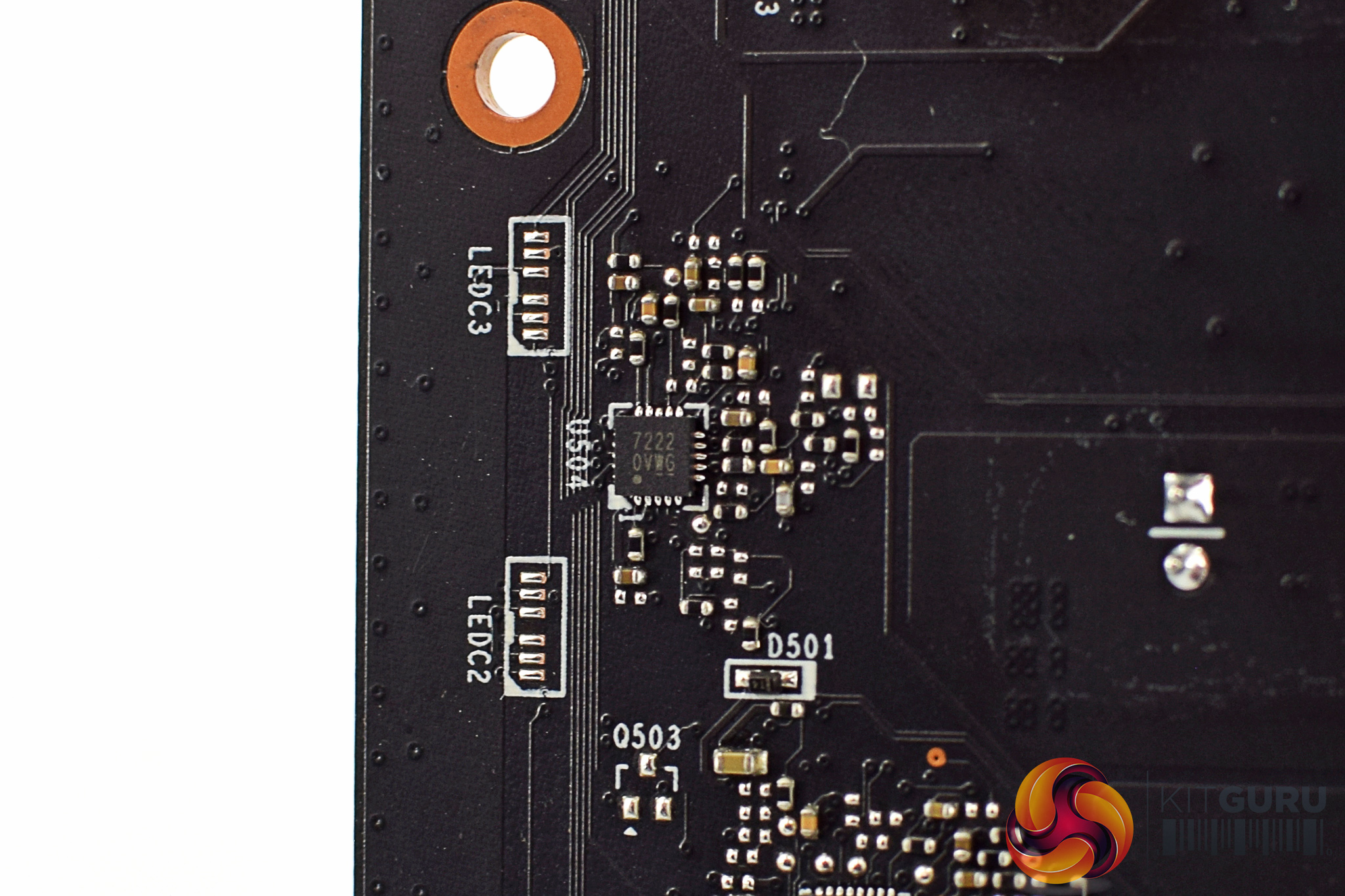
For the PCB, MSI is re-using the same design from its RTX 3070. It has a 7-phase VRM for the GPU, controlled by OnSemi's NCP81610, with OnSemi 302045 MOSFETs. The memory VRM is 2-phase, using Niko Semi PK698SA/PK616BA high and low-side dual N-Channel MOSFETs.

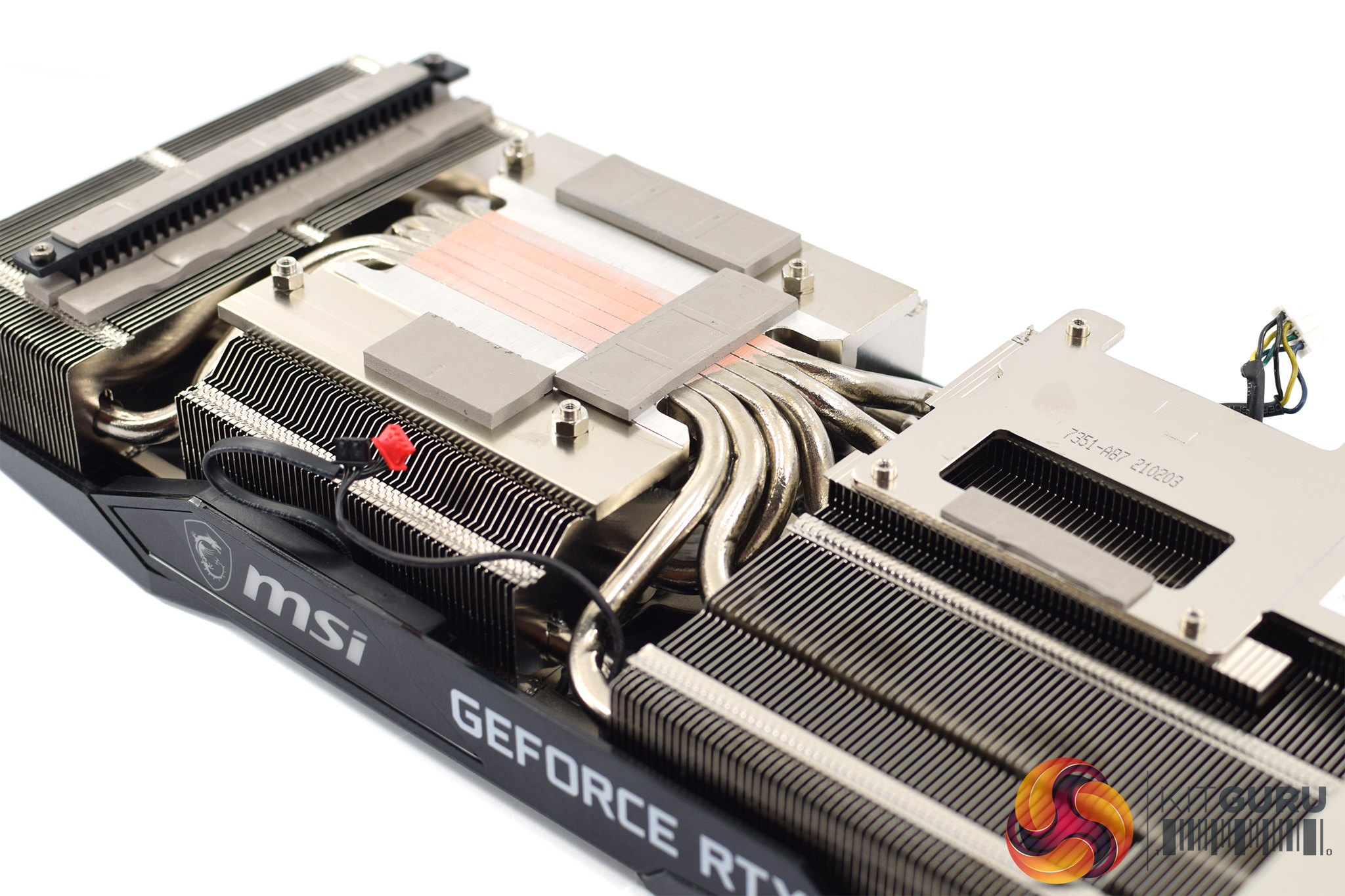
As for the cooler, it's again the same design as the RTX 3070. This means a total of three aluminium finstacks, connected by 6x6mm heatpipes which make direct contact with the GPU. One stack of memory also contacts with these heatpipes via thermal pads, while the other stack contacts with a baseplate. There's a couple of other plates used to cool the VRM.
Driver Notes
- All Nvidia GPUs (except RTX 3060) were benchmarked with the 461.40 driver.
- RTX 3060 was benchmarked with the 461.64 driver supplied to press.
- All AMD GPUs were benchmarked with the Adrenalin 21.2.2 driver.
Test System
We test using the a custom built system from PCSpecialist, based on Intel's latest Comet Lake-S platform. You can read more about it over HERE, and configure your own system from PCSpecialist HERE.
| CPU |
Intel Core i9-10900K
Overclocked to 5.1GHz on all cores |
| Motherboard |
ASUS ROG Maximus XII Hero Wi-Fi
|
| Memory |
Corsair Vengeance DDR4 3600MHz (4 X 8GB)
CL 18-22-22-42
|
| Graphics Card |
Varies
|
| System Drive |
500GB Samsung 970 Evo Plus M.2
|
| Games Drive | 2TB Samsung 860 QVO 2.5″ SSD |
| Chassis | Fractal Meshify S2 Blackout Tempered Glass |
| CPU Cooler |
Corsair H115i RGB Platinum Hydro Series
|
| Power Supply |
Corsair 1200W HX Series Modular 80 Plus Platinum
|
| Operating System |
Windows 10 2004
|
Comparison Graphics Cards List
- Nvidia RTX 3060 Ti FE 8GB
- Gigabyte RTX 3060 Gaming OC 12GB
- Palit RTX 3060 StormX OC 12GB
- Nvidia RTX 2070 Super FE 8GB
- Nvidia RTX 2060 Super FE 8GB
- Nvidia RTX 2060 FE 6GB
- AMD RX 5700 XT 8GB
- AMD RX 5700 8GB
- Sapphire RX 5600 XT Pulse 6GB
Software and Games List
- 3DMark Fire Strike & Fire Strike Ultra (DX11 Synthetic)
- 3DMark Time Spy (DX12 Synthetic)
- 3DMark Raytracing Feature Test (DXR Synthetic)
- Assassin's Creed Valhalla (DX12)
- Control (DX12)
- Cyberpunk 2077 (DX12)
- Dirt 5 (DX12)
- The Division 2 (DX12)
- F1 2020 (DX12)
- Gears 5 (DX12)
- Hitman 3 (DX12)
- Metro: Exodus (DX12)
- Red Dead Redemption 2 (Vulkan)
- Total War Saga: Troy (DX11)
- Watch Dogs: Legion (DX12)
We run each benchmark/game three times, and present mean averages in our graphs. We use OCAT to measure average frame rates as well as 1% low values across our three runs.
Fire Strike is a showcase DirectX 11 benchmark for modern gaming PCs. Its ambitious real-time graphics are rendered with detail and complexity far beyond other DirectX 11 benchmarks and games. Fire Strike includes two graphics tests, a physics test and a combined test that stresses the CPU and GPU. (UL).
3DMark Time Spy is a DirectX 12 benchmark test for Windows 10 gaming PCs. Time Spy is one of the first DirectX 12 apps to be built the right way from the ground up to fully realize the performance gains that the new API offers. With its pure DirectX 12 engine, which supports new API features like asynchronous compute, explicit multi-adapter, and multi-threading, Time Spy is the ideal test for benchmarking the latest graphics cards. (UL).
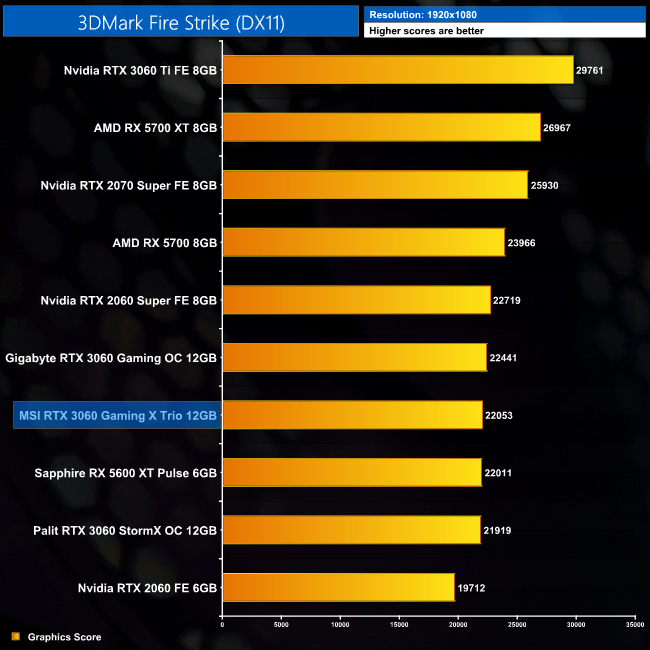
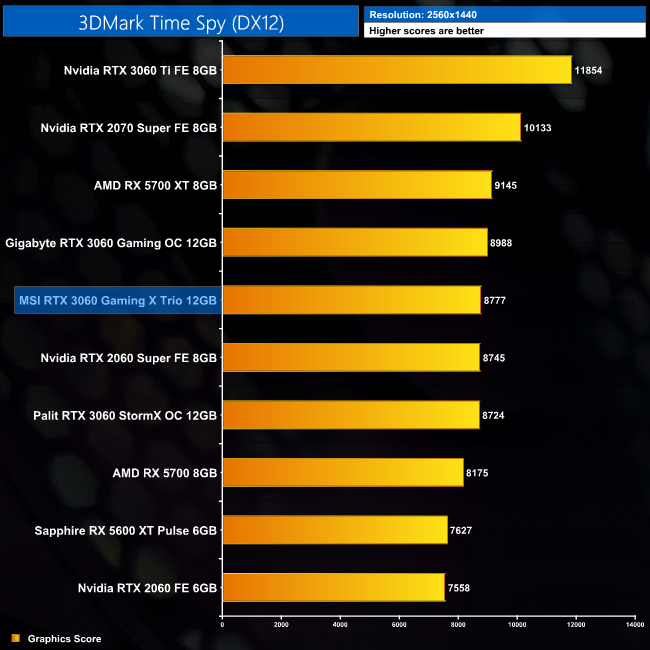
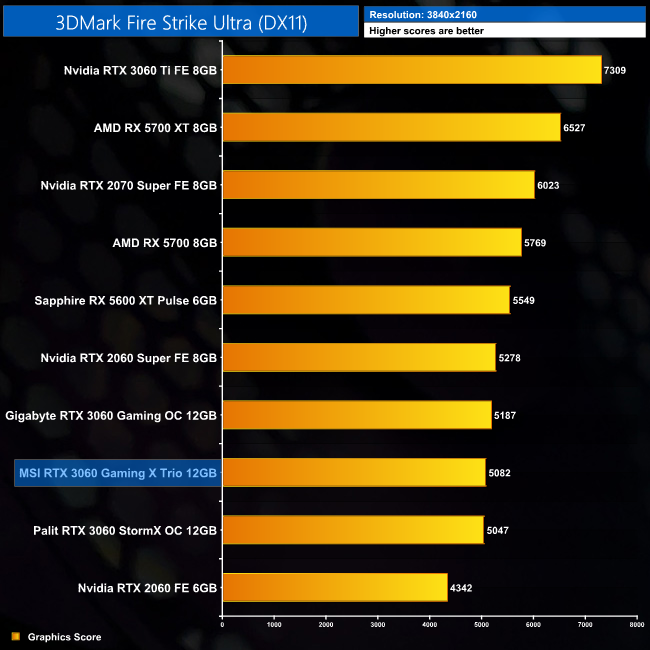
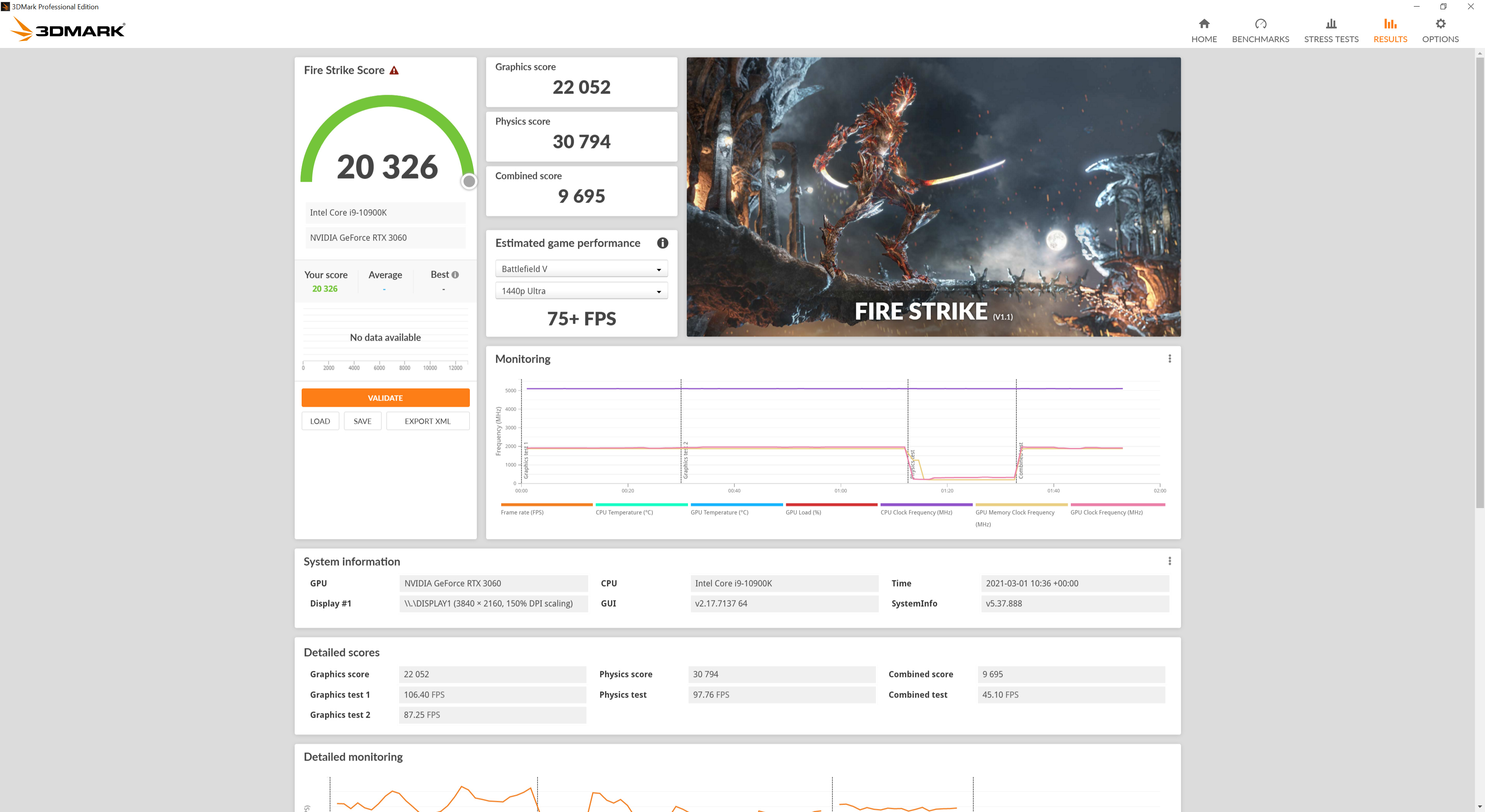
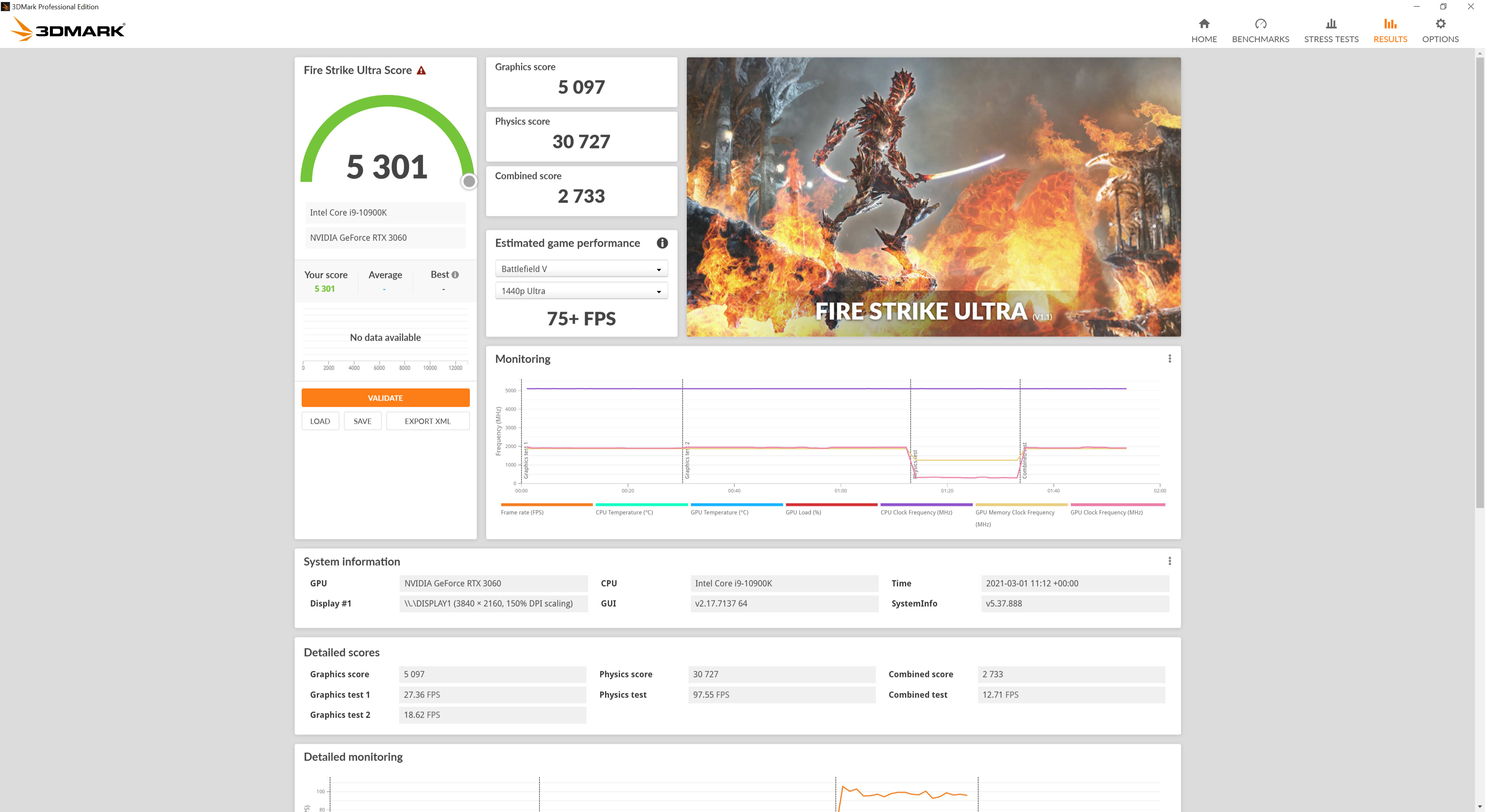
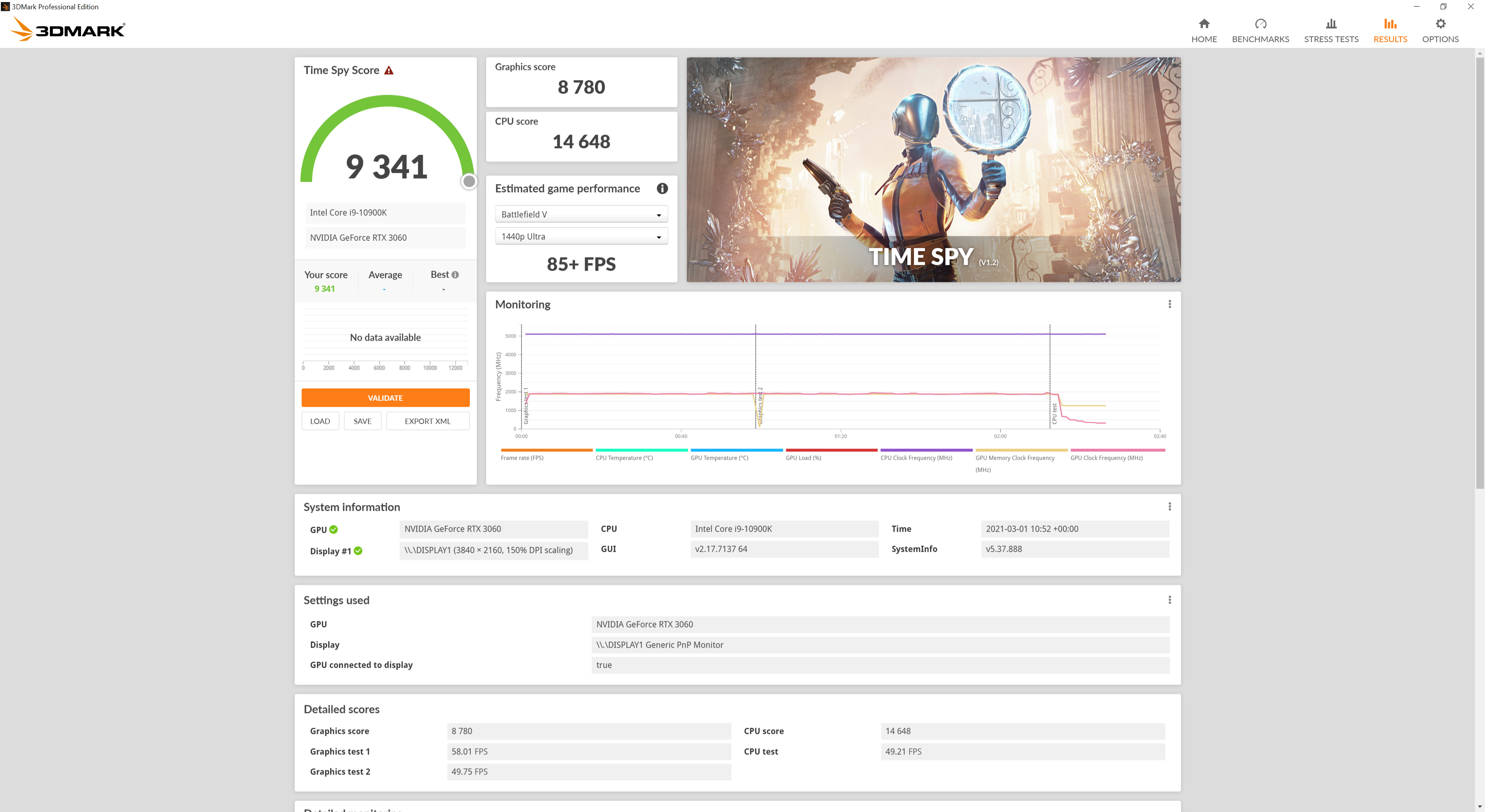
Starting with 3DMark, here we can see the Gaming X Trio comes in 2% behind Gigabyte's RTX 3060 Gaming OC in every single test. It ranges from 12-17% faster than the RTX 2060 Founders Edition.
Real-time ray tracing is incredibly demanding. The latest graphics cards have dedicated hardware that’s optimized for ray-tracing. The 3DMark DirectX Raytracing feature test measures the performance of this dedicated hardware. Instead of using traditional rendering techniques, the whole scene is ray-traced and drawn in one pass. The result of the test depends entirely on ray-tracing performance. (UL).
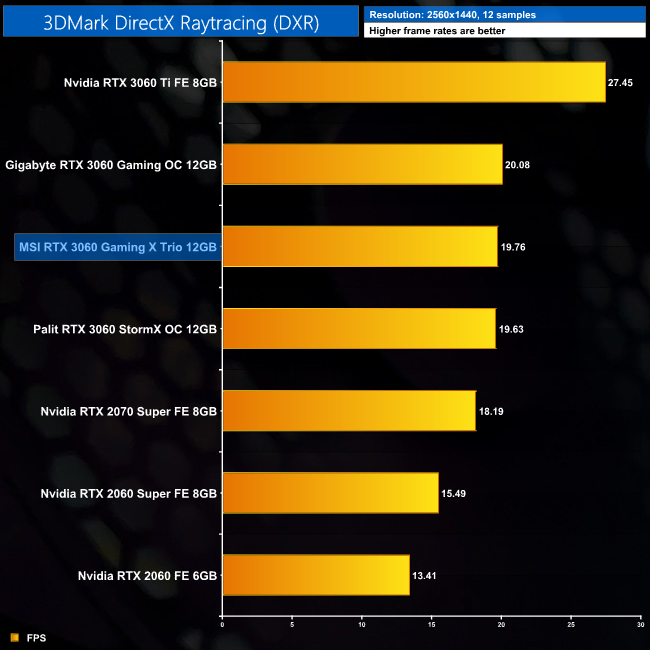
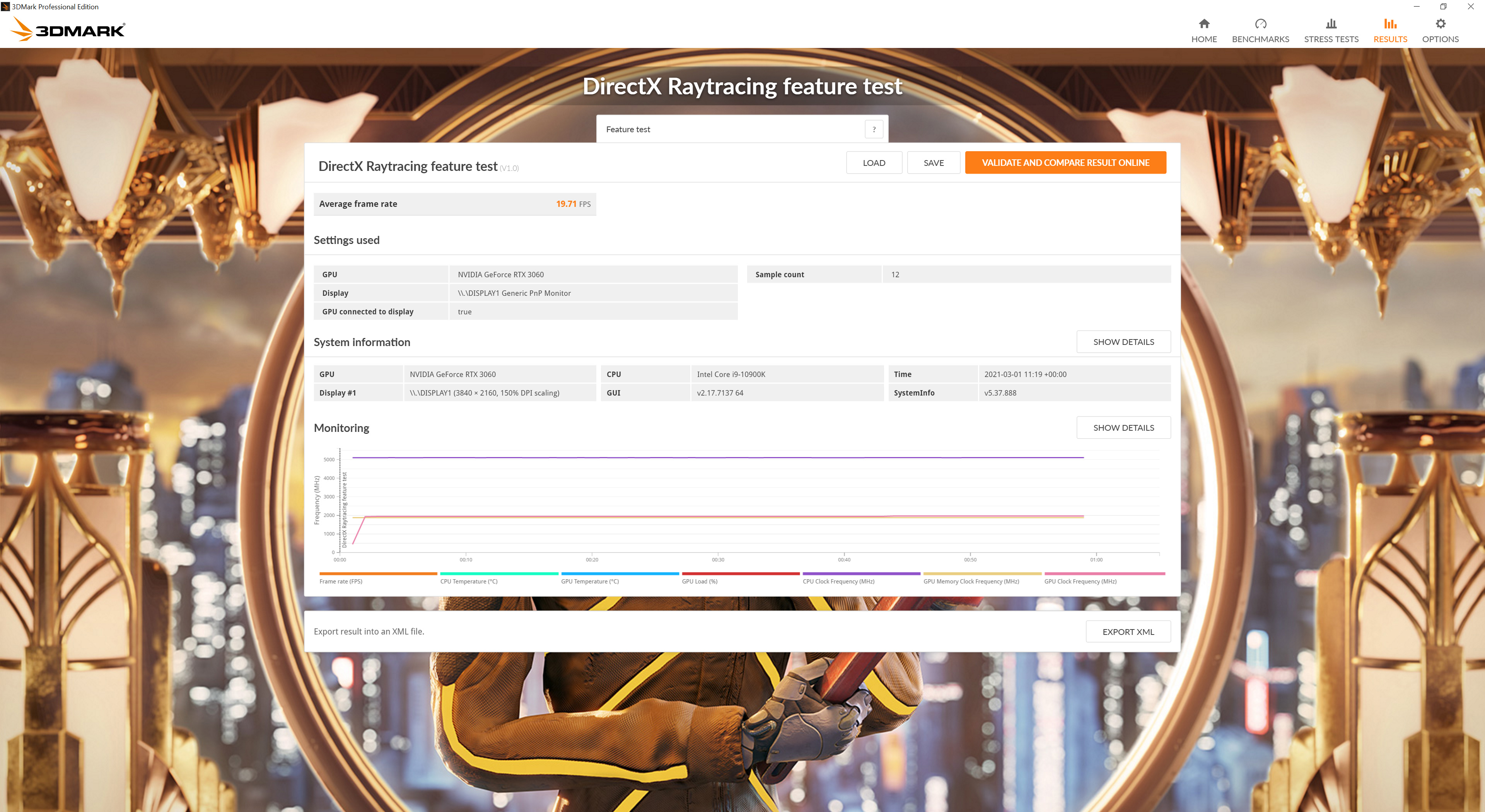
For the DXR feature test, the Gaming X Trio came in just shy of 20FPS, making it 1% slower than the Gigabyte Gaming OC, but marginally ahead of Palit's StormX OC.
Assassin's Creed Valhalla is an action role-playing video game developed by Ubisoft Montreal and published by Ubisoft. It is the twelfth major installment and the twenty-second release in the Assassin's Creed series, and a successor to the 2018's Assassin's Creed Odyssey. The game was released on November 10, 2020, for Microsoft Windows, PlayStation 4, Xbox One, Xbox Series X and Series S, and Stadia, while the PlayStation 5 version was released on November 12. (Wikipedia.)
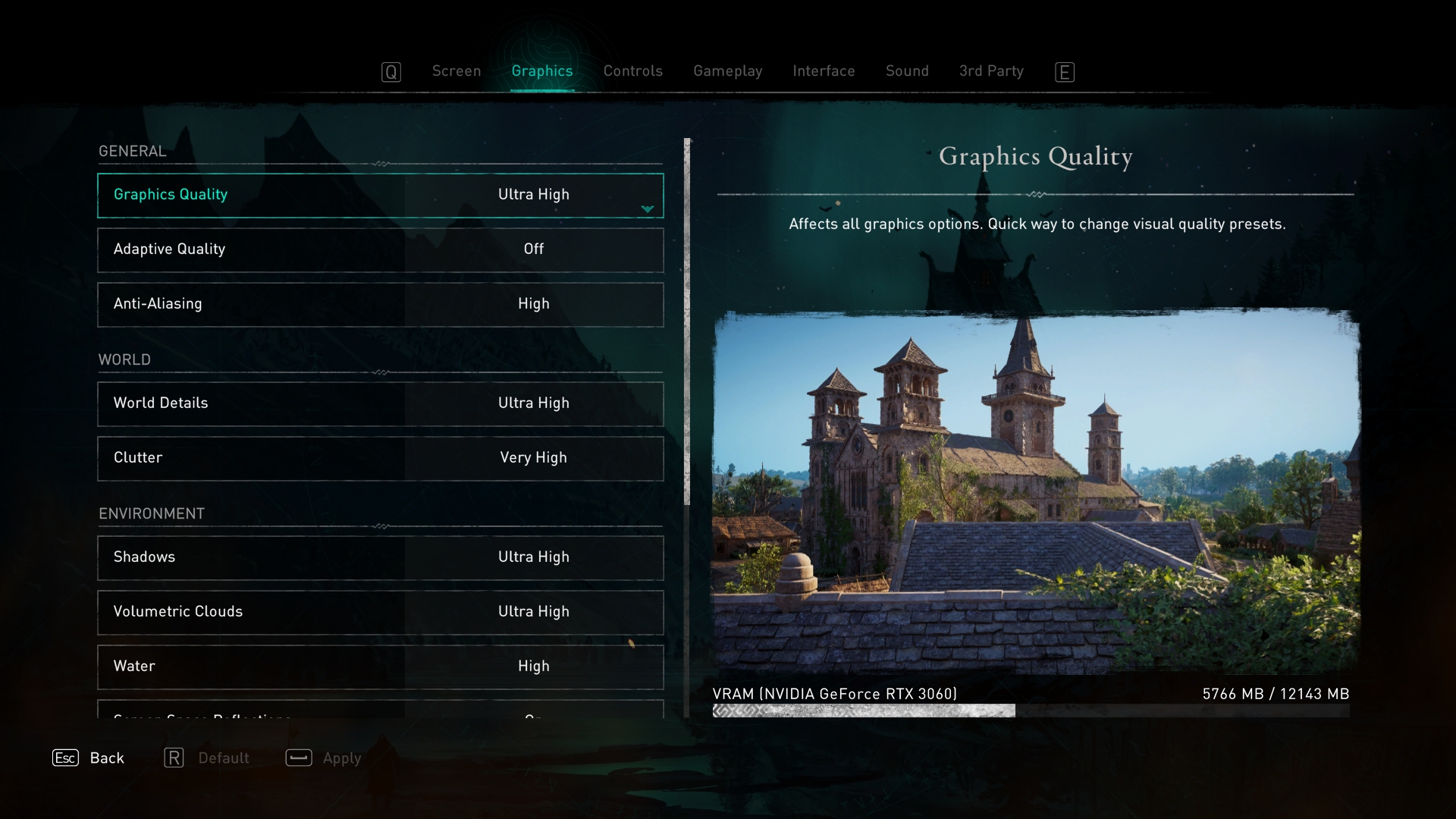
Engine: AnvilNext 2.0. We test using the Ultra High preset, DX12 API.
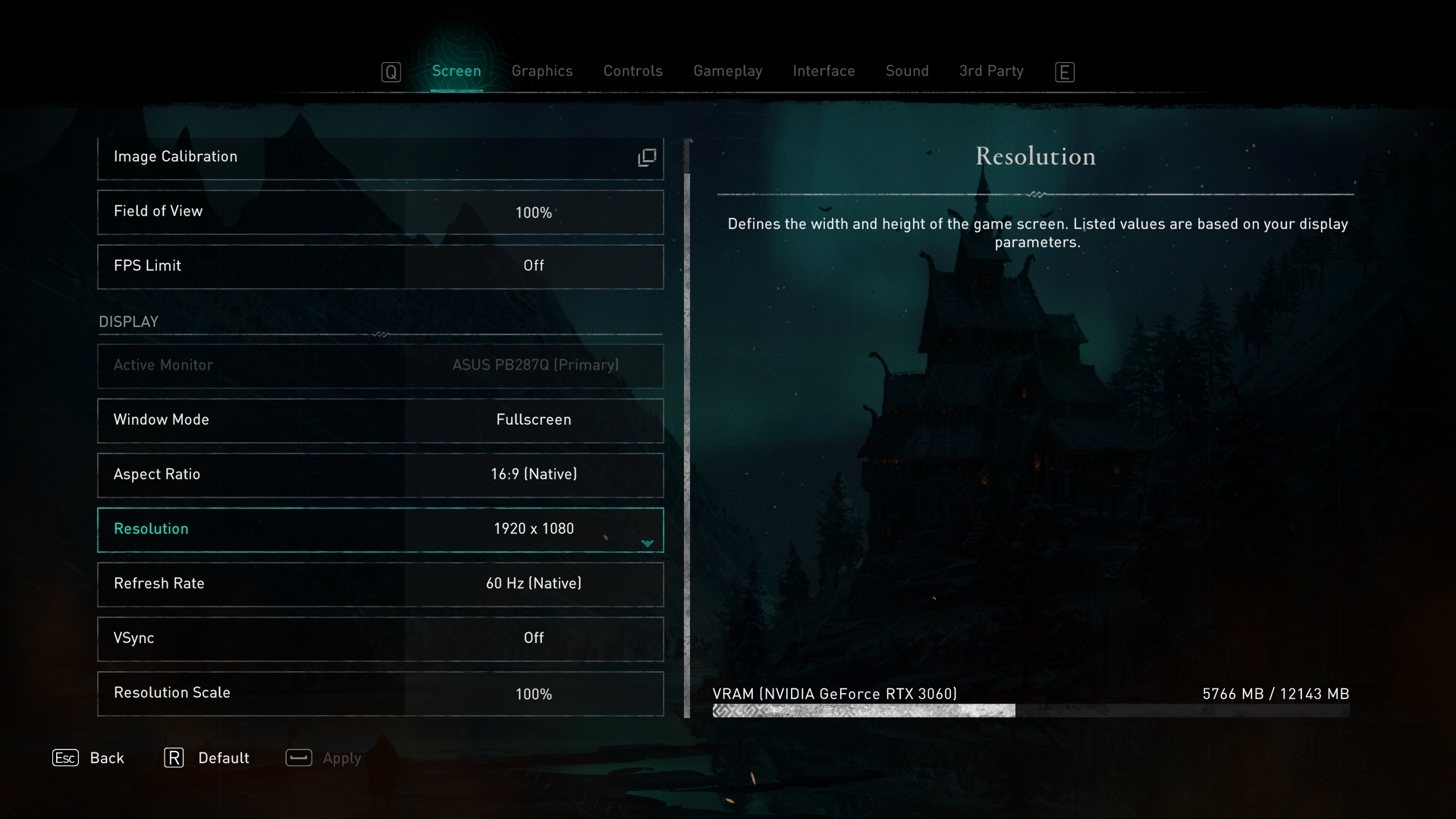
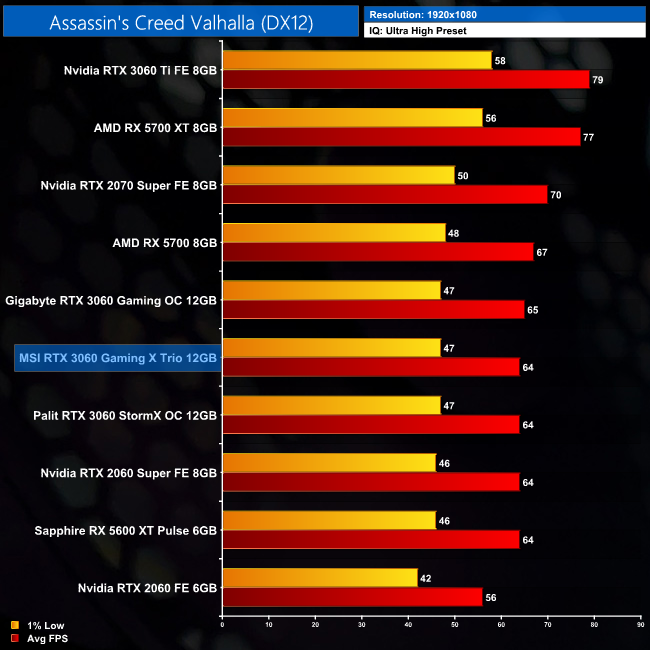
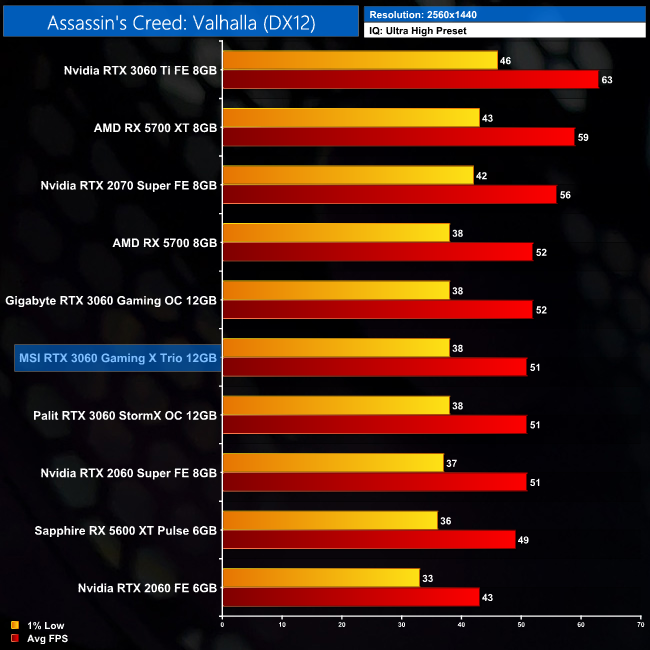
Assassin's Creed Valhalla sees the Gaming X Trio hit 64FPS on average at 1080p. That's 14% ahead of RTX 2060, and right around the same level as the other two RTX 3060s in our chart.
Control is an action-adventure video game developed by Remedy Entertainment and published by 505 Games. Control was released on 27 August 2019 for Microsoft Windows, PlayStation 4, and Xbox One. (Wikipedia).
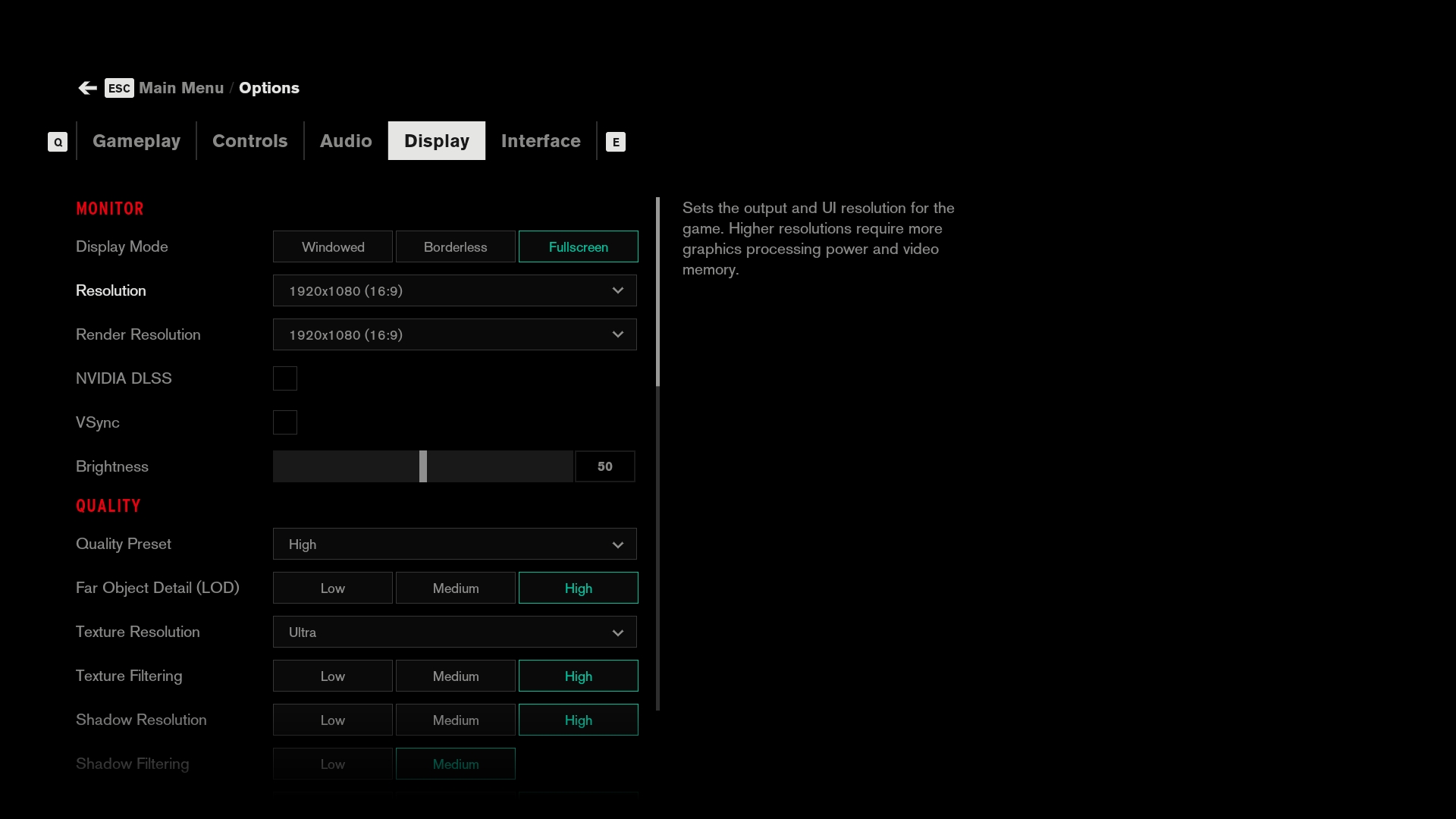
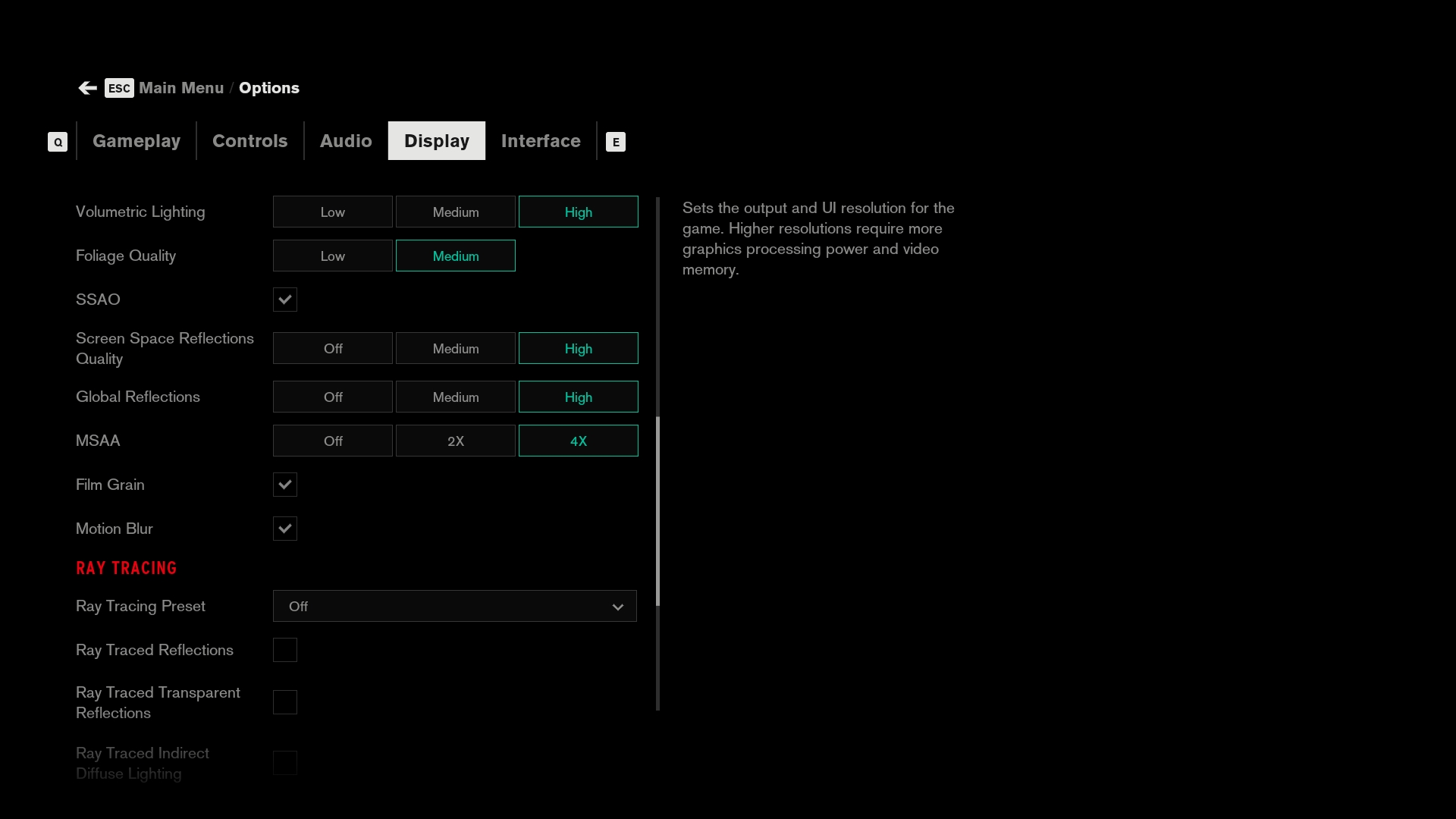
Engine: Northlight Engine. We test using the High preset, with 4x MSAA, DX12 API.
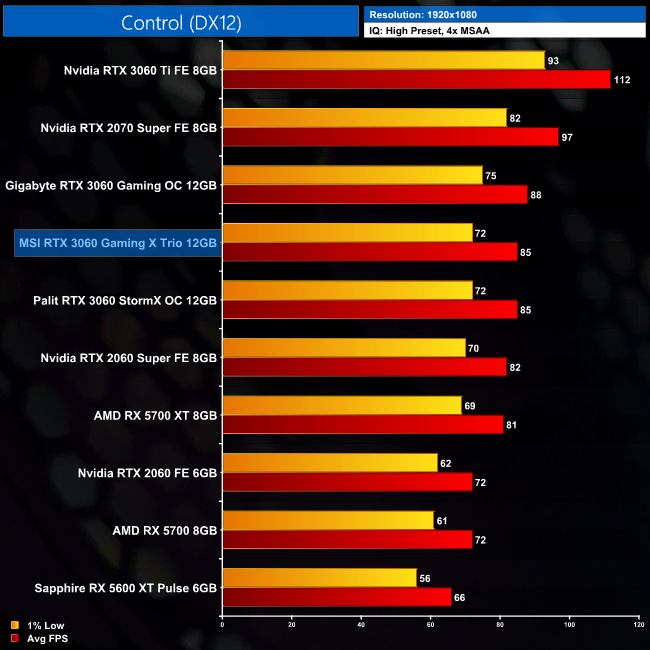
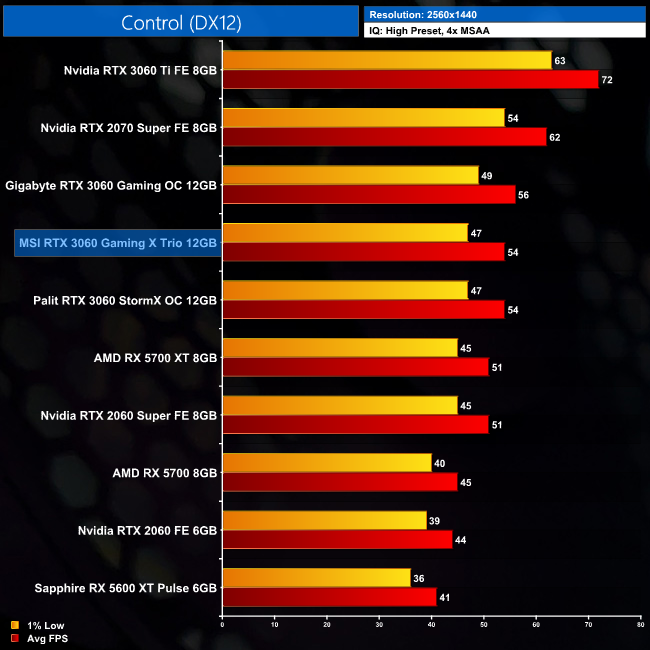
As for Remedy's Control, here the Gaming X Trio slips 3FPS, or 3%, behind Gigabyte's Gaming OC, as it averages 85FPS at 1080p. That's an 18% uplift compared to the RTX 2060.
Cyberpunk 2077 is a 2020 action role-playing video game developed and published by CD Projekt. The story takes place in Night City, an open world set in the Cyberpunk universe. Players assume the first-person perspective of a customisable mercenary known as V, who can acquire skills in hacking and machinery with options for melee and ranged combat. Cyberpunk 2077 was released for Microsoft Windows, PlayStation 4, Stadia, and Xbox One on 10 December 2020. (Wikipedia)
Engine: REDengine 4. We test using the Ultra preset, DX12 API.
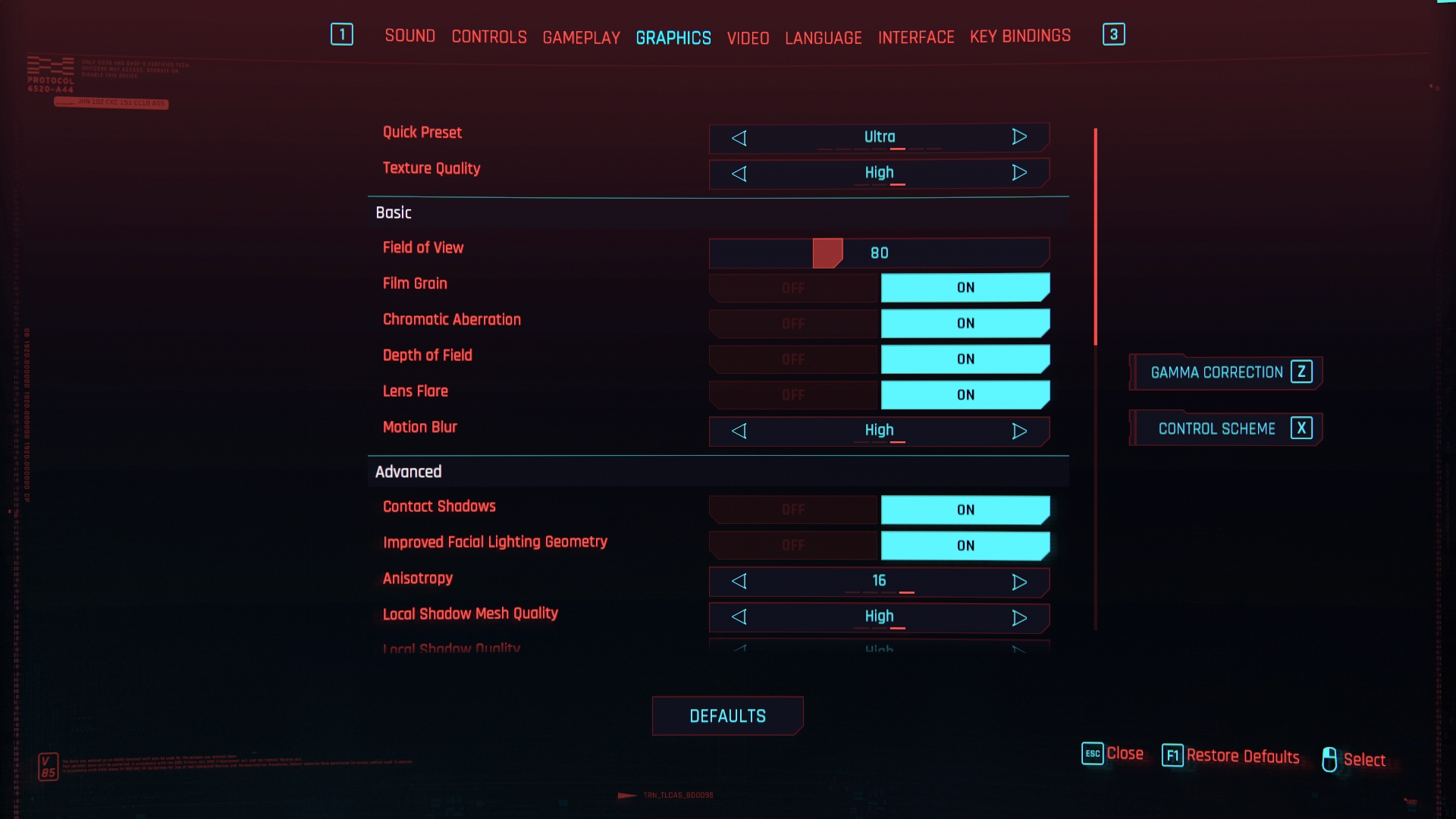
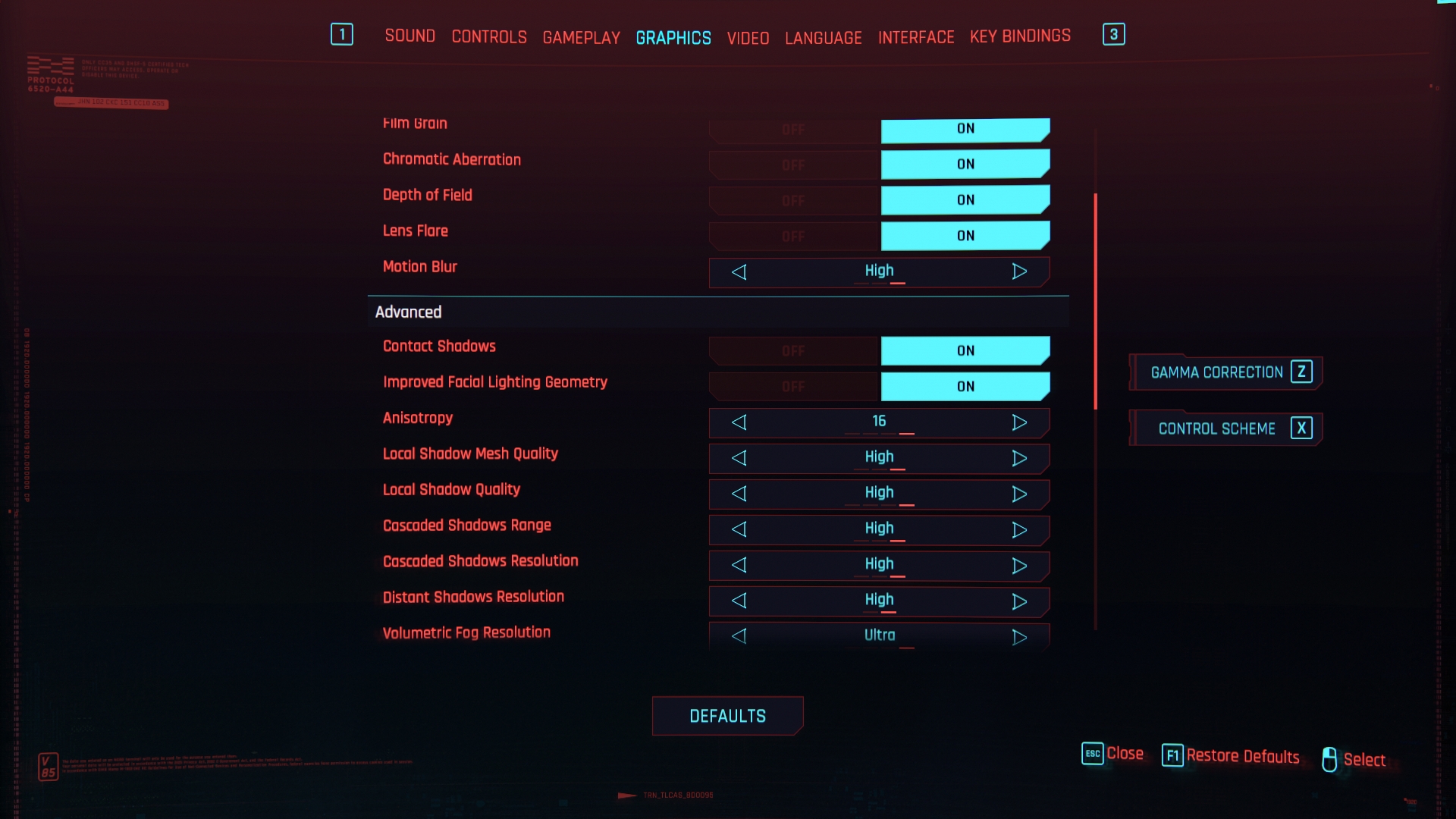
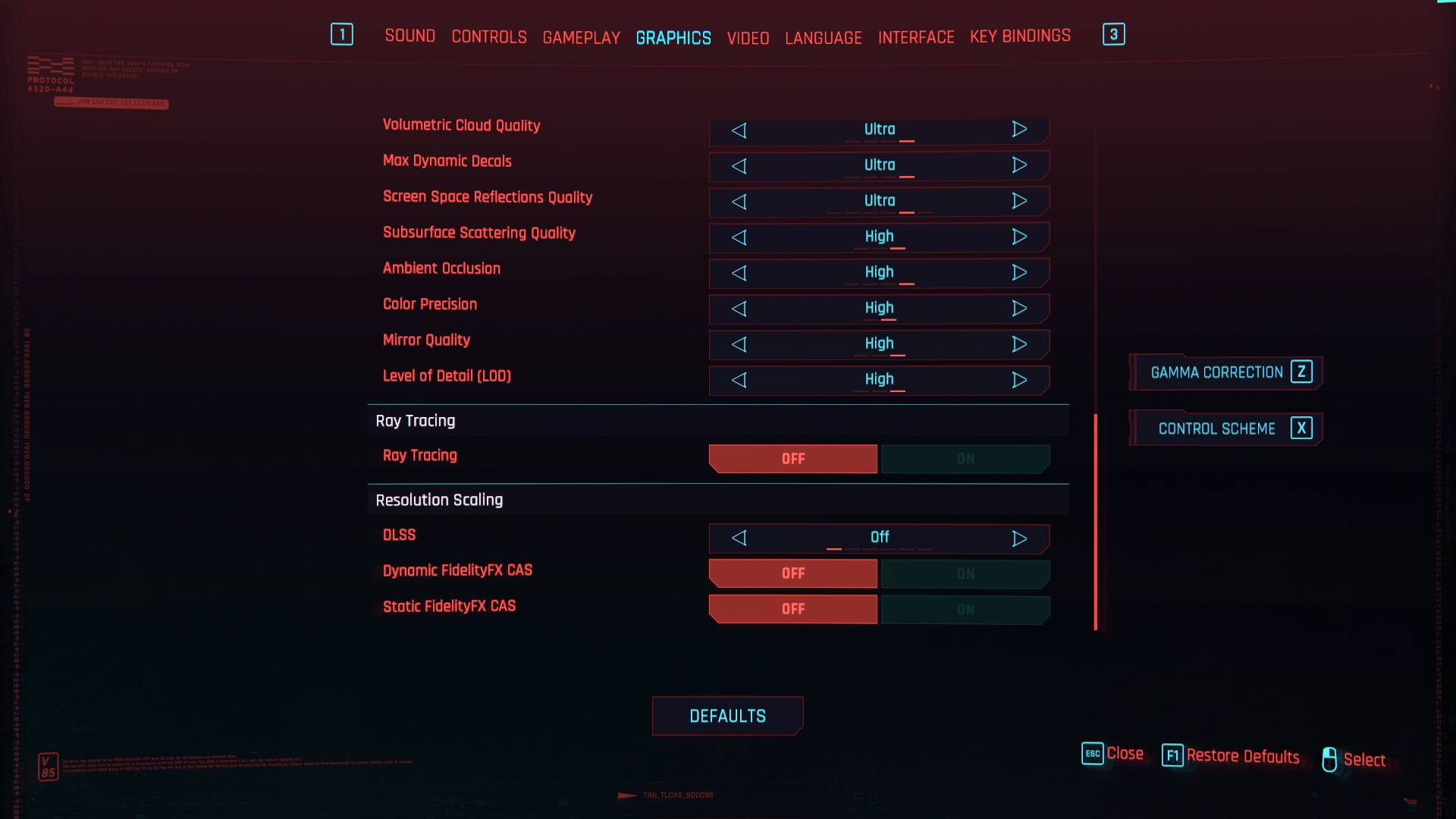
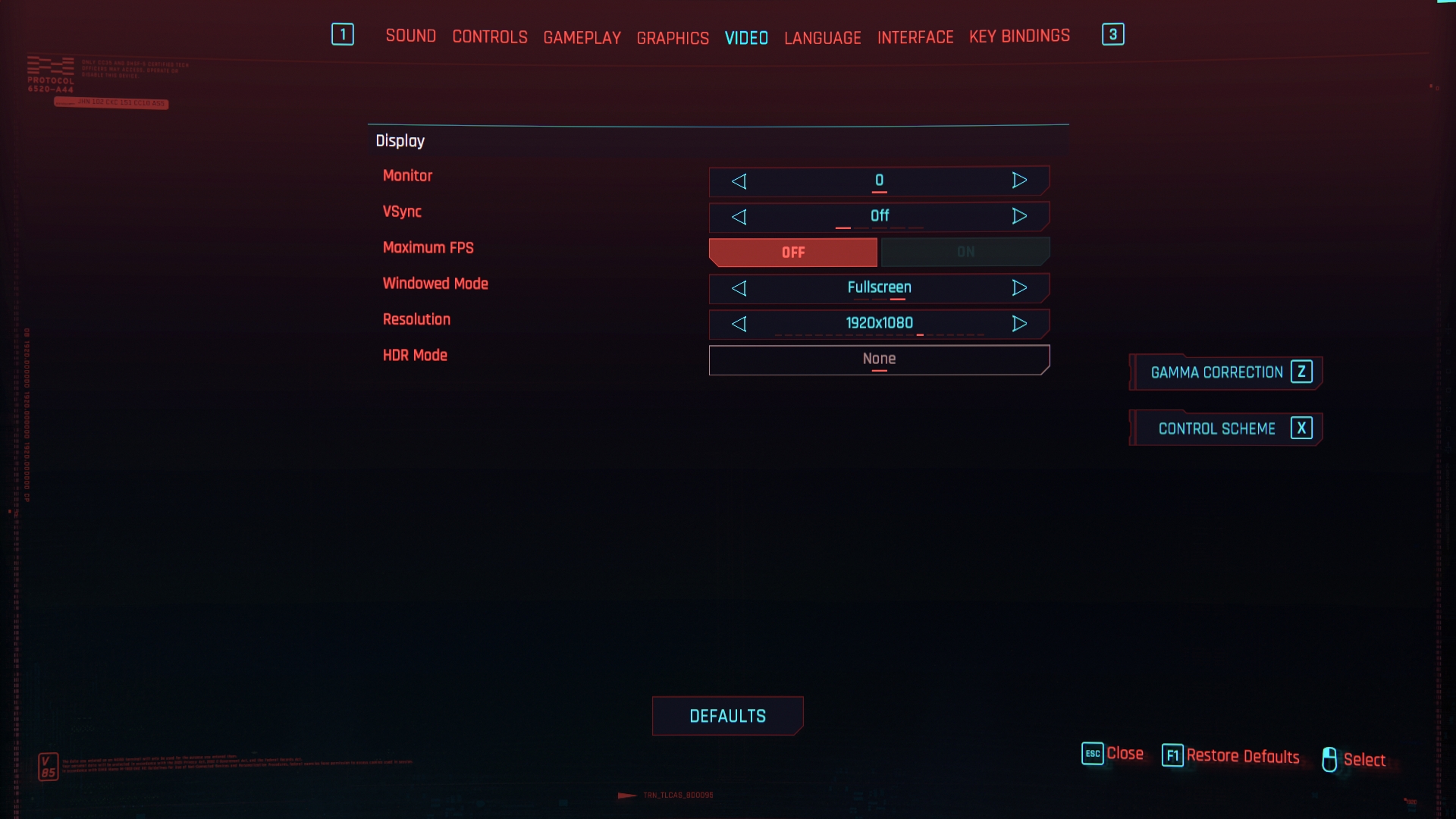
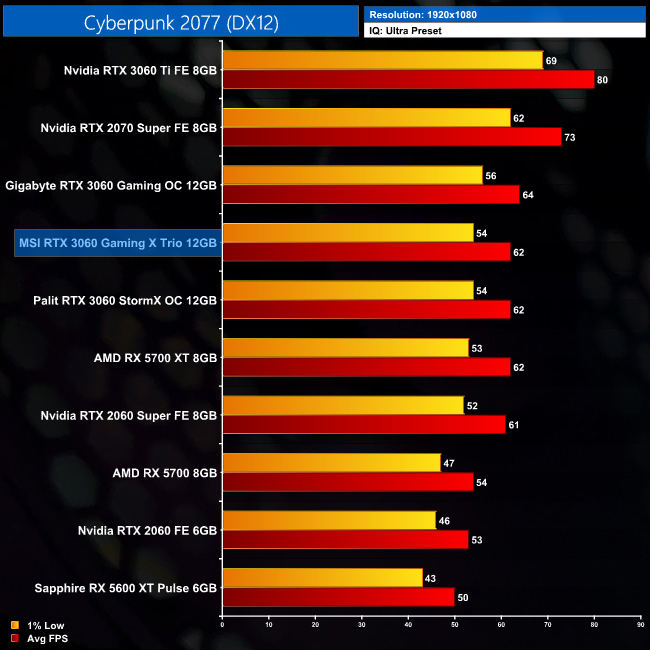
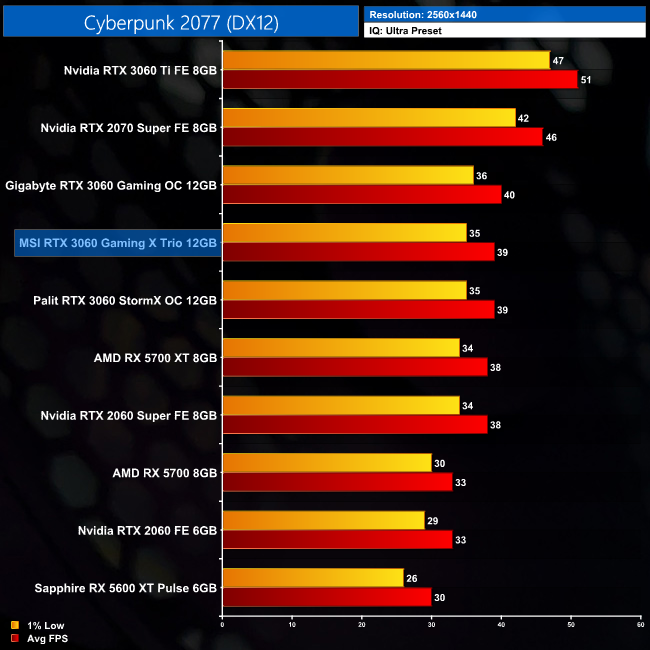
Cyberpunk 2077 is another title where the Gaming X Trio is 3% slower than the Gigabyte Gaming OC, but bear in mind that's a real-world difference of just 2FPS at 1080p, so it's hardly significant.
Dirt 5 (stylised as DIRT5) is a racing video game developed and published by Codemasters. It is the fourteenth game in the Colin McRae Rally series and the eighth game to carry the Dirt title. The game was released for Microsoft Windows, PlayStation 4 and Xbox One on 6 November 2020. (Wikipedia).
Engine: Onrush. We test using the Ultra High preset, DX12 API.
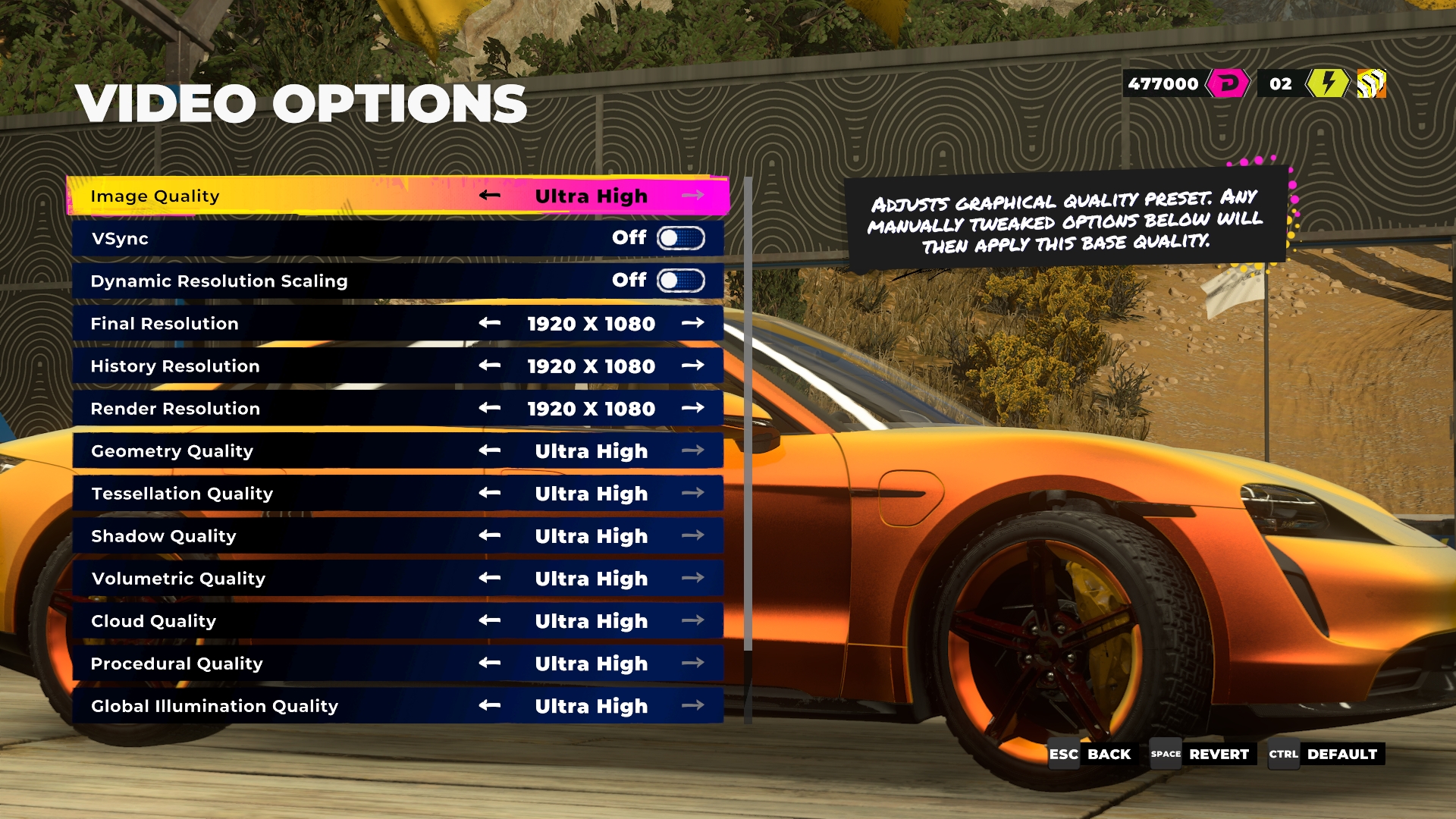
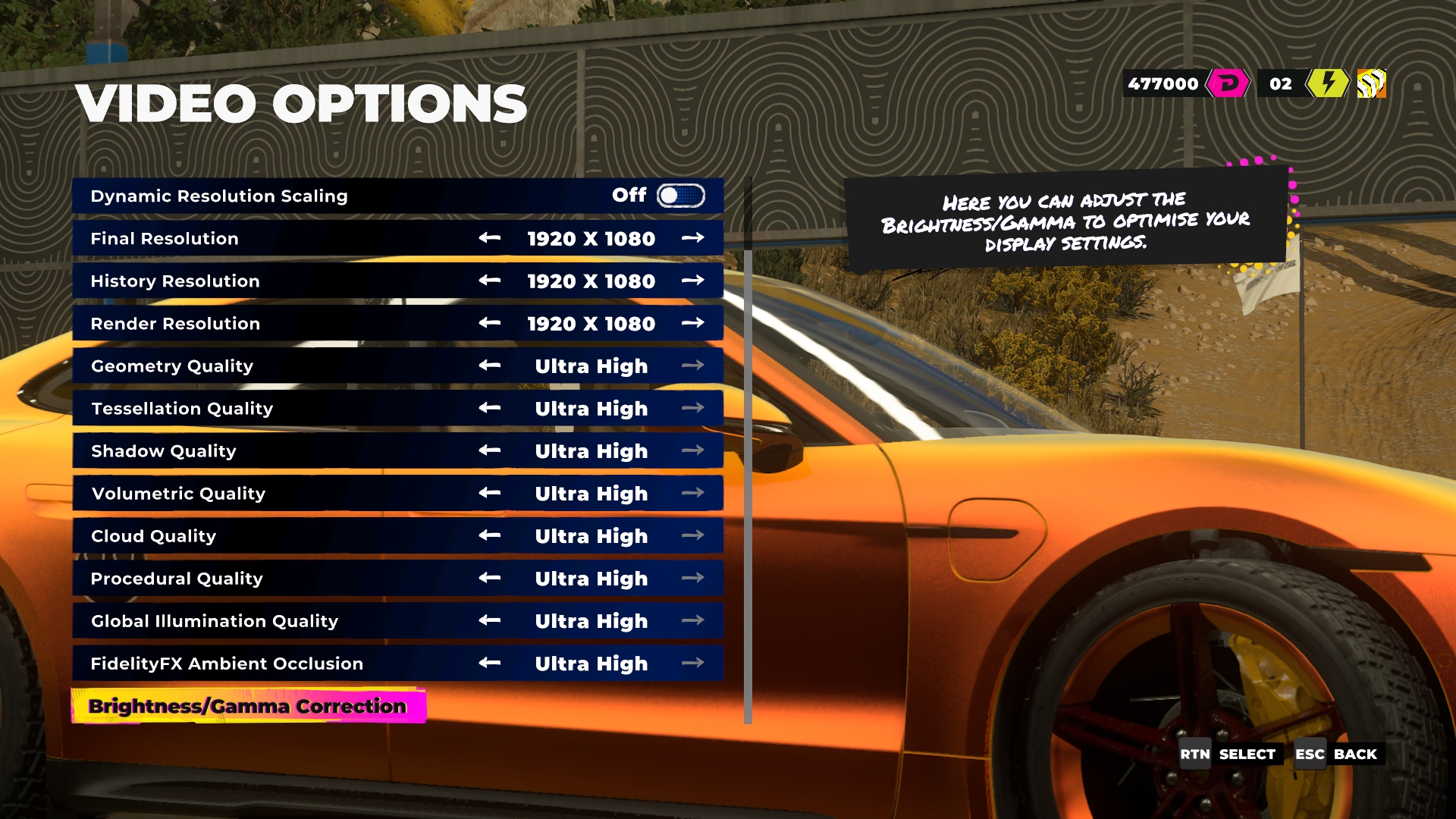
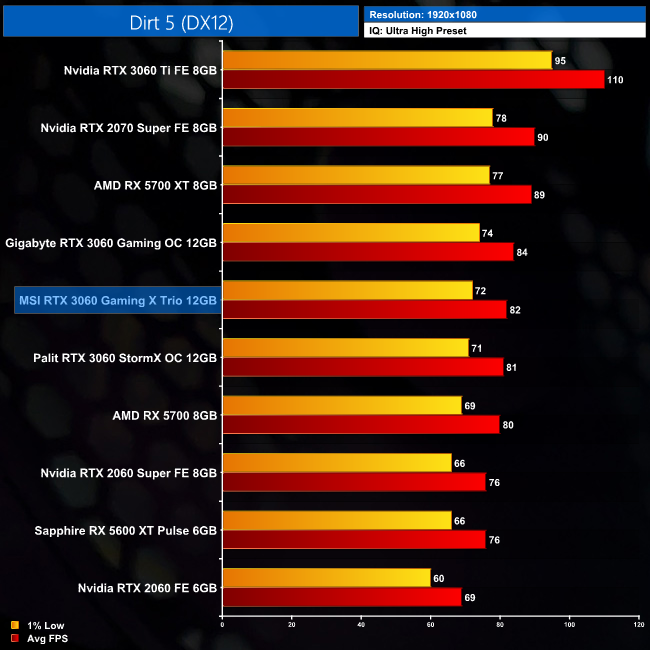
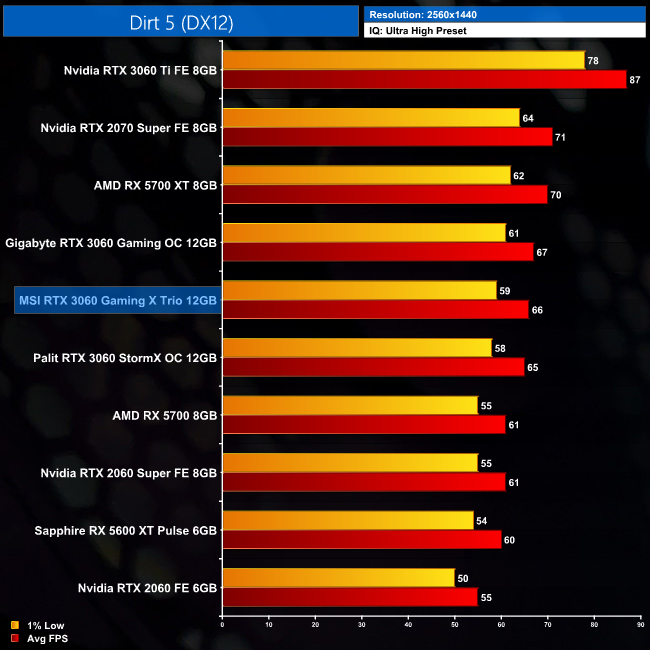
Next we come to Dirt 5, where the Gaming X Trio is 19% faster than the RTX 2060 Founders Edition. It's also just 1% faster than the Palit StormX OC when testing at 1080p.
Tom Clancy's The Division 2 is an online action role-playing video game developed by Massive Entertainment and published by Ubisoft. The sequel to Tom Clancy's The Division (2016), it is set in a near-future Washington, D.C. in the aftermath of a smallpox pandemic, and follows an agent of the Strategic Homeland Division as they try to rebuild the city. (Wikipedia).
Engine: Snowdrop. We test using the Ultra preset, but with V-Sync disabled, DX12 API.
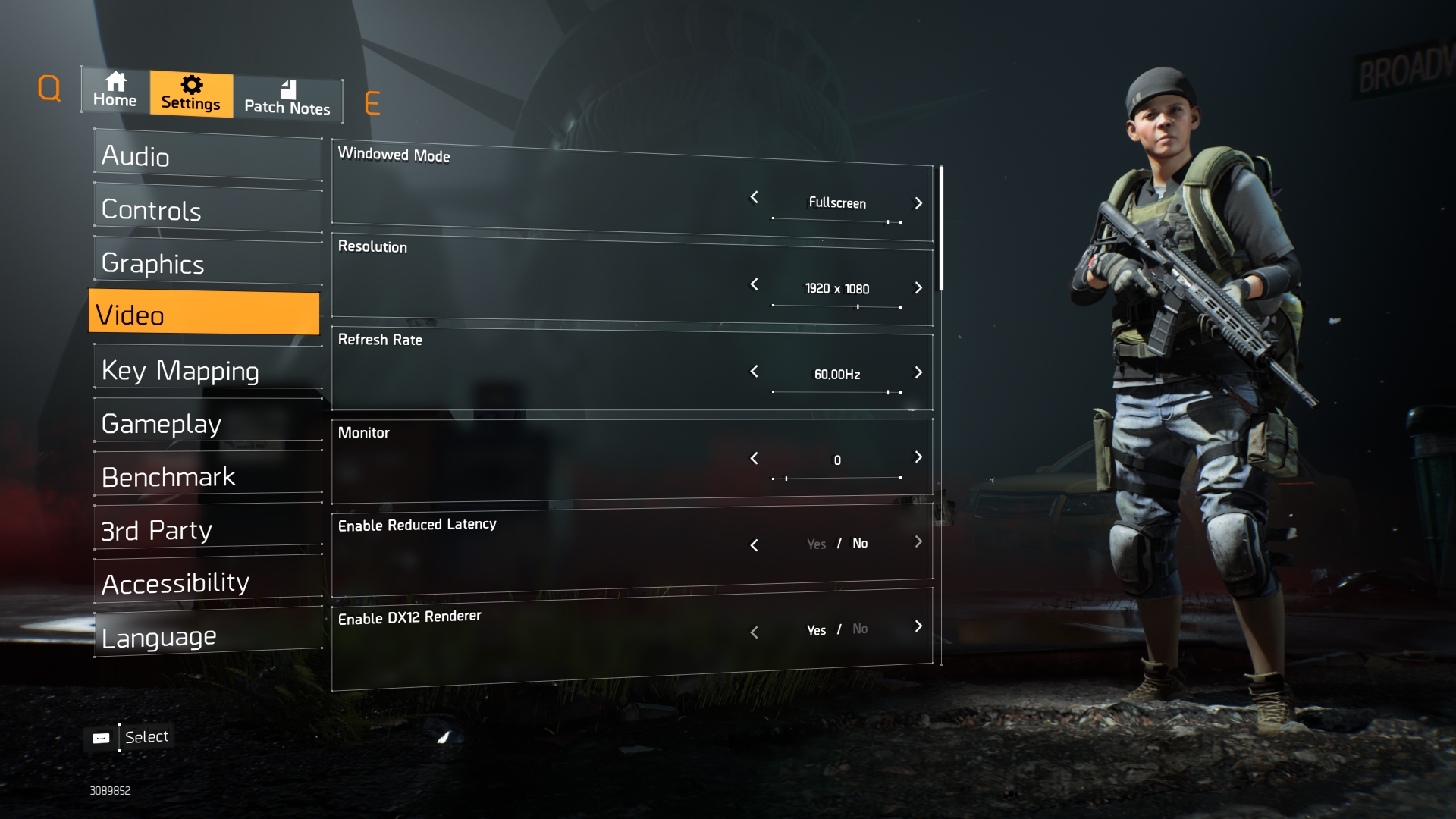
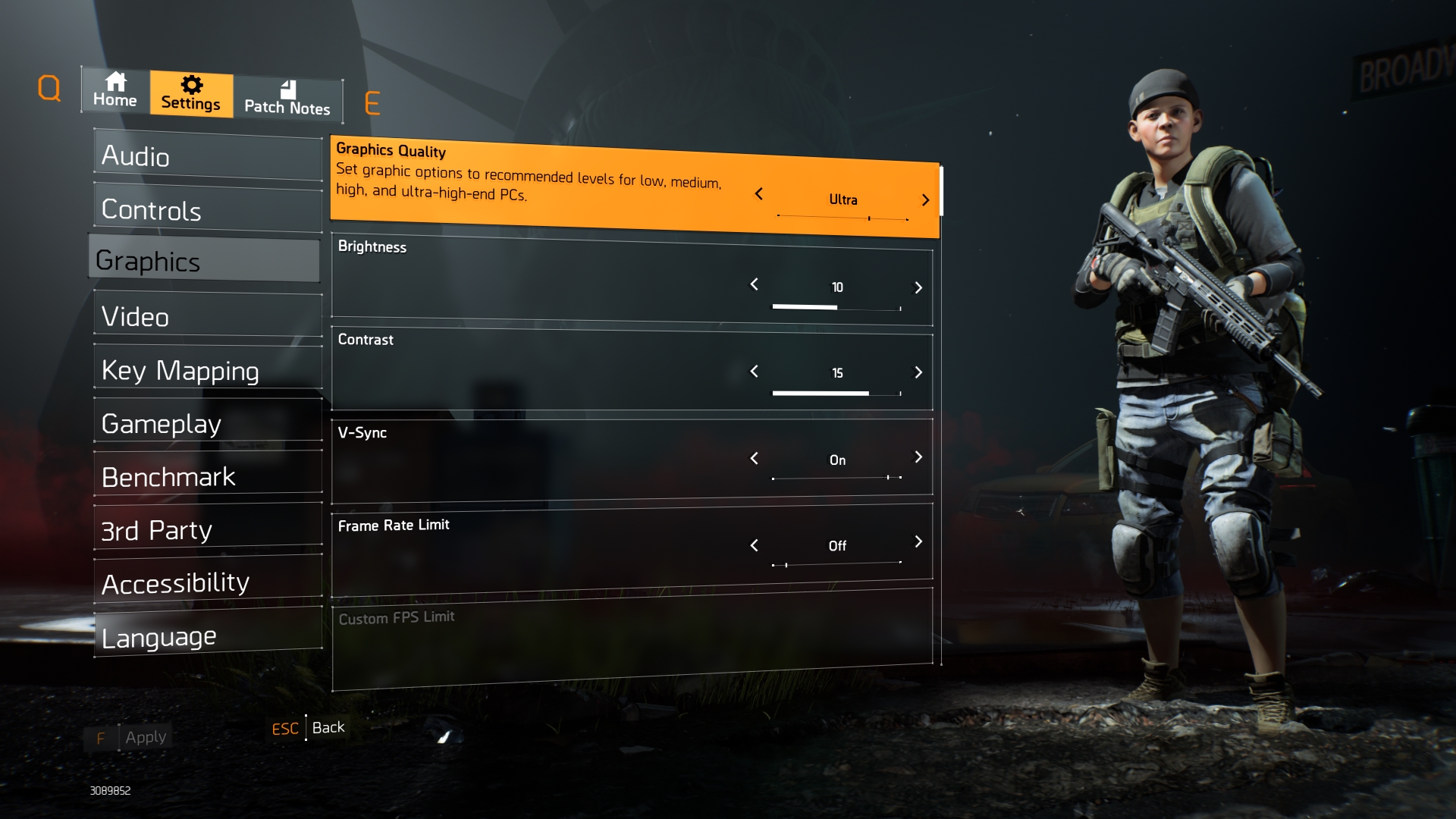
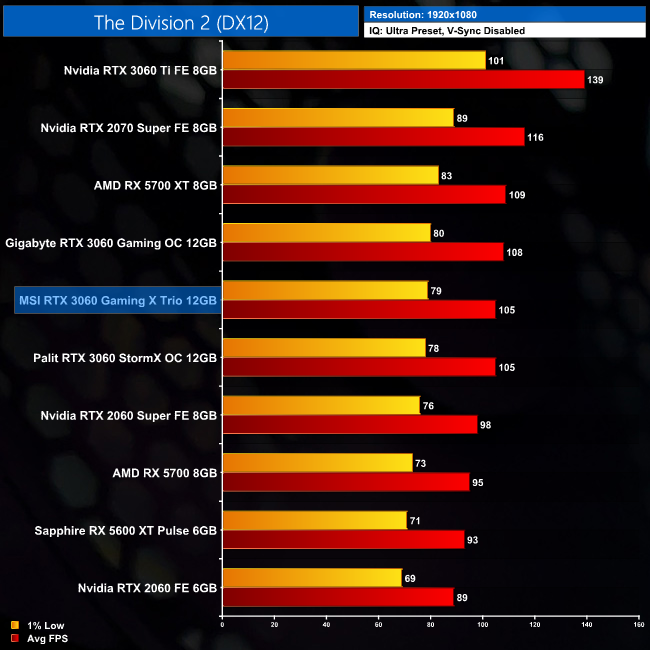
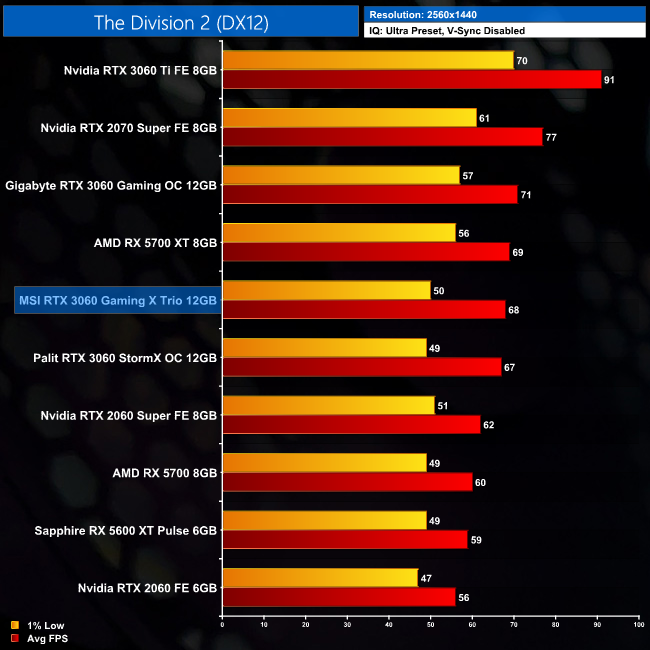
As for The Division 2, here the Gaming X Trio averages 105FPS at 1080p. That's a 3% deficit compared to Gigabyte's Gaming OC and it's exactly level with the Palit StormX OC. Compared to the RTX 2060, we're looking at an 18% performance uplift.
F1 2020 is the official video game of the 2020 Formula 1 and Formula 2 Championships developed and published by Codemasters. It is the thirteenth title in the Formula 1 series developed by the studio and was released on 7 July 2020 for pre-orders of the Michael Schumacher Edition and 10 July 2020 for the Seventy Edition on Microsoft Windows, PlayStation 4, Xbox One. (Wikipedia).
Engine: EGO. We test using the Ultra High preset, DX12 API.
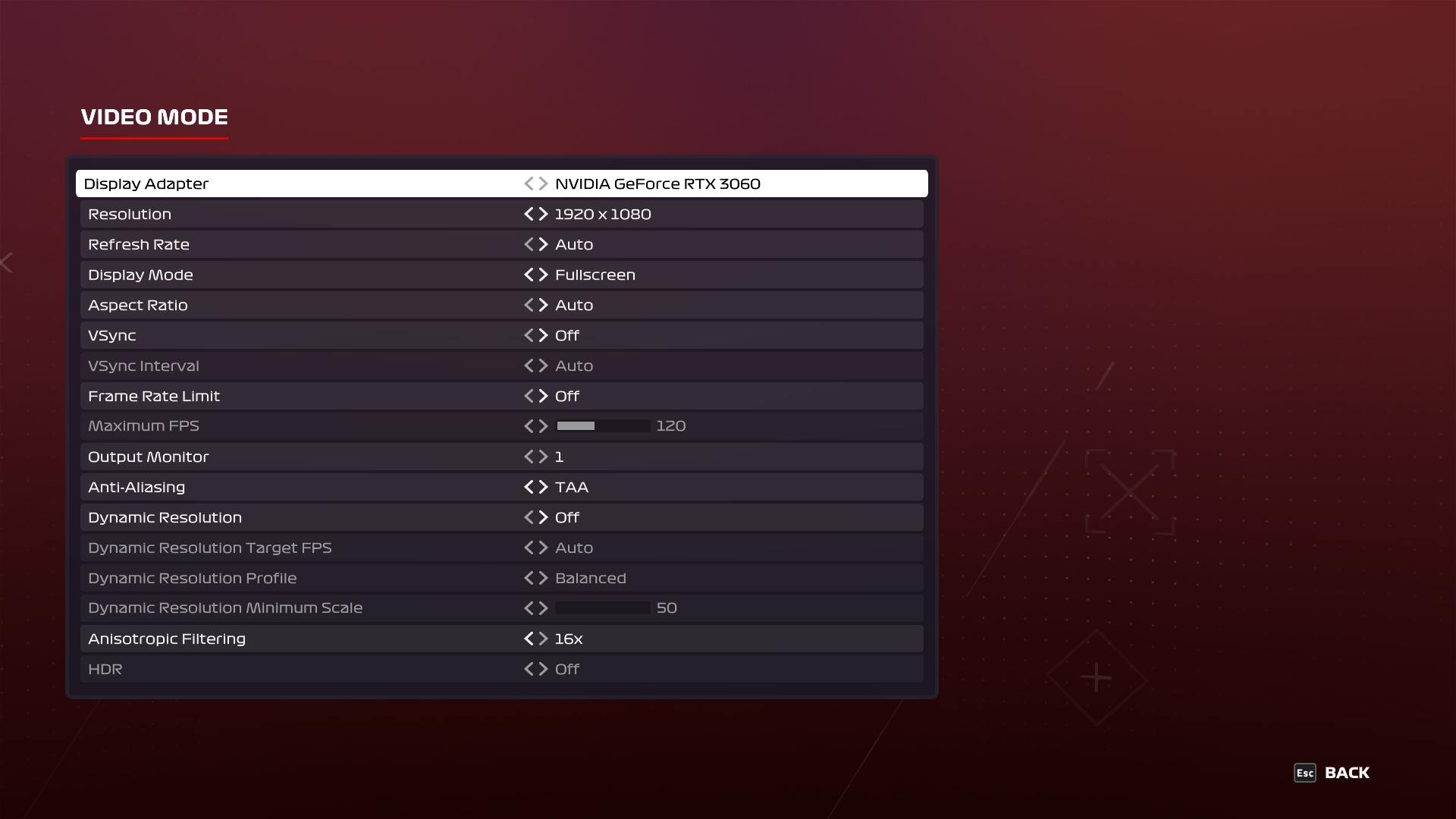
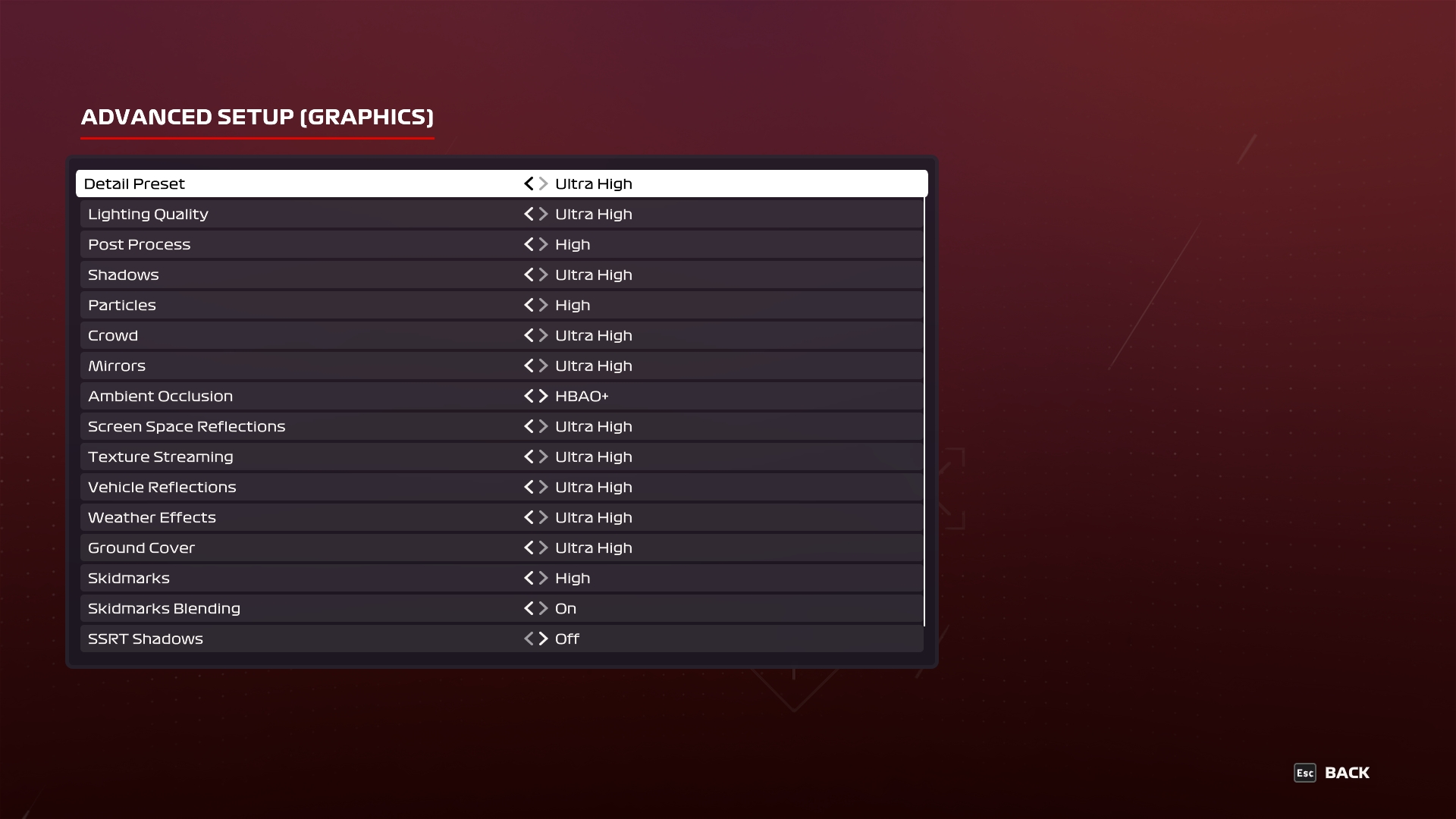
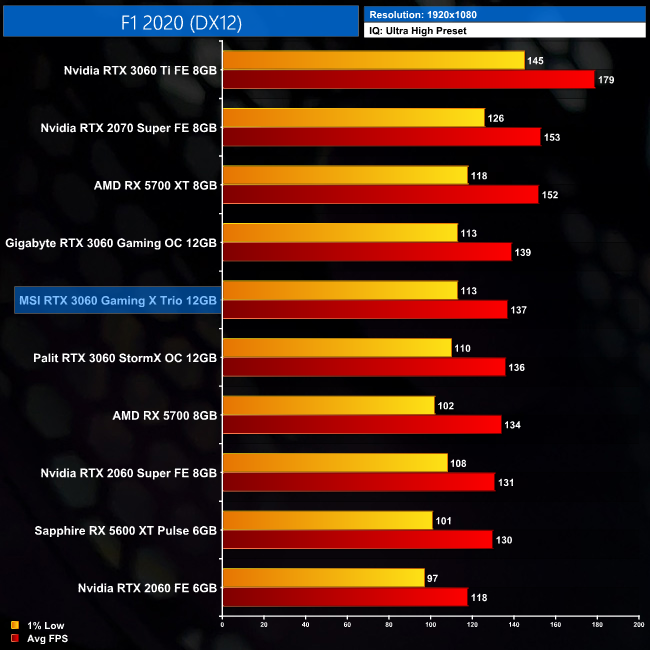
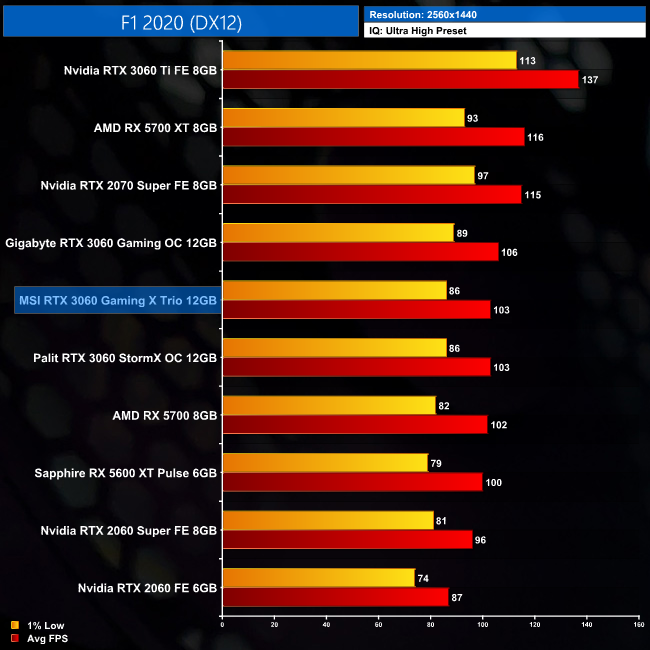
Next is F1 2020, where all three RTX 3060s in our chart sit within just 3 frames of each other. Considering the frame rate is north of 130FPS, I'd say the difference between any of the three cards would be impossible to notice.
Gears 5 is a third-person shooter video game developed by The Coalition and published by Xbox Game Studios for Xbox One, Microsoft Windows and Xbox Series X. It is the fifth installment of the Gears of War series and the sequel to Gears of War 4. The ultimate edition was released on September 6, 2019, while the standard edition of the game was released worldwide on September 10, 2019. (Wikipedia).
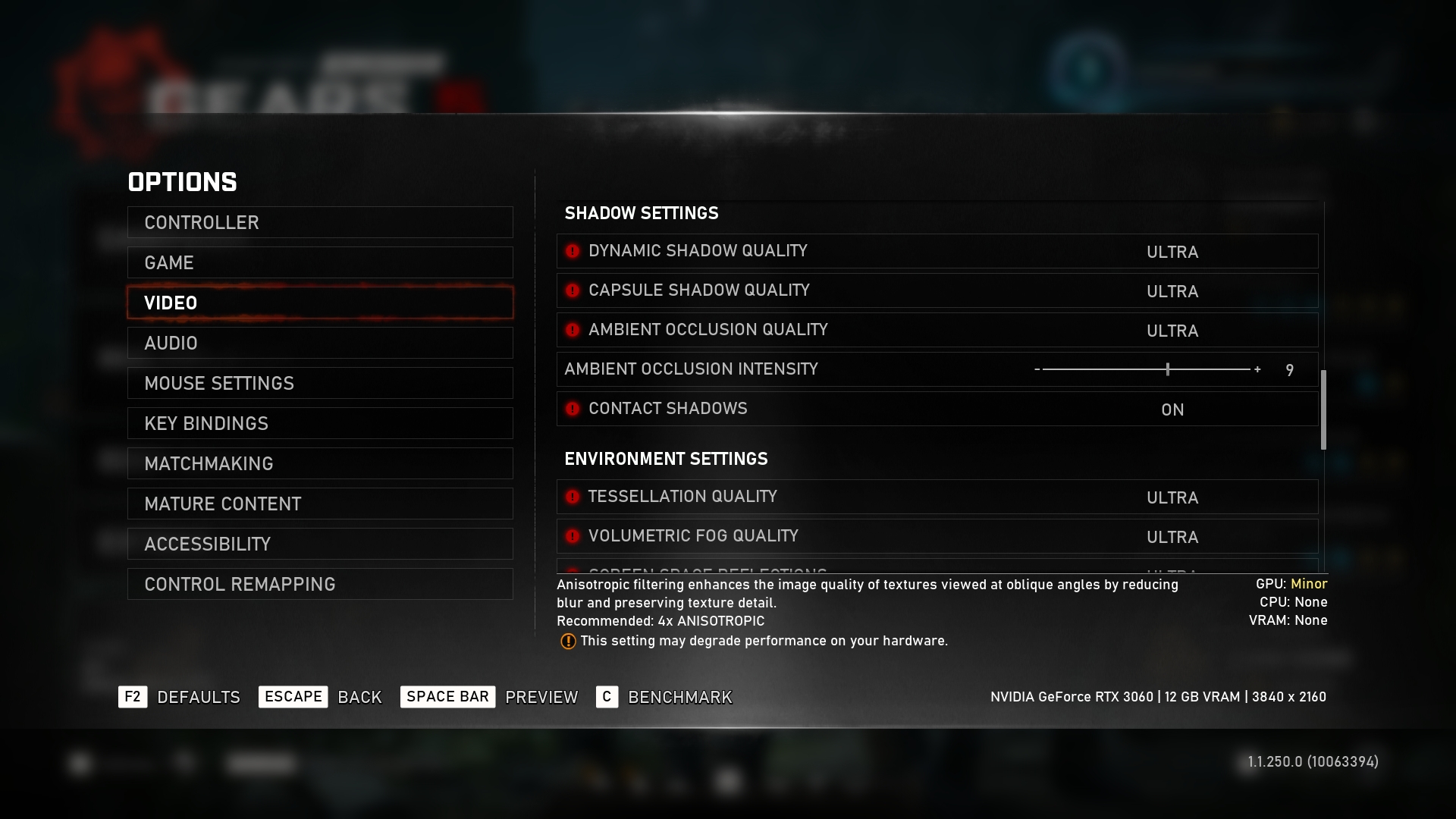
Engine: Unreal Engine 4. We test using the Ultra preset, with Best Animation Quality (instead of Auto), VRS disabled, DX12 API.
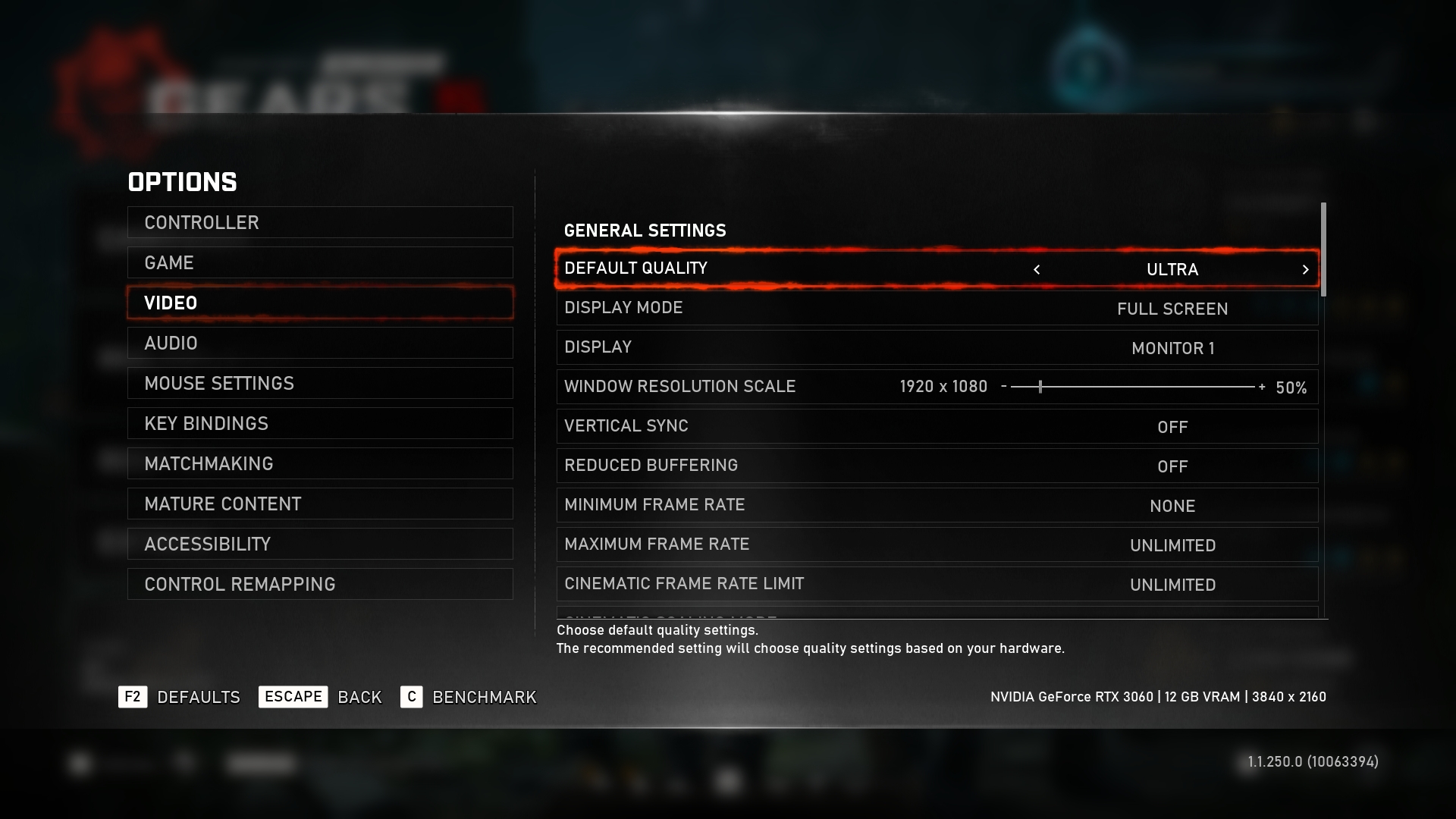
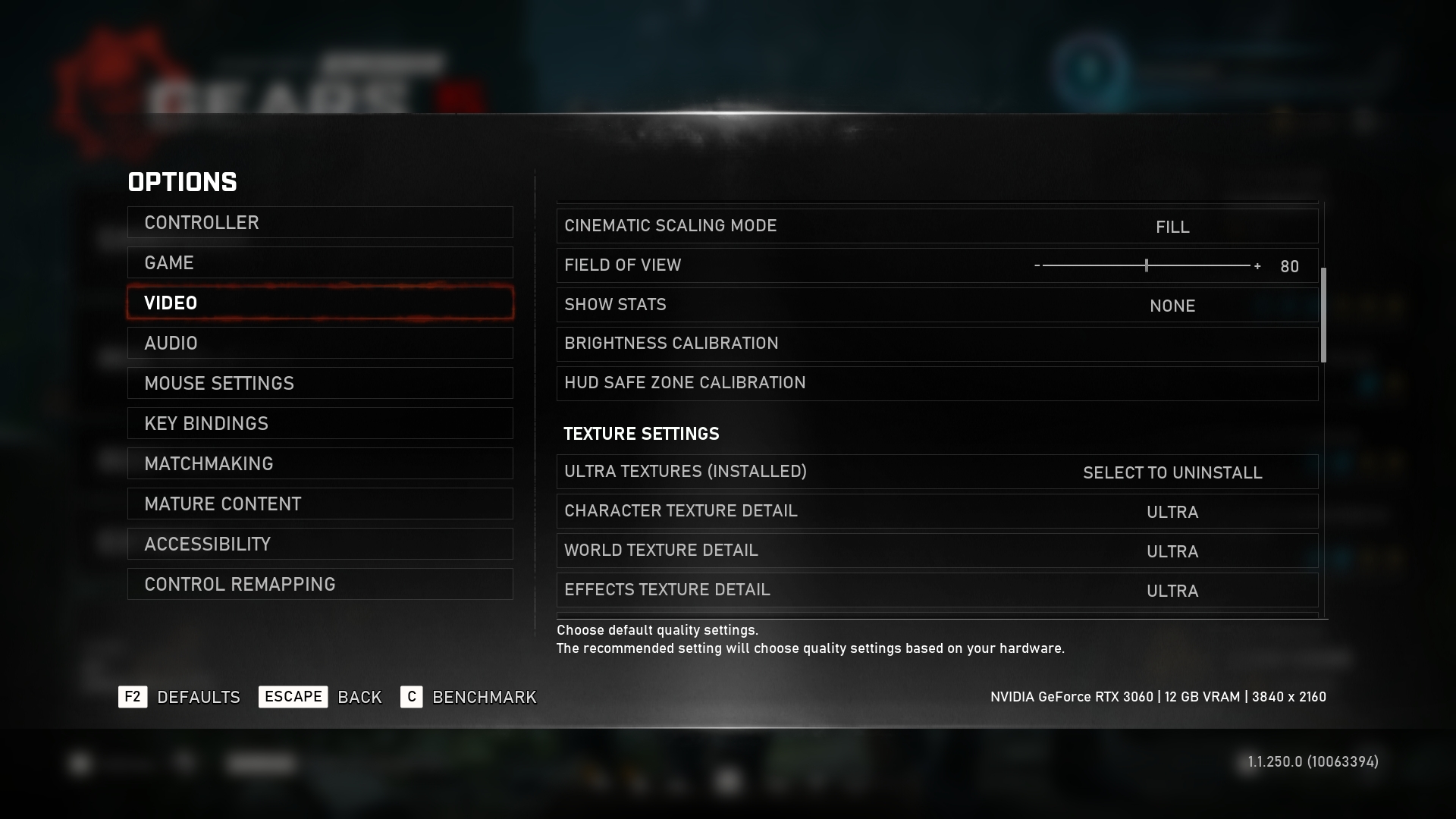
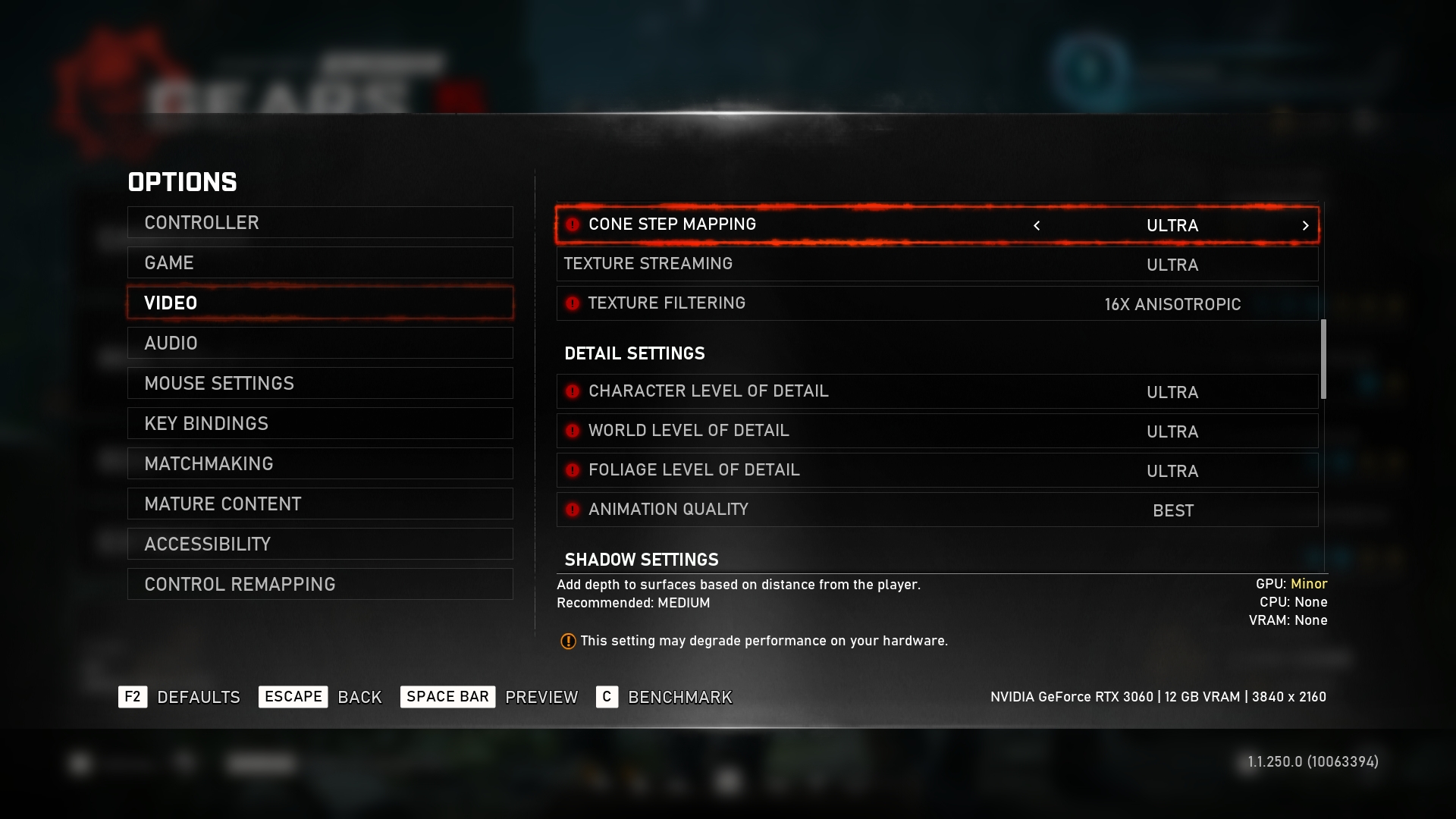
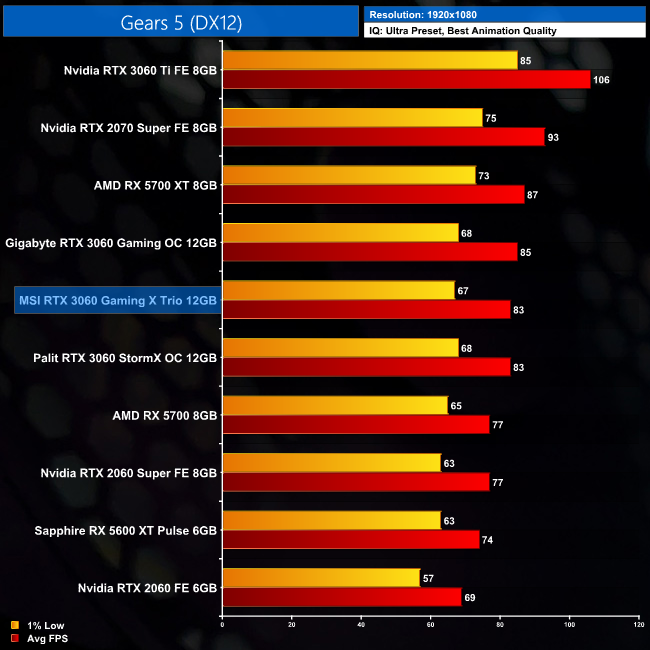
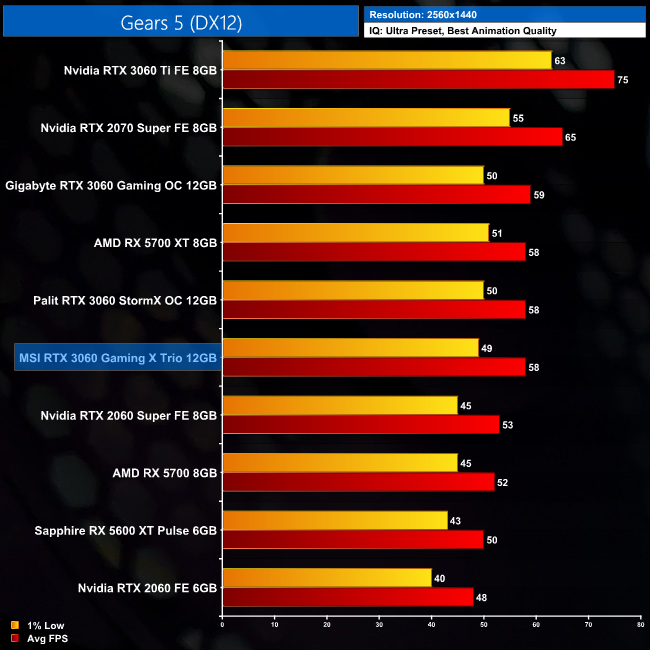
Coming onto Gears 5, here the Gaming X Trio hits 83FPS on average, just 2FPS slower than the Gigabyte Gaming OC. It's also a round 20% faster than the RTX 2060.
Hitman 3 (stylized as HITMAN III) is a stealth game developed and published by IO Interactive for Microsoft Windows, PlayStation 4, PlayStation 5, Xbox One, Xbox Series X/S, Stadia (under the title Hitman: World of Assassination), and Nintendo Switch on 20 January 2021. It is the eighth main installment in the Hitman series and the final entry in the World of Assassination trilogy, following Hitman (2016) and Hitman 2 (2018). (Wikipedia).
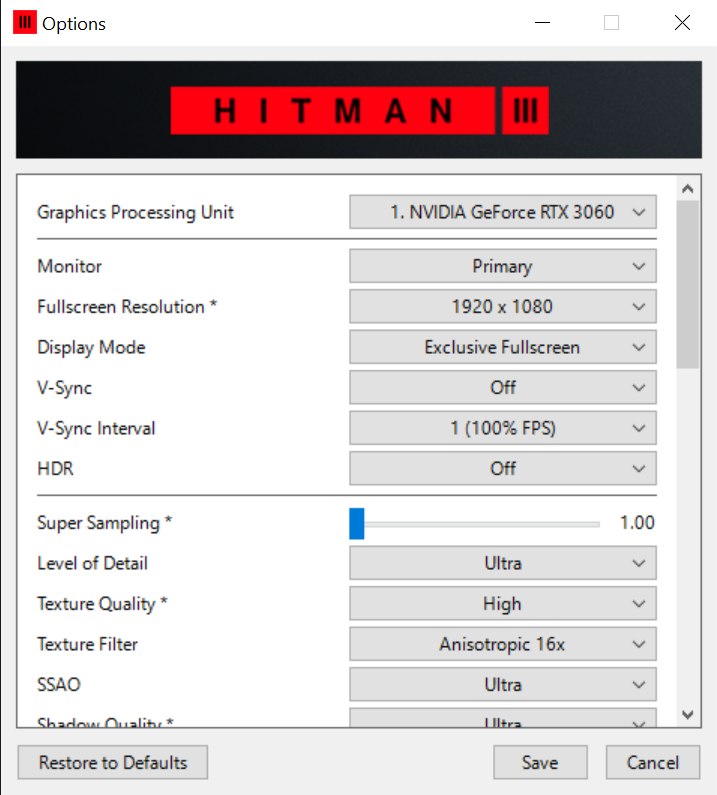
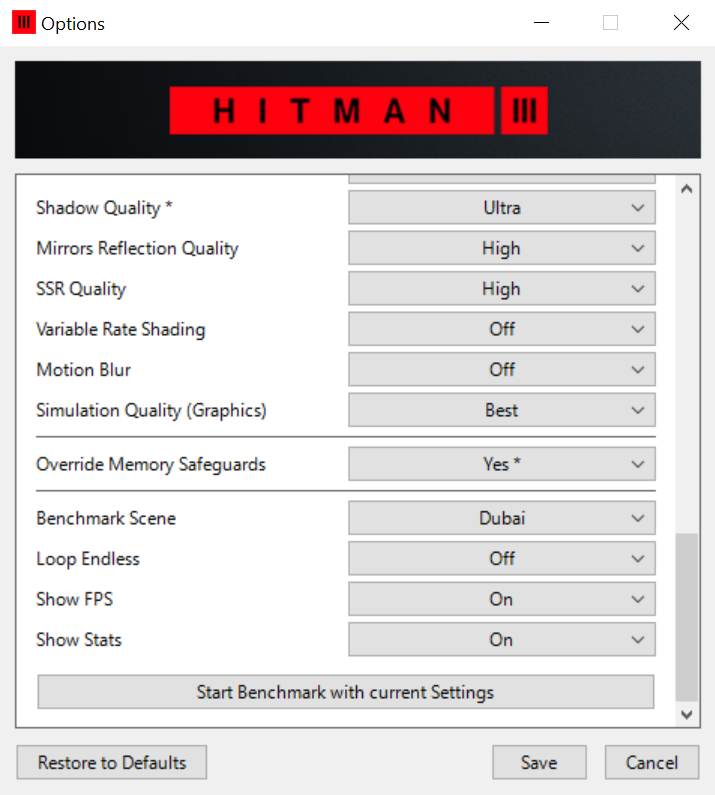
Engine: Glacier. We test using Ultra settings (or High where Ultra is not available), VRS off, DX12 API.
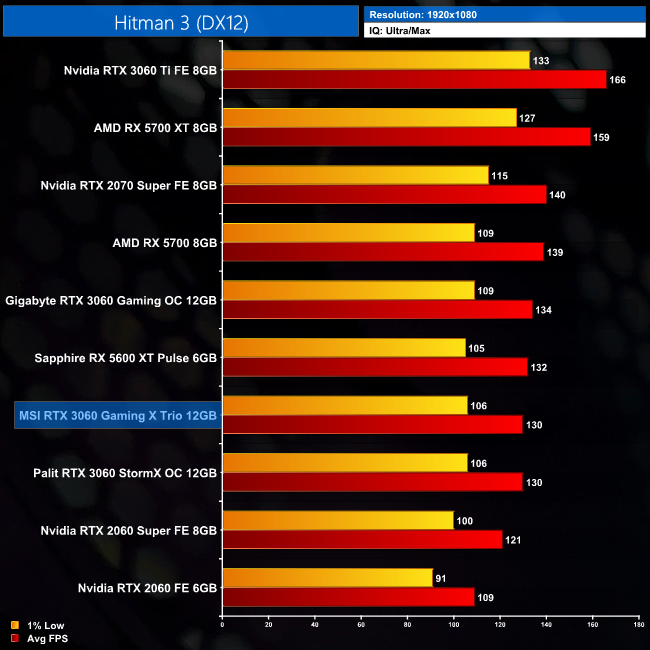
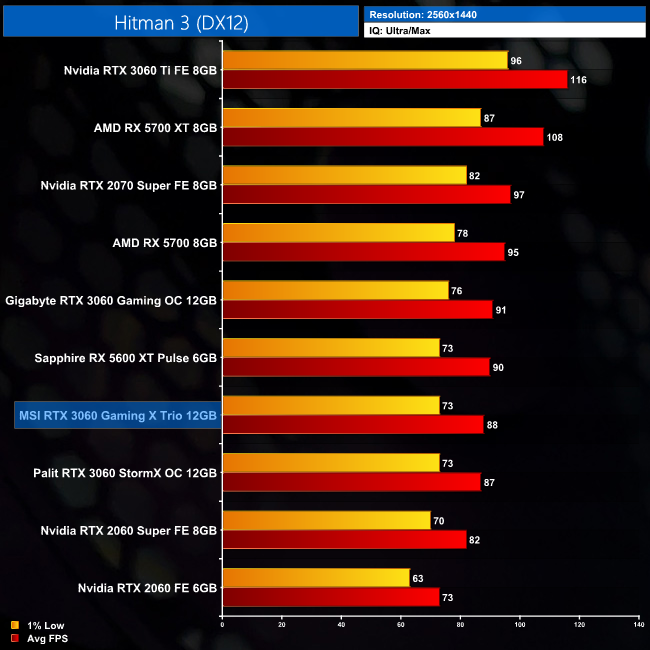
Hitman 3 is quite an AMD-friendly title, as the Gaming X Trio is just about matching the RX 5600 XT when typically we'd expect it to be faster than the RX 5700. Compared to the RTX 2060, we're still looking at a 19% gen-on-gen increase here.
Metro Exodus is a first-person shooter video game developed by 4A Games and published by Deep Silver in 2019. It is the third instalment in the Metro video game series based on Dmitry Glukhovsky's novels, following the events of Metro 2033 and Metro: Last Light. (Wikipedia).
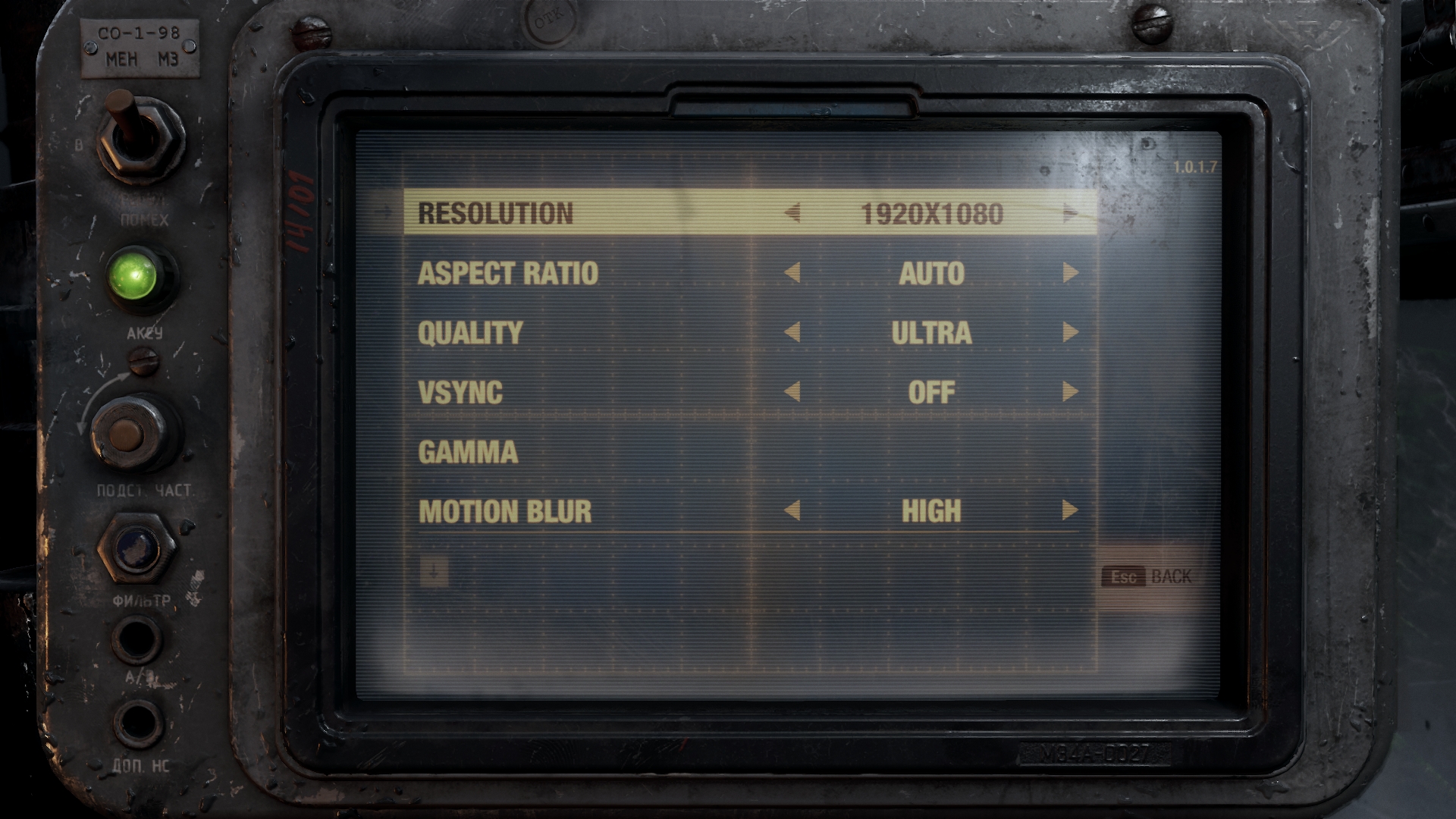
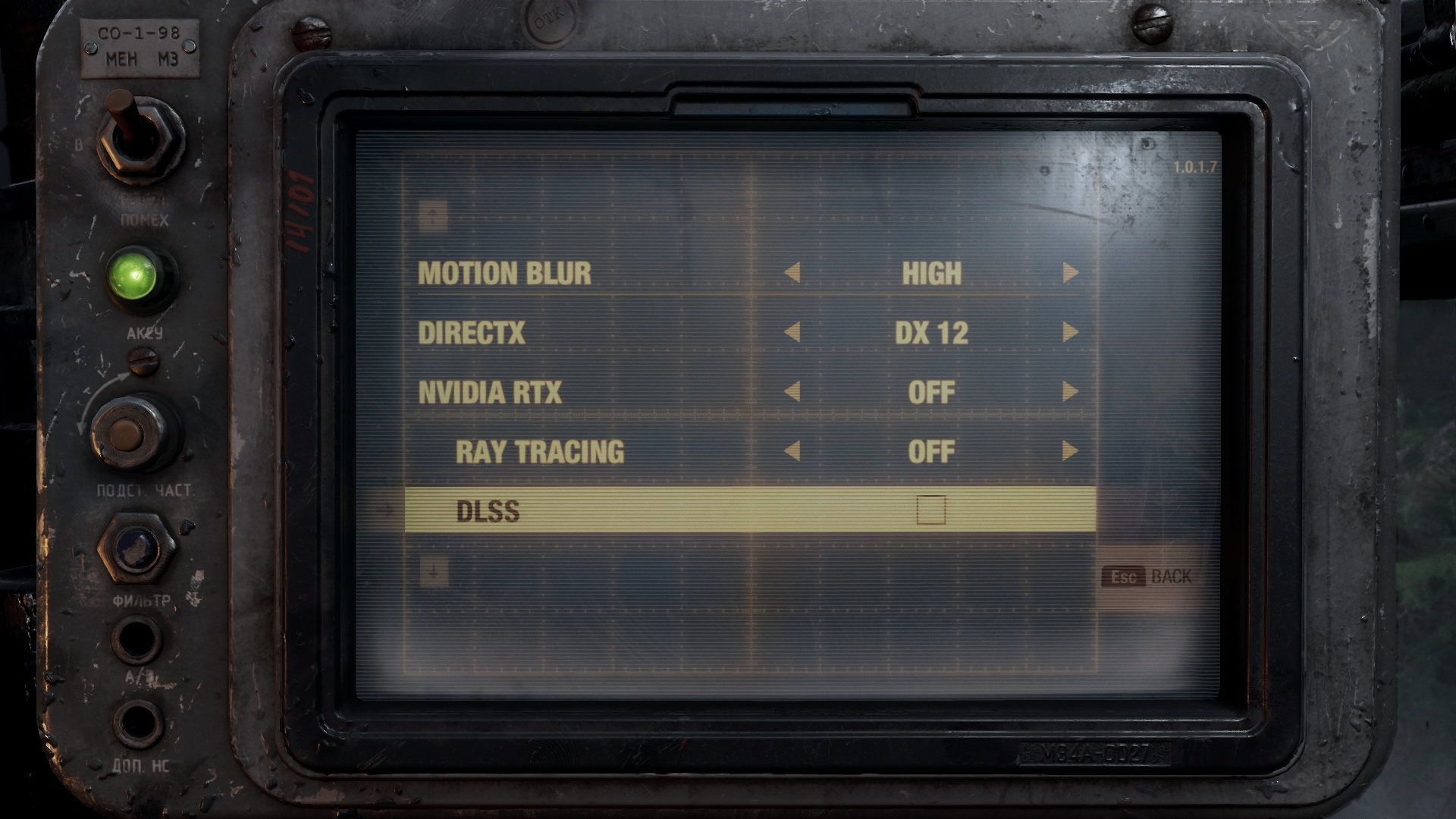
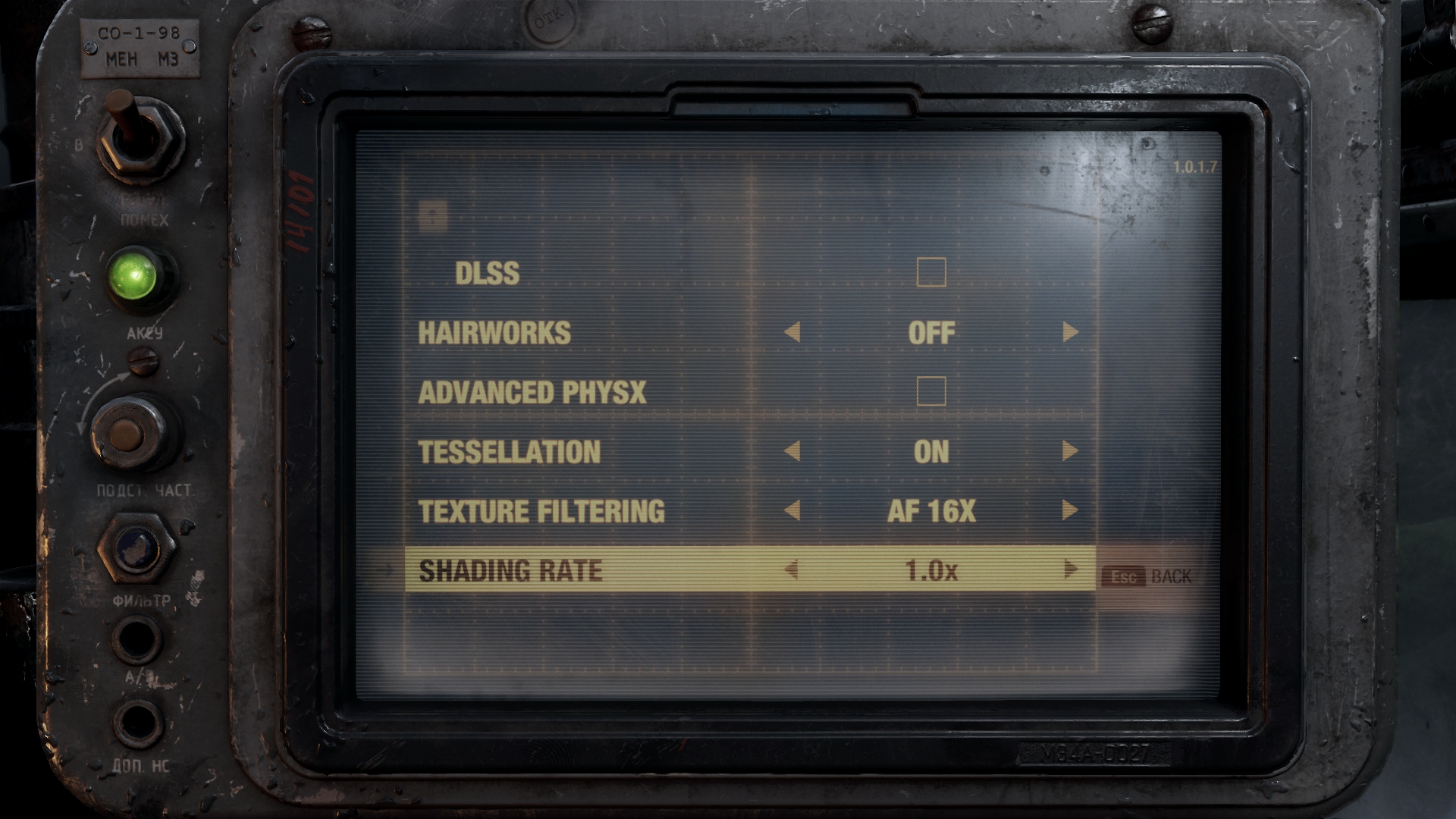
Engine: 4A Engine. We test using the Ultra preset, but with Hairworks and Advanced PhysX turned off, DX12 API.
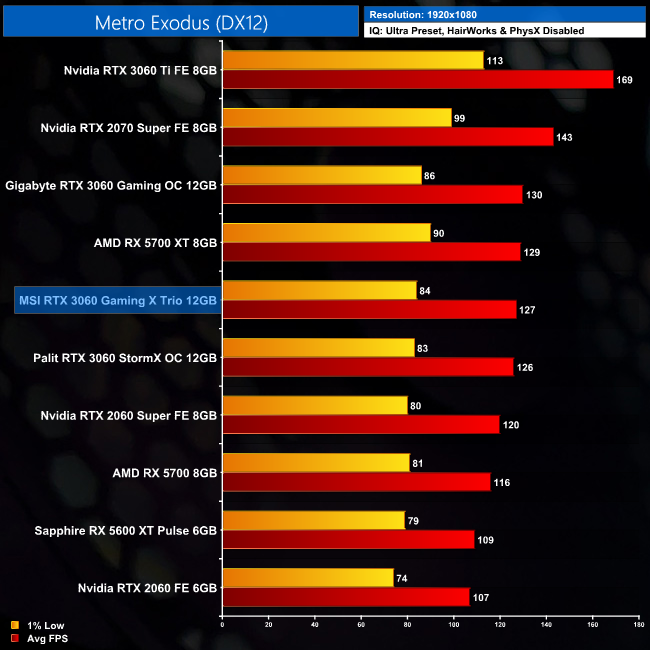
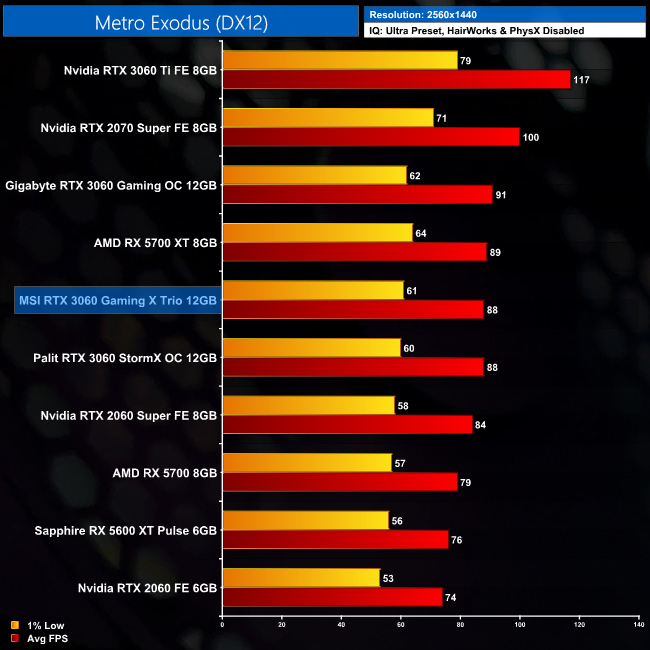
As for Metro Exodus, here we can see the Gaming X Trio back with a healthy lead over the RX 5700, and it's just 2% slower than the Gigabyte Gaming OC.
Red Dead Redemption 2 is a 2018 action-adventure game developed and published by Rockstar Games. The game is the third entry in the Red Dead series and is a prequel to the 2010 game Red Dead Redemption. Red Dead Redemption 2 was released for the PlayStation 4 and Xbox One in October 2018, and for Microsoft Windows and Stadia in November 2019. (Wikipedia).
Engine: Rockstar Advance Game Engine (RAGE). We test by manually selecting Ultra settings (or High where Ultra is not available), TAA, Vulkan API.
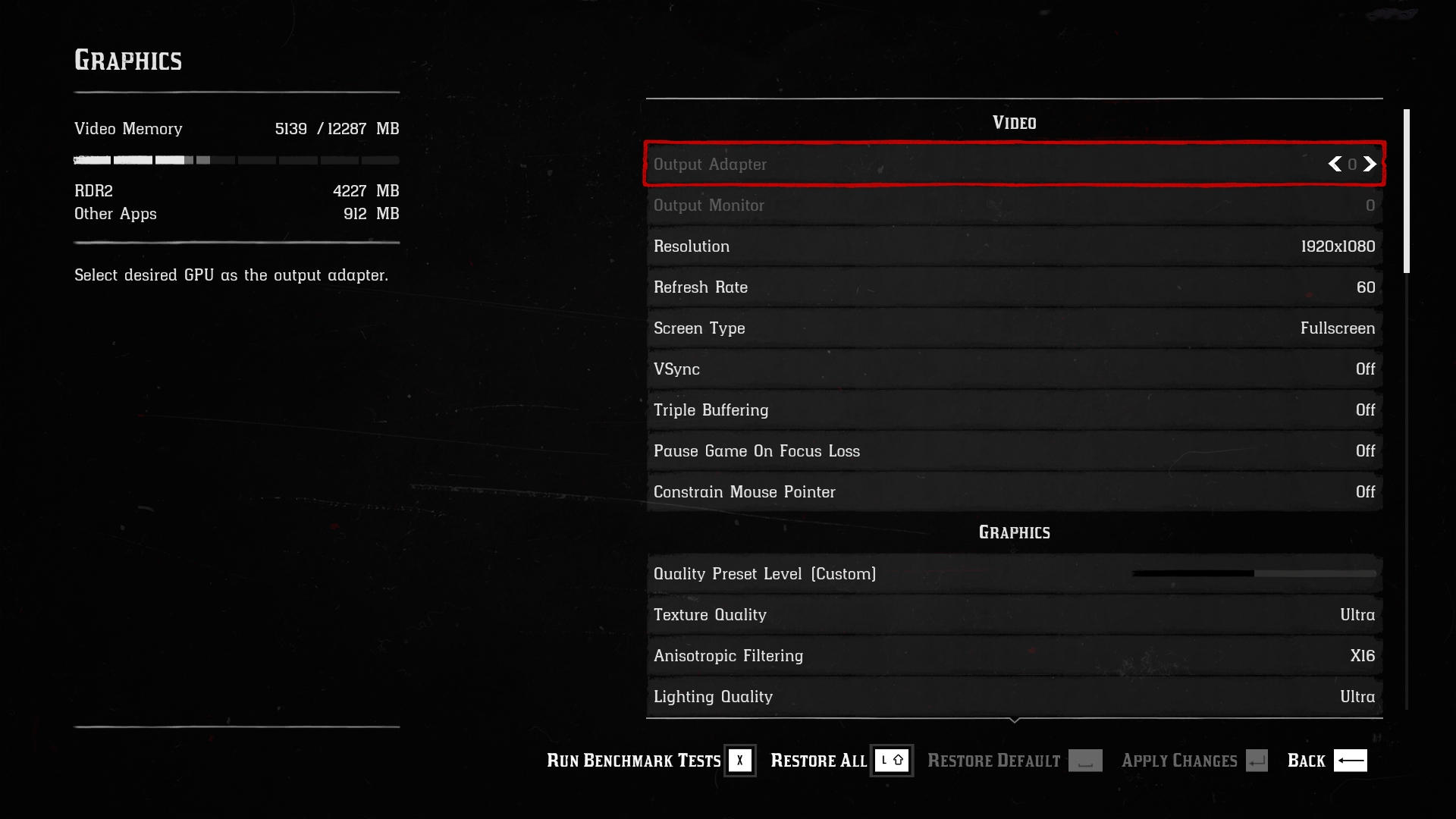
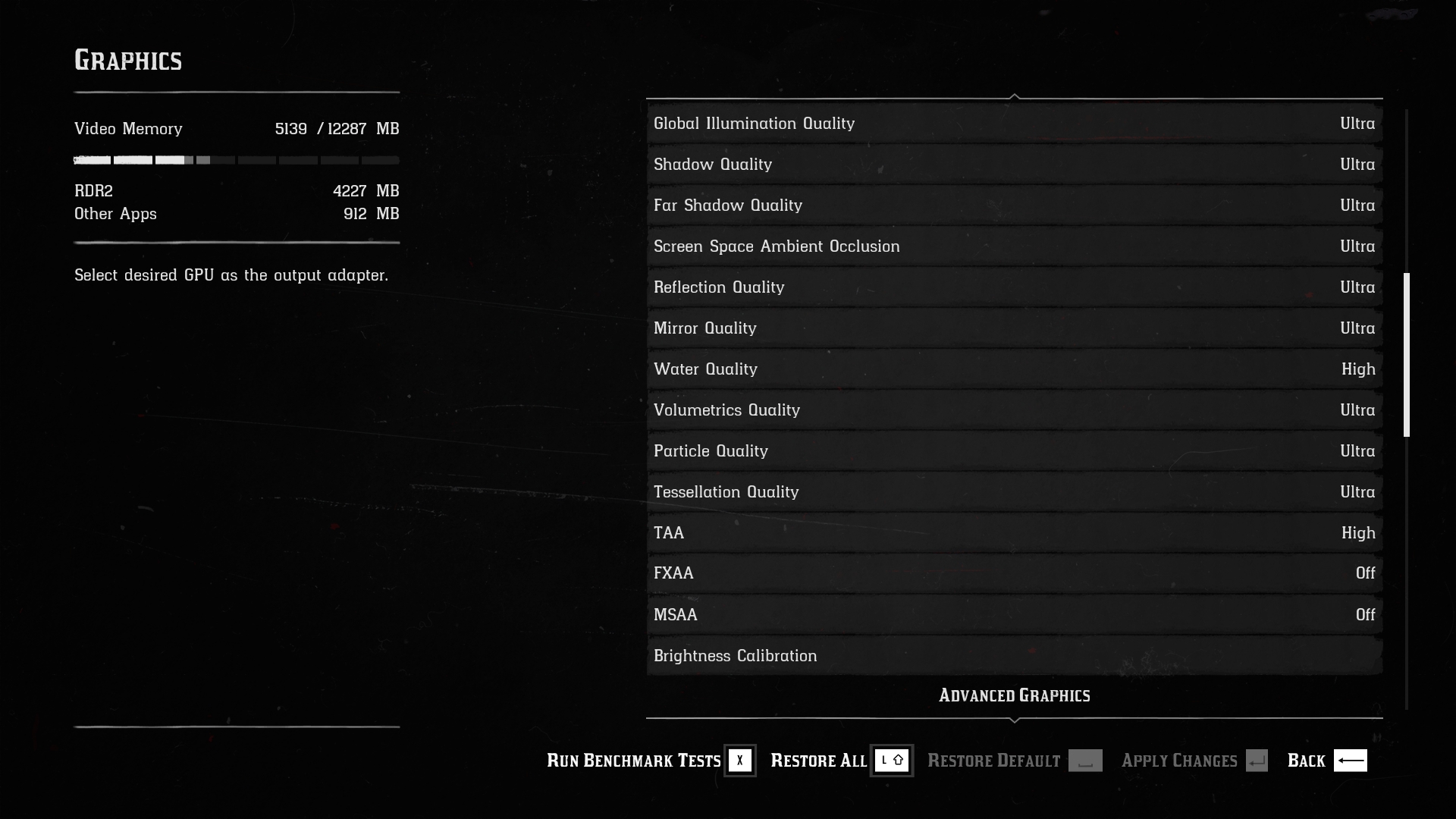
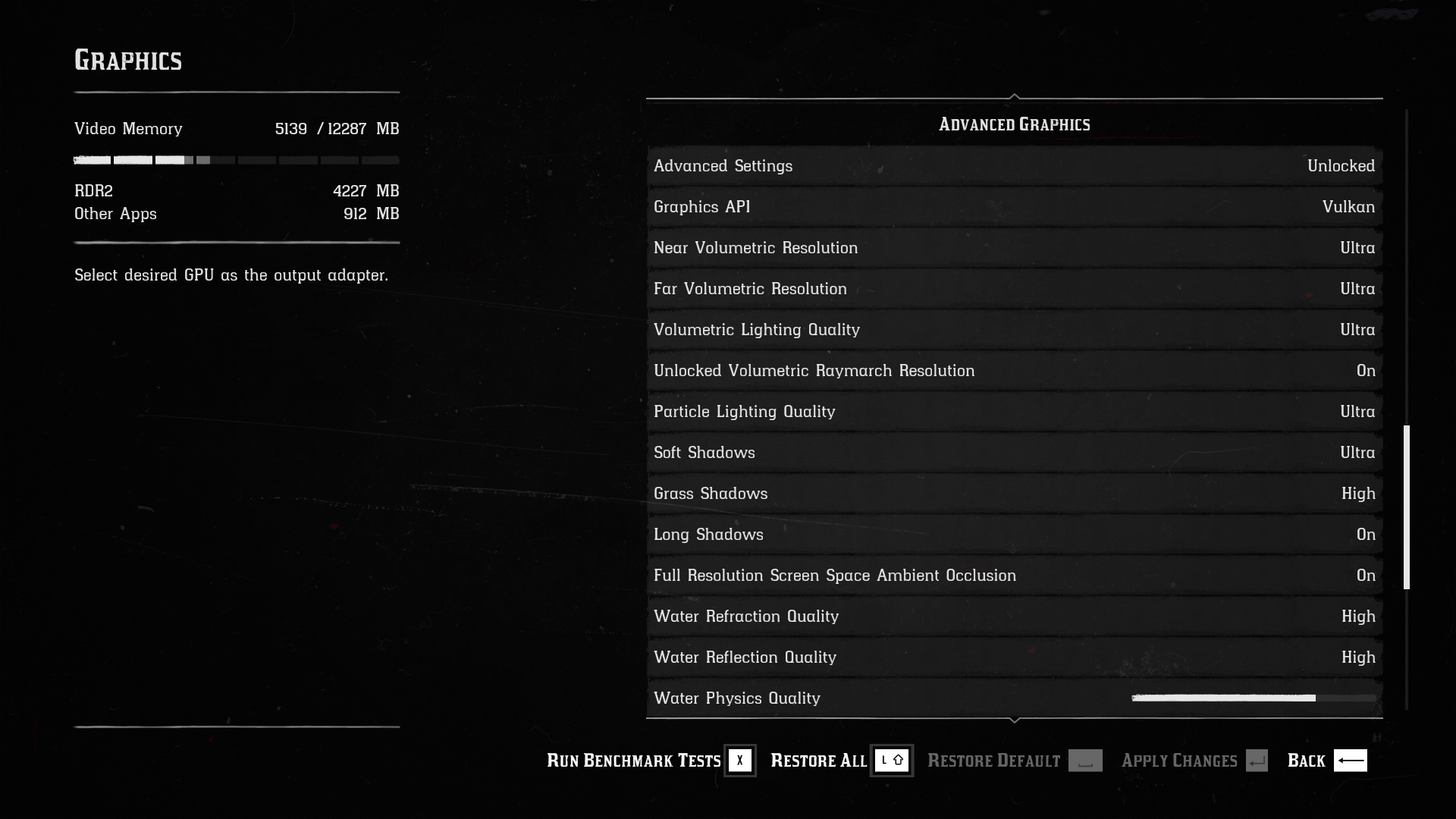
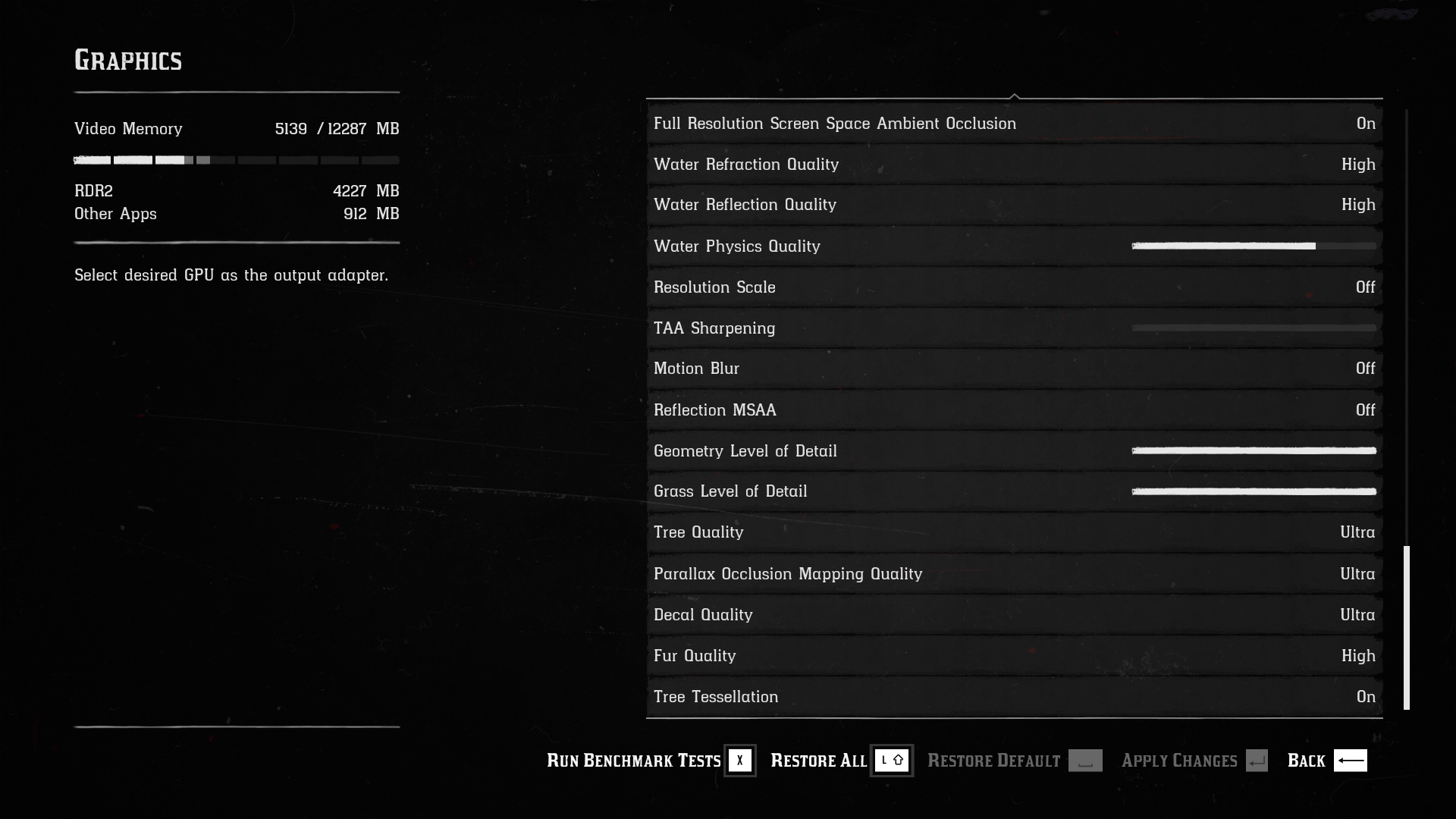
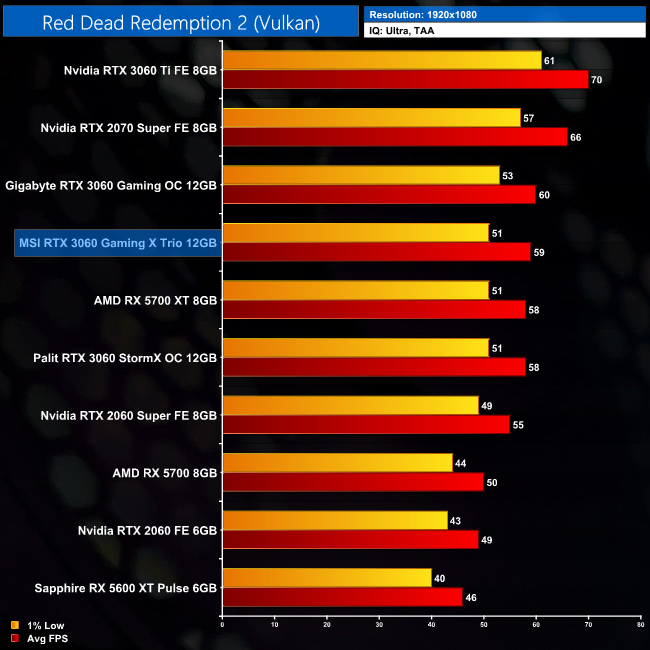
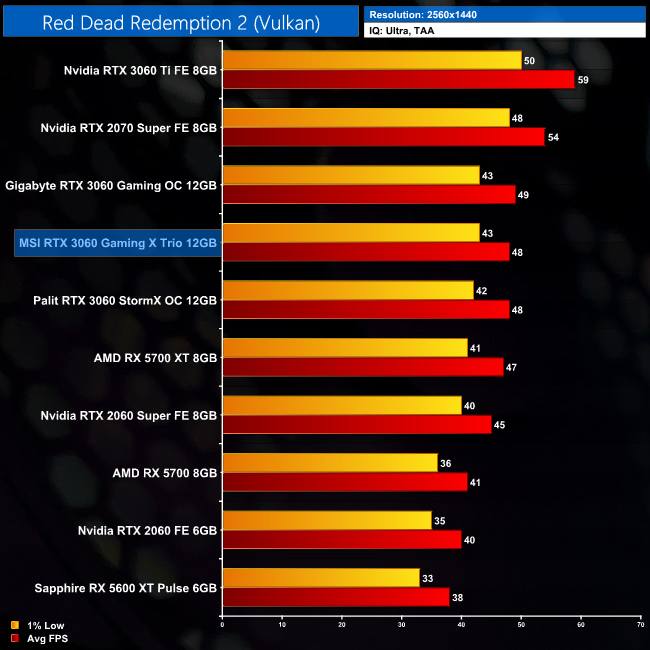
Red Dead Redemption 2 sees the Gaming X Trio come in just shy of the all-important 60FPS mark, as it's 2% slower the Gaming X Trio here, but 2% faster than the StormX OC.
Total War Saga: Troy is a 2020 turn-based strategy video game developed by Creative Assembly Sofia and published by Sega. The game was released for Windows on 13 August 2020 as the second installment in the Total War Saga subseries, succeeding Thrones of Britannia (2018). (Wikipedia).
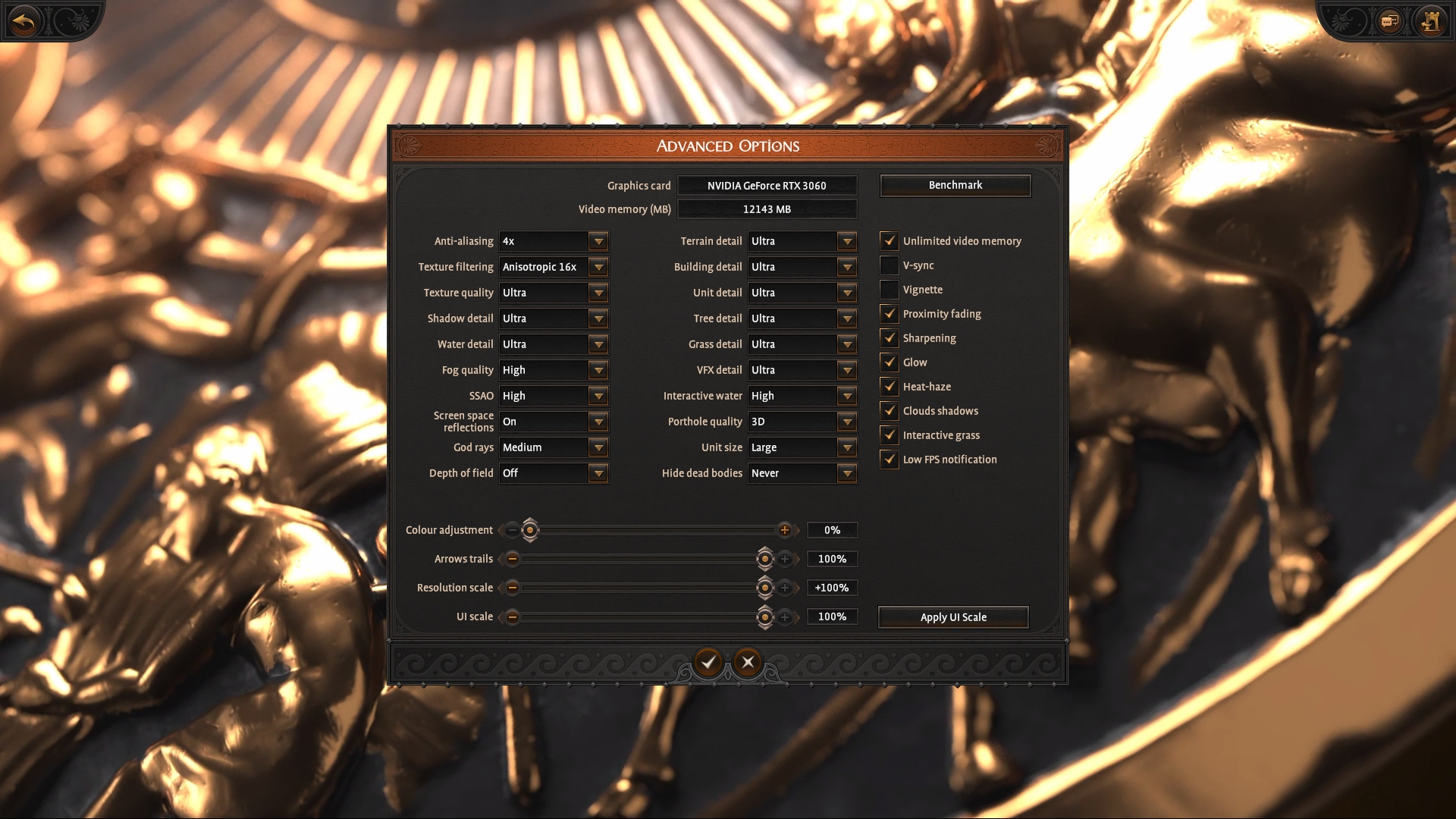
Engine: TW 3 Engine. We test using the Ultra preset, with unlimited video memory enabled, DX11 API.

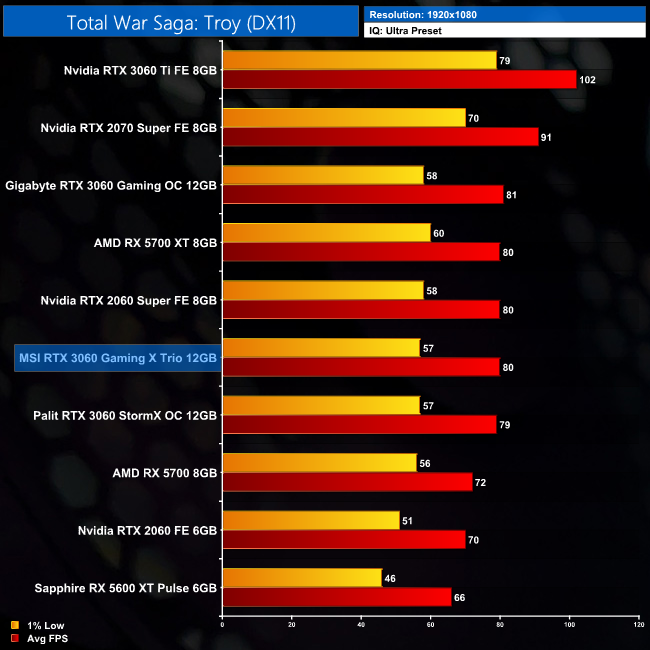
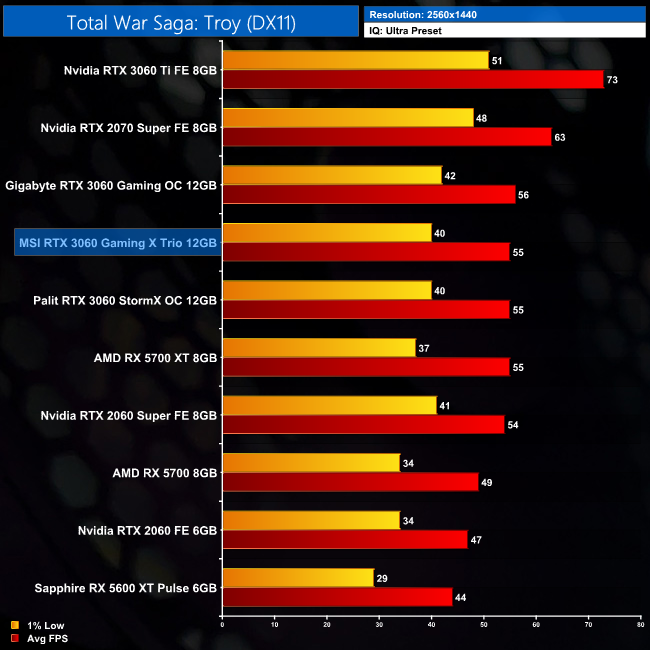
Our penultimate game of the day is Total War Saga: Troy, and here the Gaming X Trio is an exact match for the RX 5700 XT. It is, however, just 14% faster than the RTX 2060 Founders Edition.
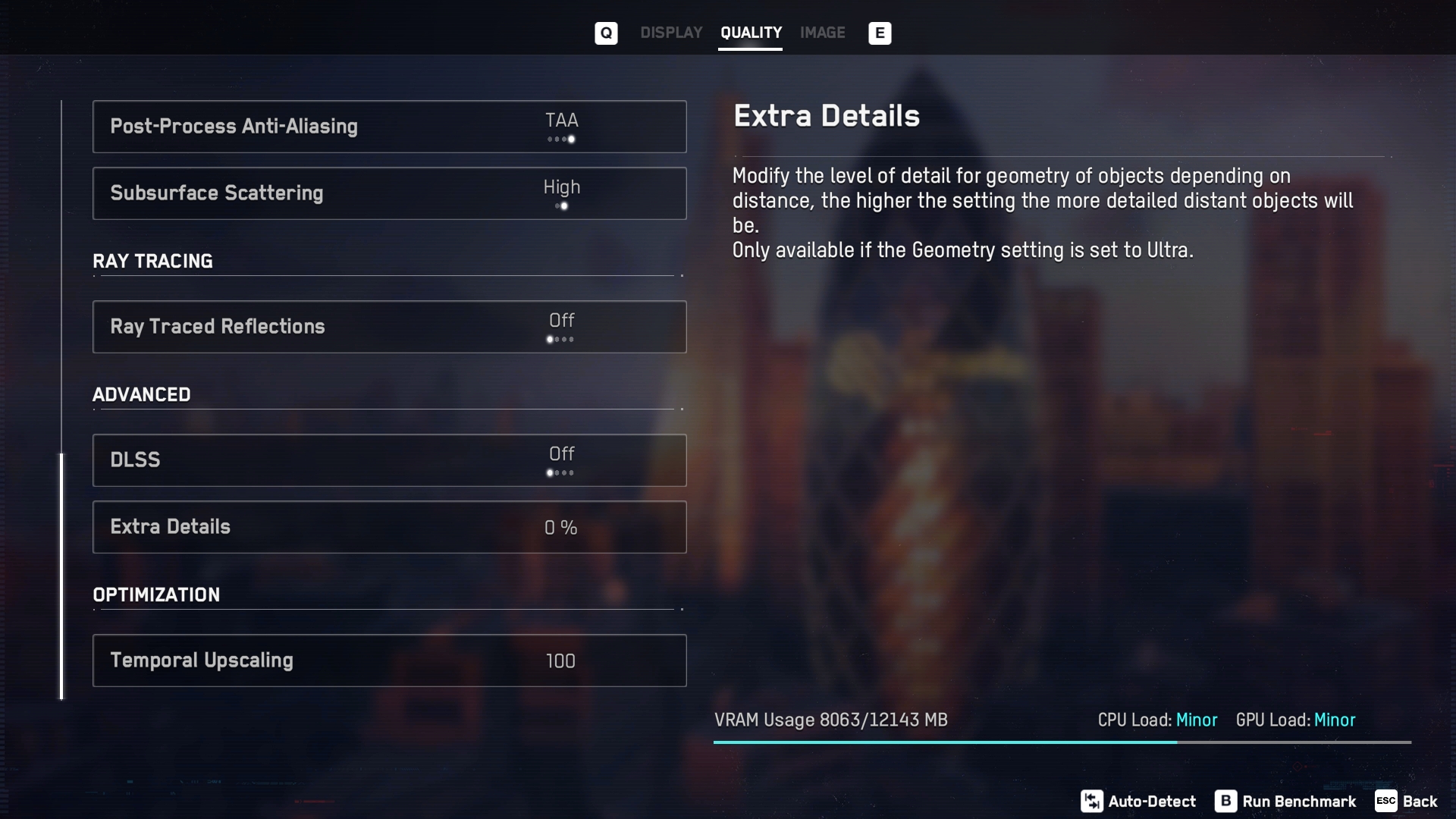
Watch Dogs: Legion is a 2020 action-adventure game published by Ubisoft and developed by its Toronto studio. It is the third instalment in the Watch Dogs series, and the sequel to 2016's Watch Dogs 2. Legion was released on October 29, 2020 for Microsoft Windows, PlayStation 4, Xbox One, and Stadia. (Wikipedia).
Engine: Disrupt. We test using the Ultra preset, DX12 API.
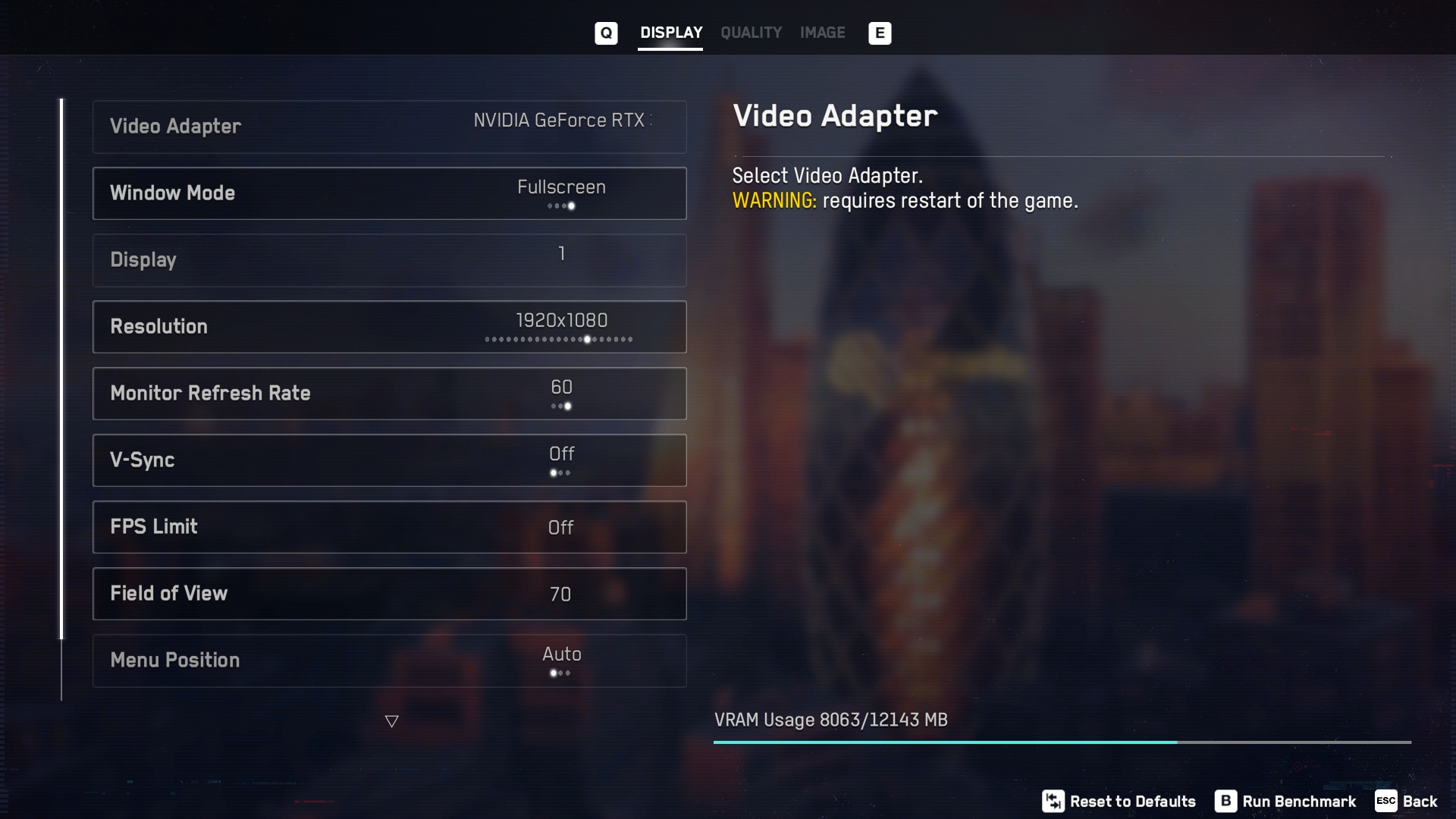
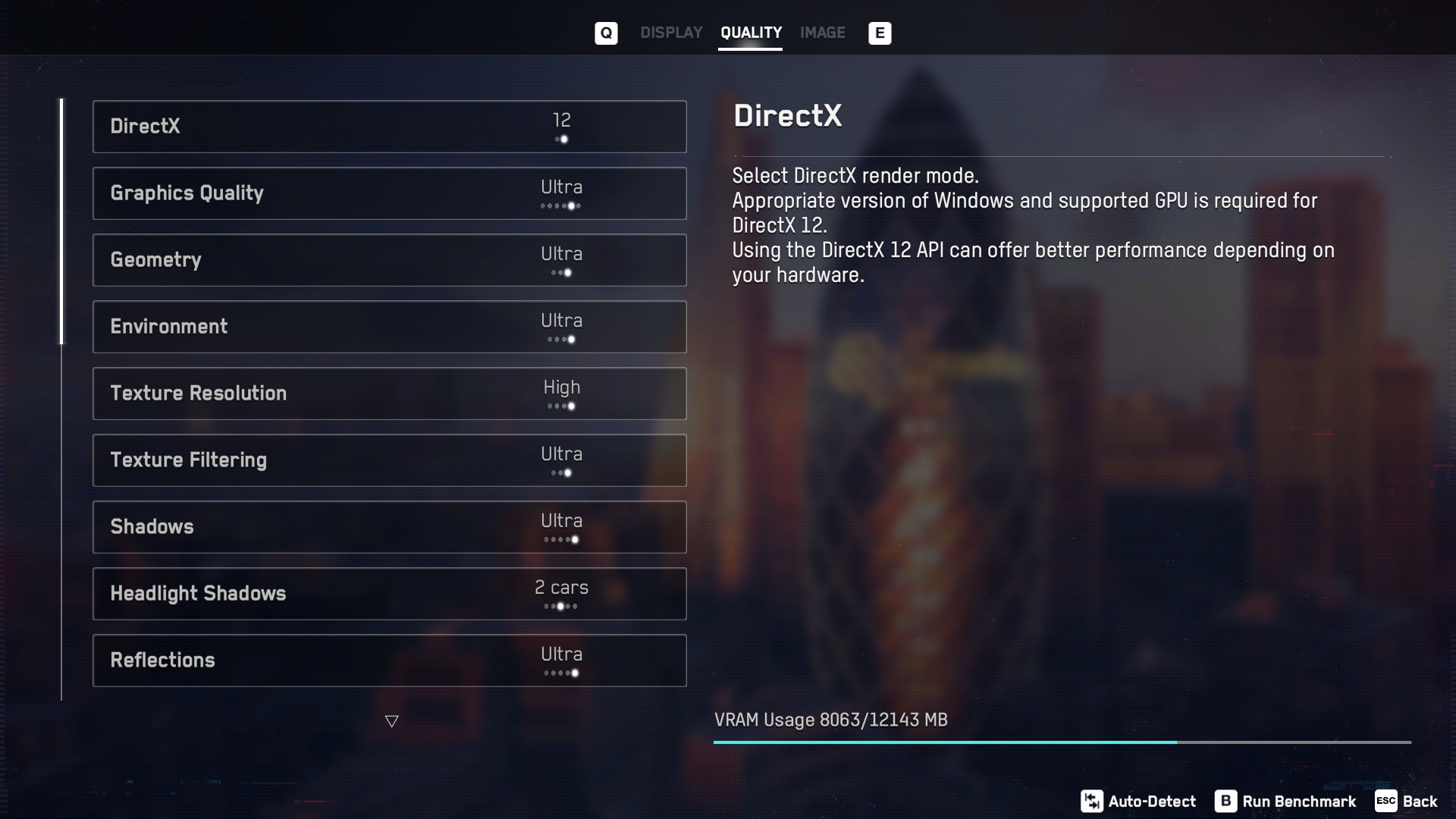
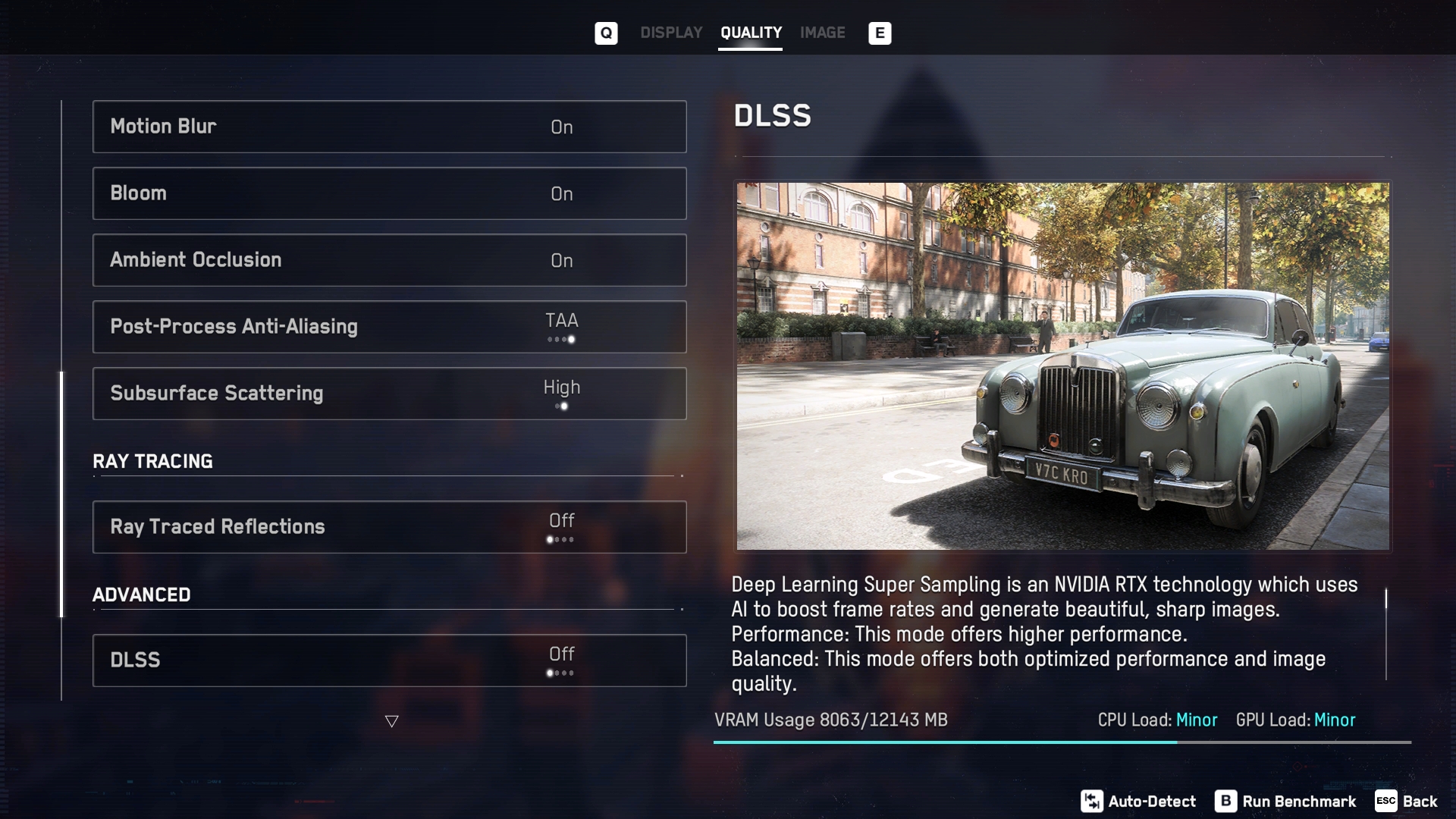
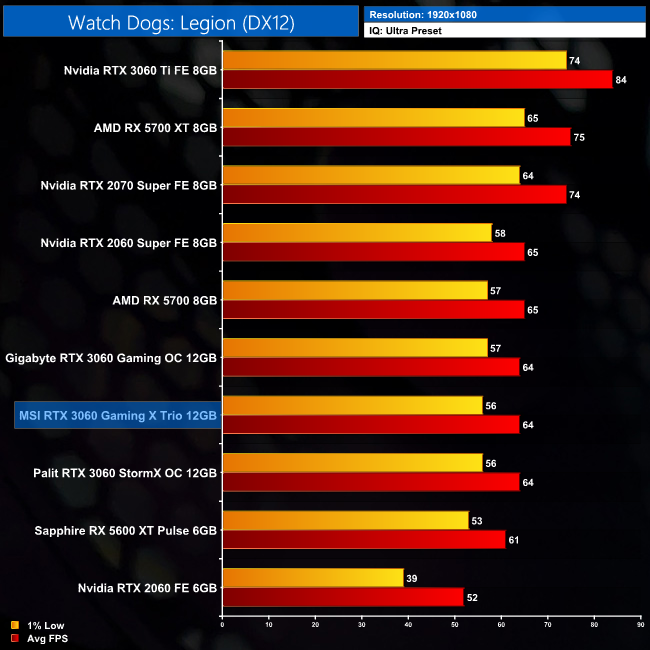
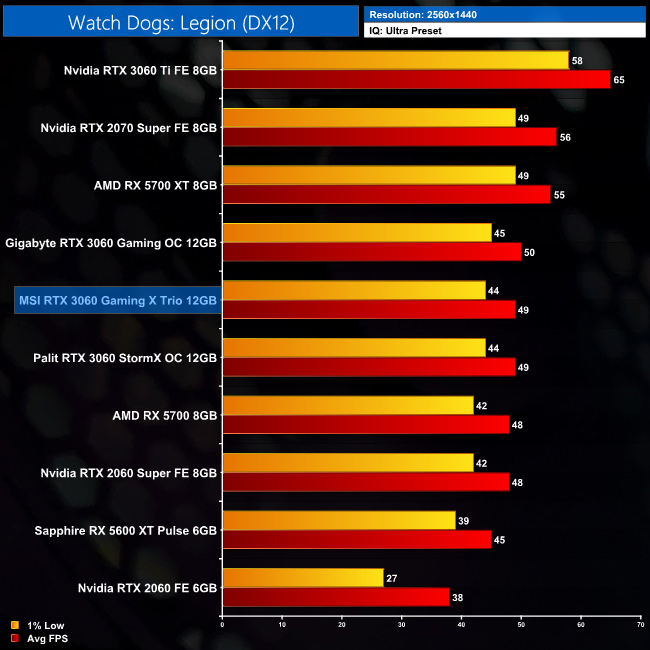
Finally we have Watch Dogs: Legion, where there's absolutely no difference between all three RTX 3060s on test when looking at 1080p. All three average 64FPS, which is 23% higher than the RTX 2060.
Here we present frame rate figures for each graphics card, averaged across all 12 games on test today. These figures can disguise significant variations in performance from game to game, but provide a useful overview of the sort of performance you can expect at each resolution tested.
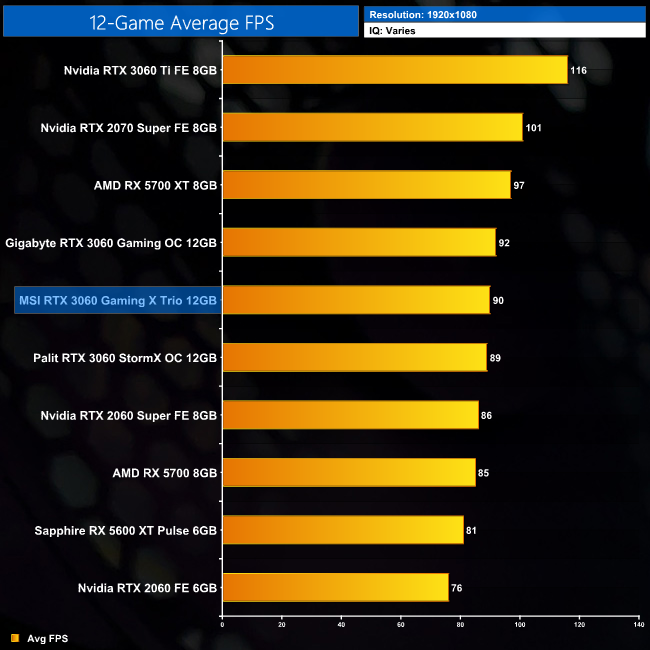
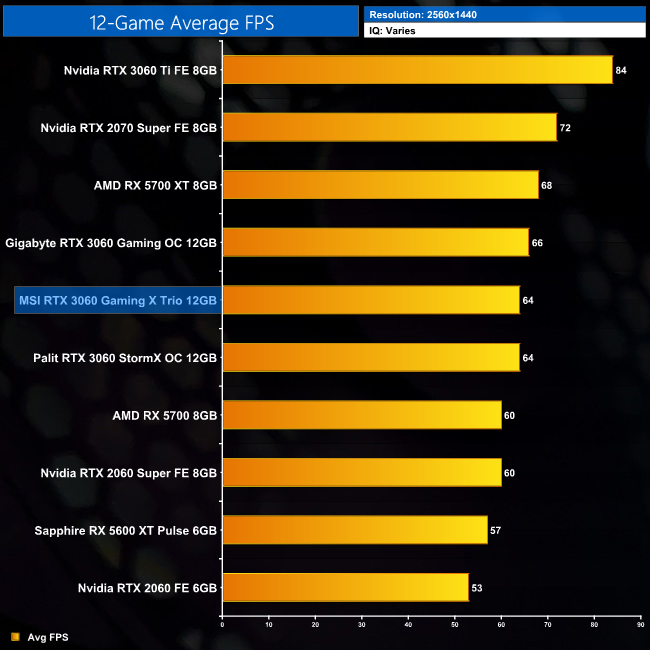
In terms of the big picture overview then, we can see the MSI RTX 3060 Gaming X Trio is 2% slower than the Gigabyte RTX 3060 Gaming OC at 1080p, but it's 1% faster than the Palit StormX OC. It also comes in 22% slower than the RTX 3060 Ti, and 17% faster than the RTX 2060.
Here we present the average clock speed for each graphics card while running Cyberpunk 2077 for 30 minutes. We use GPU-Z to record the GPU core frequency during gameplay. We calculate the average core frequency during the 30 minute run to present here.
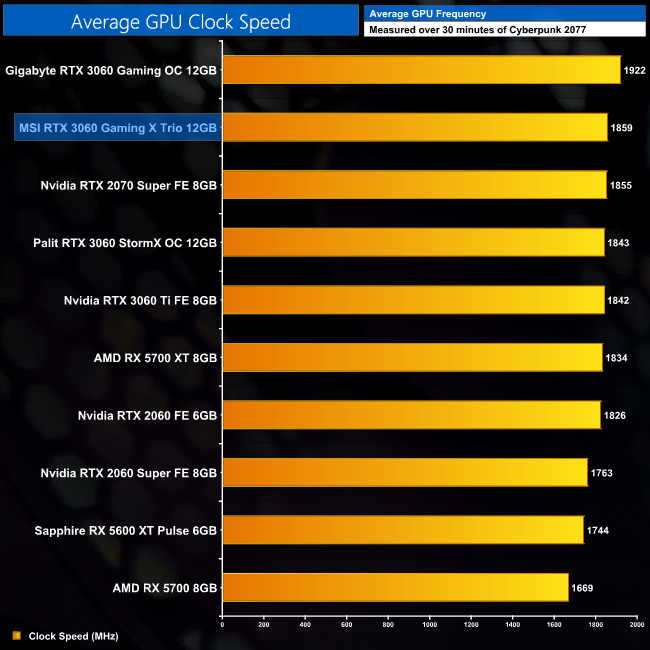
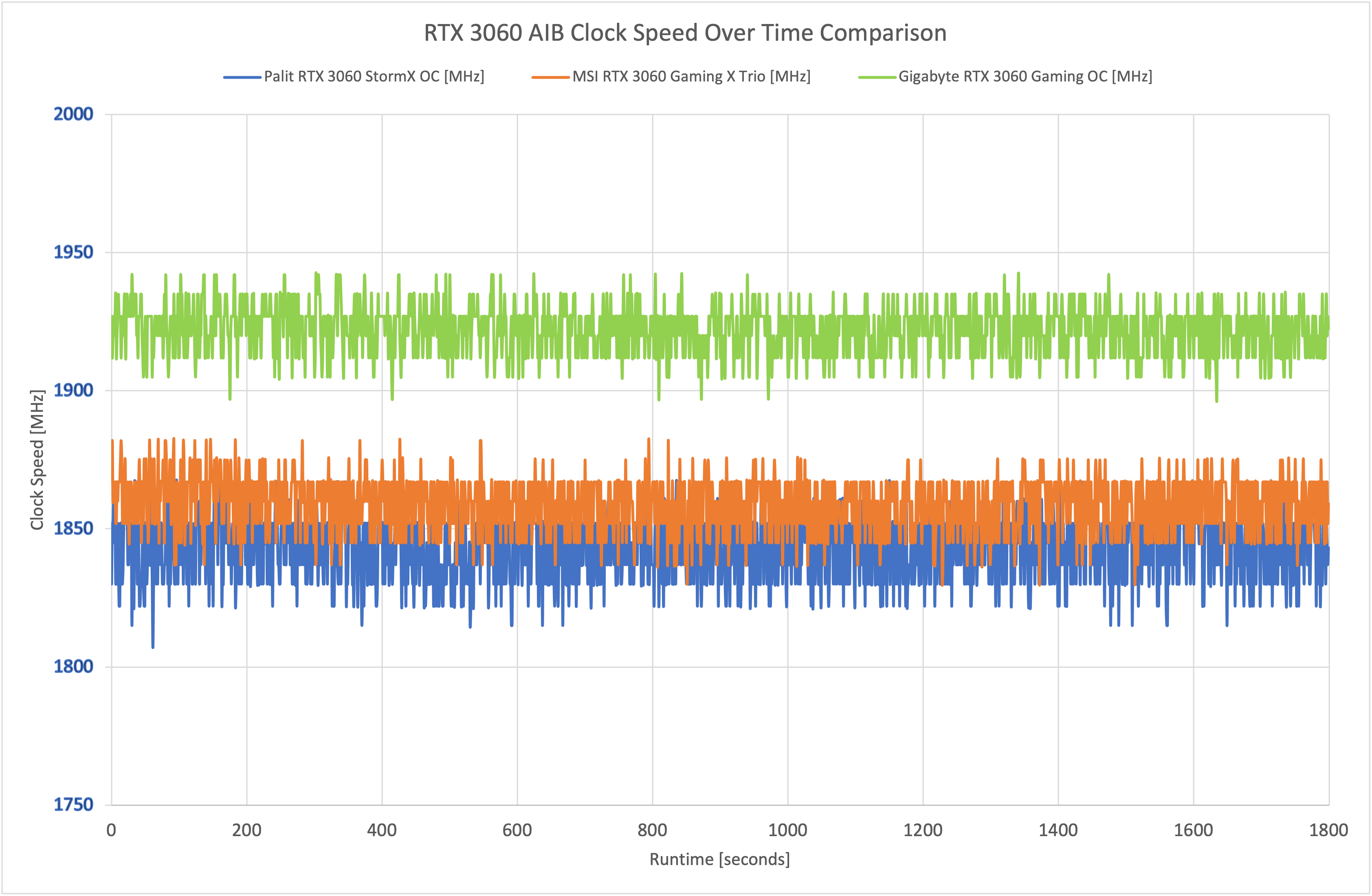
The reason for the slight difference in performance from all three RTX 3060 cards we have tested is clearly visualised on the above chart. The Gigabyte Gaming OC, perhaps surprisingly considering its rated boost clock, averaged over 1900MHz in our 30-minute stress test. That's a 3% higher frequency than the Gaming X Trio, which averaged 1859MHz.
For our temperature testing, we measure the peak GPU core temperature under load. A reading under load comes from running Cyberpunk 2077 for 30 minutes.
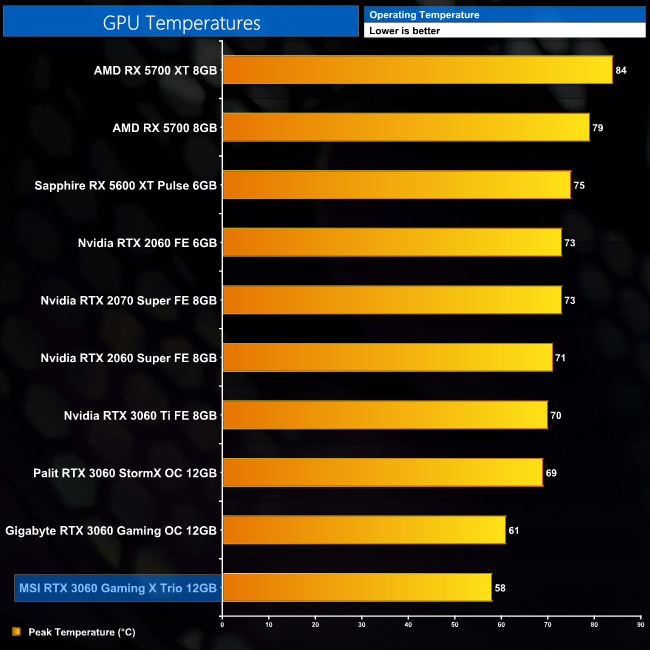
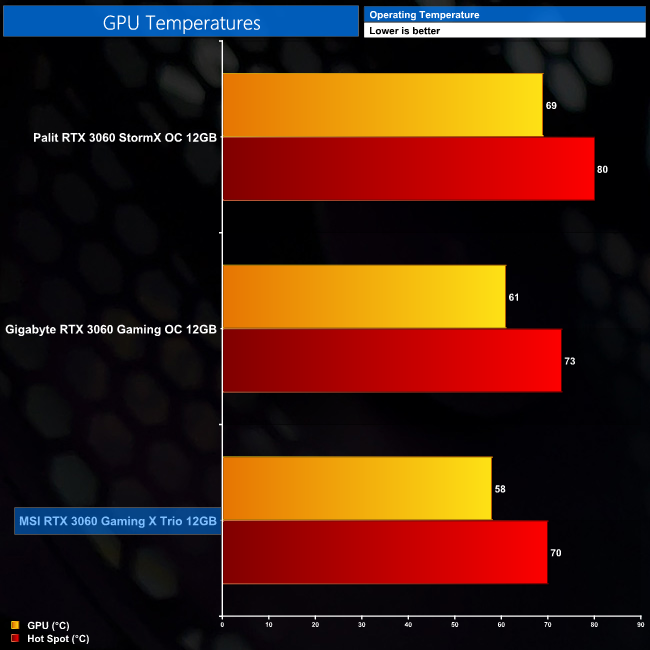
In terms of out of the box thermals now, the Gaming X Trio is nothing short of fantastic. The GPU temperature peaked at just 58C, while we can also see the hot spot hit just 70C. That means it ran 3C cooler than the Gigabyte Gaming OC, but 10-11C cooler than the Palit StormX OC. No matter how you slice it, a sub-60C temperature is hugely impressive.
We take our noise measurements with the sound meter positioned 1 foot from the graphics card. I measured the noise floor to be 32 dBA, thus anything above this level can be attributed to the graphics cards. The power supply is passive for the entire power output range we tested all graphics cards in, while all CPU and system fans were disabled. A reading under load comes from running Cyberpunk 2077 for 30 minutes.
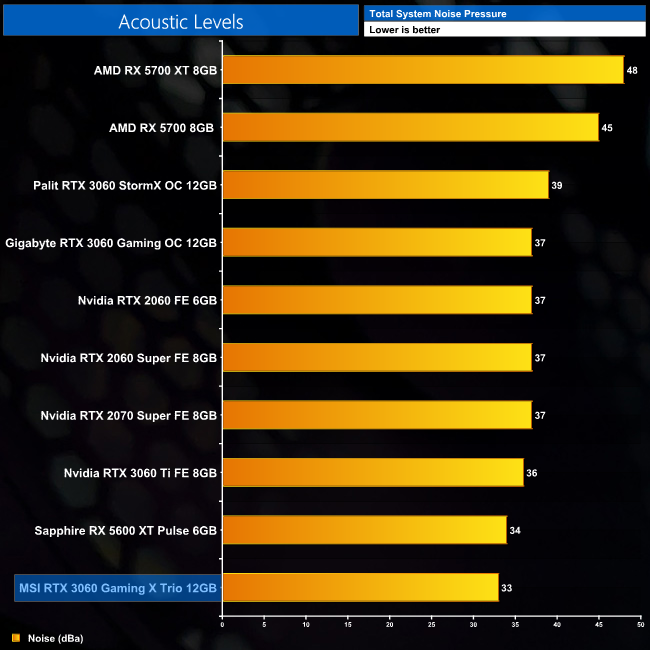
As for noise levels, well, the chart speaks for itself. Recording just 33dBa on our sound meter, that's getting very close to the noise floor of our testing environment. I'd go as far as to say the RTX 3060 Gaming X Trio is the quietest graphics card I have ever tested – it is barely audible, even under full load. For reference, the fans spun up to just 33%, or 1090rpm, during my testing.
Following on from our stock thermal and acoustic testing, here we re-test the operating temperature of the GPU, but with noise levels normalised to 40dBa. This allows us to measure the efficiency of the overall cooling solution as varying noise levels as a result of more aggressive fan curves are no longer a factor.
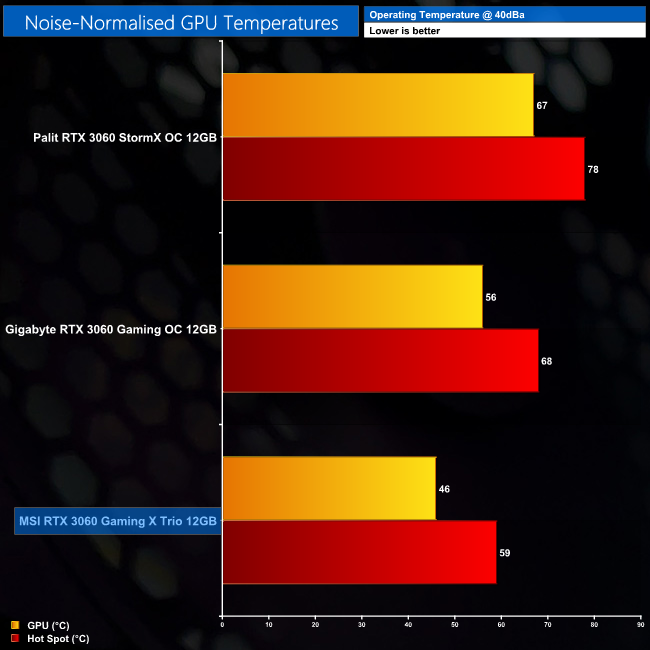
Since the Gaming X Trio is so quiet, we had to significantly increase the fan speed to get noise up to 40dBa – moving from 1090rpm to 1960rpm (60%.) That's a pretty sizable increase in fan speed and temperatures dropped accordingly. Here the GPU hit just 46C, down from 58C at stock, while the hot spot came in at 59C, down from 70C. It's ludicrously cool for a graphics card, but I suppose that's what happens when you take a gargantuan cooler and put it on a 170W GPU.
We measure system-wide power draw from the wall while running the 3DMark Time Spy stress test for 30 minutes.
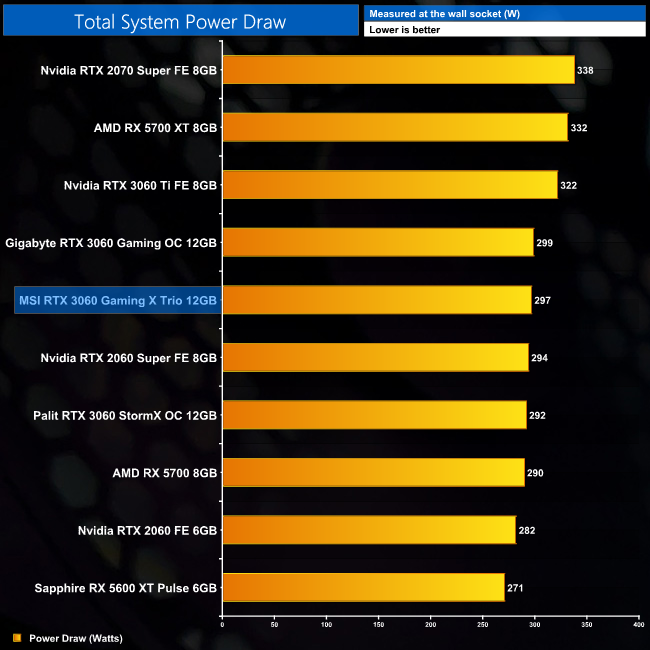
We also use Nvidia PCAT to measure power draw of the graphics card only, with readings from both the PCIe slot and the PCIe power cables combined into a single figure. This provides us with significantly more accurate data to work with as it is measuring only the GPU power, and not total system power which is a fundamentally imprecise measurement.
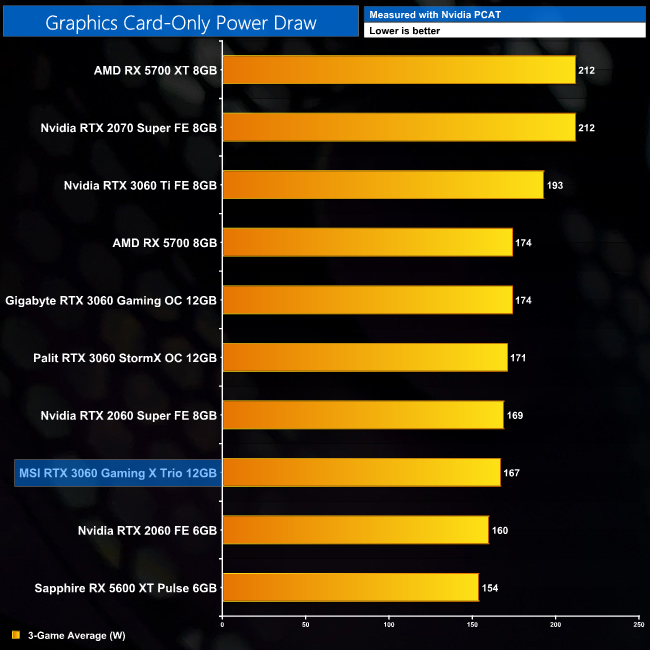
As for power draw, the Gaming X Trio averaged 167W over my testing. That's fractionally lower than the Palit StormX OC, despite the MSI running at higher frequencies. 4W is hardly a significant difference, but perhaps the 7-phase VRM (compared to 5-phase on the Palit) is contributing slightly to MSI's increased efficiency.
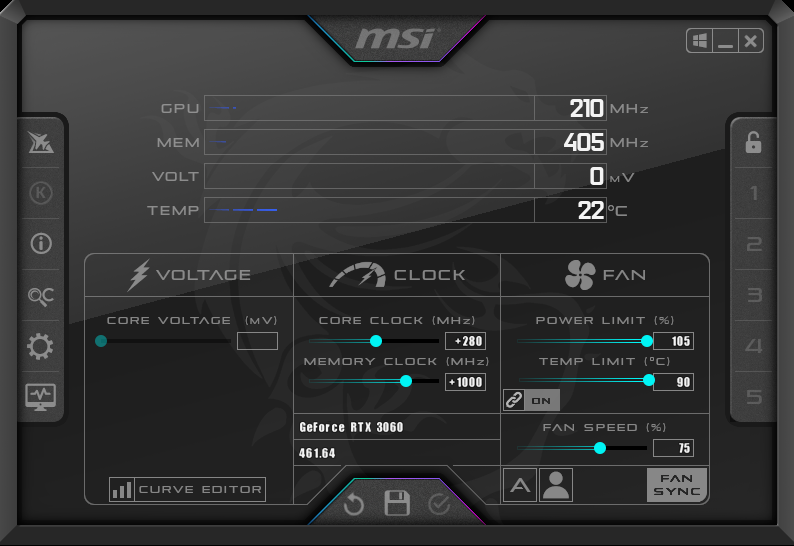
To overclock the Gaming X Trio, we first maximised the power limit slider at 105%. We were then able to add 280MHz to the GPU and 1000MHz to the GDDR6 memory.
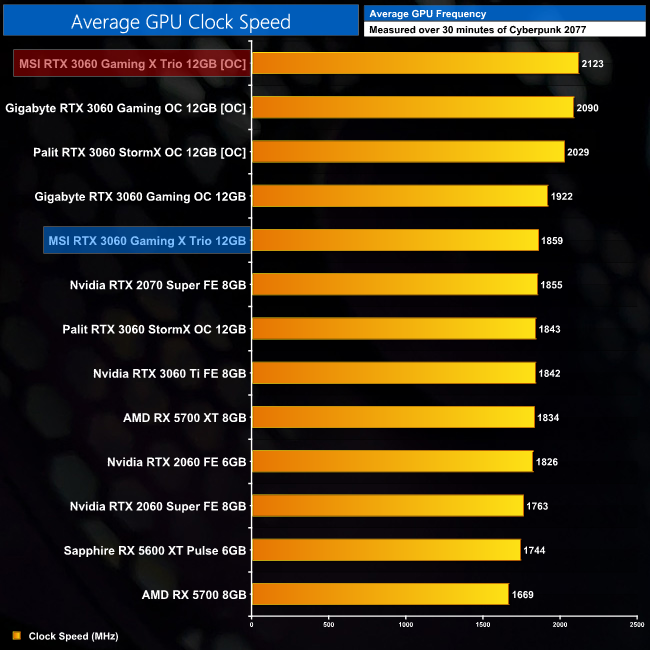
This brought average clock speed up to 2123MHz, which is a hugely impressive result, showing a 14% increase to average GPU frequency.
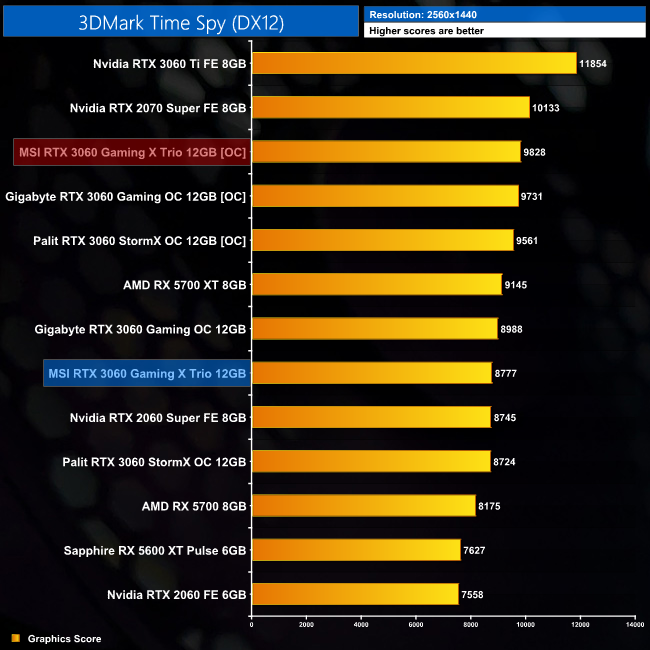
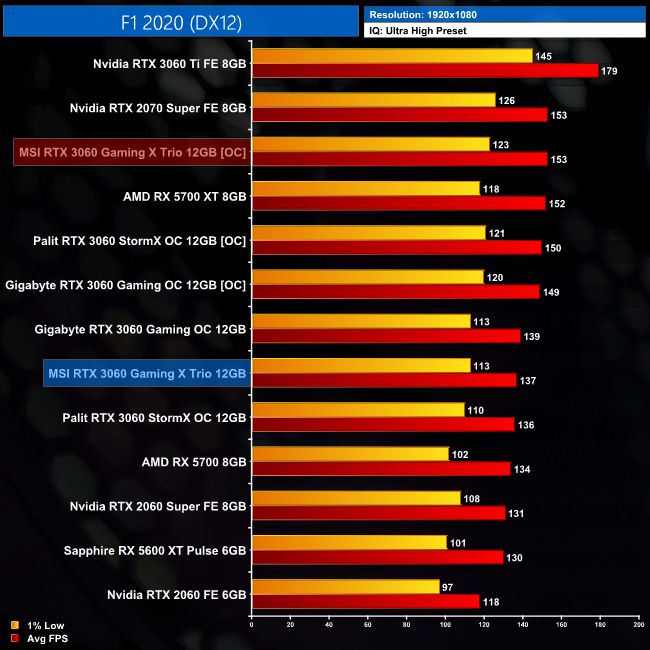
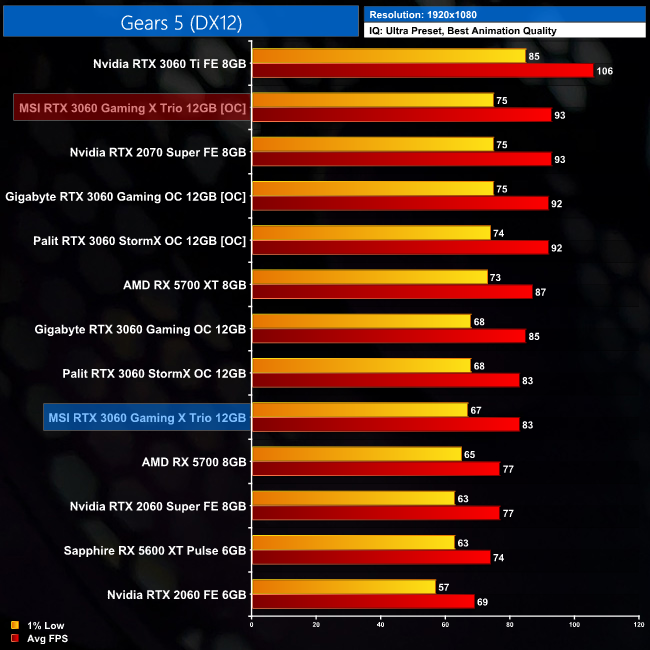
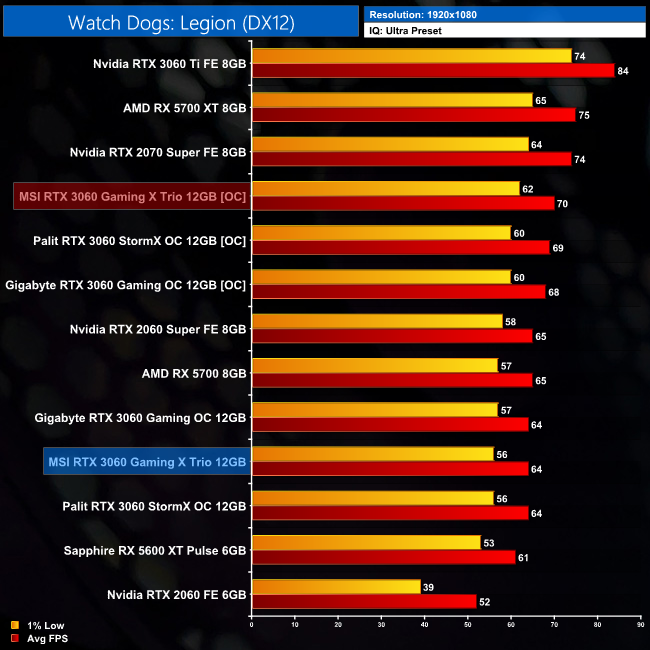
As a result of this overclock, our gaming performance saw increases from 9-12%, which really isn't bad at all and means the our Gaming X Trio did overclock better than the Gigabyte Gaming OC.
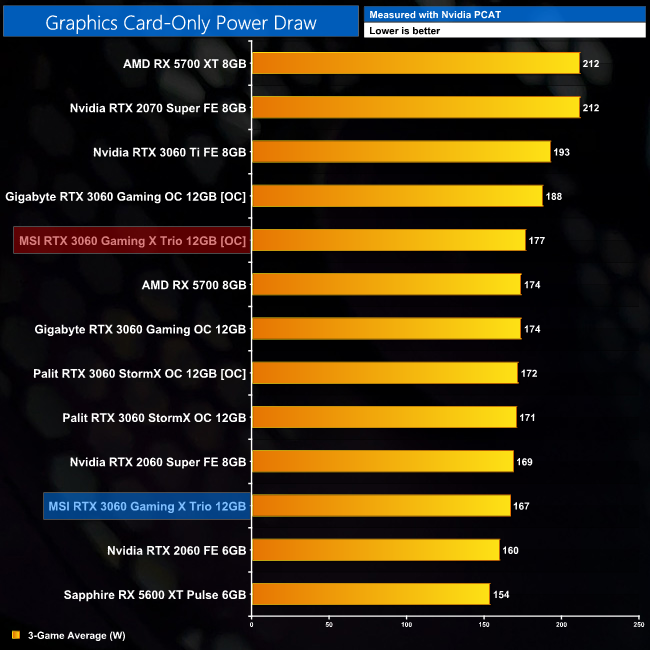
Power draw, meanwhile, rose by just 10W to 177W, which is an increase of 6%.
After our launch day review, which focused on the Gigabyte RTX 3060 Gaming OC, here we have looked at MSI's flagship card based on GA106 silicon – the RTX 3060 Gaming X Trio.
The most eye-catching aspect of this card is its sheer size. MSI has used the same shroud design across all of its RTX 30-series Gaming X Trio graphics cards, meaning this RTX 3060 is as big as the company's flagship RTX 3090. It might sound slightly ludicrous considering one is rated for just 170W while the other can draw 370W, but it does mean the RTX 3060 Gaming X Trio is ridiculously cool and quiet.
Temperatures, for instance, stayed below 60C at all times, and when we noise-normalised to 40dBA, went as low as 46C. It's quite staggering. And then in terms of noise, this has to be the quietest card I have ever tested. It recorded just 33dBa on our sound meter, which is only just above the noise floor of my testing environment. It is, for all intents and purposes, a silent graphics card.
The thing is, as technically impressive as it may be, the Gaming X Trio is actually slower than Gigabyte RTX 3060 Gaming OC, by 2% on average when testing at 1080p. It's not a significant difference at all, but it does make you think – does a graphics card need to be this quiet and run this cool, if it's not going to boost your frame rates?
Of course, the noise produced by a graphics card is going to be of varying importance depending on your personal preferences, but certainly in terms of thermals, there's no real-world benefit to running at 58C versus 70C, for instance. For me, I'd argue that the Gaming X Trio is just overkill for an RTX 3060. Its sheer size and 6-heatpipe cooler mean the fans barely have to spin past 1000RPM while still maintaining sub-60C temperatures, but that does come at a cost.
First of all, like we said, it is absolutely massive. Compared to the Palit RTX 3060 StormX OC, for instance, the MSI is almost twice as long, but offers effectively the same gaming performance. Then we have the monetary cost, which as it always is for one of MSI's Gaming X Trio cards, is very high. We were told a UK MSRP of £449.99, which doesn't mean much these days, but even so – that's just £20 less than the RTX 3070, of which the Founders Editions do occasionally come into stock at MSRP. Even if GPU pricing normalised in the coming months, we all know the Gaming X Trio would still be a very pricey RTX 3060 relative to the competition.
Overall, the MSI RTX 3060 Gaming X Trio has been a very fun one to test – seeing noise-normalised temperatures hit just 46C is frankly ridiculous, and it is so, so quiet. Whether or not it would be worth paying for, I think, is another matter entirely.
Discuss on our Facebook page HERE.
Pros
- Incredibly quiet.
- Runs very cool out of the box, and only gets better when noise-normalised.
- Subjectively very good looking.
- Overclocked very well.
Cons
- Slower than the Gigabyte RTX 3060 Gaming OC.
- Monstrously large for a RTX 3060.
- You pay a significant premium for the Gaming X Trio feature-set.
KitGuru says: It is a technically superb graphics card, but it is overkill for an RTX 3060.