 KitGuru KitGuru.net – Tech News | Hardware News | Hardware Reviews | IOS | Mobile | Gaming | Graphics Cards


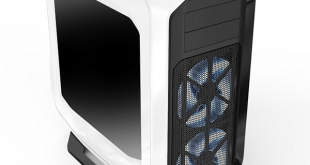
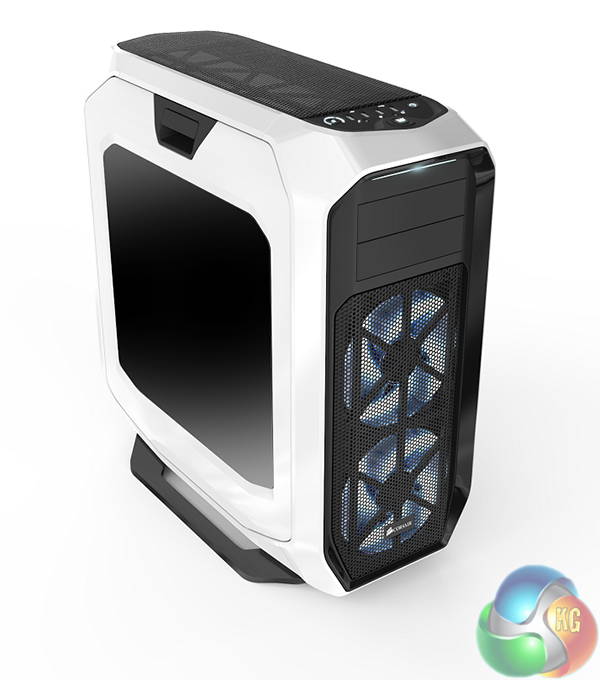
Today we are going to take a look at the latest addition to Corsair’s vast range of PC cases, the Graphite 780T. This is the latest instalment in the Graphite series of cases which are designed to combine attractive aesthetics with cutting edge functionality and performance.
We have been very impressed with all of Corsair’s cases that we have reviewed previously, so we are excited to see what this latest model has to offer. The most observant readers will notice the design similarities with the Graphite 380T which we reviewed recently.
Available in black, white and yellow finishes, the Graphite 780T should appeal to style-conscious enthusiasts. It also offers extensive water-cooling options which we will explore in more detail later on in the review.
Features
- Rounded corners and a sleek, cohesive design for great-looking systems.
- Latched side panels for easy access.
- Supports dual 360mm radiators for state-of-the-art cooling installations.
- Front panel three-mode fan controller lets you tailor performance and fan noise.
- Dual 140mm intake fans and a 120mm exhaust fan for ample airflow.
- Modular hard drive cages and space-saving side-mounted SSD bays for smart storage.
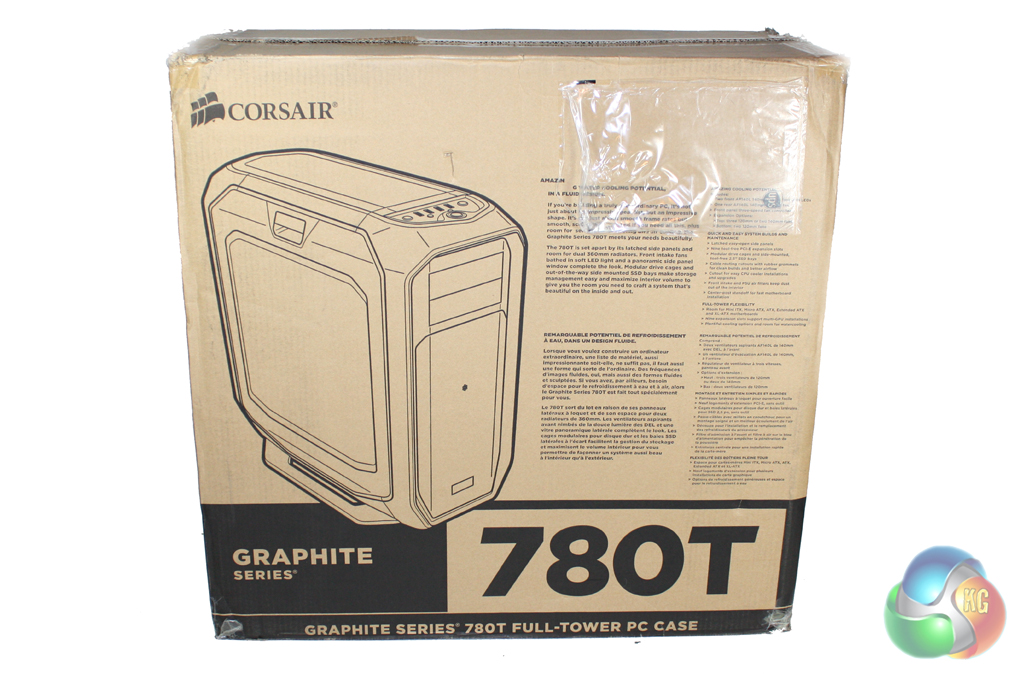
The Corsair Graphite 780T is supplied in a substantial cardboard box which is decorated in a plain black livery. The front of the box features a large image of the case within.
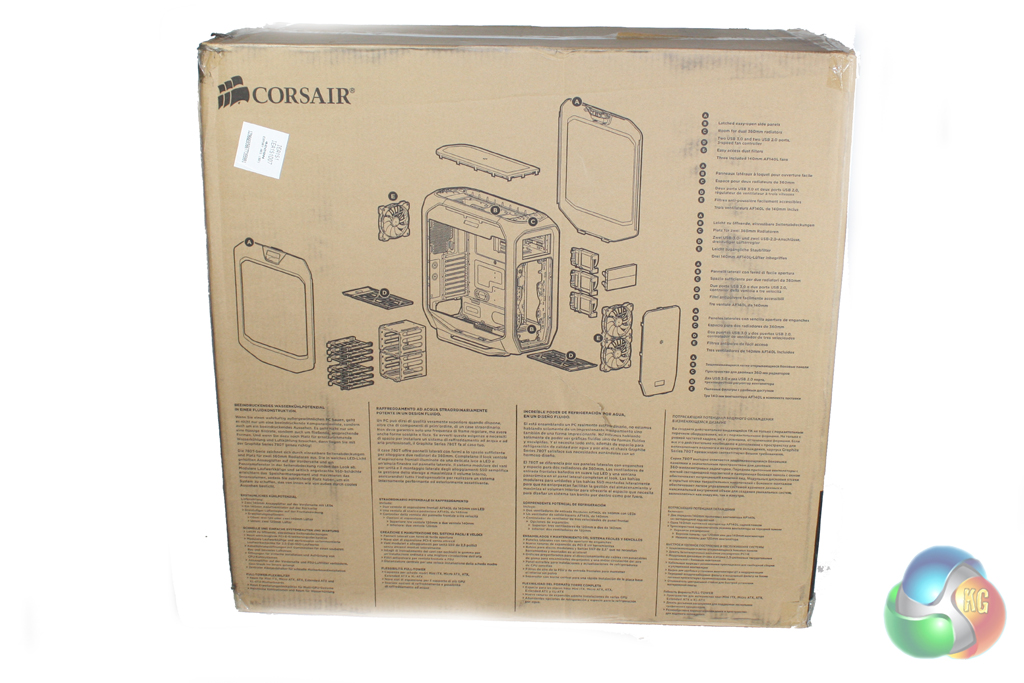
Turning the box around reveals an exploded view of the case which highlights some of the key features in more detail.
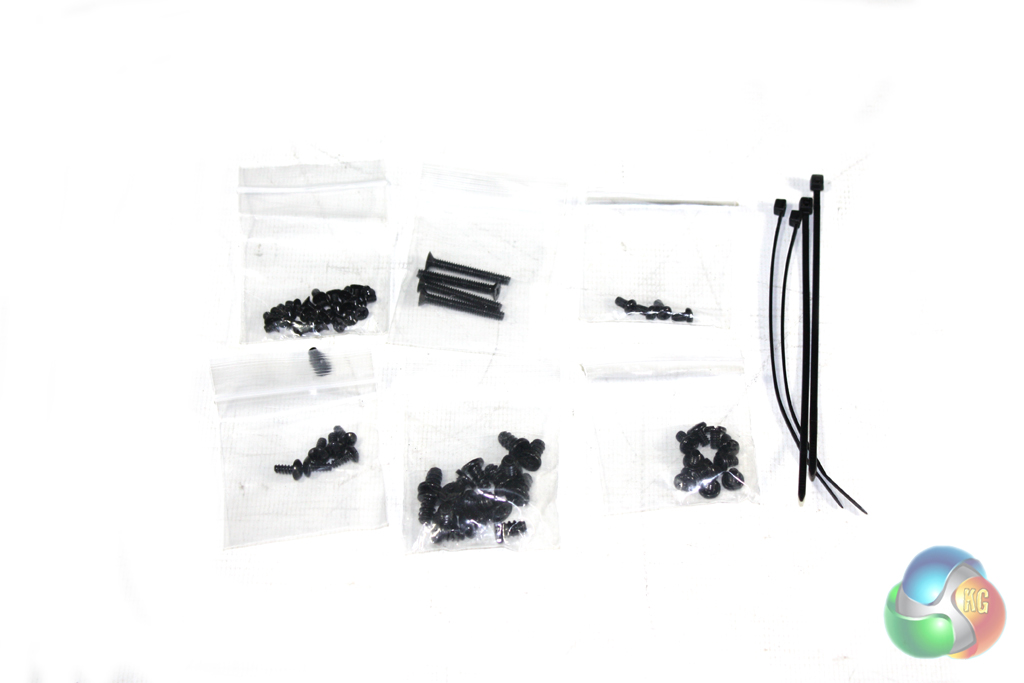
Inside the box we find a fairly limited bundle, consisting almost entirely of the screws required for installation. There are a few cable ties included too, as well as a detailed installation guide.
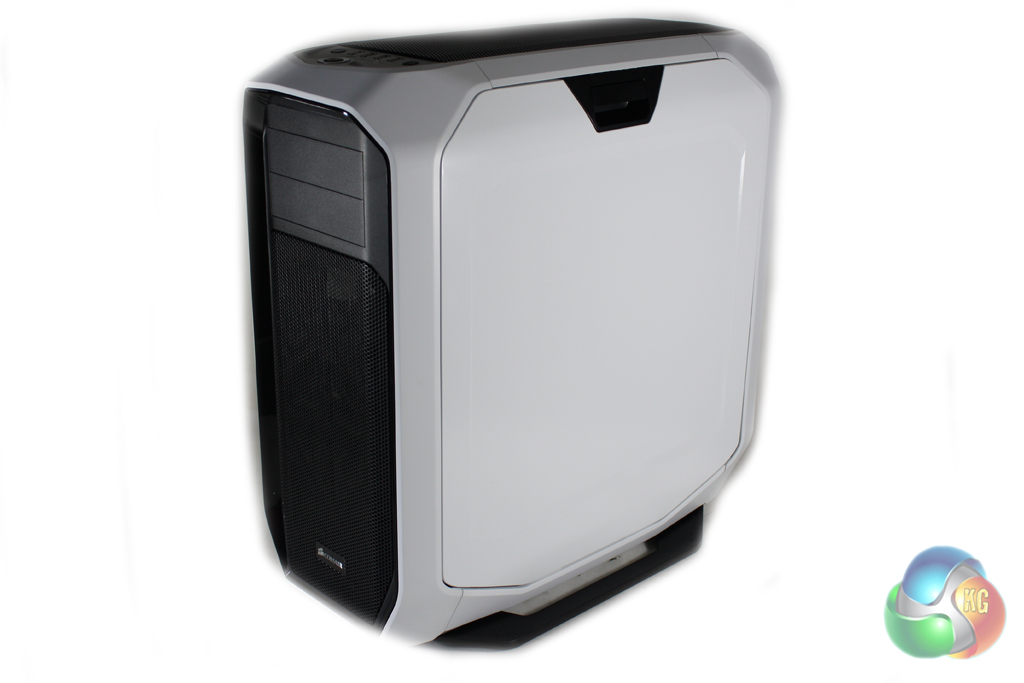
It is clear from a glance that Corsair have placed an emphasis on aesthetics when designing the Graphite 780T. In our opinion it is one of the most attractive cases they have ever produced.
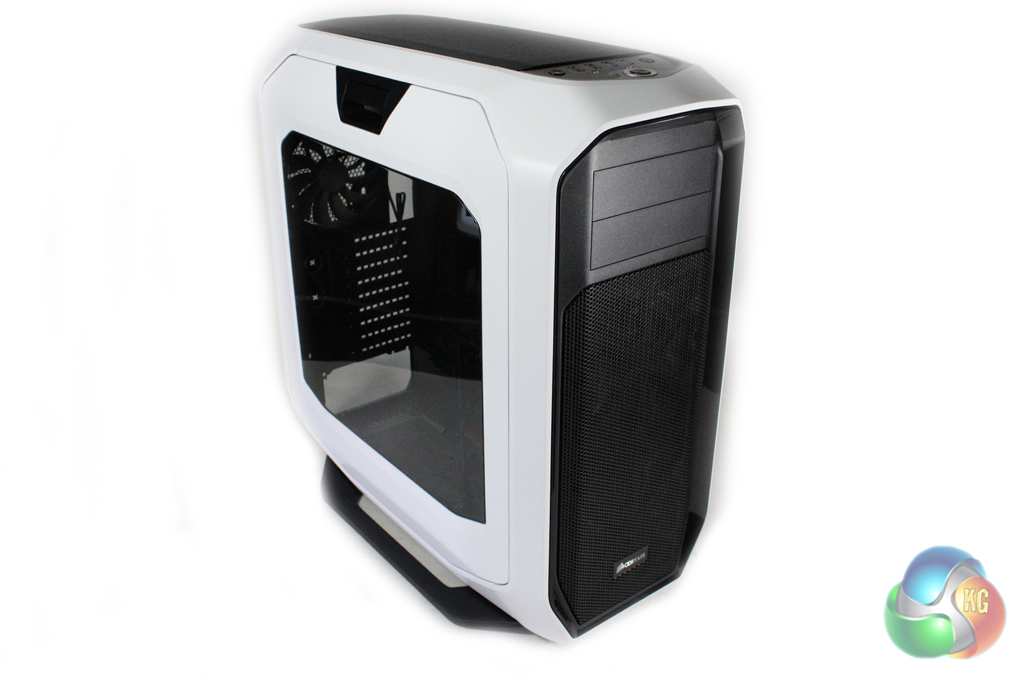
Like the original Graphite 600T, the 780T is finished predominantly in plastic with a sturdy steel chassis beneath. We have the white variant of the case, and it is also available in black and yellow hues. The full tower form factor is immediately apparent, with the Graphite 780T measuring a substantial 637 x 288 x 602 mm.
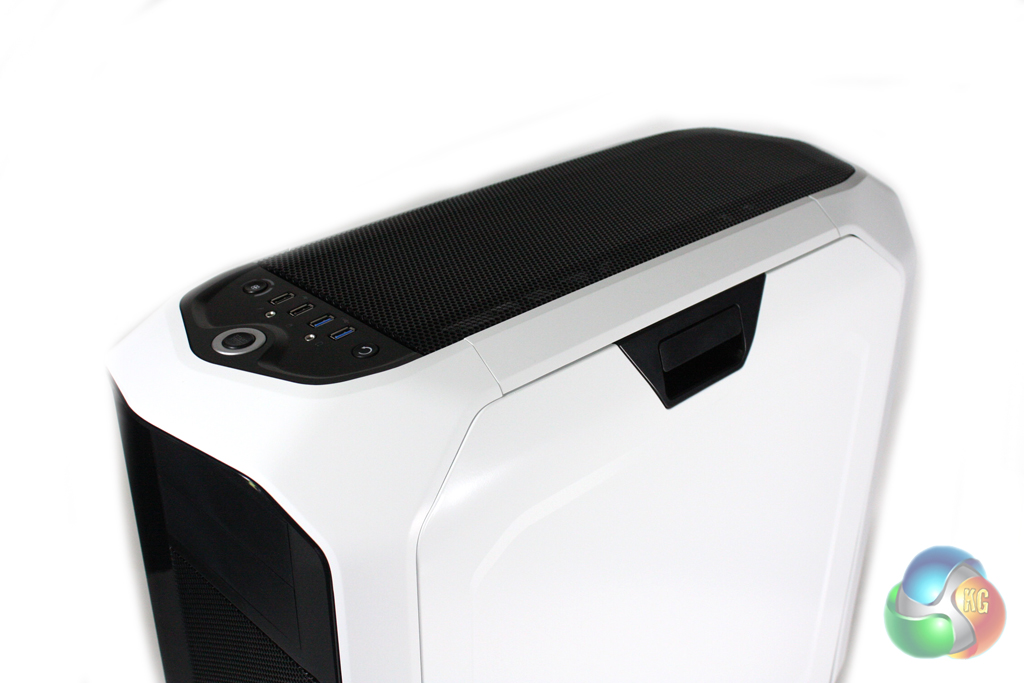
We find the front panel connections on the top of the case, consisting of two USB2.0 ports, two USB3.0 ports, and headphone and microphone jacks. We also find the power button here, alongside a reset button and a fan controller button.
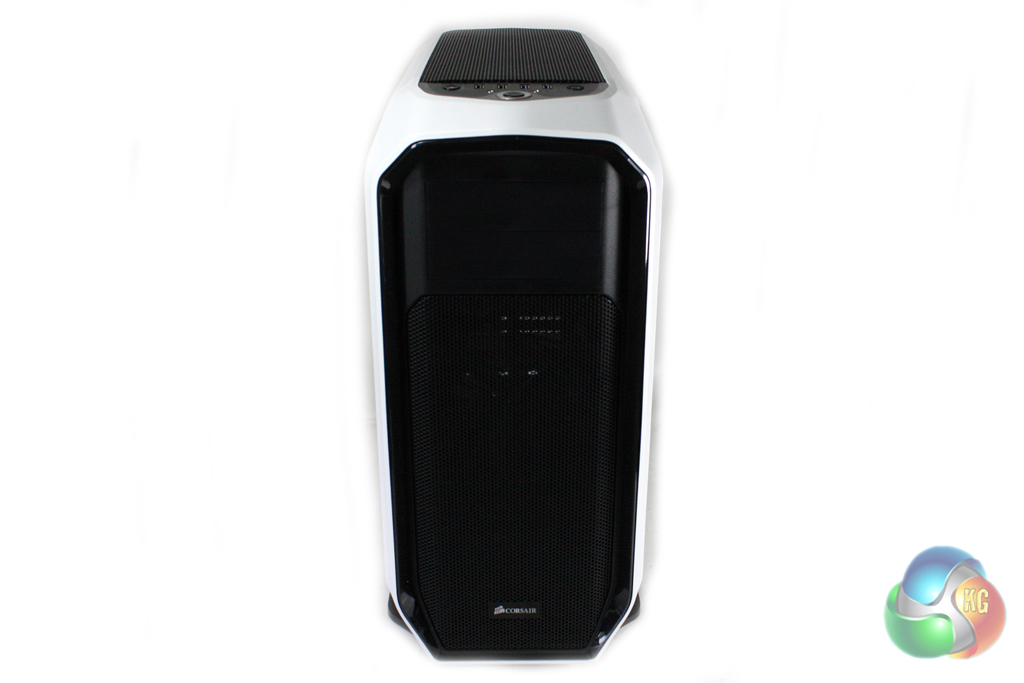
The front panel of the case is finished in black and features a large perforated mesh vent to facilitate airflow into the case.
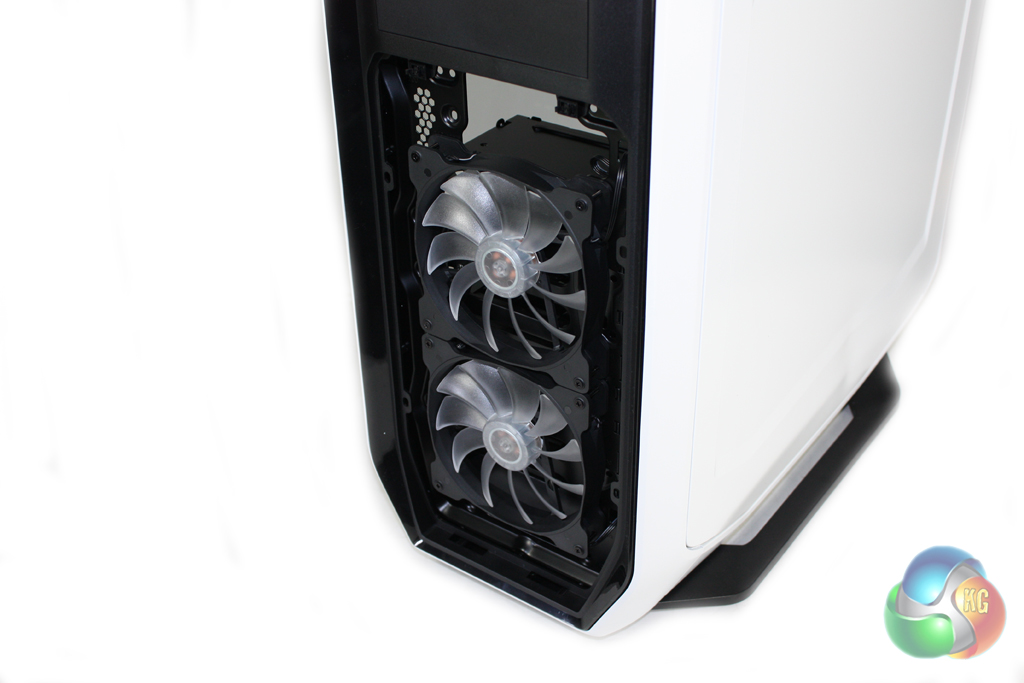
There are two 140 mm intake fans included in the front of the case which can be easily accessed by pushing the top of the vent to release it. These fans can be replaced with three 120 mm fans if required, meaning you can also fit a 360mm radiator into the front of the case.
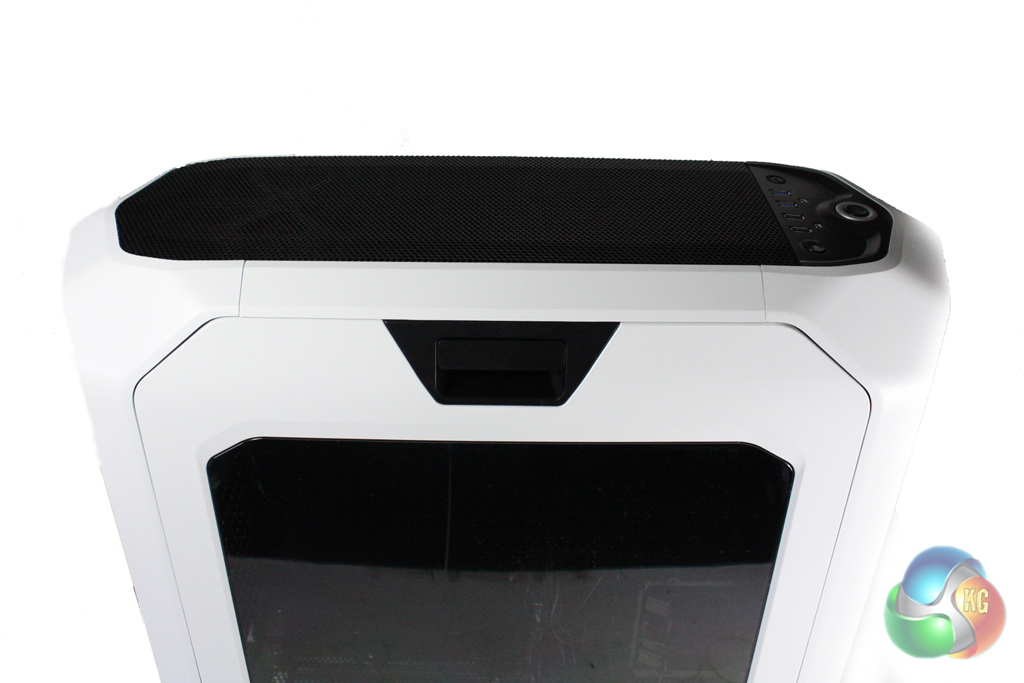
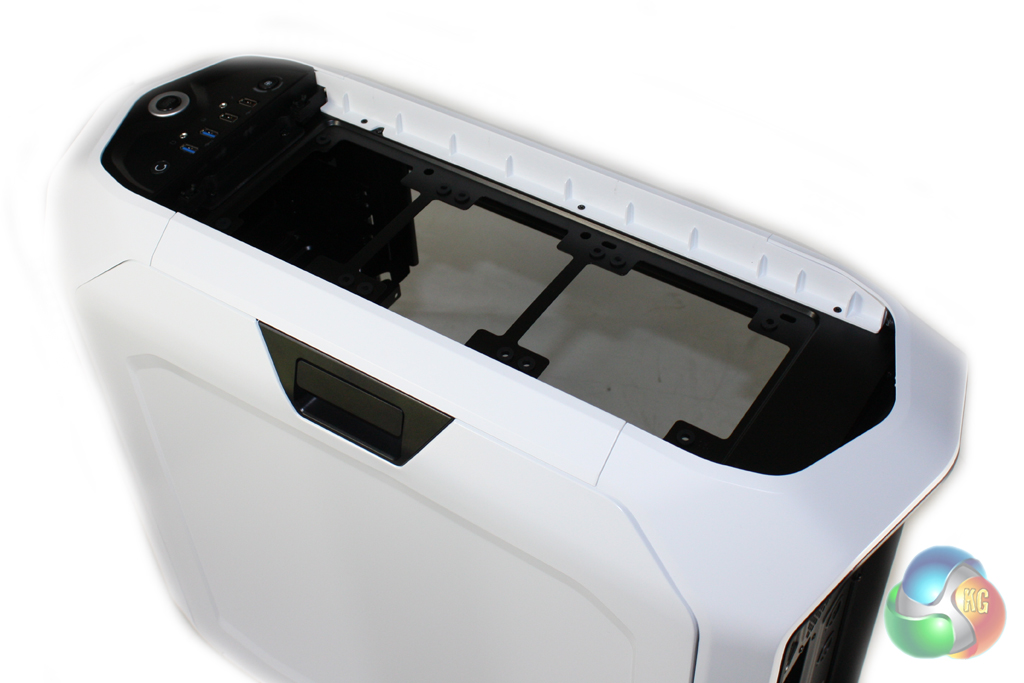
There is also room for three 120mm fans in the roof of the case, underneath another black mesh fan vent. There are no fans included in this area, but there is plenty of room for thick water cooling radiators.
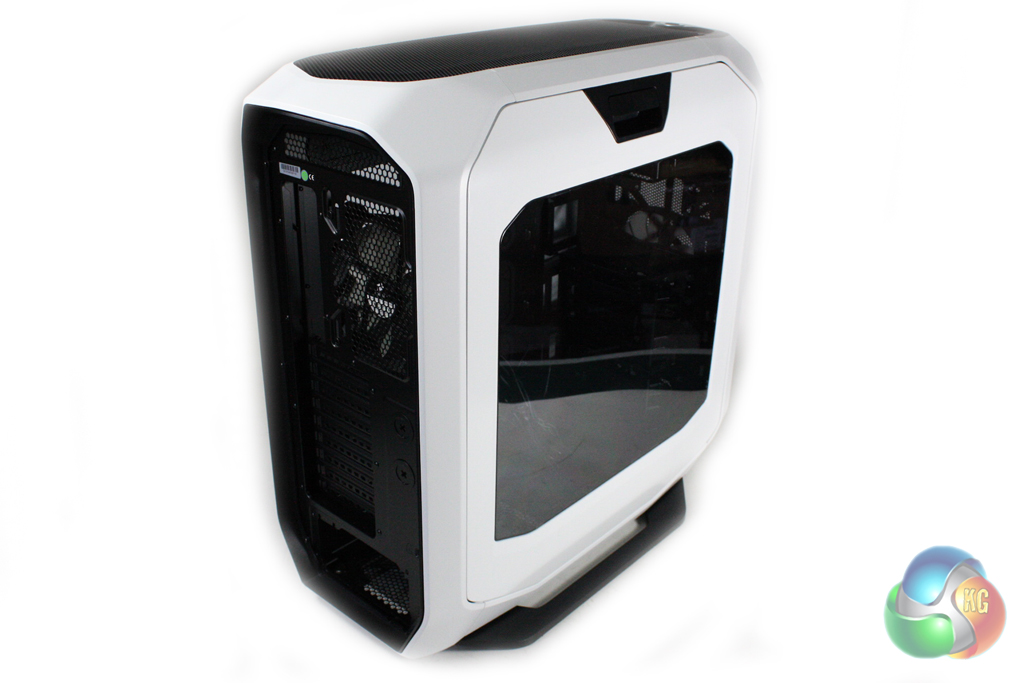
Moving around to the side of the case, there is a large acrylic side panel which will let you show off your components within. Both of the side panels are secured with latches, meaning they can be easily removed by pulling the handle at the top.
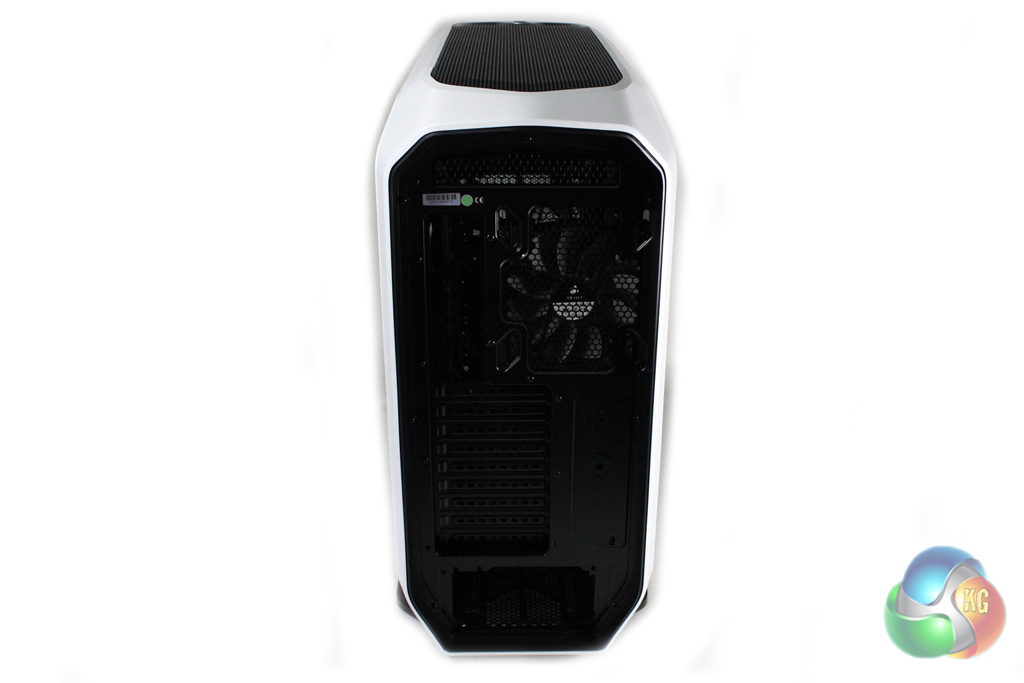
The rear of the case is a fairly standard affair, featuring nine expansion slots and a 140 mm exhaust fan. This can be replaced with a 120 mm unit if required.
Removing the side panels is very simple indeed and doesn’t require any tools. Simply pull the handle at the top of the side panel and remove it from the case.
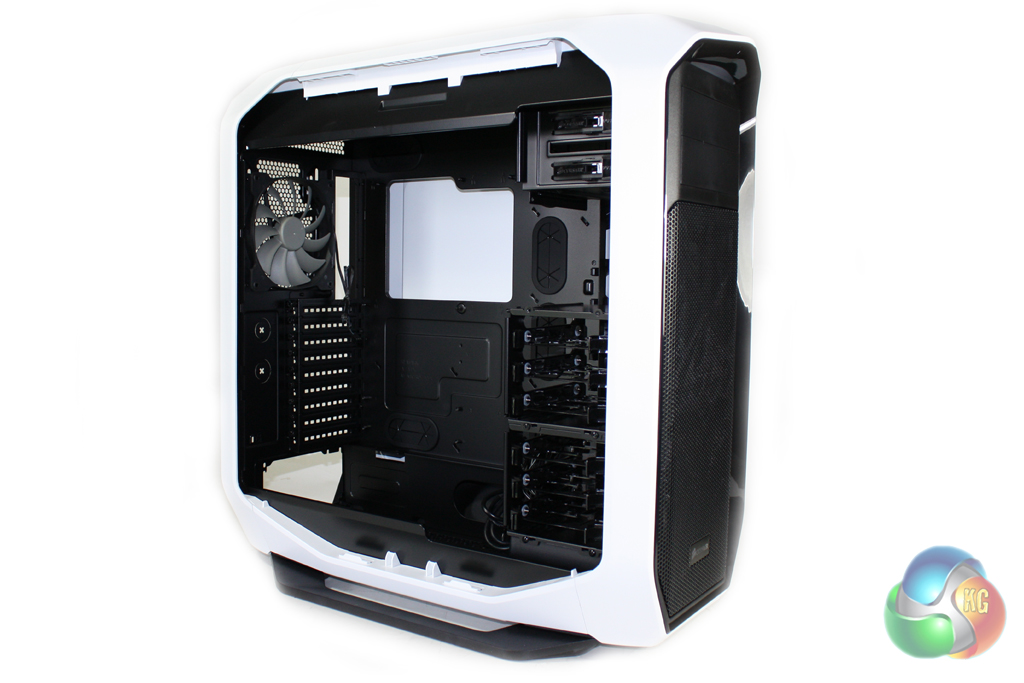
The inside of the Graphite 780T is painted entirely in black, which should complement most component choices aesthetically. The interior layout is fairly standard, with all of the drive bays over on the right side of the case.
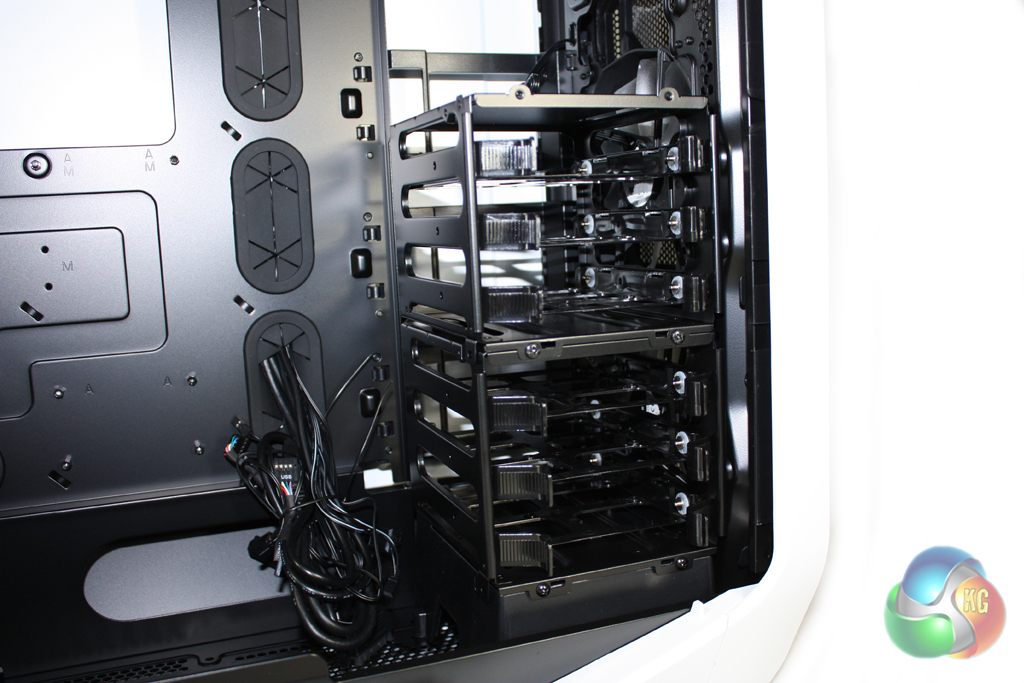
The drive bays themselves can easily be removed if you want to install a radiator into the front of the case. In this scenario, you can still make use of the three 2.5” drive mounts which can be accessed behind the right side panel.
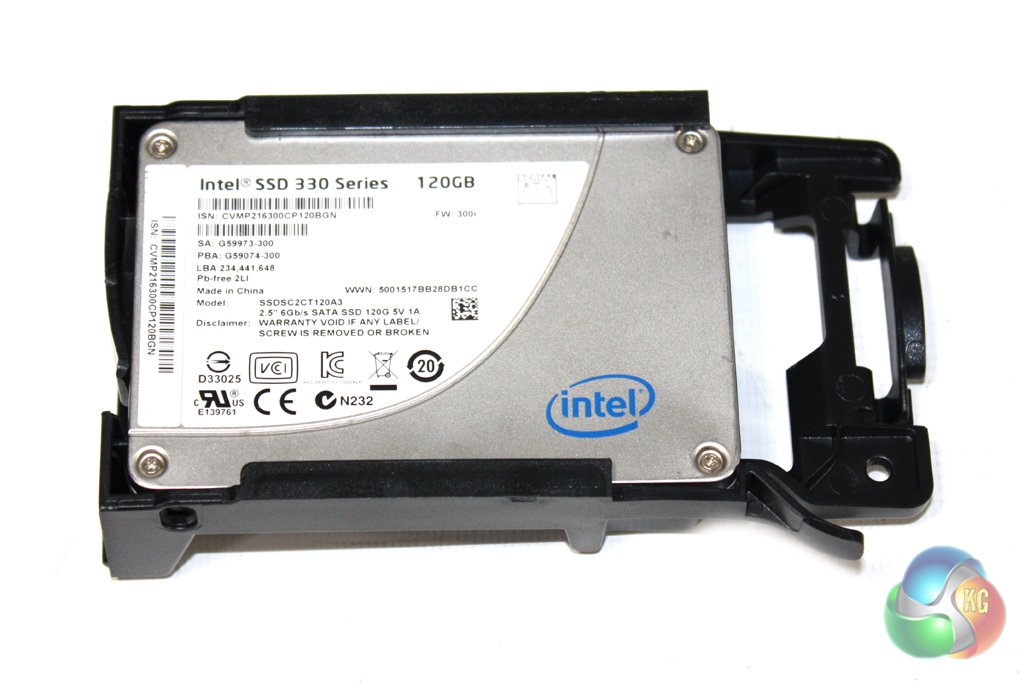
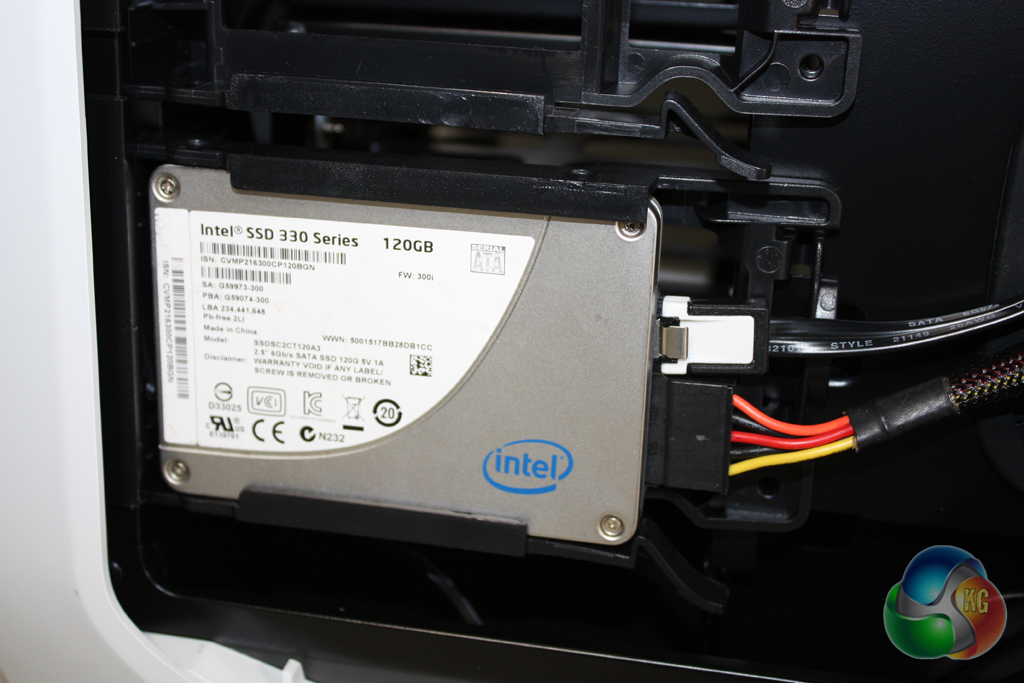
Installing a solid state drive into these mounts is very simple. The plastic caddy clips around the drive, and then the pair can be clipped back into the chassis.
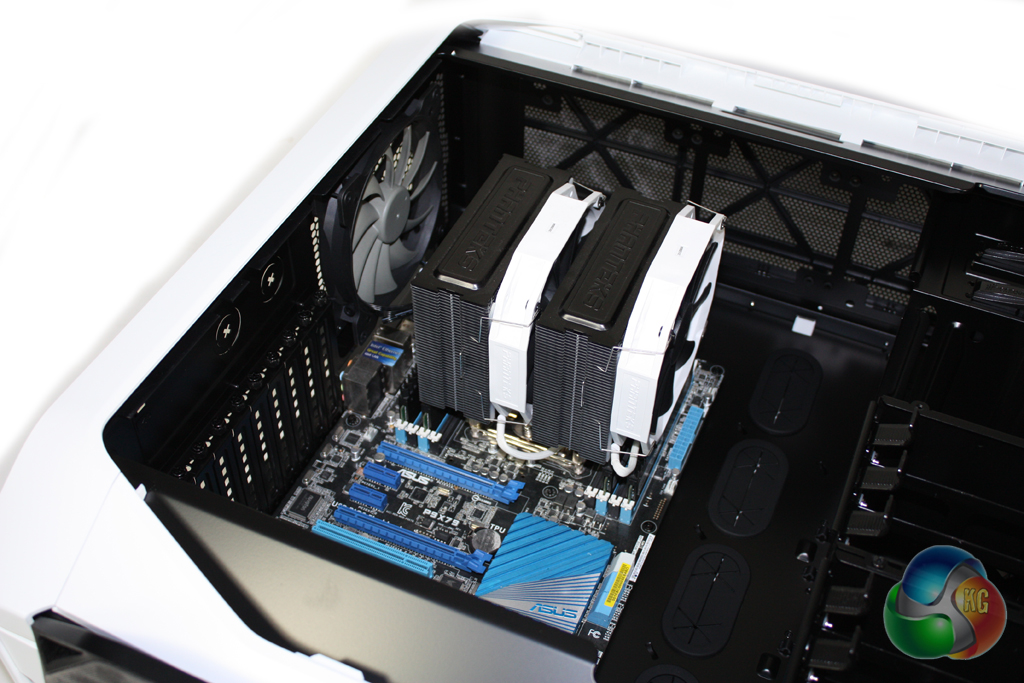
Fitting a motherboard into the case is very simple indeed thanks to the pre-installed stand-offs and the large amount of room available. There is a large cut out area in the motherboard tray to facilitate the installation off a CPU cooler too.
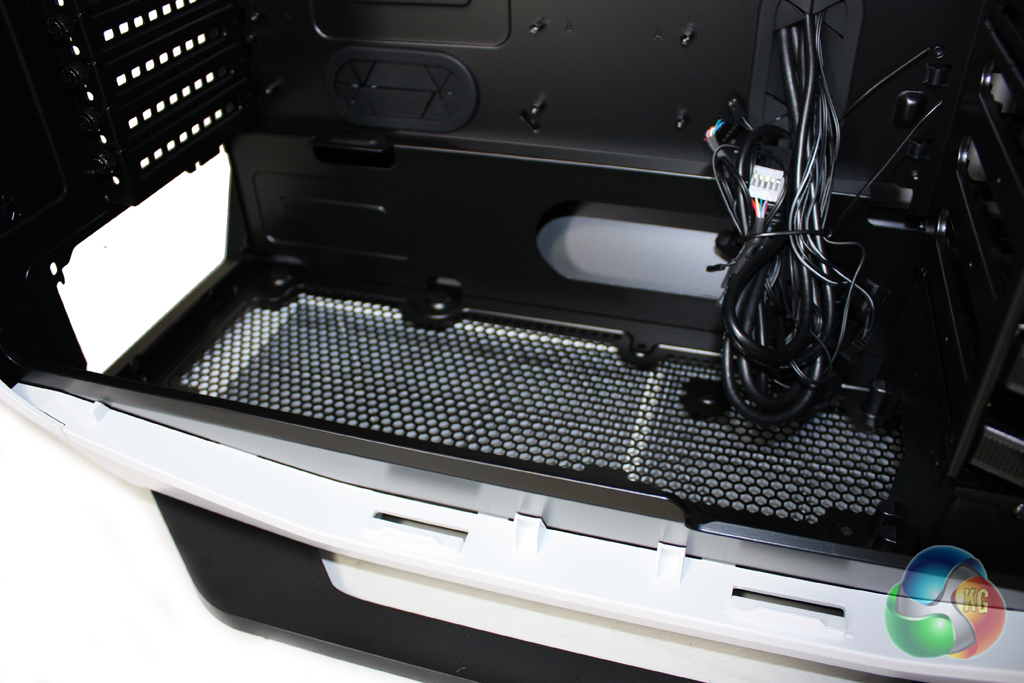
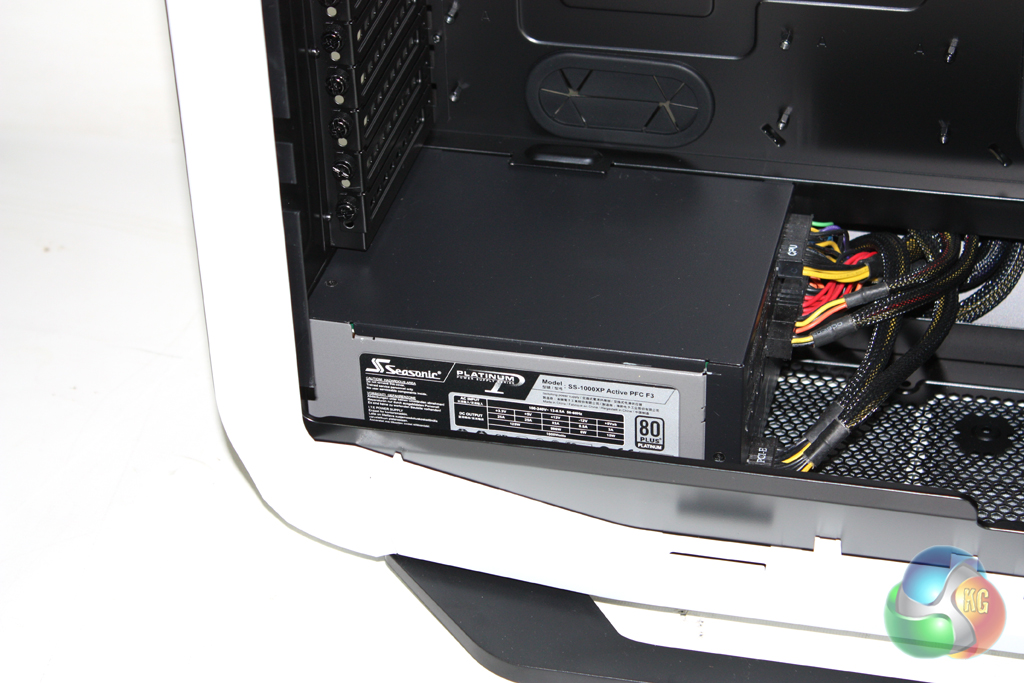
There is a large amount of room for long power supplies in the base of the chassis. We had no problem fitting our Seasonic Platinum 1000W into the case.
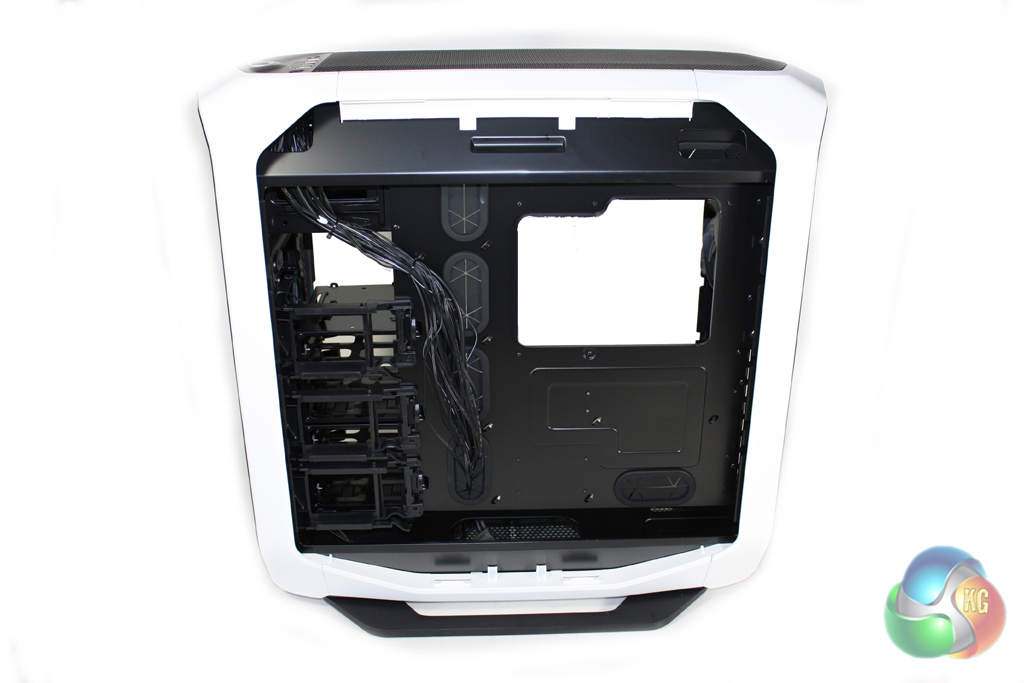
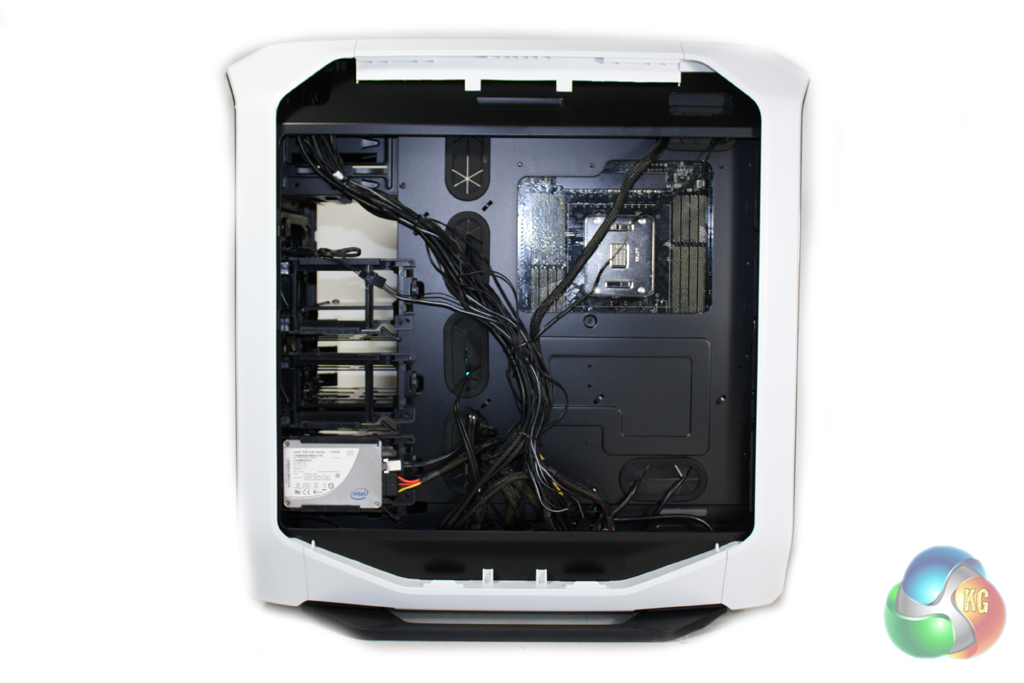
Corsair has cut a vast array of cable routing holes into the motherboard tray which make it very easy to achieve a tidy build. There is also a generous amount of room behind the motherboard tray for cable routing.
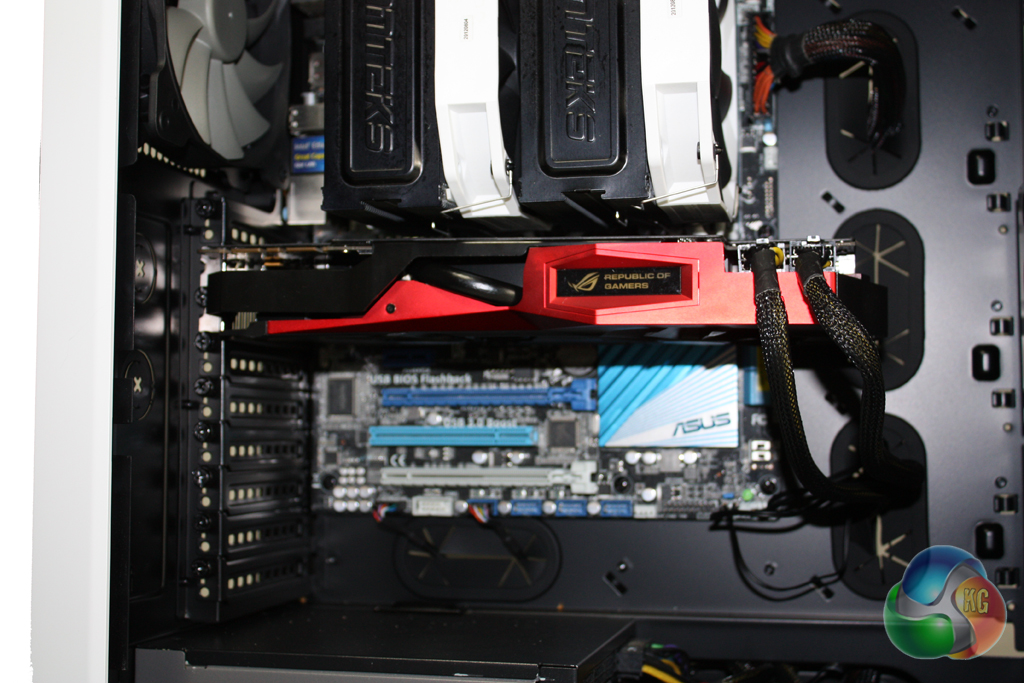
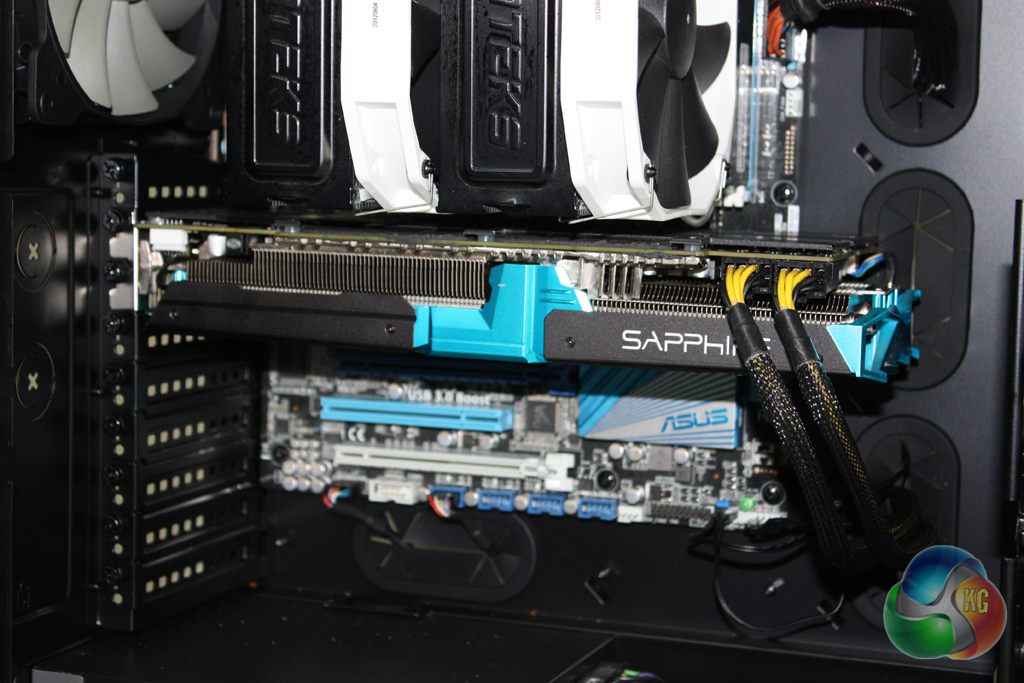
Finally we installed the graphics card into the system. This was perhaps the most difficult step of the installation process as the expansion slot screws are obstructed slightly by the case itself.
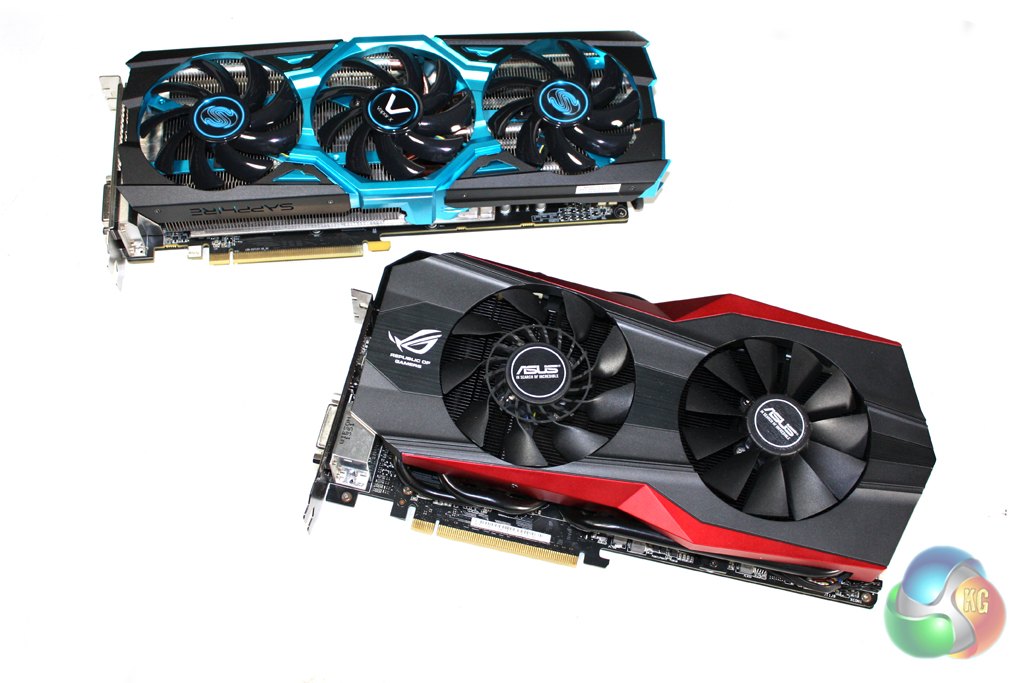
There is plenty of room in the case for all graphics card that are currently on sale. We installed two models into the system to ensure compatibility, the Asus RoG GeForce GTX 780Ti Matrix and the Sapphire Radeon R9 290X Vapor-X.
For our tests we will be using a Phanteks PH-TC14PE to cool the Intel Core i7-3930K CPU in the Corsair Graphite 780T.
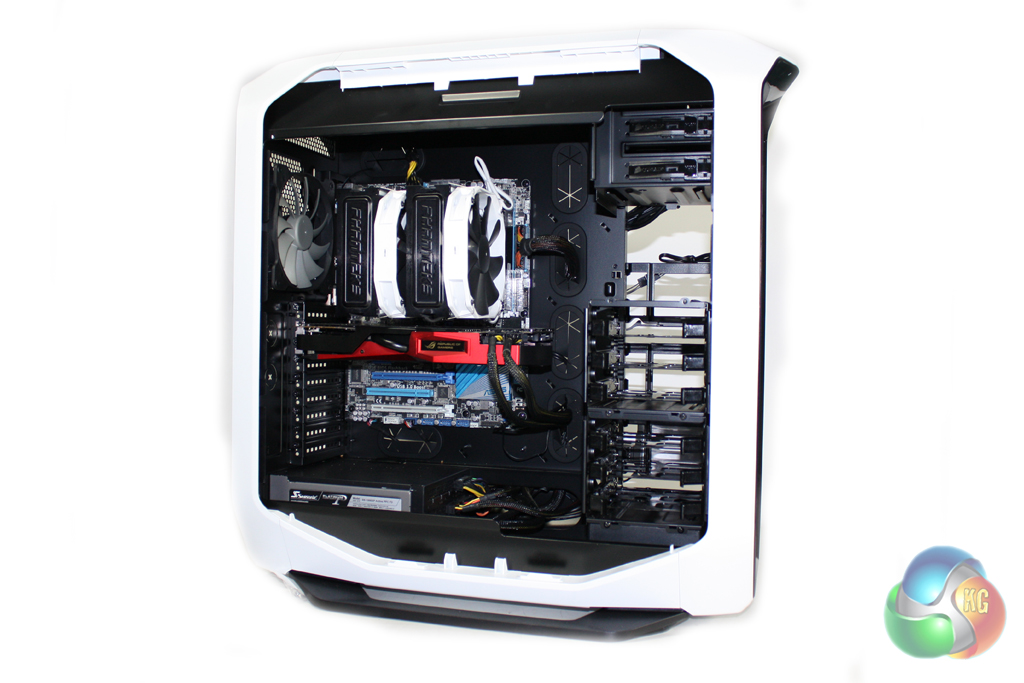
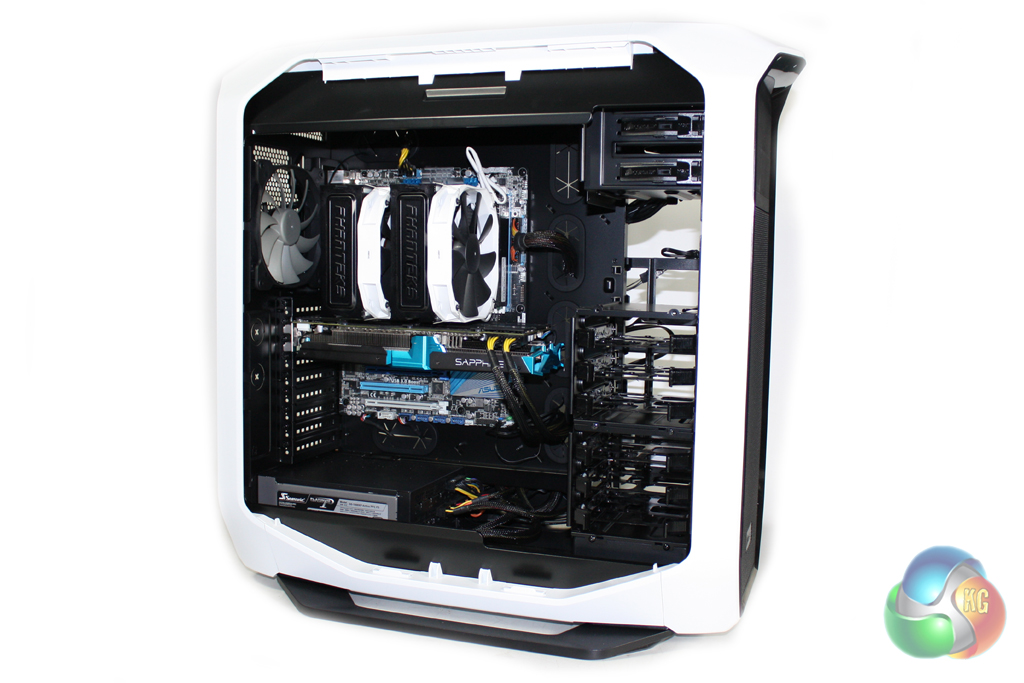
We decided to test the Graphite 780T with both Nvidia and AMD's finest graphics cards.
These took the form of the Asus RoG GeForce GTX 780Ti Matrix (review here) and the Sapphire Radeon R9 290X Vapor-X OC (review here).
We manually overclocked the i7-3930K to 4.6 GHz by increasing the multiplier to 46x, leaving the baseclock set at 100 MHz. The voltage was increased to 1.39V to achieve this frequency.
Test System:
- Processor: Intel Core i7-3930K
- Motherboard: Asus P9X79
- Cooler: Phanteks PH-TC14PE
- Thermal Paste: Arctic Cooling MX-2.
- Memory: 16GB (4x 4GB) Mushkin Blackline 1600 MHz
- Graphics Card: Asus RoG GeForce GTX 780Ti Matrix
- Graphics Card: Sapphire Radeon R9 290X Vapor-X OC
- Power Supply: Seasonic Platinum 1000W
- System Drive: Intel SSD 330 Series 120 GB
- Monitor: Viewsonic VX2260WM.
Software:
- Microsoft Windows 7 Home Premium (64-bit).
- CPUID Hardware Monitor.
- Prime95 64-bit.
- Furmark V1.10.6
To test the thermal performance of the Corsair Graphite 780T we loaded our test system for 15 minutes using Prime95 and Furmark and recorded the maximum temperatures reached using CPUID Hardware Monitor. We then restarted the system and left it for 15 minutes before recording idle temperatures.
Room temperature was maintained at 20 degrees C for the duration of our tests.
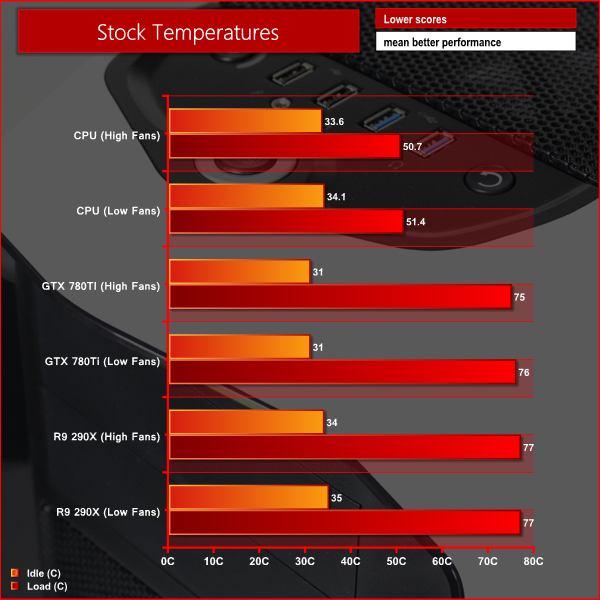
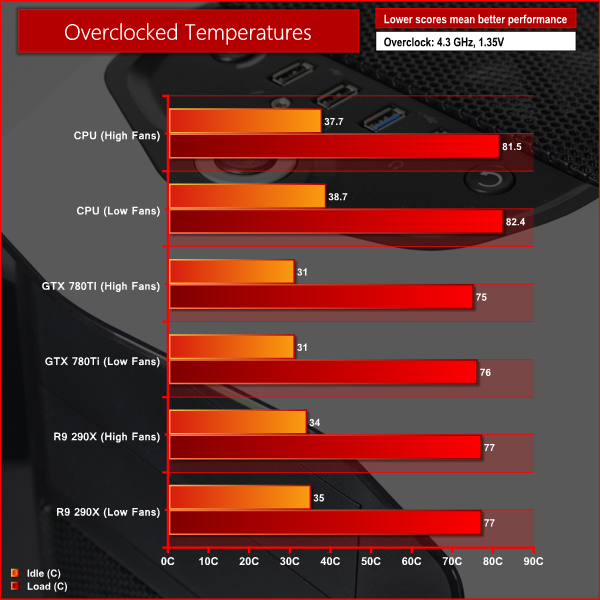
These temperatures are very impressive, showcasing the cooling performance of this case.
To conduct our noise level tests, we replaced the graphics card in our system with a AMD Radeon HD 5550 Silence which was passively cooled. We also momentarily disconnected the fans on the CPU cooler so we were only taking into account the noise generated by the fans in the case.
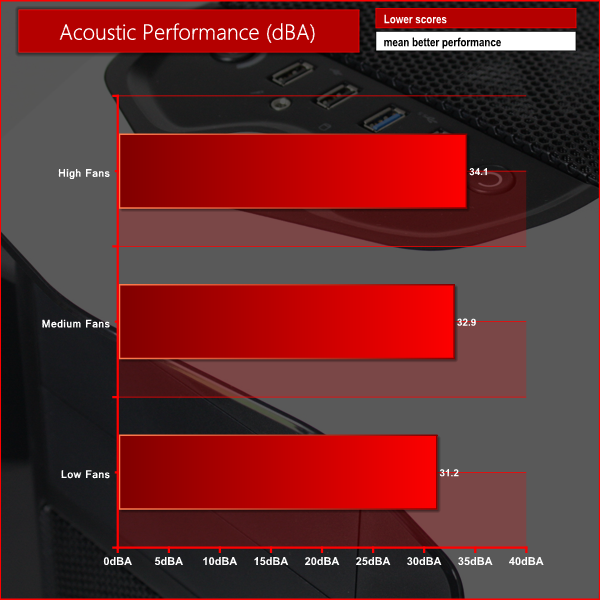
We can see that even with the fans at full speed the case remains pretty quiet. Those looking to build a very quiet system should invest in some ultra quiet fans, though, as the included ones aren't exactly silent.
Overall we are very impressed with what the Corsair Graphite 780T has to offer. It is clear that Corsair is determined to stay at the forefront of the PC case market, expanding their range even further to satisfy the needs of enthusiasts.
The design of the Graphite 780T is very eye catching and we imagine that most enthusiasts will share our opinion that it is very good looking indeed. Some may be disappointed by Corsair's choice to paint the interior of the case plain black, however we that the combination of white and black elements in the design adds to the Graphite 780T's appeal.
Corsair haven't strayed to far from their usual internal design for this case, which is no bad thing. The installation process was very simple indeed, partly thanks to the vast amount of room to work with inside the case. The only slight issue is with the expansion slot screws which are obstructed slightly by the plastic bezel which goes around the edge of the case. They are still accessible though so this shouldn't pose a significant issue.
In our thermal and acoustic tests, the Graphite 780T performed well. We imagine that most enthusiasts will replace the stock fans, however they are very good in their own right, keeping temperatures to a minimum without making too much noise. This case lends itself particularly well to water cooling. It can accept two 360 mm water cooling radiators without any modifications, thanks to the modular drive bay design.
At a price of £145 from Overclockers UK, we feel that the Corsair Graphite 780T offers fairly good value for money. As we have come to expect from Corsair, build quality is excellent, the installation process is simple and the included features are more than we would usually expect.
Discuss on our Facebook page, over HERE.
Pros
- Distinctive design.
- Solid build quality.
- Simple installation process.
- Extensive water cooling options.
- Good thermal and acoustic performance.
- Decent value for money.
Cons
- Expansion slot screws are difficult to access.
KitGuru says: Another class leading case from Corsair.

Excellent review!