KitGuru KitGuru.net – Tech News | Hardware News | Hardware Reviews | IOS | Mobile | Gaming | Graphics Cards


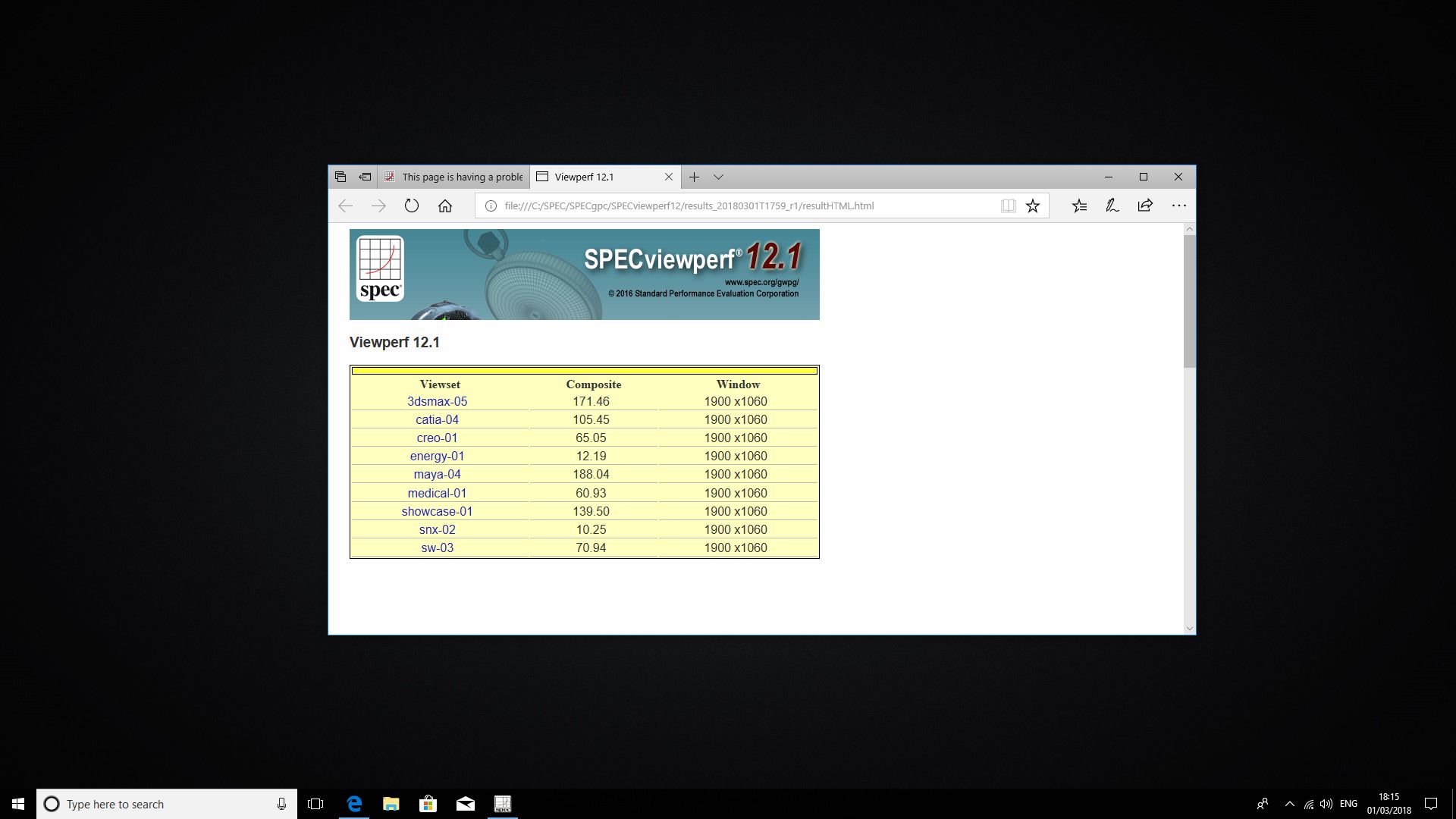
The SPECviewperf 12.1 benchmark is the worldwide standard for measuring graphics performance based on professional applications. The benchmark measures the 3D graphics performance of systems running under the OpenGL and Direct X application programming interfaces. The benchmark’s workloads, called viewsets, represent graphics content and behaviour from actual applications.
The latest version is SPECviewperf 12.1, released on August 24, 2016. SPECgpc members at the time of V12.1 release include AMD, Dell, Fujitsu, HP, Intel, Lenovo, NVIDIA, and VMware. SPECviewperf 12.1 features a new Autodesk 3ds Max viewset, Microsoft Windows 10 support, and GUI and reporting improvements.
SPECviewperf 12.1 has been tested and is supported under the 64-bit version of Microsoft Windows 7 and Windows 10. Results from SPECviewperf 12.1 remain comparable to those from V12.0.1 and V12.0.2.
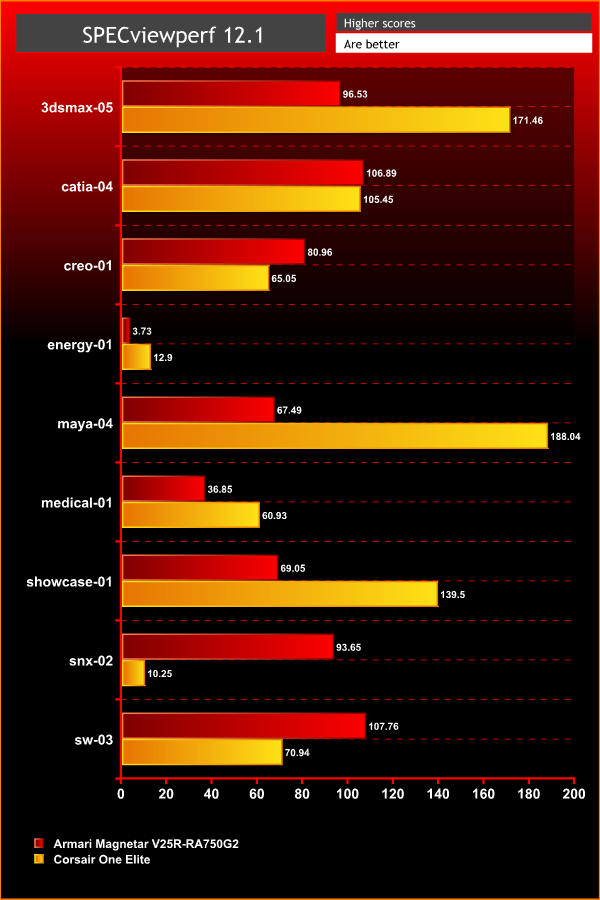
The six-core processor performed well in the SPECviewperf rendering benchmark. It was significantly quicker than the AMD-powered Armari machine in three of the nine benchmarks, including the Maya and Showcase tests – runs which have a particular focus on floating-point and DX operations.
The Corsair was further behind in a couple of tests that concentrate on rendering where lots of anti-aliasing is present, but in several tests there wasn’t a huge difference between the two machines.
In short, there’s no clear winner here. The Corsair may have two fewer cores than the Armari machine, but that hasn’t held it back in this rendering test. If you need to use the Corsair for tough work like this, it won’t let you down.