KitGuru KitGuru.net – Tech News | Hardware News | Hardware Reviews | IOS | Mobile | Gaming | Graphics Cards


The Corsair One Elite comes with one GTX 1080 Ti graphics chip. For our tests today, we have ran several high-end games, starting at 1080p and working our way up to 4K to see how much this machine can cope with.
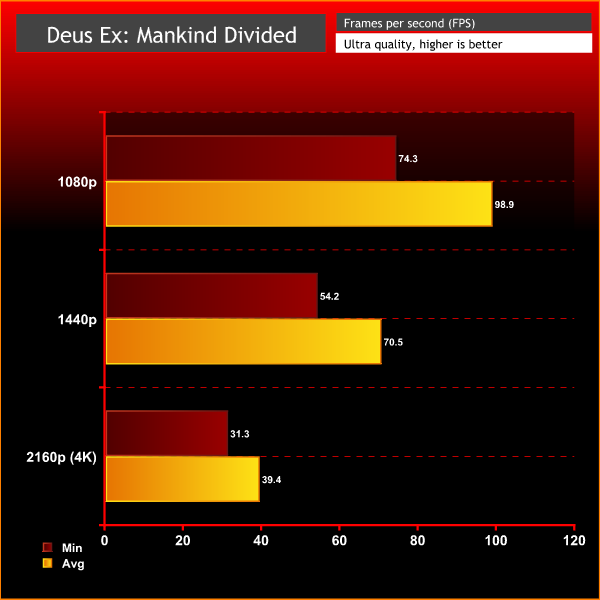
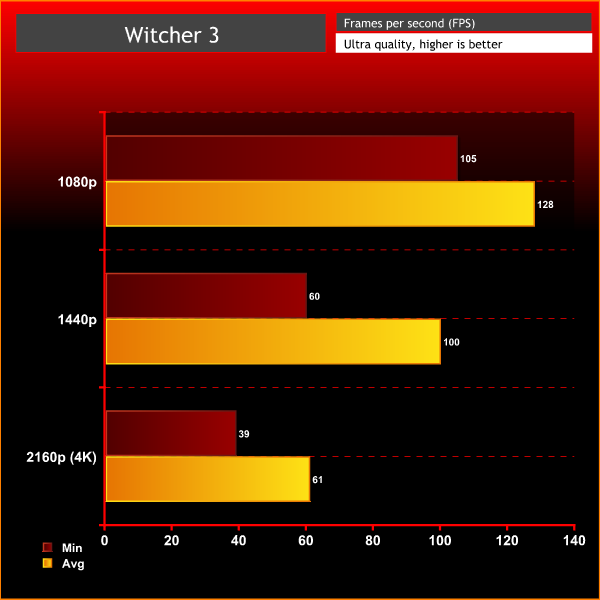
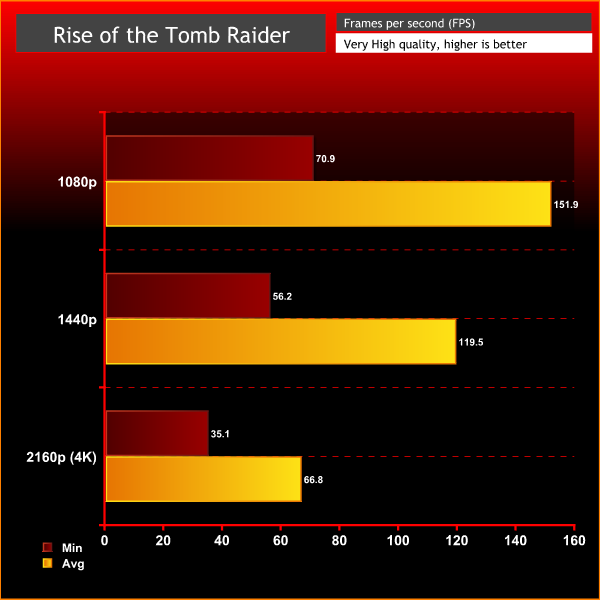
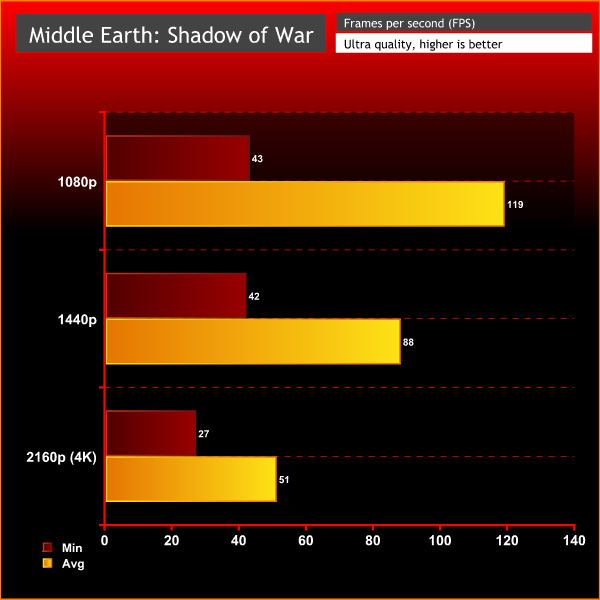
The GTX 1080 Ti in the Corsair may not be overclocked, but it’s still got enough power for gaming at every resolution up to 4K – and for VR gaming too.
It ran through Deus Ex, Tomb Raider and Witcher 3 with 4K minimums beyond 30fps, and it got beyond 60fps in two of those games. It only struggled a little in Middle Earth: Shadow of War, but its 27fps minimum was bolstered by a 51fps average – so you’re unlikely to see a lot of slowdown here.
The Corsair’s framerates in Deus Ex and Tomb Raider were actually competitive with the PC Specialist Apollo X01 machine, and the other PC Specialist system – with the overclocked processor, too – was only a handful of frames ahead.
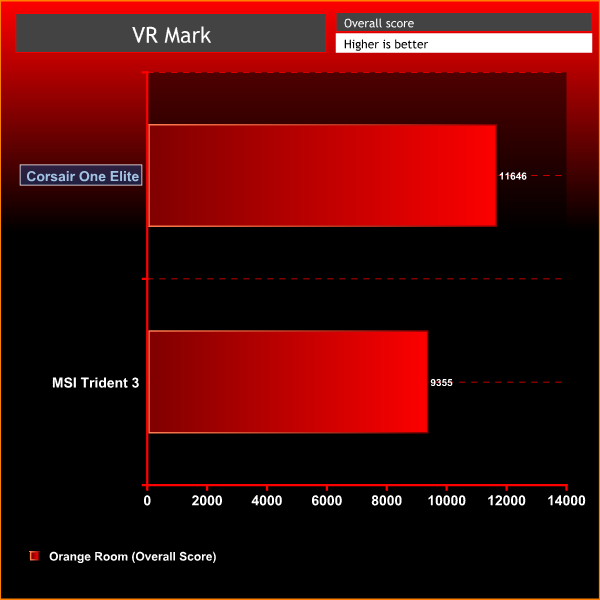
The Corsair easily outpaced the cheaper MSI rig and last year’s Corsair One system, which is hardly a surprise. It beat the MSI system in the VR Mark benchmark, too, and will easily handle today’s top headsets.
It’s a good bill of health: the Corsair is a lot smaller than many of its rivals, but it’s hardly slower at all. There aren’t many games it will struggle to play.