KitGuru KitGuru.net – Tech News | Hardware News | Hardware Reviews | IOS | Mobile | Gaming | Graphics Cards


The Viglen Incepta Professional RX is a £999 system that’s taking aim at business users – and it’s locked and loaded a brand-new AMD Ryzen 2 chip to take the fight to the competition. With an RX 560 as well, could it prove to be a solid all-rounder?
This sub-£1,000 machine takes an unusual approach by pairing the AMD processor with an AMD graphics card – the former isn’t a shock, but the latter is a surprise in a market dominated by Nvidia.
Nevertheless, this machine promises a good punch of power inside a case that’s quiet and subtle. Let’s find out if it can deliver.
Specifications:
- CPU: AMD Ryzen 7 2700 (3.2Ghz – 3.9GHz, overclocked to 4GHz)
- CPU cooling: Alpenfohn Brocken ECO
- Motherboard: Asus Prime B350-PLUS
- Memory: 8GB Kingston HyperX Fury Black 3,200MHz DDR4
- Graphics Chipset: AMD Radeon RX 560 4GB
- Storage: 250GB Western Digital Blue SSD, 1TB Western Digital Blue HDD
- Case: In-Win 101
- Front ports: 2 x USB 3, 2 x audio
- Rear ports: 6 x USB 3.1, 2 x USB 2.0, 1 x Gigabit Ethernet, 1 x PS/2, 3 x audio
- Networking: Gigabit Ethernet
- Power supply: Corsair CX650M
- Operating system: Microsoft Windows 10 Home 64-bit
- Warranty: 1yr RTB
Total cost £999 inc vat.
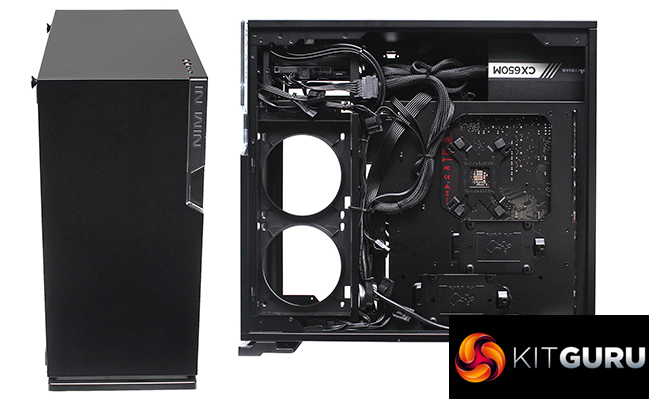
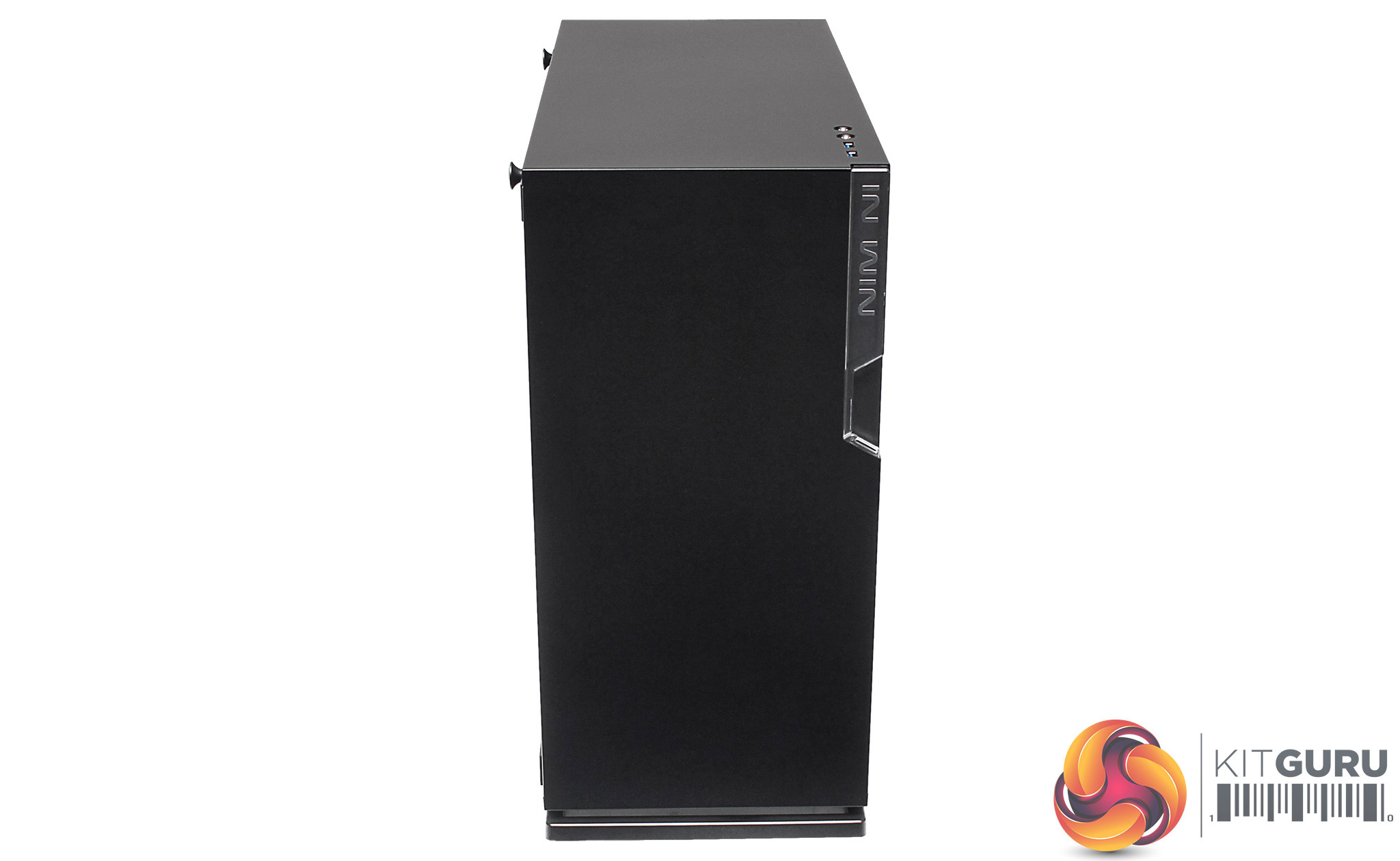
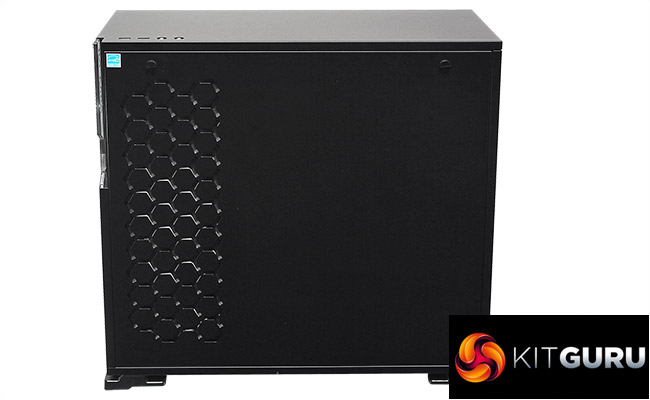
Viglen has used a familiar InWin 101 case for this build – and there’s a lot to like. For starters, exterior build quality is beyond reproach: the metal used to build the side panels is sturdy, and the tempered glass side panel is similarly strong – and comes free with handy pop-out pins rather than screws.
This is a system that’ll withstand the rigours of the home, the office – or being lugged to LAN parties.
The InWin’s sturdy design is paired with understated looks. The front panel is made of plain metal and is only disturbed by the clear Perspex in one corner that holds the InWin logo and the power button. There isn’t any ornamentation on the roof, and the side panel is plain.
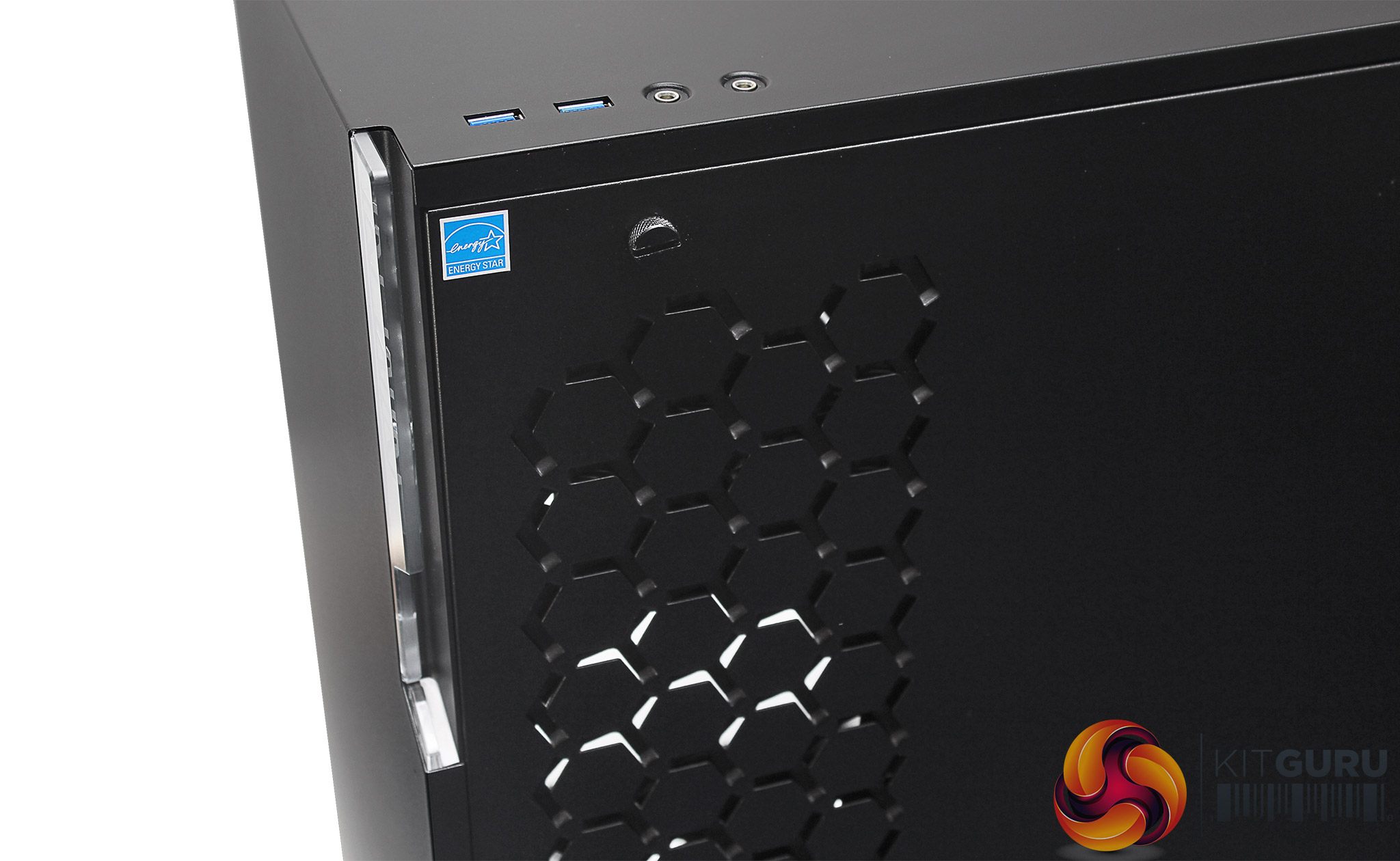
The Viglen’s subtle design is shared with the CyberPower Infinity X66 GTX, which used the same InWin case. Other machines are more outlandish, though: the PC Specialist Enigma Pro used the Corsair Carbide Spec-04, which has loads of red slashes across its black frontage, and the Overclockers UK Cobalt used a Phanteks Eclipse case that has an angled front panel and bright green lighting.
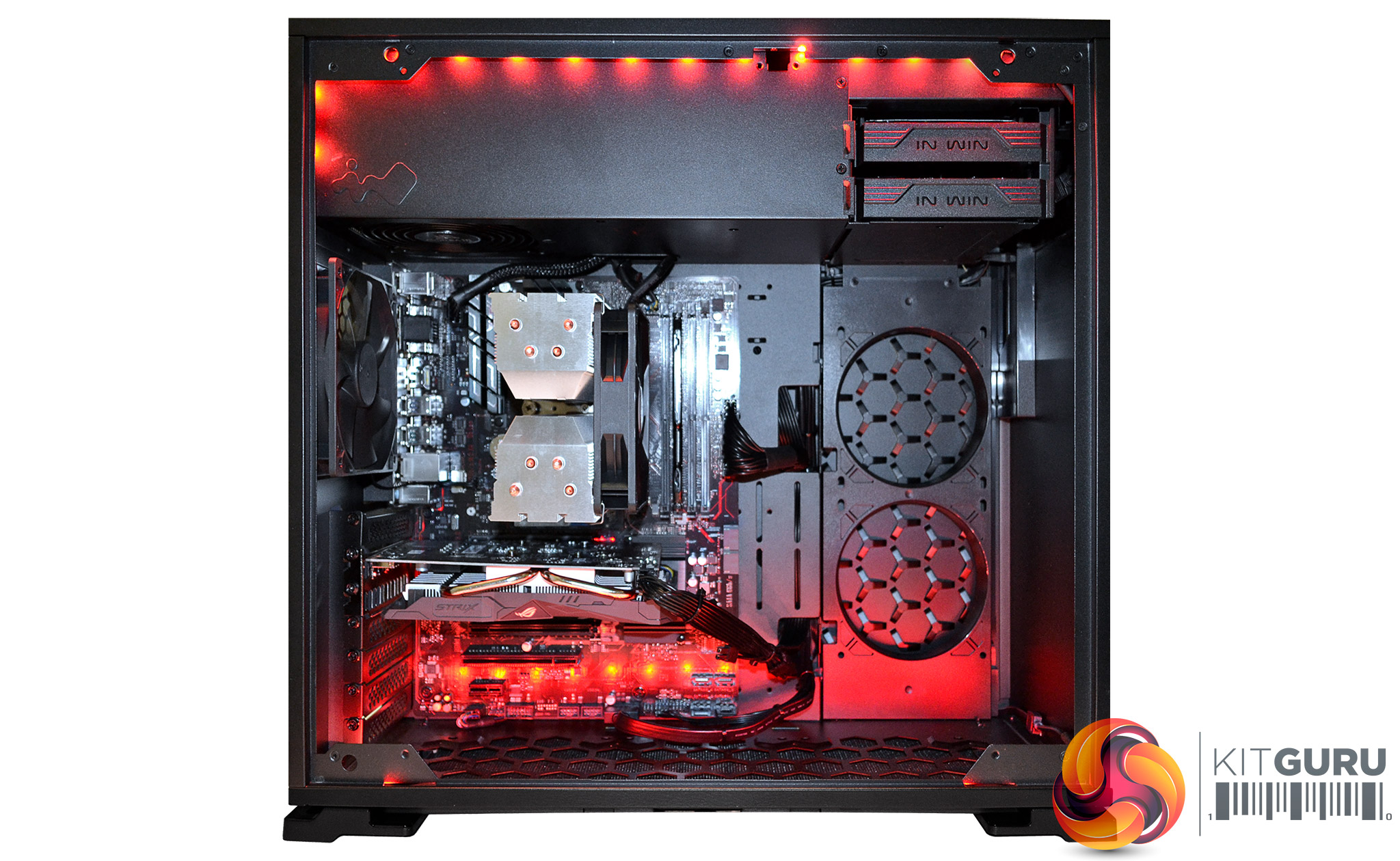
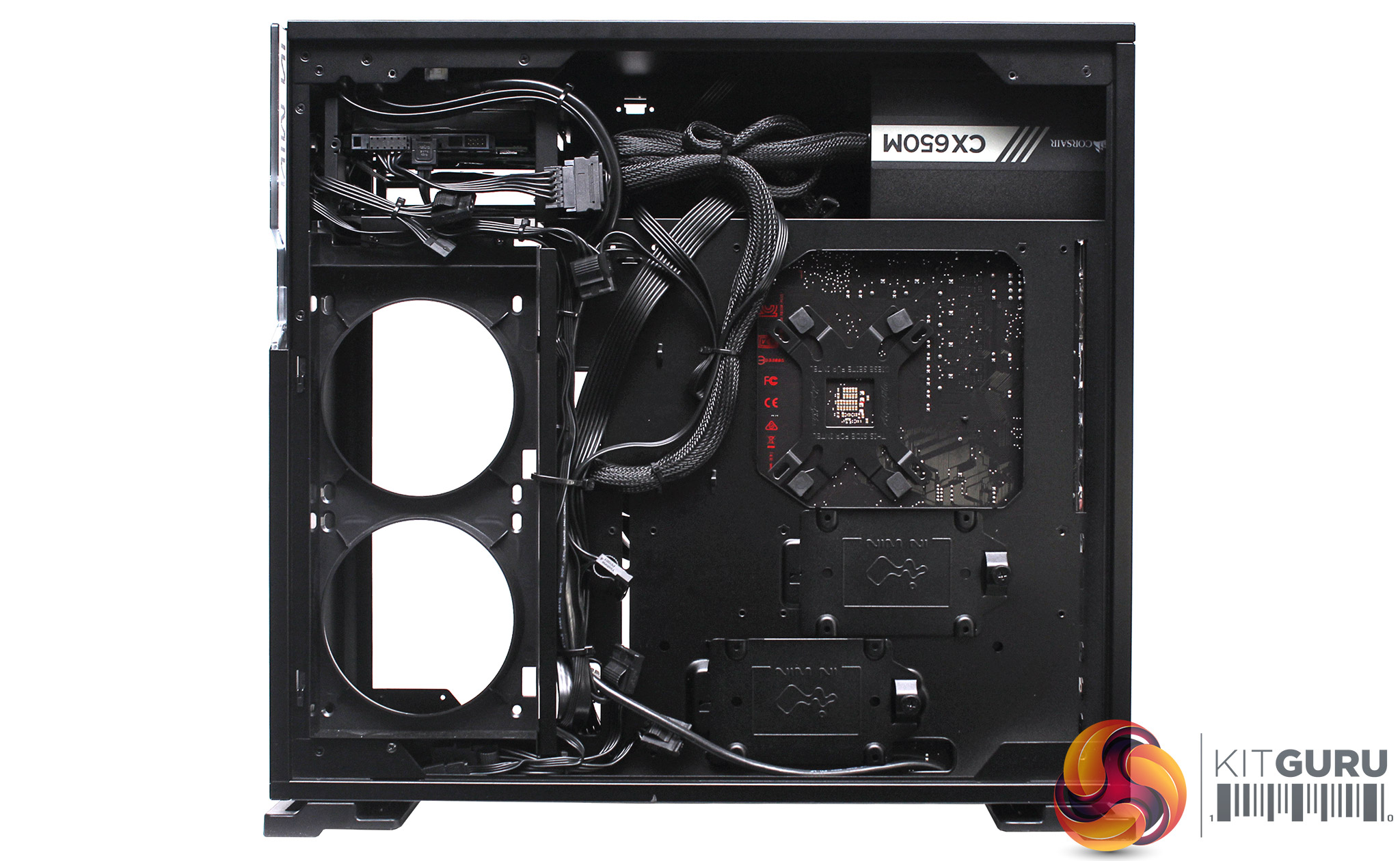
The InWin’s no-nonsense design gives way to an interesting interior. The In-Win case flips convention on its head by installing the power supply at the top of the chassis, with the motherboard positioned below.
The power supply is hidden beneath a sturdy metal shroud, and the 101’s two hard disk bays face outwards – so they’re easy to access. There’s only one spare, but it emerges smoothly on rails and has a tool-free installation method with sound-absorbing rubber washers.
The PSU’s position means that the bottom of the machine is free – and In-Win has covered this area with a honeycomb pattern and a long dust filter to improve airflow. There are three 120mm fan mounts here, and another two on the side panel can be used for more fans. Despite that, Viglen hasn’t installed any intake fans in this machine – so we’ll be intrigued to see how this rig handles our thermal tests.
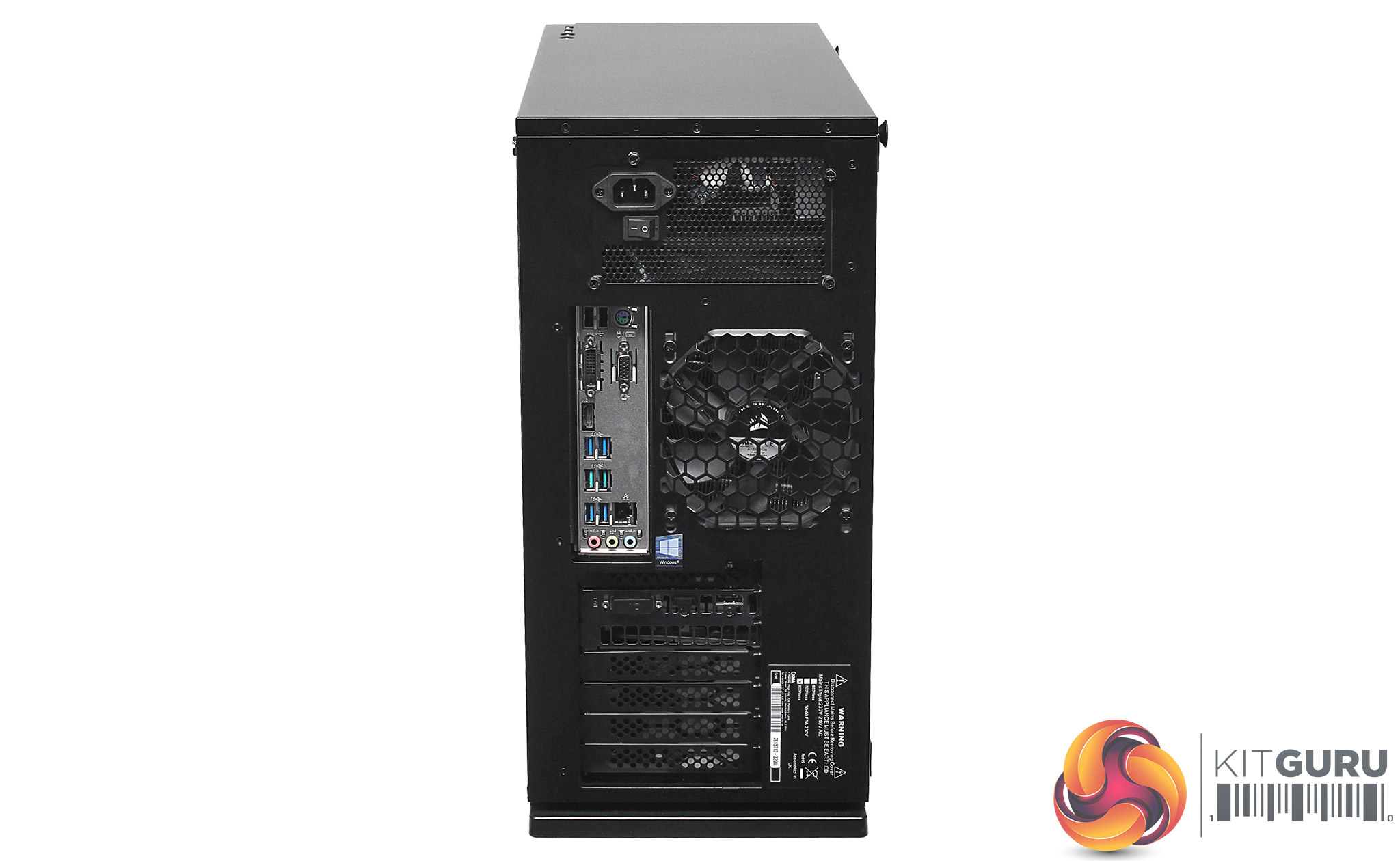
The ATX motherboard stretches almost to the bottom of the case, but it’s still easy to get to the board and its components thanks to Viglen’s solid cable management. The main power cables are lashed together, and the smaller wires that attach to the bottom of the board are kept out of the way. All of the cables are discreetly routed through the 101’s various cut-outs. It’s neat around the back, too, and there’s room here for a couple of SSDs.
Viglen has upgraded the looks with a strip of red lights on the inside, which matches the lighting in the Perplex power button and the AMD components.
The red lighting lends the dark interior an attractive glow, but that’s it for extras. You don’t get a fan controller or lighting customisation on the machine itself. Build quality on the inside is sometimes a little iffy, too: the PCI blankers and the bottom panel and dust filter are both a little flimsy.
Viglen has deployed one of AMD’s latest processors in this machine. The Ryzen 7 2700 is a brand-new part that introduces the second generation of AMD’s Zen architecture.
The new generation of chips moves the manufacturing process from 14nm to 12nm, which means increased efficiency – and more headroom for upping the clock speed. AMD has paired this development with more aggressive intelligent boosting that can apply higher speeds to more cores.
Elsewhere, there are new chipsets, faster memory speeds and improve latencies across the L2 and L3 caches.
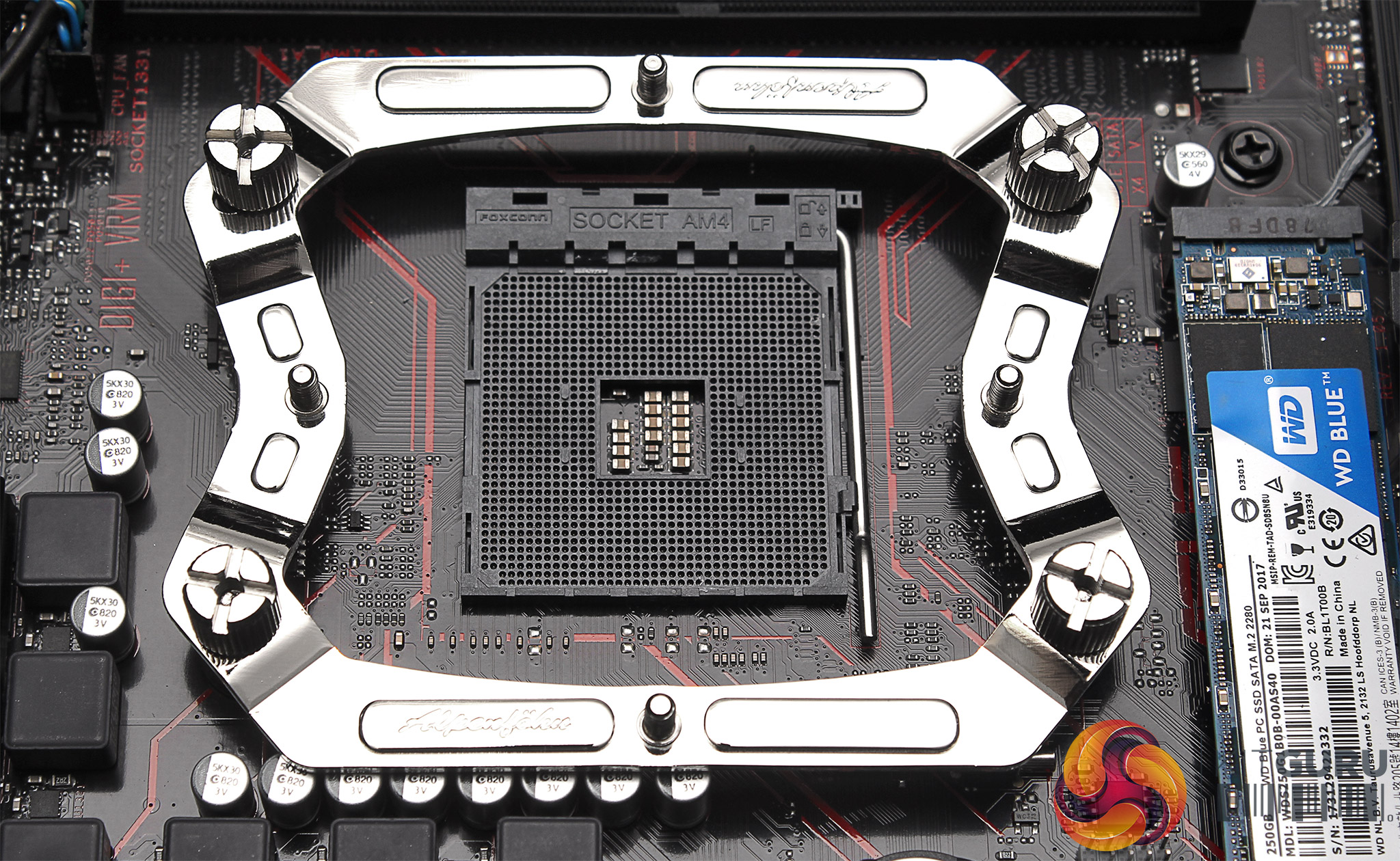
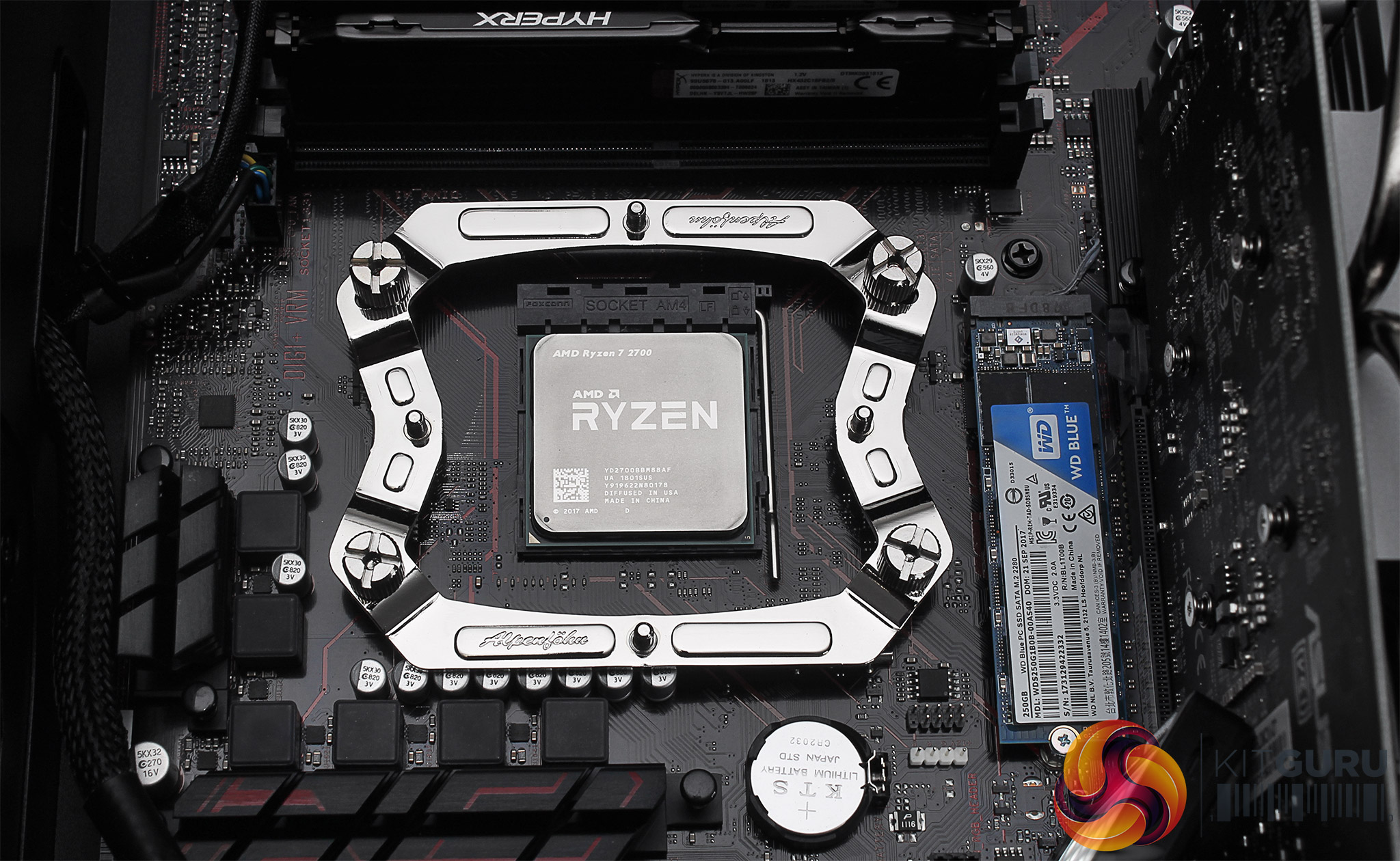
The Ryzen 7 2700 usually runs at 3.2GHz with a boost peak of 3.9GHz, but Viglen has used the more efficient chip to do some overclocking – unusual but welcome in a business machine. The 2700 in this system now runs at 4GHz across all eight of its multi-threaded cores. That speed even manages to outpace the range-topping Ryzen 7 2700X, which has a 3.7GHz stock speed.
The overclocked, second-generation Ryzen chip compares well to rival systems. The Coffee Lake i3-8100 inside the PC Specialist machine runs at a reasonable 3.6GHz, but it has no Turbo capability and its four cores aren’t Hyper-Threaded, and the Overclockers UK Cobalt uses the unlocked i3-8350K that’s overclocked to 4.8GHz – but it still only has four cores.
The only chip to come close to challenging the Ryzen 7 2700 is the Core i5-8600K inside the Cyber Power Infinity X66 GTX, which costs £1,199. That Core i5 chip has six cores and has been overclocked from 3.6GHz to 4.3GHz.
Viglen has paired the Ryzen processor with 8GB of memory. That’s a solid amount for a mid-range, general-purpose PC, while the 3,200MHz DDR4 included here is very fast. However, Viglen has only used one stick of RAM, meaning the memory is forced into a single-channel configuration. That’s a mis-step that’ll impact performance.
Storage is fine, at least, with a 250GB Western Digital Blue SSD and a 1TB hard disk – a similar setup to most rival systems.
Graphical grunt comes from the AMD Radeon RX 560. The Asus-made card used in this PC comes from the Strix range, and it has a small overclock – so its 1,175MHz base clock has been bumped up by 100MHz.
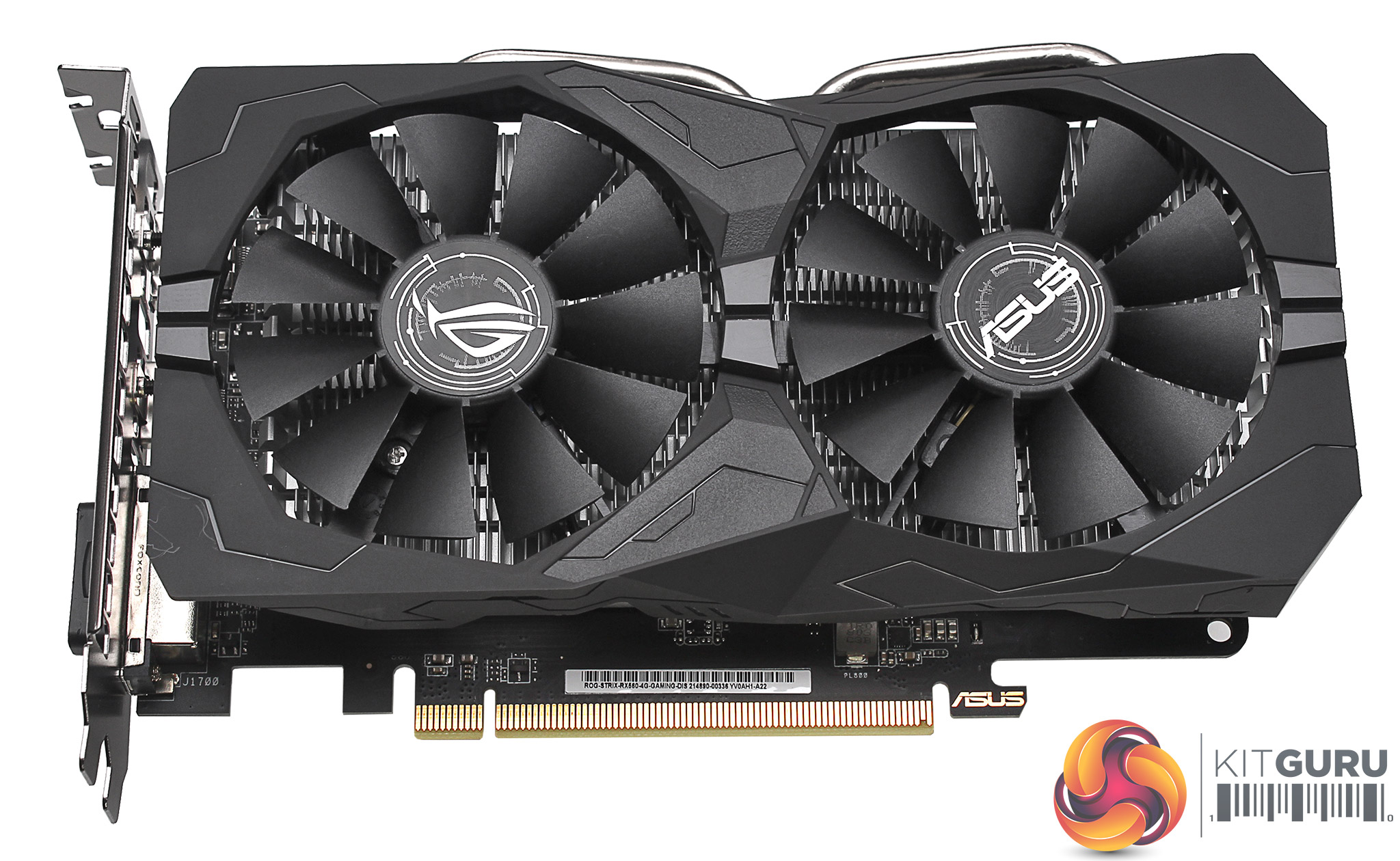
Viglen has opted for the beefiest version of the RX 560, which means you get 1,024 stream processors and 4GB of memory – some versions of the card have 896 stream processors and half as much GDDR5.
It’s a solid 1080p gaming card, but this is one area where the Viglen faces some strong competition. The CyberPower and Overclockers UK rigs both include 6GB versions of the Nvidia GeForce GTX 1060, while the PC Specialist serves up a GTX 1070.
The components attach to an Asus B350-PLUS motherboard. It’s a solid mid-range ATX board that’s entirely adequate for work and general-purpose computing.
It has three free memory slots, several vacant SATA ports, and free PCI-Express x16 and x1 slots alongside an old-style PCI socket. That’s great for installing wireless cards or legacy hardware.
There are plenty of USB 3 ports at the rear, but this board isn’t without some minor quibbles. There’s no USB 3.1 Type-C connector at the back, and the board only has three audio jacks. There’s no second M.2 slot for adding faster storage, either. There’s also no wireless internet or TPM module.
The board also uses the B350 chipset. This chipset was actually introduced with the first generation of Ryzen parts, which means it’s technically been superseded. However, in a relatively modest machine like this it doesn’t cause any problems – you don’t miss anything valuable and you still get the full might of Ryzen 2’s performance.
To test the Viglen Incepta Professional RX, we have pushed it through a broad array of benchmarks and tests. We have tested CPU performance, GPU performance, drive performance, thermals, power usage and battery life to give a comprehensive view of the laptop.
Here are the benchmarks you can expect to find in this review:
- Cinebench R15
- CrystalDiskMark
- 3DMark Fire Strike
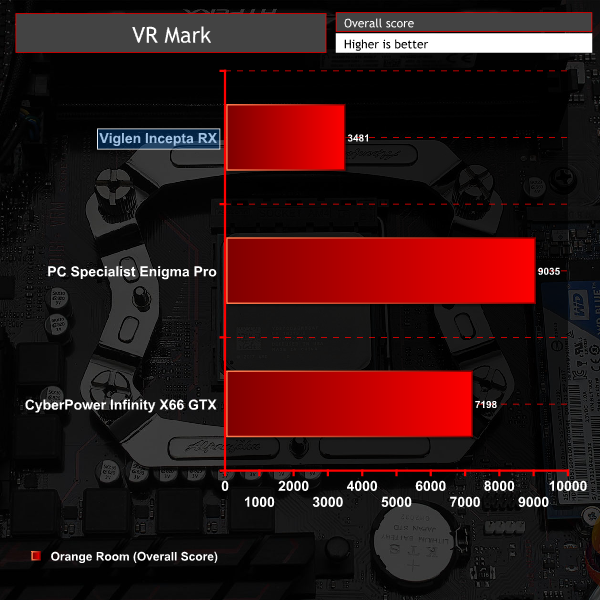
- VRMark
The Viglen rig has a high-end Radeon RX 580 graphics card. To that end, we’ve also used high-end games to put the GPU through its paces.
- Deus Ex: Mankind Divided
- Rise of the Tomb Raider
The Viglin’s mid-range status means that it faces plenty of competition in the marketplace.
The PC Specialist Enigma Pro costs just under £900 and delivers a Core i3-8100 processor and Nvidia GeForce GTX 1070 – but no SSD.
The Overclockers UK Cobalt is a £1,234 system with an overclocked Core i3-8350K processor and a GTX 1060 graphics card alongside an SSD and hard disk.
The final contender is the CyberPower Infinity X66 GTX, which costs £1,199 and pairs a Core i5-8600K overclocked processor with a GTX 1060 graphics card.
CINEBENCH R15 is a cross-platform testing suite that measures hardware performance and is the de facto standard benchmarking tool for leading companies and trade journals for conducting real-world hardware performance tests. With the new Release 15, systems with up to 256 threads can be tested.
CINEBENCH is available for both Windows and OS X and is used by almost all hardware manufacturers and trade journals for comparing CPUs and graphics cards.
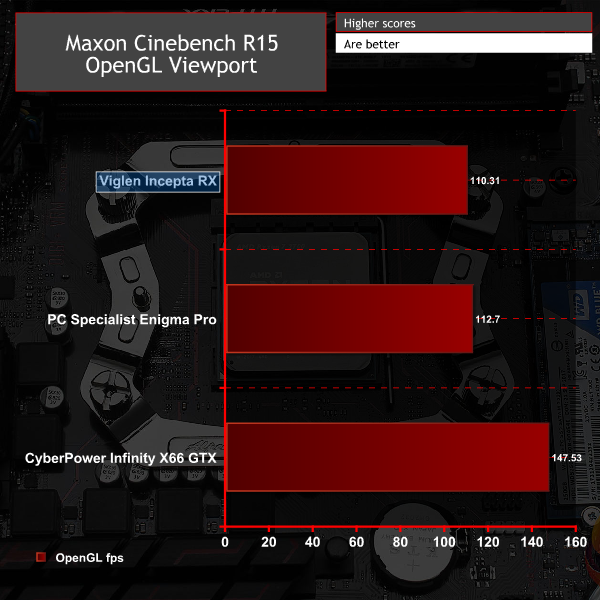
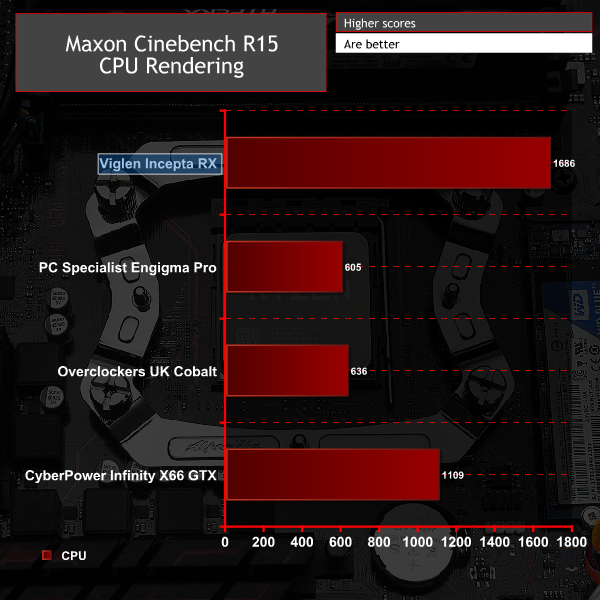
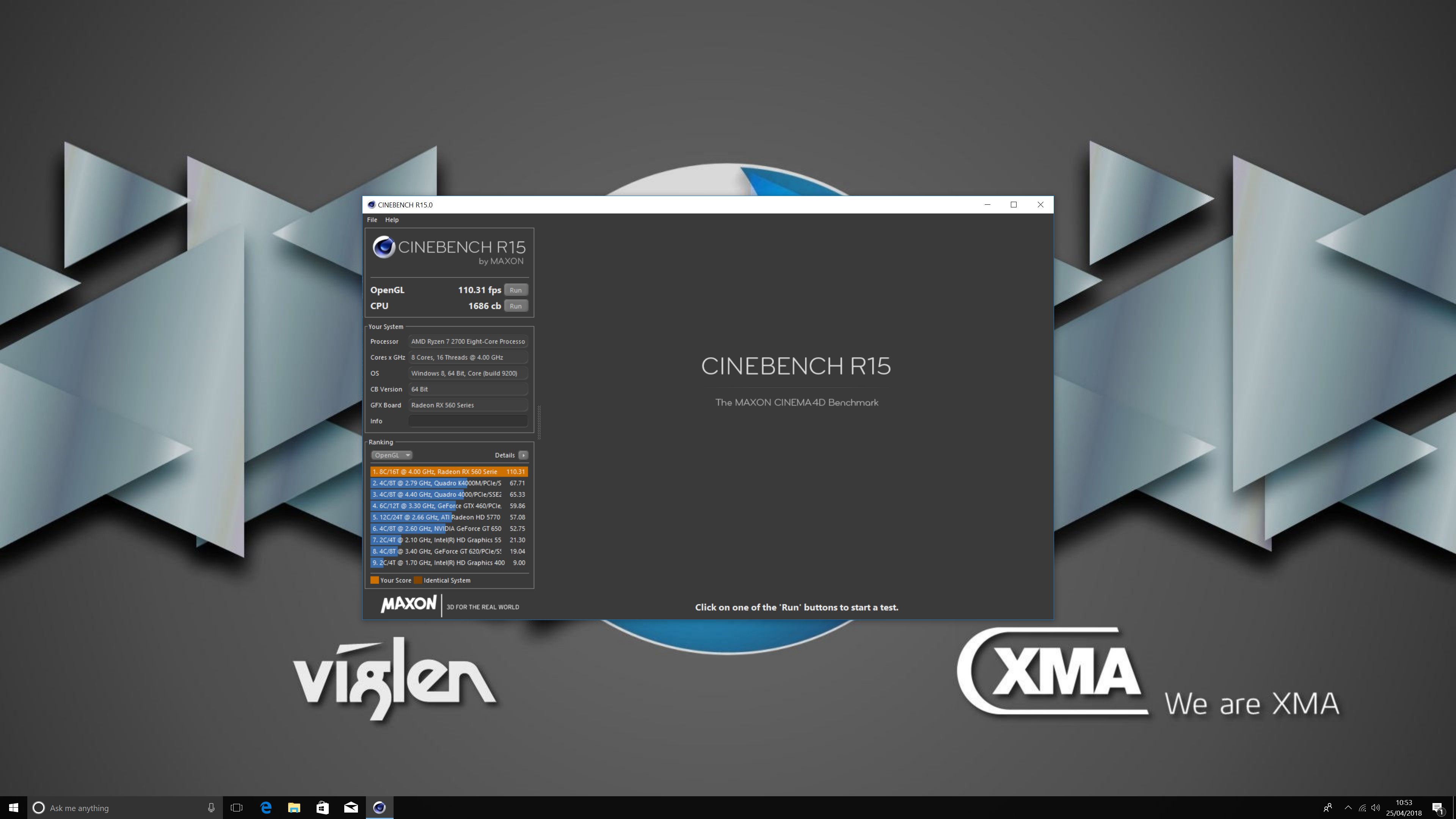
The second-generation Ryzen CPU in the Viglen may only have a small overclock, but its updated architecture and extra cores saw the Viglen streak ahead of the competition in the Cinebench test.
Its multi-core score of 1,686cb is more than 500 points ahead of the nearest challenger – the CyberPower machine with the overclocked Core i5 processor. The Core i3 chips in the other two rival rigs could only score around 600 points – a full 1,000cb behind the Viglen.
That’s an excellent score, and it bodes well for work. The eight multi-threaded cores have enough power to handle the vast majority of office tasks, from photo and video editing to large databases and design tools.

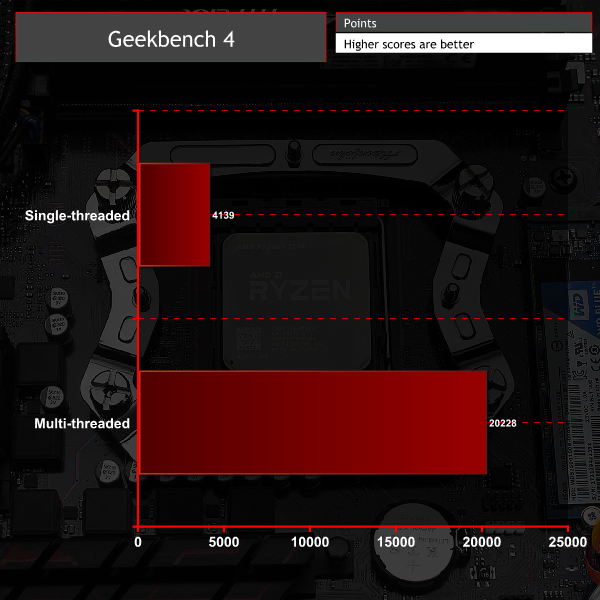
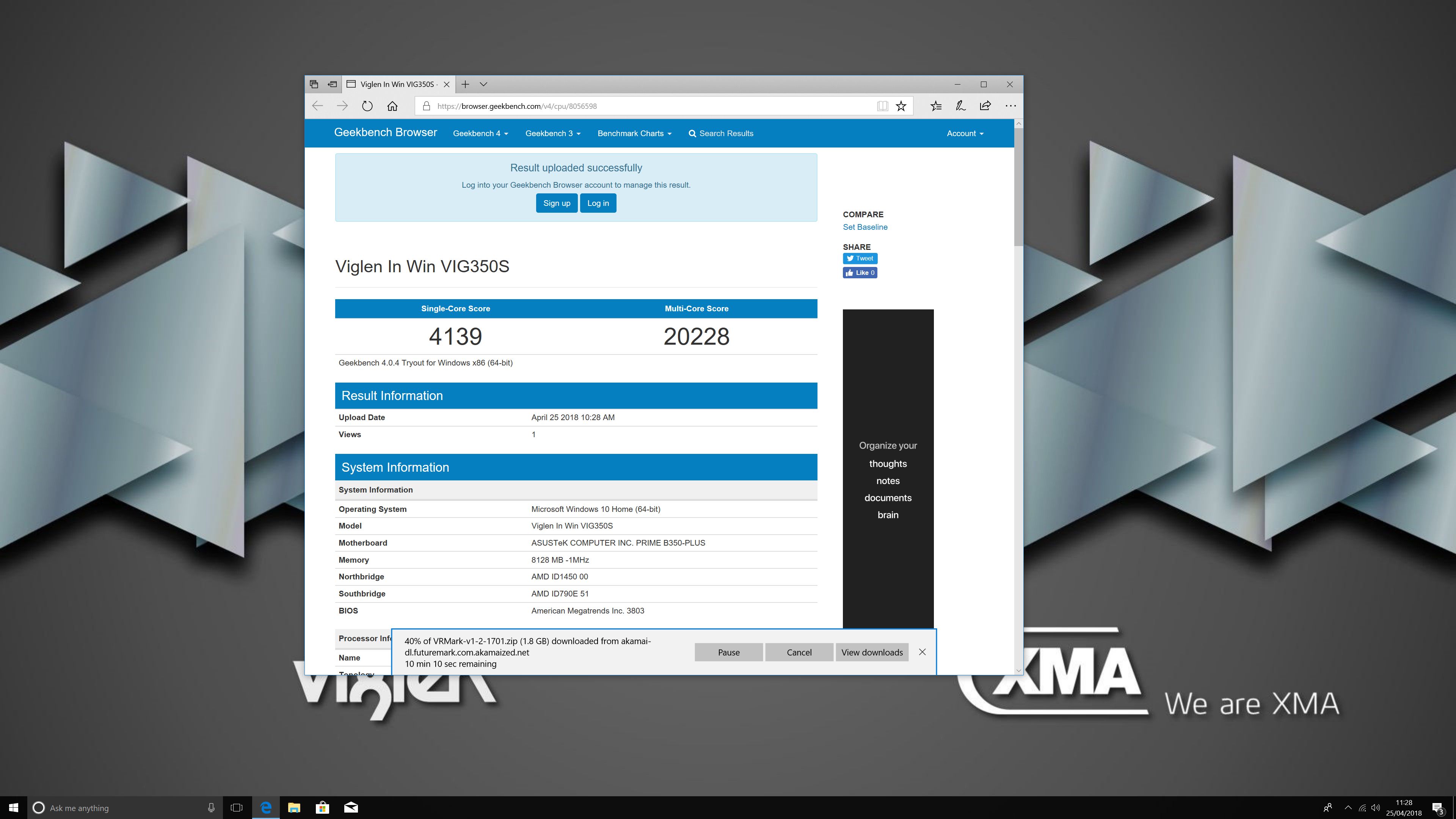
The Viglen’s Geekbench single-core result of 4,139 is fine – a solid result that’s only beaten by the most powerful and overclocked Intel processors. The real star here is the Geekbench multi-tasking result of 20,228. That’s stunning for a £999 system, and not far off the pace we’d expect from overclocked machines that cost twice as much.
It’s just a shame that Viglen has relied on single-channel memory. The single-threaded bandwidth measurement of 18.57GB/s is good, but it hardly improved in the multi-threaded test. A second stick of memory would have delivered another boost to application performance.
Here we test the Viglen Incepta Professional RX‘s storage performance, using CrystalDiskMark 5.2.1.
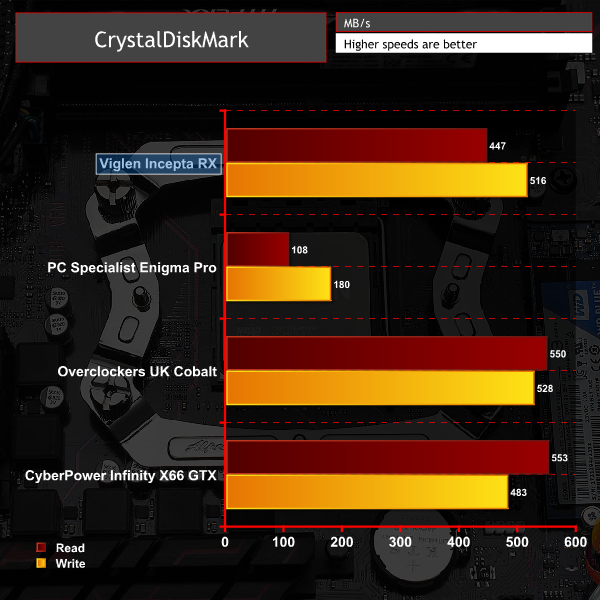
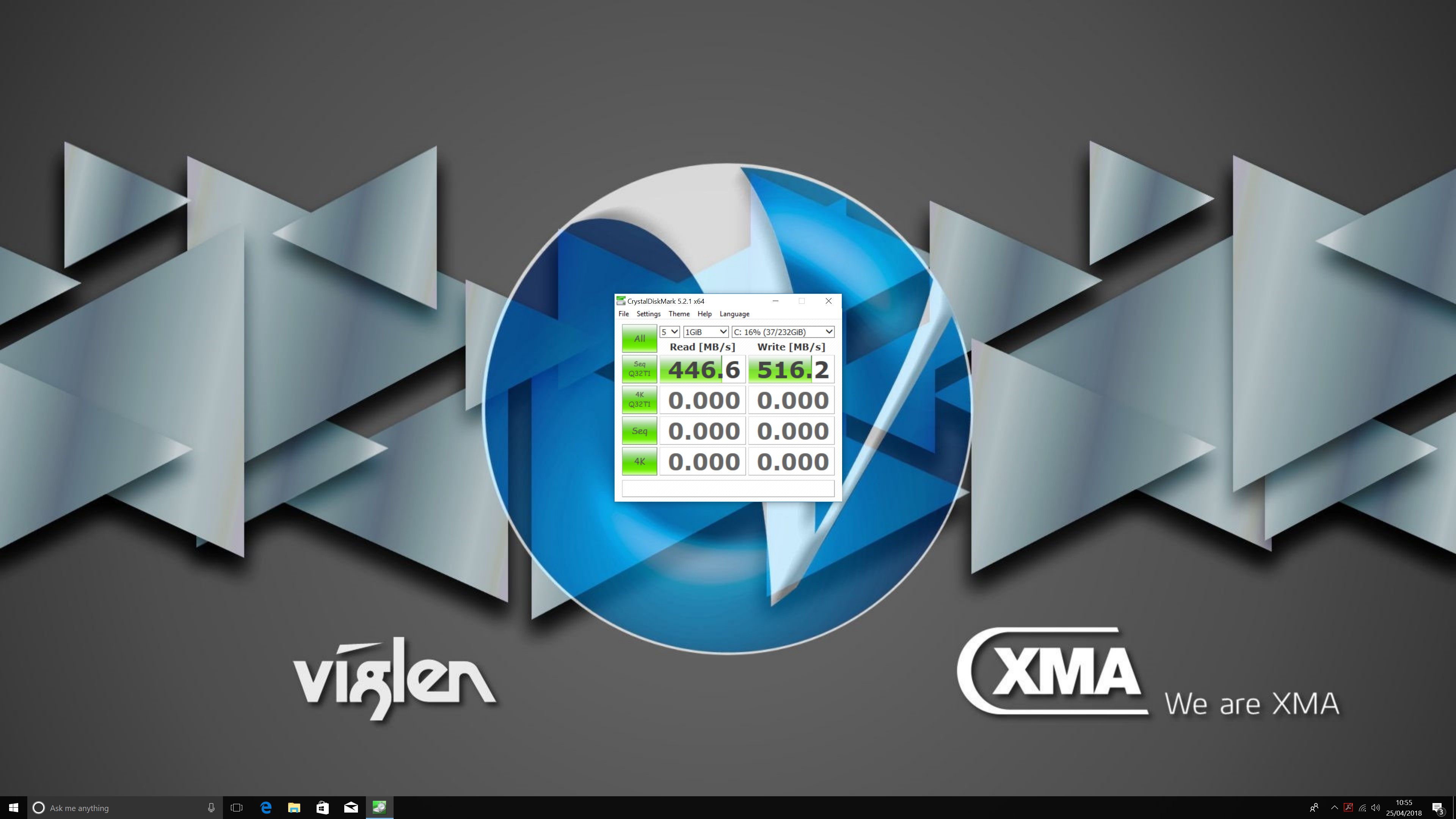
The Viglen’s read and write speeds of 447MB/s and 516MB/s are far quicker than the hard disk inside the PC Specialist system, but the Western Digital drive’s results are still a little poor for when compared to other SATA SSDs. The Samsung and Corsair drives inside the other rigs in this test were both faster.
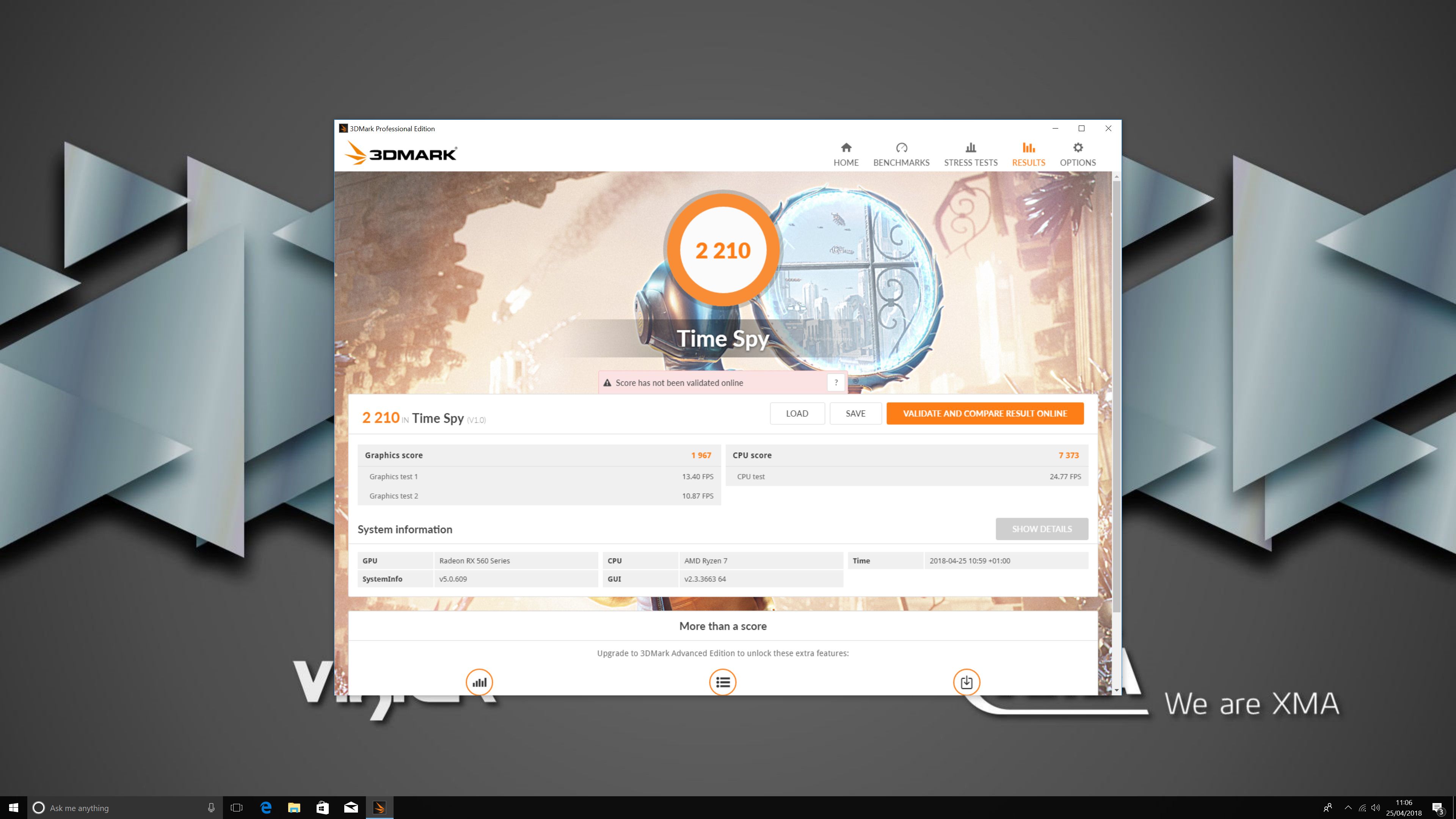
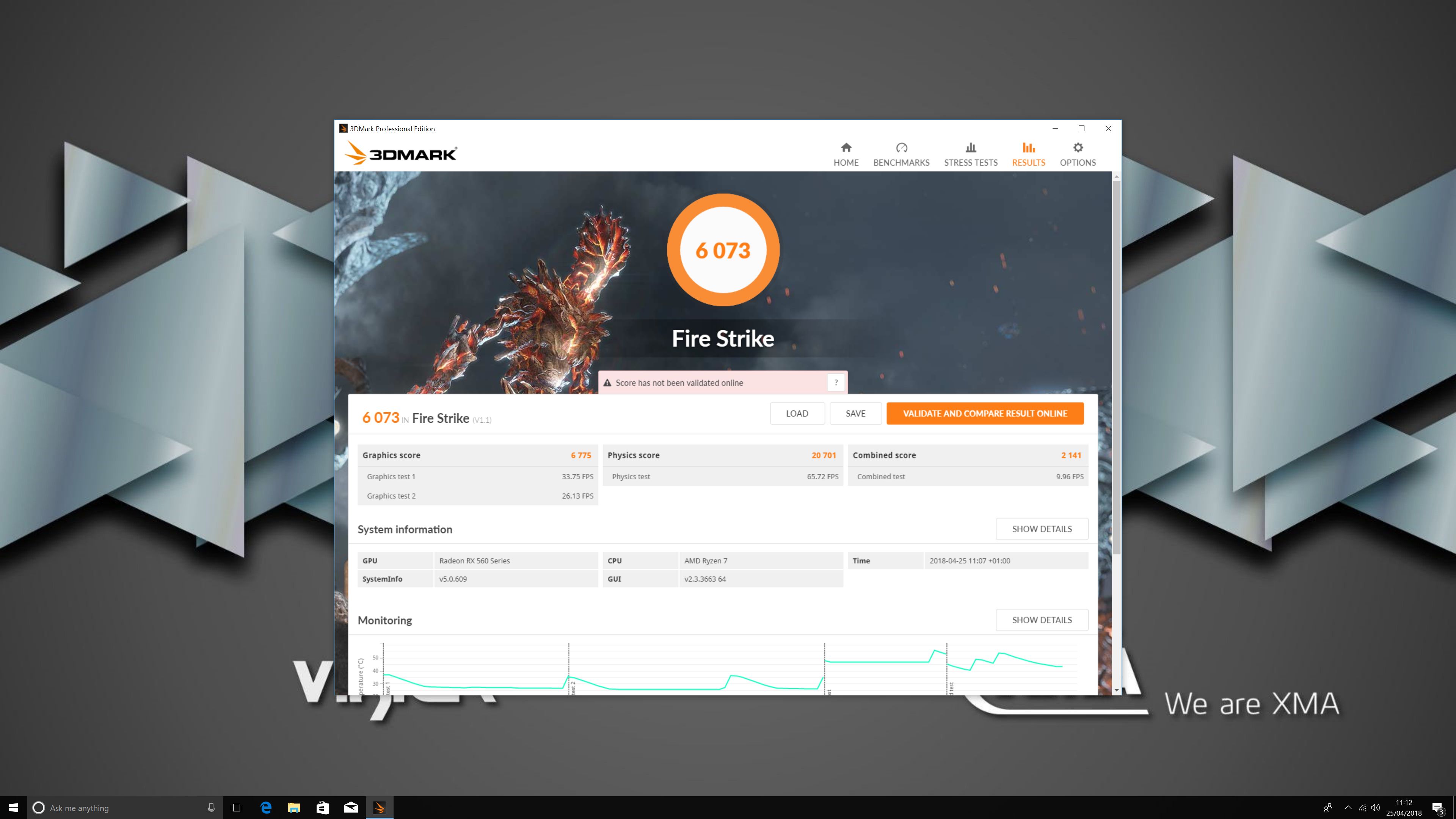
For this test, we ran the Viglen Incepta Professional RX through Time Spy, Fire Strike and Fire Strike Extreme. We have listed results for the overall score, the CPU only score, the GPU-only score and physics.
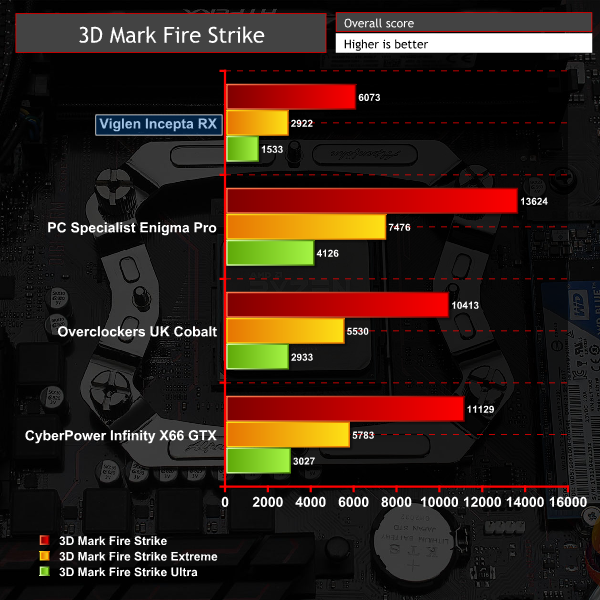
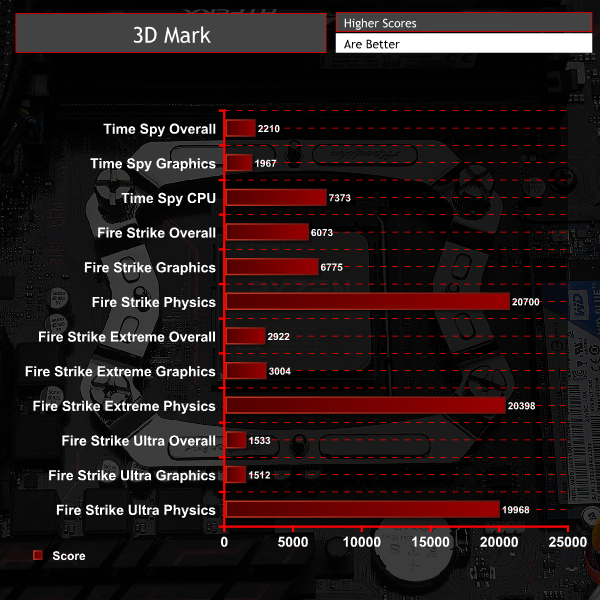
The Viglen’s RX 560 graphics card is a modest chip designed for 1080p gaming, so it’s no surprise that it lagged behind in the 3DMark tests.
In the Fire Strike benchmark it scored 6,073, which was less than half the speed of the PC Specialist system and its GTX 1070 card – that GPU scored 13,624 in the same test. In tougher 3DMark runs, the gap between the two PCs widened.
The RX 560 couldn’t keep up with the GTX 1060 cards inside the CyberPower and Overclockers machines either. Those rigs scored 11,129 and 10,413 respectively in the 3DMark Fire Strike test – so they’ve still got almost twice the grunt of the AMD card inside the Viglen rig.
That doesn’t bode too well for gaming, but this isn’t a gaming machine. More importantly, the RX 560 has enough power to handle graphical work applications, like photo, video and design tools.
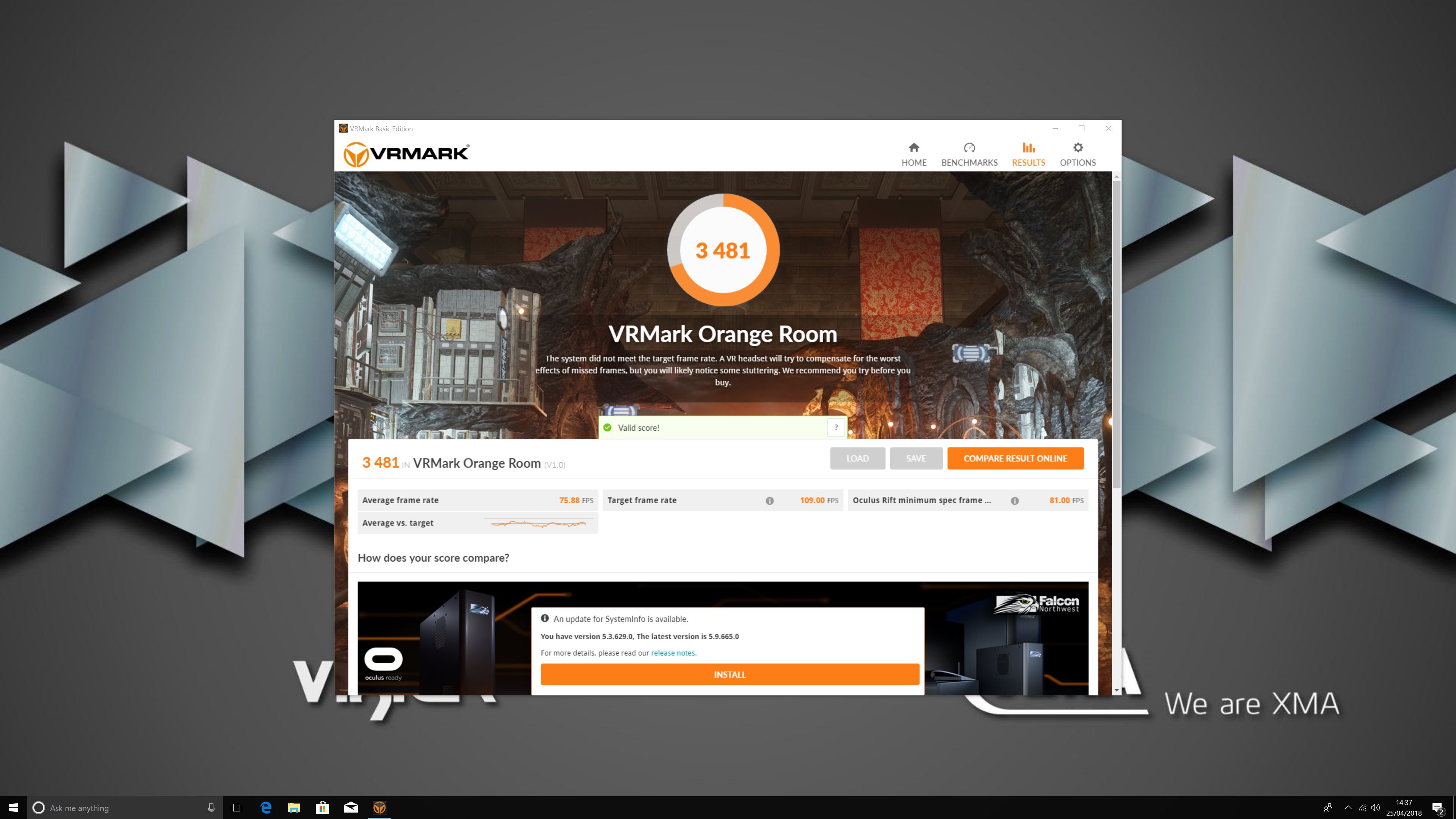
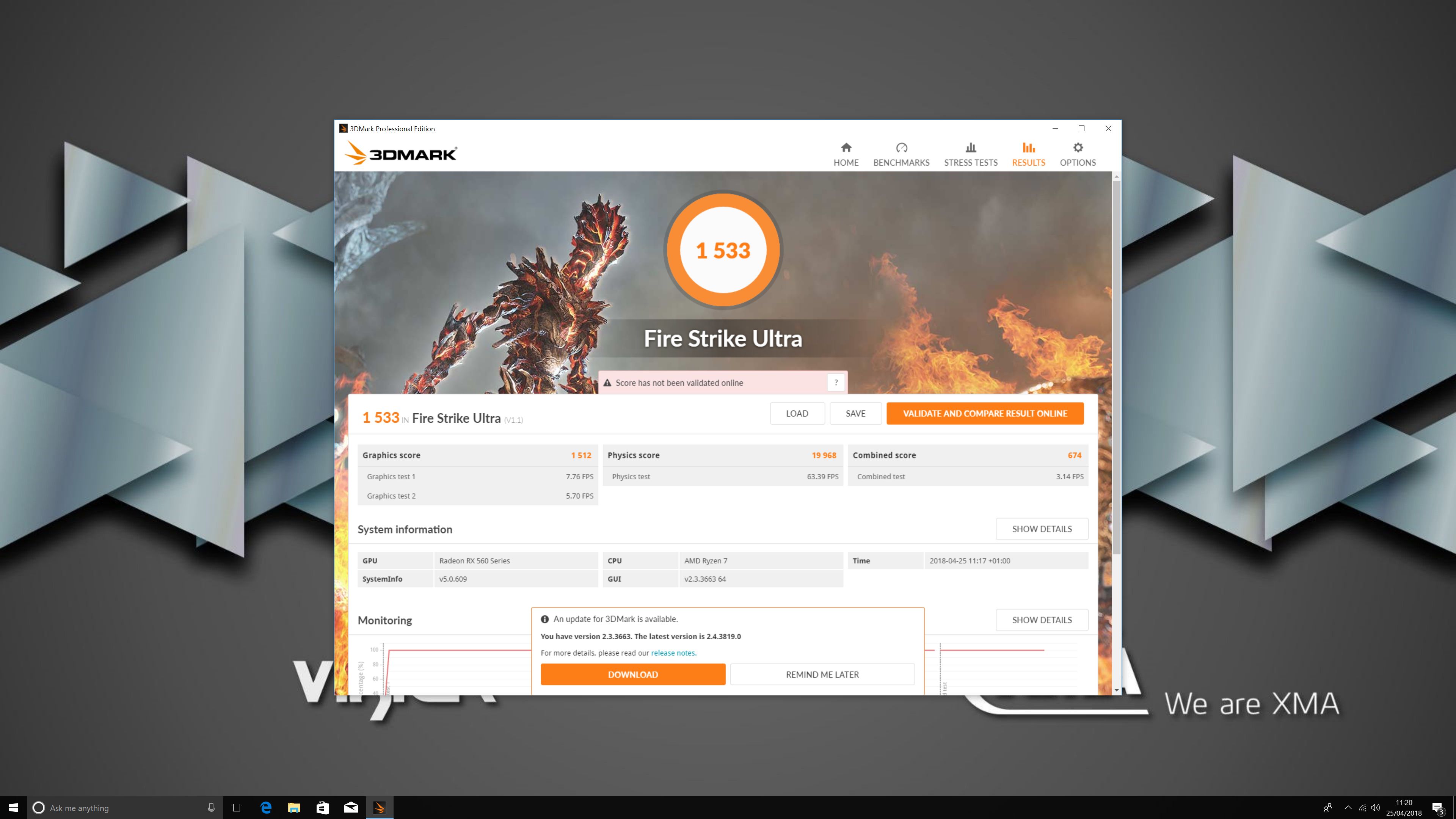
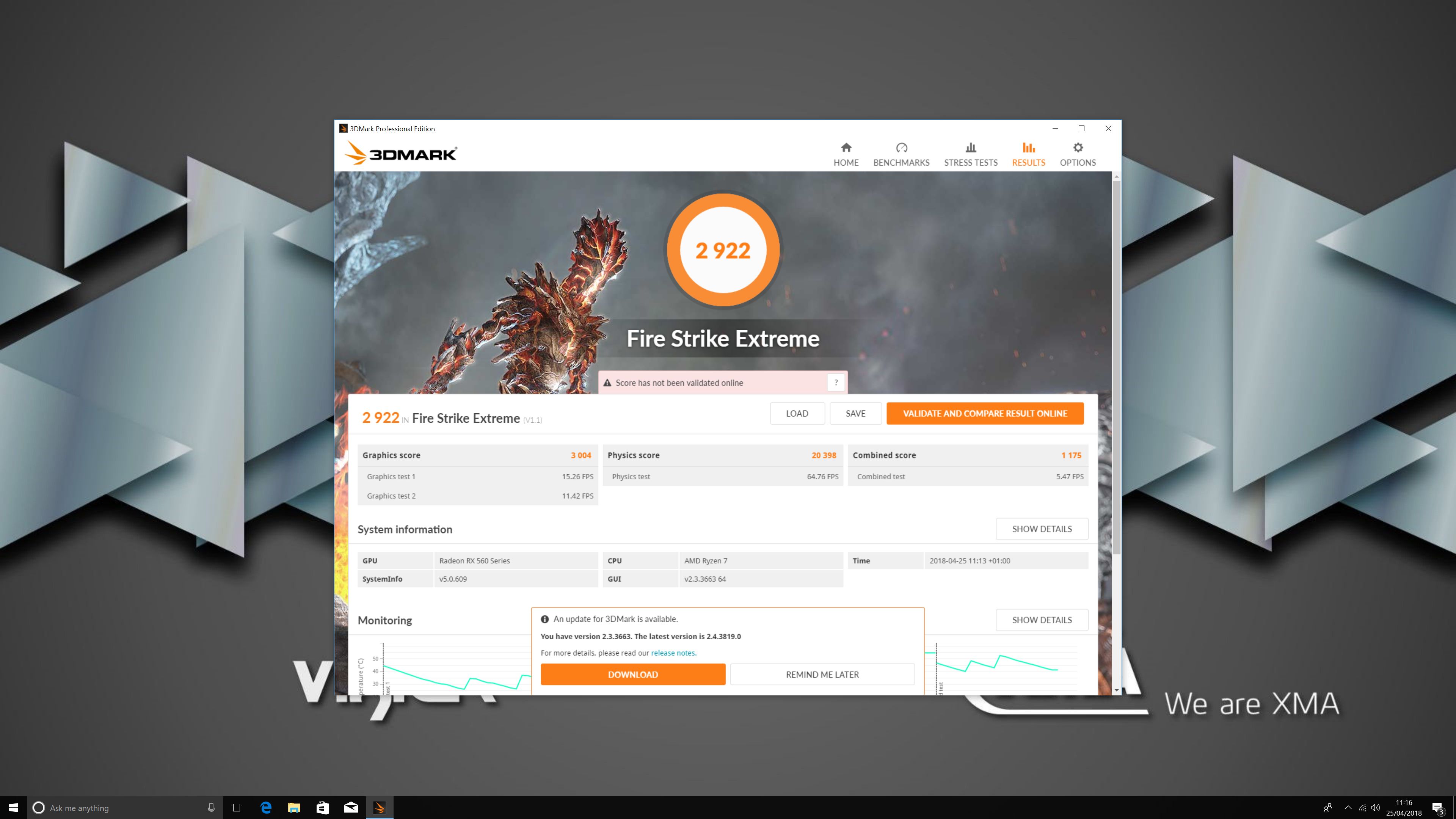
The Viglen Incepta Professional RX comes with one AMD Radeon RX 560 graphics chip. For our tests today, we have ran several high-end games, starting at 1080p and working our way up to 4K to see how much this machine can cope with.
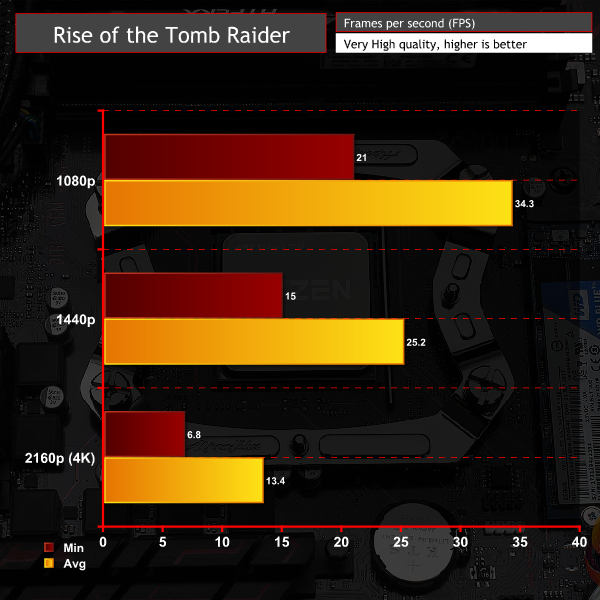
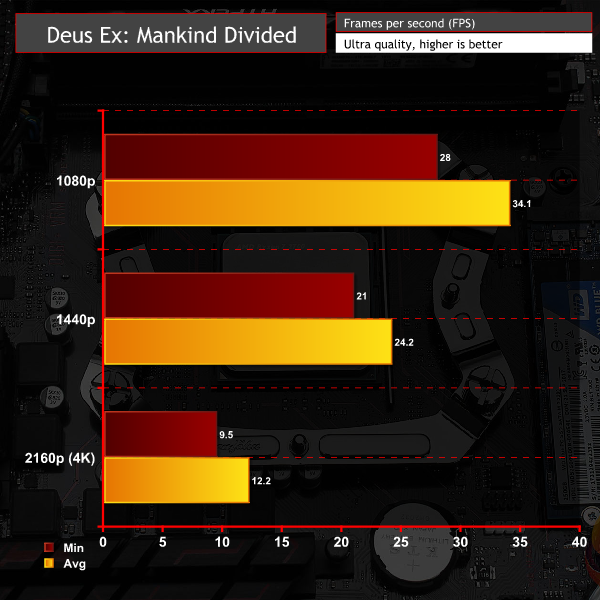
The Radeon RX 560 is a relatively modest GPU, so it’s no surprise that it only handled 1080p gaming tests – and nothing else.
Its 1080p average of 34fps in Deus Ex is fine, for instance – a playable result – but its minimum of 28fps is a little less convincing. That sort of figure means that you’ll likely experience juddering in intense scenes. Thankfully, it’s nothing that a few graphical tweaks won’t fix.
Tomb Raider returned similar results. At 1080p and with Very High settings chosen the Viglen averaged 34fps, but its minimum dipped to 21fps. Dropping down to less demanding graphics settings will solve that problem.
Suffice to say that you can’t go beyond 1080p with this machine – and that its rivals are far quicker. The CyberPower hit 54fps in Deus Ex, with the Overclockers UK machine averaging 62fps with the game’s High settings selected. The PC Specialist, with its GTX 1070 card, played Deus Ex at 57fps with Ultra settings selected.
Clearly this isn't the PC to buy if you want to get the most fps possible, but it’s capable when it comes to 1080p gaming.
To measure idle temperatures, a reading was taken after having Windows open on the desktop for 30 minutes. A reading under load was taken with Prime 95’s SmallFFt test running alongside 3DMark Fire Strike.
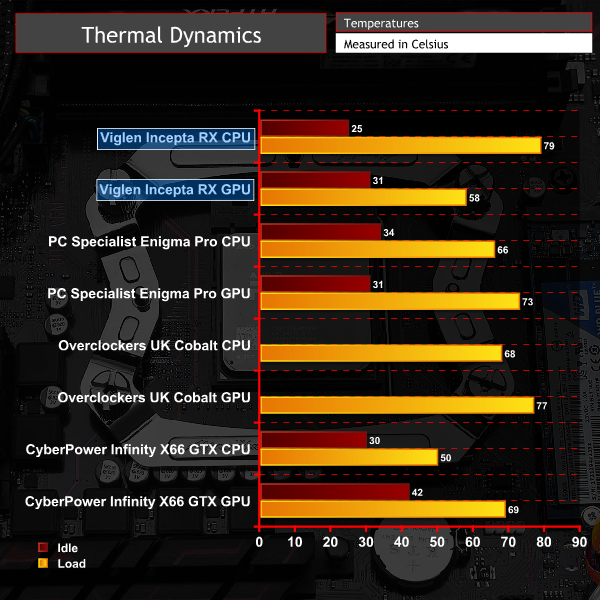
Despite the CPU overclock, decent GPU and lack of input fans, the Viglen performed well in every thermal benchmark. Its peak GPU and GPU temperatures of 79°C and 58°C are absolutely fine – on par with most other machines that arrive with an overclocked processor and graphics card.
We didn’t have any throttling issues, either: even at load the CPU ran its eight cores at its 4GHz overclocked speed, and the GPU rattled along at 1,275MHz in even the toughest tests.
It’s quiet, too. Its 40db idle noise output is middling and easy to disguise beneath a desk or with speakers, and it only rose to 45db in our toughest stress-tests – so it won’t make a lot of extra noise during tough work assignments.
The Viglen Incepta Professional RX combines an overclocked AMD processor to deliver application performance that outpaces every rival on test today.
The updated Ryzen 2 chip offers more cores than the Core i3 and Core i5 parts found in its competitors, giving it comparable single-threaded speeds but a huge advantage in multi-threaded tests. Those latter results are important, because they meant that this rig will be far better at a far wider range of productivity tools.
The RX 560 graphics card is a more modest chip, but that’s no surprise considering the top-tier processor and the Viglen’s £999 price. The Radeon chip will handle gaming at 1080p, and it’ll handle work software as well – but all three of its rivals deliver better frame rates when gaming.
Those components sit inside a case that’s neat, tidy and quiet, with solid exterior build quality.
It’s a shame that this machine is undermined by a few small errors. The single-channel memory hits performance, and the motherboard is missing a couple of features. And, while the CPU and GPU are capable enough, you could potentially find more balance in systems that have mid-range processors and beefier graphics cards.
The £899 PC Specialist Enigma Pro offers more gaming performance thanks to a GTX 1070, and the £1,199 CyberPower Infinity X66 GTX provides a Core i5 chip, with its increased IPC, for only a little more cash. The Overclockers UK Cobalt offers similar performance, but better memory and a more versatile motherboard.
That said, Viglen has built this PC for productivity on a budget, and in most of the key areas it delivers: it’s got far better processing performance than any rival inside a quiet, versatile and smart-looking case. If you’re after a system for getting the job done, you could do a lot worse.
The model we’ve reviewed here is available from Viglen for £999.
Discuss on Facebook HERE.
Pros
- Faster processing performance than most rivals
- More cores than the competition
- Neat, tidy and quiet case
- GPU that's capable with 1080p games and graphical applications
Cons
- Rival machines are much quicker in games
- Single-channel memory is disappointing
- Motherboard is a little basic
KitGuru says: Viglen's system deploys a brand-new AMD processor to serve up more multi-threaded and application power than its rivals can muster, and this machine is neat and quiet – ideal for an office. However, the GPU is mediocre, and the specification is a little underwhelming elsewhere.