KitGuru KitGuru.net – Tech News | Hardware News | Hardware Reviews | IOS | Mobile | Gaming | Graphics Cards


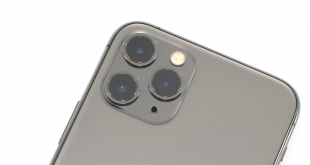
Today we are looking at the latest flagship phone from Apple – the iPhone 11 Pro. With prices starting at £1049 for the 64GB model, we know that the top-end iPhones are up there with the most expensive smartphones money can buy. With this new iteration, Apple has implemented a new triple-camera system, an updated Bionic processor and significantly increased battery capacity. Is this the best phone around?
If you watched Apple's keynote at the beginning of the month, you will have noticed how the majority of the event was dedicated to the iPhone 11 Pro's new triple-camera system. The most obvious upgrade is the addition of that third camera, sporting an ultrawide 13mm-equivalent focal length, but there's also the addition of a software-based night mode and updated Smart HDR image processing.
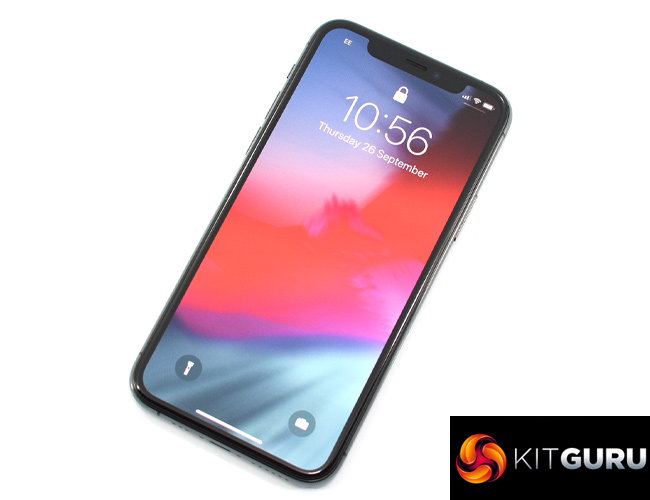
Specifications
- CPU: A13 Bionic
- Display: 5.8in Super Retina XDR OLED 2436×1125
- Rear Cameras: 12MP f/1.8 26mm, 12MP f/2.0 52mm, 12MP f/2.4 13mm
- Front Camera: 12MP f/2.2 23mm
- Battery: 3046 mAh
- Memory: 4GB
- Storage: 64/256/512GB
- IP Rating: IP68
- Dimensions: 144 x 71.4 x 8.1 mm
- Weight: 188g
- OS: iOS 13
Design
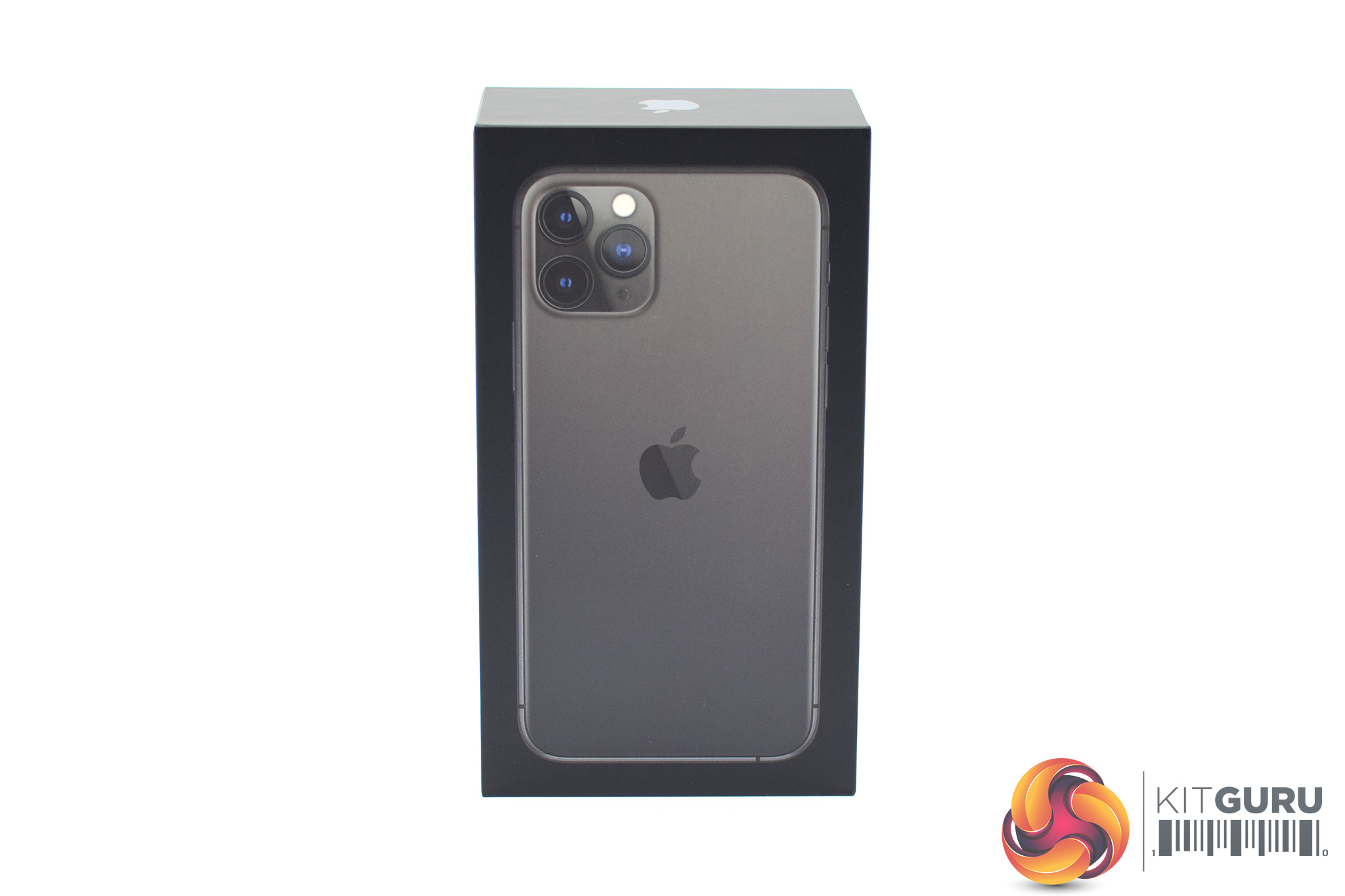
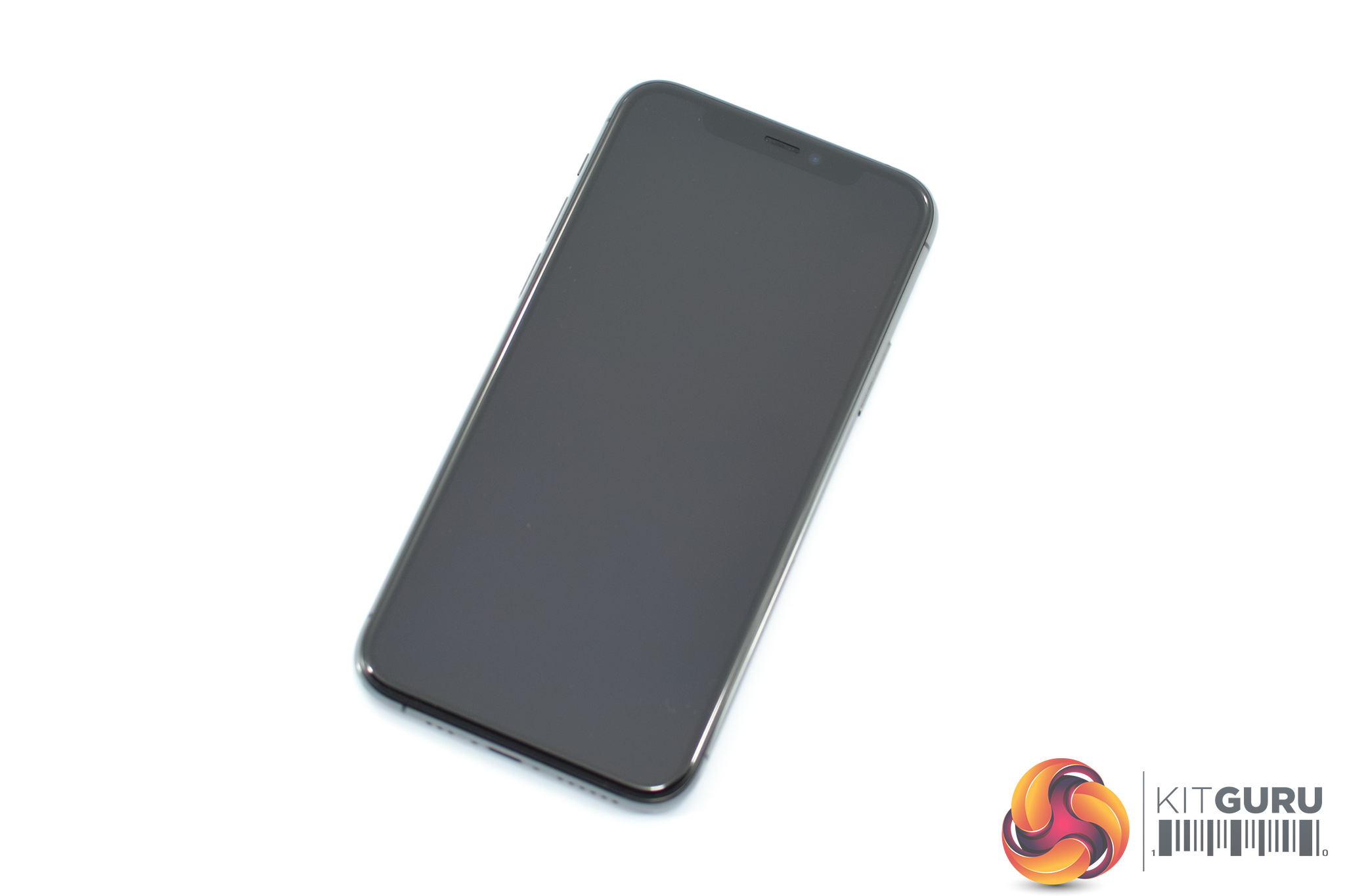
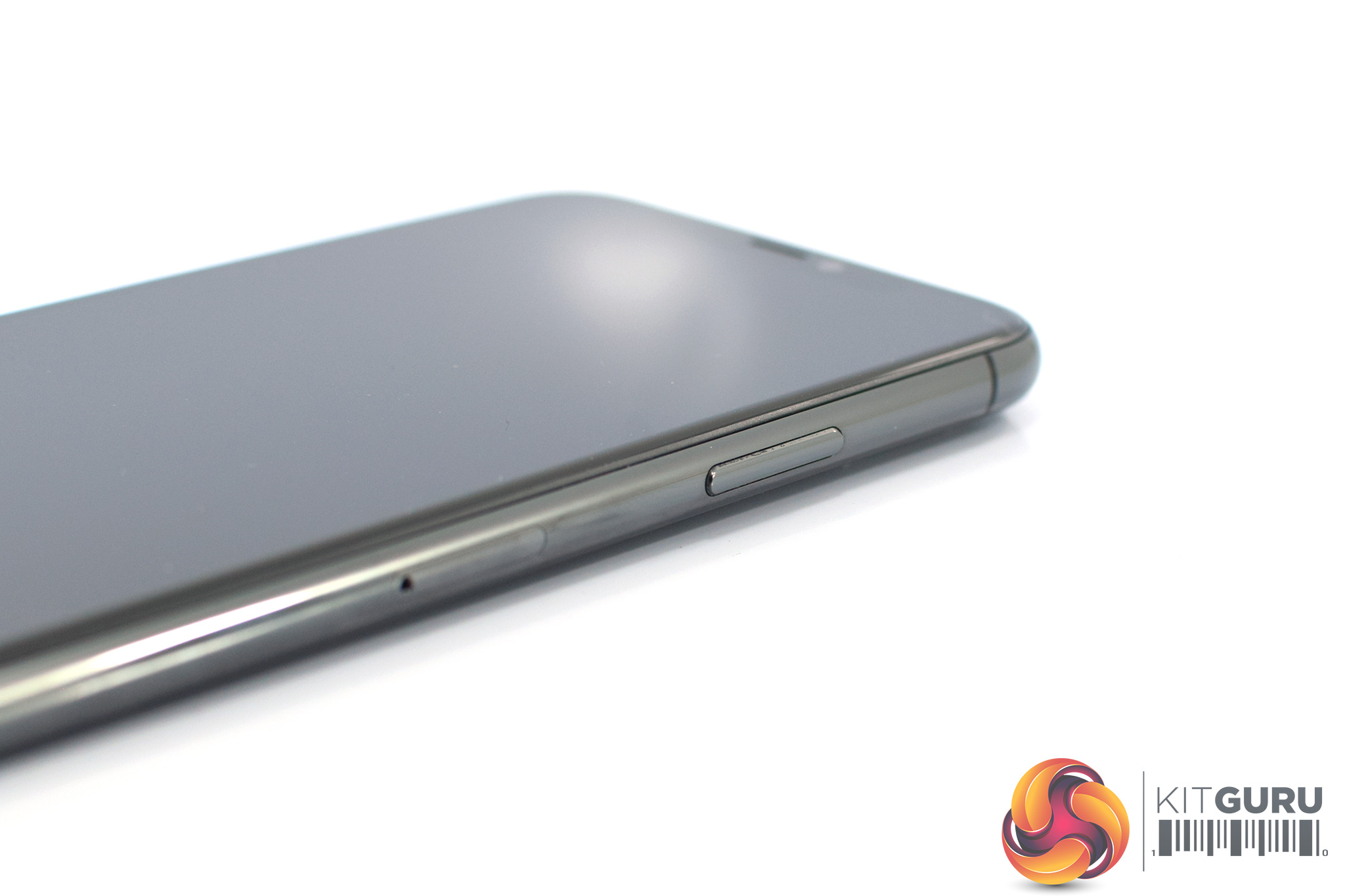
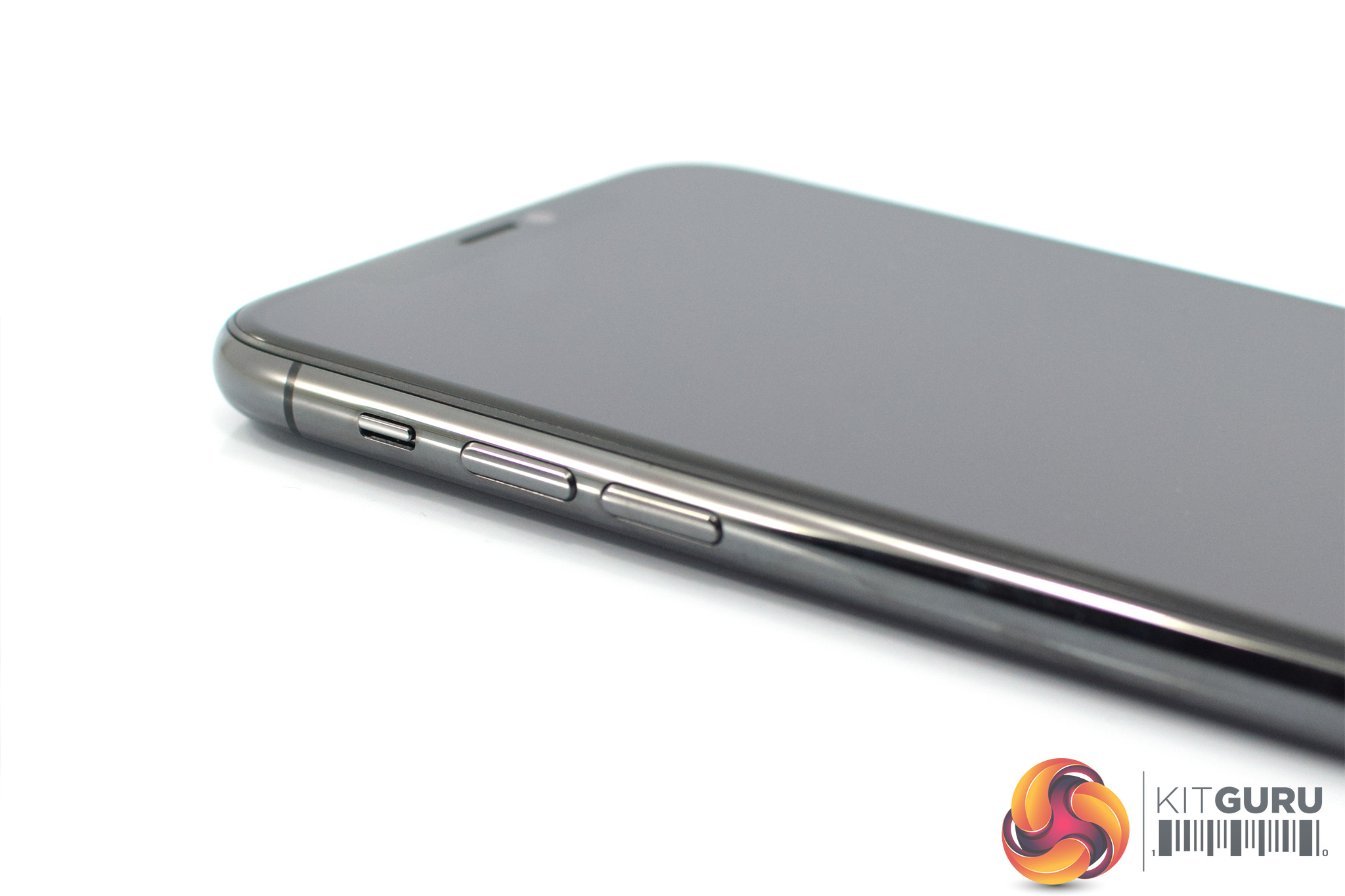

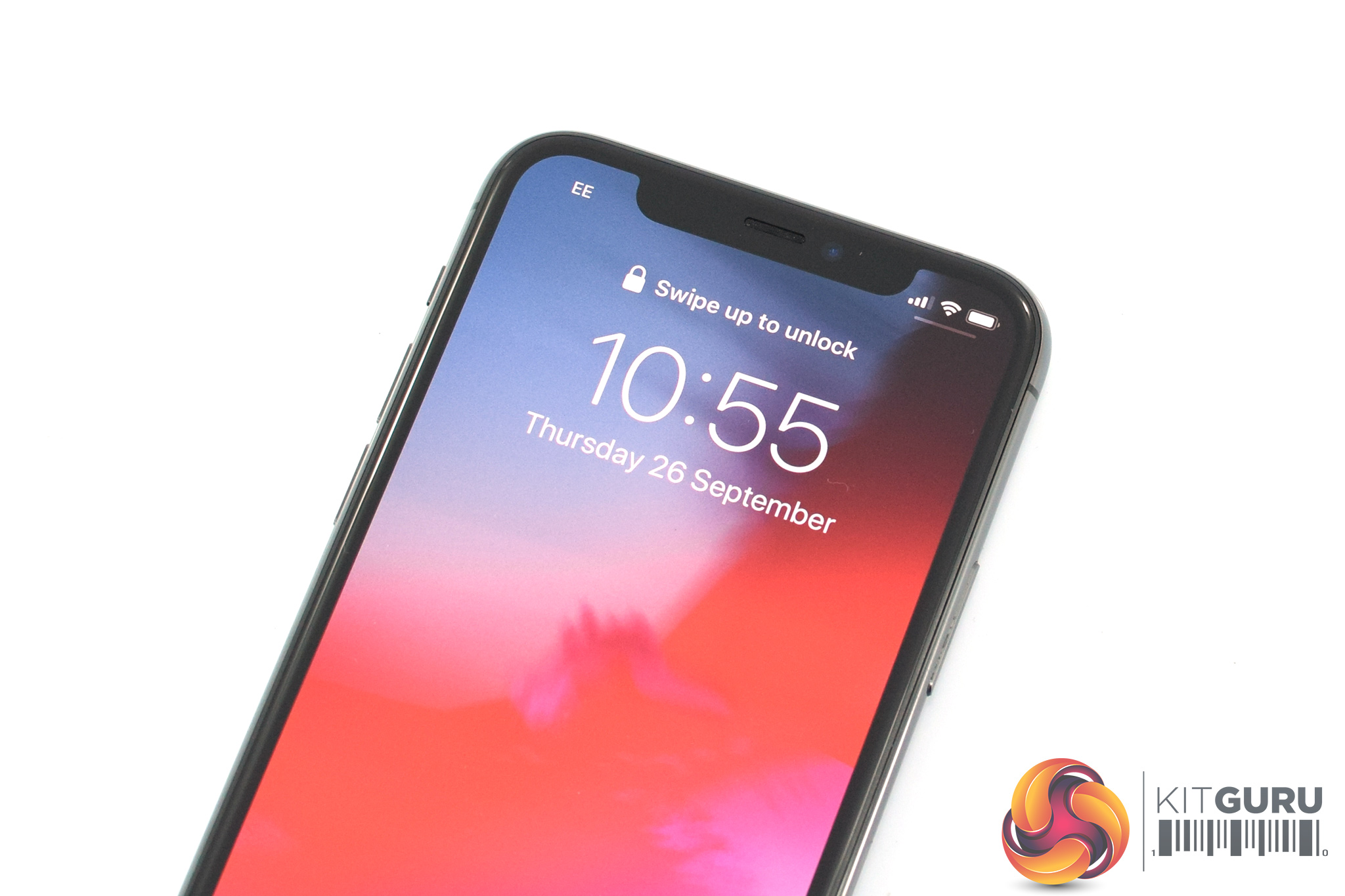
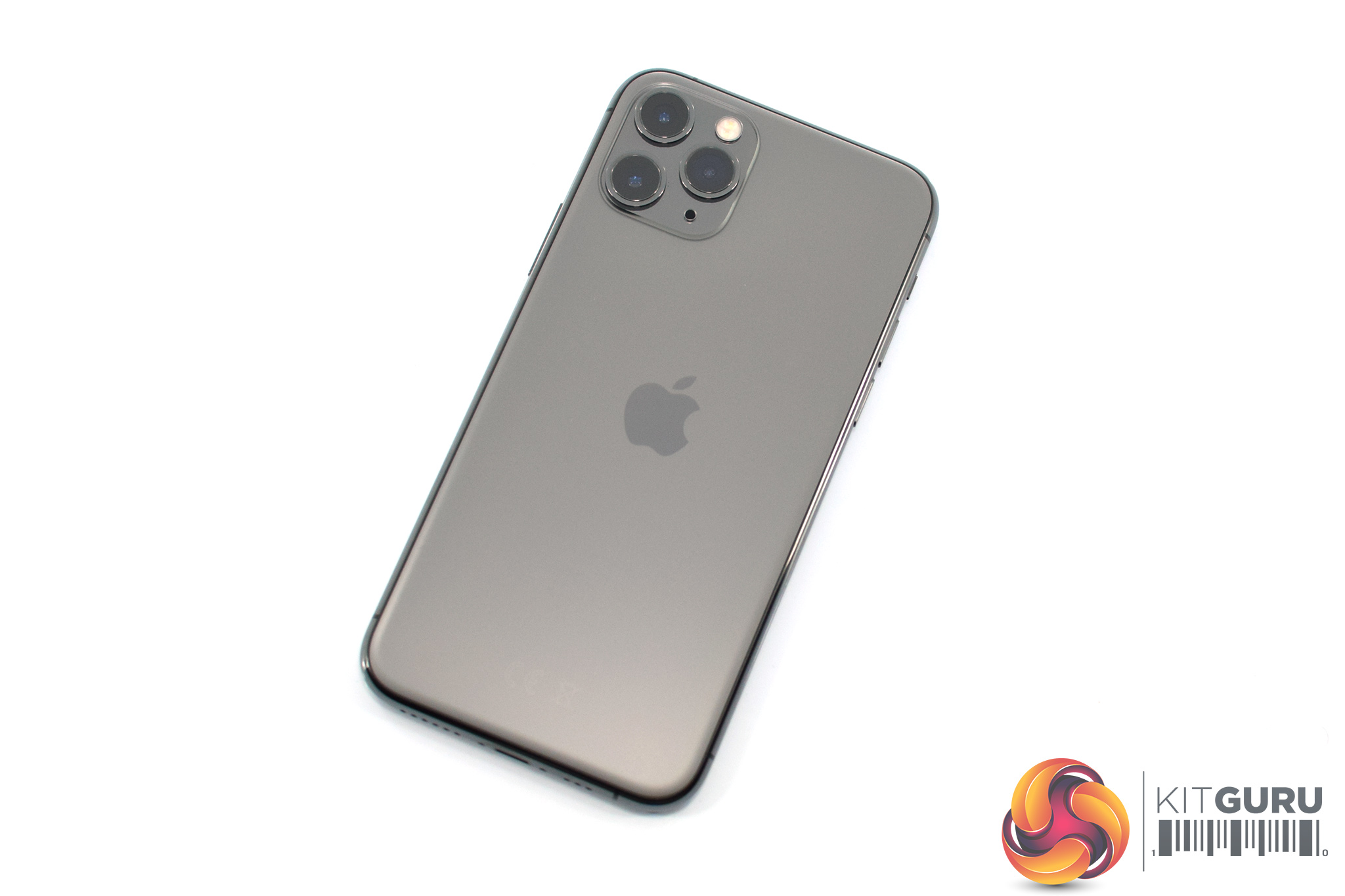
If you were expecting the iPhone 11 Pro to sport a radical new design compared to both the iPhone X or XS, then you will be disappointed. There have been a couple of minor tweaks, but by and large the design is the same here.
That means we still have that high screen-to-body ratio, with a uniform bezel extending around the bottom and sides of the phone. The wide notch at the top, housing the necessary sensors for Face ID, is again present.
The right-hand side of the phone is home to the power/lock/Siri button, while the left-hand edge houses the ringer slider and volume buttons. One interesting point to note is that the iPhone 11 Pro is slightly thicker than its predecessor at 8.1mm. As far as I can tell, this actually makes it the thickest iPhone since the iPhone 4S launched back in 2011.
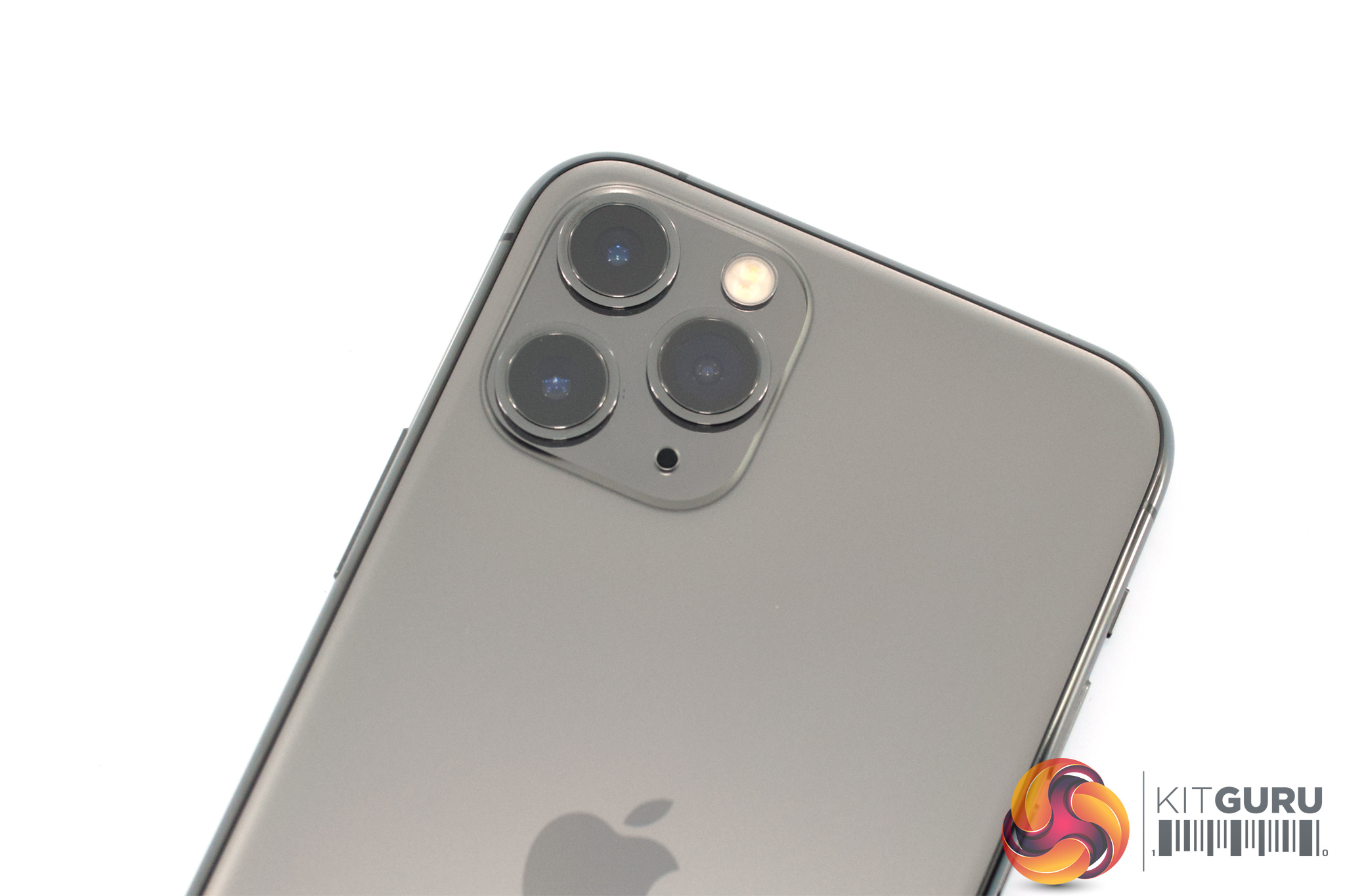
The lighting port remains on the bottom edge, flanked by speaker and microphone grilles, and flipping the phone over we get a look at the slightly updated rear glass panel. I have the Space Grey colour, but we can see the bulk of the rear panel is a matte, frosted glass. This makes a change from the glossy finish of the X and XS handsets.
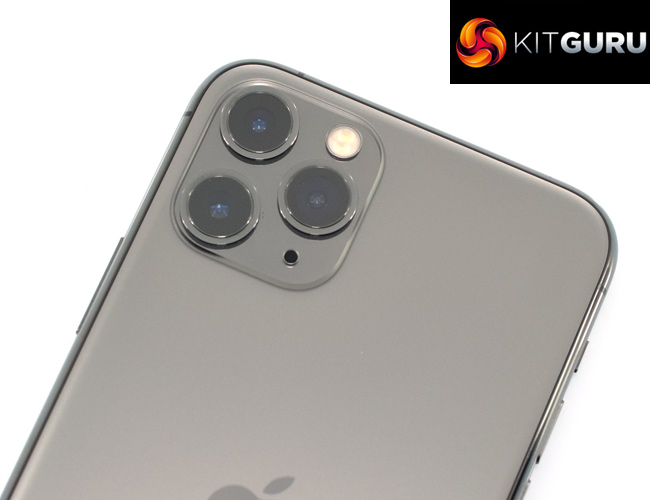
And at the top of the phone, how could we ignore the new triple-camera setup! The three lenses are housed in a glossy square module, and positioned in a triangular shape. A lot of people have expressed their dislike of this part of the design, but I have to say I am pretty indifferent to the aesthetic – in my opinion, you're not really looking at the back of the phone when you're using it in the hand, so I don't really mind. The one thing I did notice was the cameras protruding from the body meant the phone doesn't lie completely flat, but again it's a relatively minor point.
So overall, not a whole lot to say about the design of the new iPhone. I think it still holds up well in 2019, the notch could be slimmer – it was quite chunky back in 2017, and that's only furthered here – but the more you use the phone, the less you notice it, so overall no complaints from me.
Display
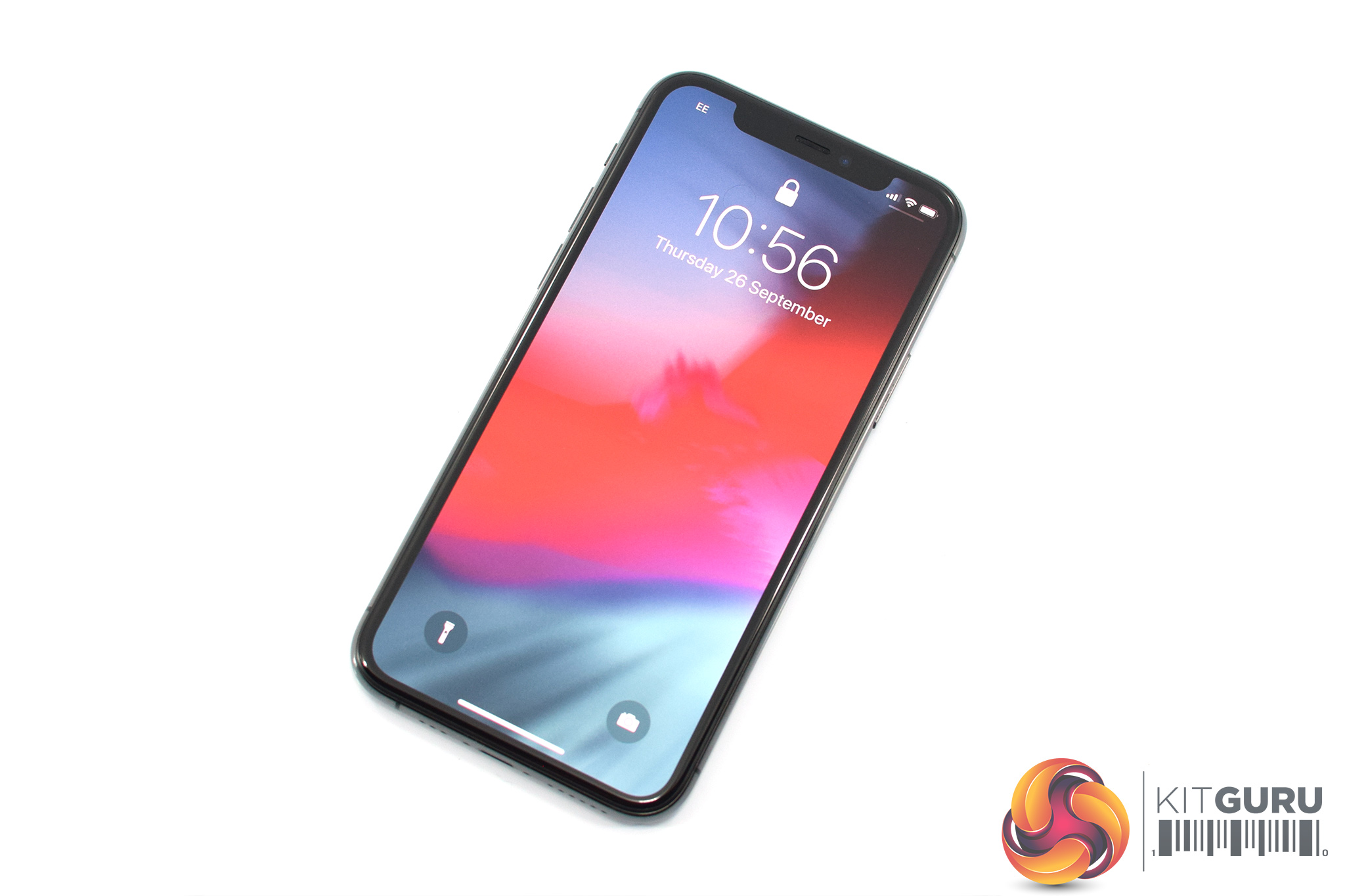
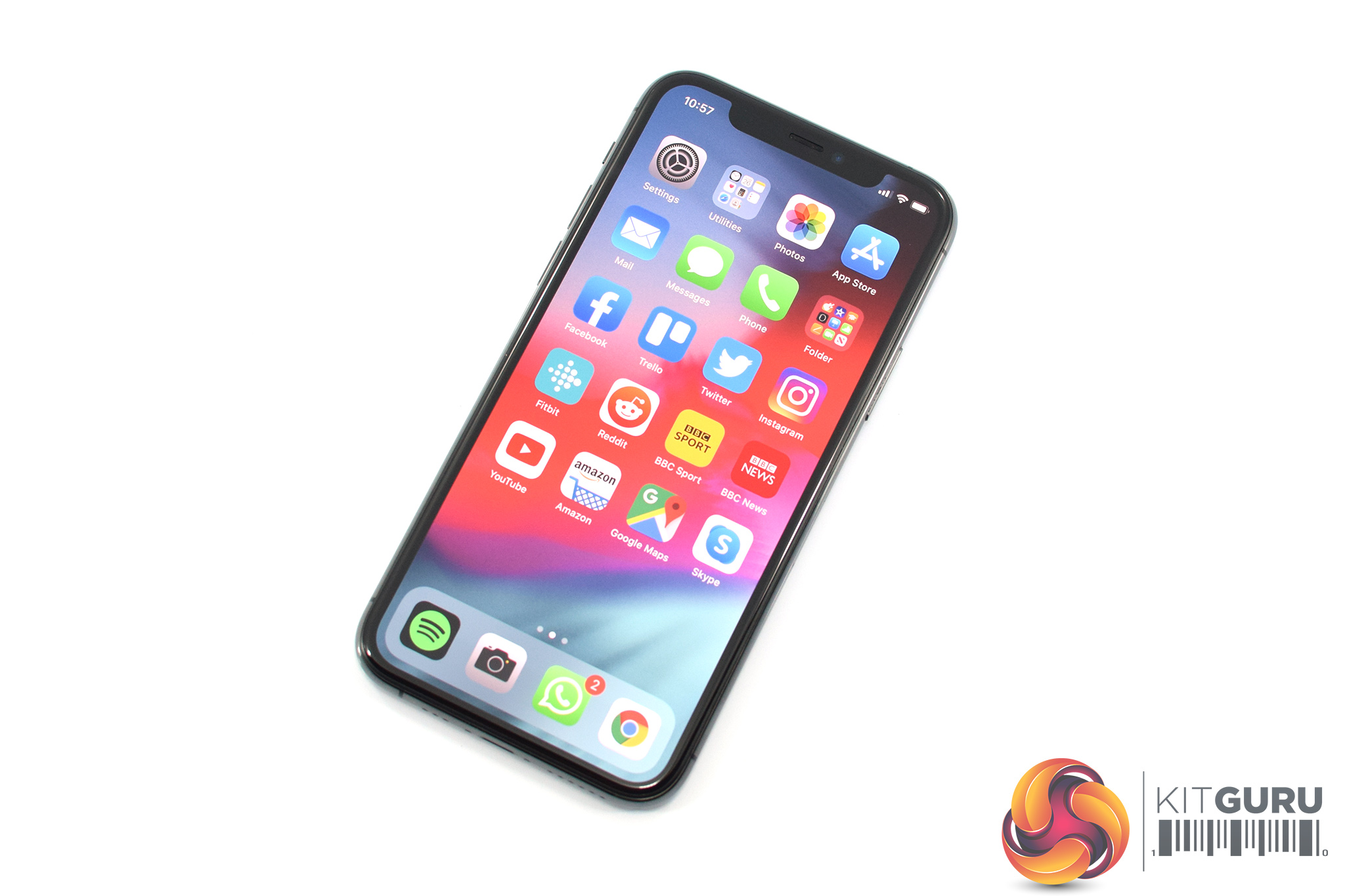
Moving onto the display now, it's again a case of minor updates here. The size and resolution is identical to the iPhone X/XS – 5.8in, 2436 x 1125, giving a pixel density of 458 PPI. For me, it is plenty sharp and the size is also great in my hands as I could comfortably use it one-handed. If you want something bigger, the 6.5in iPhone 11 Pro Max offers that extra screen real estate.
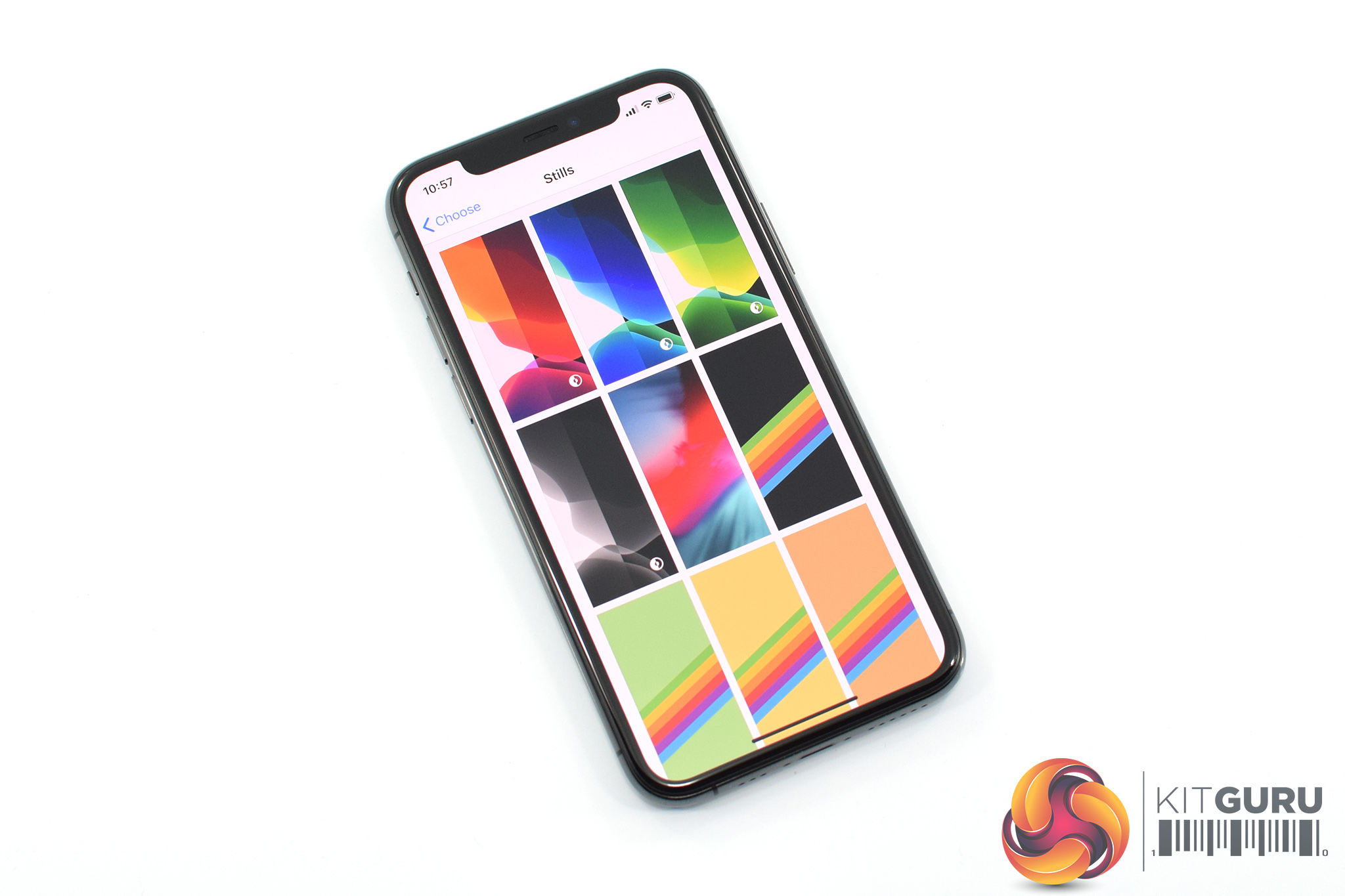
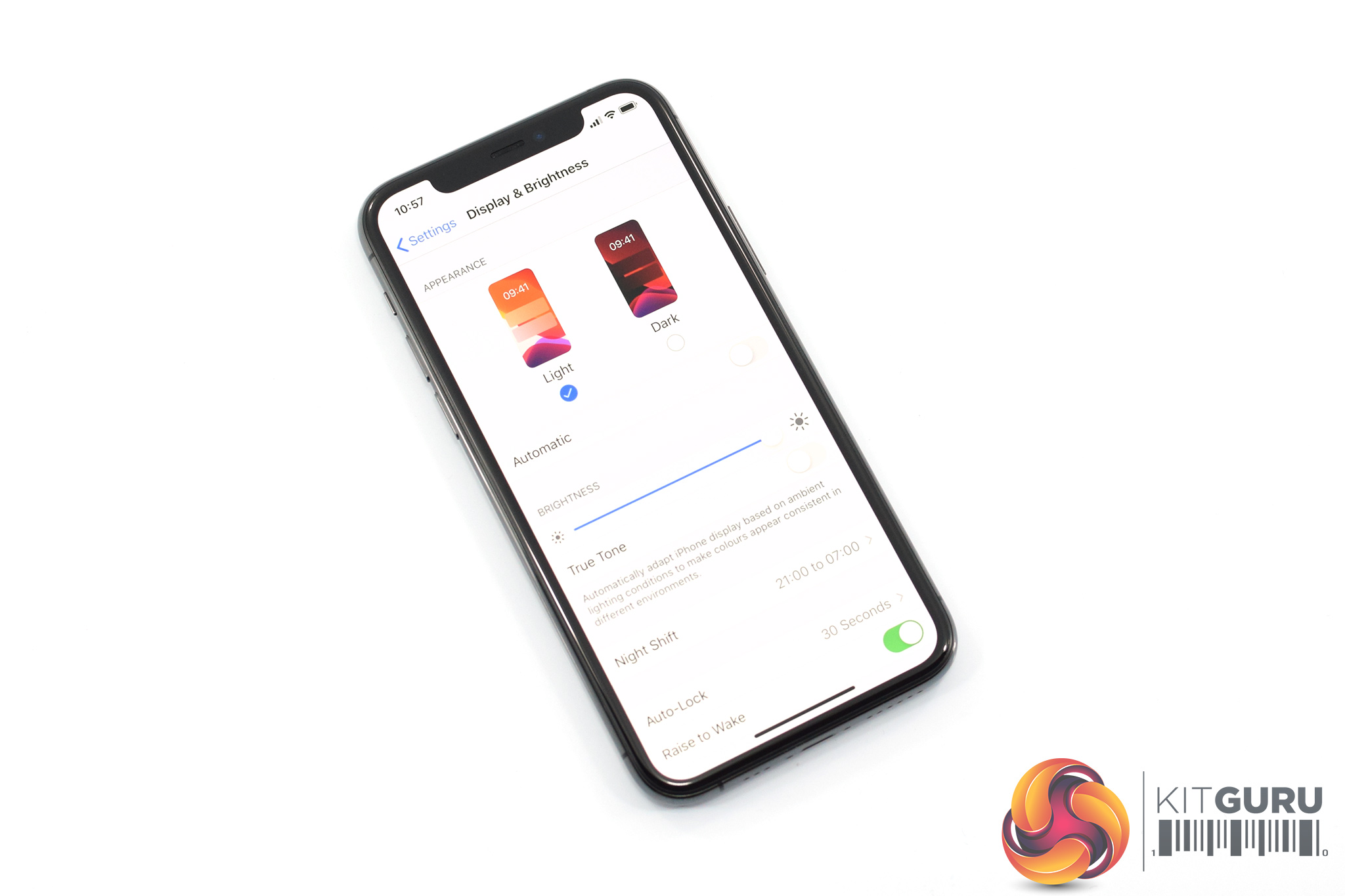
One new feature of the iPhone 11 Pro is its 1200 nits peak brightness rating, when viewing HDR content. When you're just out and about, Apple claims a peak brightness of 800 nits, which is up from 625 nits from the iPhone XS.
Now I haven't owned the XS, but I was able to compare the 11 Pro with a friend's XS side-by-side, and I think the overall differences are small but just about noticeable. When watching HDR content on Netflix, I think the 11 Pro did look just a touch brighter and more vibrant, but even in that scenario things are still far from night and day.
That's no bad thing, however, as the colours are still nice and punchy while contrast is similarly excellent. As far as phone displays go, I do think this is up there with the best.
One last thing to mention is that the screen is still 60Hz. I really would have liked to see Apple bump this up to 90 or 120Hz, as they have done with the iPad Pro since 2017, while other Android phones like the OnePlus 7 Pro and ASUS ROG Phone 2 have also adopted high refresh-rate displays. These displays are still far from widespread, but I think it would have really helped the phone, especially considering its ‘Pro' branding.Performance
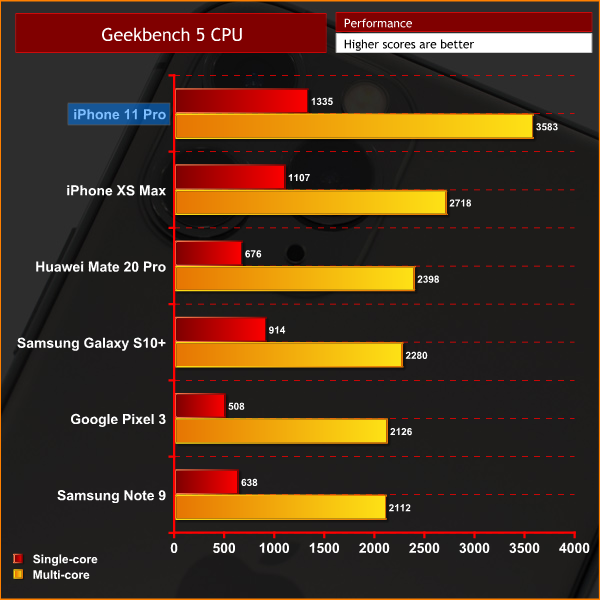
Whenever a new iPhone comes out, it is usually accompanied with an updated Bionic processor, and that is the case here as the iPhone 11 Pro sports the new Bionic A13 chip. Not only is it a benchmark champ, but it is also absolutely rapid in day to day use. Apps open fast, the UI is very snappy and responsive and I genuinely had no overall issues with the performance.
Even though these phones still have ‘only' 4GB of RAM, switching between open apps was a breeze – Apple can optimise things so well for its platform so system memory matters less than for an Android phone. It feels like the same is said every year when a new iPhone comes out, but there is no denying this is a seriously powerful phone.
One area where Apple has also made a small improvement is Face ID. Again tested side by side with my friend's XS Max, a small but just-about noticeable improvement can be identified. It's not as fast as some other Android phones, particularly the OnePlus 7 Pro, but then again Face ID is much more secure, and it is still plenty fast enough. It will be fascinating to see if Apple implements an in-glass fingerprint scanner next year.
Software
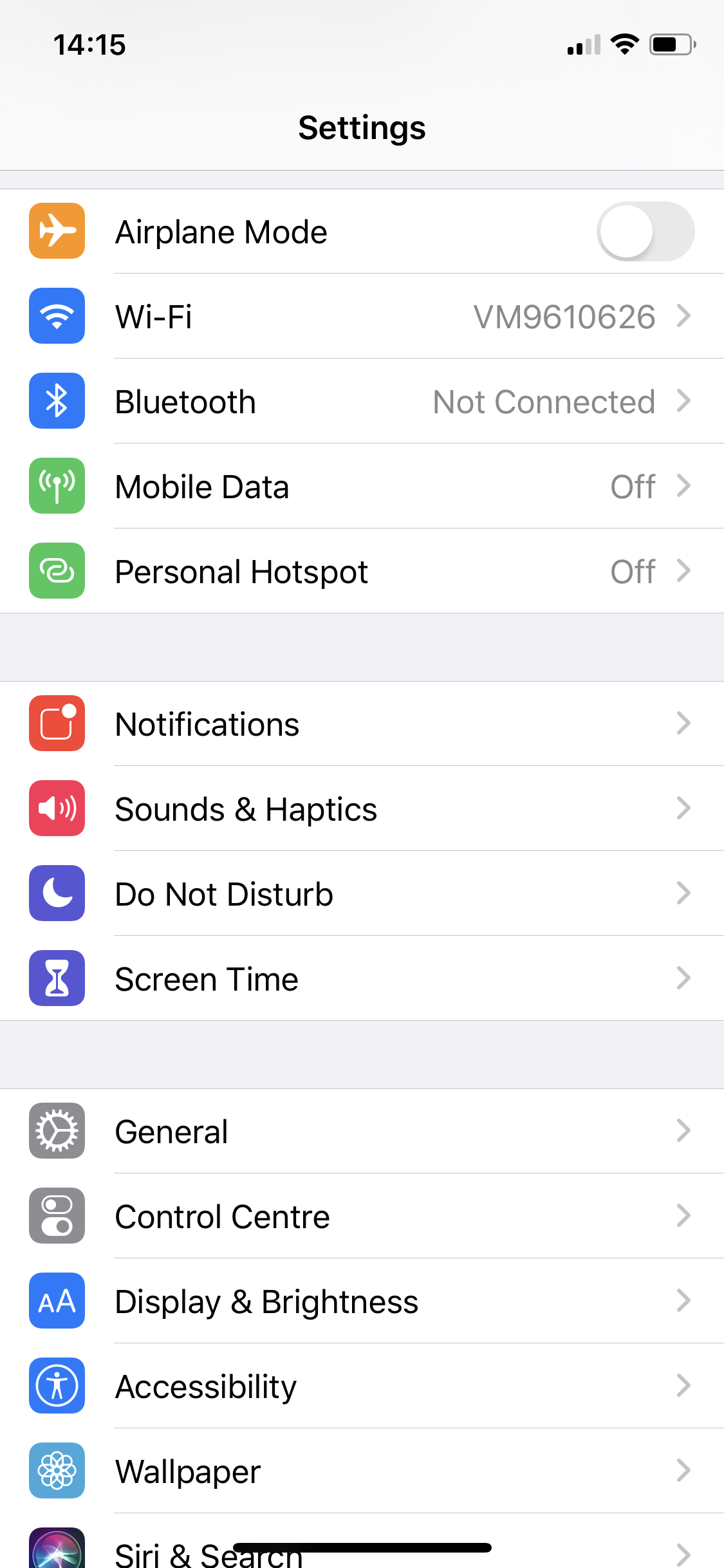
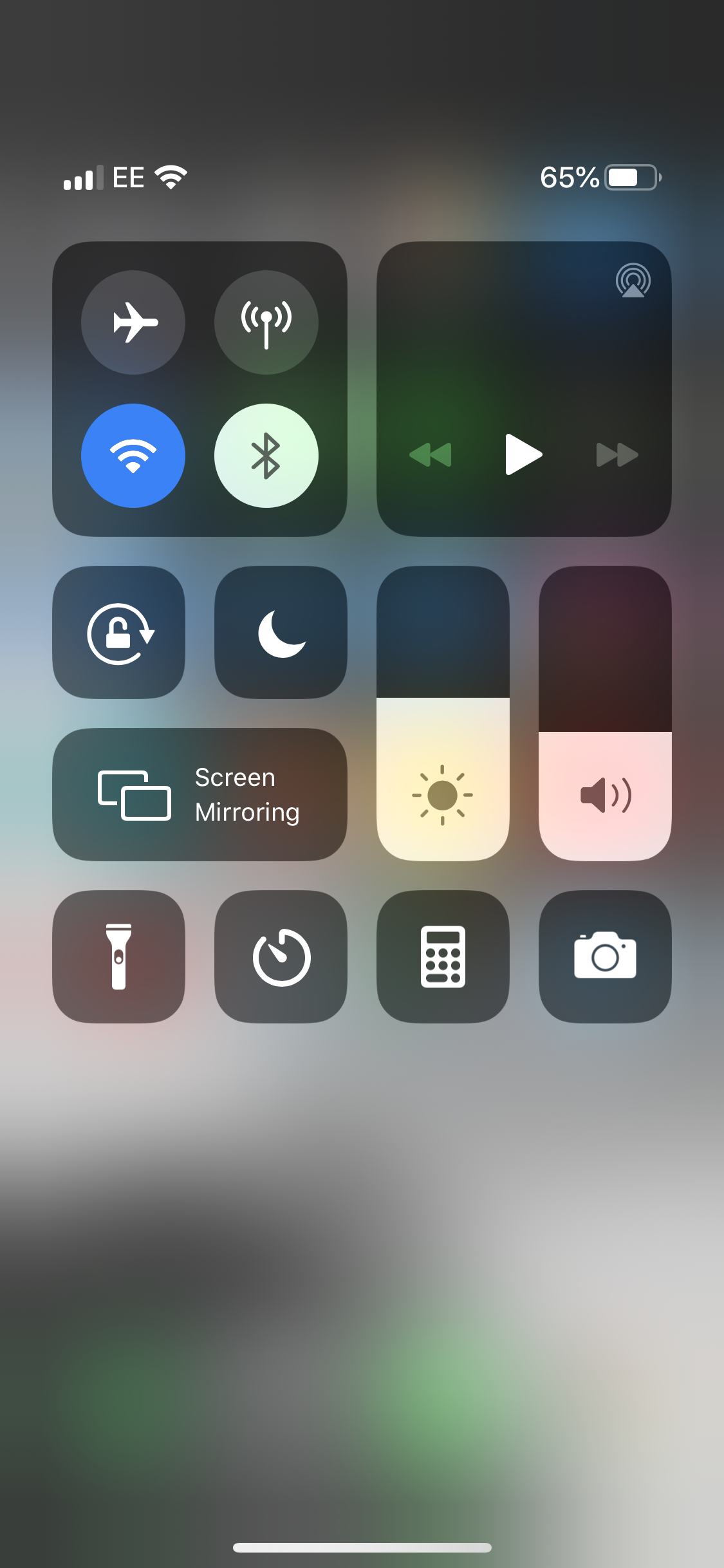
As for iOS, the iPhone 11 series has launched with iOS 13, and just this week I got an update to iOS 13.1. It's far from a radical overhaul of the OS, but there's been a few tweaks and improvements. You can now press and hold items in the Control Centre quick settings menu to call up further settings – like pressing and holding the WiFi button to switch networks, for instance.
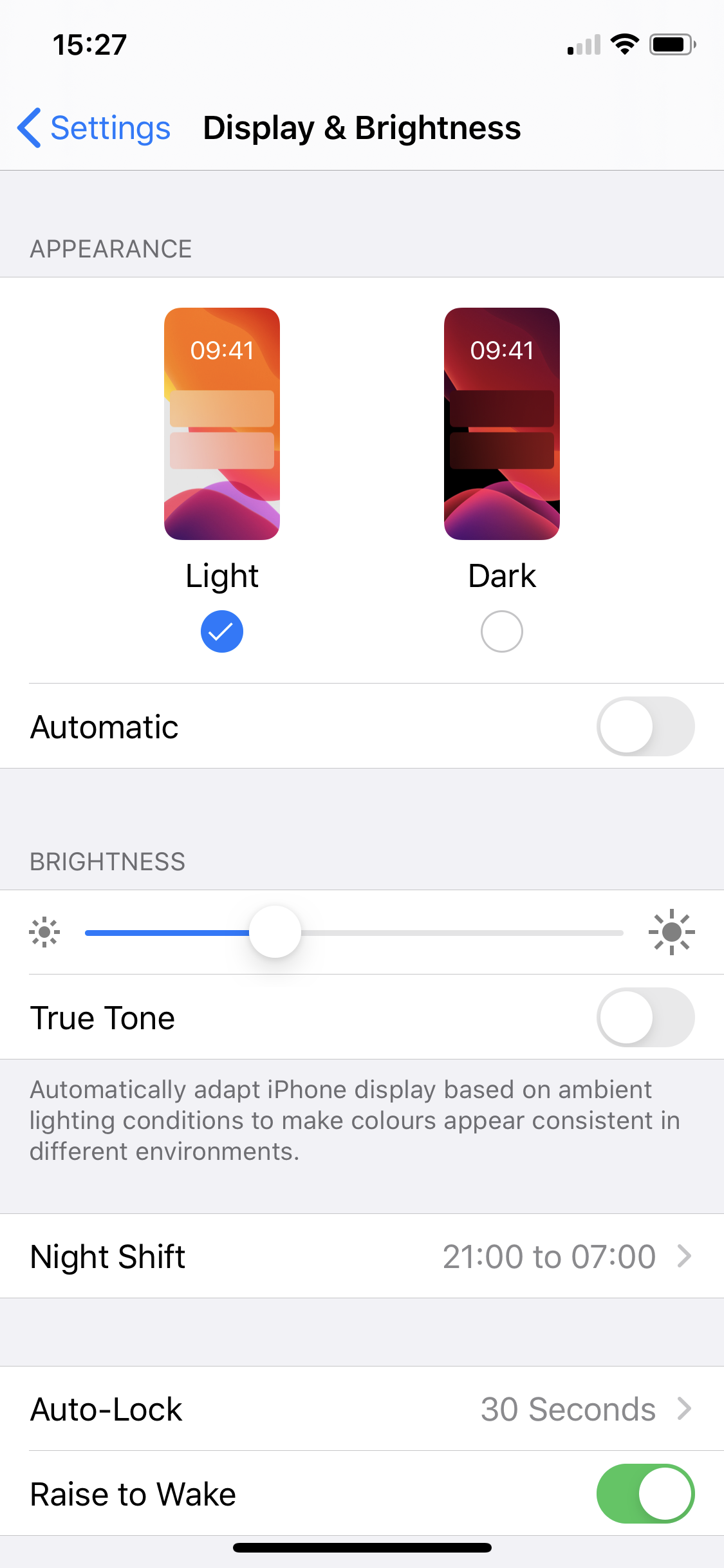
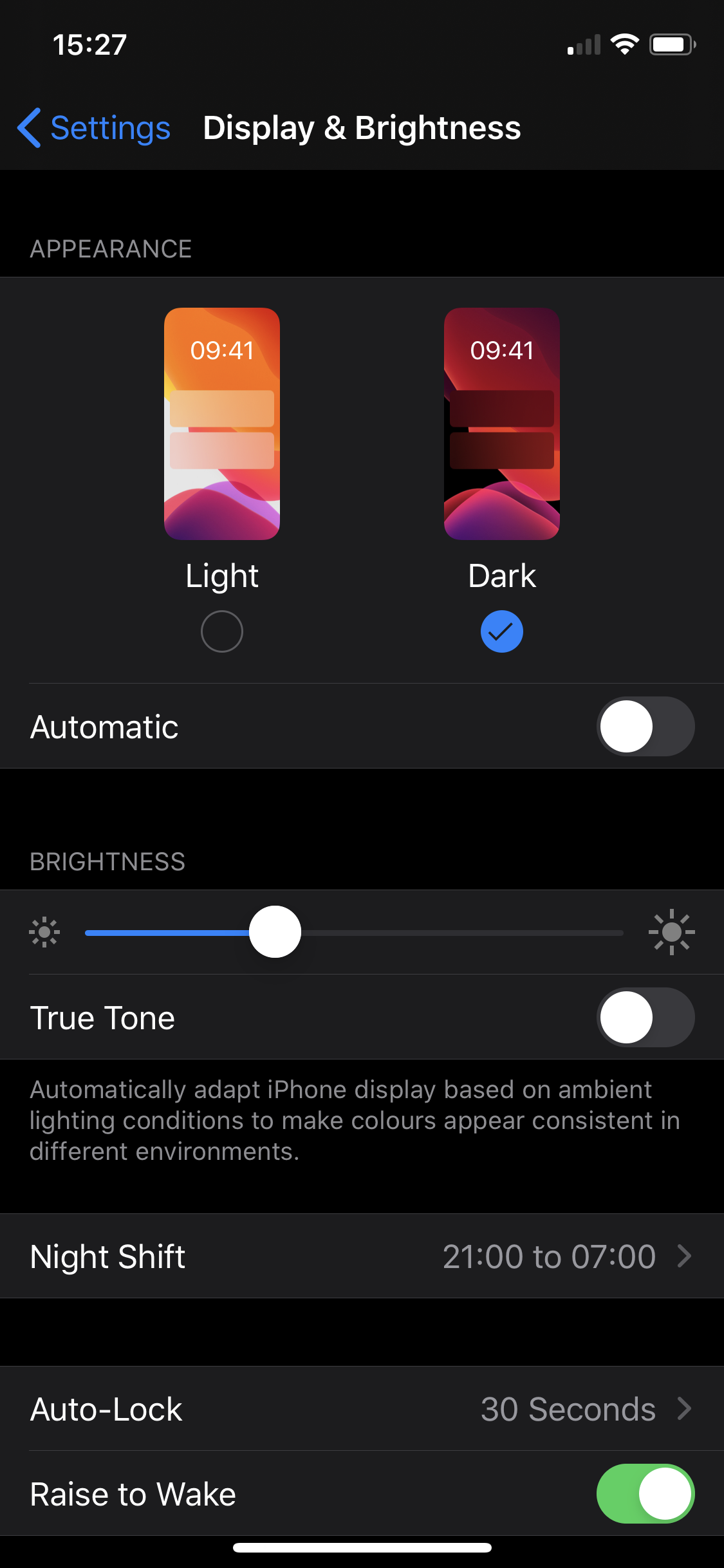
One of the most heavily requested features has got to be the dark mode, and this is now an option within the ‘Display & Brightness' settings page. As the iPhone 11 Pro uses an OLED screen, not only would this be easier on your eyes – it should also be a bit easier on the phone's battery too.
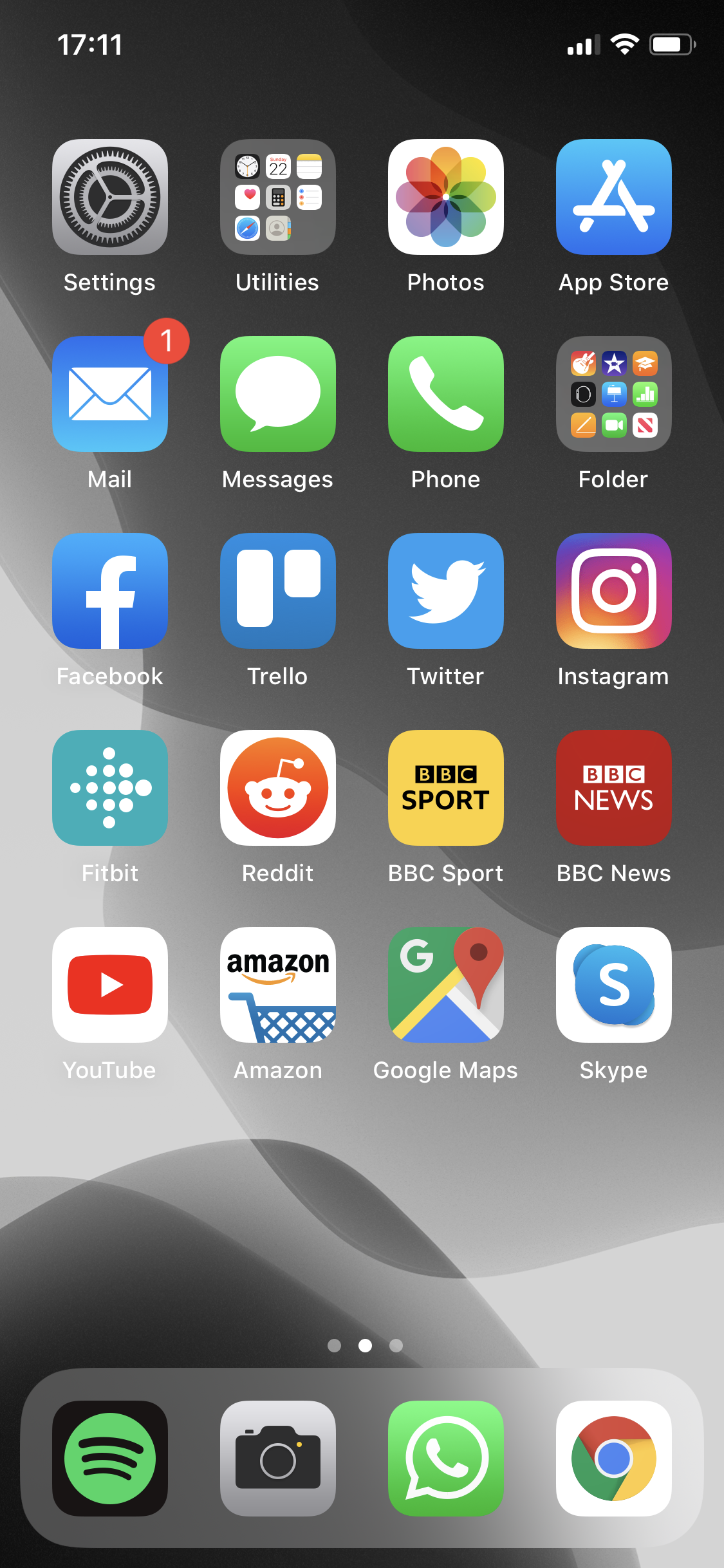
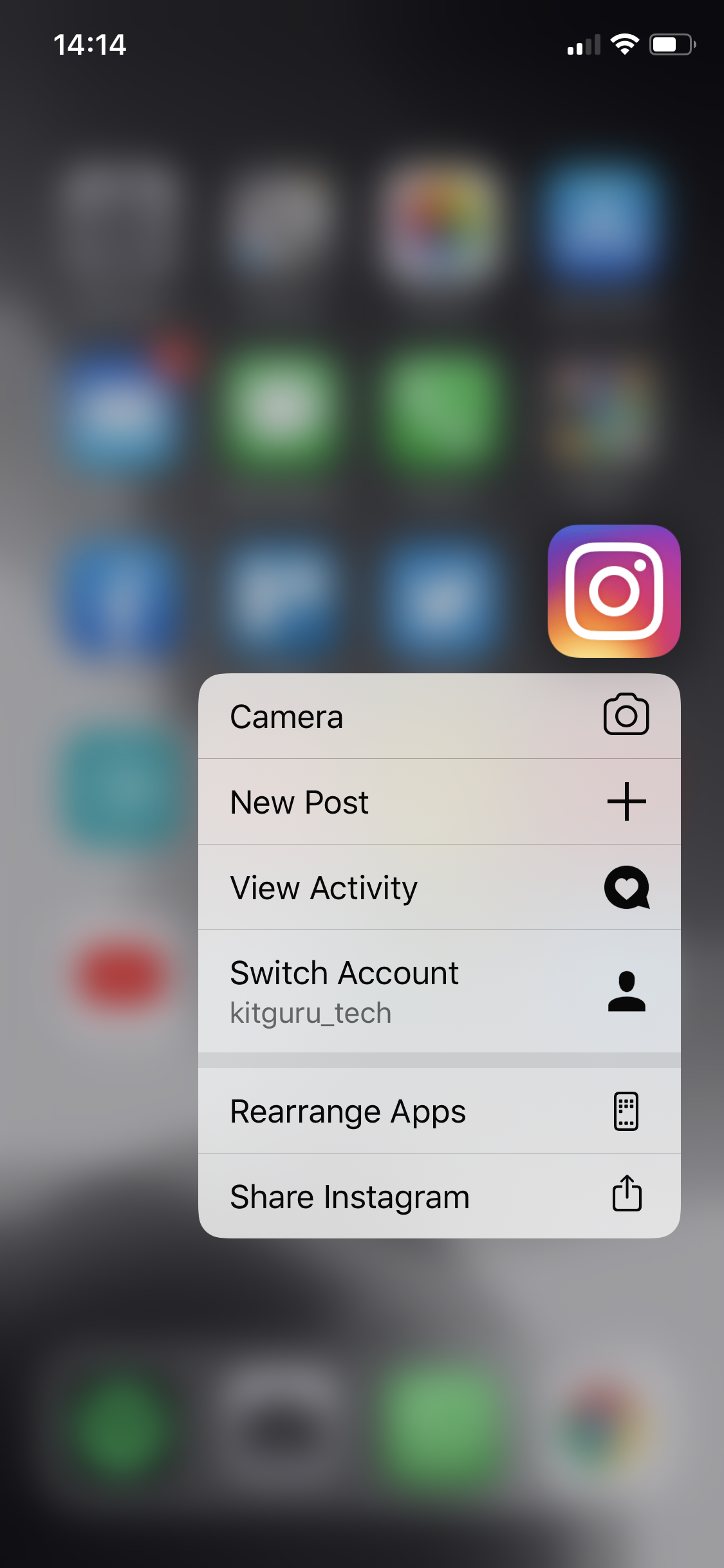
3D Touch support has also been removed, due to the display hardware changing, and instead we now have Haptic Touch. This lets you press and hold on apps to access a select menu of quick settings. Instagram, for example, lets you add new posts or switch accounts from your home screen.
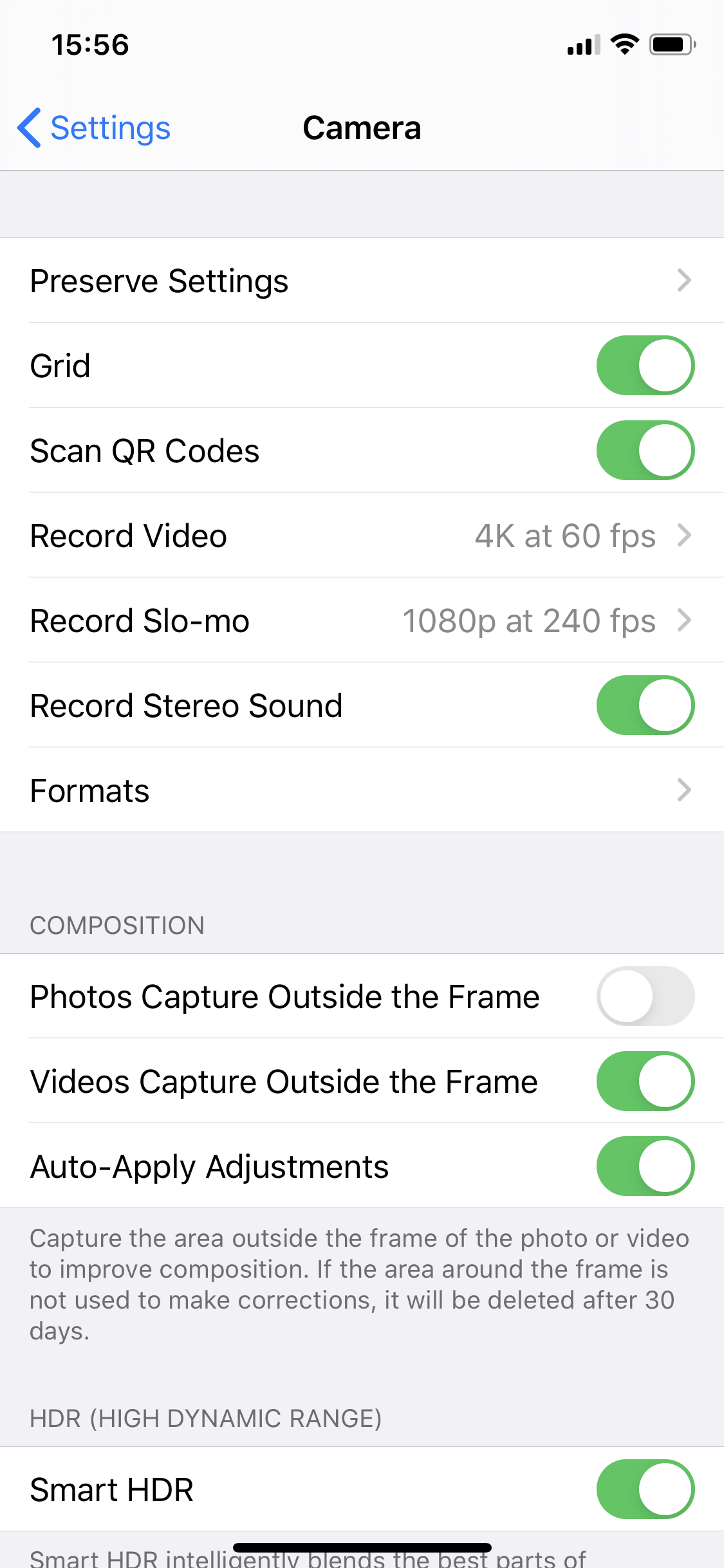
If there was one feature or change I would have liked to see, it would be moving the camera settings inside the camera app itself – currently, they are still in the main settings menu, and have been for as long as I can remember. It's just not very intuitive and is a real bore if you want to change your video resolutions or frame rate settings.
By and large though, iOS 13 will feel very familiar to iPhone users and I've got on well with it.Camera
Before diving into our sample images, it is worth recapping that triple-camera setup on the iPhone 11 Pro. All three sensors are 12MP, but the primary shooter is f/1.8 26mm, the telephoto is f/2.0 52mm, and the new addition is that f/2.4 13mm ultrawide camera.
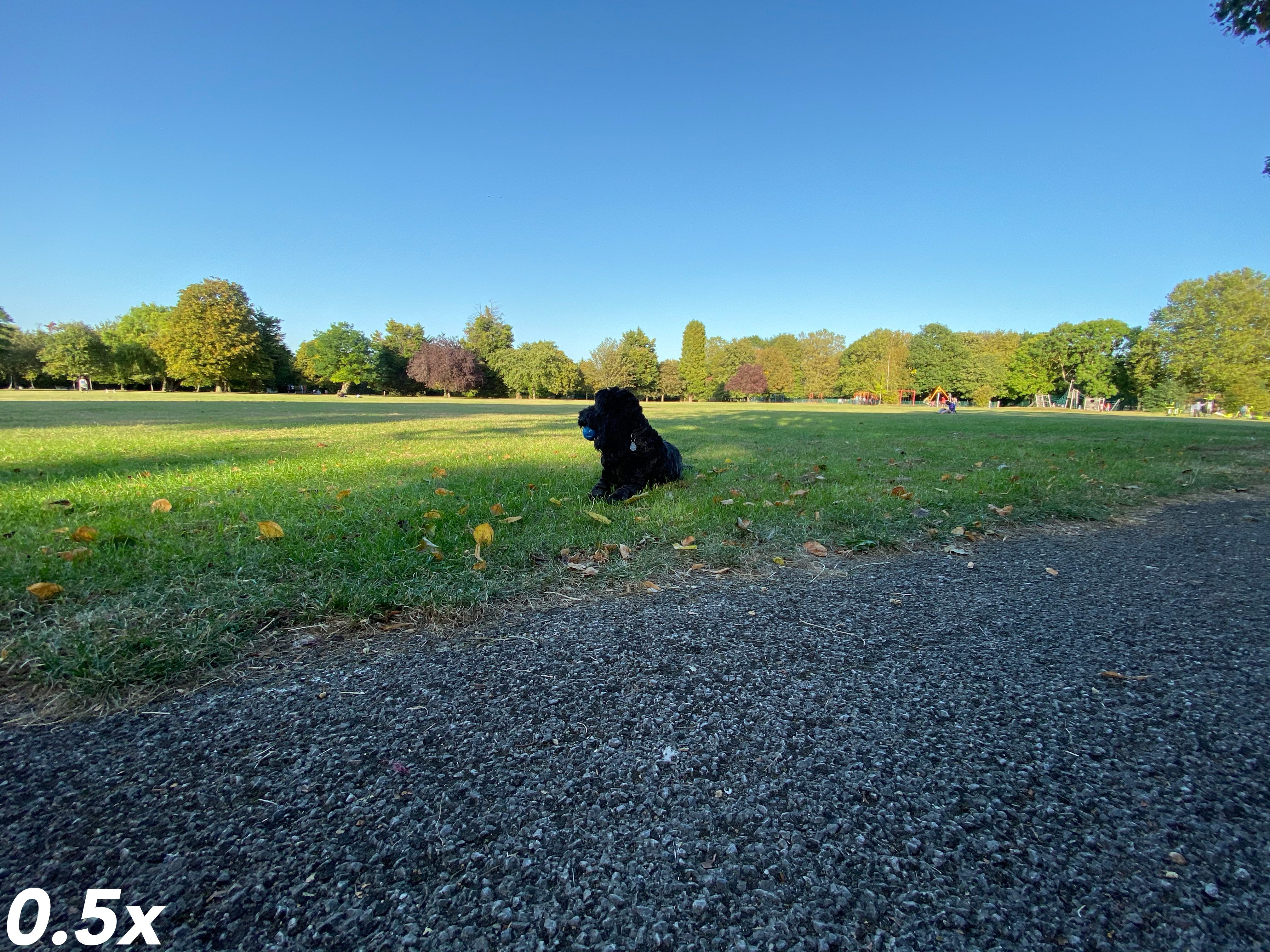


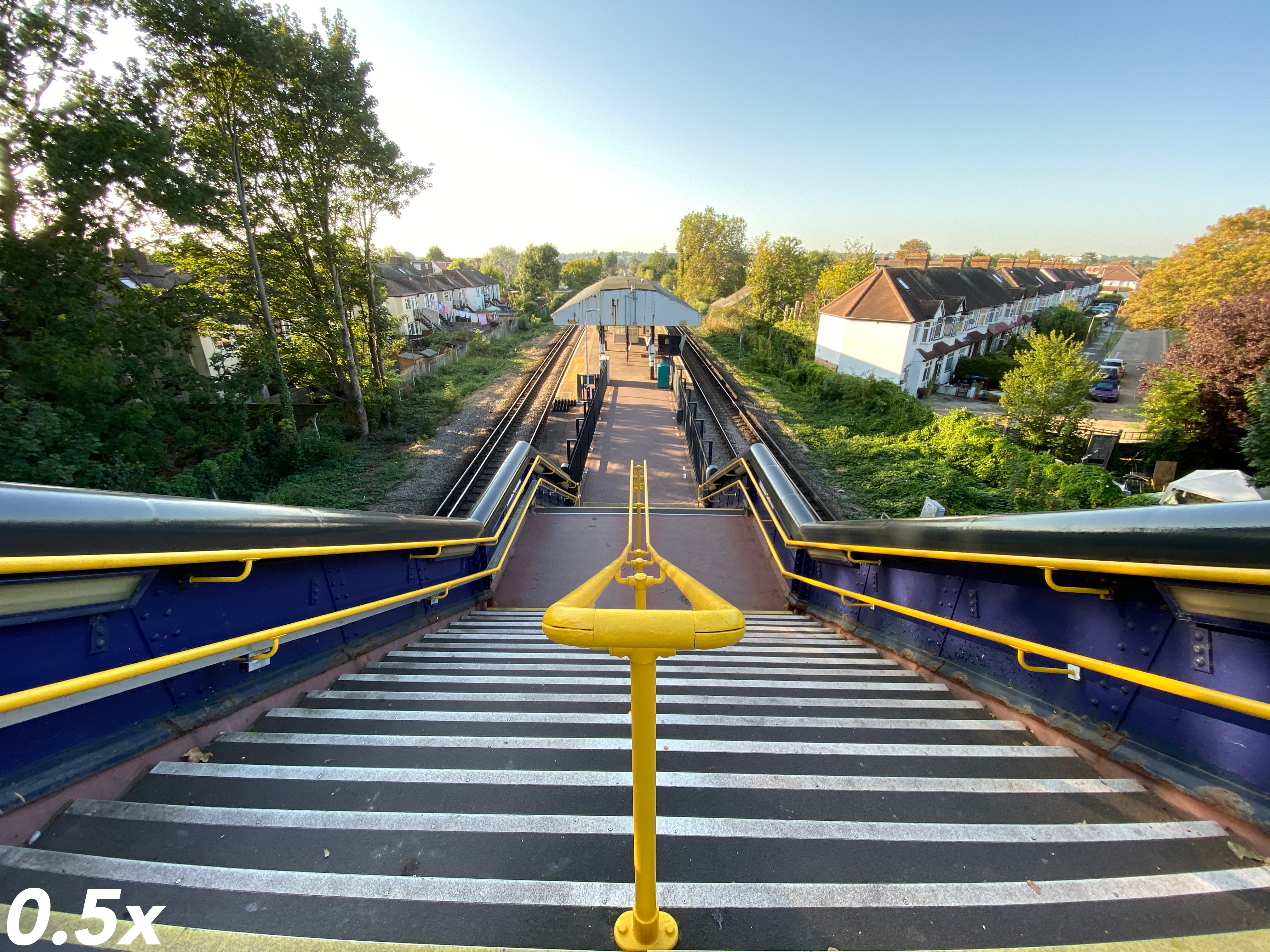


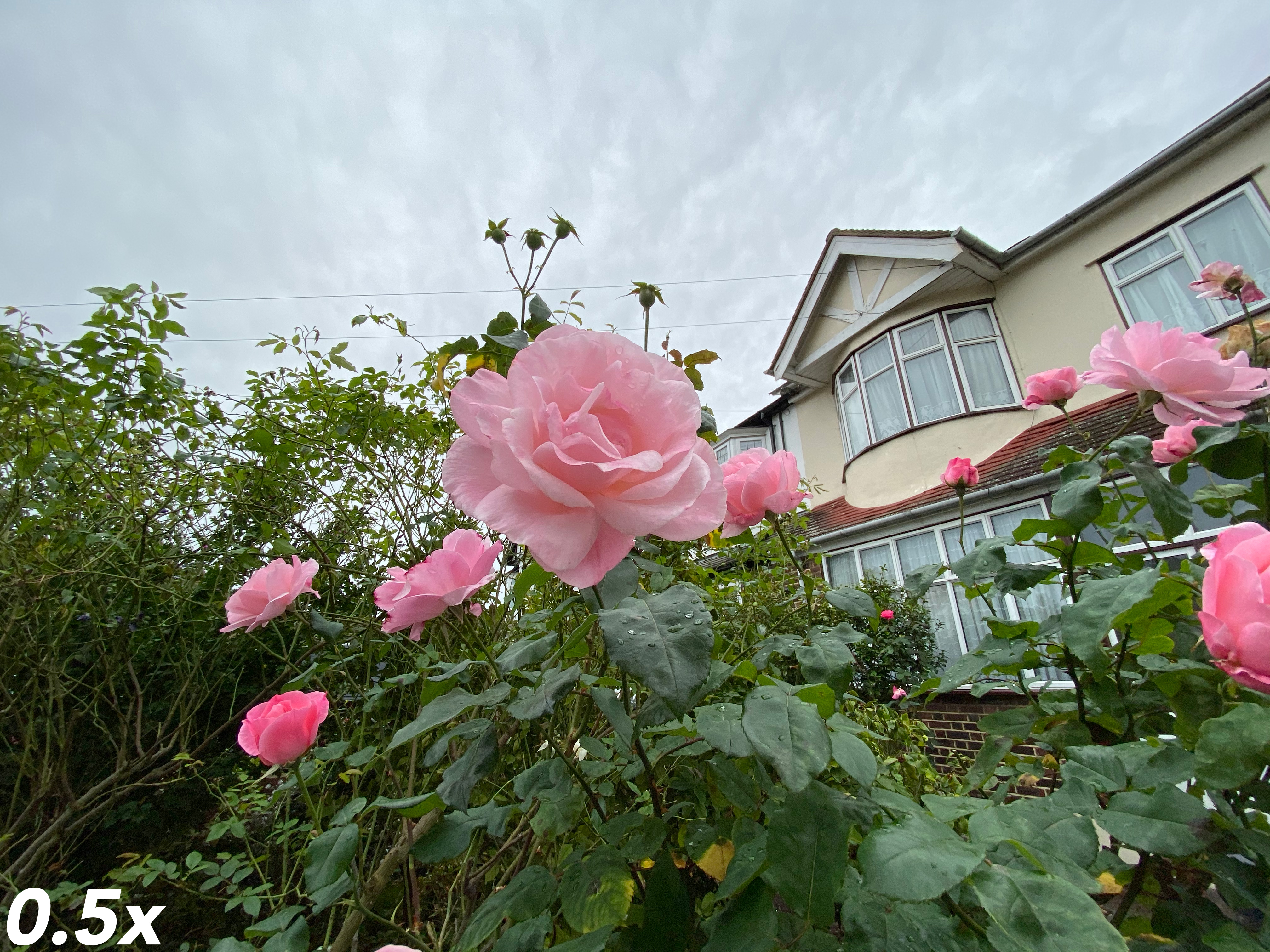


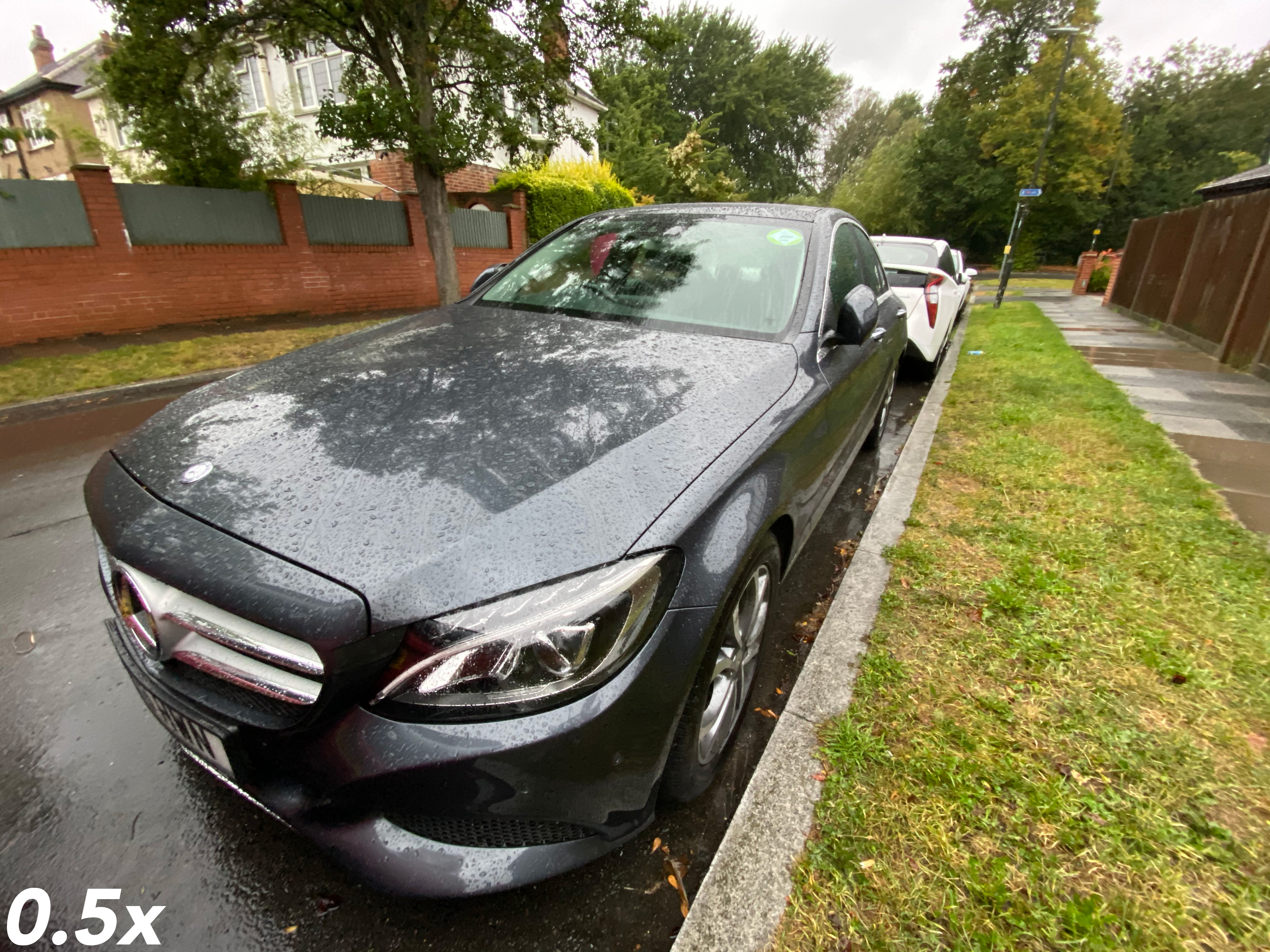
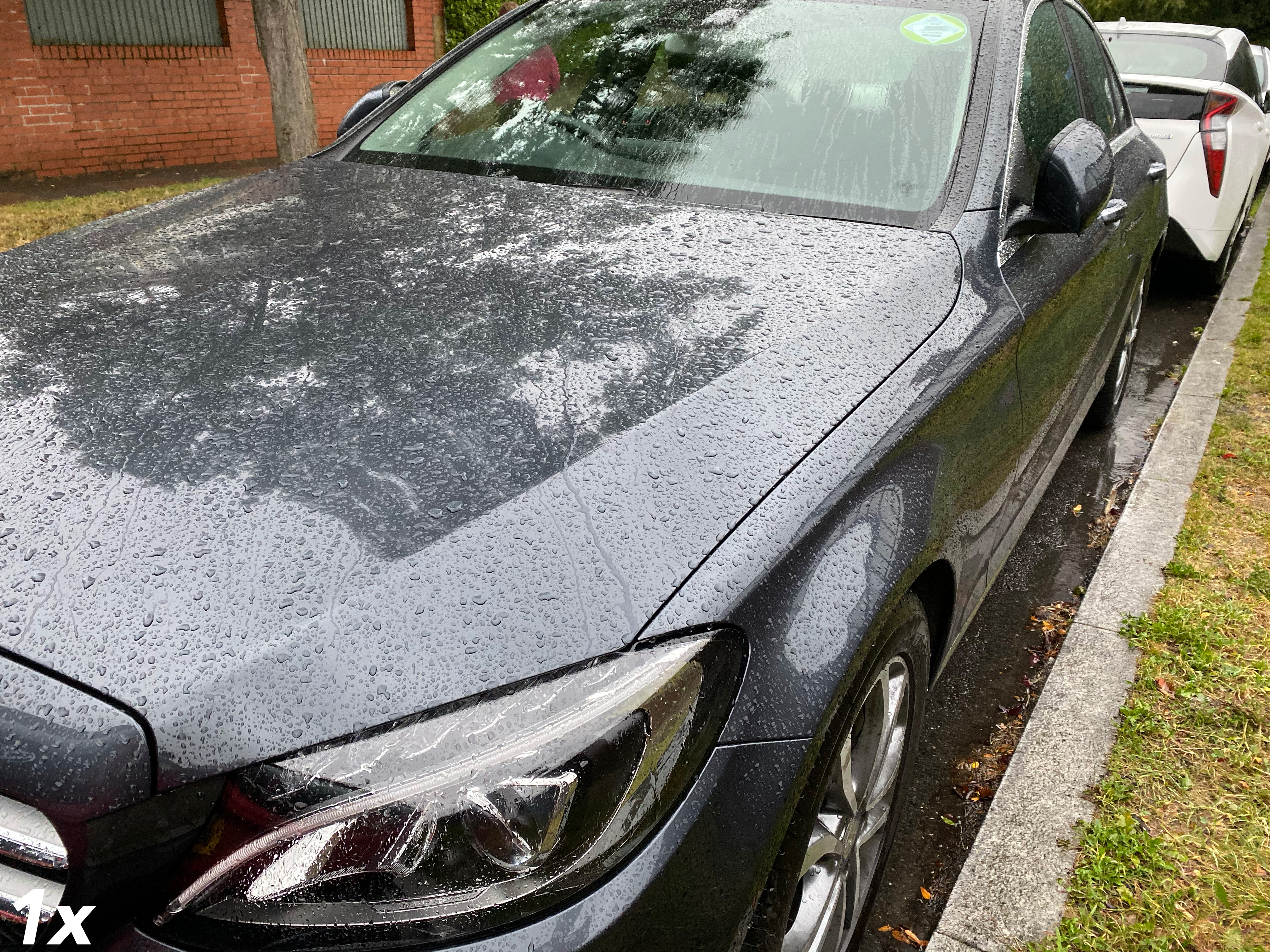
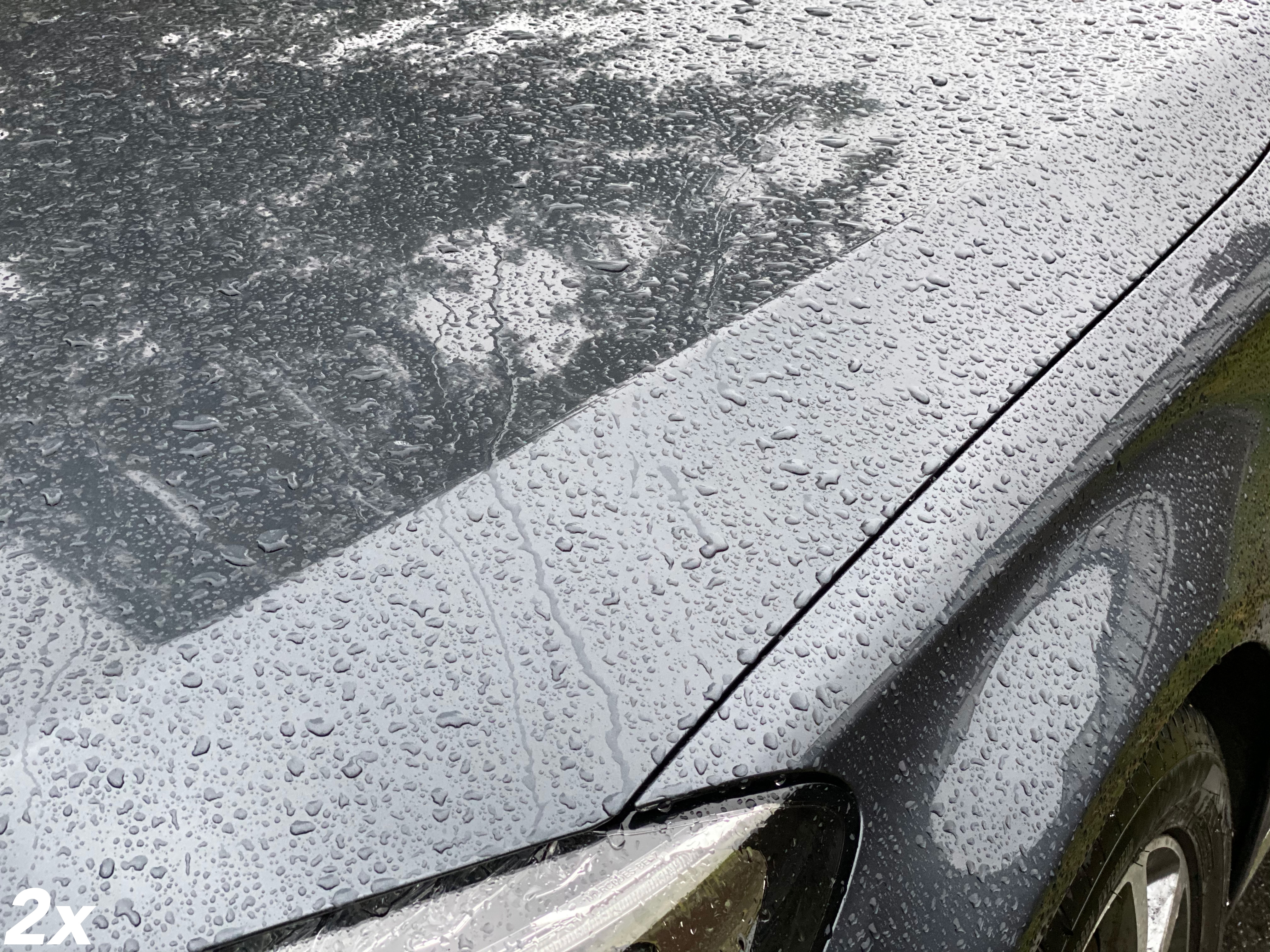
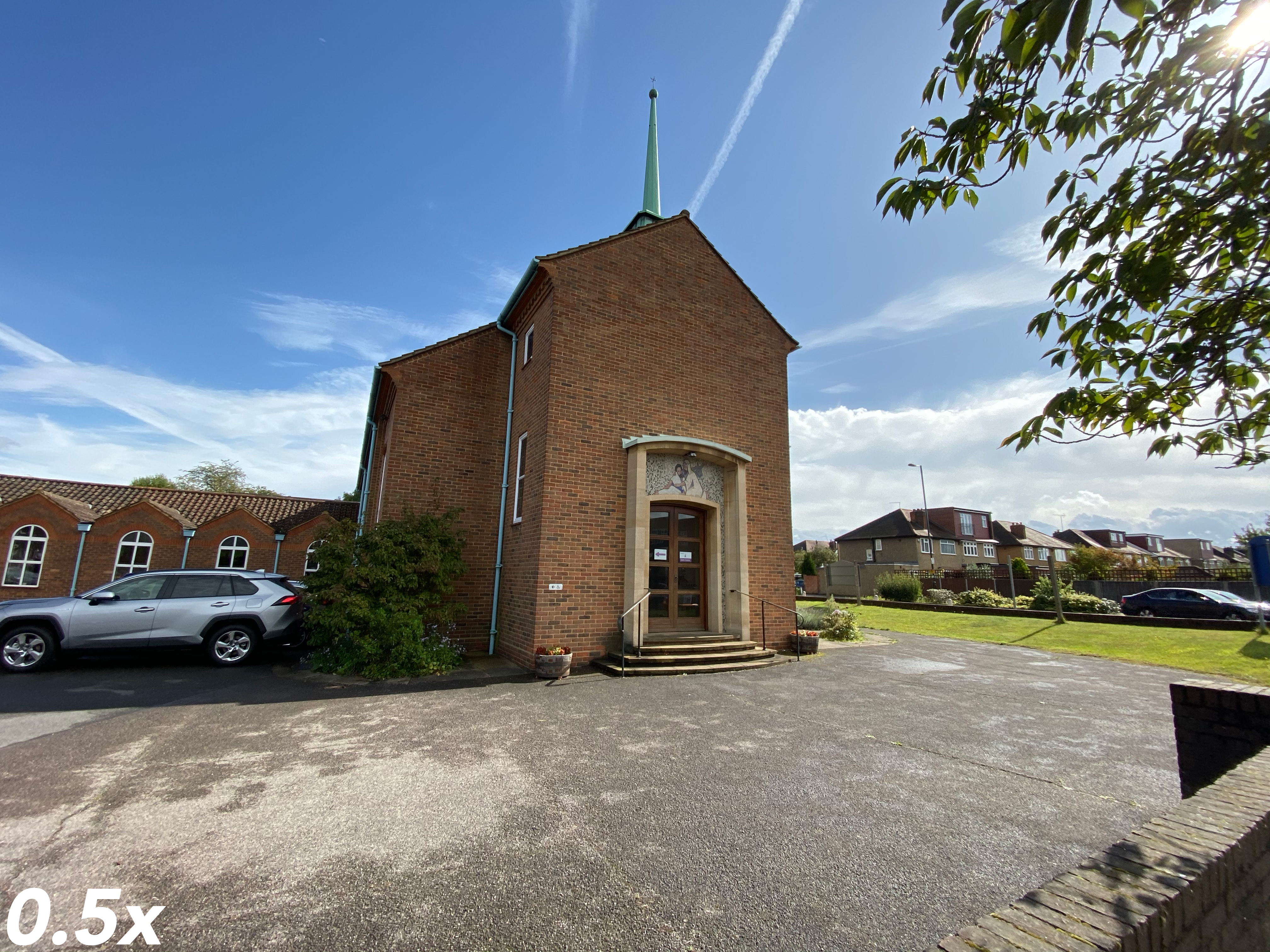
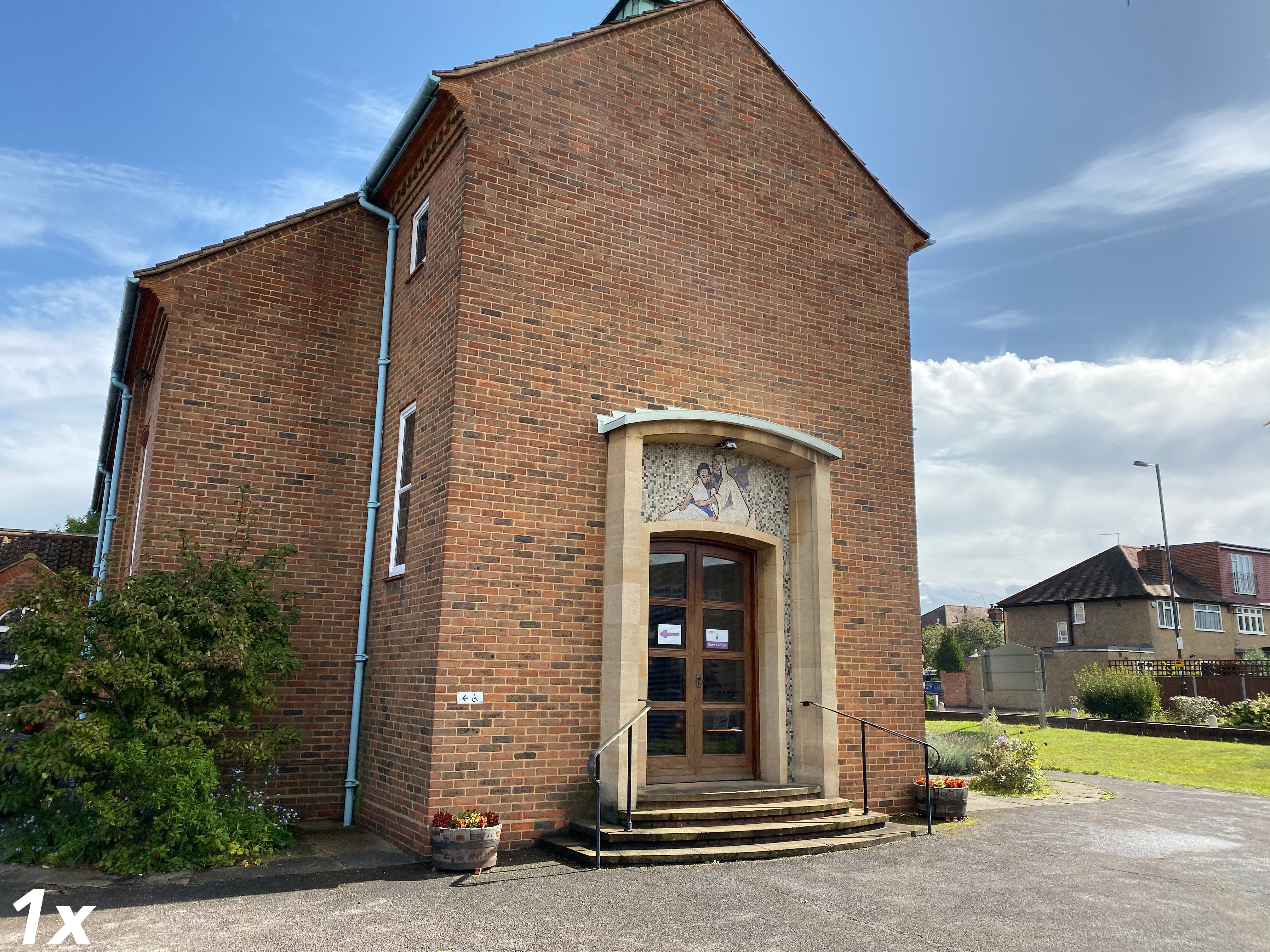
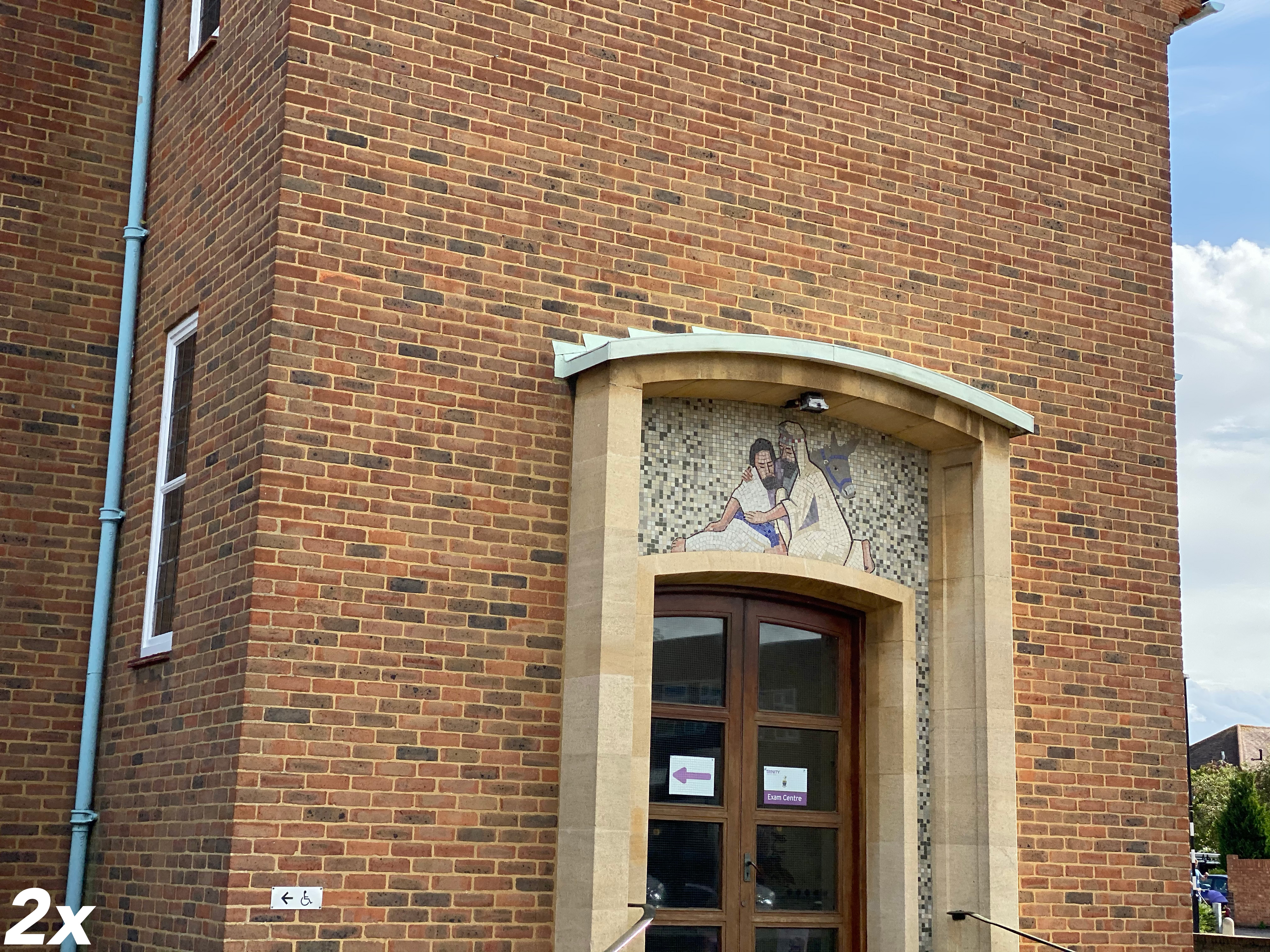
To best give you a feel for these different lenses, above we have five scenes – all shot from the same place, with the iPhone 11 Pro. We start with the 13mm ultrawide (labelled 0.5x in the camera app), work our way to the 26mm primary camera (1x), and then finish off with a look at the telephoto (2x).
There's a lot to say about the camera on the iPhone 11, but I will start with that range of focal length which is quite apparent from the images above. It simply gives you so many options when taking photos – the 13mm is incredibly wide and will capture a 120-degree field of view (FOV), so you can stand about as close as you like to a building or landmark and still get it in the shot.
The one thing I would say about the ultrawide is that it can look a touch on the soft side when lighting conditions aren't ideal – I don't think anyone was expecting it to be as tack-sharp as the primary camera, but it is a bit softer, especially in the foreground and around the edges. That said, the near lack of any barrel distortion is very impressive, and colour consistency from the ultrawide to primary lens is excellent. From an artistic perspective, having a lens this wide is a fantastic tool.
What has really got me is the primary camera, however. I switched from a Pixel 3, which I judged to be the best camera phone of the last year. Up until now, that is, as the iPhone has claimed victory in that department. I just love the natural, true-to-life presentation – Apple has absolutely nailed it with its image processing. Dynamic range is great, photos are incredibly sharp (without looking over done) and the overall look of the images is just very clean and very natural. Some of you may prefer a more ‘processed' look, with boosted shadows and contrast, but for me this is as good as it gets if you want a photo that captures the scene as you saw it.
Rounding things off is the telephoto, and again it's another top camera – I don't tend to zoom too much, which is why I actually value the ultrawide above the telephoto, but if you do want to use it the colours are carried over very faithfully from the primary camera, and the 56mm-equivalent focal length gives you a good amount of ‘punch in' without being too close.
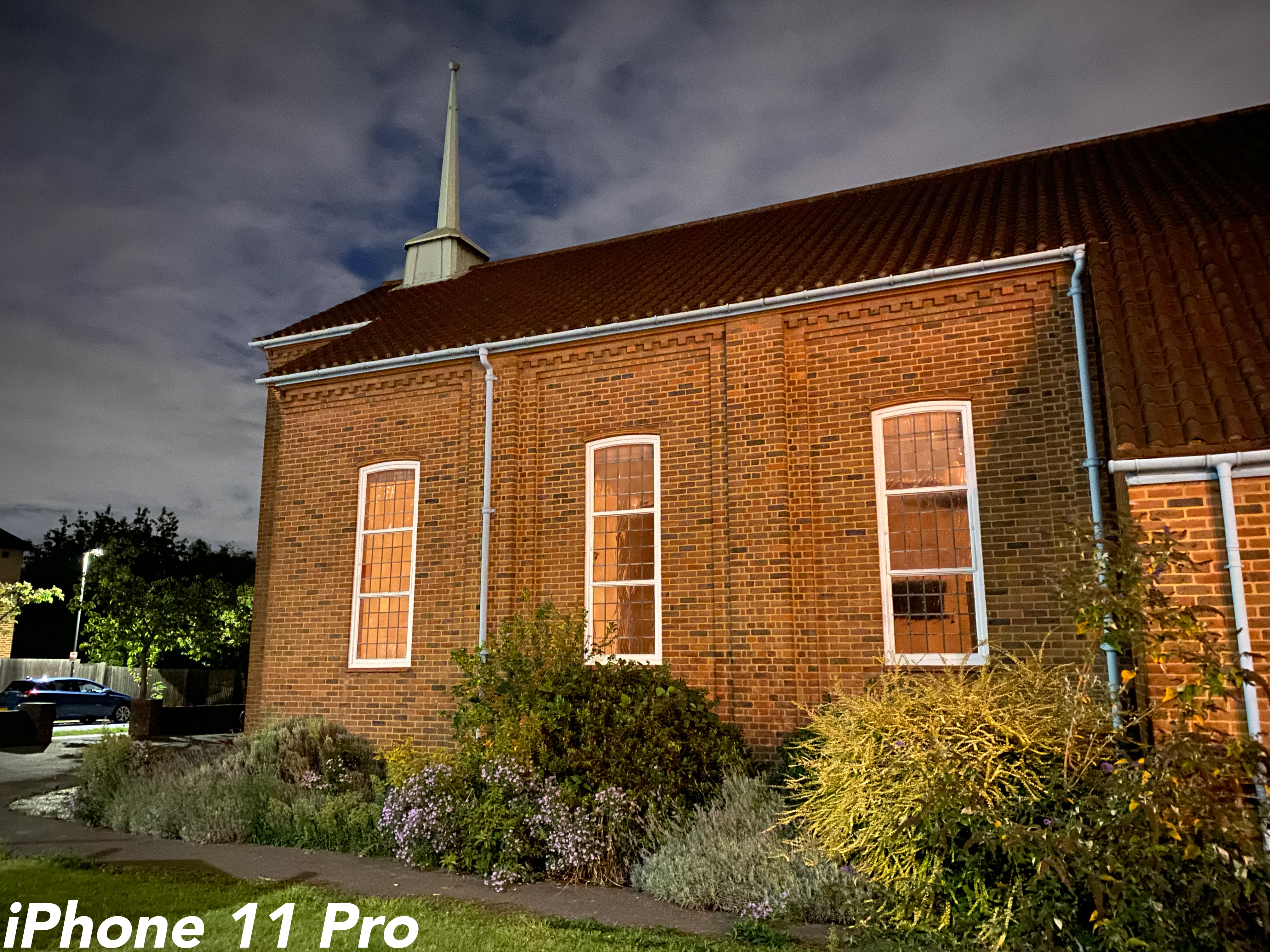
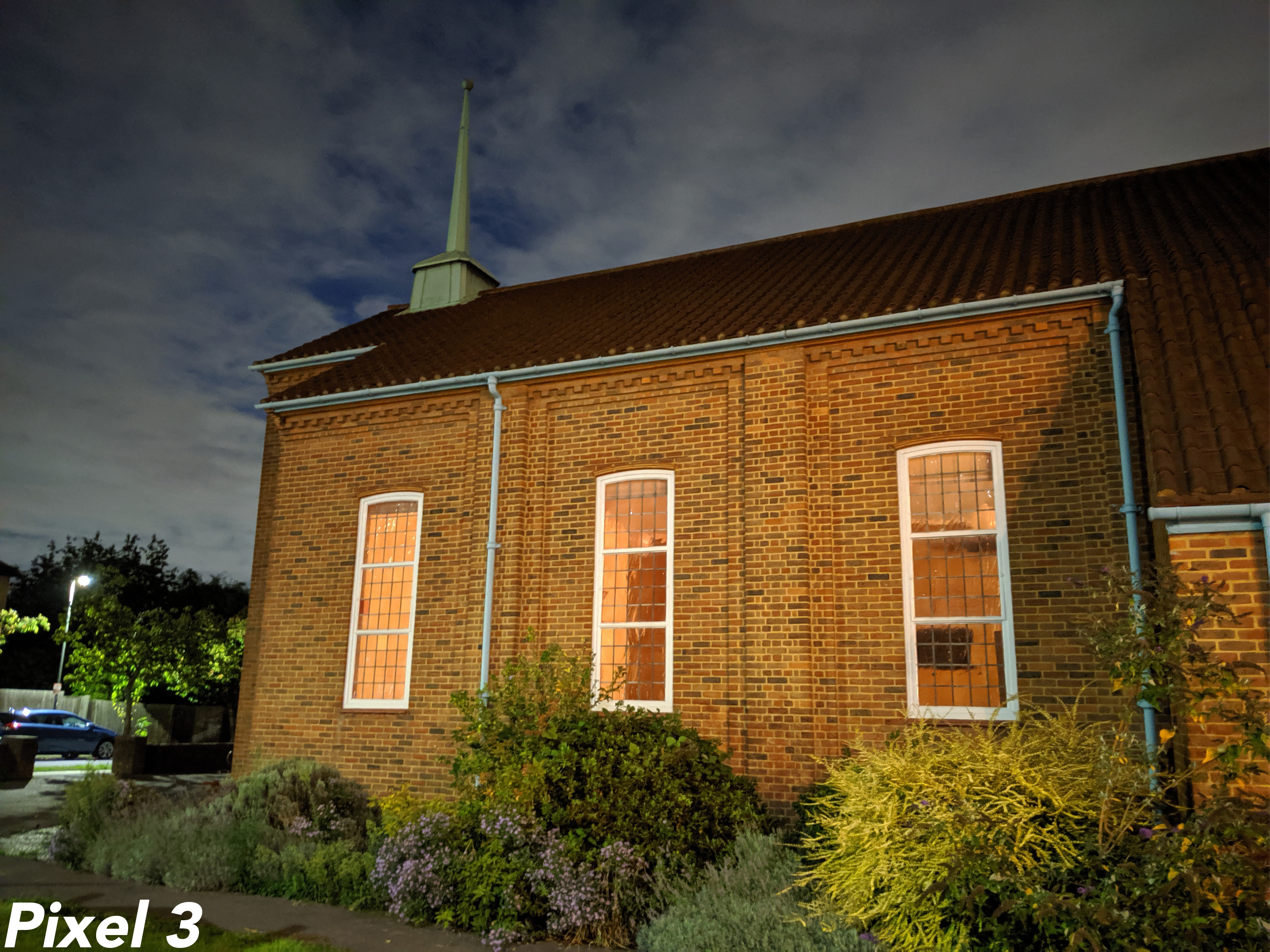
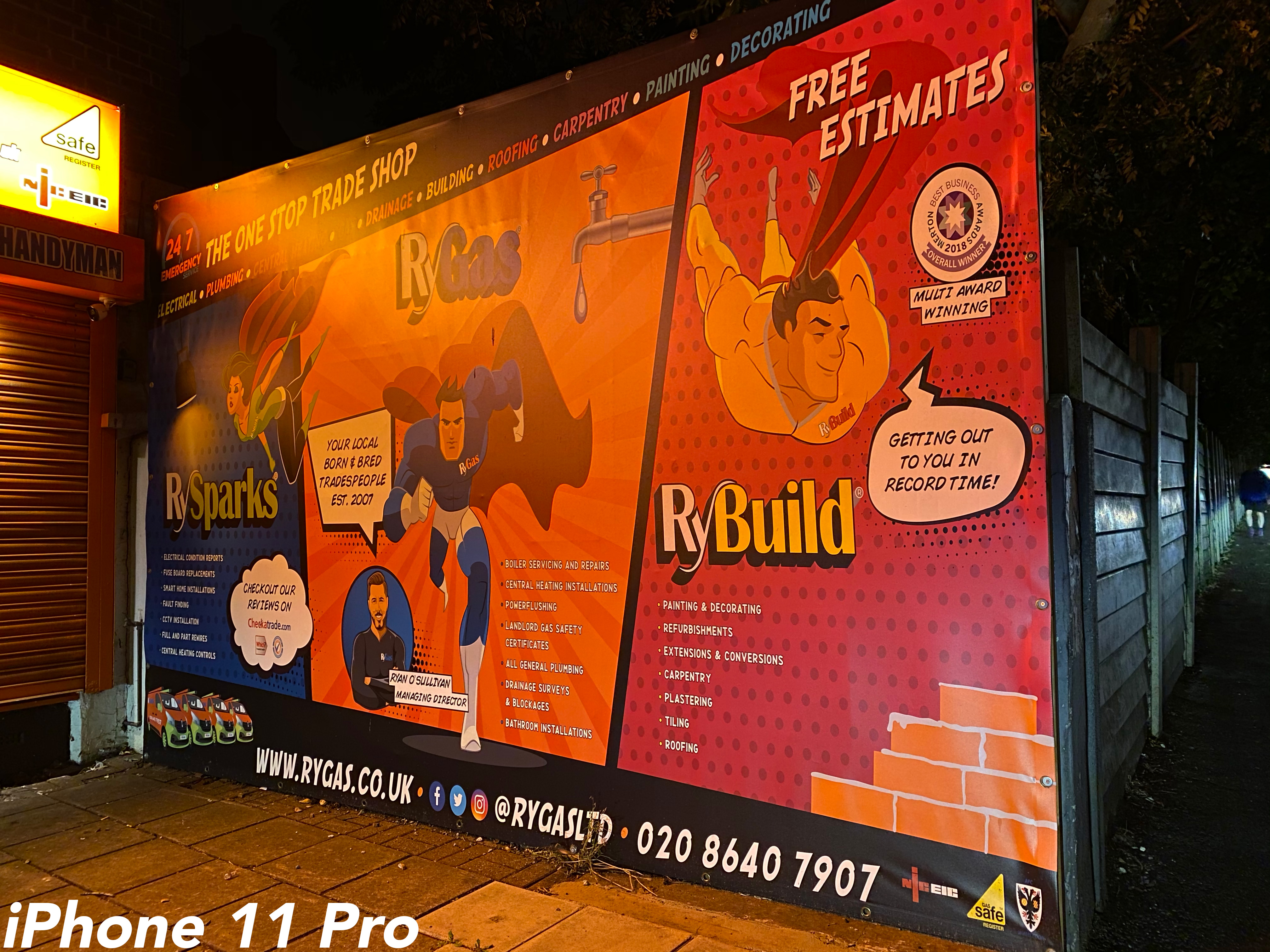
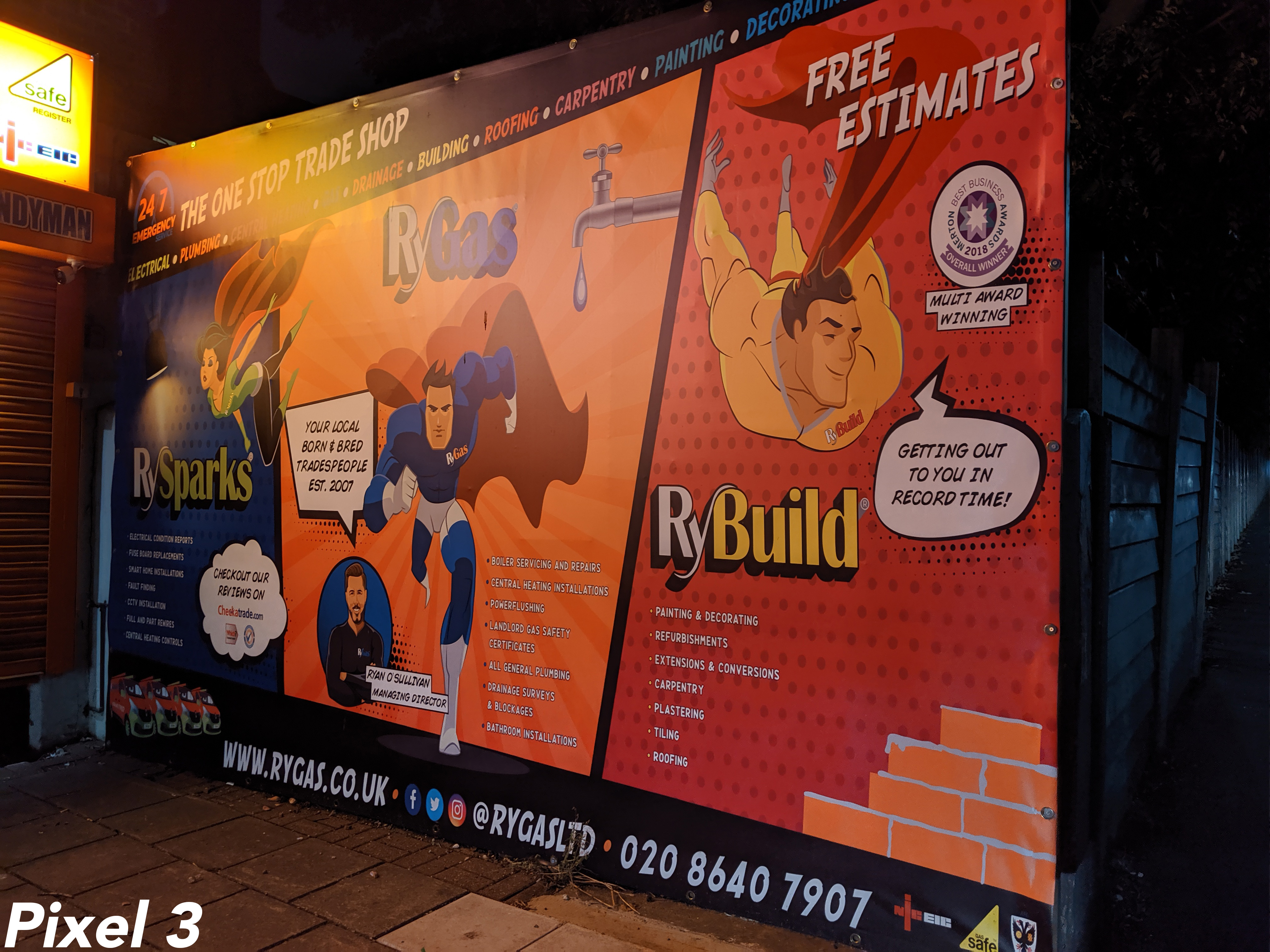
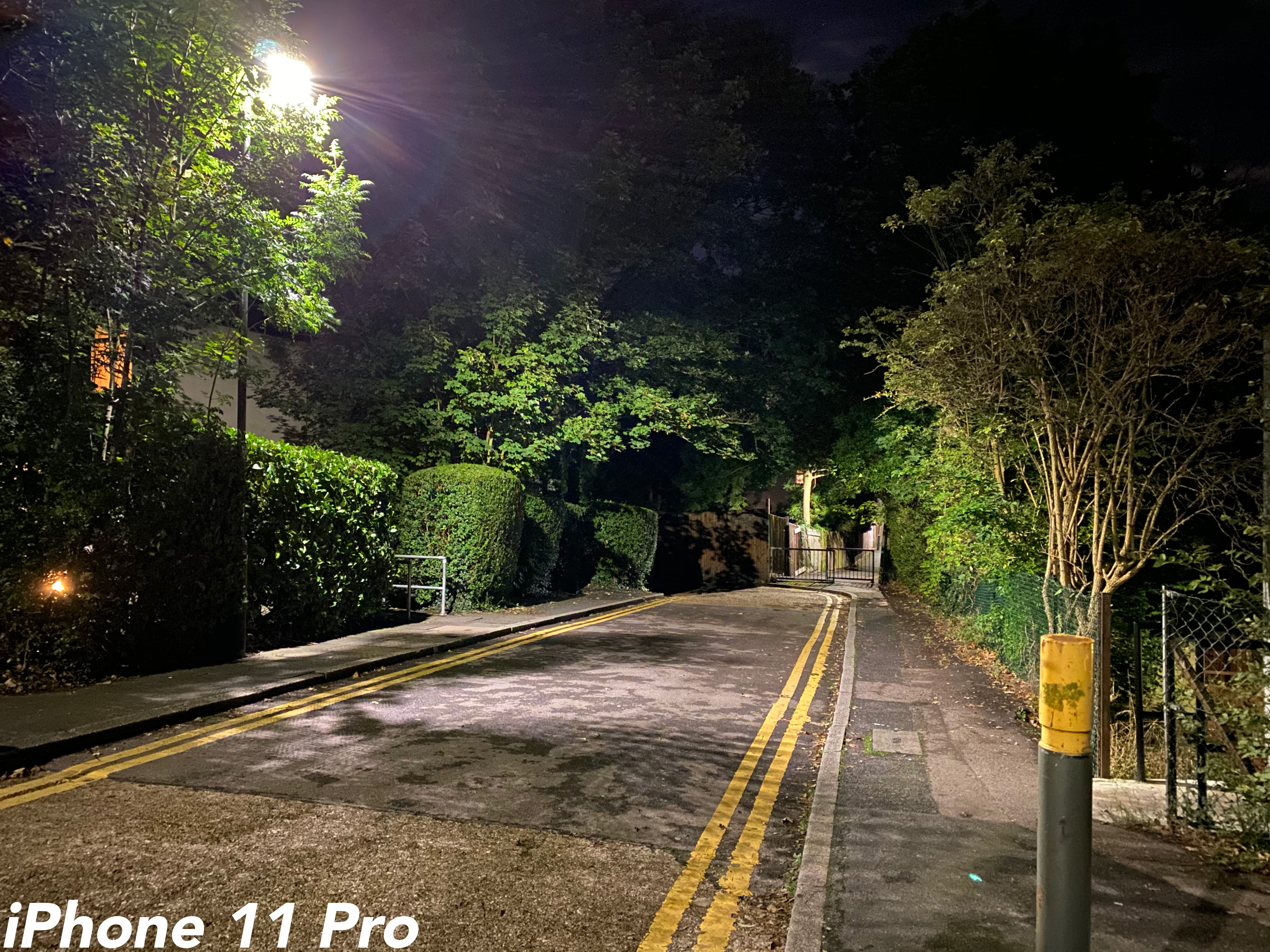
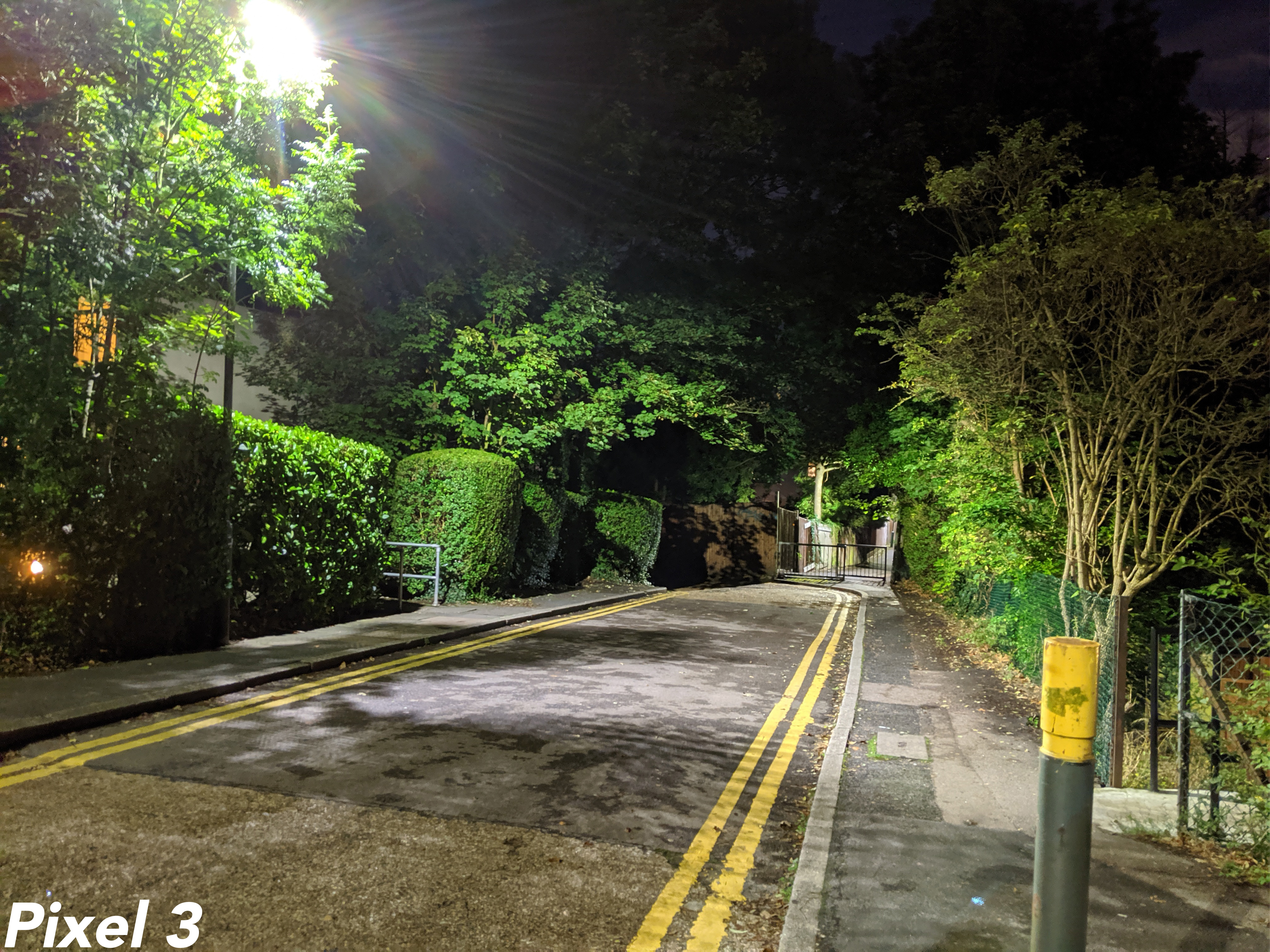
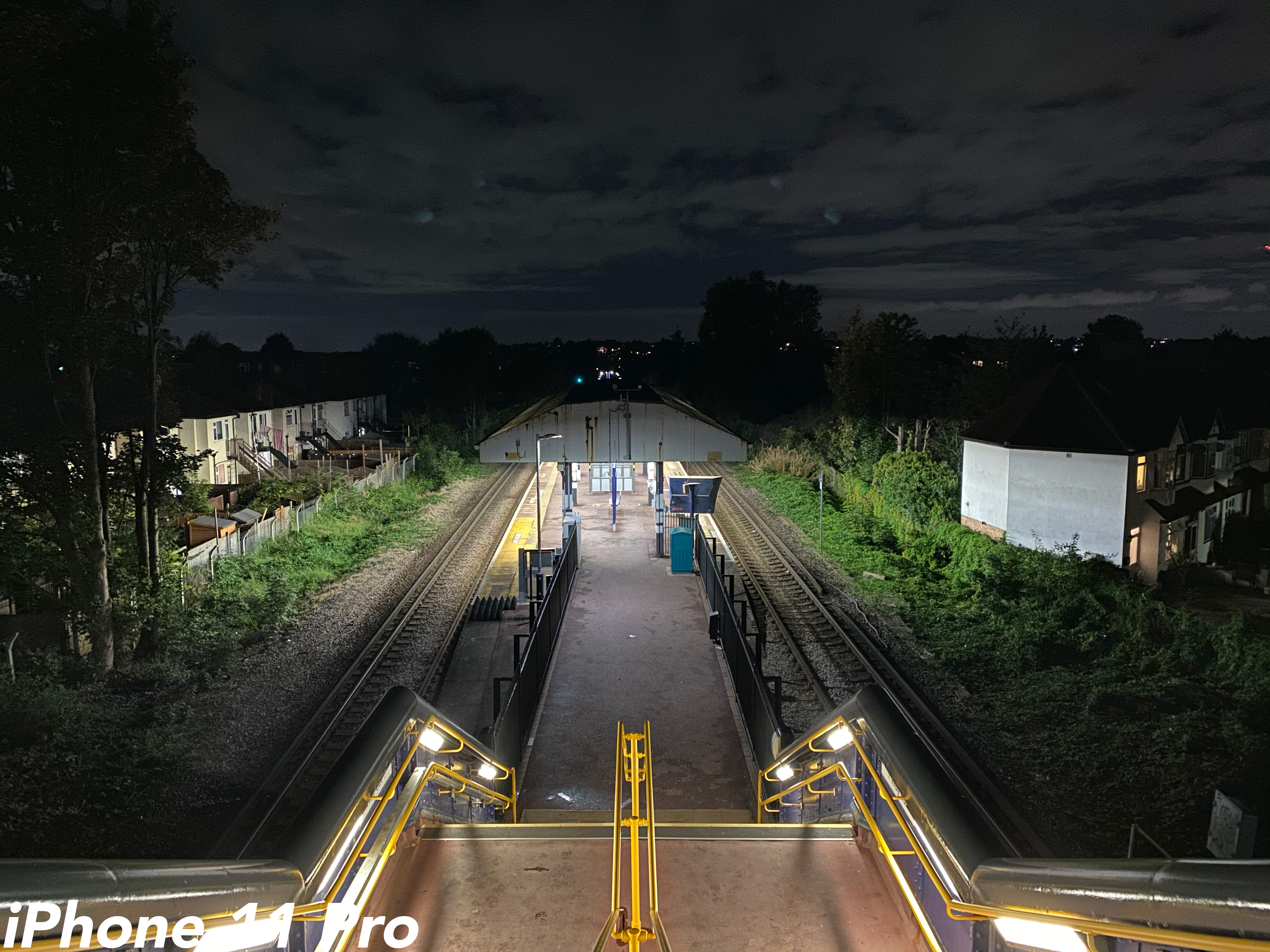
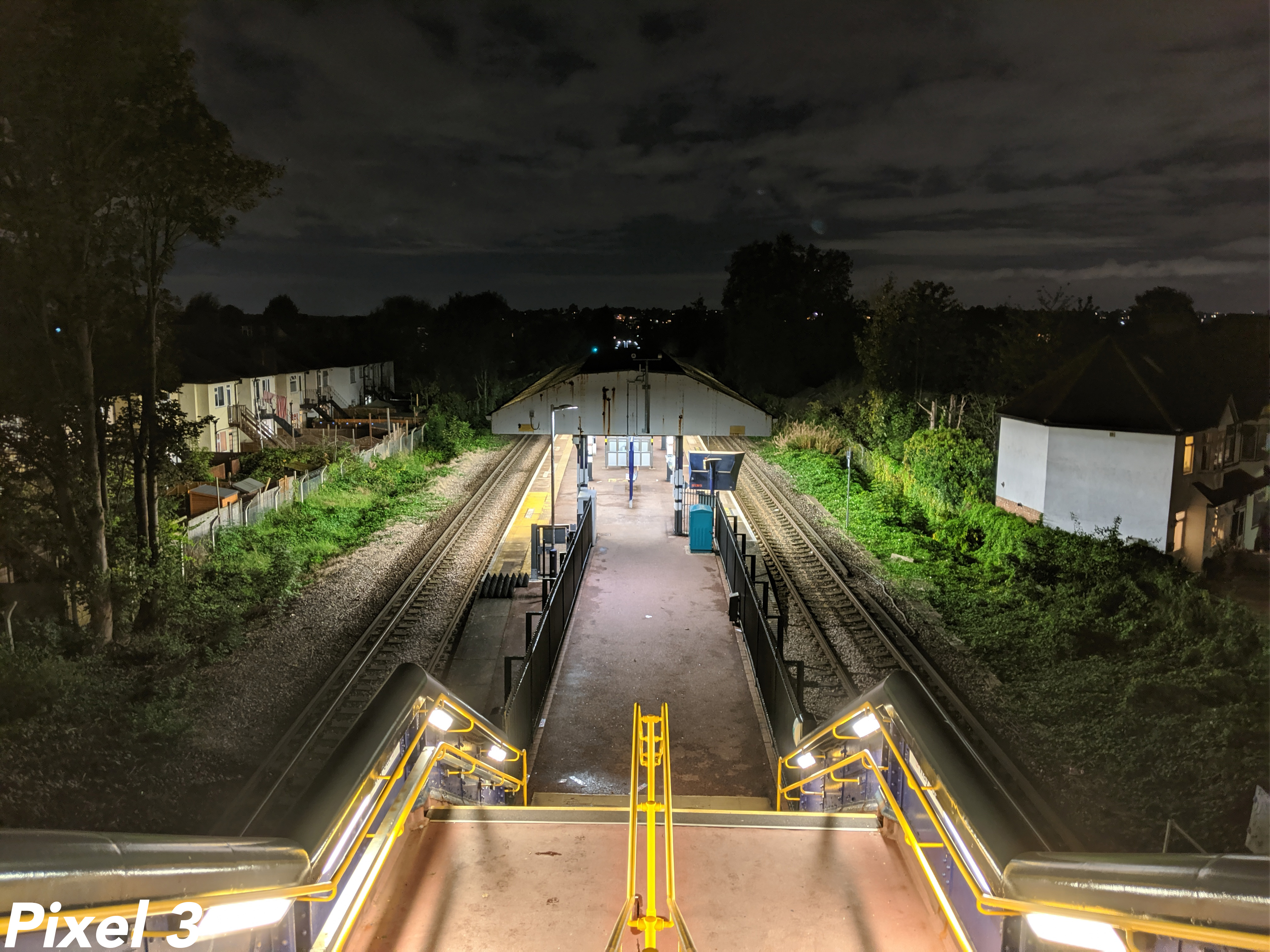
Then there's night mode to consider. I didn't want this section of the review to turn into a straight iPhone vs Pixel comparison, but above we can see 4 images taken with the iPhone 11 Pro's night mode, and then Night Sight on the Pixel 3. It took Apple a while to catch up and implement a night mode in its phones, but I think they have come right in and claimed the top spot. Images just come out capturing significantly more detail than the Pixel, and I think the overall colour and lighting is more realistic on the iPhone.
The Pixel also has a tendency to blow-out the highlights which is less obvious on the iPhone, and the time it takes to capture said images is also less on the iPhone – the iPhone will take up to 3 seconds to capture a night shot, when on the Pixel it can be an extra second or two more.


The one area where I do still prefer the Pixel is portrait mode. Here, the Google phone does a better job at keeping the sky exposed, where the iPhone's highlights are blown out. That said, both capture depth very well and you can now use both primary and telephoto cameras for portrait mode on the iPhone.
Battery
Rounding out our review, we again finish on another big positive for the iPhone 11 Pro – its battery life. Teardowns have revealed the regular 11 Pro (not the Max) has a battery capacity of 3046 mAh, which may not sound like much but we have to remember two things – firstly, Apple has never used batteries as large as its competitors as it can optimise things better with iOS, and secondly the new A13 Bionic also comes into play with efficiency savings.
In a nutshell, battery life is just fantastic. I wouldn't say I am a massive power user, but I'd regularly need to re-charge my Pixel 3 once it got to around 5-6pm every day. With the iPhone 11 Pro, I got a full day's use out of a single charge, every time – with plenty left over.
In fact, from the week I've been using the phone, my heaviest day of use gave me a total of 5hr29 screen-on time – and I still got to bed-time with 27% battery remaining. I could see seriously heavy power users needing a top-up before charging at night, but for the vast majority of people, this phone will last a solid day on a single charge, if not more.
One last thing to mention here is the inclusion of the 18W fast-charger, meaning Apple is finally bundling a faster charger with the iPhone, replacing the old and slow 5W charger. In my testing, a 30min charge with the 18W unit saw battery capacity increase from 44%, up to 80%. This isn't as fast as I've seen on other Android phones, but it is still a decent bump if you do find yourself needing a top-up during the day.
I've spent the last week using the iPhone 11 Pro, and it is safe to say I am impressed with it. Coming from a Pixel 3 I wasn't sure what to expect, but I am now convinced this will be my next phone.
There are two primary reasons for this – the cameras, and the battery life. The display is also excellent, and if you like iOS you obviously know what you are getting there, but the cameras and battery are without a doubt the best two aspects of the phone.
Starting with the cameras, these simply offer fantastic image quality, with clean and true-to-life image processing. Dynamic range is excellent with the primary camera, but how about that ultrawide – yes, it can look a little soft at time, but the field of view is incredibly dramatic and there is barely any barrel distortion. It's a fantastic addition to the primary and telephoto cameras.
As for battery life, coming from a Pixel 3 I'd gotten used to topping up the phone towards late afternoon – but I didn't have to do that once with the iPhone. I previously had the iPhone 8 Plus and the iPhone 6, and this is without a doubt the best battery life on an iPhone I've used. It's a real step up from Apple, whose phones have always had ‘decent' battery life, but nothing class leading. That has changed here.
Now, I am sure there will be naysayers and those pointing out this phone costs over £1000. It's also true that the lack of innovation with the design may put some off – this is the third year in a row we've essentially had the same design with an iPhone, although for me personally I think it is still sleek enough. If I had to raise one main criticism, it would be lack of a high refresh-rate display – in my opinion, a phone at this price, called a ‘Pro' device no less, should have a 90Hz screen.
Even then, the iPhone 11 Pro is without a doubt the best iPhone I've ever used, and it's certainly the best camera phone I've ever used, beating out the Pixel 3. There will always be some who won't buy it as it's an iPhone, but right now if you want the best camera phone you can get – this is it.
You can view the range of iPhone models directly at Apple HERE. The 11 Pro starts at £1049 for 64GB storage.
Pros
- Class leading cameras.
- Fantastic battery life.
- OLED display is colourful and vibrant.
- iOS feels familiar and has added some useful features.
- Very fast.
- Face ID slightly improved.
Cons
- No high refresh-rate display.
- Very expensive.
KitGuru says: For me, the camera is the area of a phone I value most – so it's no surprise that, in my eyes, the iPhone 11 Pro is a clear Must Have.