 KitGuru KitGuru.net – Tech News | Hardware News | Hardware Reviews | IOS | Mobile | Gaming | Graphics Cards


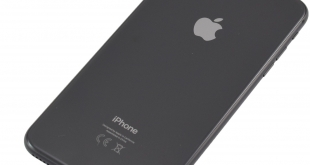
It's that time of the year again – Apple's firmly established yearly release cycle means today we assess the iPhone 8 Plus. The current flagship, though due to be usurped by the iPhone X very soon, the 8 Plus boasts a new A11 Bionic chip, a dual-camera set up plus a new glass back. Is this phone worth its steep £799+ asking price?
At a glance, you would be forgiven for thinking that nothing has changed from the iPhone 7 Plus to the new iPhone 8 Plus. From a design perspective, that is especially the case – the only major difference is the addition of a glass panel on the back of the phone, instead of Apple's familiar aluminium construction. Does this mean the iPhone 8 Plus isn't worth a purchase? Let's find out.
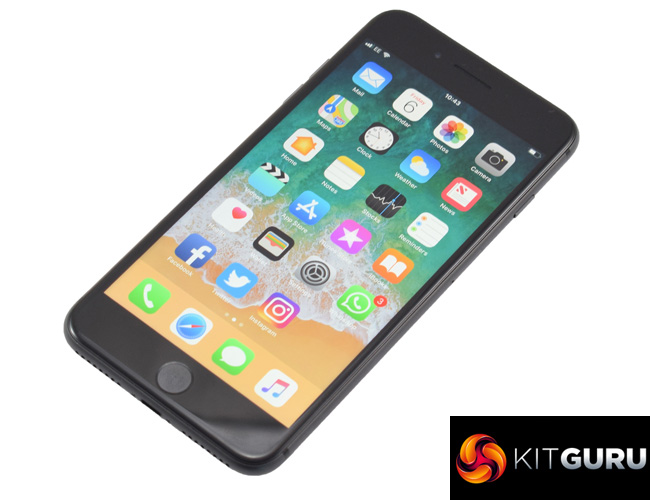
Specification
- Finish: Gold, Silver, Space Grey
- Capacity: 64GB/256GB
- Dimensions: 158.4 x 78.1 x 7.5 mm (L x W x H)
- Weight: 202g
- Display: 5.5in 1920×1080, 401 PPI
- Water resistant level: IP67 rated
- CPU: A11 Bionic 64-bit
- RAM: 3GB
- Camera: Dual 12MP, 1x wide-angle (28mm, f/1.8) 1x telephoto (56mm f/2.8)
- Video recording: up to 4K 60fps, including 1080p 240 fps slo-mo.
- Facetime (front) camera: 7MP, 1080p HD recording.
- Battery: 2691mAh
- OS: iOS 11
Design
Jumping straight into the design of the new iPhone 8 Plus, here we present an gallery of the phone. All photography is handled in-house by KitGuru.
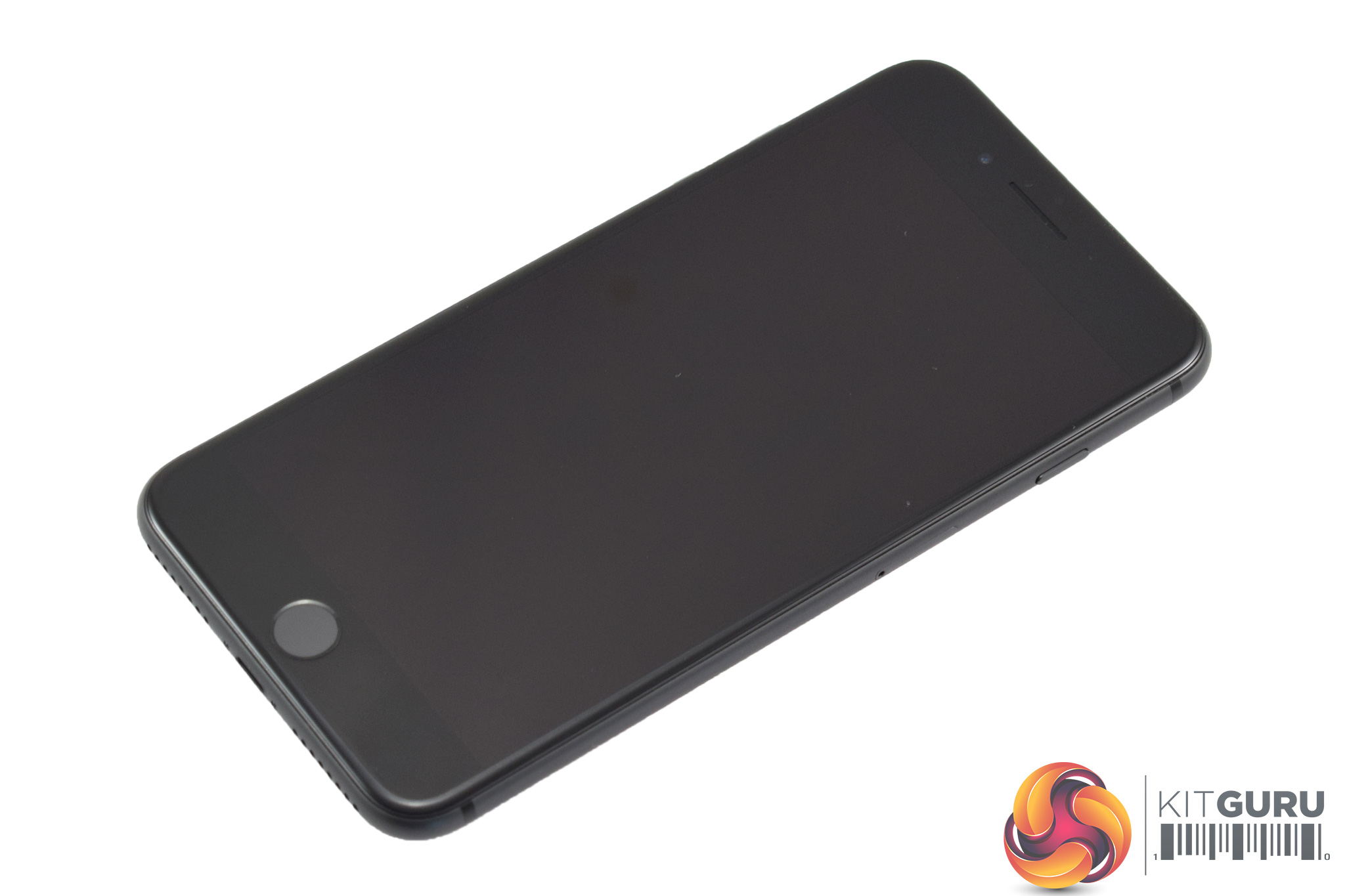
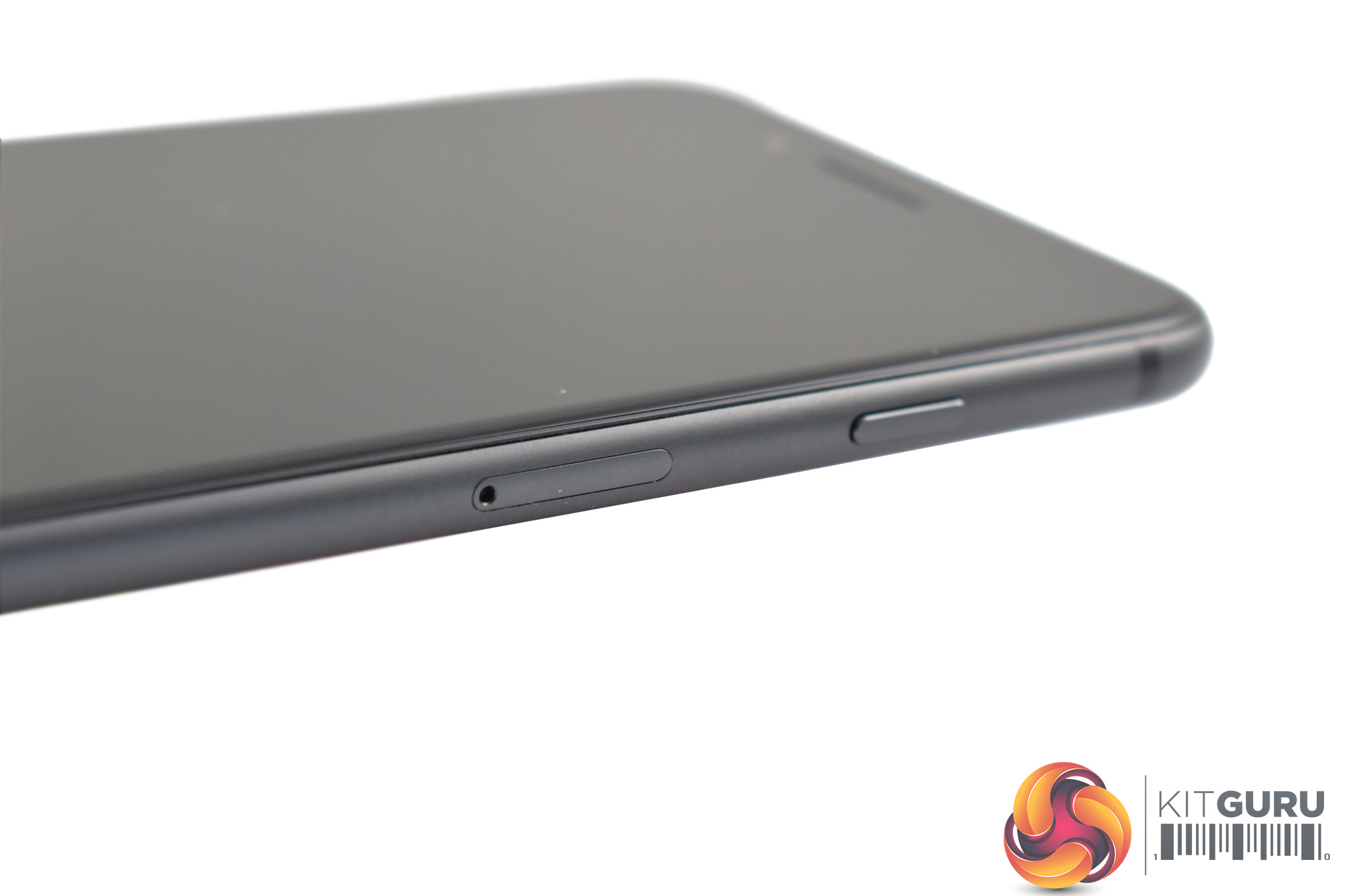
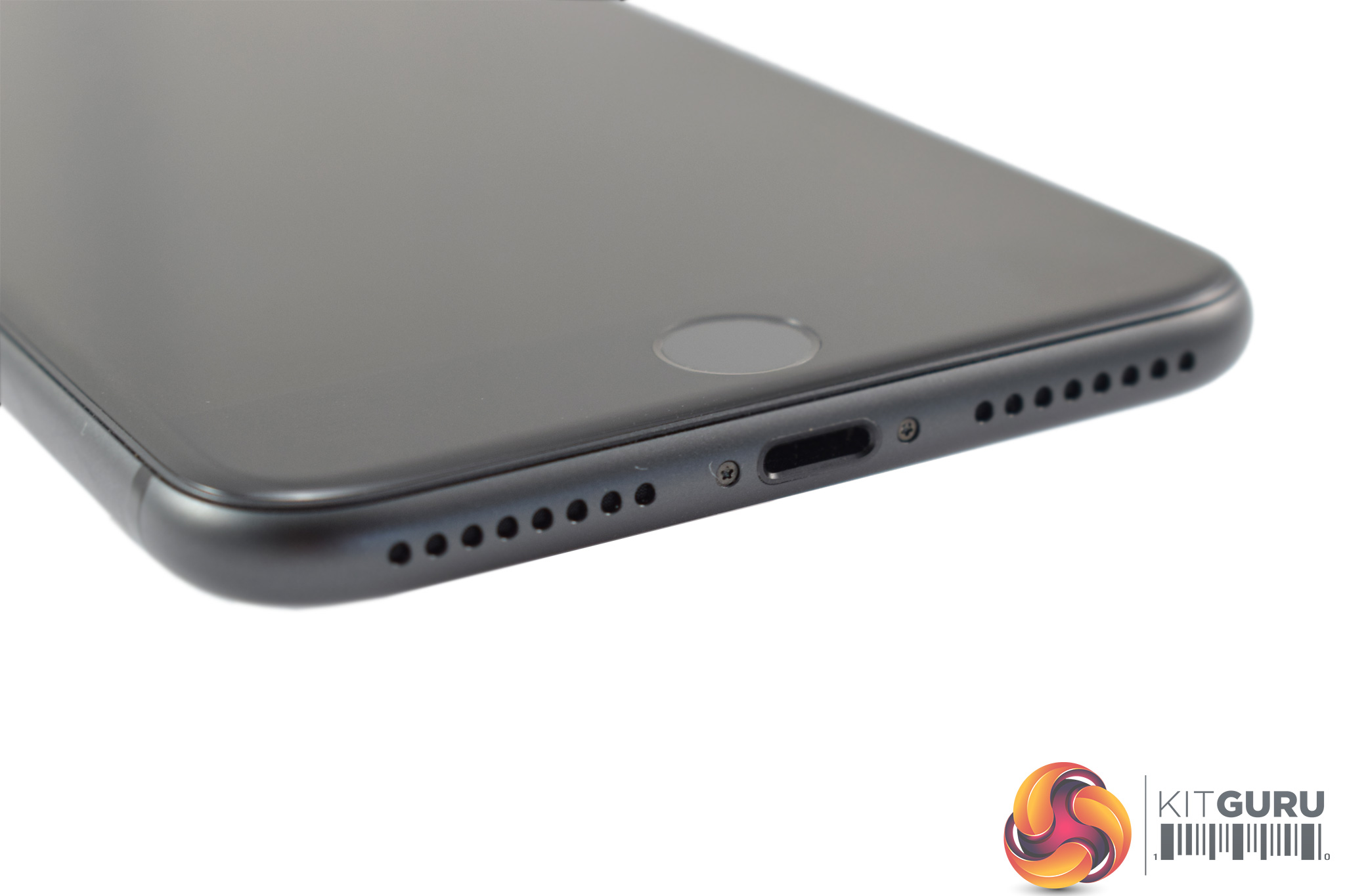
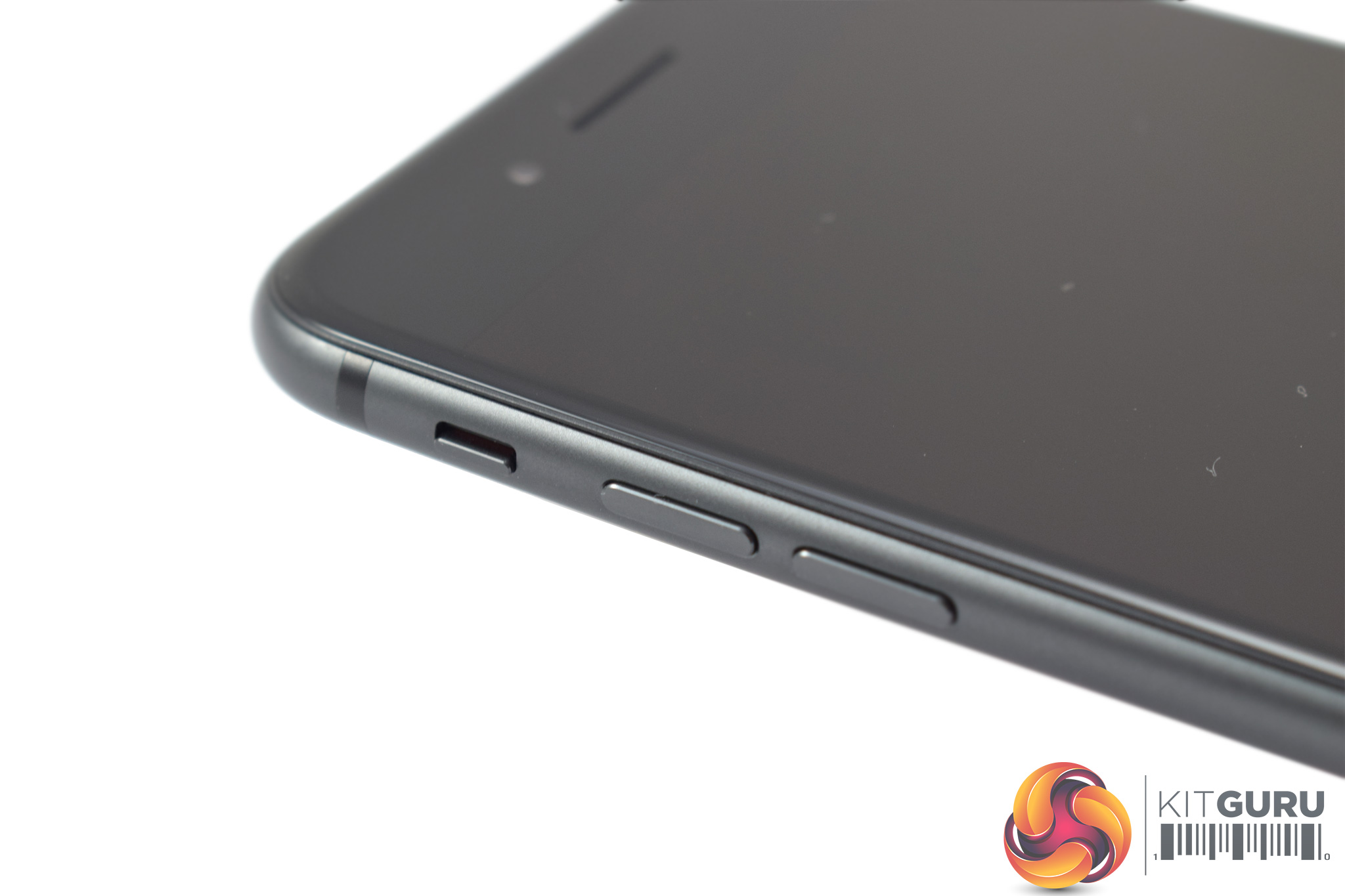
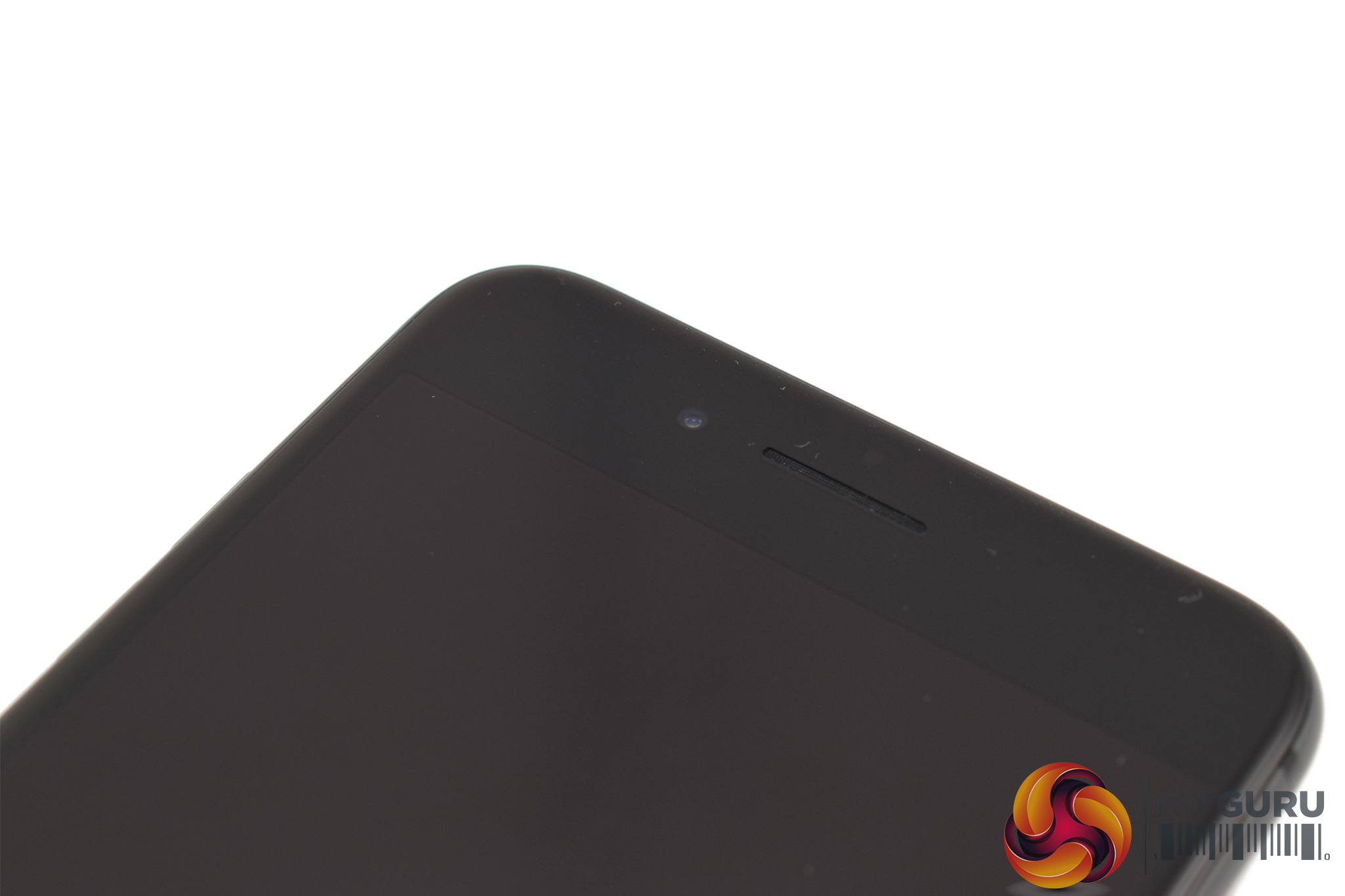
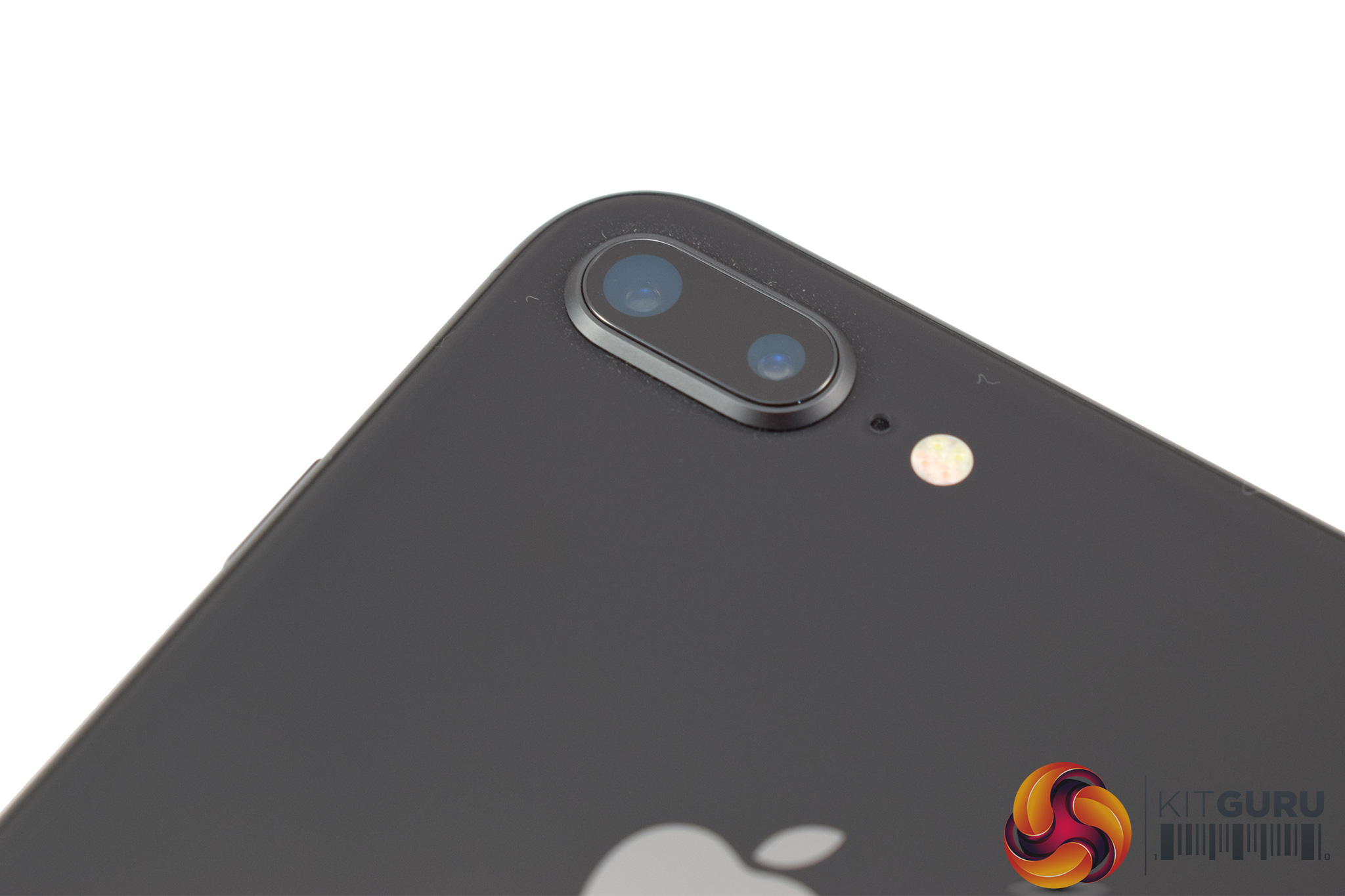
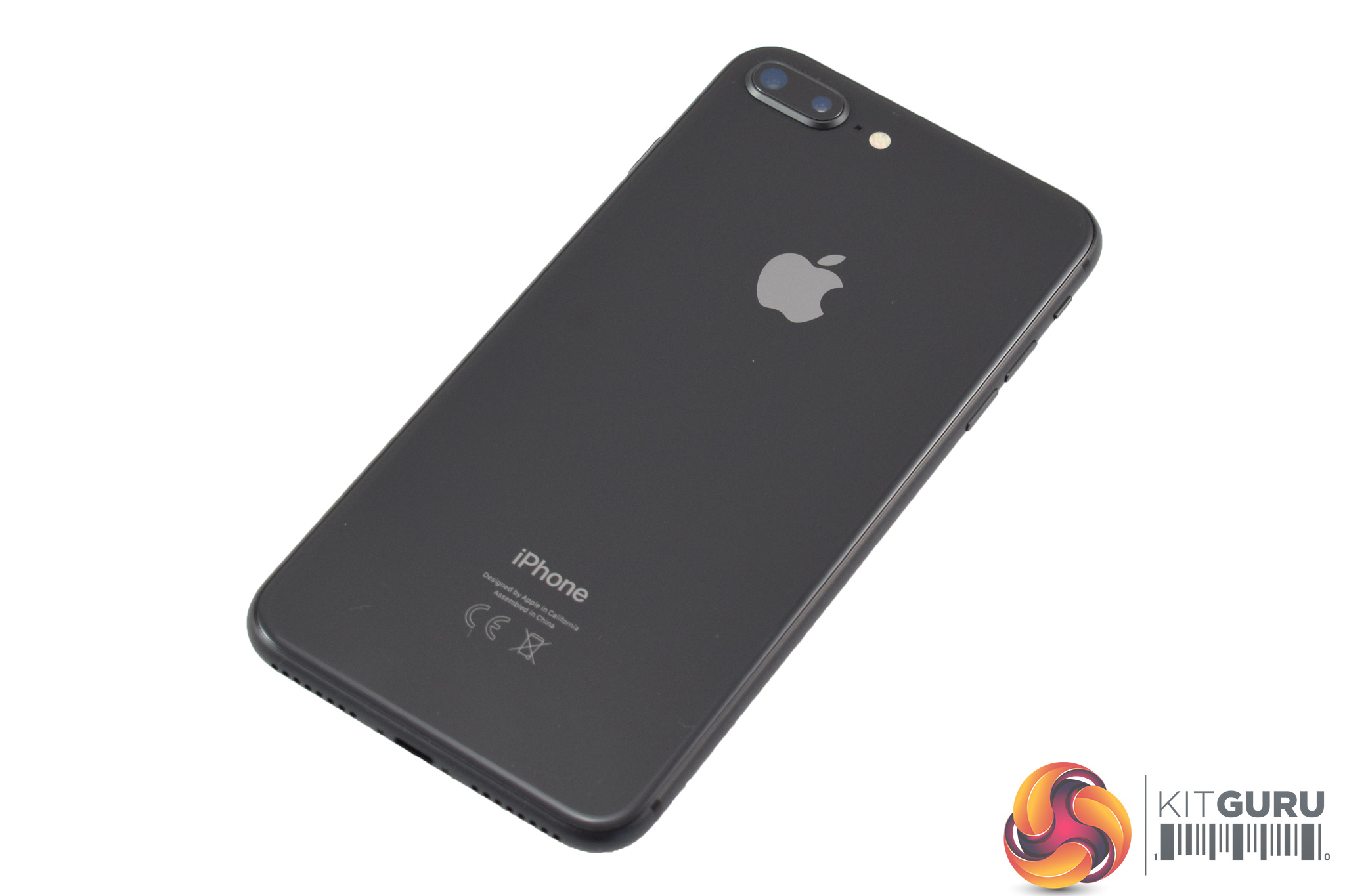
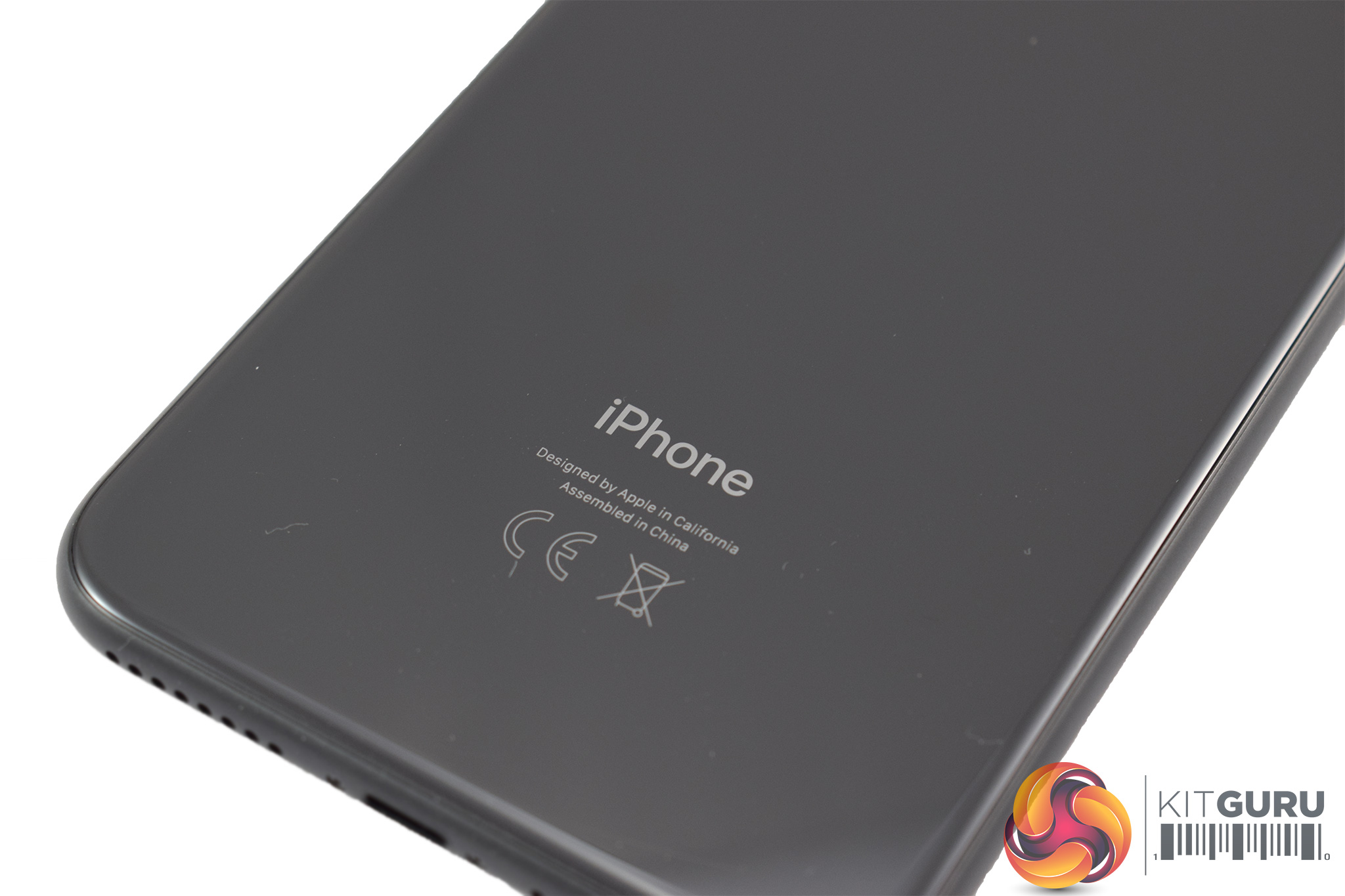
On the whole, there is not much to mention here – the iPhone 8 Plus is very similar to its predecessor and I'd argue the overall design is similar to every other iPhone going back to the 4.
The big talking point is of course the new glass back – it certainly looks good and has the added benefit of allowing for wireless charging, too, though you will need to buy a charging plate separately as one does not come included.
Other than that, the 8 Plus retains the physical home button, the side-mounted volume and power buttons as well as the aluminium frame we have come to expect from Apple. Unfortunately, I do think this design is now looking quite tired and aged – the thick bezels look very out-of-place in 2017, and compared to the iPhone X, the 8 Plus looks decidedly unappealing. 5 years ago, sure – we'd be thinking this is a lovely design. Now, in today's market, it is certainly disappointing and feels stagnant.
That's not to say it isn't well-built or that it isn't lovely and thin – it is – the screen-to-body ratio is just quite poor. To demonstrate this, take my LG G6. The LG has a 5.7-in display but the whole phone measures just 148.9mm long. The iPhone? 5.5-in display in a chassis that is 158.4mm long.
Essentially, if you want to be at the forefront of the current phone trend – that of reducing phone bezels to an absolute minimum – then the iPhone 8 Plus will certainly not do the business. The iPhone X, however, looks great.
Display
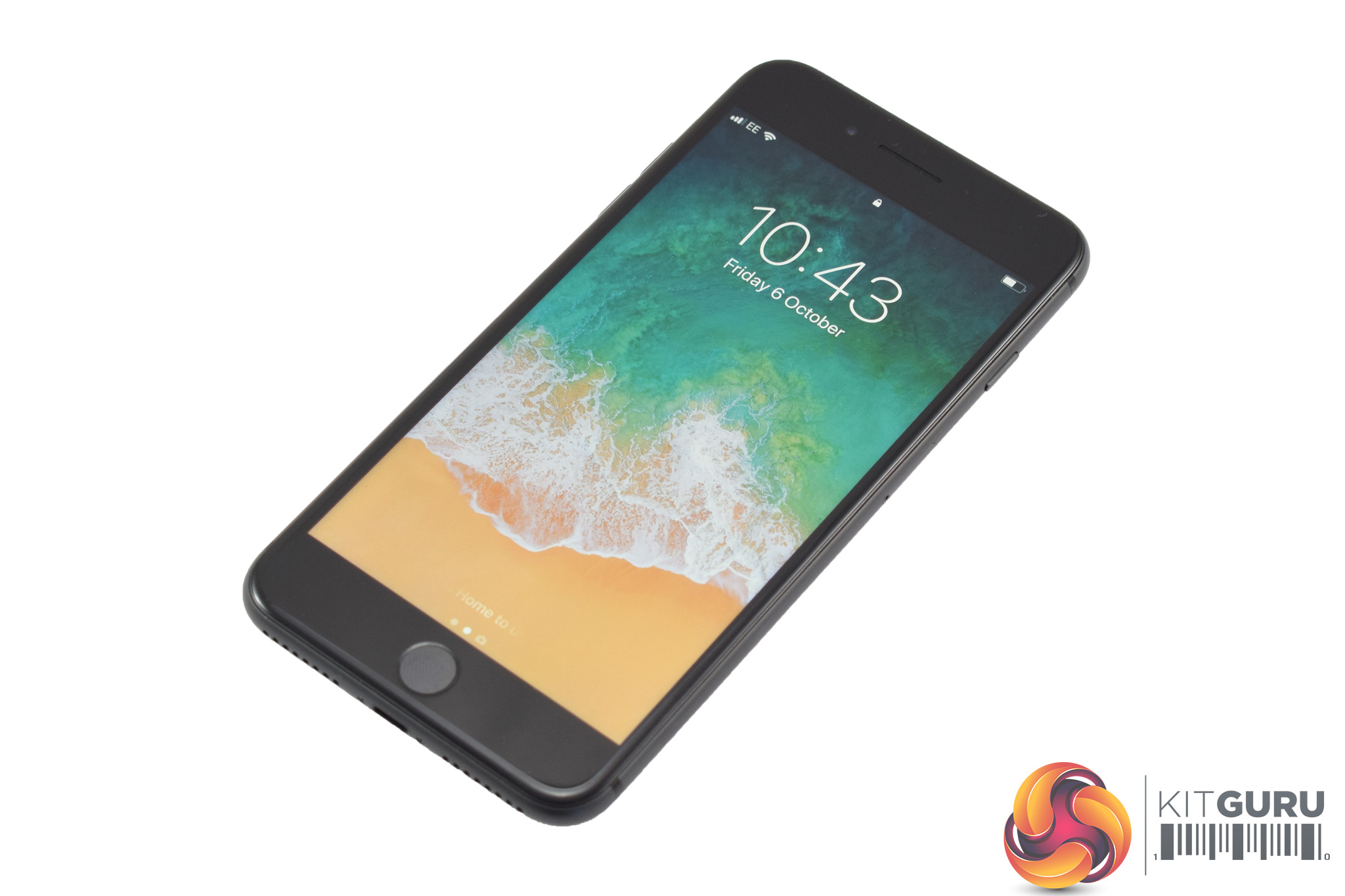
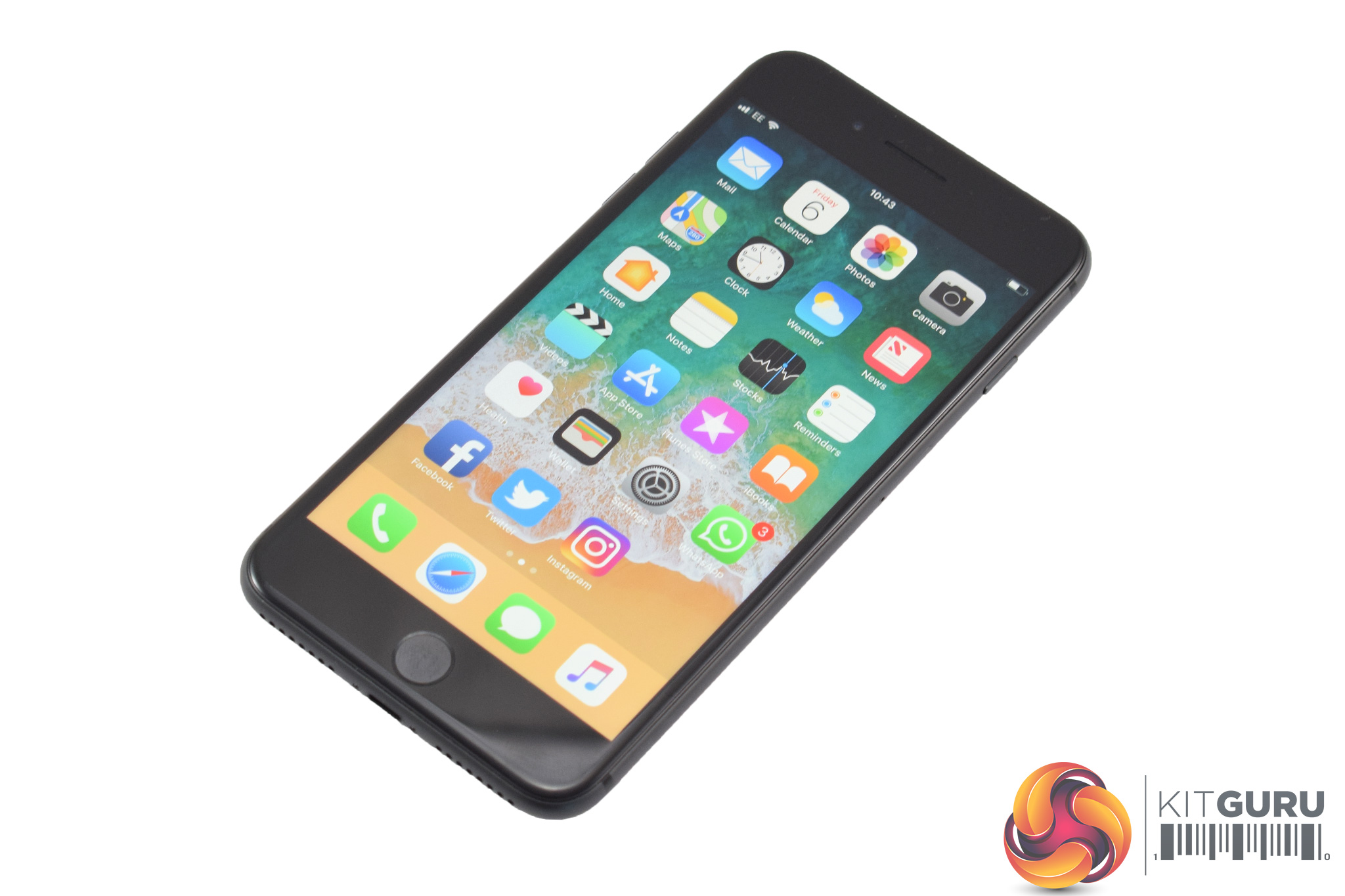
Moving to the phone's display, the same overall trend can be observed here – it's very nice, but nothing has really changed. What I mean by this, is Apple has persisted with an IPS LCD panel – just like every other iPhone of recent memory. It is capable and looks lovely, but the industry is rapidly moving over to OLED panels for their obvious benefits – unbeatable contrast ratios and battery life savings being the main two.
Furthermore, the iPhone 8 Plus retains its 1080p resolution as well – across the 5.5in panel this gives 401 PPI. Every other flagship I can think of uses 1440p panels now, and this does make Apple seem like they are lagging behind.
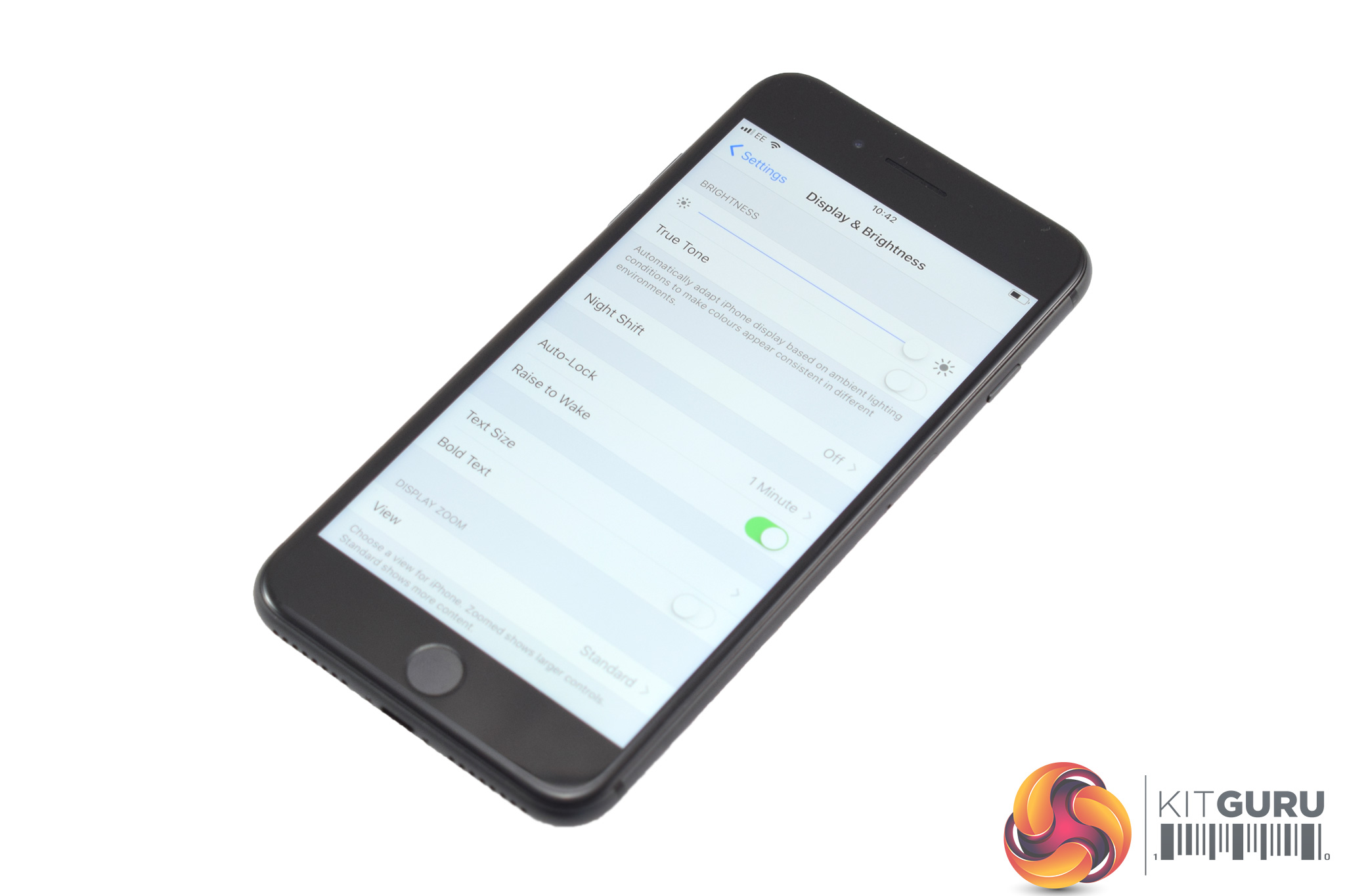
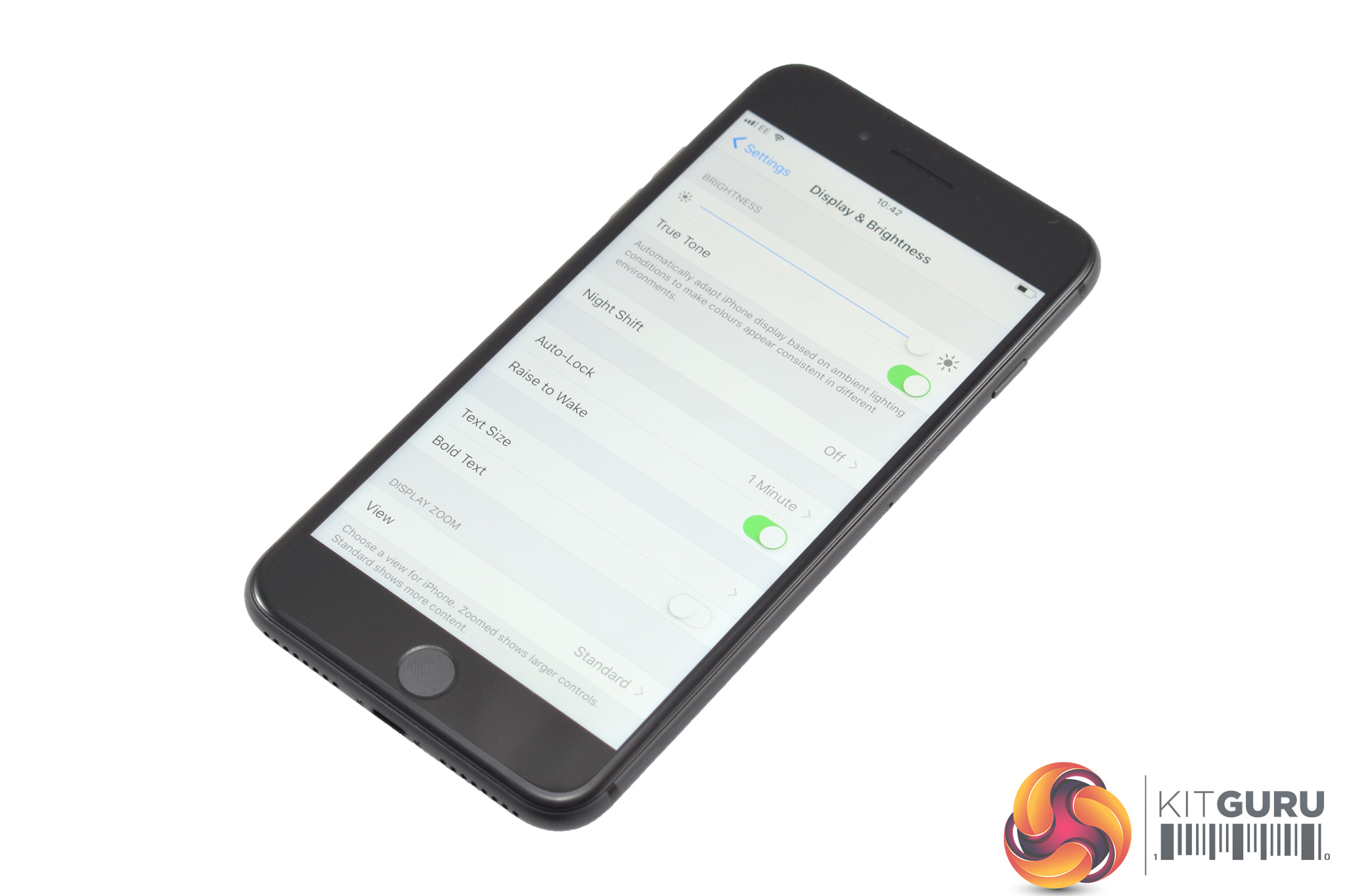
There is one new feature to talk about, though, and that is True Tone. Essentially, this is a new automatic feature which adjusts the colour of the phone's display in accordance to the ambient light levels and white-balance of your surroundings. The end result is to keep colours looking consistent across different environments – for a more detailed explanation, check out this link.
You can see two photos of the phone's display above – the one on the left has True Tone disabled, the one on the right has True Tone enabled and you can see that the display is noticeably warmer with the feature turned on. In my experience, this is typical of True Tone – warmer colours which can be easier on the eyes. I did not use it, simply because I would rather have a cooler screen than a warmer one, but the option is there.
Performance
As ever, the latest iPhone comes with the latest processor – this time the hexcore A11 Bionic chip. Accompanying that processor is 3GB RAM.
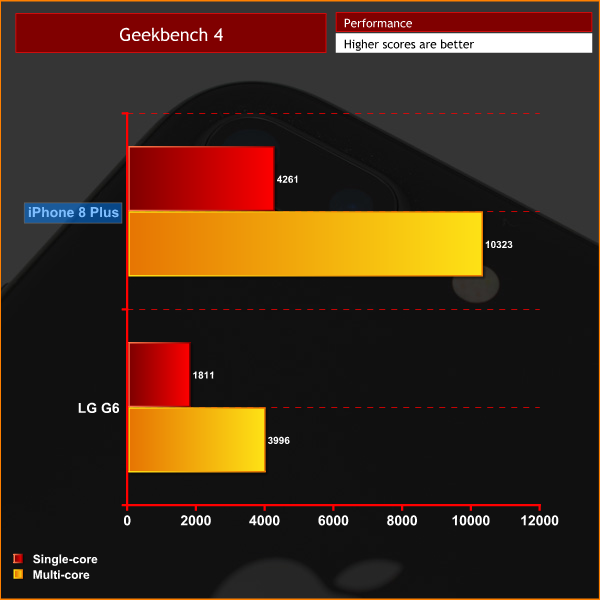
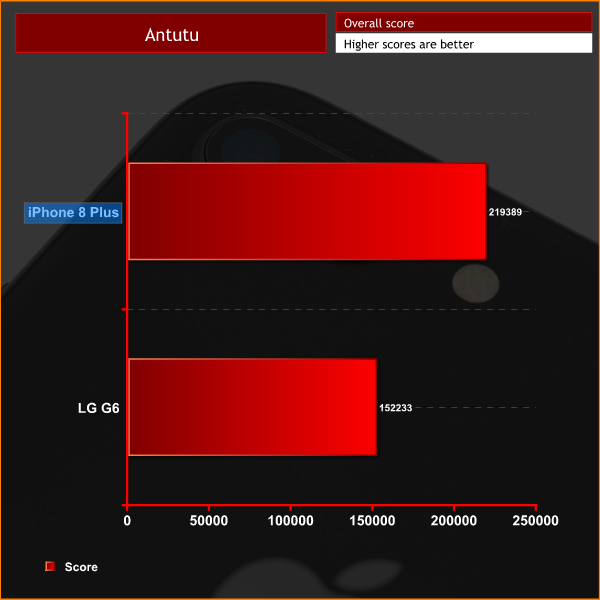
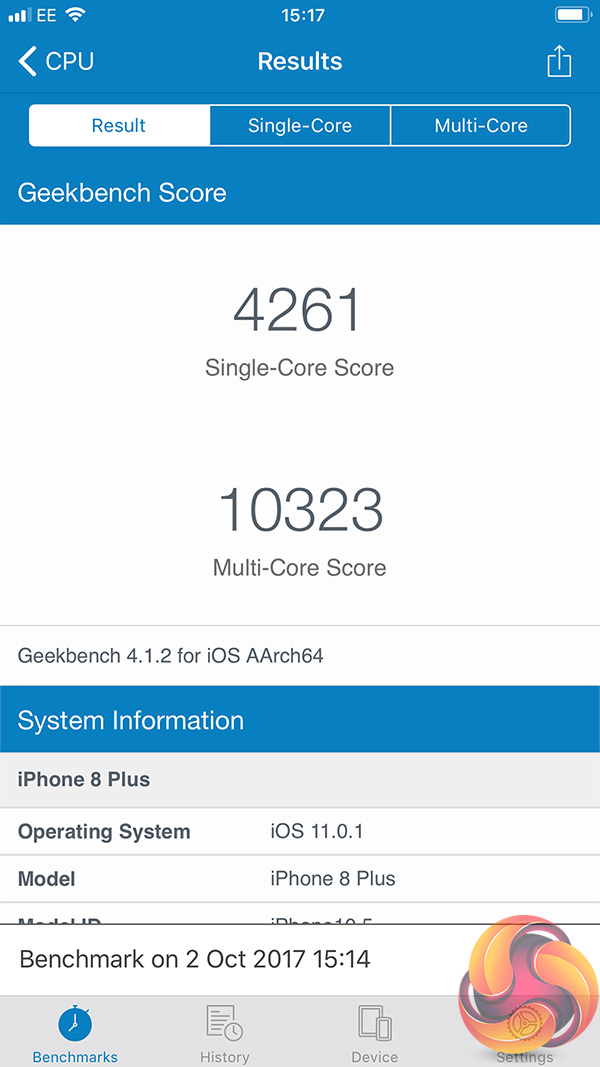
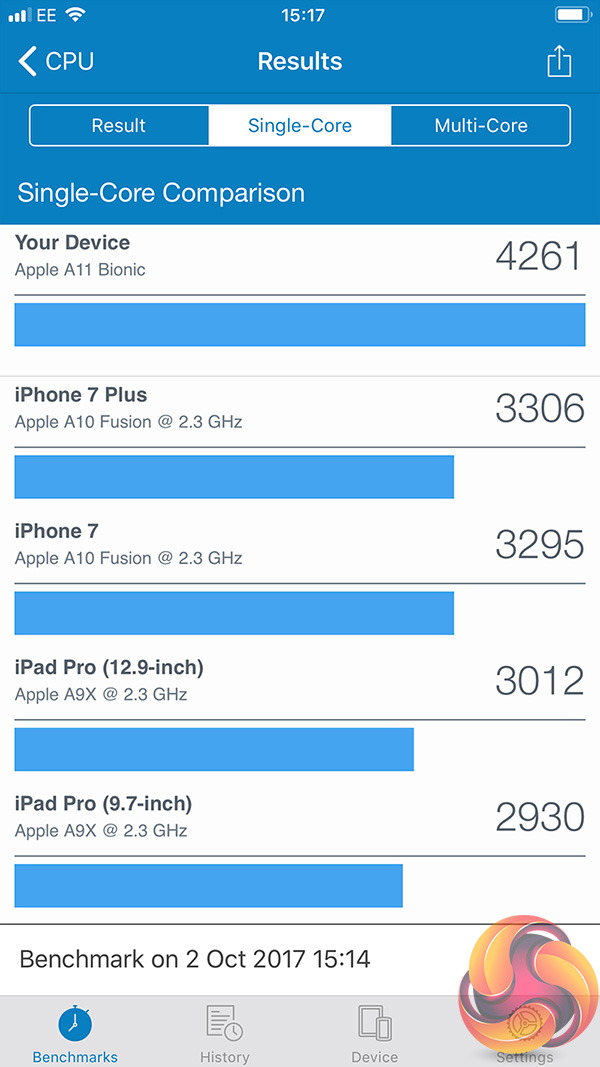
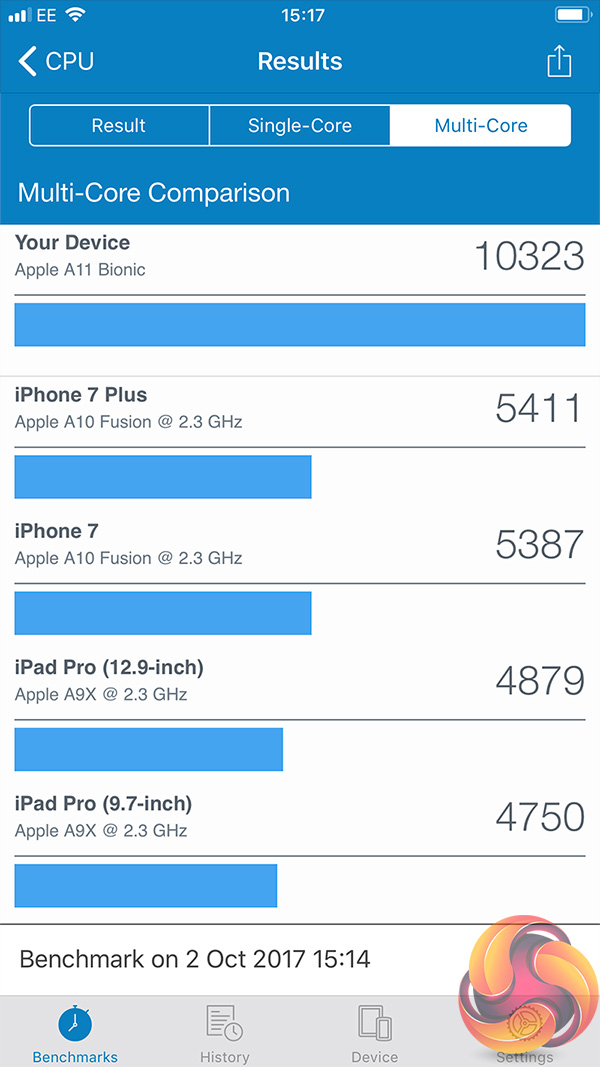
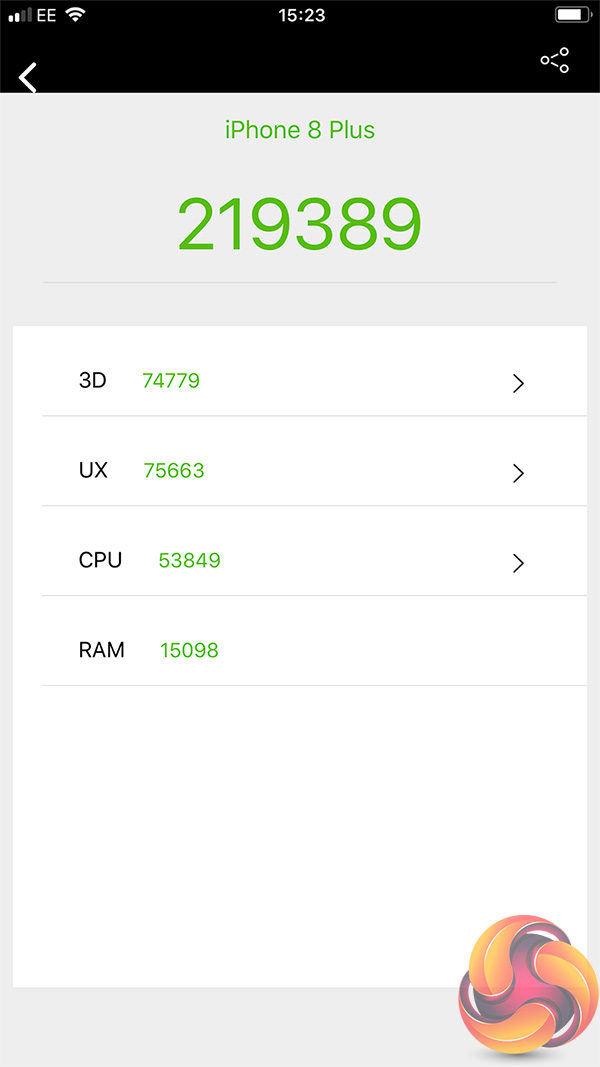
As you can see, performance of the new 8 Plus is miles ahead of my LG G6 – in fact, it is better than any Qualcomm-powered phone currently available.
These benchmark scores are backed up by my real-word experience of the phone – I simply had no issues with lag, animations or transitions at all. The iPhone 8 Plus performs flawlessly across the board.
Software
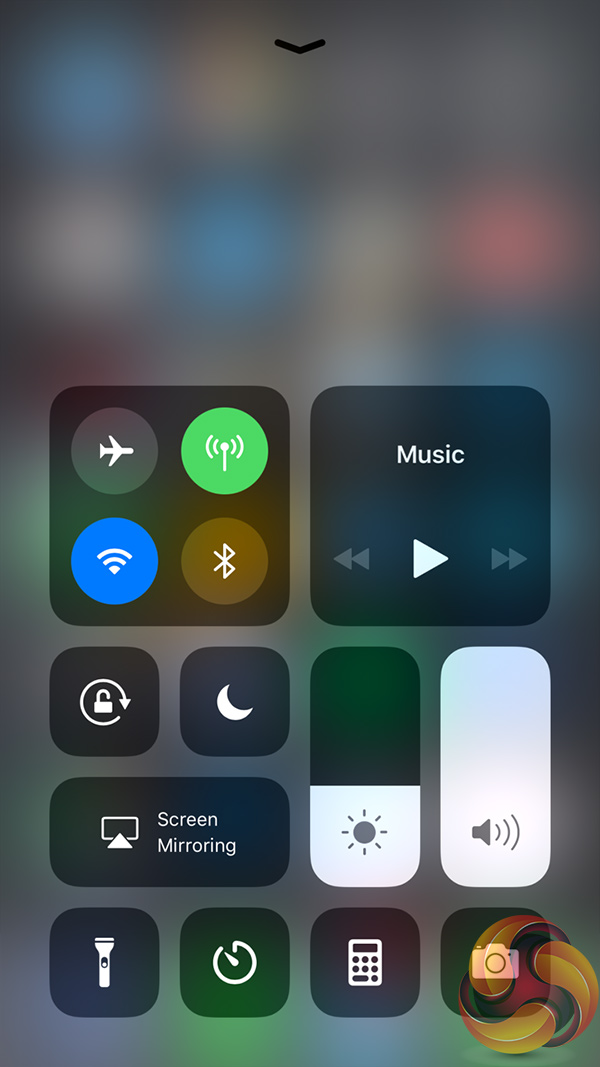
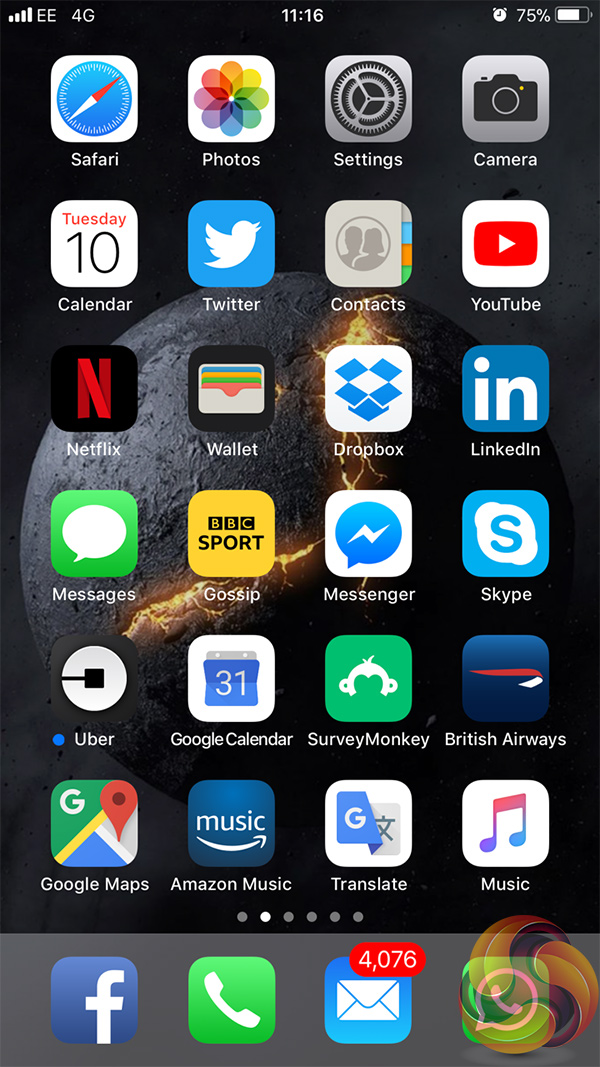
With the new iPhone comes new software – iOS 11. An incremental update over its predecessor, the most noticeable change has come in the form of a new control centre – the centre now flicks up and take overs the whole screen, instead of just the bottom third, while the different shortcuts and fast-controls are now in bubble-like shapes.
However, apart from that change – which is aesthetic more than anything – the underlying OS is very much the same. It's pretty, functional and yet still lacking many of the more advanced features Android users have been playing with for years. More innovation is definitely needed here – users can't even drag-and-drop apps to different spots on the home page and that speaks volumes.
In short, if you've used any iOS from iOS 7 – and that dates from 2013 – then it will all feel very familiar to you, and I'd argue that's not necessarily a good thing.
Camera
Here we present a gallery of different photos taken with the iPhone 8 Plus. They have not been edited at all – either on-phone or using Lightroom/Photoshop, so what you see is what you get.
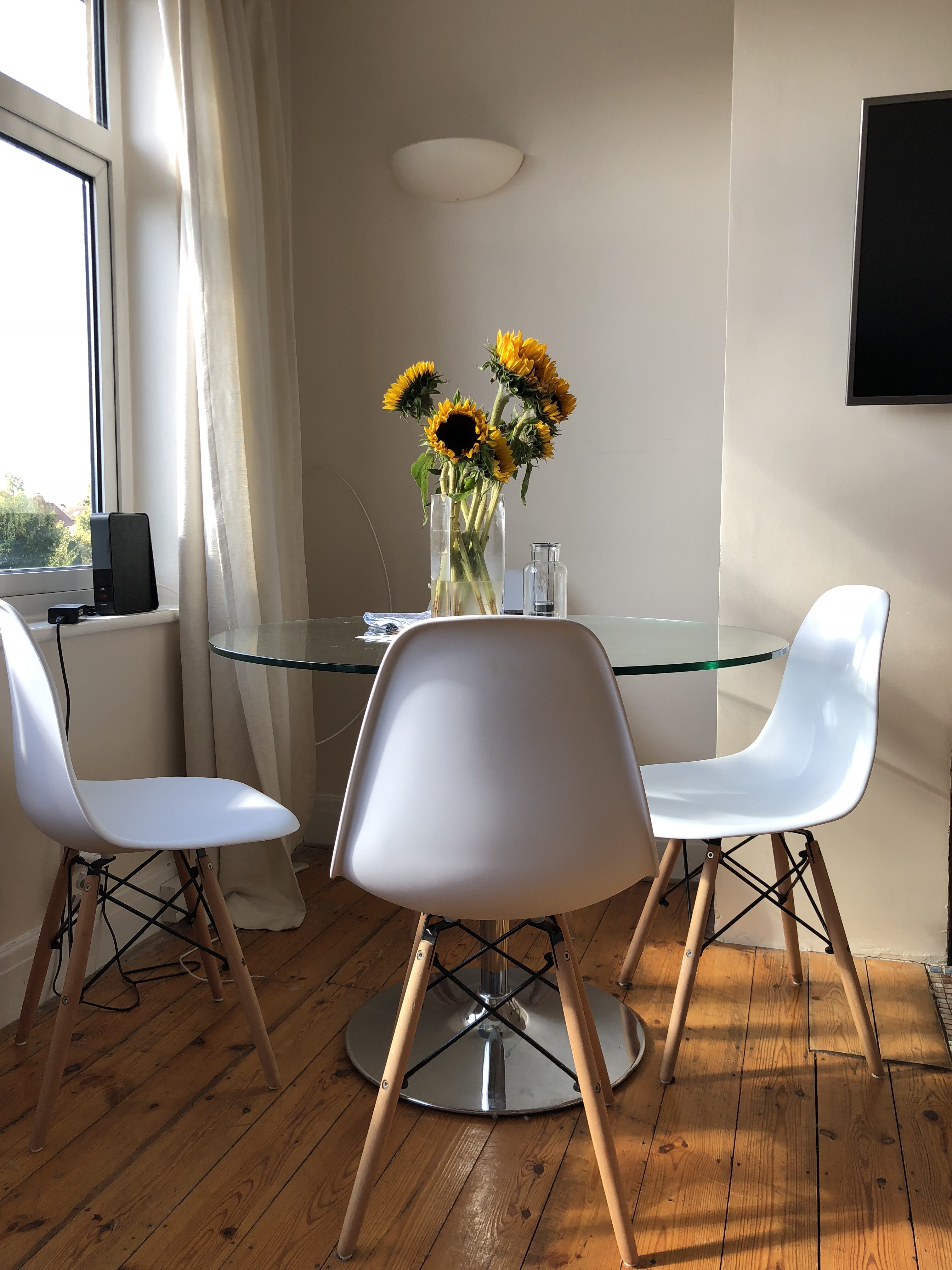
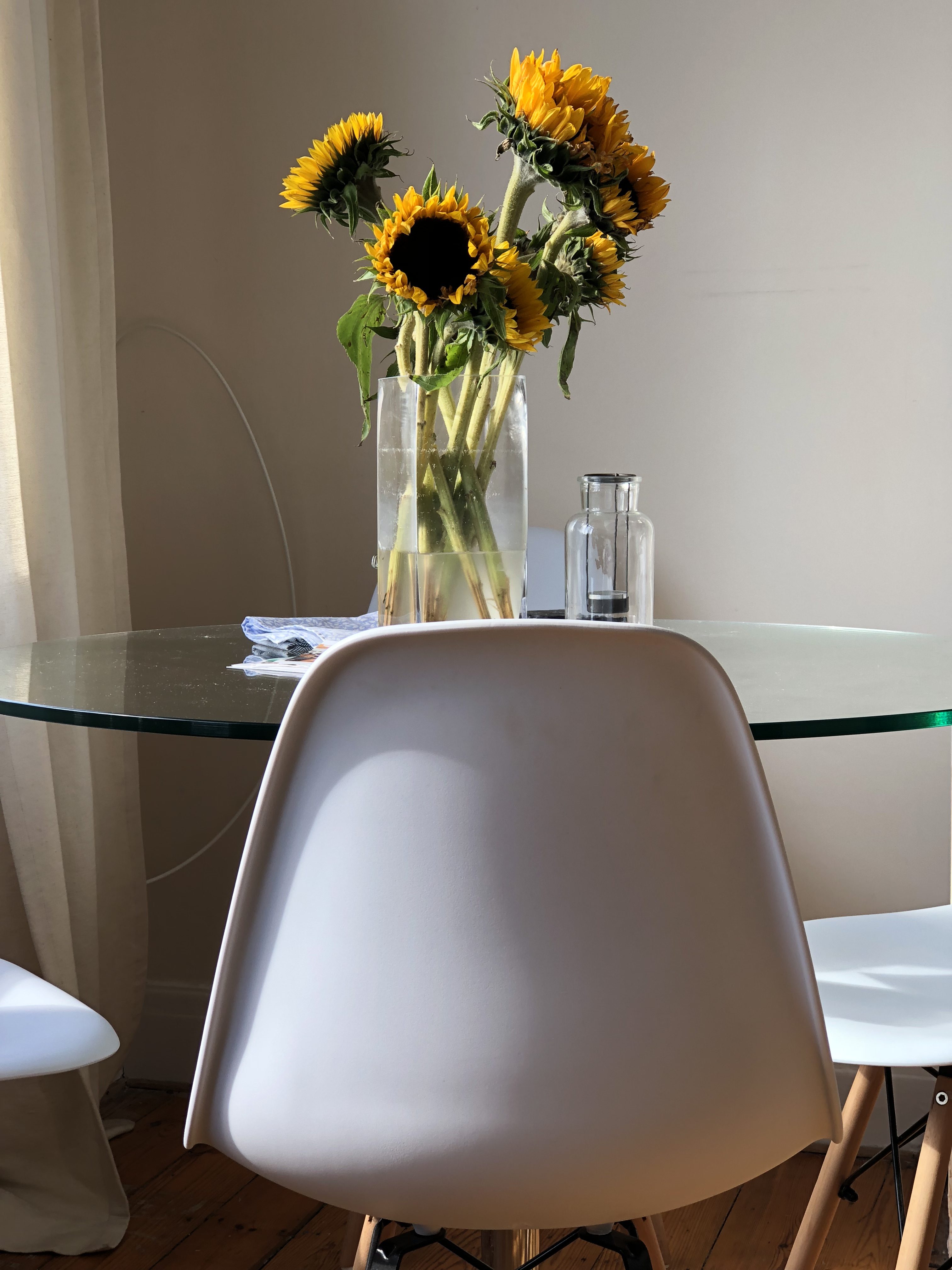







The 12MP camera – or cameras, I should say – are clearly very capable. In fact, the 8 Plus probably has the best camera of any smartphone I have ever used – subjectively speaking, at least.
A new favourite feature of mine is Portrait mode. This actually uses both wide-angle and telephoto lenses to create a lovely depth-of-field effect while ensuring that your subject is absolutely razor-sharp. There are also different lighting modes to play about with here, including ‘natural', ‘contour' and ‘stage lighting', which enables you to change the whole tone of the photo. Your Instagram game is about to go up a level with this phone…
Battery
Unfortunately, there is no definitive benchmark for testing a phone's battery life, but after using the 8 Plus for over a week, I am confident its battery is definitely up to the task.
With phone brightness left on auto, ringer and speaker volumes set to 50%, I could not drain the battery life past 20% come 10pm when I would re-charge the phone. This was with me using it is my daily driver, too – answering calls, WhatsApping, checking Twitter, you name it.
As far as phones go, this is decent. I reckon the 8 Plus benefits from the 1080p – not 1440p – display, while the 6-core processor can choose between using two high-power cores (for gaming and the like) or 4 lower-power cores which obviously aids battery efficiency while performing menial tasks like emailing.
Lastly, a new feature of the iPhone is its support for wireless charging. In a move that may surprise you, Apple has actually incorporated support for Qi charging – rather than implementing their own proprietary standard – so that is a definite plus. I wasn't able to try this out myself, but the feature could be very useful for some.On the whole, the Apple iPhone 8 Plus is a very safe release, and sadly, that means it isn't very exciting.
It keeps the same, ageing design of yesteryear with its bulky bezels and physical home button. Compared to 2017's Android flagships – and even Apple's own upcoming iPhone X – the 8 Plus looks quite dated.
The same is true of the software – iOS 11 has brought a new control centre, but other than that it is all a bit samey. More thought is required, I reckon.

That being said, the dual cameras are excellent and portrait mode is a sure-fire way to taking great snaps of friends or pets. The phone's A11 Bionic chip is similarly impressive in the way it absolutely crushed my LG G6 in Geekbench 4.
So, on the whole, the iPhone 8 Plus is definitely a good phone, it is just very boring. Yes there is a new camera, and yes it is very fast – but with the iPhone X on the horizon, I know which device I'd rather wait for. If you want the latest Apple phone now, or you like the ‘tried and trusted' design, then the iPhone 8 Plus will serve you well. However, the iPhone X looks to bring something new to the table – something the 8 Plus is definitely lacking.
You can buy the iPhone 8 Plus directly from Apple HERE. The 64GB model will cost £799, the 256GB model is £949.
Pros
- Great camera(s).
- Very fast.
- Good display.
Cons
- Uninspired design looks very dated now.
- Software is very samey.
- Price of 256GB model is right in iPhone X territory.
KitGuru says: I do like the iPhone 8 Plus – particularly its cameras – but it is very hard to recommend wholeheartedly with the iPhone X on the horizon.

iPhone X is the cool looking one, this is basically the iPhone 6 with hardware upgrades – same shape etc. Its a 3 year old design, looked quite dated in 2014 IMO
Solid ass review
Hm, so 800 for old reliable or 1200 for flagship. Yeah, this is why I don’t buy high end phones. Insanely expensive considering what you get.
I could not hope for a better compliment for any of my reviews. Thank you kind sir
Hilarious pricing, you seriously have to be a total dumbass to pay these prices nowadays.