KitGuru KitGuru.net – Tech News | Hardware News | Hardware Reviews | IOS | Mobile | Gaming | Graphics Cards


Following the announcement that Nvidia is developing a Smart Access Memory alternative, AMD has released a statement sharing new information about its technology. According to the company, Smart Access Memory won't be supported on older hardware, but AMD is welcoming other hardware vendors to use it.
Given that AMD is currently the only company manufacturing CPUs and GPUs for gaming systems, the company finds itself in a “unique position” to further improve the PC gaming experience. Through Smart Access Memory, AMD systems using Ryzen 5000 processors, AMD 500 series motherboards (latest BIOS), and Radeon RX 6000 graphics cards can fully use the bandwidth of the PCIe 4.0 interface to improve gaming performance.
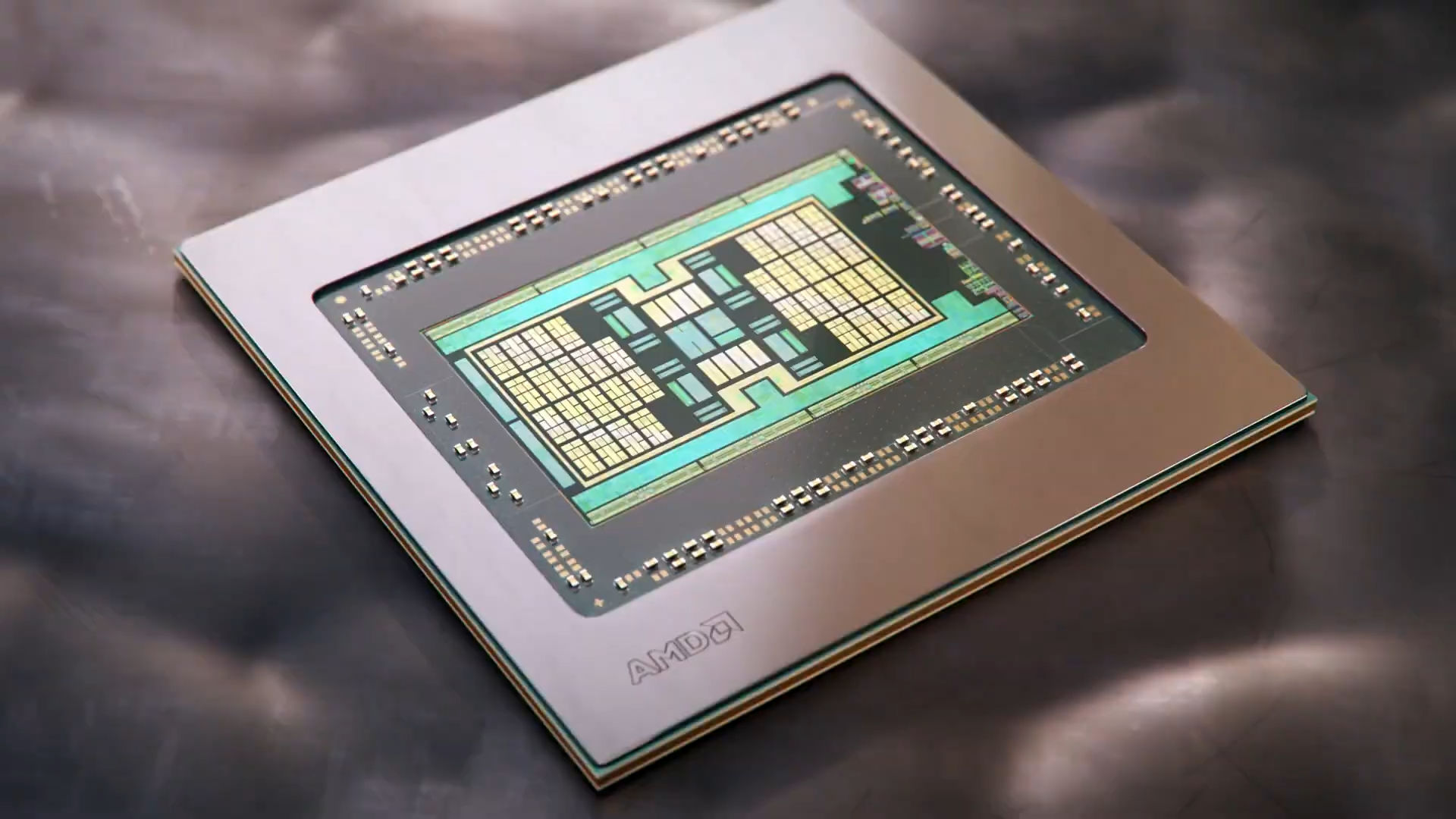
Smart Access Memory is based on the PCIe standard and firmware standards (Resizable BAR), meaning that any hardware based on these standards should be compatible. With that in mind, AMD is welcoming other hardware vendors to support Smart Access Memory, promoting the use of “common and open standards to improve gaming experiences”.
For now, AMD is focusing their efforts into enabling this technology into its latest hardware components “through extensive validation and platform optimisation”. Additionally, AMD stated that there are no plans to add Smart Access Memory support for older hardware.
KitGuru says: How important is the Smart Access Memory feature for you? Would you like to see it as a new standard for the hardware industry?