KitGuru KitGuru.net – Tech News | Hardware News | Hardware Reviews | IOS | Mobile | Gaming | Graphics Cards


Microsoft announced the Hololens back in January and recently showed the device off a bit more at its annual Build conference last night. Now, Unity, the company behind the popular Unity Engine has announced that it will be fully supporting the augmented reality lenses.
The announcement was made in an official Unity blog post, which said: “Holograms for all! We’ve expanded our strategic collaboration with Microsoft to include full support for Microsoft HoloLens holographic computer.”
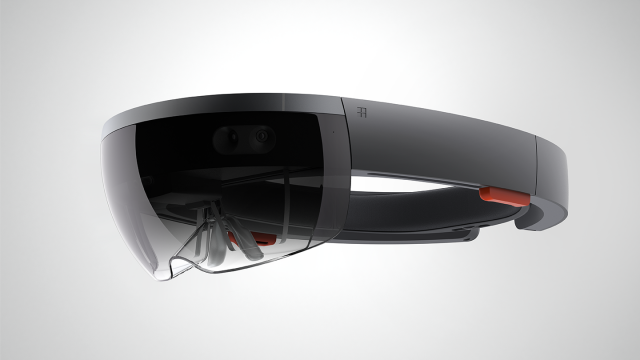
The Unity Engine will be updated with many tools that augmented reality developers may find useful: “The Unity toolchain and pipeline are being augmented to leverage the unique characteristics of the HoloLens such as spatial mapping, spatial audio, gaze, gesture, voice recognition, and the ability to anchor holographic objects to specific locations in the real world. This ensures full integration for a seamless and efficient development experience that takes full advantage of the unique features and capabilities of Microsoft HoloLens.”
The blog post closes off by saying that these tools will be available to those who use Unity Pro and the Unity Personal Edition, for free. Unity support is the first step to getting more developers interested and working on applications for the Hololens in the future, although we don’t know when the device will become available to consumers.
Discuss on our Facebook page, HERE.
KitGuru Says: A lot of developers use the Unity engine so the addition of these Hololens tools could encourage some of them to start experimenting. The Hololens certainly does seem like a cool project but like with any device, it will only succeed if the developers support it.