 KitGuru KitGuru.net – Tech News | Hardware News | Hardware Reviews | IOS | Mobile | Gaming | Graphics Cards


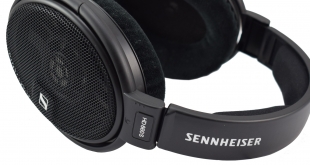
In the audio community, the Sennheiser HD 650 is something of a legend – an excellent value headphone, it delivers exceptional audio quality without costing the earth. It is perhaps a bold move, then, for Sennheiser to release a successor to the much-loved HD 650, named the HD 660 S. With a price of £429, is this the new go-to headphone for budget audiophiles?
Instead of just re-tuning the HD 650 driver, the Sennheiser HD 660 S actually features an all-new transducer design and a lower impedance of just 150Ω. That means the HD 660 S is considerably easier to drive than its predecessor, giving it some extra versatility in that it can be easily used with portable music players. It's still an open-back headphone, though, so not for use out and about, but it will sound better across a wider range of devices.
Specification
- Impedance: 150 Ω
- Connector: 6.35 mm / 4.4 mm Pentaconn
- Frequency response: 10 – 41,000 Hz (-10 dB)
- Sound pressure level (SPL): 104 dB at 1V 1kHz
- Ear coupling: Over-ear (circumaural)
- THD + N, total harmonic distortion and noise: < 0,04% (1 kHz, 100 dB)
- Transducer principle (headphones): Dynamic, open
- Weight w/o cable: Approx. 260 g (without cable)
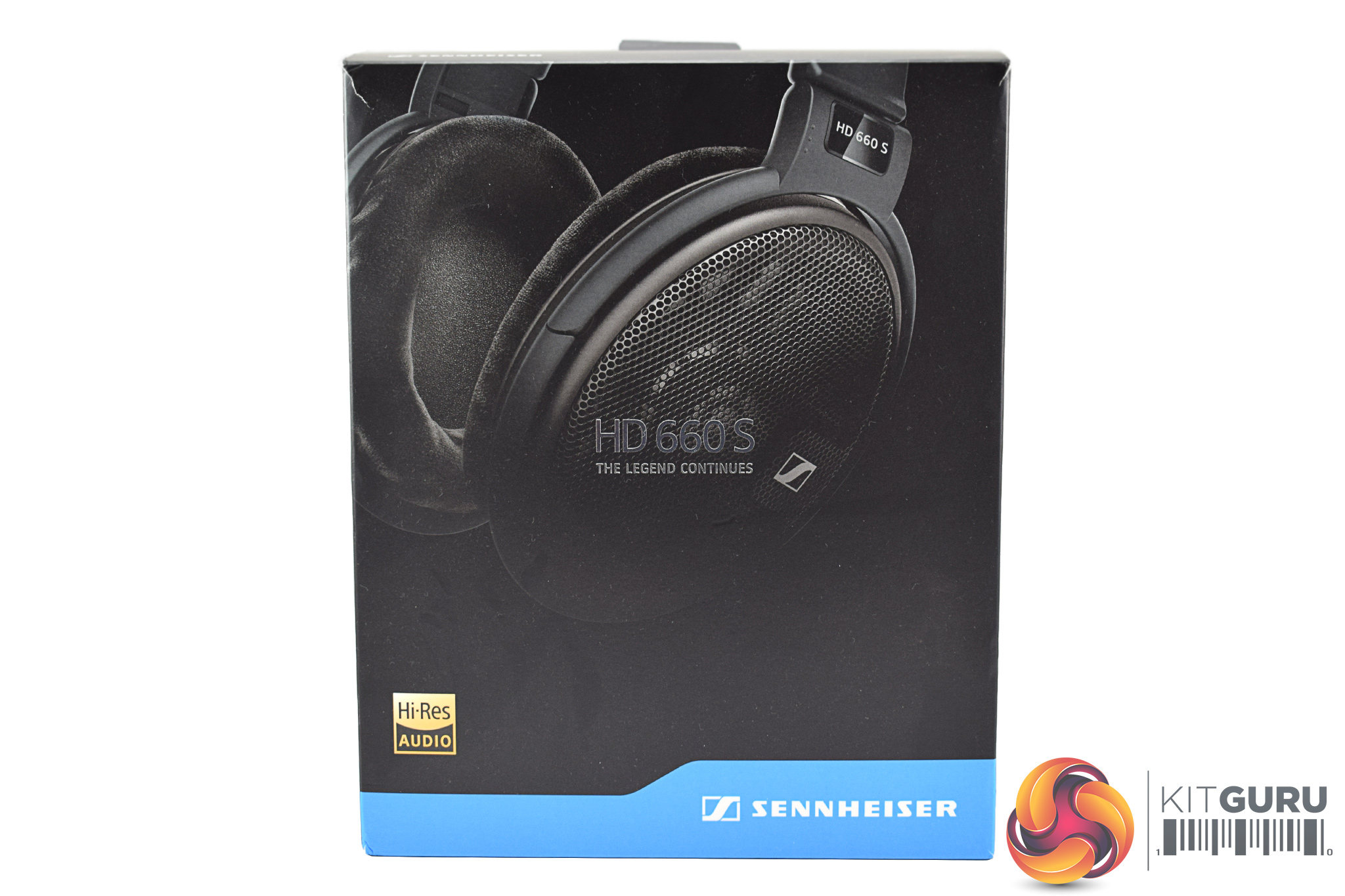
The Sennheiser HD 660 S arrives in a dark box with quite a lot of empty space on the front. The headphone itself is pictured, while the HD 660 S branding is printed in a reflective silver font. Underneath the branding, we see the words ‘the legend continues', an obvious reference to the HD 650 and their legendary status in the audio community.
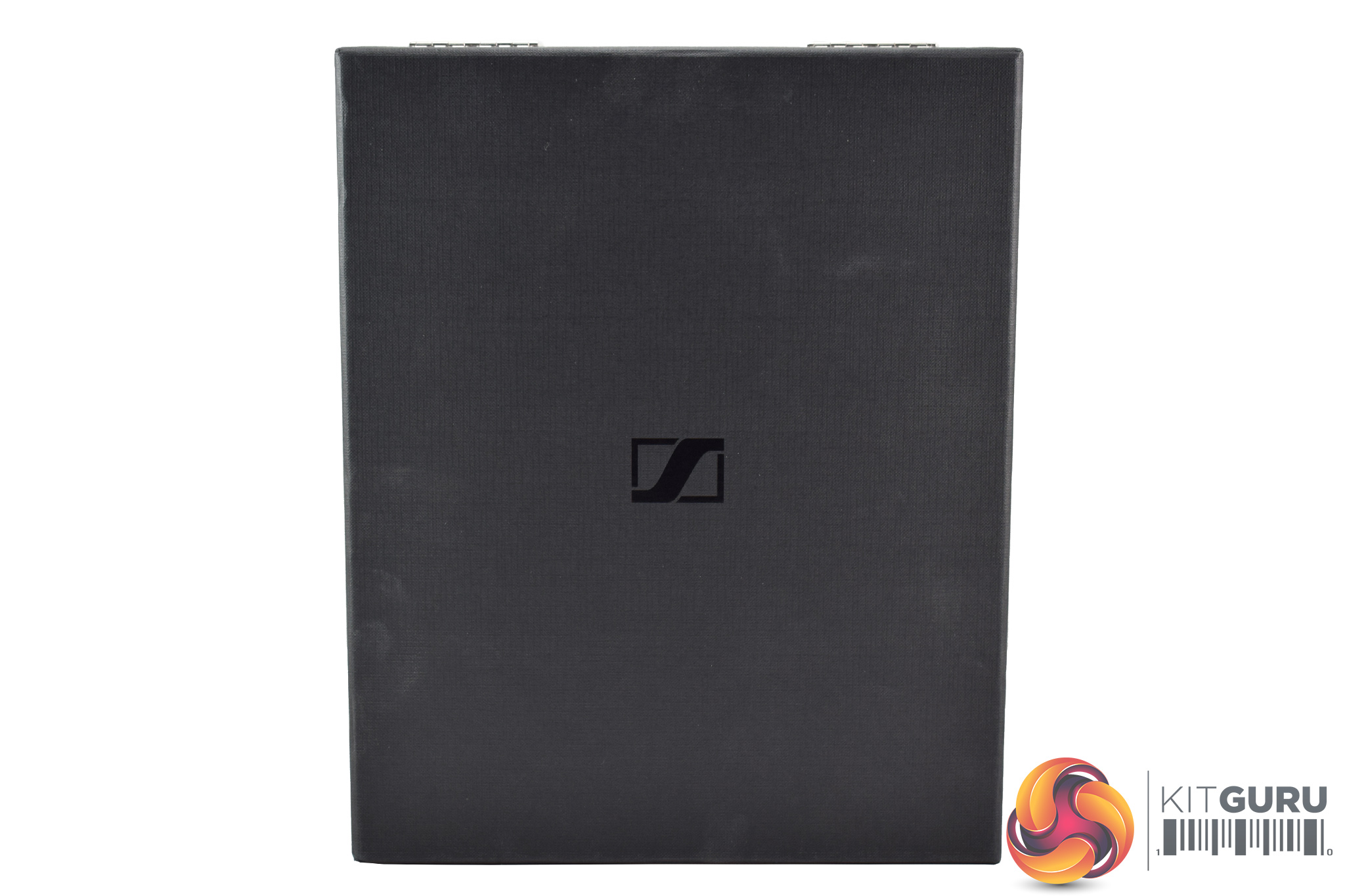
Inside that outer box, which is quite thin and flimsy, we find a much sturdier black box, this one devoid of any design except the Sennheiser logo.
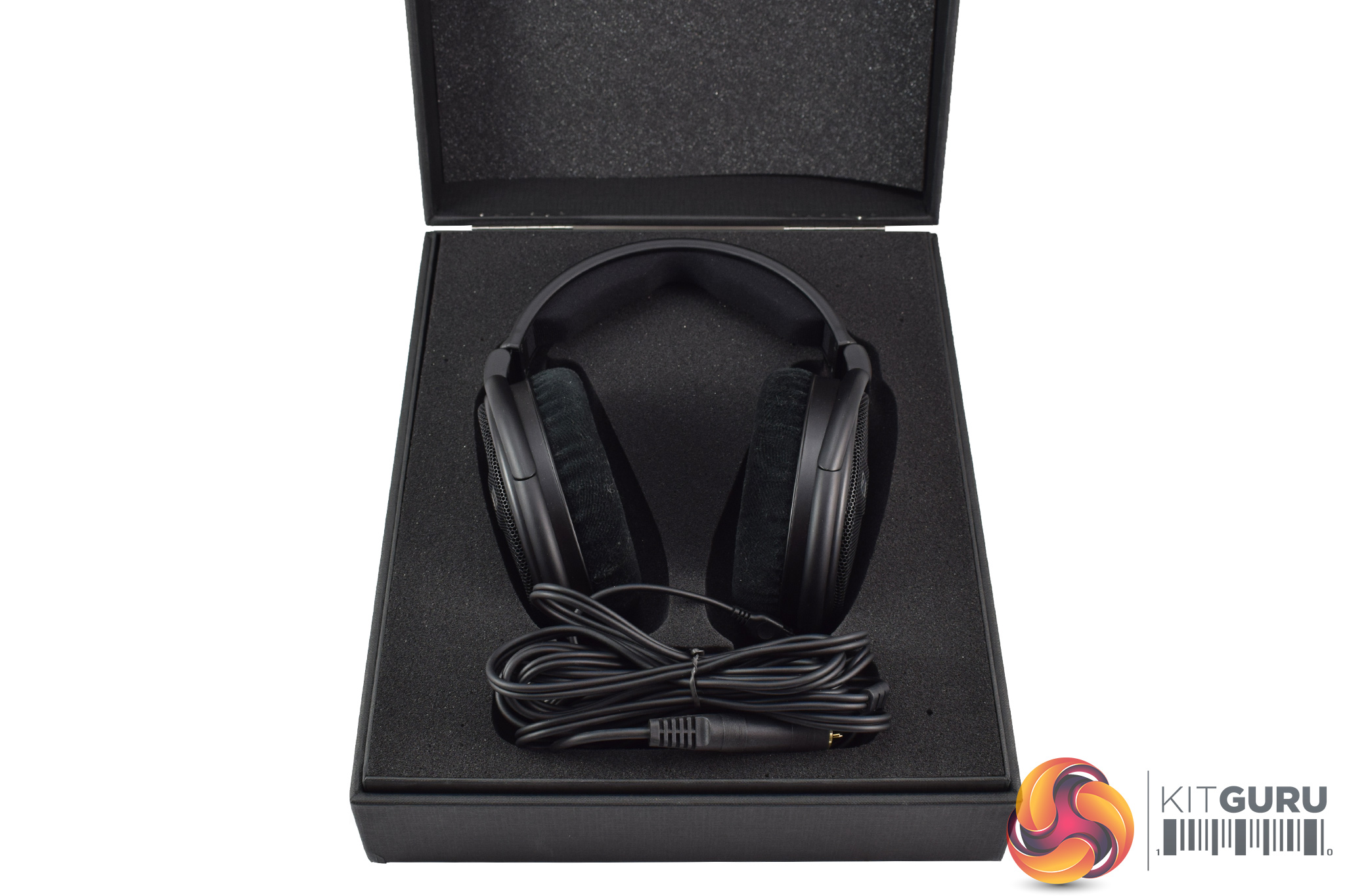
That hefty black box is actually hinged, so opening the lid reveals the headphone and the included cables. The headphone comes well protected by the thick foam surround, so there is no need to worry about the ‘phones getting scuffed in transit.
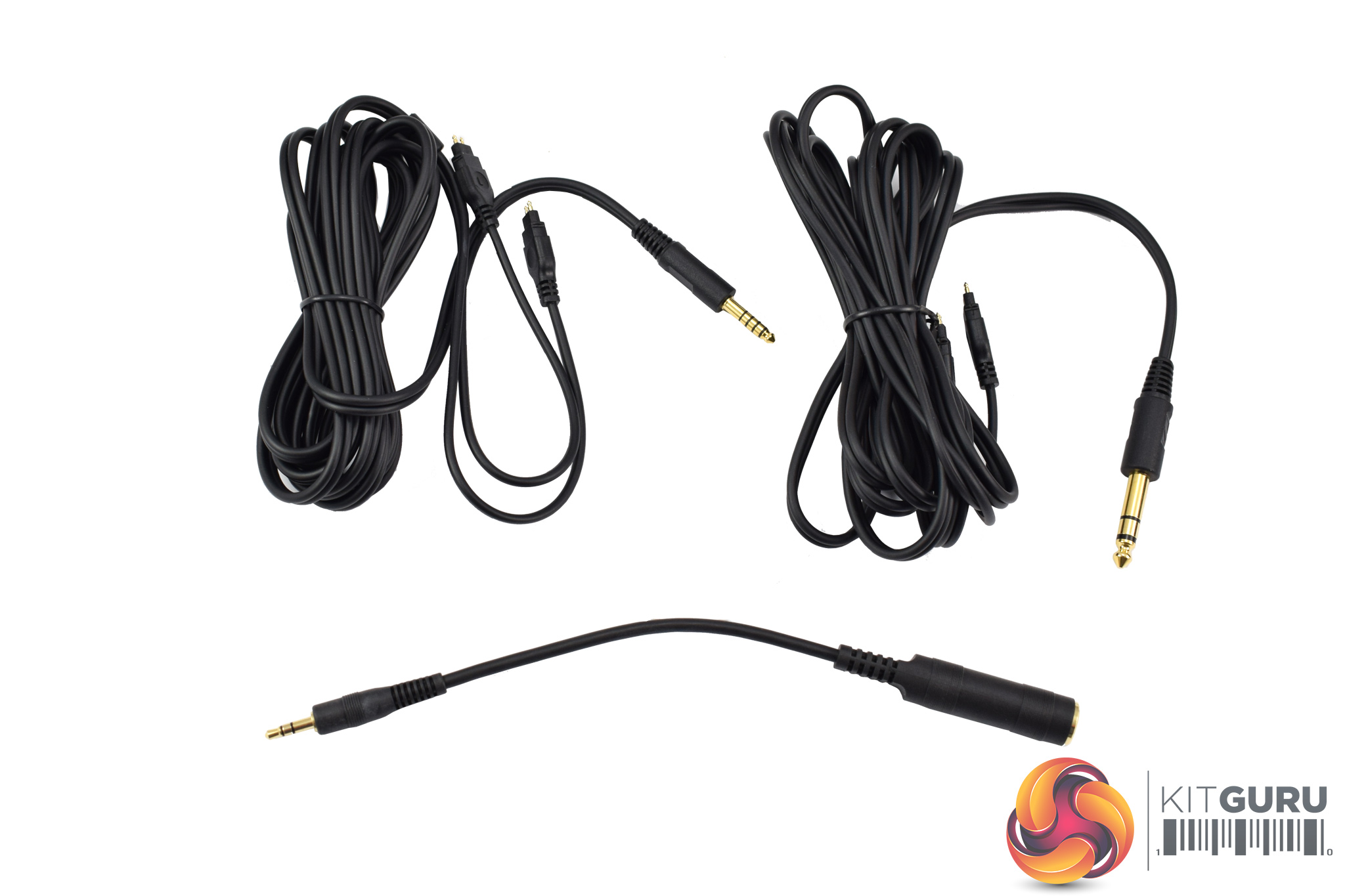
For reference, the HD 660 S comes with two different cables (detachable of course), one ending in a standard 6.35mm (1/4-inch) jack, while the other is a balanced 4.4mm connector. A 6.35mm to 3.5mm adapter cable is also included.
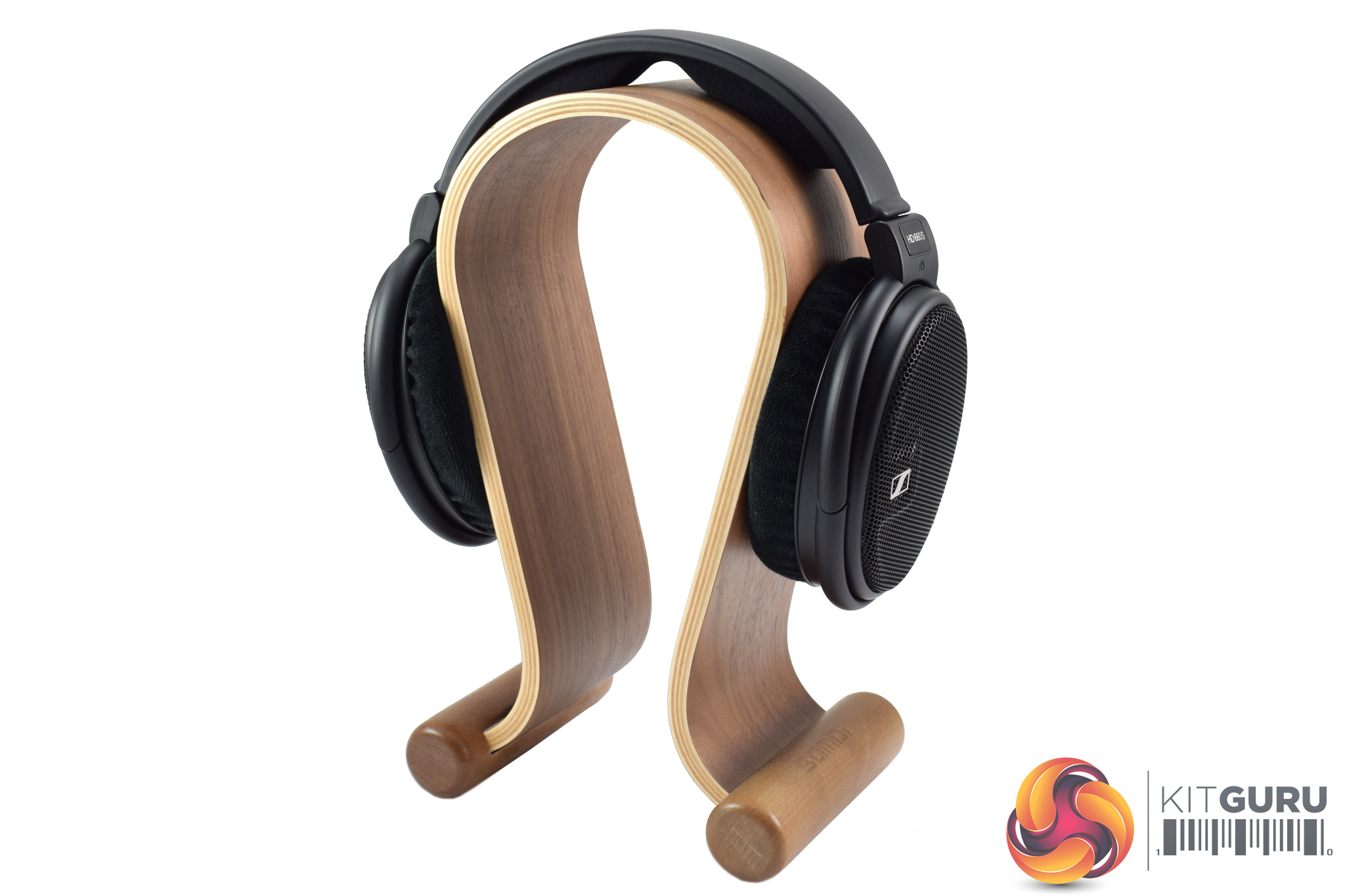
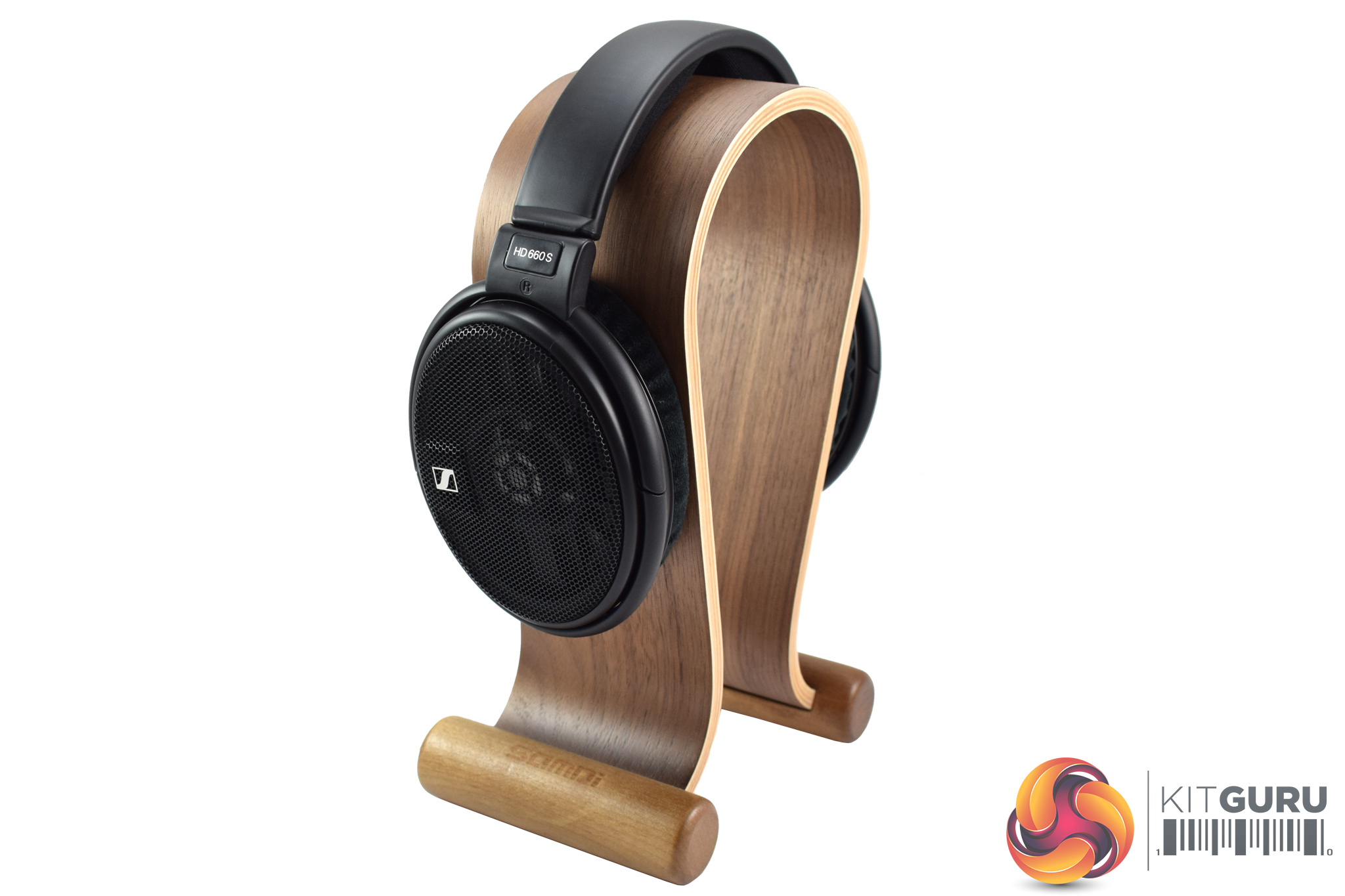
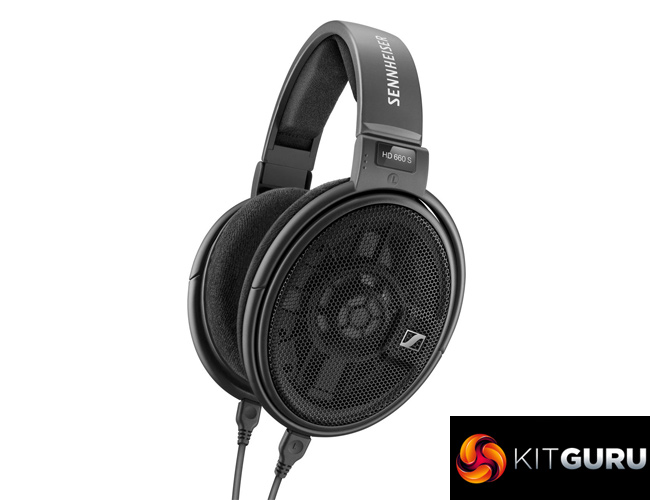
In terms of the headphone design, the HD 660 S is very similar to the HD 650. It is not quite identical, and we will go over the key differences below, but it is essentially the same design.
The most obvious difference is the matte black finished used. Personally, I much prefer this to the titanium-grey finish used by the HD 650s, while I don't find the marble finish used on the HD 600 to be that appealing either. Matte black, however, looks neat and quite minimalistic which I like.
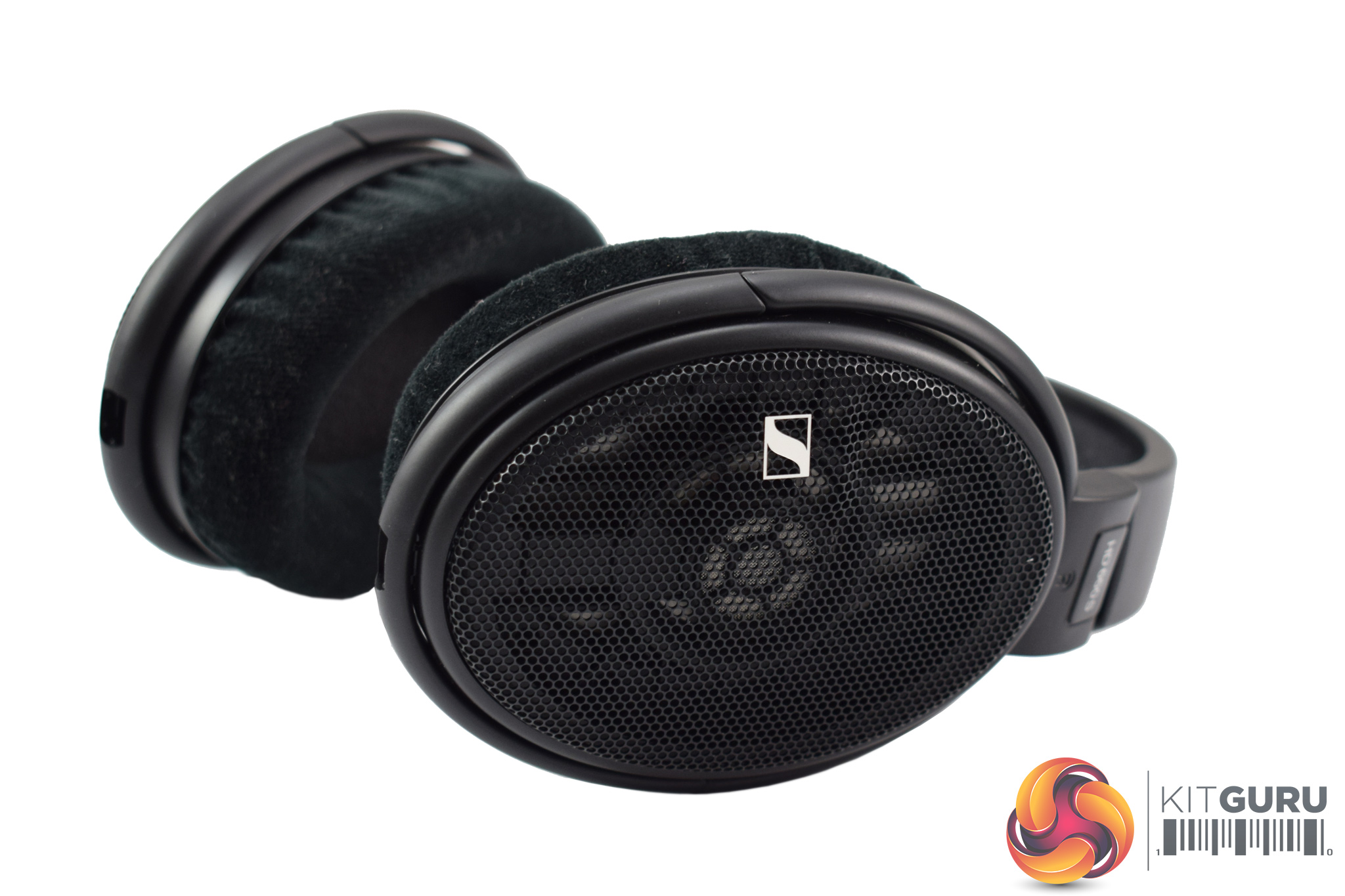
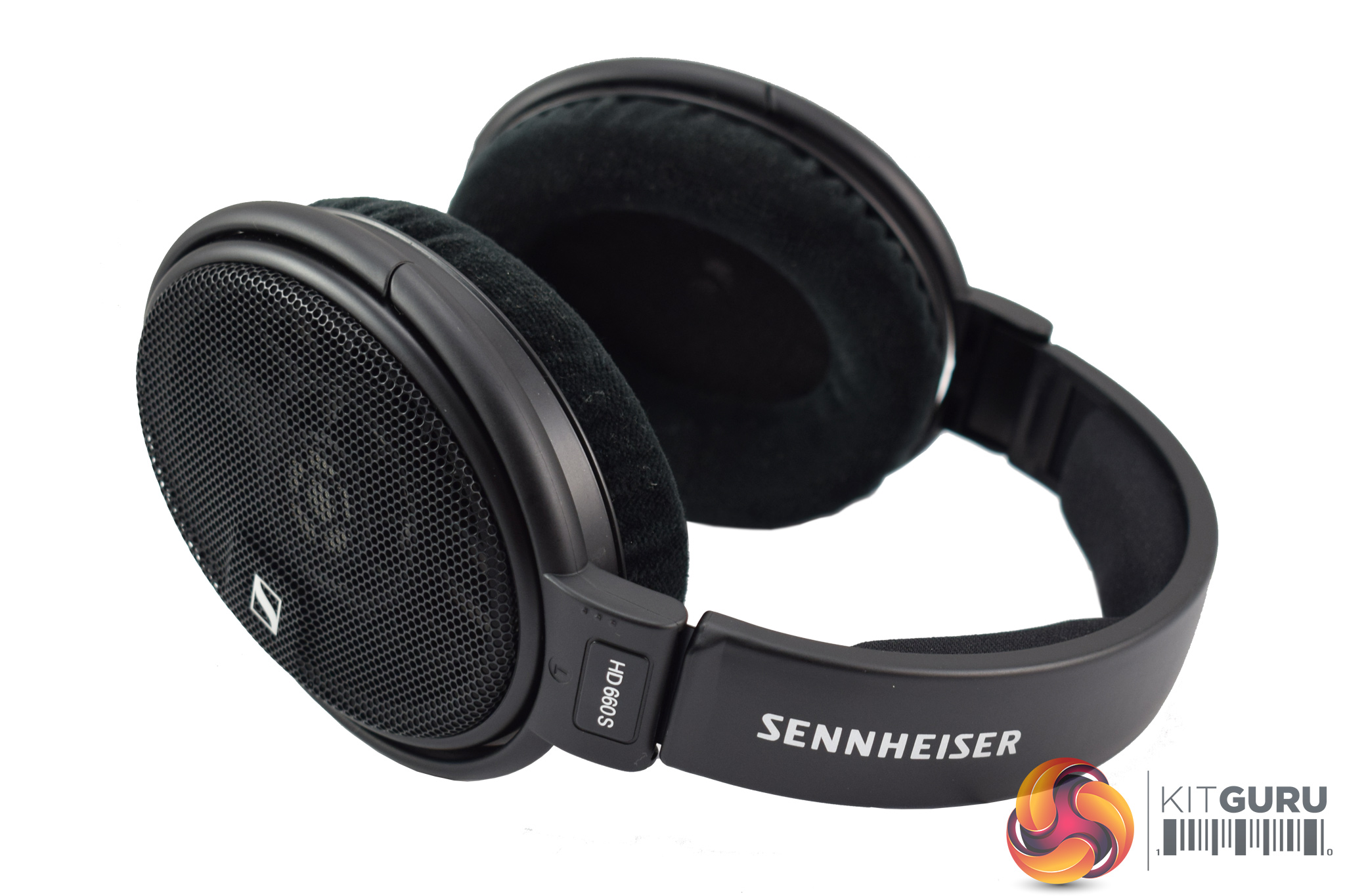
Other than that, as far as I can tell there are just two more stylistic changes to the HD 660 S when compared to its predecessor.
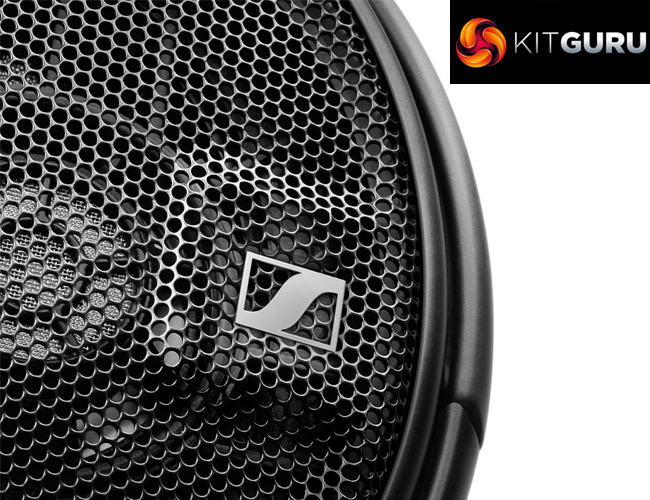
The first is the small, silver Sennheiser logo that has been placed on the ear cups' grille. The second is the Sennheiser branding written on the headband – it is now much smaller and written on the left-hand side of the ‘phones. With the HD 650, it was positioned centrally and was also much larger.
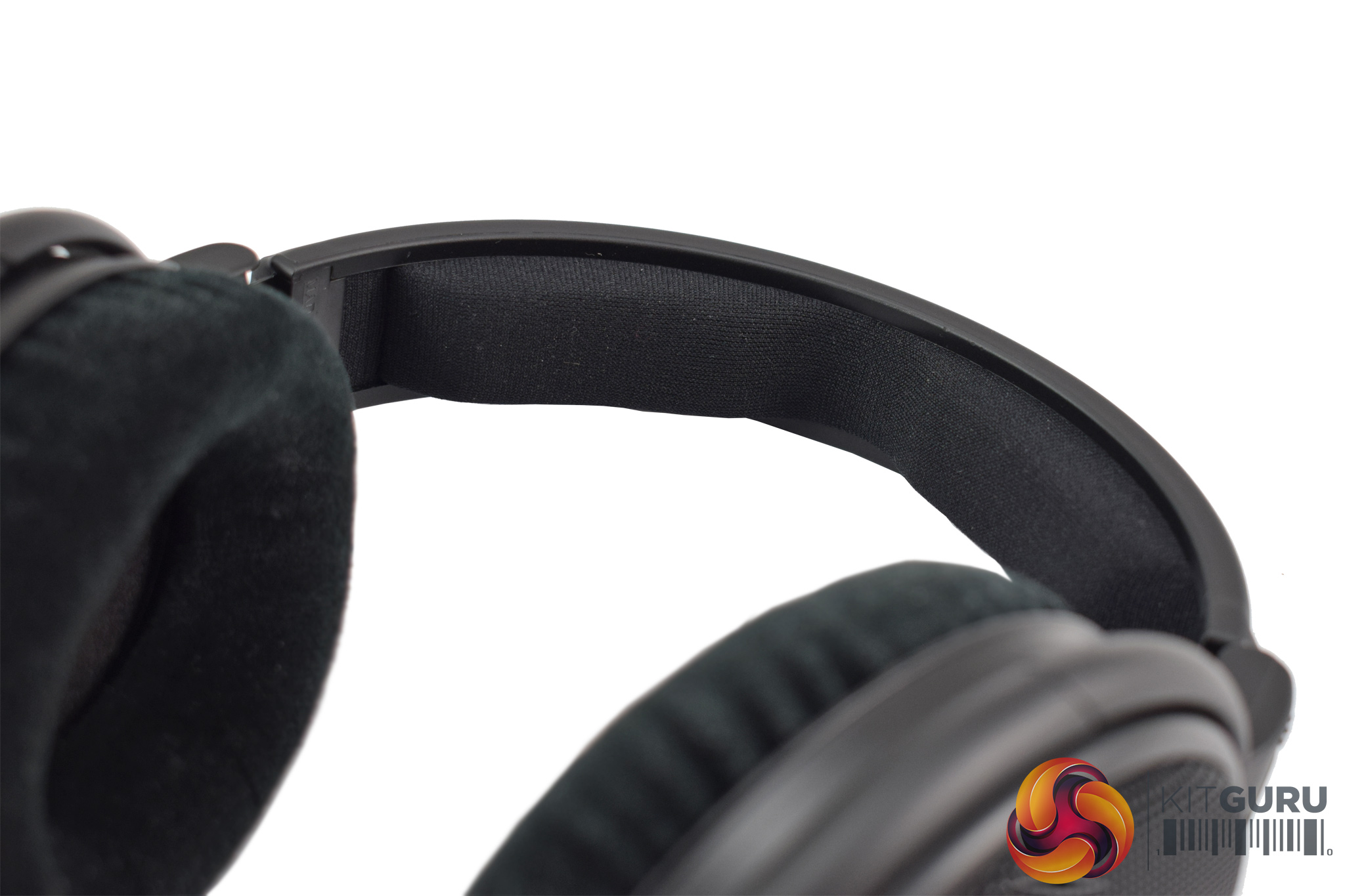
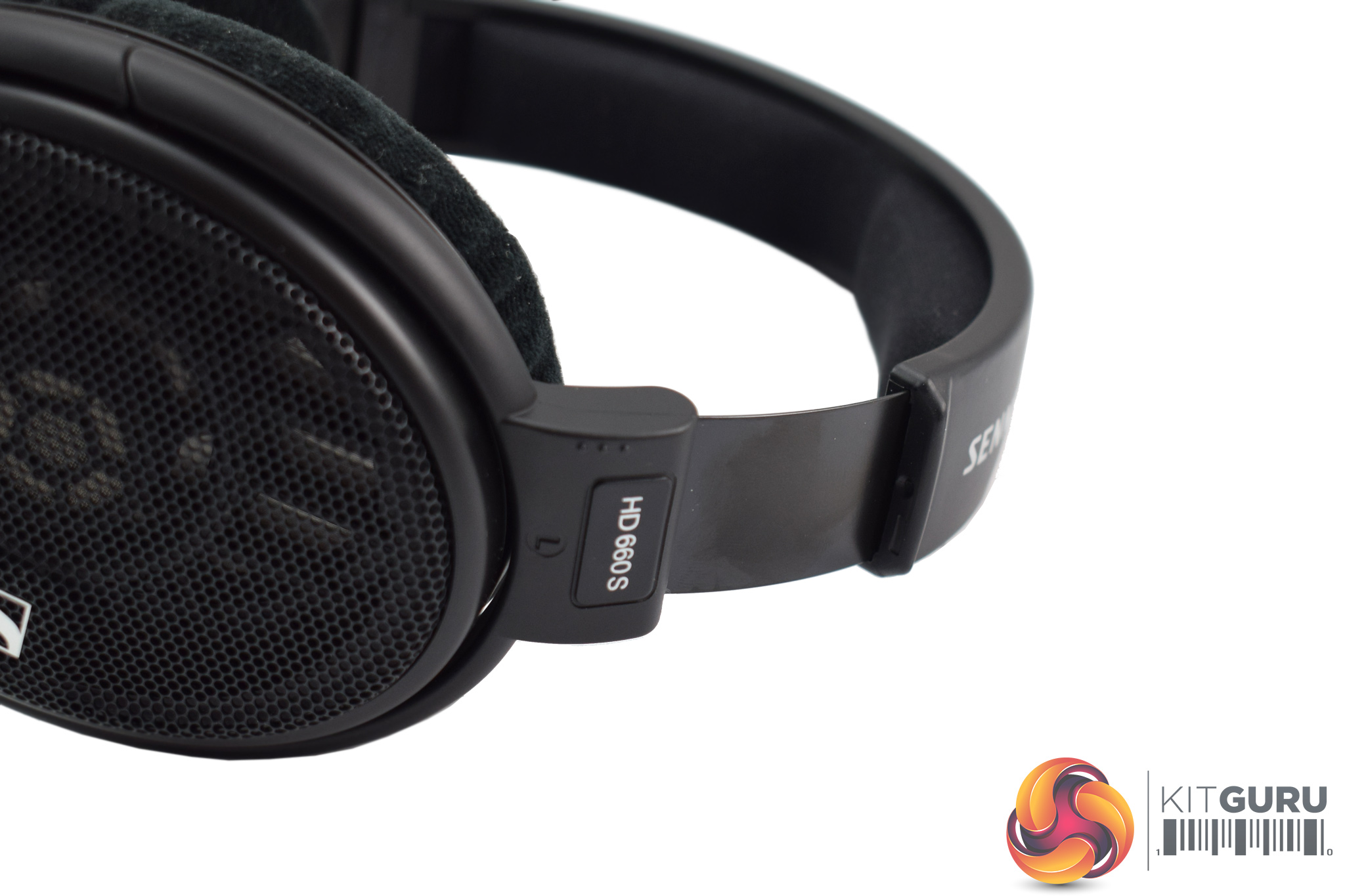
The headband itself still sports around half an inch of foam padding on the inside, while the size-adjustable metal frame has also been left alone.
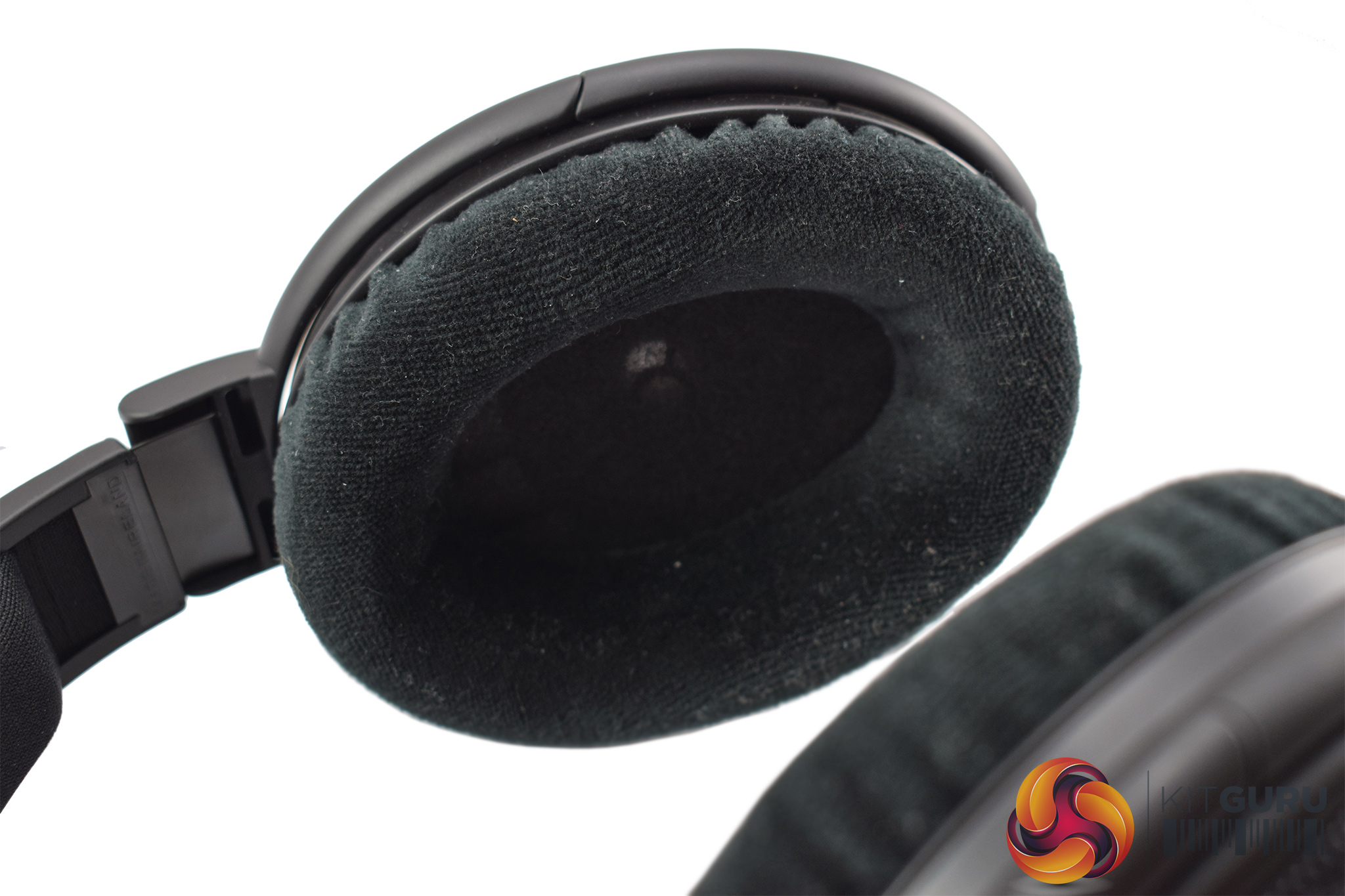
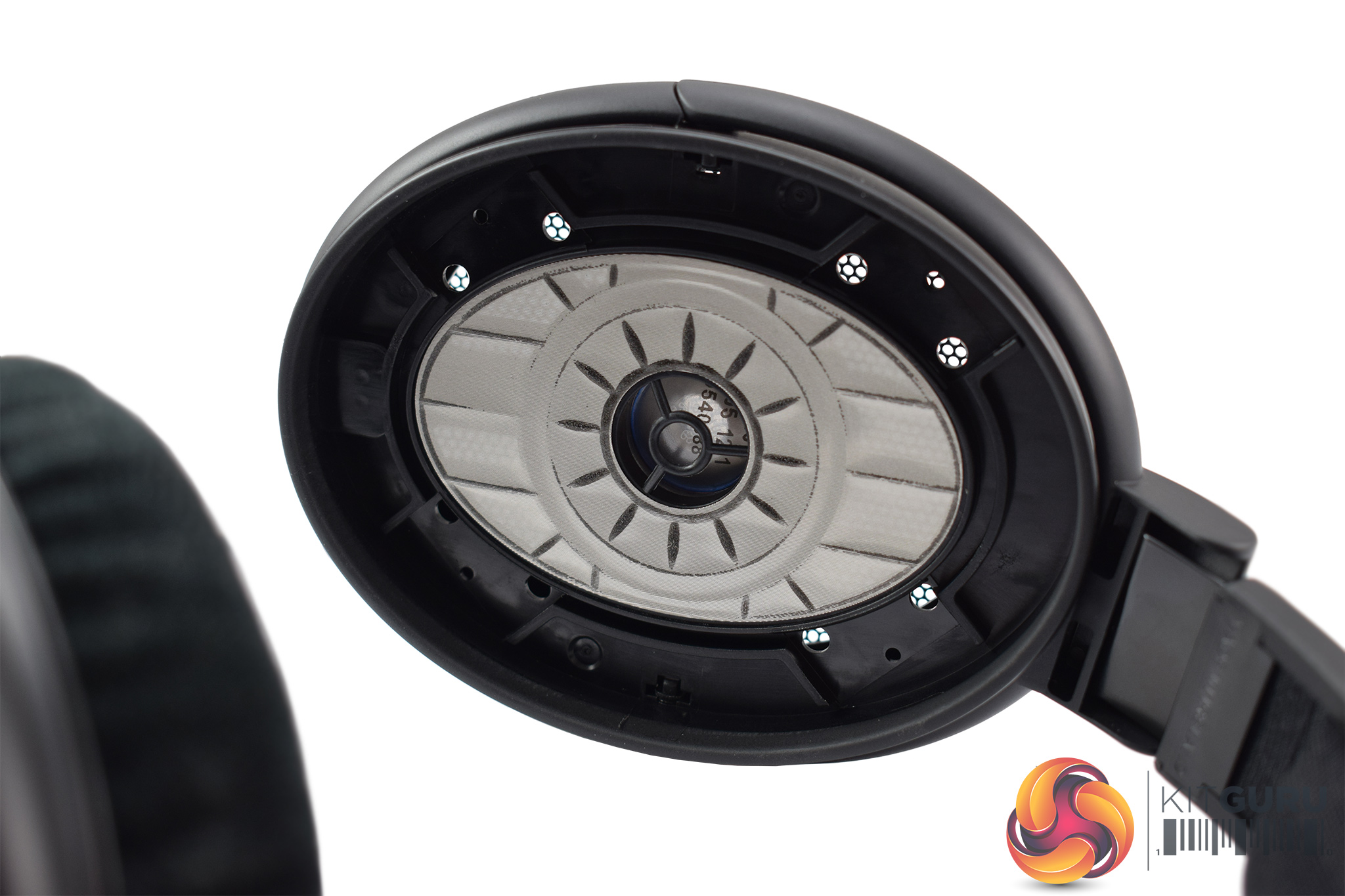
Elsewhere, the same plush velour ear pads are found, and these have a good amount of depth which meant my ears were never touching the driver's foam protector.
Speaking of the driver, removing the ear cups obviously reveals the driver, and much speculation has been made as to whether the HD 660 S uses the HD 700 driver or something entirely new. Based on physical appearance alone, the drivers certainly look very similar.
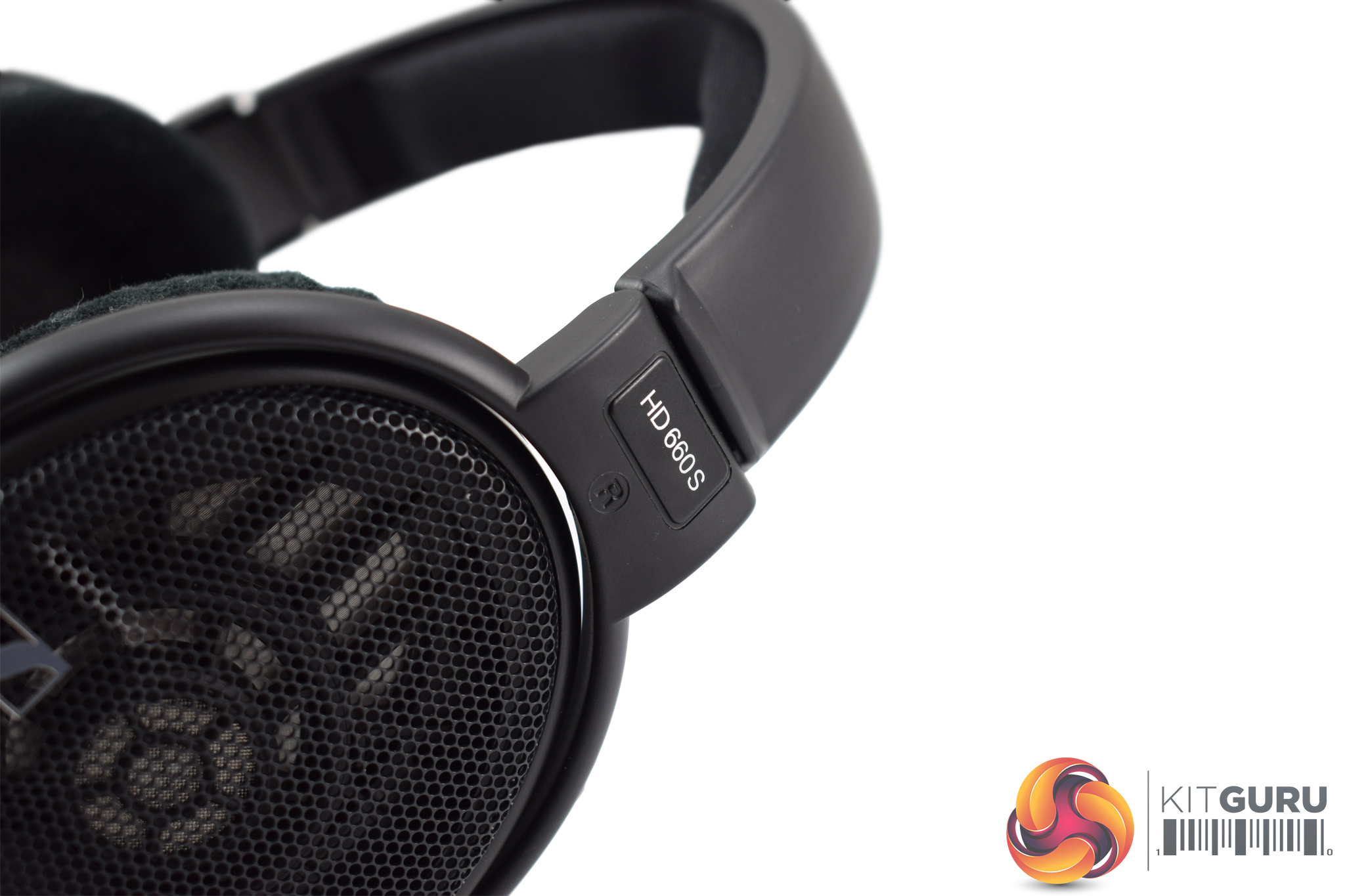
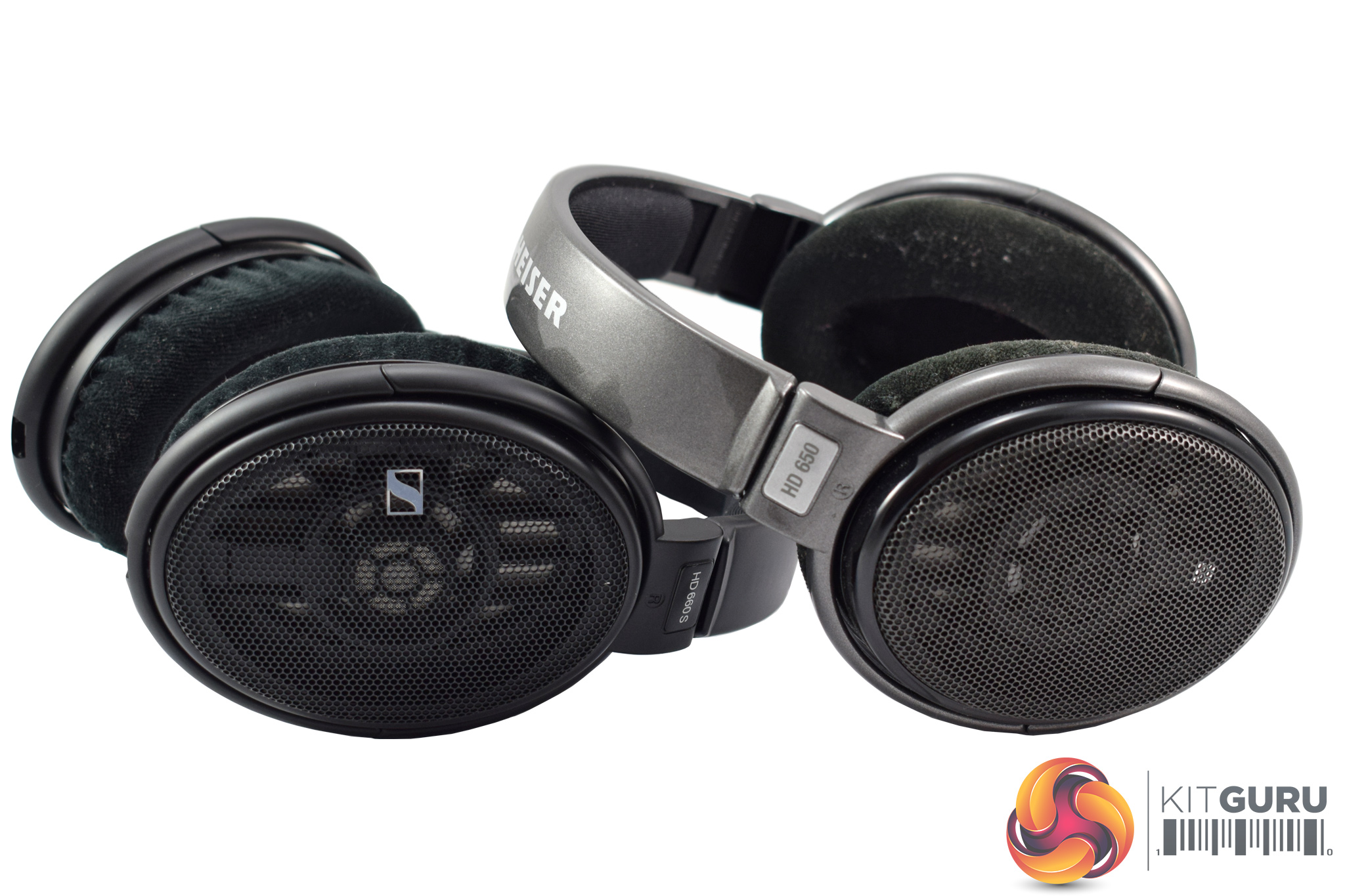
In short, the HD 660 S is essentially the same design as the HD 650. The paint finish is different, and there are a couple of minor aesthetic changes, but the build quality is the same, as are the ear cushions and headband.
I know some people have never been too keen on the HD 650's build quality considering the price, and I would agree that is only amplified given the HD 660 S retails for around £100 more, at £429. Personally I think the build quality is OK – it is mostly plastic, but it feels sturdy enough and could withstand a knock or two. That said, I have previously owned the Philips Fidelio X2 and that headphone costs £150-200 and does offer much better build quality thanks to its metal casing and incredibly sturdy headband.
Essentially, if you think the HD 650 isn't overly well made, the HD 660 S isn't going to change your mind, but I reckon it will be fine for most people. I've certainly not had an issue with the headphone in the weeks I've been using it.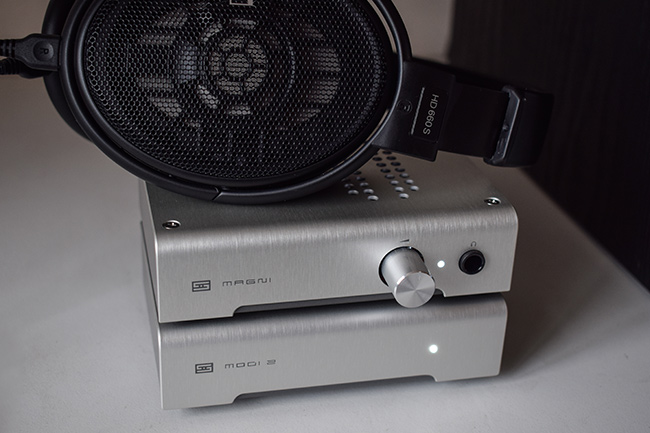
To test the HD 660 S I used the headphone for over three weeks, comparing it directly against the HD 650.
My test setup consists of the Schiit Audio Modi 2 DAC, as well as the Schiit Audio Magni 3. Both cost £110 from the Schiit Audio Europe website, making the combination (AKA the Schiit Stack) a cost-effective amp/DAC setup that still delivers good results.
I used the HD 660 S stock 6.35mm cable, plugging directly into the Magni 3. Given the lower impedance of 150Ω, I typically held the volume dial at around 12 o'clock. The HD 650 is more demanding, and typically I had the volume set at 3 o'clock when using that headphone.
All of my music is streamed via Tidal HiFi with maximum quality settings enabled, giving 24-bit/192kHz streams.

It's Not Gonna Be This Way – Hearts Like Lions
Hearts Like Lions are a relatively unknown indie/alternative rock outfit hailing from Long Beach, California. Their overall sound is very melodic and invokes a sense of awe when listening to the intricate guitar work and vocal harmonies. If you haven't heard their first full-length, entitled ‘If I Never Speak Again', I would thoroughly recommend it.
It's Not Gonna Be This Way is an excellent song that captures the essence of Hearts Like Lions. The technical, soaring guitar melodies are perfectly represented by the HD 660 S, with precise clarity and detail in the high-end. This is a noticeably different experience to listening with the HD 650 – which is a much darker and less detailed headphone.
The HD 660 S definitely has extra sparkle in the high-end, something which is truly spine-tingling when listening to It's Not Gonna Be This Way – at around 2:11, there is a simply beautiful bridge section which weaves high-pitched male vocal melodies with uplifting guitar work. HD 650s could not do this section justice, but the HD 660 S certainly has the clearer treble to bring out the best in the track. For me, that immediately nudges the HD 660 S ahead of the HD 650.
Coma – Everything In Slow Motion
I'd also forgive you if you have not heard of progressive rock/metal outfit, Everything in Slow Motion, the brainchild of Shane Oschner. Another band who place emphasis on melodic guitar, Everything In Slow Motion's debut LP entitled ‘Phoenix' shows a bit more grit and drive about it than is perhaps typical for proggressive rock/metal bands.
This makes it an intriguing test of the low-end of the HD 660 S, with ‘Coma' being the intro track of their latest EP, ‘Laid Low'. The song opens with a gentle yet distorted guitar intro that quickly gives way to a powerful, chugging bass line that contrasts wonderfully with the beautifully crisp hi-hat – another indicator of the extra sparkle in the high-end of the HD 660 S.
This track is all about the driving bassline, and I think bass representation is nice and punchy listening with the HD 660 S – it is not over bearing, but to my ears it is definitely tighter and less bloated than the HD 650.
Sub-bass extension is about the same on both headphones, though, so it is does roll off fairly quickly. The HD 650 mid-bass is well known for its extension, however, but compared to the HD 660 S, it actually feels a little loose, which is not often said about the HD 650. The HD 660 S bass is just that bit more refined and controlled.

Detroit Stab – Anchor & Braille
Something a bit different to the first two songs, Anchor & Braille is a one-man electronic synth-pop kind of show. Their latest CD, ‘Songs for the Long Drive Home', places a big emphasis on rich synthesizers and the full vocals of Stephen Christian. It's a very laid-back record, making it very easy to get lost in the music.
Detroit Stab is the second track from that CD, and it really demonstrates the warm and full mid-range of the HD 660 S. Christian's tenor vocals are excellent presented, with a real richness and warmth to the sound. There's absolutely no hint of the vocals being recessed, and while the presentation is perhaps slightly clearer than the HD 650, perhaps a touch more open, the HD 650 mid-range is still excellent in my opinion. If anything, the HD 660 S just makes it a touch more accessible and listenable which really works with a CD like this.
Detail retrieval is also noticeably better here with the HD 660 S then with the HD 650. The hi-hat really stand out in the high-end of this track, with a lovely separation from the mid-range that the HD 650 just struggles with – listening back to Detroit Stab with the HD 650, the hi-hat just sounded muted in comparison. HD 660 S is definitely capable of a more detailed sound without losing the famed HD 650 warmth.

Hastings Sunrise – Loscil
Loscil is an excellent ambient artist, real name Scott Morgan. He expertly weaves together layers of synthesizers to create wonderful soundscapes without the use of vocals. If you ever played the game ‘Osmos', either on desktop or mobile, then you may be familiar with his work.
I find Hastings Sunrise, the second track from ‘Sketches from New Brighton', an excellent way to gauge the soundstage of a pair of headphones. Many of you will know that the Sennheiser HD 6– series has never had the widest or most expansive, with the HD 600 being particularly narrow in my opinion.
That is still the case here, with quite an intimate presentation that gives a real sense of closeness while still retaining the accuracy of the HD 650. Switching back to my HD 558, it is immediately obvious the soundstage is much wider with that headphone, though the sound signatures of both headphones are quite different. Still, HD 660 S gives a close and friendly soundstage, it is just not overly ‘airy'.There is no doubt in my mind that the Sennheiser HD 660 S is a brilliant open-back headphone.
Stylistically, it is very similar to the HD 650, its legendary predecessor. There are a few minor changes, including a new all-black paint job and a Sennheiser logo on the ear cup grille, but for all intents and purposes the build is the same as the HD 650.
The differences in sound are what we are here for, though, and I think the HD 660 S improves on the HD 650 in a couple of key areas.
First of all, there is the extra detail and sparkle in the high-end. Debate has raged for years over whether or not the HD 650 is a ‘veiled' headphone, but directly comparing it to the HD 660 S makes it hard to come to the conclusion that it is not veiled. In any case, the HD 660 S is certainly not veiled as there is a really pleasing, beautiful crispness about the treble that is just lacking from the HD 650s presentation.
I'd also say the mid-bass has been improved with the HD 660 S, it is that bit tighter and punchier. HD 650 certainly has a good bass response, and both headphones share the sub-bass roll off, but the HD 660 S is just a bit more controlled and resolving with the mid-bass.
Mid-range presentation is more similar to the HD 650, though I would still say there is just a touch more smoothness and openness to the HD 660 S, though the difference is subtle. I've always thought HD 650 has excellent mid-range performance, but if anything HD 660 S has improved it slightly.
HD 660 S is also much easier to drive thanks to its lower impedance of 150Ω. I did my listening almost entirely with the Schiit Audio Modi 2 and Magni 3, but even when plugged into my MacBook Pro the HD 660 S produced a listenable sound. It wasn't perfect, but the lower impedance does add some versatility.
All-in-all, the Sennheiser HD 660 S is a fantastic headphone. It may be £100 or so more expensive than its predecessor, but it is much more resolving, has a more controlled bass response and is also easier to drive. A truly excellent headphone at this price.
You can buy one from Audio Sanctuary for £429 HERE.
Discuss on our Facebook page over HERE.
Pros
- Crisp and keen treble, much more resolving than HD 650.
- Smooth and rich mid-range.
- Controlled, tight bass response.
- Easier to drive than HD 650.
- Matte black aesthetic is subjectively better looking than previous designs.
Cons
- Sub-bass extension is still not mind-blowing.
KitGuru says: The HD 660 S is a brilliant headphone. It is a marked improvement on the HD 650 and I can easily see it achieving a place of honour within the audio community.

Seems like a really nice headphone. Might buy it in a few years when the price in the stores comes down a bit. I was able to pick up a HD 650 for only 286 EURO a few months ago.