 KitGuru KitGuru.net – Tech News | Hardware News | Hardware Reviews | IOS | Mobile | Gaming | Graphics Cards


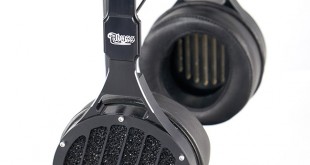
If you were given the task of creating the world's best headphones how would you do it? American cable experts JPS Labs proposed the same question but took it a stage further by taking the lofty challenge head on. Targeting the wealthy audiophile audience, money was firmly a secondary factor for consideration. After many years of research and development their planar magnetic Abyss 1266 headphones are the end result.
Just be sure to check your bank balance beforehand, because the price of admission is a heart stopping £4,254 inc vat.
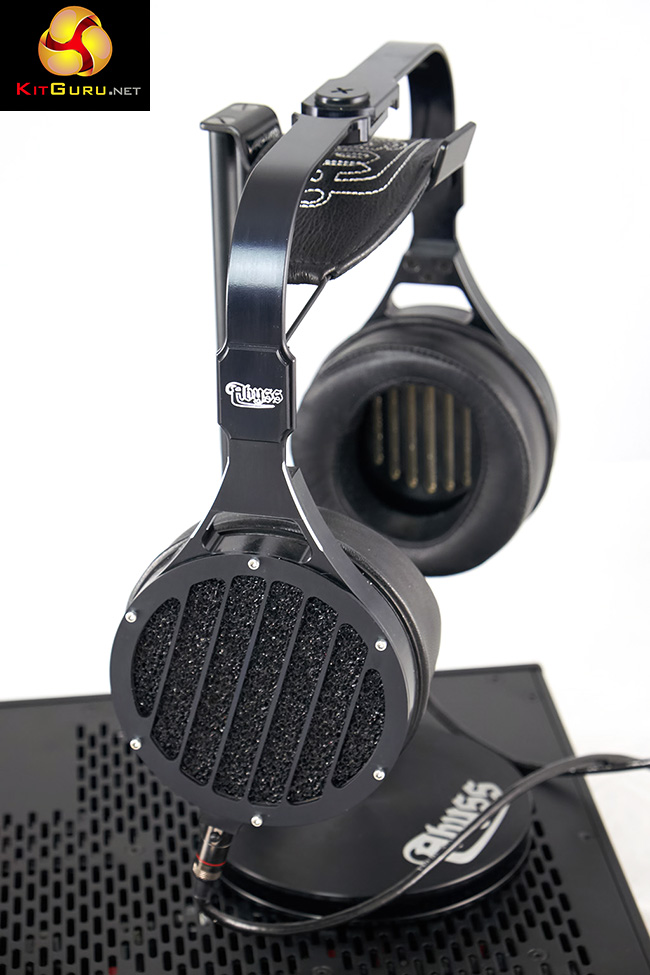
The Abyss 1266 are not a new headphone, they have been on the market now for more than a year- however I have spent a long time testing them with a variety of sources and amplifiers. Its a dirty job, but someone has to do it.
For most of my life I have been chasing the ‘perfect' sound, only to find it always just a little out of reach. In recent years I moved most of my audio hardware from loudspeaker oriented configurations to headphone related systems. Any free time I get from managing the KitGuru website and team, I will often be found in the corner of a room, sitting behind a wall of sound, lost in the music. It is a stressful life at times, and this is my chosen form of release.
For most ‘normal' people, the Abyss 1266 will remain firmly out of reach. If I told you they cost £4,254 inc vat (UK), I can picture the response. It has happened every time I have mentioned the price to colleagues, friends and fellow enthusiasts. People give me a look of horrified amazement – I am confident if I said I was going to give birth to triplets, the reaction would be similar.
There is no doubt it is a lot of money, but many audiophiles (I hate this term, it just sounds so self indulgent) have spent upwards of £100,000 on source, amplifier and speakers over the years. Let's not even get into the subject of cabling and isolation surfaces, thats a whole new subject for a different day. Suffice to say it is a painful, expensive hobby and often the rewards are not even close to the money invested. Achieving perfect audio reproduction is a life long dream for a very small percentage of people, myself included. If you don't fall into this category consider yourself fortunate.
Before I progress any further into this article, I would like to thank my good friend Gary Penska over at Analogue Seduction. Gary has often been on hand to let me trial and test amplifiers, headphones and source hardware. Gary doesn't advertise on KitGuru, so I feel ethically just giving him a shameless plug here. You can buy the Abyss 1266, along with the best audio hardware available, over here.
JPS Labs are an American company who have for years, specialised in high end audio cables. This move into headphones was seen at the time as a rather unusual decision. Abyss owner Joe Skubinski and his son Eric developed the AB-1266 from the ground up over a period of almost five years. This has been a long project driven by a desire to create something truly special. We would imagine to maintain long term funding of the 1266, they had to sell a lot of cables. Skubinski held a previous job as the service department manager in Bowers and Wilkins – a respected company renowned for high grade loudspeaker development. His pedigree isn't really in question.
The Abyss do not use a traditional ‘dynamic' driver. The planar magnetic driver consists of an exceptionally thin, almost film like planar membrane covered with a specific pattern of very thin conductive metal traces. These metal traces handle basically the same role as the voice coil wires will do in a traditional dynamic driver.
This membrane is formed to a fine tolerance of tension and then attached to a perimeter frame. This has the affect of positioning the diaphragm and the conductors into a finely tuned alignment with the array of magnets. When an audio signal is sent then the entire membrane structure is attracted to, or driven from the magnet array. This subsequently moves outward or inwards in reaction to the signal.
Other companies who have great success with planar drivers to this point, are Audeze and HiFi Man. I love the Audeze LCD3/LCDx headphones and the HiFi Man HE-6 – both class leaders at their respective price points. Along with the Sennheiser HD800, I could think of no better way to spend around a grand. An interesting point to make is that Magnepan, a US loudspeaker manufacturer use similar planar driver technology.
The Abyss 1266 are not an extremely difficult headphone to drive – unlike the iconic (and wonderful) STAX 009, which require special electrostatic capable amplifiers. There is a caveat however, as I will detail later in the review … while the Abyss can be driven by many cost effective amplifiers, they only sound at their best with a select few.
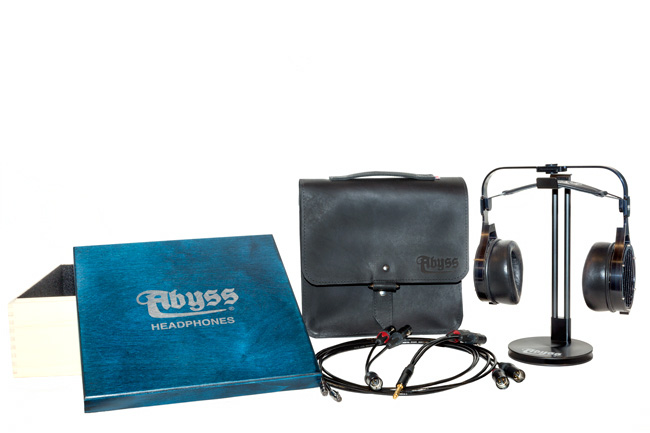
The picture above is the stock image from JPS Labs. I didn't have access to the box and satchel for the photography section of this review, but it gives you a good indication of the items they supply. JPS Labs bundle a beautiful leather satchel inside a wooden box.
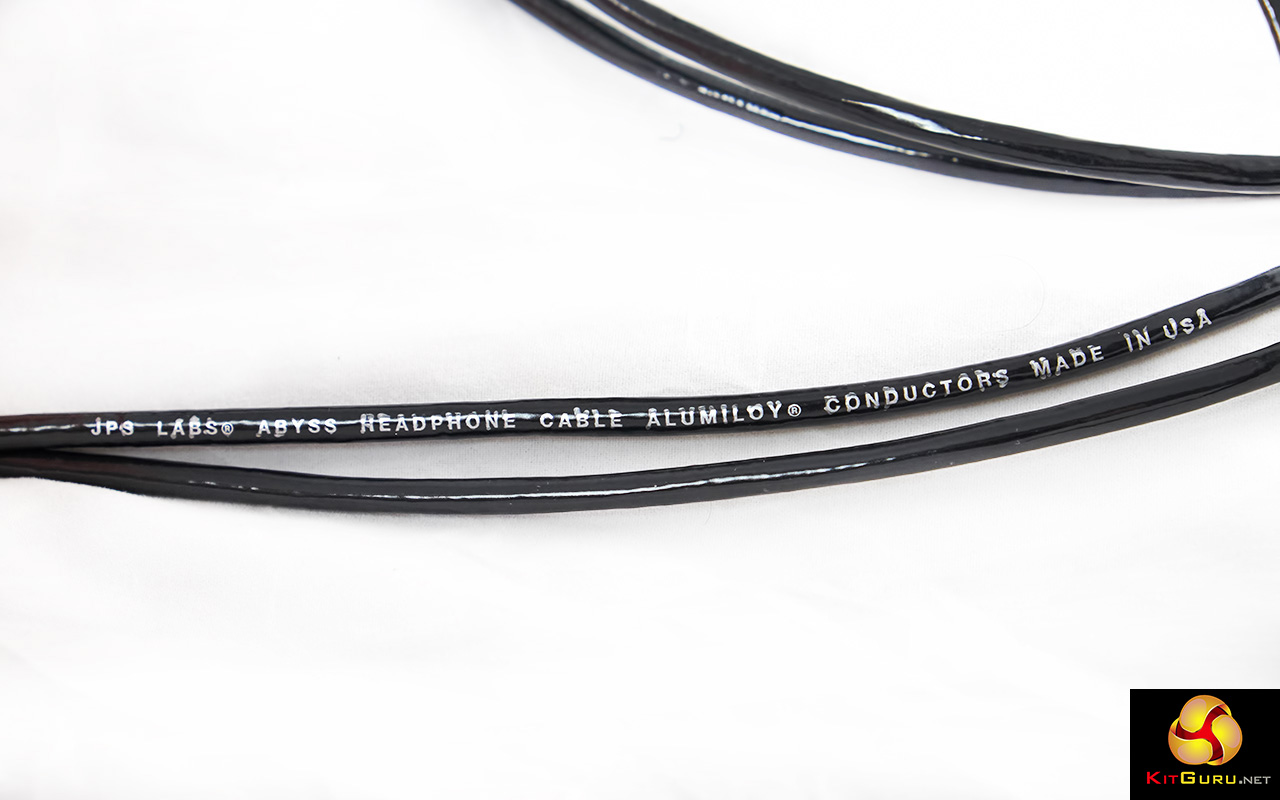
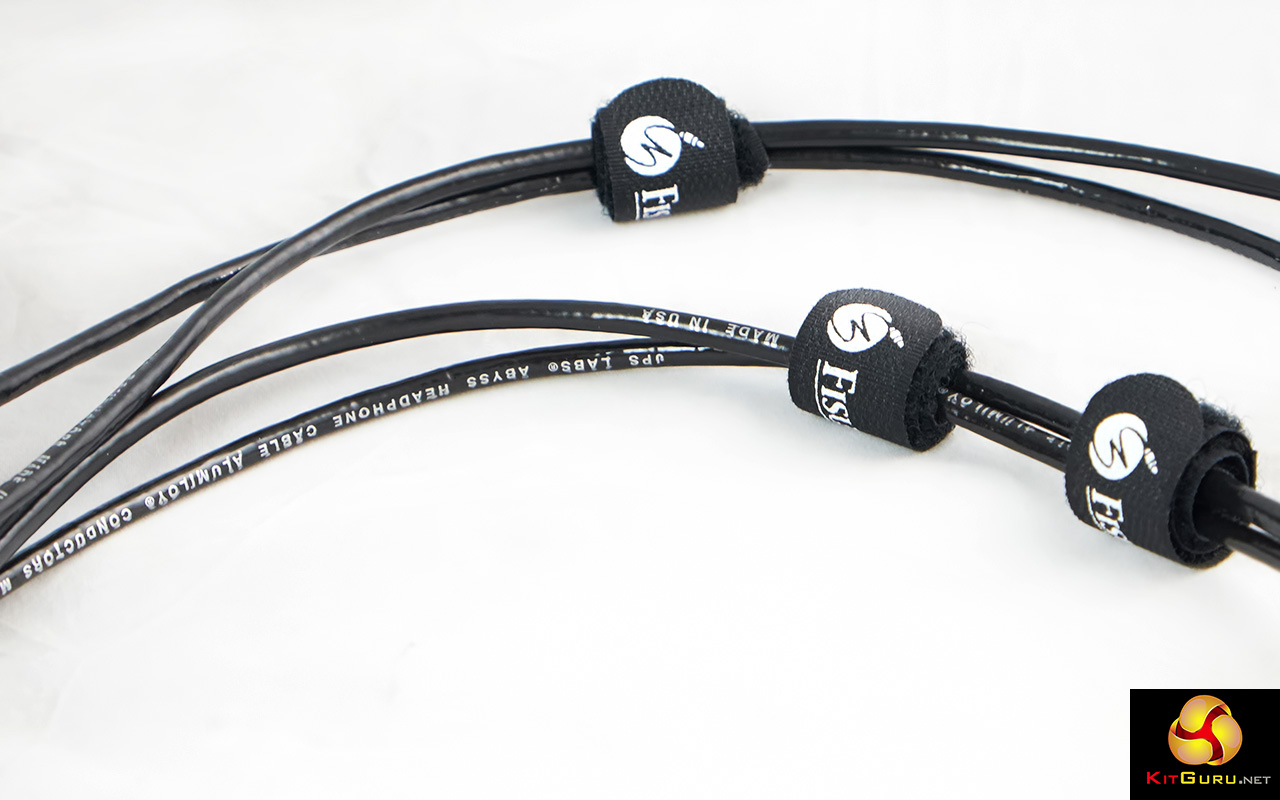
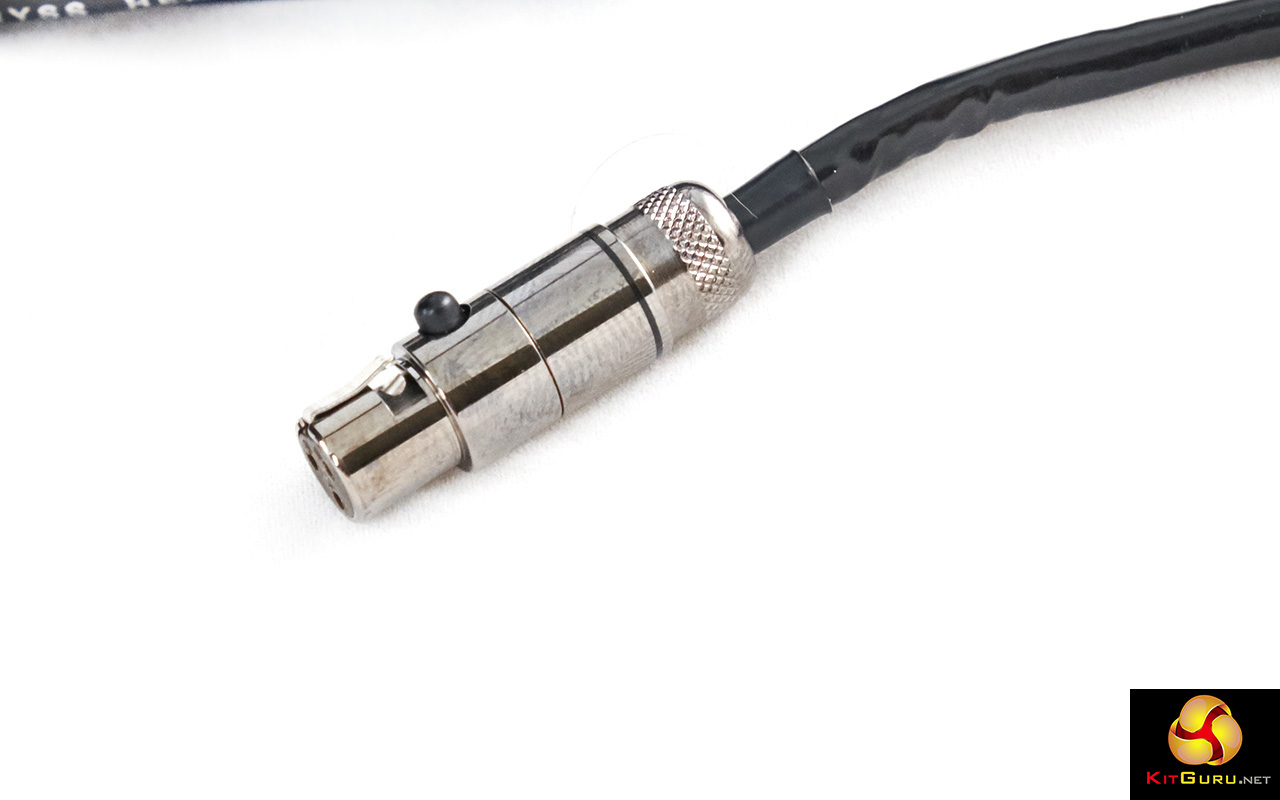
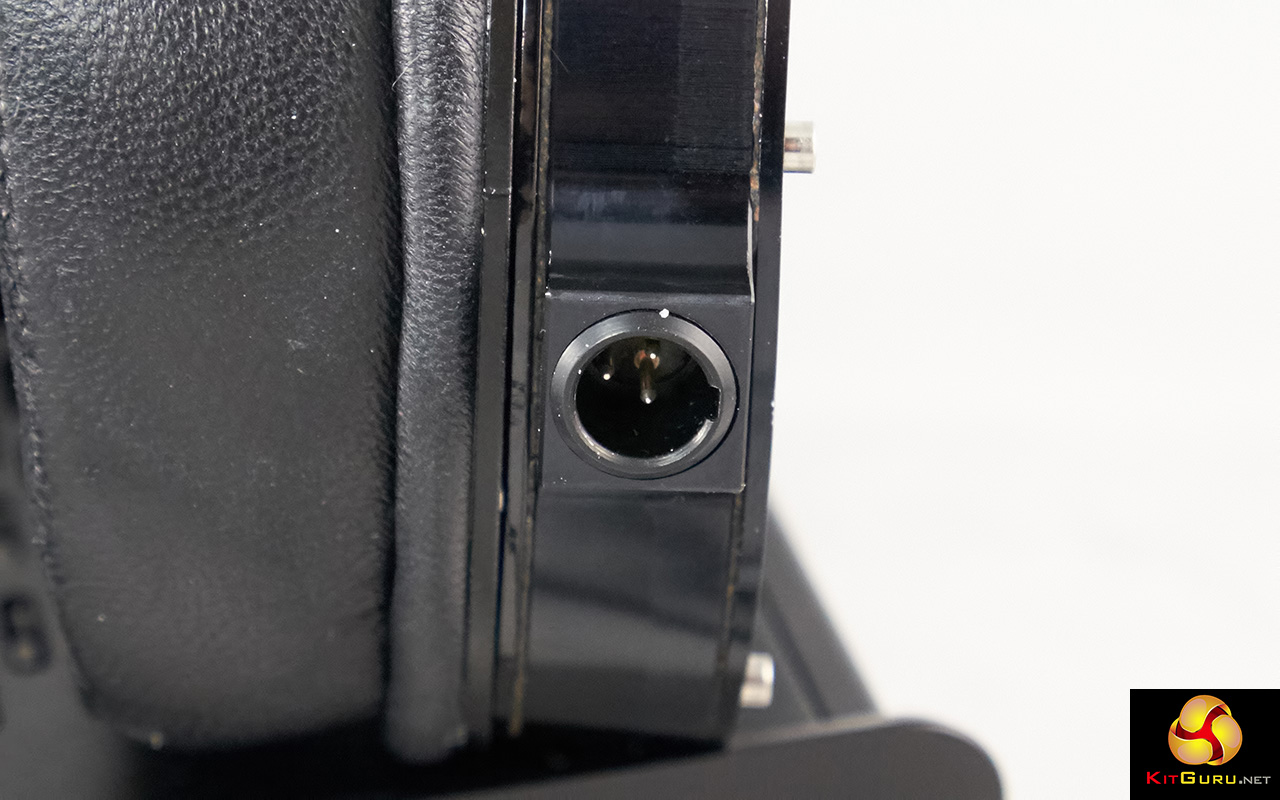
They also supply a set of bespoke 3 pin dual XLR cables for the headphones, along with a 4 Pin XLR and a single ended adapter. These three cables allow the Abyss to be paired up with almost every amplifier you could want.
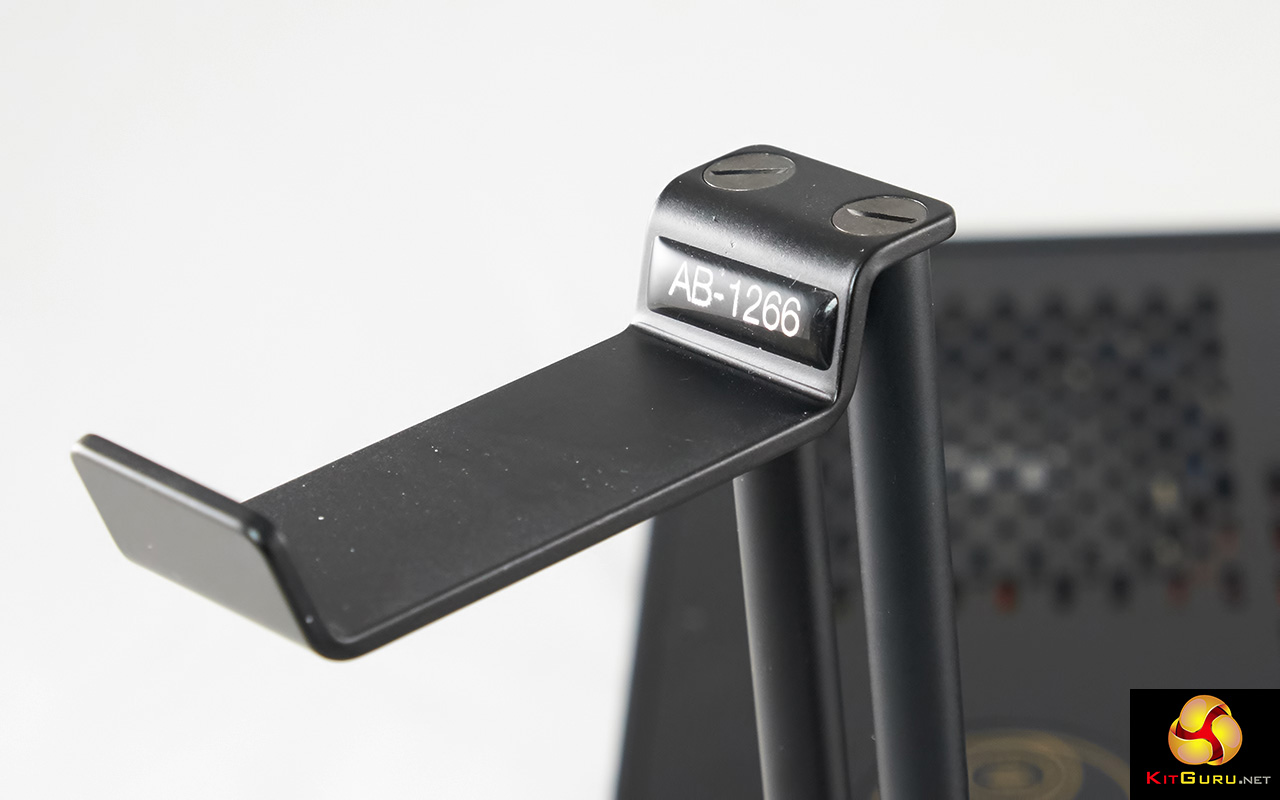
The bundled headphone stand is also a welcome addition.
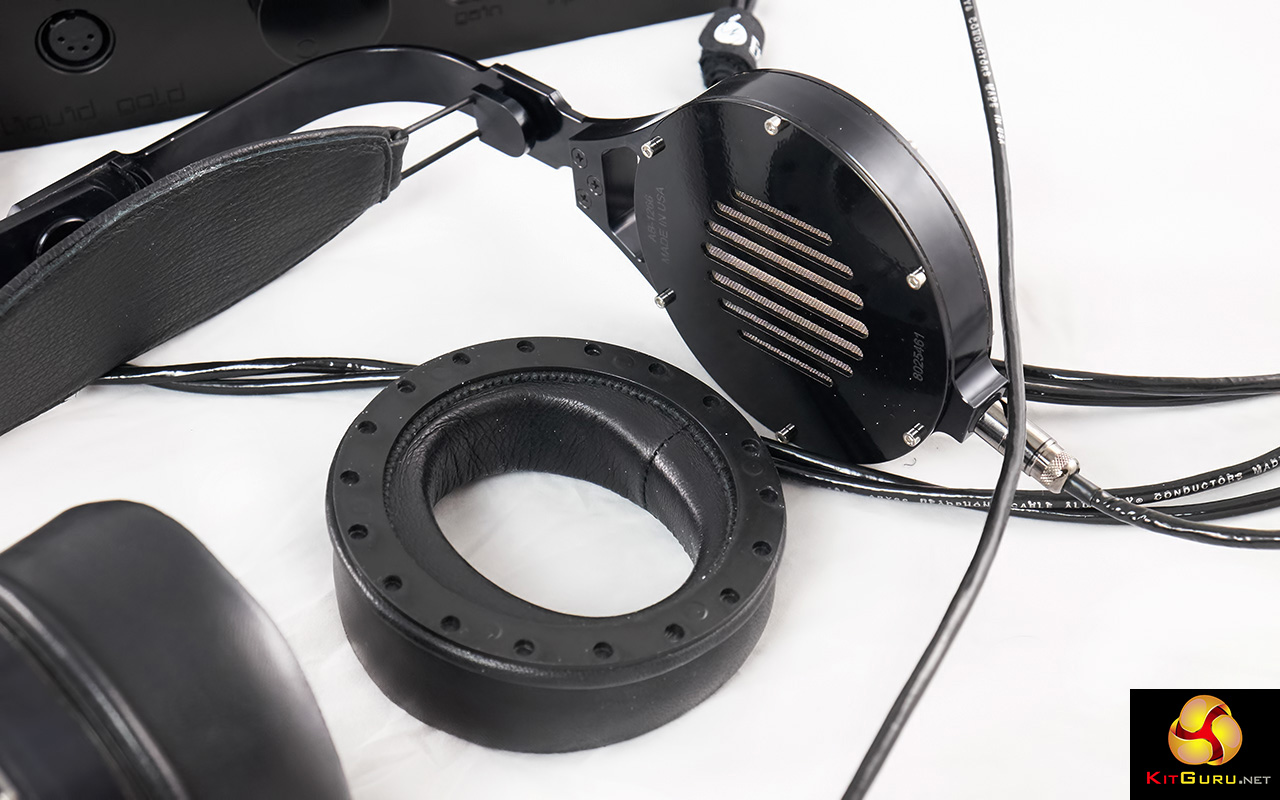
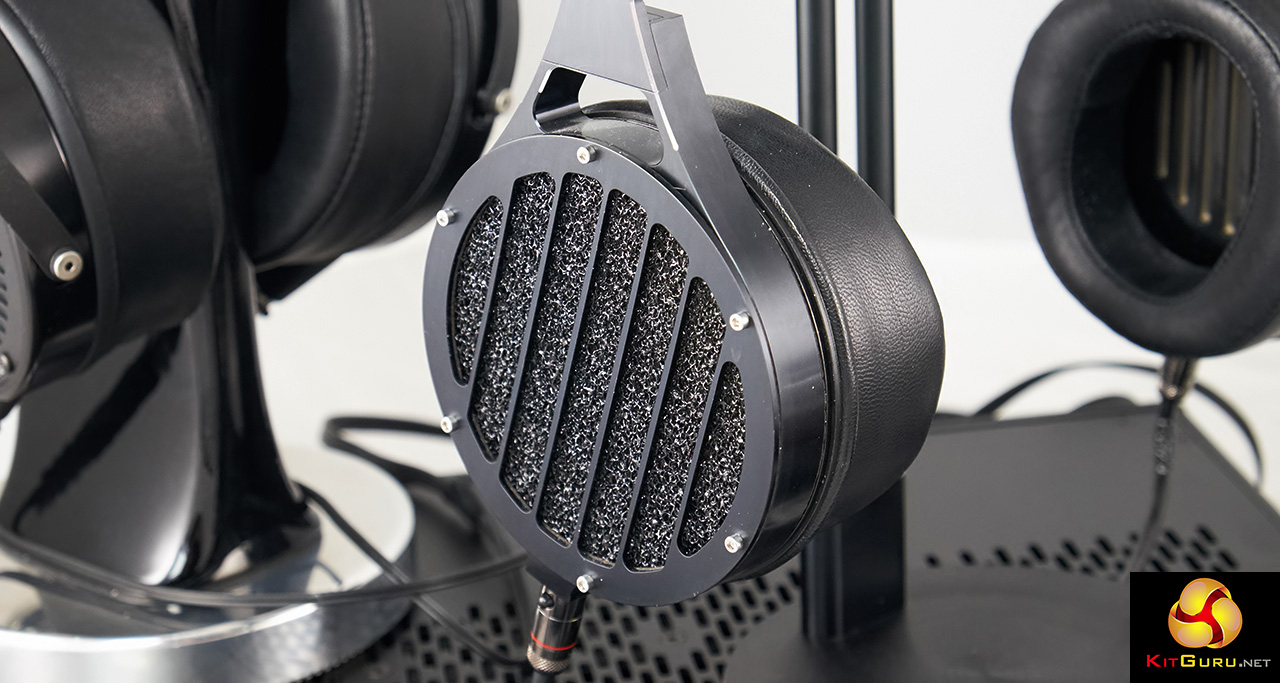
The lambskin ear pads are a joy to use, they are attached magnetically, and snap into place. These pads can be rotated to suit different head shapes. It will take a little time to get them tuned perfectly to your own head, but it is worth the effort.
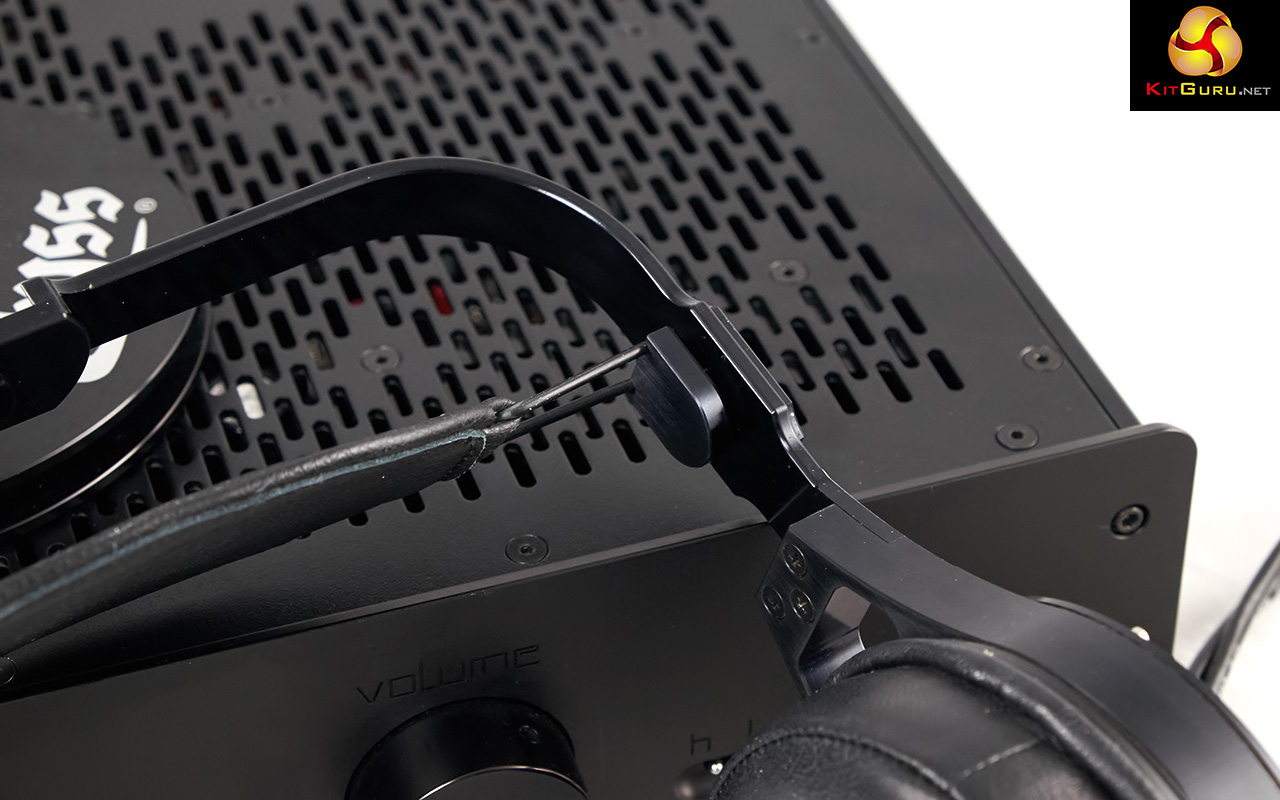
These headphones are rather unusual in the way they are adjusted to fit your head. You bend the metal at the corners to try and get the pads to form a slight seal around your ears. A tight fit can actually have a detrimental affect on sound balance, especially the bass response.
[yframe url='http://www.youtube.com/watch?v=C-v3fw-QqZU']
Once you get them sized perfectly you won't want to lend them to someone else. Believe me.
Specs by the numbers
- Frequency Response: 5 Hz to 28 KHz
- Impedance: 46 ohms nominal (non-reactive)
- Phase: Flat
- Sensitivity: 85 dB
- Distortion: Less than 1%; Less than 0.2% through ears most sensitive range
- Weight: 660 grams
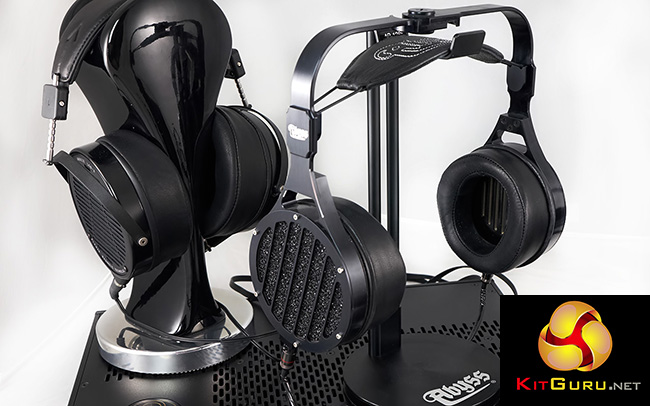
Above: The Abyss 1266 (right), alongside the Audeze LCDX (left).
The Abyss 1266 are heavy headphones, although thanks to the headband design, the weight is actually very evenly distributed as they almost ‘float'. I wouldn't recommend you walk around outdoors with them on your head, because not only will you look like an idiot, but it would be rather easy to dislodge them from their holding position.
The Abyss 1266 have caused a lot of debate in Head-fi circles – people have said – ‘they are brutally ugly', ‘why didn't they spend more time with the design?' My own view? I couldn't care less what they look like, if I did I would own BEATS and live my life in ignorance.
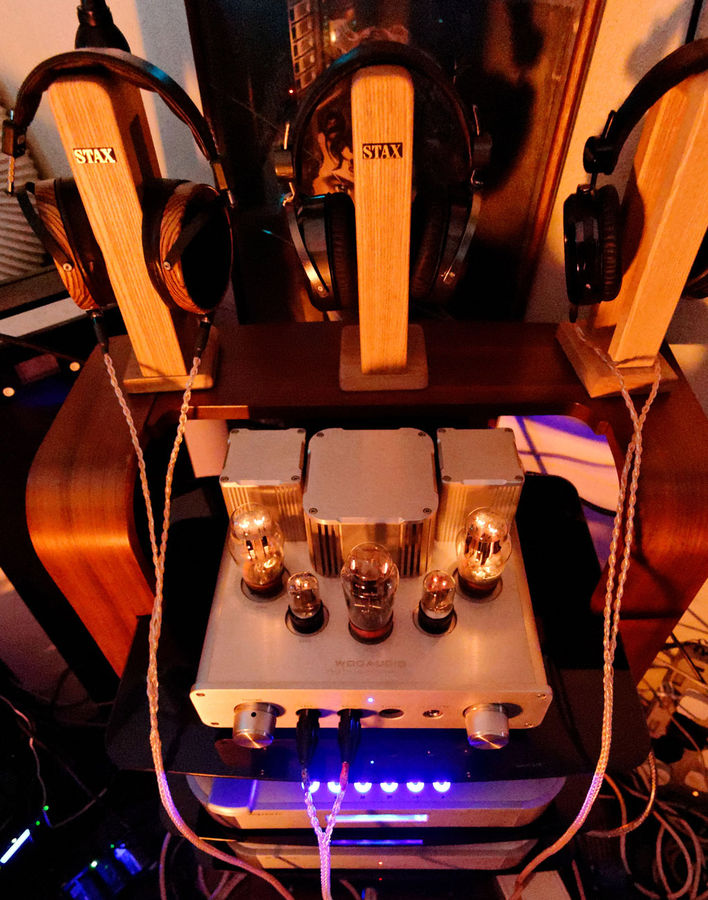
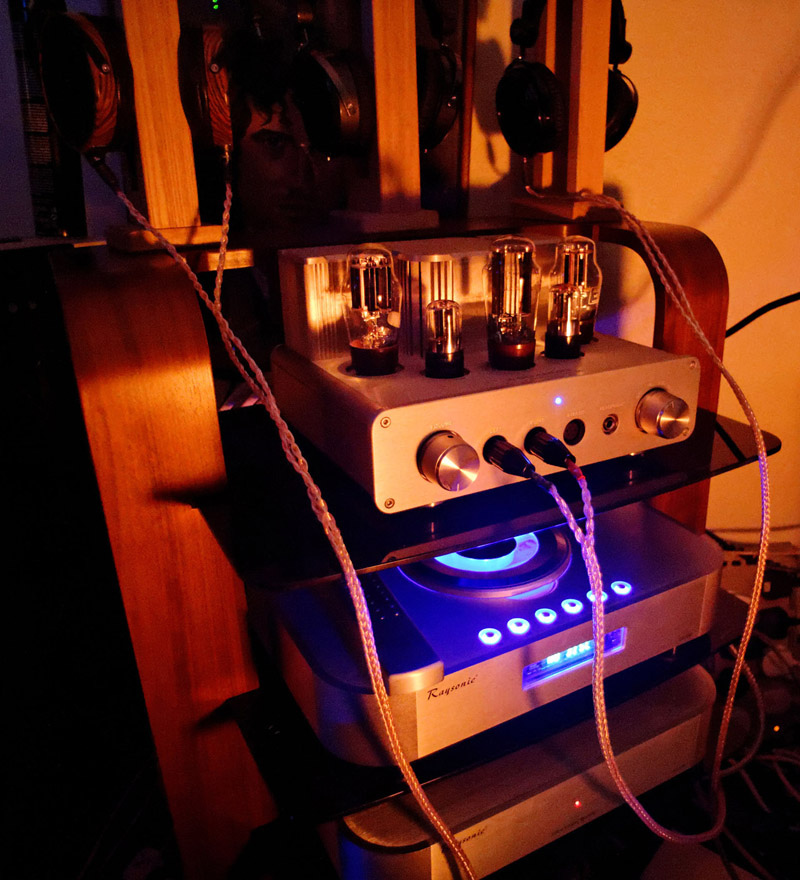
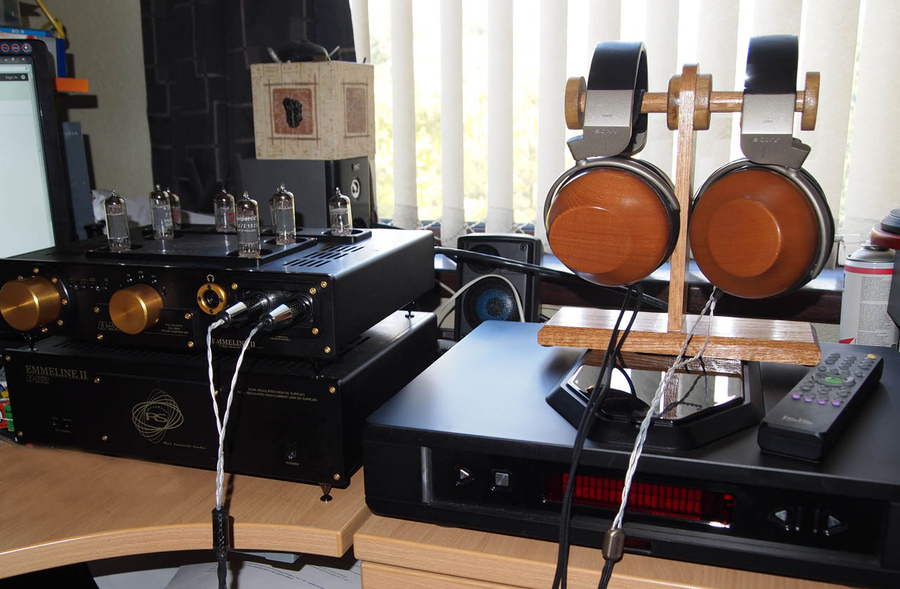
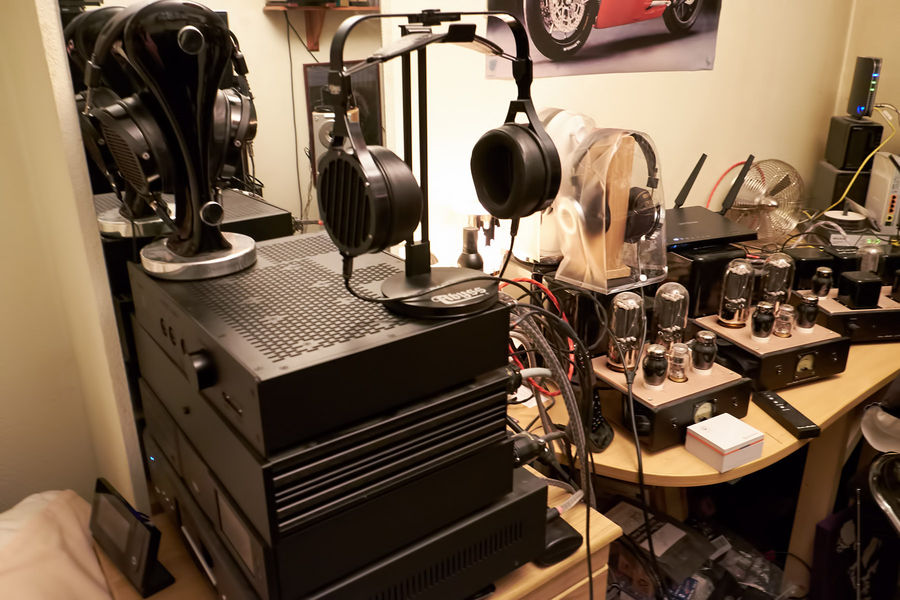
This article could get very messy if I included all the gear I used throughout the test period. I have access to a lot of amplifiers, including the Ray Samuels B52, Woo Audio's Balanced WA22, along with several solid state models from Krell. There is however a very special pairing of amplifier which deserves focus.
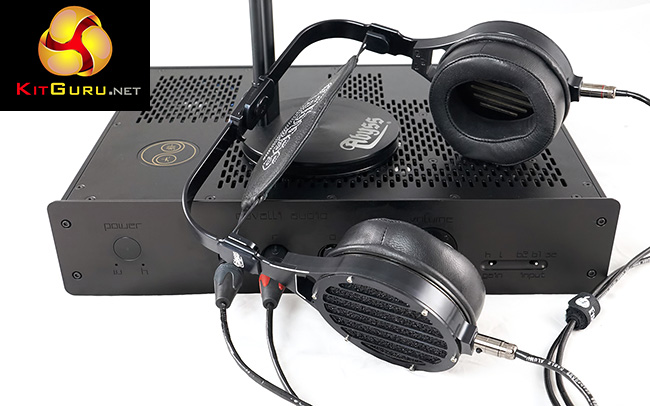
One of the finest headphone amplifiers available at any price, is the Cavalli Audio Liquid Gold amplifier.
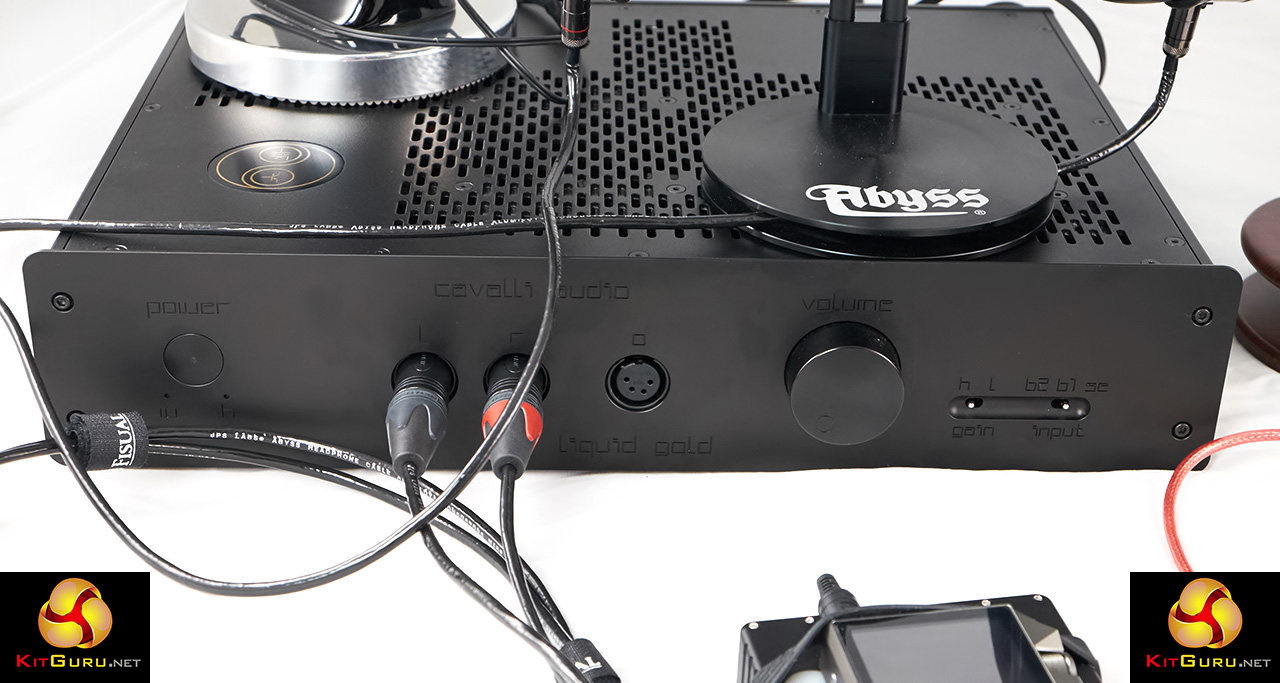
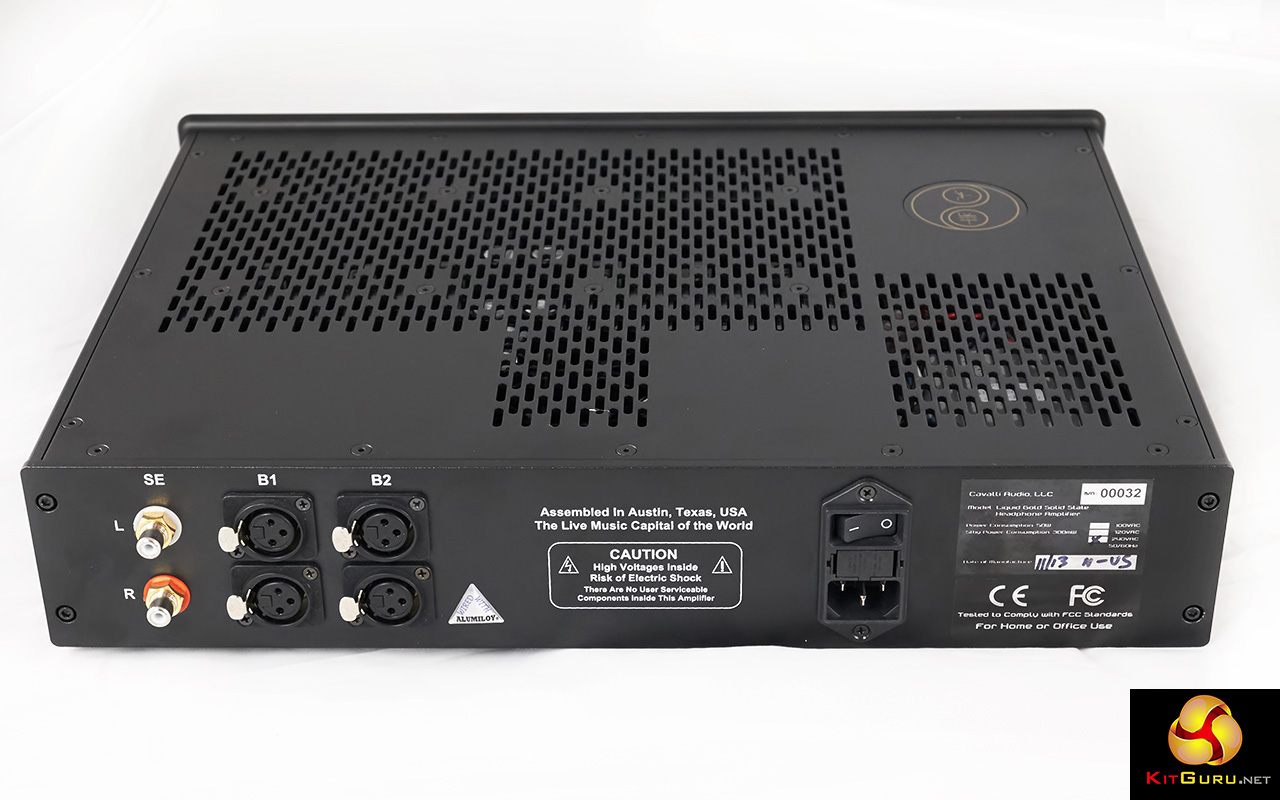
A s a rule, I do tend to favour high grade Valve amplifiers (‘Tube' to our American readers).
One of the few exceptions to this rule is the Cavalli Audio Liquid Gold amplifier – available from America for $4k. This is a remarkable amplifier which can drive 9 watts into 50R. There is no question in my mind that if you ever set yourself for the holy grail of headphone amplifiers (to drive a Planar Magnetic headphone), then the Cavalli Audio Liquid Gold should be right at the top of that list. By relative loudspeaker terms it is an absolute bargain.
This is a pairing made in heaven and up there with the best configurations I have tested, or owned. It is comparable and certainly a more diverse pairing than the Stax 009 headphones and Blue Hawaii amplifier.
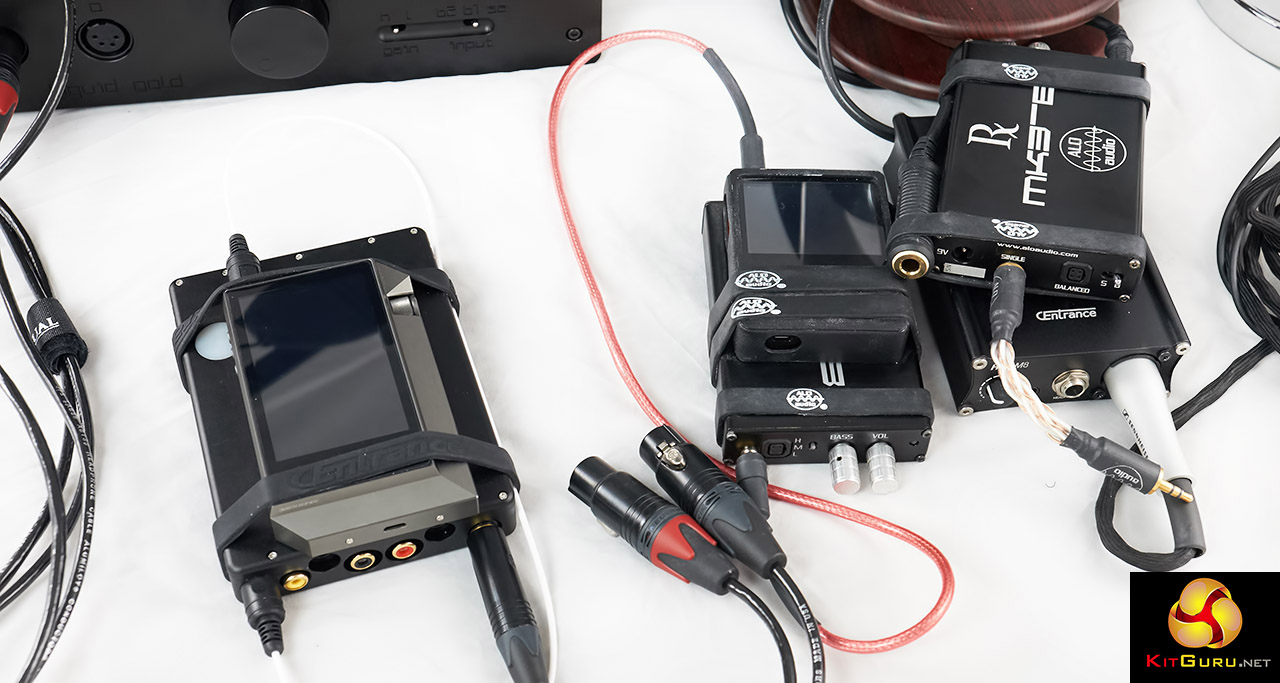
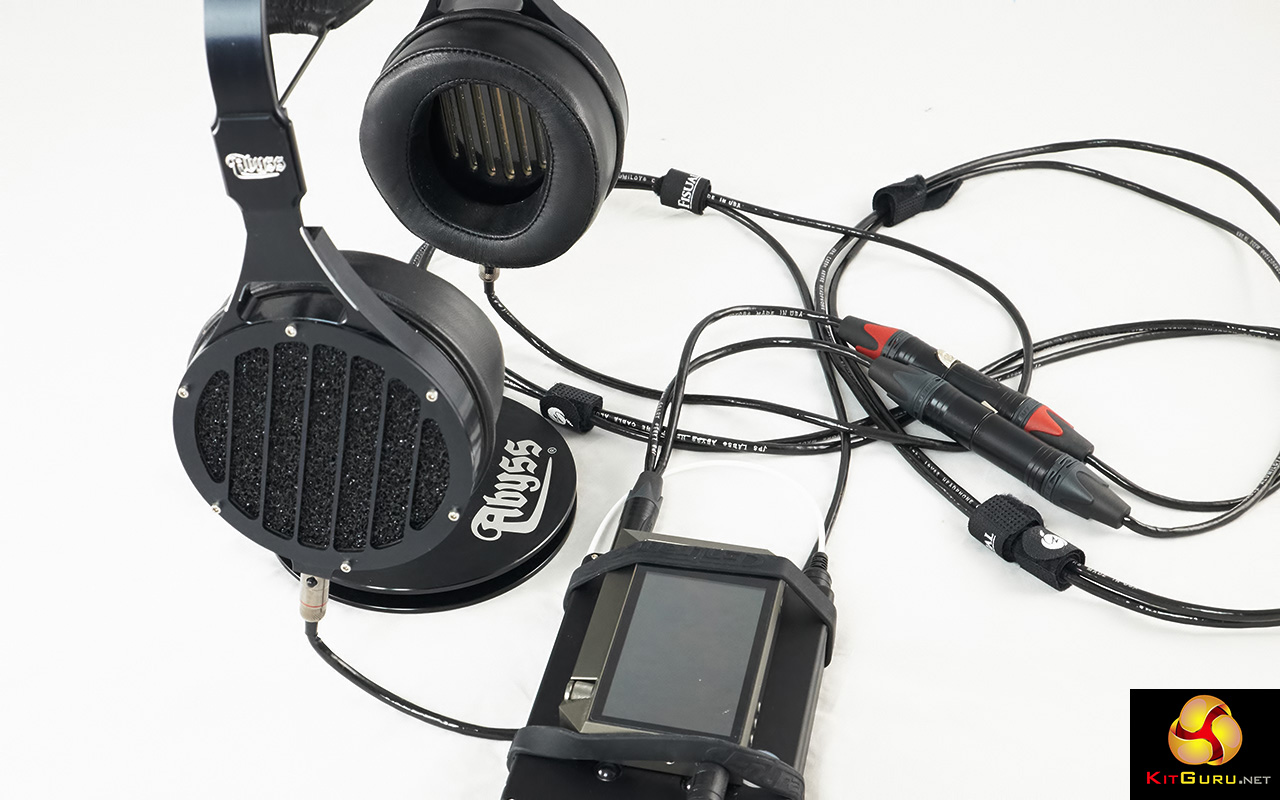
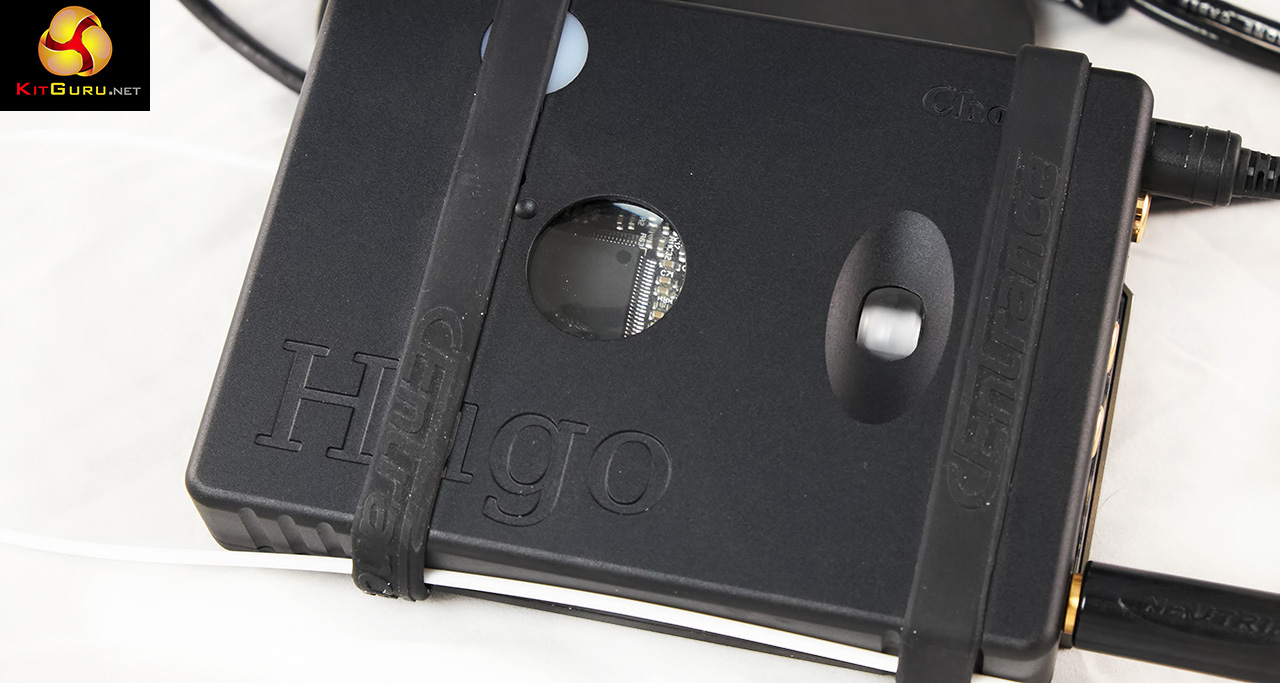
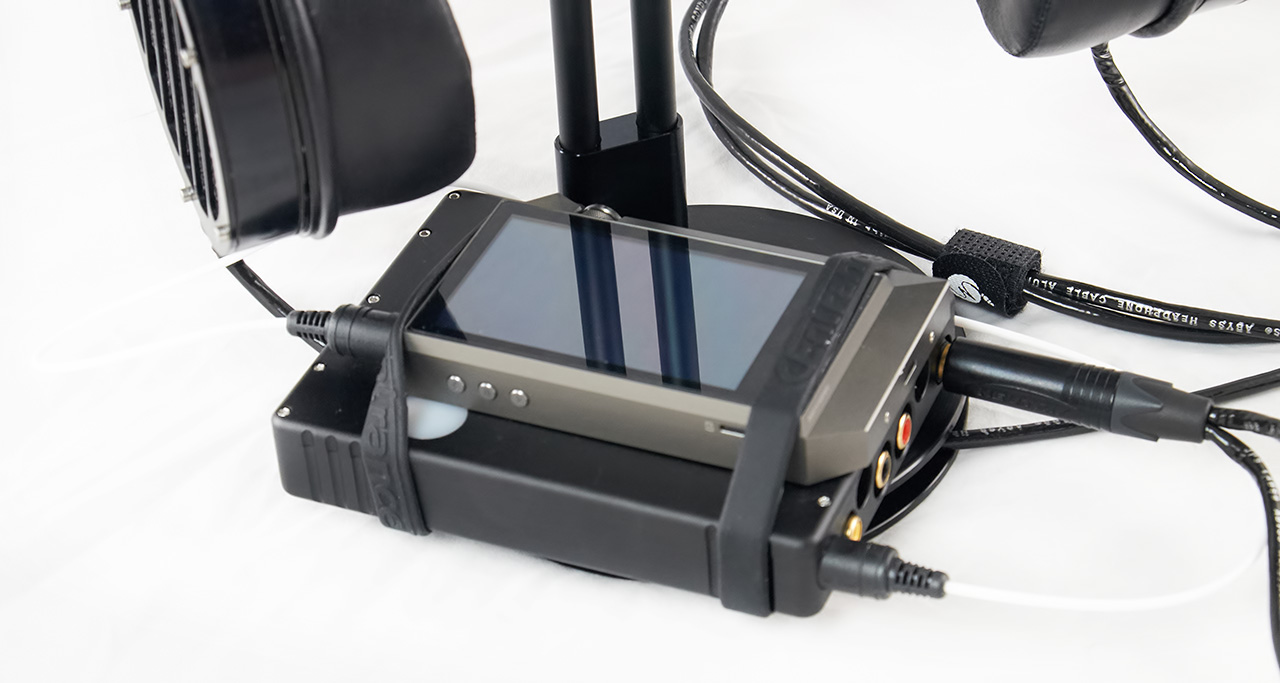
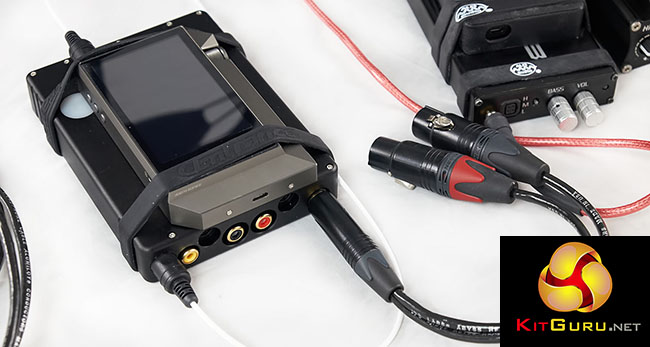
While the Abyss is not likely to be used in a mobile environment, there is a possibility that you may take it away with you on holiday, or move around the house from room to room. I tested a variety of battery powered headphone amplifiers in the last couple of months, and came to the conclusion that the Chord Hugo delivered the best results.
It doesn't quite match the dynamic range and separation awarded by the Cavalli Audio Liquid Gold setup, but considering the rather diminutive size, it delivered truly remarkable results. You can see it pictured above, paired up with the Astell and Kern AK240.
This is a very expensive pairing, the black Rev 2 Chord Hugo is £1,400, and the Astell and Kern AK240 has a retail price around £2,400. Not something you would want to drop and damage when out and about, but it is pretty much an unbeatable pairing for ‘on the move' listening. If you can't afford the Chord Hugo (which seems bizarre if you can blow over £4.2k on headphones at this point), then the CEntrance Hifi-M8 is worth looking into as it does a fairly good job of powering the Abyss 1266 on the high impedance setting.
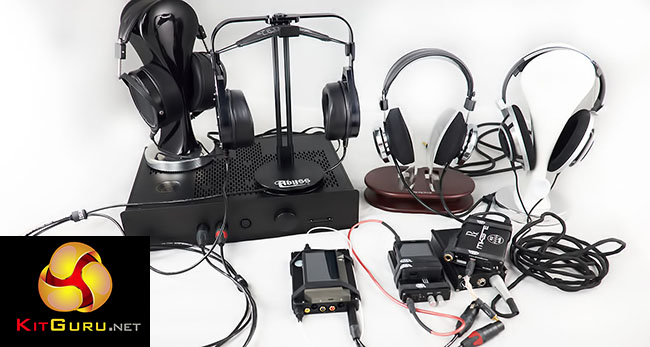
Abyss 1266 Test System:
Headphones: Abyss 1266
Amplifier: Carvalli Audio Liquid Gold and Chord HUGO.
Sources: Rega Isis Valve CD Player, Naim HDX (with custom power, more info here) and Astell and Kern AK240 player.
Cables: Abyss 1266 cable, Van Den Hul The MC Silver IT MKIII, reference Chord Toslink.

Sennheiser HD800 Test System:
Headphones: Sennheiser HD800
Amplifier: Sennheiser HDVD-800
Sources: Rega Isis Valve CD Player, Naim HDX (with custom power, more info here) and Astell and Kern AK240 player.
Cables: Sennheiser CH 800 S Balanced upgrade cable. Van Den Hul The MC Silver IT MKIII, reference Chord Toslink.
STAX 009 Test System:
Headphones: Stax 009
Amplifier: Blue Hawaii.
Sources: Rega Isis Valve CD Player, Naim HDX (with custom power, more info here) and Astell and Kern AK240 player.
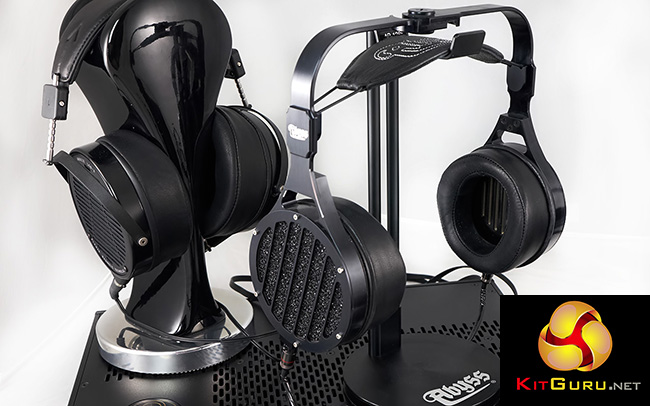
Audeze LCD3/X Test system (latest LCD3 version):
Headphones: Audeze LCD3/x
Amplifier: Carvalli Audio Liquid Gold and Chord HUGO.
Sources: Rega Isis Valve CD Player, Naim HDX (with custom power, more info here) and Astell and Kern AK240 player.
HI-Fi Man HE-6 Test System:
Headphones: Hi-Fi Man HE6
Amplifier: Carvalli Audio Liquid Gold and Chord HUGO.
Sources: Rega Isis Valve CD Player, Naim HDX (with custom power, more info here) and Astell and Kern AK240 player.
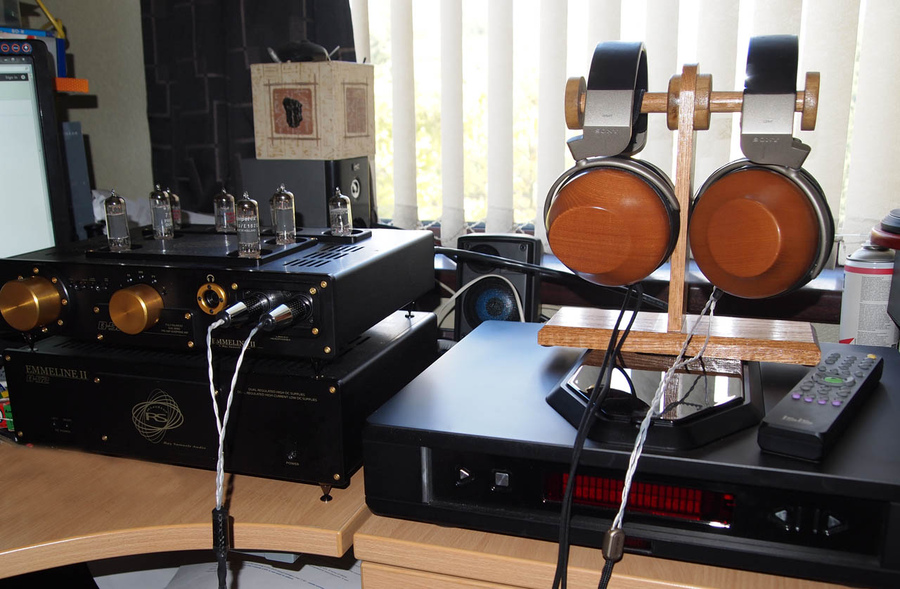
Sony R10 Test System:
Headphones: Sony R10
Amplifier: Ray Samuels B52 with tube upgrades
Sources: Rega Isis Valve CD Player, Naim HDX (with custom power, more info here) and Astell and Kern AK240 player.
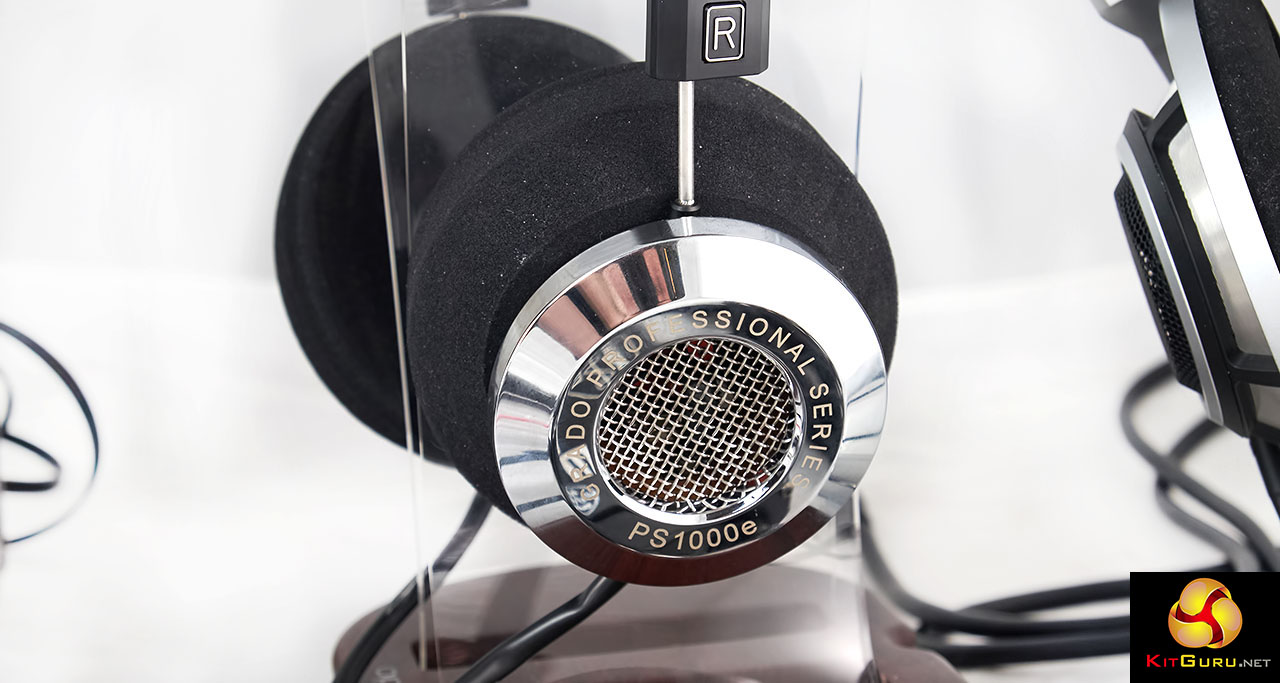
Grado PS1000e System:
Headphones: Grado PS1000E
Amplifier: Trilogy 933
Sources: Rega Isis Valve CD Player, Naim HDX (with custom power, more info here) and Astell and Kern AK240 player.
Testing was carried across many months of real world listening and observations. If you want technical analysis and measurement graphs then head to this page on InnerFidelity. No one does it better than Tyll.
I tend to download a lot of tracks from ‘High Definition' music sites such as HDTRACKS and Linnrecords. While all 24 bit music isn't necessarily markedly better than 16 bit files found on a standard compact disc (the master quality is very important), either are dramatically better than compressed audio downloaded from the likes of iTunes. You really do not want to be testing high end headphones with 128 bit, or even 256 bit MP3 files. It will do in a pinch, but compression really will reduce dynamic range and add minor artifacts into the sound signature.

The first track I tested was ‘My Favourite Faded Fantasy' from the excellent new album by Damien Rice. Damien is a marvelous songwriter and his acoustic style pop rock musings are very enjoyable. His latest album is a testament to how a pop album should be mastered, without nasty compression artifacting. Read this article for more on the subject, if you are interested. I downloaded a 24 bit 96kHz version of the album from HDTRACKS.
This album is so well recorded that all the headphones really delivered a listenable experience. The Hi-Fi Man HE6 delivered fantastic levels of detail, although they could sound a little metallic when the cymbals were ‘tapped' during parts of the outgoing passage in the last 2 minutes of the 6 minute track.
The Stax 009 system delivered a very euphoric experience, as we would expect from the electrostatic masterclass in headphone design. Damien's initial vocal was remarkably clear, pin pointing the intake of breath. All was good until around 3 minutes and 10 seconds in – when the bass guitar kicks in. The Stax 009 are not the ideal pairing for rock or pop music and it lacked drive and punch in the latter half of the track.
The Sony R10 is one of the most iconic headphones and like the STAX 009, it has (rightfully) earned legendary status since the company stopped making it some time ago. The Sony R10, in similar fashion to the STAX 009 handled the breathy vocal with plenty of dynamic intensity and three dimensionality, but when the bass guitar kicked in later in the track, it felt a little empty and devoid of power and impact. I didn't really enjoy this track at all with this headphone.
The Audeze LCD 3 and LCDX delivered a fantastic rendering of the My Favourite Faded Fantasy although the vocals did sound a little more recessed than they did on the HiFi Man HE6. That said, I found the slightly rolled off treble more enjoyable and slightly less tiring. When the bass guitar kicked in later in the track there was plenty of bass grunt with excellent focus and positioning. So far this track was favouring the Audeze headphones. I would give the slight edge to the LCD3 headphone as the mid range was slightly sweeter with this particular track.
The Sennheiser HD800 is a headphone I have had a love/hate relationship with over the years. I have never sold it, as with specific tracks it can almost be a religious experience. It is capable of the most incredible soundstaging and three dimensional reproduction of any headphone regardless of price, but it can sometimes fail to deliver, surprisingly, when you least expect it.
Upgrading to the improved 4 pin balanced XLR cable is certainly advised as bass response steps up a notch without becoming flabby. The standard single ended cable is without question, very weak when paired up with a strong amplifer. The Damien Rice track was presented in a beautiful soundstage of sweeping musicality. His voice was given both depth, breadth and injected with life. The bass guitar wasn't quite as powerful as that from the LCD3, but overall, the HD800 was giving the Audeze headphone a run for its money. The HD800 drivers are positioned quite a distance away from the ear drums, so it can give an almost ethereal presentation at times. Very enjoyable.
The Grado PS1000E headphone is a refined version of the (very expensive) PS1000 (without the ‘E'). The headphone has a new red driver and has been tuned to give a slightly more focused bass response while sweetening the upper registers – removing a fine layer of ‘grain' which I always heard with certain instruments. It is not perfect, but it is a wonderful headphone, especially if you listen to a lot of bass heavy, rock, dance or pop music. I would hate to limit it to those specific genre's, but that is certainly in my mind its strengths.
The Damien Rice track was very enjoyable with the PS1000E, it delivered great bass response later in the track, and while not quite as ‘sweet' sounding as the LCD3, it was in many ways just as enjoyable. There was a slight trace of harshness to the cymbals in the closing section of the track, but nothing I feel most people would notice.
The Abyss 1266 was simply a revelation with this track. Damien Rice was presented in a very three dimensional manner, almost as good as the Sennheiser HD800 but the bass attack later in the track took me by surprise, especially after listening to the Sony R10 beforehand. The bass response outperformed anything else on test, and the vocal presentation was certainly on par with the HD800, even if it lacked a little of the soundstaging depth. The cymbals in the closing section of the track were beautifully delivered without any hint of harshness or ‘ overbrightness'. Plenty of detail on hand for sure, but not excessive by any means. Careful control of the Liquid Gold volume knob is needed.
Overall, I would give the LCD3 and HD800 points for this track, but the Abyss 1266 was a league above both of them, especially when the complexity of the track increased at the end.

I was never a fan of Slipknot, but the Stone Sour albums have impressed me over the years – Cory Taylor is a fantastic rock vocalist when he doesn't try to sound like a castrated werewolf. One of my favourites has been the double album the House of Gold and Bones. These are exceptionally well recorded rock albums and a great test of any headphone. I tested all the headphones with ‘Gone Sovereign' from Part 1. I downloaded this album as 24 bit 96Khz from HDTRACKS.
The HiFi Man HE6 is a very good rock headphone, it can deliver solid bass presence although I find it can miss some of the lower frequencies completely. Not a huge issue. Gone Sovereign lost a bit of punch with the HE6, although I liked the overall sound signature of the track through these planar drivers. There was plenty of detail available and it kept track of the fast hitting bass drum – they are fast headphones.
The Stax 009 is as far removed from being a ‘rock' oriented pair of headphones as I could imagine. I never use them for rock music, but tested them with this track. Overall presentation was quite good, but as I knew, they lacked bass impact and sounded a little half hearted when driving the faster, heavier parts of this track.
The Sony R10 is another headphone not really designed to handle heavy rock tracks, especially the bass light pair I use for some of my female vocal tracks and orchestral pieces. The Sony R10 failed miserably to inject any kind of urgency, drive or power into Gone Sovereign from Stone Sour. Even worse than the Stax 009.
The Audeze LCD3 and LCDx excelled with this track and the staccato style bass drum patterns seemed a little slower than the HE6, so while probably less accurate in reality they sounded more fun and enjoyable. The LCD are great rock headphones and they shined with this particular track. Another thumbs up for Audeze.
The Sennheiser HD800 surprised me with this track. They wouldn't be my ‘go-to' headphone for rock music, but the depth of soundstaging helped to give Stone Sour a larger than life experience. The bass response was tight, not overblown and very listenable. I noticed a slight metallic edge om a few sections, but my hearing is very sensitive and I don't listen at loud volumes, so I would imagine most people wouldn't notice it.
The Grado PS1000E are one of my favourite rock headphones. I experienced many many hours of Pink Floyd, Led Zeppelin, Boston and The Who on these shiny, ‘radio operator' styled phones. I had listened to this track regularly on these headphones in the past and it was actually the reference point I used for much of the testing beforehand. Cory Taylor's guttural style vocal was showcased, and the pounding bass drum resonated throughout my ears. Bass response was maybe not quite as tight as the HE6, but what it lacked for in outright speed, it more than made up for with impact. I am not a bass head by any stretch of the imagination, but lower frequency bass response is critical to drive forward rock music. The Grado PS1000E are winning this particular track test.
The Abyss 1266 took this Stone Sour track to a whole new level. Bass response was lightning quick and faster than the HE6 – equally so it was more powerful than the PS1000E. Remarkable. I listened to this track multiple times before forming an opinion. I could wax lyrical on the 1266 prowess as a rock headphone, but it is only when you spend time with exceptionally well recorded tracks that you get an idea of the possibilities. The Carvalli Audio Liquid Gold tamed a slightly harsh edge to the upper frequencies which I experienced with the portable Chord Hugo. Again, I wouldn't class this as a huge issue, but it was noticeable in parts of the track.
Another win for the Abyss 1266, for this kind of rock music, it is almost like strapping a pair of loudspeakers to your ears. Bass response is simply above any other headphone I have heard – not just in depth, and intensity, but the speed of the transient response to fade is simply sensational.
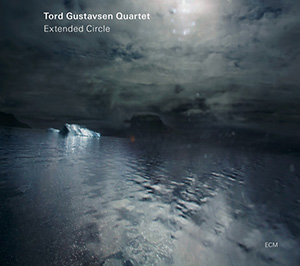
Extended Circle is an exceptional JAZZ recording from the Tord Gustavsen Quartet. We downloaded the 24 bit 96Khz album from HDTRACKS. We tested track ‘The Embrace'.
The HiFi Man HE6 headphones are very good with sultry jazz recordings. The HE6 delivered a very enjoyable listening experience, giving separation and solid positioning to the tenor saxophone and double bass. The double bass was accurately portrayed although it did lack a little weight in some parts of the track. The drum sounds did sound a little harsh, although it was only noticeable in a certain part of the track.
The Stax 009 excelled with this track, while the double bass lacked a little weight in parts of the track, the piano and tenor saxophone were beautifully presented in a soundstage full of vibrancy, soul and life. I listened to this track multiple times before forming an opinion. An extremely enjoyable experience almost true to life.
The Sony R10 is a fantastic headphone for female vocals, acoustic guitar and orchestral tracks. I felt it fell a little behind the Stax 099 with ‘The Embrace', producing a smaller soundstage, although positioning of the individual musicians was more pronounced. The piano sounded extremely real to life, and the saxophone was beautifully positioned in the mix. A good result, but the Stax 009 has clearly got the edge.
The Audeze LCD3 and LCDX have scored well so far, but I felt they were outclassed by the HE6 and Stax 009 with this particular track. The HE6 bass was beefier with the LCD3, but it lacked a little punch and definition when directly compared to the HE6. Soundstaging was not as wide, but the Audeze did deliver a more intimate listening experience which some will prefer.
The Sennheiser HD800 are designed for a well recorded jazz track like this. The wide soundstaging of these headphones helped to increase the ambient mood although the musicians were harder to place. The bass impact was very tight, and it worked well within the confines of a jazz quartet. Of particular note was the reproduction of the tenor saxophone – simply beautiful!
The Grado PS1000E was a very enjoyable pairing for the Tord Gustavsen Quartet, although the headphone did feel a little less ‘accurate' than the HE6 or Sennheiser HD800 offerings. The double bass was higher in the mix, due to the U shape of the sound curve of the PS1000E, however I rated the end result highly, even if it seemed a little more colourful, and less neutral than some others. This is the joy of the Grado sound however, you either love it , or you don't.
The Abyss 1266 was an interesting partner for this jazz track. The double bass was rendered with a heady sense of power, almost visceral in attack and yet incredibly smooth and moving. The Saxophone was very clear in the mix, and the piano sounded very close to the center of the soundstage.
The Stax 009 sounded a little more ‘magical' than the Abyss 1266 due to the soundstaging differences, although this is very much going to be down to personal taste.

Our last track of the test is taken from Mozart Symphonies 38-41, we highlighted Symphony 41 in C major Jupiter K 551 – II Andante cantabile with the Scottish Chamber Orchestra. This was bought from LinnRecords in the UK, and is available over here in various formats.
The HiFi Man HE6 headphones are a good partner for classical, orchestra pieces. I do find they can sound a little congested in more complex tracks, but overall they perform well. They handled the scope of this track very well, but I didn't find them the most engrossing of headphones in this particular test. The power of the orchestra lacked a little bit of impact.
The Stax 009 again, excelled with this particular track. The more complex the music, the greater the Stax 009 will perform. The sweeping passages really were a delight, with no hint of harshness, or sibilance. The dynamic impact from quiet to loud passages was realistically portrayed and the overall presentation was ethereal. People buy Stax 009 headphones to enjoy this kind of music – not Lady Gaga.
The Sony R10 is one of my favourite headphones for this kind of music, but there was a clear indication that while they delivered a marvelous, genuinely insightful overall presentation – the Stax 009 had the clear edge. Soundstaging was also somewhat more confined.
The Audeze LCD3 and LCDX failed to produce drama with this track. Using the Stax 009 as a reference point, they sounded almost recessed and clouded in the mid range with a little loss in clarity overall. Plenty of weight from the violins and decent soundstaging, but falling short of the best with this track.
The Sennheiser HD800 delivered a magical experience with Symphony 41. The soundstaging was incredible, and it was almost as if you could reach out with your hand and touch various parts of the orchestra. The clarity and definition fell a little short of the Stax009, but the HD800 certainly are placed firmly behind the leaders.
The Grado PS1000E on their own sounded beautiful with this track, but when directly compared against the Sennheiser HD800 or Stax 009, they lacked soundstaging and some dynamic range. Positioning was pretty good, and certainly ahead of the Audeze LCD3 or LCDX headphones. A fairly good rendition of the piece, but somewhat lacking in overall precision.
The Abyss 1266 have proven so far to be a phenomenal rock and pop headphone but I was surprised by how far ahead they are, of the other planar magnetic headphones on test. Their lower register weight is simply phenomenal and the mid, to upper mid tones are beautiful handled. They lacked a little of the soundstaging of the Sennheiser HD800 headphones and couldn't quite deliver the same ethereal, almost haunting sound signature of the Stax 009 headphones, but I was impressed.
Overall, the Stax 009 score best with this particular track, but the Abyss 1266 and Sennheiser HD800 run a (fairly) close second.
The Abyss 1266 are a remarkable listening experience and they will go down in time as one of the world's best headphones. We aren't sure if JPS Labs has achieved their goal of ‘world's best headphone' but they really do deserve to be considered up with iconic products such as the Sony R10 and Stax 009.
The eye popping asking price of £4,254 is difficult to ignore, but when we consider that flagship loudspeakers can cost in excess of £50,000 then perhaps they can be quantified. I can honestly say that the visceral attack and incredible dynamics of these planar magnetic drivers need to heard to be truly appreciated.
Initial set up of the Abyss 1266 is not just important, it is utterly critical. Without proper positioning and some tweaking of the metal headband, bass response will suffer and the overall sound signature will shift. You need to forget everything you have learned about getting a ‘tight seal' on your ears, and instead position the drivers so the lambskin pads just touch against your skin, barely holding a seal and nothing more.
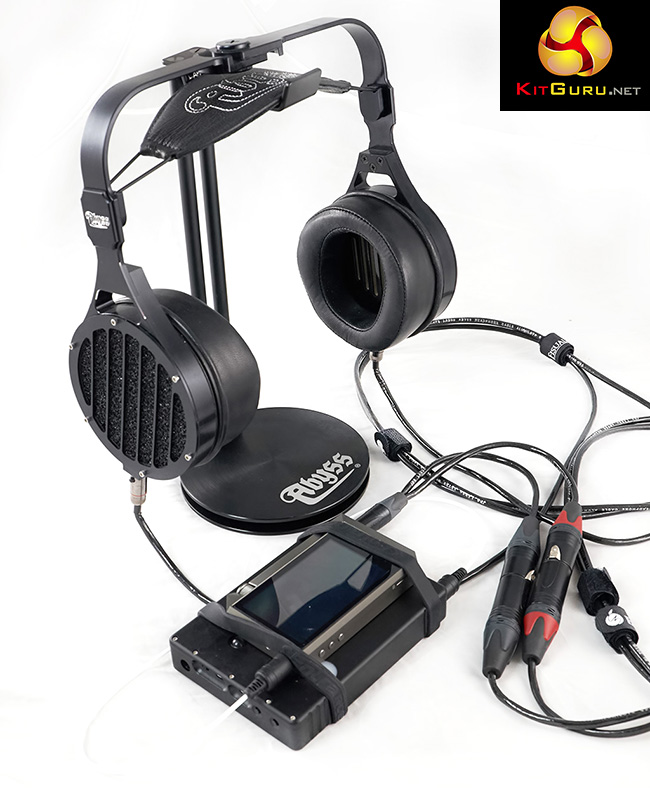
The appearance of the Abyss 1266 will certainly split opinion – many people have stated how they look like a medieval torture device, but in reality are you really going to be looking at them when they are on your head? You won't be wearing these to work on the train, or even on a long distance plane journey because they are too cumbersome and they will annoy everyone in your vicinity.
Sound isolation is as you would expect, virtually non existent. Everyone in the room will be able to hear exactly what you are listening to, but equally so you never feel completely ‘cut off' from the environment either. The sensation of truly being one with the music has never felt so pronounced before, even when I compare against my Stax 009 or Sennheiser HE90 Orpheus headphones.
The Abyss 1266 is not difficult to drive, but it is a beast to drive effectively. This will be an issue as many people will feel their amplifier is ‘doing the job well' but in fact the Abyss 1266 will be underperforming dynamically in all areas. I heard so many amplifiers over the last year producing ‘volume' from the Abyss 1266, but that is only part of the story.
In a mobile environment the Chord Hugo proves unbeatable, especially when paired up with the Astell and Kern AK240. The Abyss really sing, and bass response is tight, quick, impactful and insightful. Occasionally the drivers may demand a little more power than the Hugo can deliver, but generally the experience is phenomenal and one that I challenge anyone to find underwhelming.
The Abyss 1266 really sing when paired up with the Cavalli Audio Liquid Gold Amplifier. This combination is worthy of being compared against the Stax 009 and Blue Hawaii amplifier, or in many ways even the Sennheiser HE90/HV90. The Stax 009 is still the ‘orchestral' headphone of choice, but the Abyss 1266 is more than a match in any other genre I have analysed.
The comparisons against the Audeze LCD3 are rife, and understandably so – they are both technically planar magnetic headphones. For most people the LCD3 are more than enough, but if you chase that last 10% then you will need to spend considerably more money outside of the Audeze portfolio.
Weighing everything together is interesting. There is no doubt that JPS labs have made a bold entrance into the high end from being ‘simply' a high grade cable manufacturer. They are a force to be reckoned with and will hopefully be able to produce other headphones using similar technology – and perhaps delve into more cost effective markets with future revisions.
How do we consider ‘value for money' in closing? Is buying a new Ferrari a good financial decision? What about flying first class from the United Kingdom to California? What about buying a new Rolex watch? What about that new £3,000 PC system that will be worth nothing in 2 years time? The Abyss 1266 with a Cavalli Audio Liquid Gold Amplifier may cost £8,000 today, but it will comfortably last a life time. If you can afford the pairing, then its going to be a very personal buying decision. How important is music in your life?
The Abyss 1266 are undoubtedly the ultimate rock headphone, but to think their capabilities are limited to a single genre would be a massive oversight.
You can buy these from Analogue Seduction in the UK for £4,254 inc vat.
Discuss on our Facebook page, over HERE.
Pros:
- built to last.
- high grade cables are supplied.
- leather satchel and cool box for storage.
- deservedly should be considered with the best of the best of all time.
- magnetic adjustable earpads are inspired.
Cons:
- not the most stylish looking headphones.
- wallet sapping
- The Stax 009 is still unmatched for extremely complex orchestra work.
Kitguru says: The Abyss 1266 are firmly created for the wealthy, high end audience who want the ultimate sound quality. £4,300 is just the start however, be prepared to spend another £3-£4k on a capable amplifier to get the most from them.


they would be useless for me if i bought them i would go deaf from my wife shouting HOW MUCH???? at me
Excellent Review!
I think these have a much better chance of being ‘the world’s ugliest headphones’
New Damien Rice is mastered for Radio. Sounds like ass. Good tracking good mixing. The mastering sucked the dynamic life out his recordings. No where near the headroom and movement as “O”. Ugh. Audiophiles.
Wear the headphones then and you wont hear her?