KitGuru KitGuru.net – Tech News | Hardware News | Hardware Reviews | IOS | Mobile | Gaming | Graphics Cards


As important as having a decent keyboard and mouse is for any enthusiast PC gaming setup, having decent audio quality should also be on the priority list. Today, we are taking a look at the Cooler Master ‘MasterPulse' Gaming Headset, aiming to offer a ‘groundbreaking audio experience' with its new headphone drivers and patented Bass FX technology. Should this be your next audio upgrade? Let's find out…
The MasterPulse Pro comes with some key selling points, the first of which is Cooler Master's exclusive Bass FX technology, which uses a ported chamber design to enhance lower frequencies, thus making the bass more dominant. The 44mm headphone drivers used, coupled with the in-line sound card, also offer enhancements such as 7.1 virtual surround sound at the touch of a button.
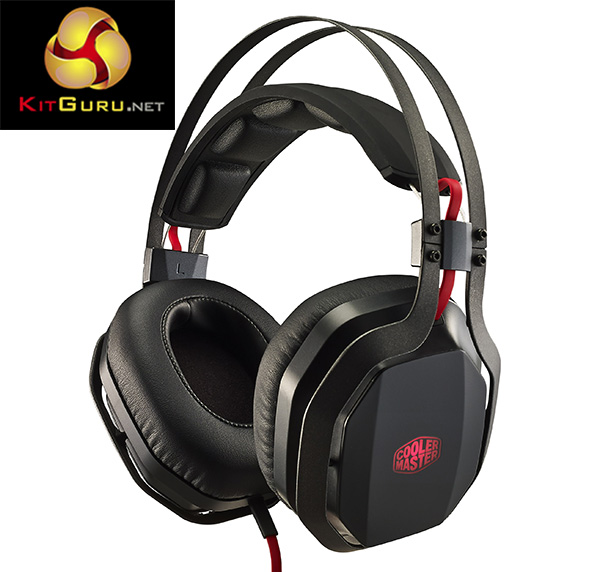
Before we dive in further, I'd like to take a moment to explain Bass FX in more detail. The MasterPulse Pro headphones come with magnetic side covers attached to the ear cups, which seals the speaker chamber and creates a closed-back design. This results in dampened but tighter bass, the closed off design also has the added benefit of isolating sound better.
However, the MasterPulse Pro can also double as an open-back headphone, which can be achieved by removing the magnetic side covers. This will give the bass more room to breathe, creating more of a ‘boom' effect and enhancing the bass over the rest of the mix. However, this also means that there will be less noise isolation. In most headphones, you have to decide between open or closed back before making your purchase. However, Cooler Master has made it possible to have both with this new design.
Features and Specifications:
- Drive Unit Dimensions: 44mm.
- Frequency Response: 20Hz-20KHz.
- Sensitivity: 118+/-3dB (at 1KHz).
- Impedance: 50 Ohms.
- Mic Direction: Omni.
- Mic Frequency Response: 100Hz-10KHz.
- Mic Sensitivity: -34+/-3dB (0dB=1V/Pa)
- Signal to Noise Ratio: 50dB or more.
- In-line controls: Virtual 7.1, Volume, Mic on/off, EQ.
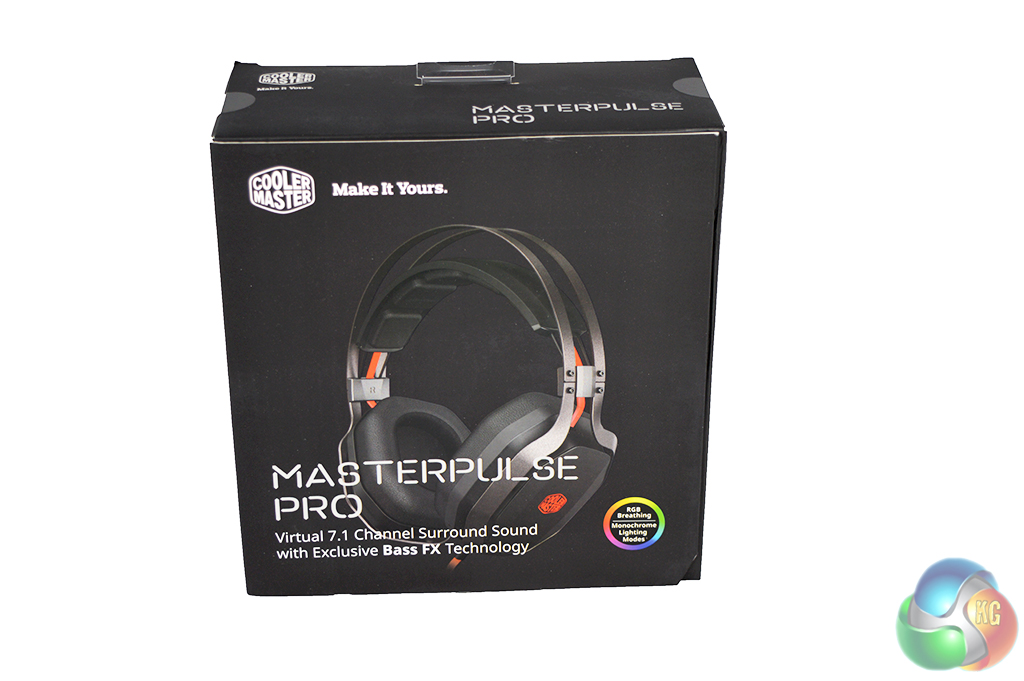
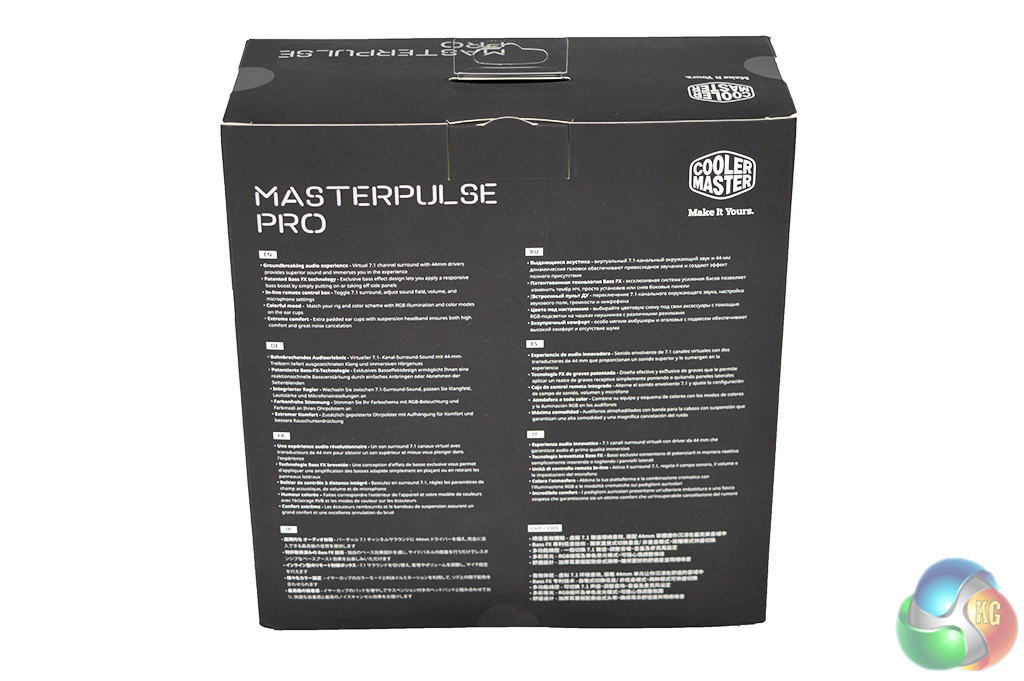
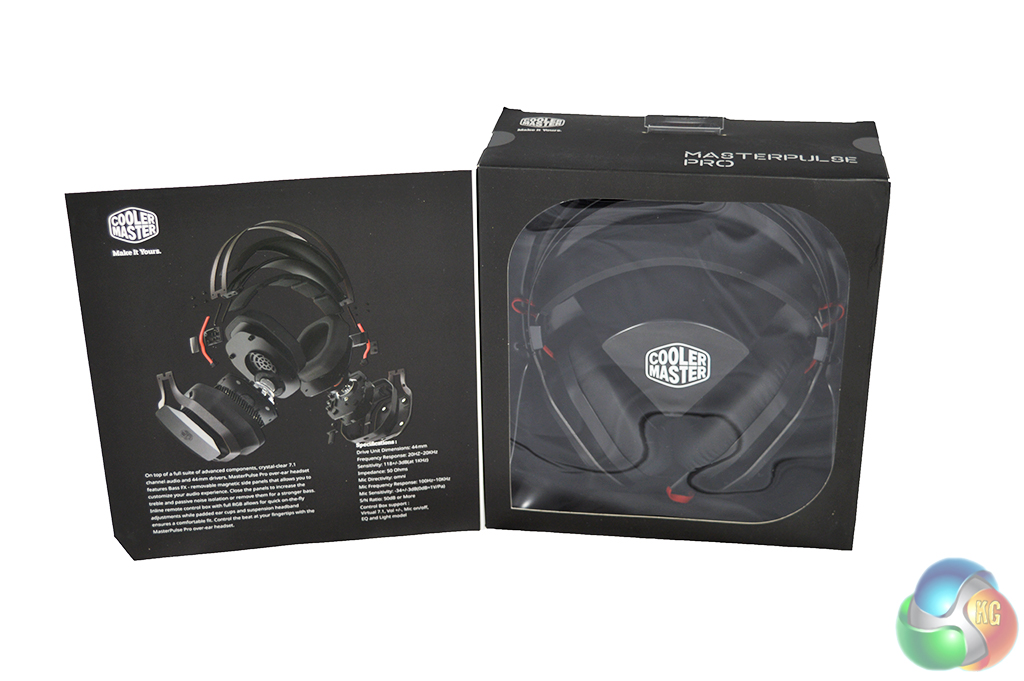
The MasterPulse Pro arrives in standard packaging with key features printed on the back of the box in multiple European languages. You can open the magnetic flap at the front to see the headset itself and the technical specifications.
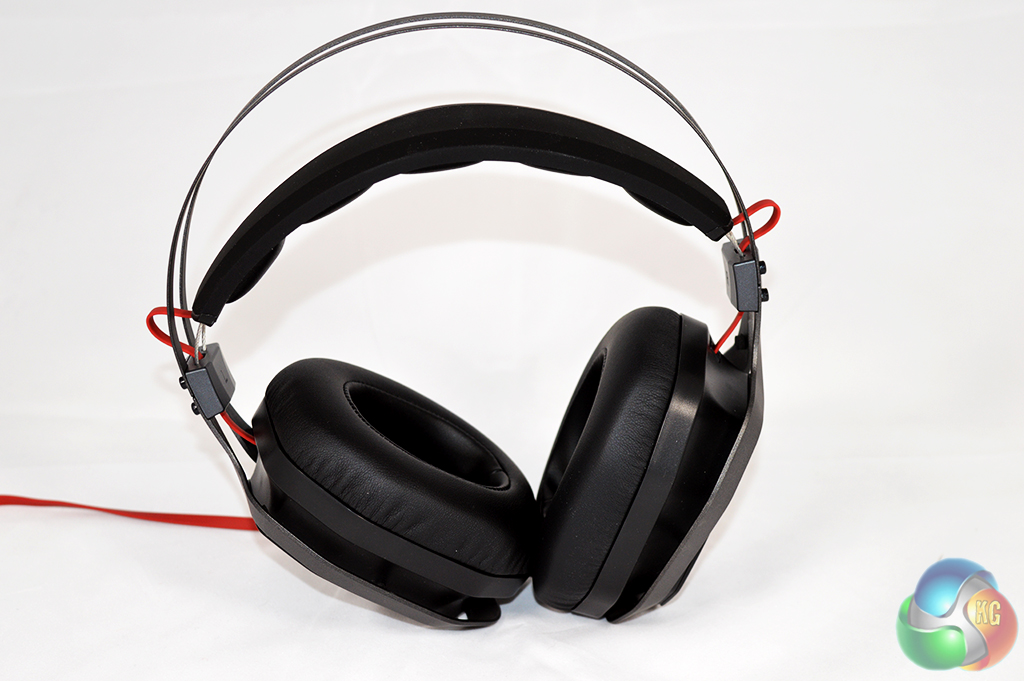
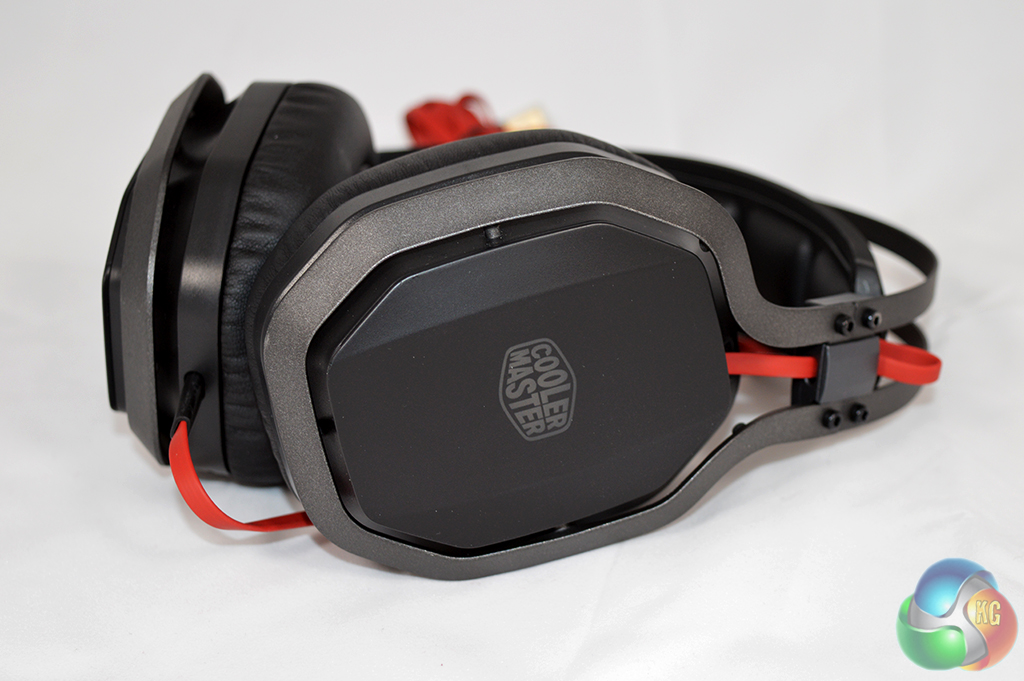
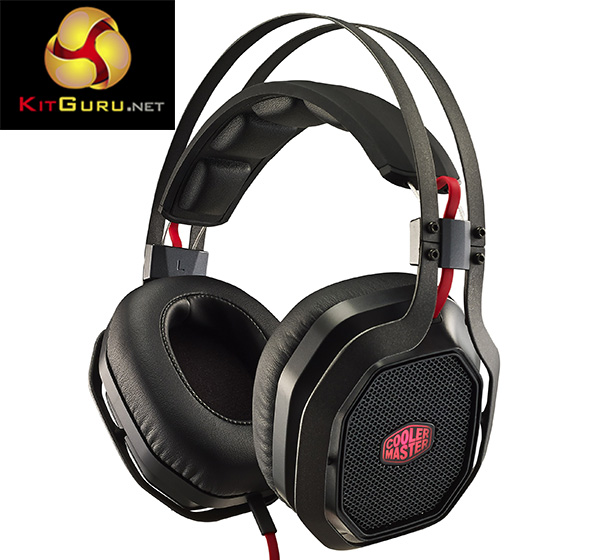
The headset itself comes with an aluminium headband, which gives it a premium feel overall thanks to sturdy construction. This headset certainly feels built to last.
The ear cup cover with the Cooler Master logo can be easily removed, transforming this headset from a closed-back to an open-back design. This feature is key to Cooler Master's new ‘Bass FX' technology.
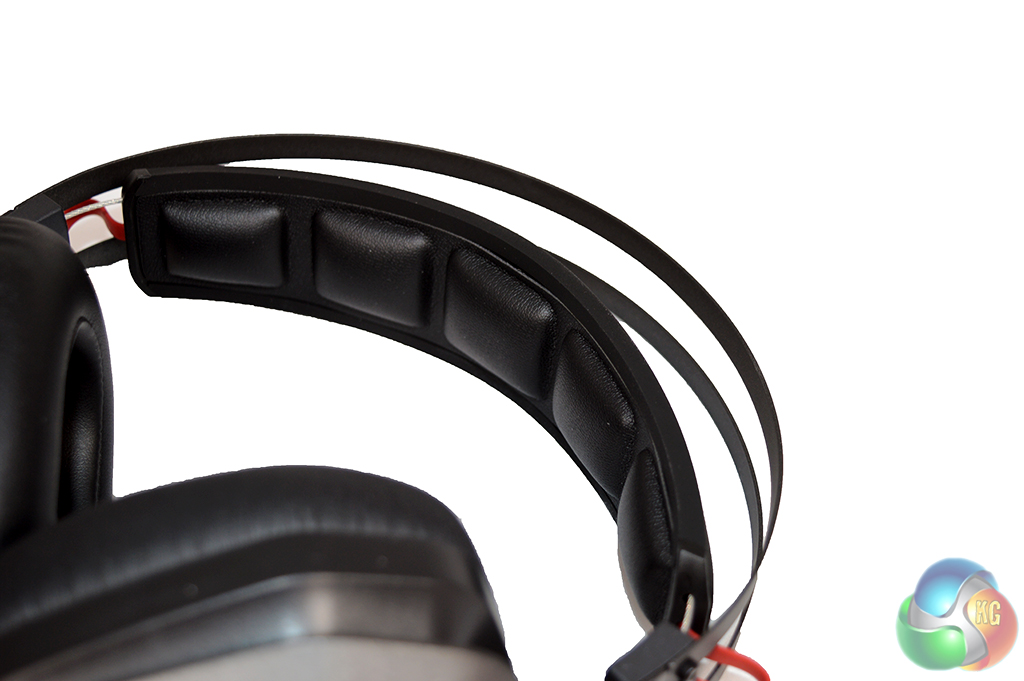
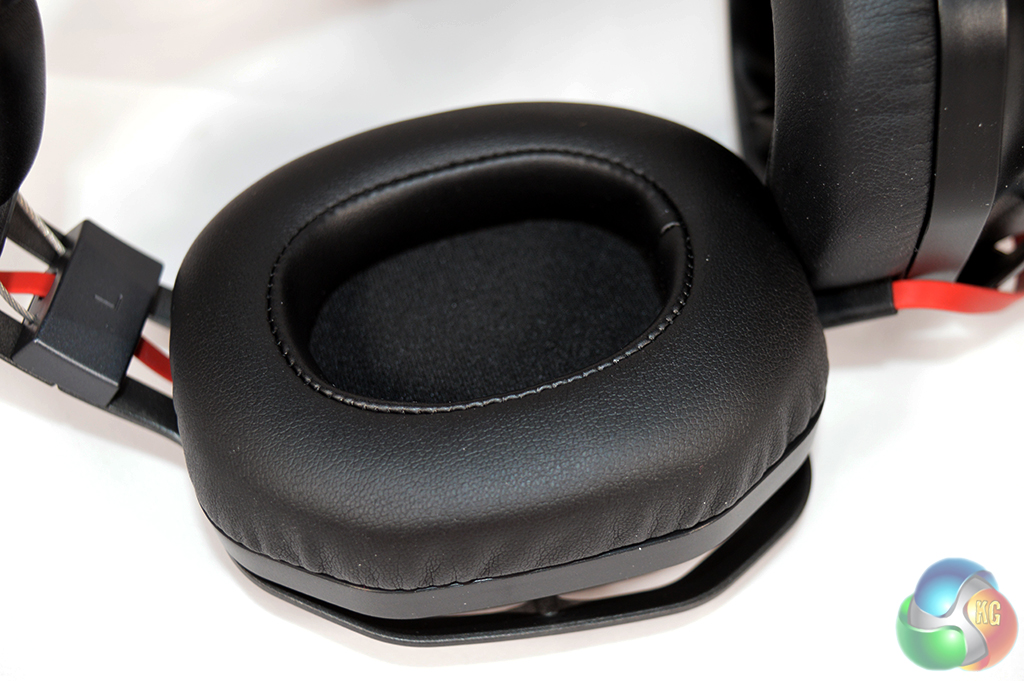
The Masterpulse Pro features a floating headband, removing the need to adjust the headset for the size of your head manually. The ear cups come with leather padding, which will help create a decent seal around your ear and stop sound from leaking out. The amount of padding should also help offset any clamping pressure from the headset.
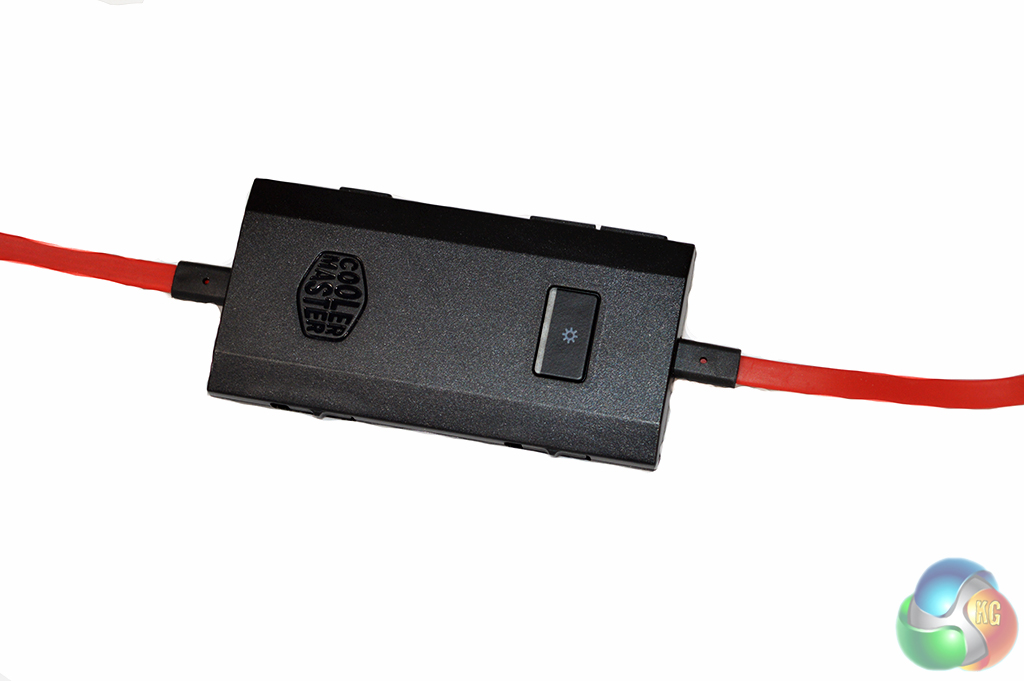
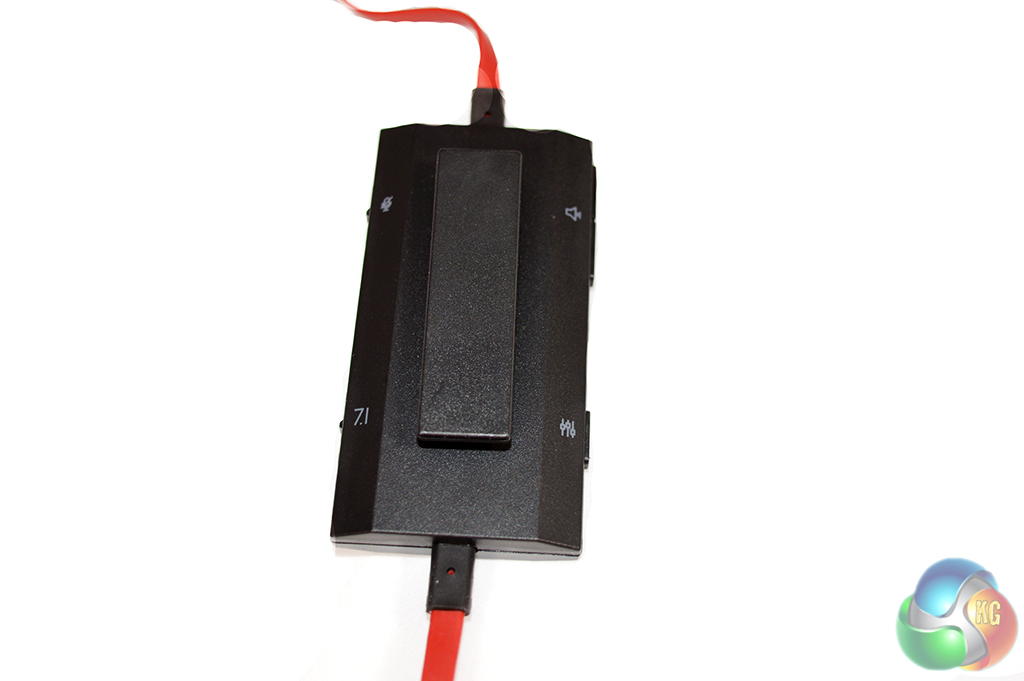
The in-line sound card gives you access to everything you would expect. You can quickly toggle virtual surround sound, adjust volume levels, adjust EQ or mute your microphone. Speaking of the microphone, you may have noticed that it is not pictured above at all. That is because Cooler Master has placed the microphone inside the headset itself, so it won't be getting in your way at all.
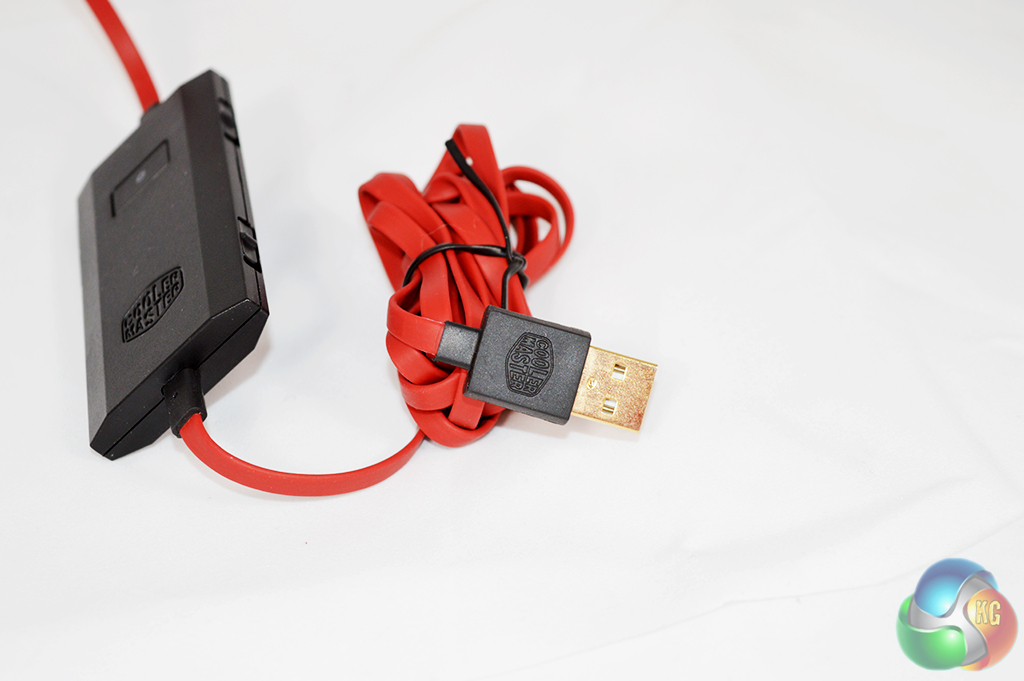
Finally, one of the most significant changes between the MasterPulse and the new Pro version is the interface. The Pro has made the switch over to USB. Cooler Master has also opted to use a flat cable to avoid tangles. However, this also means that the cable is rarely straight and will often curl up, which can also be frustrating, so it isn't a perfect solution.
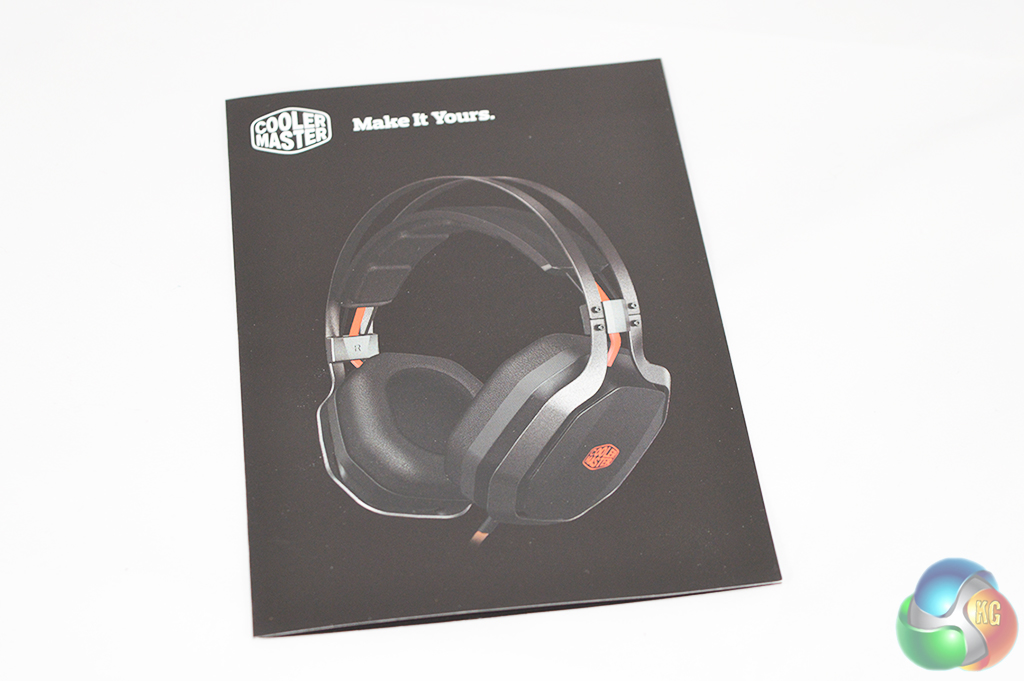
There is also a manual included in the box too. However, it is a little light on details; for instance, it doesn't list what the three different EQ modes are for the in-line controls.
If you have come across a KitGuru peripheral review before, then you know that we like to take a ‘real world' testing approach. Building up to this review, the Cooler Master MasterPulse Pro has been my main headset over the last couple of weeks. In that time I have used it extensively for gaming, general content consumption and even communication with friends over Discord.
Coming to grips with the headset is as easy as possible because it does not come with any accompanying software. All of the tweaks you need are built into the in-line soundcard so it is as simple as plugging the headset in and then making any adjustments on the fly. The in-line controls have your standard microphone mute and volume controls but there are some more in-depth functions too.
Firstly I would like to talk about the EQ functions. There are three EQ profiles you can choose from and since there is no software to differentiate each one, there is a light on the in-line control box that will tell you which profile is currently running.
The red light is for the music profile, which boosts lower sound frequencies. The blue light represents the movie profile, which has a bit of a compression effect. In my experience, I found that this helped make dialogue a bit clearer to hear. The purple light represents the gaming profile, which reduces bass but accentuates mid to high tones.
You also have the option to just leave any EQ functions off. Personally out of all three of the EQ profiles, I found the movie one to be the best performer all-around.
The music profile boosts the bass a little too much for my personal taste. I found that it muddied up the sound, even with the Bass FX feature off. The gaming profile creates the illusion of a wider sound stage but I found that it made voices sound fairly unnatural and shrill in some cases, so it wasn't great for games with lots of voice acting.
However, the movie profile seemed to find a nice middle ground between these two, making it suitable for multiple use cases, including gaming, VOIP, movies or even podcasts. That said, I did spend a lot of my listening time with the EQ switched off as I found the 44mm drivers capable of producing a decent, well-rounded sound on their own.
Speaking of the drivers, they are more than capable of pushing high amounts of volume. After plugging this headset in, I found myself having to turn Windows system audio down quite a bit in order to listen at a comfortable volume.
While I didn't always use the EQ, I did play around with the 7.1 virtual surround sound fairly often while gaming – specifically in PvP titles like Battlefield 1, Counter-Strike and H1Z1: King of the Kill. Being able to pick out the direction the action is coming from does provide a bit of an edge, particularly in Counter-Strike, where you may be the last one standing on your team.
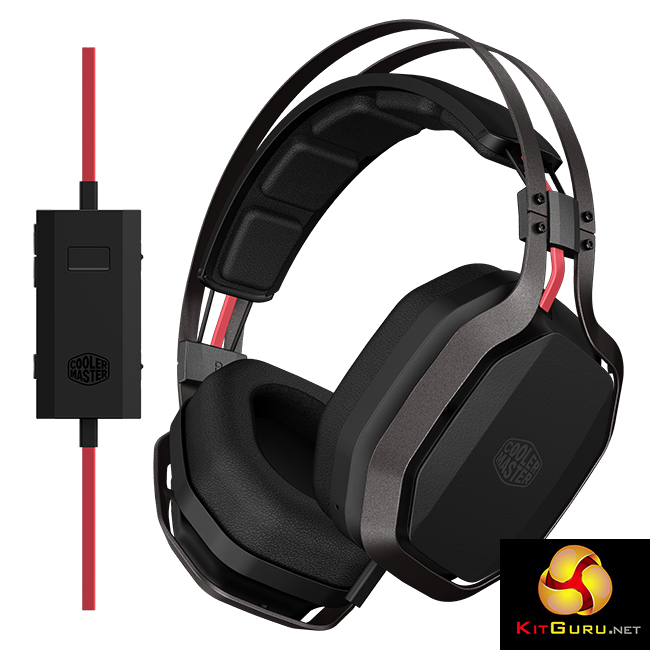
Honestly, I like this headset a lot. So far, I have found the sound quality to be somewhat superior to other gaming headsets I've tried recently, including the tried and true Kingston HyperX Cloud II's, though the MasterPulse Pro does hit a more expensive price point. That said, I have found a couple of drawbacks during my use.
The Bass FX feature is nice but I preferred to leave the ear cup covers on for a tighter, more isolated sound. I also found that during conversations on Skype and Discord, leaving the headphone backs off would cause the hidden microphone to pick up on the sound leakage slightly.
While we are on the subject of the microphone, it's not great. It works fine, and feedback noise isn't really something you need to worry about, but it will pick up the sound of your keyboard easily and your voice will lose some of its fidelity when picked up by the microphone. It's not an awful microphone, but compared to the excellent sound quality of the headphones, it is a bit of a letdown.
There are two final things left to cover in this review- the RGB lighting and comfort, so let's get into it. First up, the lights:
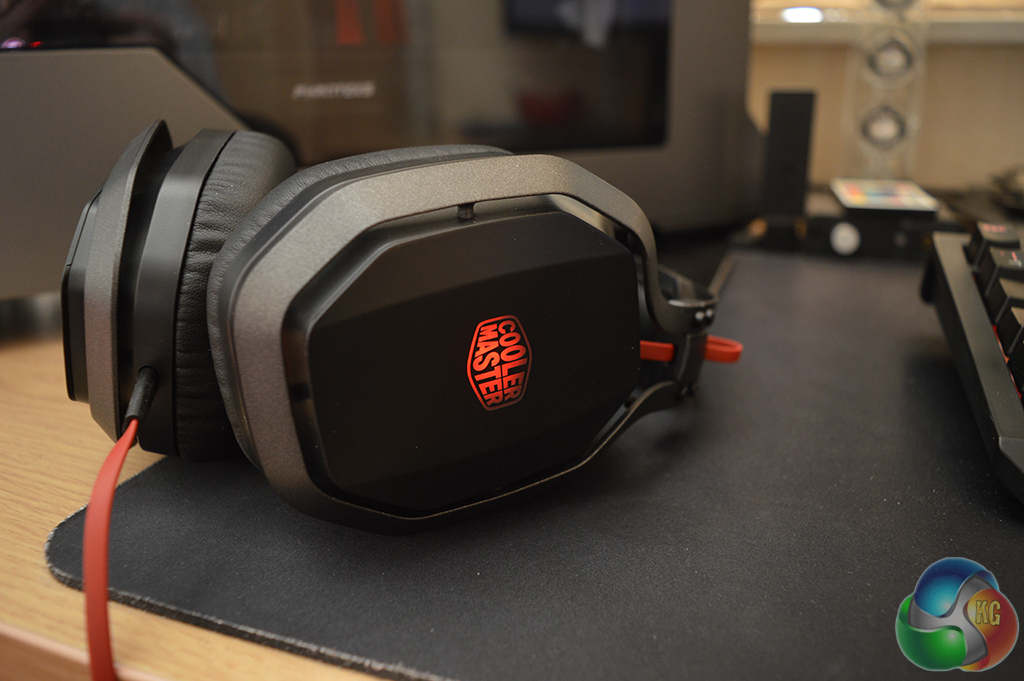
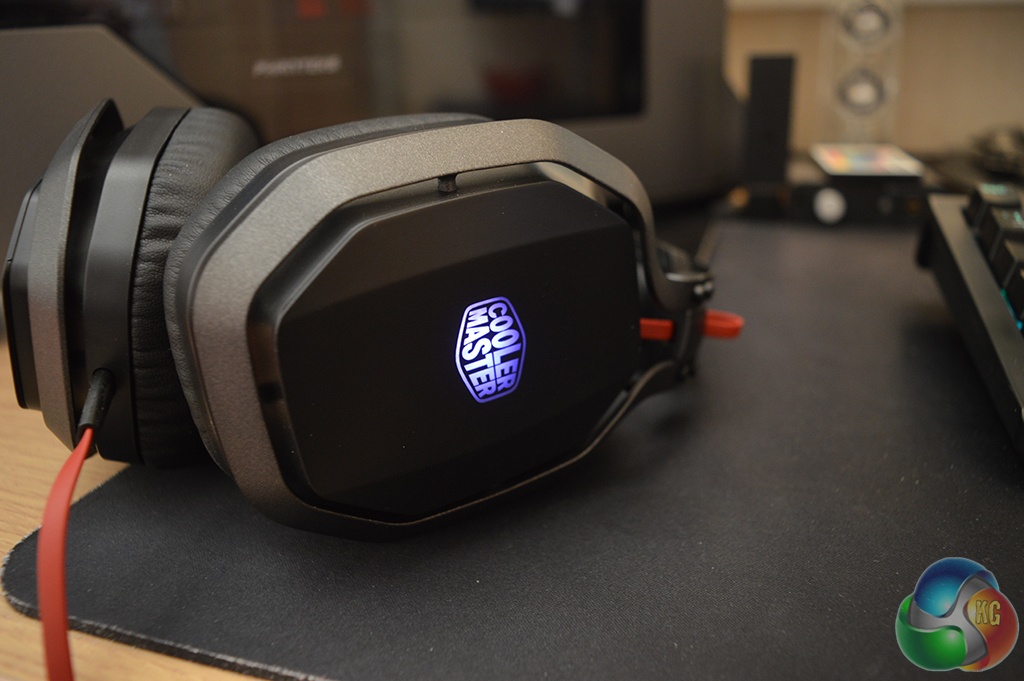
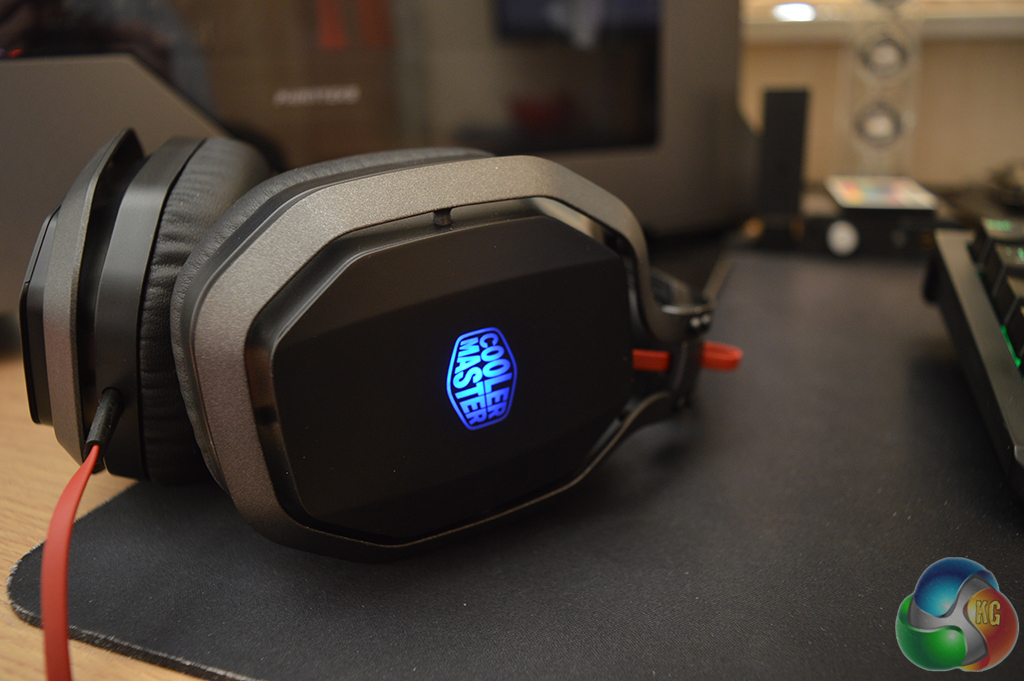
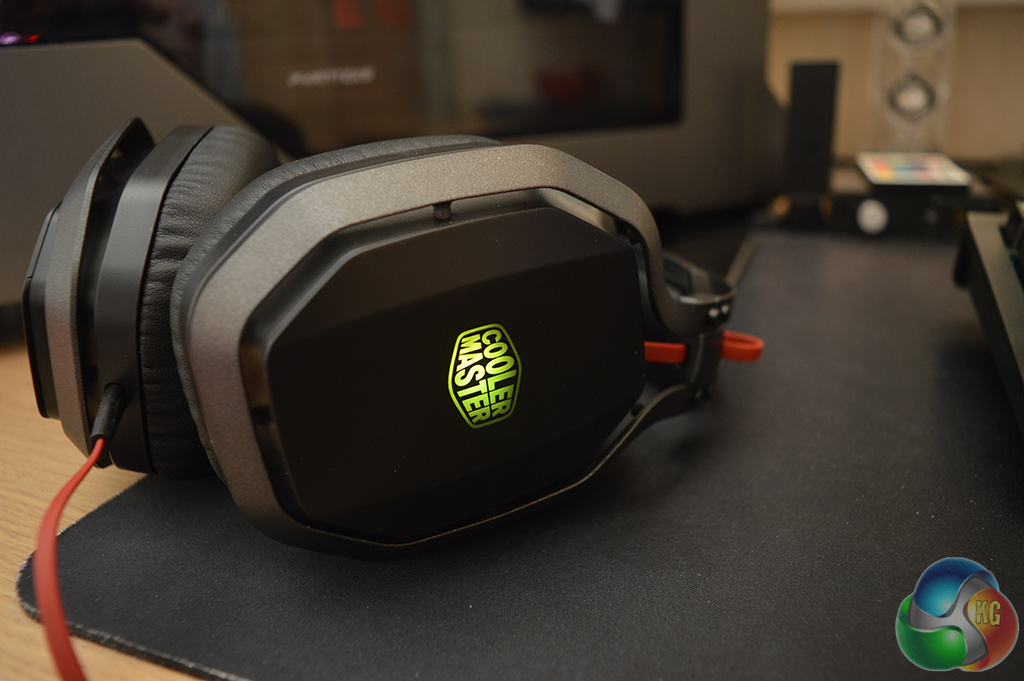
You aren't going to see these lights yourself most of the time because the headset is going to be on your head, obviously. That said, the logo does look nice while lit up and I found colour representation to be quite solid. It's not a massive selling point but it is a nice feature nonetheless.
As for comfort, I wore the MasterPulse Pro for hours upon hours at a time. I work from home and I normally like to keep my headphones on even when I'm not actually listening to anything just out of habit. At first, the clamping pressure felt a little too tight, but after a day or two, the headset seemed to ‘break in' and suddenly it was fine to wear for long periods.
I didn't experience any headaches, even while wearing my glasses at the time and the leather cushioning on the ear pads was a nice touch. The ear pads are quite large too, so there was plenty of room for my ears with the headset on. Honestly, I don't see many people running into any comfort issues with this headset at all.
Overall, Cooler Master's MasterPulse Pro is a solid gaming headset all around, from the metal construction and 44mm headphone drivers, down to the feature set and general comfort. It manages to keep things simple, with a plug and play design, while also delivering great sound quality that stands up well to the competition.
The floating headband means that this headset should fit comfortably on just about anyone. It may take a day for the clamping pressure to loosen up a bit but after that, it is smooth sailing. The metal construction is also a huge plus – it is clear these headphones are built to last. The use of metal over plastic also means no creaking noises to break immersion. I imagine a headset like this would work quite well coupled with the HTC Vive.
I may not have enjoyed all of the EQ profiles pre-programmed into the in-line controller, but I did find the 44mm drivers more than capable of producing well-rounded audio on their own without these additional tweaks. These headphones can also get quite loud, which may appeal to some.
Cooler Master's patented Bass FX feature works well. Normally when you set out to buy a new pair of cans, you need to make the decision between an open or closed back design before handing over your money. With Bass FX, you can switch and change around whenever you please. Cooler Master is also putting out resources to allow anyone to 3D print their own replacement covers for the ear cups, which is a neat touch.
Overall, I am very impressed. The microphone might not be the best, but it isn't the worst either. This headset makes up for the slightly lacking microphone quality with solid construction and good audio quality.
Cooler Master's MasterPulse Pro headset goes on sale in Europe starting from today. You should be able to find one at retail soon for around £84.99.
Discuss on our Facebook page HERE.
Pros:
- Well-rounded sound.
- Metal construction is fantastic.
- Bass FX gives users more choice.
- Comfortable.
Cons:
- Microphone is mediocre.
KitGuru Says: The Cooler Master MasterPulse Pro headset delivers excellent, well-rounded audio and build quality that puts some other gaming headsets to shame. It is certainly worthy of a purchase.