 KitGuru KitGuru.net – Tech News | Hardware News | Hardware Reviews | IOS | Mobile | Gaming | Graphics Cards


Intel appears to be having trouble with DX9 on its new, modern GPUs. As a result, Intel is changing things up and will drop DirectX 9 support on Arc and Xe GPUs, and will instead use an open-source mapping layer to emulate DX9 using DX12.
Intel shared the news on its support page, noting that if you're running an 11th Gen or older Intel processor with an Intel Arc graphics card, DX9-based apps will still work, but only if run on the processor's integrated graphics. Still, in these cases, chances are that you'll be using the Arc desktop card to display and render content. Therefore, the system will use DX9On12 instead of DX9.
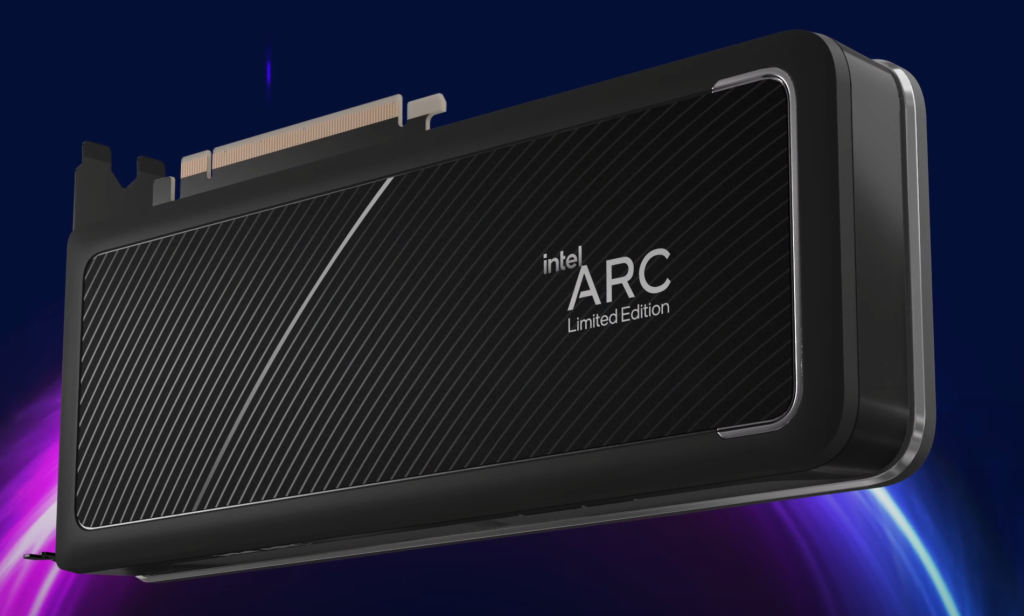
In summary, DX9On12 implements the D3D9 usermode DDI (device driver interface) to map commands from D3D9 to D3D12 using a conversion layer. In comparison, hardware supporting DirectX 9 sends the commands directly into the D3D9 driver.
Generally speaking, you shouldn't notice any loss of performance. If you find a specific case where performance is noticeably worse using DX9OnDX12, you can always report it on Github so the developers can fix it.
Discuss on our Facebook page, HERE.
KitGuru says: Now that Intel has decided to drop support for native DX9 on its latest graphic cards and iGPUs, it will be interesting to see if Nvidia and AMD will follow suit.
