KitGuru KitGuru.net – Tech News | Hardware News | Hardware Reviews | IOS | Mobile | Gaming | Graphics Cards


The MSI Vortex G25 comes with a GTX 1070 graphics chip. For our tests today, we have ran several high-end games, starting at 1080p and working our way up to 4K to see how much this machine can cope with.
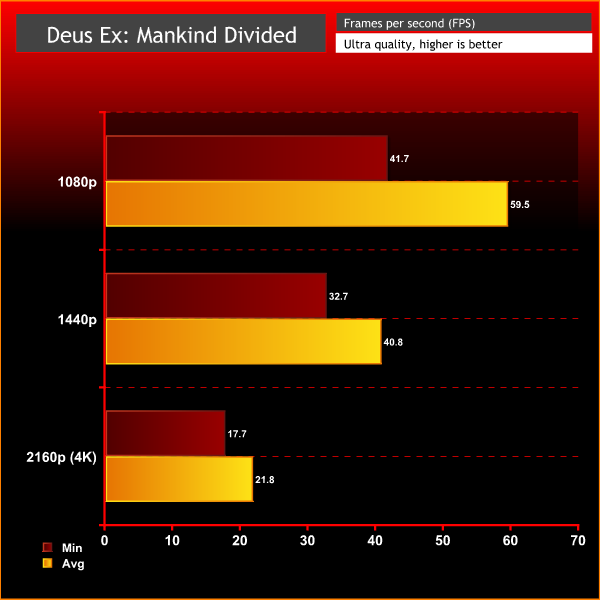
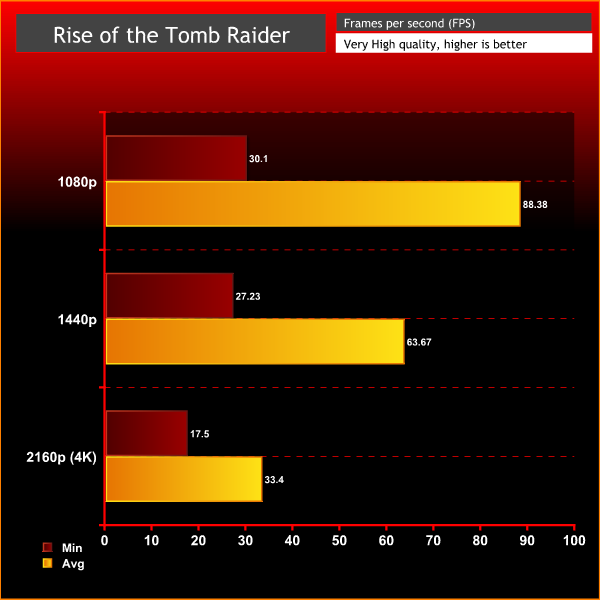
The MSI won’t have any trouble playing games at 1080p or 1440p: at the former resolution its averages scaled 80fps in three games, and at the latter it ran between 41fps and 64fps.
The MSI’s Deus Ex minimum outpaced the Overclockers machine and its desktop GTX 1070, although its average framerate was two frames slower. However, the Overclockers rig was noticeably quicker in Rise of the Tomb Raider.
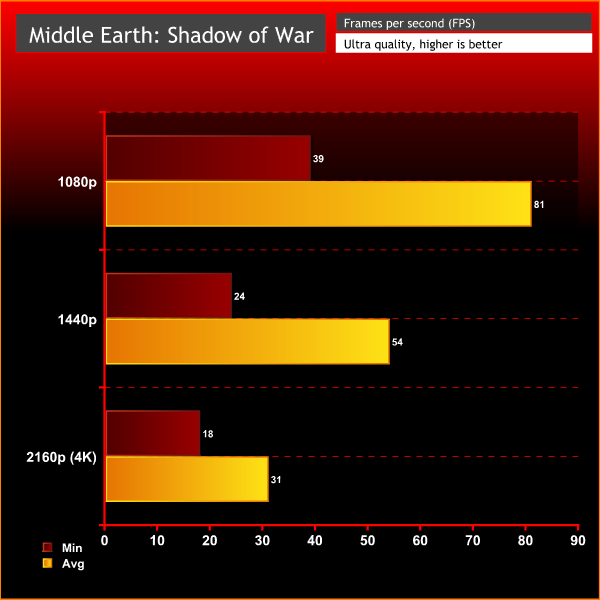
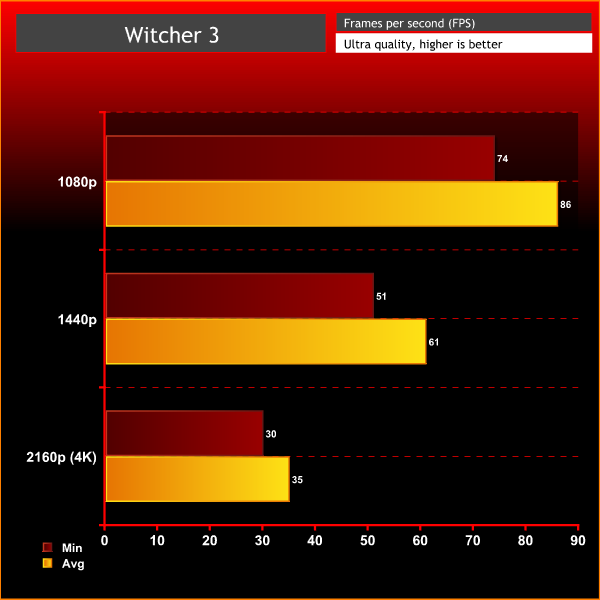
There was clear air between the MSI and the Corsair One Elite, which is to be expected – and it’s that difference which allows the Corsair to play games at 4K. That rig delivered playable 4K framerates in every game, but the cheaper MSI Vortex G25 struggled to sub-30fps minimums in three of our test titles.
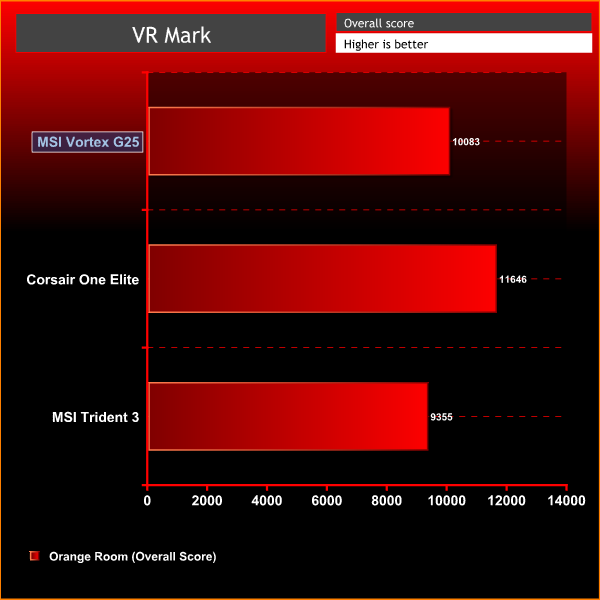
Lastly, the MSI scored 10,083 in the VRMark Orange Room benchmark. That means this rig will run most games on VR headsets – and it’s also better than the MSI Trident machine.