KitGuru KitGuru.net – Tech News | Hardware News | Hardware Reviews | IOS | Mobile | Gaming | Graphics Cards


Bethesda Game Studios is an anomaly within video games. Once seen as an industry darling, the open-world RPG maker has in the eyes of many been coasting for the past decade and a half off of the universal and undying success of Skyrim. In some ways they may have earned the right to coast, with 60 million Skyrim copies sold cementing their legacy for decades to come. While their output since has certainly been slowed down heavily, BGS has still been making and releasing games – to an increasingly decreasing response. Fallout 4 was fun but flawed, with many of the game’s issues being core to its design and as such tough to fix (though modders of course have since done so). Regardless, it was a massive sales success, securing the next decade of Bethesda operations. Starfield however was different.
In not being tied to any legacy franchises or known IPs, not only was the space-exploration RPG working with a lower potential sales floor, but BGS also needed to make the world of Starfield one which players are interested in beyond its gameplay mechanics. This didn’t quite pan out, with many players lamenting its basic regurgitation of old sci-fi concepts while lacking the purposeful world design which previous BGS games managed. Combine this with seemingly slower sales and a lack of interest from modders and Starfield’s future appeared to be somewhat in jeopardy.
This seemed to be a pivotal moment for Bethesda, and so for the first time in decades they did what fans had been asking – they made the game better. Starfield is Bethesda Game Studios’ most improved title. That’s not to say that it’s their best, nor does it necessarily mean that it’s good; but it is their most improved game. Even so, I remain unsure as to whether such improvements will be enough to turn the tides on what many believe to be a failed experiment.
First thing’s first, what do I mean by most improved game? Contrary to how it may seem, all of Bethesda Game Studios’ releases from Skyrim onwards have been privy to plenty of post-launch patches. While many of these updates wound up breaking the games in one form or another, it would be false to claim that they have not fixed hundreds of various bugs and issues over the years.
When I talk about an improved game, I am referring to more substantive updates, be it technological, visual or most importantly gameplay-altering. In this regard, Starfield has been by far the most supported. Before we get to that however, it is worth looking back at how both Skyrim and Fallout 4 evolved over the years.
Skyrim in particular is a bit of an odd duck. As mentioned, the evergreen 5th entry in The Elder Scrolls series has been released and re-released countless times. While some of these were more basic ports filled with user-generated content (and others offering more comprehensive visual upgrades), those who bought the base version of the game back in 2011 were still treated to a select number of welcome additions and improvements between launch and its 1.9 update in 2013:
- Added the ability to engage in mounted combat
- More varied kill cam cinematics
- New melee weapon kill animations
- Legendary Difficulty with new mechanics
- Legendary Skills system
- Support for the Steam Workshop
- Back-end improvements to be 4GB aware
- Slight visual improvement with optional shadows added to grass
- Companions equip better weapons and armour if given to them
- Imperial Light Armor can be crafted
As can be seen, even amongst the relatively short list of notable enhancements, only a few of these are what I would call substantial. In terms of gameplay-altering additions, you’ve pretty much only got the addition of the Legendary Difficulty and the ability to engage in mounted combat – not that anyone actually uses the latter. As expected, there was also a set of DLC packs released, but I’m not counting paid content into the equation.
Of course, this would mark just the beginning of Skyrim’s long life through approximately 1000 (more like half a dozen) re-releases. Unfortunately all of these would require repurchasing the entire game and so in terms of post-launch support, we’ll be treating Skyrim: Special Edition as its own entity.
Released in 2016, this then-current-gen remaster was built upon an updated form of the Creation Engine, allowing the title to be 64-bit aware while also throwing in a bunch of Creation content and visual enhancements (including but not limited to higher-res textures; new shaders; volumetrics and more). In terms of what was added after-the-fact, Skyrim Special Edition continued to keep things relatively light:
- Creation Club added allowing for user-created mods
- Added a message of the day (used primarily for promotion)
- Support for additional player homes (mainly to allow for Creation Club content)
- Survival mode refinements
- Equipment stat adjustments
- Ammo weights were set to zero
- Support for Ultrawide monitors
- Official Steam Deck support
Outside of these minor improvements, Skyrim Special Edition’s post-launch updates comprised primarily of additions to their Creation Club mods; making the process of buying and installing these add-ons more seamless; improving the store’s UI/UX and fixing bugs which were introduced as part of the Special Edition release.
When it came to Skyrim, if you were wanting to receive any new improvements or added content of note you pretty much had to pay up for the pleasure. Be it the original release, Skyrim Special Edition or the more recent Anniversary Edition, the most you could look forward to in the way of post-launch support was limited to tenuous bug fixes and some small surprises.
Then again, the industry was in a pretty different place (especially back in 2011) and so expectations for such support were rather low.
Released in 2015, Fallout 4 was Bethesda Game Studios’ next big single-player open world RPG. Launching to high praise from the mainstream (with more particular problems by long-time fans of the franchise), Fallout 4 was an immediate success, shipping over 12 million copies in its first 24 hours and allowing Bethesda to continue being Bethesda.
Like with Skyrim, Fallout 4 received a number of paid re-releases over the years, adding little outside of DLC and creation club content, with the only free updates of note introducing the following:
- New Survival difficulty with altered mechanics
- Added ability to rotate an object you are holding
- More than 300 new player names added to Codsworth's vocabulary
- Status menu for settlers in your settlements
- Additional art customization added to the Workshop
- New store art type for Workshop settlements
- Quality-of-life improvements to the Workshop
- Support for High Resolution Texture Pack
- New ambient occlusion option: HBAO+
- Widescreen and Ultra-widescreen support
- Weapon debris effects (NVIDIA cards only)
- Added a message of the day (used primarily for promotion)
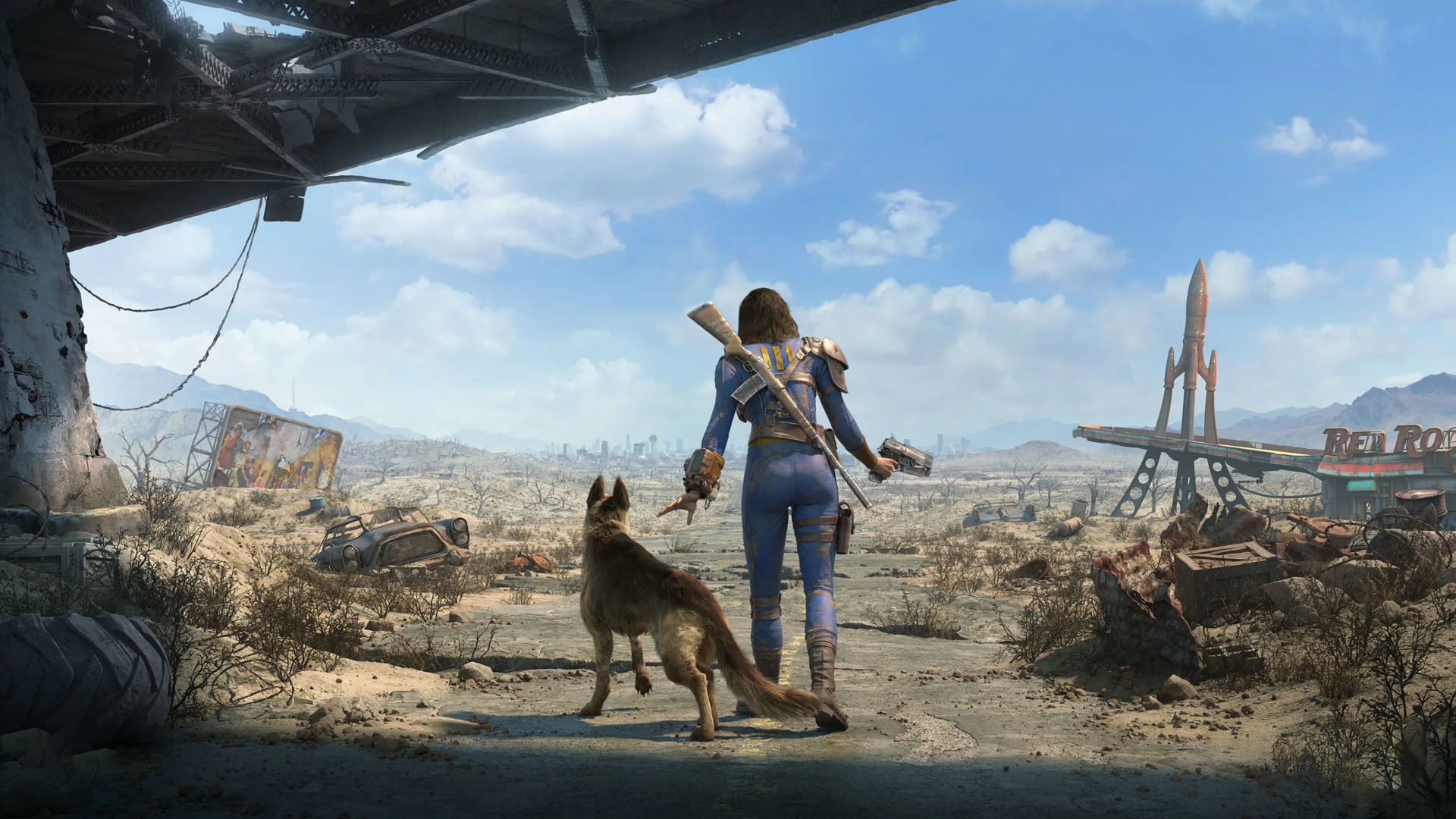
On a technical level, Fallout 4 received minimal improvements, with many of the ones it did introduce winding up to be double-edged swords. The weapon debris effects were fun, but no longer function and can even lead to game crashes. A high-resolution texture pack is always welcome, even if the differences did not justify the necessary SSD space for some. Official ultrawide support was a long-time coming…unfortunately its implementation left plenty to be desired.
Perhaps the most substantial tech improvement came with the next-gen update. While many 7th-8th gen upgrades/remasters were treated as separate products necessitating an entirely new purchase, by the time of Fallout 4’s next-gen patch having a paid upgrade was more likely to be the exception rather than the rule.
Thankfully Bethesda followed the shifting tides and so PS5 and Xbox Series X users were treated to a free bespoke 9th-gen upgrade:
Next-gen patch
- Native PS5 and Xbox Series applications
- Performance mode
- Quality mode
- Steam Deck Verified
- 9 Free Creation Club Items
Though it took a couple further updates to be stabilised, the next-gen patch was a notable upgrade over its previous console offering, allowing users to select between 30, 40 and 60fps – with unlocked framerates being available as well. Unfortunately for me, even the next-gen patch continues to be rather unplayable due to the fact that Fallout 4’s field-of-view remains woefully low with no way to adjust it. That’s not to mention the classic problems which come alongside pretty much any update by Bethesda: bringing back old bugs; introducing new ones while also breaking aspects of the game.
Content-wise, Fallout 4 received very little in the way of free stuff, with the only real additions being the expected inclusion of a Legendary-esque mode (aka. Survival difficulty); a couple extra cosmetic art pieces and a bunch of new names for Codsworth to be able to say.
Of course, Fallout 4 saw plenty in the way of new gameplay additions, but pretty much all of it required the purchase of official DLC or Bethesda’s favourite creation: Creations. That said, the next-gen patch did offer a slight taste of the Creation Club’s content with 9 free items being offered. Still, for a game with so many different issues expressed by different sides of the fandom over the years, Fallout 4’s post-launch support felt mostly like Bethesda trucking along as usual.
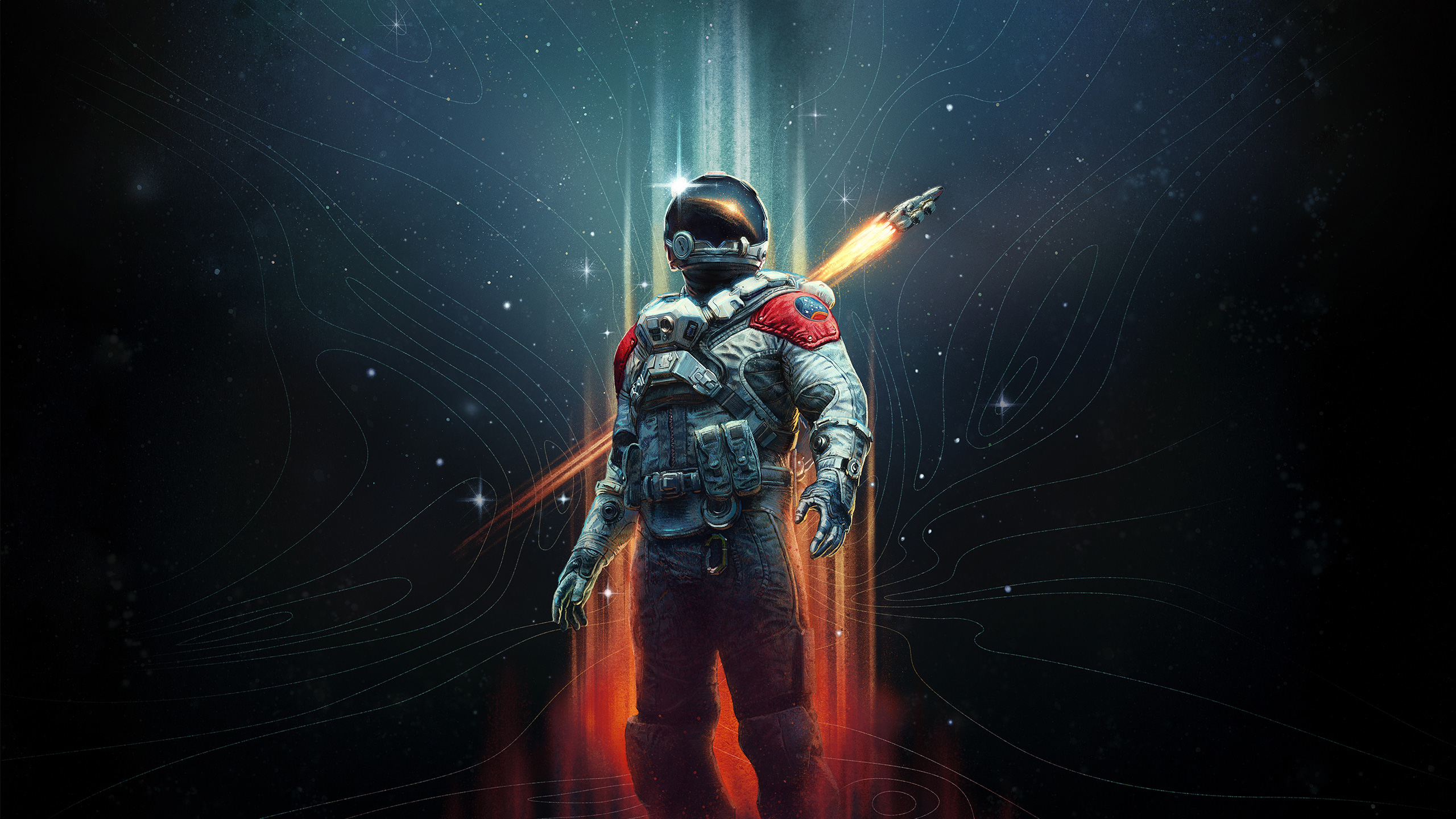
In not being tied to any previous IP or franchise, Starfield had a lot to prove, especially in the wake of increasing amounts of criticism thrown towards the studio over the years. Unfortunately for both Bethesda and its fans, reception towards Starfield was far from astronomical.
Now under the Microsoft umbrella, we do not know how many copies of Starfield have been sold, with the only official metric being the number of total players – a rather useless one given that it was a day-one Xbox Game Pass addition. Still, it’s safe to assume that Starfield’s performance did not match that of Fallout 4 or Skyrim. Combined with a poorer reception (mixed in with relative disinterest) and it was quite clear that for the first time modders weren’t going to fix it.
Though still a million light years away when compared to the likes of No Man’s Sky, Bethesda has shown a greater commitment to improving Starfield more so than any of their other single-player offerings. From pretty much the very first update, Starfield already received more technical improvements than perhaps Fallout 4 and Skyrim combined (not including the Special Edition), with the first set of patches adding:
- Display improvements including brightness/contrast controls; HDR adjustments; expanded ultrawide support and more
- FOV sliders
- DLSS; DLAA; Frame-generation
- AMD FSR 3
- Support for Intel XeSS
- Visual improvements:
- Contact shadows
- Water reflections
- Character skin
- More

While not as comprehensive as the enhancements introduced with Skyrim’s Special Edition, many of the technical improvements added to Starfield in its relatively early days are arguably more impactful, with the inclusion of an FOV slider allowing players more freedom in how the game and its world is presented.
Though it similarly should have been available as standard from the get-go, the much-needed additions of brightness and contrast sliders could make for drastic visual improvements, removing the washed-out grey look presented by the default settings. Of course, though not a function of Bethesda’s own making, adding support for DLSS; FSR; XeSS and the like made for an immediate uptick in visuals and performance.
Should everything listed above have been available at launch? Absolutely, and the fact that they weren’t is testament somewhat to Bethesda’s outdated ways. Still, they did wind up adding them in the end, and far sooner than many would have expected (although the bar in this regard is 6 feet underground).
Perhaps the most interesting example of post-launch support however came in the form of gameplay-altering updates – something which was previously primarily limited to paid DLC.
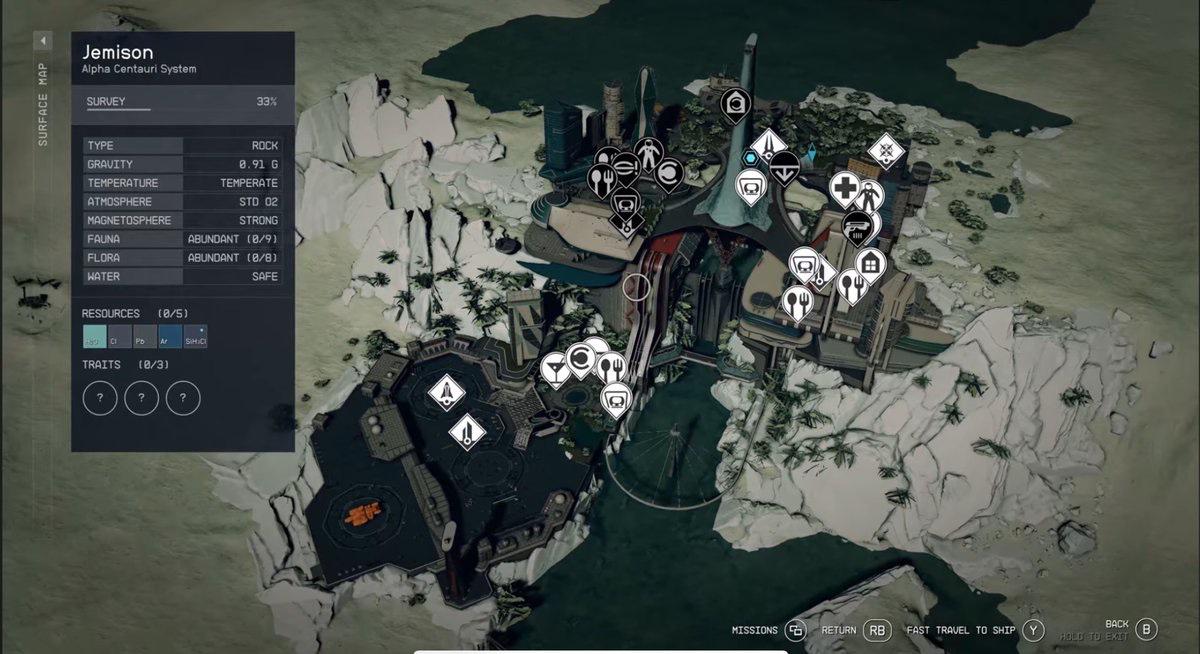
Starting off somewhat slow, Starfield’s first slew of updates kept mostly to the technical sides of things, but did still introduce some welcome changes/additions:
- New camera options when engaged in dialogue
- Adjusted stealth to be a bit more forgiving
- Photomode expressions
- You could now open doors and harvest with the scanner opened
- New melee weapon tiers
- Ability to modify melee weapons
- Ammo crafting
- Improved surface maps
- Full difficulty customisation across the board
- Bounty scanner mechanic
- Trackers Alliance missions
- Creations

For Bethesda standards these small additions are already impressive – though as with everything Bethesda there are a number of caveats. Being able to pick a different camera option during dialogue served more as a fix for player complaints. Still, it was a fix. Fleshing out the melee system is appreciated, but still feels lesser compared to Fallout 4’s hand-to-hand weapons. Improved surface maps was one of the most requested features, again, due to the fact that Bethesda’s previous offerings were better in this regard from the get-go.
The Trackers Alliance bounty system unfortunately functioned more as a way to get players to check out the newly-launched Creations menu, giving you what feels like a free demo for the creation before needing to splash out cash for the remainder of the missions.
Even the new difficulty customisation was born from complaints that Starfield was balanced poorly, with tough enemies primarily being boring bullet sponges. In this regard, Bethesda did go above and beyond, letting you tweak pretty much any parameter you desired. Still, while certainly a solution to the problem, it very much feels like Bethesda saying “fine, you can do it yourself”. Am I glad that the option was included? Yes, but I do wish it perhaps came alongside a suite of new default difficulties tuned by Bethesda themselves.
All that said, whether it be due to the game lacking in one regard or another, or as a result of strong backlash, Starfield was already seeing more substantive improvements than anything else the studio has worked on (again, Fallout 76 not included).
Though it would take some time, the next set of updates for Starfield would end up being even more significant.

While much smaller in terms of numbered improvements/additions, Starfield’s next suite of patches would bring in some genuine surprises. Since as far back as the early days of the Gamebryo engine, Bethesda have struggled with implementing land vehicles, so much so that when Starfield launched without any such traversal options, many assumed that the Creation Engine simply could not handle it.
Yet, come the big May update and Bethesda would officially unveil the Rev-8 land vehicle. The controls are somewhat clunky and the physics may not be the best, but adding a whole new way to traverse Starfield’s planets is a feat which many fans thought to be impossible for Bethesda to achieve – especially going on to then offer it for free.
This is where they lose a whole bunch of brownie points however, with the studio later reflecting on whether they should have held the Rev-8 back to be kept as paid DLC in order to flesh out the ill-fated Shattered Space expansion. Big aura loss for Bethesda imo. Still, the update was ultimately free, and showed that Bethesda were willing to do more than the bare minimum when push came to shove.

This second set of updates was also a big deal on the technical side of things; for consoles at least. Controversially locked to just 30fps at launch, Starfield would later receive a pretty comprehensive performance update, which like the difficulty options, allowed for many different permutations.
Again, I would argue that the studio should have put more effort into curating each mode so that players don’t need to wait for Digital Foundry’s recommended toggles, but the additional choices were highly-appreciated nonetheless.
PC players weren’t left out either, with new ‘Very Low’ graphics settings allowing for those with weaker rigs to suffer slightly less. Rounding out the tech improvements was a new pass on the game’s lighting to make it slightly better.

Following another relatively lengthy bout of silence, Bethesda and Starfield would return, announcing its PlayStation 5 release alongside another major free content update – the biggest one yet. Launched in alignment with the paid Terran Armada DLC, the free ‘Free Lanes’ update seems to have done its darndest to try and make this version of Starfield as appealing as it can be.
No, it didn’t give us completely seamless traversal, nor can players fly in low-orbit. They didn’t overhaul the story and procedural generation hasn’t been removed. That said, the Free Lanes update is by far Bethesda’s most expansive yet, introducing:
- Cruise mode to travel in open space or to POI locations between planets inside a star system
- X-Tech crafting to Weapons and Armor
- Additional Quality Tiers to weapons and suits
- Rank 4 Legendary effects for weapons and suits
- Upgrade modules which can be installed to improve one attribute of a weapon or Suit
- New weapon skins
- Buildable ship optimization terminal
- Ship Equipment schematics
- Legendary Enemies with modifiers and adjustable settings
- Quantum Entanglement Device making new game plus more useful
- Quantum Essence, letting you further upgrade Starborn Powers
- New Database menu for improved tracking
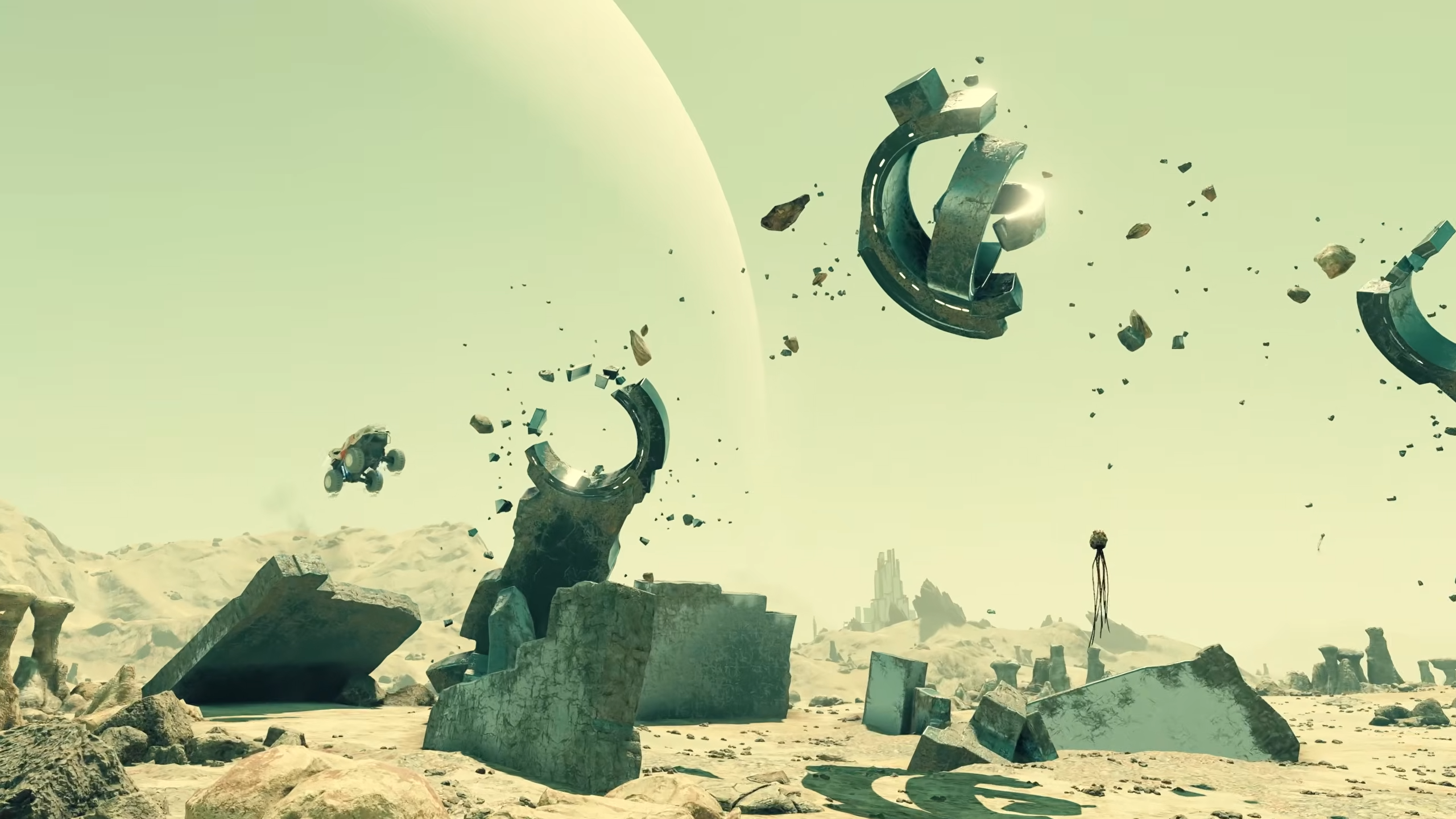
- New vehicle: Moon Jumper
- New player house
- Collectible Colony Wars Action Heroes which provide benefits when found
- Anchorpoint Station POI
- New Dungeons, Space Encounters, and Points of Interest throughout the game
- Adjusted distribution and cooldown timers for placement of points of interest on planets
- Additional photomode poses for the Rev-8.
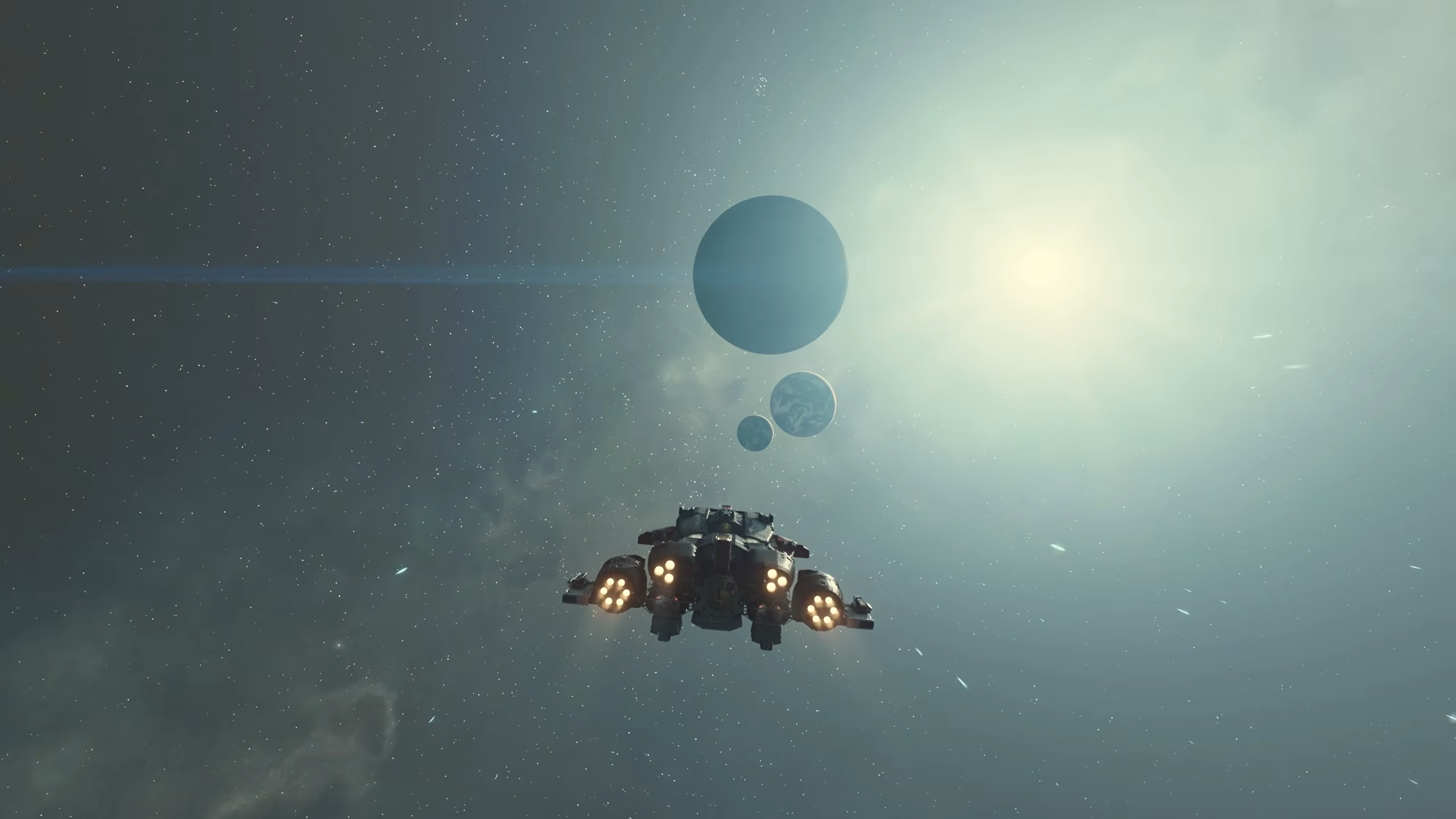
In terms of free-yet-tangible updates, Free Lanes is genuinely quite impressive. Unlike the land vehicles, I don't think Bethesda is going to find a way to figure out interplanetary travel in Starfield. Yet, the newly added Cruise Mode goes a decent way into helping create such an illusion.
As expected, it is far from perfect (with the invisible bubble around planets being a bit jarring), but there’s no denying that Cruise Mode is a great deal more preferable when compared to its launch state.
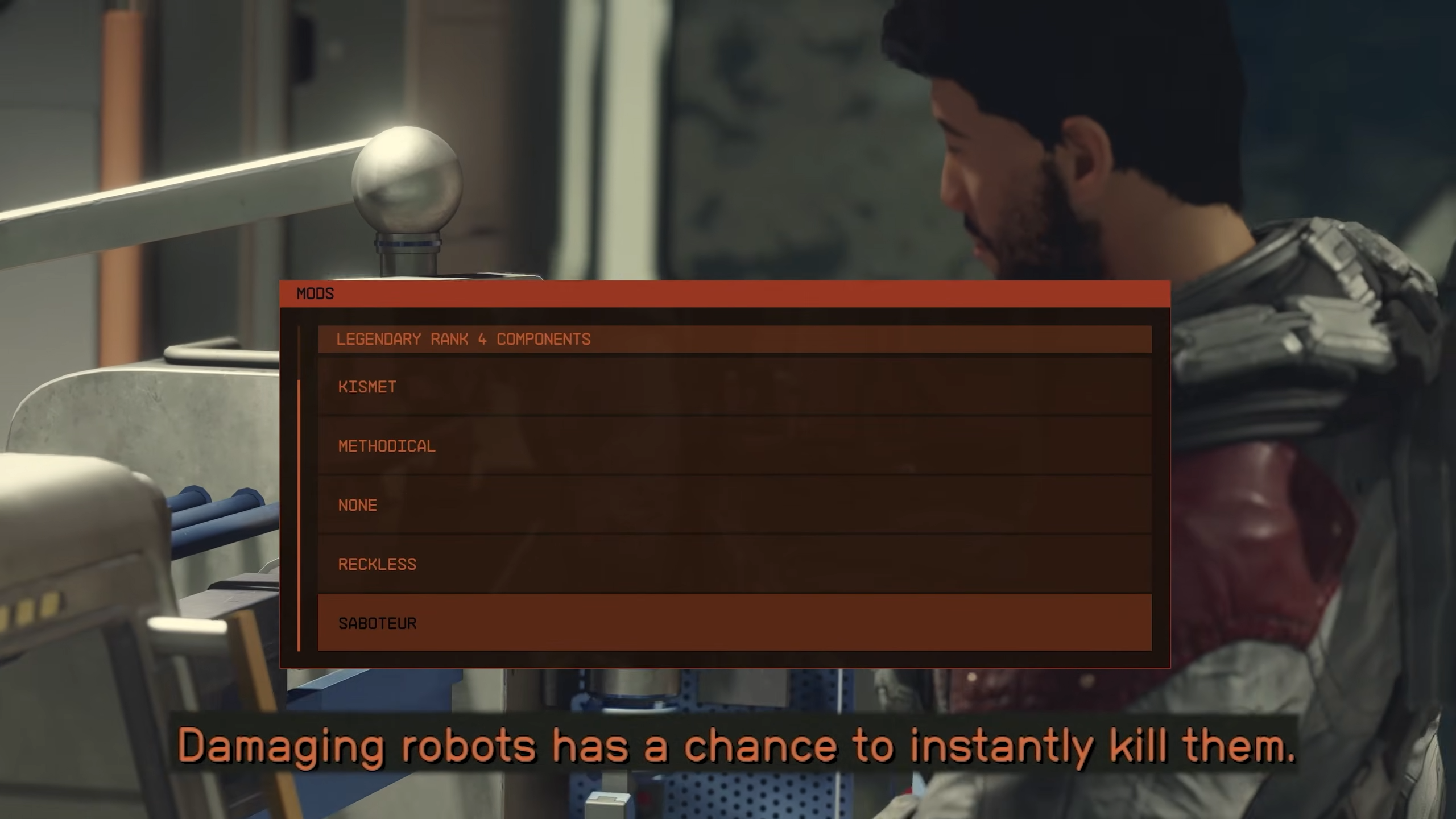
I will always lament the fact that an enemy’s loot is no longer defined by what they’re wearing in Starfield. Still, the introduction of X-tech does allow for greater satisfaction in the act of looting. Again, its gameplay loop remains fundamentally different to that of Skyrim or Fallout, but adding to the overall sandbox that is Starfield with new quality tiers, customisation options and upgrade paths does make for a much more fleshed out-feeling world.
The same can apply to legendary modifiers, giving the universe of 1000 planets a somewhat greater feeling of variety.
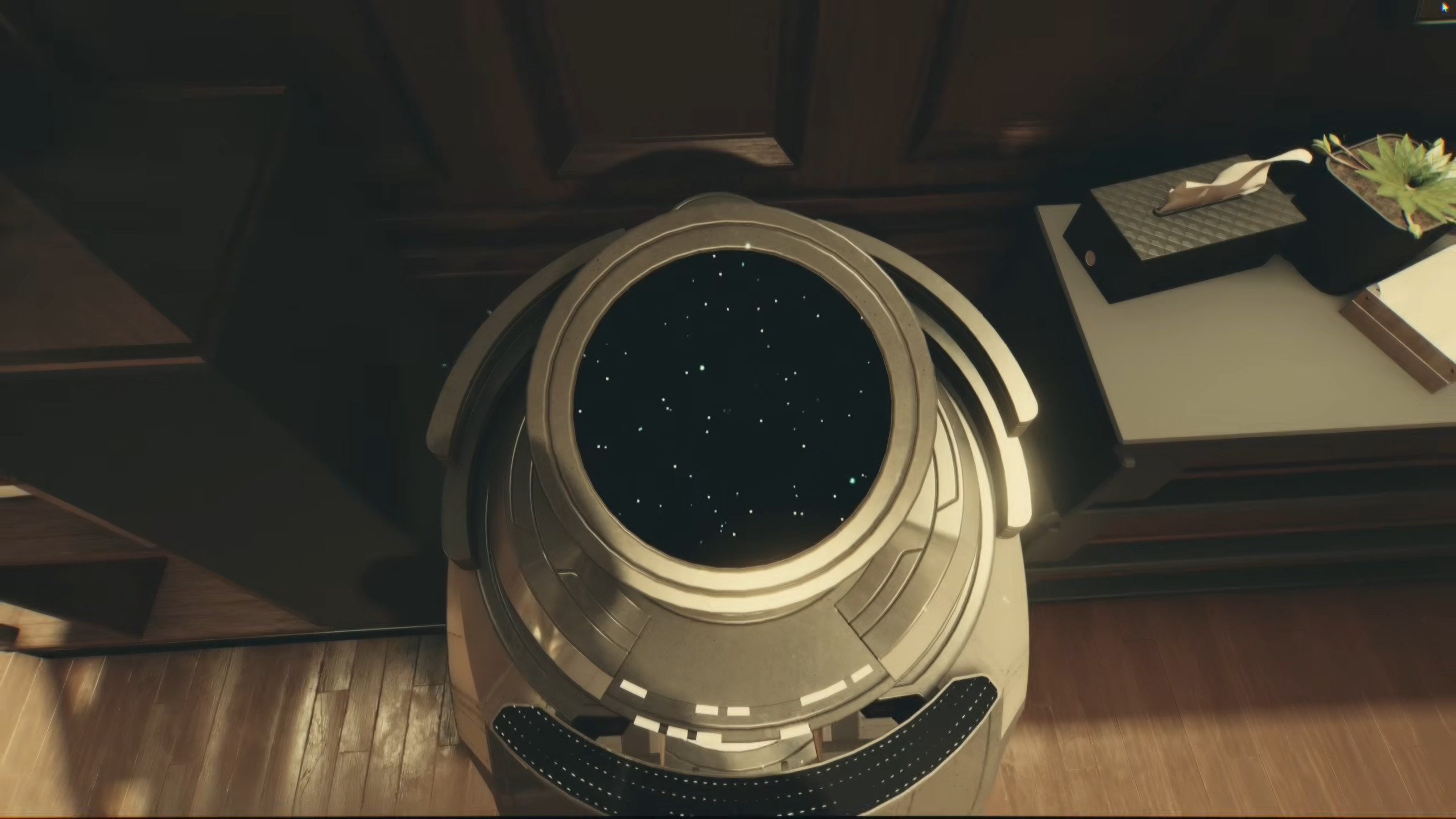
Likewise, the Quantum Essence mechanic offers new and alternative ways to upgrade your character while giving the new game plus mode more of a reason to exist. Throwing in another land vehicle was nice too, making it feel a bit more grounded in the world and less like a post-launch add-on.
Topping it all off is the addition of loads of new points-of-interest / dungeons. Perhaps the most disappointing aspect to Starfield at launch, its woeful lack of variety when it came to POIs and dungeons would have felt underserved in even a small open world – let alone one consisting of 1000 planets.
At the scale which they chose to present the game in, Starfield will never truly be able to match the density and variety seen with the likes of Skyrim. Still, taking the time to introduce new POIs and dungeons, while tweaking the algorithm of how they’re discovered again helps to mask the illusion of Starfield’s cell-based nature. It’ll never be Skyrim or Fallout 4, but it is a much better imitation.
How many more updates Starfield will receive, and how substantive they will be remains to be seen. It isn’t lost on me that the most significant updates came alongside new ways to give Bethesda money – with the arrivals of Shattered Space and Terran Armada / the PS5 launch coinciding with some of the most impactful patches.
With the two promised DLCs now being delivered, and the game available on PS5, does Bethesda still have motivation to continue to improve starfield? I hope so.
Even with these many updates and improvements however, I still have little interest in returning to Starfield. After checking it out at launch and deciding that its core changes were not for me, these many additions to Starfield have yet to give me what I want from a Bethesda game. That said, Starfield is Starfield, and so in that regard, Bethesda have made it the best version of itself that it can be. Starfield in 2026 is Bethesda’s most improved game, but when it comes to Bethesda you always have to grade on a curve.
KitGuru says: What do you think of Bethesda’s post-launch support for Starfield? Have your opinions on the game shifted with time? Can Starfield ever break the ceiling set by its core design decisions? Let us know your thoughts down below.