KitGuru KitGuru.net – Tech News | Hardware News | Hardware Reviews | IOS | Mobile | Gaming | Graphics Cards


Hot on the heels of the Huawei P20 launch, today we assess the Honor 10. I mention Huawei as you may not know that Honor is actually a sub-brand of Huawei. It is no surprise, then, that the Honor 10 looks and feels very similar to the P20. However, at just £399, Honor's latest flagship comes with a price that can appeal to a much wider market. Just how good is it?
When comparing the Honor 10 and the Huawei P20, they look almost identical – both in terms of design, and in terms of internal components as well. If Honor has been able to bring what is essentially the P20, with a few minor adjustments, to the market at just £399, it certainly sounds like a winner on paper. We take you through everything you need to know before buying.
Specification
- OS: Android 8.1+EMUI 8.1
- COLOR: Phantom (Glacier) Grey
- DISPLAY: 5.84 inches
- CHIPSET: Kirin 970
- BATTERY: 3400 mAh (typical)
- CAMERA: Rear 24 MP+16 MP, Front: 24 MP
- STORAGE: 128GB ROM + 4GB RAM
- CONNECTIVITY: WLAN , Bluetooth 4.2
- DIMENSIONS: 149.6 mm x 71.2 mm x 7.7 mm
- WEIGHT: 153g
- SIM SLOT :Primary SIM card 4G/3G/2G, Secondary SIM card: 4G/3G/2G
- FINGERPRINT: Yes
- NFC: Yes
- SENSOR: Gravity Sensor / Ambient Light Sensor / Proximity Sensor / Gyroscope / Compass / Fingerprint sensor / infrared sensor / Hall sensor
- EXTERNAL INTERFACE: Type-C, USB 2.0, 3.5 mm Headset Jack
- OUTPUT5: V/4.5 A
Design
Note: if the above gallery is not displaying properly, you may need to disable your ad blocker software as it can interfere with our display code.
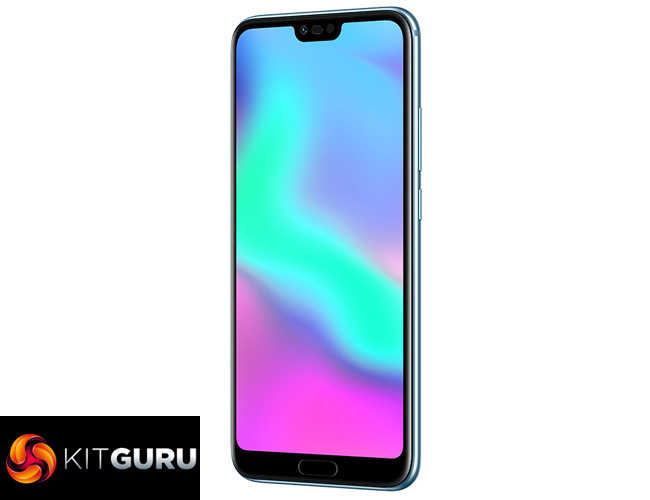
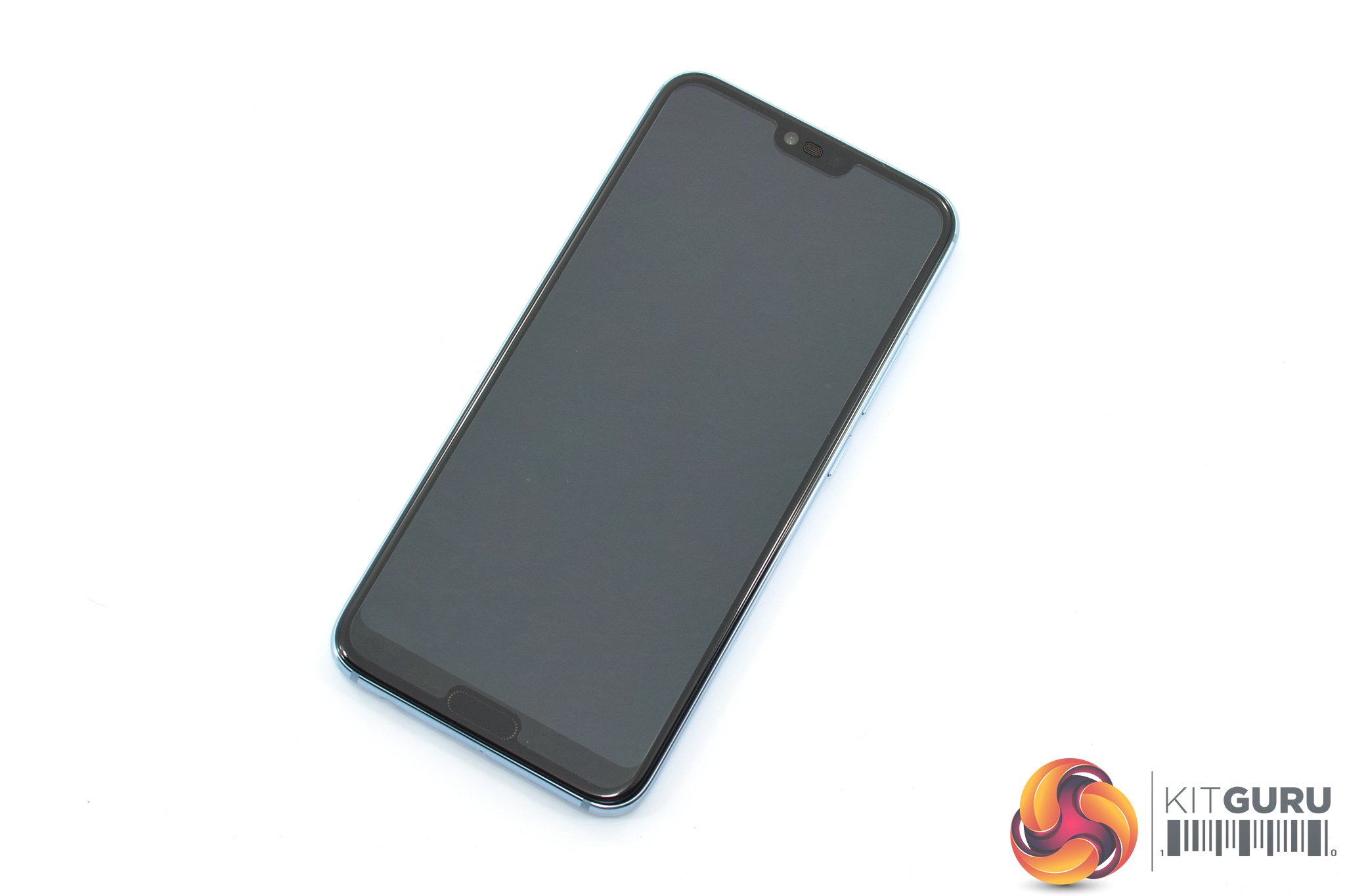
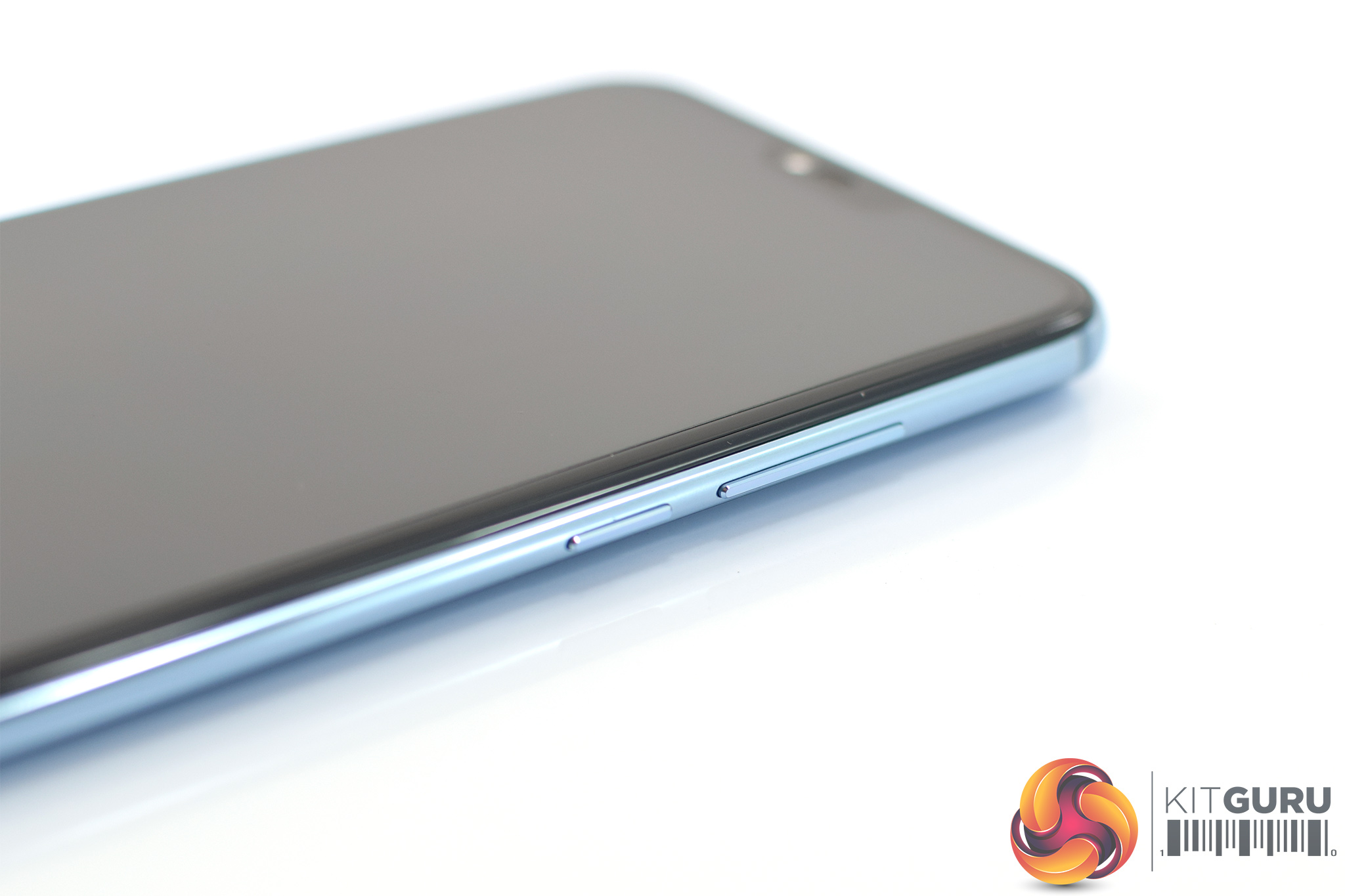
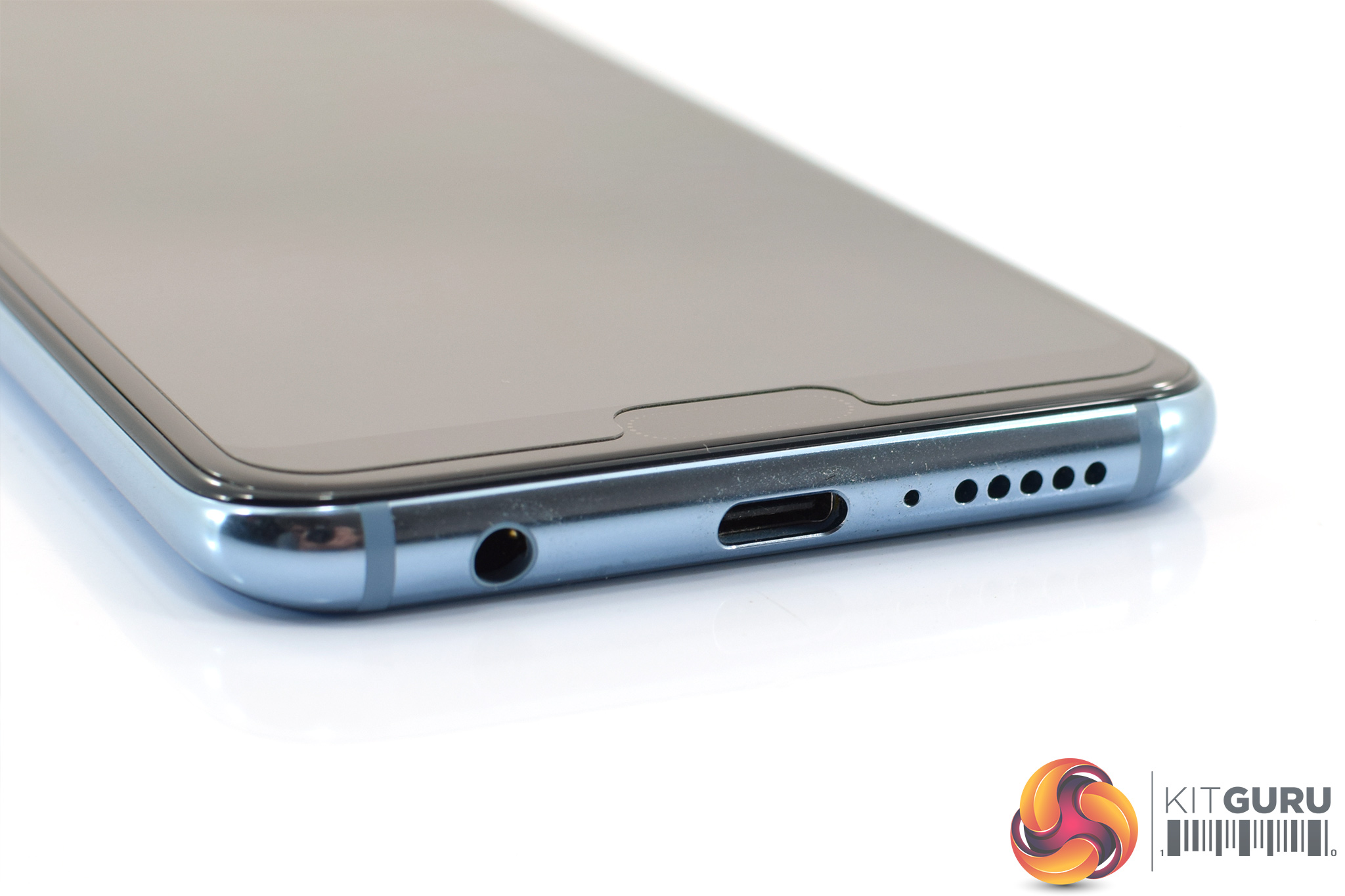
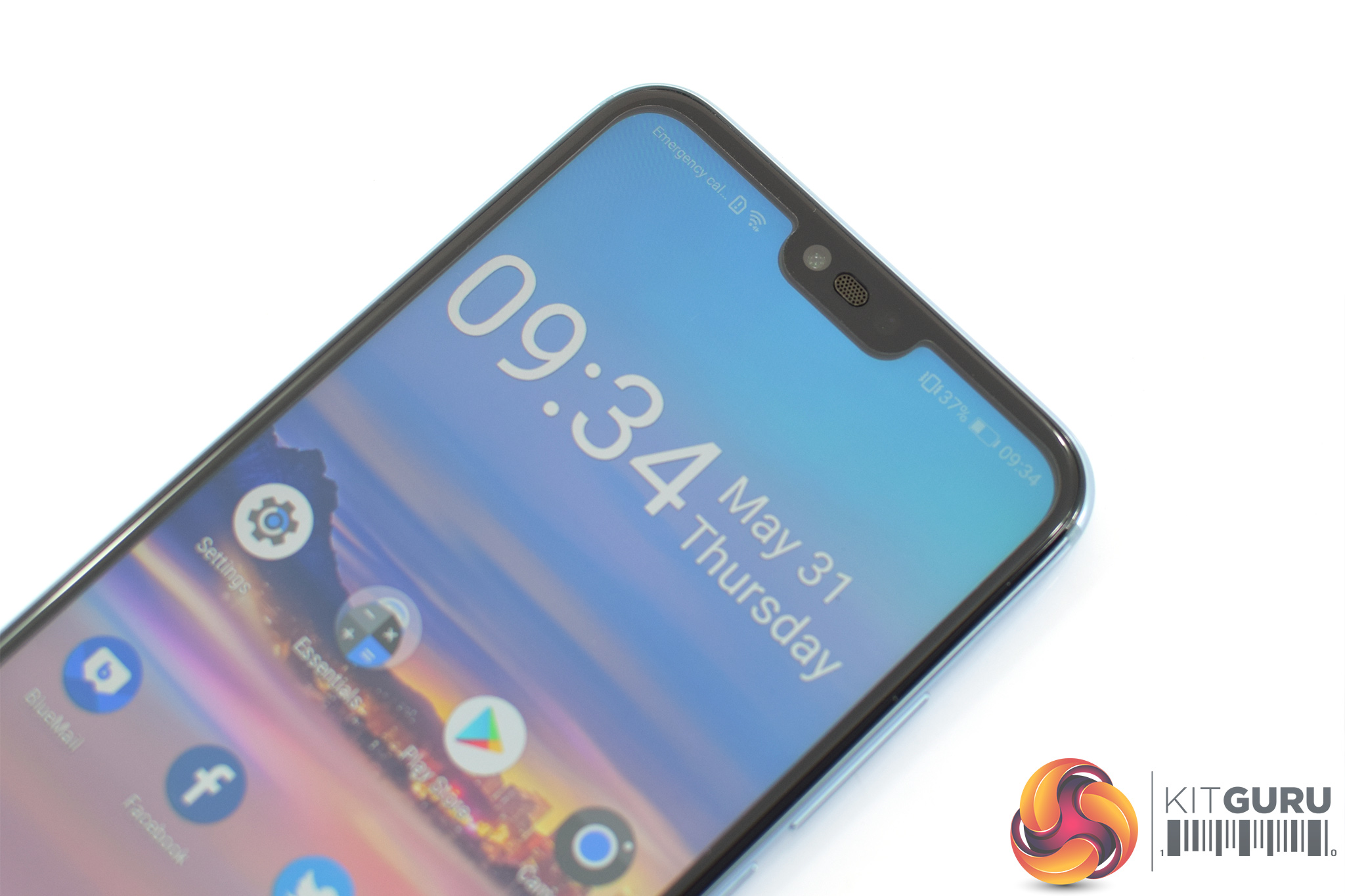
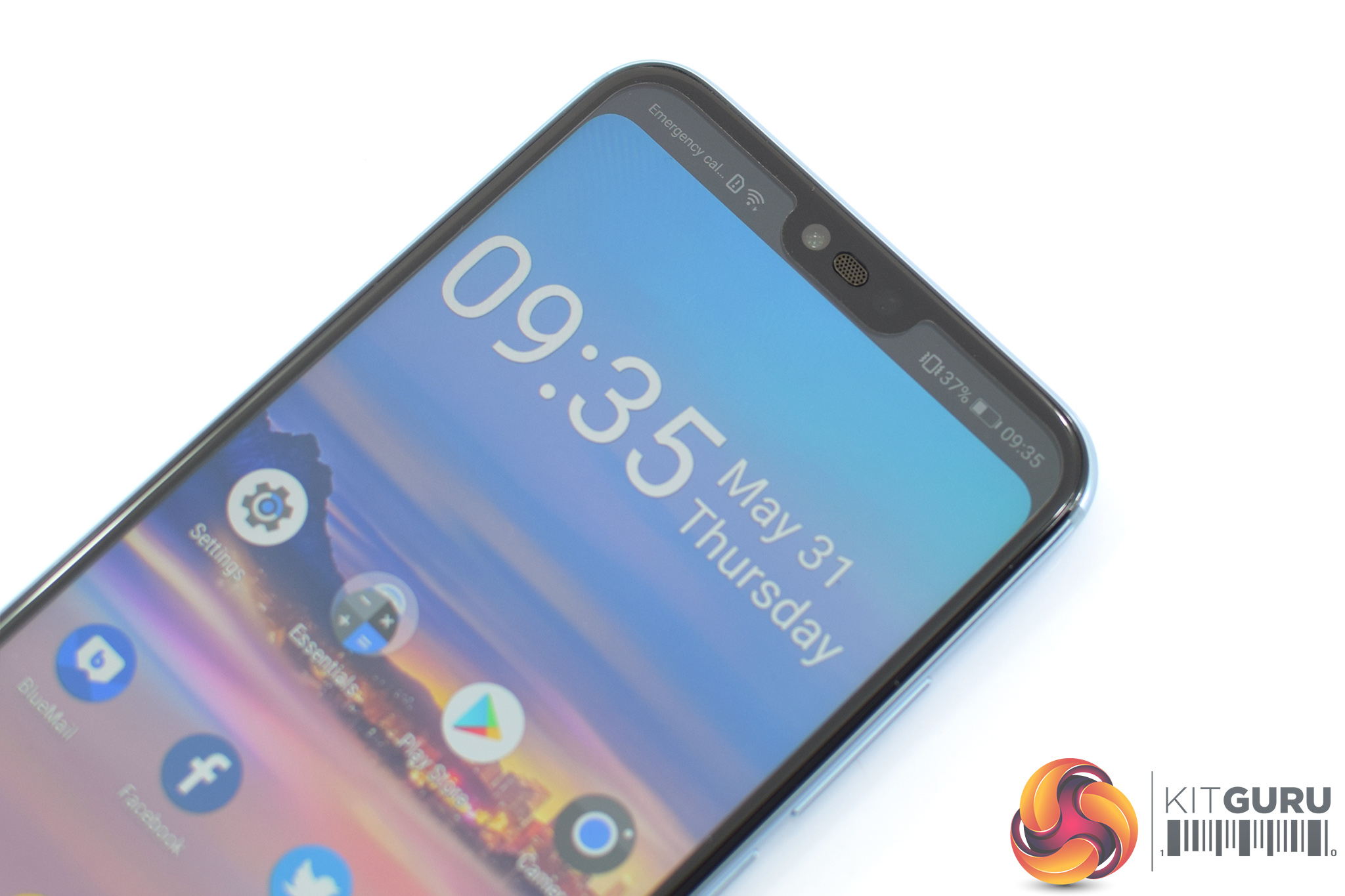
As mentioned, the Honor 10 looks very much like the P20, and thus by extension a smaller P20 Pro. On the front of the phone, this means the Honor 10 sports a relatively compact notch, which can actually be ‘disabled' in the settings menu. There is also a slightly chunkier chin to the phone, and this houses the fingerprint scanner. Unlike the P20, however, which has a physical button, the Honor 10's fingerprint scanner is actually set under the glass which should mean you can still use it with wet fingers.
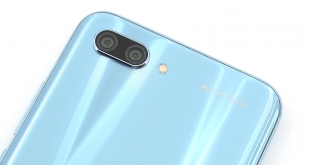
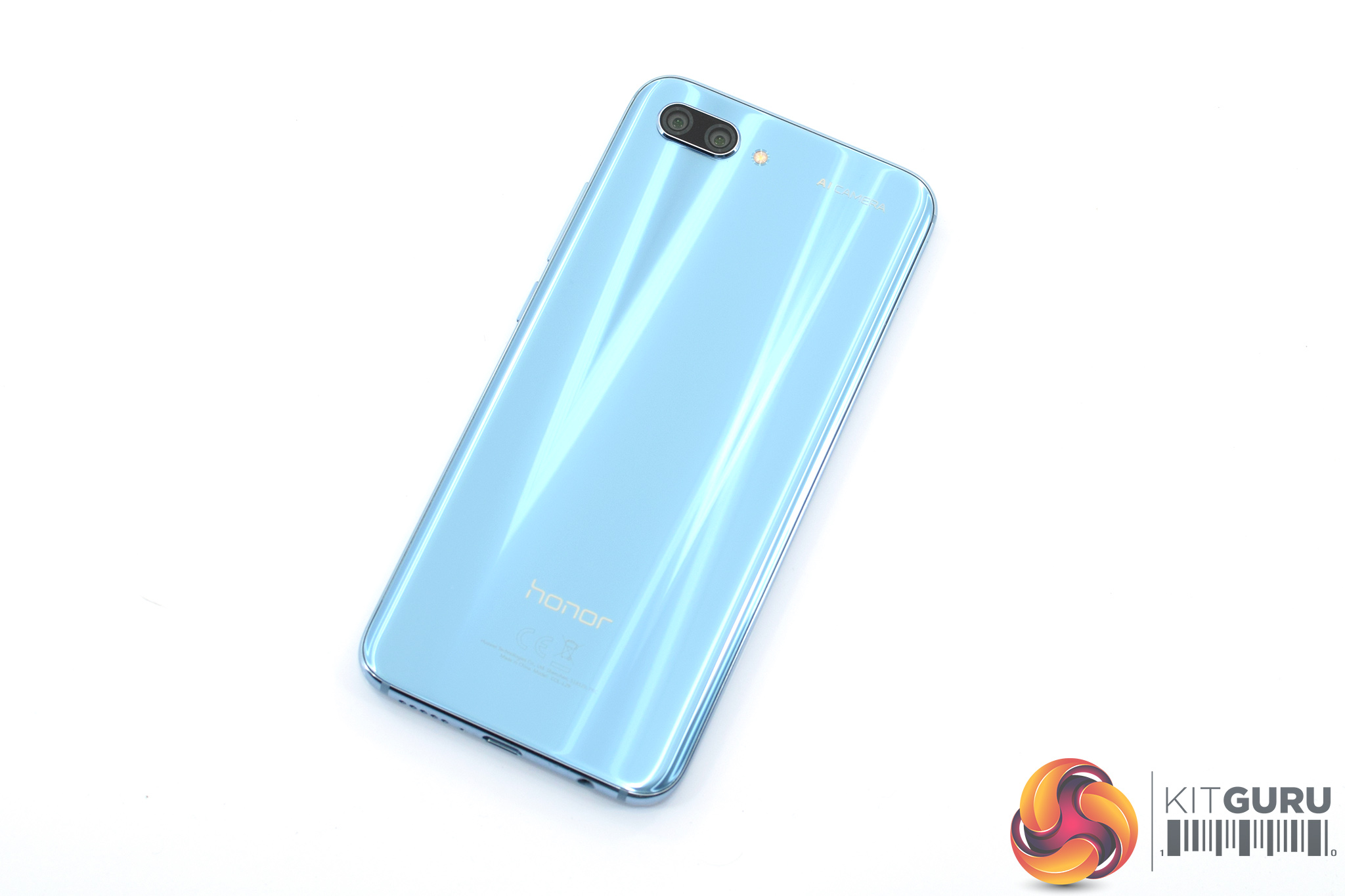
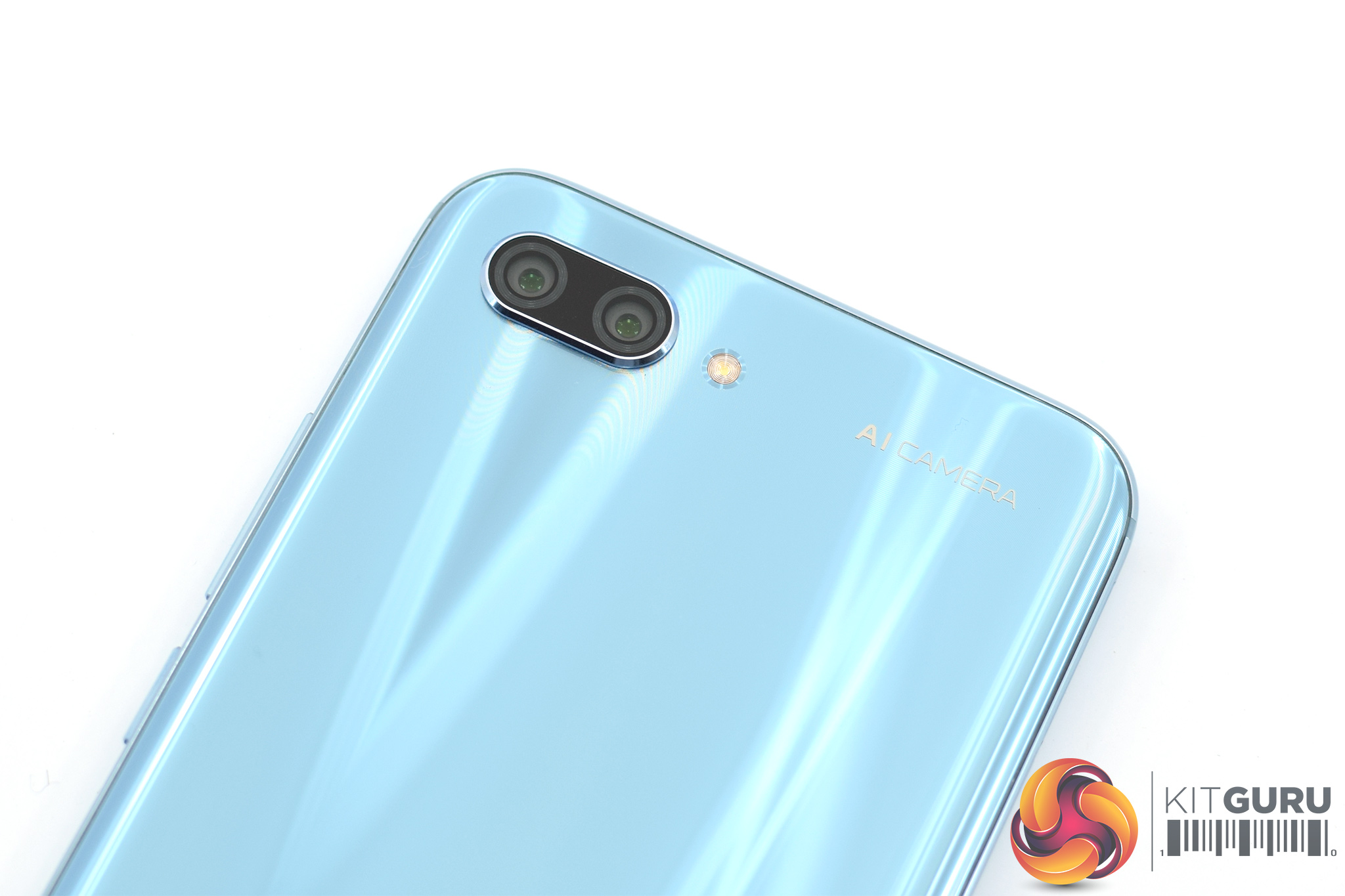
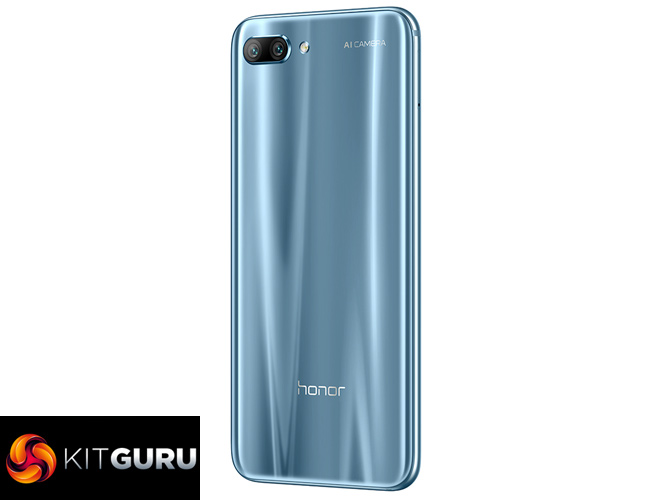
What makes the Honor 10 special, though, is the rear design. It is a glass backed phone, but Honor has launched some pretty funky colour options that shift and even change colour as the phone moves and hits different bits of light. I was provided with a ‘glacier grey' sample, and you can see the bright lines on the back of the phone where the light hits the glass. The phantom green or phantom blue colours make this even more pronounced, and I have to say it looks really cool.
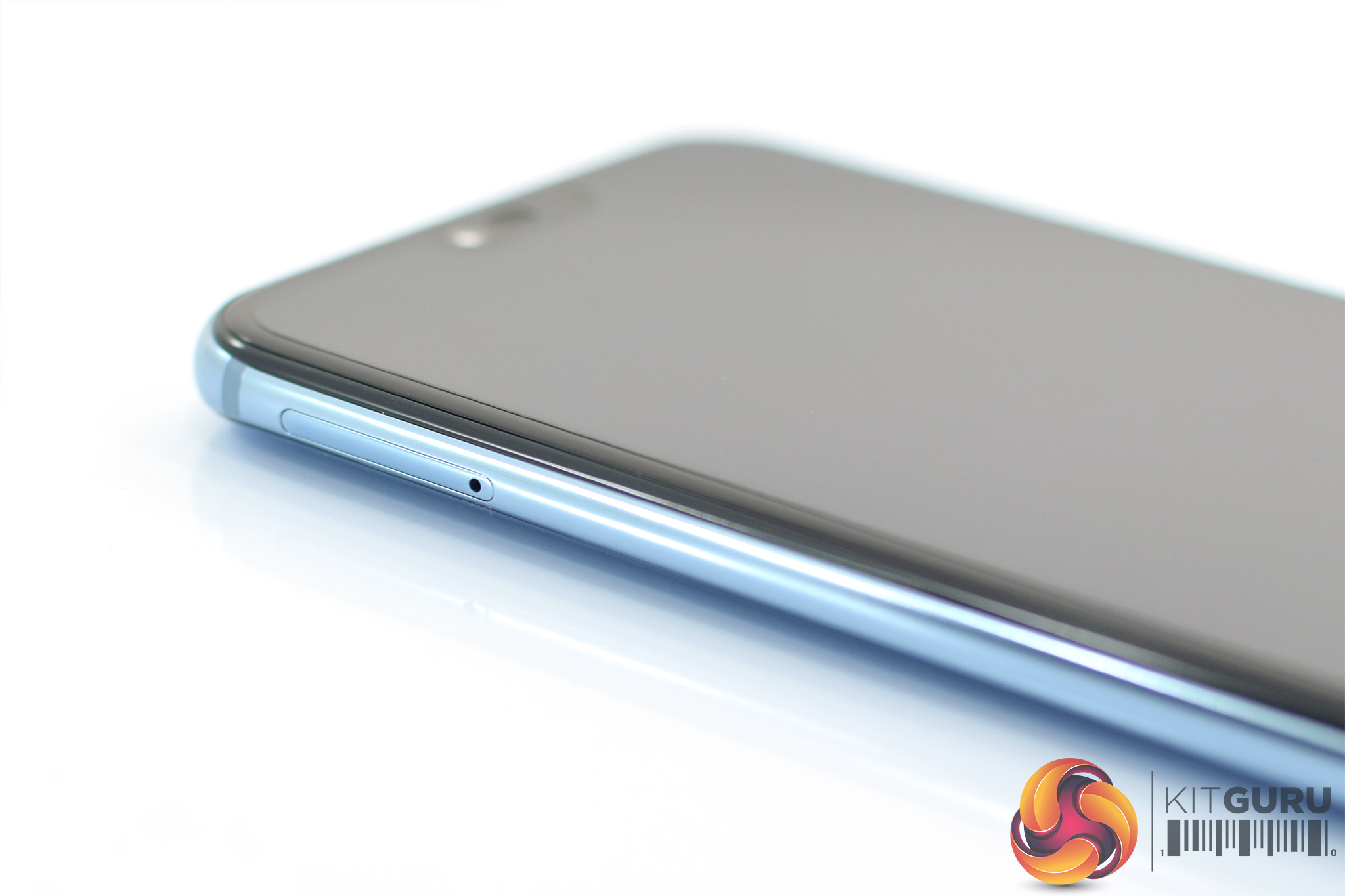
Elsewhere, the right hand edge of the phone is home to the power button and volume rocker, while the SIM tray (which can support 2x nano SIMs but no microSD card) is on the left hand edge. At the bottom, alongside the USB-C port and speaker grille, there is also a 3.5mm headphone jack which I am very glad to see – the P20 doesn't have this jack so this is one area where the Honor 10 actually comes out on top.
Lastly, it is also worth mentioning that the Honor 10 does not have an official IP rating for water and dust resistance. The P20 is rated IP53 whereas the P20 Pro is rated IP67.
Display
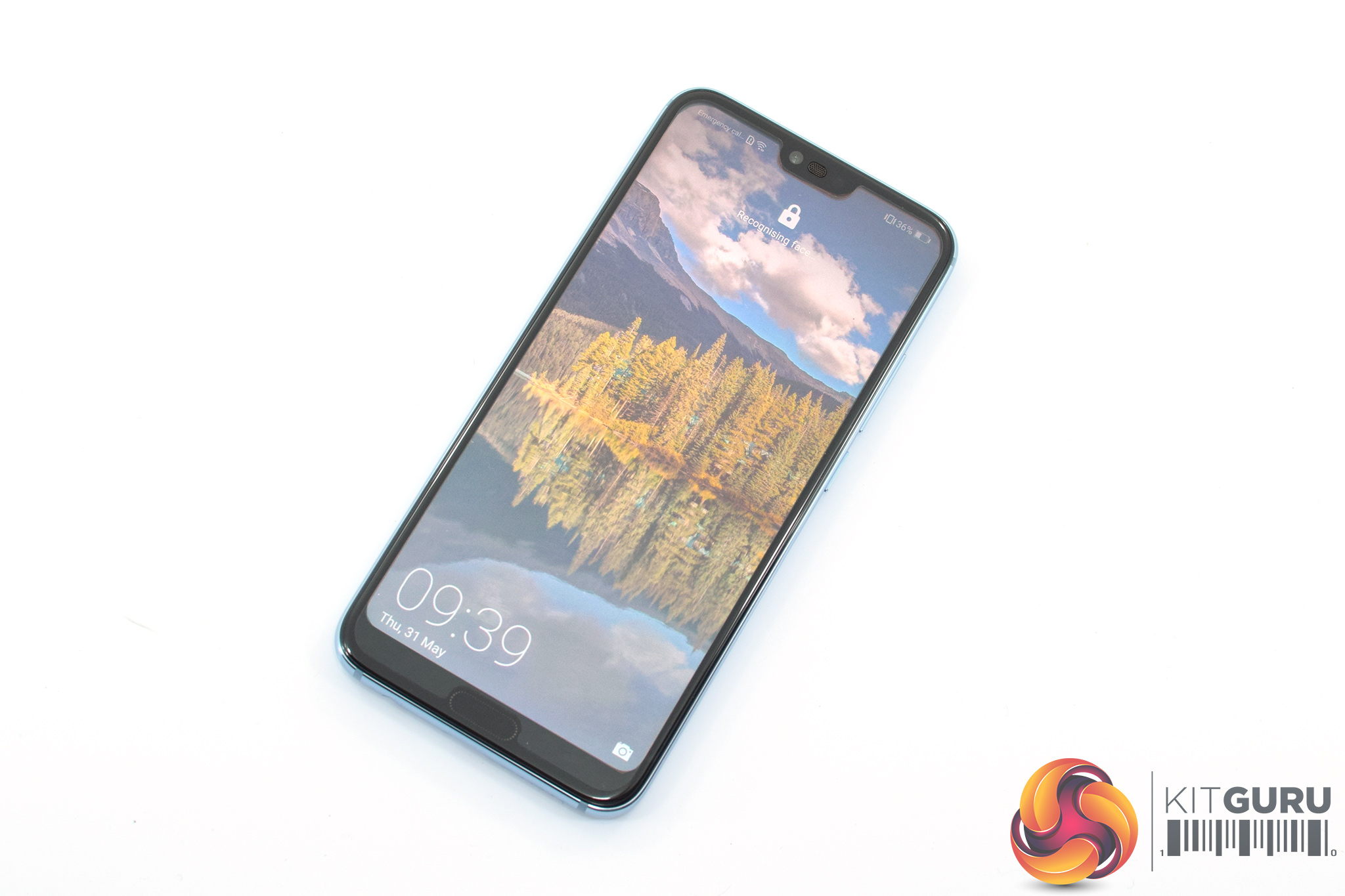
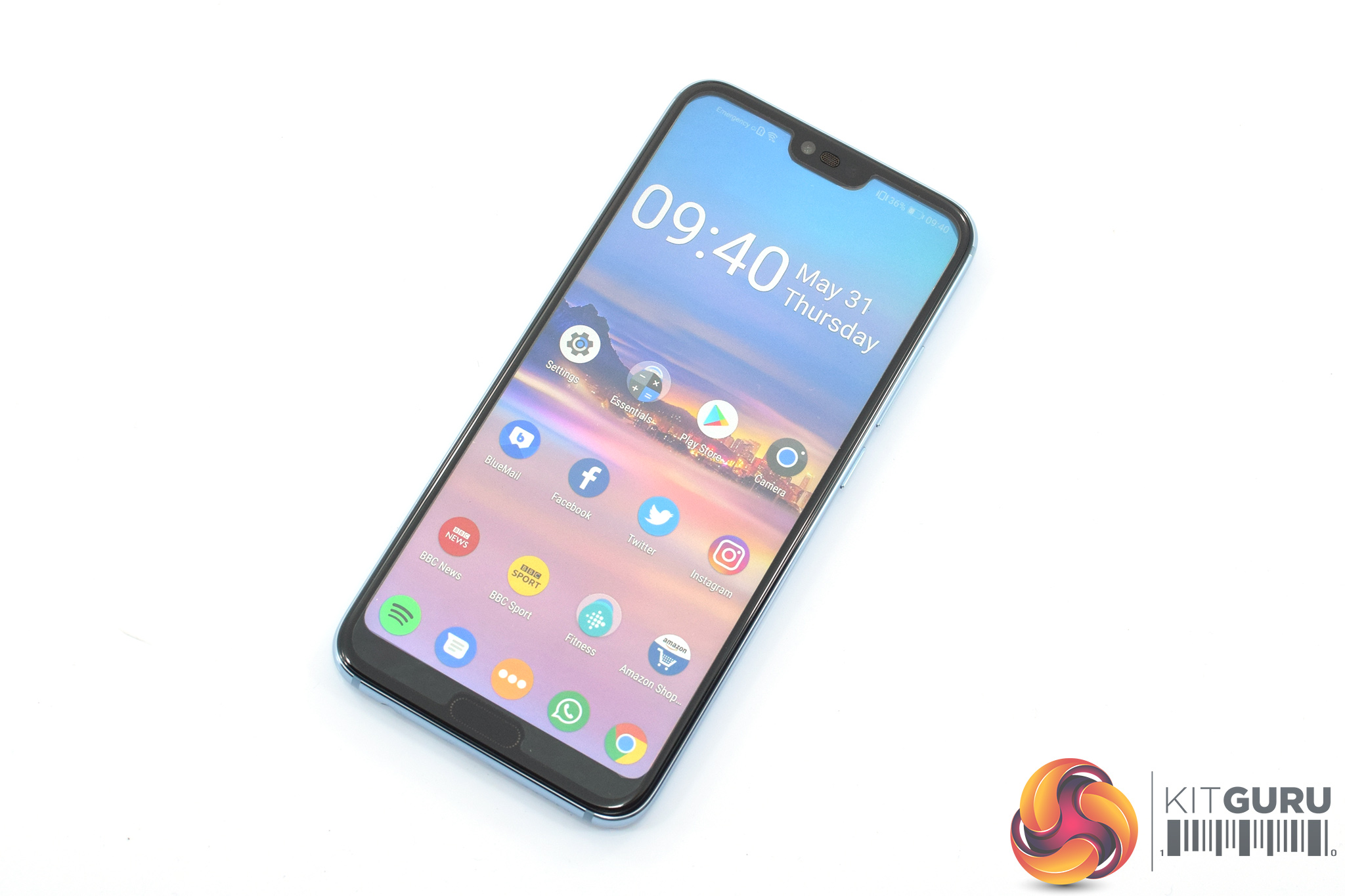
Moving onto the display, the Honor 10 uses a 5.84in IPS panel, with a resolution of 2280 x 1080. That resolution – dubbed FHD+ – is a 19:9 aspect ratio, so it is a bit taller than more traditional 16:9 phones.
For a mid-range phone, I find the screen to be plenty sharp enough. That resolution, spread across the 5.84in panel, equates to 432 pixels per pinch (PPI) which isn't as high as some high-end flagships, but for the money you really cannot complain.
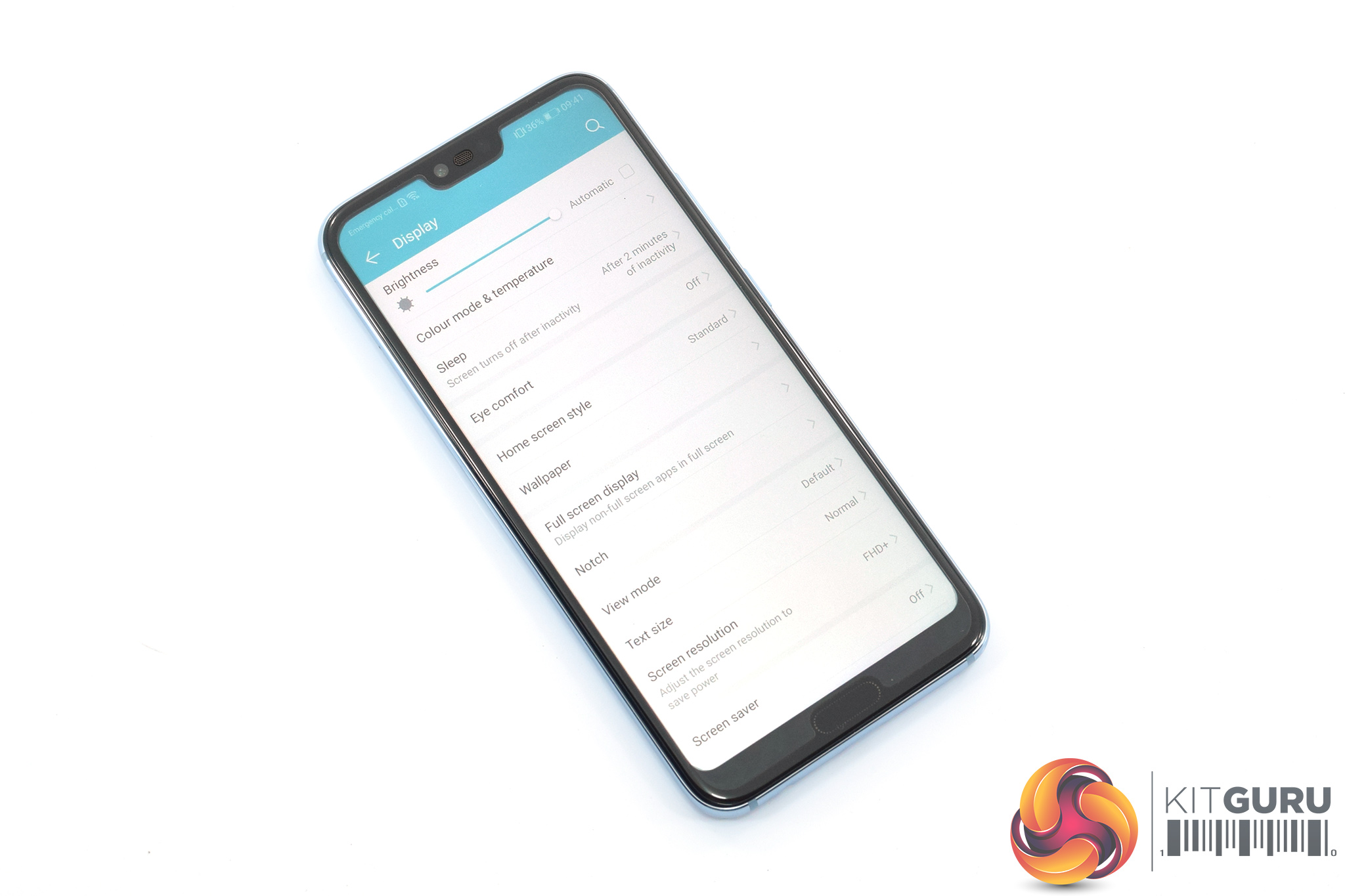
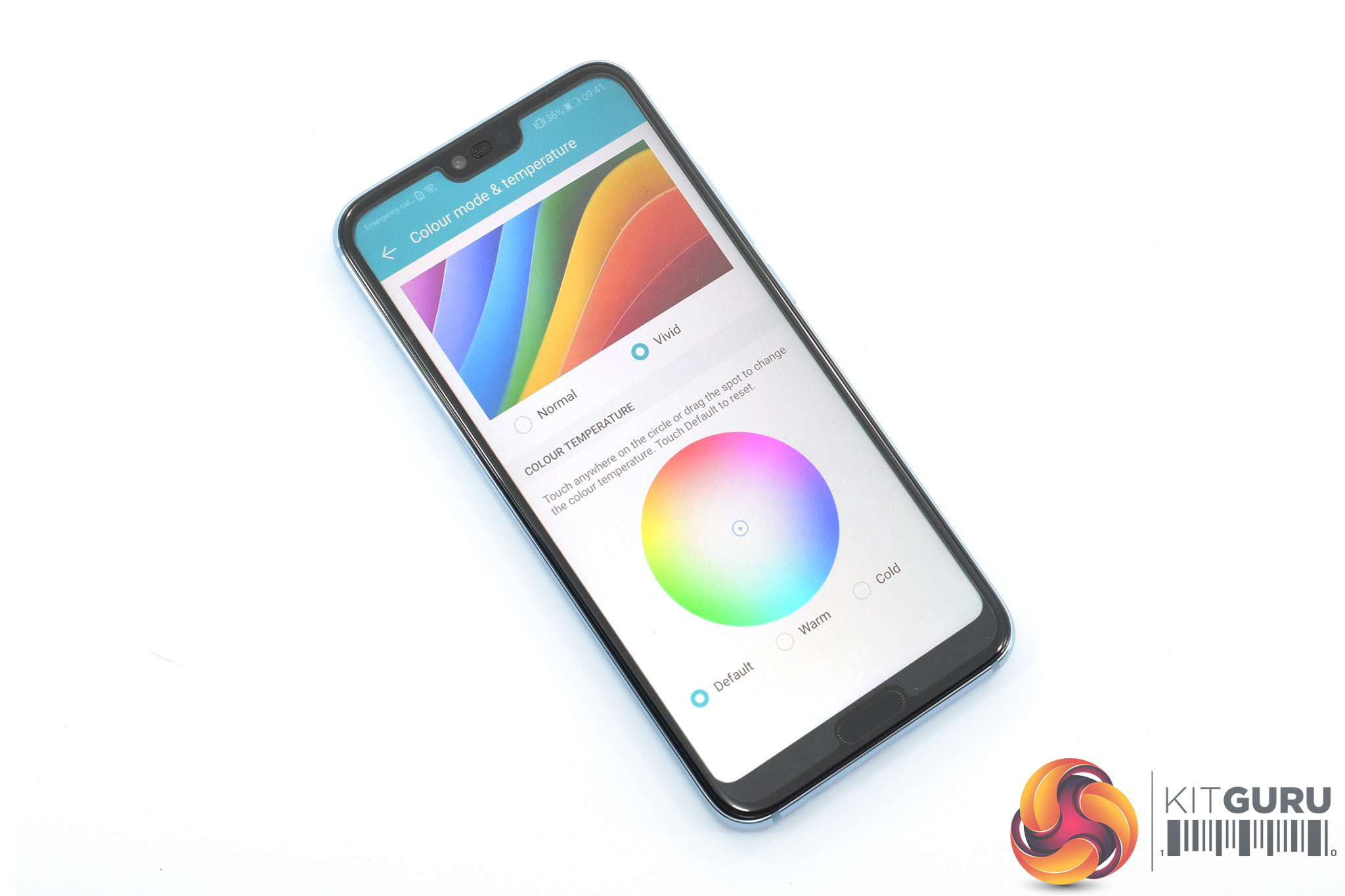
As mentioned, the Honor 10 uses an IPS LCD panel – not OLED – but it is still very capable. Colours are nice and punchy, especially with ‘vivid' mode enabled in the display settings, and viewing angles are absolutely first rate, which is an area where IPS panels still have the upper hand over OLED screens, which can often show some blue shift.
Honor also gives users full control over the white balance which is handy if you want to make the screen a bit warmer or cooler depending on what you are doing, while the phone also gets pleasantly bright, making it easy to use outdoors. On the whole, it is a very capable screen for the money, and without jumping to an OLED panel – which would be highly unlikely considering the price – I don't think it gets much better than this.
Performance
The Honor 10 uses the same Kirin 970 processor that we first saw with the Mate 10 Pro. Alongside this is 4GB of RAM and 128GB internal storage
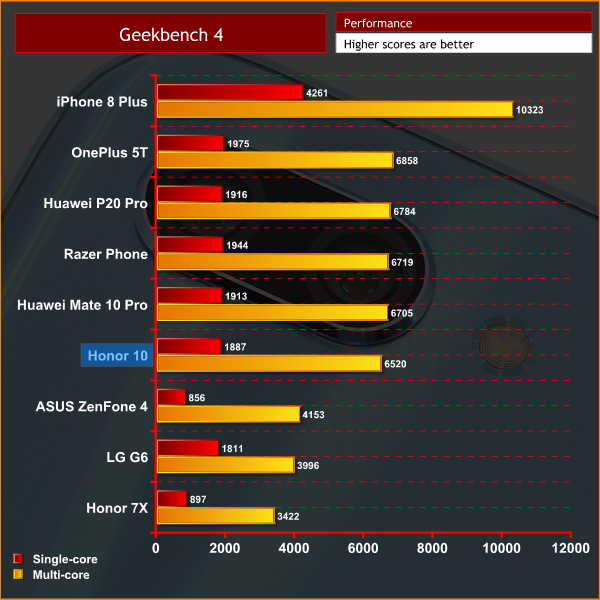
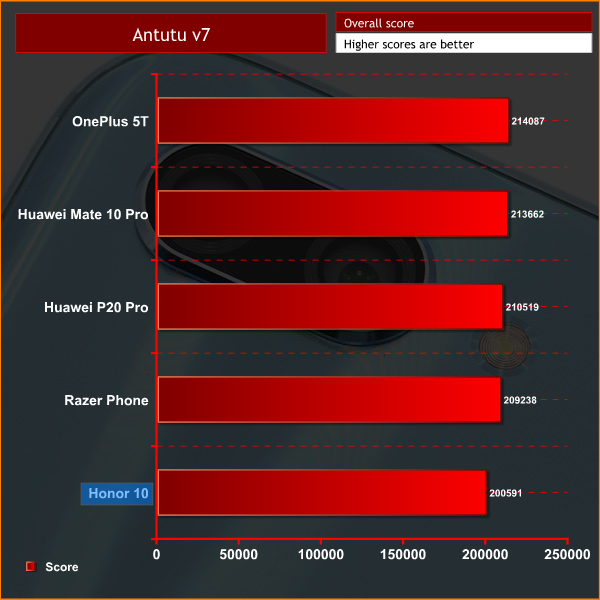
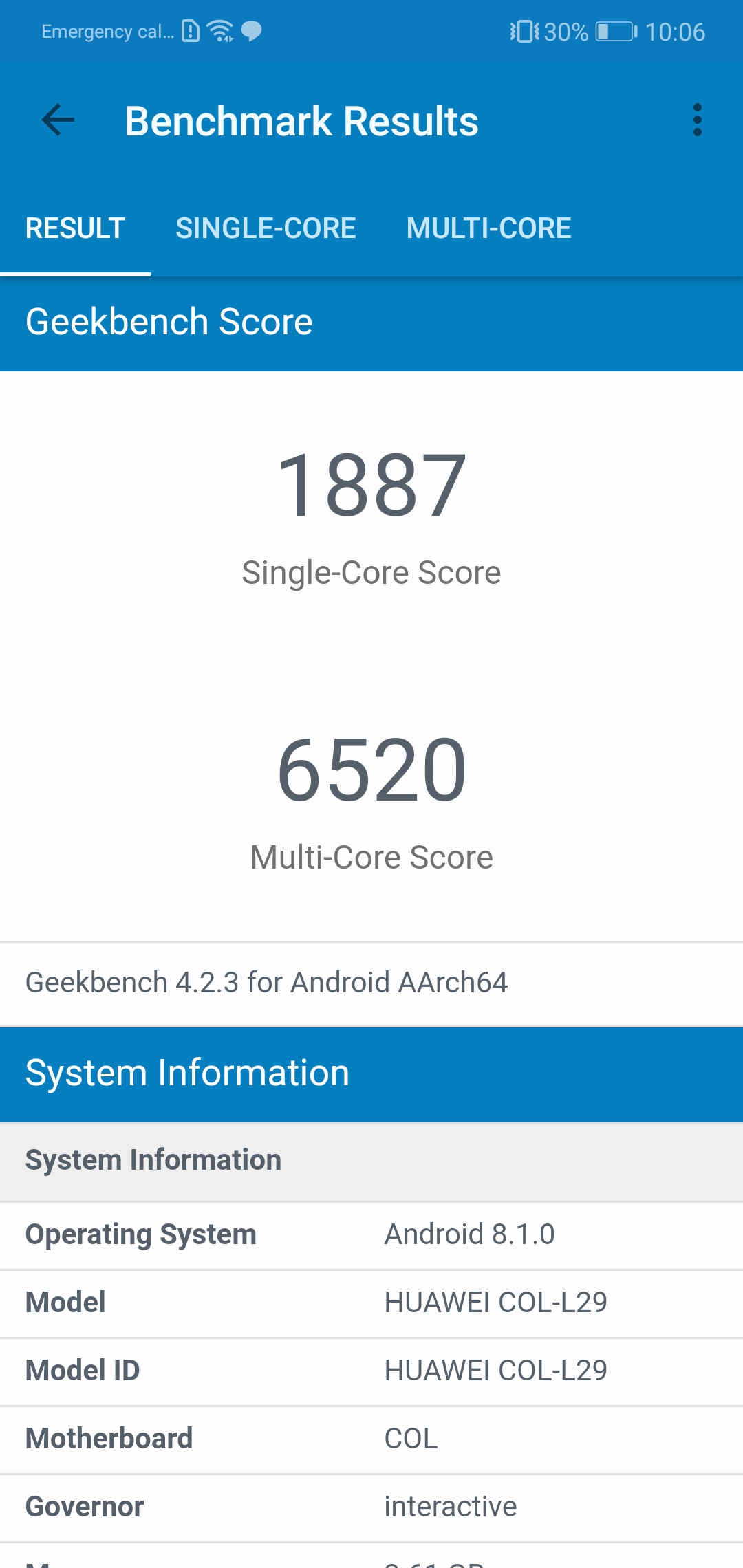
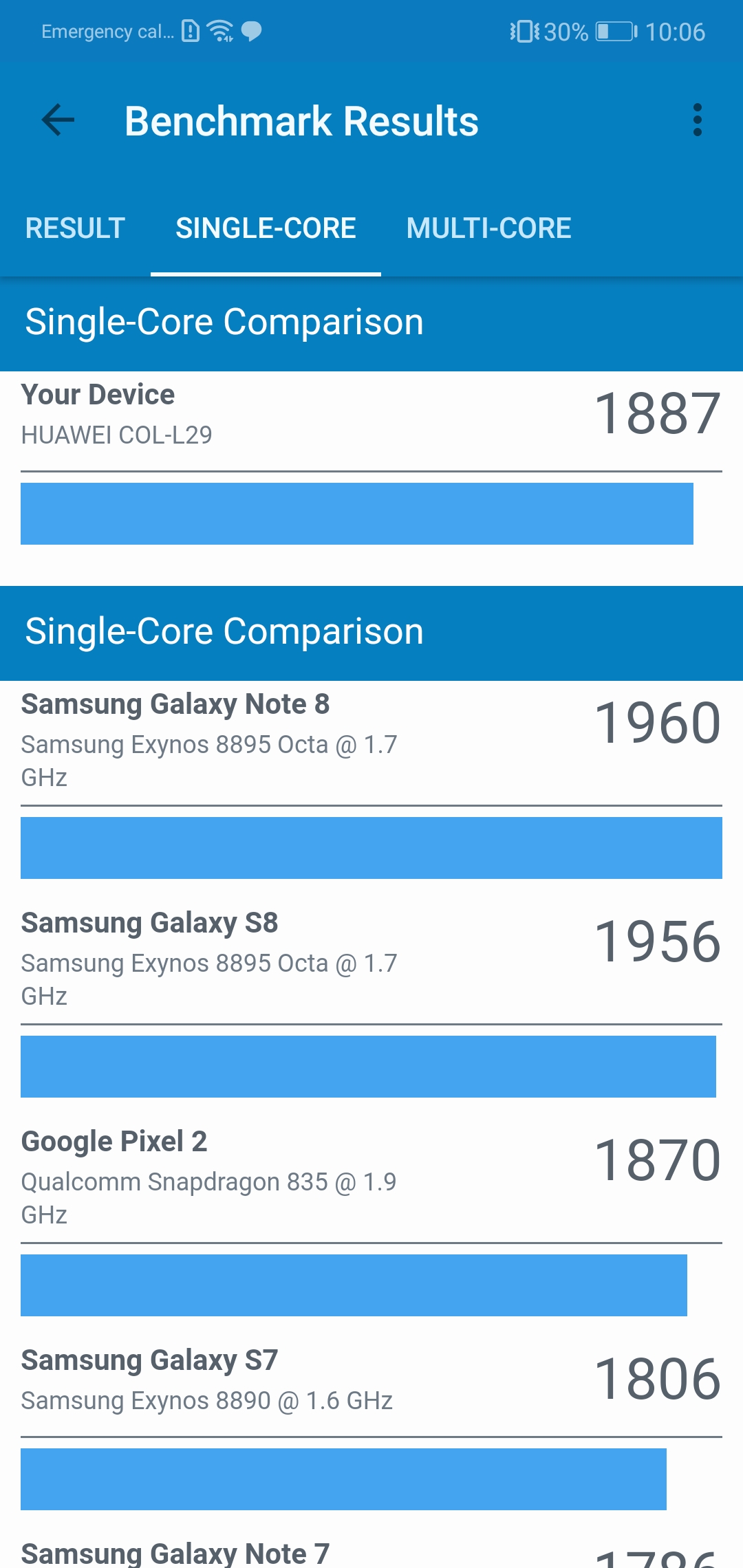
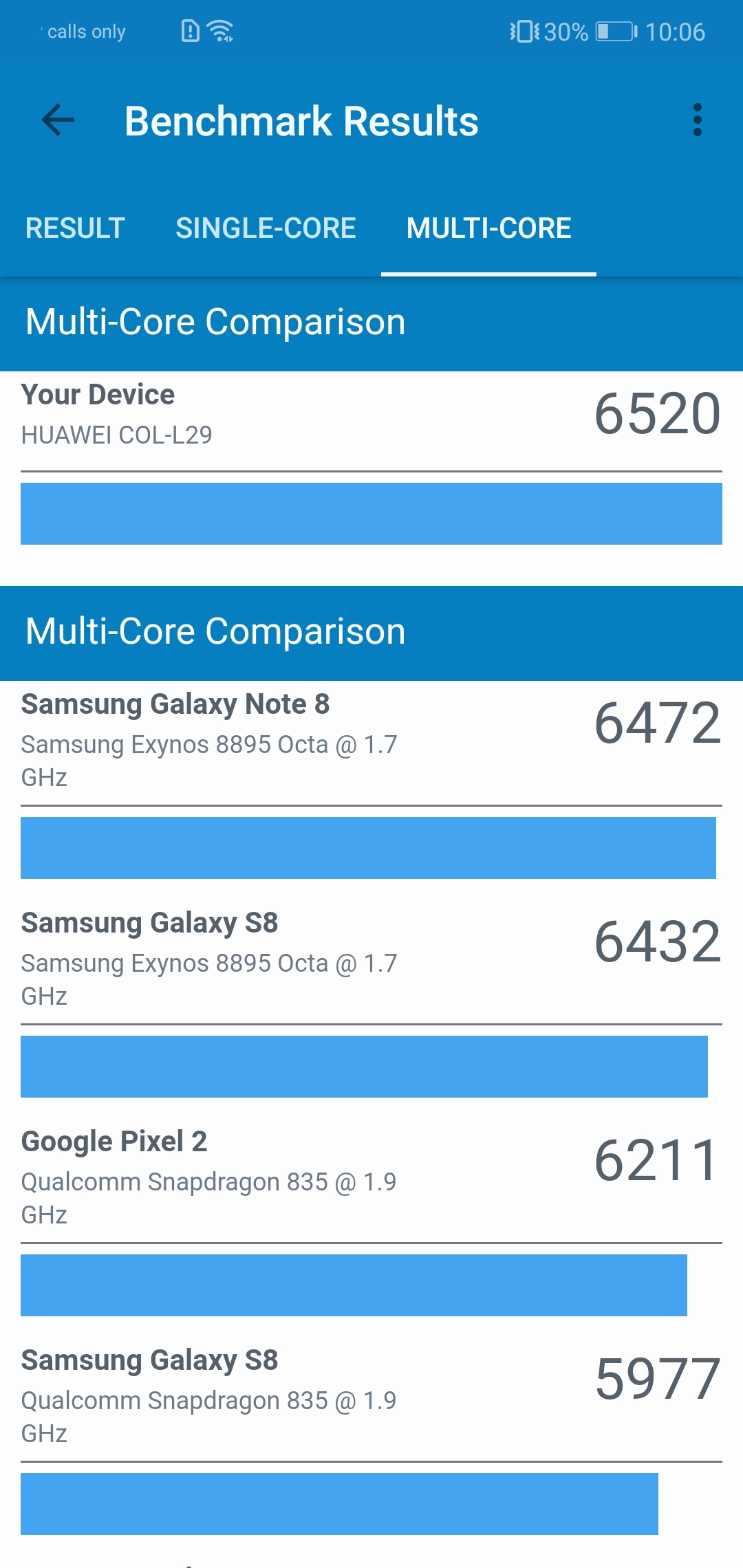
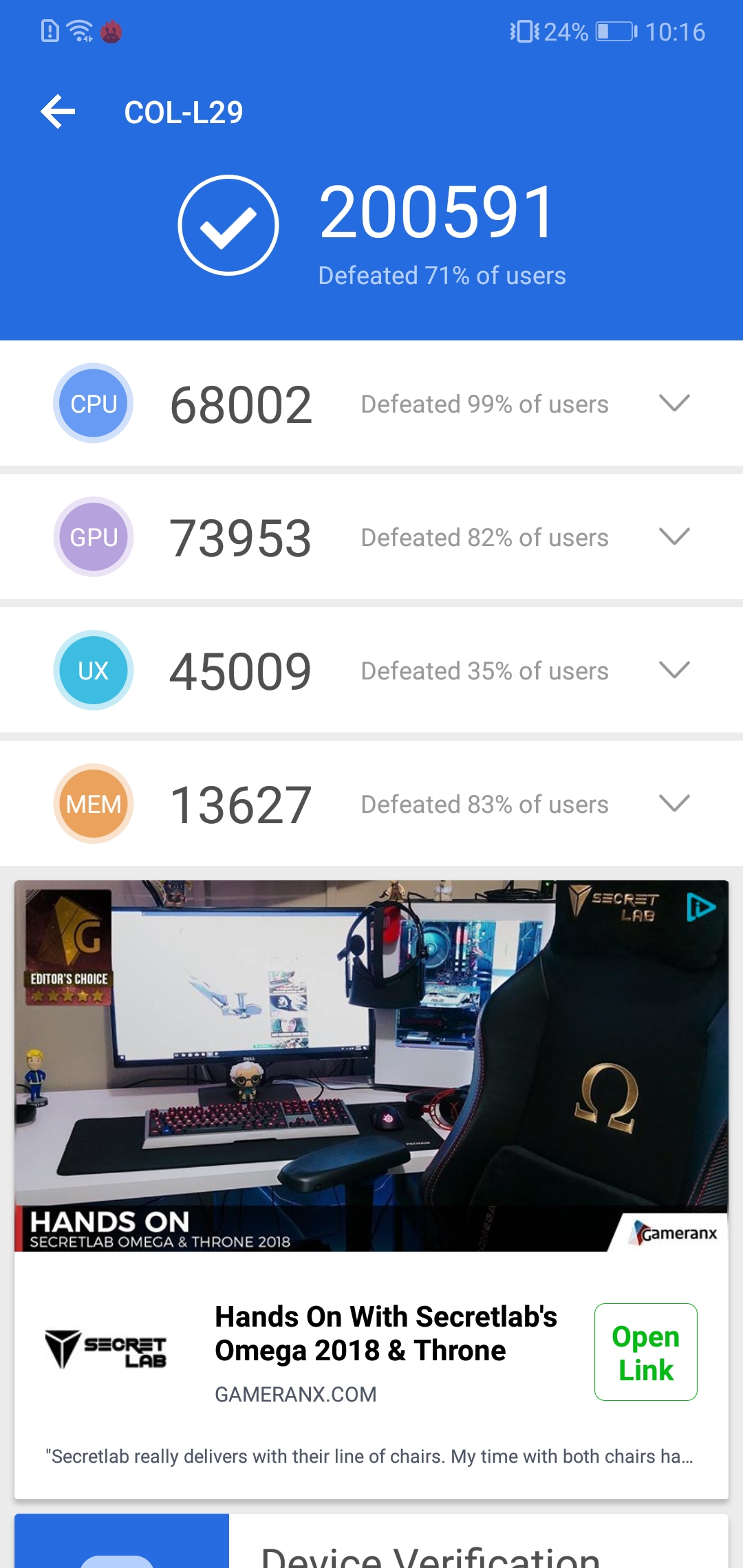
As expected, the synthetic benchmarks suggest performance of the Honor 10 is very similar to that of the Mate 10 Pro and the P20 Pro – after all, the processor is the same. The Honor does score marginally less in Geekbench 4, which is likely due to the fact that it has 4GB RAM compared to the 6GB found with the other two Huawei flagships, but the difference is not big.
In the real world, performance is generally fine – it is perhaps not quite as zippy as the P20 Pro, for instance, but most of the time the difference is small enough as to be irrelevant. I did notice the occasional slowdown, though, when opening a new app or folder – the phone would just hang for that extra second or two before getting back up to speed. This did not happen much, but you do notice it when the phone takes that bit longer to execute a task.
I would put this down to software at this point, as I don't see how it could be a hardware issue when I have had zero issues with either of the Mate 10 Pro or P20 Pro.
On the topic of slowdowns, the fingerprint scanner isn't the best out there. It works and will get you into your phone, but compared to almost every other fingerprint scanner on the market – including Honor's own 7X, which is even cheaper than the Honor 10 – it is noticeably slower.
I am not sure if this is directly related to the fact that the Honor 10 uses an under glass fingerprint scanner, or whether a software update is required to bring things up to speed. In any case, I have been using the face unlock feature almost exclusively for the past week and it is pretty quick and is also quite reliable, making it another good inclusion.
Software
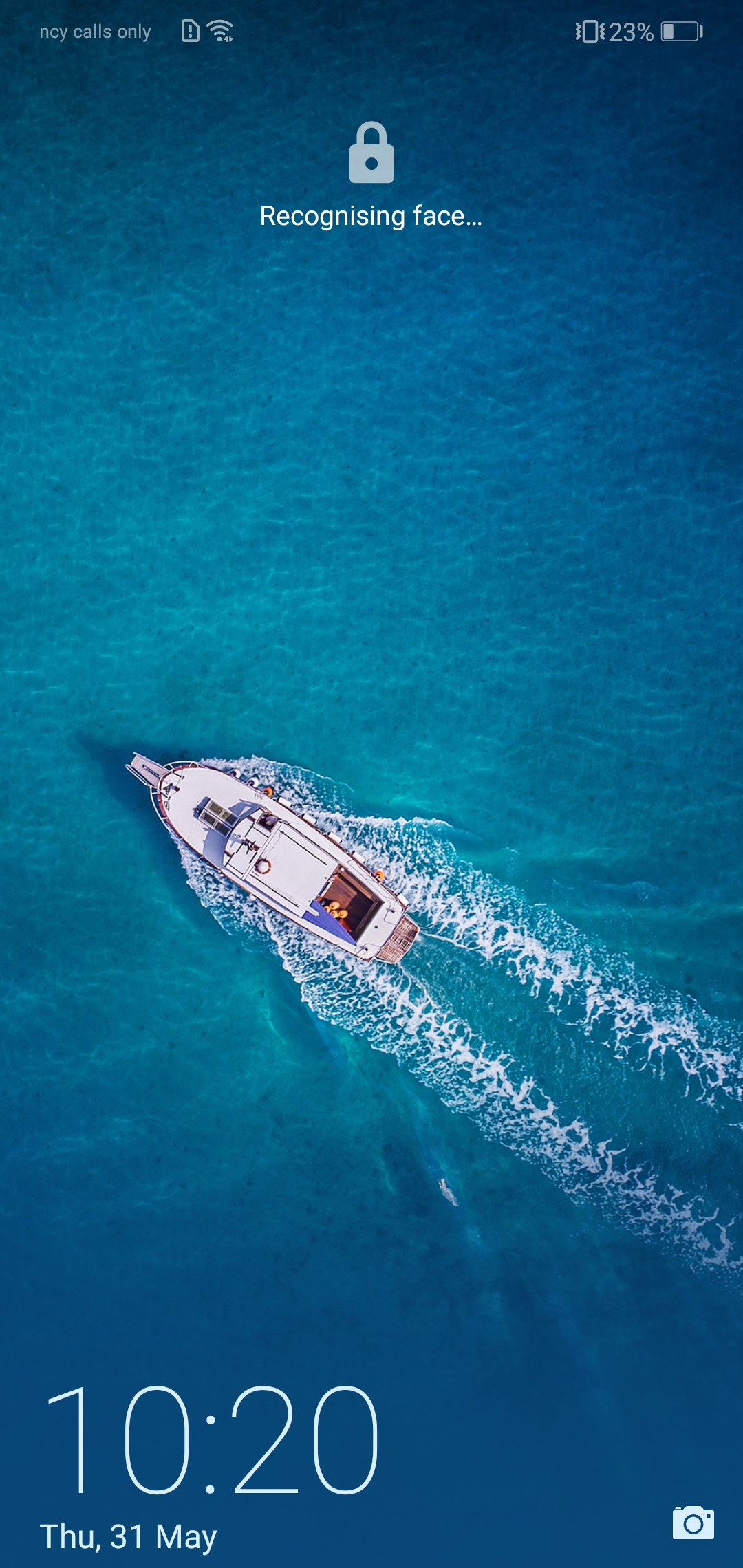
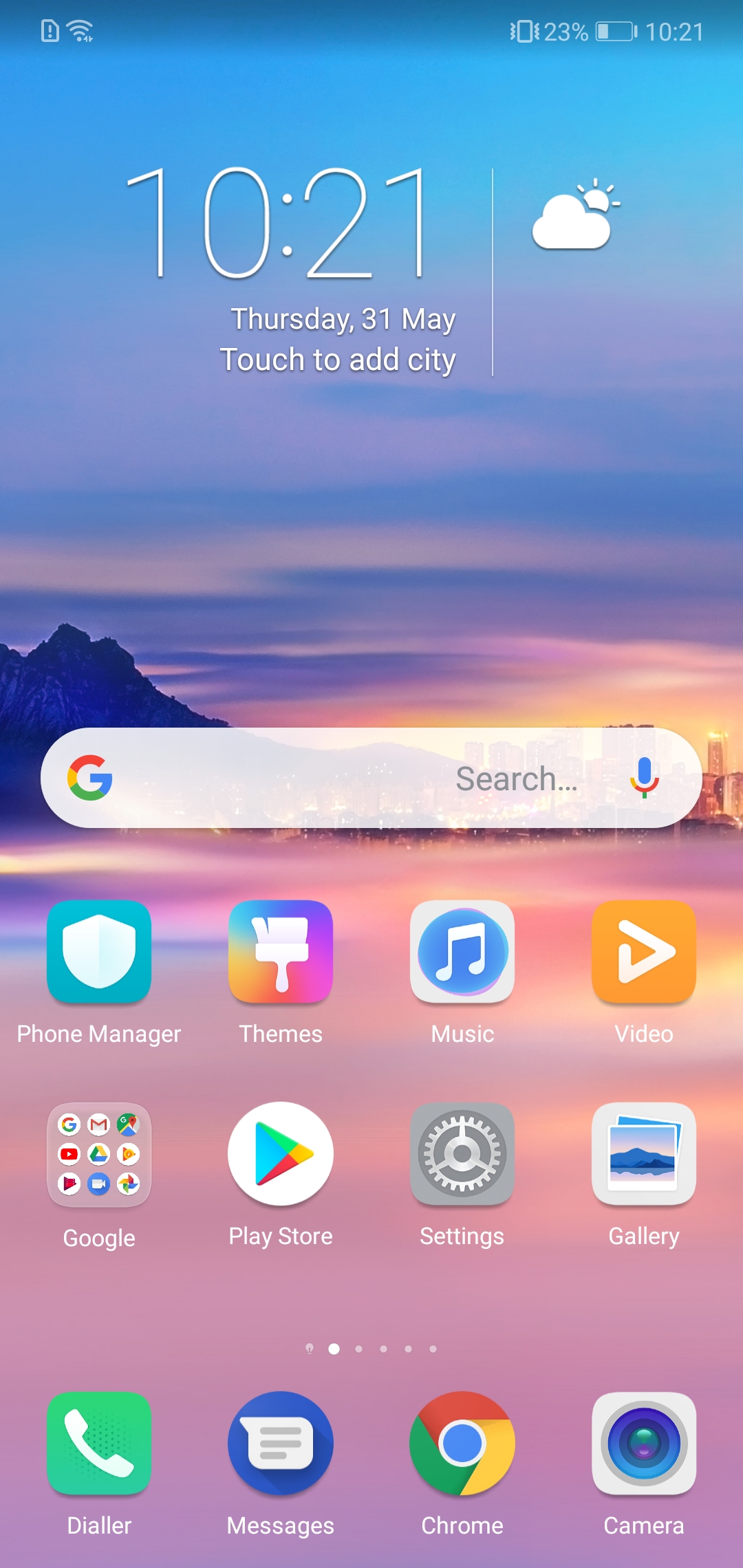
Moving onto the software, the Honor 10 is running the latest version of Android – Oreo 8.1 – with the EMUI 8.1 skin on top.
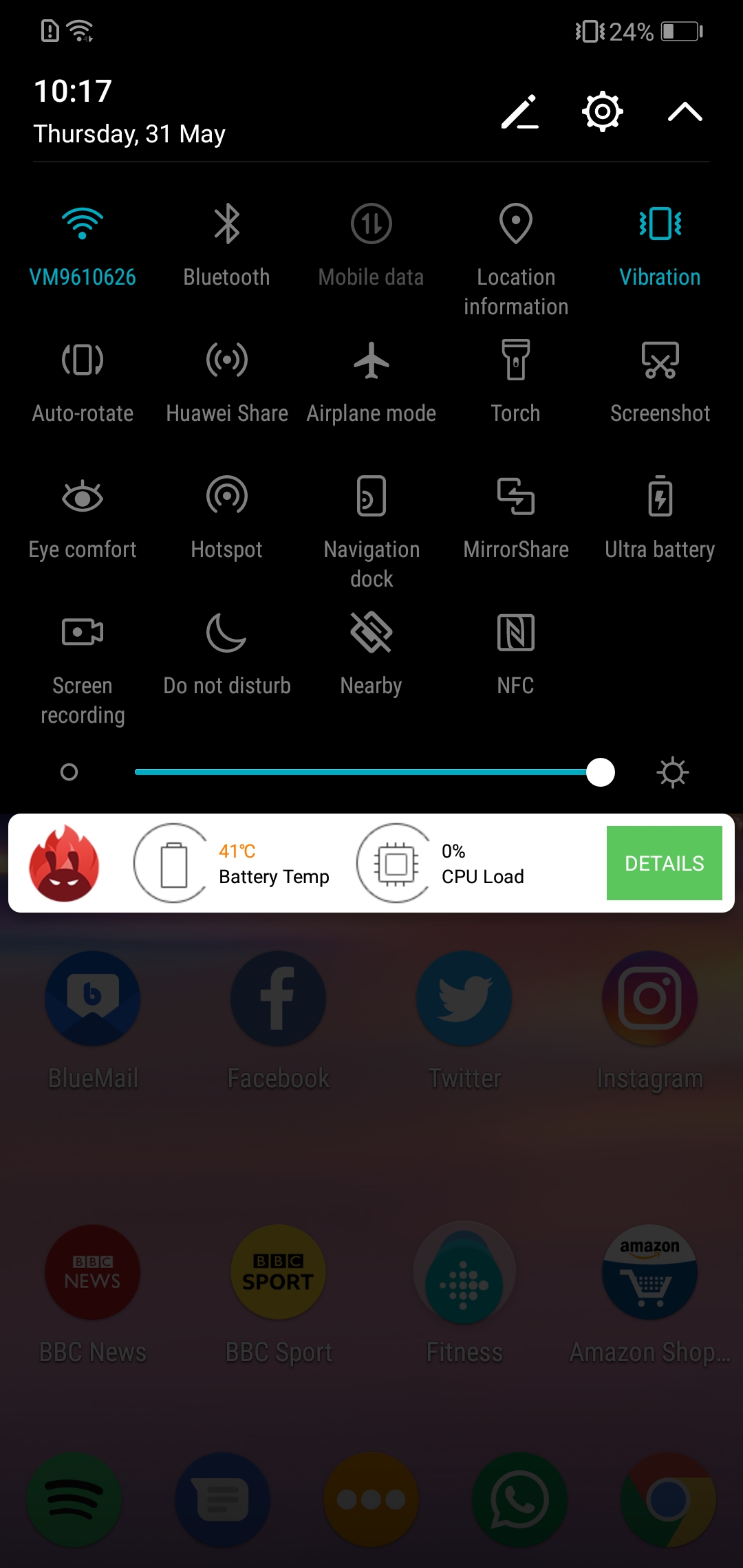
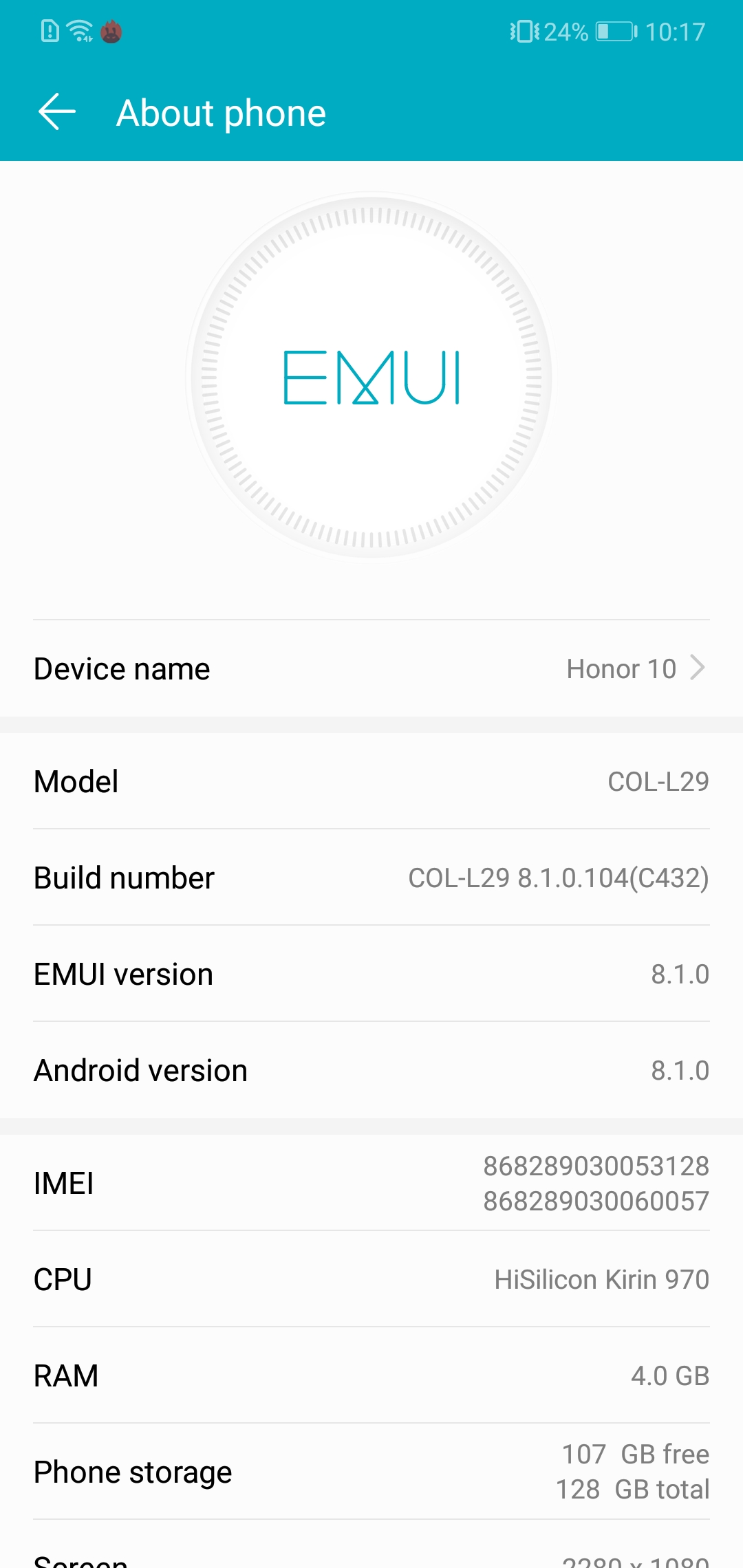
This is exactly the same software as I have been using for the last two months with the P20 Pro, so I feel quite at home with it. I still think it could do with a little UI revamp to make the visuals a bit more modern, but there are some nifty features tucked away inside.

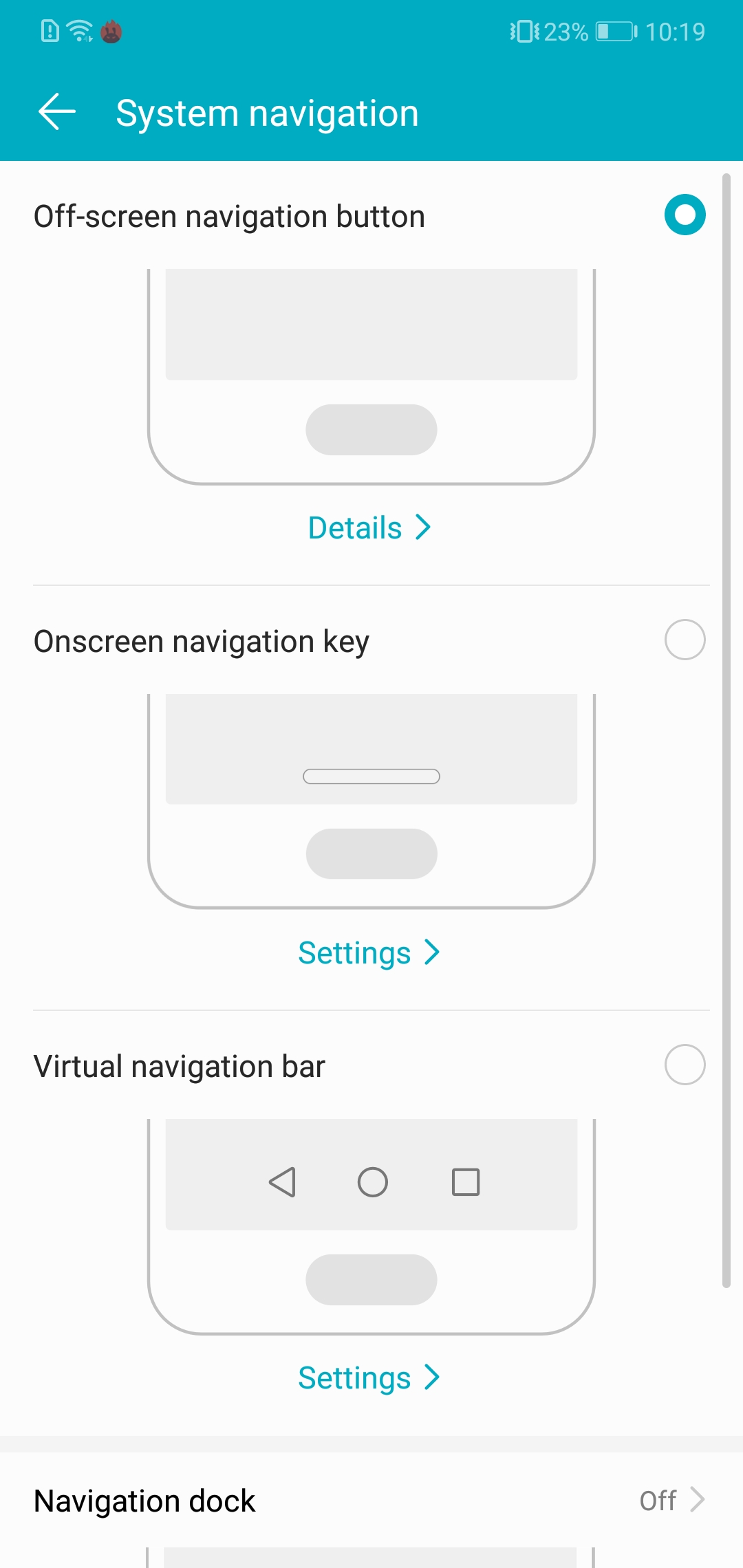
One of these is the ability to hide the notch by turning the pixels around it to black, while I also like being able to use the fingerprint scanner as the navigation buttons as this frees up the whole of the screen.
However, as I mentioned above, at the minute I have to say the software can occasionally feel a little sluggish when compared to the P20 Pro, and given the two phones use the same processor, I can't see how this is a hardware issue. If Honor can bring out an update ASAP to improve matters, that would be greatly appreciated.
Camera
As for the Honor 10's cameras, it sports one 16MP RGB sensor with a f/1.8 aperture, and another 24MP monochrome sensor which also has a f/1.8 lens.
The big feature, however, is the so called AI camera technology. In the Honor 10's camera app, there is an ‘AI' button on screen which you can toggle on or off to enable or disable the AI features. If you're curious, the AI can recognise 22 different scenes/environments/objects and adjusts image parameters accordingly. For instance, if the AI detects a person, it will automatically use portrait mode and blur the background.










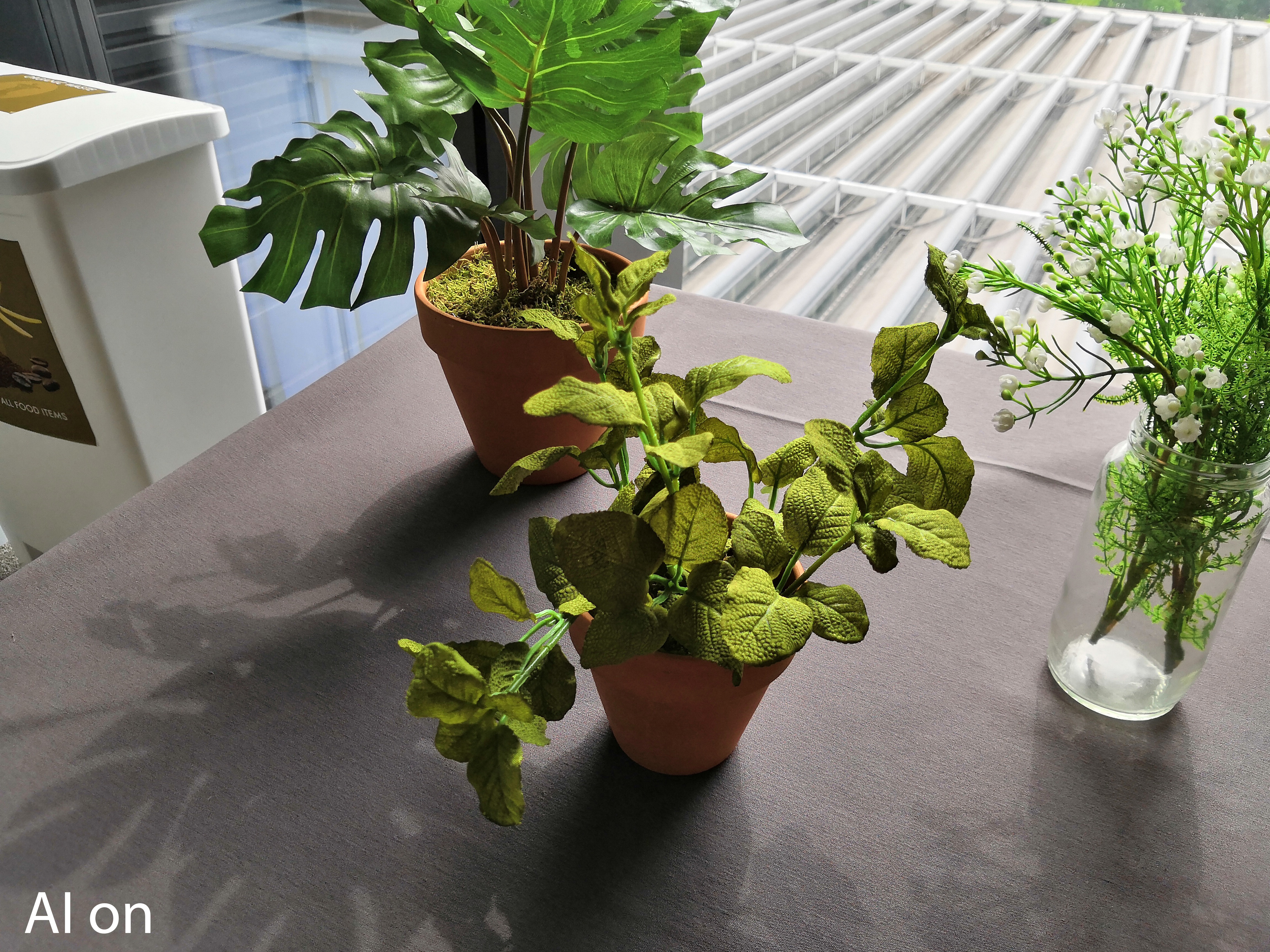
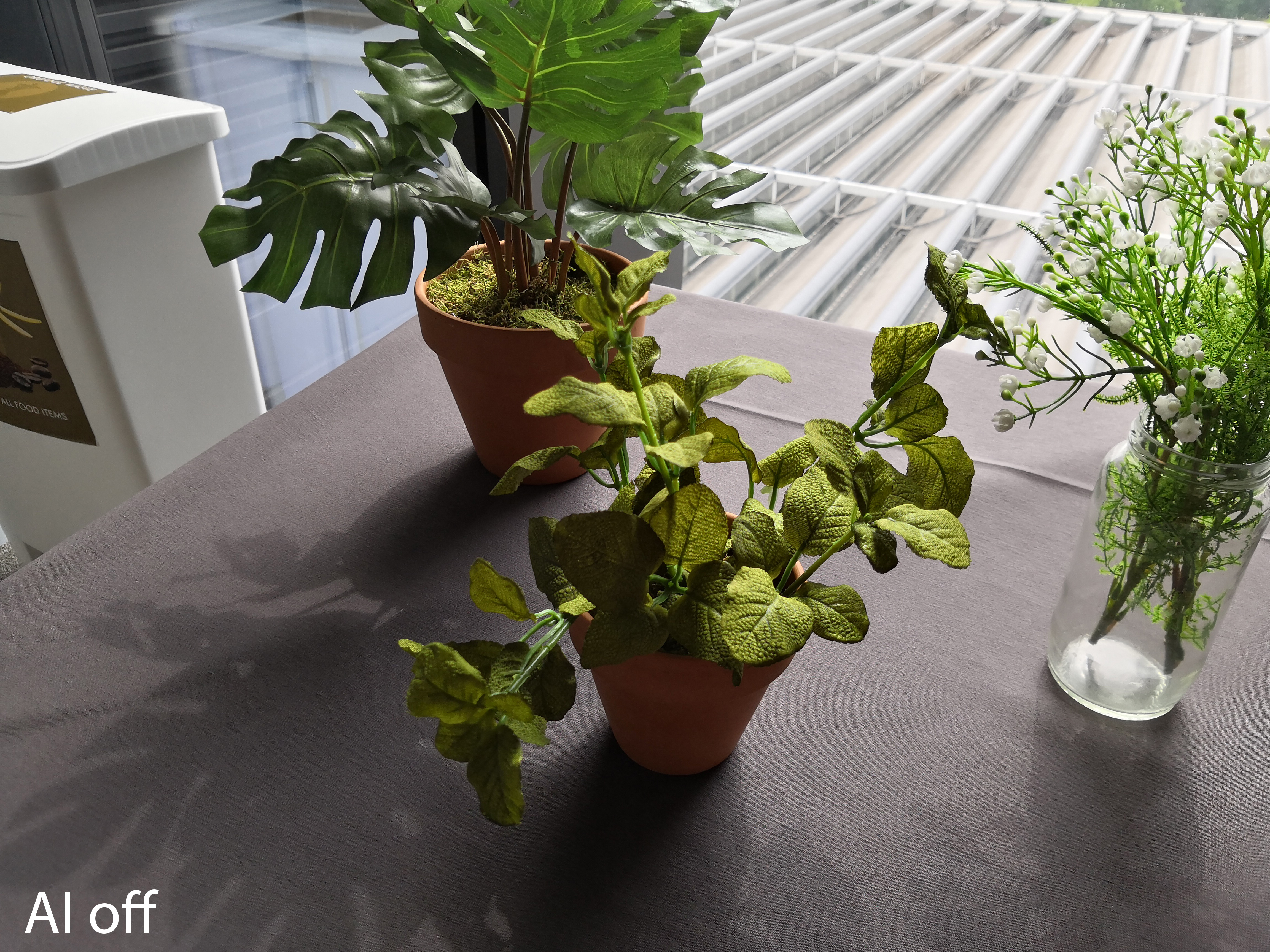








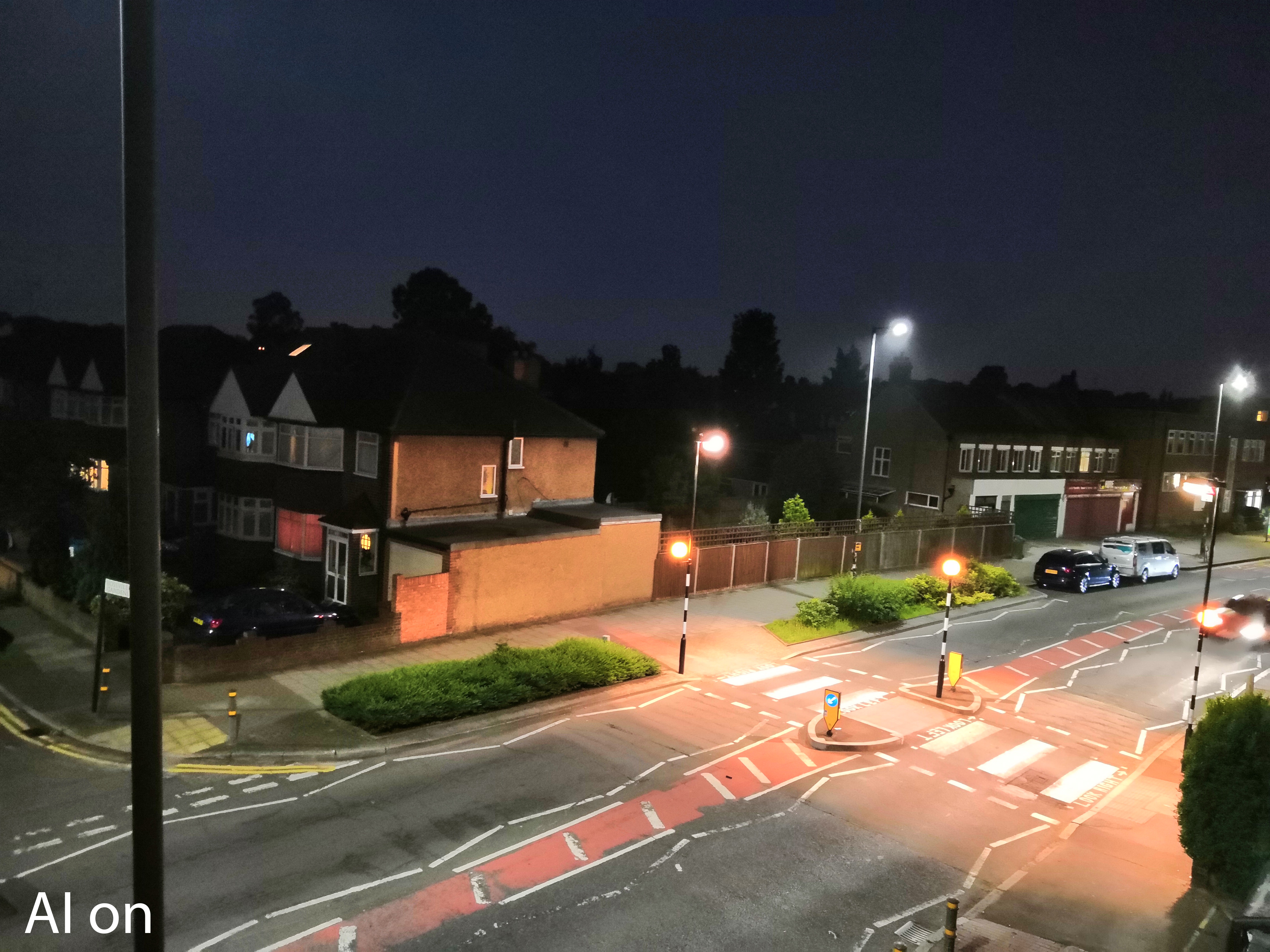
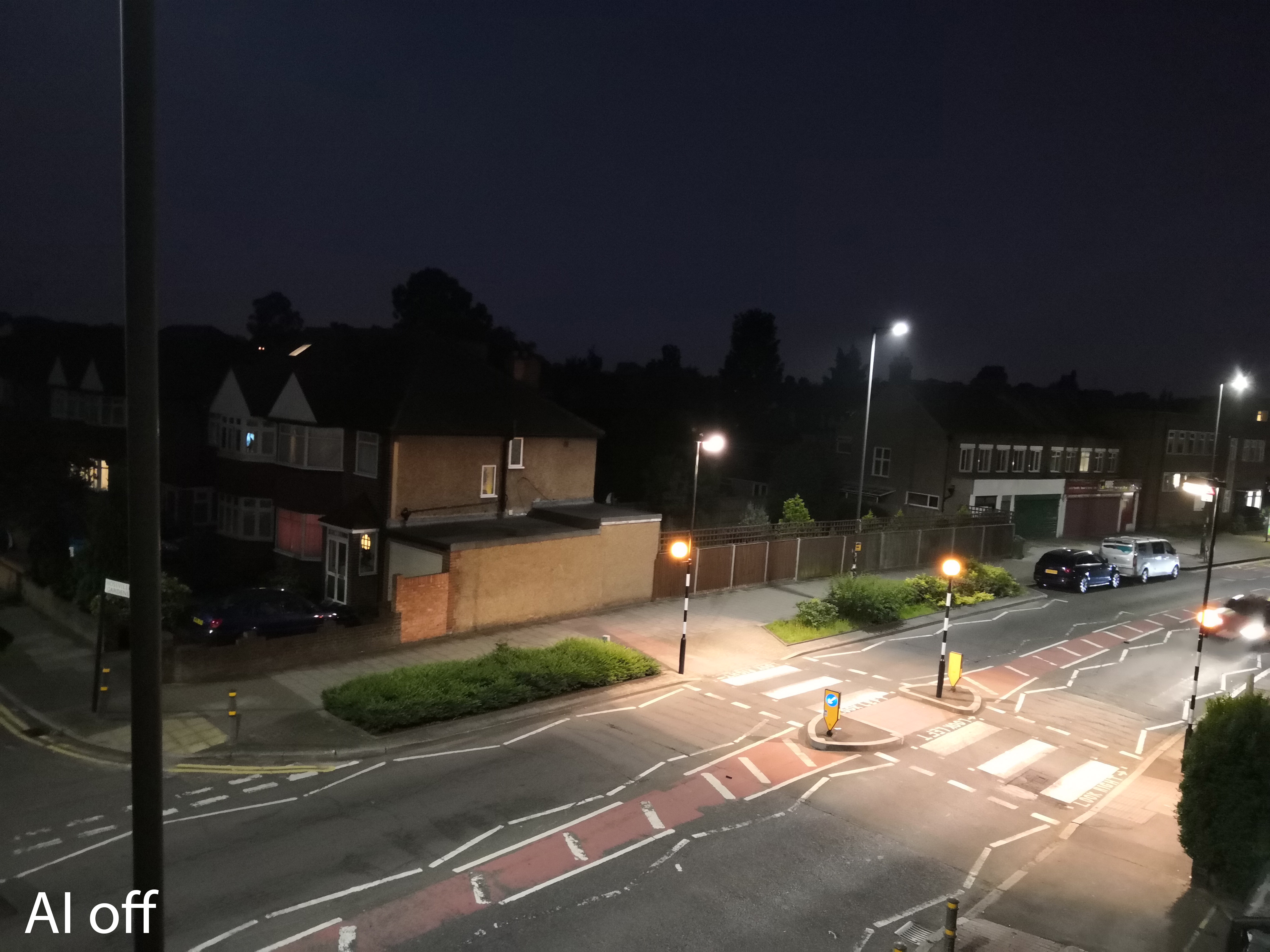
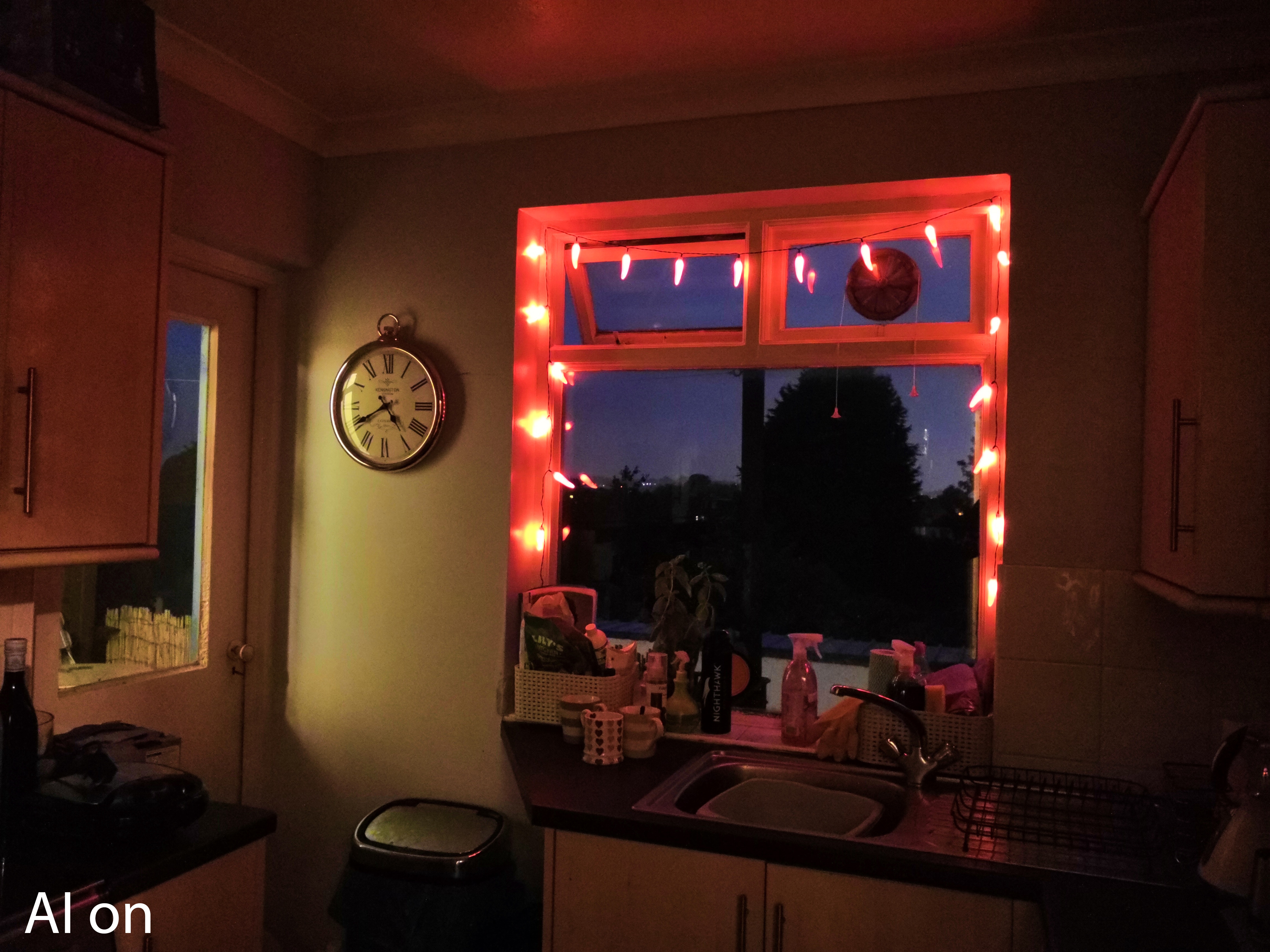
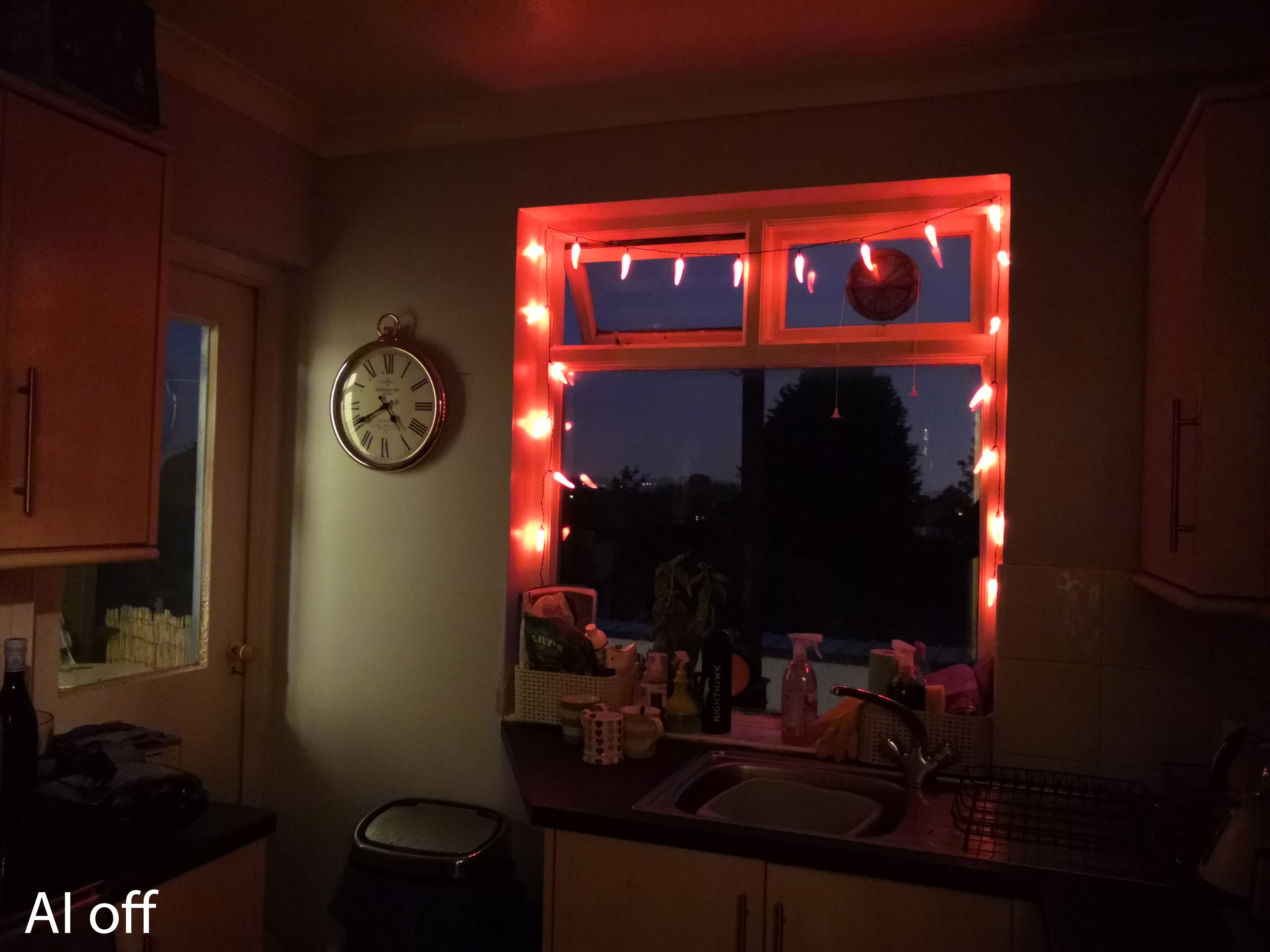
Note: if the above gallery is not displaying properly, you may need to disable your ad blocker software as it can interfere with out display code
This is similar to what we have seen from the P20 Pro and Mate 10 Pro, however the difference is the AI with the Honor 10 works with every image – whether a scene has been recognised or not. Essentially, the AI toggle – if one of the 22 scenes has not been recognised – will result in the contrast, saturation and shadows being boosted a fair bit compared the original image.
This is all done via software, and in essence it boils down to some optional extra post-processing to make your photos ‘pop' a bit more. It doesn't always work – it can frequently make photos look over-saturated or over-sharpened – but in some situations, the photo with AI enabled does look better.
Fortunately, if you shoot with the AI toggle on, you can actually disable the extra processing after the photo has been taken – when you are viewing the photo, the same AI toggle appears in the top right-hand corner and that lets you turn the enhancements on or off, even once the photo has been taken.
That is the main feature of the Honor 10's camera, but there are also plenty of other modes – including aperture, portrait and pro mode – that we have seen before with the P20 Pro.
On the whole, image quality is very decent considering the price of the phone. Sure, compared to the likes of the Pixel 2 and P20 Pro images don't look as clean or as well exposed, but for a £399 device the photos are generally quite sharp and are easy on the eye. I am certain trendy young Instagrammers will love the AI features, too.
Battery
The last area to touch upon is battery life. Honor has fitted the phone with a 3400mAh battery cell, which is probably about average for a smartphone in 2018.
Unlike the Mate 10 Pro and P20 Pro – which can both last a full two days on a single charge – I found the Honor 10 gives around a full day's use, but not more. Heavy users will likely get less than a full day, but for most people one day from a full charge should be achievable. In that sense, battery performance is fine but nothing special.
There is support for Huawei's SuperCharge technology, though, using the including charger and USB cable. According to my testing, this gives a 66% charge (from 0%) after 30 minutes, which is really very impressive and is great if you need to quickly top up before heading out.For a £399 smartphone, the Honor 10 packs in a lot of impressive hardware. After all, it is essentially the Huawei P20 but with an added 3.5mm jack and no IP rating.
It does have a very funky new glass back design, though, which – depending on the colour you choose – will change and shift as it hits different bits of light.
The display is also top-notch (if you excuse the pun), with the IPS panel offering wide viewing angles and punchy colours. The only way it could be better would be to use an OLED panel which is simply not realistic at this price.
In terms of the camera, Honor has made a big feature of its AI capabilities, and whether you like the added processing or not, the choice is yours whether you want to use it. In any case, image quality is very decent and again, it is hard to ask for more considering the price.
Battery life is quite average – giving about a day's use from a single charge – but you can get around 66% battery capacity from just a 30 minute charge using the included fast charger, which is another terrific inclusion at the price.
At the moment, the only real issue with the phone is its performance. It is certainly not bad – most of the time you will zip around with no issues – but I have noticed the Honor 10 is prone to the occasional slow down when opening a folder or app, which can happen once or twice a day. Similarly, the under glass fingerprint scanner isn't the fastest out there.
Overall, the Honor 10 is still worth buying – it really does offer a lot of features considering the price, and I think the display is a real highlight for a £400 flagship. I can't give the Honor 10 our top award due to the occasional performance hitches – which are far from regular – but hopefully a software update can fix those niggles.
You can buy the Honor 10 for £399 from Carphone Warehouse.
Pros
- Looks very stylish.
- SuperCharge works very well.
- Good value for money.
- Dual cameras are decent.
- Display is very good.
Cons
- Occasionally sluggish performance.
- Fingerprint scanner is not the fastest.
KitGuru says: The Honor 10 is a solid phone considering its £399 price. We would expect a software update to fix the occasionally sluggish performance, and that can only improve what is already an impressive device.