KitGuru KitGuru.net – Tech News | Hardware News | Hardware Reviews | IOS | Mobile | Gaming | Graphics Cards


Philips has unveiled its latest gaming monitor under the Evnia brand, the 32M2N8800. We first got a look at this screen at Philips' press event in April, but it is now ready to hit the market.
The Philips Evnia 32M2N8800 packs a QD-OLED panel with 4K resolution, a claimed 0.03 ms response time, and a 240Hz refresh rate. As expected from a QD-OLED monitor, the contrast ratio is effectively infinite, rated at 1,500,000:1. As for brightness, in SDR, it's around 250 nits (typical), increasing to 450 nits (typical) for HDR content, though this can hit up to 1000 nits depending on the APL.
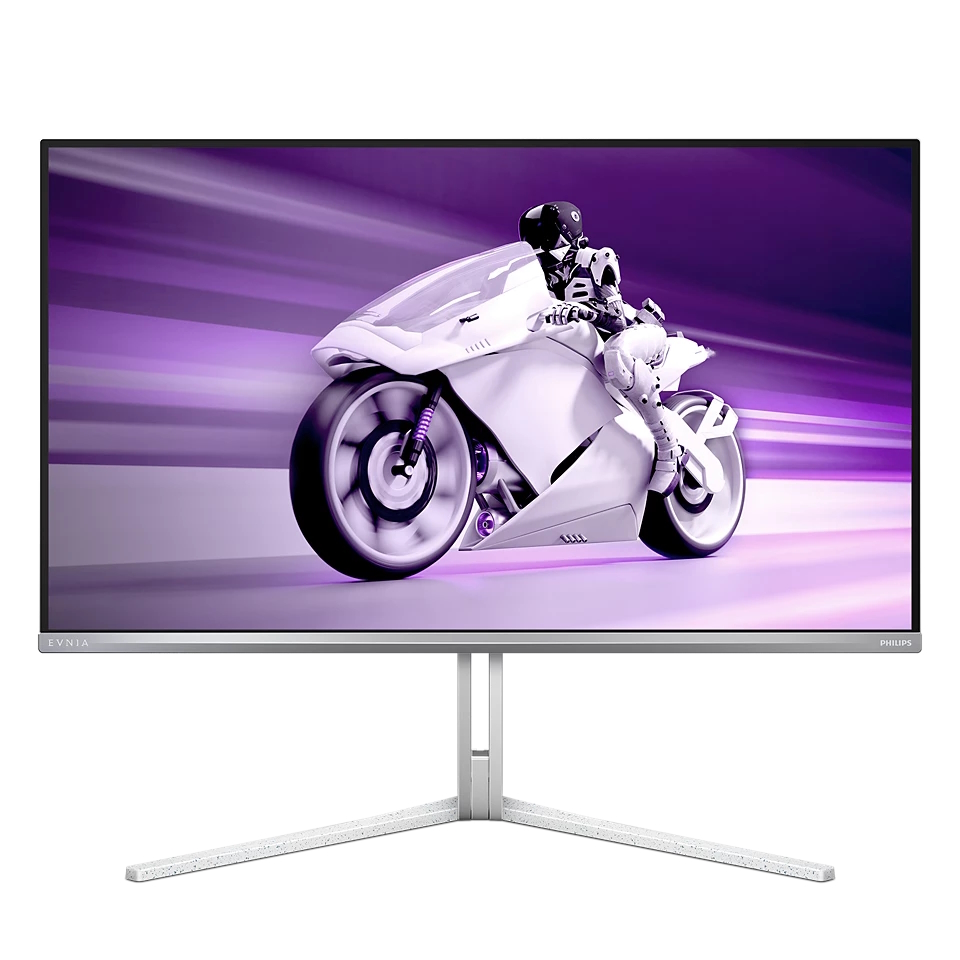
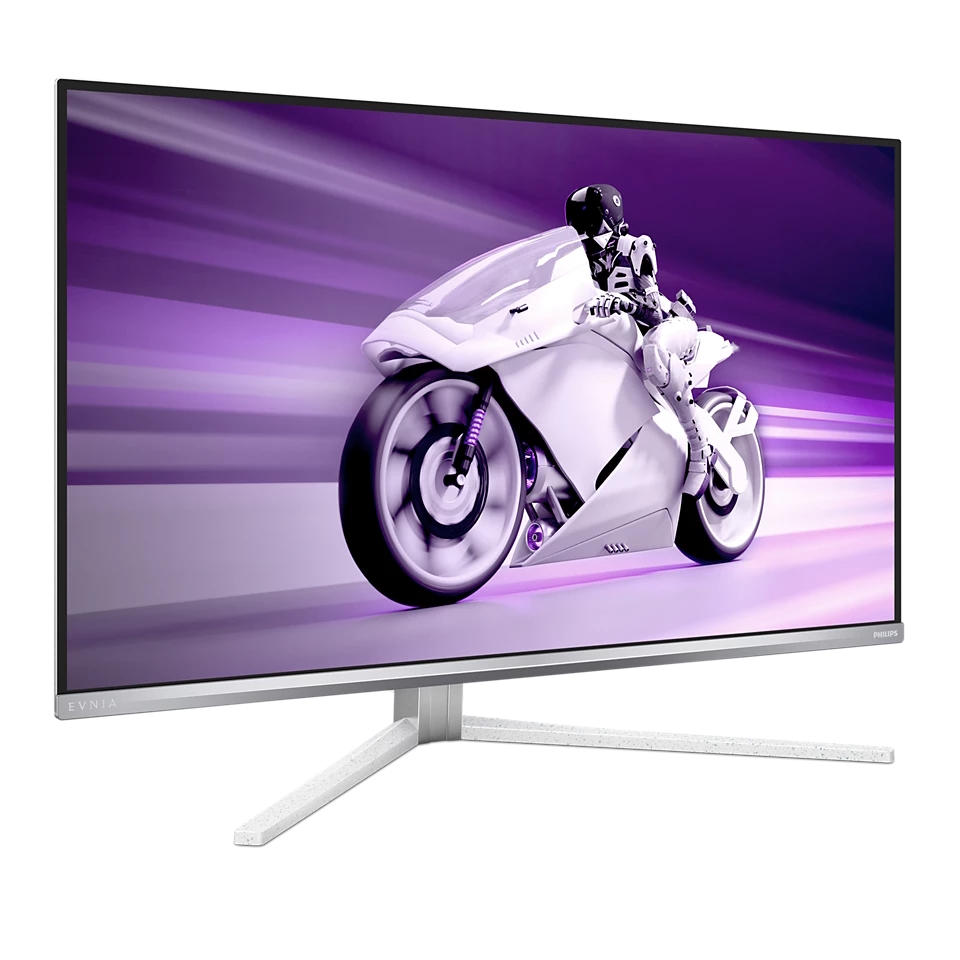
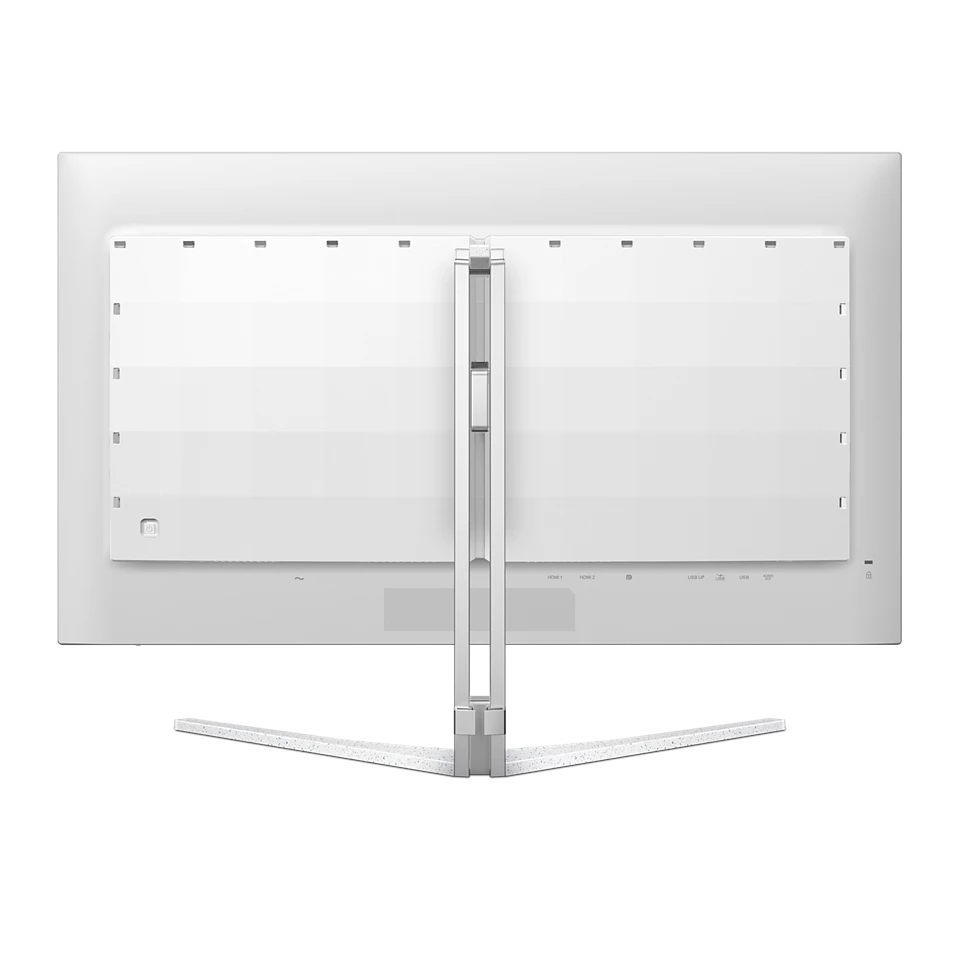
The monitor features a 10-bit panel with 99% DCI-P3/100% sRGB colour spectrum coverage, while it's also achieved VESA DisplayHDR TrueBlack 400 and ClearMR 13000 certifications. On the gaming front, the Evnia display has features like smart crosshair and multiple game modes, and users can take advantage of PbP and PiP to enhance multitasking.
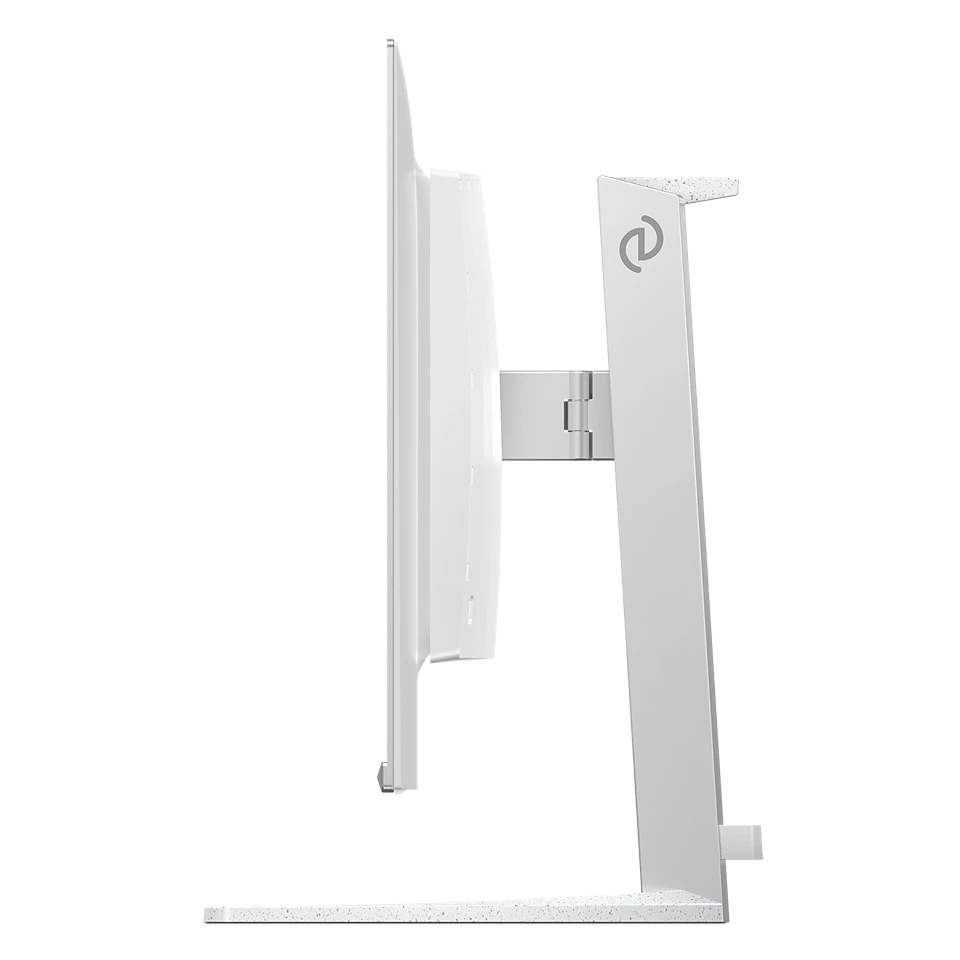
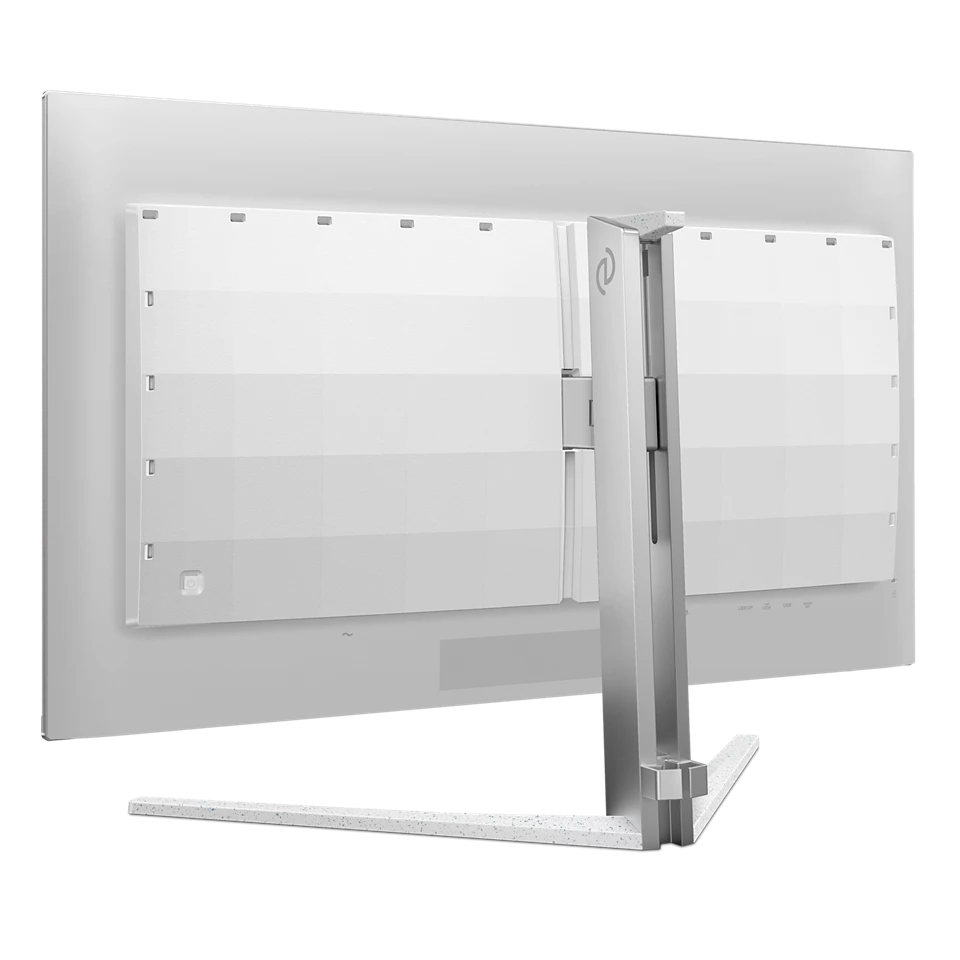
While the display's connectivity options are somewhat limited, with just DisplayPort 1.4 and two HDMI 2.1 connections, it does include a built-in USB 3.2 Gen 1 (5 Gbps) hub with two USB-A ports, one of which supports the USB battery charging 1.2 standard. The monitor also houses a 3.5 mm audio jack and features Philips' Ambiglow LED technology on all four sides. As for adjustability, the stand offers height, swivel, and tilt adjustments. Like most other QD-OLED monitors, the new Evnia monitor should be priced close to the £1000 mark.
Discuss on our Facebook page HERE.
KitGuru says: Do you think the Evnia 32M2N8800 can stand out from the other similarly specced QD-OLED monitors?