KitGuru KitGuru.net – Tech News | Hardware News | Hardware Reviews | IOS | Mobile | Gaming | Graphics Cards


The Agon by AOC series of gaming monitors just got even better. This week, AOC announced two new monitors – the AG324UX with 4K resolution and 144Hz refresh rate, and the AF274FZ, offering 1080p at 260Hz.
The AGON AG324UX is the higher end of these two, sporting a 31.5″ IPS panel with 4K resolution, 144Hz refresh rate and of course, DisplayHDR 400 certification. This monitor continues to utilise AOC's award winning 3-side frameless design, while also including other useful features, such as HDMI 2.1 for enhanced support with next-gen consoles, like the Xbox Series X/S and PlayStation 5. As you would expect from a gaming monitor, response times are low, measuring in at 1ms G2G, you also get AMD FreeSync Premium Pro as well as G-Sync Compatibility for tear-free gaming.
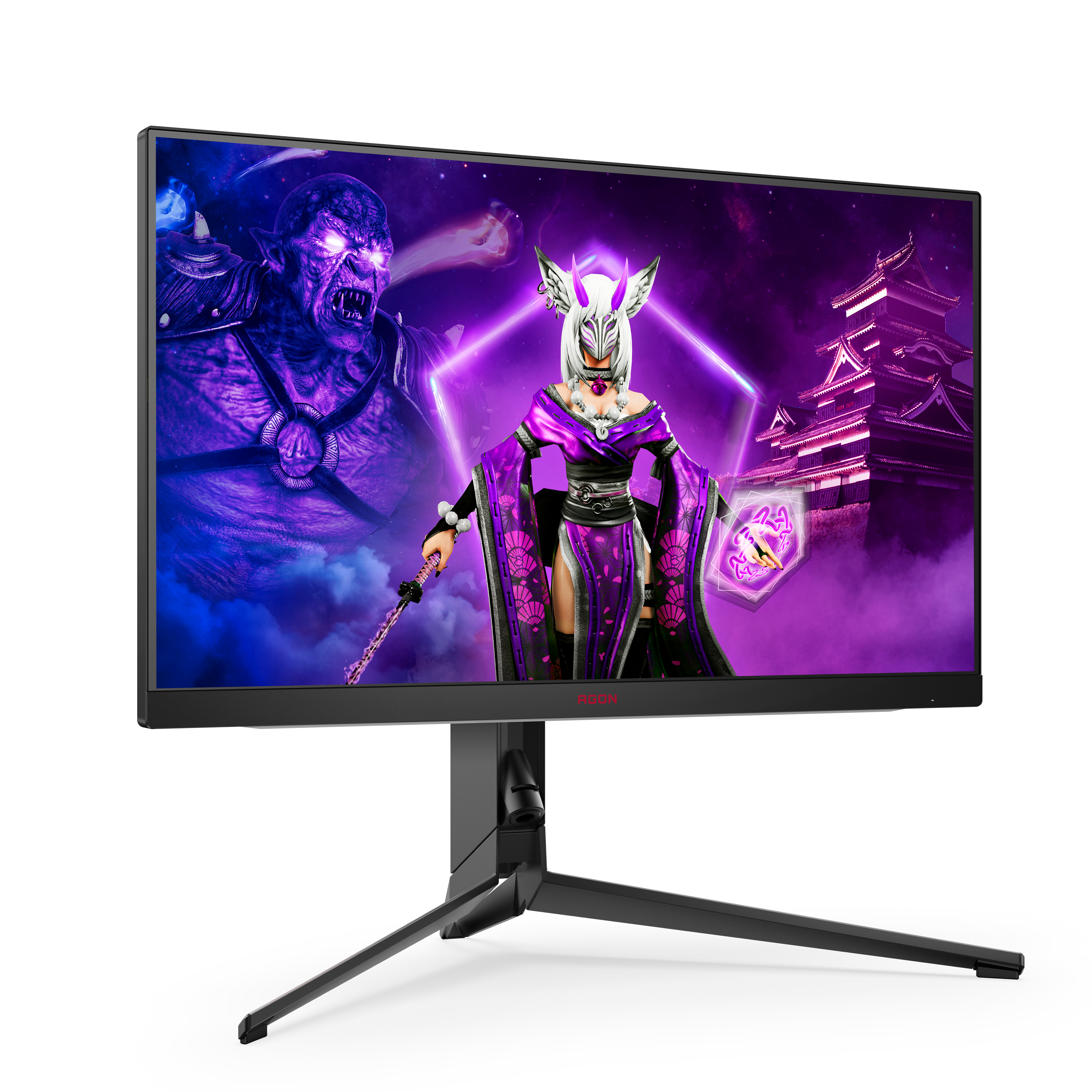

The AGON AG274FZ shrinks the IPS panel size down to 27-inches, offering 1080p resolution and a 240Hz native refresh rate, although this can be overclocked to 260Hz through the OSD. The monitor also backs DisplayHDR 400 and support for Adaptive Sync too.
Both of these monitors will be available starting this month. The AGON AG324UX carries an MSRP of £899, while the AG274FZ carries an MSRP of £389.
Discuss on our Facebook page, HERE.
KitGuru Says: These specs look great on paper, hopefully first-hand reviews will soon follow. Are any of you currently shopping around for a new gaming monitor? Are you looking for a 1080p display with an ultra high refresh rate, or would you prefer 4K/144Hz?