KitGuru KitGuru.net – Tech News | Hardware News | Hardware Reviews | IOS | Mobile | Gaming | Graphics Cards


After AMD's big announcements at the start of the week, a lot of focus at Computex 2019 has been on X570 motherboards and PCIe 4.0. Patriot is another brand who is releasing a new SSD to take advantage of PCIe 4.0, and we also saw a new gaming headset from the company.
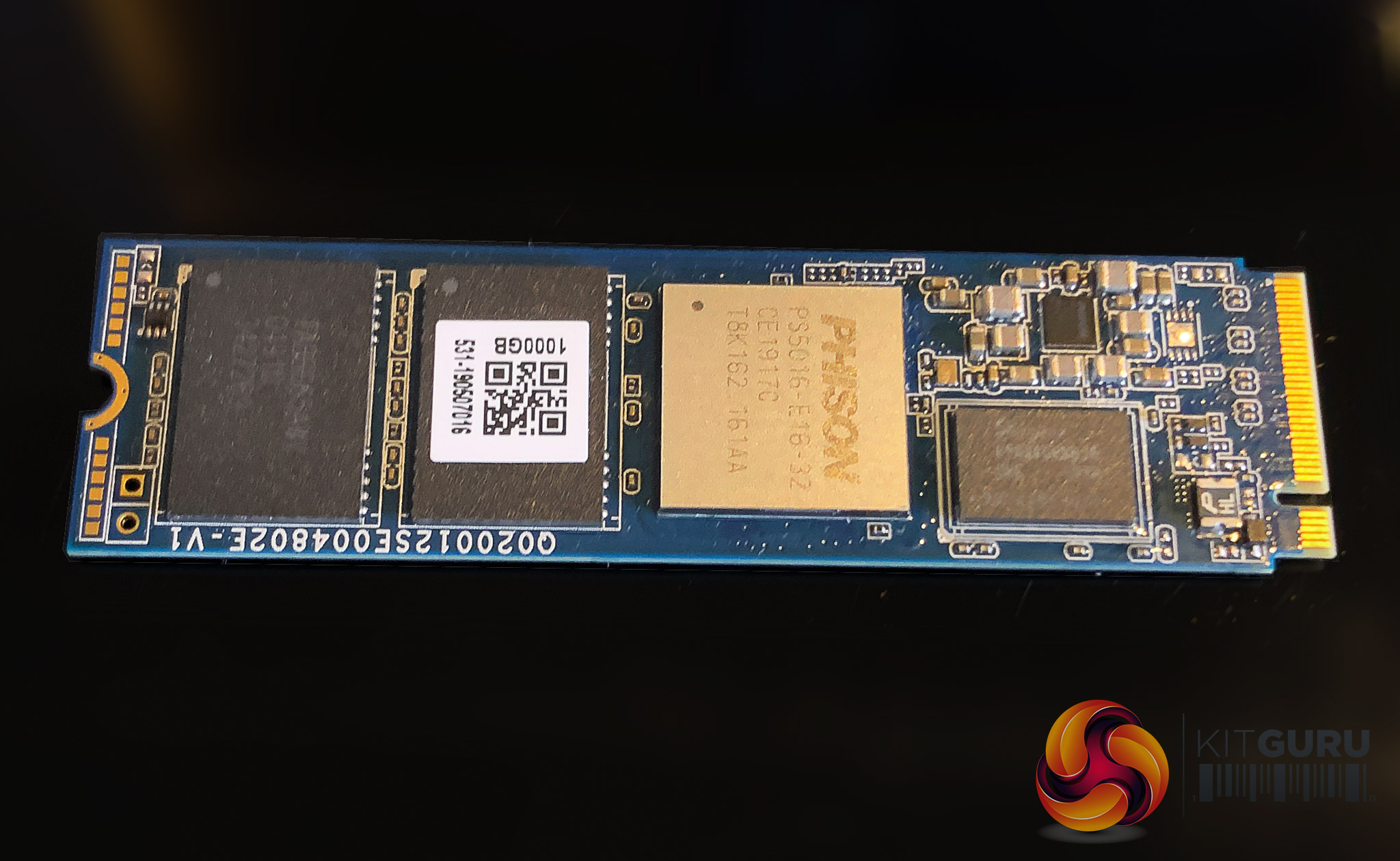
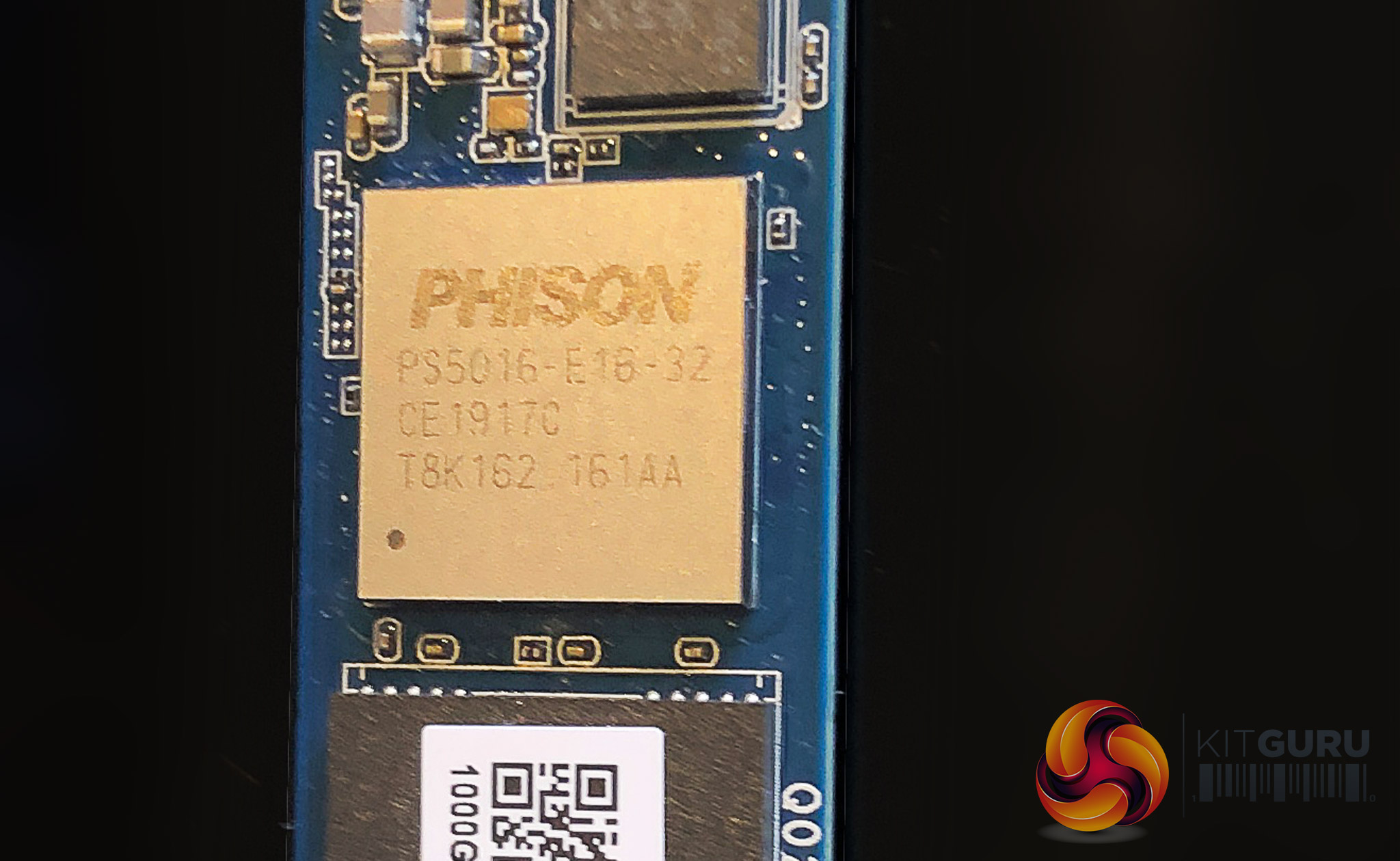
Starting with the SSD, at the moment this drive is only known as the ‘PCIe Gen4 X 4 M.2 SSD', so we're still waiting for a confirmed product name. It's a standard M.2 2280 format and is built around the same Phison E16 controller as Corsair's Force MP600 and Gigabyte's Aorus drive we saw earlier in the week.
The Patriot drive is currently rated for sequential read speeds of up to 4800MB/s, and sequential writes up to 4000MB/s. It will also have up to 2GB DDR4 DRAM cache (depending on capacity), while there will be 500GB, 1TB and 2TB models. Availability is expected in Q3 this year.
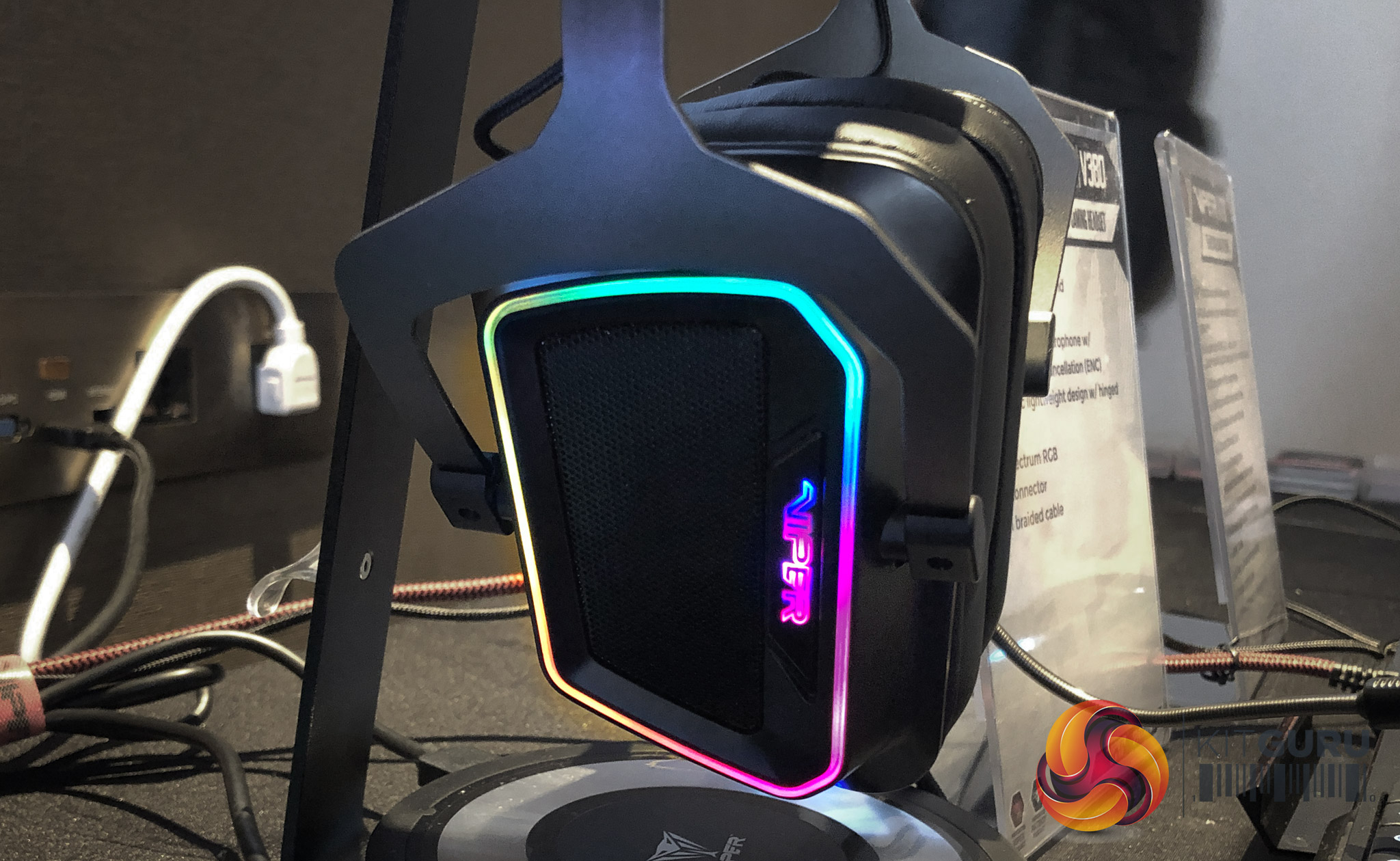
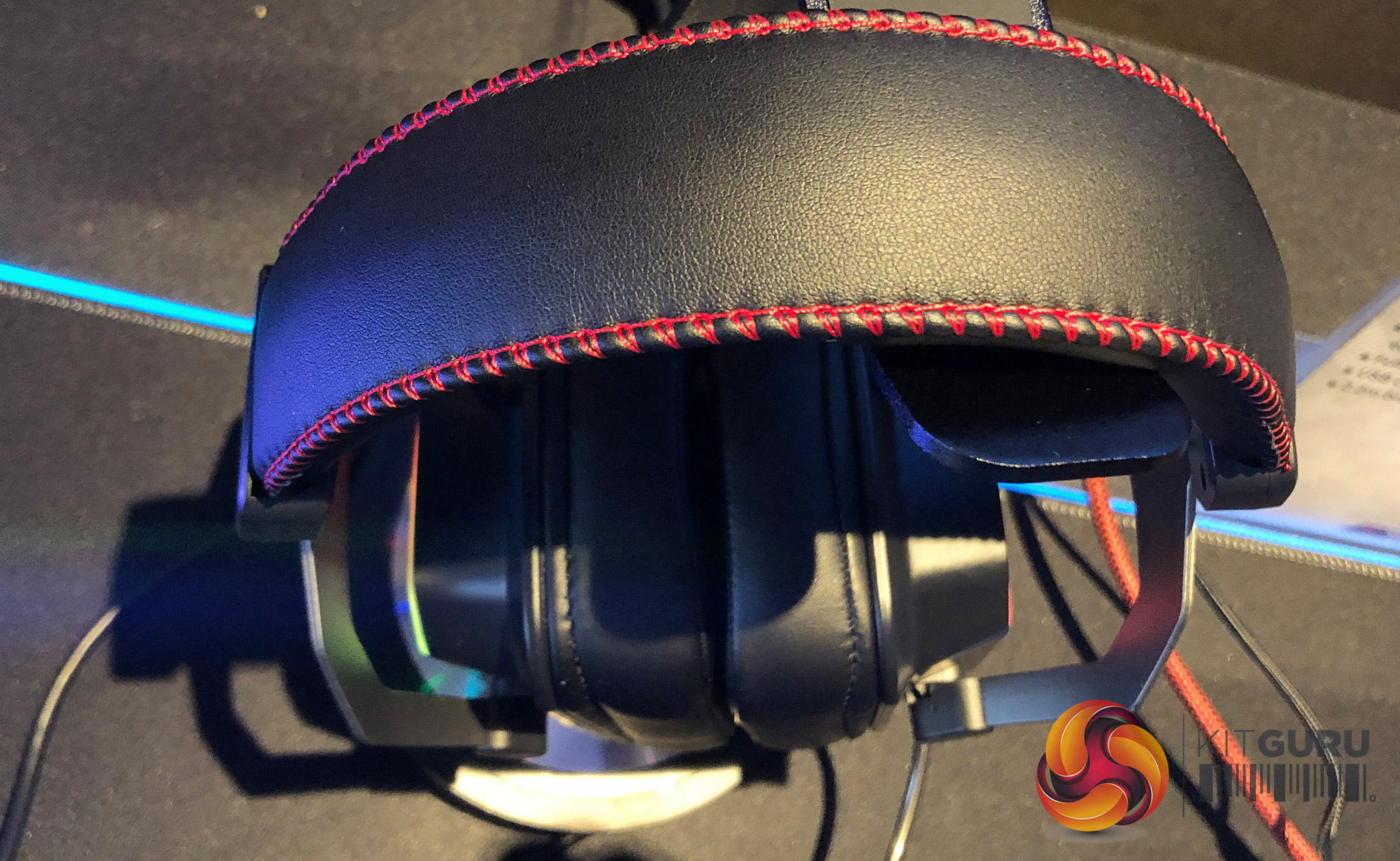
We also got to see Patriot's new Viper V380 virtual 7.1 surround-sound headset. This sports 50mm drivers, while each earcup is home to an attractive RGB strip to give the headset some extra pizzazz. Patriot has also worked hard on the omni-directional mic which has electronic noise cancellation (ENC) built-in – designed for esports teams to be able to hear each other clearly, with minimal background noise.
Other features worth noting include the hinged earcups, as well as the braided 2.2m USB cable. Patriot is also working on an accompanying stand which will recognise that the headset has been docked, and will then automatically switch your sound output to any available speakers – but we don't have further information on this at the moment. Availability for the V380 is again expected in Q3.
KitGuru says: It's good to see Patriot come up with its own PCIe 4.0 SSD, and it will be interesting to see just how fast it is when it is made available later this year.