KitGuru KitGuru.net – Tech News | Hardware News | Hardware Reviews | IOS | Mobile | Gaming | Graphics Cards


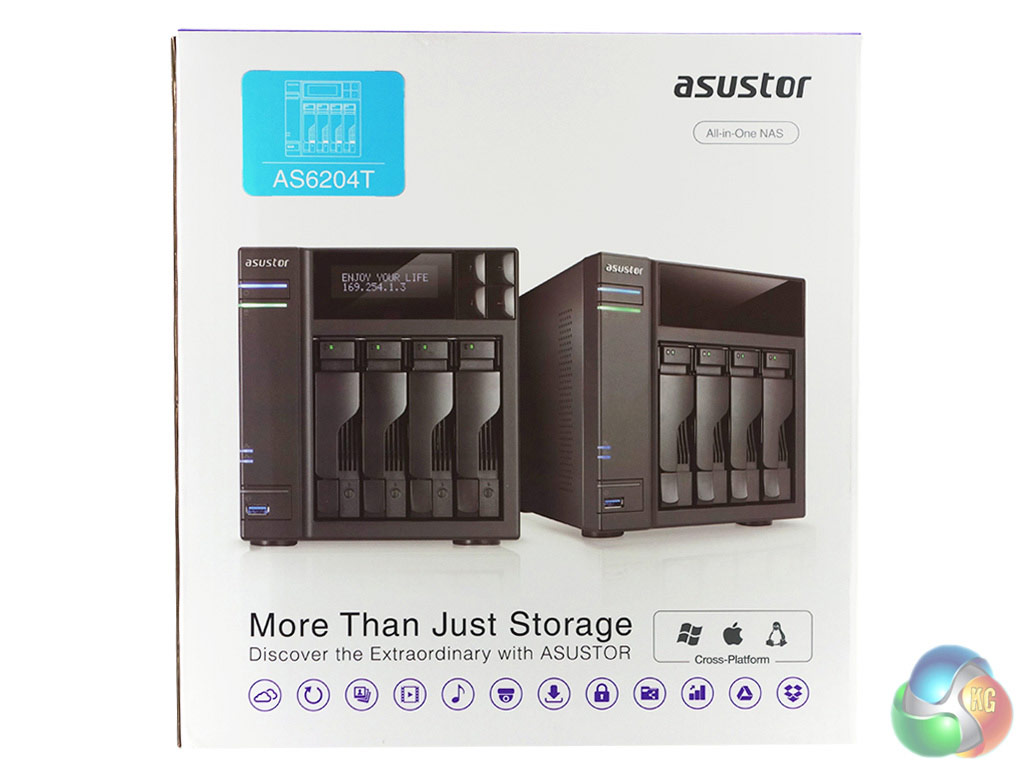
The Asustor AS6204T ships in a fairly large box with an image of the unit alongside its dual-core sibling, the AS6104T. There is also a row of icons informing you that this is more than just a storage device.
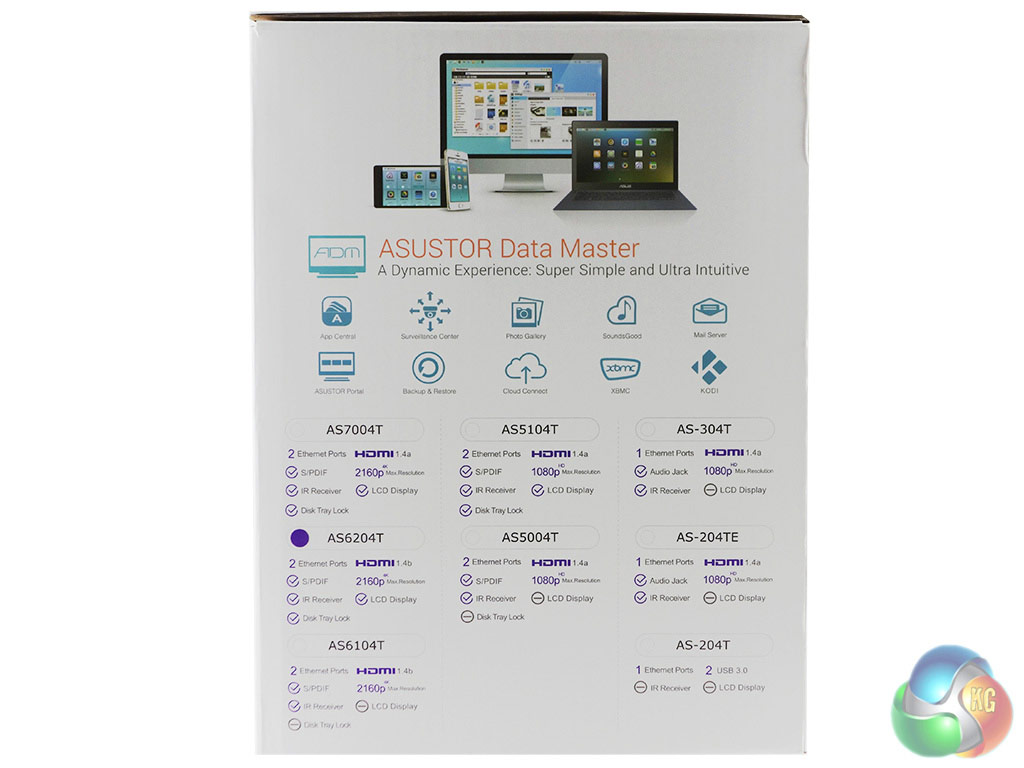
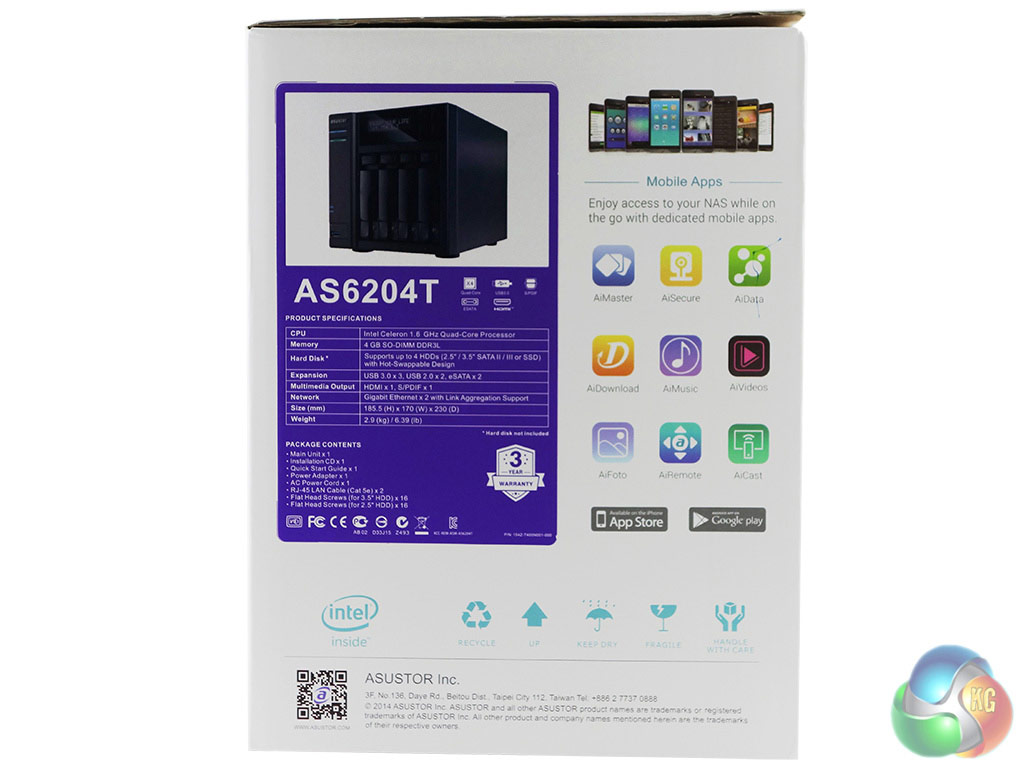
One side of the box has a small specifications panel, a list of what is in the box and information about the mobile apps that are available for the AS6204T. The other side of the box has information about the ADM OS and a list of other four-bay Asustor NAS units that are available, with some of their features.
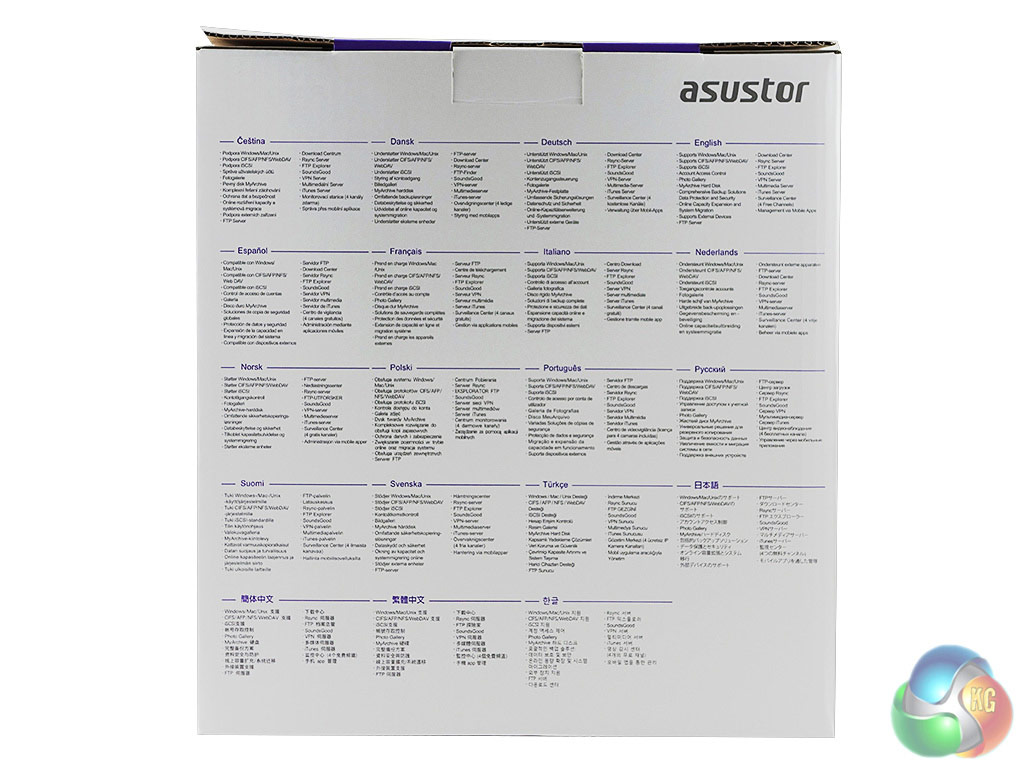
The rear of the box is covered by multilingual resumes of some of the AS6204T's features.
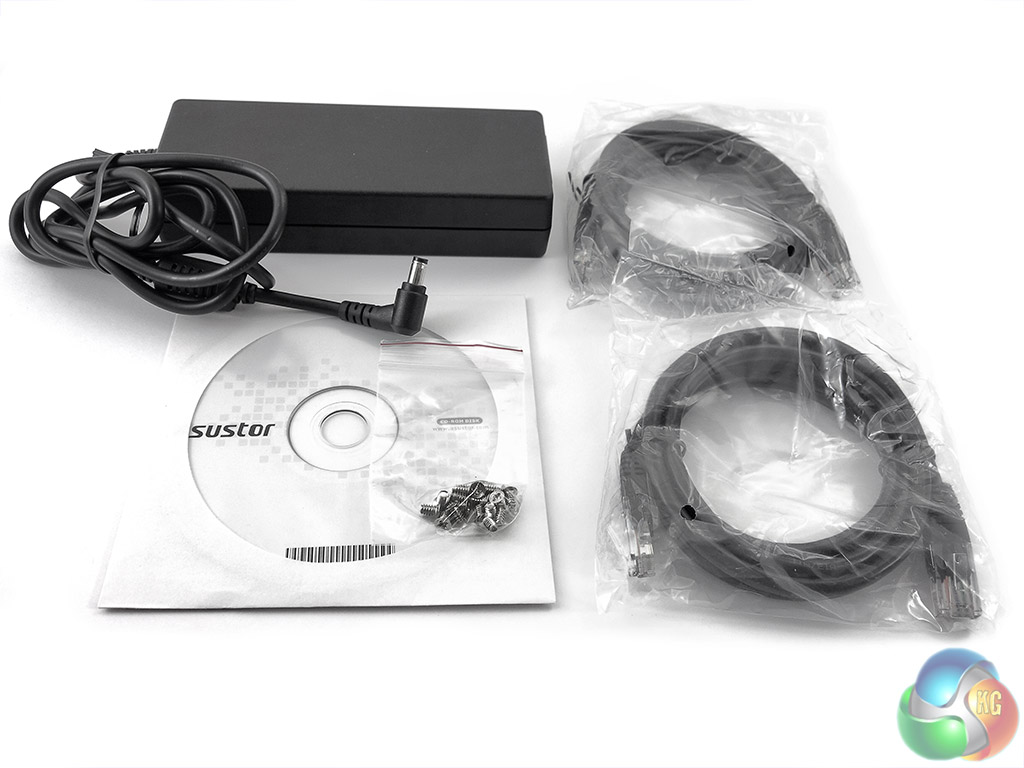
Inside the accessories box, there is a 90W AC adapter, a pair of Ethernet cables, a selection of screws for both 3.5″ and 2.5″ drive installations, a quick installation guide and a software CD.