KitGuru KitGuru.net – Tech News | Hardware News | Hardware Reviews | IOS | Mobile | Gaming | Graphics Cards


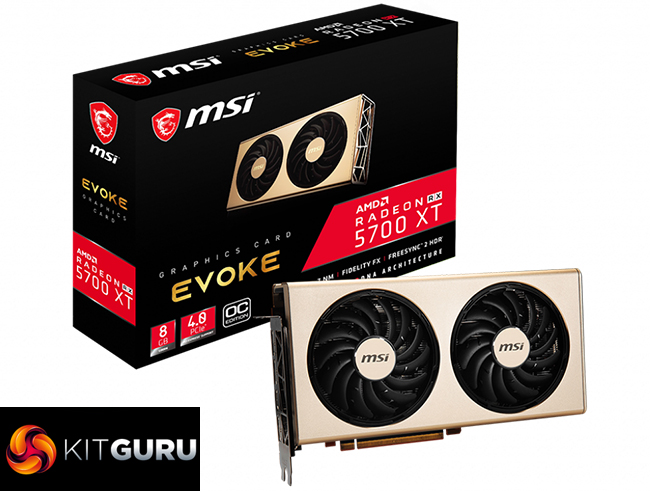
We got our first look at a custom Navi graphics card last week, courtesy of Sapphire's RX 5700 Pulse, and today we are following that up with a review of MSI's RX 5700 XT Evoke OC. The first thing you will notice about the card is its eye-catching ‘champagne gold' shroud, but the Evoke OC also ships factory overclocked with a dual axial fan cooler. Priced at £439.99, is this the Navi card to get?
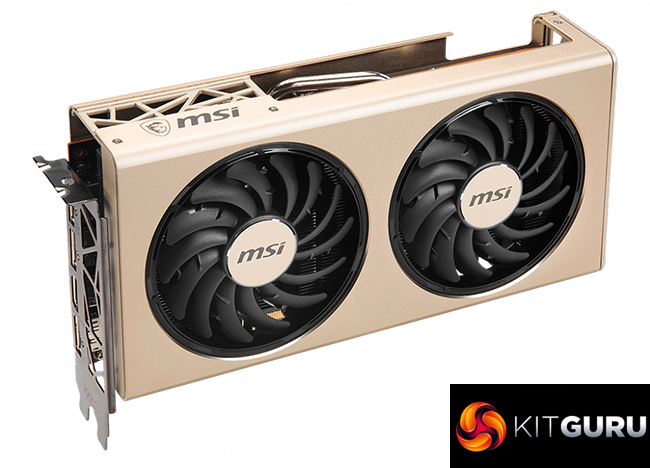
We've seen some gold-themed graphics cards before – MSI's own RTX 2080 Ti Lightning Z comes to mind – but I have never seen a card that is entirely gold. MSI says the RX 5700 XT Evoke OC is ‘champagne' coloured, and it's certainly a unique colour scheme for a graphics card.
The dual fan cooler and four heatpipes should keep the core cool, though, so temperatures and acoustics will hopefully be much improved over the reference card. Clock speeds have also been given a slight boost over reference, with the Evoke's game clock rated at 1835MHz, 80MHz higher than the reference design.
| RX 5700 | RX 5700 XT | RX Vega 56 | RX Vega 64 | Radeon VII | |
| Architecture | Navi | Navi | Vega 10 | Vega 10 | Vega 20 |
| Manufacturing Process | 7nm | 7nm | 14nm | 14nm | 7nm |
| Transistor Count | 10.3 billion | 10.3 billion | 12.5 billion | 12.5 billion | 13.2 billion |
| Die Size | 251mm² | 251mm² | 486mm² | 495mm² | 331mm² |
| Compute Units | 36 | 40 | 56 | 64 | 60 |
| Stream Processors | 2304 | 2560 | 3584 | 4096 | 3840 |
| Base GPU Clock | Up to 1465MHz | Up to 1605MHz | 1156 MHz | 1274 MHz | 1400 MHz |
| Game GPU Clock | Up to 1625MHz | Up to 1755MHz | n/a | n/a | n/a |
| Boost GPU Clock | Up to 1725MHz | Up to 1905MHz | 1471 MHz | 1546 MHz | 1750 MHz |
| Peak Engine Clock | n/a | n/a | 1590 MHz | 1630 MHz | 1800 MHz |
| Peak SP Performance | Up to 7.95 TFLOPS | Up to 9.75 TFLOPS | Up to 10.5 TFLOPS | Up to 12.7 TFLOPS | Up to 14.2 TFLOPS |
| Peak Half Precision Performance | Up to 15.9 TFLOPS | Up to 19.5 TFLOPS | Up to 21.0 TFLOPS | Up to 25.3 TFLOPS | Up to 28.1 TFLOPS |
| Peak Texture Fill-Rate | Up to 248.4 GT/s | Up to 304.8 GT/s | Up to 330.0 GT/s | Up to 395.8 GT/s | 432.24 GT/s |
| ROPs | 64 | 64 | 64 | 64 | 64 |
| Peak Pixel Fill-Rate | Up to 110.4 GP/s | Up to 121.9 GP/s | Up to 94.0 GP/s | Up to 98.9 GP/s | 115.26 GP/s |
| Memory | 8GB GDDR6 | 8GB GDDR6 | 8GB HBM | 8GB HBM | 16GB HBM2 |
| Memory Bandwidth | 448 GB/s | 448 GB/s | 410 GB/s | 483.8 GB/s | 1 TB/s |
| Memory Interface | 256-bit | 256-bit | 2048-bit | 2048-bit | 4096-bit |
| Board Power | 185W | 225W | 210W | 295W | 300W |
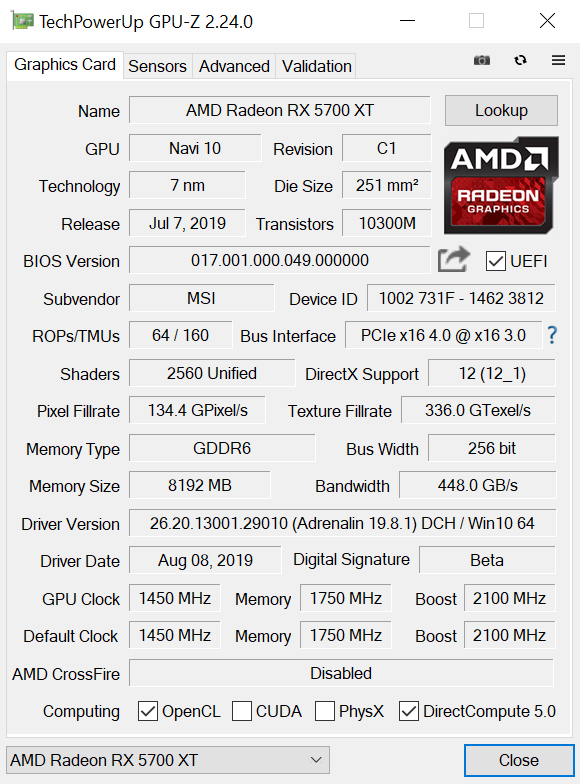
Other than that tweak to clock speed, the core spec of the MSI Evoke OC is unchanged from stock. We have 40 Compute Units (CUs) and 2560 stream processors, while the 8GB GDDR5 VRAM runs at its stock speed of 14Gbps. Despite the increase in core frequency, total board power is still rated at 225W, as per the reference design.
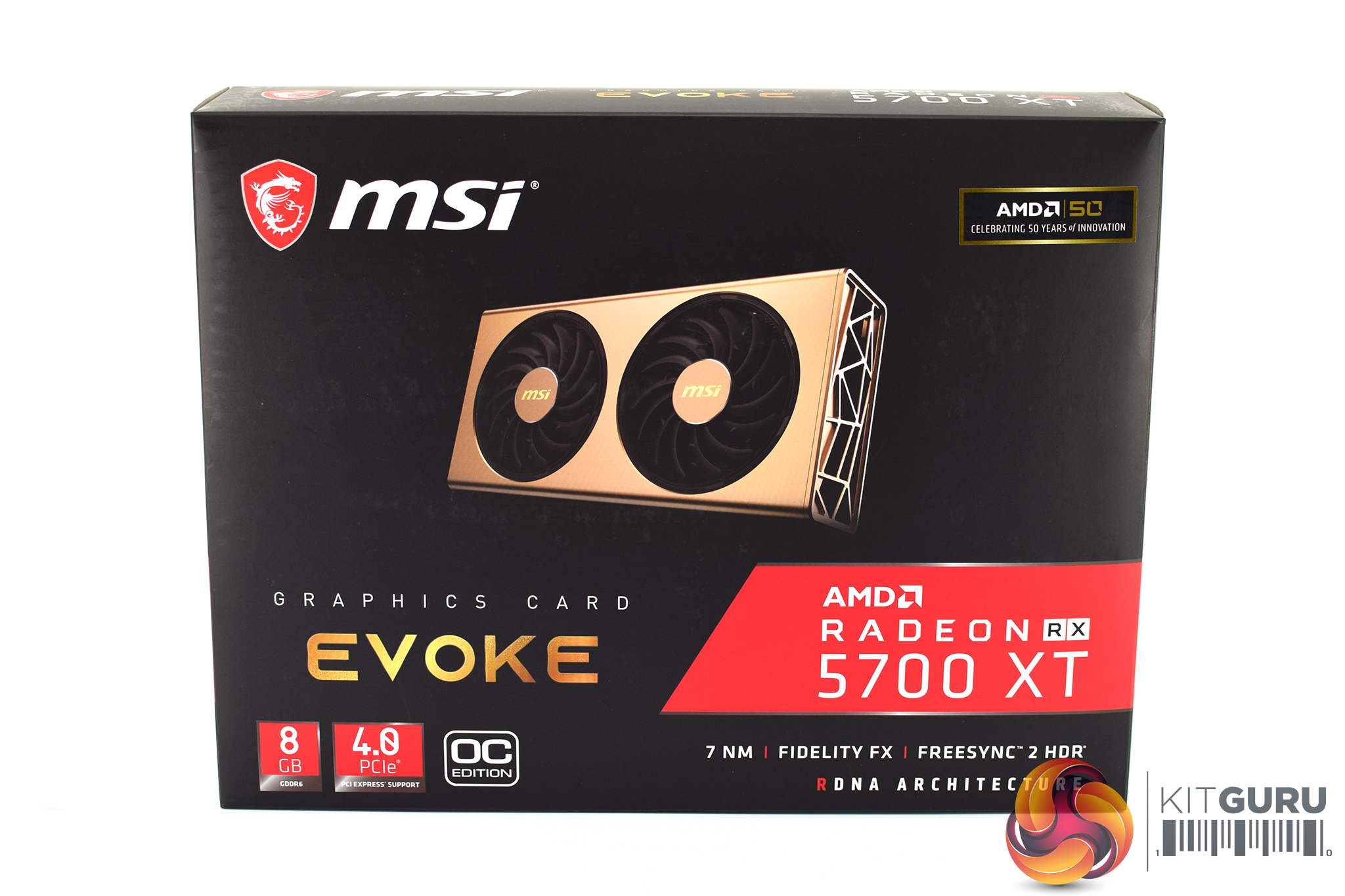
MSI's RX 5700 XT Evoke OC ships in a mostly black box, with an image of the graphics card visible from the front, alongside some AMD Radeon branding.
Inside, there's not much in the way of accessories – just a quick start guide and ‘thank you' note.
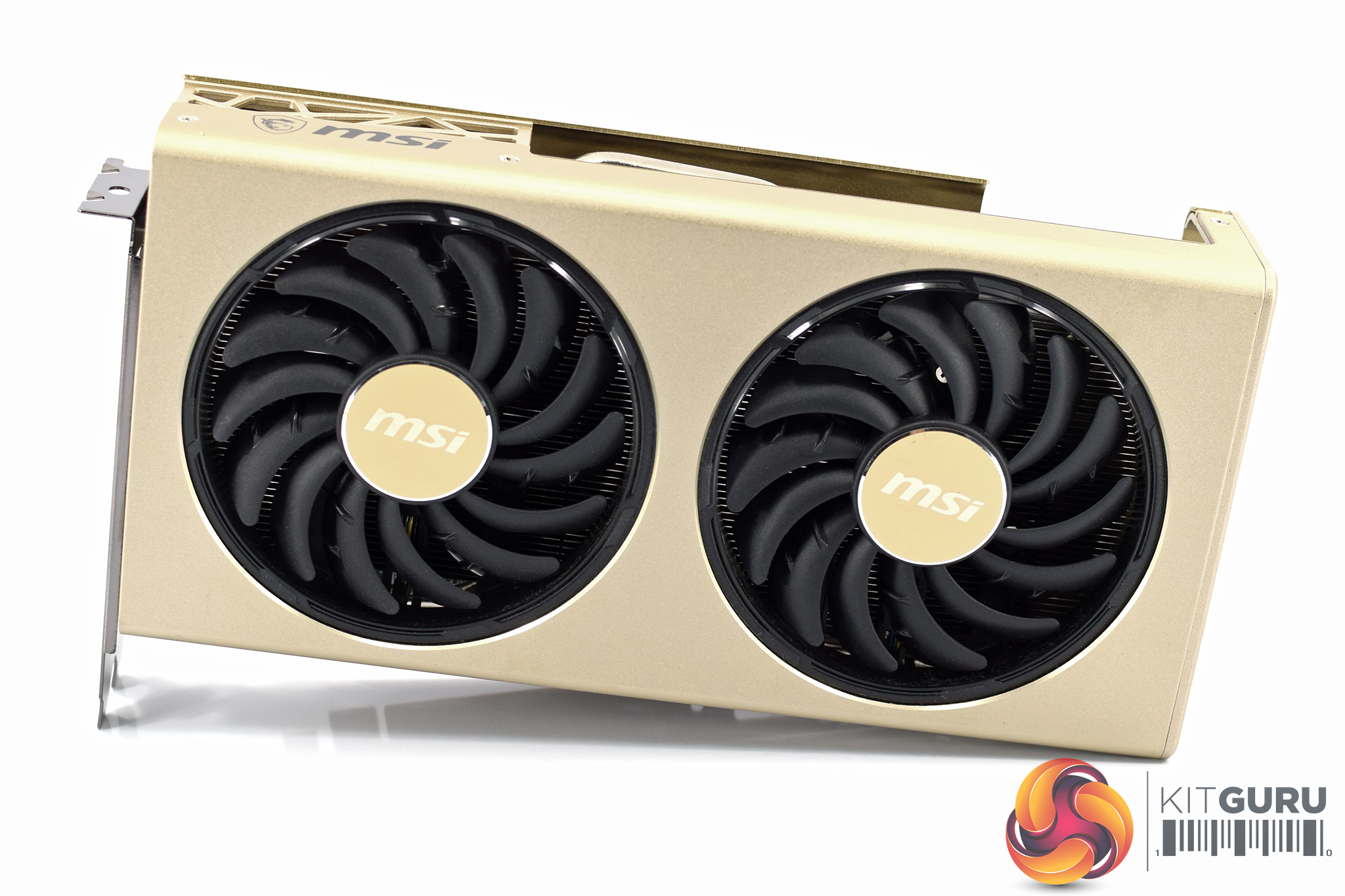
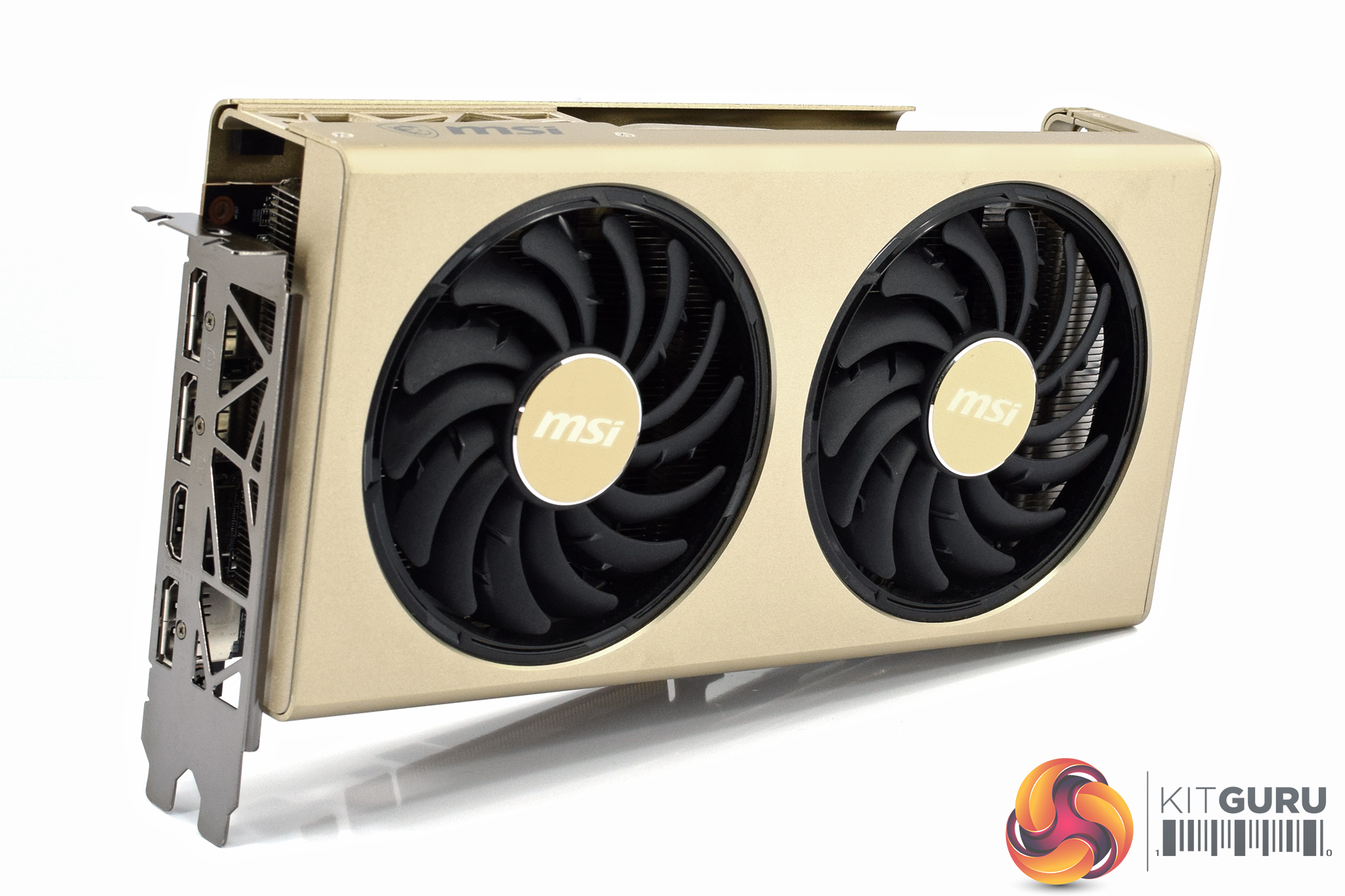
The card itself is obviously most notable for its unique ‘champagne gold' colour scheme, and usually we don't comment too much on the overall look of a card as it is obviously subjective. I would say for the Evoke, however, going with this gold design is potentially limiting the target audience of the card as you'd need a very specific colour scheme in your own system for this to fit in nicely. Some of you simply may not care, but I reckon if you are spending £440 on a graphics card, you will probably want a colour coordinated build and that may be tricky for the Evoke.
It does feel good in the hand, however, as the shroud is made almost entirely from metal (it feels like aluminium). Most partner cards have plastic shrouds so this is definitely a plus for the Evoke in terms of its build quality. We also get a look at those two Torx 3.0 fans, measuring 90mm across. These stop spinning once the GPU core falls below 60C.
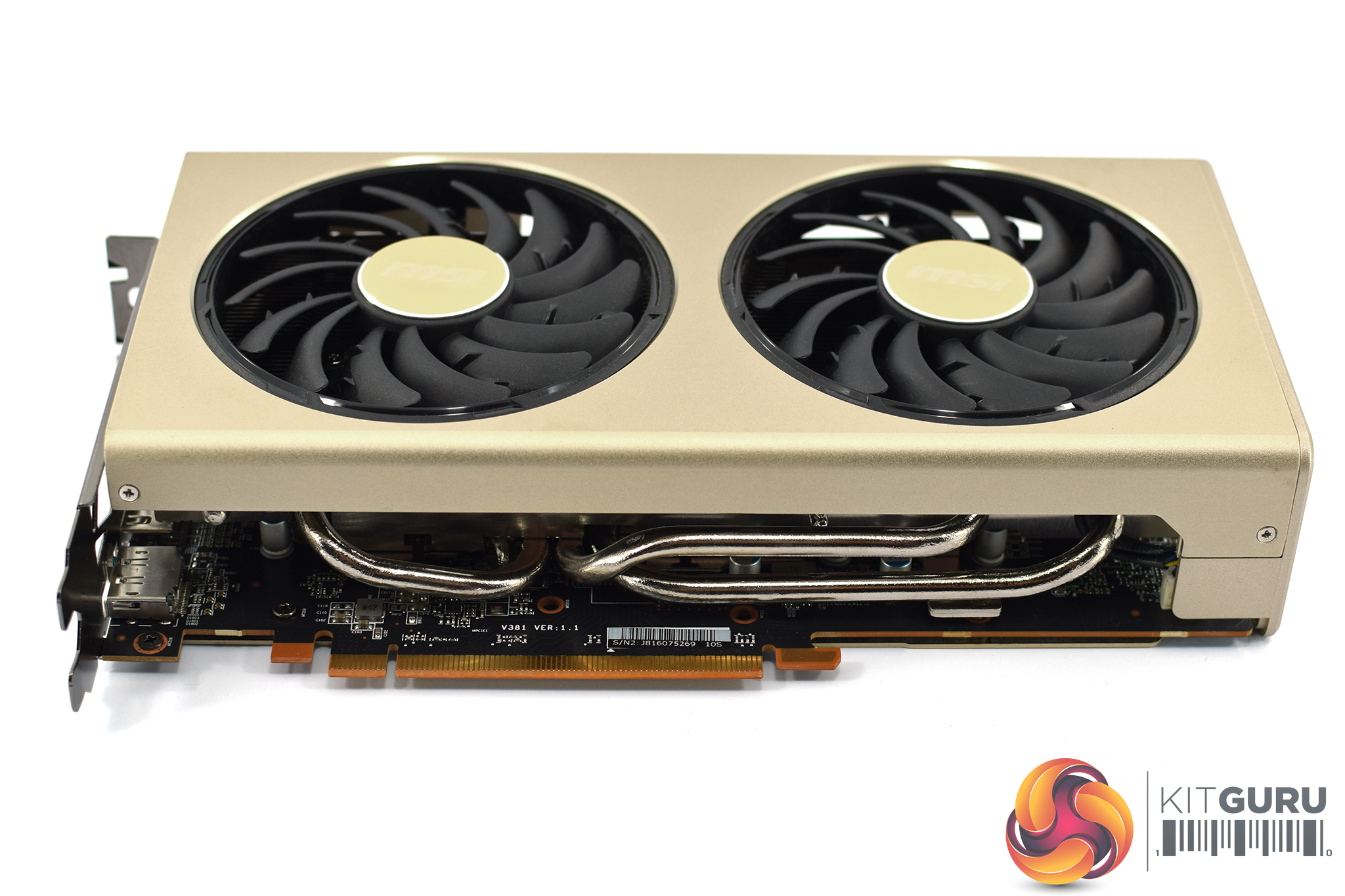
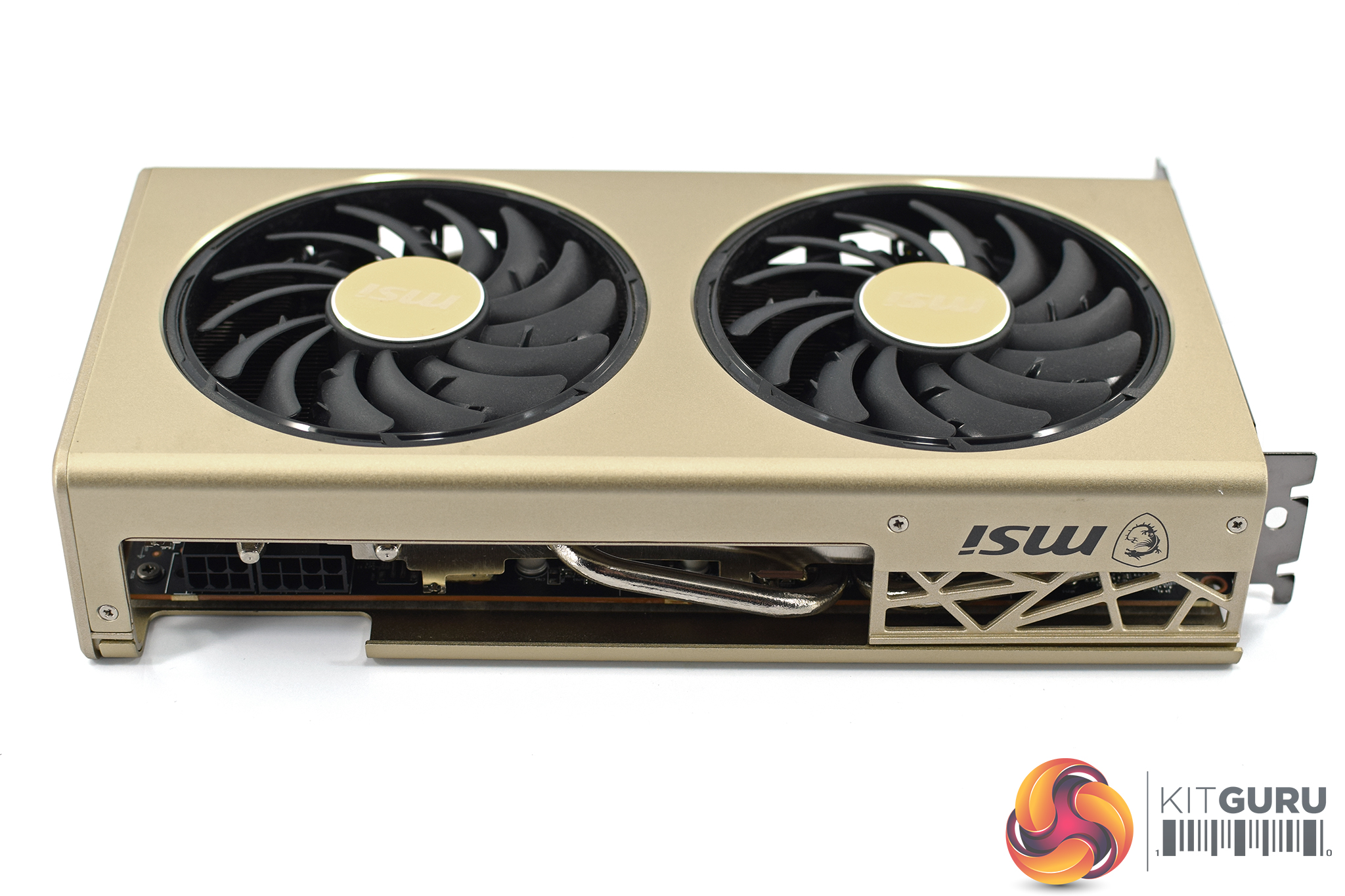
Here we can see how the shroud wraps around the edges of the card, too, with some nickel-plated heatpipes also visible from the sides of the Evoke.
In terms of overall dimensions, it's a relatively small card by modern standards – measuring 254 x 129 x 51 mm. It's a 2.5 slot design so may not work inside all ITX cases, but generally this should in most cases.
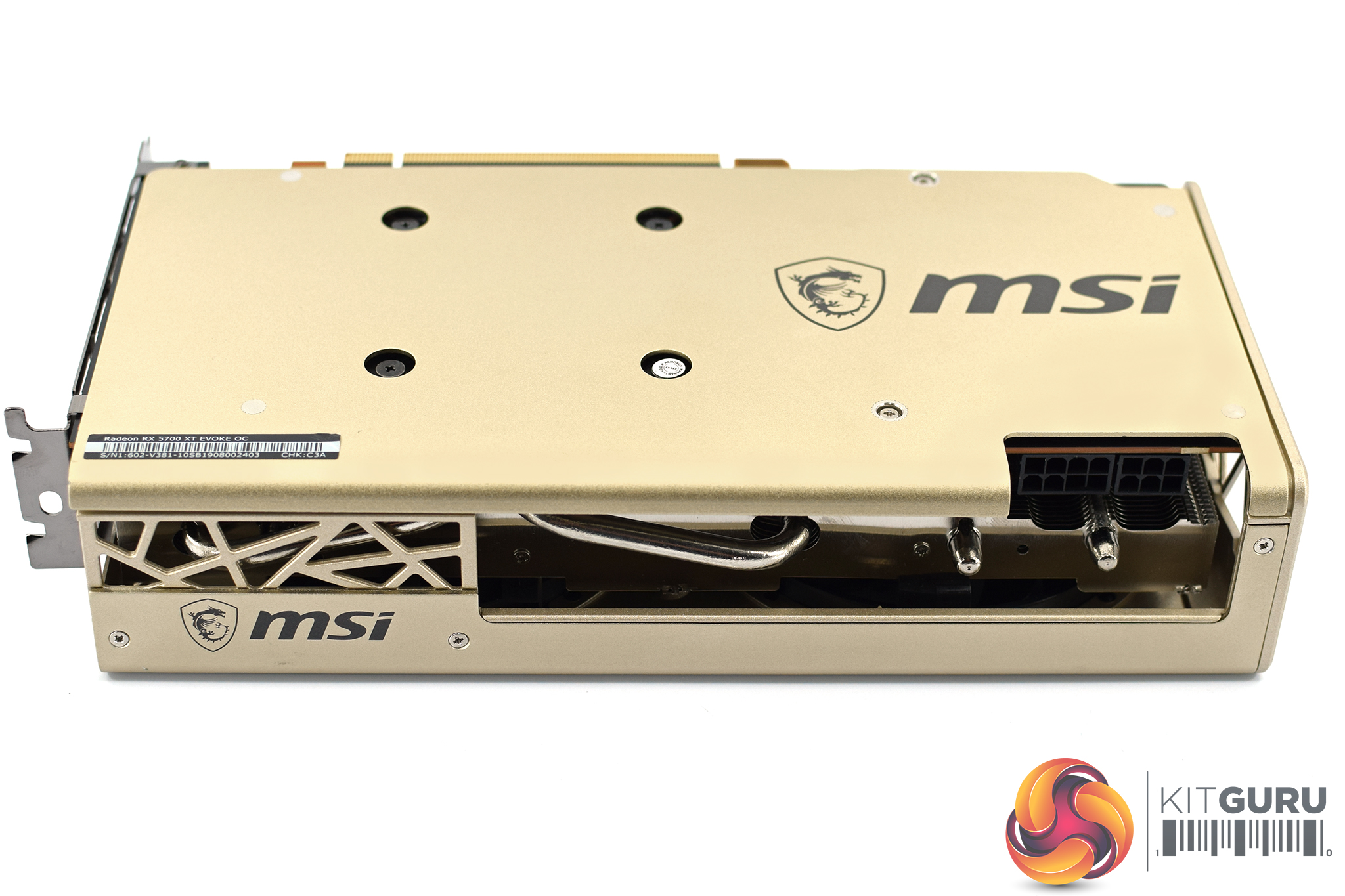
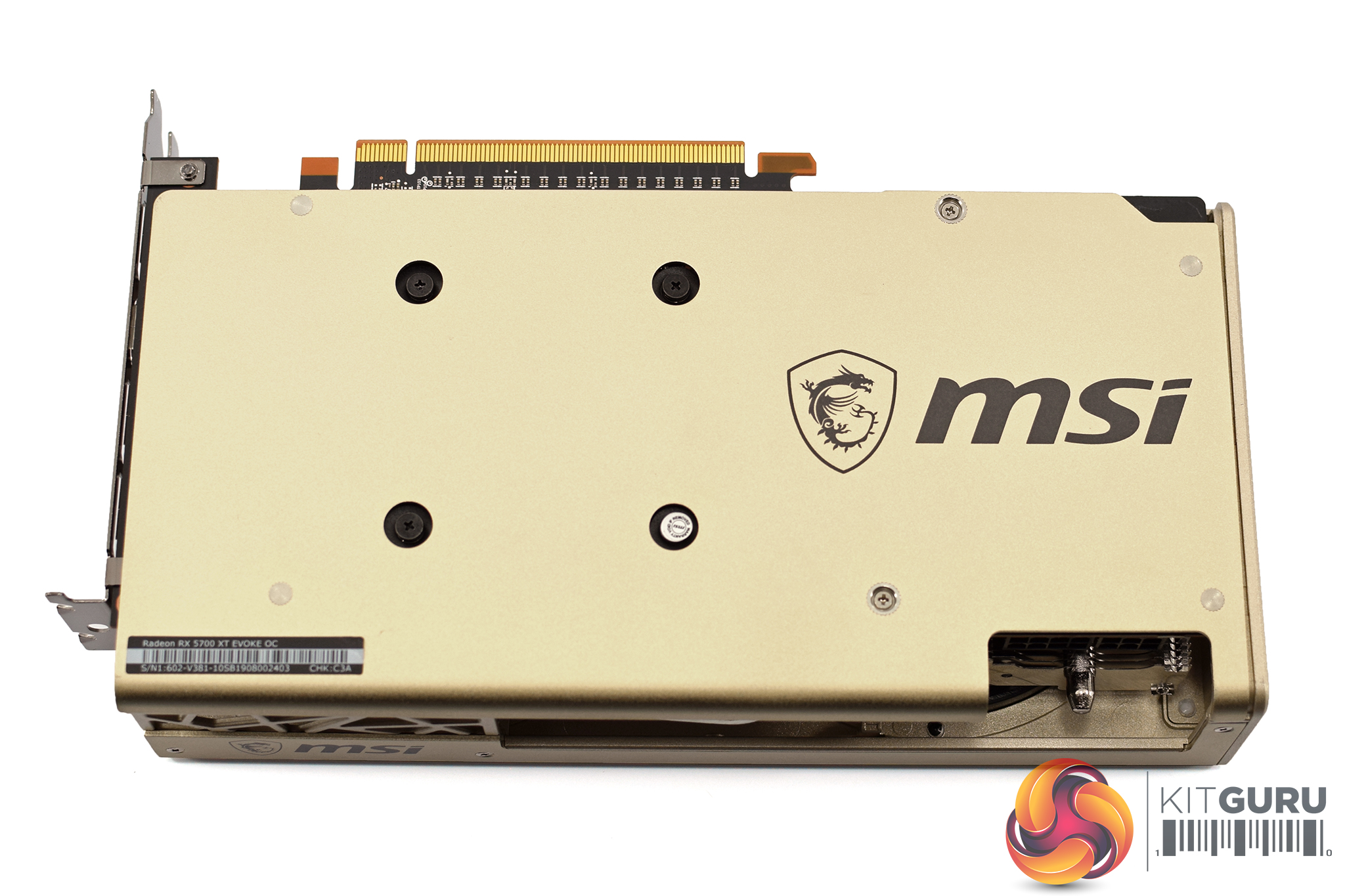
The front side of the shroud is also home to the MSI logo, though it is important to note there is no RGB lighting anywhere on the card.
As for the backplate, this is a full-length design and carries on with the gold colouring. Realistically, I think this is likely to prove a ‘love it or hate it' colour option – it's certainly not understated, that's for sure.
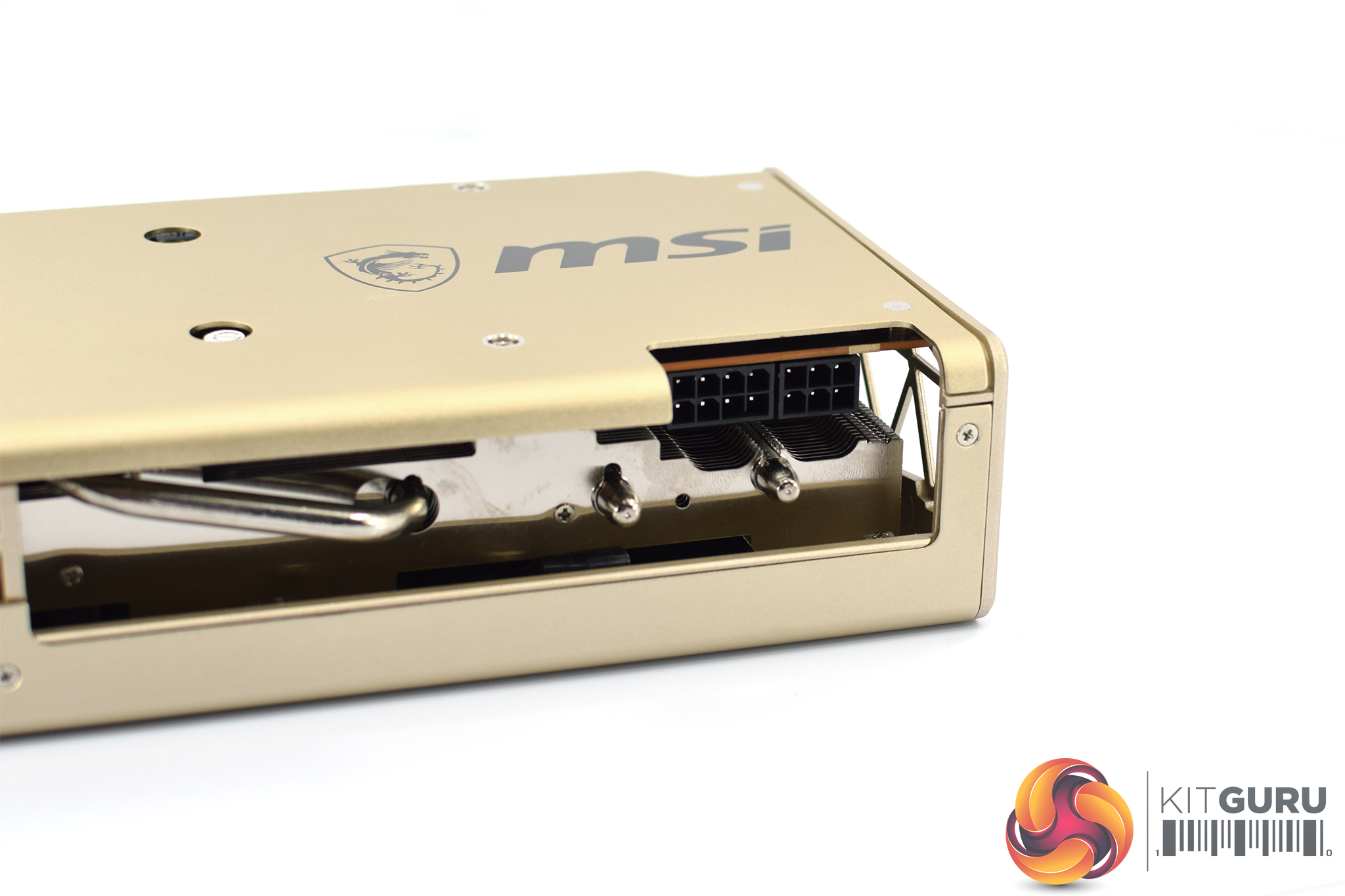
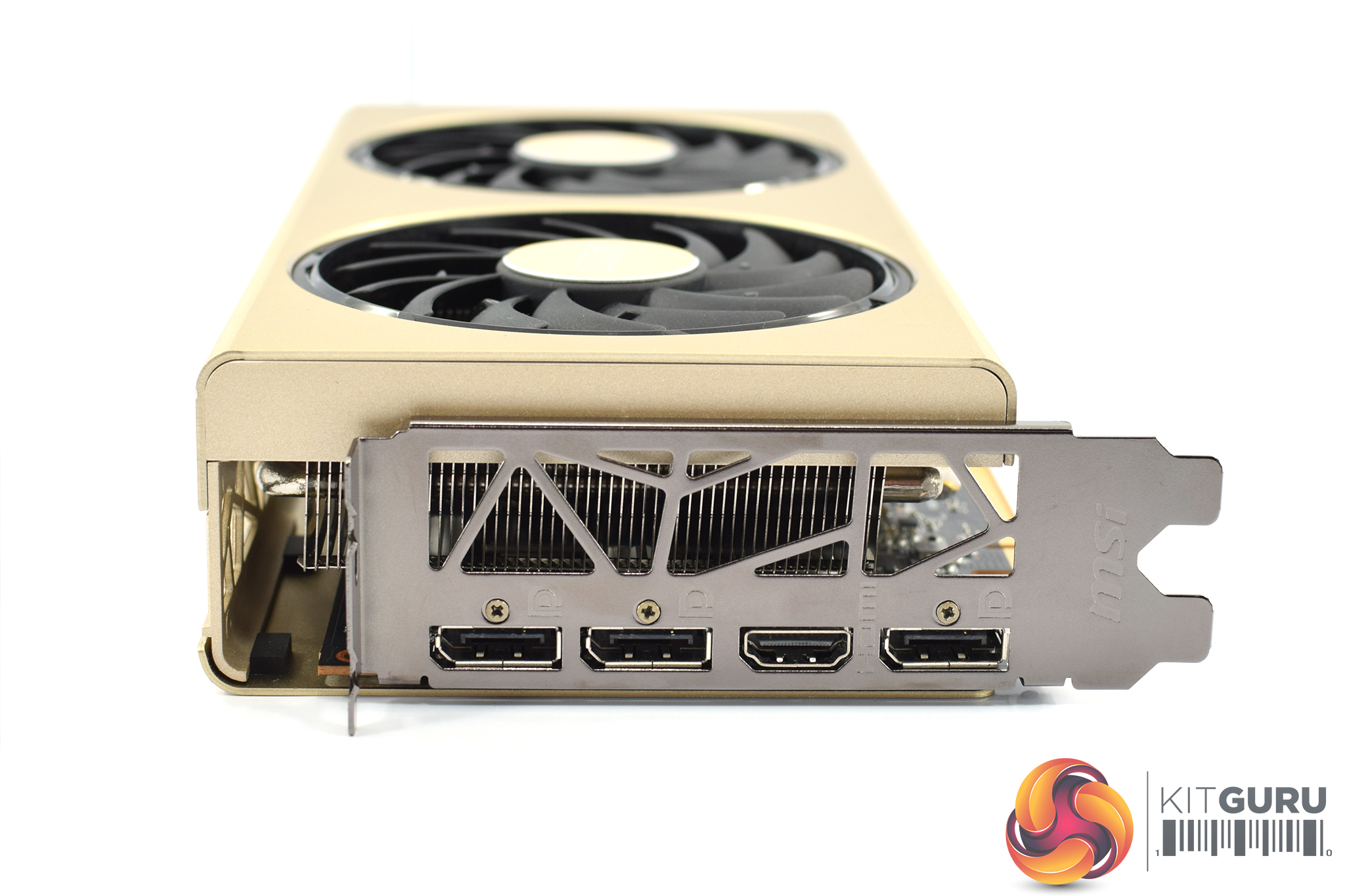
Power connectors and display outputs are both the same as the reference RX 5700 XT – meaning the Evoke requires 1x 8-pin and 1x 6-pin PCIe power connectors, while video outputs consist of 3x DisplayPort and 1x HDMI.
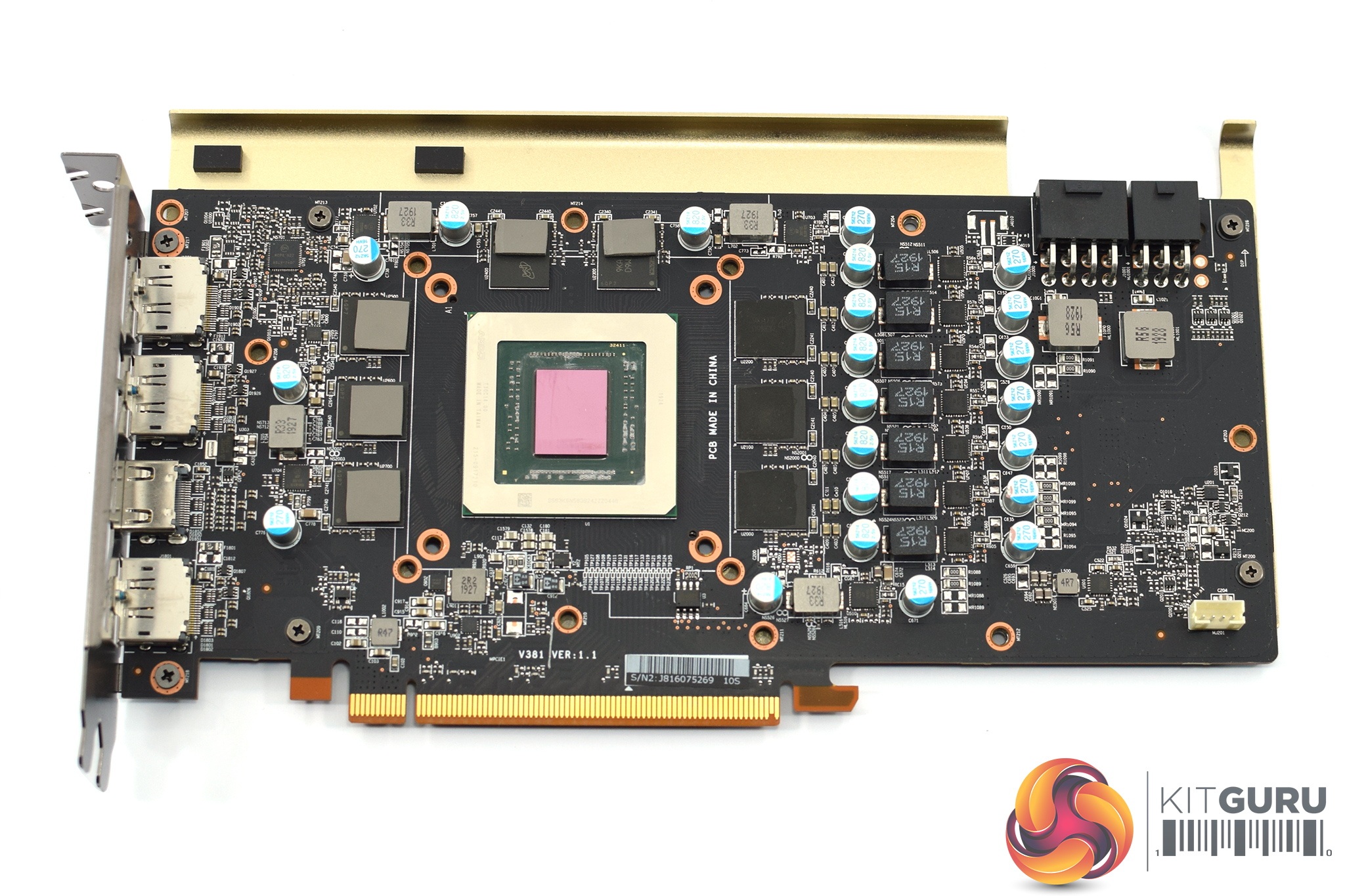
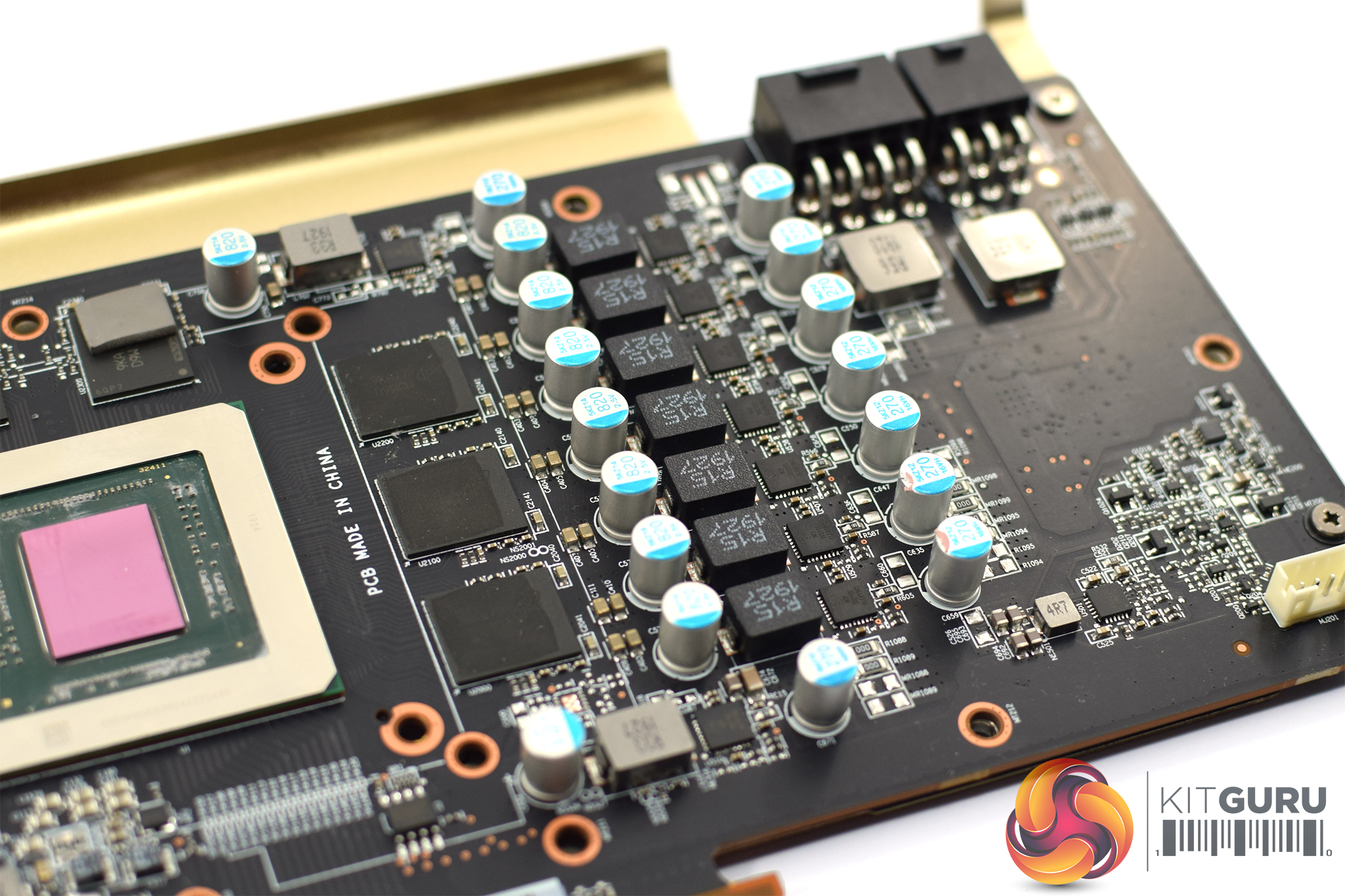
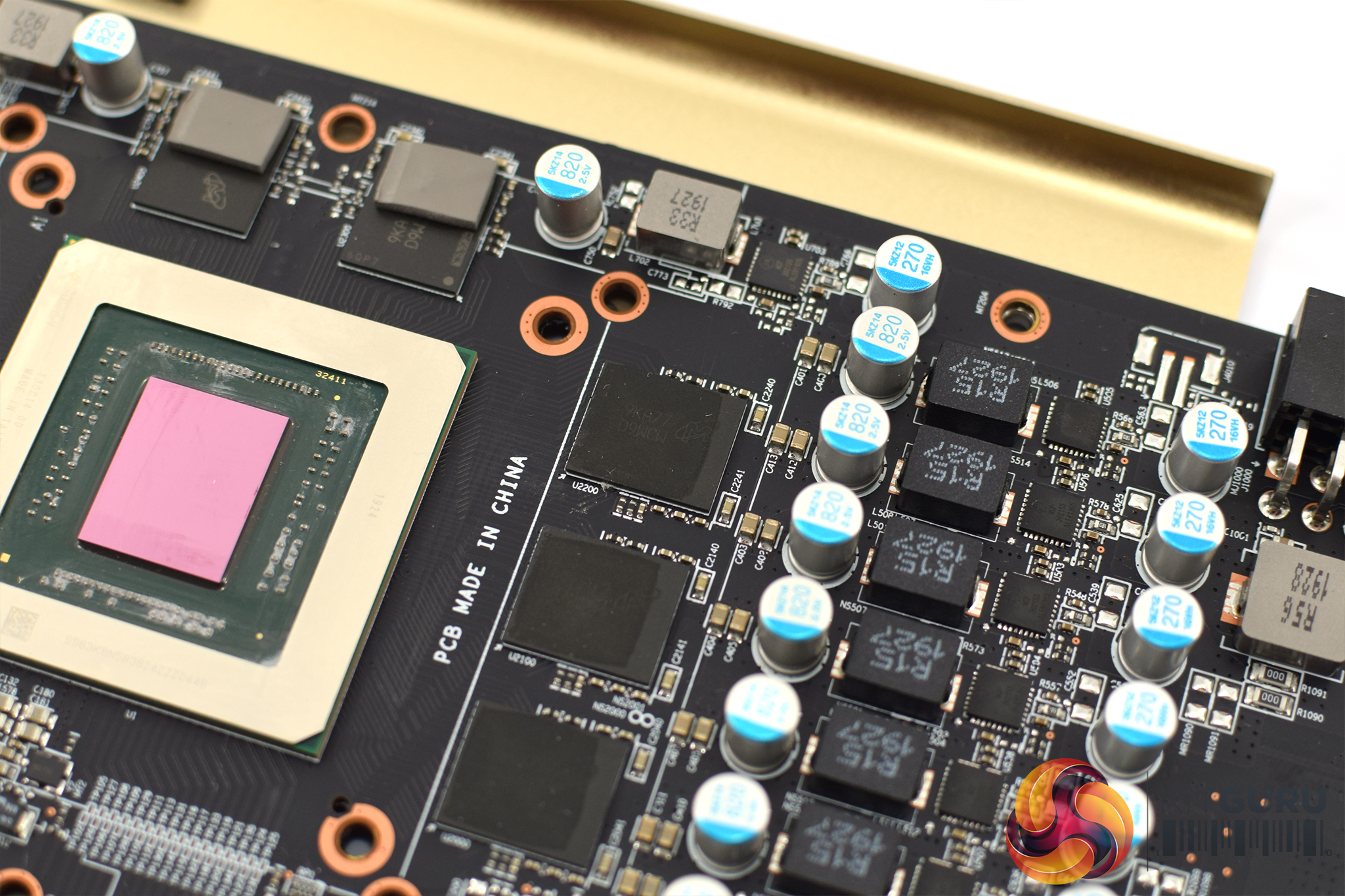
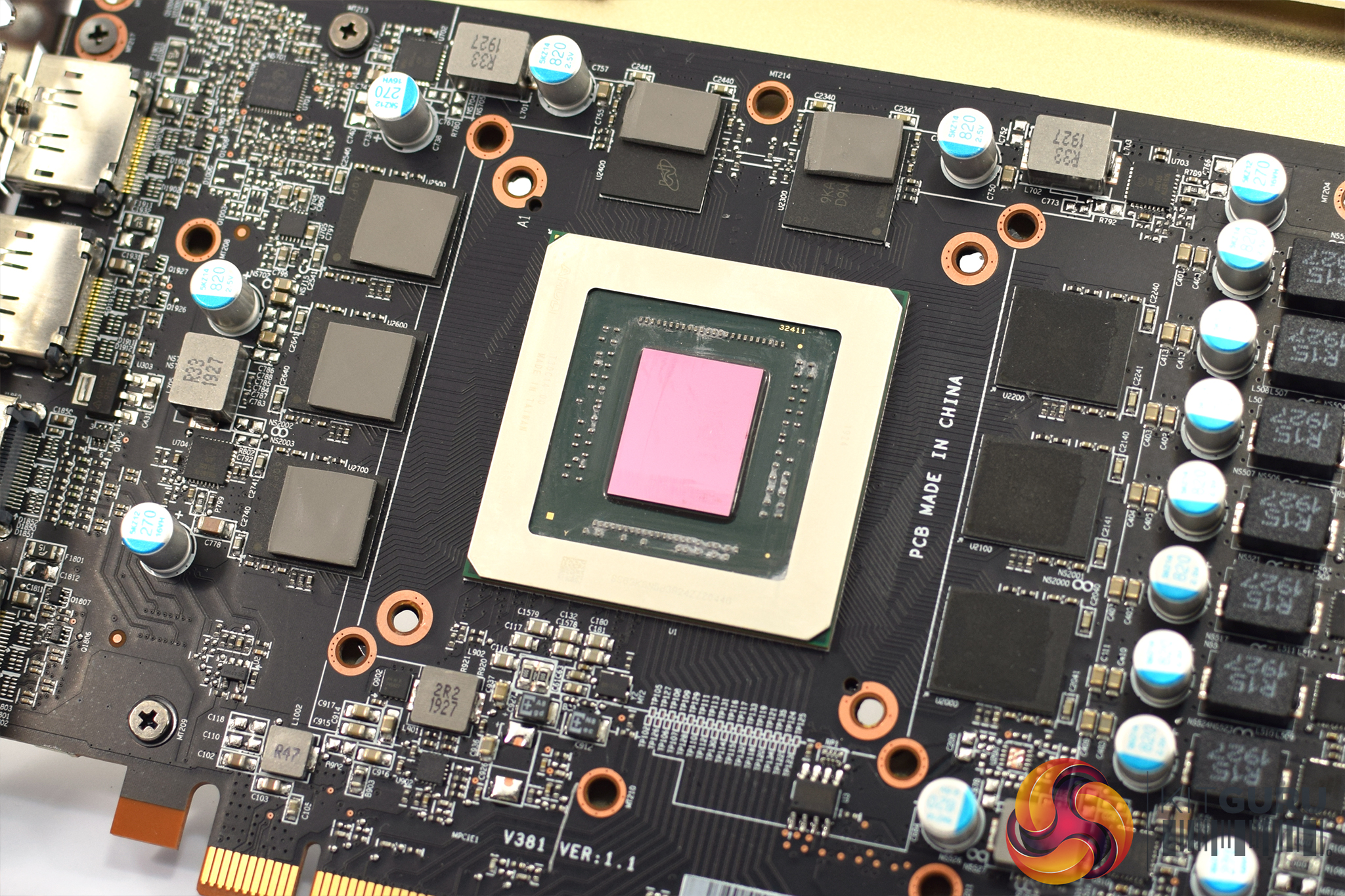
As for the PCB, MSI has modified this over the reference design but it is not a complete re-working. There is still a 7-phase power delivery configuration for the GPU, and 2 phases for the memory, while the memory modules are manufacturer by Micron – each chip is labelled ‘9KA77D9WCW'. We can also get a look at the GPU itself, with a die size of 251mm², and it is fabbed on TSMC's 7nm process.
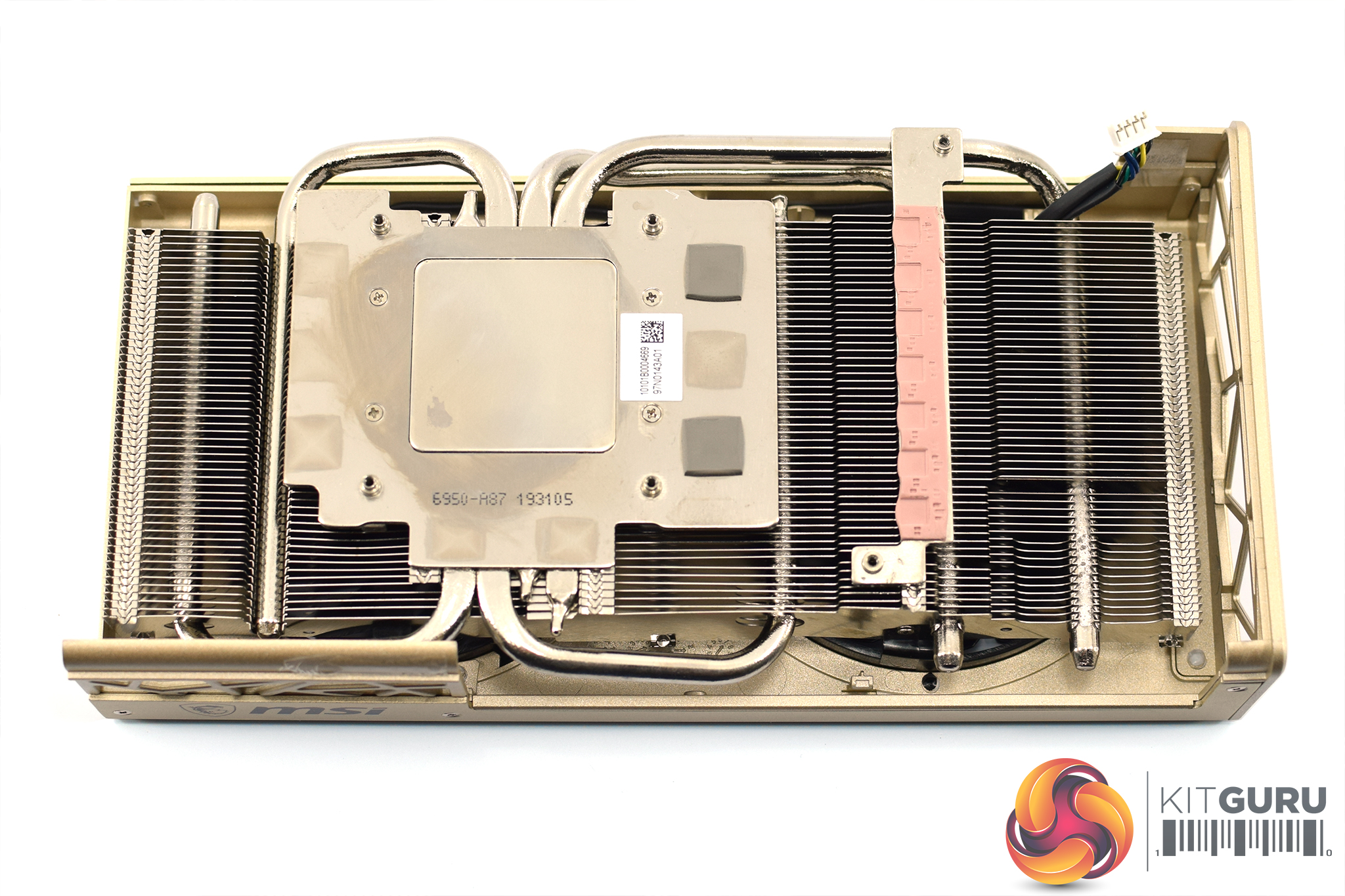
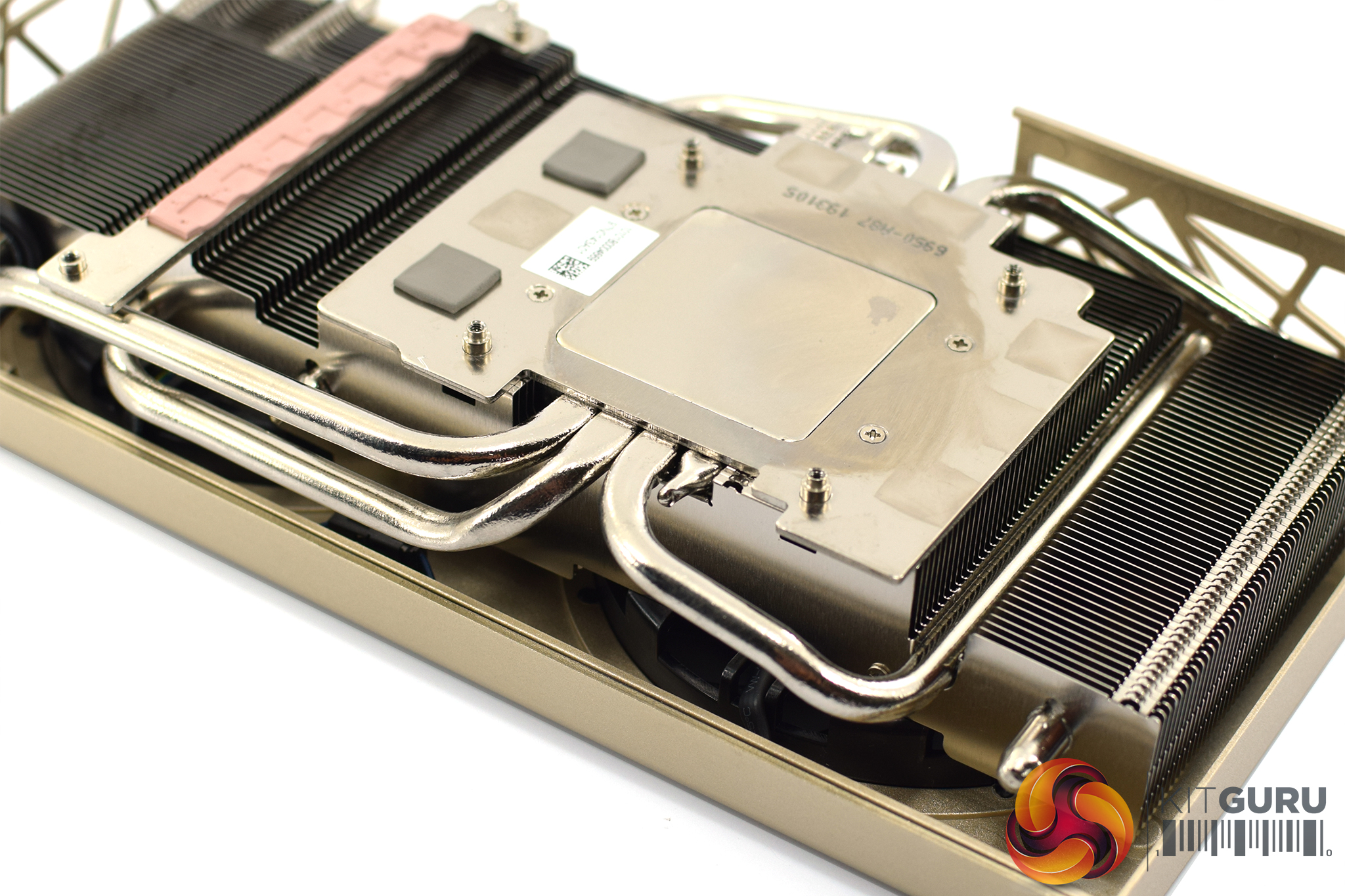
Moving onto the heatsink, this looks quite similar to Sapphire's RX 5700 Pulse design. It uses a single aluminium fin stack, with four heatpipes each measuring 6mm across. There's a nickel-plate copper coldplate for the GPU and VRAM, too, while a smaller coldplate is off the right for the MOSFETs.
Our newest GPU test procedure has been built with the intention of benchmarking high-end graphics cards. We test at 1920×1080 (1080p), 2560×1440 (1440p), and 3840×2160 (4K UHD) resolutions.
We try to test using the DX12 API if titles offer support. This gives us an interpretation into the graphics card performance hierarchy in the present time and the near future, when DX12 becomes more prevalent. After all, graphics cards of this expense may stay in a gamer’s system for a number of product generations/years before being upgraded.
We tested the RX Vega64 and Vega56 using the ‘Turbo‘ power mode in AMD’s WattMan software. This prioritises all-out performance over power efficiency, noise output, and lower thermals.
Driver Notes
- All AMD graphics cards (except RX 5700/5700 XT) were benchmarked with the Adrenalin 19.6.2 driver.
- RX 5700/5700 XT reference were benchmarked with the 19.7.1 driver supplied to press ahead of launch. The Evoke was tested with the 19.8.1 public driver.
- All Nvidia graphics cards (except 2060/2070/2080 SUPER) were benchmarked with the Nvidia 430.86 driver.
- Nvidia RTX 2060/2070 SUPER cards were benchmarked with the 431.16 driver supplied to press ahead of launch.
- Nvidia RTX 2080 SUPER cards were benchmarked with the 431.56 driver supplied to press ahead of launch.
Test System
We test using the Overclockers UK Germanium pre-built system, though it has been re-housed into an open-air test bench. You can read more about it over HERE.
| CPU |
Intel Core i7-8700K
Overclocked to 4.8GHz |
| Motherboard |
ASUS ROG Strix Z370-F Gaming
|
| Memory |
Team Group Dark Hawk RGB
16GB (2x8GB) @ 3200MHz 16-18-18-38 |
| Graphics Card |
Varies
|
| System Drive |
Samsung 960 EVO 500GB
|
| Games Drive | Crucial M4 512GB |
| Chassis | Streacom ST-BC1 Bench |
| CPU Cooler |
OCUK TechLabs 240mm AIO
|
| Power Supply |
Corsair AX1500i 80+ Titanium PSU
|
| Operating System |
Windows 10 1903
|
Comparison Graphics Cards List
- Nvidia RTX 2080 Ti Founders Edition (FE) 11GB
- Nvidia RTX 2080 SUPER Founders Edition (FE) 8GB
- MSI RTX 2080 SUPER Gaming X Trio 8GB
- Nvidia RTX 2080 Founders Edition (FE) 8GB
- Nvidia RTX 2070 SUPER Founders Edition (FE) 8GB
- Gigabyte RTX 2070 SUPER Gaming OC 8GB
- MSI RTX 2070 SUPER Gaming X Trio 8GB
- MSI RTX 2070 Armor 8GB
- Nvidia RTX 2060 SUPER Founders Edition (FE) 8GB
- Palit RTX 2060 SUPER JetStream (8GB)
- Nvidia RTX 2060 Founders Edition (FE) 6GB
- Gigabyte GTX 1660 Ti OC 6G
- Gigabyte GTX 1660 Gaming OC 6G
- Palit GTX 1650 StormX OC 4GB
- Nvidia GTX 1080 Ti Founders Edition (FE) 11GB
- Gigabyte GTX 1080 G1 Gaming 8GB
- Palit GTX 1070 Ti Super JetStream 8GB
- Nvidia GTX 1070 Founders Edition (FE) 8GB
- Nvidia GTX 1060 Founders Edition (FE) 6GB
- AMD RX 5700 XT 8GB
- AMD RX 5700 8GB
- Sapphire RX 5700 Pulse 8GB
- AMD Radeon VII 16GB
- AMD RX Vega 64 Air 8GB
- AMD RX Vega 56 8GB
- Sapphire RX 590 Nitro+ SE 8GB
- Sapphire RX 580 Pulse 8GB
- ASUS RX 570 ROG Strix Gaming OC 4GB
Software and Games List
- 3DMark Fire Strike & Fire Strike Ultra (DX11 Synthetic)
- 3DMark Time Spy (DX12 Synthetic)
- 3DMark Port Royal (DXR Synthetic)
- Battlefield V (DX12)
- Deus Ex: Mankind Divided (DX12)
- Far Cry 5 (DX11)
- Tom Clancy’s Ghost Recon: Wildlands (DX11)
- Metro: Exodus (DX12)
- Middle Earth: Shadow of War (DX11)
- Shadow of the Tomb Raider (DX12)
We run each benchmark/game three times, and present averages in our graphs.3DMark Fire Strike is a showcase DirectX 11 benchmark designed for today’s high-performance gaming PCs. It is our [FutureMark’s] most ambitious and technical benchmark ever, featuring real-time graphics rendered with detail and complexity far beyond what is found in other benchmarks and games today.
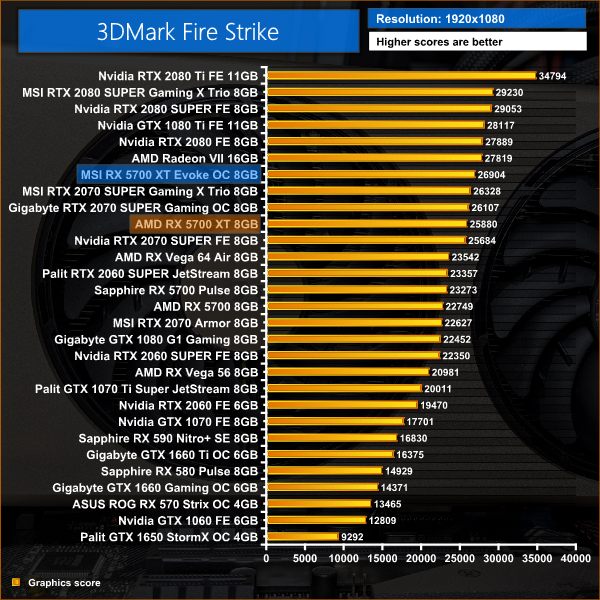
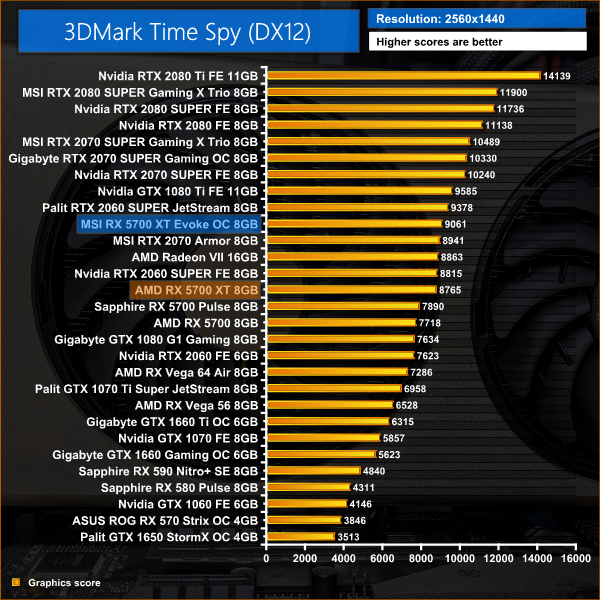
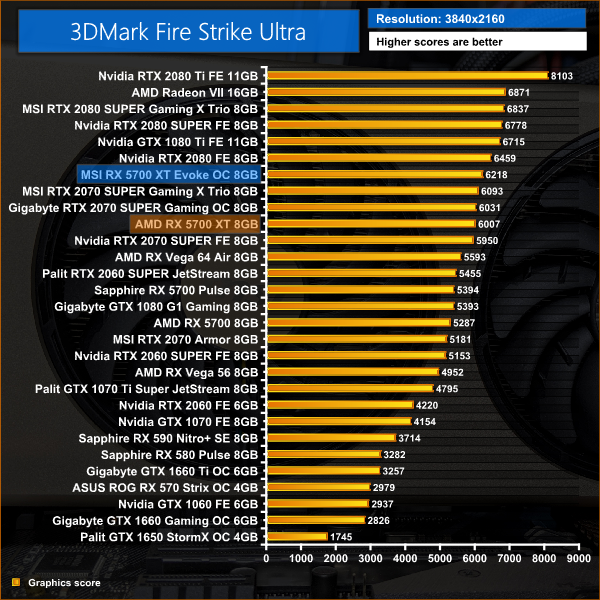
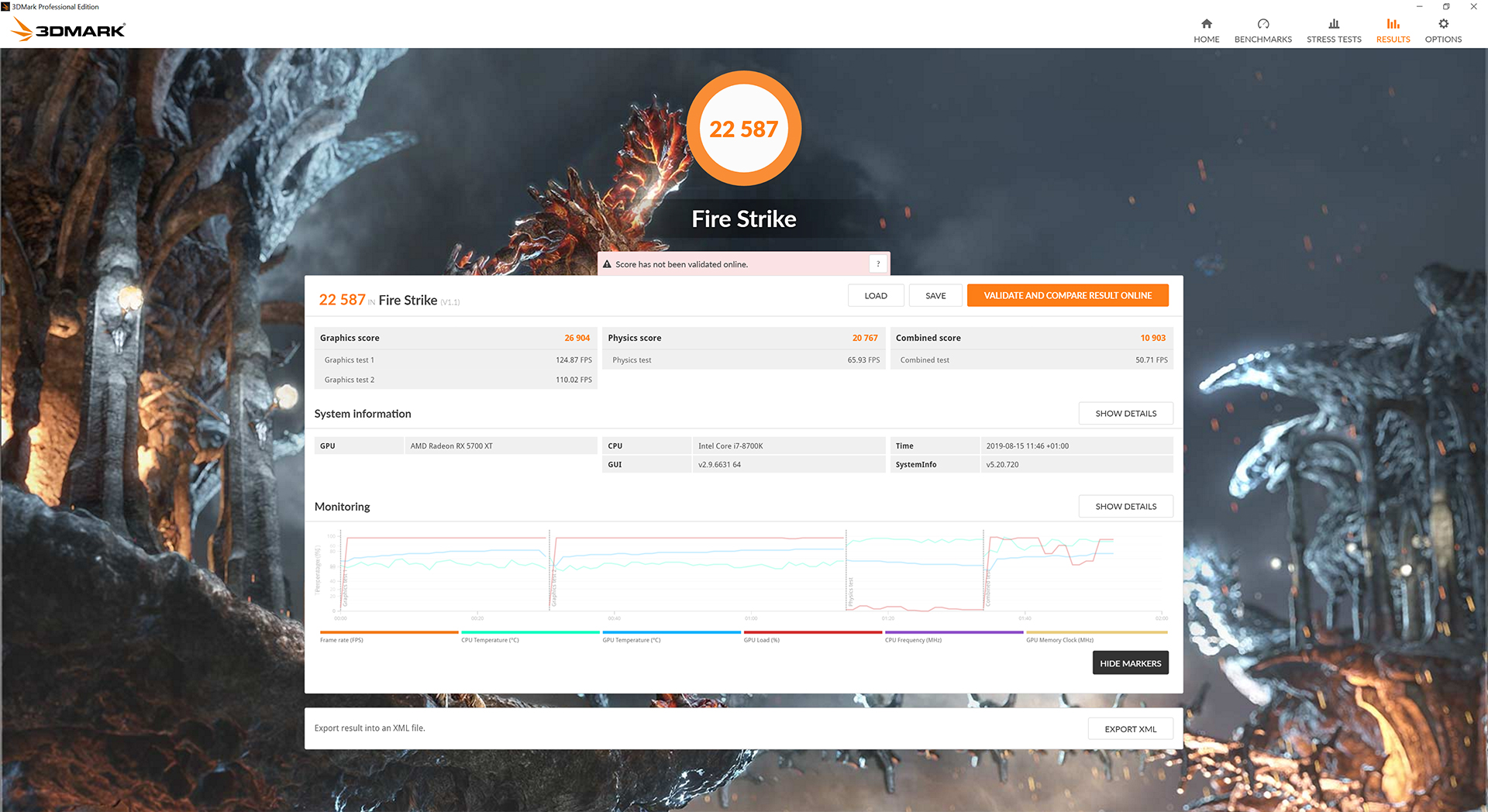
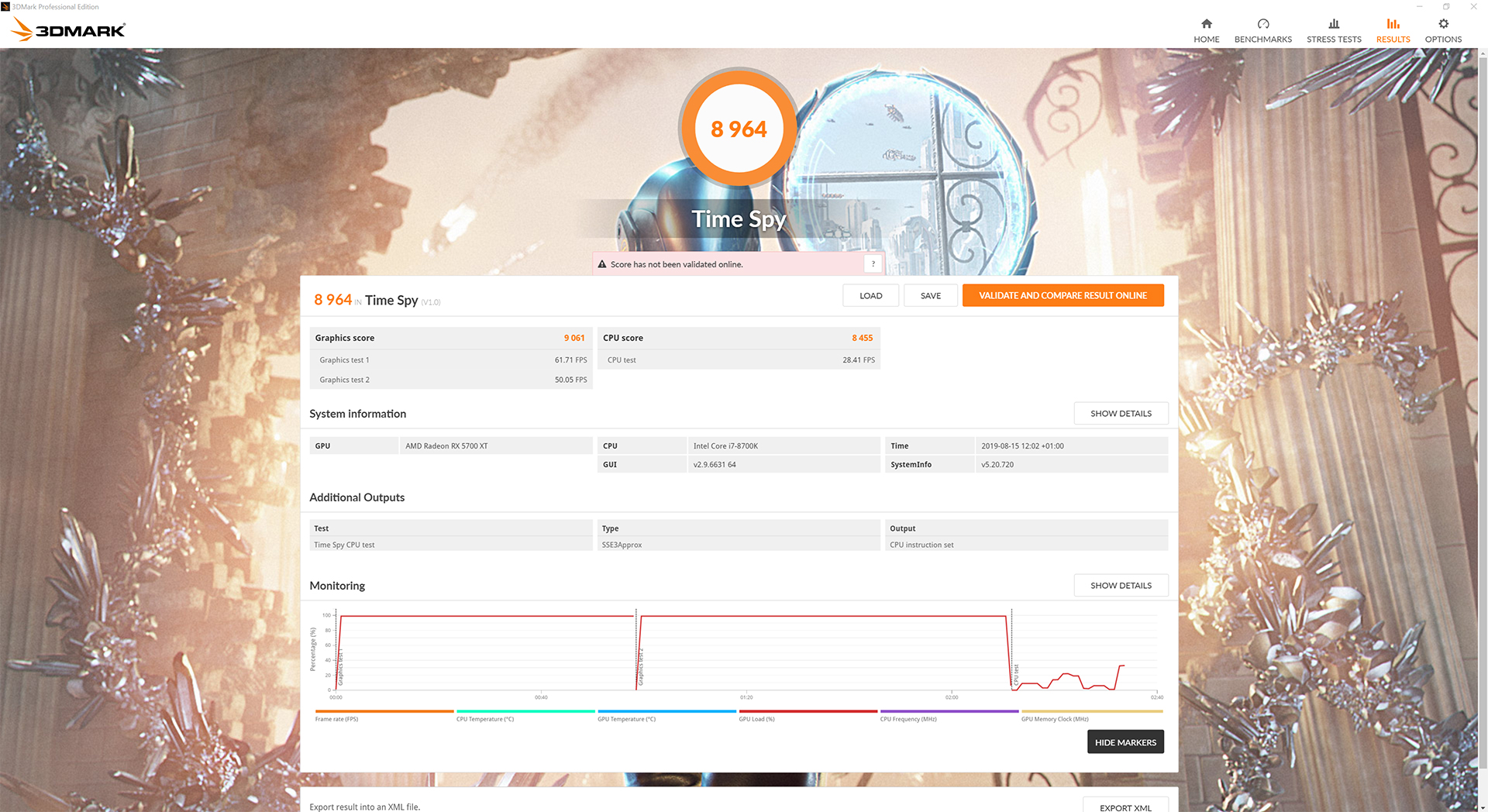
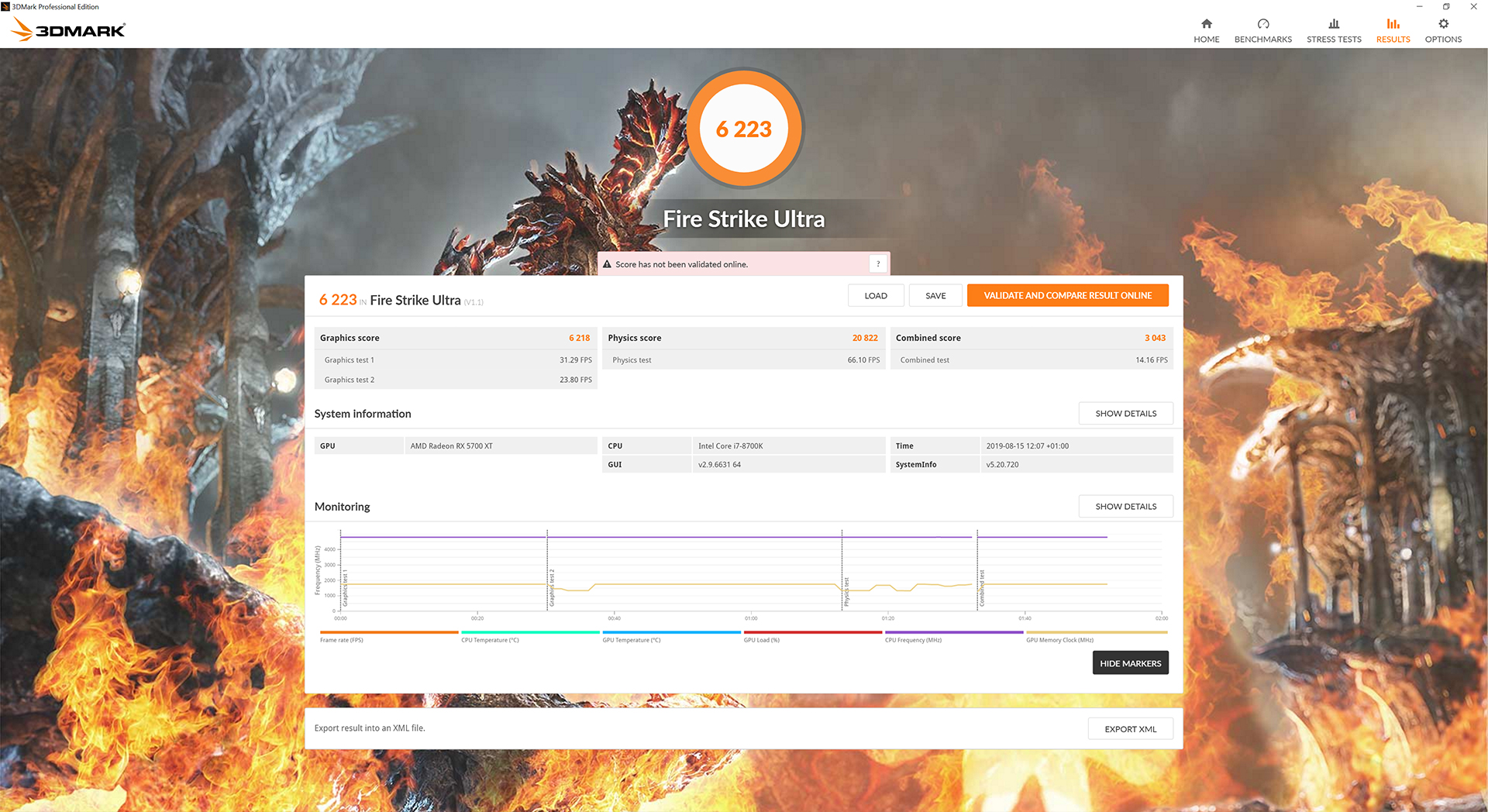
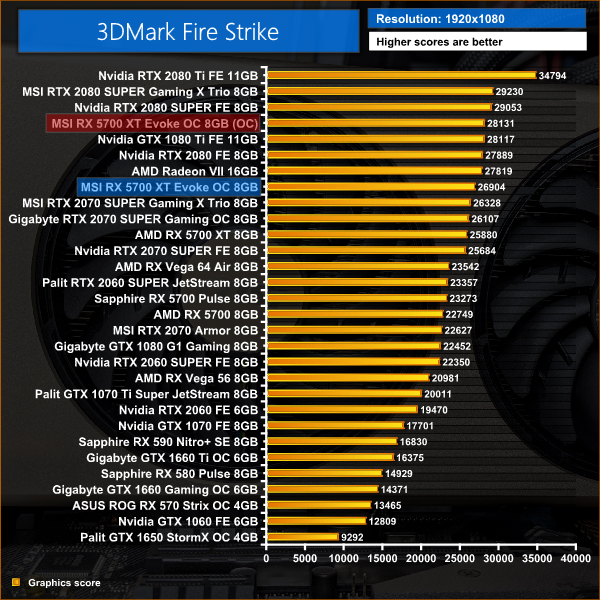
It's a decent start for the Evoke OC with our 3DMark benchmarks, proving 4% faster than the reference card in the Fire Strike and Fire Strike Ultra tests.
Battlefield V is a first-person shooter video game developed by EA DICE and published by Electronic Arts. Battlefield V is the sixteenth instalment in the Battlefield series. It was released worldwide for Microsoft Windows, PlayStation 4, and Xbox One on November 20, 2018. (Wikipedia).
We test using the Ultra preset with the DX12 API.
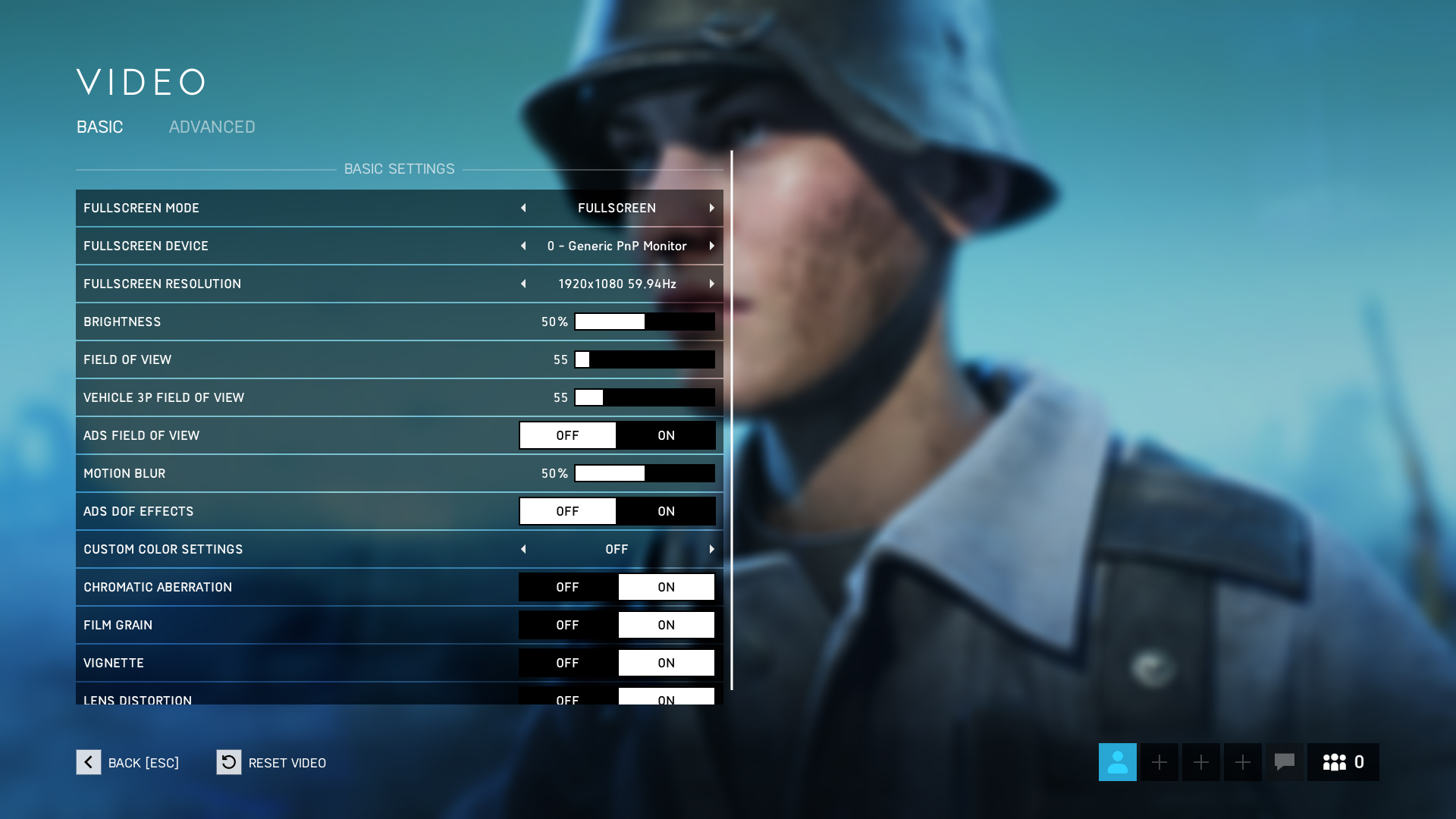
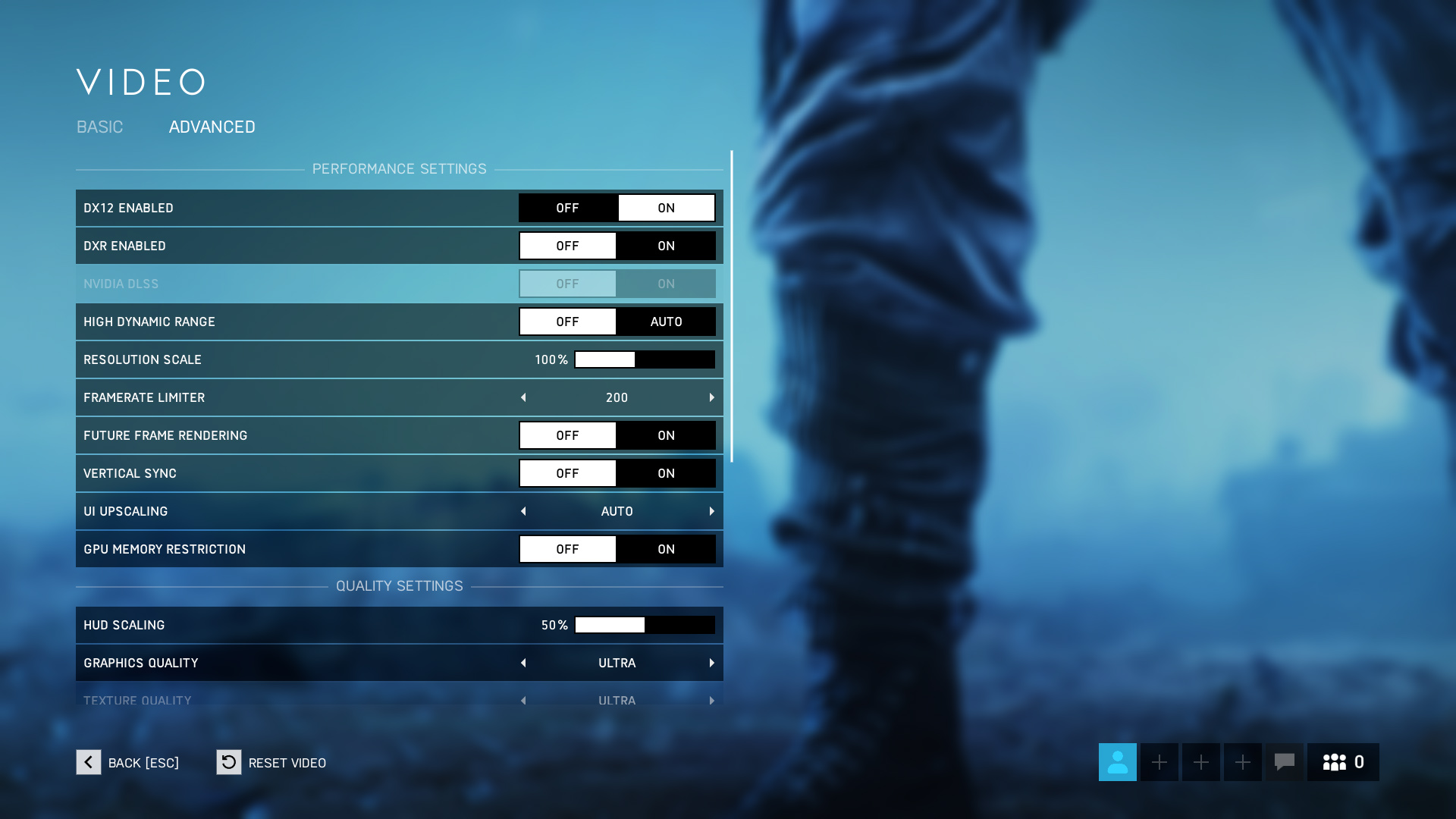
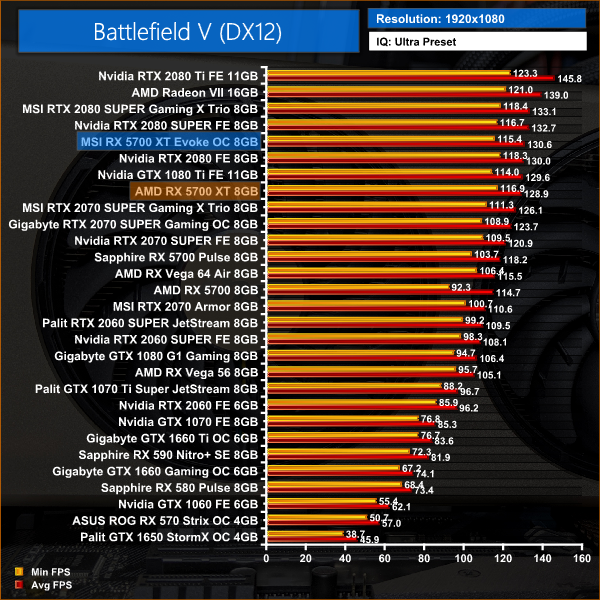
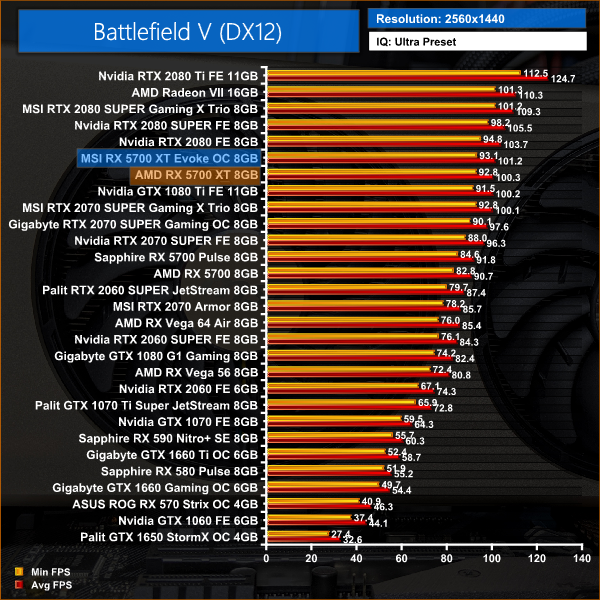
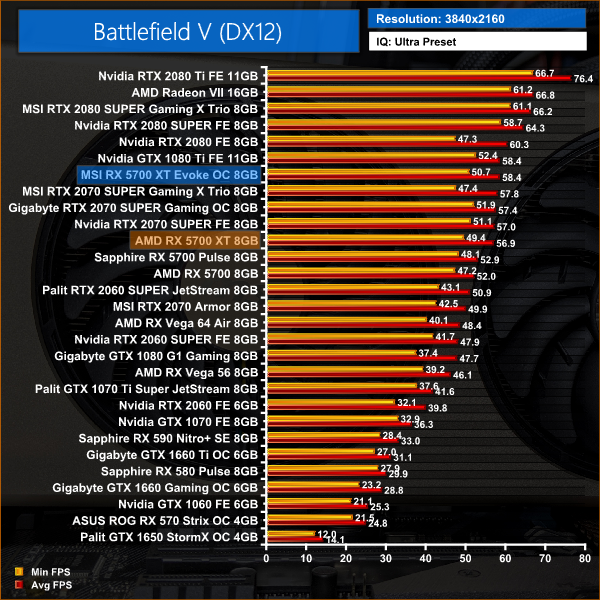
Battlefield V doesn't show as big an improvement for the Evoke OC versus the reference 5700 XT, with MSI's card proving 2% faster here.
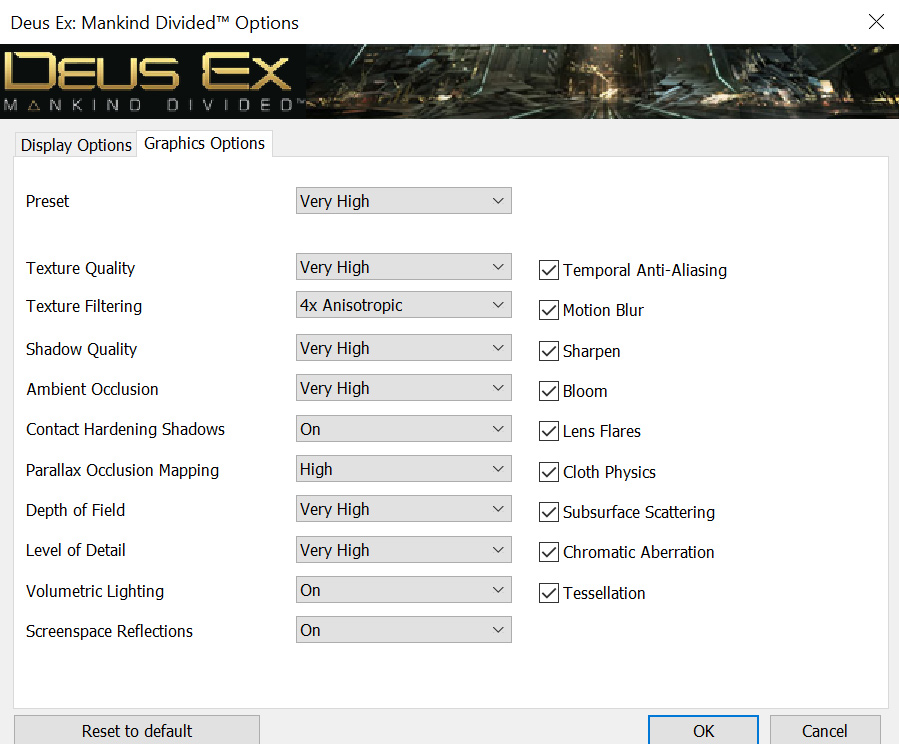
Deus Ex: Mankind Divided is set in the year 2029, two years after the events of Human Revolution and the “Aug Incident”—an event in which mechanically augmented humans became uncontrollable and lethally violent. Unbeknownst to the public, the affected augmented received implanted technology designed to control them by the shadowy Illuminati, which is abused by a rogue member of the group to discredit augmentations completely. (Wikipedia).
We test using the Very High preset, with MSAA disabled. We test using the DX12 API.
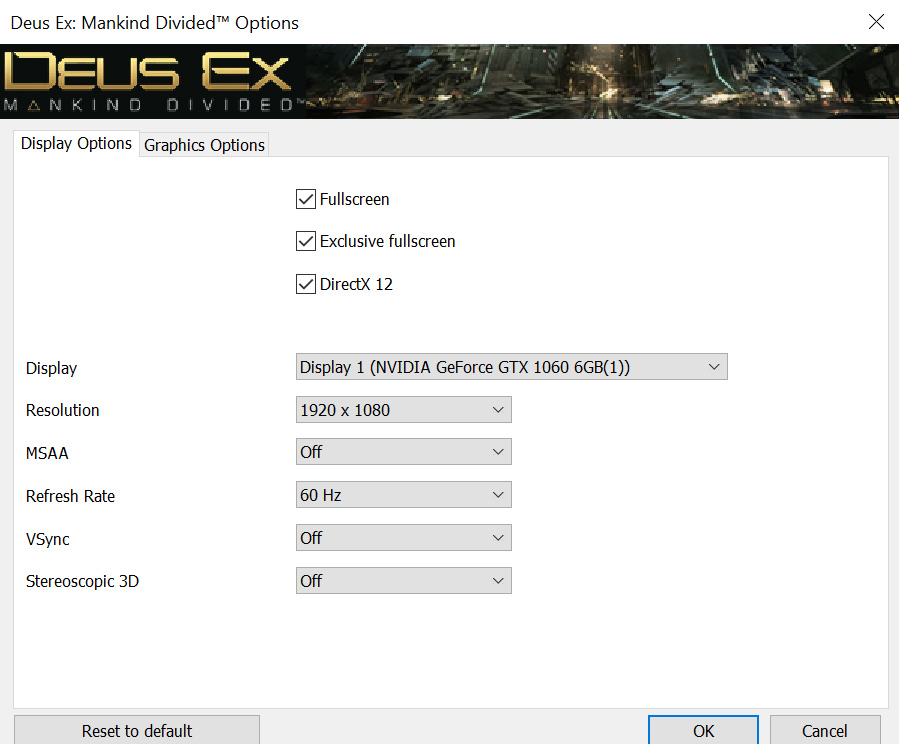
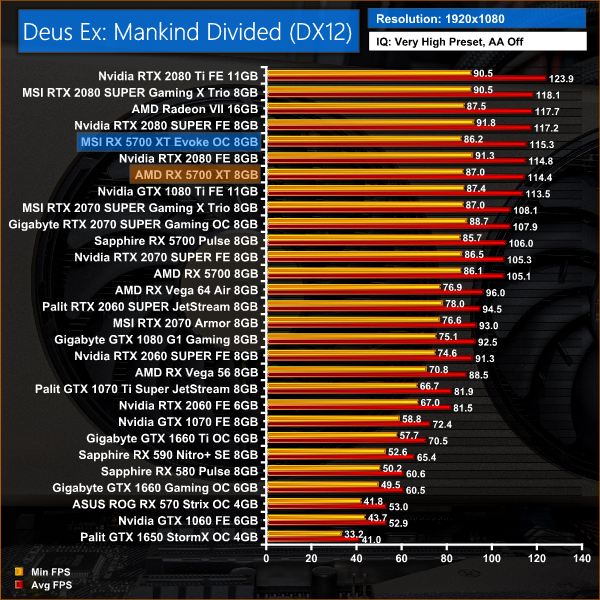
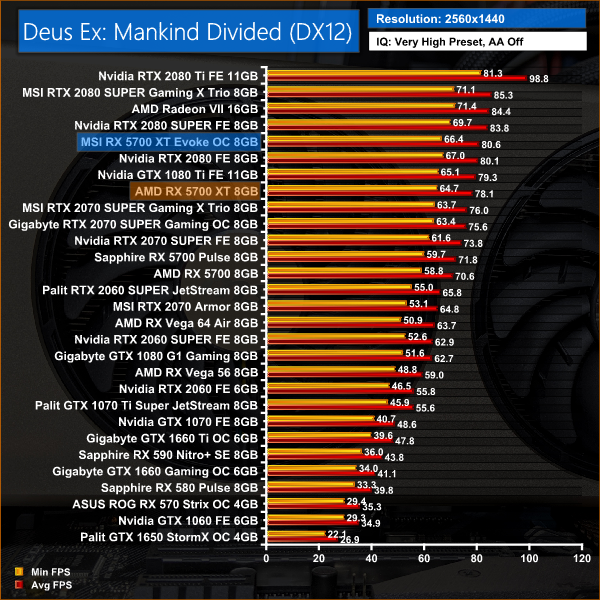
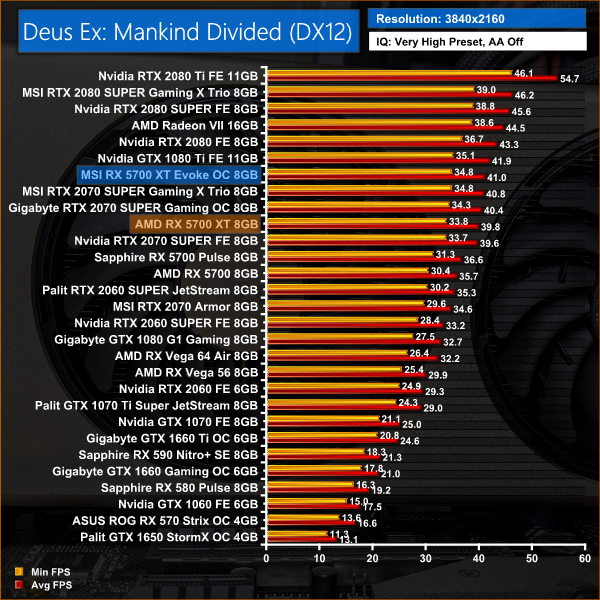
It's a similar story in Deus Ex: Mankind Divided, with another 2% performance improvement for the Evoke OC versus AMD's reference card.
Far Cry 5 is an action-adventure first-person shooter game developed by Ubisoft Montreal and Ubisoft Toronto and published by Ubisoft for Microsoft Windows, PlayStation 4 and Xbox One. It is the eleventh entry and the fifth main title in the Far Cry series, and was released on March 27, 2018.
The game takes place in the fictional Hope County, Montana, where charismatic preacher Joseph Seed and his cult Project at Eden’s Gate holds a dictatorial rule over the area. The story follows an unnamed junior deputy sheriff, who becomes trapped in Hope County and works alongside factions of a resistance to liberate the county from Eden’s Gate. (Wikipedia).
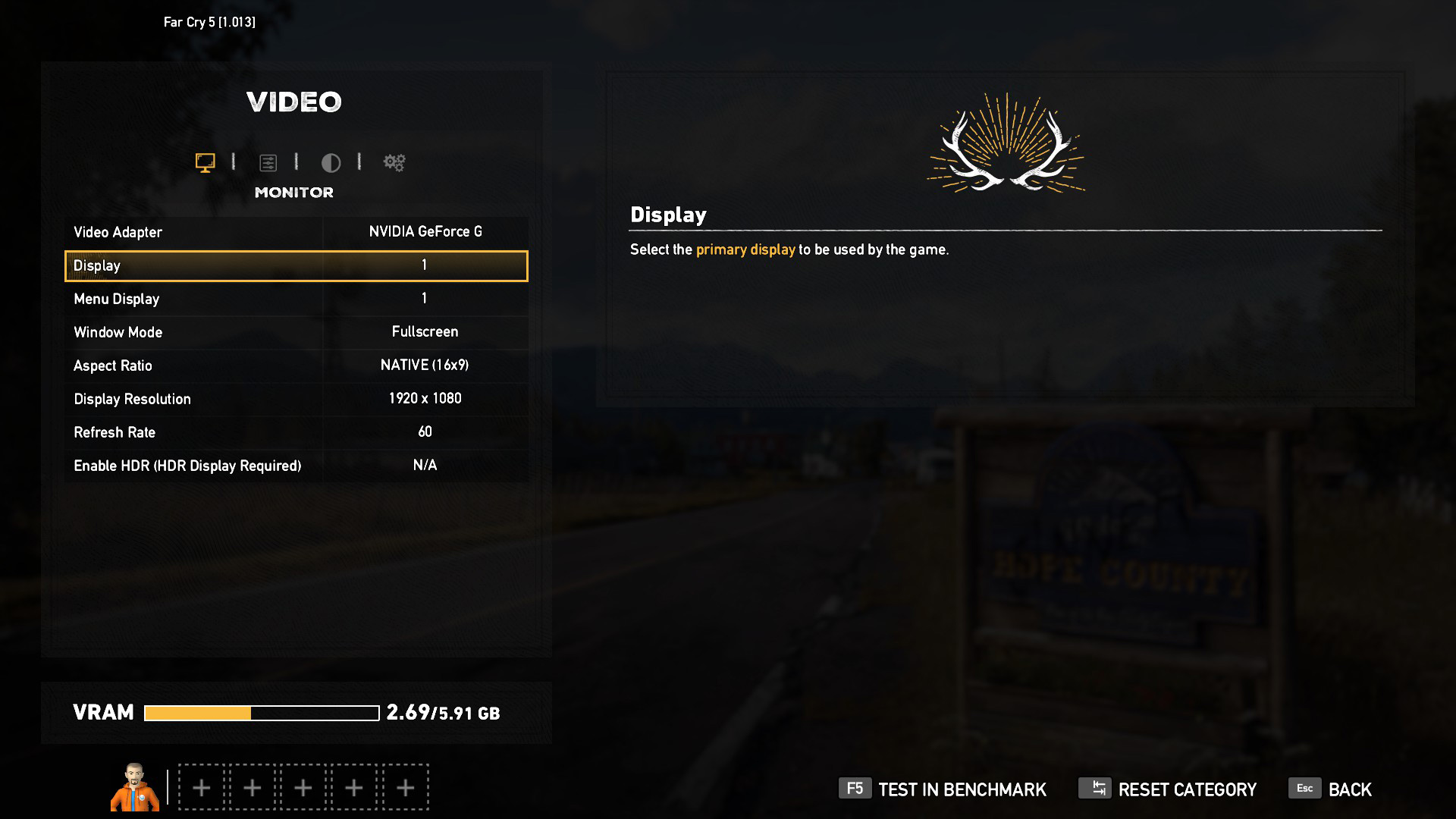
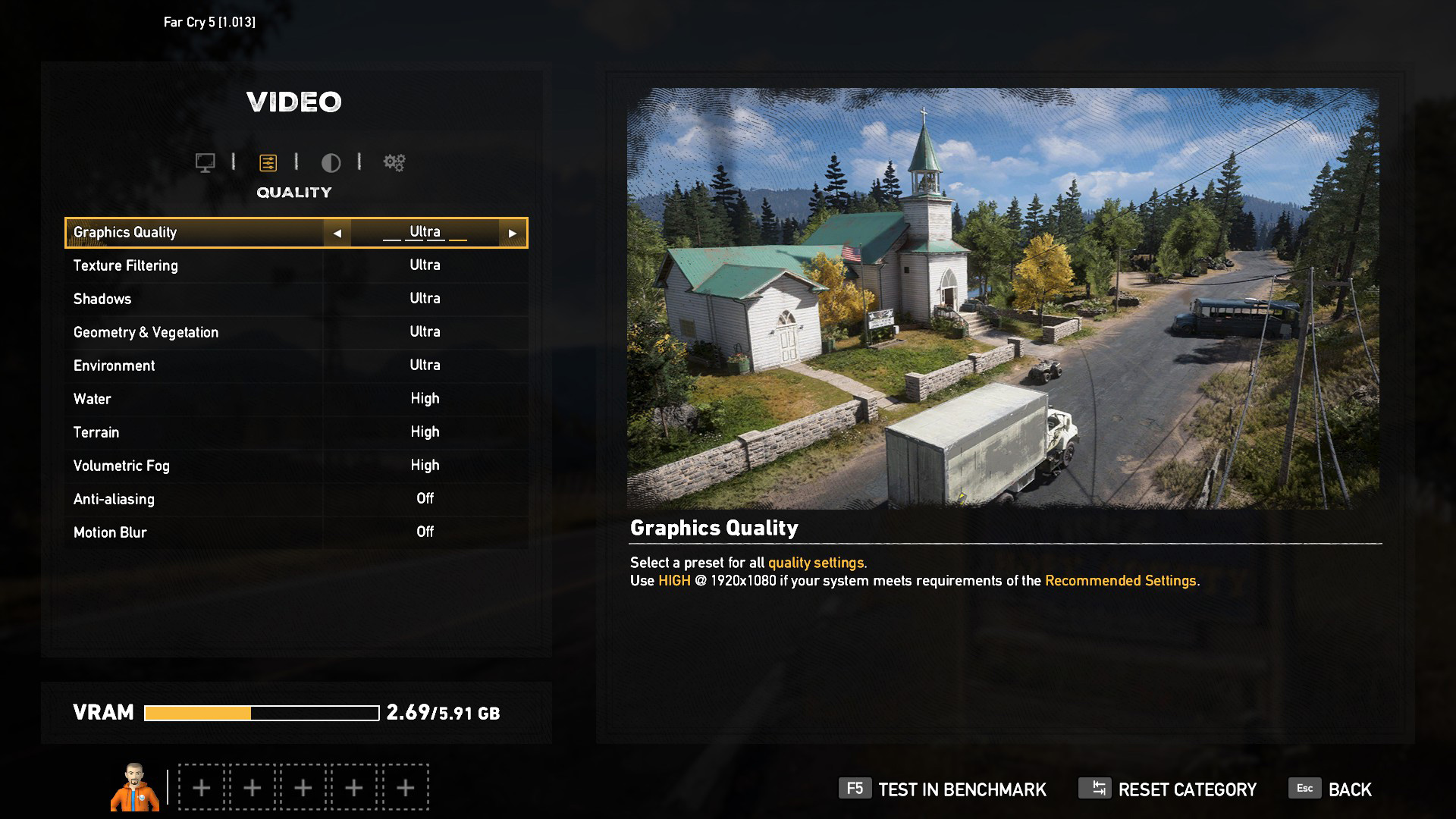
We test using the Ultra preset, with AA and motion blur disabled.
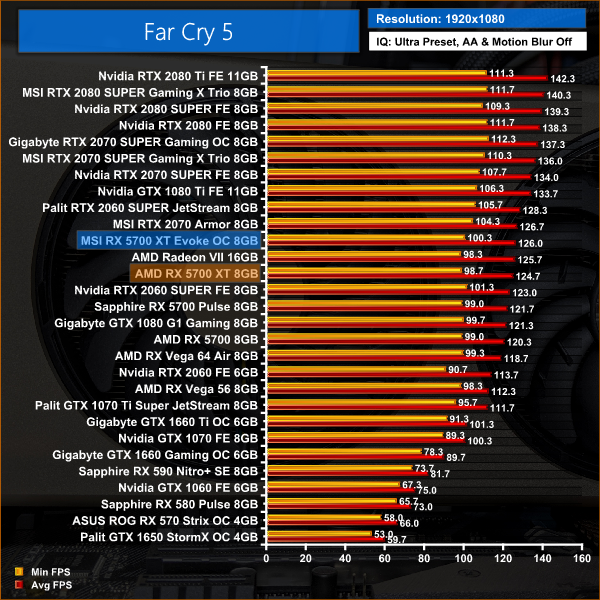
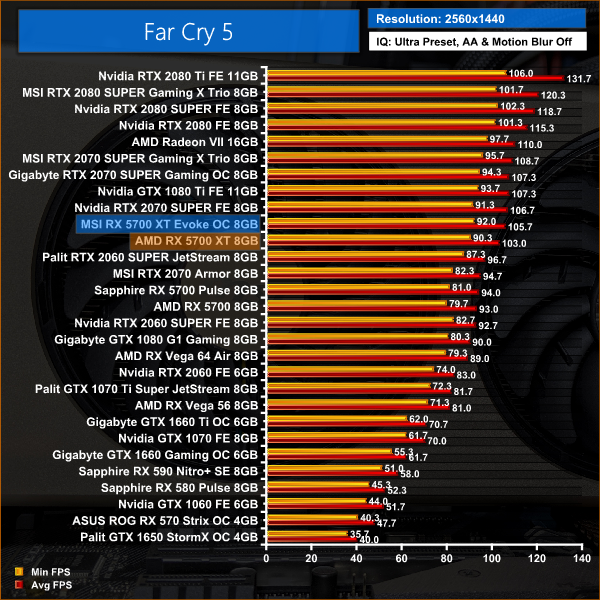
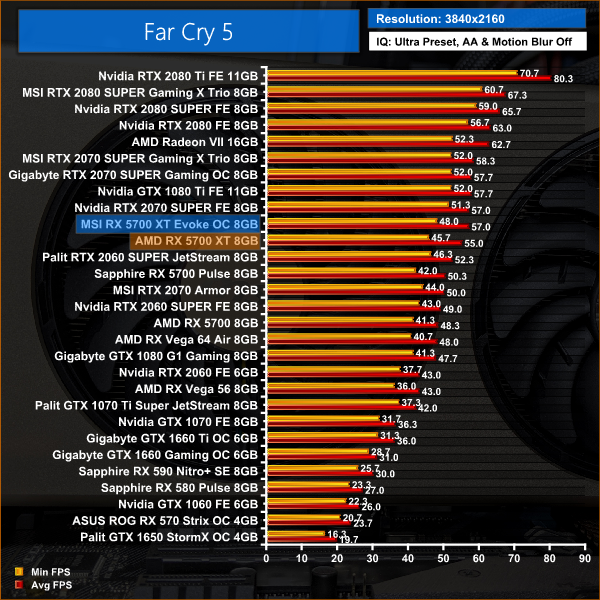
The Evoke OC comes in 2FPS faster than the reference 5700 XT when playing Far Cry 5 at 4K. It might not sound like much, but it's a 4% difference in performance.Tom Clancy’s Ghost Recon Wildlands is a tactical shooter video game developed by Ubisoft Paris and published by Ubisoft. It was released worldwide on March 7, 2017, for Microsoft Windows, PlayStation 4 and Xbox One, as the tenth instalment in the Tom Clancy’s Ghost Recon franchise and is the first game in the Ghost Recon series to feature an open world environment. (Wikipedia).
We test using the Very High preset.
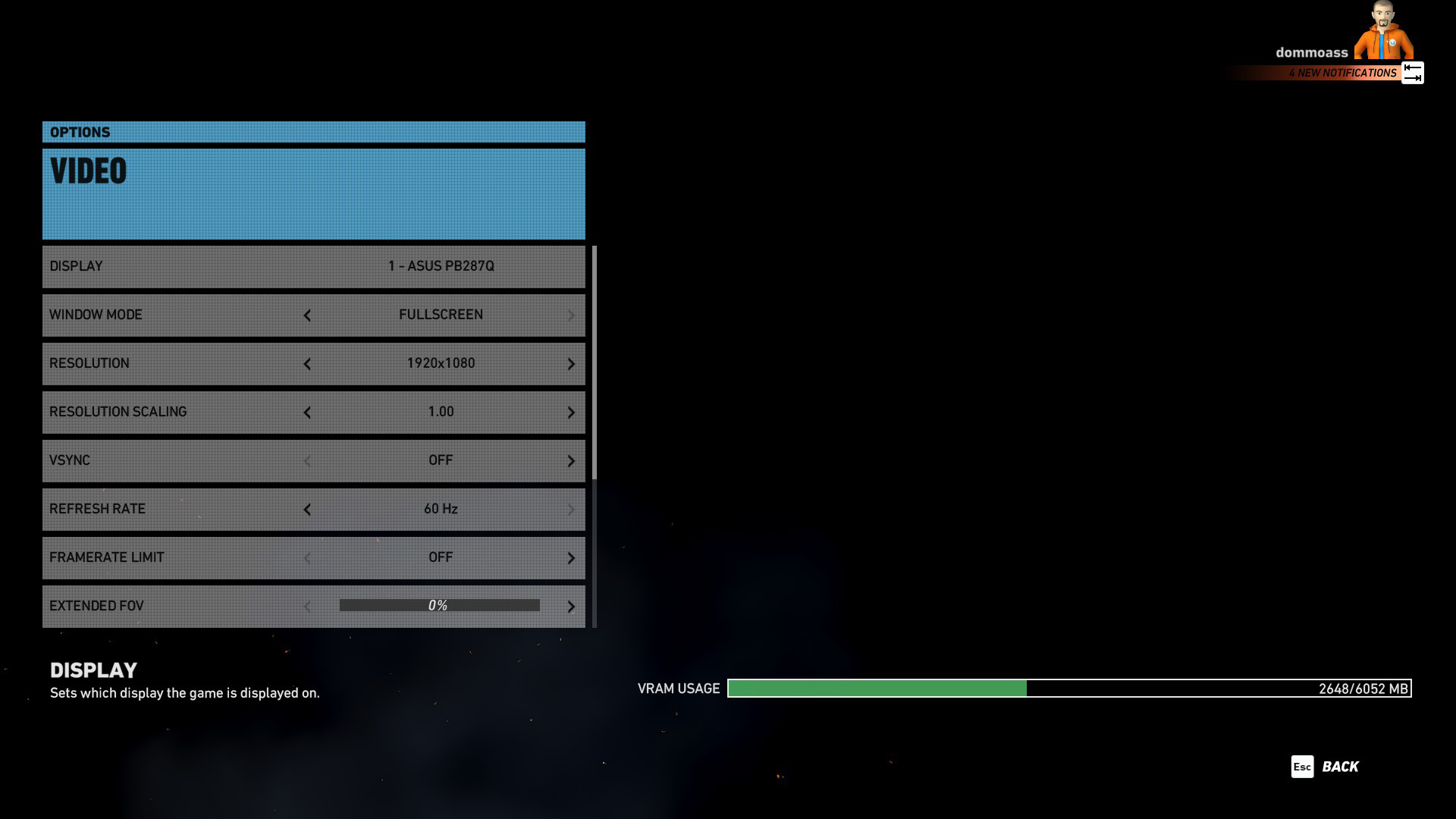
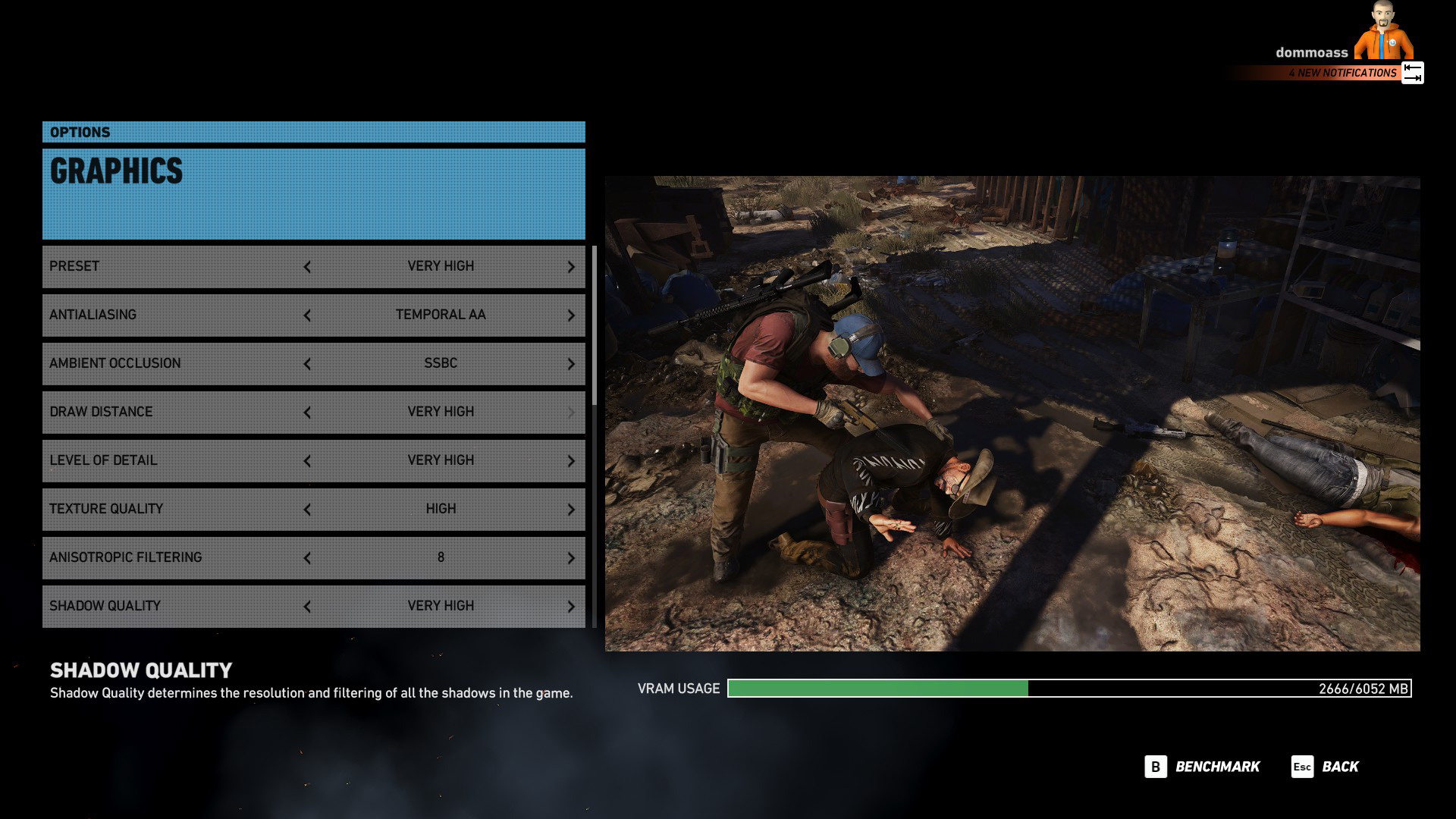
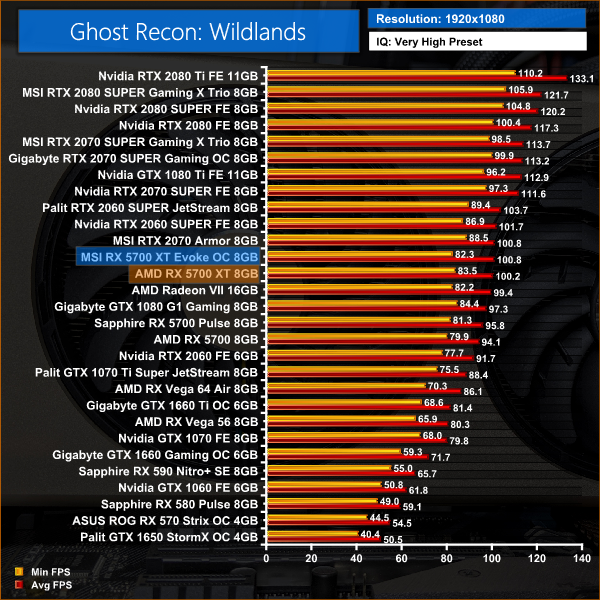
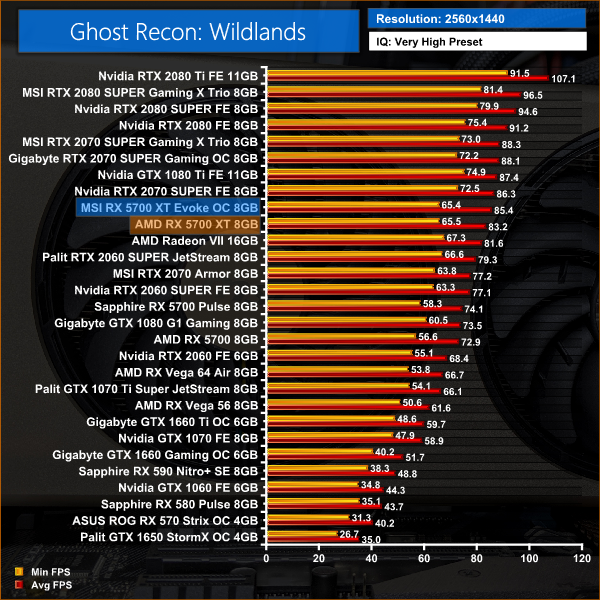
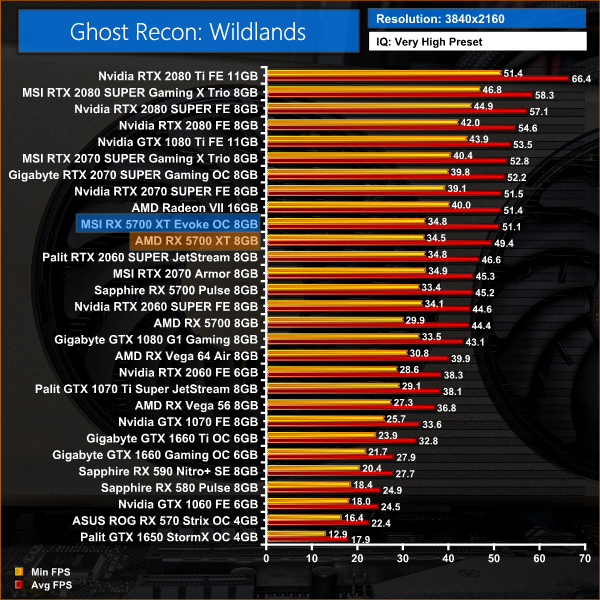
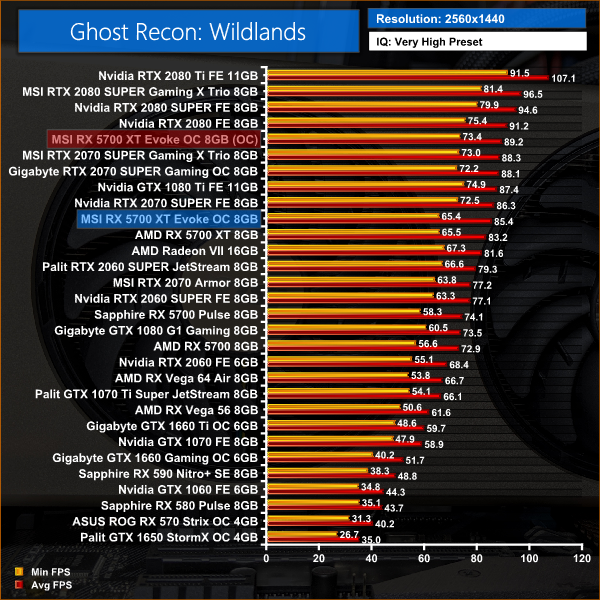
As for Ghost Recon: Wildlands, there's nothing in it when comparing both RX 5700 XT cards at 1080p – but 1440p and 4K testing shows the Evoke OC has a 3% lead.
Metro Exodus is a first-person shooter video game developed by 4A Games and published by Deep Silver in 2019. It is the third instalment in the Metro video game series based on Dmitry Glukhovsky's novels, following the events of Metro 2033 and Metro: Last Light. (Wikipedia)
We test using the Ultra preset, but with Hairworks and Advanced PhysX turned off. We test using the DX12 API.
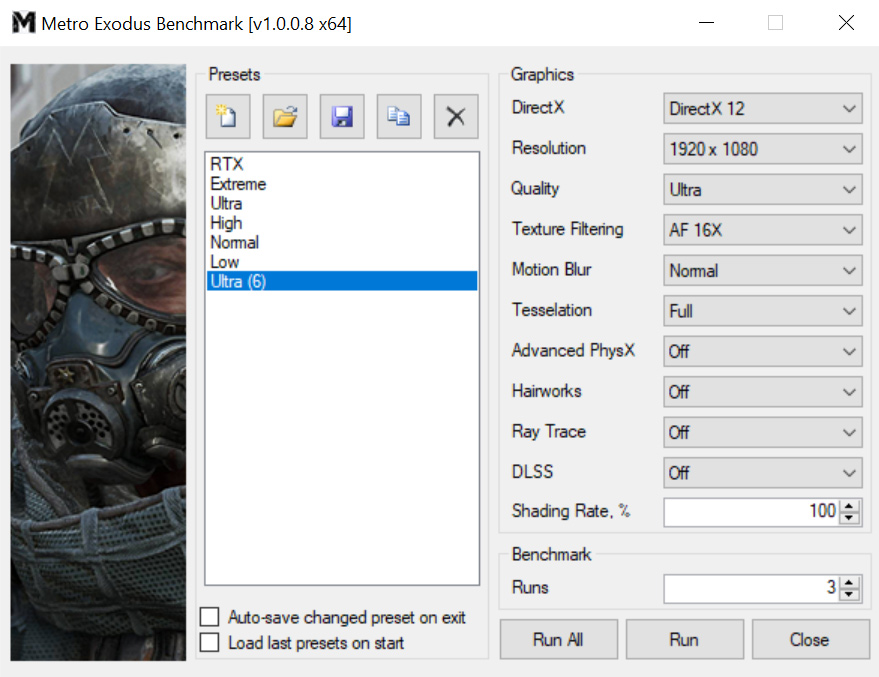
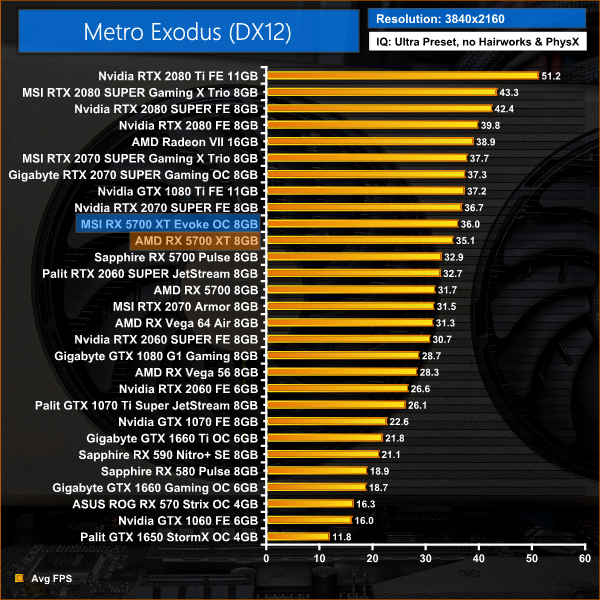
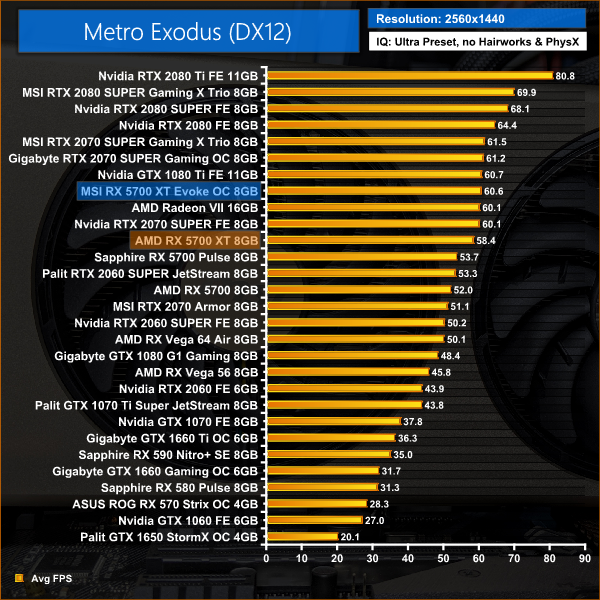
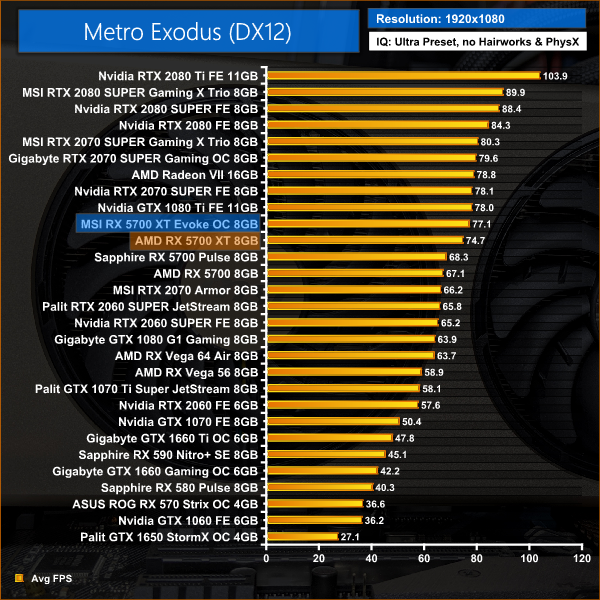
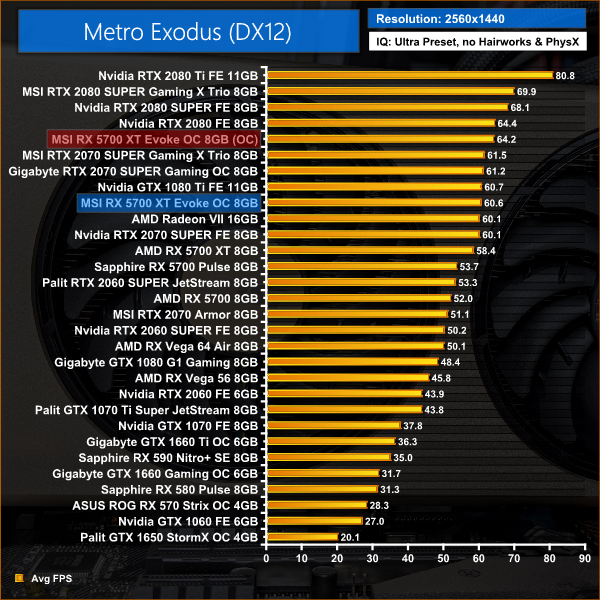
Things pick up slightly for the Evoke OC in Metro Exodus, where the MSI card is averaging 3% higher frame rates than the reference 5700 XT. At 1440p, that's a difference of 2.2 FPS.
Middle-earth: Shadow of War is an action role-playing video game developed by Monolith Productions and published by Warner Bros. Interactive Entertainment. It is the sequel to 2014’s Middle-earth: Shadow of Mordor, and was released worldwide for Microsoft Windows, PlayStation 4, and Xbox One on October 10, 2017. (Wikipedia).
We test using the Very High preset.
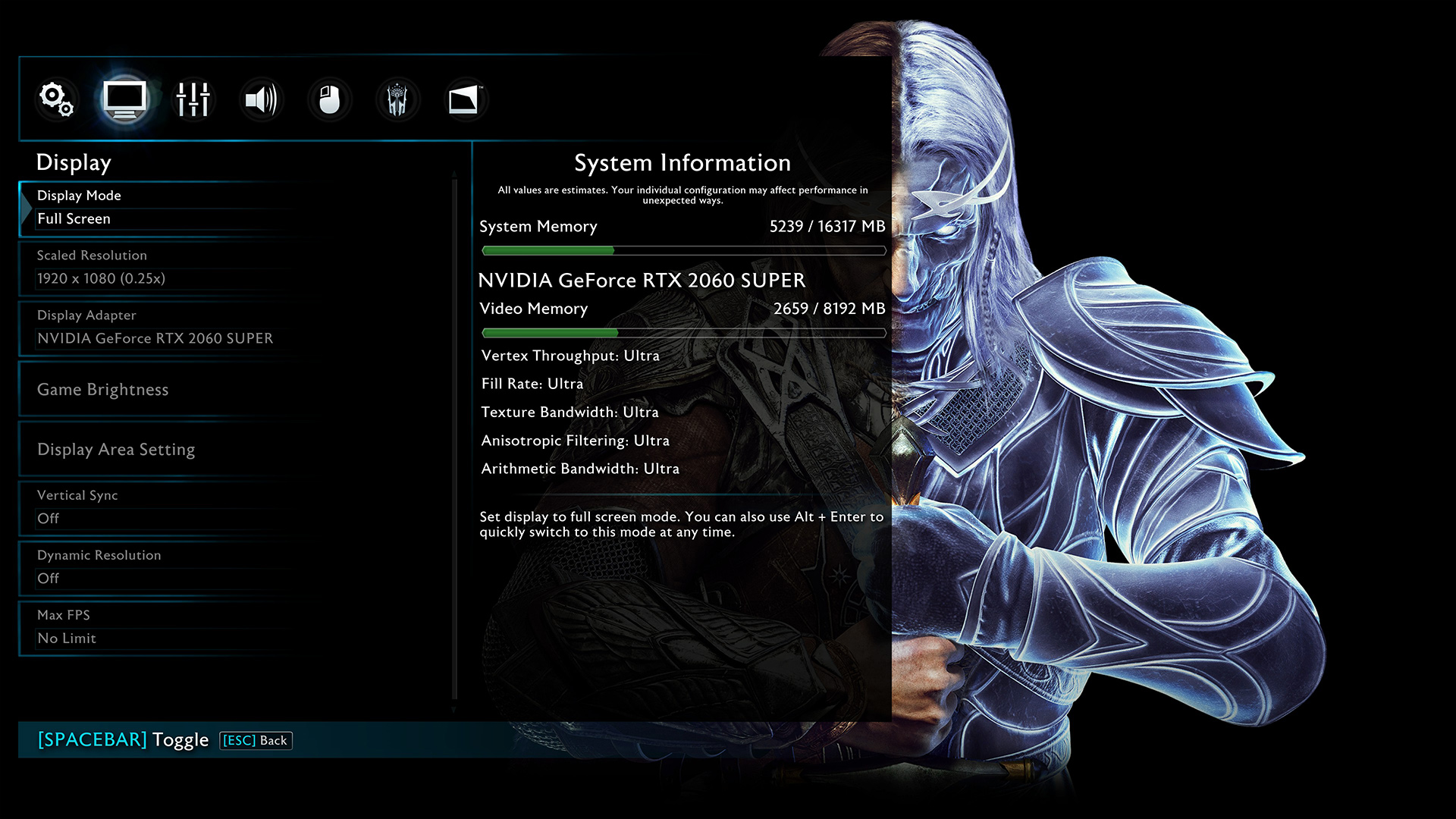
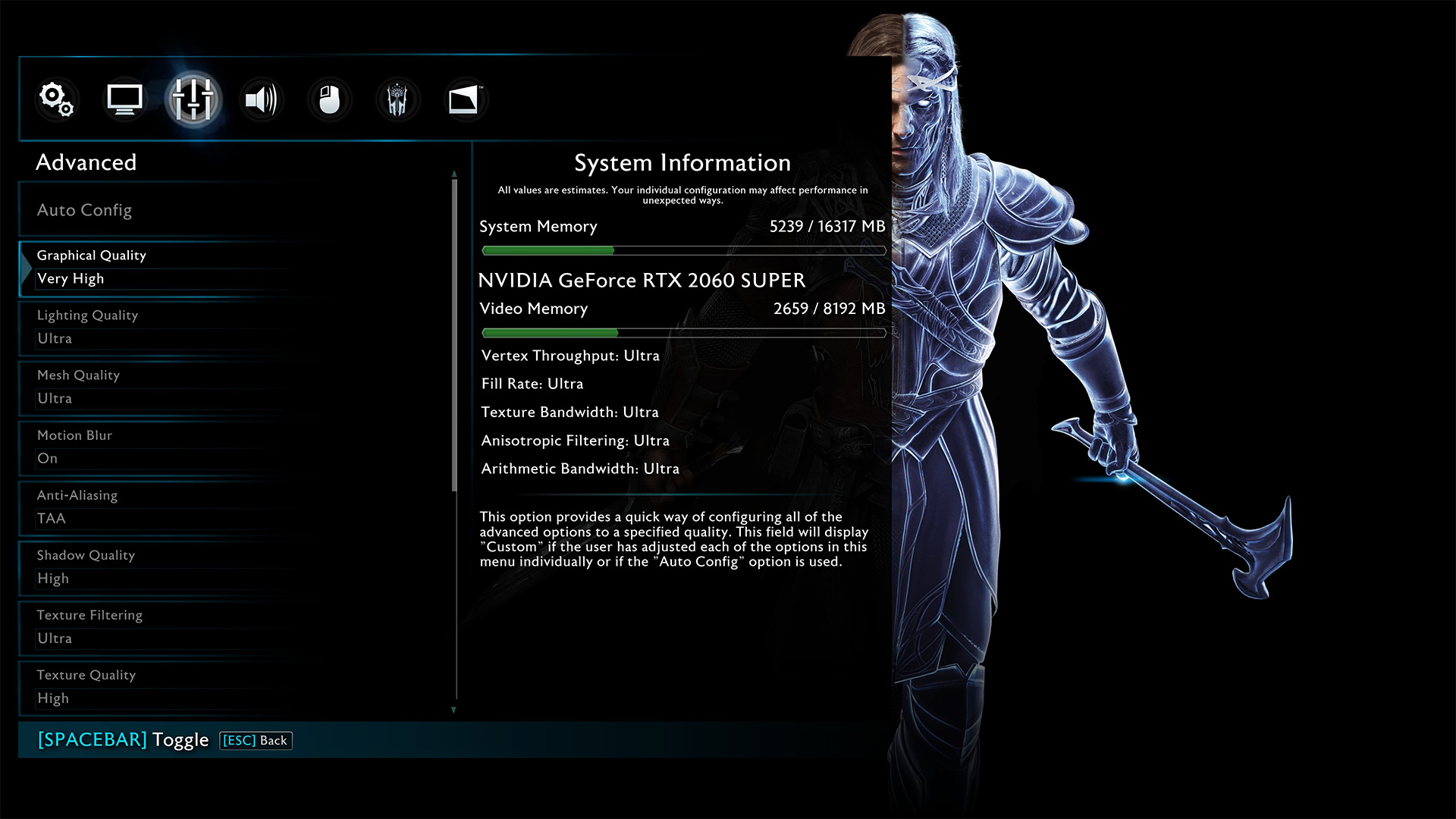
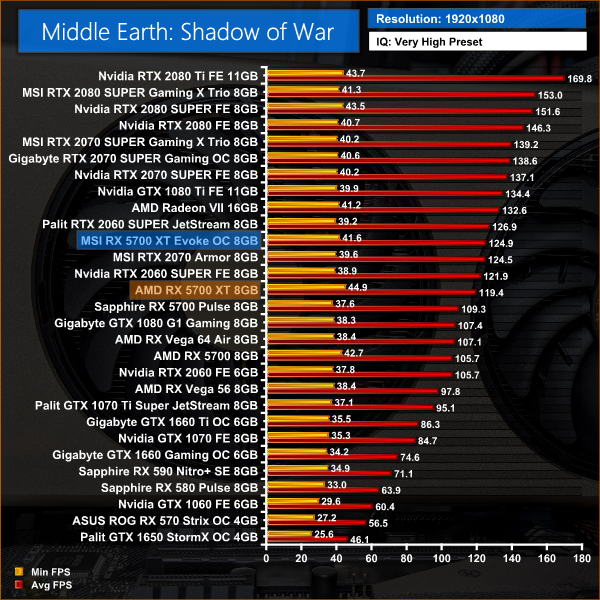
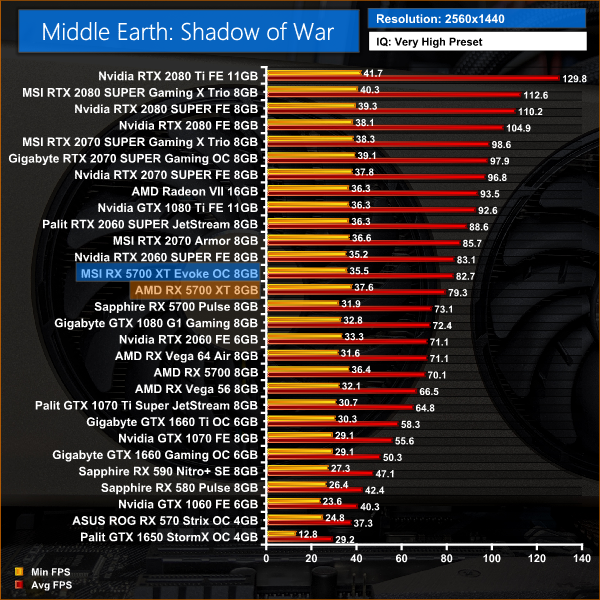
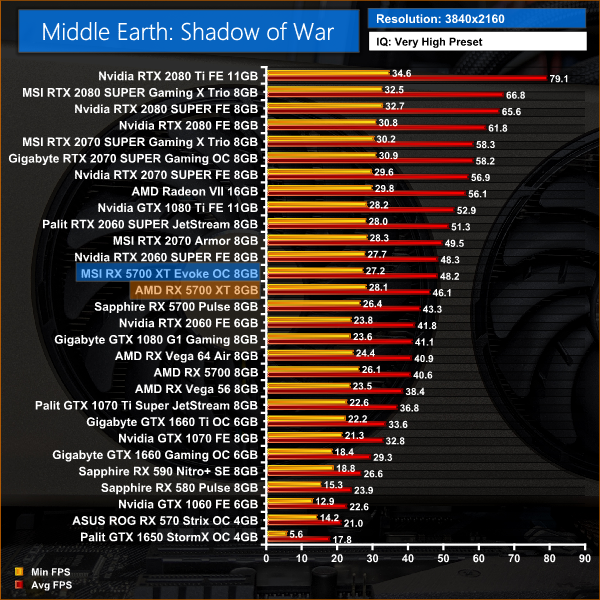
Middle Earth: Shadow of War shows the biggest improvements for the Evoke OC, as here it comes in 5% faster than the reference design at 1080p and 4K resolutions.
Shadow of the Tomb Raider is an action-adventure video game developed by Eidos Montréal in conjunction with Crystal Dynamics and published by Square Enix. It continues the narrative from the 2013 game Tomb Raider and its sequel Rise of the Tomb Raider, and is the twelfth mainline entry in the Tomb Raider series. The game released worldwide on 14 September 2018 for Microsoft Windows, PlayStation 4 and Xbox One. (Wikipedia).
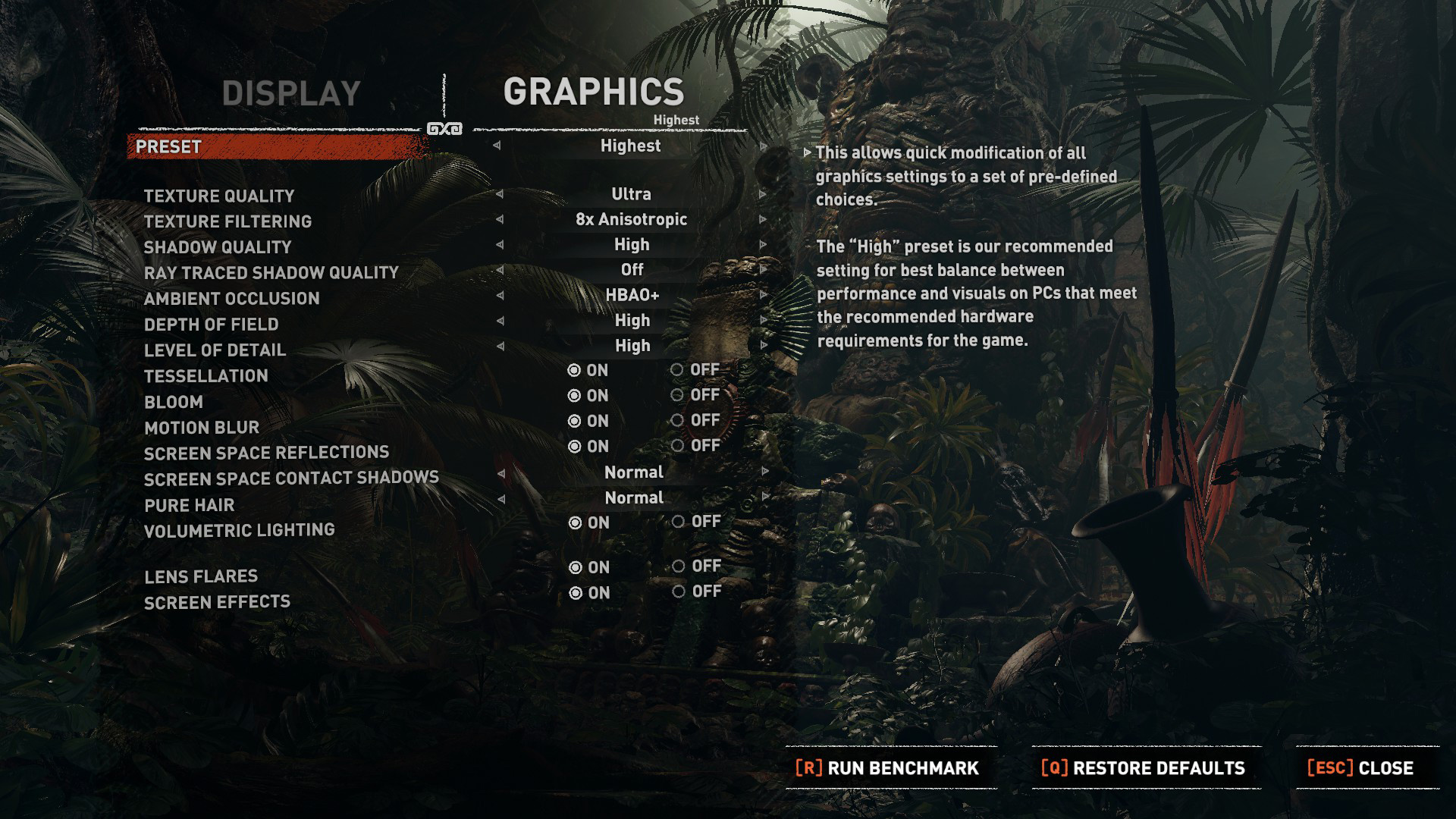
We test using the Highest preset, with AA disabled. We test using the DX12 API.
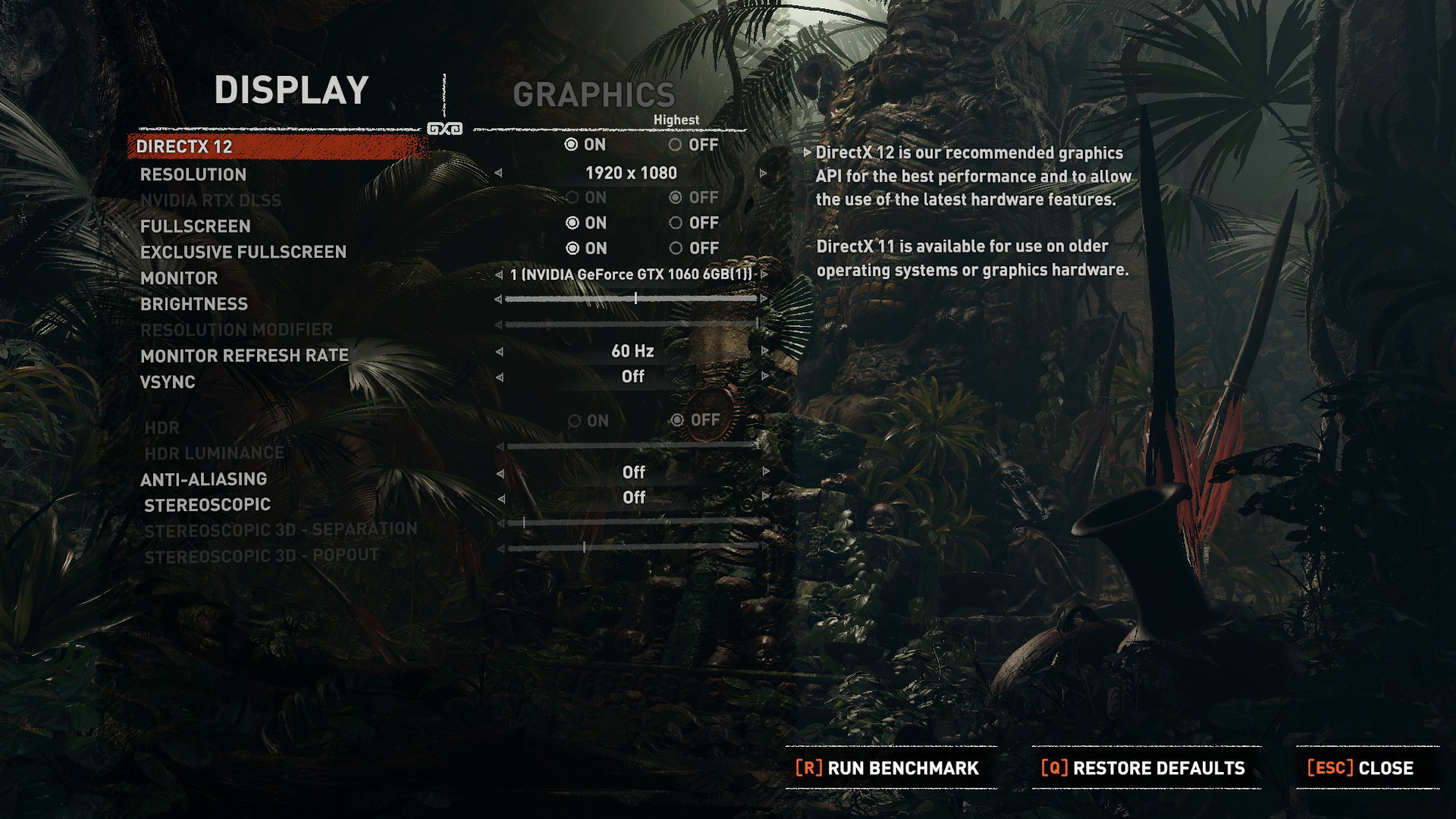
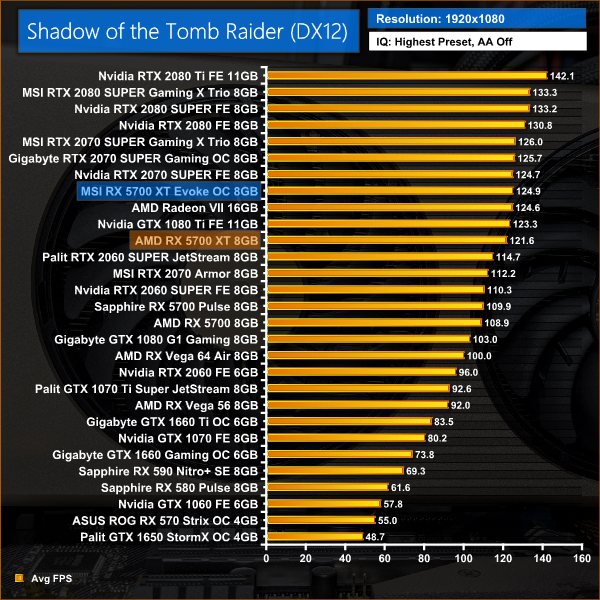
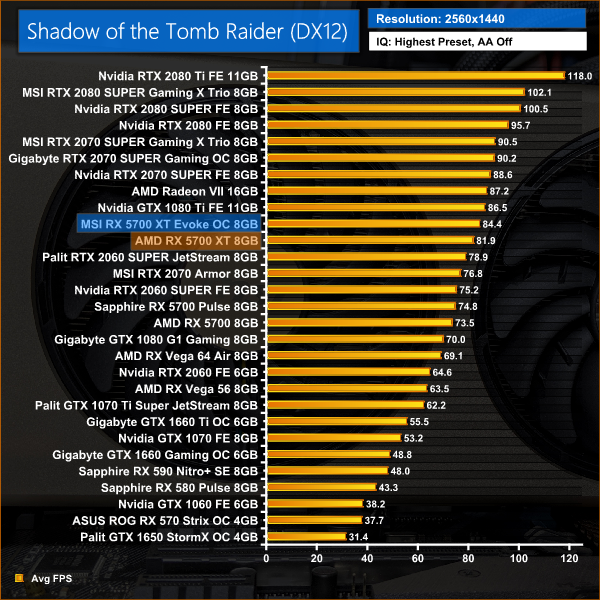
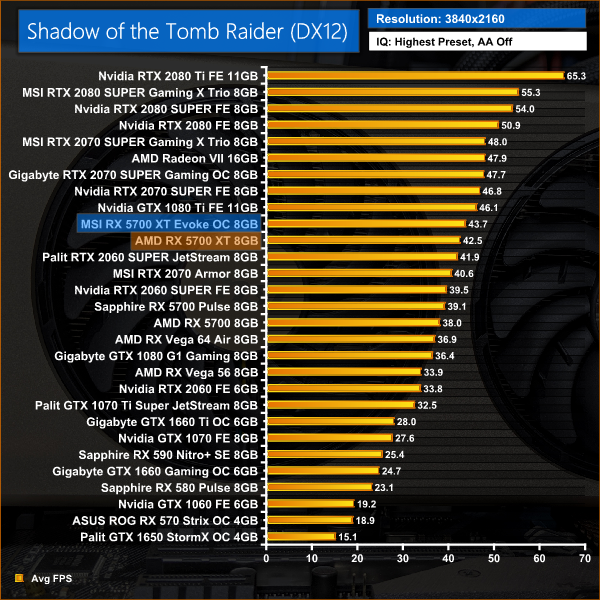
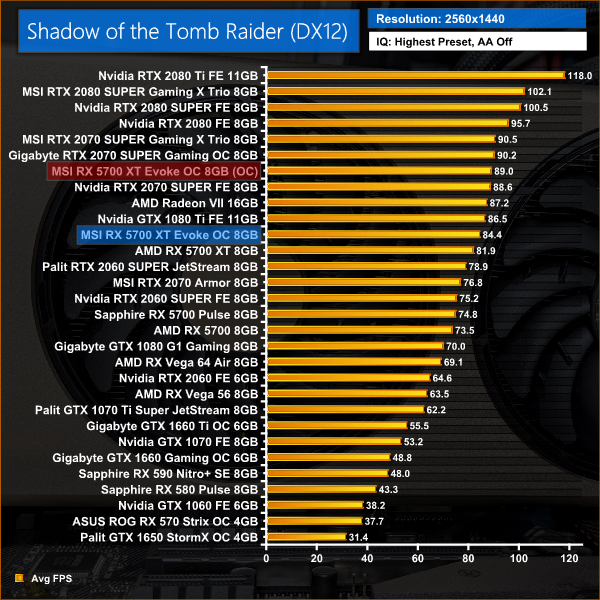
Our last game of the day, Shadow of the Tomb Raider has the Evoke OC 3% ahead of the reference 5700 XT across all three resolutions tested.
Here we present the average clock speed for each graphics card while running the 3DMark Fire Strike Ultra stress test 20 times. We use GPU-Z to record the GPU core frequency during the Fire Strike Ultra runs. We calculate the average core frequency during the entire 20-run test to present here.
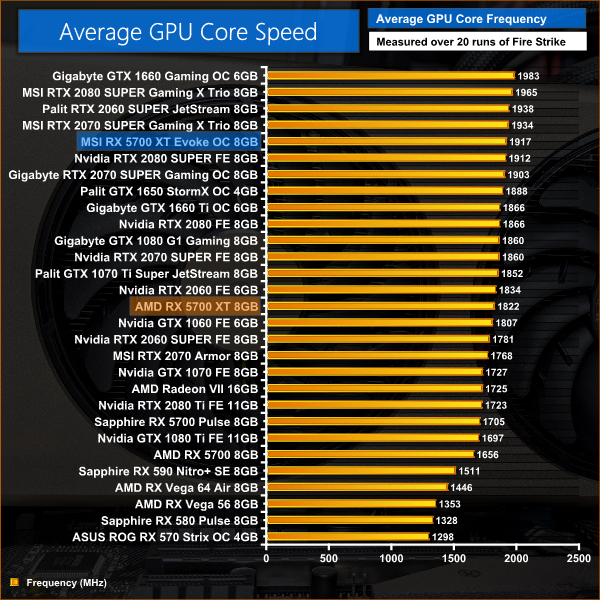
Despite its rated game clock coming in at 1835MHz, in our testing the Evoke OC averaged 1917MHz when under load. This puts it 95MHz faster than the reference card, which averaged 1822MHz, with that increase in frequency resulting in 3% performance gains on average for the Evoke OC.
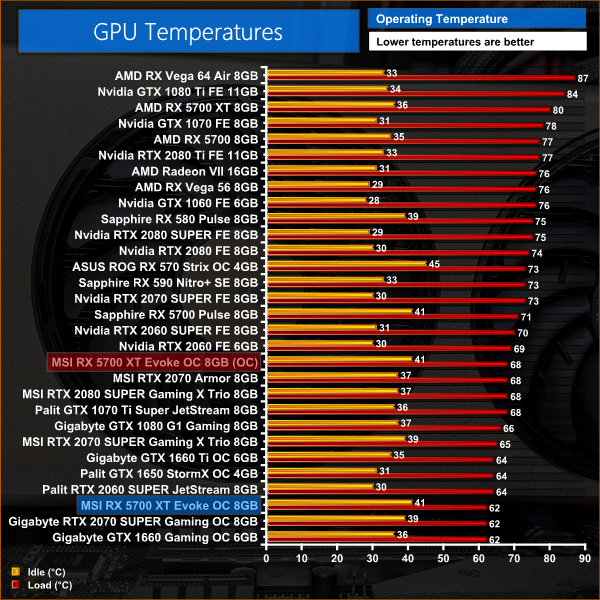
For our temperature testing, we measure the peak GPU core temperature under load, as well as the GPU temperature with the card idling on the desktop. A reading under load comes from running the 3DMark Fire Strike Ultra stress test 20 times. An idle reading comes after leaving the system on the Windows desktop for 30 minutes.
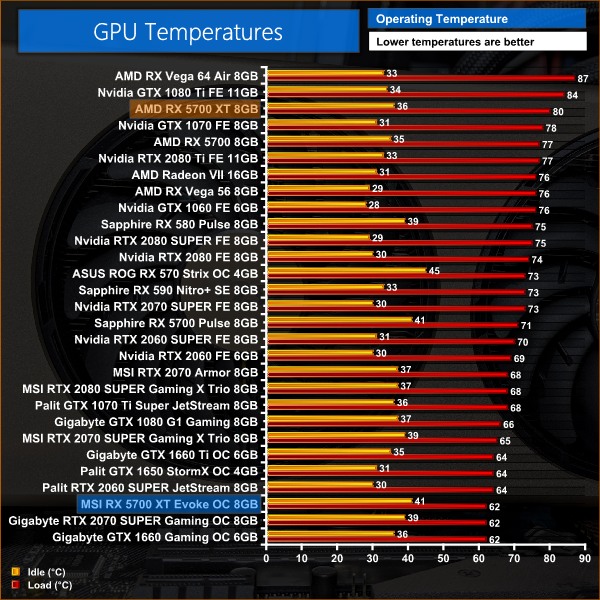
Full credit to MSI here, the Evoke OC runs very, very cool indeed – with a peak GPU temperature of just 62C. This is a whopping 18 degrees cooler than reference which is very impressive stuff.
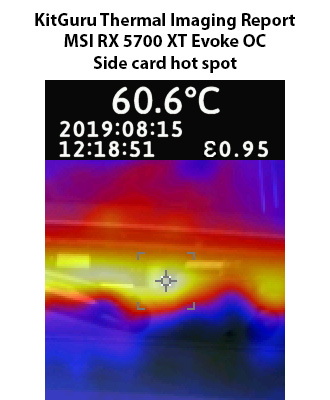
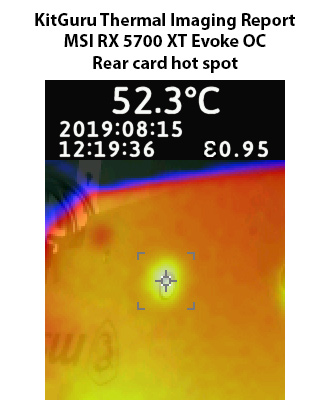
This impressive thermal performance is demonstrated by our thermal imaging camera as well, with hot spots on the card reaching 60C on the side, and 52C on the backplate.
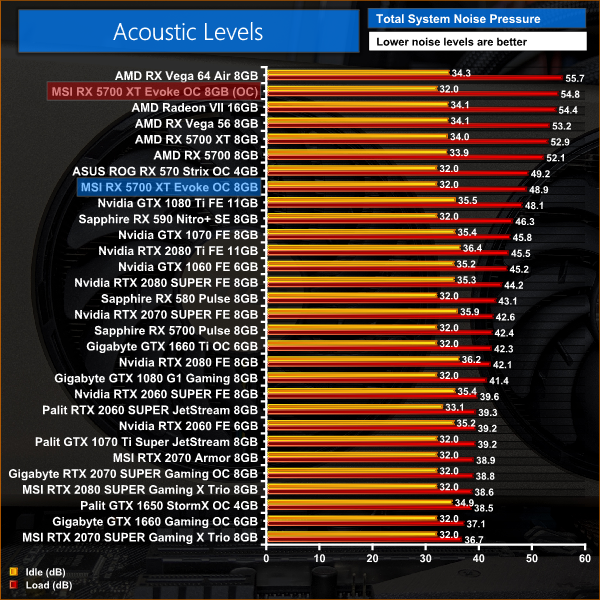
We take our noise measurements with the sound meter positioned 1 foot from the graphics card. I measured the noise floor to be 32 dBA, thus anything above this level can be attributed to the graphics cards. The power supply is passive for the entire power output range we tested all graphics cards in, while all CPU and system fans were disabled.
A reading under load comes from running the 3DMark Fire Strike Ultra stress test 20 times. An idle reading comes after leaving the system on the Windows desktop for 30 minutes.
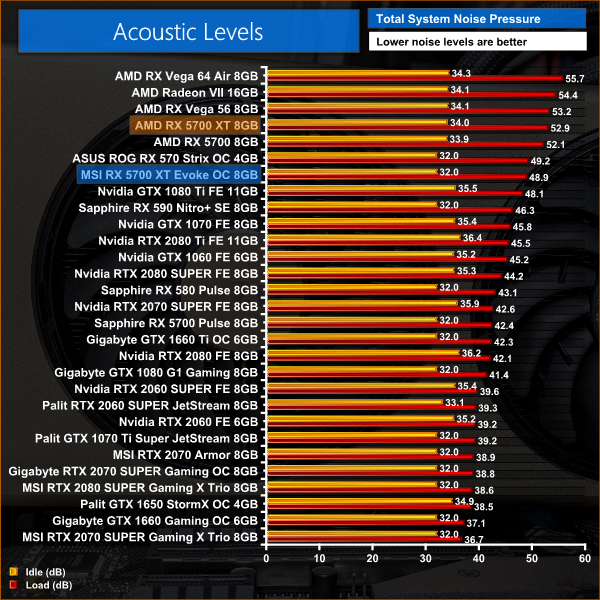
There is a clear and obvious reason as to why the GPU runs so cool – and that is fan speed. Under load, we saw the Evoke OC run its fans at 64%, around 2050rpm, and that results in a pretty loud card. It is quieter than reference, but to be honest that isn't a great yardstick to be measuring performance with. In my mind, MSI has clearly just prioritised temperatures over noise levels, resulting in a poorly-balanced fan curve.
To try and redeem matters MSI has made a ‘Silent BIOS' available on its website, but this is not a good solution. For starters, it isn't how the card ships – so users would have to manually download and flash the BIOS themselves, likely putting off a good chunk of inexperienced users. On top of that, in our testing this Silent BIOS really didn't do much, dropping fan speed by just 2%, or around 50rpm. That made no noticeable different to noise levels, so I honestly struggle to see the point.
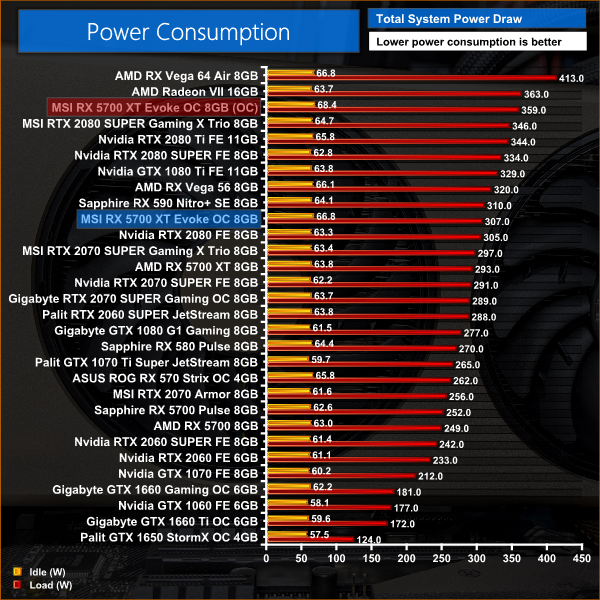
We measure system-wide power draw from the wall while the card is sat idling at the Windows 10 desktop for 30 minutes. A reading under load comes from running the 3DMark Fire Strike Ultra stress test 20 times.
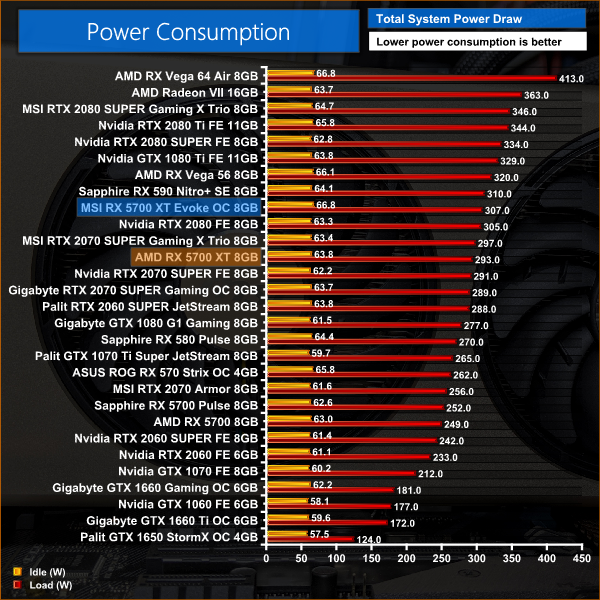
Total graphics power for the Evoke OC is rated the same as the reference card, but in practice we saw it draw almost 15W more, likely due to the higher operating frequencies and the dual axial fans.
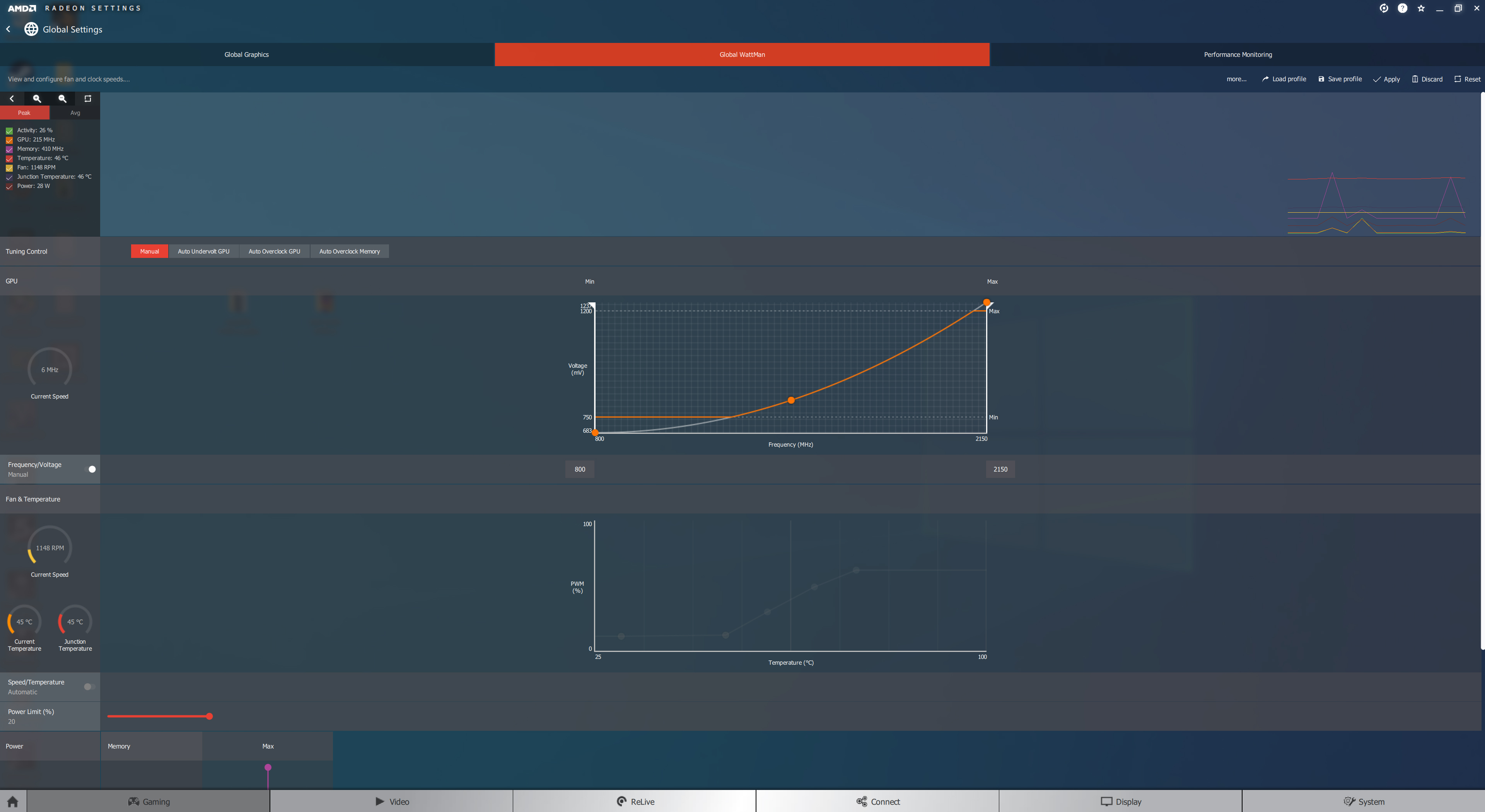
As for overclocking, I have to say manually tuning the Evoke OC proved the easiest of all the Navi cards we have tested so far – we could max out the core frequency at 2150MHz (the highest allowed by Wattman), and our GDDR6 memory also maxed out at 950MHz (15.2Gbps). This was with the power limit set to its maximum, using the auto fan curve.
Average clock speed under load
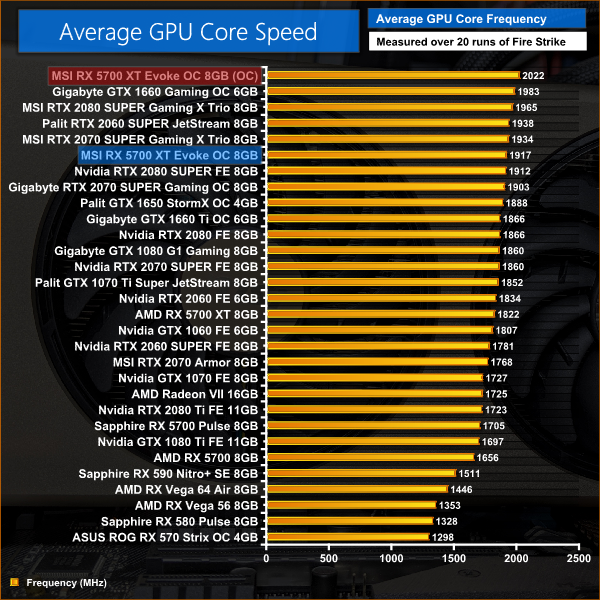
This overclock raised the card's average frequency under load by 105MHz, an increase of 5.4%.
Games
This extra frequency scaled perfectly with our extra games testing, where we saw an average performance uplift of 5%. This puts the manually-tuned Evoke OC almost 9% ahead of the stock RX 5700 XT.Here, we take a further look at the impact of our overclock, looking at the increased temperatures, acoustics and power draw.
Temperatures
Acoustics
Power consumption
Overview
While the card still ran at sub-70C temperatures, noise levels increased even further – to almost Vega 64 levels, with the fans spinning at 77%, or 2470rpm. Power draw also rose considerably, by just over 50w.
MSI has certainly made something quite unique with its RX 5700 XT Evoke OC.
Its champagne gold shroud is what first grabs you first – we've seen cards with gold accents before, but nothing quite like this. It does feel nice and solid in the hand thanks to the almost all-metal shroud, but I have to be honest and say I am not too sure about the aesthetics.
Not because I think its ugly – that's obviously subjective and my opinion on that is irrelevant for your buying decision – but rather because I think MSI has boxed itself into a corner with the design. The way I see it, you'd either want the gold shroud as you already have a gold-themed rig, or you simply don't care about the aesthetics. The first point is fair enough, if it complements your build then go for it. I honestly think that anyone spending this much on a graphics card, however, likely has a pretty clear idea of what they want their card to look like, and MSI is potentially limiting its sales here.
Anyway, that aside, the dual fan cooler performs fantastically well in terms of its ability to restrain GPU temperatures, as we saw the 5700 XT run no hotter than 62C under load, which is almost 20C cooler than the reference design. Unfortunately, you certainly pay the price for this, with the Evoke OC running very loud in our testing. Granted, it is still quieter than the reference card, but for a custom card priced at £440, we are expecting ‘near silence', not ‘just about quieter than the reference card'.
MSI just needs to balance temperatures vs acoustics better. It would be fine for the GPU to run hotter – even 70C is still a very respectable result and still 10C less than reference – if the result was a significant reduction in noise levels. As it is, the fan curve clearly favours low temperatures over noise levels, and that results in a loud card.
Gaming performance is decent, though, as we saw the Evoke OC running about 100MHz faster than the reference 5700 XT. This meant our frame rates saw a boost of 3% on average – up to 5% in a couple of instances – but 3% on average. Relative to the 2070 SUPER, that means the Evoke OC is just 2% slower on average, but do bear in mind titles like Battlefield V favour Navi cards, while other games like Shadow of War favour Nvidia hardware, so the average doesn't tell the whole story.
As for pricing, even with a £60 premium over the 5700 XT's MSRP, this still makes the Evoke OC better value than the 2070 SUPER, as it's just 2% slower but costs 7% less. Looking at the card itself, however, I think it is going to struggle to justify that premium when it is as loud as it is. We're yet to review other 5700 XT models so I can't be concrete here, but it's almost a guarantee there will be other models available with a better balance of temperatures and acoustics.

You can buy the MSI RX 5700 XT Evoke OC for £439.99 from Overclockers UK HERE.
Pros
- Aluminium shroud.
- 3% faster than reference card on average, up to 5% in certain games.
- Runs very cool.
- Overclocked the best of our Navi cards so far.
Cons
- Far too loud for a custom card.
- £60 price premium is hard to justify given the noise levels.
- Gold shroud is likely to prove divisive.
KitGuru says: It's a fast card and it runs very cool, but the Evoke OC is definitely too loud for a stronger recommendation.