 KitGuru KitGuru.net – Tech News | Hardware News | Hardware Reviews | IOS | Mobile | Gaming | Graphics Cards


Acer Group used to be one of the world’s top PC makers half a decade ago, but in the recent years the company’s market share dropped rather dramatically. Acer announced major reorganization efforts in 2013 and while all of them yet have to prove their viability, the company is confident that it would not quit PC market.
“Acer will compete [on the PC market] to the last through the continued improvement of our product lines to maintain competitiveness,” said Jason Chen, chief executive officer of Acer, reports DigiTimes.
In a bid to improve its sales this year, the company recently introduced a lineup of new hybrid 2-in-1 personal computers, gaming PCs as well as Chromebooks. Acer also plans to establish stronger positions on the market of smartphones.
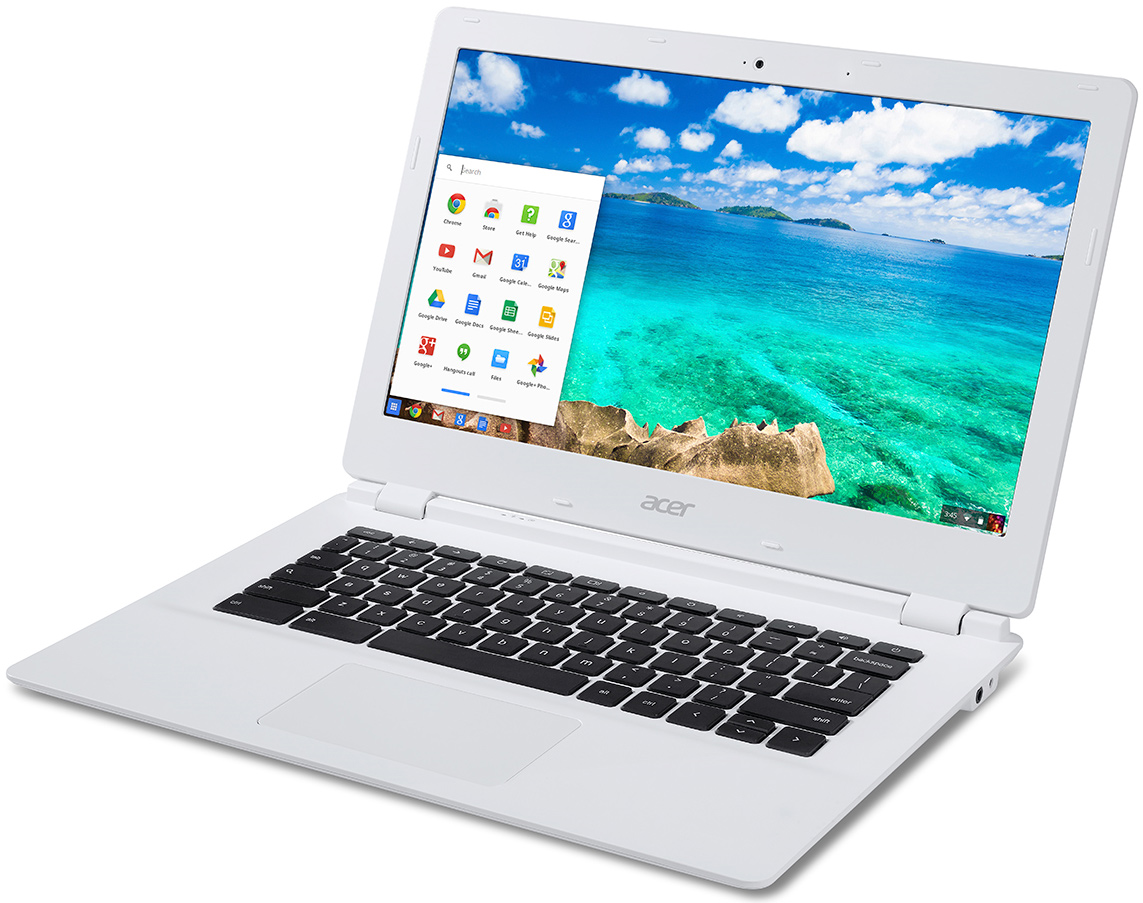
Acer commanded 7.2 per cent of the global PC market in the first quarter of 2015, according to Gartner. The company sold 5.183 million PCs, a decrease of 6.8 per cent year-over-year.
Despite of continuous declines, Acer does not plan to quit the market of PCs or refocus its business completely.
Discuss on our Facebook page, HERE.
KitGuru Says: It is nice to see that Acer does not plan to follow Sony, Toshiba, Samsung and a number of other personal computer suppliers, who either ceased to make PCs, withdrew from certain markets or sold off their PC business units in the recent years.

I always loved their product, never failed me down.