 KitGuru KitGuru.net – Tech News | Hardware News | Hardware Reviews | IOS | Mobile | Gaming | Graphics Cards


In our initial review of the Razer Phone (HERE), we mentioned there was room for improvement when it came to the camera's software. Razer listened, and last month the company rolled out a big update to improve shutter speed, add the ability to easily switch between lenses and improve overall performance. With that in mind, we thought it high-time we revisited the phone to give its camera and software a proper analysis.
I've been using the Razer Phone for nearly three months now, ever since the global launch event in London. In my original review, I praised the primary lens but thought the software to be very poor. Three months on, can the Razer Phone's camera be considered a success? To find out, we analyse low-light performance, HDR mode, primary vs secondary lenses and even include comparisons with the Huawei Mate 10 Pro.
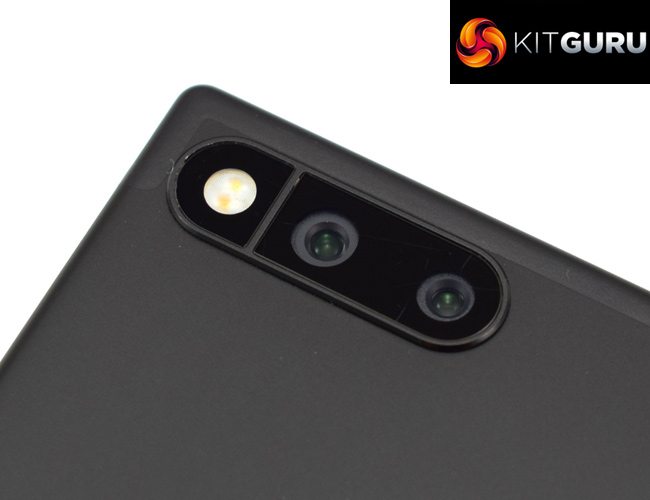
Camera specification
- 12MP AF f1.75 Wide
- 12MP AF f2.6 Zoom
- Dual PDAF
- Dual tone, dual LED flash

No camera software improvements tells you all you need to know about Razer’s projected support for this phone. Minimal. Avoid.
Si C you Obviously have not owned one 10/10 great phone for games and normal use people be patient for the new android update witch will bring out more for the camera including auto stabilization
Good, the owners deserve decent support! It’s not a cheap phone after all 😉