 KitGuru KitGuru.net – Tech News | Hardware News | Hardware Reviews | IOS | Mobile | Gaming | Graphics Cards


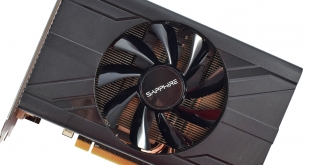
Having analysed a few of the new AMD RX 500-series cards since launch, today our attention turns back to the RX 570. This particular card is Sapphire's RX 570 Pulse ITX model, and it is specifically aimed at those looking to build a SFF or ITX system – this is made clear by the card's small size and single-fan cooling solution. Is it an effective option for those with very strict space constraints?
We know by now that the RX 570 GPU is best for 1080p gaming, so the focus of this review today is whether or not the Sapphire RX 570 Pulse ITX is an effective implementation of the Polaris architecture. Given it is aimed at the SFF and Mini-ITX markets, its thermal and power consumption levels are of particular importance.
| GPU | AMD RX 480 | AMD RX 580 | AMD RX 470 | AMD RX 570 | AMD R9 390 |
Nvidia GTX 1050 Ti | Nvidia GTX 1060 |
| Streaming Multiprocessors / Compute Units |
36 | 36 | 32 | 32 | 40 | 6 | 10 |
| GPU Cores | 2304 | 2304 | 2048 | 2048 | 2560 | 768 | 1280 |
| Texture Units | 144 | 144 | 128 | 128 | 160 | 48 | 80 |
| ROPs | 32 | 32 | 32 | 32 | 64 | 32 | 48 |
| Base Clock | 1120 MHz | 1257 MHz | 926 MHz | 1168 MHz | Up to 1000MHz | 1290 MHz | 1506 MHz |
| GPU Boost Clock | 1266 MHz | 1340 MHz | 1206 MHz | 1244 MHz | Up to 1000MHz | 1392 MHz | 1708 MHz |
| Total Video memory | 4096 or 8192 MB | 4096 or 8192 MB | 4096 or 8192 MB | 4096 MB | 8192 MB | 4096 MB | 6144 MB |
| Memory Clock (Effective) |
1750 (7000) or 2000 (8000) MHz | 2000 (8000) MHz | 1650 (6600) MHz | 1750 (7000) MHz | 1500 (6000) MHz | 1752 (7008) MHz | 2002 (8008) MHz |
| Memory Bandwidth | 224 or 256 GB/s | 256 GB/s | 211 GB/s | 224 GB/s | 384 GB/s | 112 GB/s | 192 GB/s |
| Bus Width | 256-bit | 256-bit | 256-bit | 256-bit | 512-bit | 128-bit | 192-bit |
| Manufacturing Process | 14nm | 14nm | 14nm | 14nm | 28nm | 16nm | 16nm |
| TDP | 150 W | 185 W | 120 W | 150 W | 275 W | 75W | 120 W |
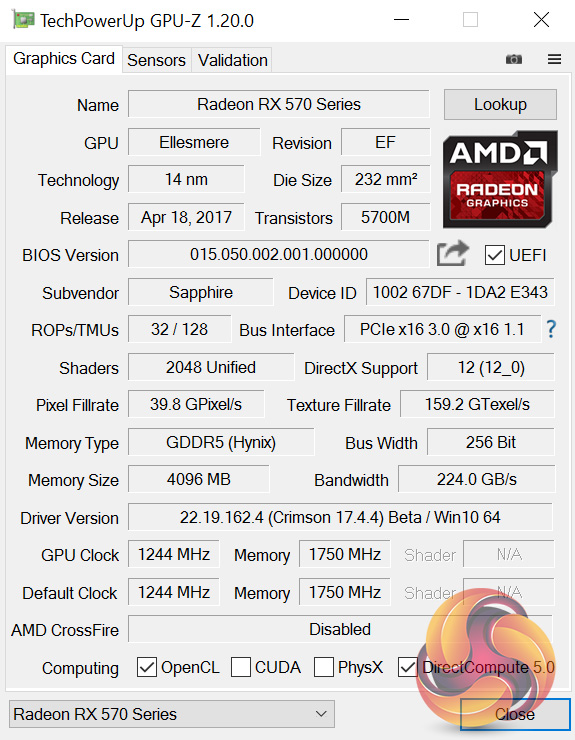
It is definitely worth noting that the RX 570 Pulse ITX does not come with any sort of factory overclock – the card's 1244MHz boost clock is the same as AMD's reference figure. This will negatively impact performance compared to other, factory overclocked RX 570 cards such as the ASUS Strix RX 570 or Sapphire Pulse RX 570, but it will likely help keep core temperatures down.
As it is also a member of Sapphire's Pulse family, this ITX card lacks many features we would expect from a high-end card. For example, there is no backplate, RGB LEDs or dual-BIOS functionality. This is a SFF card designed simply to work in a constricted environment.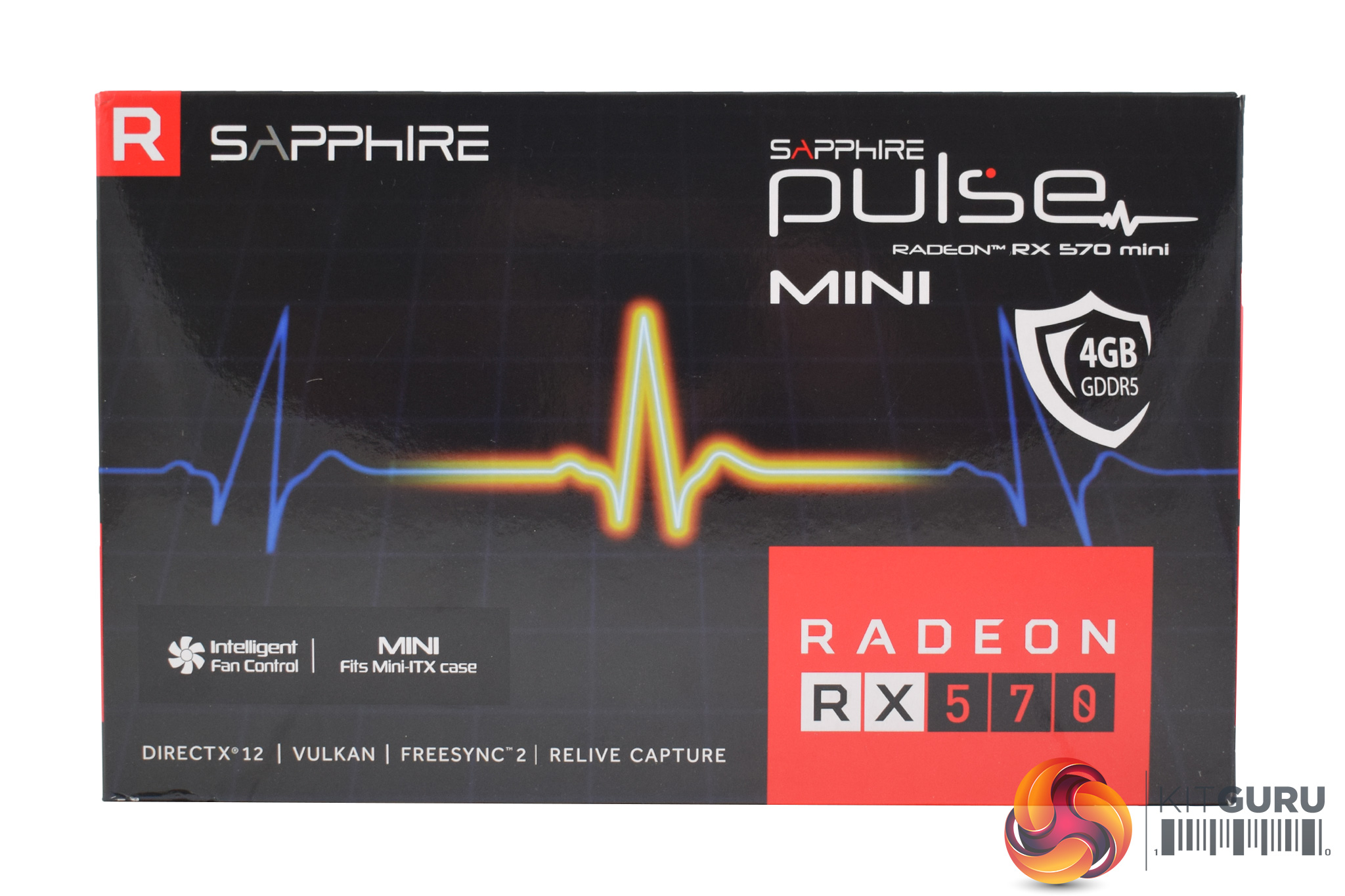
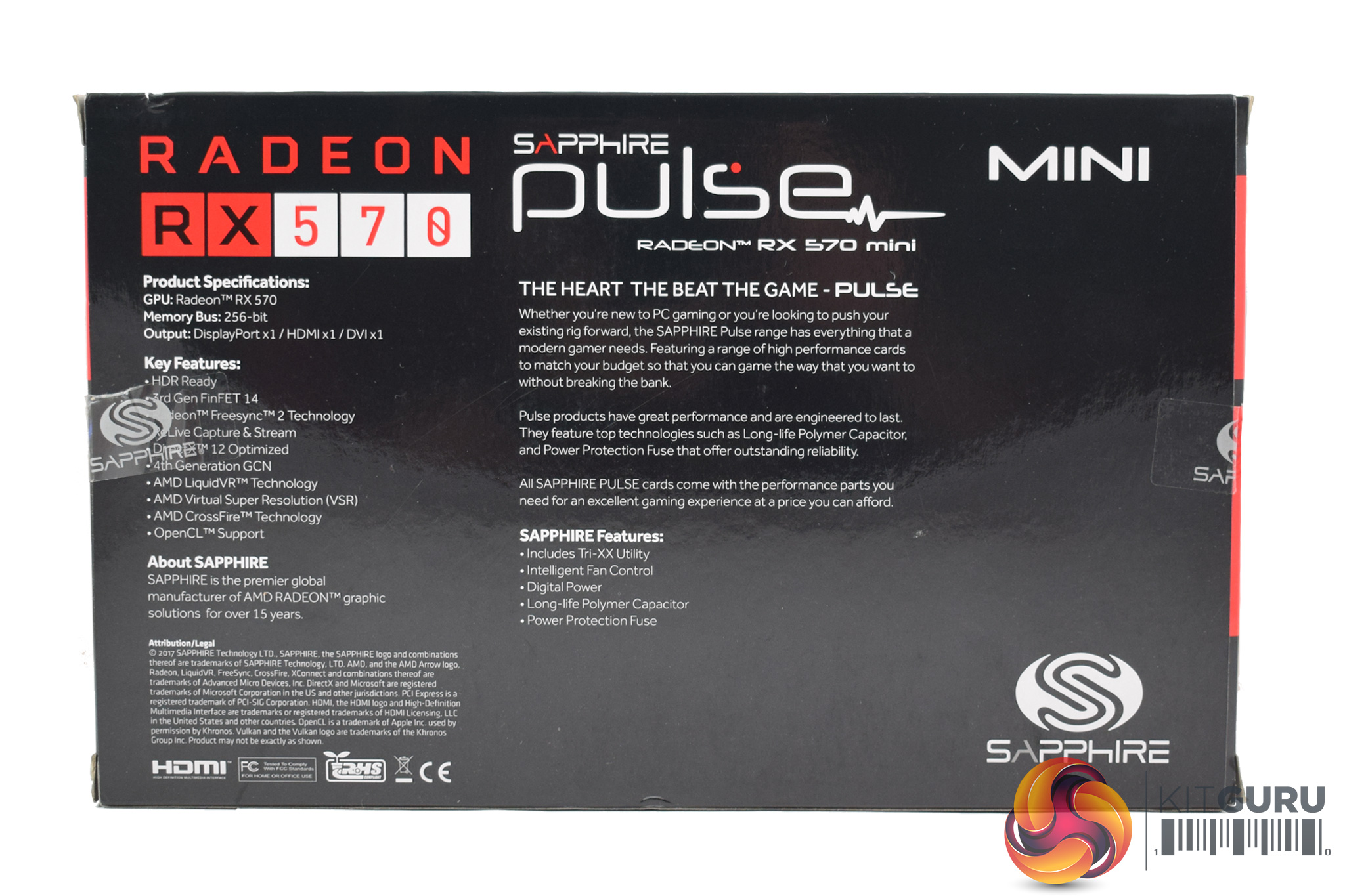
The Sapphire RX 570 Pulse ITX ships in a nearly all-black box. There are no product photos on the front, but we do get more of the EKG graphs that we have seen previously from other Pulse cards.
On the back of the the box there are still no pictures, though there are a few paragraphs of text which explain some of the card's features and specification.
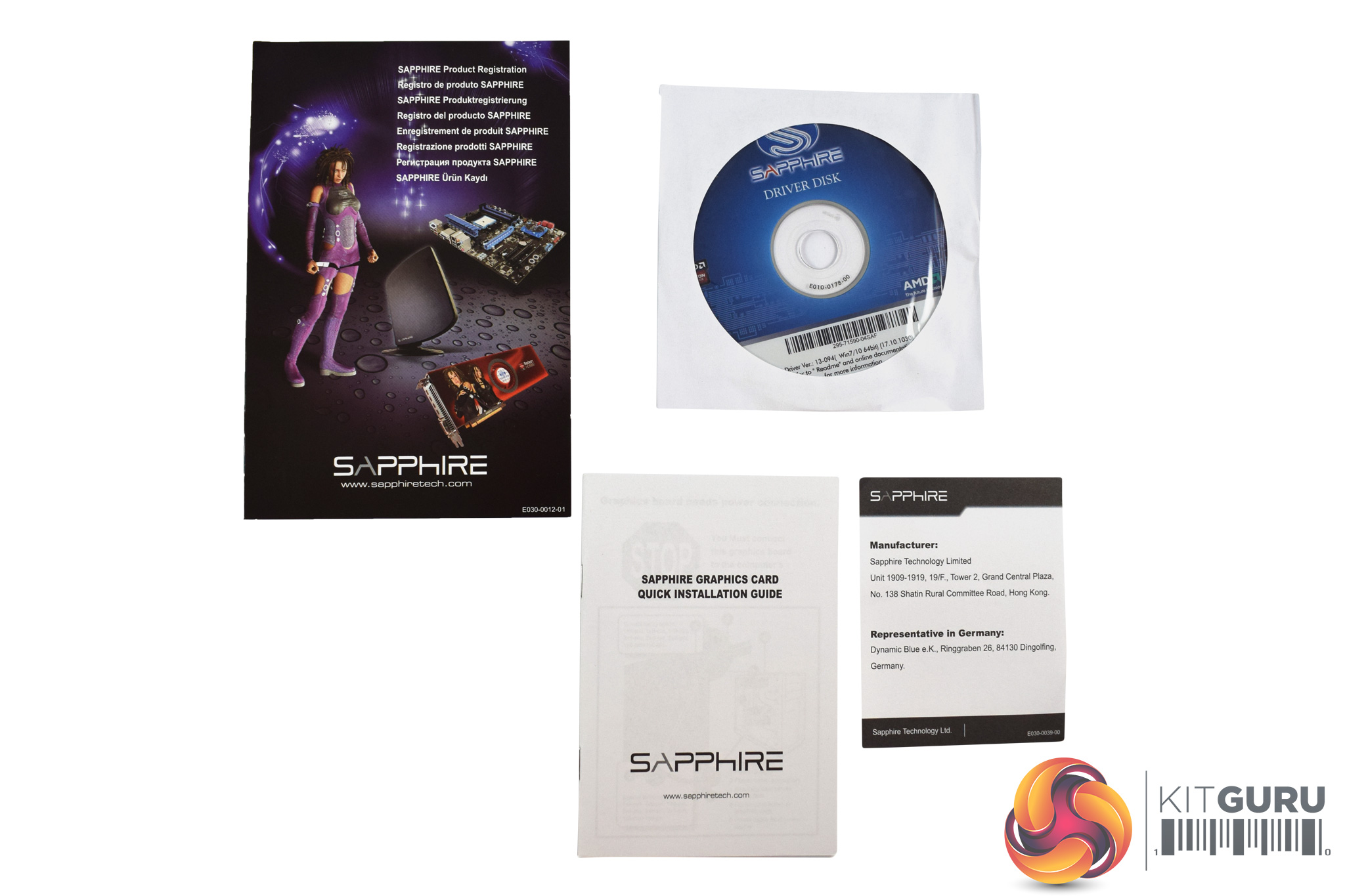
Inside, the accessories bundle is very standard as it is includes: 1x driver disk, 1x product manual, 1x manufacturer card and 1x support information booklet.
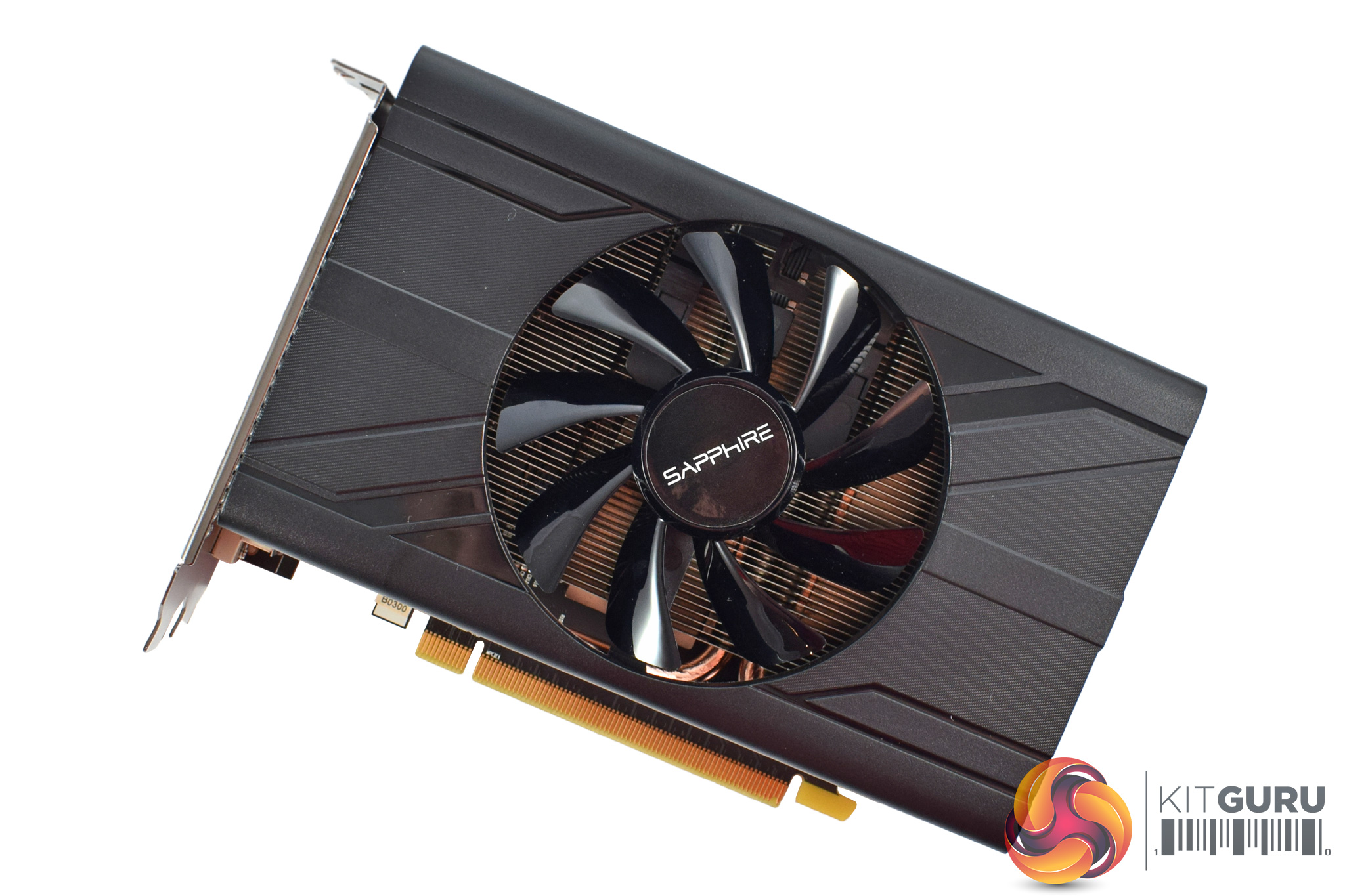
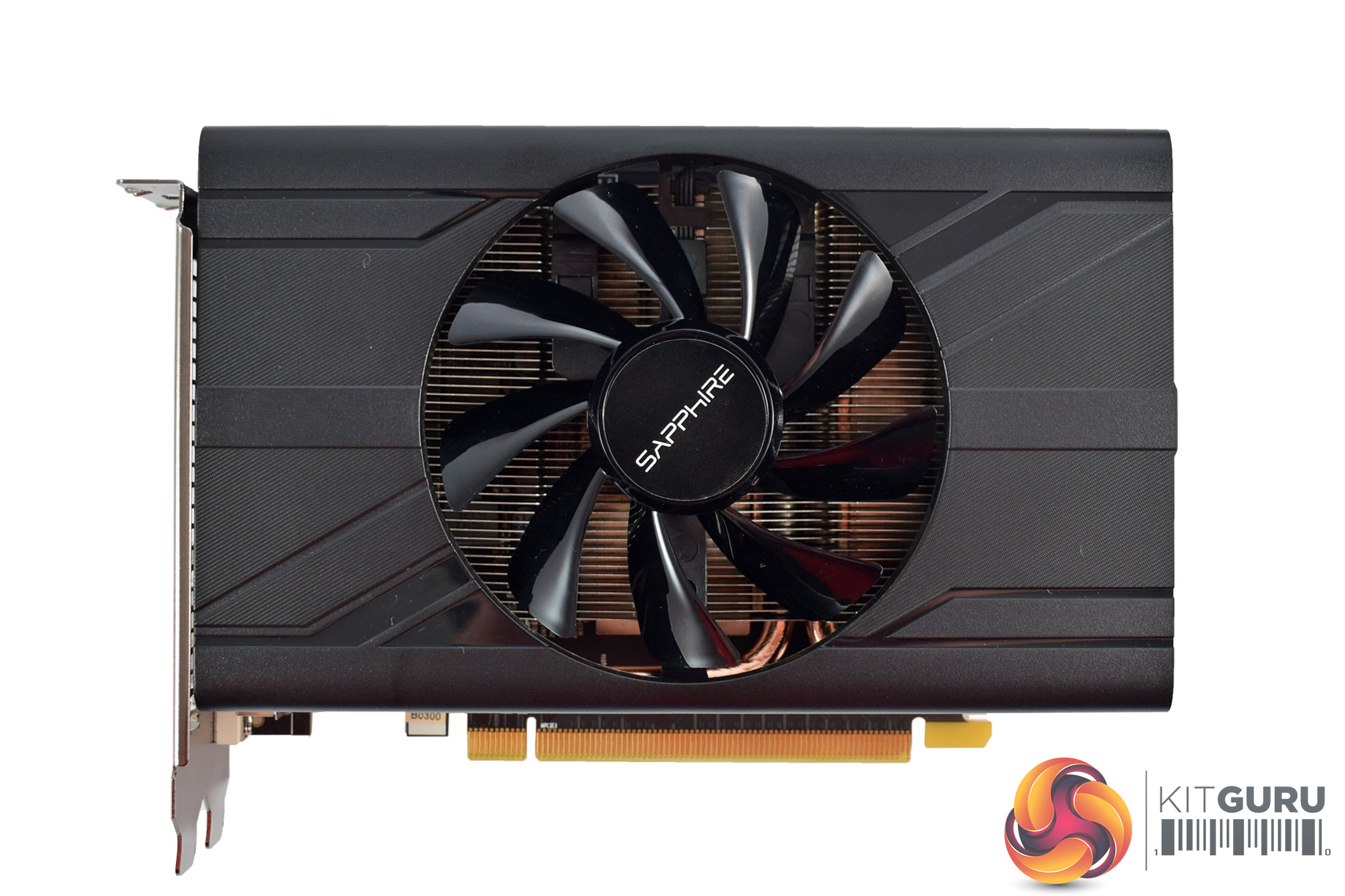
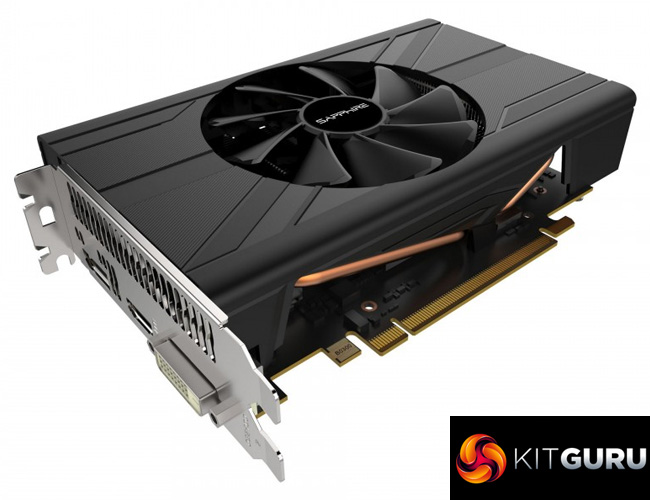
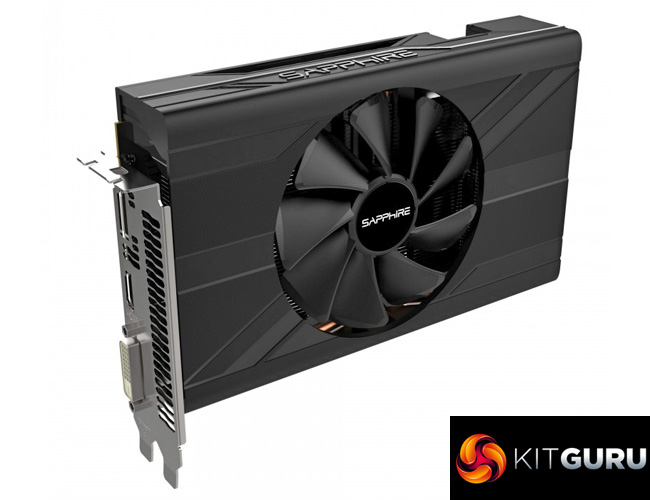
Turning our attention to the graphics card itself, it is immediately clear that this is a no-frills, small form-factor card. It measures just 170 x 112 x 36mm, which is truly tiny by today's standards, and uses a single 90mm fan for cooling.
Its shroud is matte-black, though there are a couple of small glossy sections, and it is made of plastic.
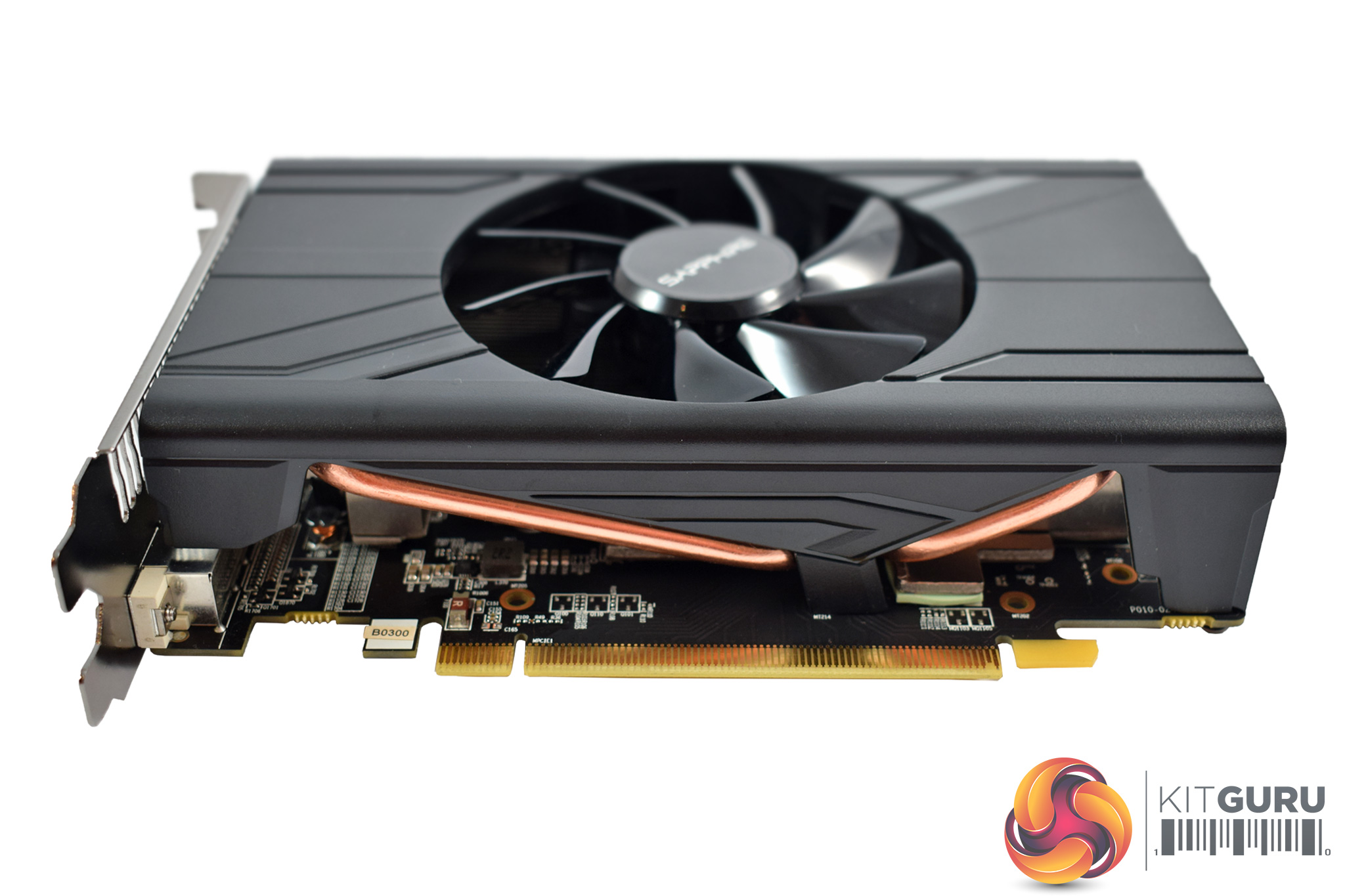
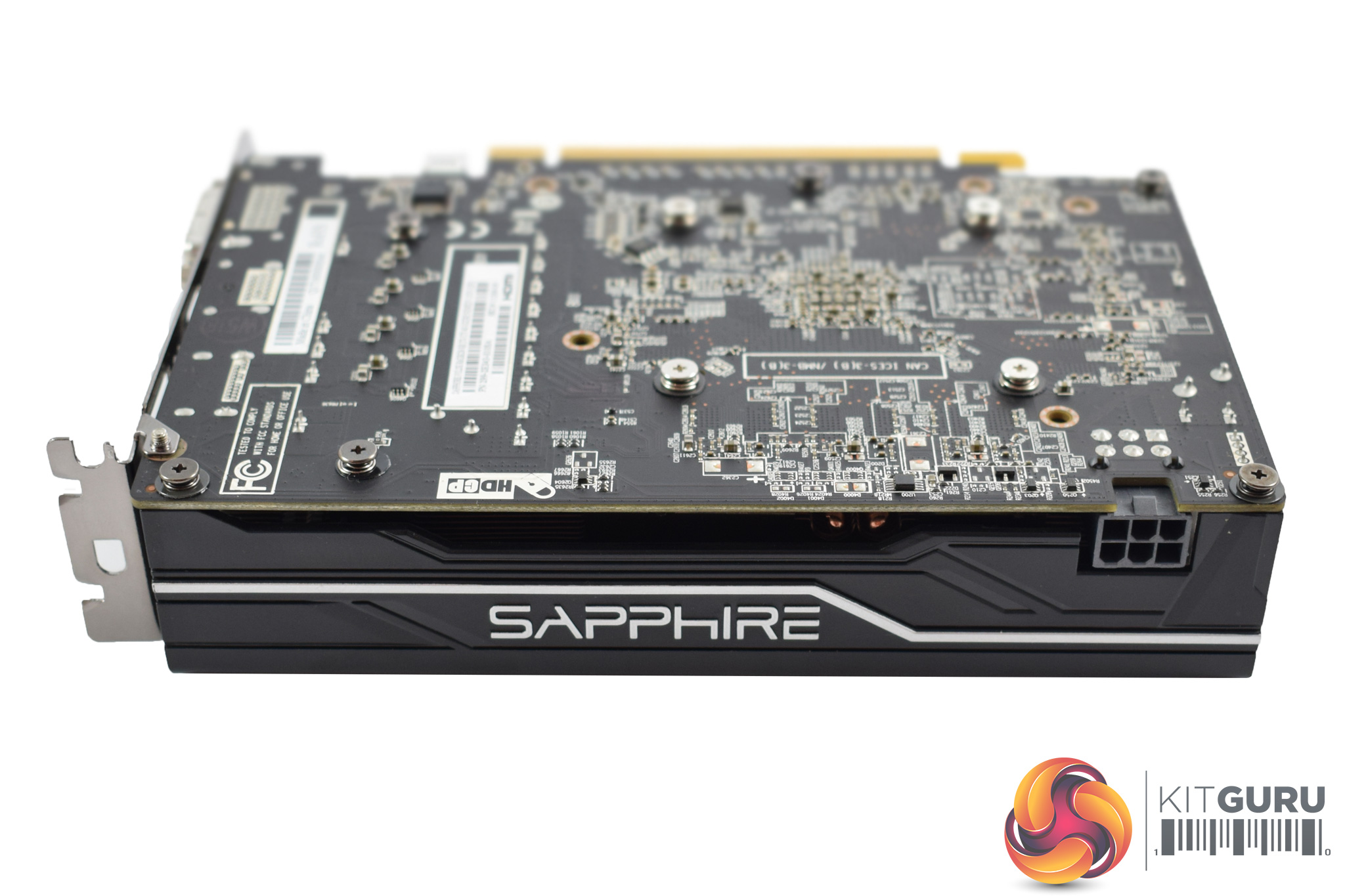
On one side we get a look at the card's 2 copper heatpipes. Compared to the other Pulse cards we have seen, this one is different as its copper heatpipes are not nickel-plated – they have been left bare.
On the other side of the card we find an embossed Sapphire logo, which is not illuminated by LEDs as one might expect.
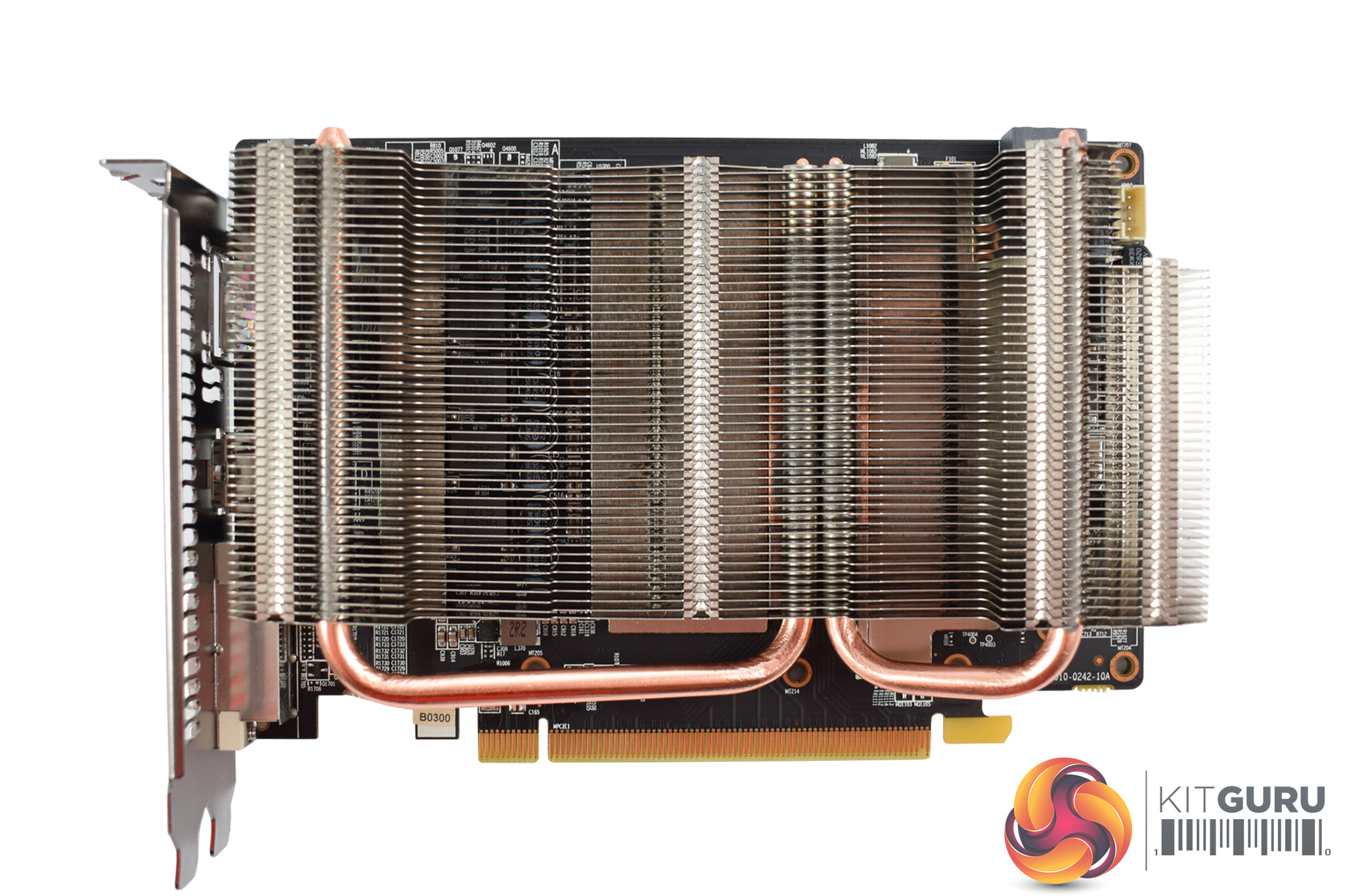
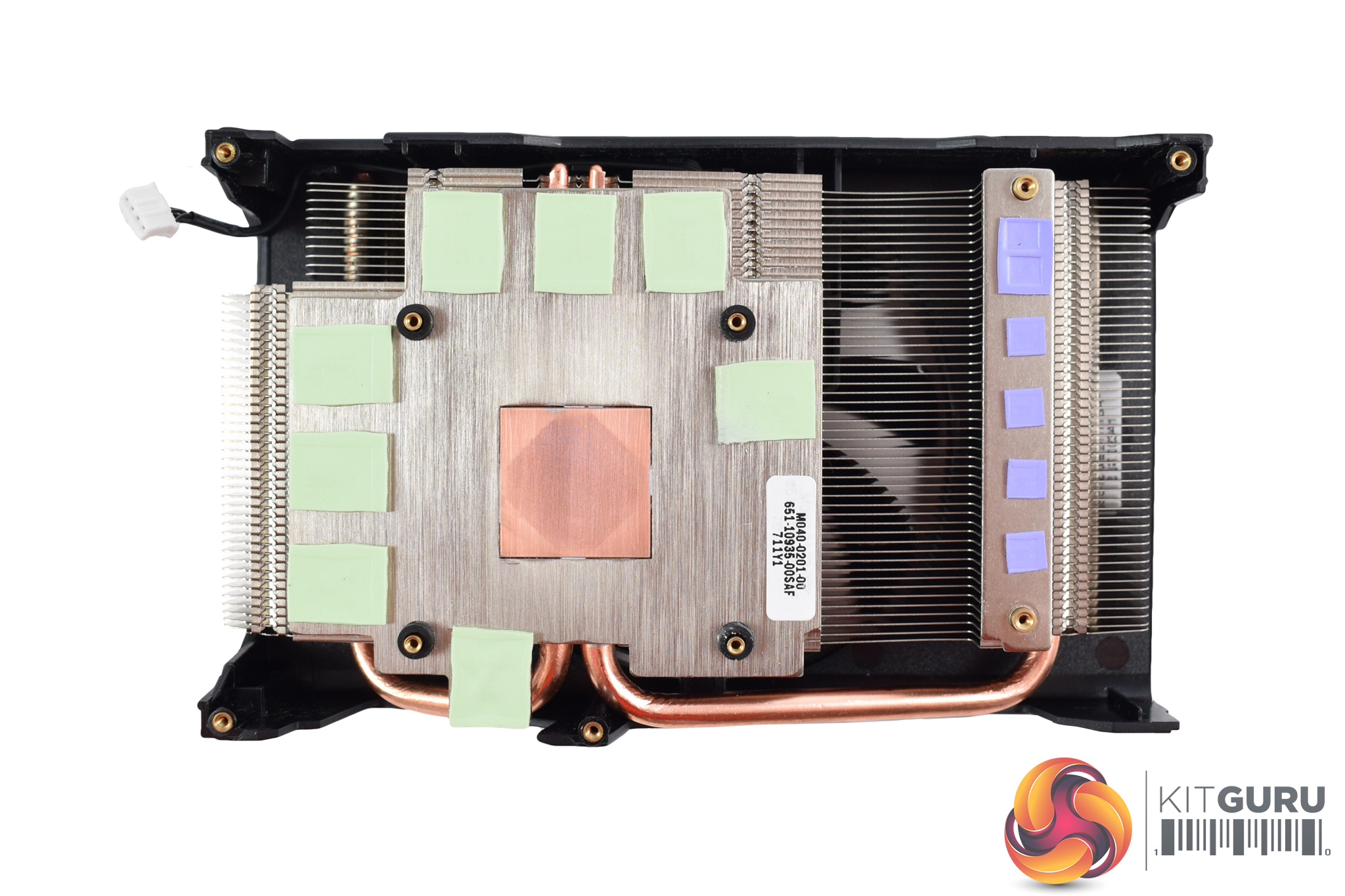
The card's cooling solution is comparatively basic, as it is comprised of just those two copper heatpipes, a small fin array and a copper contact area. We assess how well the card cools itself later in the review, but given that the RX 570 Pulse ITX does not have any sort of factory overclock, I am not worried by the comparatively modest cooling setup.
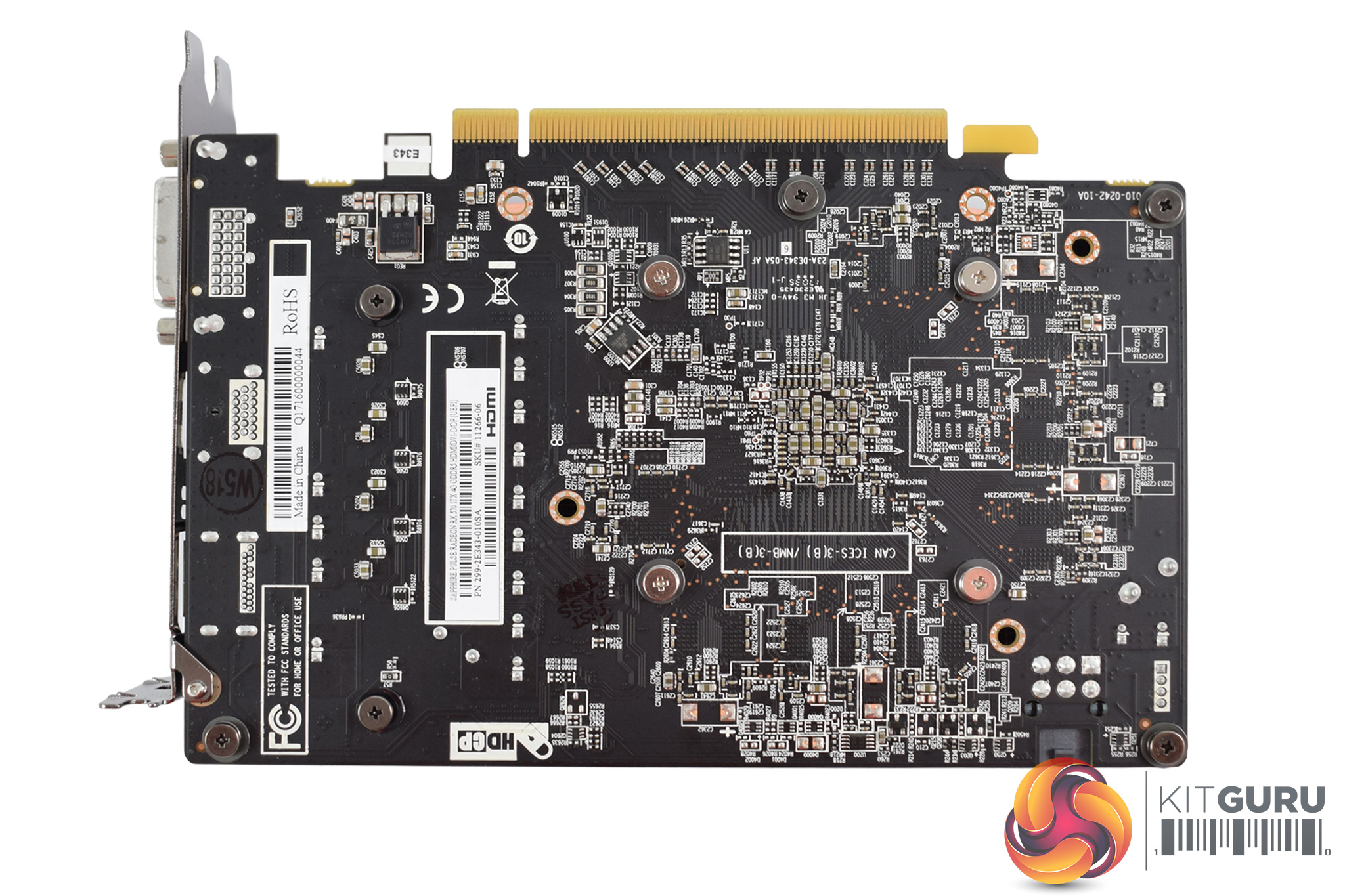
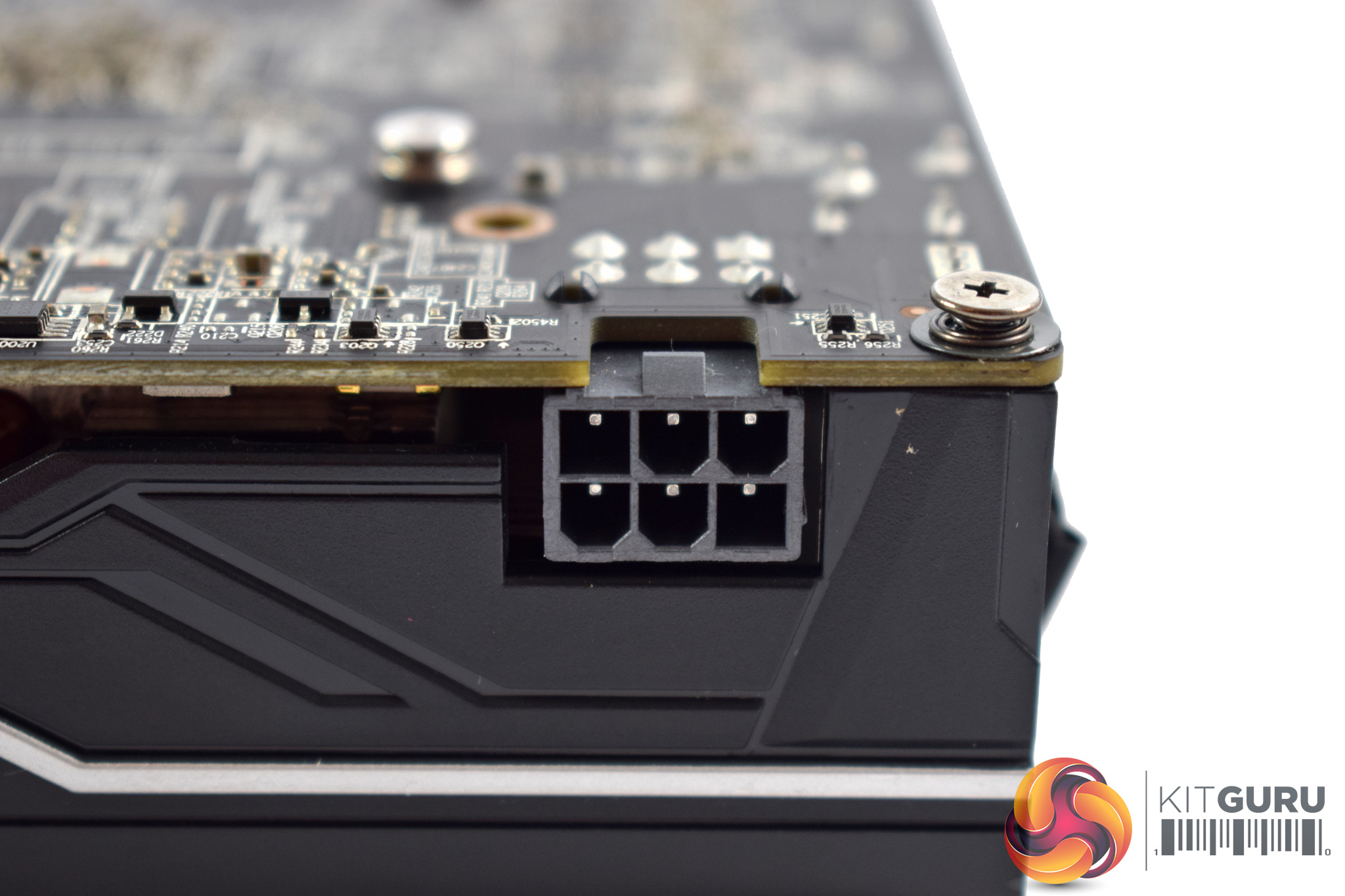
Despite the fact that the Sapphire Pulse RX 570 (non-ITX) we reviewed previously did come with a backplate, this Pulse ITX card does not have a backplate, so the PCB is left bare.
It also takes power from a single 6-pin PCIe power connector, and Sapphire lists the card's power consumption as less than 150 Watts.
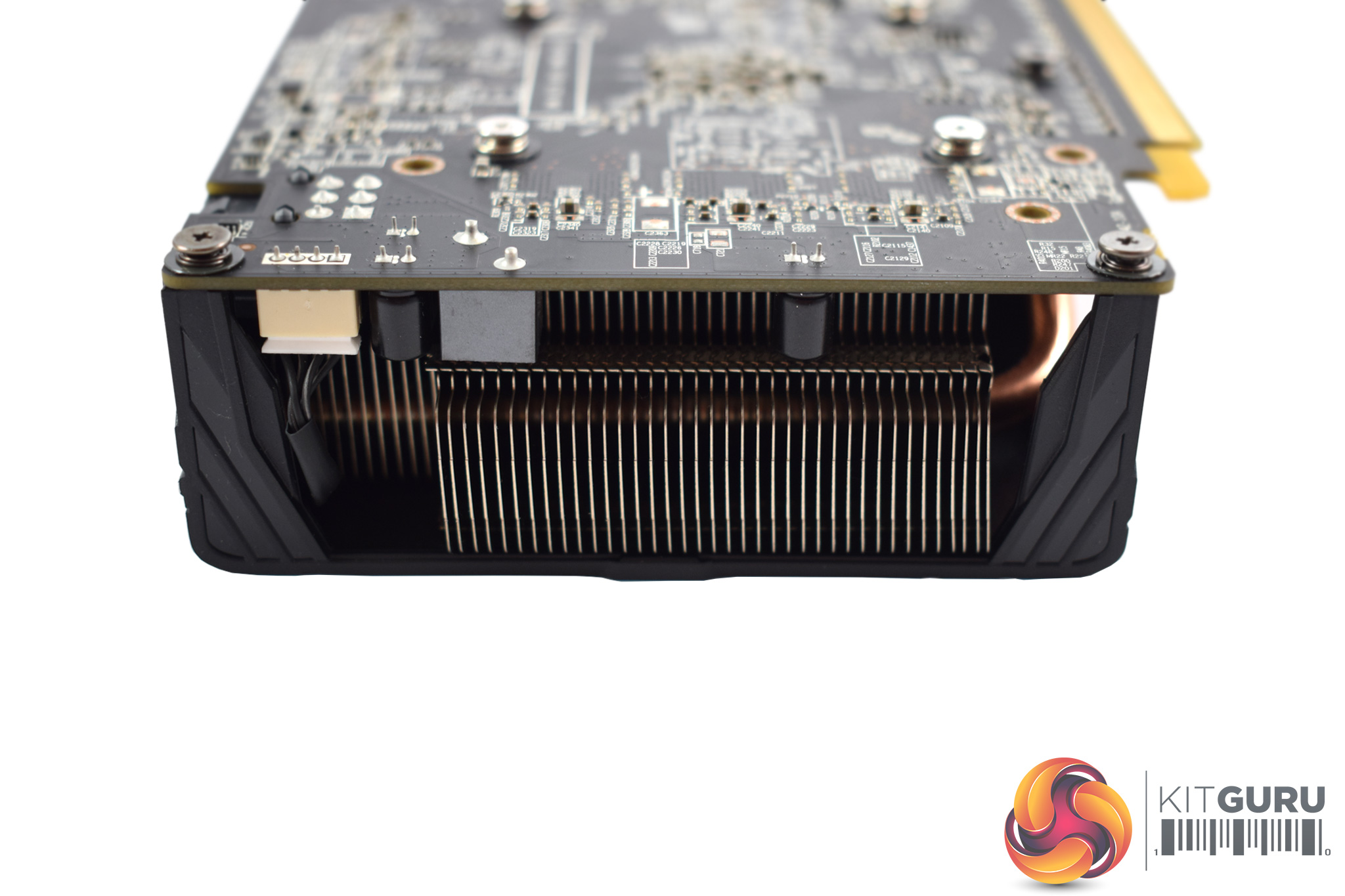
At the far end of the card we get a look at some of the metal fins used to cool the GPU core.
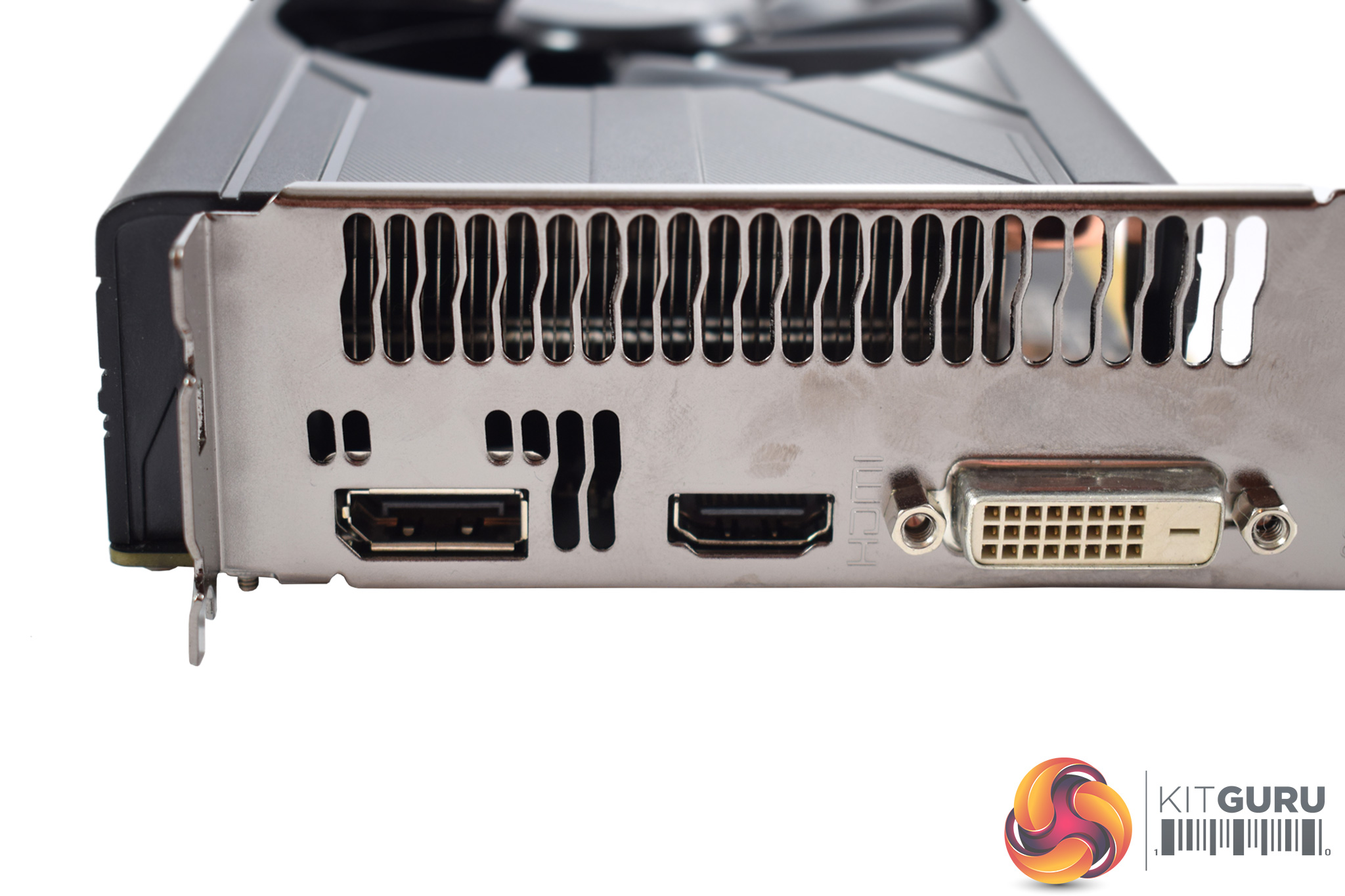
At the other end, we can see that the display outputs consist of 1x DisplayPort, 1x HDMI and 1x DVI connector. There is also a large ventilated section above the display outputs to help heat escape from your chassis.This test system is a bit different for us as we are actually using a Ryzen 7 test bed. This is for a number of reasons, but primarily we imagine many users will be considering pairing the new Ryzen processors with a new RX 500-series graphics card.
We are testing at 1080p and 1440p. We would usually include 4K results too, but for the sake of expediency we have omitted this resolution today. We also know that RX 570/580 cards are not aimed at the 4K gaming market so it is not a significant loss at all.
Test System Components
- Case: Game Max Sapphire RGB case (with 3 intake fans).
- Processor: Ryzen 7 1700 (overclocked to 3.9GHz).
- Memory: 16GB (4x4GB) PNY Anarchy 2800MHz DDR4 (operating at 2666MHz).
- Graphics Card: Variable.
- System Drive: Crucial M4 500GB SSD.
- CPU Cooler: Deepcool Captain 240 EX (pump at 12 volts, fan speed UEFI-limited to reduce noise).
- Power Supply: Seasonic PRIME Platinum 650W.
- Operating System: Windows 10 Pro 64-bit.
General Test System Notes
- AMD Graphics cards were benchmarked with the AMD (Crimson ReLive Edition) 17.4.4 driver.
- Nvidia Graphics cards were benchmarked with the Nvidia (GeForce Game Ready) 381.89 driver.
- The CPU cooler, the Deepcool Captain 240 EX, was set to a fixed low fan speed to further reduce the base noise level while the pump was left to operate at full speed since it produces no significant noise output.
- The CPU was overclocked to 3.9GHz using 1.4 Vcore.
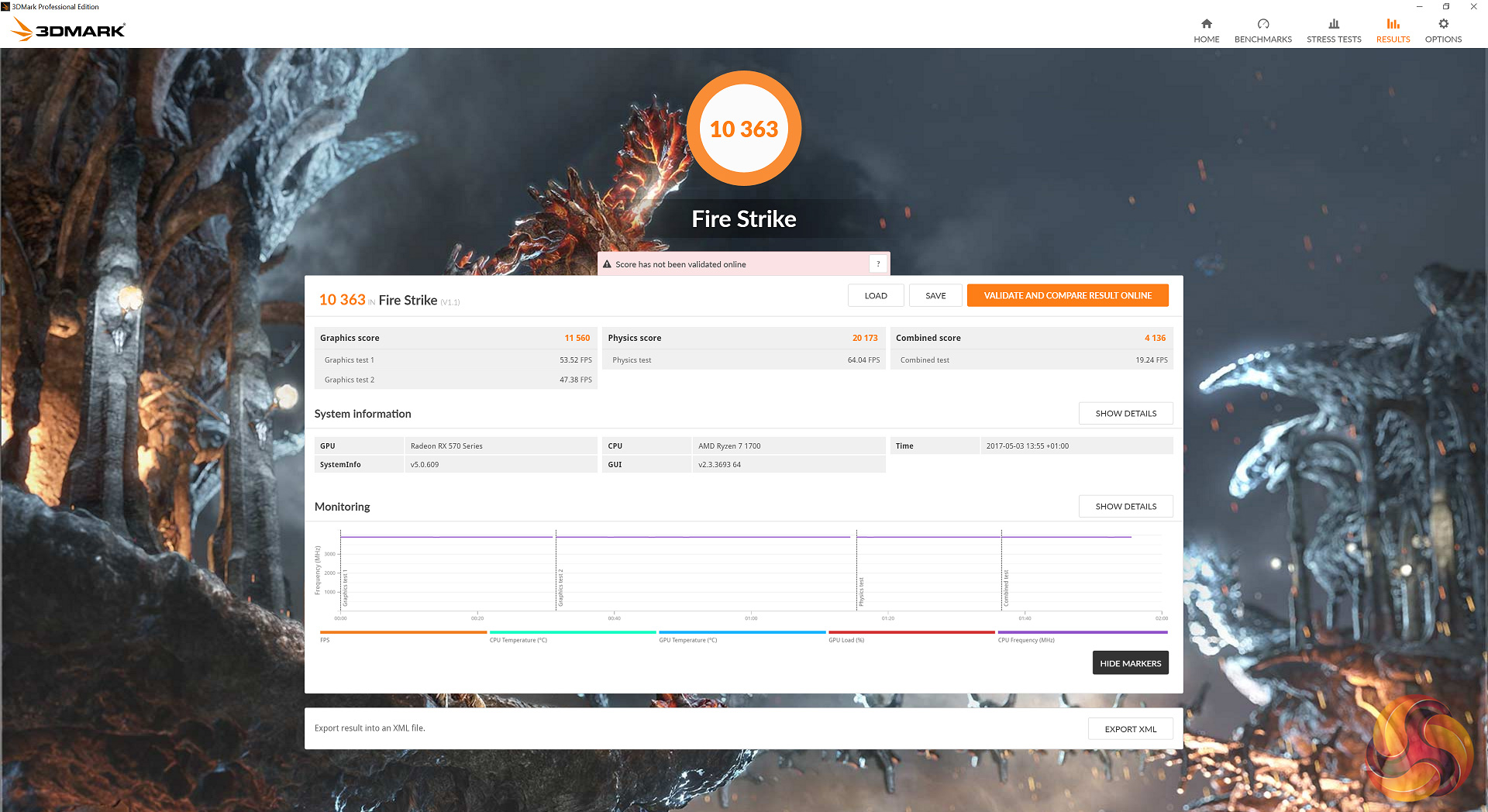
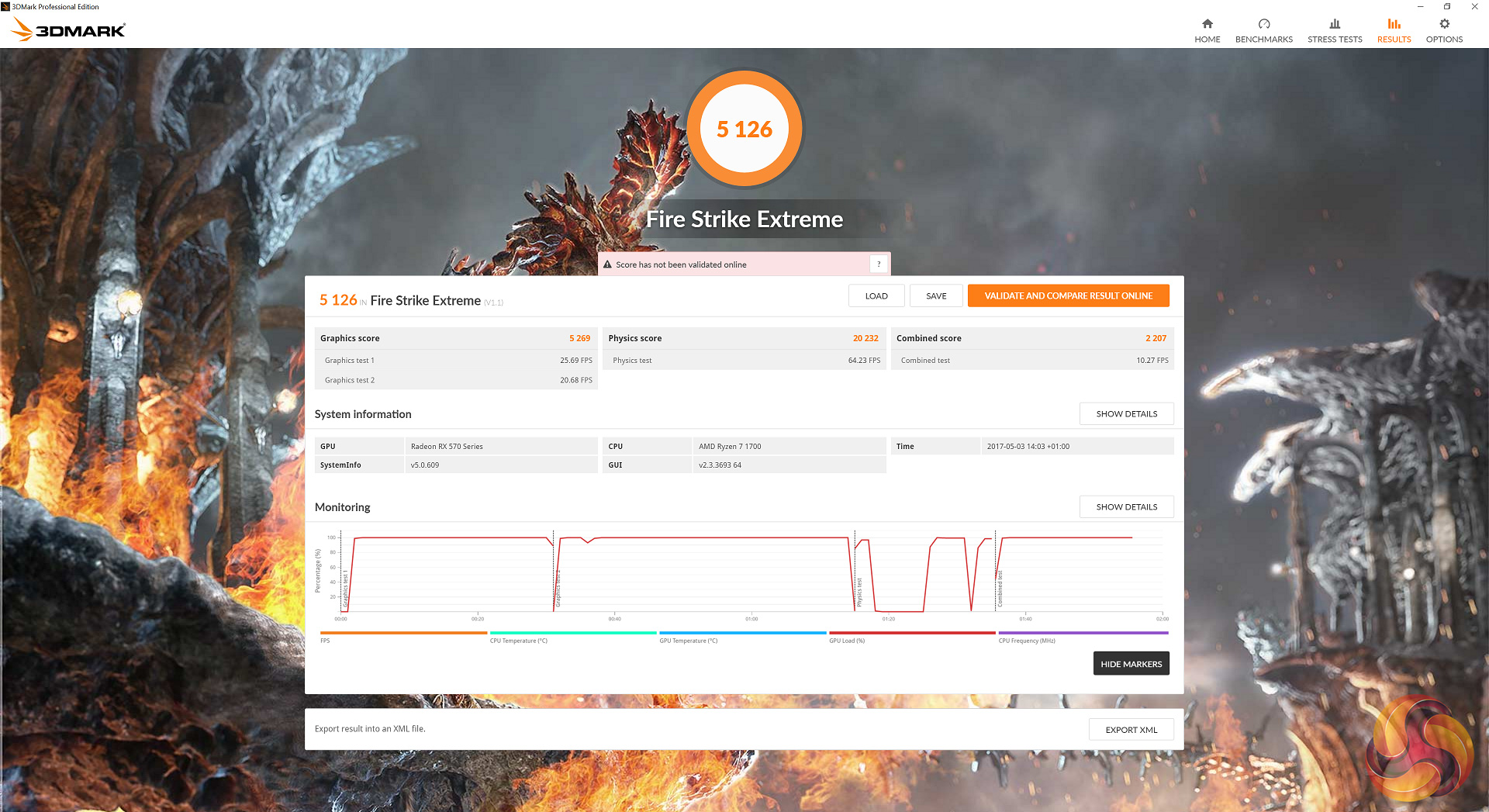
- Each 3D benchmark or game is run 3 times at each resolution with an average result of the three runs taken as the final result for the graphs. Where benchmark screenshots are shown note these may not match the graphed figure since the graph represents the average of three while the screenshot is a single of those three values.
Comparison Graphics Cards List
- AMD RX 480 8GB (1266MHz core, 8000MHz memory)
- ASUS RX 570 STRIX Gaming OC 4GB (1300MHz core, 7000MHz memory)
- Nvidia GTX 1060 6GB Founders Edition (1506MHz core, 1708MHz boost, 8008MHz memory)
- Sapphire RX 580 Nitro+ Limited Edition 8GB (1450MHz core, 8000MHz memory)
- Sapphire RX 570 Pulse 4GB (1284MHz core, 7000MHz memory)
Software and Games List
- 3DMark
- Ashes of the Singularity
- Deus Ex: Mankind Divided
- Furmark
- GPU-Z
- Grand Theft Auto V
- Ghost Recon: Wildlands
- Sapphire Tri-XX
- Rise of the Tomb Raider
- Steam
- SteamVR Performance Test
- Unigine Heaven
3DMark is a showcase DirectX 11 benchmark designed for today’s high-performance gaming PCs. It is FutureMark’s most ambitious and technical benchmark ever, featuring real-time graphics rendered with detail and complexity far beyond what is found in other benchmarks and games today.
We run 3DMark Fire Strike (1080p) and Fire Strike Extreme (1440p).
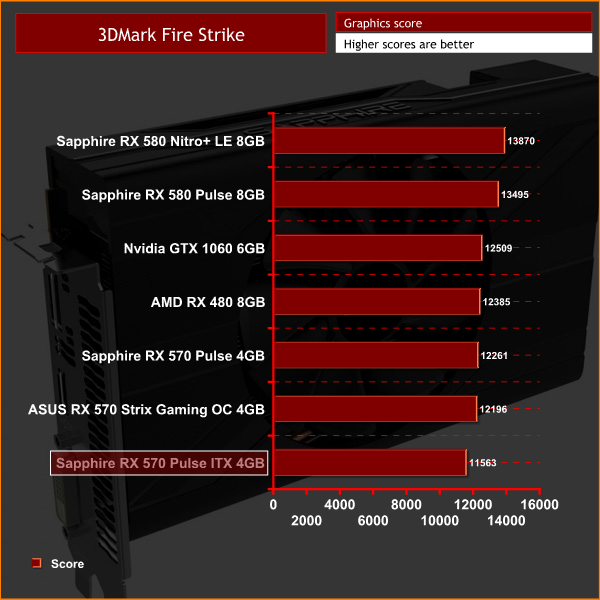
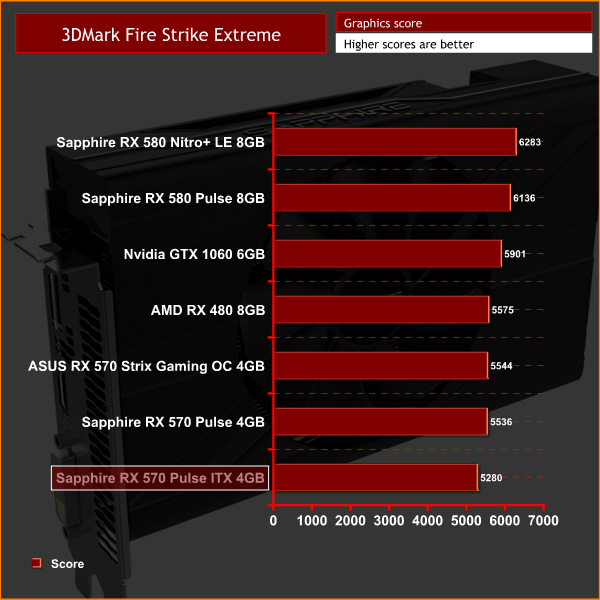
As expected, the Pulse ITX RX 570 can't quite keep up with its competitors due to its lack of a factory overclock. I would expect this to be a consistent trend throughout our tests today. The SteamVR Performance Test measures a system’s rendering power using a 2-minute sequence from Valves Aperture Robot Repair VR demo. After collecting the data it determines whether a system is capable of running VR content at 90fps and whether VR content can tune the visual fidelity up to the recommended level. For machines that are not VR Ready the tool can help determine whether capabilities are bound by Graphics Card, CPU, or both.
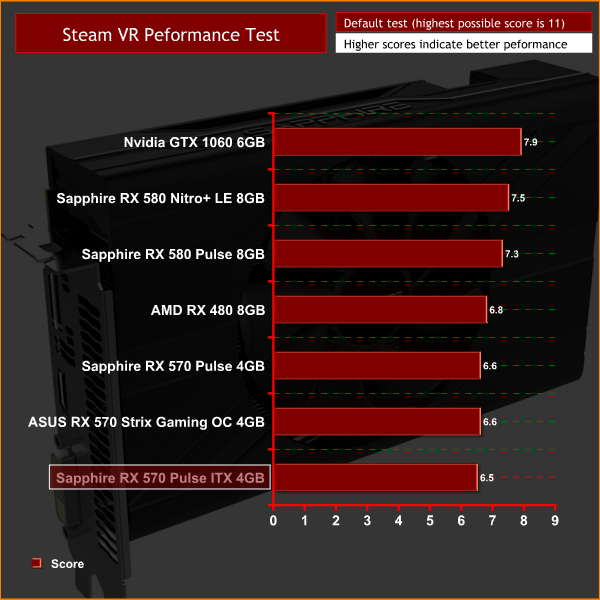
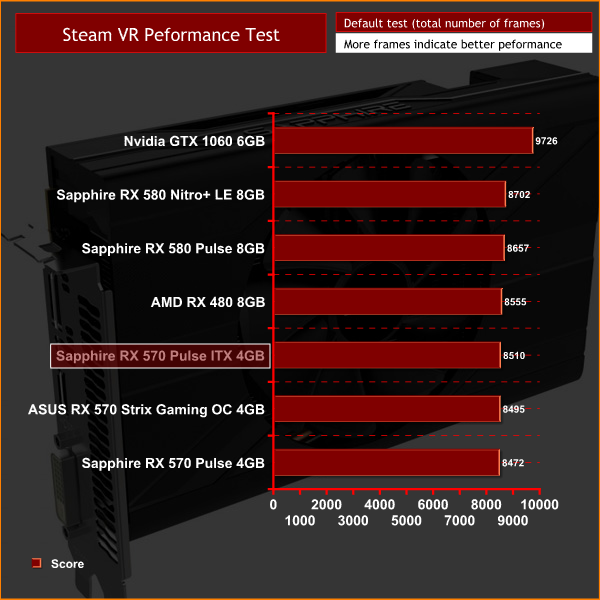
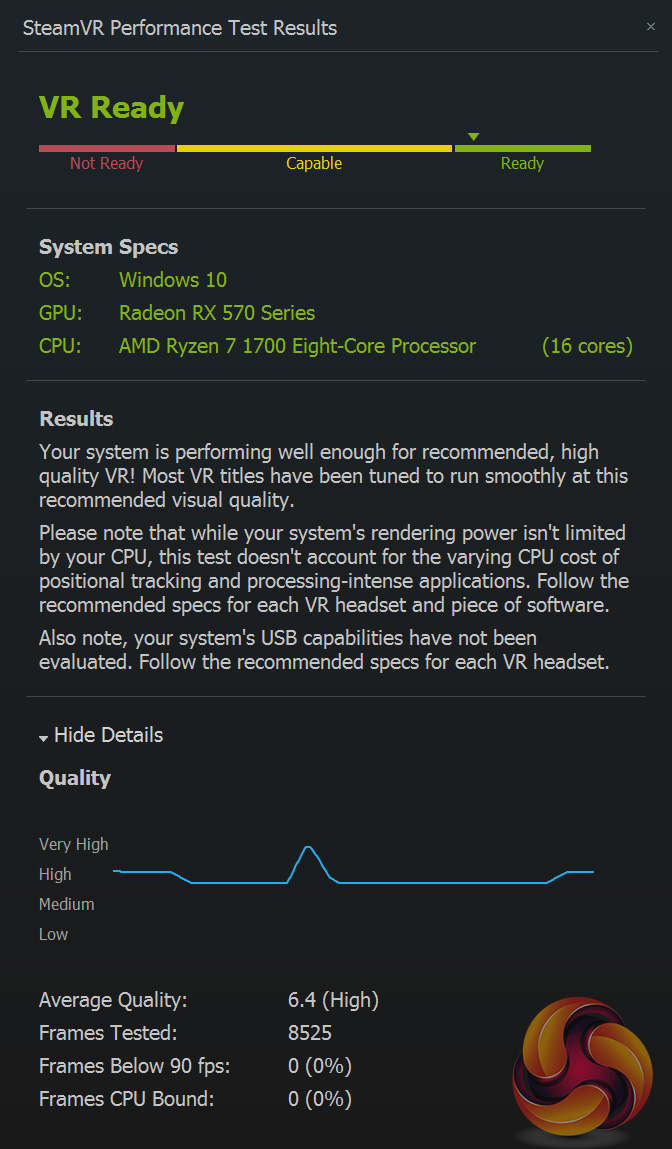
Funnily enough, after 3 runs of the SteamVR Performance Test, this Pulse ITX RX 570 averaged slightly more total frames than the other RX 570 cards on-test today. However, its overall score (out of 11) is lower than those cards.Unigine provides an interesting way to test hardware. It can be easily adapted to various projects due to its elaborated software design and flexible toolset. A lot of their customers claim that they have never seen such extremely-effective code, which is so easy to understand.
Heaven Benchmark is a DirectX 11 GPU benchmark based on advanced Unigine engine from Unigine Corp. It reveals the enchanting magic of floating islands with a tiny village hidden in the cloudy skies. Interactive mode provides emerging experience of exploring the intricate world of steampunk. Efficient and well-architected framework makes Unigine highly scalable:
- Multiple API (DirectX 9 / DirectX 10 / DirectX 11 / OpenGL) render
- Cross-platform: MS Windows (XP, Vista, Windows 7) / Linux
- Full support of 32bit and 64bit systems
- Multicore CPU support
- Little / big endian support (ready for game consoles)
- Powerful C++ API
- Comprehensive performance profiling system
- Flexible XML-based data structures
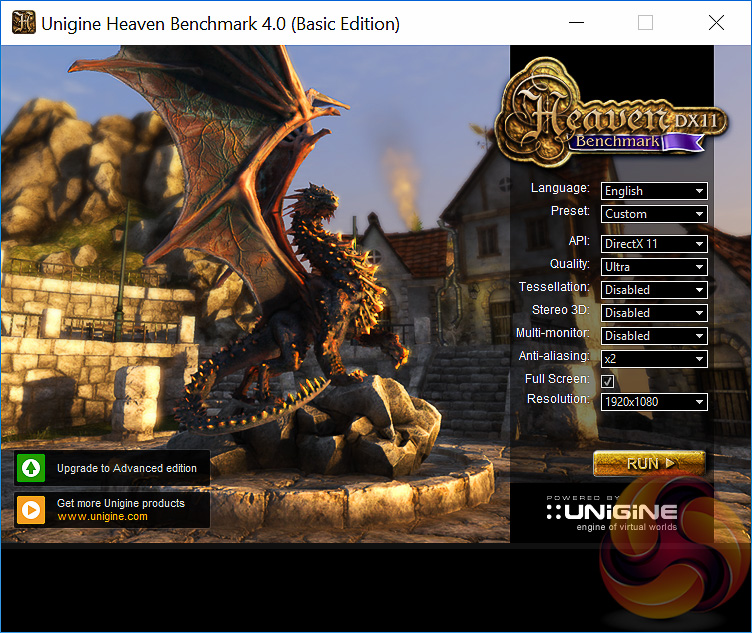
We set Quality to ‘Ultra’, Tessellation to ‘disabled’ and Anti-Aliasing to 2x.
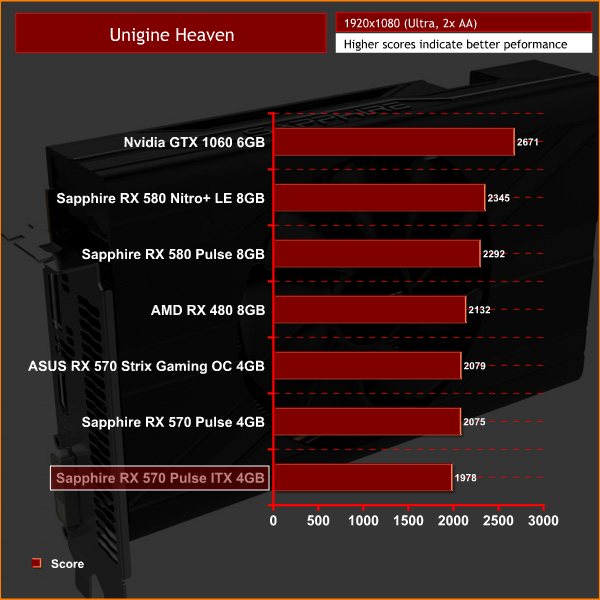
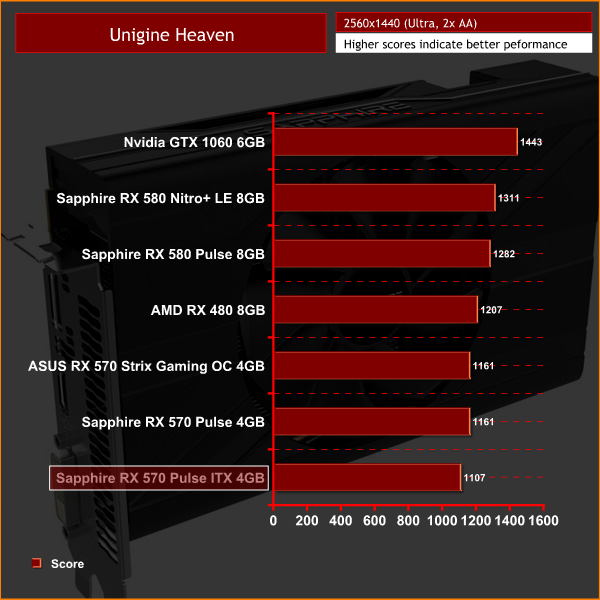
Continuing the trend we first saw from our Fire Strike testing, this Pulse ITX RX 570 is again the slowest of the 7 cards on-test today.Ashes of the Singularity is a real-time strategy game set in the future where descendants of humans (called Post- Humans) and a powerful artificial intelligence (called the Substrate) fight a war for control of a resource known as Turinium.
Players will engage in massive-scale land/air battles by commanding entire armies of their own design. Each game takes place on one area of a planet, with each player starting with a home base (known as a Nexus) and a single construction unit.


We opt for the Extreme quality profile and run the GPU-Focused test using the DX12 game mode.
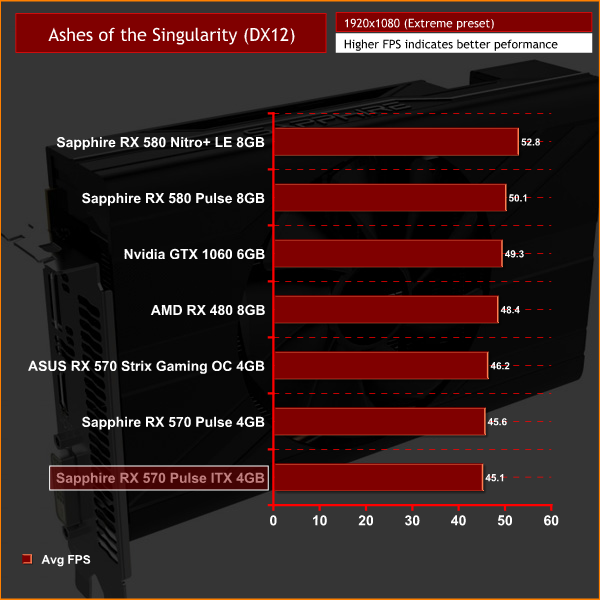
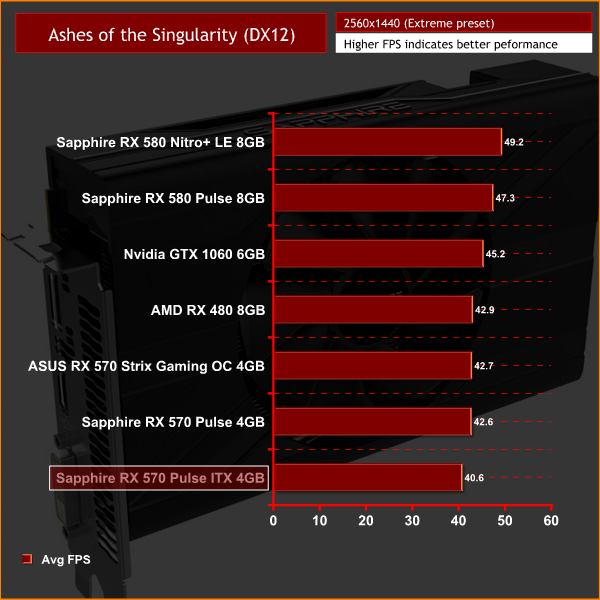
While the margins are quite small, the Sapphire RX 570 Pulse ITX does come last in both Ashes tests.Deus Ex: Mankind Divided is set in the year 2029, two years after the events of Human Revolution and the “Aug Incident”—an event in which mechanically augmented humans became uncontrollable and lethally violent.
Unbeknownst to the public, the affected augmented received implanted technology designed to control them by the shadowy Illuminati, which is abused by a rogue member of the group to discredit augmentations completely. (Wikipedia).
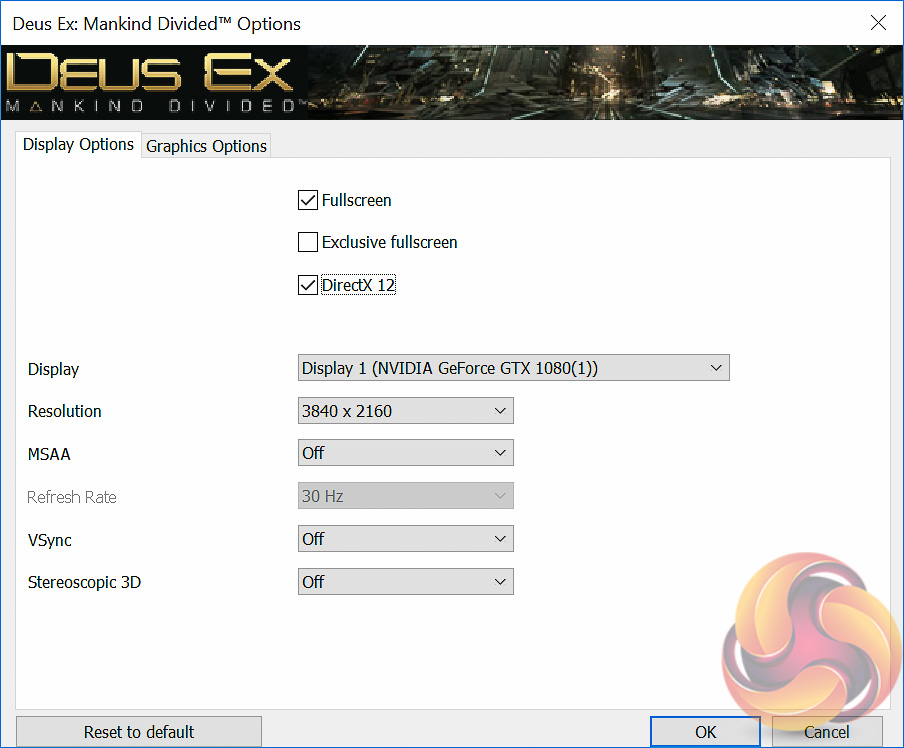
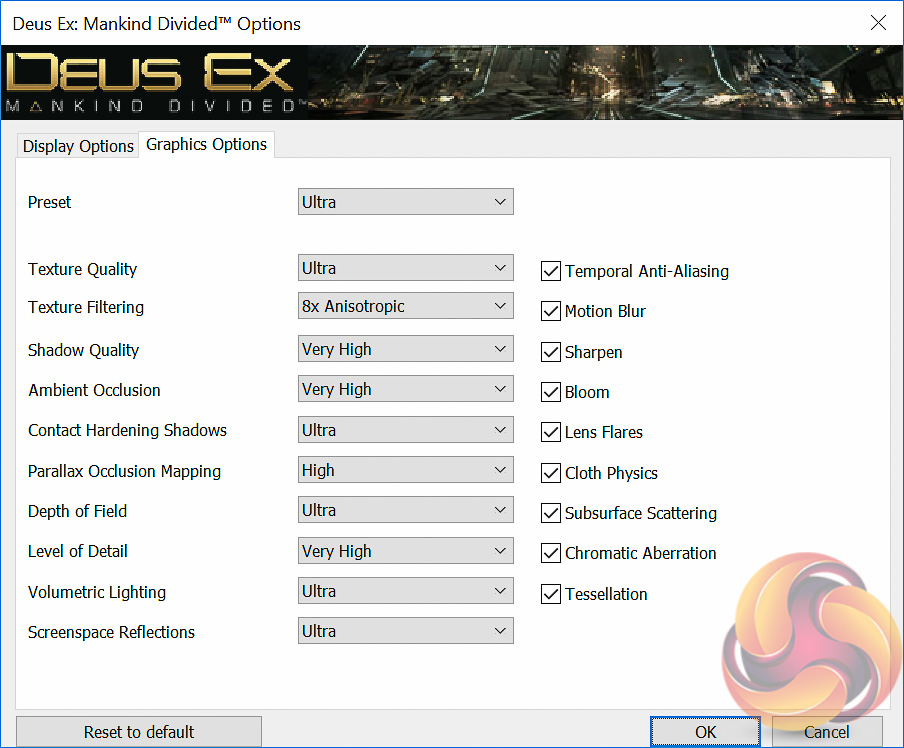
We test using the Ultra quality preset and the DirectX 12 API at all resolutions.
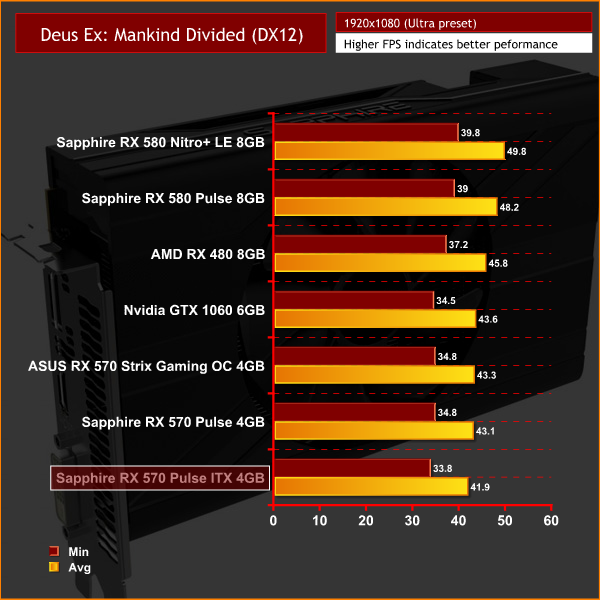
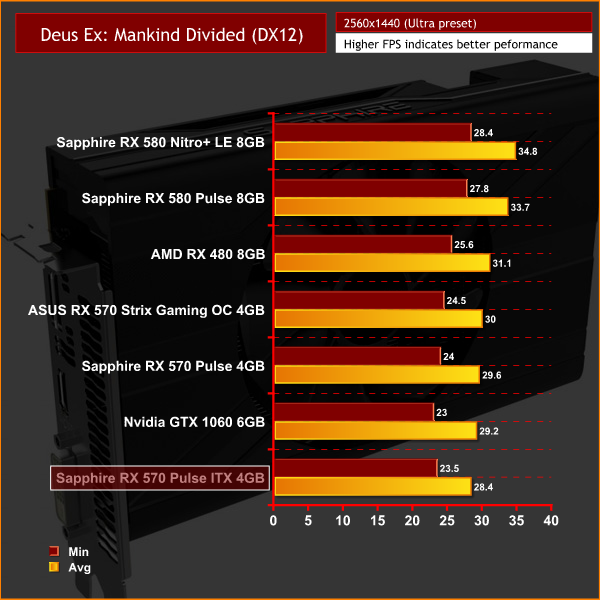
Just as before, it's another last-place finish for the Pulse ITX card. However, at 1440p, it is actually not too far off from matching our GTX 1060 (though that is more to do with the GTX 1060 not performing well with Deus Ex, rather than the ITX card doing anything special).Tom Clancy’s Ghost Recon Wildlands is an open world tactical shooter video game developed by Ubisoft Paris. It is the tenth instalment in the Tom Clancy’s Ghost Recon franchise and is the first Ghost Recon game to feature an open world environment.
Ubisoft described it as one of the biggest open world games that they have ever published, with the game world including a wide variety of environments such as mountains, forests, deserts and salt flats. The game was released on March 7, 2017 for Microsoft Windows, PlayStation 4 and Xbox One. (Wikipedia).
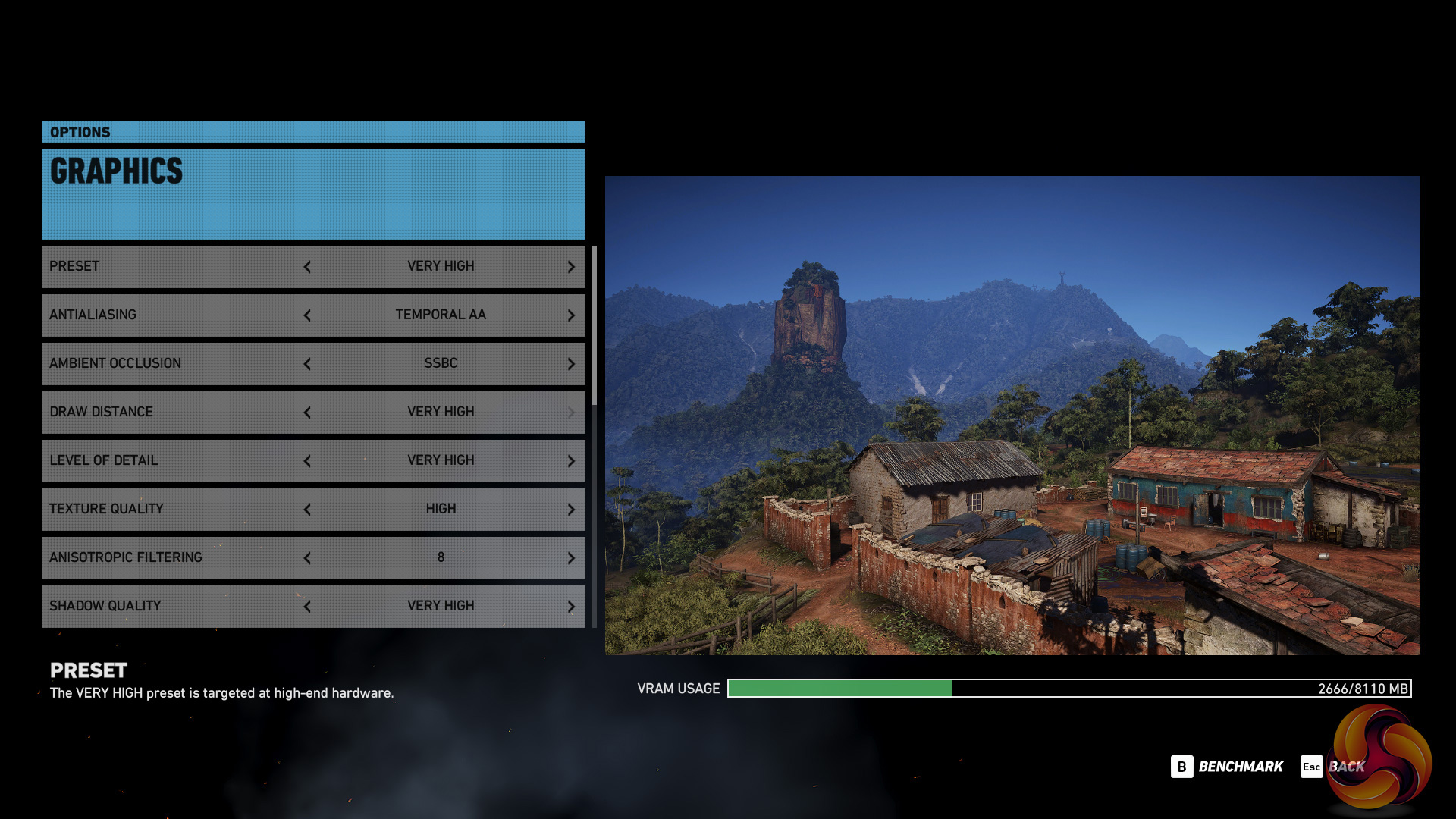
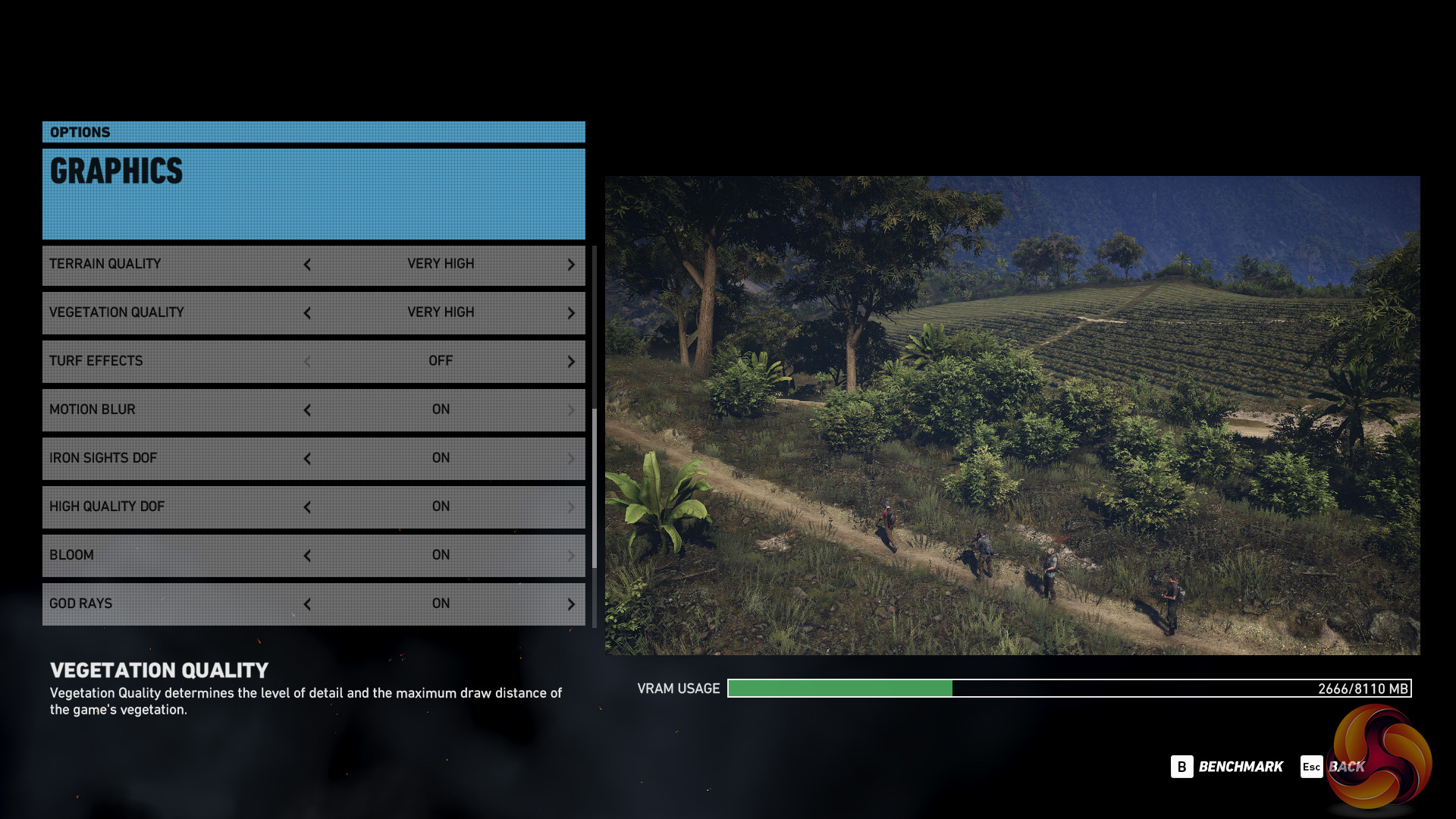
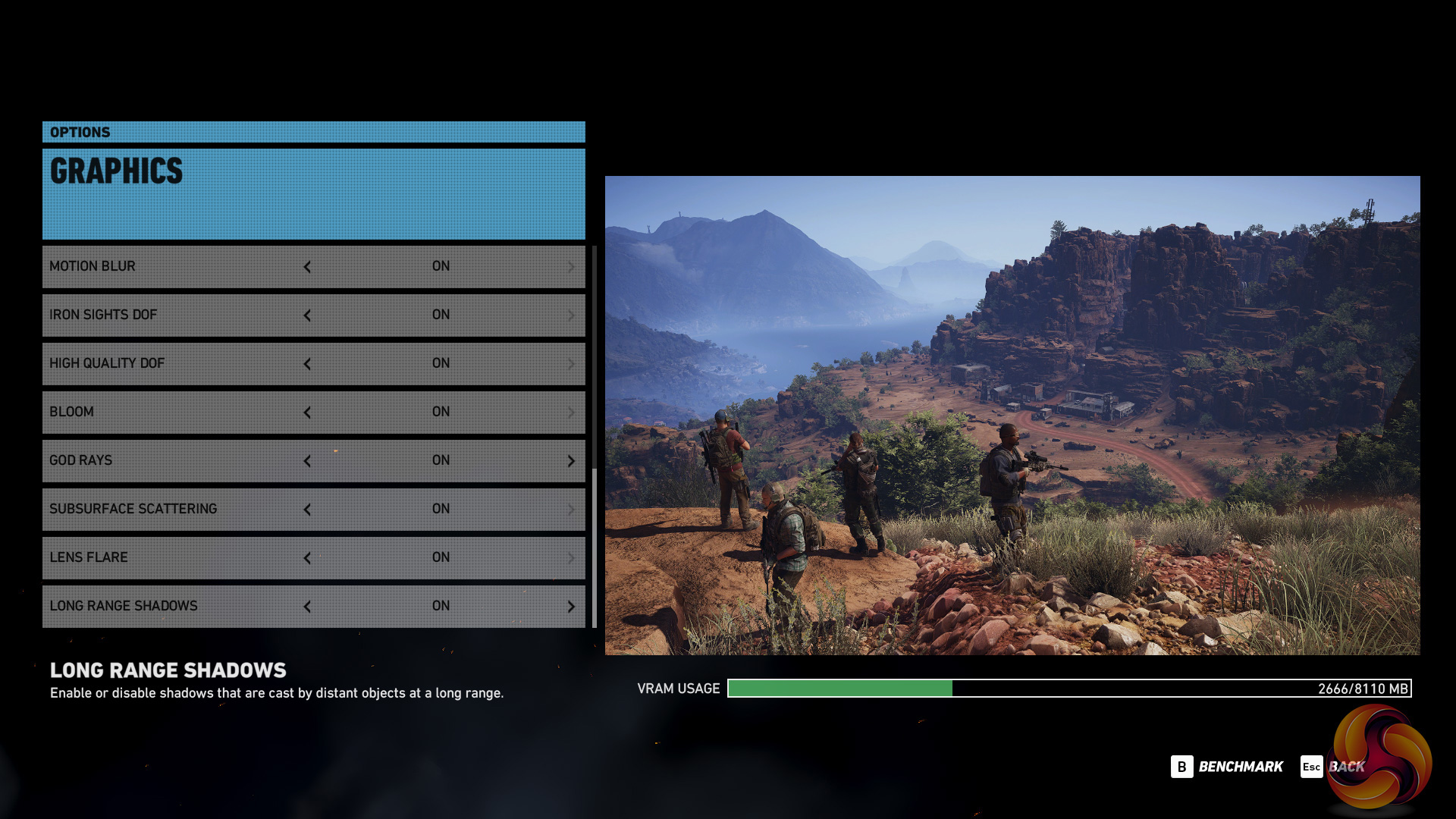
We test using the Very High preset.
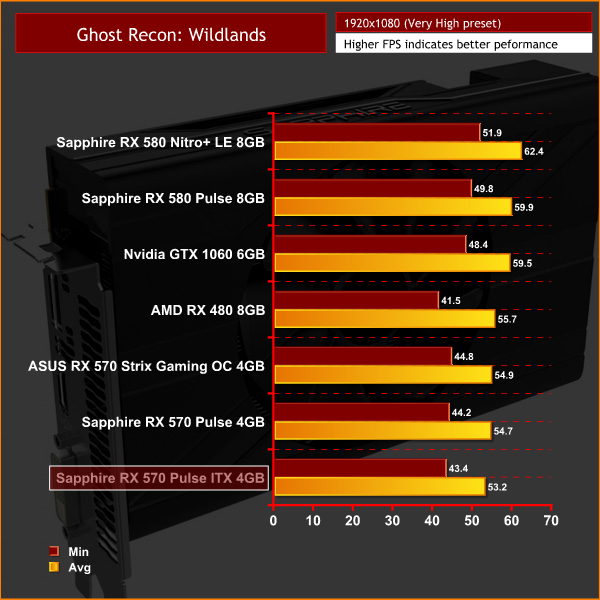
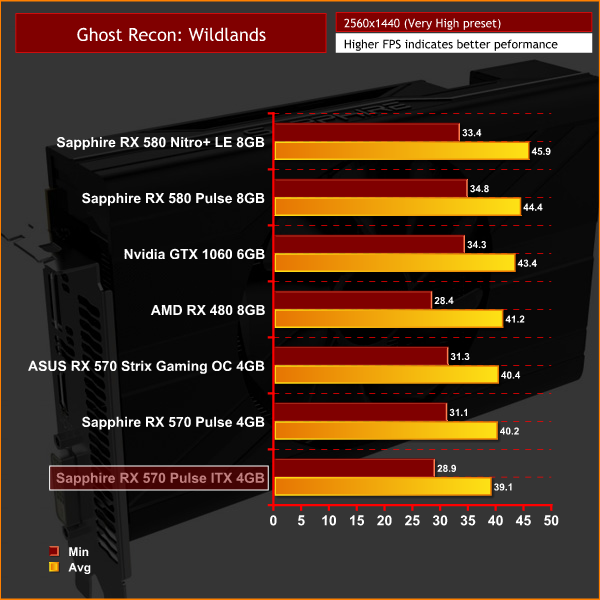
Despite being within 1.1 FPS of the Pulse RX 570, across both resolutions, the Puse ITX card is again the slowest on-test.
Grand Theft Auto V is an action-adventure game played from either a first-person or third-person view. Players complete missions—linear scenarios with set objectives—to progress through the story. Outside of missions, players may freely roam the open world.
Composed of the San Andreas open countryside area and the fictional city of Los Santos, the world is much larger in area than earlier entries in the series. It may be fully explored after the game’s beginning without restriction, although story progress unlocks more gameplay content.
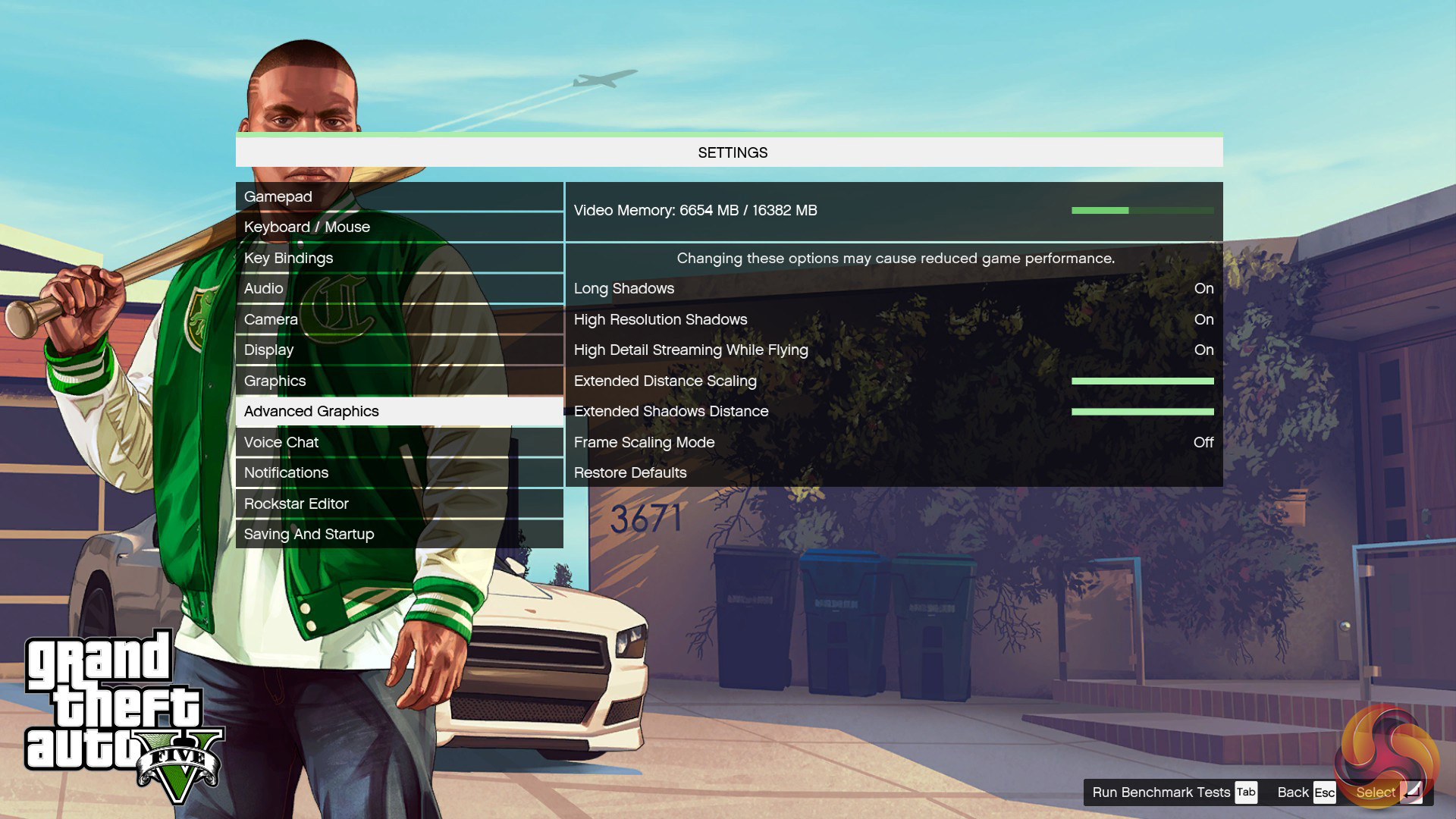
We use the Ultra quality settings (or the highest alternative when Ultra is unavailable), but with MSAA disabled. The Advanced Graphics options are all set to their maximum levels.
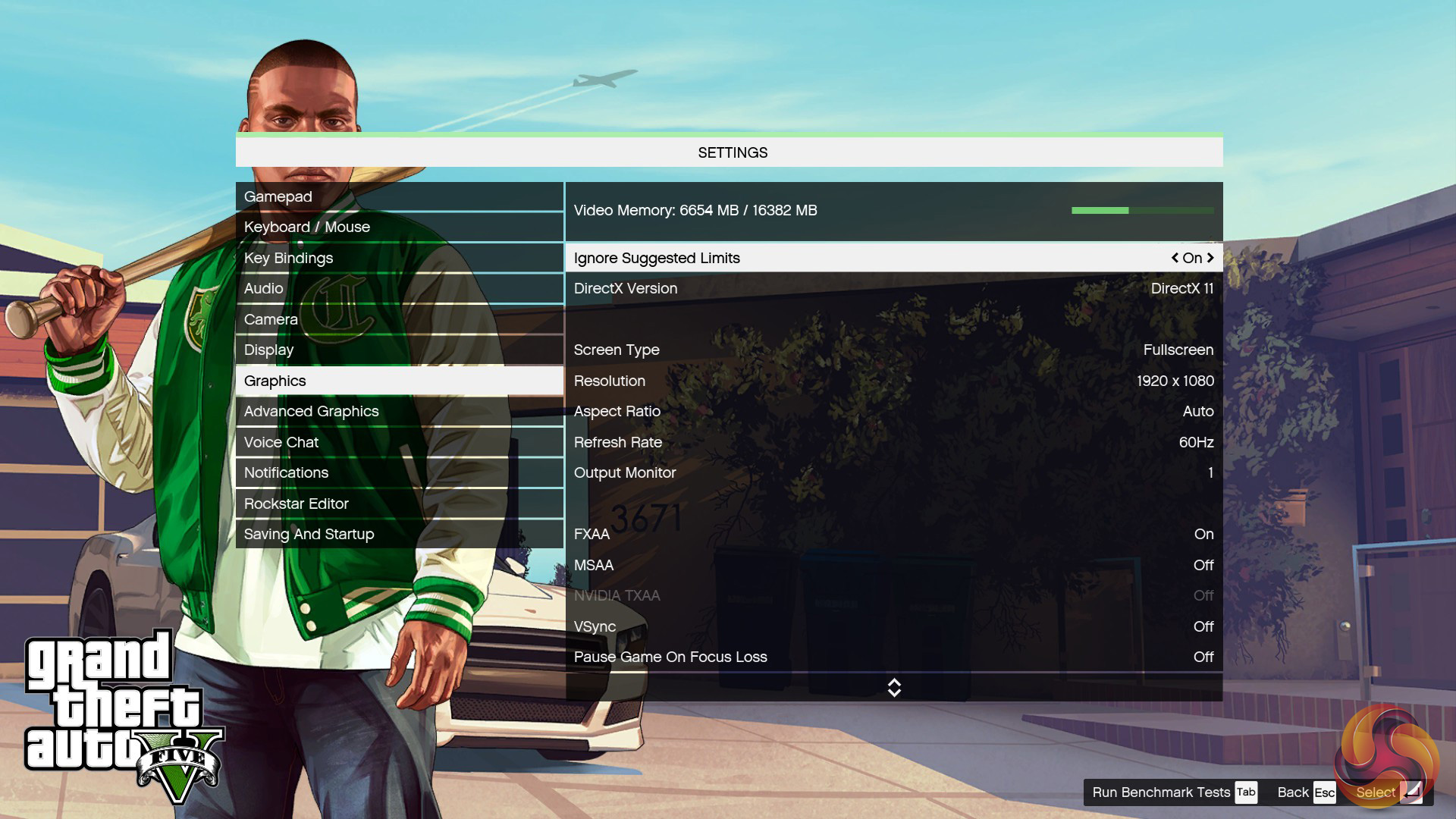
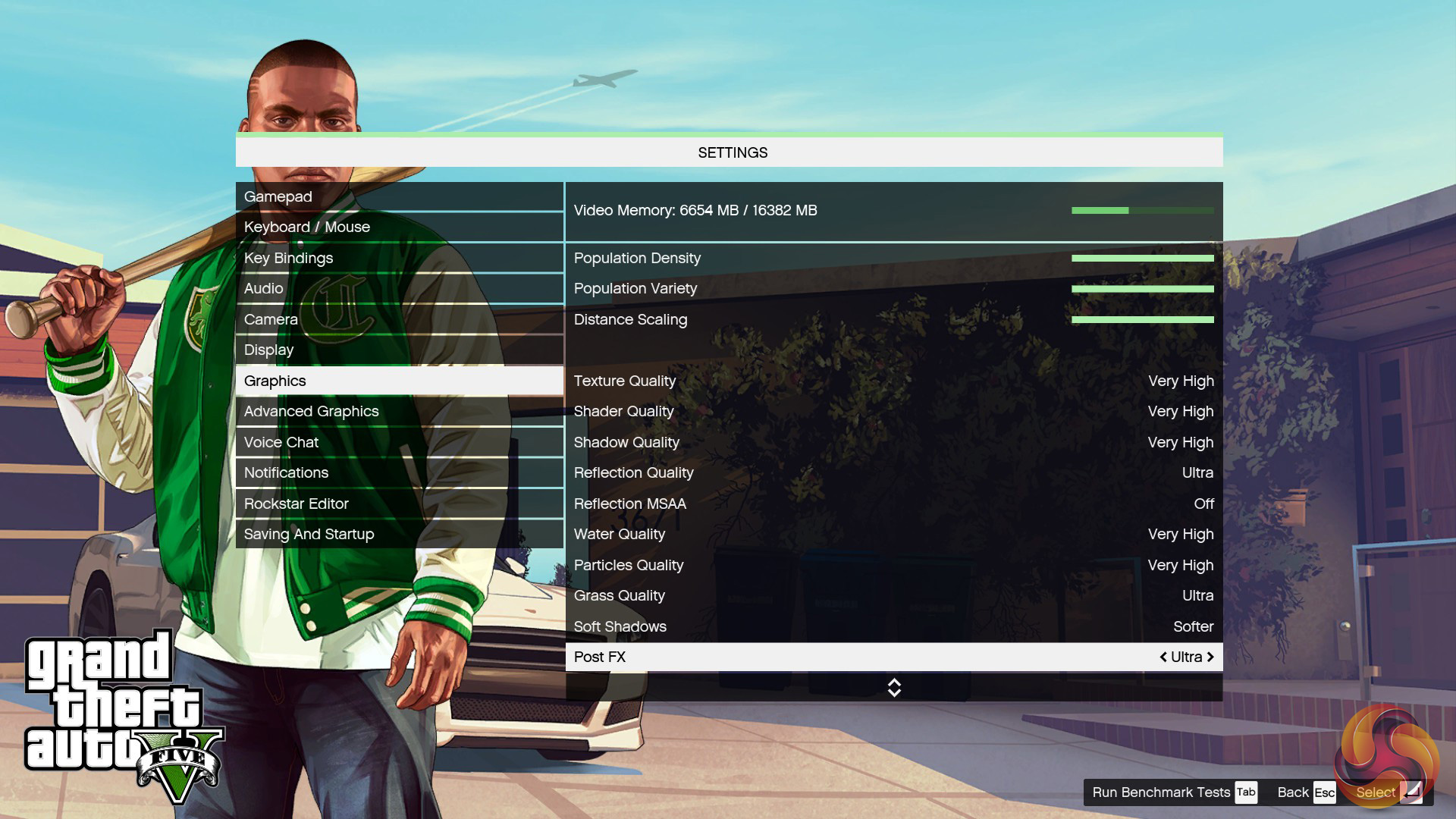
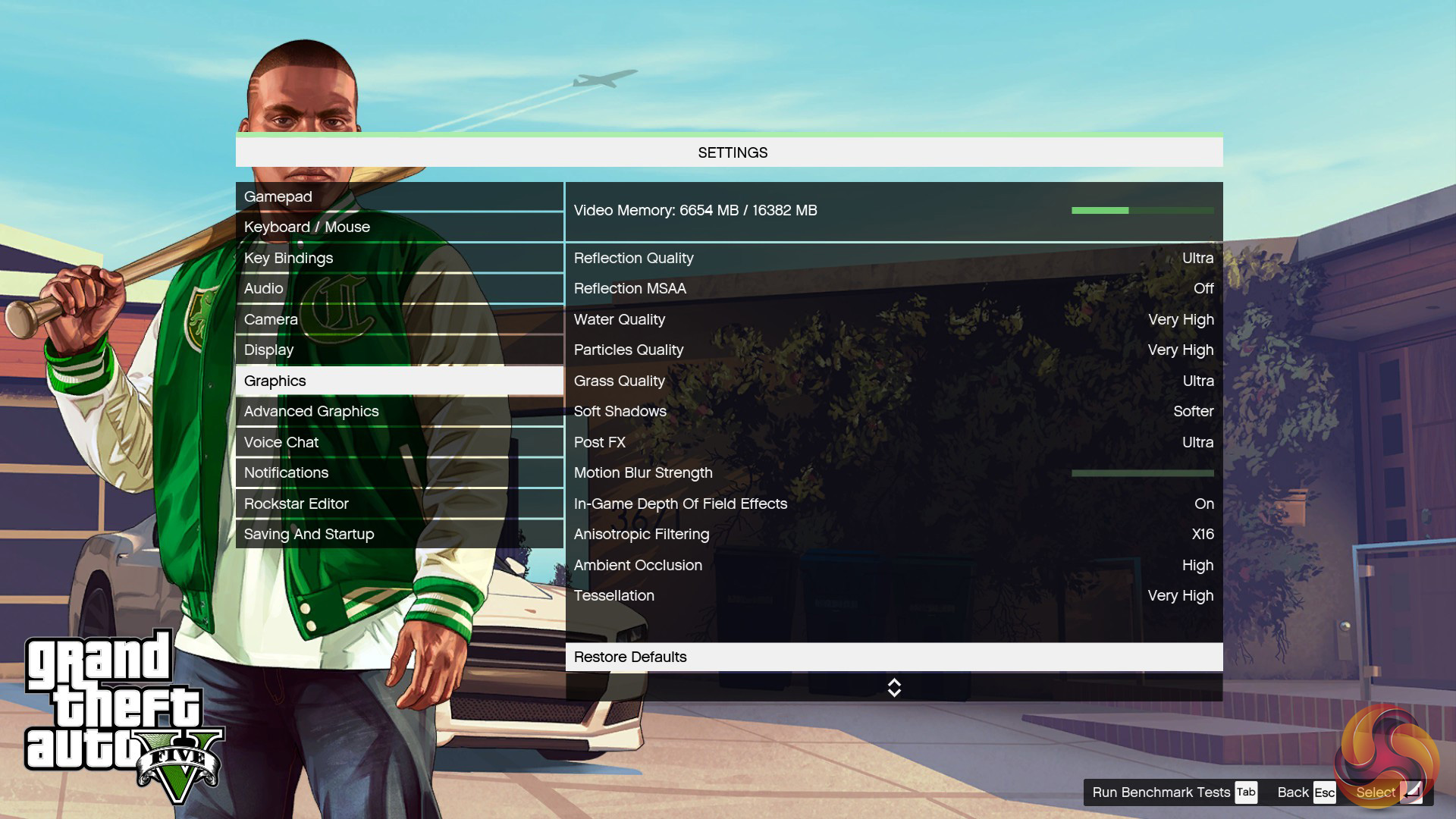
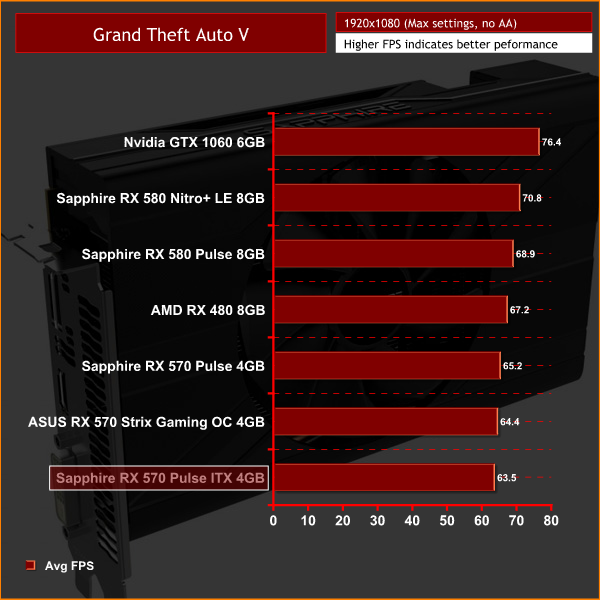
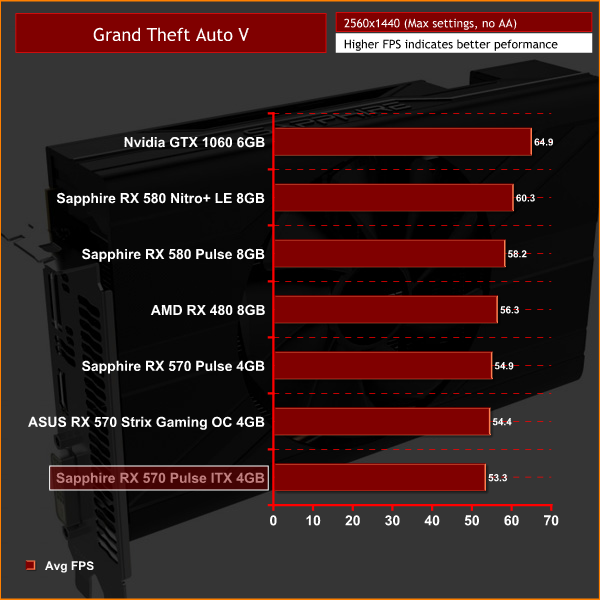
In GTA V, the RX 570 Pulse ITX hovers between 0.9-1.1 FPS slower than the ASUS Strix RX 570. It's competitive but still the slowest card today.Rise of the Tomb Raider is a third-person action-adventure game that features similar gameplay found in 2013’s Tomb Raider. Players control Lara Croft through various environments, battling enemies, and completing puzzle platforming sections, while using improvised weapons and gadgets in order to progress through the story. It uses a Direct X 12 capable engine.
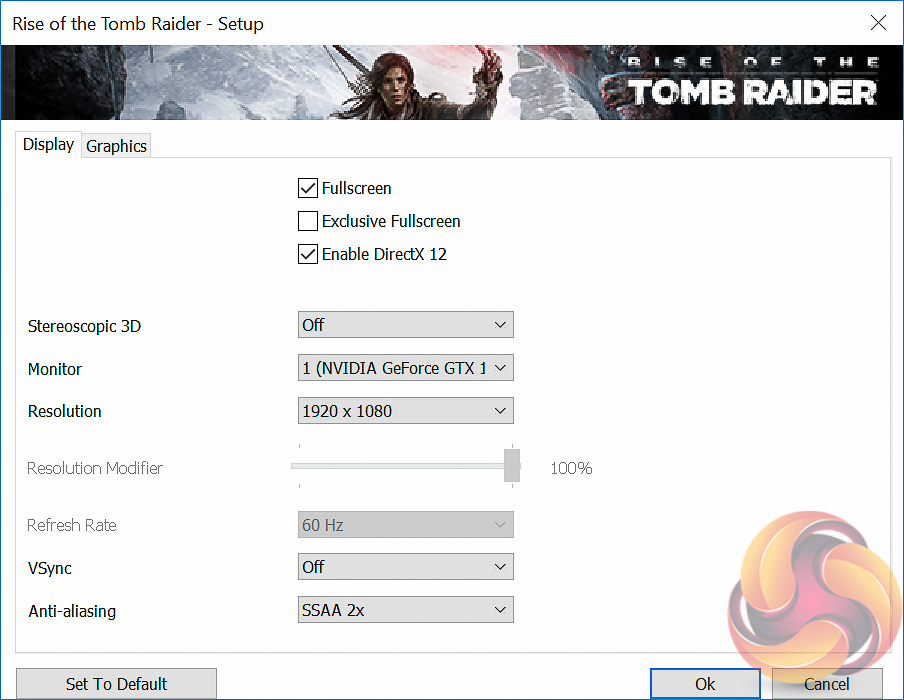
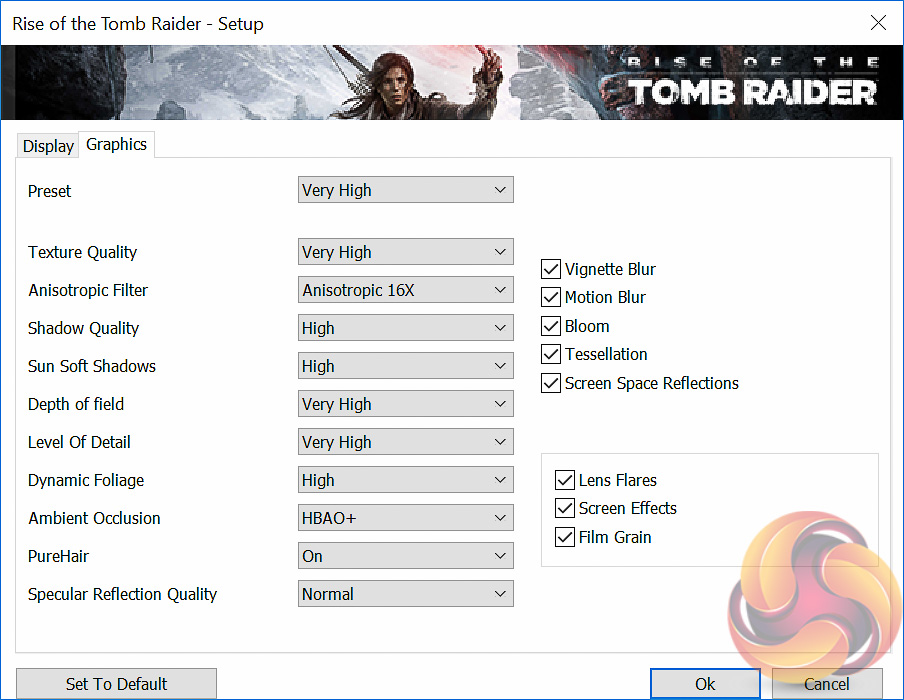
We use the Very High quality preset and 2x SSAA at all resolutions with Direct X 12 enabled.
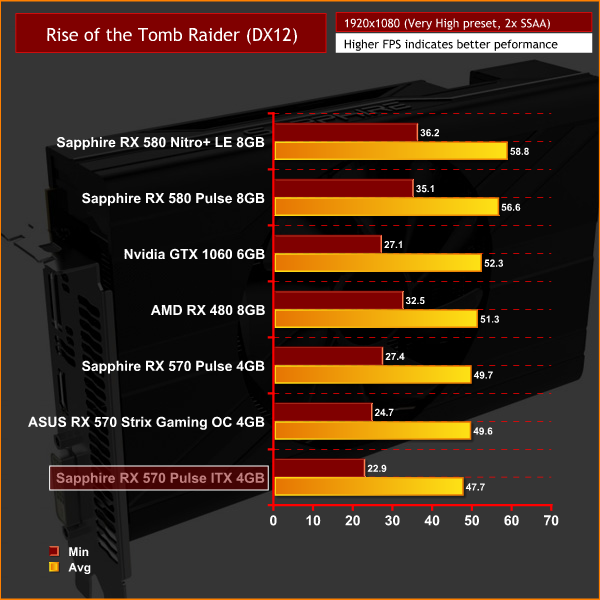
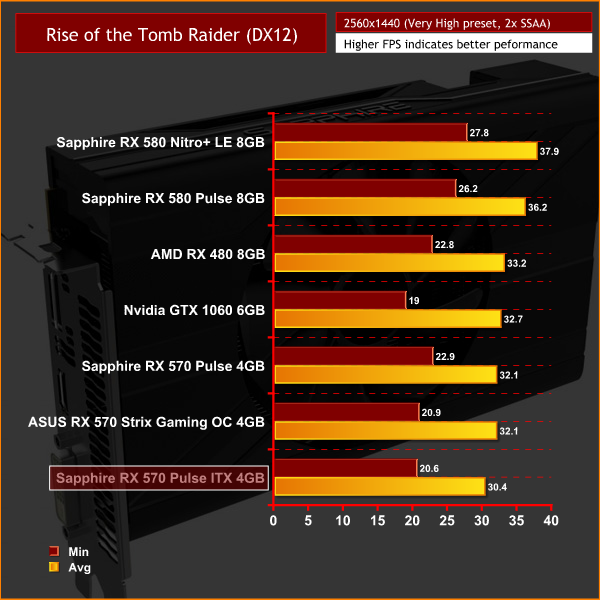
The last of our test games, Rise of the Tomb Raider does not deviate from the pattern we have come to expect: the Pulse ITX RX 570 is within 2 FPS of its nearest rival, but it still comes in bottom place.These sound results are not overly precise as I work in an area with high ambient noise levels. As such, don’t take these results as gospel truth, but more as a general indication of overall noise levels.
We take our measurements with the decibel meter on the top and middle section of the case, overhanging the side panel (power supply side, not motherboard tray side) by exactly 1 inch to avoid any airflow pressure coming from the exhausting AIO cooler.
I measured the sound floor to be 38 dBA, thus anything above this level can be attributed to the graphics cards. The power supply is passive for the entire power output range we tested all graphics cards in and all CPU and system fans have a fixed fan speed (25%) completely isolating them from any changes in temperature across the system.
Noise levels were measured after 5 minutes of load under three scenario: Furmark, Fire Strike and desktop idle in sequential order with 2 minutes downtime in between each test.
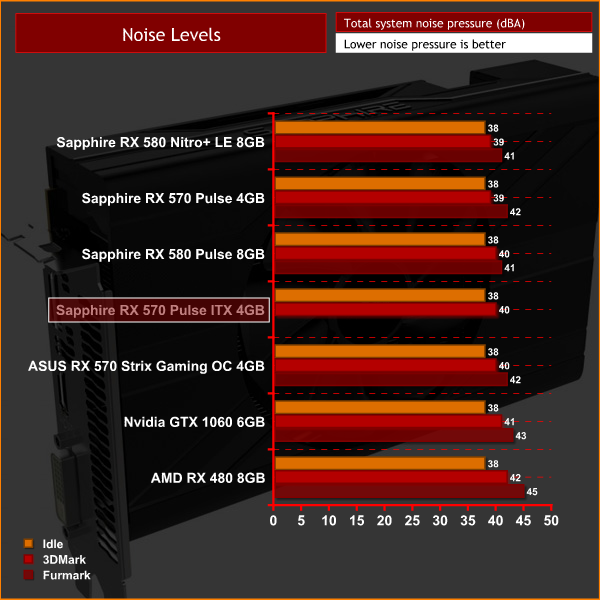
I don't have a result for FurMark as the RX 570 Pulse ITX card underclocked itself significantly to avoid damage, so its noise level reading was not representative of its performance under load. However, it peaked at 40 dBA in Fire Strike, and I measured a peak of 42 dBA during Grand Theft Auto V. These figures put the ITX card in the middle of chart, and it is definitely a whole lot quieter than AMD's reference RX 480.Power consumption was measured after 5 minutes of load under three scenario: Furmark, Fire Strike and desktop idle in sequential order with 2 minutes of downtime in between each test. The measurement was taking using a Prodigit 2000MU power meter and measured for the whole system at the power supply, excluding the monitor.
Some cards have no result recorded for the Furmark test, as I found a couple of the cards underclocked themselves to avoid long-term damage, so the power consumption levels were much lower.
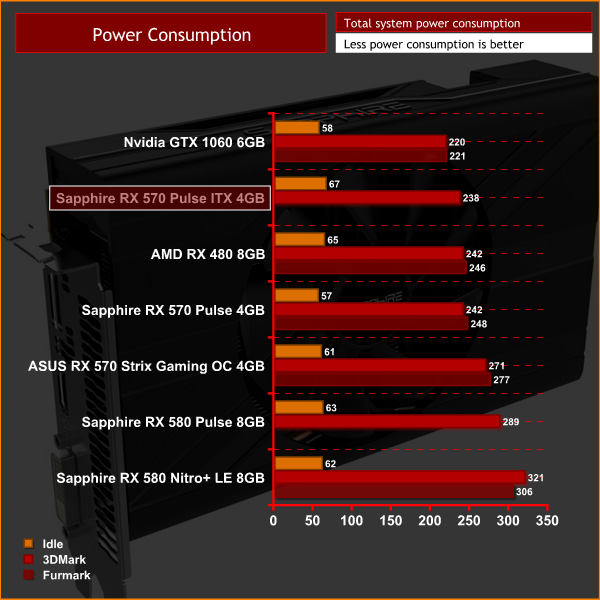
While there is again no result for Furmark, a peak power draw of 238 Watts during Fire Strike is good enough to take the Pulse ITX card to second place in our chart. This is very important for a SFF/ITX card and it is good to see it excelling here.Temperatures were measured after 5 minutes of load under three scenario: Furmark, Fire Strike and desktop idle in sequential order with 2 minutes of downtime in between each test. GPU-Z was used to record the maximum temperature, fan profiles on GPUs were left to their default behaviour.
Some cards have no result recorded for the Furmark test, as I found a couple of the cards underclocked themselves to avoid long-term damage, so the temperature levels were much lower.
We present figures as read by GPU-Z (not deltas), and ambient temperature fluctuated between 19-20C during testing.
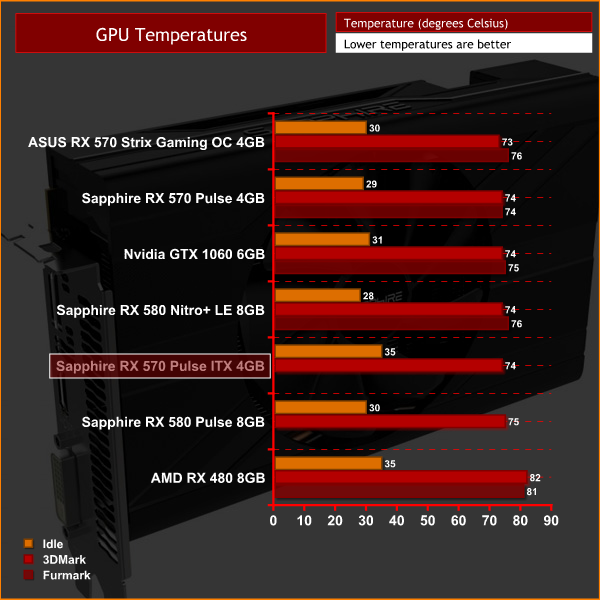
In terms of thermal performance, the RX 570 Pulse ITX performed very well. It obviously benefits from a lack of factory overclock which helps it stay competitive, but even so, a peak of 74 degrees is impressive for such a small card.
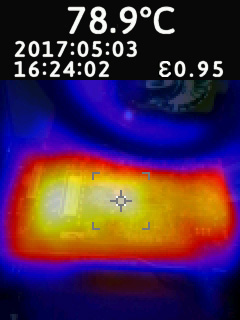
The lack of backplate does not seem to hurt the card too much, either, as I measured a peak temperature on the PCB of 79C. This is well within the boundary for acceptable thermal performance.
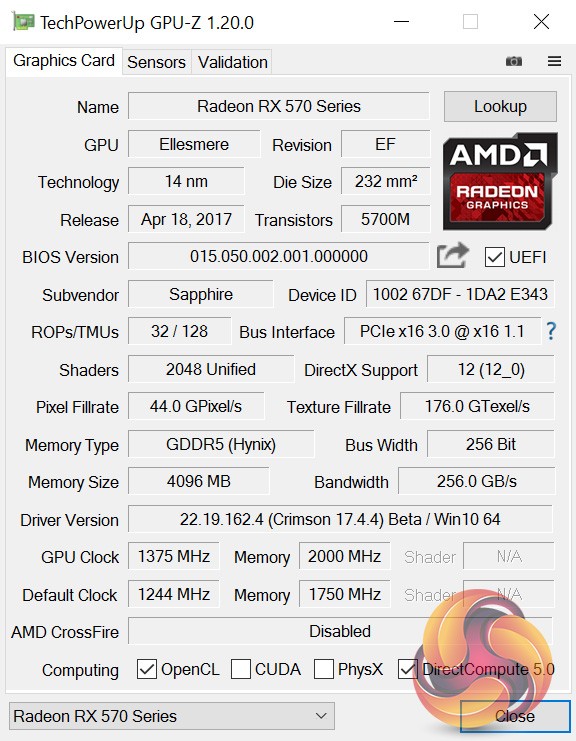
Despite the RX 570 Pulse ITX's lesser cooling abilities, I was actually able to add +131MHz to the card's core before artifacting occurred. Along with +250MHz to the memory, this brought us to 1375MHz core clock and 2000MHz memory speed.
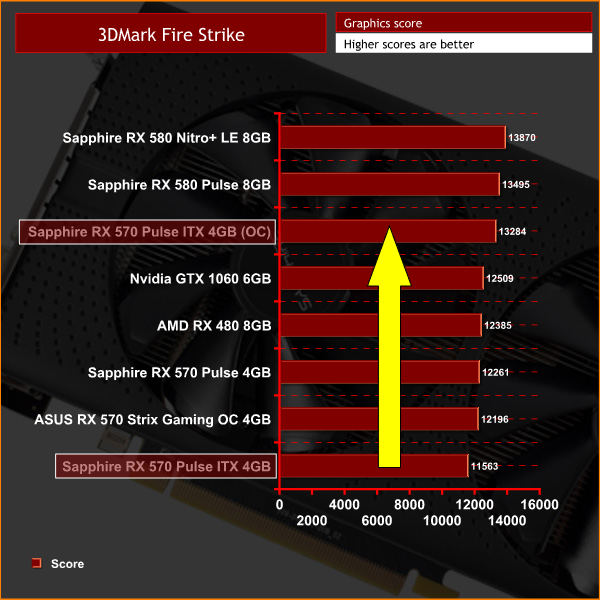
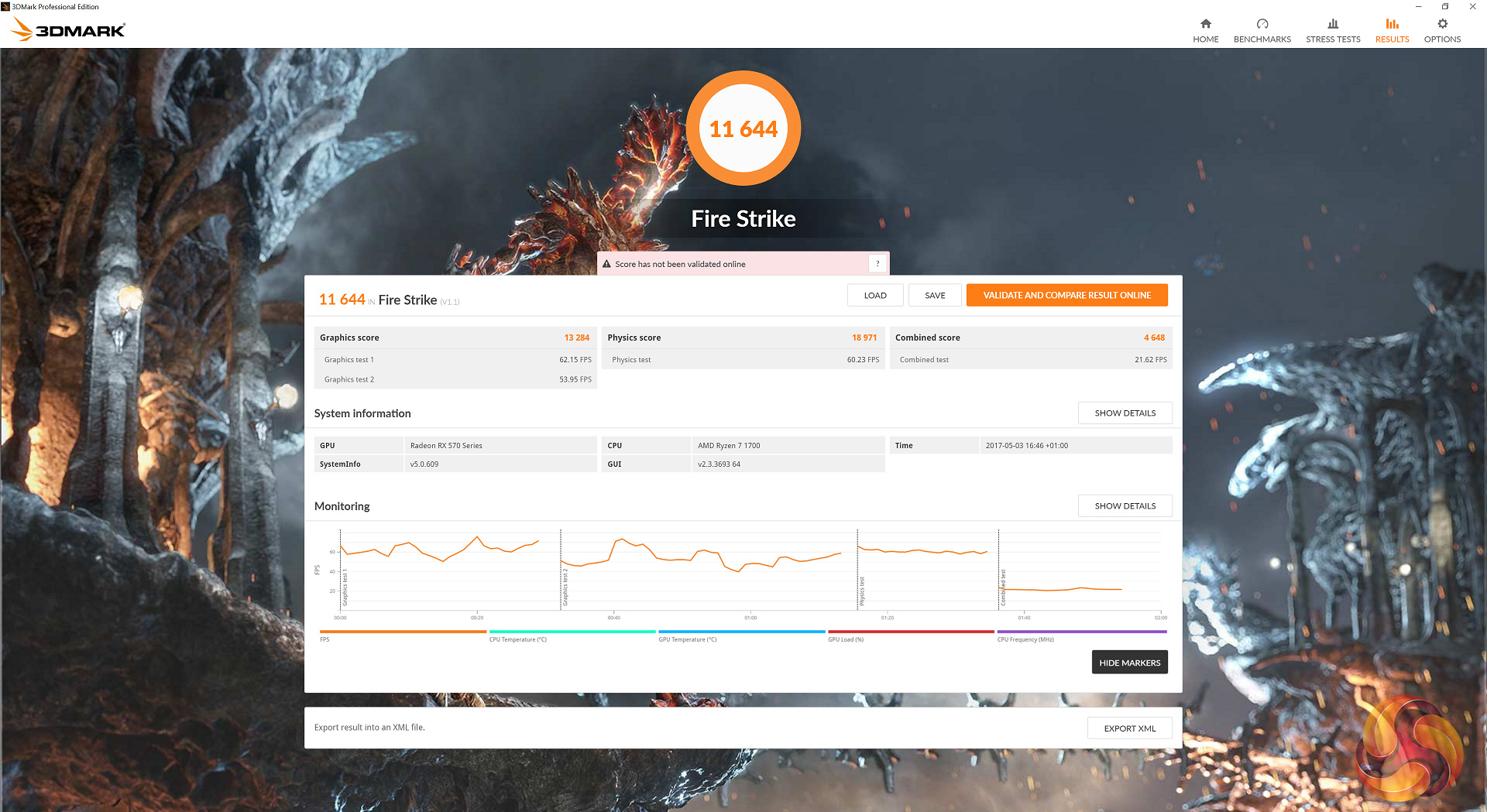
This overclock had a significant real-world effect, actually bringing the Pulse ITX card within spitting distance of the RX 580 Pulse edition. This is a huge 14.8% score increase, and that is actually very impressive for such a small card!The RX 570 Pulse ITX is another effective card from Sapphire. Aimed at the ITX/SFF market, it is likely to have strong appeal to prospective buyers.
Throughout our testing, we saw it perform very similarly to other RX 570 solutions, despite its single-fan cooling solution. It is slower than those other cards due to its lack of factory overclock, but even so, the real-world impact of that is between 1-2 FPS. As such, this card is still very competitive despite its size and lesser clock speed.
I also found the Pulse ITX card to be cool, quiet and even a decent overclocker. I actually managed to snag an extra 15% performance in Fire Strike by adding +131MHz to the GPU core, which is very impressive for a SFF card.
Pricing is also important, as we are still waiting for the AMD graphics card market to settle down again given the artificially-inflated RX 500-series pricing. Given that this card retails for £179.99 – the same as the larger, RX 570 Pulse – we can safely say it offers good value and consumers are not being charged a premium for the SFF nature of the card.
The only thing I would say to those considering this card is this: how small a graphics card do you really need? If you absolutely need a single-fan graphics card measuring less than 200mm long, then the Sapphire Pulse ITX model will serve you very well. However, for many consumers, I would imagine that the aforementioned RX 570 Pulse (non-ITX model) would actually be fine. This is because it is still a diminutive card, at just 230mm long, yet it has the advantage of higher clockspeeds out-of-the-box, plus its cooling solution is also more advanced.
Clearly, I can't recommend one or the other without knowing just how small your case is really, but many Mini-ITX cases would still be able to fit a 230mm-long card comfortably. Take the Fractal Node 202, the Lian Li PC-Q17 and the Define Nano S – three very popular Mini-ITX cases, and all would fit the RX 570 Pulse with room to spare.
Therefore, my final verdict is this: the Sapphire RX 570 Pulse ITX is an excellent, SFF RX 570 solution. If you need the absolute smallest graphics card capable of pushing games at high settings on a 1080p monitor or HDTV, this is a great contender for your money. However, I would expect many consumers with small cases would still be able to fit the full-size RX 570 Pulse card, as it is really not much bigger than its ITX sibling yet offers higher frequencies, a more effective cooling solution and a snazzy backplate.

You can buy the RX 570 Pulse ITX for £179.99 from Overclockers UK HERE.
Pros
- Will fit in essentially every ITX case on the market.
- Performs very similarly to other RX 570 cards, despite the lack of factory overclock.
- Good value.
- Overclocks very well.
Cons
- Lacks a backplate.
- I would imagine SFF/ITX system owners would still be able to fit the full-size RX 570 Pulse card.
KitGuru says: The Sapphire RX 570 Pulse ITX card is a very effective ITX card. However, I do wonder how many people actually need a card this small when the RX 570 Pulse edition is already quite diminutive.

What kind software that you use for gpu oc stress testing?
I have the same card and test it through unigine valley, i could pull it to 1400mhz on core and 2000mhz on memory ,
Im not noticing any artifacts, but not quite sure cause i only use 720p 24inch hdtv
wanna stress the shit out of the card and drive the temps to the max?download primecoin wallet and run claymore primecoin miner.Then u will see the real temps and how good the cooler is.
wanna stress the shit out of the card and drive the temps to the max?download primecoin wallet and run claymore primecoin miner.Then u will see the real temps and how good the cooler is.
Using software?
Give it more juice. Increase the power limit so your card won’t throttle.
Why is the RX 570 pulse mini drawing 10 more watts than a regular Rx 570 in idle? If anything it should be the other way round, with the mini using less power in idle. Is it a typing error here?
Just bought two for mining and gaming, they arrive in a couple of days, looking forward seeing what they can do