KitGuru KitGuru.net – Tech News | Hardware News | Hardware Reviews | IOS | Mobile | Gaming | Graphics Cards


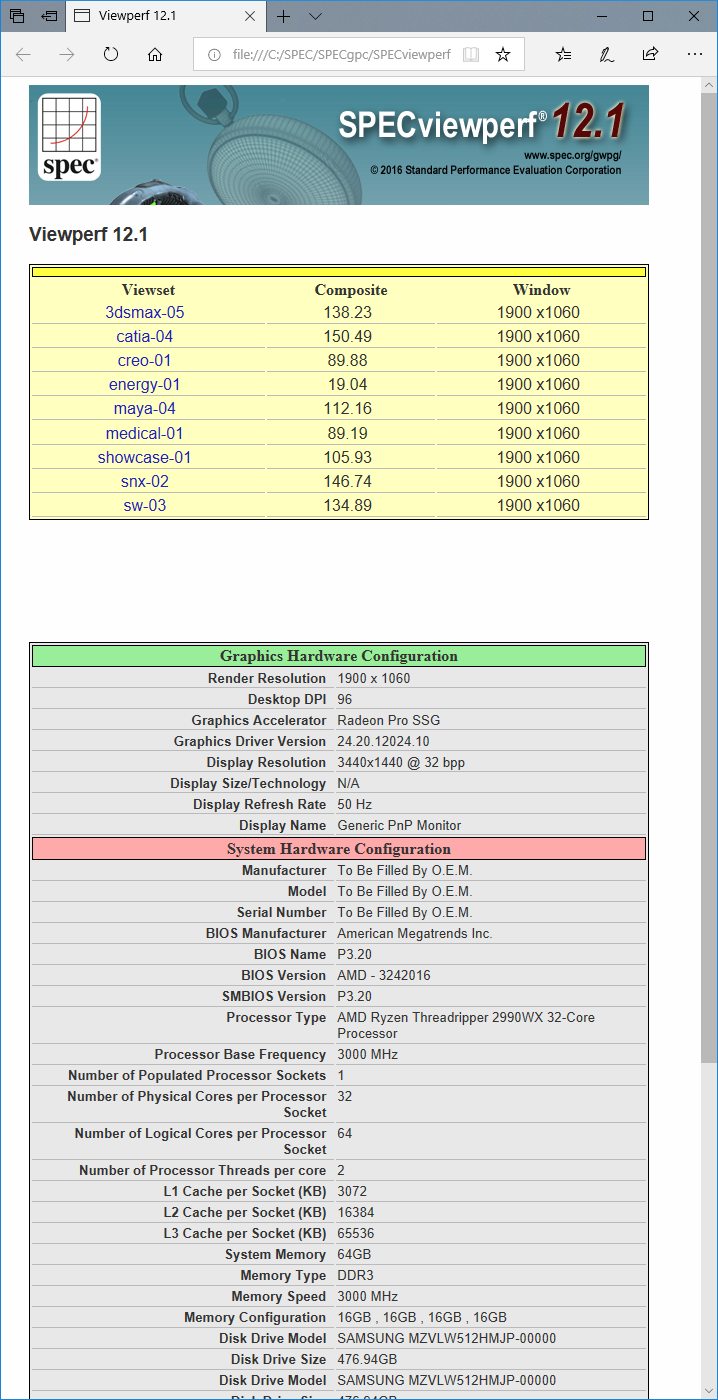
The SPECviewperf 12.1 benchmark is the worldwide standard for measuring graphics performance based on professional applications. The benchmark measures the 3D graphics performance of systems running under the OpenGL and Direct X application programming interfaces. The benchmark’s workloads, called viewsets, represent graphics content and behaviour from actual applications.
The latest version is SPECviewperf 12.1, released on August 24, 2016. SPECgpc members at the time of V12.1 release include AMD, Dell, Fujitsu, HP, Intel, Lenovo, NVIDIA, and VMware. SPECviewperf 12.1 features a new Autodesk 3ds Max viewset, Microsoft Windows 10 support, and GUI and reporting improvements.
SPECviewperf 12.1 has been tested and is supported under the 64-bit version of Microsoft Windows 7 and Windows 10. Results from SPECviewperf 12.1 remain comparable to those from V12.0.1 and V12.0.2.
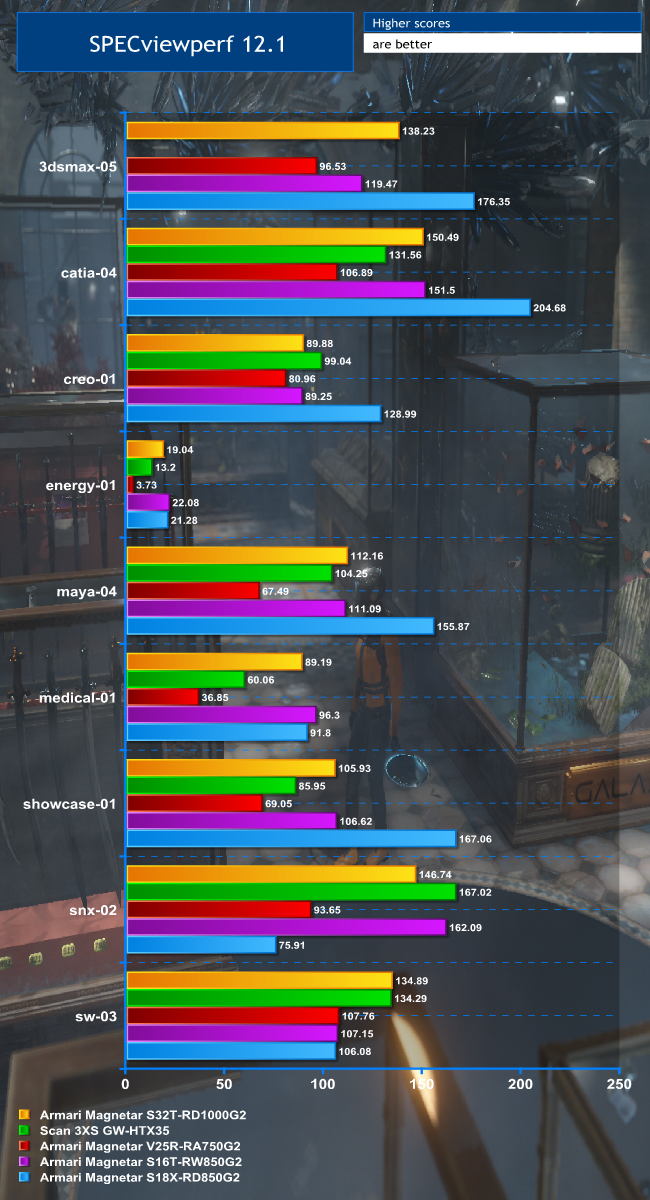
The results are more favourable with the software represented by SPECviewperf 12.1. The performance with 3D content creation viewsets 3dsmax-05 and maya-04 placed second to the NVIDIA GeForce Titan Xp in the Core i9 system. Elsewhere, the results were very respectable. We're not going to go into very much detail about the individual viewset scores, as we are focusing on the CPU in this review, but the key thing to note is that this is a 32-core processor that won't hold you back when performing tasks that favour single-core clock speed like modelling.