 KitGuru KitGuru.net – Tech News | Hardware News | Hardware Reviews | IOS | Mobile | Gaming | Graphics Cards


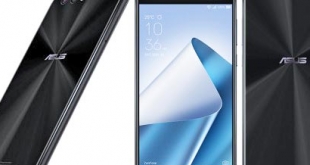
Long-term readers may remember KitGuru reviewing the original ASUS ZenFone models nearly three years ago – colourful products, they came in 4, 5 and 6-inch varieties. Since then, however, the ZenFone has stayed away from these shores, with ASUS seemingly targeting the Asian market. Today, we are pleased to say the ZenFone range is back in the UK, and we can present our review of the £450 ZenFone 4 (ZE554KL).
With its new ZenFone 4, ASUS will be hoping the device can appeal to those who want a flagship experience without a flagship price tag. At £449.99, the ZenFone 4 is definitely not the same kind of investment as the iPhone X, but can it still deliver a premium experience? Let's find out.
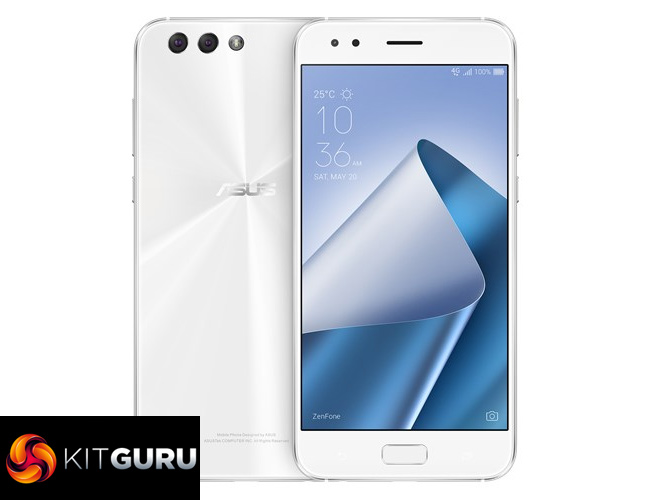
Specification
- Finish: Moonlight White, Midnight Black
- Storage: 64GB internal, MicroSD supports up to 2TB
- Dimensions: 155.4 x 75.2 x 7.5 (L x W x H)
- Display: 5.5-inch, 1920×1080 IPS
- Processor: Qualcomm Snapdragon 630
- Memory: 4GB
- Camera: 16MP primary, 8MP secondary (wide-angle), 8MP front-facing
- Battery: 3300mAh
Design
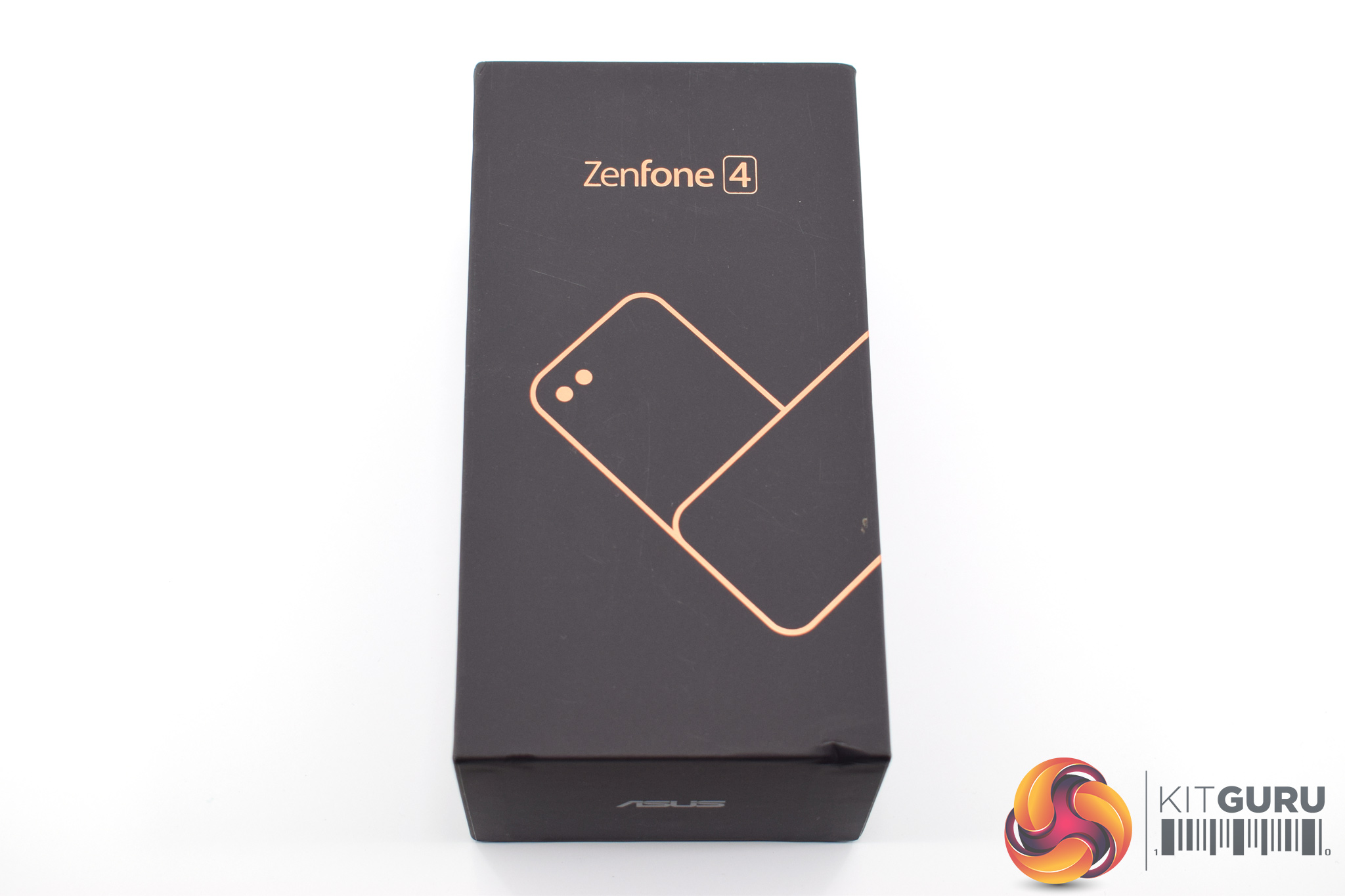
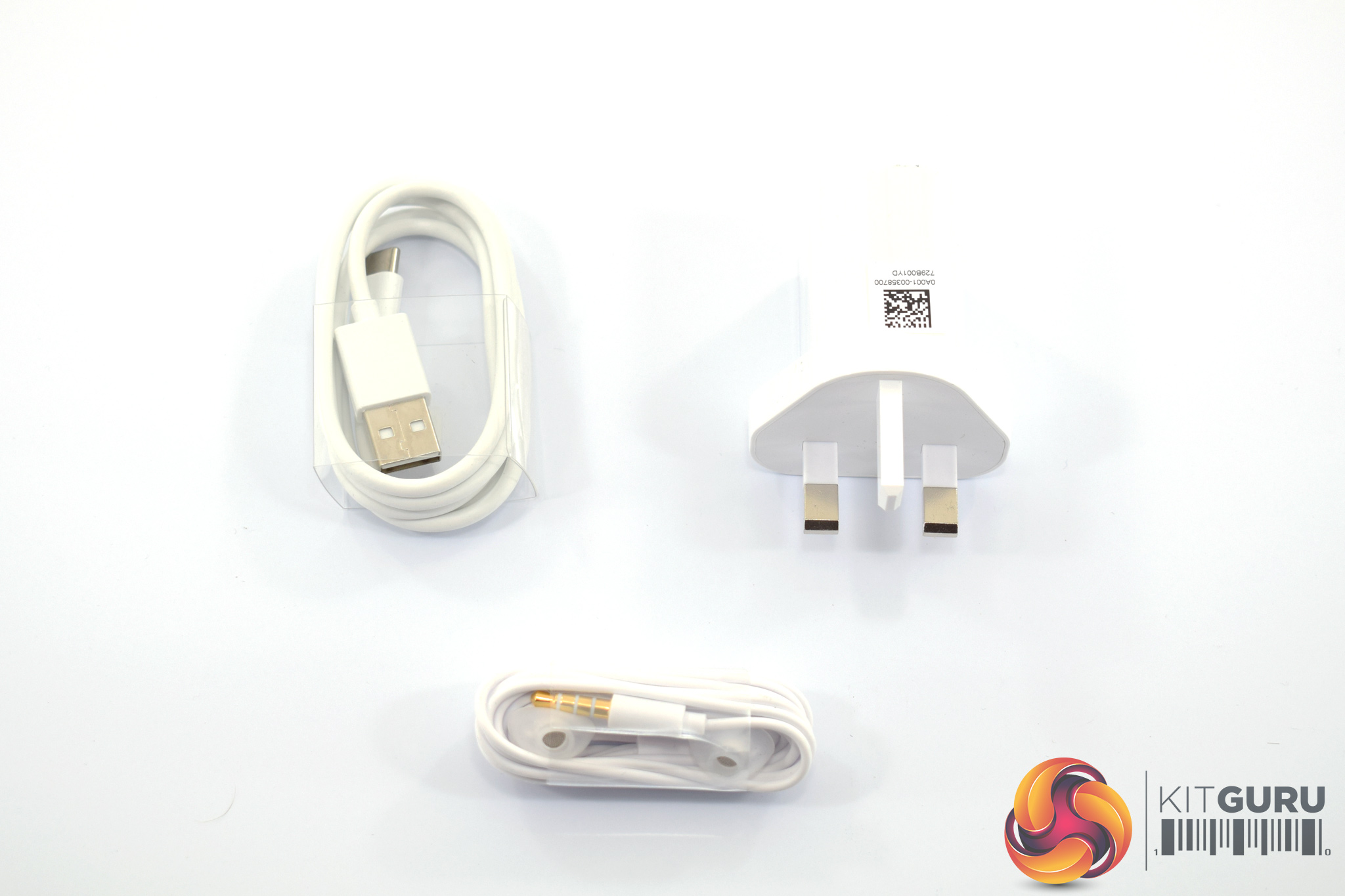
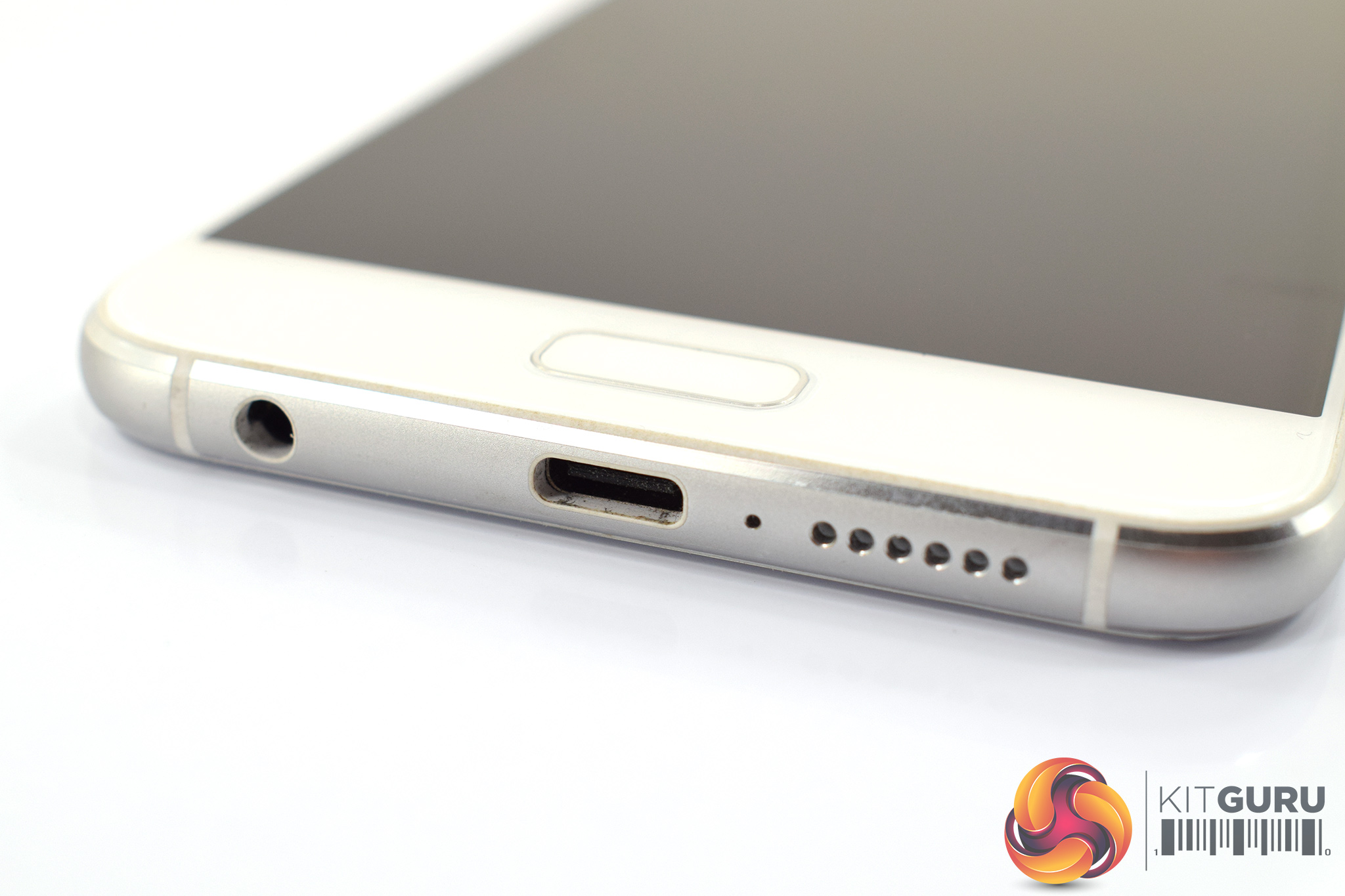
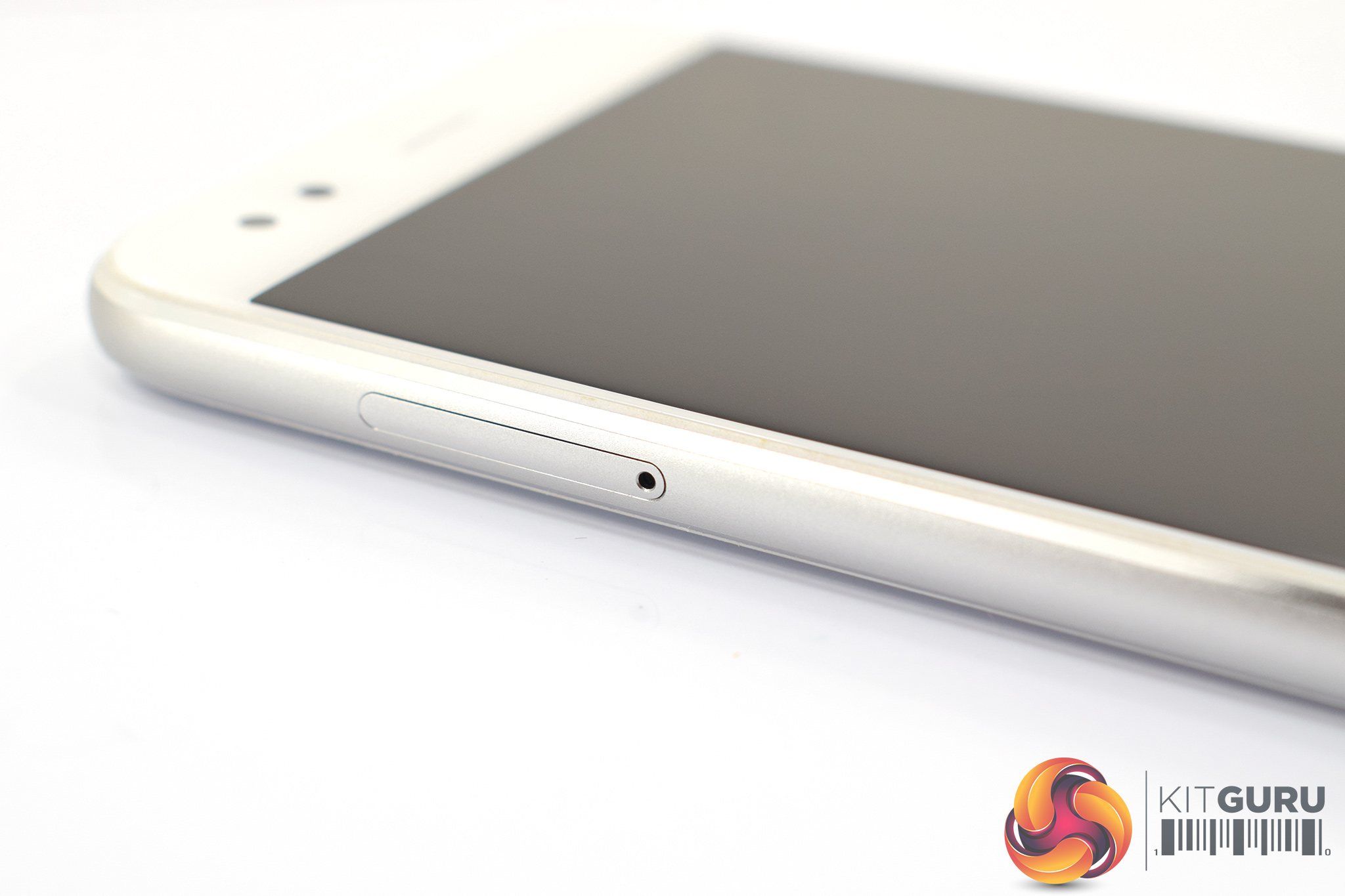
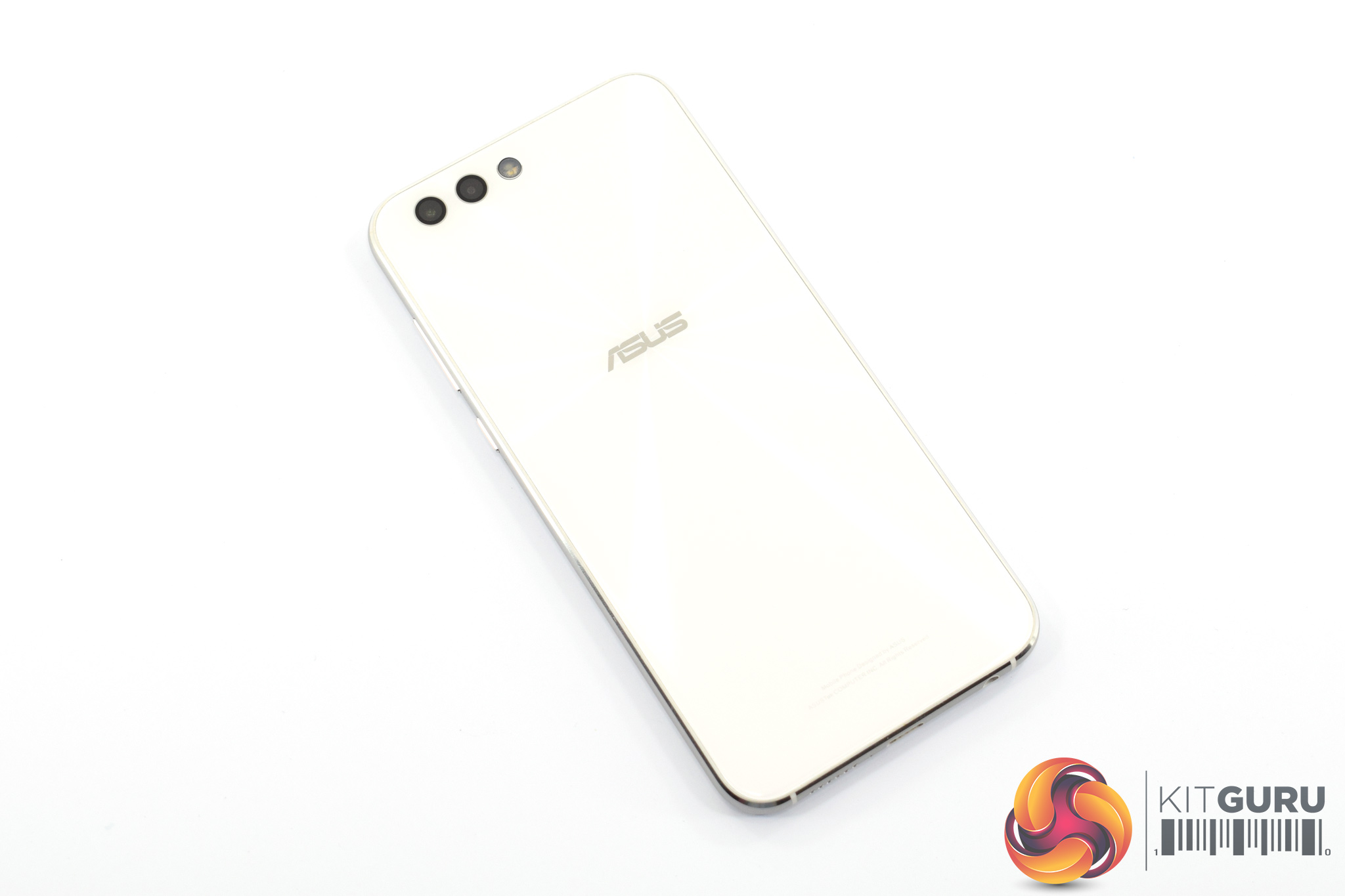
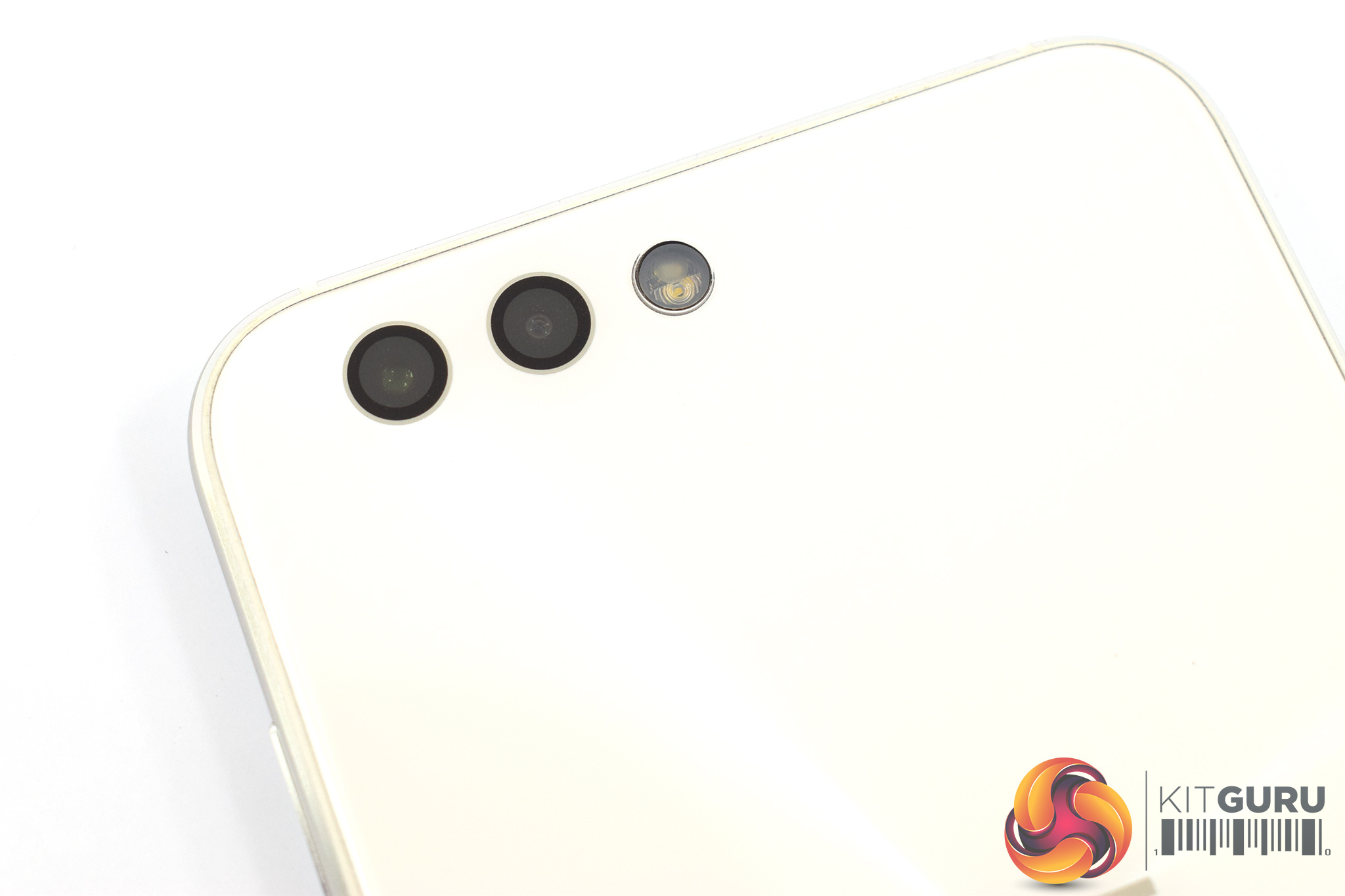
If you can't see the gallery above, please disable your ad blocker as they can interfere with our display code.
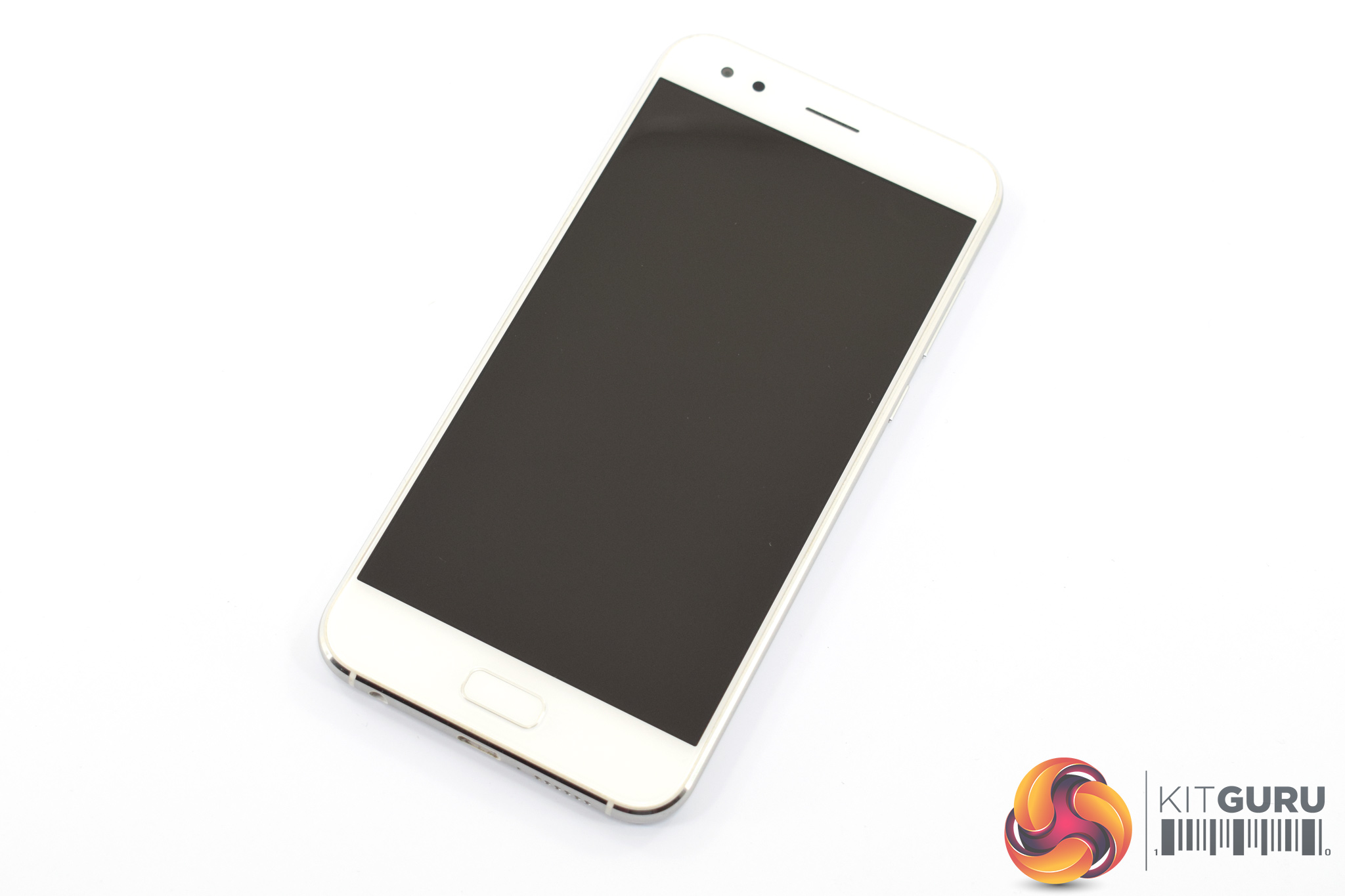
Despite the £450 price tag, the ZenFone 4 certainly has a premium look and feel to it – even if it is strongly reminiscent of the iPhone 8.
For starters, the glass back not only looks great but it is actually 2.5D Corning Gorilla Glass so it should be nice and durable. The main issue with glass backs is that they are usually fingerprint magnets, and I think that would almost certainly be the case for the black variant of the phone. I was sent the ‘Moonlight White' model, however, and I'm honestly hard-pressed to spot any marks on the back.
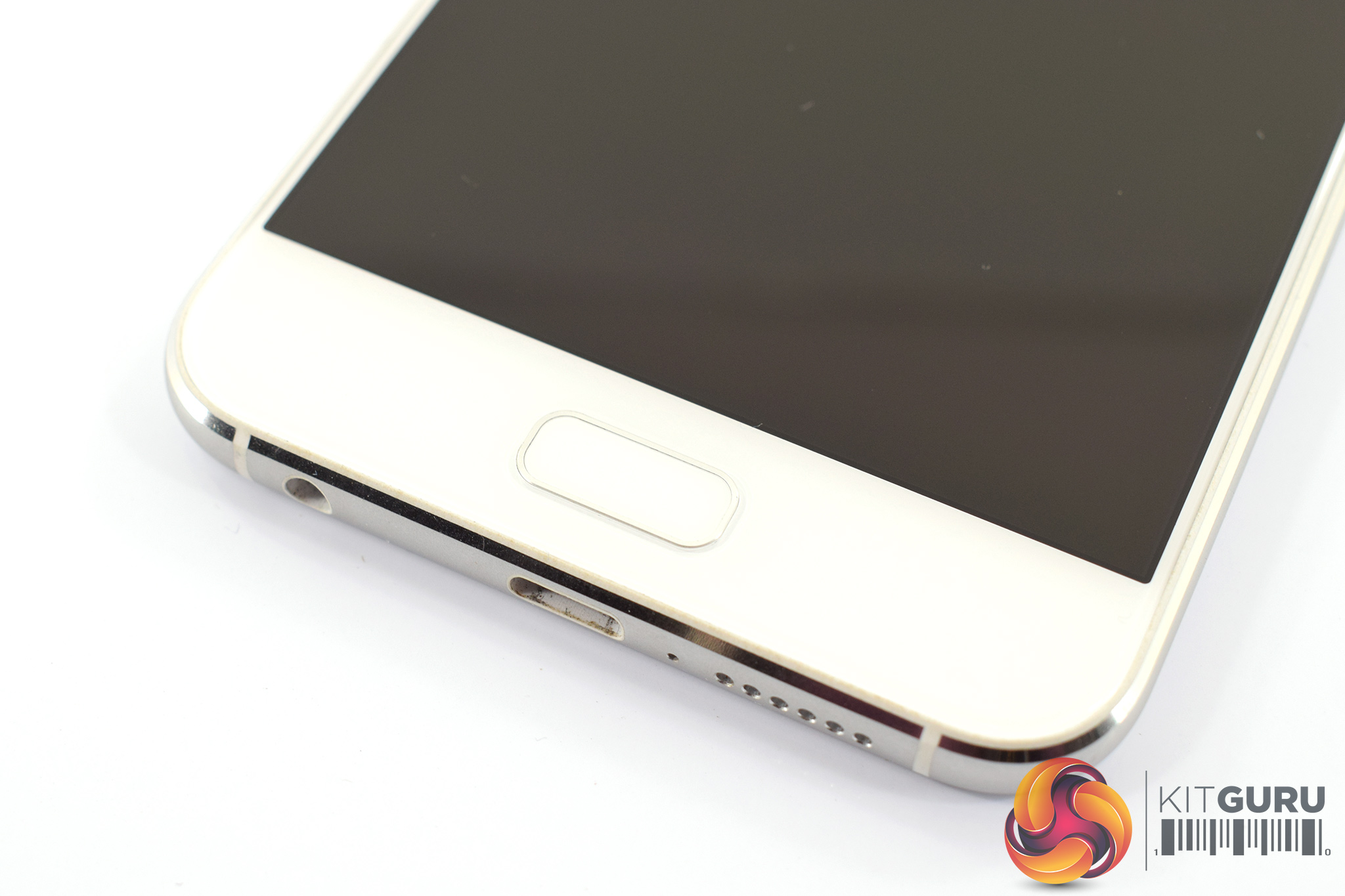
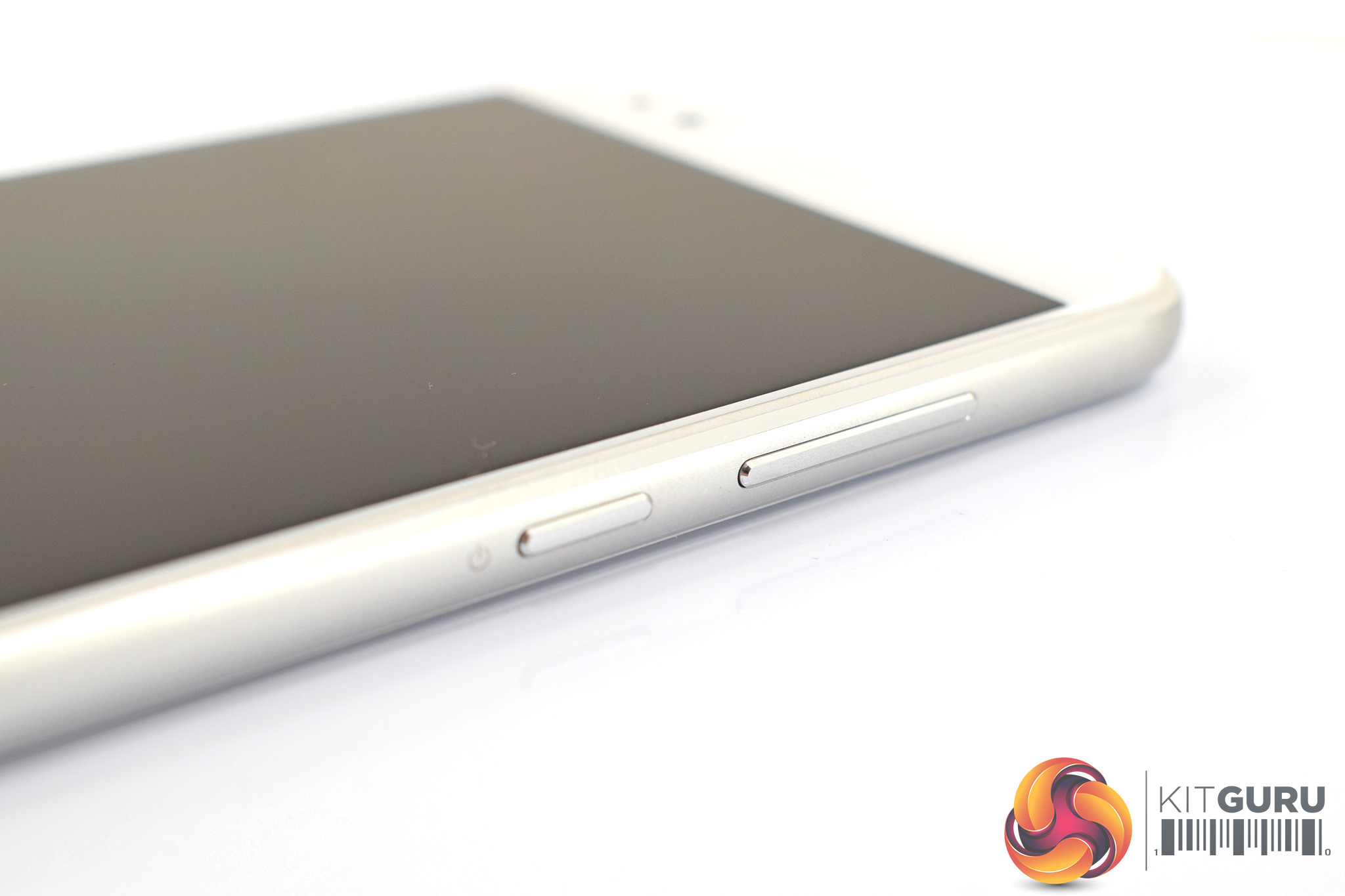
The aluminium frame also adds some rigidity while also providing some contrast to the white front and back. Speaking of the frame, on the bottom edge of the ZenFone we find the USB-C charging port, a 3.5mm headphone jack as well as the speaker. The SIM tray is on the left-hand edge, while the right-hand edge is home to the volume rocker and power button.
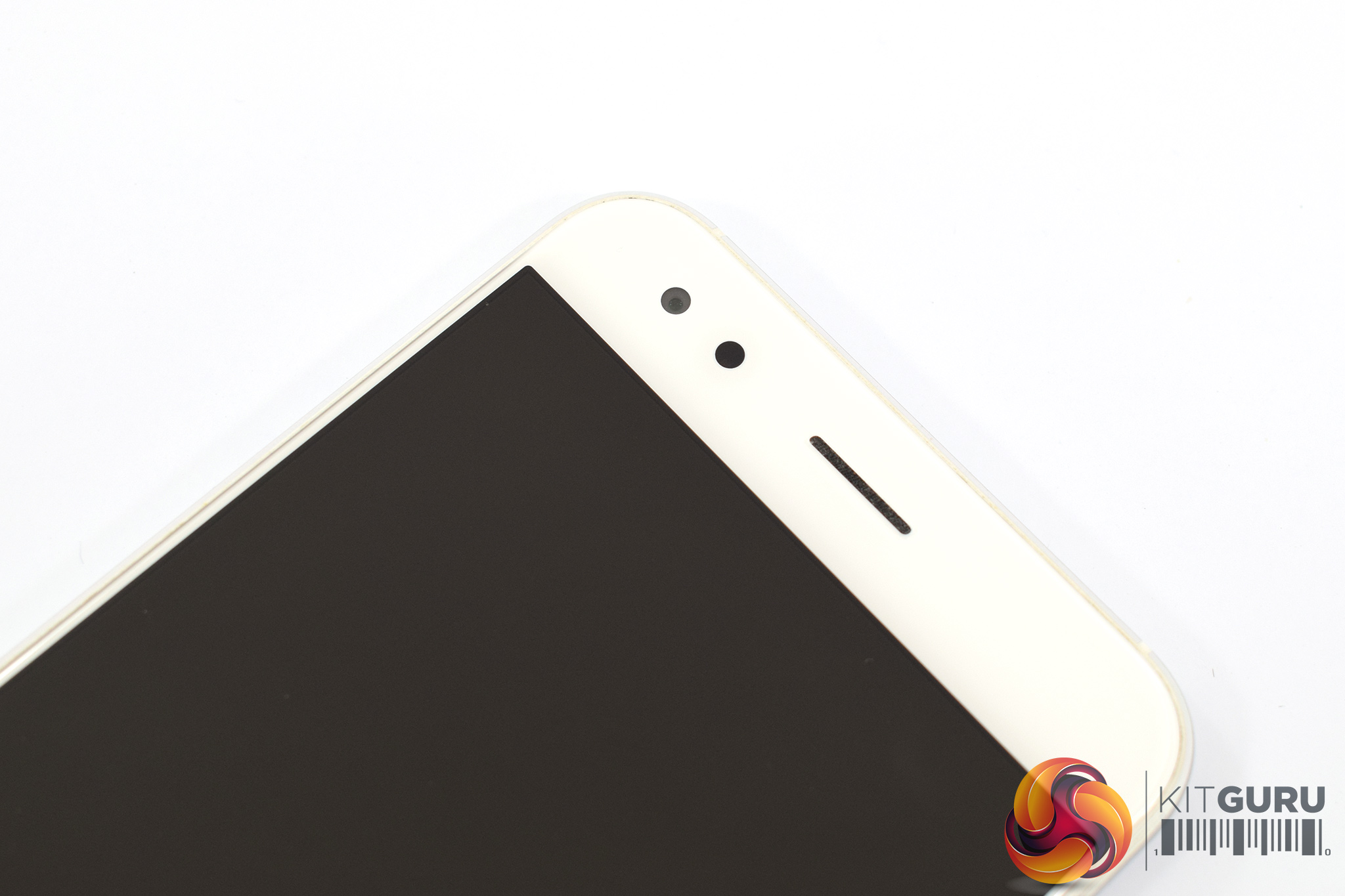
Turning back to the front, if it wasn't immediately obvious to you then it worth pointing out that the ZenFone 4 has kept the more traditional 16:9 aspect ratio instead of going 18:9, and that does mean there is a fair amount of bezel on the top and bottom. The bottom edge does house a fingerprint scanner, though, and I found it to respond quickly and accurately.
The dual-camera setup on the back is quite impressive as neither lens actually protrudes from the main body of the phone, when that is usually a given for a modern device. The primary camera is a 16MP shooter with a 83-degree field of view, while the 12MP secondary camera is much wider with a 120-degree FOV.
On the whole, the phone is well designed. It does have a slighter lower screen-to-body ratio (at 71.4%) than we are now used to seeing from the likes of the Galaxy S8 and LG G6, but it feels nice and solid in the hand and for the money I can't complain too much.
Display
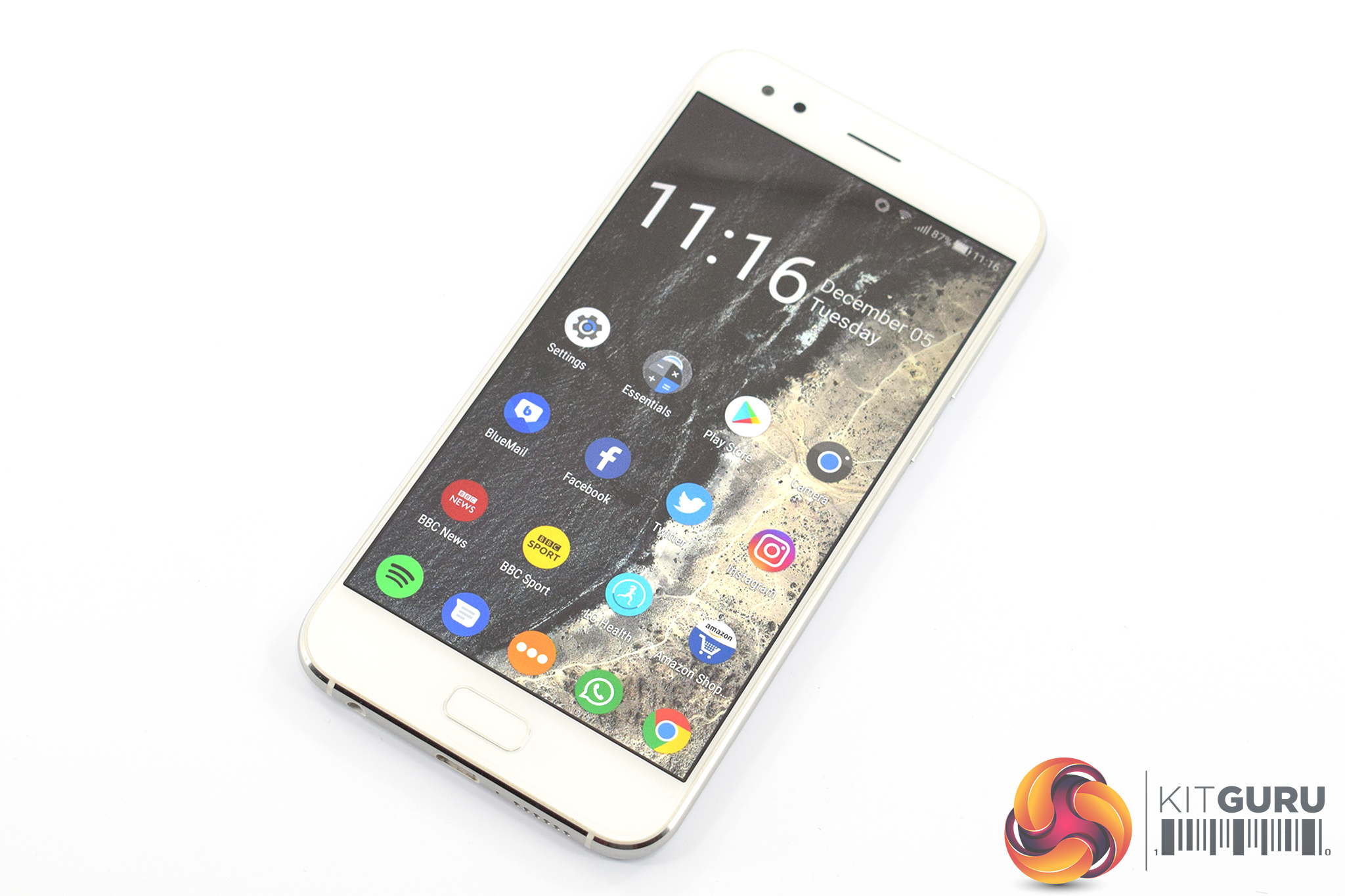
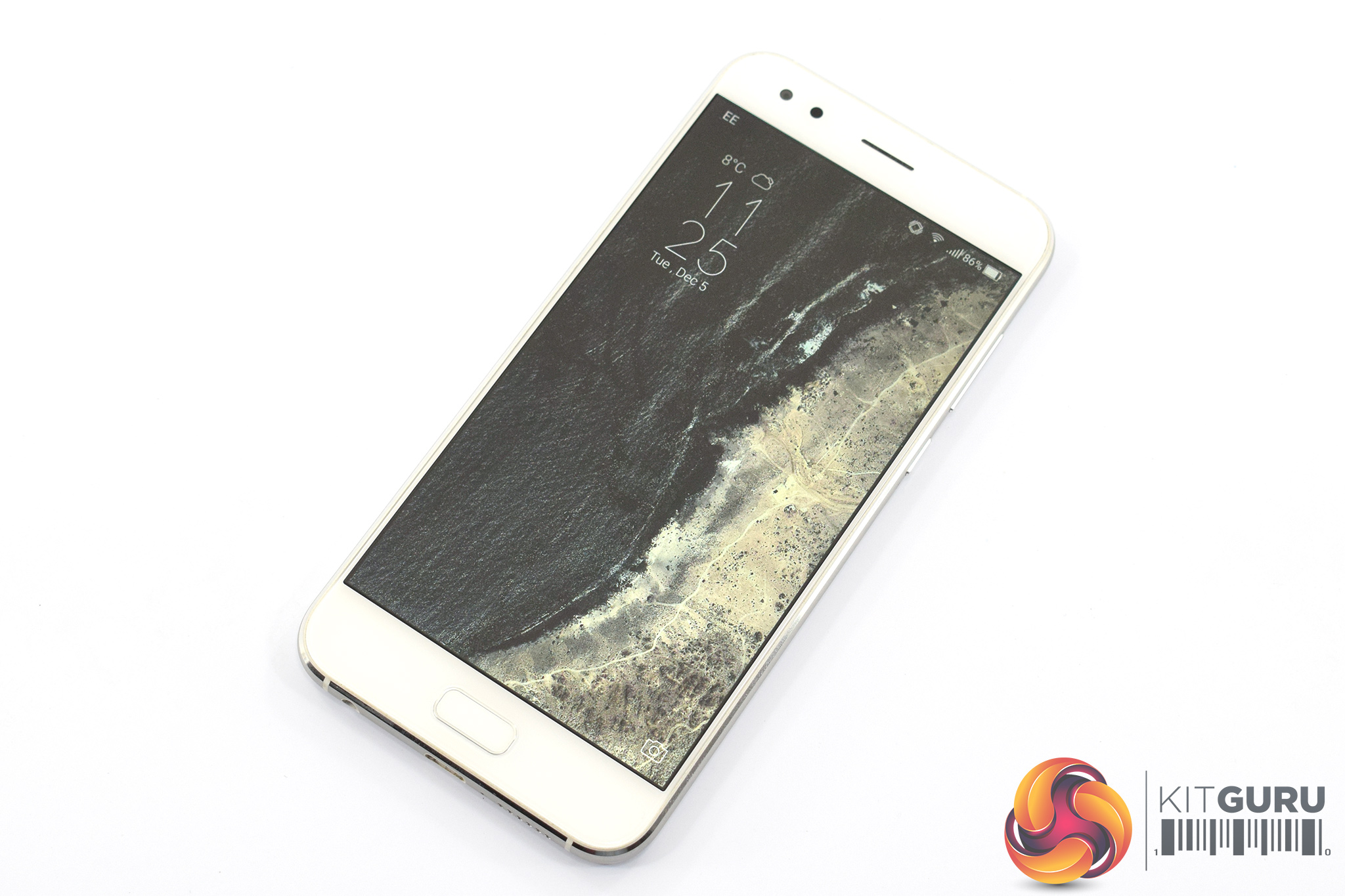
Moving on to the display, the first thing to note is that the screen measures 5.5-inches, is FHD resolution and uses an IPS panel.
Accordingly, it is nice and sharp with a pixel density of 401 PPI. It isn't as razor-sharp as a phone with a 1440p display, but honestly at this screen size I think 1080p is more than enough.
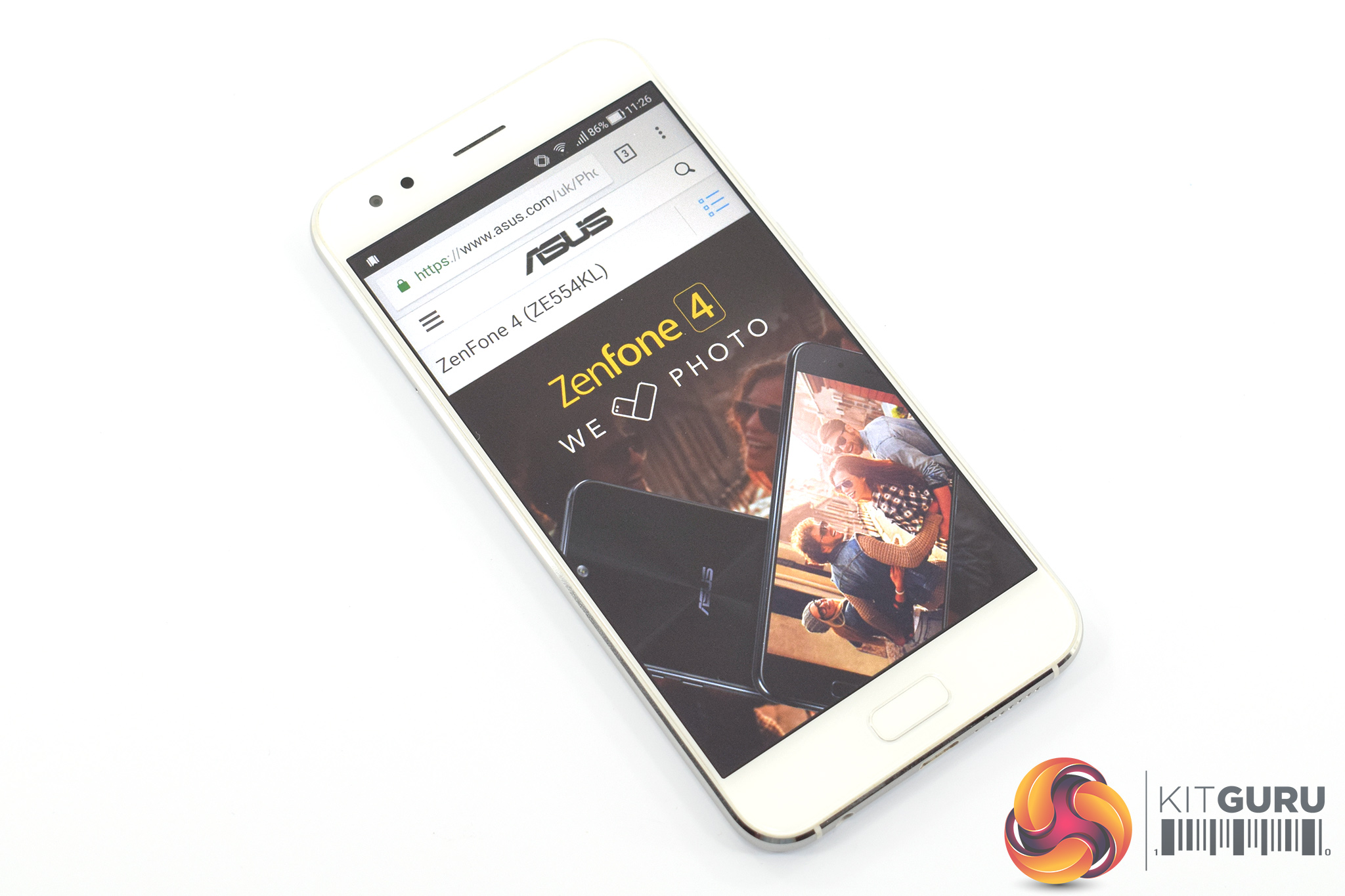
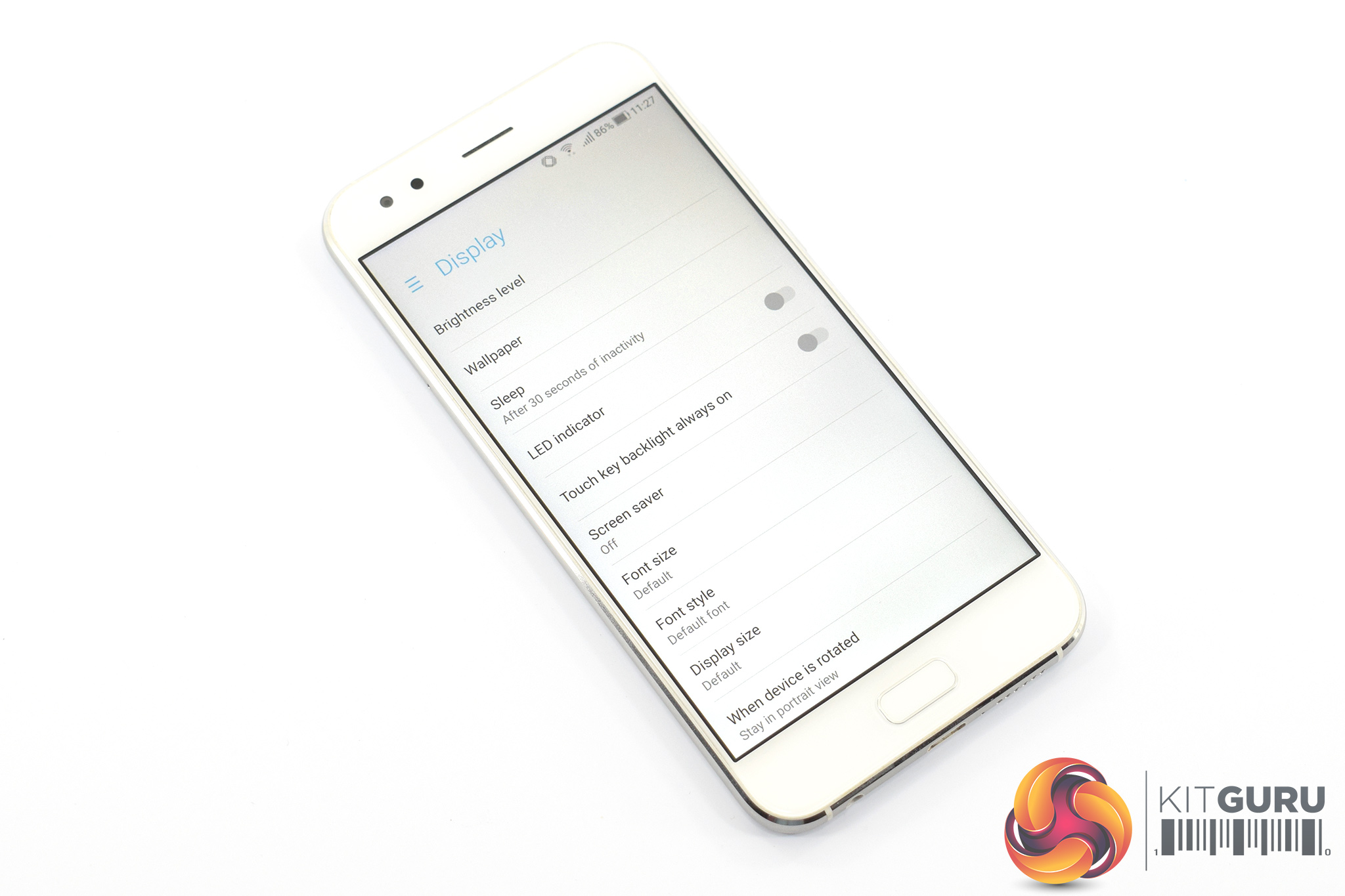
Colours are also accurate and vibrant – as much as can expected of an IPS display. Blacks aren't quite as inky as you would get with an OLED panel, but I found the white-balance to be very accurate out of the box.
Screen brightness is also impressive. At 100% I had surprisingly little difficulty using the phone outdoors, which is more than can be said for other devices. ASUS claims the max brightness to be 600 nits, and while I can't verify this, held side-by-side with the Razer Phone it is a clear win for the ZenFone.
Performance
The ASUS ZenFone 4 (ZE554KL) comes with a Snapdragon 630 processor, Adreno 508 GPU and 4GB of memory.
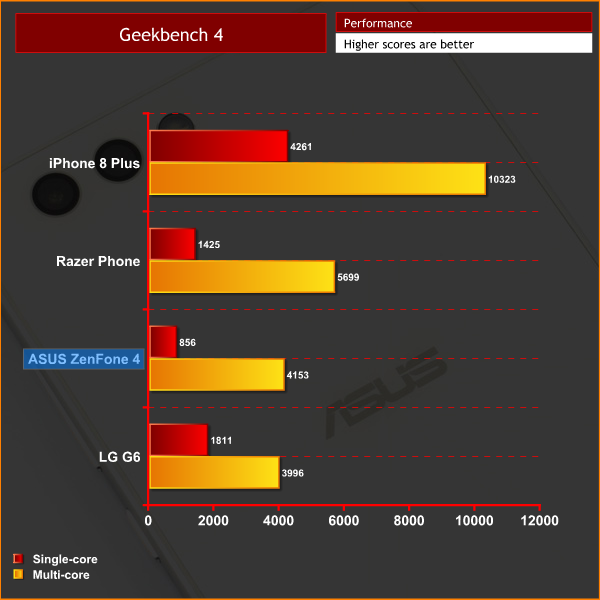
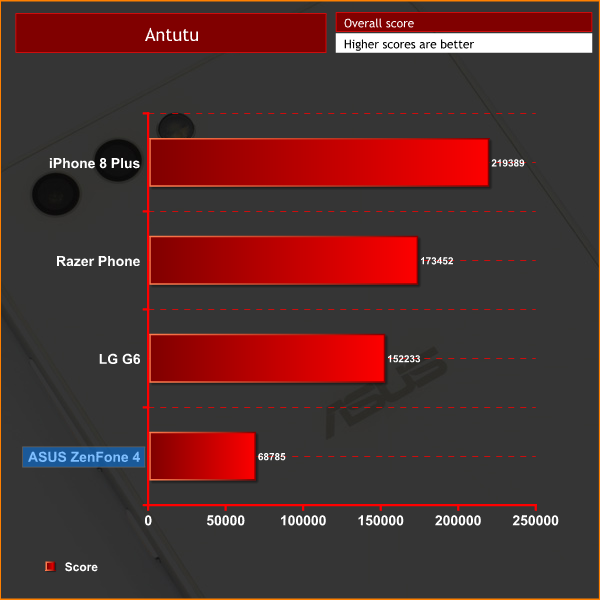
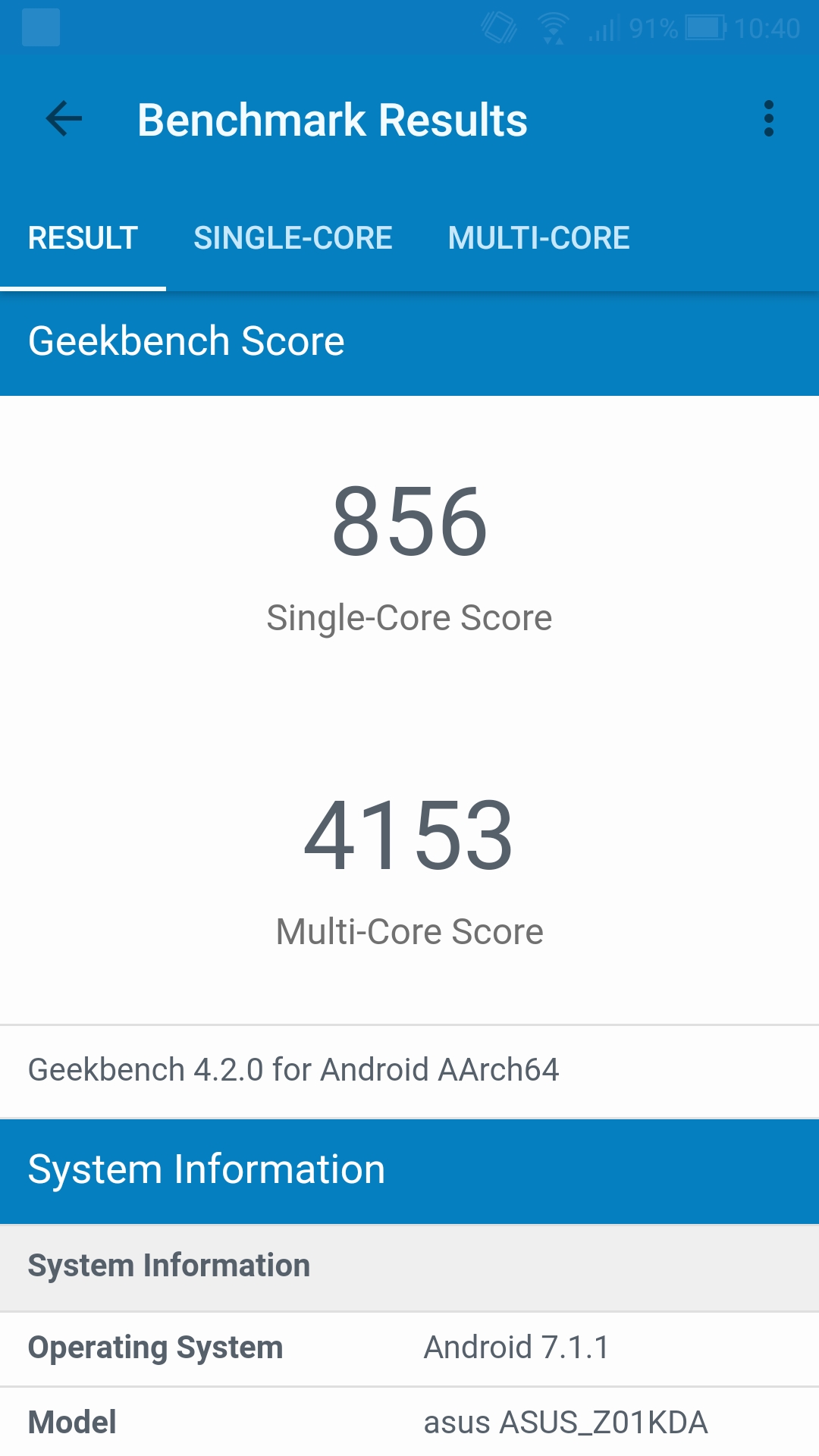
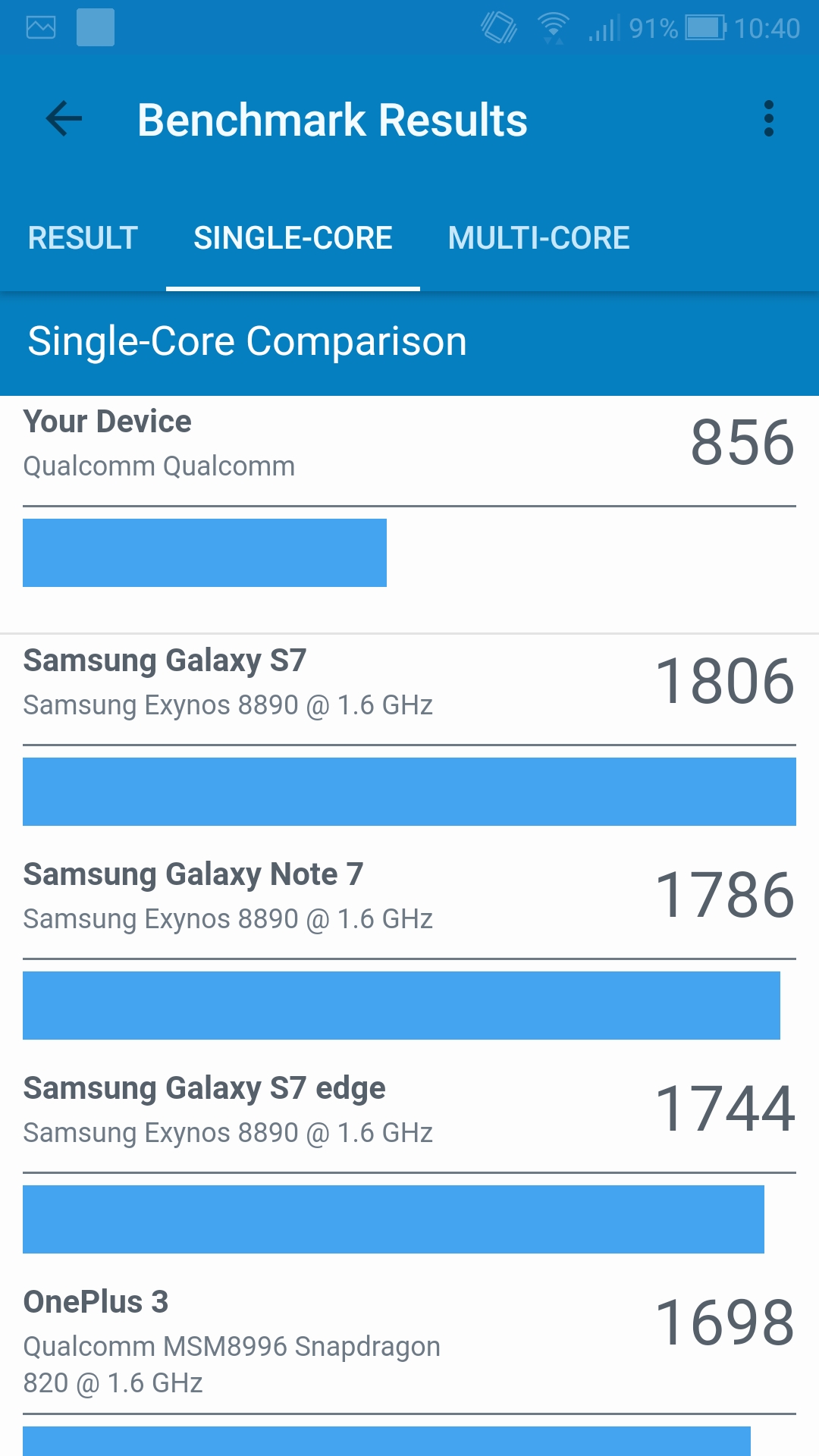
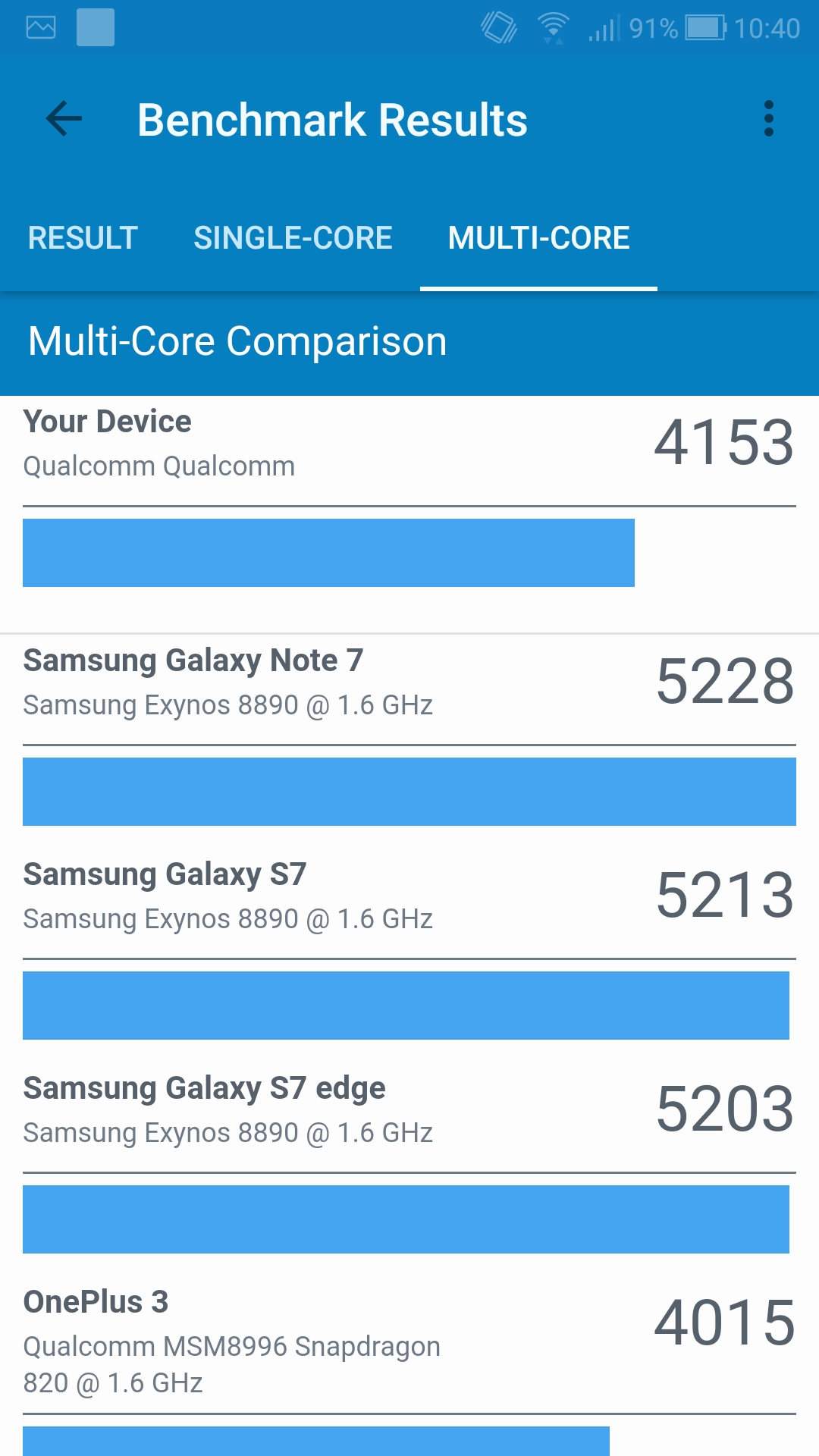
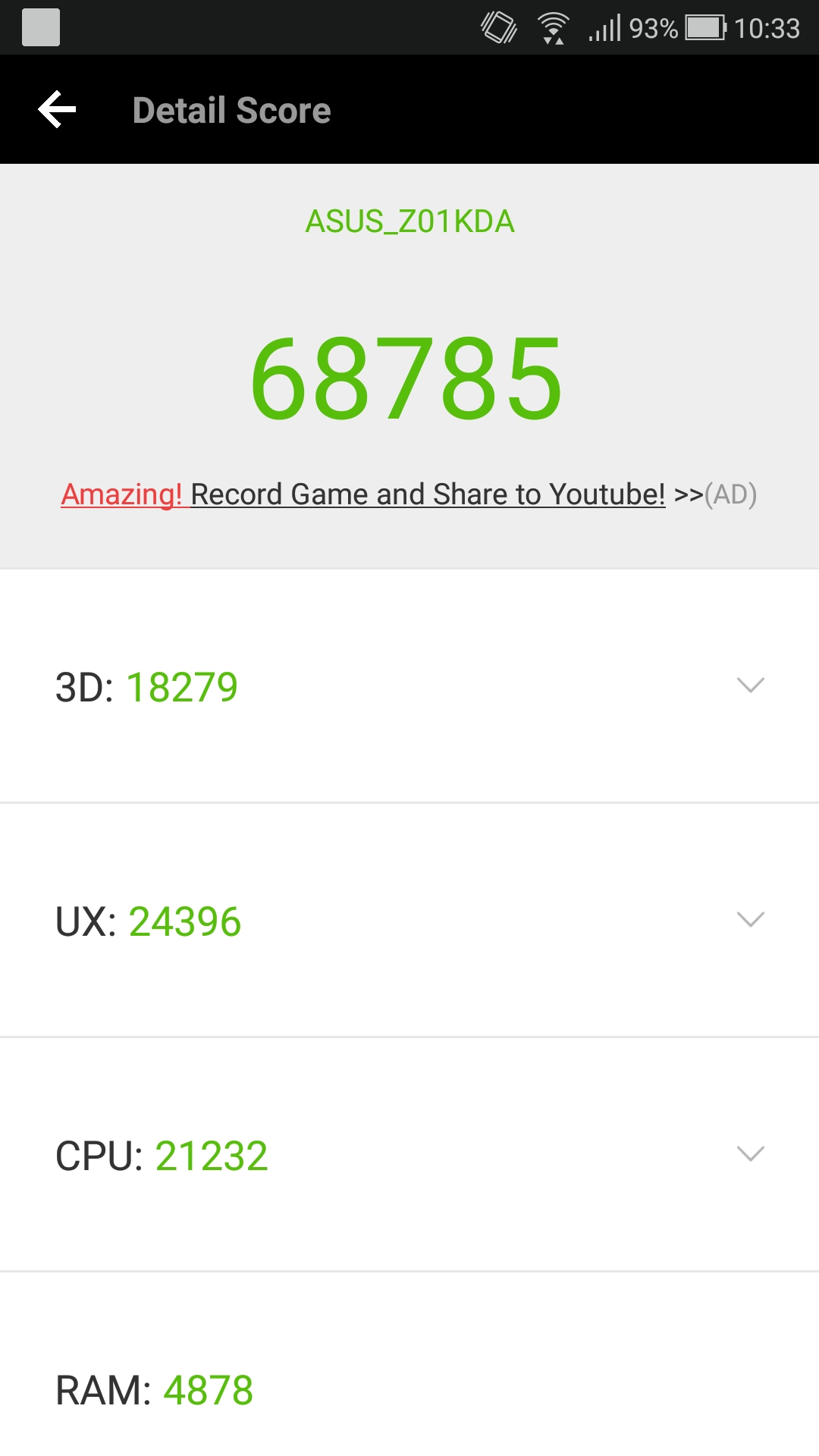
As you can see, benchmark performance of the ZenFone 4 is not the best. It is only fair to say that the three other phones we are comparing it against are significantly more expensive, but they are the only devices we have tested across the last couple of months.
Day-to-day, however, the ZenFone 4 performed admirably. I did notice the occasional short delay when waiting for a new app to open, and games like Dune and Temple Run 2 didn't quite feel as smooth as with the Razer Phone.
For the most part, though, the Snapdragon 630 got the job done, and for the money the performance is about as good as you'd expect – generally solid but not quite up to the standard set by other, pricier flagships.
Software
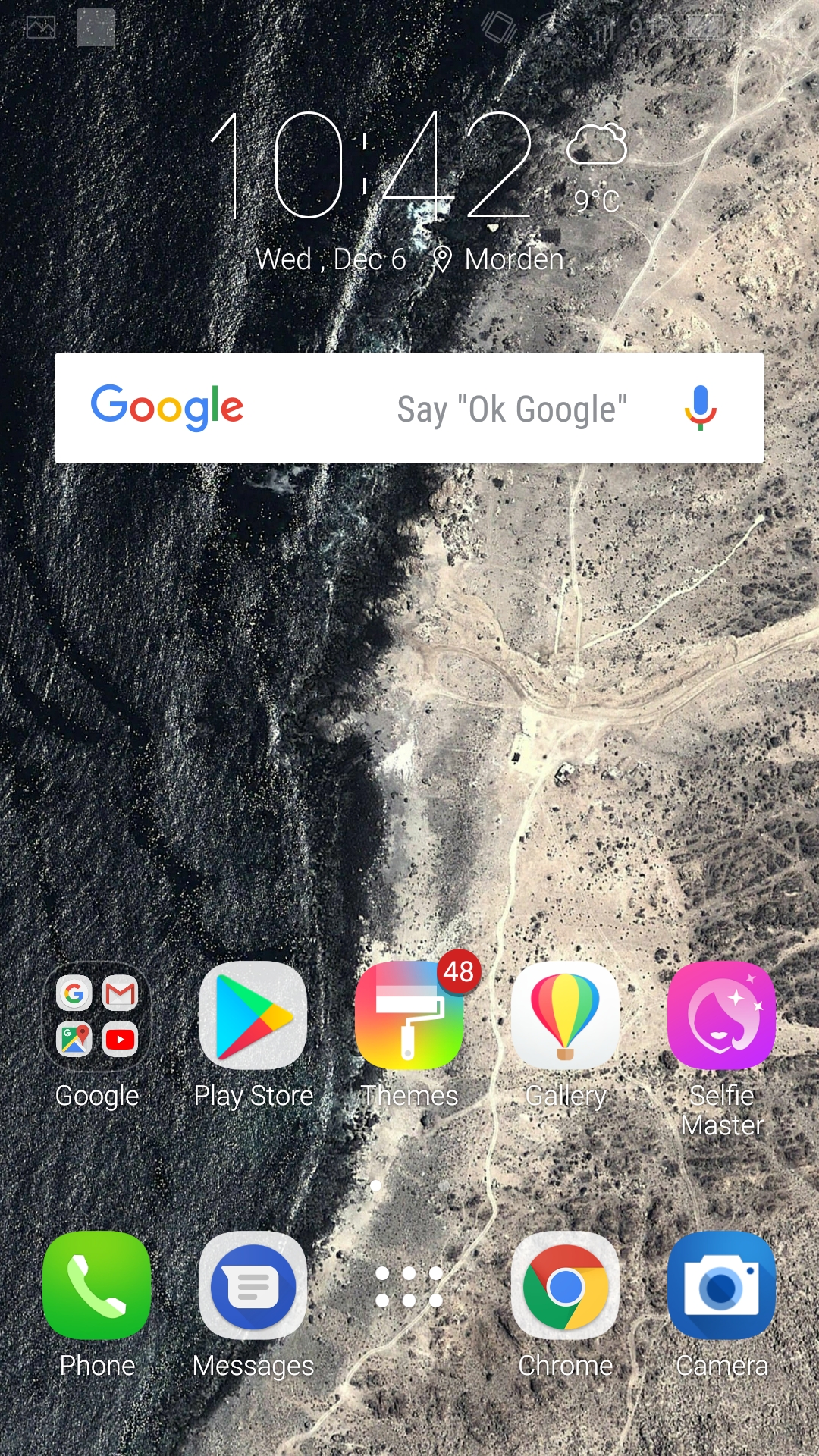
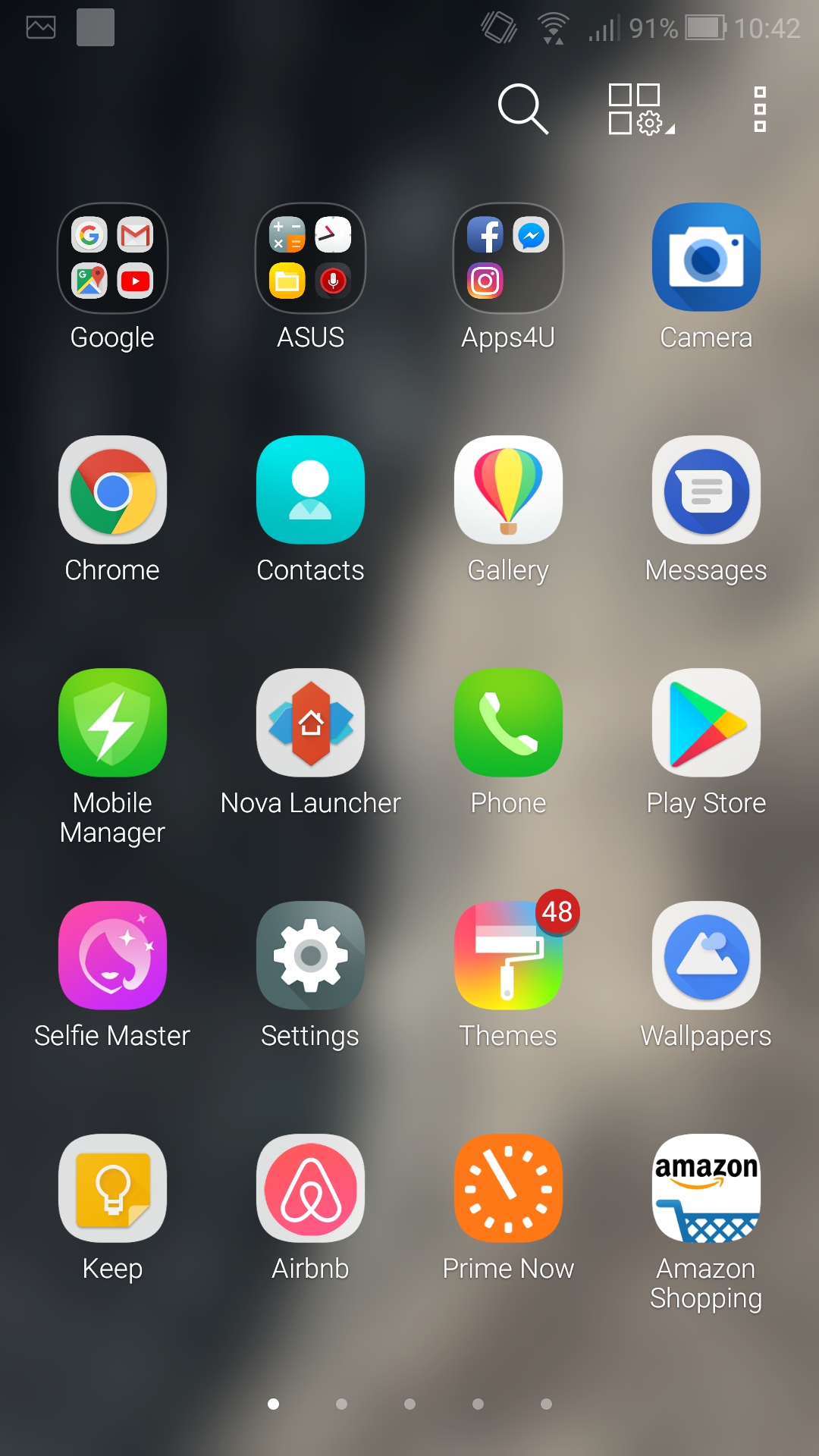
Now, in terms of software, the ZenFone 4 runs Nougat 7.1.1. ASUS has obviously tweaked it a fair bit, with its own ZenUI launcher and other cosmetic changes.
The launcher itself is fine. I'm not too keen on the skinned icons or that they come squished down into rounded squares – it looks a bit childish to me – but its nice and colourful which is appealing. ASUS has kept the app drawer, too, which is good to see.

There is also a ‘theme' app which will change the appearance of the icons, wallpaper and notification panel – so if you want to change the look of the software without manually changing every setting, the option is there.
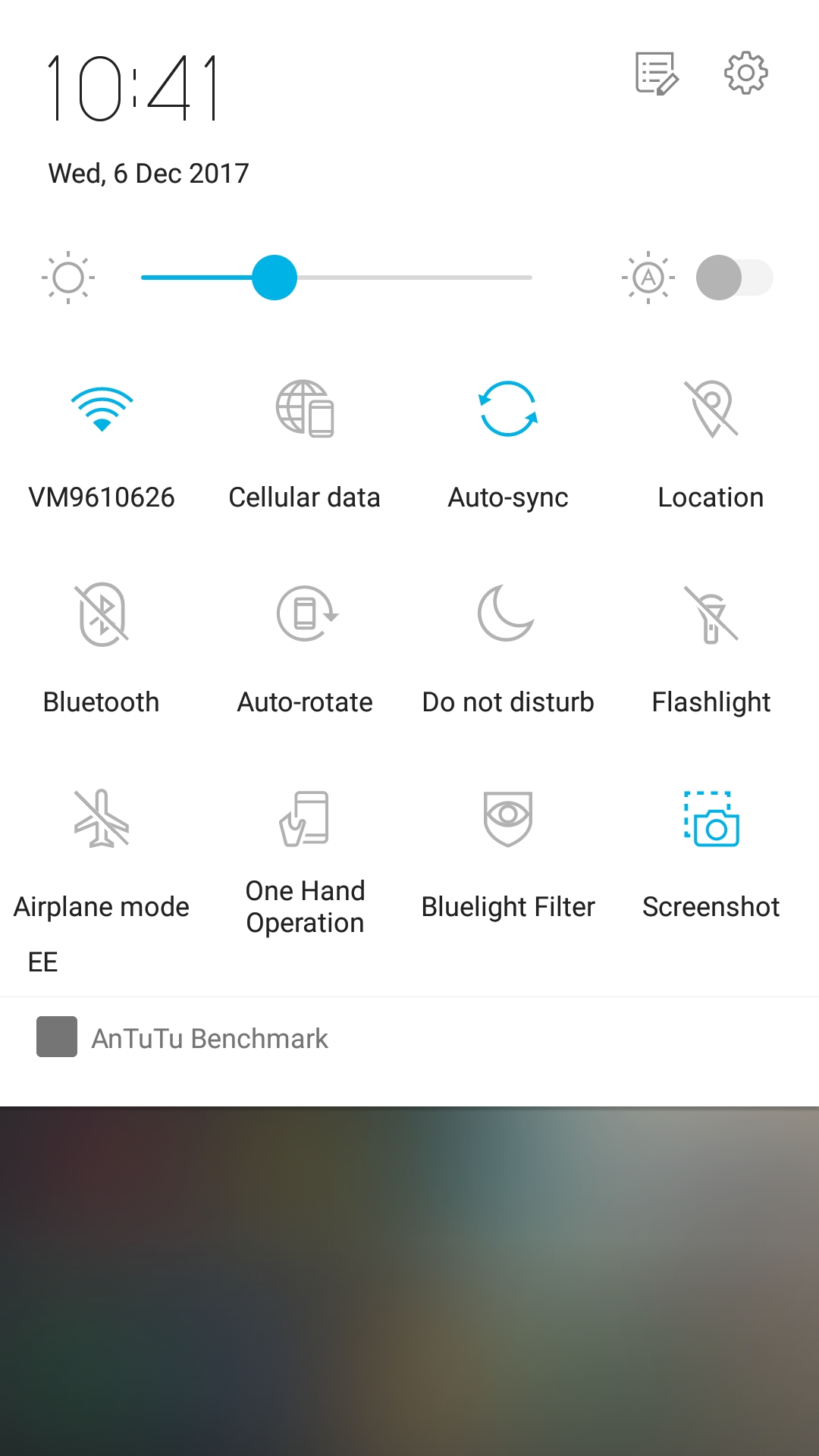
Speaking of the notification panel, ZenUI's offering is a big improvement of stock Android's, if you ask me. It is colourful, and also quite large which makes everything easy to see. On stock Android I always find myself squinting a bit when I drag down from the top. You can also customise what shortcuts to put on the drop-down tray with plenty of options to choose from.
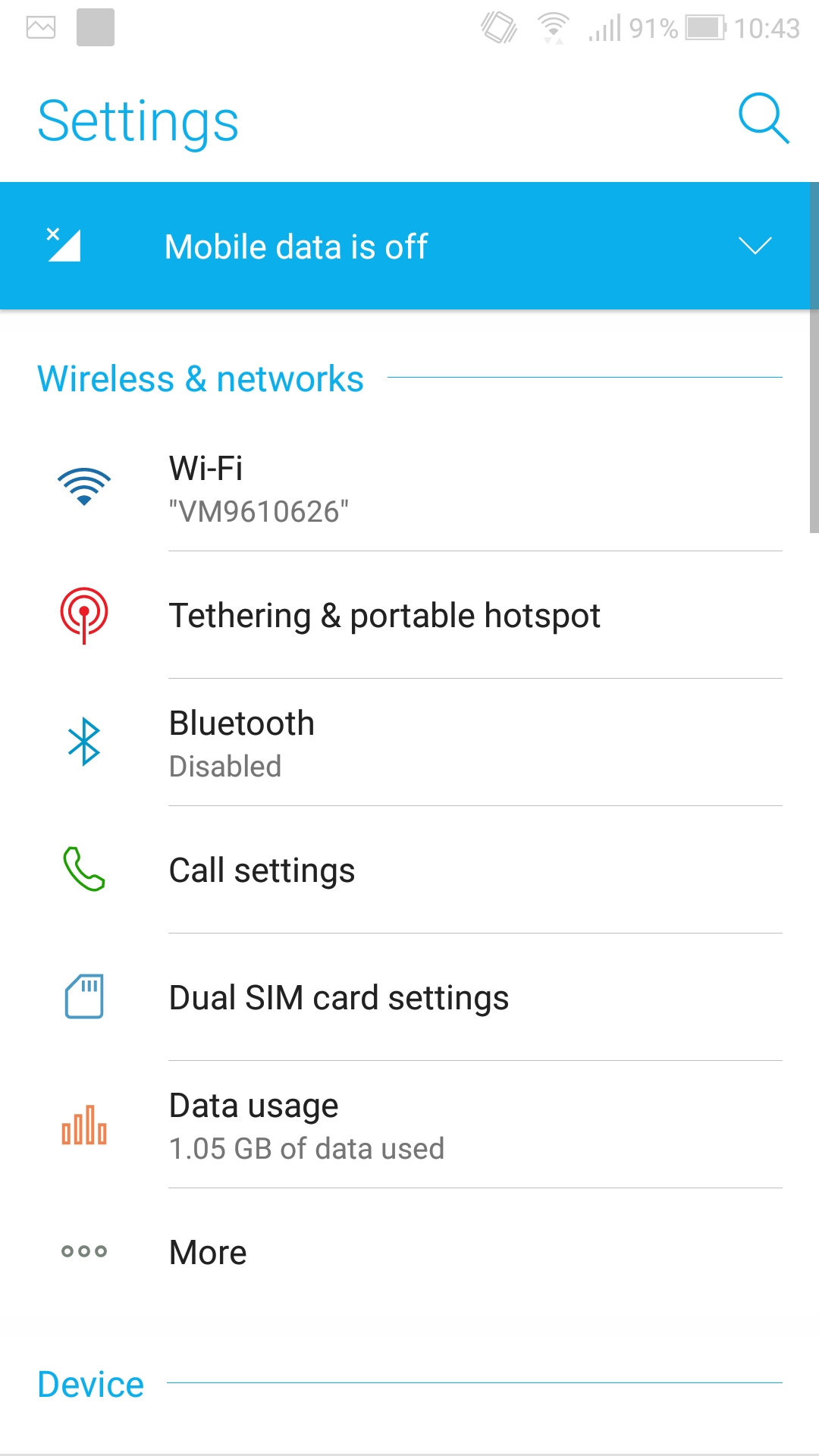
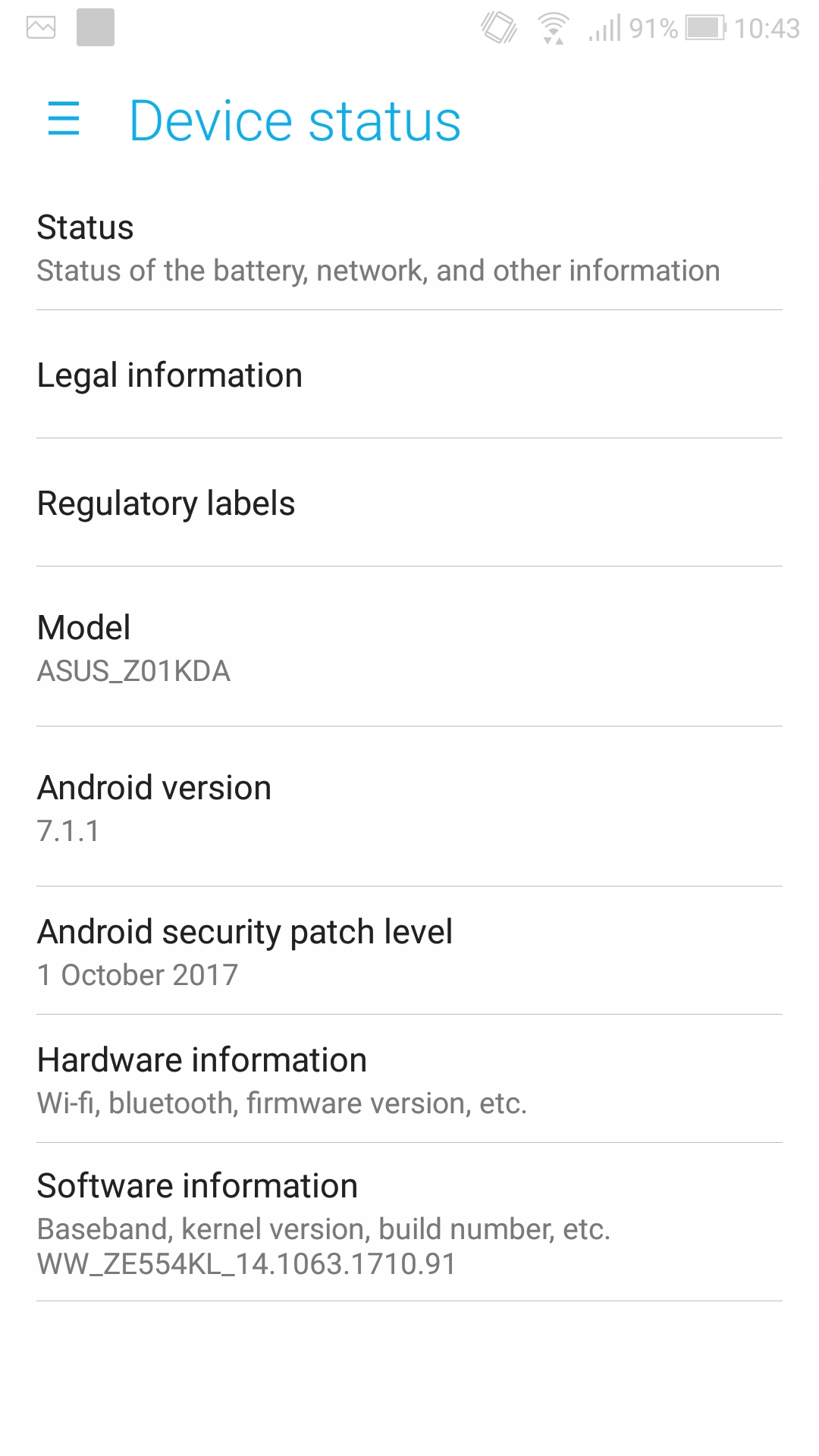
The actual settings menu is brightly coloured, with the settings themselves grouped into categories like ‘device', ‘personal' and ‘system'. Nothing to complain about here.
There is a bit of pre-installed ASUS fluff – things like ‘Selfie Master' and ASUS' own weather app just aren't necessary – but the overall experience is positive. It may not appeal to die-hard stock Android fans, but ZenUI is good-looking and really not too offensive at all.
Camera
Here we present a gallery of some ZenFone 4 photos. They have not been edited either on the phone or with any post-processing software, so what you see is what you get straight from the phone without any additional processing.












Note: if the above gallery is not displaying properly, please consider disabling your ad blocker as they are known to interfere with our display code.
On the whole, I think both the 16MP primary and the 8MP secondary cameras are pretty good for the money.
Starting off with the primary shooter, this one obviously captures narrower shots than its wide-angle counterpart, but its shot are definitely sharper and typically have better exposures. HDR works very well, levelling off dark and bright areas into an overall pleasing image.
The wide-angle camera is also capable but I'd try to stick with the primary shooter unless you absolutely need the wide field-of-view. It is not bad, its images are just slightly soft and you do get a fair bit of barrel distortion which is especially evident when photographing anything with straight lines.
I always want to touch on the phone's portrait mode – it is not great. You'll notice in the first of my two selfies, taken in bright sunlight with my hat on, the edges of my head are blurred, suggesting sub-optimal edge-detection in sunlight. The second selfie is much better, and that was taken on a cloudy day and I wasn't wearing my hat.
The photo following that is my dad sat at the dinner table. Edge-detection is similarly poor here in this low-light shot, so unless the conditions are good, stay away from portrait mode.
However, that is being picky. Normal photos taken with the auto mode are detailed, well-exposed and sharp, making the 16MP shooter very appealing considering the cost of the phone.
Battery
In terms of battery life, the 3300mAh battery performs probably as well as you would expect. This means I could comfortably get to bed with some battery left over, but you are likely to struggle to get past the one-day mark.
For example, a typical day of use includes me making calls, sending frequent WhatsApp messages, playing games and browsing social media at regular intervals. That usually adds up to around 5-and-a-half hours of screen-on time, and the ZenFone would usually finish the day with about 25% battery remaining. It's solid but not mind blowing, though it would be unfair to expect more from a device in this price category.There is no doubt in my mind that ASUS has delivered a solid mid-range smartphone with its ZenFone 4.
It is well designed, with a lovely glass back and aluminium frame. The fingerprint reader is also fast and reliable, making it an excellent addition, even if its does necessitate slightly thicker bezels than is now standard.
The IPS display does the job very well, too. It is not OLED – which would be a miracle at this price – but the colours look good and the white-balance is also accurate out of the box. It may be ‘only' 1080p, but that is more than sharp enough across the 5.5-inch screen.
Performance is also generally solid. The Snapdragon 630 is very much a mid-range processor, and the experience is positive but I definitely noticed a slight slow-down switching directly from the Razer Phone. It is far from bad, but I do feel that the performance of the phone is the most noticeable compromise made to get it to the £450 price-point.
ASUS continues to tweak Android, too, with its ZenUI skin. I do quite like ZenUI, but Android purists will probably want to avoid it as the experience is noticeably different. If you like bright colours and custom themes, however, then it may well appeal.
Elsewhere, battery life is pretty standard, giving just over a days use, while the primary 16MP camera's performance is very admirable in this price bracket.
All in all, it is definitely a good phone for £450. It doesn't really do anything special, but if you want a solid mid-range phone that doesn't have any serious weaknesses, the ASUS ZenFone 4 will likely appeal.
You can buy one from Amazon for £449.99 HERE.
Discuss on our Facebook page, over HERE.
Pros
- Good-looking.
- Display is nice and vibrant for an IPS panel.
- 16MP camera delivers sharp images.
- Fast fingerprint reader.
- Decent battery life.
Cons
- Slightly chunky bezels.
- ZenUI may not appeal to everyone.
- Snapdragon 630 processor can't keep up with its pricier siblings.
KitGuru says: The ASUS ZenFone 4 is well worth buying. It does everything consistently well and doesn't have any serious weaknesses, making it an attractive proposition at £449.99.

Sorry, but this review seems to miss the biggest problem with this phone : the OP5T. Oled display, thin bezels, Snapdragon 835, 6gb ram.. the list goes on. FOR THE SAME PRICE!
I think modern phone users have missed the point , charging a phone up 2 times a day isn’t fit for purpose.
I see so many people now with a power bank in one hand and a phone in the other it’s a joke 😀