KitGuru KitGuru.net – Tech News | Hardware News | Hardware Reviews | IOS | Mobile | Gaming | Graphics Cards


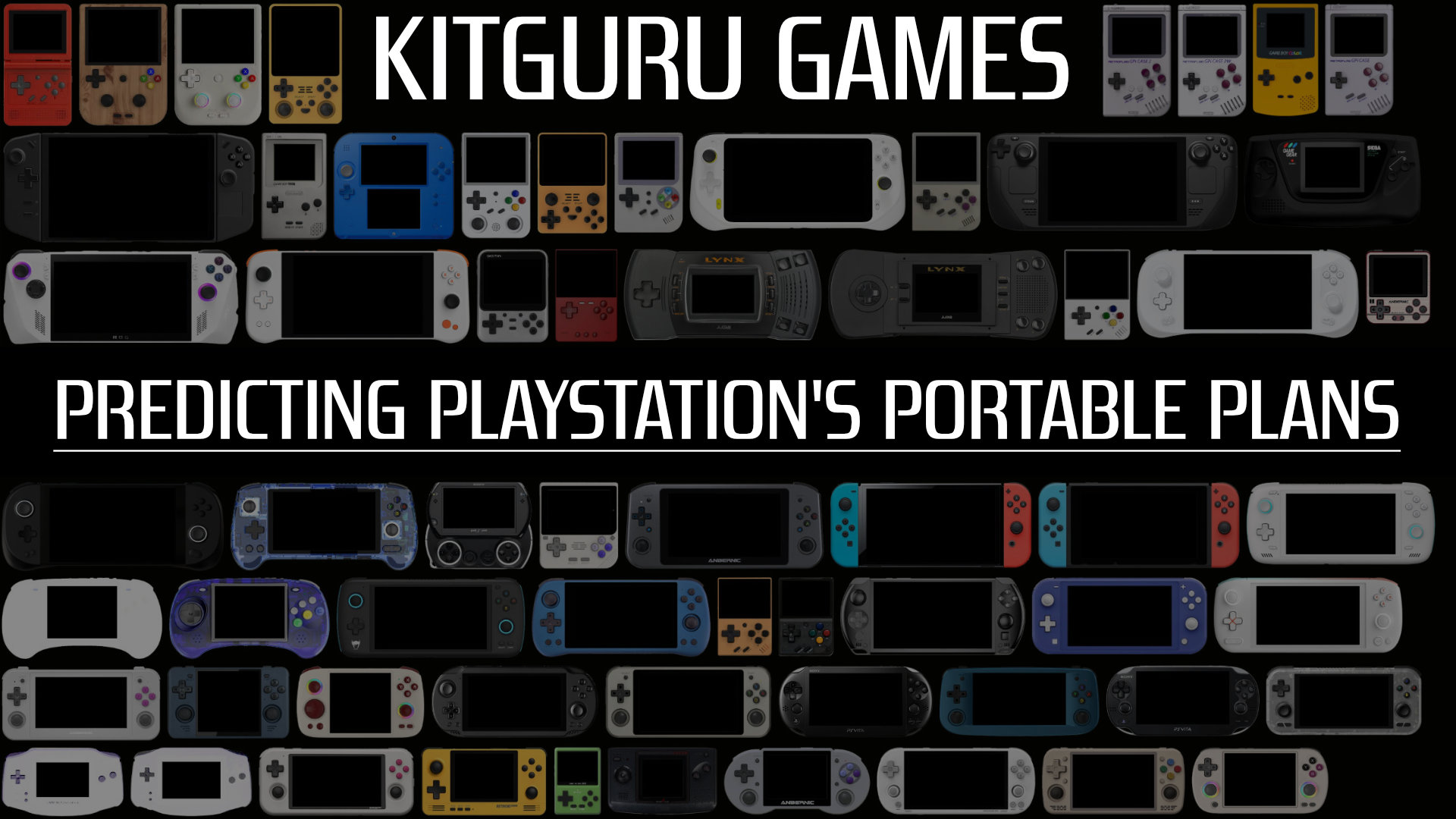
There’s something special about handhelds. Ever since the early days of the OG Game Boy and SEGA Game Gear, portable consoles have carried with them a sense of novelty and wonder, allowing you to take your favourite hobby wherever you go – be it in a car, on a bus, a plane or even just your own bed. While arguably even more popular than their home console counterparts, handhelds have waxed and waned over the years/generations as console maker priorities have shifted and audience trends changed. We currently reside in a handheld renaissance of sorts, starting with the overwhelming success of the Nintendo Switch in 2017, and followed up by the likes of the Steam Deck; ROG Ally; Lenovo Legion Go; and countless ‘retro’ emulation handhelds.
One company which has shied away from portables in recent generations is Sony. After the massive success of the PSP, PlayStation’s faith in portables was seemingly shaken due to the undeniable failure of its follow-up: the PS Vita. As mentioned however, the industry has since rebounded, and even Sony themselves have started to dip their toes back into the handheld water with the Remote Play enabled ‘PS Portal’. With recent leaks now claiming that the console maker is gearing up to release a true dedicated portable PlayStation once again, it is time we looked back to the PSP’s past successes, failures, and lessons (hopefully) learned.
The original PSP was a bit of a phenomenon. Released back in 2004 (2005 in the West) a little ahead of the PlayStation 3, this portable was positioned as being in essence a handheld PS2 – and in many ways it was. Of course, this was before the rise in digital media, PSN and the like and as such there was no cross-device compatibility. That said, such a notion in this era was rarely considered, and so the idea of needing to purchase a whole new library of games was not much of a deterrent.
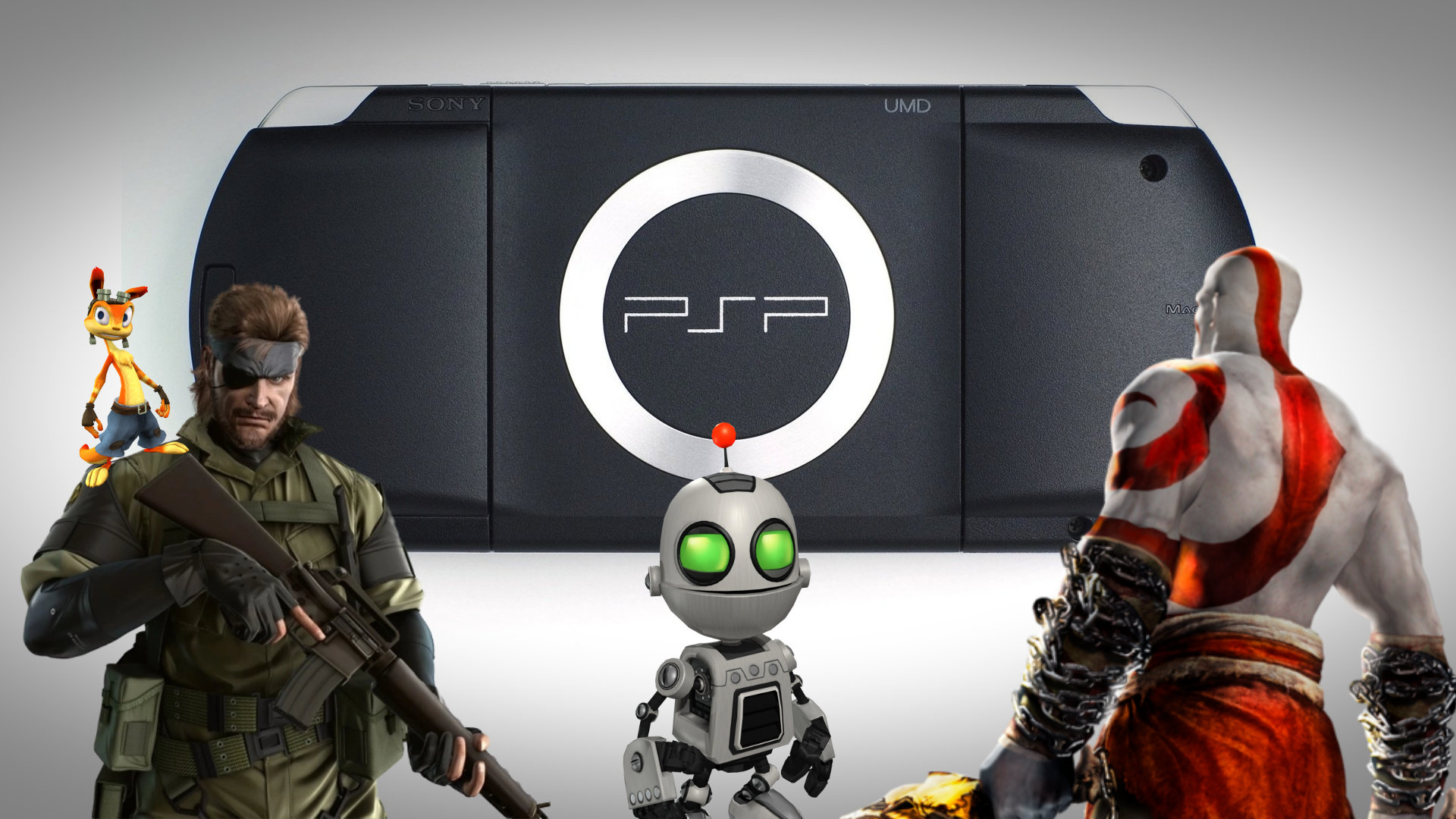
Speaking of games, while the PSP’s library fell short in a number of ways, the novelty of having a powerful handheld gaming device was enough of a draw in and of itself. Of course, the system did wind up receiving a ton of support – especially from 3rd party developers – but Sony themselves also brought over many of their popular IPs at the time to the PSP with rather competent spin-offs.
Thanks to the likes of Ratchet and Clank: Size Matters; Daxter; Gran Turismo; God of War Ghost of Sparta and Chains of Olympus; the PSP proved itself as a worthwhile portable powerhouse. While the lack of a right analogue stick did cause some issues with a number of games, the PSP wound up receiving just as much if not more support from 3rd parties, with classics including Persona 3 Portable; Crisis Core: Final Fantasy VII; GTA: Vice City Stories; Metal Gear Solid: Peace Walker; Naruto Ultimate Ninja Heroes and of course Lumines all releasing on the little handheld that could.
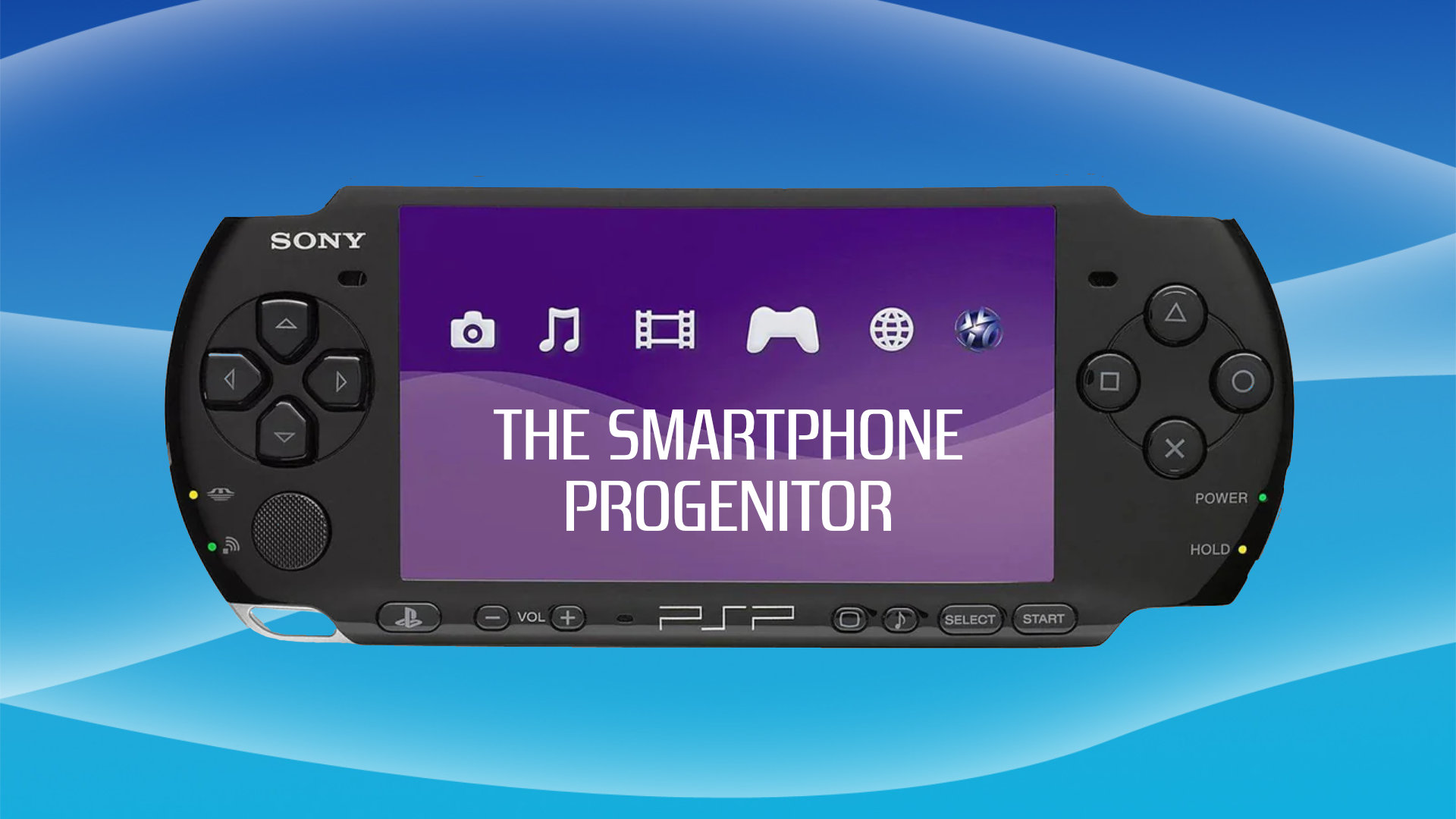
Like with the PS2 before it however, the PSP’s multi-media functionality gave it a bit of a unique selling point at a time when technology was in a transitory period. While the PS2 was a gaming powerhouse which helped to shape the current industry which we find ourselves in, what allowed the console to blow past 160 million units was the fact that it served as an affordable way to play DVDs at a time when the technology was just coming into popularity. Why buy a dedicated DVD player when the PS2 could do just that and so much more for a similar if not cheaper price?
The PSP benefited in a similar way. At the time of its launch, smartphones were not yet a thing, and so beyond the handheld’s ability to play ‘console quality’ games on the go, its function as a multi-media device served as an excellent selling point. Though perhaps in some ways not as ubiquitous as the PS2, Sony’s portable did allow you to purchase UMDs (universal media discs) of various films and TV shows. Yes, in today’s day and age, you’d just pull out your phone and open up Netflix or whatever, but at the time the prospect of being able to watch media anywhere you went was novel and exciting.
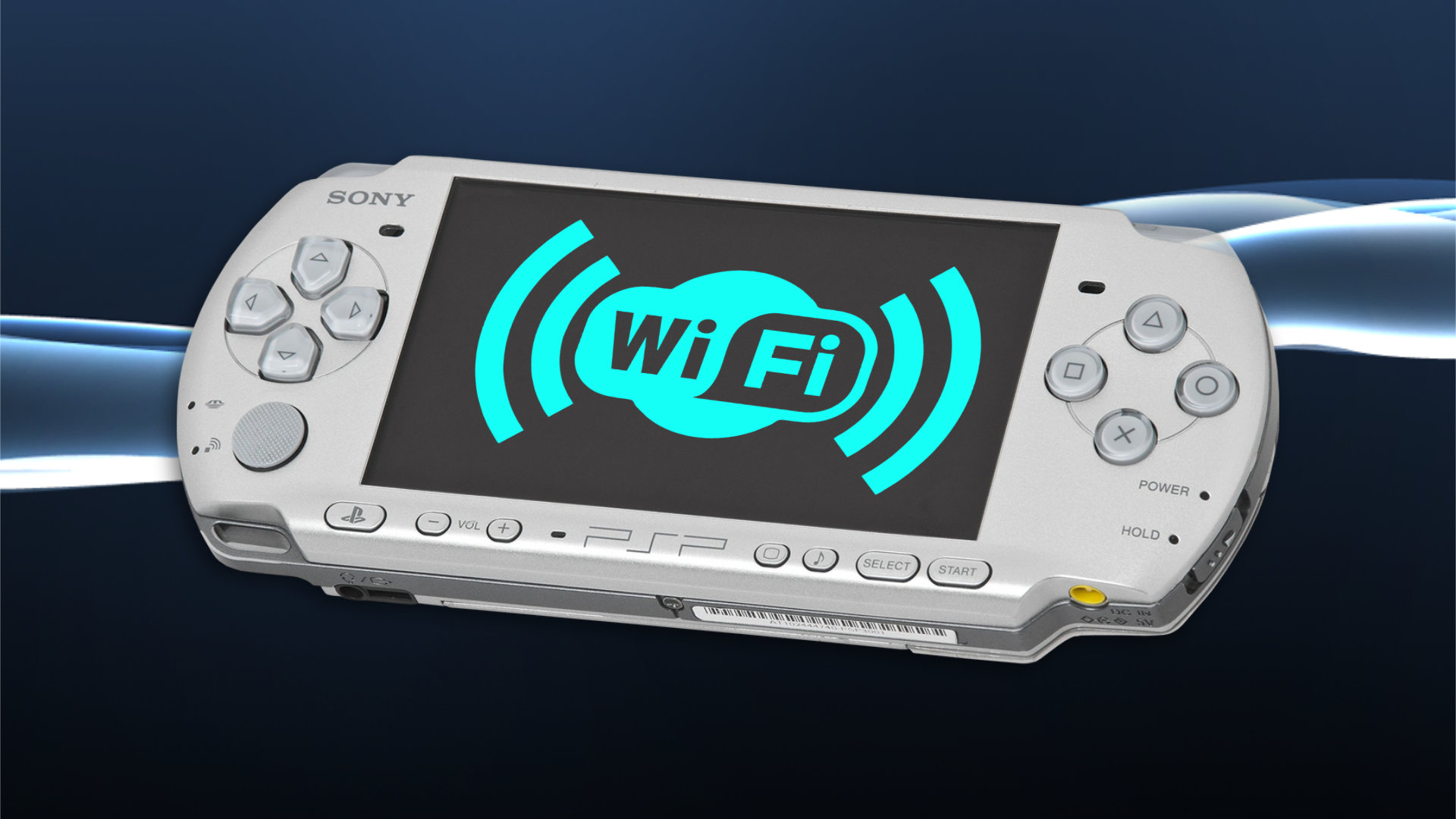
What was perhaps even more of a selling point was the fact that the PSP was internet enabled. Of course, the WIFI chip within the console left plenty to be desired and would be a pretty frustrating affair to use nowadays, but at the time, for many the PSP served as the first personal point of access to the wider internet (for better and for worse).
In an era when laptops were just starting to become more widely accessible and affordable, the PSP felt like it could do pretty much anything you desired from it. That’s not to mention many of the PSP’s other ancillary features as a music player, a photo/video viewer (and if you modded the device) a competent retro emulator.
However, 2007 would see the introduction of the iPhone and subsequently the rise of smartphones, making many of the PSP’s USPs no longer as unique. Still, the handheld was an undeniable success, selling over 80 million units across its various SKUs.
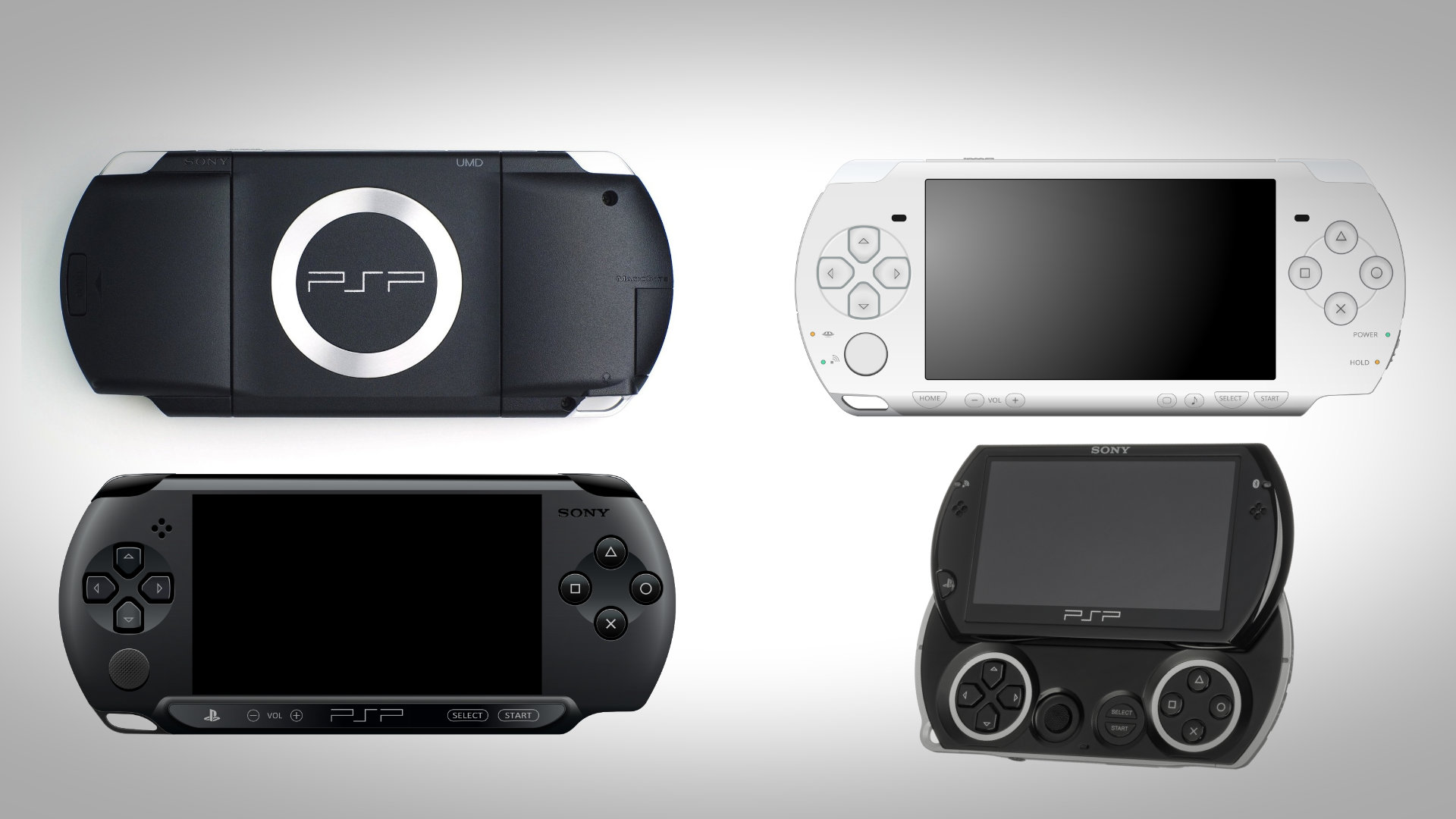
Though less relevant, it is worth touching briefly on the PSP’s follow-up models. Already a pretty pocketable device, the PSP Slim and Lite managed to shave off a bunch of weight and thickness to make for an even sleeker feel. You then also had the PSP 3000 which primarily offered a higher quality LCD screen while slightly boosting its RAM and general performance. Nothing too crazy, but it did help the handheld feel more current as smartphones began to see rapid improvements.
Last but certainly not least (in my mind), the PSP GO offered a brand new form factor which was even more pocketable, featuring many of the improvements seen with the PSP 3000; with its only downside being the lack of support for physical media (aka UMDs). At the time, this removed functionality came with quite a bit of backlash. Looking back however, the PSP GO was somewhat ahead of its time, and still impresses in many ways to this day.
The PSP is an excellent handheld which I will always hold close to my heart. It did many things right and only a few things wrong. That said, much of its success can be attributed to the idea of ‘right place, right time’; something which the PSP’s follow-up unfortunately did not benefit from – quite the opposite in fact.
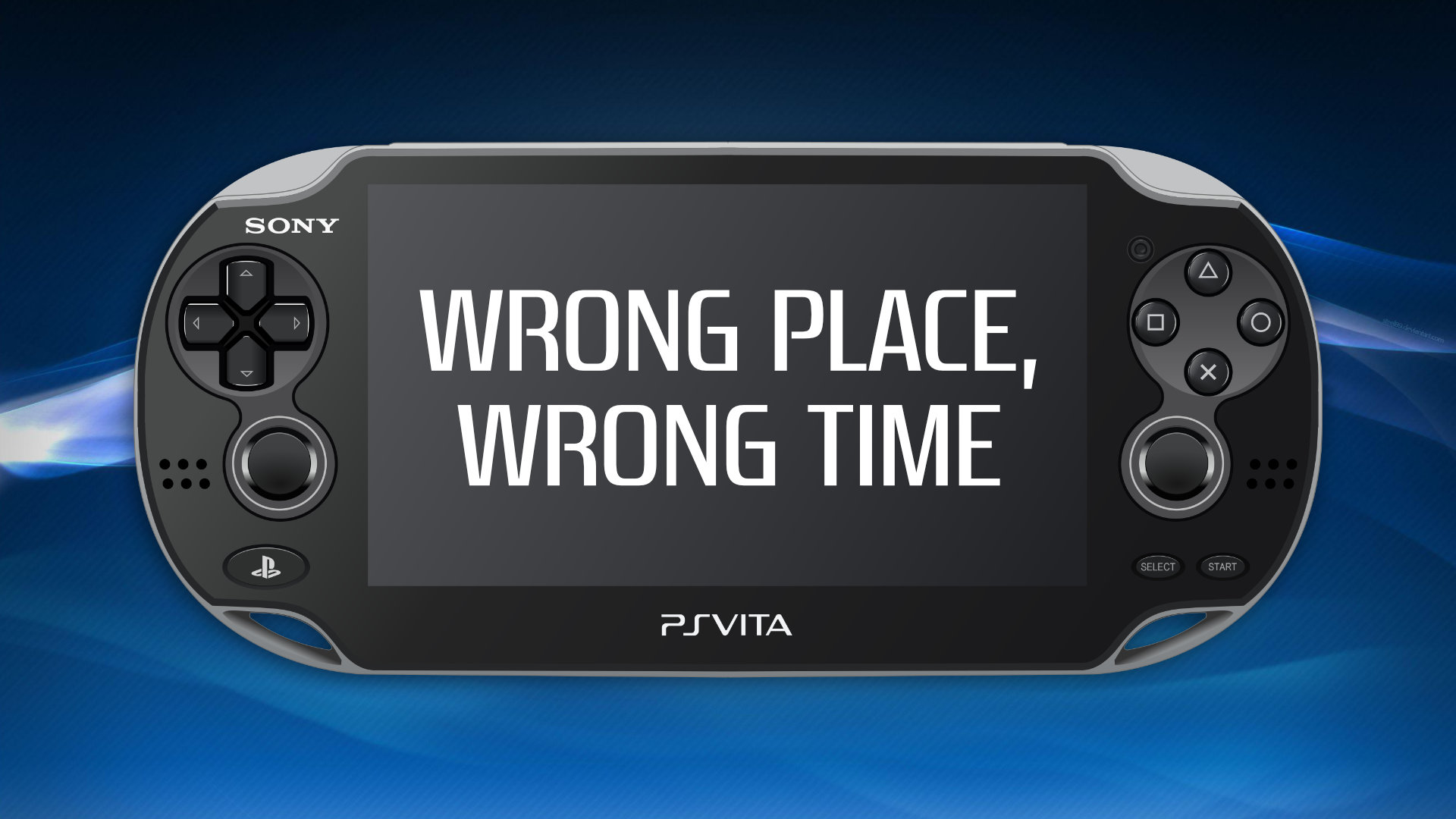
Though perhaps not as novel as it once would have been, the PS Vita arrived in 2011 (2012 in the West) and promised to fix pretty much all of the issues seen with the OG PSP. Given the generational gap between the two devices, the Vita obviously featured far more horsepower, landing somewhere in between the PlayStation 2 and PS3. Additionally, the OG Vita made use of an OLED screen, which at the time especially was a big deal. Hell, even the Switch 2 still uses a relatively basic LCD panel.
Sure, OLED technology at the time was far from perfect, so you didn’t have any HDR support and the panel could eventually suffer from slight burn-in. That said, in a time when most TVs were still using edge-lit LCD/LED panels, the Vita’s screen made for an experience which felt visually evolved (in some ways at least).
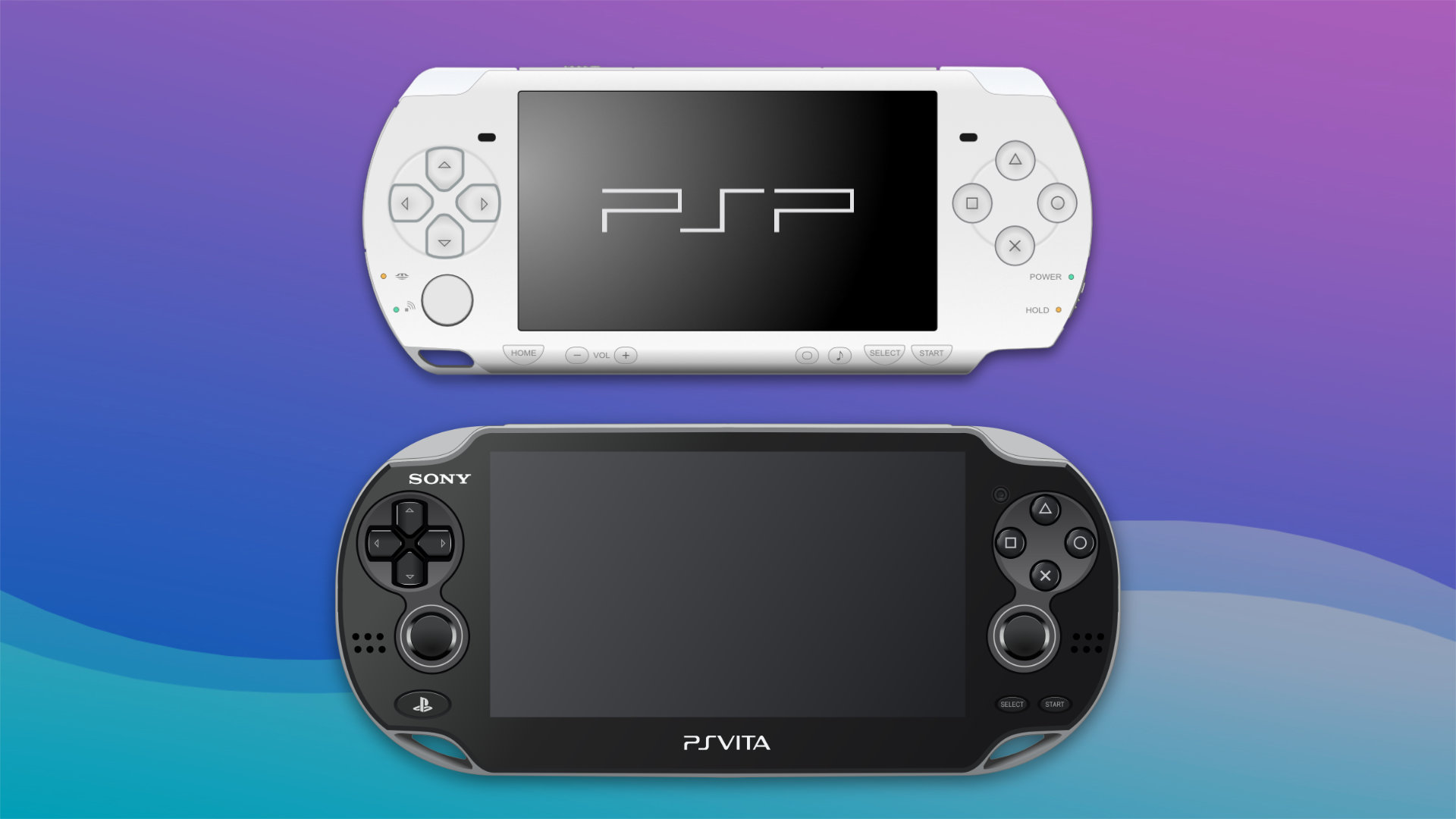
In terms of controls, the Vita also saw a marked improvement over the PSP. Unlike its predecessor, the Vita included two analogue sticks as opposed to the PSP’s singular circlepad/stick.
Though ultimately underutilised, the Vita’s front and back touch panels allowed you to map certain actions to a tap or swipe, which helped make up somewhat for the lack of R2/L2 triggers and no L3/R3 clickable sticks. It even included a camera for whatever reason – letting you take pictures and videos, or in some instances using the viewfinder for some augmented reality fun.
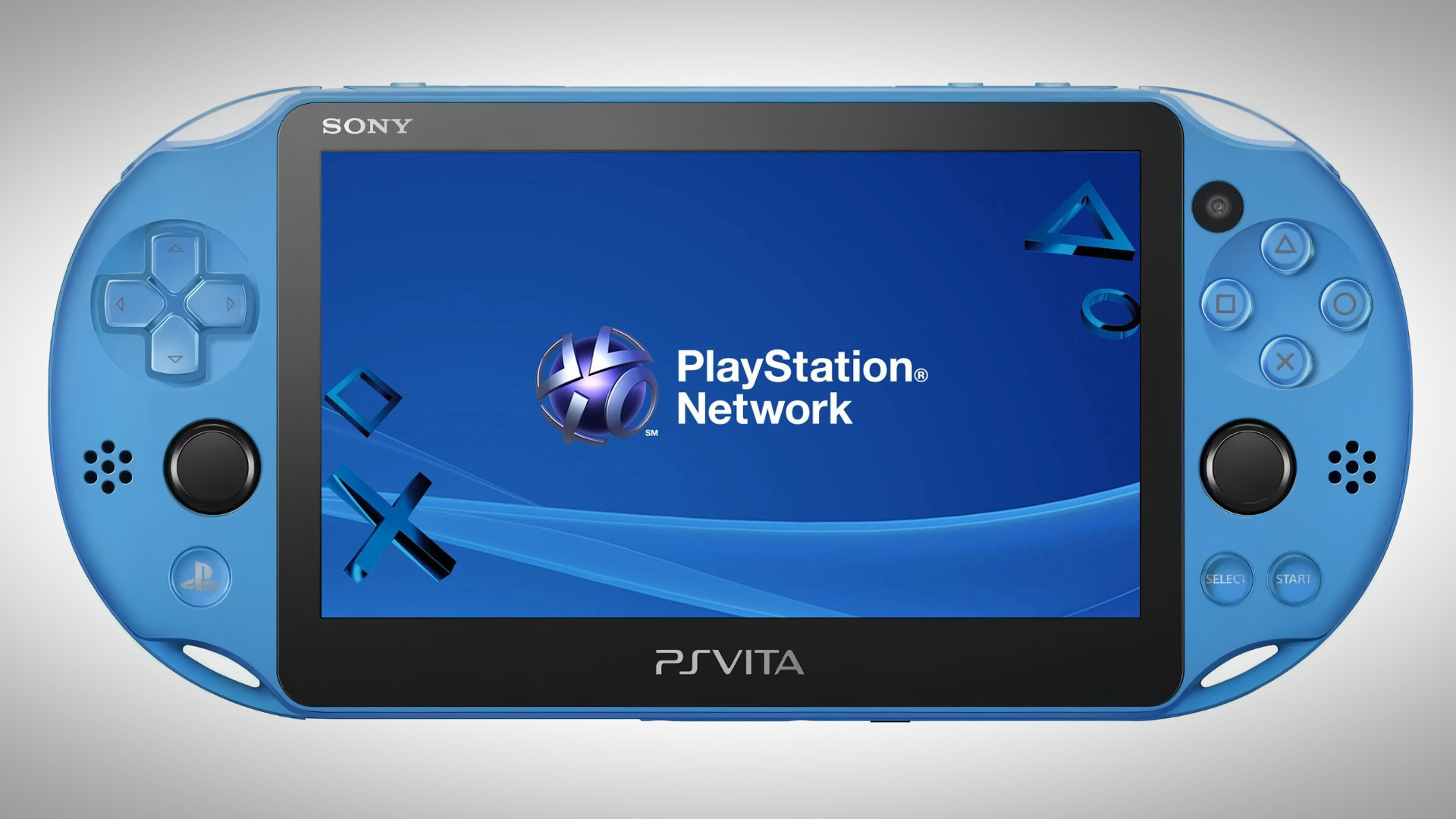
In terms of software, the ubiquity of the PlayStation Network / digital store by this point meant that the idea of cross-buy could be a reality. Though of course not applicable to all titles, those which did offer both a Vita and PS3/4 version could often be played between the two, with cross-saves and all.
As I mentioned however, for all of its improvements, the PS Vita suffered from being in the ‘wrong place at the wrong time’.
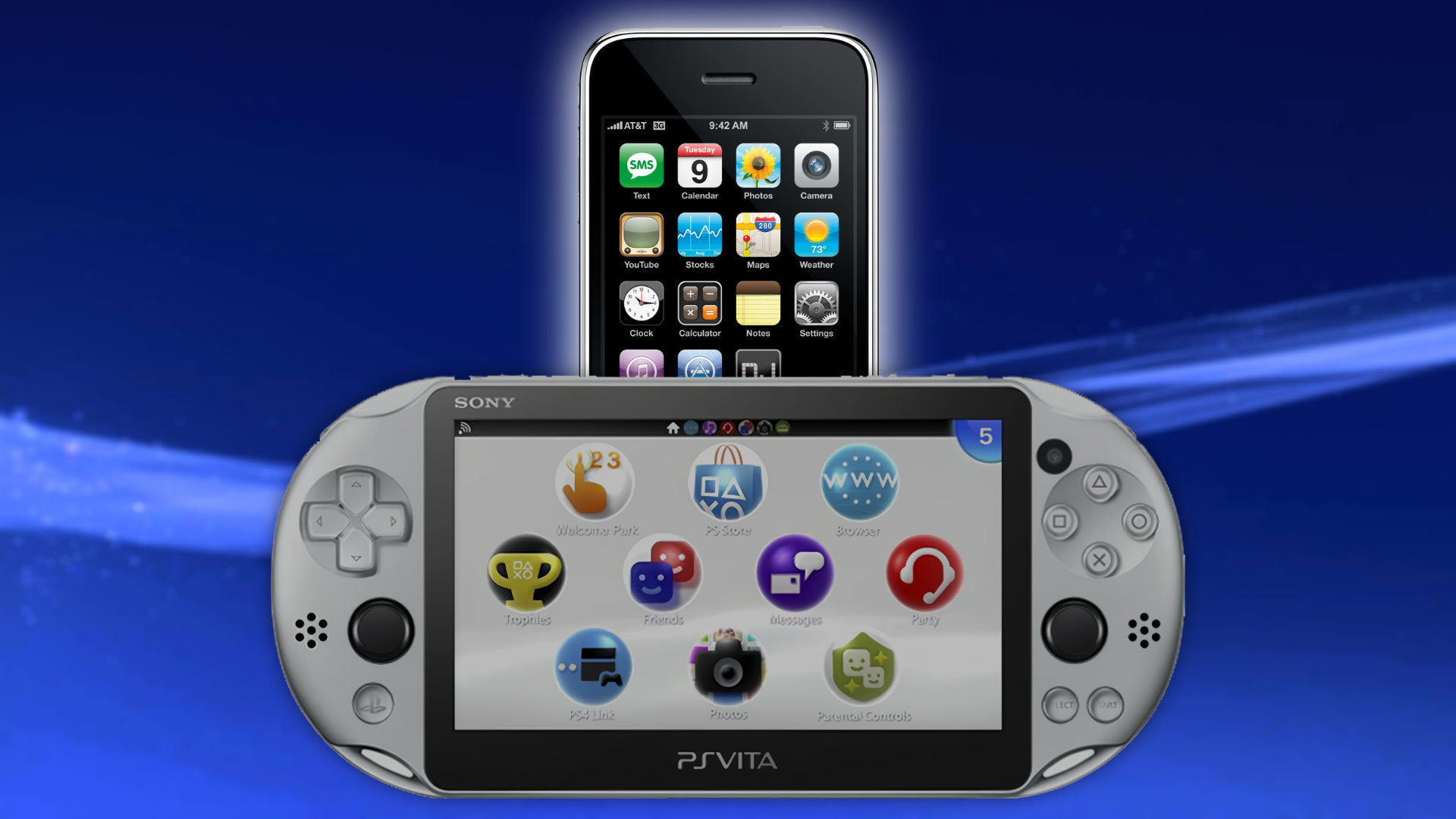
By the time of the Vita’s release in late 2011 / early 2012, smartphones had become a global phenomenon, which unlike consoles were being updated on an annual basis – seeing countless and continuous improvements with each new model.
Being the new ‘everything’ device, much of what made the OG PSP exciting was no longer applicable. Smartphones offered an even more convenient way to take photos and videos, watch films and shows, listen to music, browse the internet, and even play games.
Though limited at the time to the likes of Temple Run, Fruit Ninja, Angry Birds (and some select more-ambitious titles), having impressive 3D titles playable via a pocketable device was no longer a new concept.
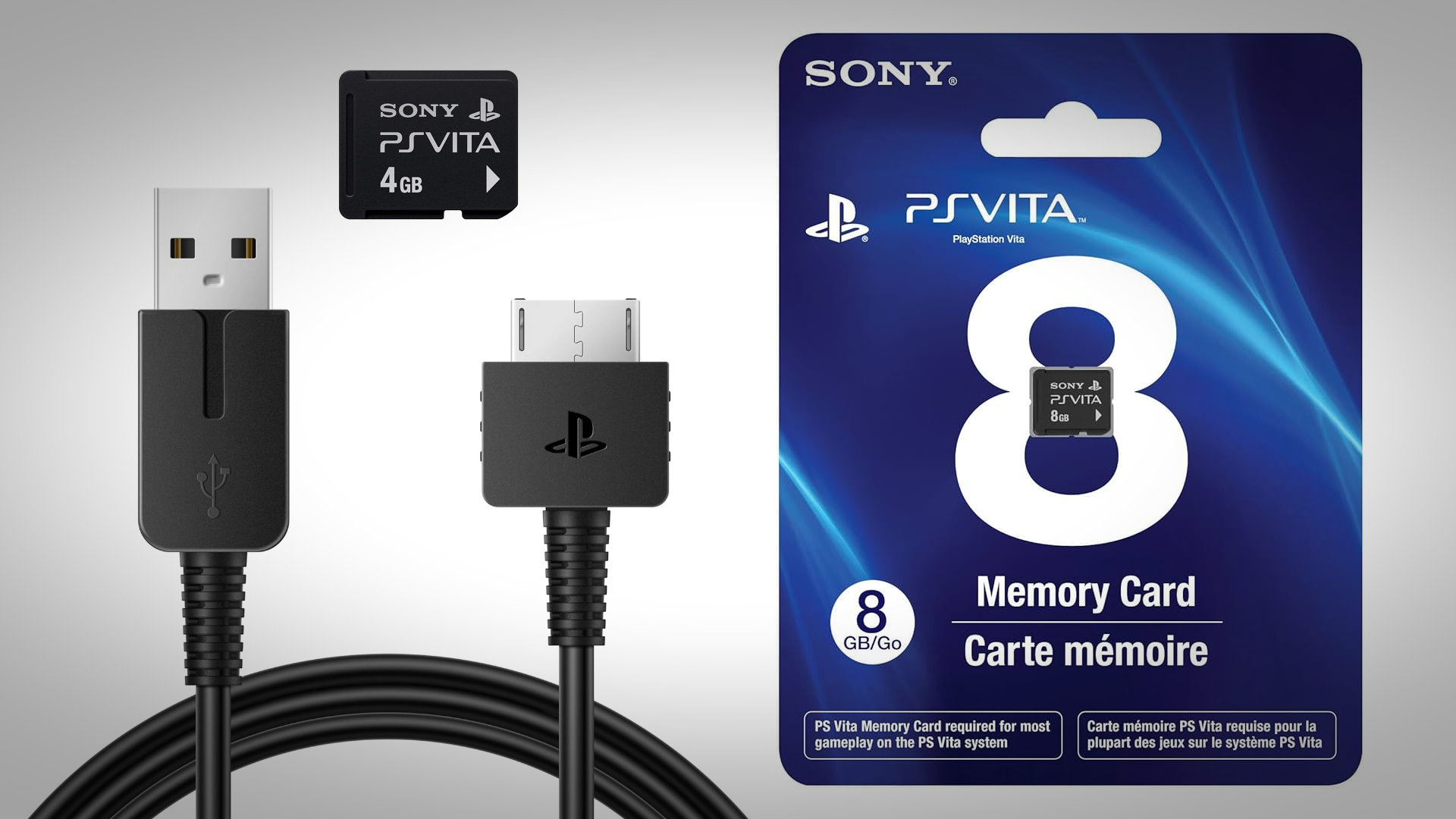
While likely overblown in terms of how much its existence contributed to the Vita’s failure, the handheld’s use of a dedicated first-party memory card at a time when games were getting larger in file size also did not do the handheld any favours.
Sure, the OG PSP had its own Sony-developed memory cards as well, but by the time of the Vita MicroSD had become the standard, and so paying double or triple the price for an 8GB card rubbed many the wrong way.
Another annoyance (though more of a personal one this time) was the fact that the Vita used its own bespoke charging port. Though far from a dealbreaker (especially considering the PSP did something similar), like with the SD Card, by 2012 micro USBs had become the standard and so having to keep a separate charger at hand in order to power the Vita served as that one extra step which some would find annoying. That’s not to mention the frustration should you misplace the charger.
The follow-up PS Vita Slim did fix this, bundling the handheld with a micro USB port instead while offering improved battery life at the cost of an LCD panel instead – but the damage was already done by this point.
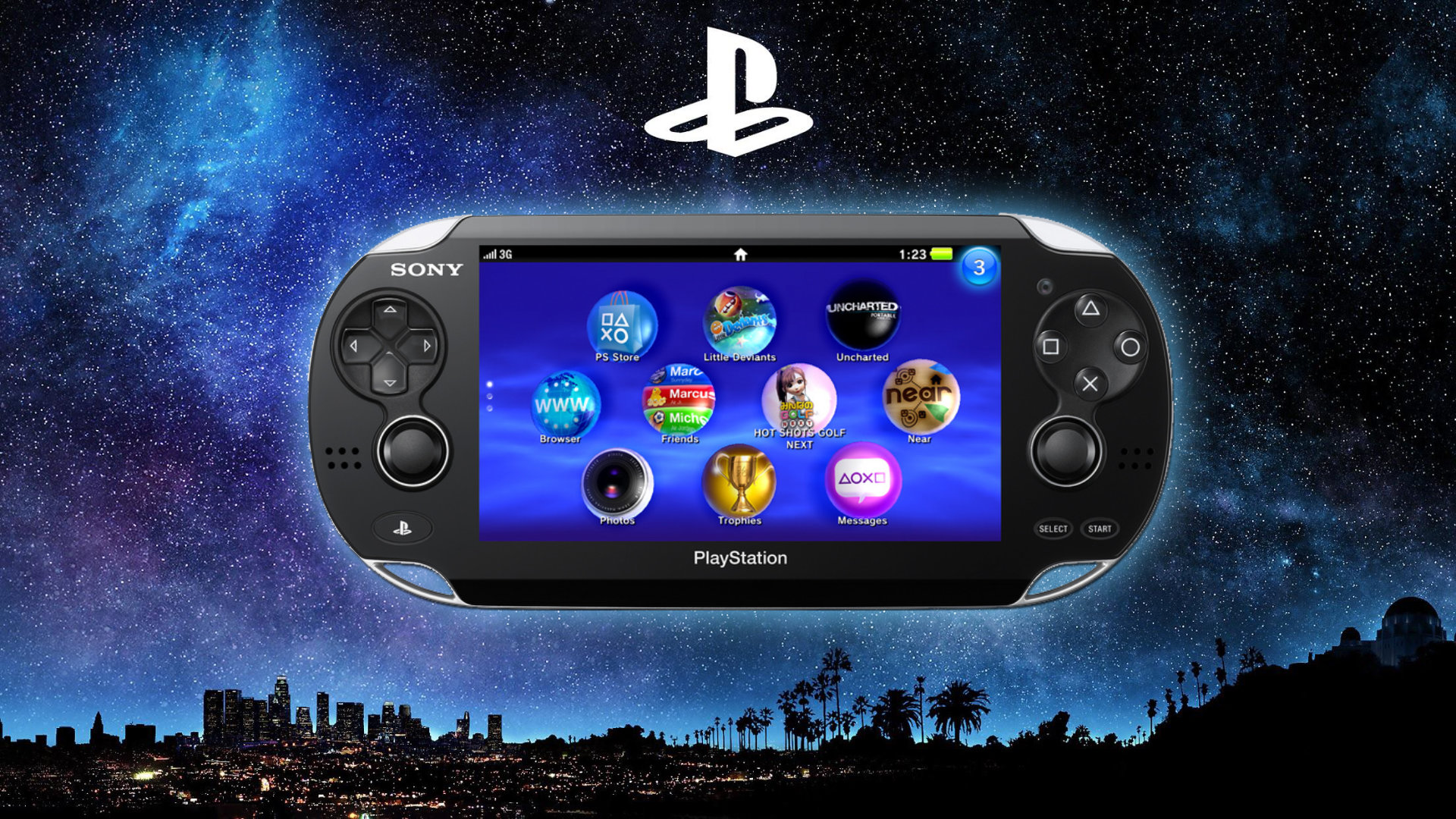
While the PS Vita was a major improvement over the PSP in a bunch of objective ways, the shifting tides of the industry, and the industries around it, meant that by the time the portable came out, its improvements did not feel as transformative nor as impactful.
Even outside of the smartphone effect on the market, the release timing for the Vita was quite unfortunate. Though similarly sat in between two console generations, the Vita’s relative power in comparison to its home console counterparts was far less impressive when contrasted with the PSP.
Unlike the PSP, which felt like a hybrid between the PS2 and PS3 at time when Sony had yet to release the PS3, the Vita launched a little ahead of the PS4, while still featuring a power profile which sat somewhere in between the PS2 and PS3 – albeit closer to the latter. Combine this with the lack of R2/L2/R3/L3 buttons and the Vita felt like a step or two behind its home counterpart.
PS Vita games could and did look quite pleasing on both the OLED and LCD screens. That said, one of the biggest leaps in visuals seen with the PS4 generation included the rise in use of anti-aliasing. Most Vita games kept its pixels looking raw, which while was not really an issue on a smaller screen, the more jagged look of a game at this point did give a last-gen vibe to it.
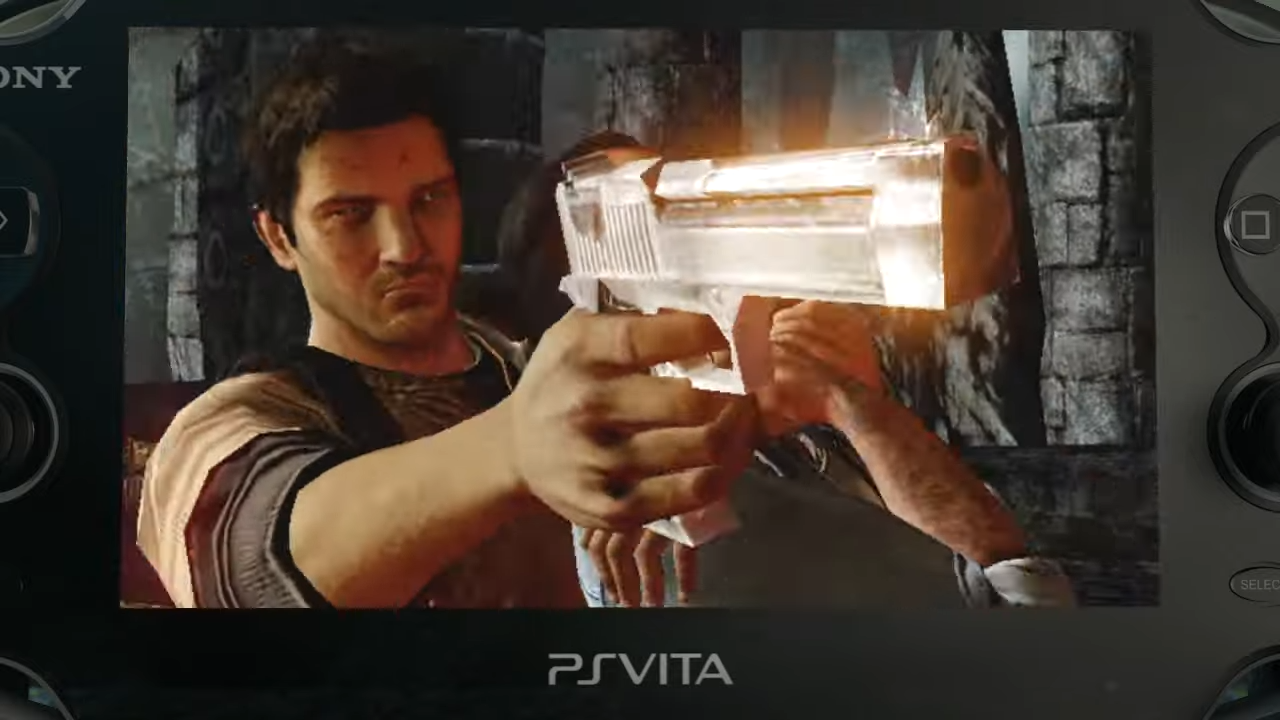
All that said, assuming the Vita was a perfect device with no flaws, the system would still have been unlikely to reach the peaks of the PSP simply due to the state technology was in at the time. Smartphones were the new hotness and would remain so for a solid decade or so.
This brings us to today, where we currently rest within a gaming handheld resurgence. Kickstarted by the Nintendo Switch in 2017, the handheld-console hybrid may have been a generation or so behind the competition specs-wise, however its ability to offer a console-like experience on the go with relatively few cutbacks led to an explosion in popularity.
Nintendo has of course capitalised on this with the Switch OLED, Switch Lite and the latest Switch 2. They aren’t the only ones however, with the other major player in the portable space – Valve – opening up the floodgates for handheld PCs with their hit Steam Deck. Sure, the Steam Deck has only sold a few million units so far, but its release signalled the arrival of the rise in gaming PC handhelds.
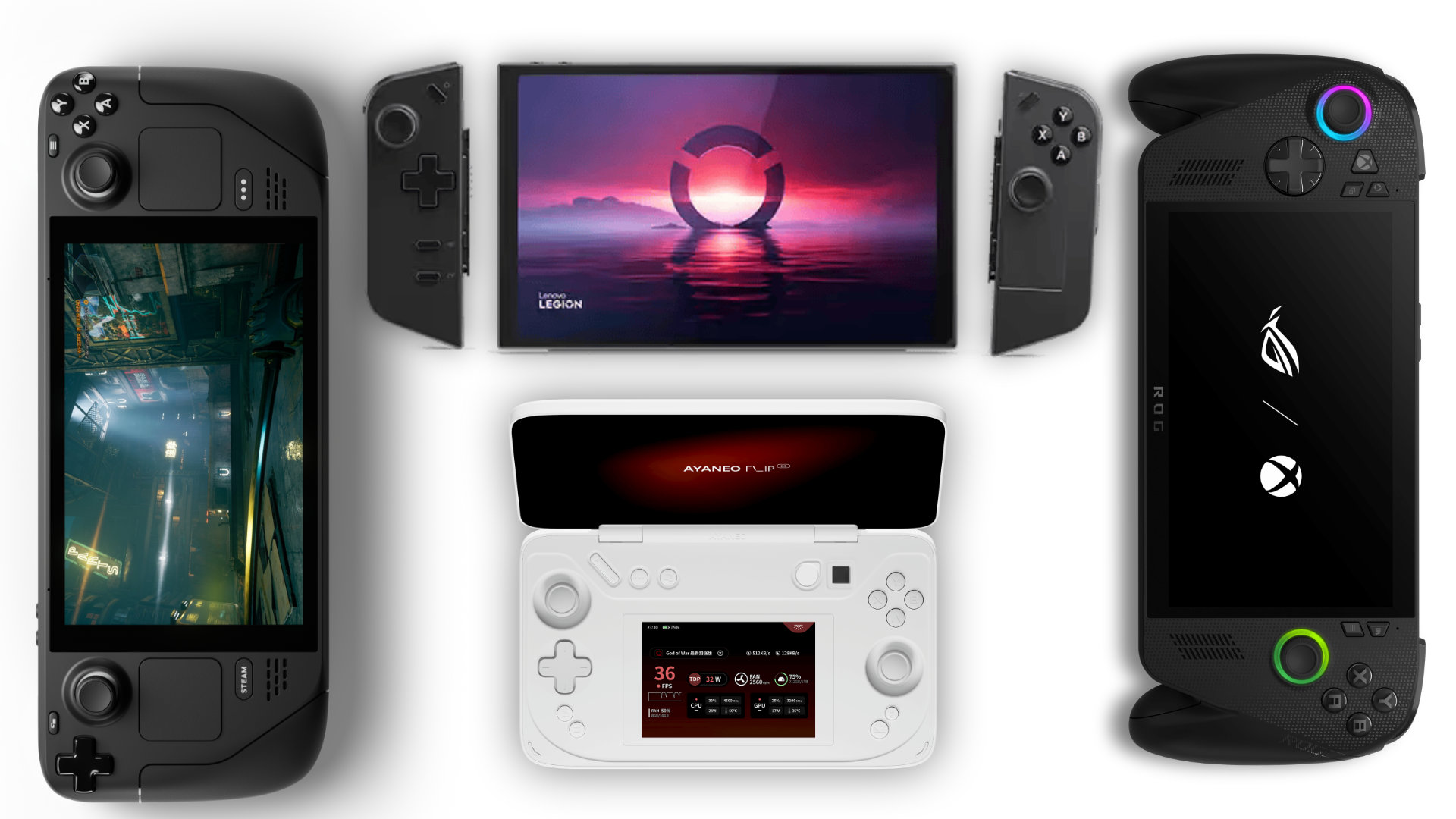
As mentioned, we’ve since seen the likes of ASUS, ASUS (aka Xbox) and Lenovo join the list of smaller manufacturers to bring Windows, SteamOS and Android handhelds to the market.
While still a niche within the PC space, the increased interest in portables and the rise in accessible parts which have seen notable shrinkages has made console-quality portables a true reality. This is where Sony once again enters the fray.

After going a whole console generation and then some without any word of a portable PlayStation experience, Sony surprise-announced the PlayStation Portal back in 2023. Though far from the PSP successor which many were hoping for, the remote play (now cloud streaming) enabled device served as an experiment of sorts to see how fans respond.
While the device itself is certainly not for everyone owing to its reliance on a stable internet connection, the Portal has managed to be a surprise sales hit, consistently sitting at or near the top of the best-selling accessories list, with Sony themselves stating multiple times that the Portal’s reception has exceeded expectations.
And so, with their toes sufficiently dipped back into the handheld water, Sony looks set to take a proper plunge into the pool. Though yet to be officially announced or confirmed, recent leaks and rumours have claimed that Sony is working on a proper dedicated PlayStation handheld to sit alongside its next-generation PS6.

Aside from some early SoC leaks and performance reports, little-to-nothing is known about the handheld and how it will sit within Sony’s line-up of consoles. That said, assuming it is done right, the PSP3 or whatever it winds up being called could be the true next-gen PlayStation Portable which many of us have been waiting generations for.
Not only has technology caught up, allowing handhelds to render games at perceptively high resolutions thanks to DLSS, FSR and PSSR, while maintaining relatively low power draws, but the Switch has served as a strong blueprint for how developers can adapt their games to both home and handheld console experiences – making ‘crossplay/buy’ a non-issue.
Perhaps the most interesting aspect of the PSP3 which we know nothing about is its design and hardware. Unlike the ROG Xbox Ally which needed only to alter its buttons and grip slightly in order to emulate an Xbox controller feel, the PS5’s DualSense is a far more complex accessory with its use of advanced haptics, adaptive triggers, gyro controls, a touchpad and more.
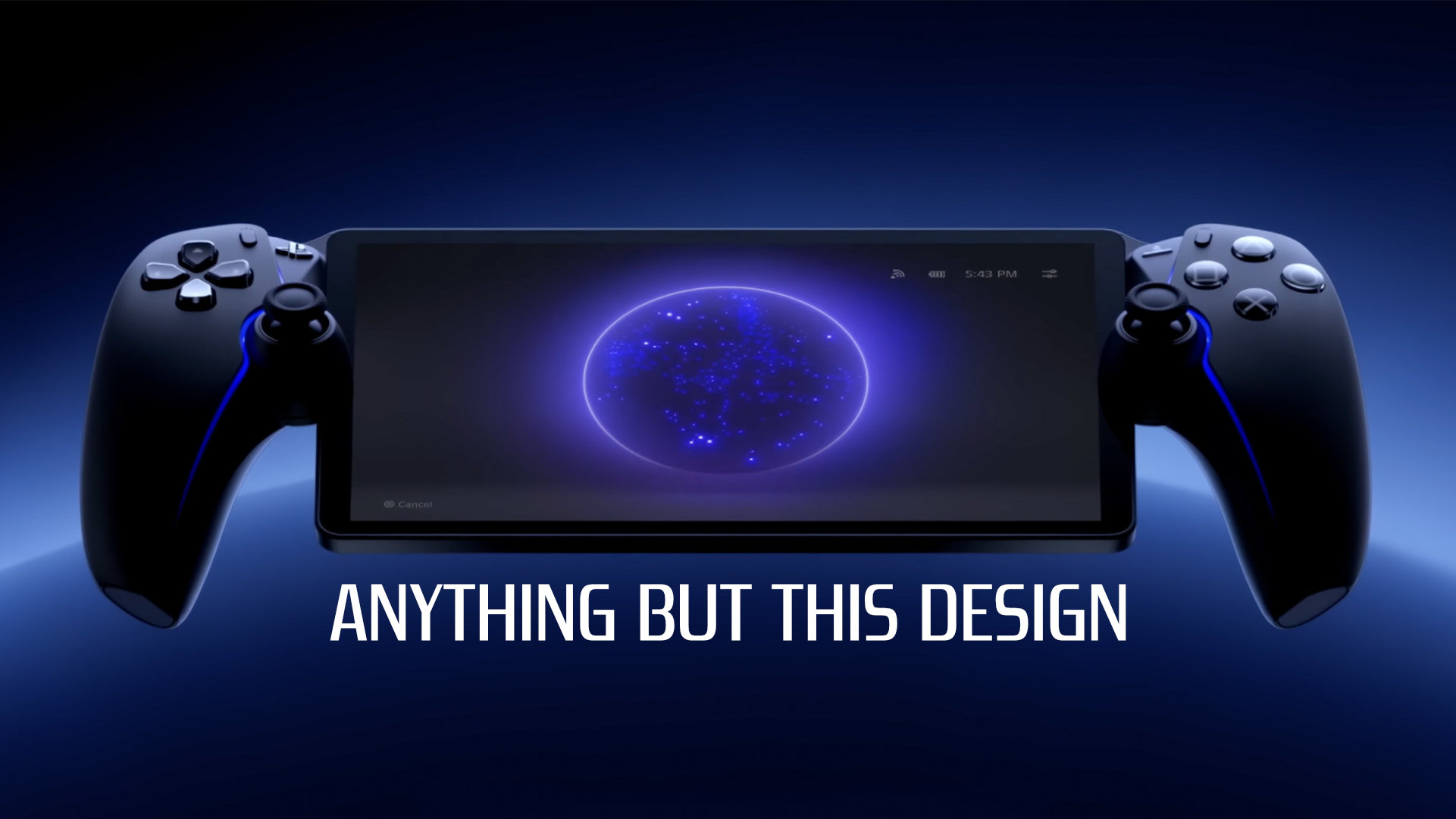
While we have seen the PS Portal ensure that all of the DualSense’s functionality is correctly replicated when playing in handheld, the Portal also features one of the most uninspired designs I've ever witnessed, looking like Sony simply cut a DualSense in half and glued the pieces onto the sides of an LCD screen.
Not only should the PSP3 look far more distinct and unique, but the realities of tech means that it will have to.
Unlike the Portal which is a glorified Google Chromecast, a proper dedicated PlayStation handheld will need to include all of the bits and bobs necessary to natively run games – meaning it will likely be both bigger and chunkier.
I concede to the fact that we are still many generations away from handhelds once again being fully-pocketable devices, but at the very least I hope to see the PSP3 manage to maintain a relatively slim profile while not looking like a brick.
Regardless of how it looks, feels or sells, I am excited to see Sony once again take on the handheld market. If there ever was a time when a new PlayStation Portable could succeed, it's now. Not just due to the many reasons listed above, but also thanks to the fact that we have once again entered that ‘right place right time’ moment of opportunity.
Discuss on our Facebook page HERE.
KitGuru says: What did you think of the OG PSP and PS Vita back in the day? Are we in a handheld renaissance? What would your perfect PSP3 look like? Let us know down below.